Education leaders are pretty comfortable with the lifting of vaccine mandates and agree continuing with mask use in schools is the right call.The Police Association has also welcomed today’s announcement by the Prime Minister that…
Category Archives: headline
Worlds largest Māori and Pacific Islands festival Polyfest goes digital
For the first time in nearly 50 years, Polyfest will go ahead without crowds and go digital. With the Omicron outbreak hitting its peak, the world’s largest annual Māori and Pacific Islands festival has taken centre stage online…
Investigation dealt a blow as Enchanter sinks during salvage attempt
An attempt to salvage the wreck of the Enchanter — which sank off North Cape on Sunday night with the loss of five lives — has failed. The vessel’s partly-submerged hull sank this afternoonas it was being towed to sheltered waters…
Three Covid-19 deaths in Wellington as Government announces restrictions will be dropped
Three people from the Wellington region have died of Covid-19 related causes and eight more have died across Aotearoa. There are 960 people in hospital with the virus with an average age of 59, and 39 people are in ICU. Of the…
Covid-19 Omicron outbreak: What to expect from BA.2's rise and rise in NZ
BA.2 is on track to all but squeeze its Omicron cousin out of Covid-19 circulation in New Zealand – but there’s still no clear evidence the faster-spreading sub-type is making people sicker. ESR’s bioinformatics and genomics lead…
'The bridge is gone': Heavy rainfall collapses bridge and floods properties on East Coast
Tokomaru Bay has been hit hard by heavy rainfall overnight, which has cut off the main bridge in the township and flooded schools, homes and a marae. Locals at the East Coast town of 450 people, an hour’s drive north of Gisborne,…
Man dies in Napier's Clive Square, police launch inquiry
A police inquiry is under way after the death of a man on the fringes of Napier’s Clive Square.Police said a report of disorder had been received at 11.40am on Wednesday. Police attended and provided assistance to a 32-year-old…
Armidale ranked worst air in Australia, while Tasmanians breathe easy
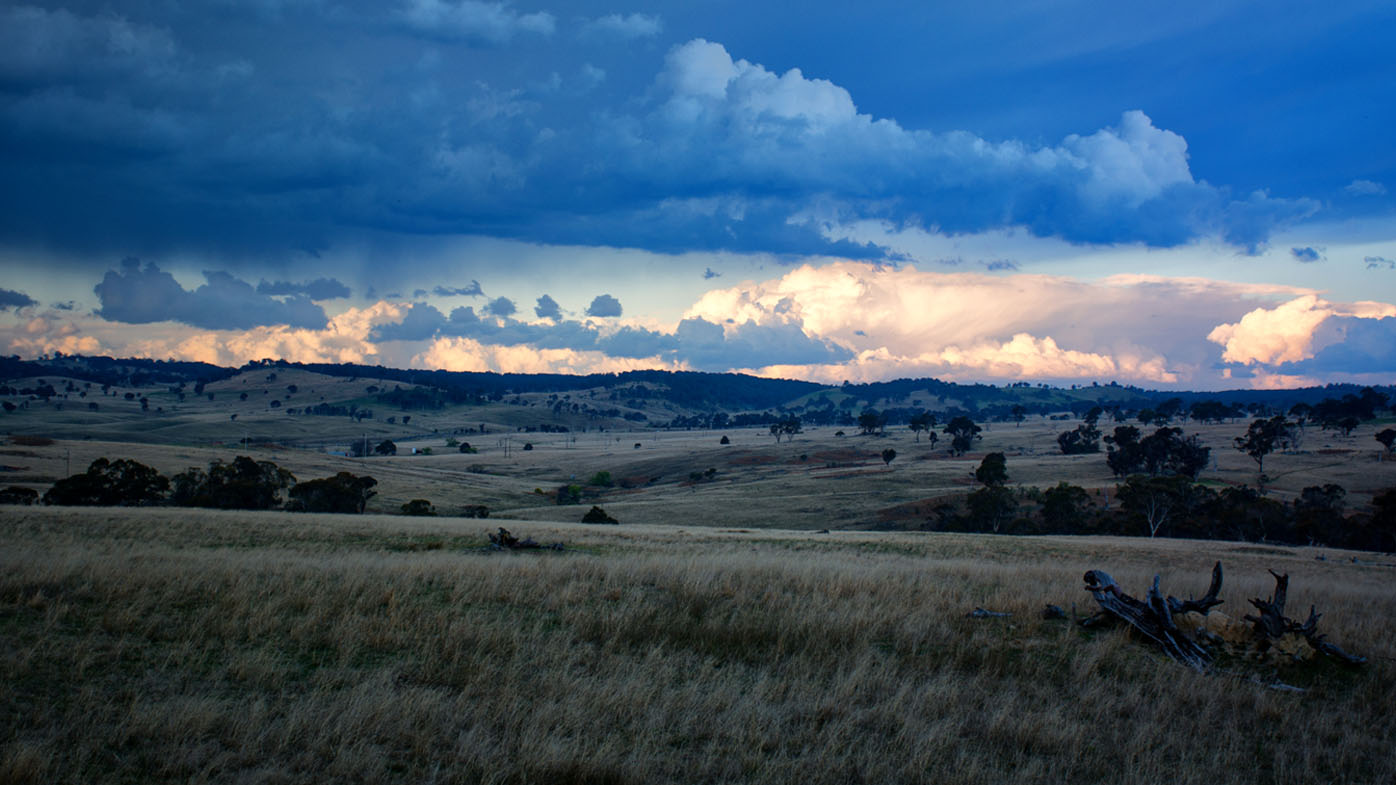
Armidale has the worst air pollution in Australia, with a new report revealing the New South Wales town exceeds the air safety guidelines of the World Health Organisation by more than double.
Located midway between Sydney and Brisbane, Armidale is known for its proliferation of wood burning heaters to ward off cold temperatures during winter.
Bathurst, also in NSW, is ranked second-worst, with the suburb of Ludmilla in Darwin rounding out Australia's top-three.
READ MORE: The rise and fall of Sydney's most expensive suburbs over last 30 years
Cockburn near Freemantle in Western Australia sits fourth, with Bungendore, east of Canberra, fifth.
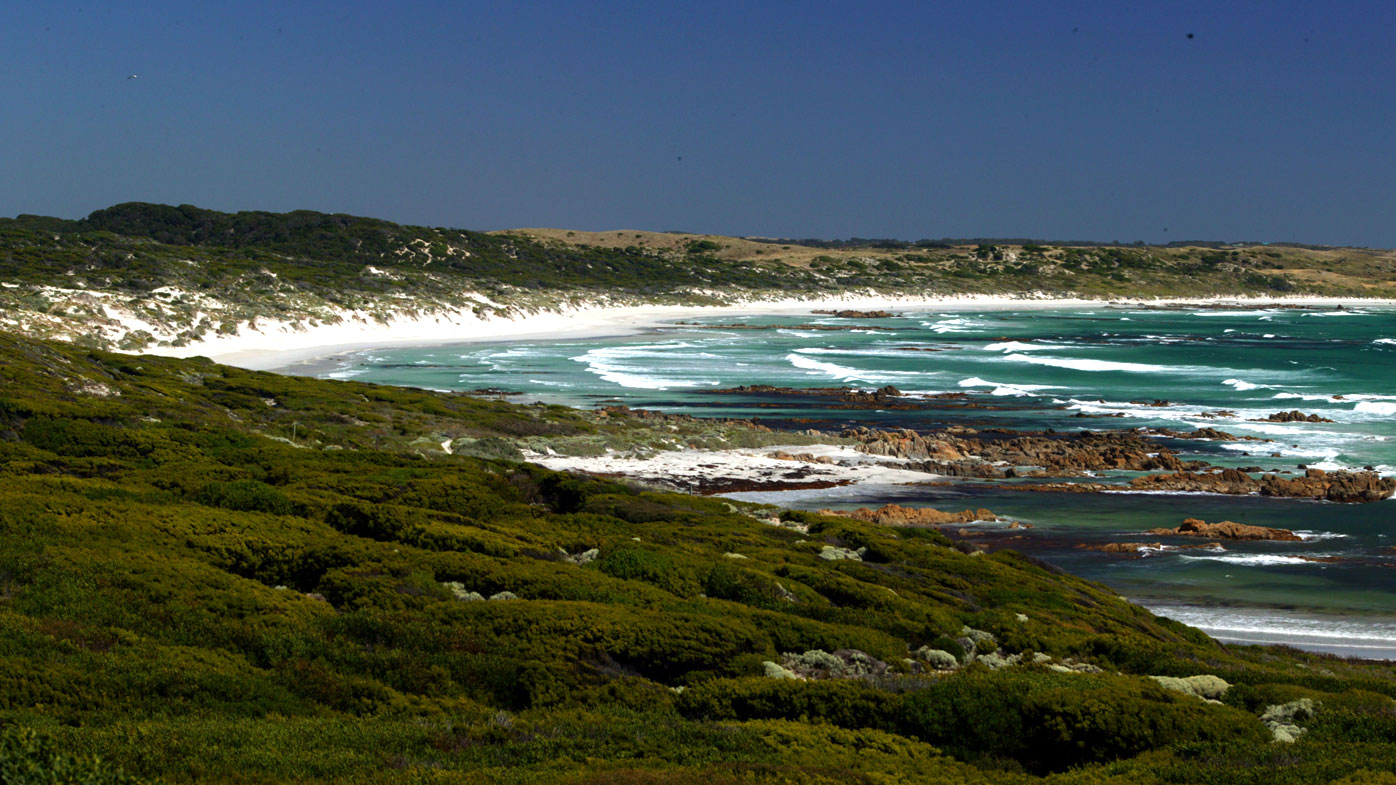
At the other end of spectrum, the small Tasmanian fishing town of St Helens had the cleanest air in Australia, according to the report, with Judbury, Emu River, Mornington and Gretna ensuring Tasmania clean-swept the top five.
The rankings, from IQAir, a company that tracks global air quality, certainly more than justify Tasmania's official tourism slogan, "Come down for air."
Rocky Carosi, who has lived in St Helens in north-eastern Tasmania for 31 years, said few locals would be surprised by the news.
"We are in the path of the Roaring Forties so we bit a get of wind (and) I guess that keeps things fairly clean and pure here," he told 9News.com.au.
Mr Carosi, a retired big game fishing charter boat operator, described St Helens as a "beautiful" little pocket on the island.
"It has fantastic beaches, lovely waterways and good access to the mountains," he said.
"When Tasmanians travel to the mainland cities I think they realise the qualities of what we have got here."
READ MORE: Where in the world are Roman Abramovich's private jets?
The IQAir report found that average annual air pollution in every country around the world — and 97 per cent of global cities — exceeded WHO's air quality guidelines, which were designed to help governments craft regulations to protect public health.
Oceania has the cleanest overall air quality in the world, the report found.
Forty-six cities in Australia, one in New Zealand, and one in New Caledonia all met the WHO PM2.5 air quality guideline of 5 µg/m3.
However, a further 63 cities in Australia and 20 in New Zealand failed to meet this standard, impacting the health of over 21 million people.
Of the 117 countries analysed, Australia was ranked ninth best country for air quality in the world, four places ahead of New Zealand.
Canberra was judged fourth cleanest air of the 107 worldwide capital cities monitored.
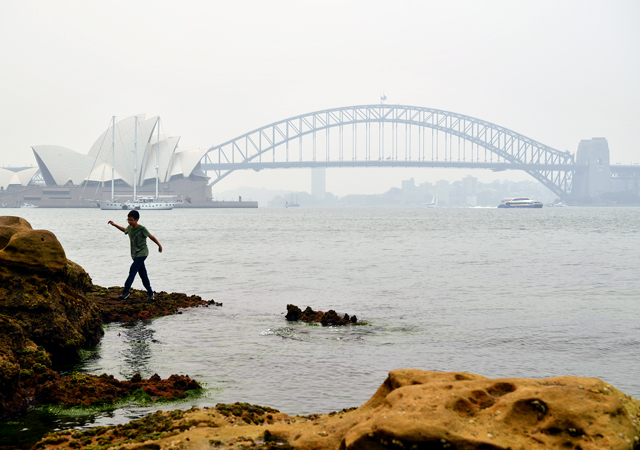
Although Armidale had the worst air quality in Australia, its air is roughly eight times cleaner than subcontinent megacities New Delhi in India and Dhaka in Bangladesh.
India, Pakistan and Bangladesh were among the countries with the worst air pollution, exceeding WHO guidelines by at least 10 times.
The research is the first major global air quality report based on WHO's new annual air pollution guidelines, which were updated in September 2021.
READ MORE: Jenni's dog was dying and she had no idea why. She went online looking for answers
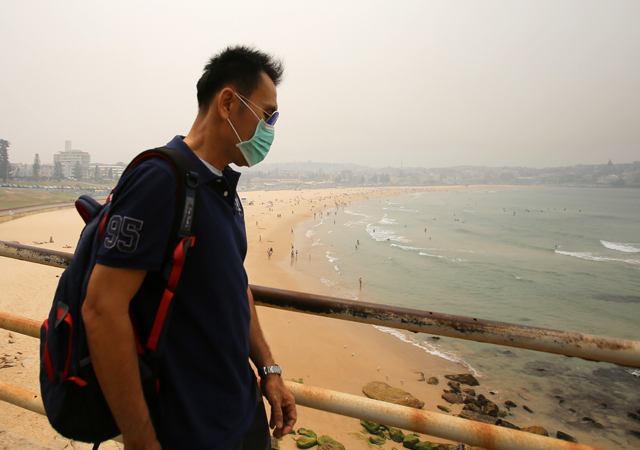
The new guidelines halved the acceptable concentration of fine particulate matter — or PM 2.5 — from 10 down to 5 micrograms per cubic metre.
PM 2.5 is the tiniest pollutant yet also among the most dangerous. When inhaled, it travels deep into lung tissue where it can enter the bloodstream.
It comes from sources like the burning of fossil fuels, dust storms and wildfires, and has been linked to a number of health threats including asthma, heart disease and other respiratory illnesses.
Millions of people die each year from air quality issues.
In 2016, around 4.2 million premature deaths were associated with fine particulate matter, according to WHO.
If the 2021 guidelines had been applied that year, WHO found there could have been nearly 3.3 million fewer pollution-related deaths.
With agencies
Covid-19: Blanket vax pass mandates now 'much less effective' – modeller
A top Covid-19 modeller has backed the Government’s reasoning for ending the need for vaccine passes in venues like restaurants and bars – but says keeping mask rules in place will be “crucial” for curbing Covid-19 spread. Prime…
What to know about hypersonic missiles fired by Russia in Ukraine
Russia has used hypersonic missiles in its invasion of Ukraine, US President Joe Biden has confirmed.
"And if you'll notice, (Russia has) just launched the hypersonic missile, because it's the only thing that they can get through with absolute certainty," Mr Biden said.
"It's a consequential weapon … it's almost impossible to stop it. There's a reason they're using it."
LIVE UPDATES: Albanese refuses inquiry over Kitching bullying claims
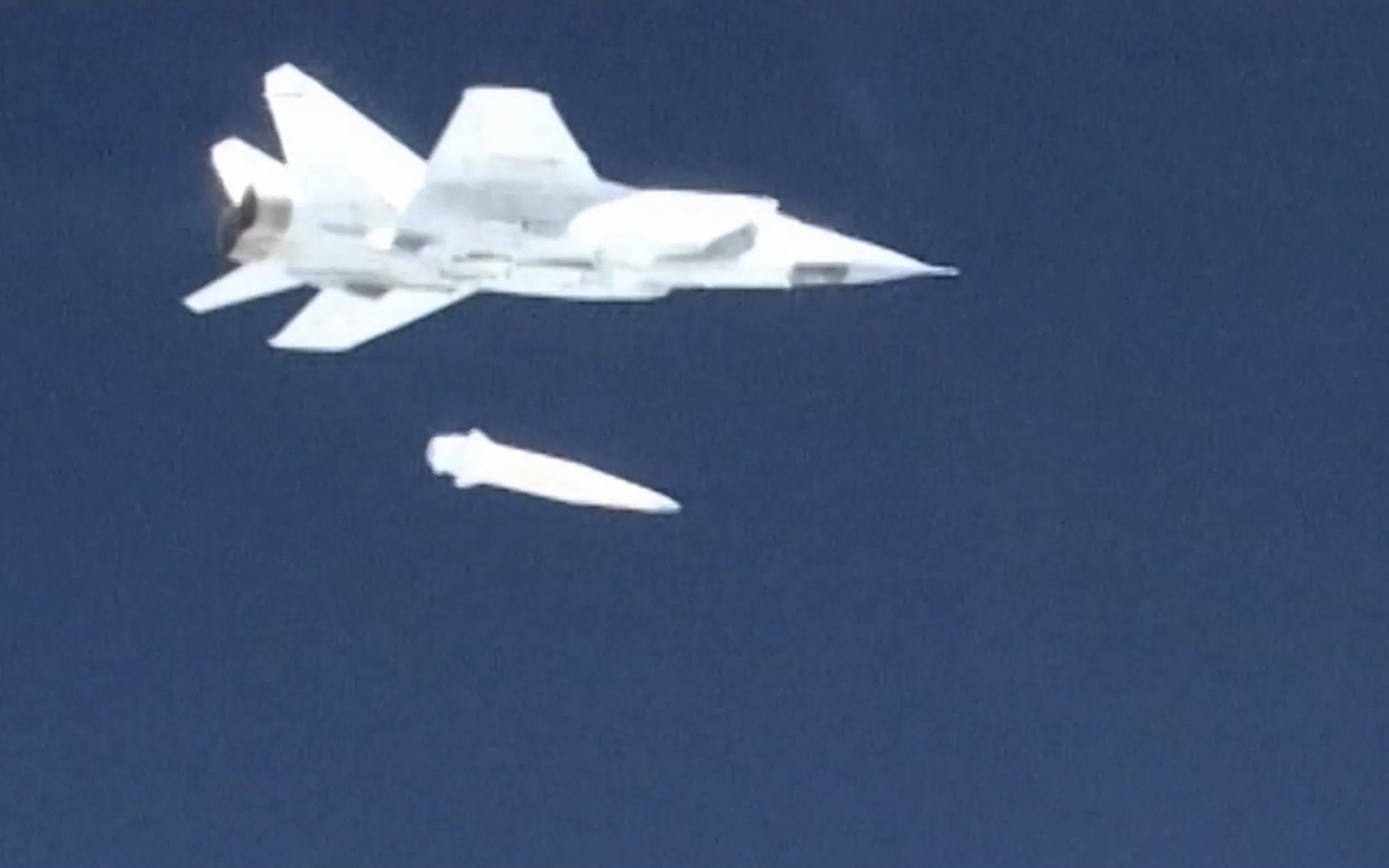
But British intelligence and even Mr Biden's own defence secretary have downplayed Russia's use of its air-launched Kinzhal missiles.
"I would not see it as a game-changer," Pentagon chief Lloyd Austin told CBS on Face the Nation.
And the UK Defence Ministry said the Kinzhal missile is really just an air-launched version of the Iskander short-range ballistic missile (SRBM), which Russia has used repeatedly in its invasion of Ukraine.
READ MORE: The weapons of the Russia-Ukraine conflict
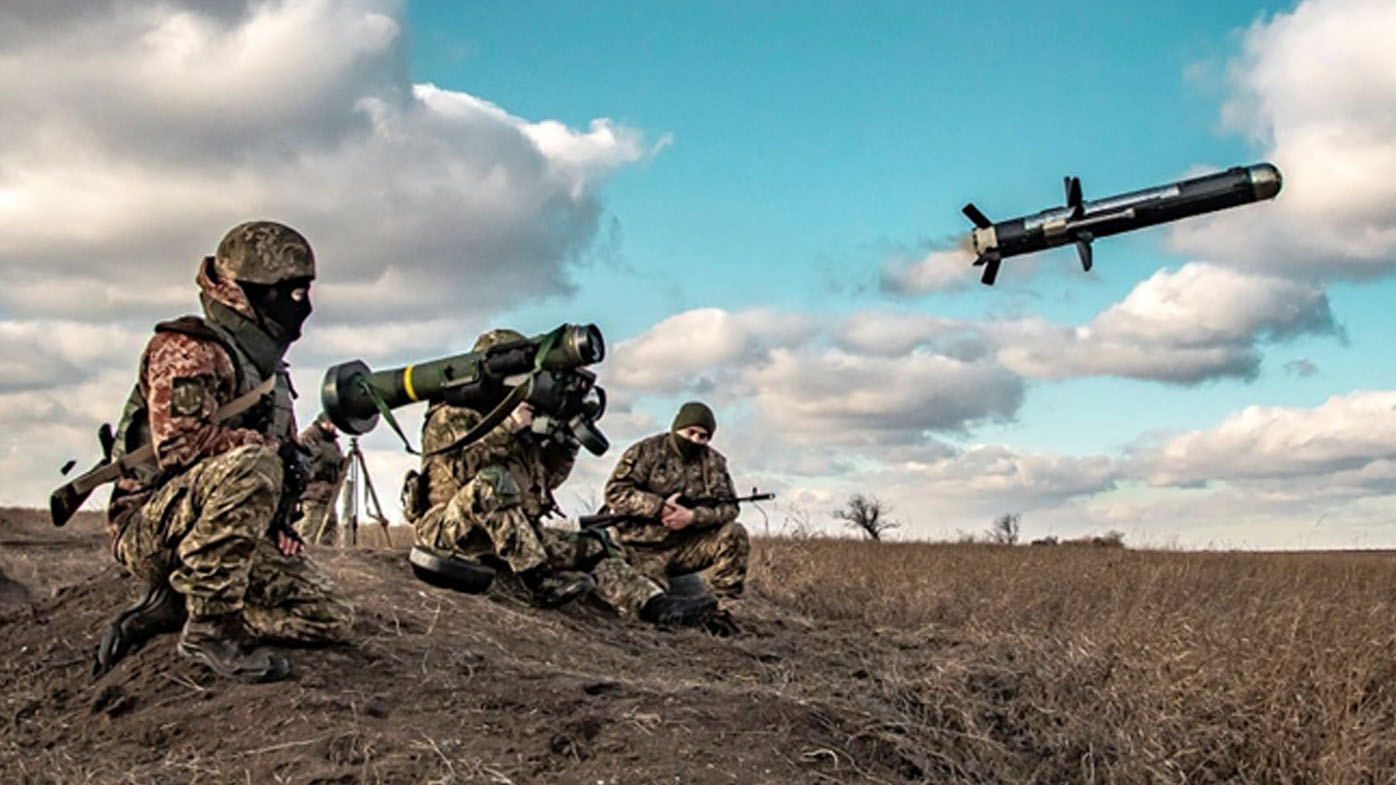
Why the hype about hypersonic missiles?
First, it's important to understand the term.
Essentially, all missiles are hypersonic – which means they travel at least five times the speed of sound.
Almost any warhead released from a rocket kilometres in the atmosphere will reach this speed heading to its target.
It is not a new technology.
What military powers – including Russia, China, the US and North Korea – are working on now is a hypersonic glide vehicle (HGV).
An HGV is a highly manoeuvrable payload that can theoretically fly at hypersonic speed while adjusting course and altitude to fly under radar detection and around missile defences.
READ MORE: Putin ally could soon join Ukraine war, US fears
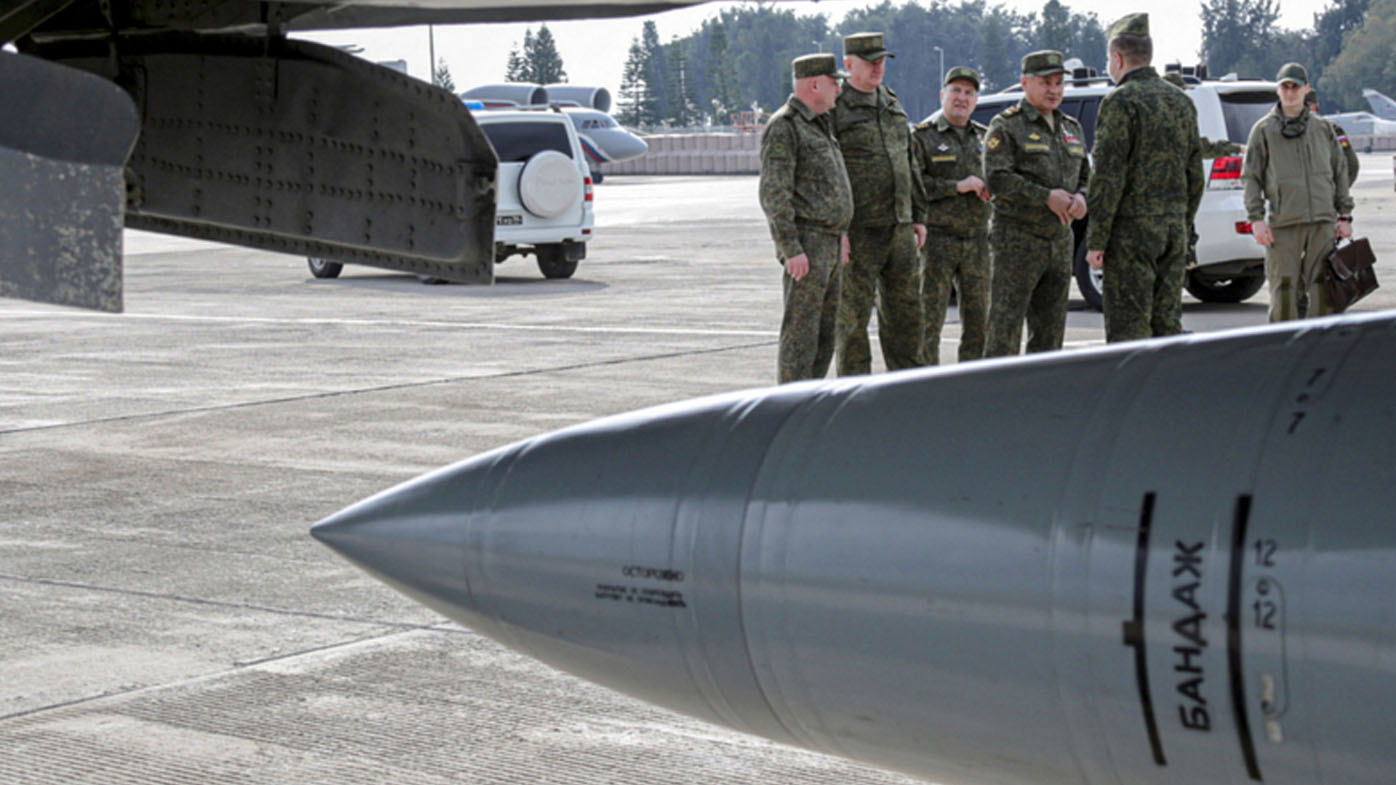
An HGV is the weapon that's almost impossible to stop.
And Russia is thought to have an HGV in its arsenal, the Avangard system, which Russian President Vladimir Putin in 2018 called "practically invulnerable" to Western air defences.
But the Kinzhal, as a variant of the Iskander SRBM, is not an HGV.
While it does have limited manoeuvrability like the Iskander, its main advantage is that it can be launched from MiG-31 fighter jets, giving it a longer range and the ability to attack from multiple directions, according to a report last year from the Centre for Strategic and International Studies.
"The MiG-31K can strike from unpredictable directions and could avoid interception attempts altogether. The flying carrier vehicle might also be more survivable than the road-mobile Iskander system," the report said.
The same report also noted that the ground-launched Iskander proved vulnerable to missile defence systems during the 2020 Nagorno-Karabakh war, during which Azeri forces intercepted an Armenian Iskander.
"This suggests that claims of the Kinzhal's invulnerability to missile defence systems may also be somewhat exaggerated," the report said.
READ MORE: Top doctors to meet as COVID-19 cases surge across country
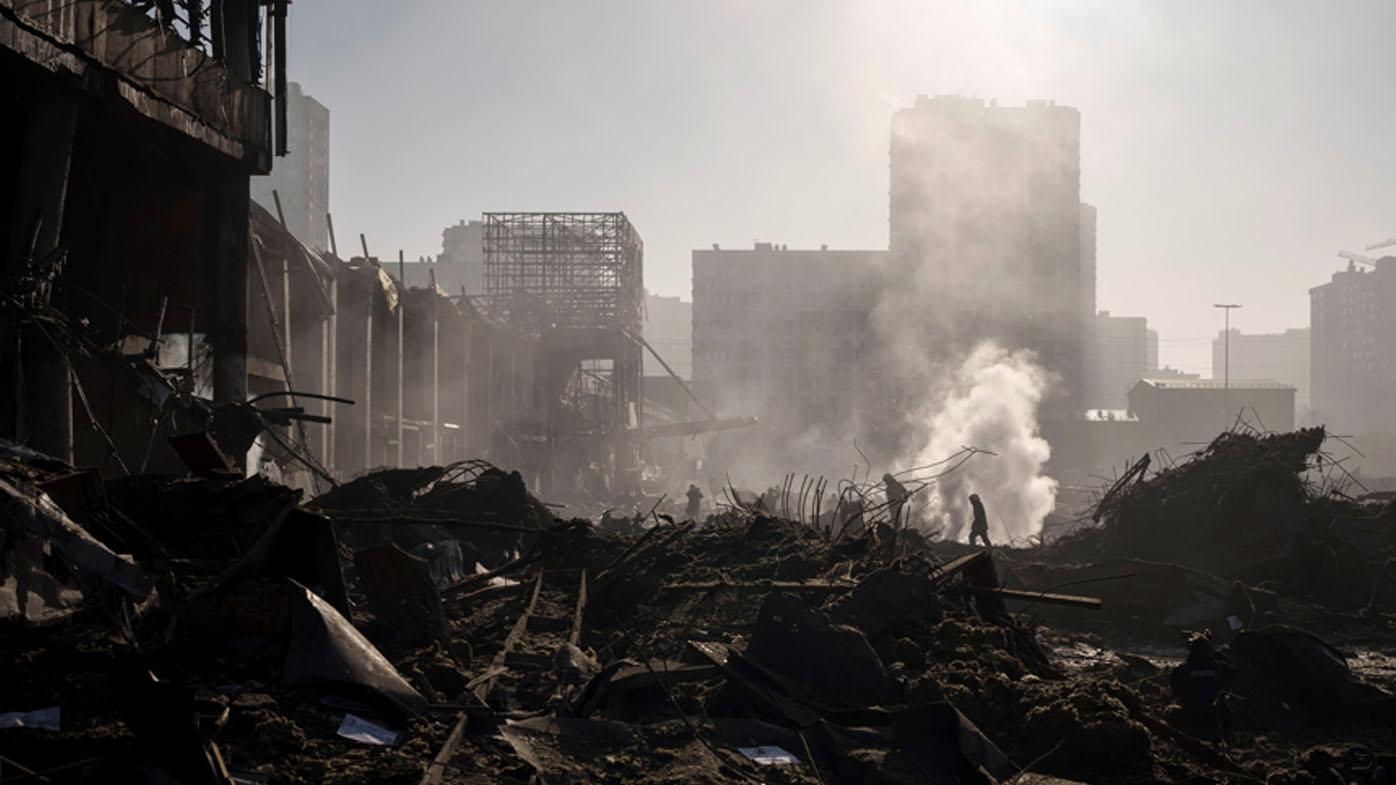
Does Ukraine have missile defences?
The US and its NATO allies are already sending several surface-to-air missiles systems to Ukraine to aid in its defence.
According to a senior US official, these additional systems include the Soviet-era SA-8, SA-10, SA-12 and SA-14 mobile air defence systems.
And NATO member Slovakia has agreed to send even better S-300 missile defence batteries to Ukraine once it gets suitable replacements from NATO partners, sources have told CNN.
Why did Putin use the Kinzhal missile?
The launches were likely intended to test the weapons and send a message to the West about Russian capabilities, multiple sources told CNN.
And with the war on the ground in Ukraine becoming a stalemate, Russia may be looking for victories it can tout.
The UK Defence Ministry said Moscow probably deployed the Kinzhal to "detract from a lack of progress in Russia's ground campaign".