An independent inquiry has been launched after Wellington Water was found to have overseen low and inconsistent levels of fluoridation in the region’s water supply for four years.Fresh revelations have also emerged tonight that…
Category Archives: headline
Covid 19 Omicron outbreak: Principal says virus has 'without a doubt' spread within school
An intermediate principal says Omicron has spread between her students despite the school’s best efforts, with half of student Covid cases clustered in groups of close friends.Henderson Intermediate principal Wendy Esera shut the…
Inflation Nation: Fuel hacks – how to minimise pain and maximise savings at the pump
The rising cost of living and the return of inflation is hitting Kiwis hard. In a new Herald series, Inflation Nation, we explore the reasons and impacts of the price shock – and possible solutions. We also share some great life hacks…
Parliament protests: National wants to grill Police Commissioner over occupation, riot
National wants to grill the Police Commissioner about the Parliament occupation and riot but the Government says any review must be free of political interference.The occupation ended on March 2, when rioting broke out and protesters…
Covid 19 Omicron: Officials stalling on unvaxxed driver licence test ban, National says
A ban on unvaccinated driving students sitting practical tests is still in place, with the Transport Minister saying instructors are worried about catching Covid-19.A driver education network has said the current ban was foolish…
Jail time for Northland drink-driver who crashed into family's home
A Whangārei family were fortunately elsewhere on their property when a fifth-time drink-driver crashed his vehicle through a fence and into part of their house. Jason McKeeman, 29, had a breath-alcohol level of 727mcgs when…
Apple co-founder predicts Bitcoin to hit US$100,000
The co-founder of technology giant Apple has predicted that Bitcoin will more than double in price based off market speculation alone.
Speaking on the Wild Ride with Steve-O podcast, Steve Wozniak said he has personally experimented with cryptocurrency but is not "in it to make money".
"Just recently I think that Bitcoin is going to go to US$100,000," Wozniak told the podcast.
"I don't know where I get that theory – I can't put any mathematics to it – I just really feel it from all of the interest in crypto."
EXPLAINER: What would a Russian bond default mean?

MR Wozniak – who co-founded Apple Inc. in 1976 with business partner Steve Jobs – said while he felt Bitcoin was safe because it was "the big elephant on the block", there was a large amount of risk in people investing in cryptocurrencies.
"I think it's being used a lot these days to rip people off," Mr Wozniak said.
"(People will say) 'I'll start a crypto, I'll hire an engineer that knows how to create it and I'll get a celebrity to back it up. And we'll put out the Kim Kardashian coin' – or something like that.
"And I see this happening all the time where the founders of these coins pull out millions of dollars right away from investors that say, 'I want to get in quick when it's young because it's going to grow like Bitcoin and I'll make a billion out of pennies'.
"And then they jump in and it goes to zero. That's the common story."
READ MORE: Russian bomb destroys Ukraine theatre housing 'hundreds' of civilians

Mr Wozniak's comments come amid a near-standard rollercoaster week for Bitcoin, which has been see-sawing between a number of geopolitical issues and an equal number of prices.
"Bitcoin began last week trading in the range of US$38,000 before rallying midweek on the news of an executive order on crypto from US President Joe Biden's White House, rising to above US$42,000," eToro market analyst and crypto expert Simon Peters said.
"The executive order set out key aims for US institutions to lay the groundwork for better regulation, but contained little of real substance other than hints at a US digital dollar in the pipeline.
"Bitcoin's price fell away quickly after the announcement and is now trading back in the US$38,000-US$39,000 range."
One Bitcoin is currently worth just over US$41,000 ($56,000).
The information provided on this website is general in nature only and does not constitute personal financial advice. The information has been prepared without taking into account your personal objectives, financial situation or needs. Before acting on any information on this website you should consider the appropriateness of the information having regard to your objectives, financial situation and needs.
Covid 19 Omicron outbreak: New data shows elderly make up more than half and Māori a quarter of all pandemic deaths
People over the age of 70 make up over half of all Covid-19 deaths since the beginning of the pandemic in New Zealand. New data from the Ministry of Health shows that 95 people over the age of 70 have died with the virus. The…
High-tech to homemade: The weapons of the Ukraine conflict
The Ukraine conflict is being fought with a range of weapons, from high-technology armaments to home-made explosive devices.
The Ukrainian armed forces were recently modernised but are outnumbered and outgunned by the invading Russians, figures from the International Institute for Strategic Studies in the UK show.
Russia already holds a major advantage in military manpower, with 900,000 active personnel in its armed forces, and 2 million in reserve.
READ MORE: Invasion reveals a host of weaknesses in Russia's military
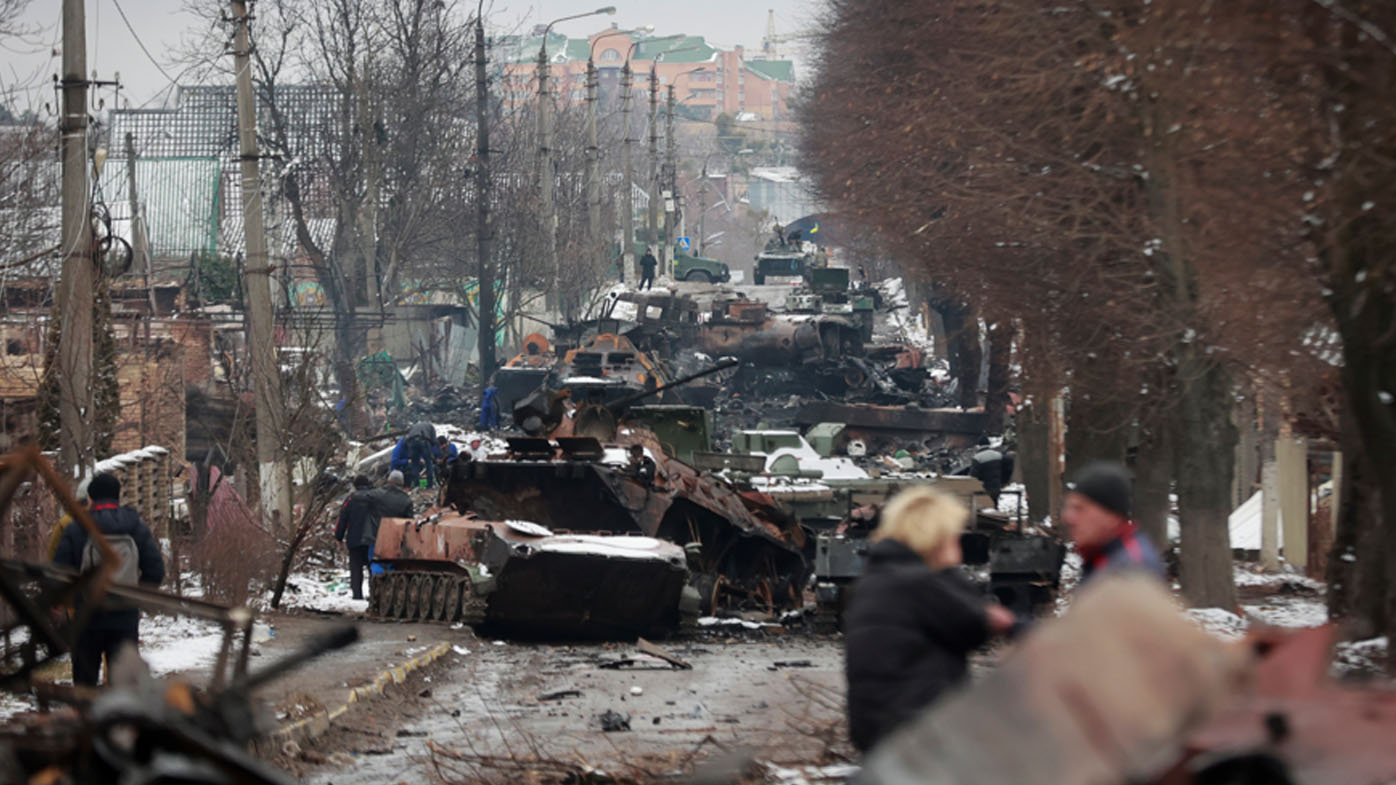
In comparison, Ukraine has 196,000 and 900,000 reservists.
Russia also outnumbers Ukraine in terms of military equipment, for example it has more than 15,857 armoured fighting vehicles, to Ukraine's 3309.
But the determined resistance by outgunned Ukraine over the past seven days shows fighting spirit is important.
And Kyiv has been promised further supplies of modern military hardware, such as anti-tank and anti-aircraft missiles, from western countries including Australia.
Here are some of the weapons either on the battlefield or heading to it.
READ MORE: US to deliver drones, anti-aircraft weapons to Ukraine after Zelenskyy speech
Drones
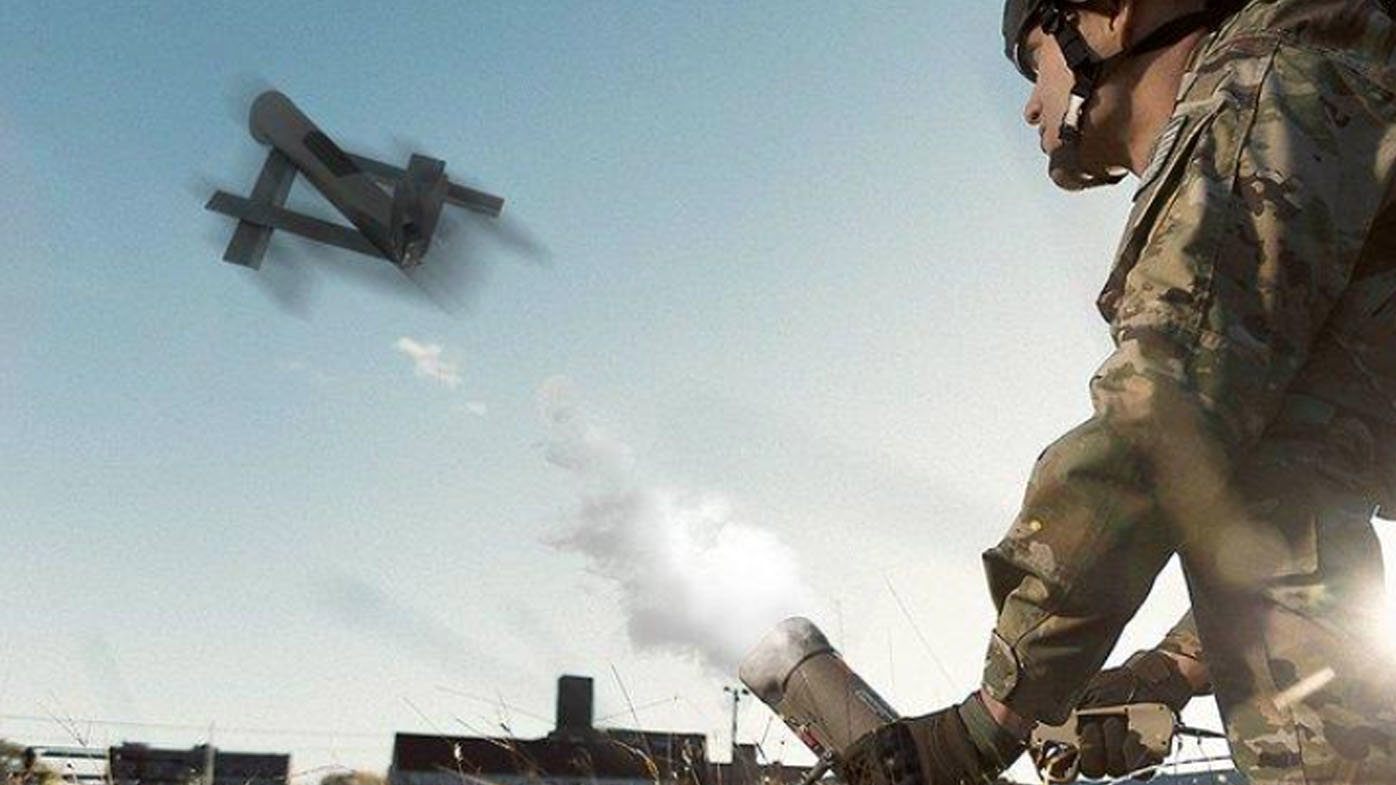
Among the array of new weapons the US is sending to the Ukrainian military is an advanced dive-bombing drone.
They are part of an additional $1 billion in military equipment as part of the Biden administration's $18.6 billion aid package for Ukraine.
The aerial weapons are tube-launched from the ground and plunge into their targets, according to people familiar with the plans, reports the Bloomberg agency.
The Switchblade drone has been used by US special forces soldiers since it was secretly sent to Afghanistan in 2010 for use against the Taliban. US Army officials have described it as a flying shotgun. It's less than 61cm long and weighs about 2.7kg, making it highly portable. It can fit into a soldier's rucksack.
In announcing the latest shipment of weapons for Ukraine, US President Joe Biden said they included "our most cutting-edge systems". Officials familiar with the planned arms package confirmed it included the armed Switchblade.
READ MORE: Russian bomb destroys Ukraine theatre housing 'hundreds' of civilians
Cruise missiles
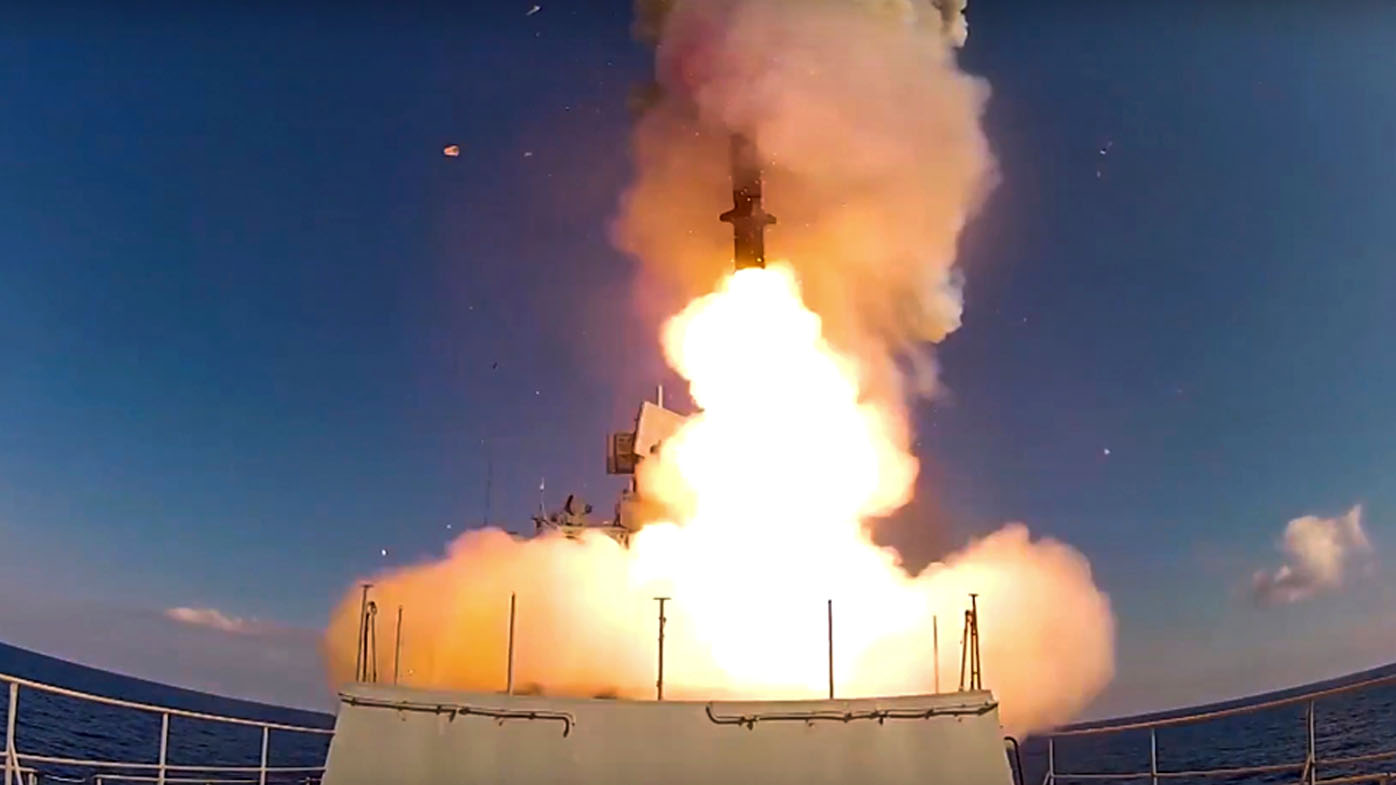
The Russian military has used warplanes and Kalibr (Caliber) cruise missiles to hit facilities throughout Ukraine.
The Kalibr is a precision weapon, but Ukrainian military facilities and government buildings apparently targeted by those missiles in Kyiv and Kharkiv are located close to residential areas, resulting in civilian casualties.
The same applies to missiles carried by Russian warplanes, which targeted military infrastructure in strikes that also involved collateral damage.
To hit key targets, the Russian military also has used Iskander missiles that have a range of up to 500km and carry a much more powerful warhead that can destroy big buildings and some fortified facilities.
Some Iskander missiles were reportedly fired from the territory of Russian ally Belarus, which has served as a staging ground for the Russian invasion.
READ MORE: Logo of Russian fast-food chain touted to replace McDonald's looks familiar
Air power
Ukraine has pleaded for more warplanes as the Russian air force targets cities.
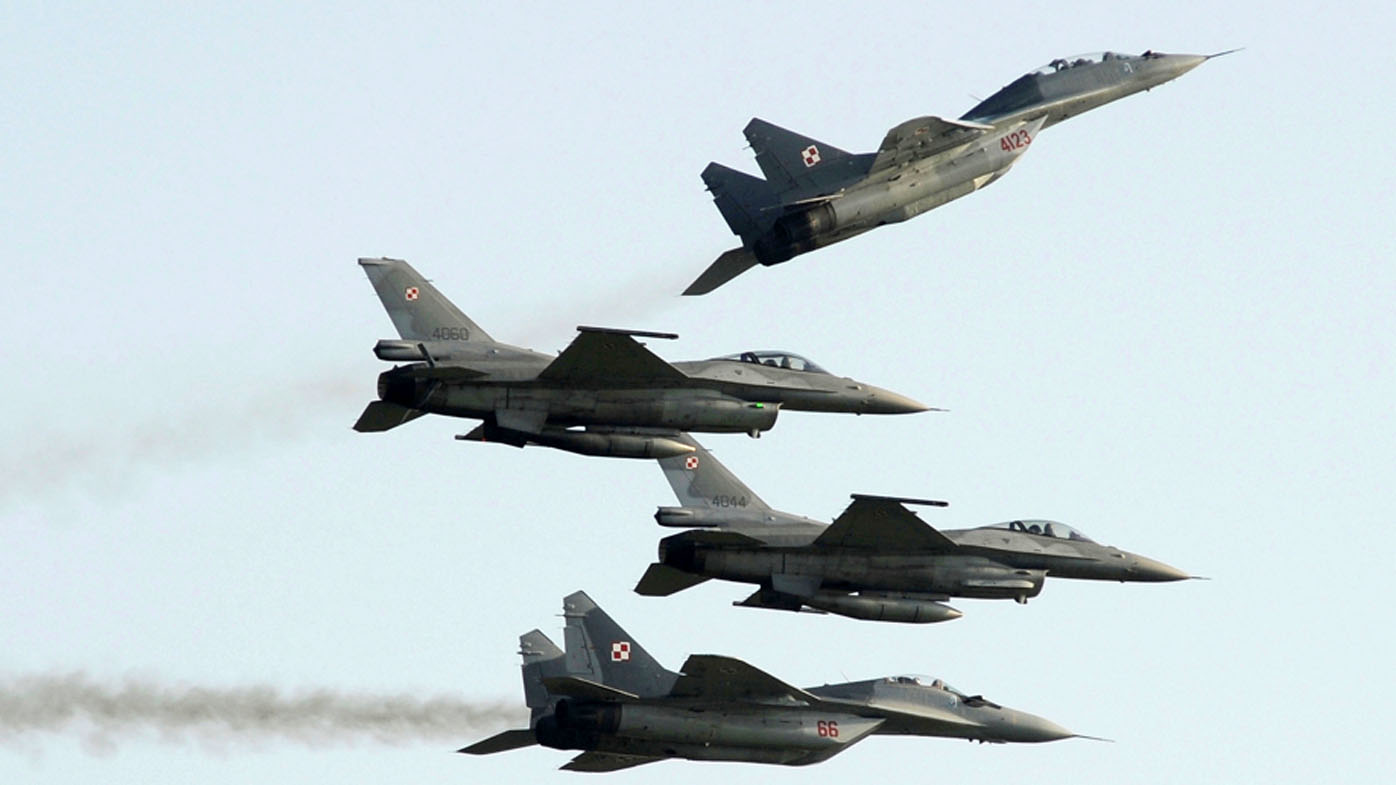
The US rejected a proposal from Poland to send Soviet-era fighter jets to Ukraine by way of a US-NATO air base in Germany.
Ukrainian President Volodymyr Zelenskyy has been asking the West for MiG-29 fighter jets, which were used during the Cold War and that Ukrainian pilots were trained to use, to maintain control of the skies in his country as it remains under attack by Russia.
The air force has been far outnumbered by its much more powerful Russian counterpart, but Ukrainian pilots have continued to fly combat sorties and claim kills in combat.
NATO chiefs have also ruled out declaring a no-fly zone against Russian aircraft over Ukraine.
READ MORE: How plausible is Chinese military aid for Russia?
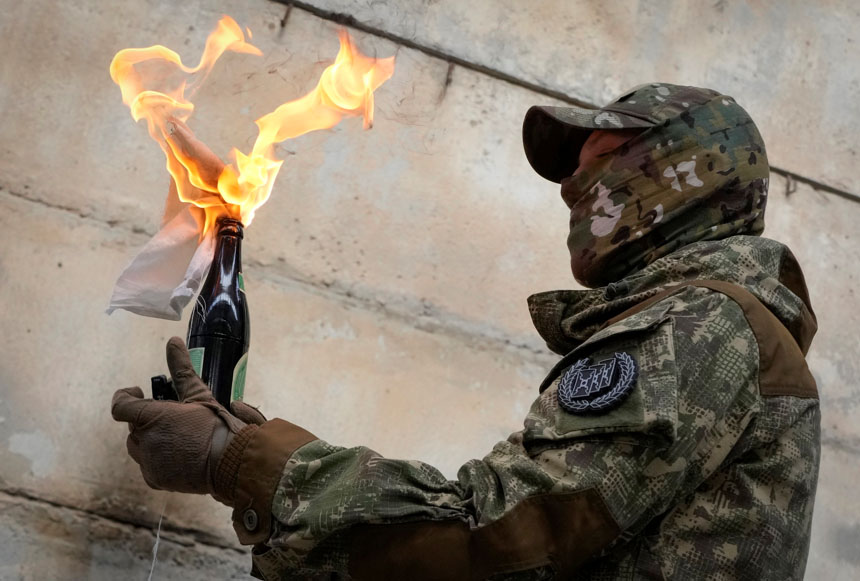
Molotov cocktail
From the start of the Russian invasion last Thursday, Ukrainian authorities broadcast instructions how to make this simple explosive device.
Ironically named after World War II Russian foreign minister Vyacheslav Molotov, they are made from a glass bottle filled with a flammable substance and topped with a cloth in the bottle rim.
When lit, the cloth acts as a wick, or fuse, before the bottle is thrown at an enemy.
On impact, the shattered glass releases the flammable liquid causing a fireball.
READ MORE: What happens if Putin holds oil supplies hostage?
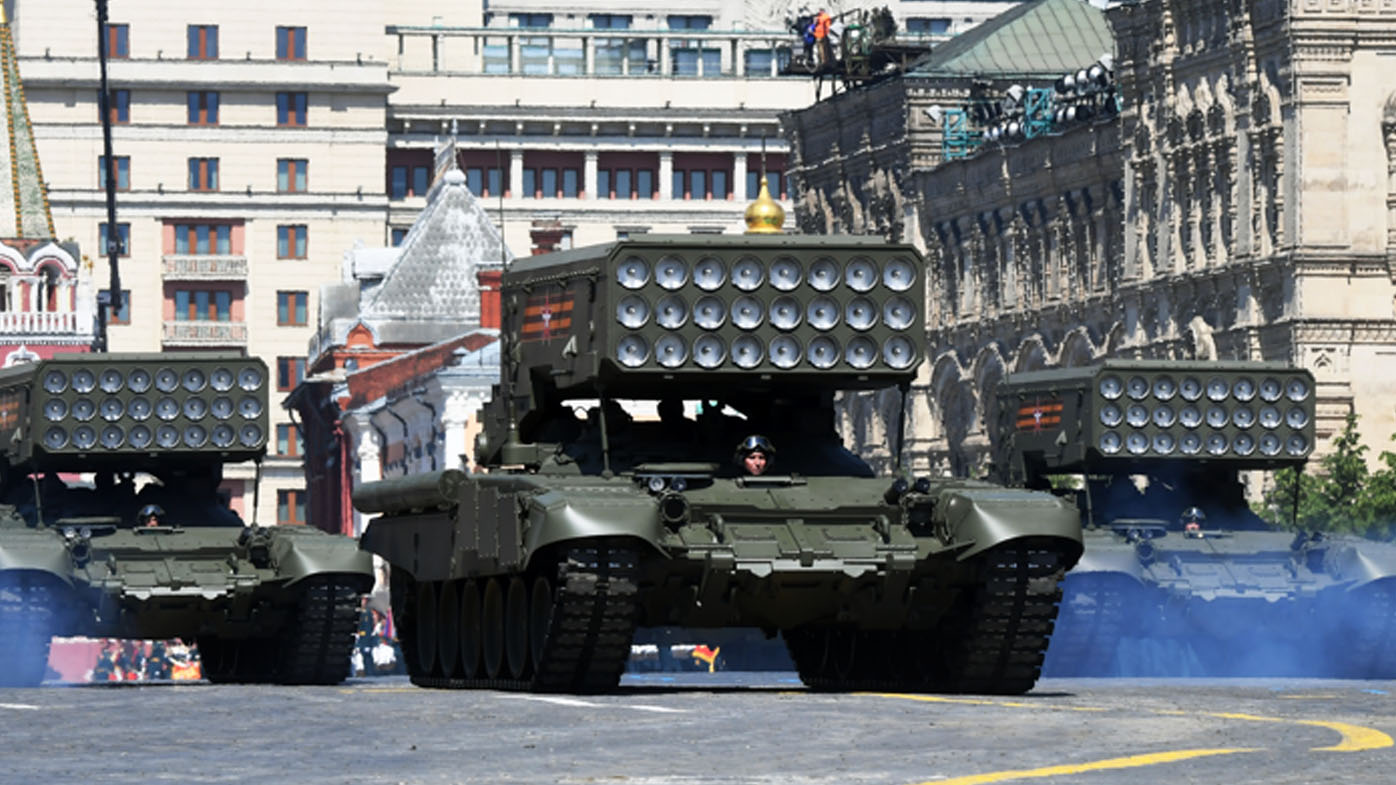
'Vacuum bomb'
At the other end of the technological scale is Russia's controversial thermobaric weapon, or "vacuum bomb".
These munitions do not use conventional ammunition.
Instead, they are filled with high-temperature, high-pressure explosive.
They are sometimes called "vacuum bombs" because they suck in the oxygen from the surrounding air to generate a powerful explosion and a large pressure wave that can have enormous destructive effects.
Russia deployed thermobaric weapons in Chechnya during the 1990s, with horrifying consequences, according to Human Rights Watch.

Stinger missiles
In a significant strategic development, the US has decided to send shipments of Stinger missiles to Ukraine to fight the Russians.
Developed by the US Army in the 1980s, the Stinger is a 15-kilogram shoulder-mounted missile that uses an infrared sensor to locate an aircraft by its heat.
The 1.5-metre-long missile travels at twice the speed of sound and destroys its target with fragmentation explosives.
Stingers supplied by the Reagan administration successfully helped Afghan rebels shoot down Russian aircraft during the Afghanistan conflict in the 1980s.
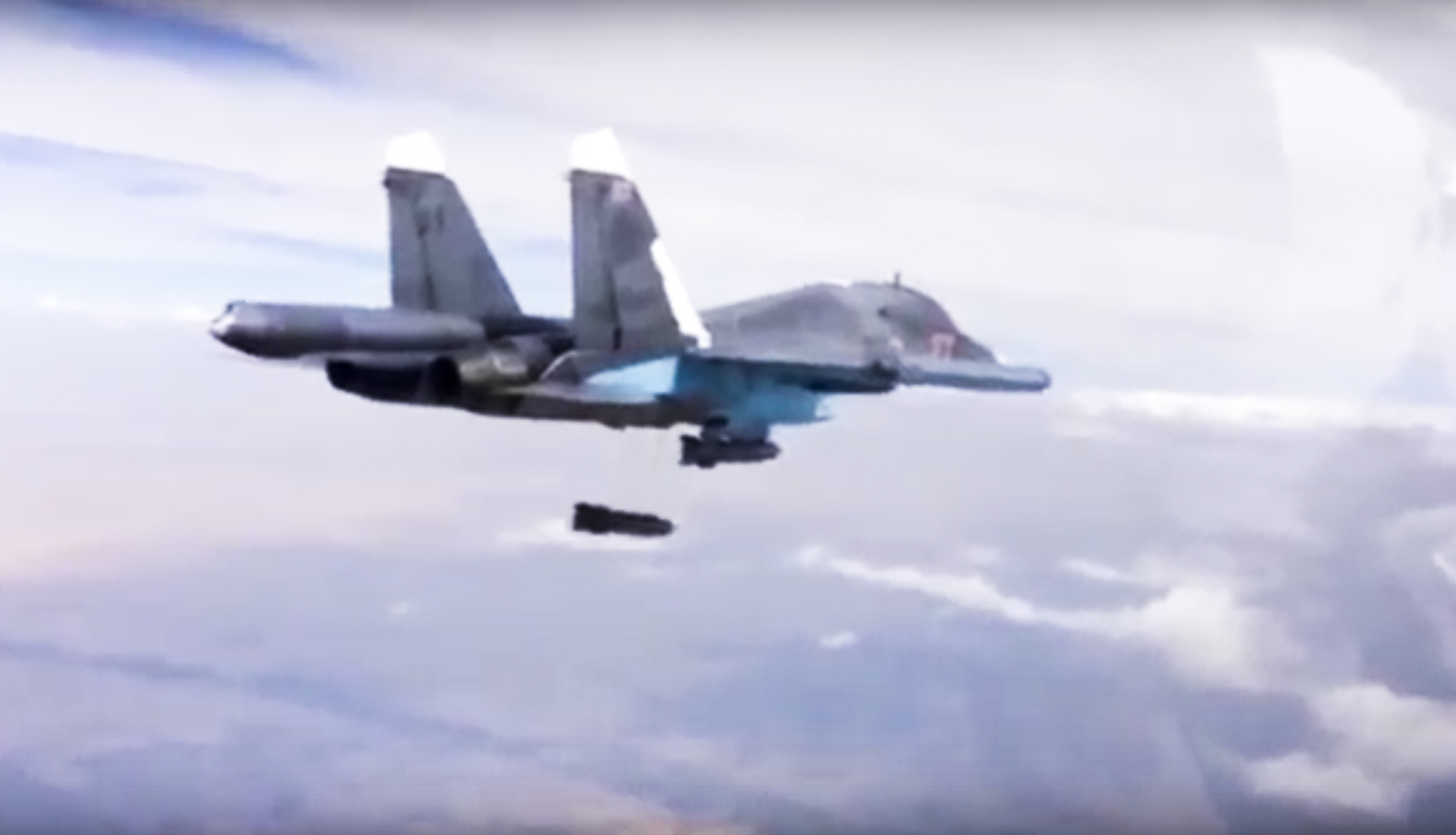
Cluster bombs
Human rights groups say Russia is using cluster bombs in its invasion, a charge Moscow denies.
Cluster bombs are weapons that open in the air, releasing submunitions, or "bomblets," that are dispersed over a large area, intended to wreak destruction on multiple targets at once.
Cluster bombs can be delivered by planes, artillery and missiles, according to the International Committee of the Red Cross (ICRC).
Beyond the initial harm caused by the munitions upon impact, bomblets have a high rate of failure to explode, up to 40 per cent in some recent conflicts, according to the ICRC.
That leaves swathes of land dotted with bomblets that could explode among unsuspecting civilians.
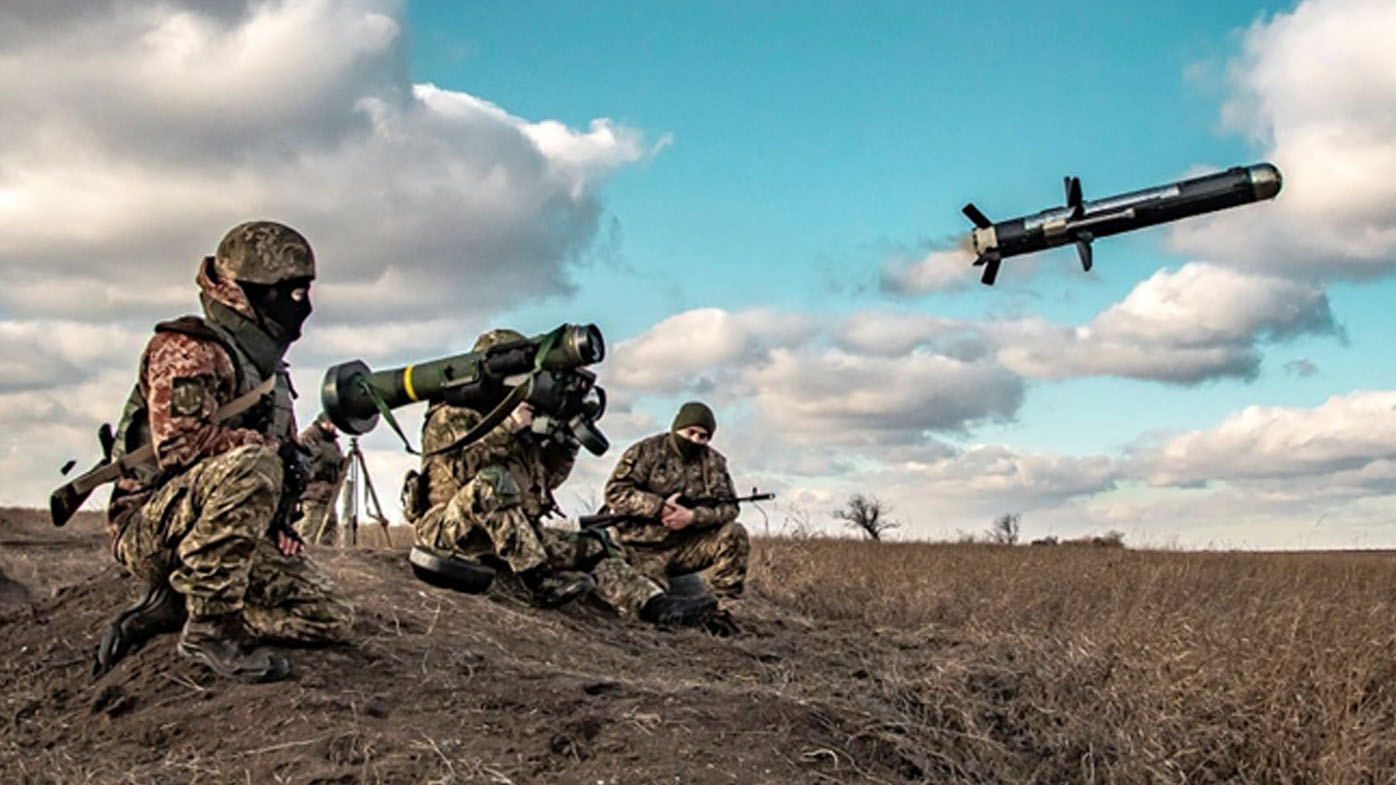
Javelin anti-tank missile
Further stocks of this advanced land weapon have been promised by western countries for Ukraine to supplement shipments supplied by the US and Britain before Russia's invasion.
The Javelin is a lightweight, man-portable, shoulder-fired missile system that has been proven to destroy armoured vehicles in other global conflicts.
It has a range of up to 4000 metres and requires only 72 hours training for operators – a crucial factor for the desperate Ukrainian defenders.
– Reported with Associated Press, CNN
Labour just ahead in latest poll, after crash in support
Labour is only just ahead of National in the latest Taxpayers’ Union-Curia poll, with just 0.9 points separating the parties.Labour is on 36.2 per cent, falling 6.1 points. National is also down, but its support only fell 3.1 points…