Category Archives: headline

Women with endometriosis at greater risk of ovarian cancer

There's new evidence of a link between a chronic condition plaguing Australian women and ovarian cancer.

Researchers have discovered a strong genetic causal relationship between endometriosis and three types of ovarian cancer.

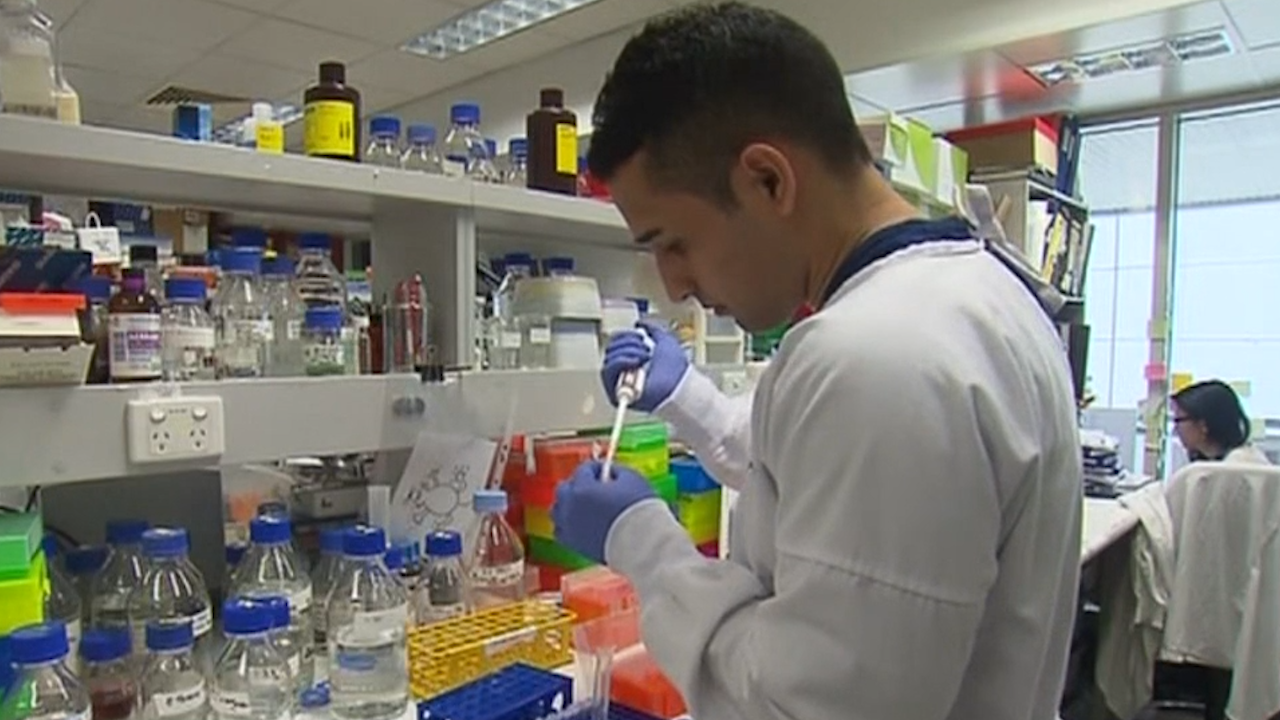
"We were able to identify 19 locations across the genome that contain genetic markers that increase their risk to both diseases," said lead investigator Dr Sally Mortlock from the University of Queensland's Institute for Molecular Bioscience.

READ MORE: 'Curled up in a ball, I was inconsolable': Living with endo

There's new evidence of a link between a chronic condition plaguing Australian women and ovarian cancer.

Endometriosis is a progressive, chronic condition that affects about one in nine Australian females.

It occurs when tissue, similar to the lining of the uterus, infiltrates nearby organs and causes inflammation, swelling and scarring.

The symptoms include painful periods, pelvic and back pain, nausea and fertility problems.

Endometriosis occurs when tissue, similar to the lining of the uterus, infiltrates nearby organs and causes inflammation, swelling and scarring.

Previous studies have shown that endometriosis sufferers have a slightly increased risk of developing epithelial ovarian cancer, which is the most common type.

To shed more light on this link, Australian researchers joined forces with experts in the US and UK to investigate.

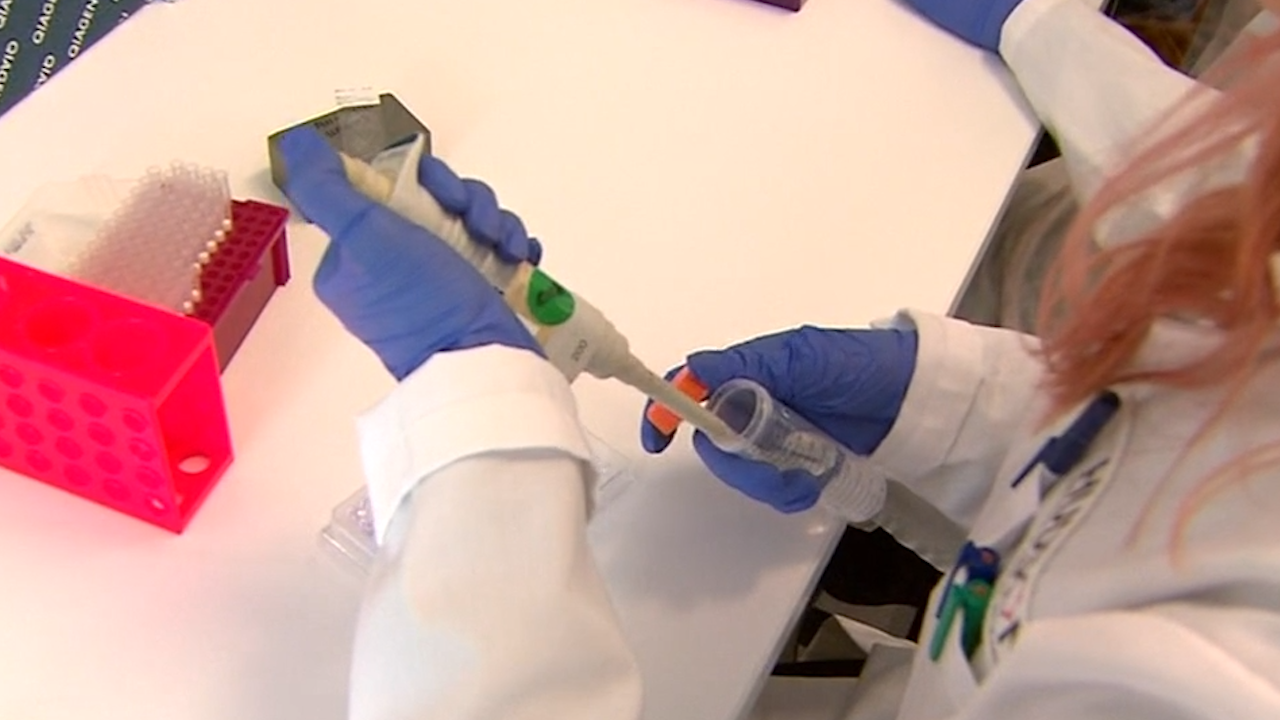
They combined large datasets comparing the genomes of 15,000 people with endometriosis and 25,000 with ovarian cancer to find an overlap in risk factors.

Previous studies have shown that endometriosis sufferers have a slightly increased risk of developing epithelial ovarian cancer, which is the most common type.

The latest evidence will help them identify potential drug targets for therapy and promote targeted cancer screening in women with endometriosis.

The overall risk, however, is still considered low.

"Studies have estimated that 1 in 76 women are at risk of developing ovarian cancer in their lifetime and having endometriosis increases this slightly to 1 in 55," said Dr Mortlock.

READ MORE: Mum 'barely able to walk' sent home after three-day wait for surgery

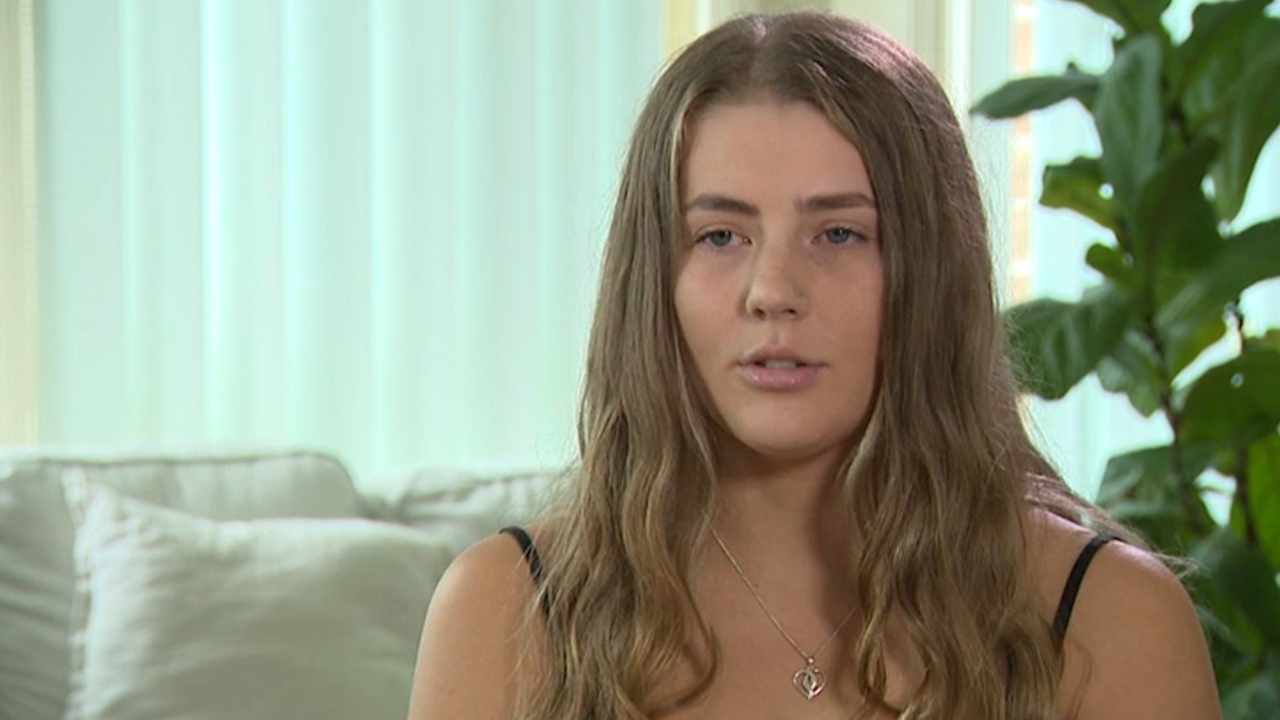
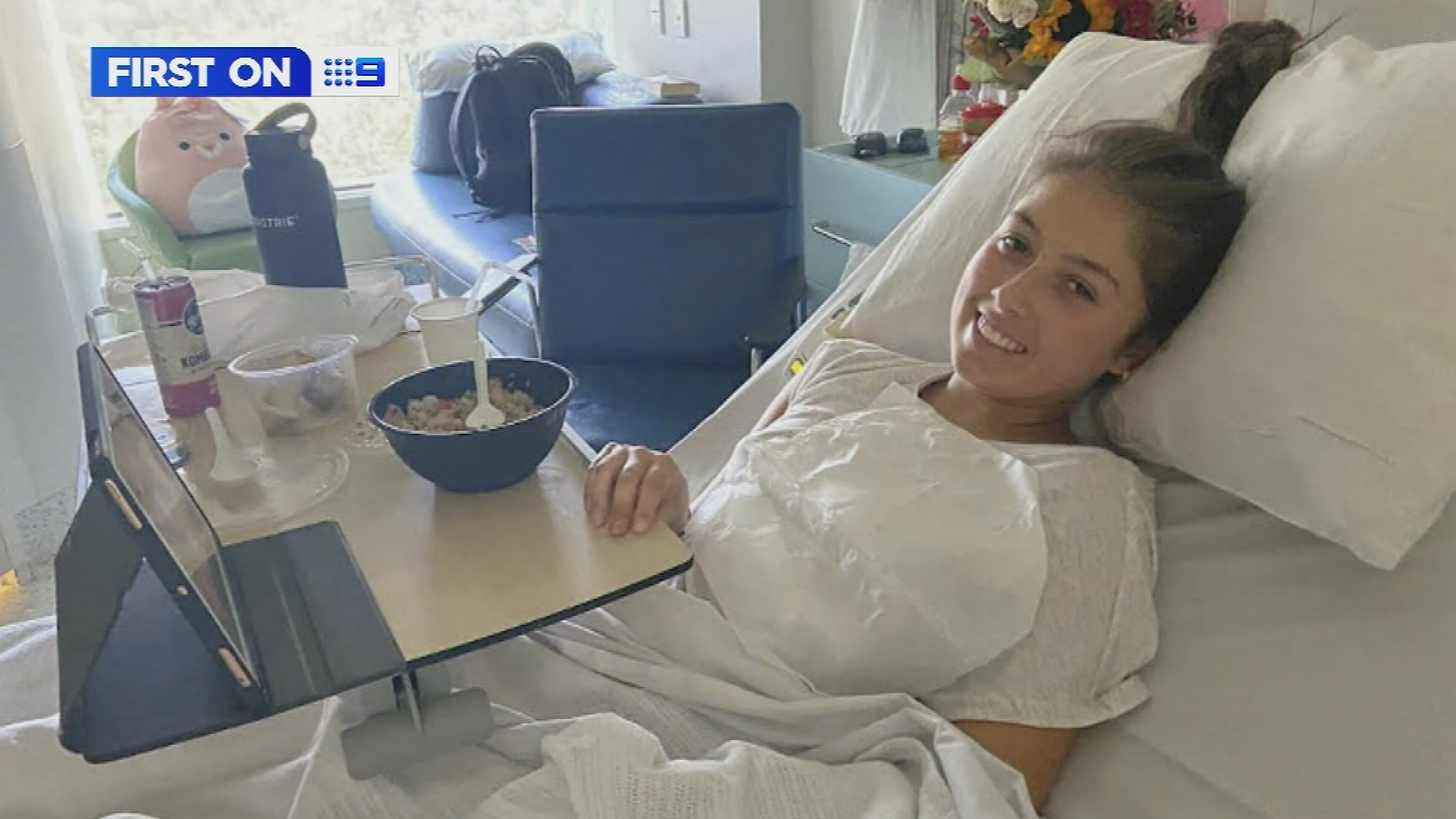
Hayley Mayfield, 19, didn't know about the link and welcomes new research into the two diseases.

Ovarian cancer is the deadliest gynaecologic cancer because it's usually diagnosed too late.

Hayley Mayfield, 19, didn't know about the link and welcomes new research into the two diseases.

She has suffered from endometriosis for the past four years.

"I've been having symptoms ever since I was 15 of bad cramps, nausea all the time," she said.

When she was first rushed to emergency in extreme pain, doctors removed her appendix as they didn't know what was causing her symptoms.

Hayley Mayfield, 19, didn't know about the link and welcomes new research into the two diseases.

Her diagnosis came three years later, when a gynaecologist was involved in her emergency care.

"They said I had stage four endometriosis and that it would take up to three hours to remove," she said.

"It's something I have to live with for the rest of my life."

Gerald the echidna's second chance at life after flood ordeal

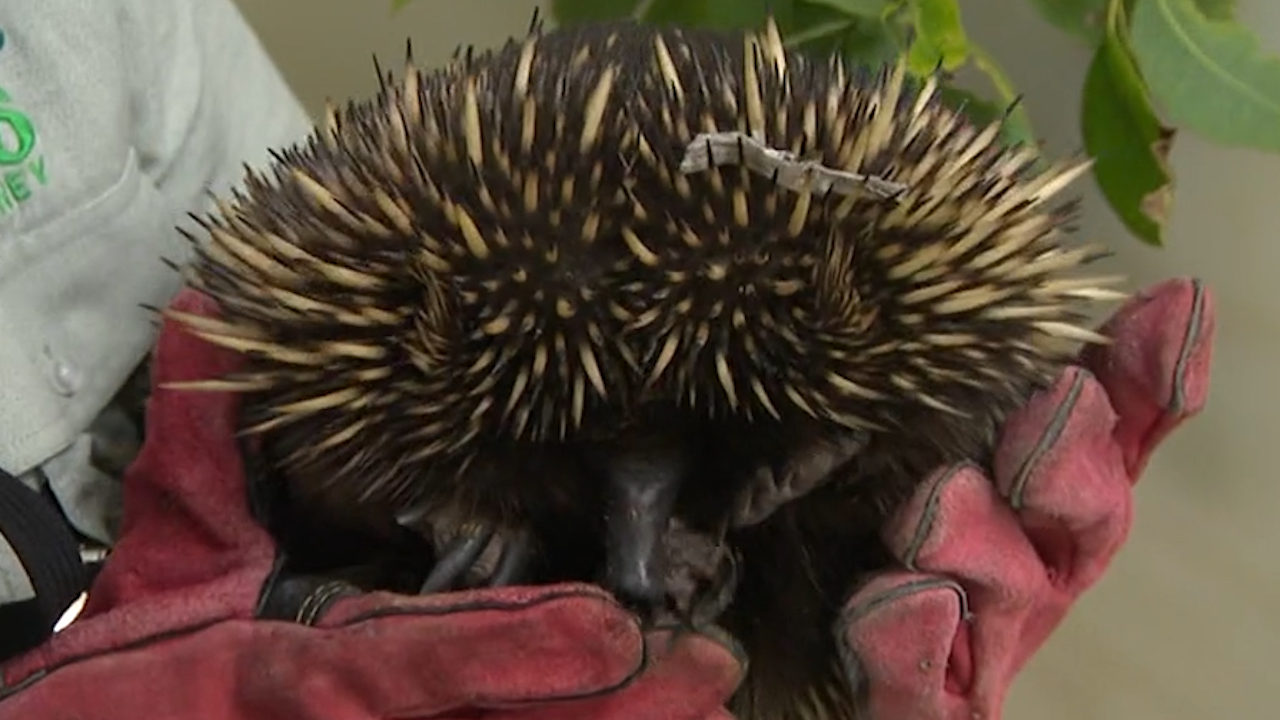
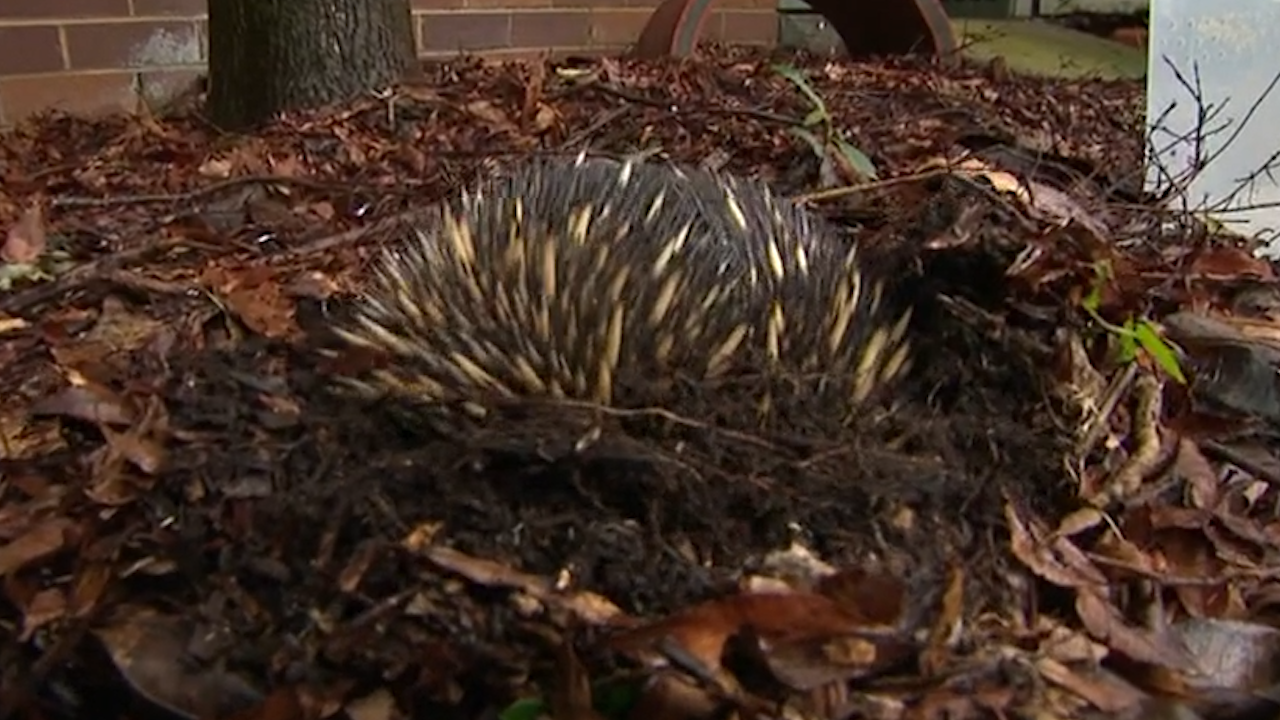
Life at the moment for Gerald the echidna is how he likes it; buried face-first in leaf litter outside Taronga Zoo's Wildlife Hospital, shovelling more over his head, and shoulders layered in a quiver of spikey quills.

It's a far more comfortable vista for Gerald than it was a week ago; stuck on a mattress, floating through floodwater in Sydney's west.

But lucky for Gerald, Pitt Town Bottoms local James Pullen, who was shuttling between flooded homes helping neighbours in his small aluminium tinny, spotted the small native local wedged in plastic wrapping around a mattress, looking cold and cowering in a protective ball.

READ MORE: Sydney Harbour Bridge photos reveal one woman's historical connection to the city

Gerald the echidna was stuck on a mattress floating through floodwater in Sydney's west a week ago.

"Echidnas can swim, but generally short distances," says Liz Arthur, supervisor for Taronga's Wildlife Hospital.

"It seems Gerald may have spent a fair bit of time trying to stay afloat.

"He was becoming quite exhausted I think."

But after James scooped him from the mattress, using an old pair of duds to avoid the spike of his quills, and with the assistance of animal rescue group Wires, Gerald would soon be taken for examination at the Wildlife Hospital.

"He was very waterlogged, so he obviously had been swimming in the water," says Liz.

READ MORE: 'The propeller went through my head': Teenager meets rescuers a year after boating accident

Gerald is now allowed the occasional dig in the hospital garden.

"Once I placed him into the enclosure, it was sort of like a big sigh of relief."

Phone vision shot of Gerald's arrival sees him almost slumping with exhaustion once his clawry paw feels the warm and dry bedding.

After rest and an echidna physical, Gerald's injuries would be deemed as minor; a few scratches on the snout, and paws like prunes.

"He's a big unit," I note.

"He is," says Liz, "he's a very good size. Around four kilos; some echidnas can grow to five, so he's in very good body condition."

And big boy is recovering beautifully, so much so that Gerald's now allowed the occasional dig in the hospital garden, with the prognosis looking good for a return home to the bush.

"Hopefully we'll get him back out there within the next week," says Liz.

Victorian teenager hospitalised after kangaroo jumped into dirt bike

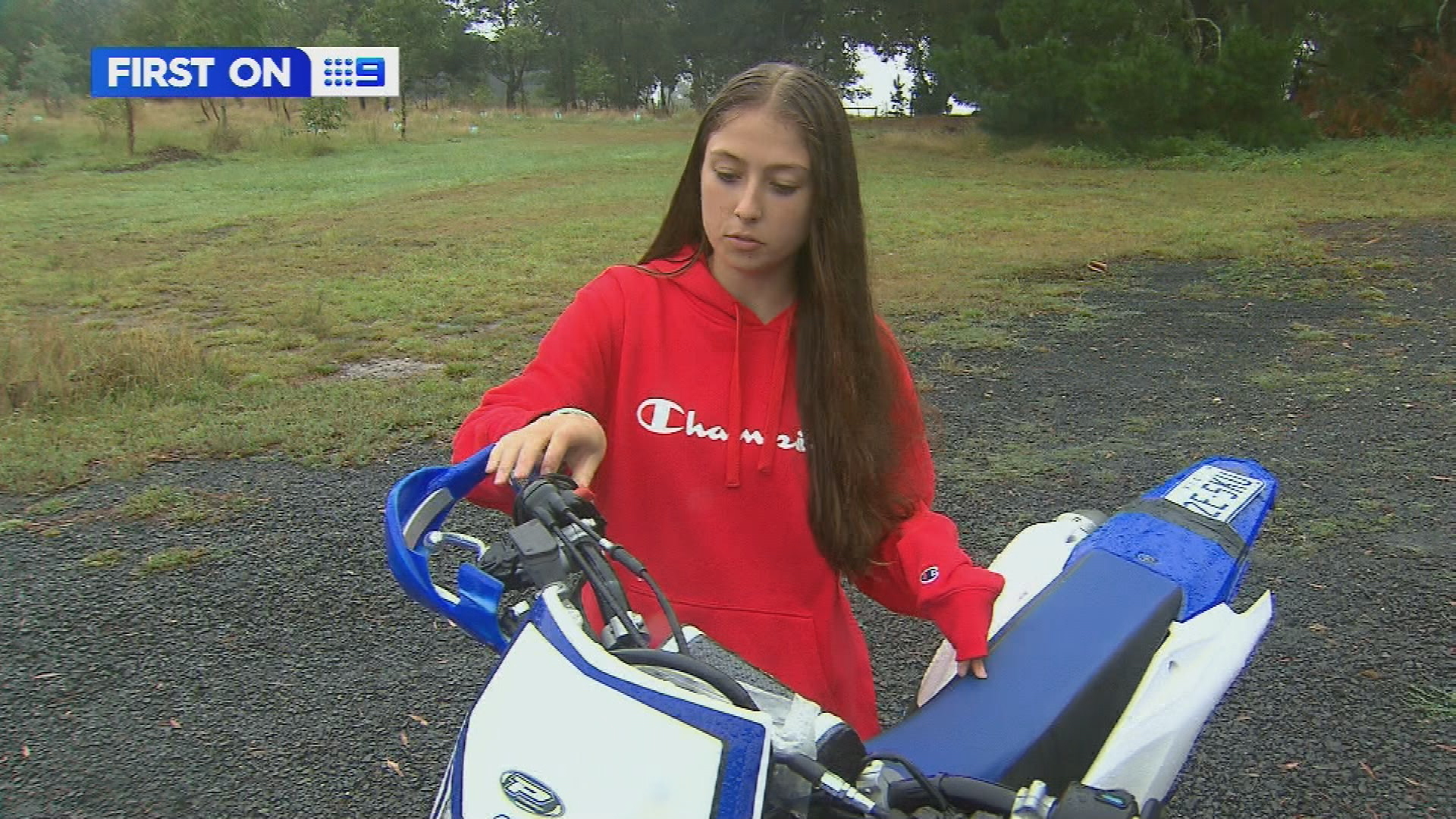
A Victorian teenager spent ten days in hospital with ruptured organs after she was thrown off her motorbike by a kangaroo.

Jemima Song, 14, and her sister Isabel were taking a joyride on their dirt bikes on a remote farm in western Victoria when the kangaroo sprung out from the trees and into her front wheel.

Isabel looked back to see Jemima unconscious on the ground after the collision.

READ MORE: Police witness 53 driving offences on one Melbourne road in just two hours

"I was on the ground lying there and she was wondering if I was faking it or not so she tried to pick me up to see if I was okay but I wasn't," Jemima said.

A neighbour heard the screams for help and called triple-zero.

Jemima's father, David Song, was scared she was going to die.

"The worst fear was going through my mind that we were going to lose her.

"She had this massive trauma to the left side of her body, it looked like she had just been hit by a car."

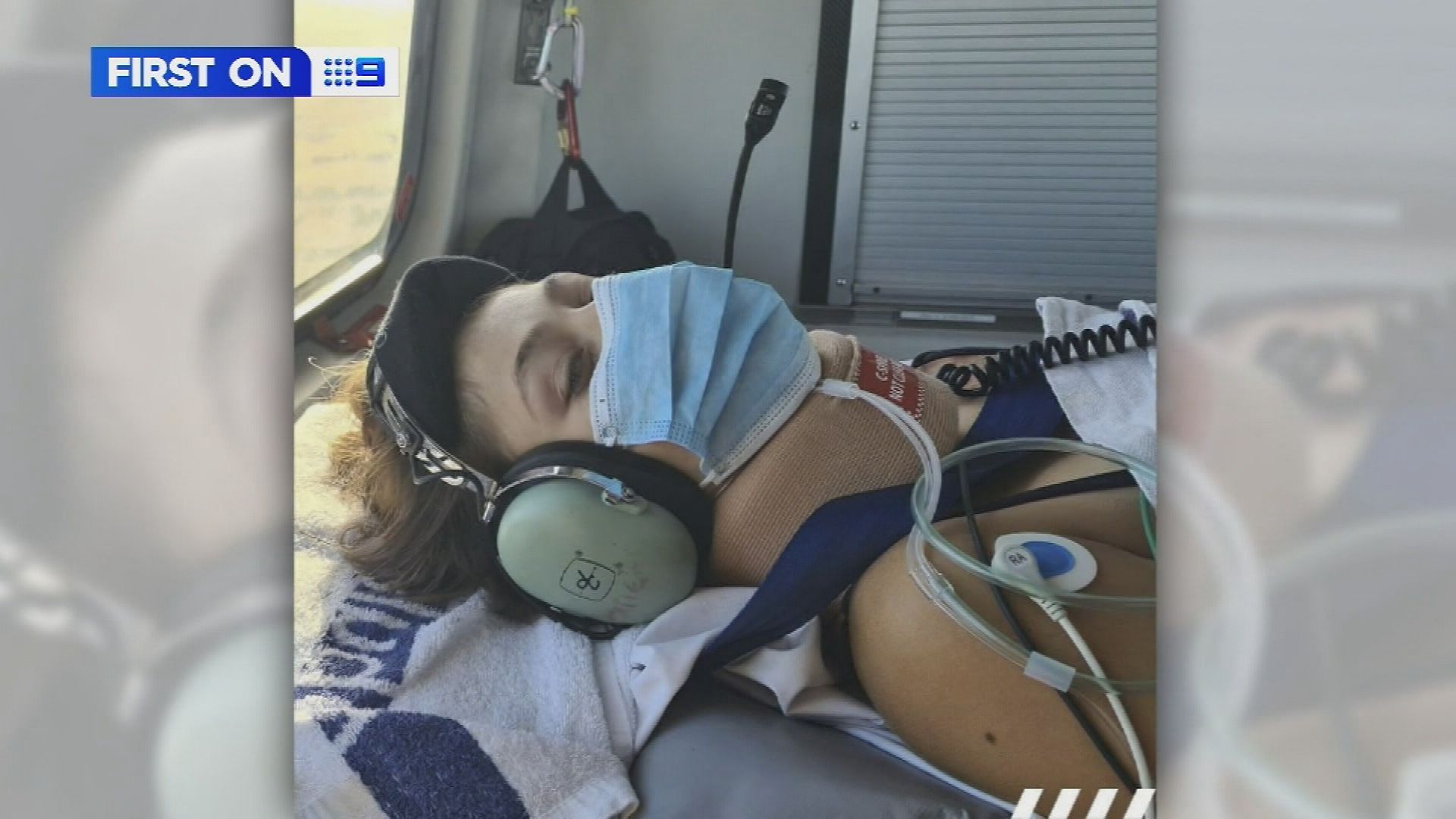
An ambulance helicopter arrived at the property in Beremboke within 30 minutes.

MICA flight paramedic Stuart Hill said Jemima's helmet saved her.

"Jemima was really lucky," Mr Hill said.

"It could've been a lot worse had she not been wearing protective gear."

Jemima spent ten days in the Royal Children's Hospital recovering from a ruptured spleen, ruptured liver, spine fractures and internal bruising.

"I couldn't eat for six days, and even after that I couldn't eat much 'cause my stomach shut down."

Fortunately, doctors expect Jemima to make a full recovery by the end of April.

She wasted no time getting back to her usual life after getting out of hospital, returning to school two days later.

"I wasn't really concerned about it, I just wanted to get back on the bike," she said.

$100k of jewels found in suspected stolen car seized from Melbourne home

Police stumbled across almost $100,000 worth of stolen jewellery hidden in a car's backseat after they seized a group of suspected stolen cars from a Melbourne property.

Detectives were working to bring down an alleged drug trafficker and car thief when they discovered the expensive stash in one of three cars seized from a Caroline Springs home.

They were clearing out the Ford, rebirthed Mitsubishi and BMW seized from the property when Detective Senior Constable Shannon Foden came across three pieces of jewellery worth an estimated $85,000 to $100,000 combined shoved down the backseat of the BMW.

READ MORE: Police witness 53 driving offences on one Melbourne road in just two hours

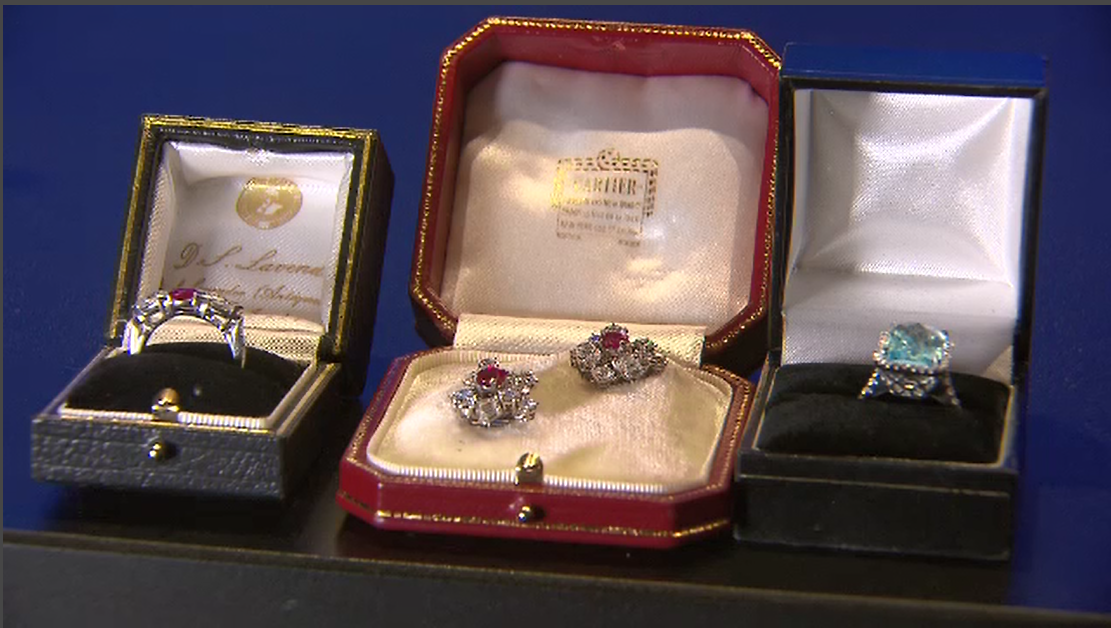
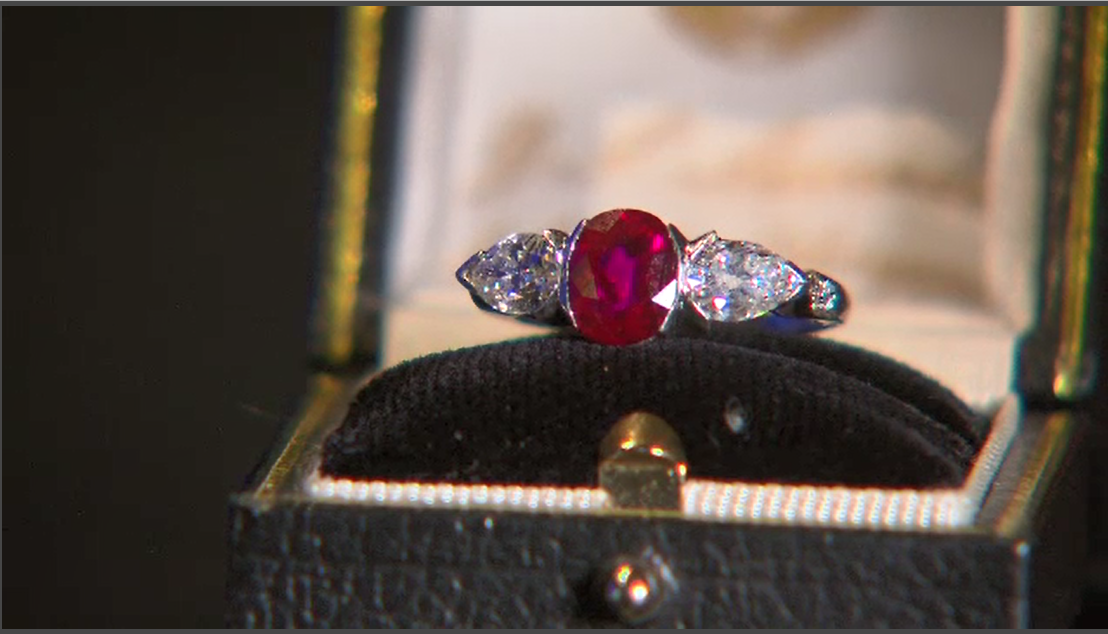
The pieces were a diamond aquamarine ring, stud earrings in a Cartier box and a ruby ring, which is worth close to $60,000 alone.

After spending eight weeks trying to track down the rightful owner of the distinctive items, Senior Constable Foden is determined to return the valuables to them.

"A lot of work has gone into identifying who they might belong to, but our enquiries haven't been able to turn anything up and we've hit a bit of a brick wall," he said.

"They're high-end pieces and pretty valuable.

"I have no doubt they're incredibly precious pieces of jewellery to someone, and we are very keen to reunite them with their owners."

With the jewels not matching any missing or stolen reports, police believe the owner may not be aware they have been stolen.

The accused thieves are not providing any leads on where the jewels came from and they are not believed to be related to the BMW they were found in.

Police believe the two men they have arrested over the cars were rebirthing vehicles and operating an illegal second-hand car dealership out of the home.

Police have released images of the distinctive pieces in the hope someone recognises them and comes forward with information.

Anyone who recognises the jewellery or who has information about it is urged to contact Crime Stoppers on 1800 333 000 or file a confidential report online at www.crimestoppersvic.com.au

Latest North Korean ballistic missile test fails on launch

An attempt by North Korea to fire an unidentified projectile on Wednesday morning failed on launch, according to the South Korean Joint Chiefs of Staff.

Had the attempt succeeded, it would have been the 10th such launch from within North Korea this year.

The previous two launches, on February 26 and March 4, were intended to test a new intercontinental ballistic missile (ICBM) system, the US Defence Department said last week.

READ MORE: Russian prisoners of war voice shame about conflict

People watch a TV screen showing a news program reporting about North Korea's missile with file footage, at a train station in Seoul, South Korea.

South Korean and US intelligence authorities are continuing to analyse the details of Wednesday's failed launch, South Korean officials said in a text sent to reporters.

In a statement last week, Pentagon press secretary John Kirby strongly condemned the recent spate of North Korean launches, describing them as a "brazen violation of multiple United Nations Security Council resolutions".

On Tuesday, the US military staged exercises on and around the Korean Peninsula to show its readiness in the wake of North Korean activity, including simulating ballistic missile defence systems.

The US Army's 35th Air Defence Artillery Brigade moved to a remote location, "occupying its wartime defensive position, emplacing the Patriot missile system, and executing air and missile defence operations under a simulated combat scenario," US Forces Korea said in a press release.

READ MORE: Tens of millions in hard lockdown in China

The last two launches approved by North Korean leadre Kim Jong Un were intended to test a new intercontinental ballistic missile.

And at sea, F-35 and F/A-18 fighter jets flying off the aircraft carrier USS Abraham Lincoln along with US Air Force assets based in the region put on a show of force in the Yellow Sea off the western coast of South Korea, according to a statement from the US Navy's 7th Fleet in Japan.

The statement also said the US has increased intelligence, surveillance and reconnaissance activities in the Yellow Sea.

"We have made clear our growing concern over the significant increase in DPRK's (North Korea's) missile testing, and we will continue to take all necessary measures to ensure the security of the United States and our allies," the statement from 7th Fleet spokesperson Lieutenant Nicholas Lingo said.

Starbucks to phase out 'iconic' cups

Starbucks has a love-hate relationship with its cups.

The company's white — or sometimes holiday-themed — logo-emblazoned paper cups for hot drinks, and clear plastic cups for cold drinks are instantly recognisable symbols of the brand.

But that's not entirely a good thing.

READ MORE: Australia's most dominant illicit drug revealed
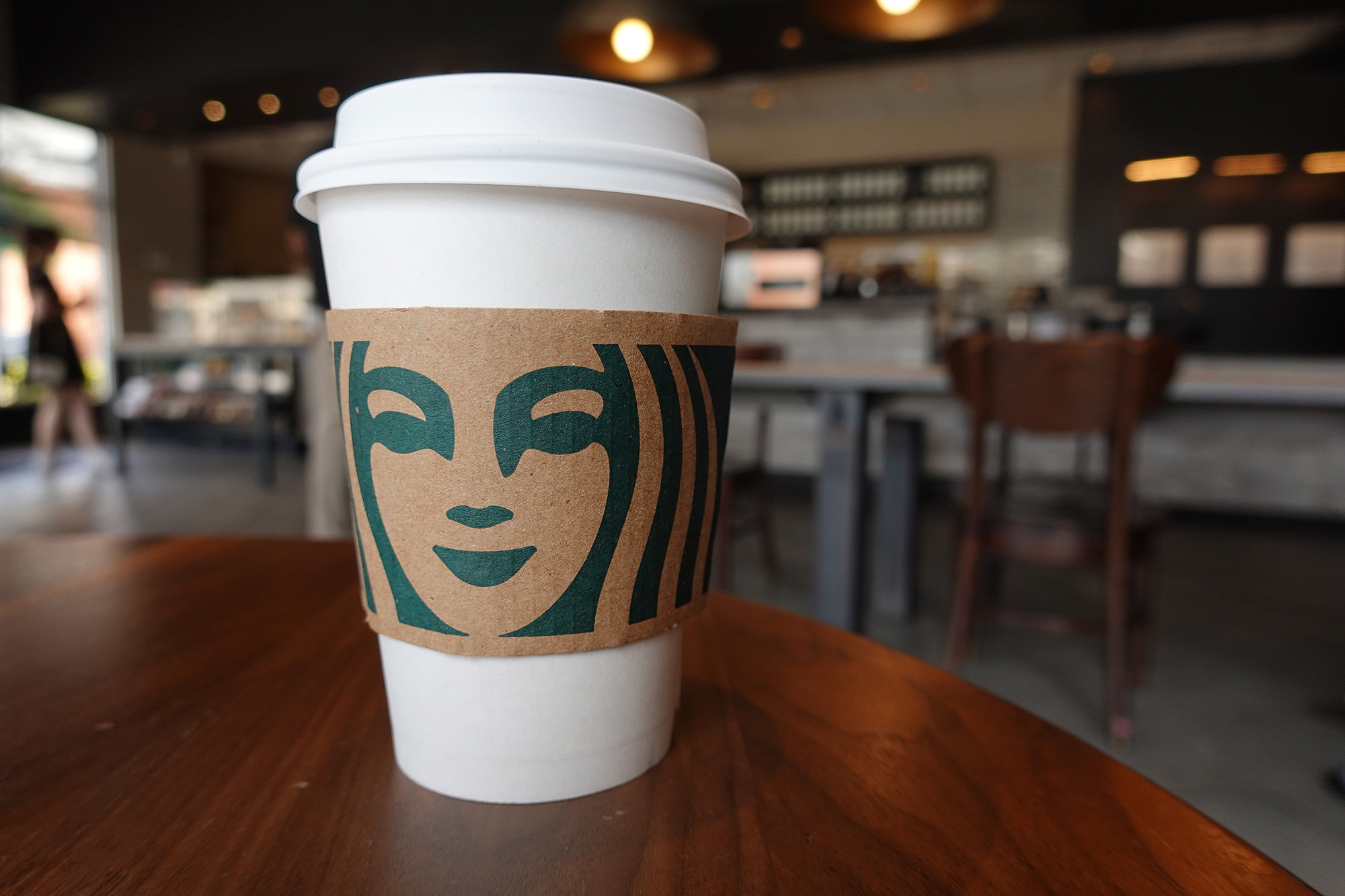
"Our cup is ubiquitous, and we love that," said Michael Kobori, Starbucks chief sustainability officer.

"But it is also this ubiquitous symbol of a throwaway society."

That's because the cups are disposable.

When they are thrown away, the cups end up in landfills or as litter in streets and waterways.

Some might be recycled, but recycling is an imperfect option — recyclable items still end up in landfills.

The best solution?

"Eliminating the disposable cup," Mr Kobori said.

He called that option "the holy grail."

By 2025, the company wants every customer to be able to either use their own mug easily or borrow a ceramic or reusable to-go mug from their local Starbucks.

That could mean rolling out more borrow-a-mug programs that require a deposit.

Starbucks is also planning, by the end of next year, to let customers use their own personal mugs at every Starbucks in the United States and Canada, even if they order ahead or use the drive-through.

The goals don't mean Starbucks will get rid of the paper and plastic cups. But they do want to make that option less attractive.

That won't be easy to do, as most Starbucks customers are used to that simple, single-use option.

But the company has a plan.

READ MORE: Why the rain is here to stay
Testing out Borrow-A-Cup programs

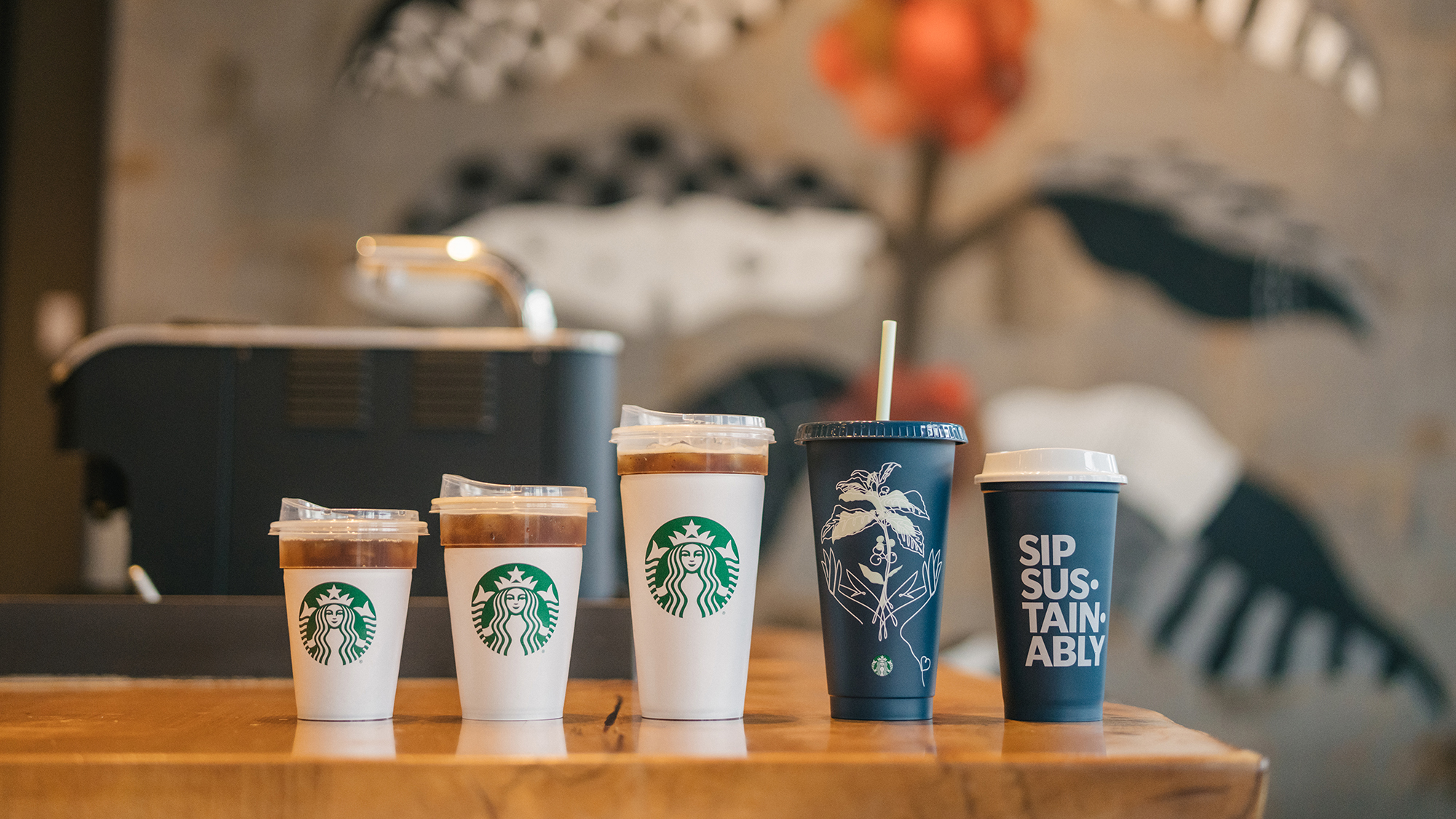
To phase out disposables, Starbucks is considering a widespread borrow-a-cup program, in which customers pay a deposit for a durable cup that they take with them and drop back off after use.

Amelia Landers, a vice president of product experience whose team is responsible for sustainable packaging at Starbucks, expects that this model will resonate more with customers compared to other sustainability efforts.

"I think that will take the lead," she said.

"We are testing a number of different [borrow-a-cup] programs around the globe," including "20 different iterations and in eight different markets."
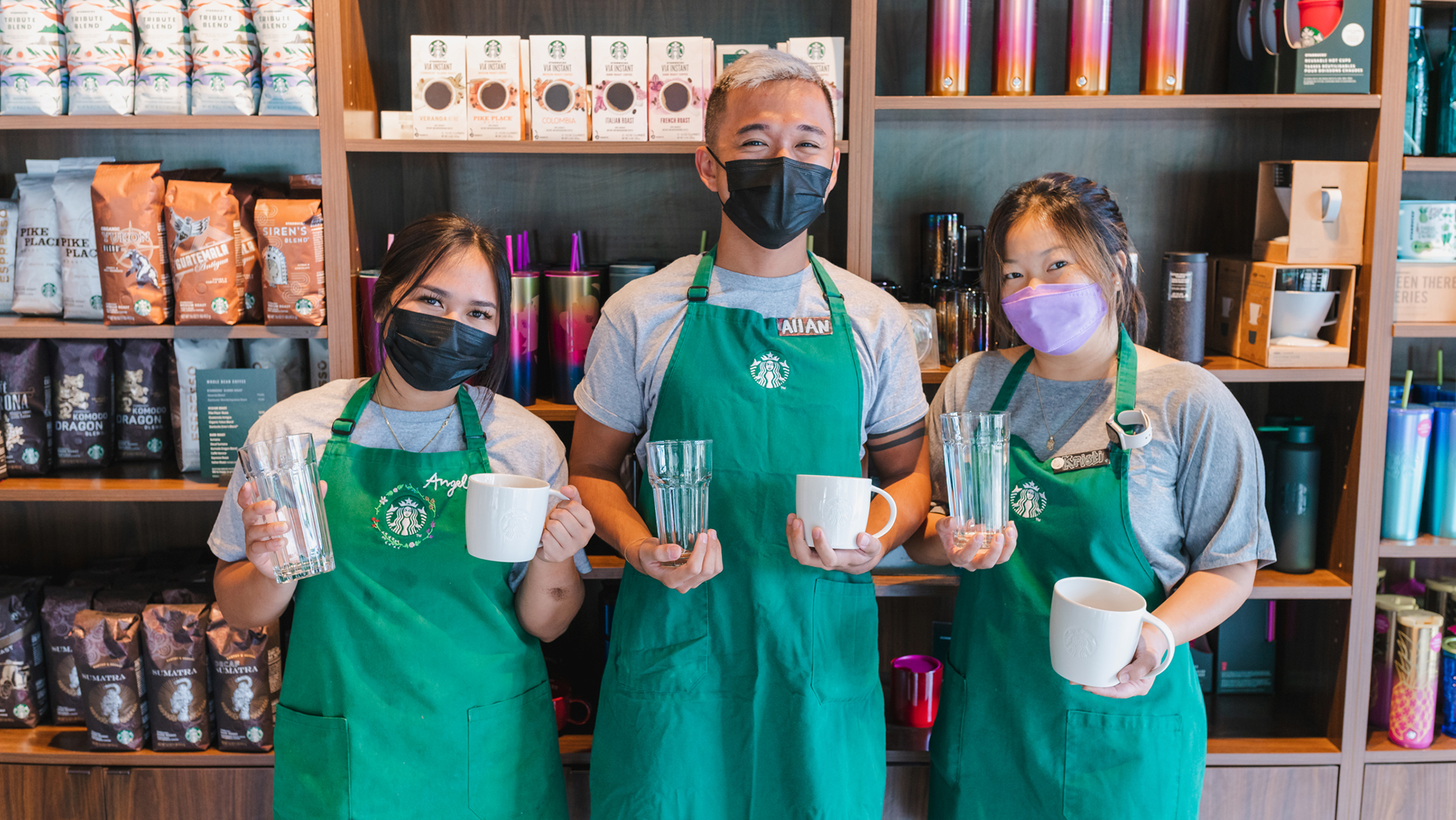
In Seattle, Starbucks tested a beta version of such a program last year.

"We developed a new cup that had a very low environmental footprint, was lightweight polypropylene, ultimately recyclable and could replace 100 single-use disposable cups," Ms Landers explained.

For that test, customers paid a $1 deposit, and had to return the cup to a smart bin located in the store to get their dollar back.

Customers also earned rewards for using the cup.

Kim Davis, who manages a store where the program was tested, said that customers were curious about the bin, and once baristas explained it to them, many were on board with the concept.

"The excitement and engagement was really high among my customers and my [employees]," she said.

READ MORE: Footage shows large eastern brown snake trying to get into Queensland family home
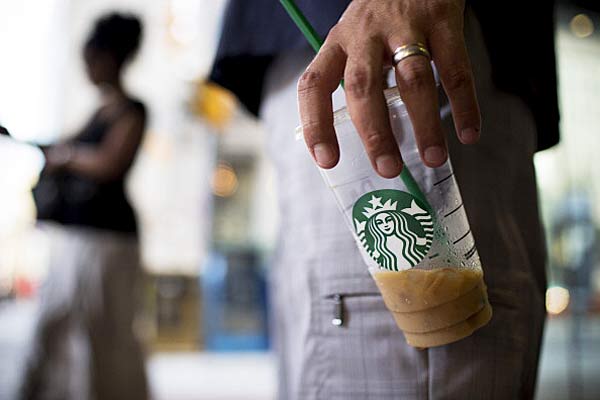
Starbucks cup

For baristas, the process was straightforward enough — they just used the reusable cup instead of a regular one to prepare drinks.

A third-party company collected the dirty cups for cleaning, so baristas didn't have to worry about that part of the process.

Starbucks is running similar pilot programs in Japan, Singapore and the United Kingdom.

The model is the most promising because it's the easiest to integrate into customers' daily lives.

You don't have to remember to bring your own reusable mug or, if you do, get stuck with a dirty cup for the rest of the day.

And you don't need to sit and sip your coffee at a Starbucks, something most people don't have time for on a weekday morning.

But that model is still just being tested, so the company wants to encourage the use of reusable mugs in other ways.
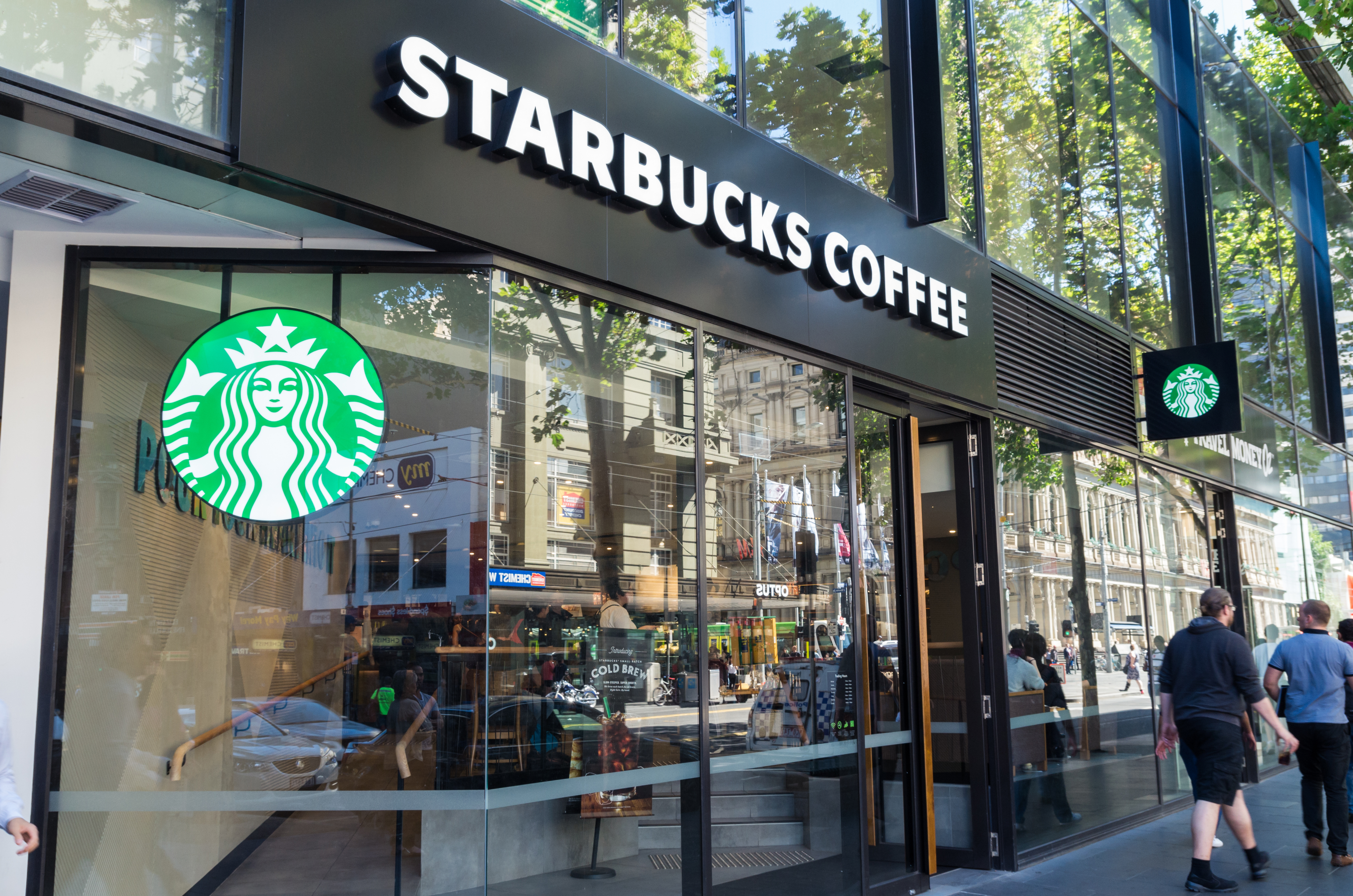
Starbucks Coffee is an American multinational coffee shop chain.

Bringing back the personal cup

Early in the pandemic, when people feared that the coronavirus could spread easily on surfaces, Starbucks barred customers from bringing their own mugs.

It has since brought back the option and is now trying out ways to make it more attractive.

"We're testing an incentive on the personal cup to go up from where it is today — from 10 cents to 50 cents," Ms Landers said.

"We are also going to be testing a disposable cup fee."

She added that the chain is also experimenting with discounted prices for people who use a Starbucks-provided ceramic mug in stores.

That's simple enough.

But it gets a lot more complicated when customers bring their own cups to the drive-through or when they order ahead through the Starbucks app.

Years ago, ordering ahead or using a drive-thru might have been a rare enough occasion.

But since the pandemic, more customers have been coming through the drive-thru or ordering ahead.
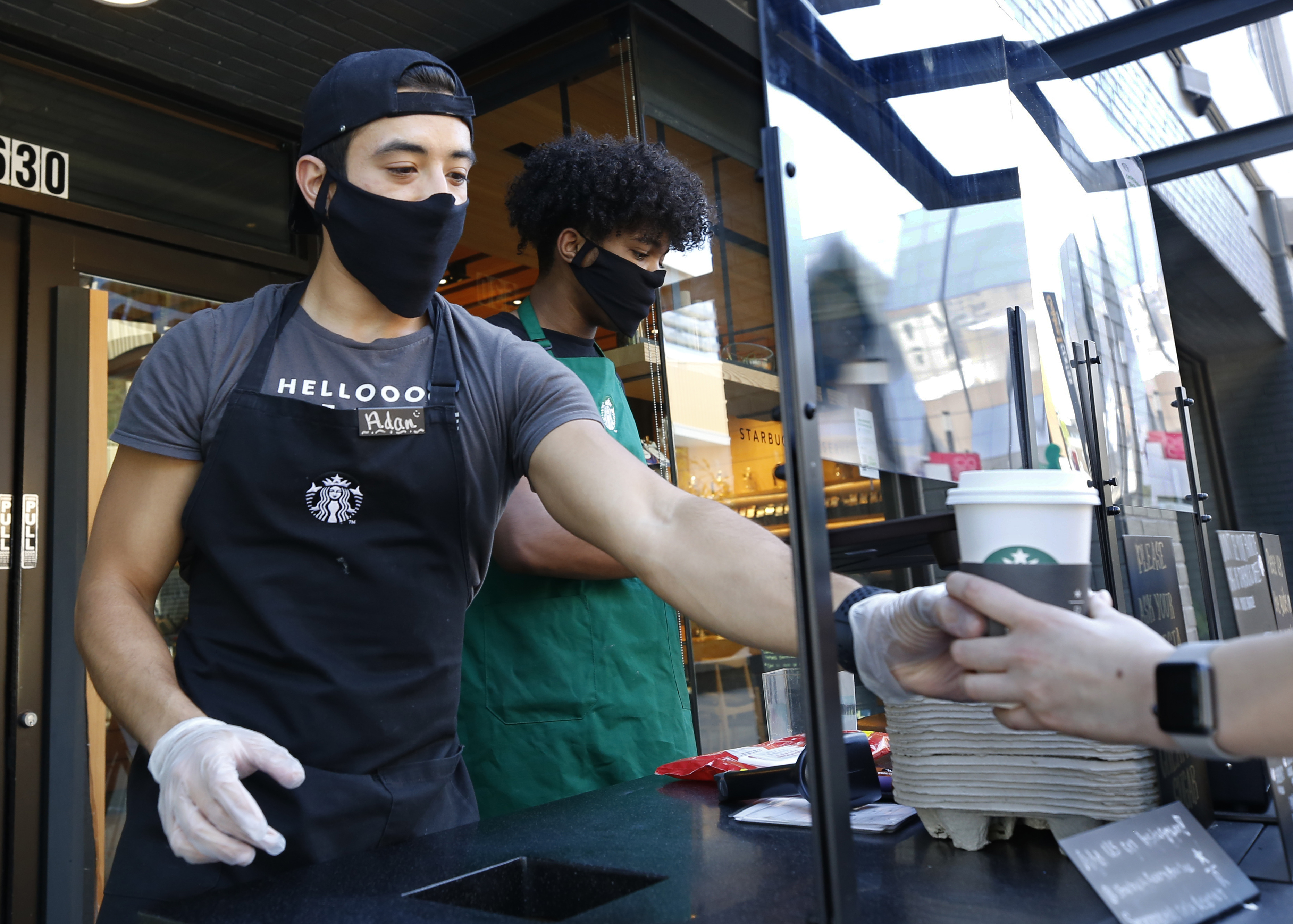
During a February analyst call, Starbucks CFO Rachel Ruggeri said that Starbucks' drive-through windows and its mobile orders together account for about 70 per cent of sales at US stores operated by the company.

So to achieve its zero-disposable-cups goal, Starbucks needs to figure out how to get reusables through a drive-thru, and make them available to customers who order ahead.

To that end, Starbucks has been testing different options at its innovation centre.

"We've got mock stores set up," Ms Landers said.

"We have different versions of the drive-through layout."

Customers can simply give their cups to baristas at the drive-thru window.

But Starbucks is exploring ways to make the process smoother.

One option is to allow customers to drop off their cups at an earlier point in the drive-thru lane so that the drink is ready in a personal cup once they swing around to the window, Ms Landers said.

Another is for baristas to pre-make drinks when customers place their orders, and pour them into personal tumblers at the window or when they arrive at a store to pick up their order.

Starbucks is also testing out cup-washing stations in stores.

The team is trying "different things, over and over again," to figure out what might work, she said.

"We're right now in the middle of all of that work."

It's crucial for Starbucks' mobile order and drive-thru experiences to be seamless.

After just a few sluggish pickups, customers may take their business elsewhere.

But Starbucks also has to be careful not to put too much additional burden on employees, who already have to prepare complicated, customised orders at high speeds.

That's especially important now.

Workers across the country are considering unionisation, going against the wishes of the company's leadership.

A Starbucks, in Buffalo, New York, was the first to vote to unionise in December.

Employees at a handful of other stores have since made similar efforts and several Starbucks around the country are preparing for their own votes.

If the company's initiative leads to the end of paper and plastic cups at Starbucks, it will be quite an achievement.

"We know that even the most ardent of sustainability champion customers, they really don't change their behaviour all that easily," Landers said.

"Even though they really, really want to."