OPINION: Last week’s shock 1News opinion poll was the final indication, if Simon Bridges needed it, that his chances of eventually taking back the leadership and becoming PM were slim to none. Any feeling that it was worth waiting…
Category Archives: headline
Eliminate GST from kai – Te Pāti Māori
By Will Trafford of Maori Television Te Pāti Māori wants the government to cut the 15 per cent Goods and Services Tax (GST) from kai, to tackle the soaring cost of living in Aotearoa.”Food is a right and a necessity.”…
'Shocking' discovery in baby turtle caught in NSW floods disaster
A turtle hatchling has "miraculously" survived the floods disaster and eating plastic in New South Wales.
The green turtle, nicknamed Pretzel, washed ashore New Brighton Beach on the north coast as it was inundated with floodwaters.
The hatchling was estimated to be between one-to-two weeks old when it was found.
READ MORE: Why the rain is here to stay
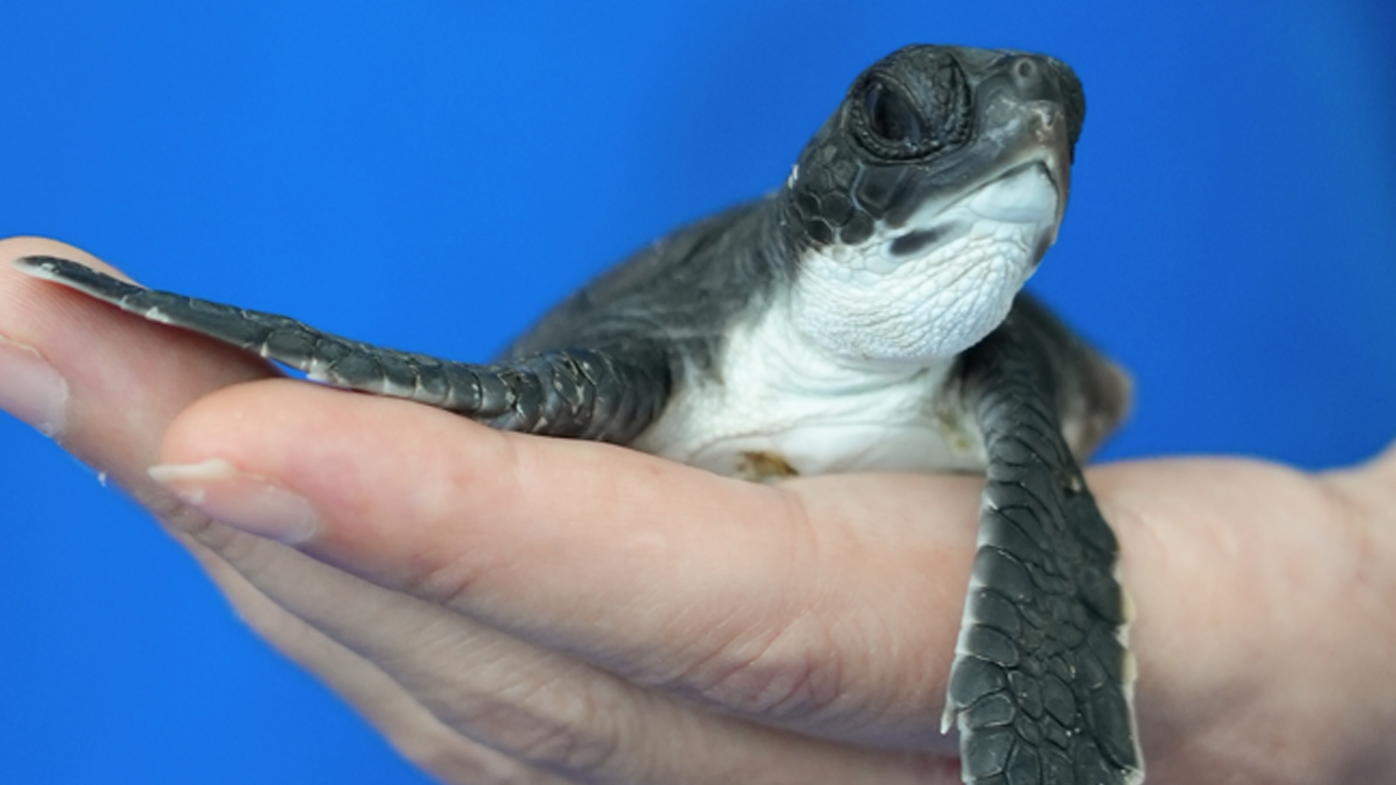
Pretzel was rushed to Byron Bay Wildlife Hospital (BBWH).
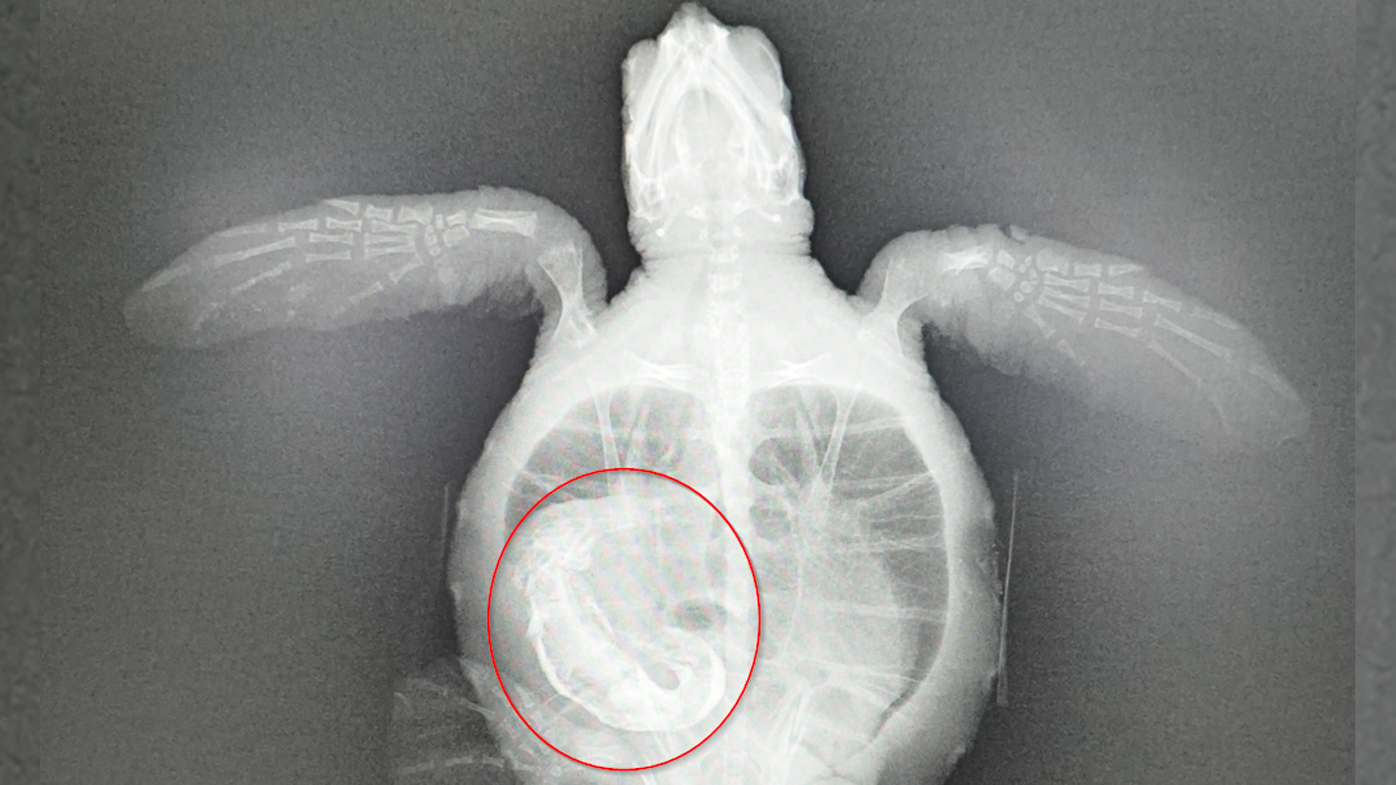
Wildlife carers were horrified to find plastic already in its stomach following an X-ray.
"Here's this perfect little creature, which hasn't even seen the world yet, and one of its first meals is plastic," treating veterinarian Dr Chantal Whitten said.
"It's absolutely shocking. At the moment BBWH is treating wildlife species from flood impacted areas. This includes an increase in displaced animals like this hatchling swept off course and echidnas who would normally be in their burrows this time of year."
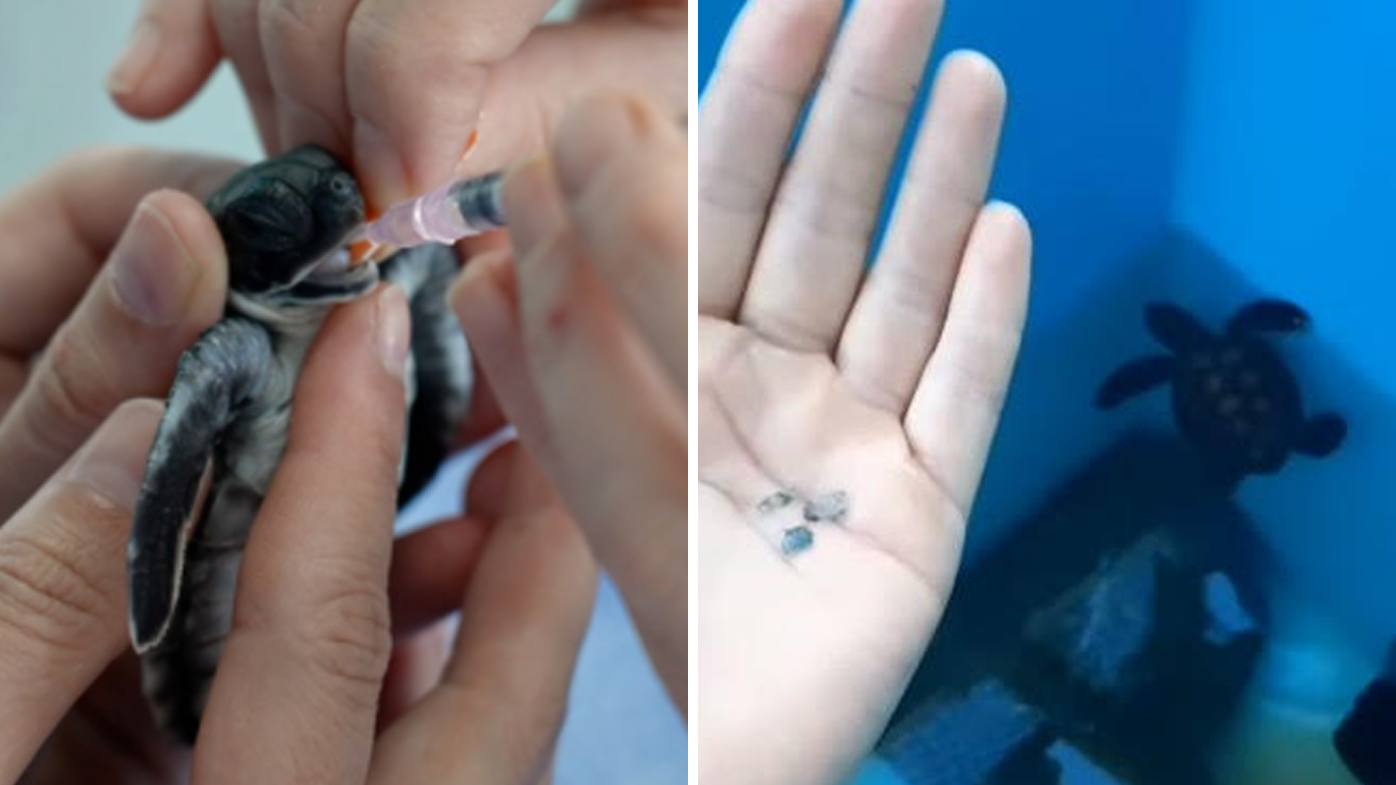
Pretzel expelled smaller pieces of plastic with the help of a laxative.
READ MORE: 'Soaked and shivering' koala joey rescued from edge of Brisbane river
The hatchling, along with several other northern NSW sea turtles, were then transferred to Sea World Gold Coast for care, amid fears of pollution in flood-impacted seawater.
It was at Sea World that marine scientist Siobhan Houlihan noticed the young turtle was struggling to pass a larger piece of plastic.
She extracted it by hand, in a delicate procedure posted to Instagram.
"This little sea turtle is only between one-to-two weeks old and has already been so heavily impacted by human activity," she said.
READ MORE: Australia's most dominant illicit drug revealed
"Sadly, micro-plastics kill sea turtles and other marine life as they can't digest them and suffer complications and internal damage when trying to pass the pieces through internal organs."
While Pretzel's story has a happy ending another green sea turtle hatching that ingested plastic could not be saved.
Green turtles are listed as endangered by the World Wildlife Fund (WWF).
Kate Noble, No Plastics in Nature Policy Manager at WWF-Australia, said scientists and wildlife carers are concerned by the volume of debris, especially plastic, flushed into the ocean by the flood disaster.
"COVID-19 turbocharged plastic consumption and now floods are washing vast amounts of plastic pollution into our waterways. That plastic will have horrendous impacts on marine life," she said.
It's estimated more than eight million tonnes of plastic ends up in oceans globally every year.
'Little Miss Nobody' identified over 60 years later with DNA
“Little Miss Nobody” finally has a name.
The Yavapai County Sheriff's office says the previously unidentified little girl whose burned remains were found over 60 years ago in the Arizona desert was four-year-old Sharon Lee Gallegos, of New Mexico.
The child's remains were found on July 31, 1960, partially buried in Congress, Arizona.
LIVE NEWS UPDATES: Warning over 'son of Omicron'
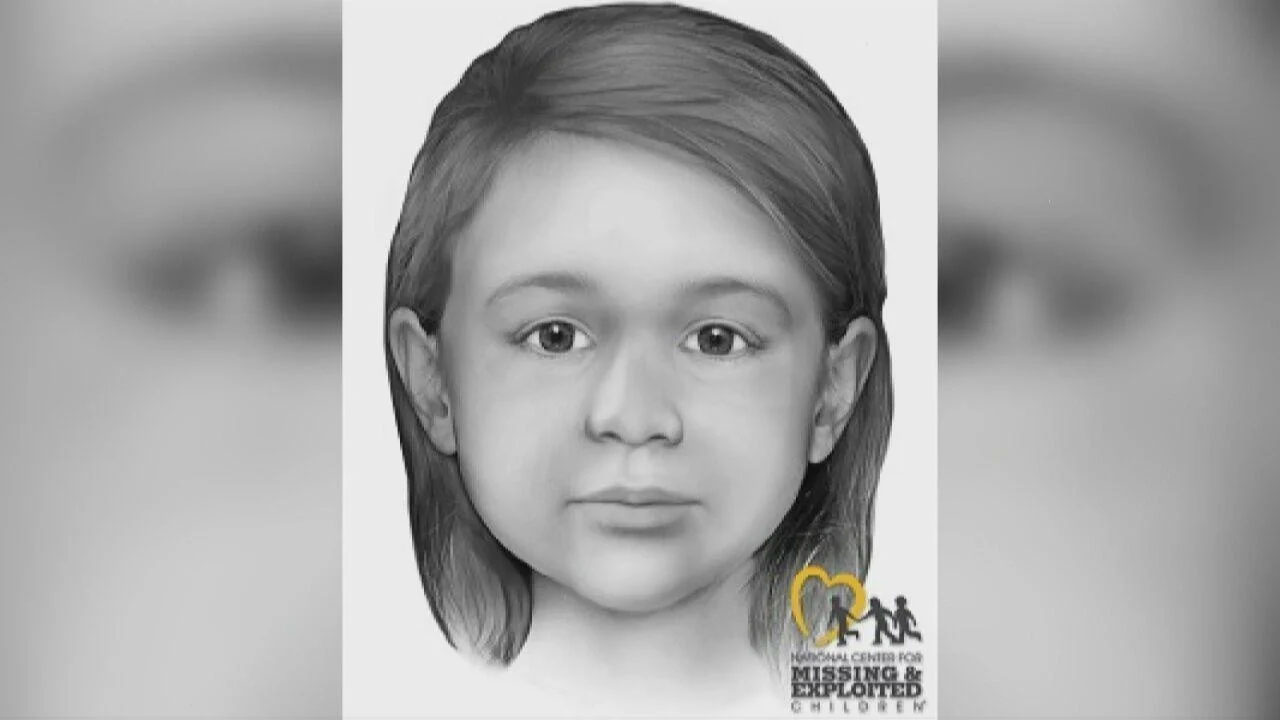
Her age at various times over the years was estimated to be between six and eight years old, then later at between three and six years old.
Residents in the nearby central-north Arizona community of Prescott raised money for a funeral and florists and a mortuary donated their services for the little girl they had dubbed “Little Miss Nobody”.
READ MORE: Australia's most used drug revealed
News reports at the time said a local radio announcer and his wife stood in for the girl's parents during the funeral at Prescott’s Congregational Church.
“I guess I just couldn’t stand to see a little child buried in boot hill,” KYCA announcer Dave Paladin was quoted as saying in an August 11, 1960 article by The Associated Press.
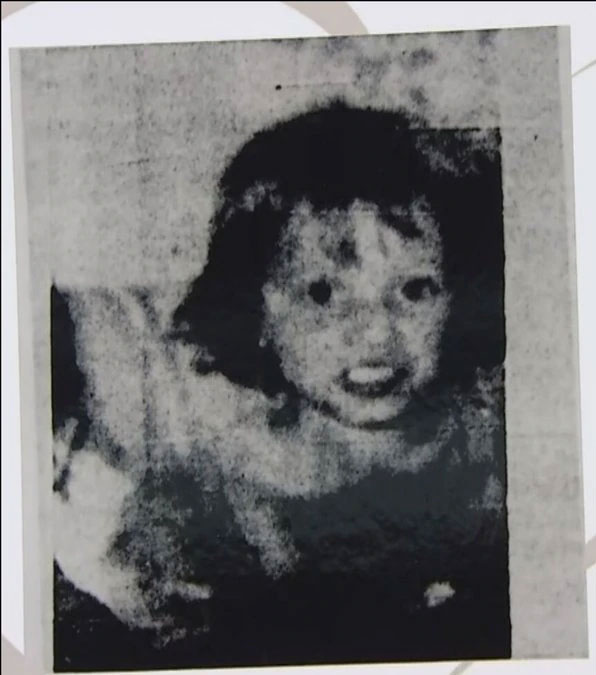
Sharon Lee Gallegos was reportedly abducted from behind her home in Alamogordo, New Mexico, on July 21, 1960, a little over a week before her body was found.
Authorities say they do not know who took and killed the child.
The remains were exhumed to get DNA samples and the National Centre for Exploited and Missing Children, the National Missing and Unidentified Persons System and others worked on the case.
The sheriff’s office and Texas DNA company Othram raised $4000 earlier this year to pay for specialised testing that finally identified the girl.
Ray Chavez, the child’s nephew, thanked authorities at the news conference for not giving up their quest to identify his aunt.
He said she had been described to him as a happy-go-lucky girl.
“We were amazed how the people rallied around her,” Mr Chavez said.
“Thank you for keeping my aunt safe and never forgetting her.”
New Zealand reopens borders to Australians from April 12
New Zealand will open its border to vaccinated Australians from April 12 at 11.59pm, Prime Minister Jacinda Ardern has announced.
"We're ready to welcome the world back," Ms Ardern said.
"New Zealand will be ready with open arms."
LIVE UPDATES: Huge jump in COVID-19 cases in NSW
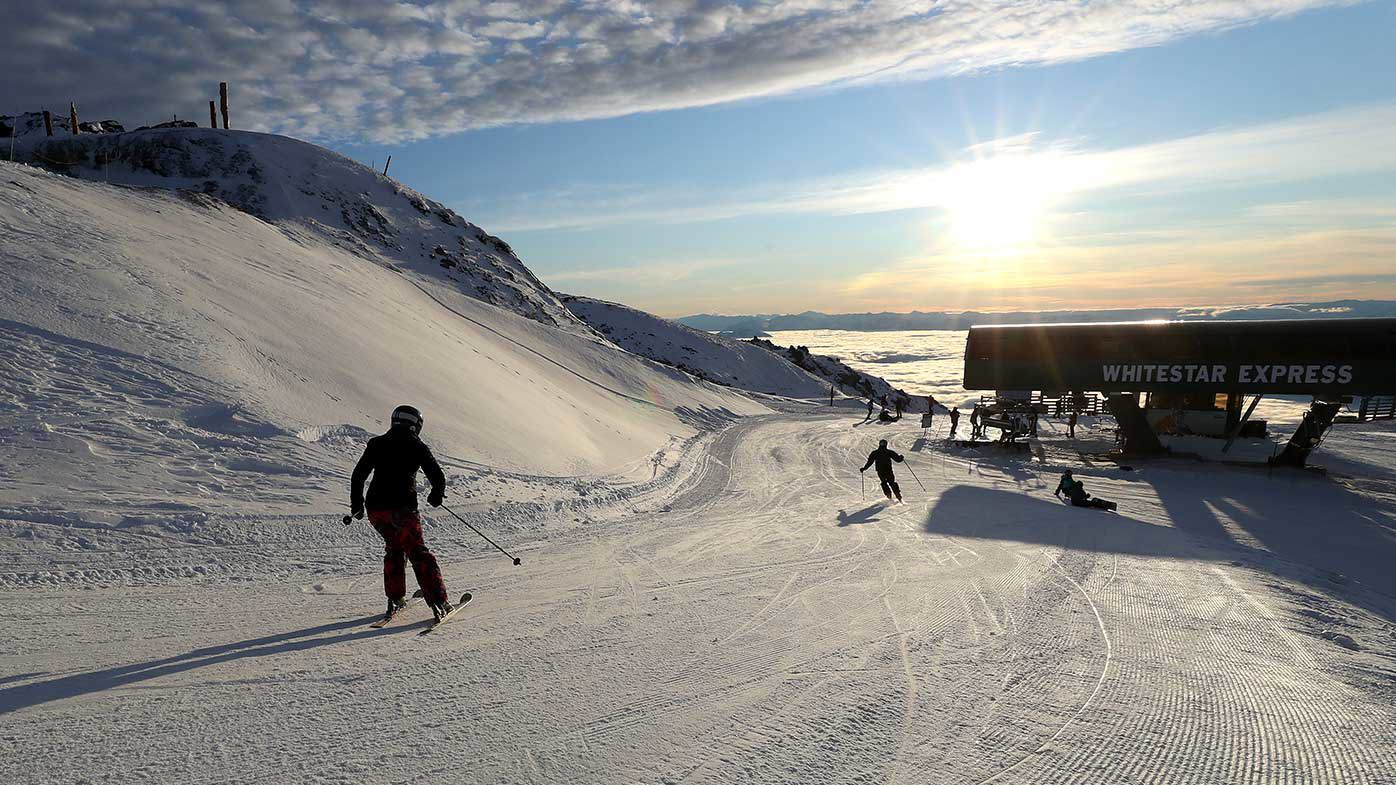
It means the borders will be open to coincide with Australian school holidays and the ski season.
From May 1, vaccinated travellers from visa-waiver countries can also come to New Zealand.
Tourists will not need to isolate on arrival.
Australians account for 40 per cent of tourists to New Zealand.
"I am proud that New Zealand as a country is able to provide a safe place for tourists to return to," she said.
Tourists will be required to pass a COVID-19 before arrival, either a supervised RAT or a PCR test.
READ MORE: Russian anti-war protester fined after interrupting live TV broadcast
They will also be required to pass a rapid antigen test upon arrival.
A new tourism campaign will be launched in Australia to attract visitors to New Zealand, Tourism Minister Stuart Nash said.
"We are ready to roll out the green and gold carpet for our Australian neighbours," Mr Nash said.
"We have missed you."
Mr Nash said he did not expect tourists to immediately compare to pre-COVID numbers.
"We're not expecting pre-COVID numbers in a great hurry," he said.
"The thing we know about Australians is they are the nation that travels the most for skiing."
Ms Ardern said visitors should be ready to isolate if they do test positive while in New Zealand.
"I'd like to consider that New Zealand has a gold standard regime for caring for people with COVID at home," she said.
"Be prepared if you need to stay in one place if you're sick."
This week the first direct flights from Australia to Bali opened after Indonesia relaxed its COVID restrictions.
'Just hell': Drone footage shows devastation of besieged Ukraine city
Conditions in Mariupol are "unbearable" and "just hell," residents who fled the besieged city in southeastern Ukraine have told CNN, as shocking drone footage and satellite photos emerged showing the utter devastation wrought by the Russian bombardment.
Mariupol city council said that an estimated 2000 private cars have been able to leave the city, and a further 2000 vehicles are parked on the main route out.
The departures took place despite the ongoing failure to formally establish safe corridors to evacuate civilians from Mariupol, which has been besieged since March 1.
READ MORE: Russian anti-war protester fined after interrupting live TV broadcast
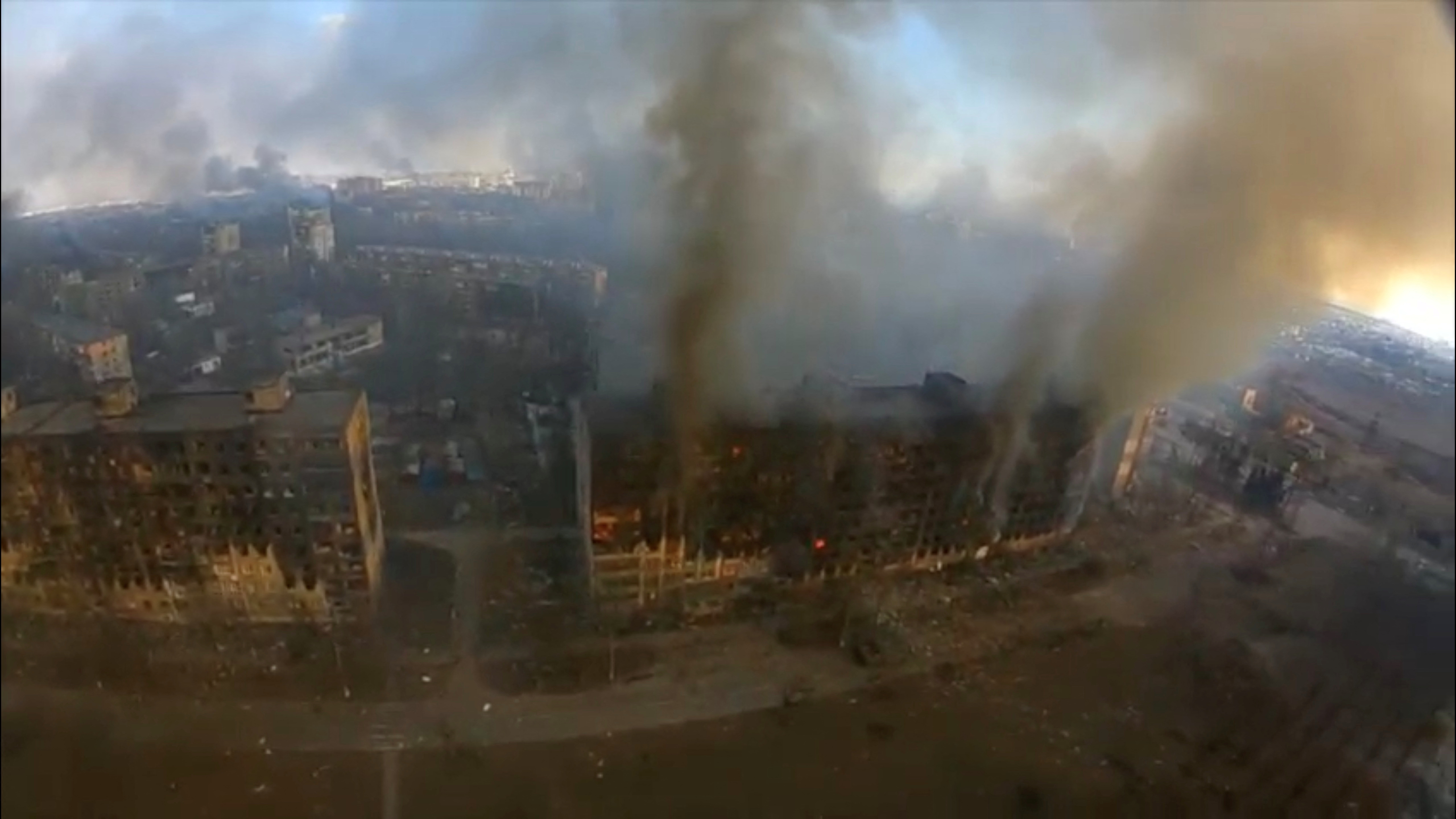
As many as 2500 civilians have died in Mariupol, Ukrainian officials estimate. About 350,000 people are trapped in the city, with officials warning those who remain are without electricity, water and heat.
Two women who managed to escape to the Zaporizhzhia region, about 225km away, told CNN about conditions in Mariupol and the frightening journey out.
Lidiia, who did not give her surname due to safety concerns, told CNN that she decided to leave Mariupol after Russian bombardments started hitting closer to her home.
"We left the city under shelling – there is no silence in Mariupol," the 34-year-old said.
READ MORE: Three EU nation leaders to visit Kyiv as Ukraine refugees top 3 million
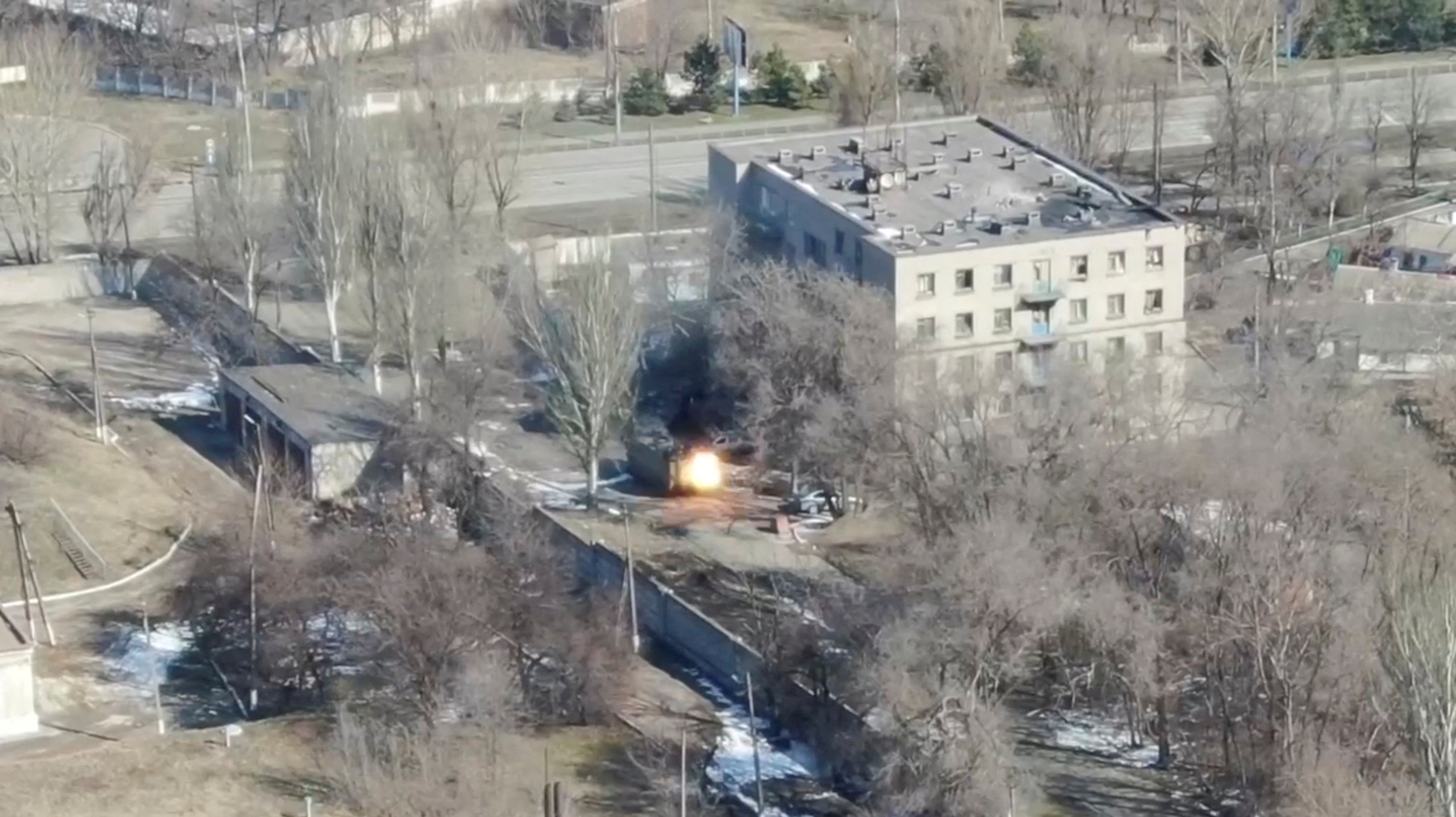
"Today we talked to our neighbors, they said that the situation now is even worse, so no one knows whether people will be able to leave Mariupol today."
She said she had spent two weeks in a basement with about 60 other people, adding she only left occasionally to retrieve items from her apartment.
Describing the journey out of the city, Lidiia said: "We stopped several times and hid the children because the airplane was flying very low directly above us. We were afraid that we would come under fire. But it was no longer possible to stay in the city. Mariupol is now just hell."
Svitlana, who also did not give her surname over safety concerns, told CNN that she let 17 people shelter in her house after their homes were destroyed, and cooked soup in her garden using rainwater.
READ MORE: What Russians are being told about the war in Ukraine
"When the war started, I didn't want to leave. But when shells began to fly overhead around the clock, it became unbearable to stay there," the 57-year-old said.
"My son stayed in Mariupol, I am very worried about him, but he decided to stay. I could not persuade him to leave."
Speaking about the conditions in Mariupol, Svitlana said: "There are still many people left in the city. I told my neighbors that it is possible to leave, but they are afraid that everything is mined."
She added: "Yesterday, the last grocery store in the city was bombed, I wonder how will people survive now?"
As the city is reduced into a battlezone, a Ukrainian official accused Russian troops on Tuesday of holding people captive at Mariupol's Regional Intensive Care Hospital,
Pavlo Kyrylenko, the Head of Donetsk regional administration, said doctors and patients were being held against their will, adding that one of the hospital employees managed to pass on information about what was happening.
"It is impossible to get out of the hospital. They shoot hard, we sit in the basement. Cars have not been able to drive to the hospital for two days. High-rise buildings around us are burning … the Russians have rushed 400 people from neighbouring buildings to our hospital. We can't leave," Mr Kyrylenko said on his official Telegram channel, quoting the employee of the hospital.
Mr Kyrylenko said the hospital was "practically destroyed" several days ago, but that its staff and patients stayed in the basement where patients continue to be treated.
Satellite images published by Maxar Technologies on Monday reveal the extent of the damage inflicted on the city, including the hospital and a number of apartment complexes.
READ MORE: Where in the world are Roman Abramovich's private jets?
The hospital has a hole in its southern walls and debris can be seen scattered around, while the residential buildings show significant damage.
Satellite photographs of the Primorskyi neighborhood, around a mile south of the hospital, show homes smoldering after apparently suffering Russian strikes.
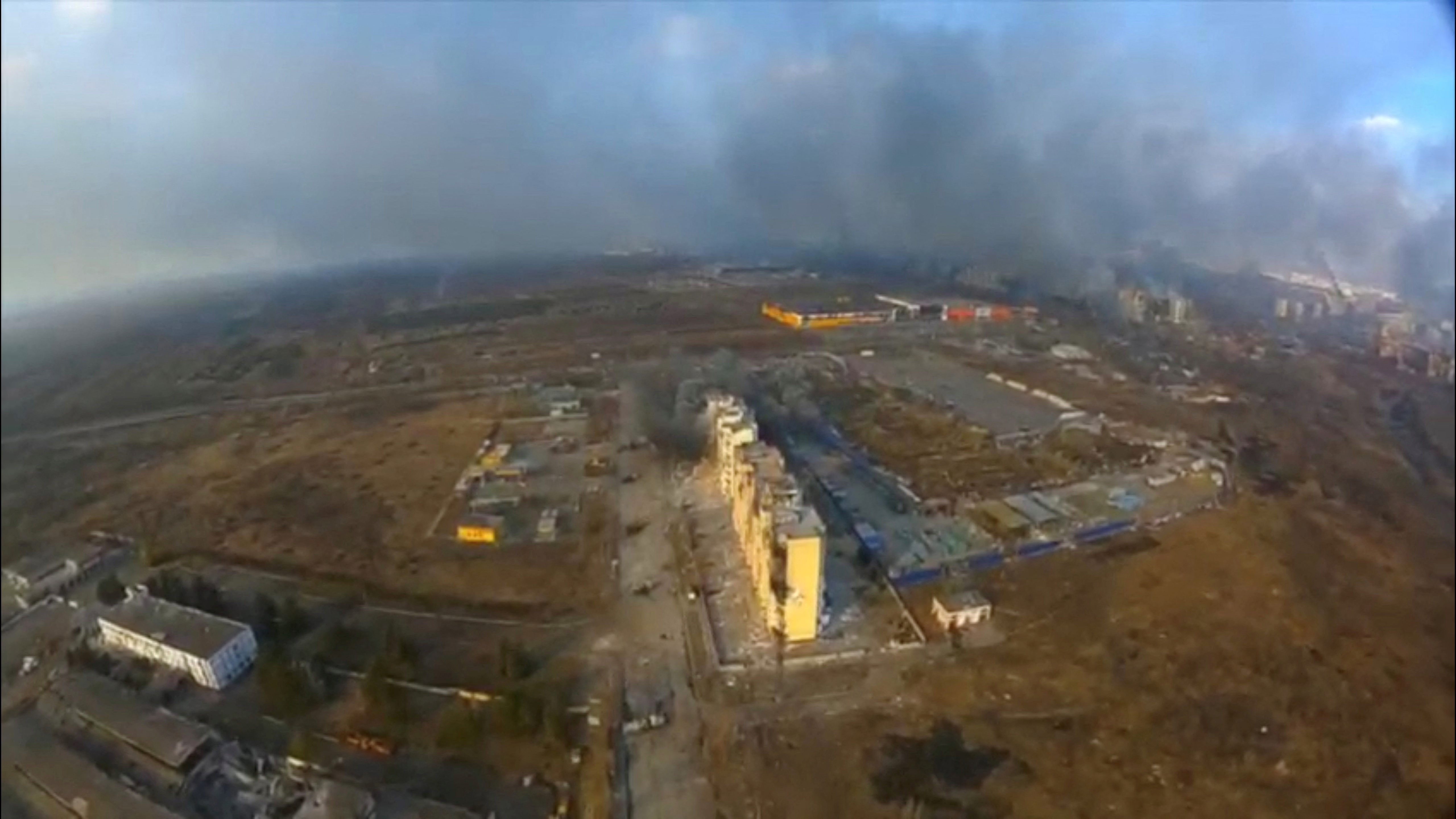
Drone footage which also emerged Monday shows a destroyed apartment complex and thick plumes of smoke rising over the west of the city.
The video was posted on Telegram by the Azov Battalion, an ultra-nationalist militia that has since been integrated into the Ukrainian armed forces. CNN has geolocated and verified the authenticity of the video.
Multiple official attempts to establish safe corridors and evacuate civilians from Mariupol have failed in recent days. A large convoy of humanitarian aid that was meant to arrive on Sunday has still not reached the city as of Monday, according to officials.
Some have resorted to melting snow and dismantling heating systems to get water to drink, said Petro Andriushchenko, an adviser to the city mayor, on Ukrainian television on Monday.
"Most of the people are staying in the basements and shelters in inhumane conditions. With no food, no water, no electricity, no heating," said Andriushchenko.
Speaking on Monday, Oleksiy Arestovych, an adviser in President Volodymyr Zelenskyy's office, said that the bombardment of Mariupol has caused more than 2500 deaths.
CNN cannot independently verify these casualty figures.
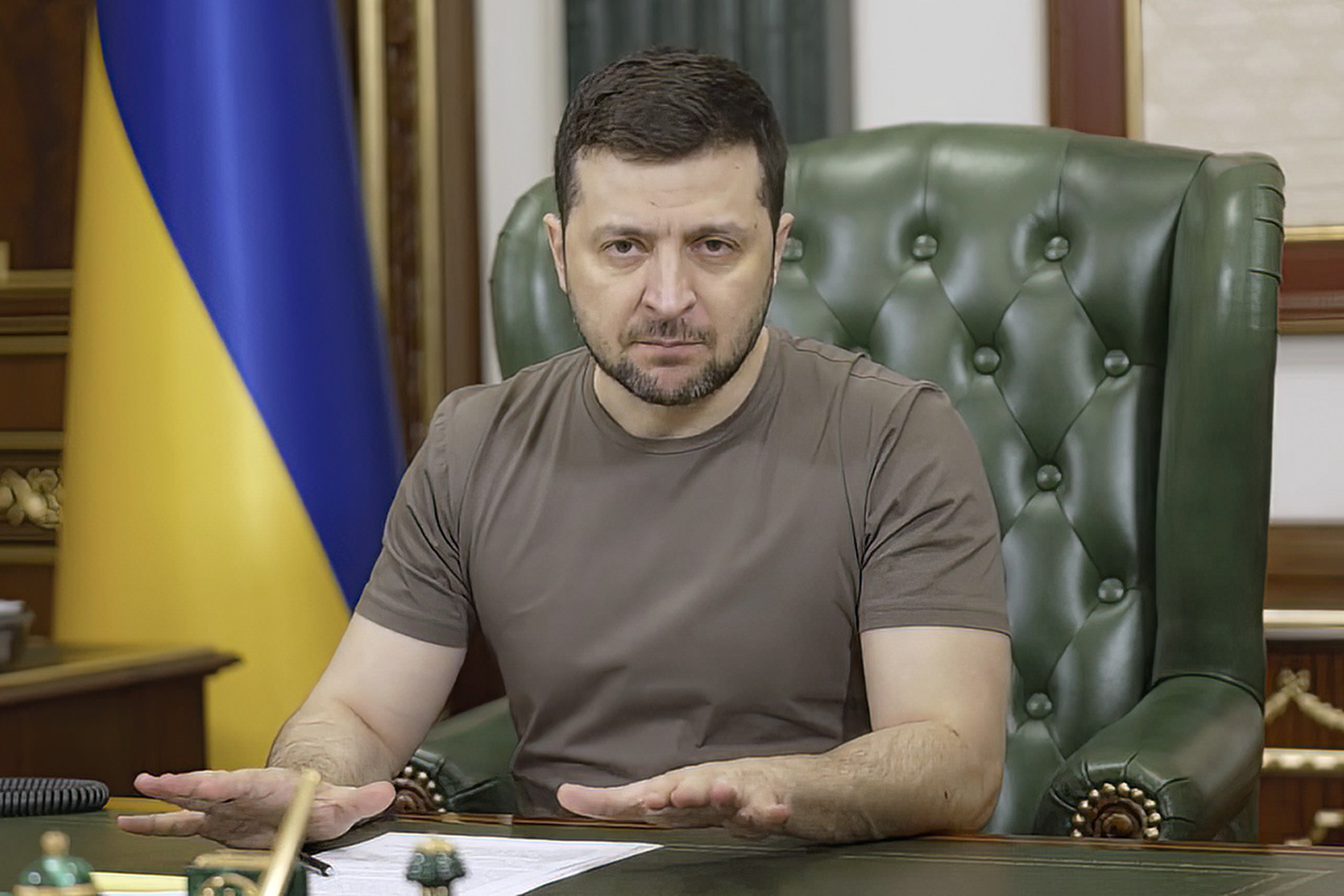
Also on Monday, Mr Zelenskyy accused Russia of committing war crimes in its attacks on the city and other parts of the country.
"Responsibility for war crimes of the Russian military is inevitable. Responsibility for a deliberate humanitarian catastrophe in Ukrainian cities is inevitable," he said.
"The whole world sees what is happening in Mariupol."
Why you can expect La Niña to hang around for a little longer
"Stronger than average" trade winds will further delay the end of La Niña, the Bureau of Meteorology (BoM) says.
The weather event, confirmed to have formed over the Pacific Ocean by the BoM on November 23, is responsible for Australia's wet summer of soaking rains.
READ MORE: Biden to visit Europe for talks on Ukraine crisis
https://twitter.com/BOM_au/status/1503611214701731841
"Trade winds remain stronger than average in the western Pacific, delaying further weakening of the #LaNiña over the past fortnight," BoM said.
"Latest outlooks indicate a return to neutral #ENSO levels late in the southern hemisphere #autumn."
Weatherzone said this is the first time in a decade that Australia had back-to-back La Niña events.
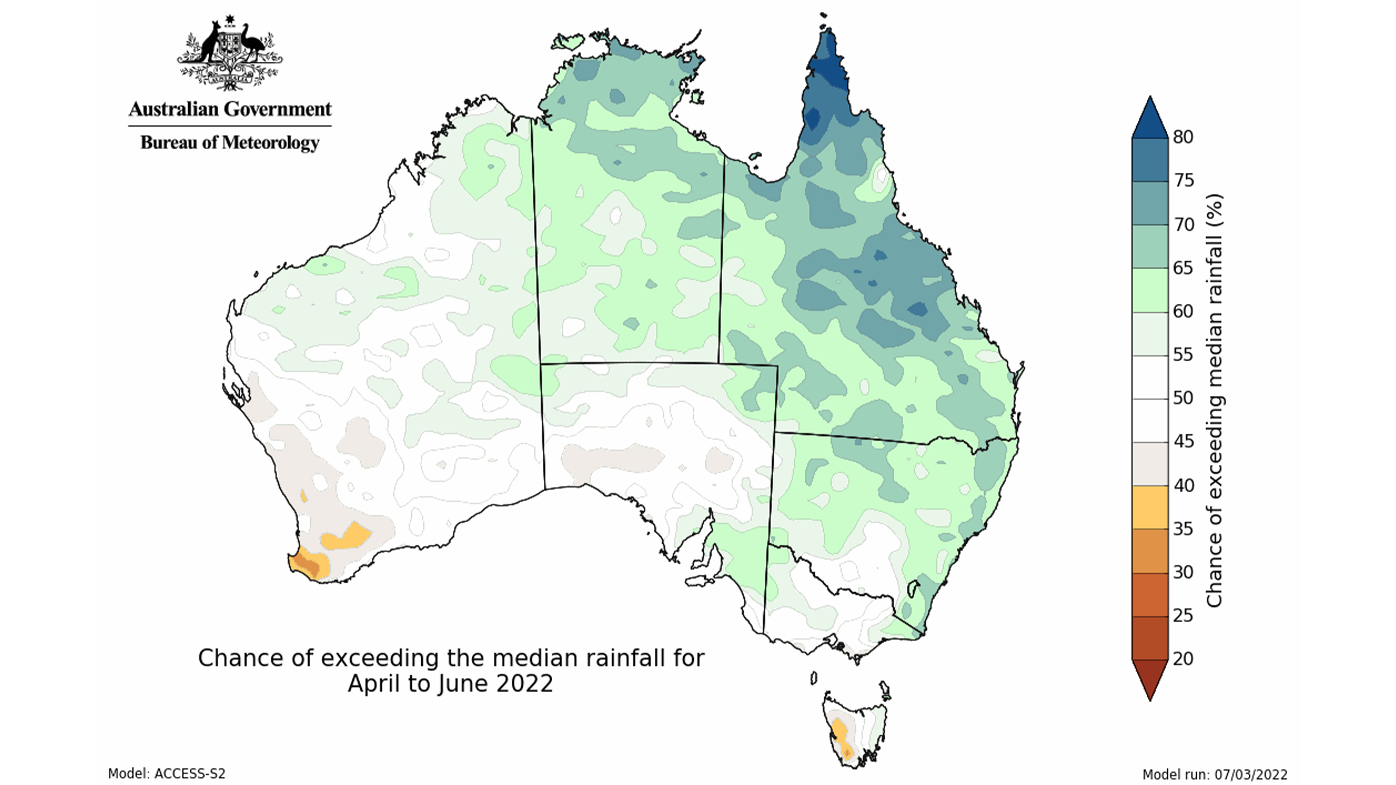
The weather service said the delay in the easing of La Niña increases "the likelihood of above-average rain in northern and eastern Australia during the next few months".
READ MORE: What is La Niña: The weather phenomenon gripping Australia
Broken Hill in western New South Wales was lashed with "periods of torrential rain in storms" yesterday afternoon.
"26mm of rain fell in 30 minutes at #BrokenHill with #thunderstorms earlier this afternoon," the BoM said as they issued a severe storm warning for the area.
A man was confirmed to have died in floodwaters on Minindee Road 35km east of Broken Hill around 10.30pm last night.
Police were told a 56-year-old man drove into floodwaters, exited his Toyota Landcruiser ute, and was sucked into a concrete pipe where he became trapped.
READ MORE: Australia's most-used illegal drugs revealed
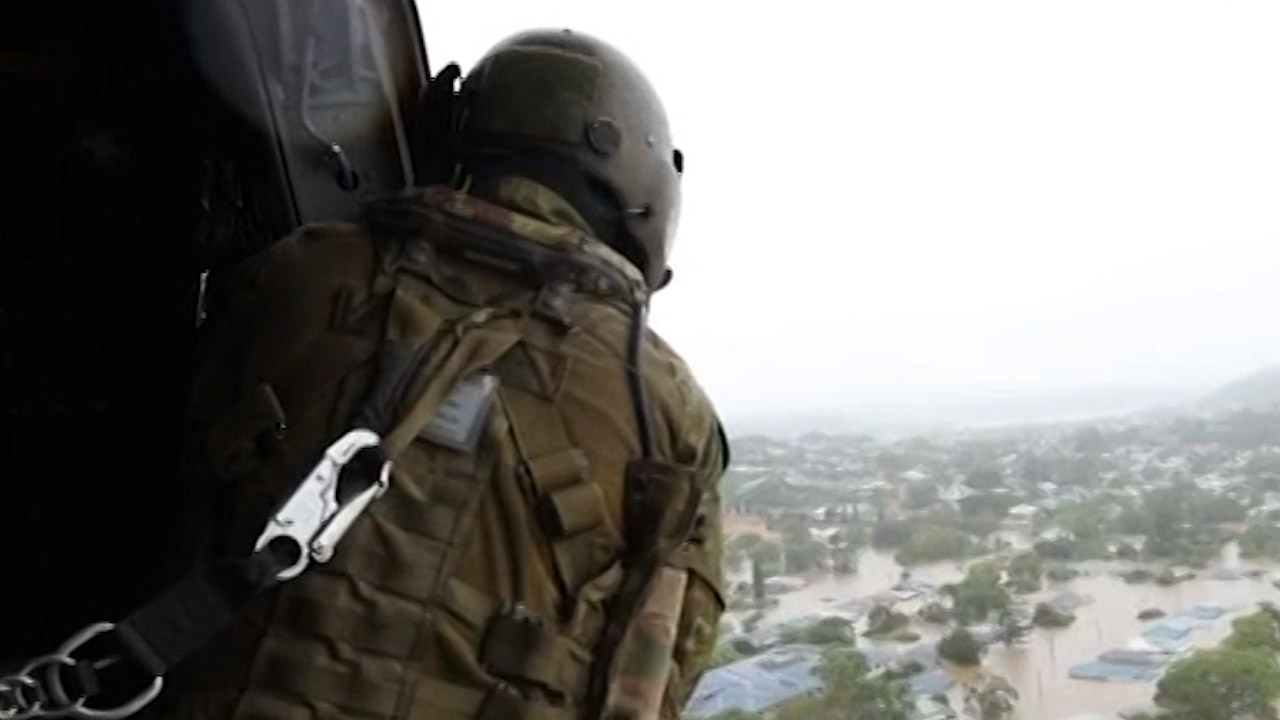
Twenty three lives have now been lost in floods across south-east Queensland, northern NSW and Sydney.
Let's see what the weather is doing around the nation's capitals.
READ MORE: China 'would face consequences' if it supports Russia, Australia says
Brisbane
Brisbane is in store for a light shower or two and the mercury is tipped to reach 29C.
Showers are most likely in the late morning and afternoon, according to the BoM.
Sydney
The mercury will hit 26C in Sydney, which has a medium chance of showers.
One to three mm of rain is forecast.
Canberra
It will be a chilly 11C morning in Canberra before temperatures climb to 23C.
The city has a slight chance of a shower, most likely this afternoon.
Melbourne
Showers are also possible in Melbourne, which is instore for a humid 25C day.
BoM said showers will become less likely and partly cloudy in the afternoon.
Winds will tend north to north-easterly at 25 to 35 km/h.
Hobart
The mercury will climb to 24C in Hobart today.
It will be partly cloudy.
Winds will tend north to north-easterly at 25 to 35 km/h.
Adelaide
Rain will also be felt in Adelaide, which will reach a maximum temperature of 32C.
The BoM said it will be "dry until a medium chance of showers and a possible thunderstorm from mid afternoon."
Darwin
The temperature is forecast to reach 33C in Darwin today.
It will be partly cloudy, with a slight chance of a shower and thunderstorm with gusty winds.
Perth
Perth is in store for a partly cloudy 27C day today.
There's a slight chance of a shower in the morning and afternoon.
Winds will tend westerly at 20 to 30 km/h, tending south-westerly 15 to 20 km/h in the evening then becoming light in the late evening.
Australia's most-used illegal drugs revealed
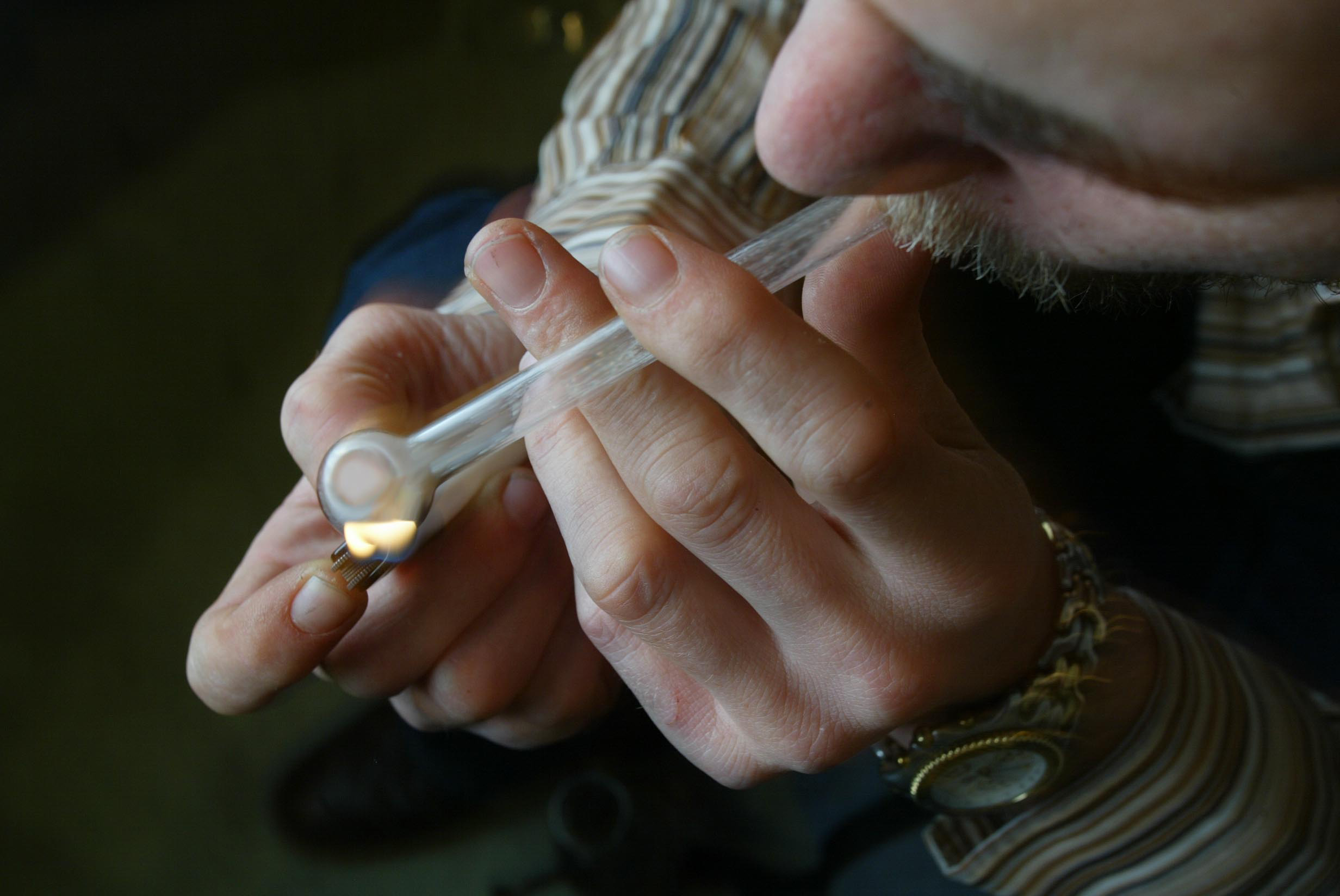
Methylamphetamine remains the most widely used illicit drug in Australia, the latest analysis of the nation's wastewater has found.
The Australian Criminal Intelligence Commission (ACIC) today released its 15th report of the National Wastewater Drug Monitoring Program, estimating that 15.7 tonnes of illicit drugs were consumed by Australians in 2020-21.
Of the estimated drugs consumed, methylamphetamine was far and away the most widely detected (8.8 tonnes), followed by cocaine (4.7 tonnes), MDMA (1.2 tonnes) and heroin (984 kg).
READ MORE: Russian oligarch on the move with luxury fleet
The estimated street value of the drugs detected was $10.3 billion, up from $8.9 billion the previous year.
ACIC Chief Executive Officer Michael Phelan said despite the increase in street value, the overall consumption of illicit drugs had fallen – leading to the conclusion that street prices of the drugs had increased.
"We saw the second-lowest annual consumption of the four major drugs since our national wastewater drug monitoring program began, yet the second highest spending by Australians over the same period," Mr Phelan said.
"It is clear that Australians are prepared to pay top dollar to line the pockets of organised criminals, generating significant health and other harms to our community."
READ MORE: Putin is 'angry, frustrated and likely to escalate war'
When broken down by drug, methylamphetamine decreased to the lowest levels ever recorded by the program, as did the use of MDMA.
Conversely, consumption of cannabis was the highest ever recorded by the program.
Mr Phelan said wastewater analysis provided a near-instant snapshot into the data behind illicit drug use.
"Through wastewater analysis we gain insight into the serious and organised crime groups that supply illicit drug markets," Mr Phelan said.
"Regular and near-real-time wastewater reporting enables the ACIC and our partners to detect and respond to increasing drug threats in a timely way and monitor the impact of responses."
READ MORE: China battles multiple outbreaks, driven by 'stealth Omicron'
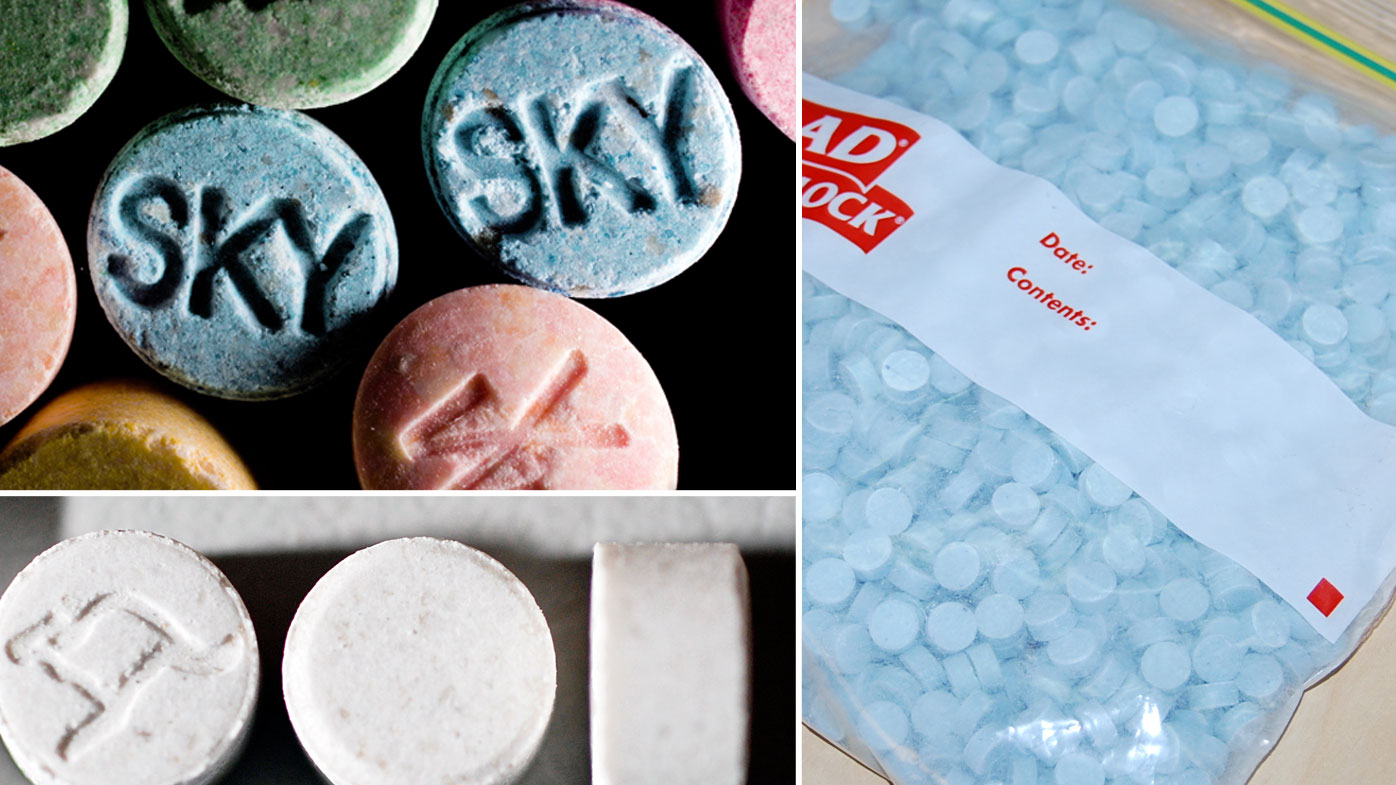
Curiously, the report found that while COVID-19 border restrictions did not have an immediate impact on drug markets, the accumulation of a range of pandemic restrictions saw the entire market reduce in size.
"The restrictions put in place as a result of the COVID-19 pandemic, severely constrained these markets," Mr Phelan said.
"However, organised crime groups continued to find ways to supply illicit drug markets during the pandemic and to generate significant illicit revenue through this activity.
"Our report helps address harmful drug consumption through improving knowledge about these influences so that tailored supply, demand and harm reduction efforts can be developed and implemented by decision makers on a range of drug and public health issues."
The August 2021 collection of wastewater, which the report is based around, covered around 57 per cent of Australia's population or around 13.3 million people.
For free and confidential advice about alcohol and other drug treatment services call the National Alcohol and Other Drug Hotline on 1800 250 015.
Access free 24/7 drug and alcohol counselling online.
For information about drug and alcohol addiction treatment or support, go to the Turning Point website.
Veteran cameraman and Ukrainian journalist killed near Kyiv
A Monday attack on a Fox News crew reporting near the Ukranian capital of Kyiv left two of the network's journalists dead and its correspondent severely injured, the country's Ministry of Defense said on Tuesday.
Killed in the attack were Pierre Zakrzewski, a longtime war photojournalist for Fox News, and Oleksandra Kuvshynova, a Ukrainian journalist. Fox News correspondent Benjamin Hall was seriously injured and remains hospitalised.
"The truth is the target," Ukraine's Ministry of Defence said Tuesday, commenting on the attack of journalists in the Fox News crew.
READ MORE: Biden to visit Europe for talks on Ukraine crisis
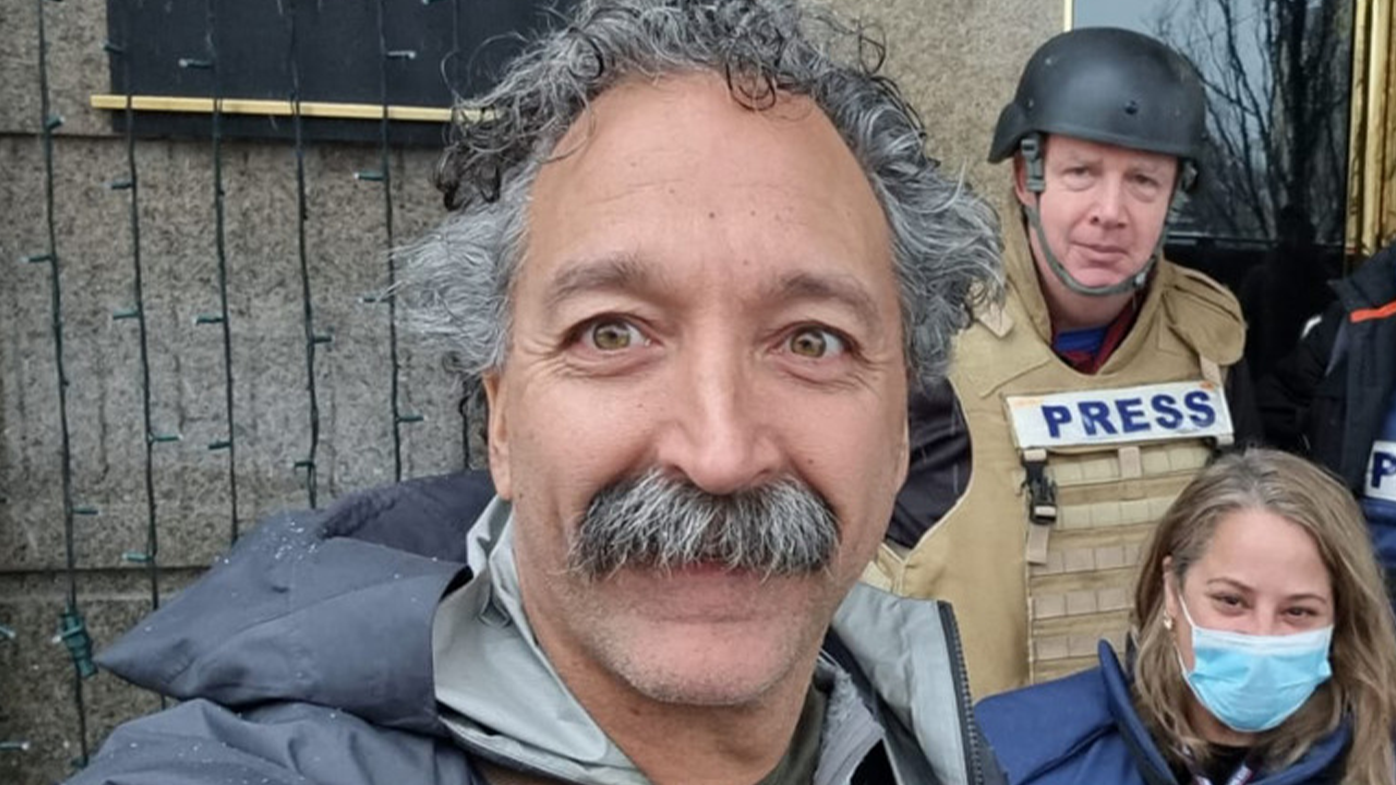
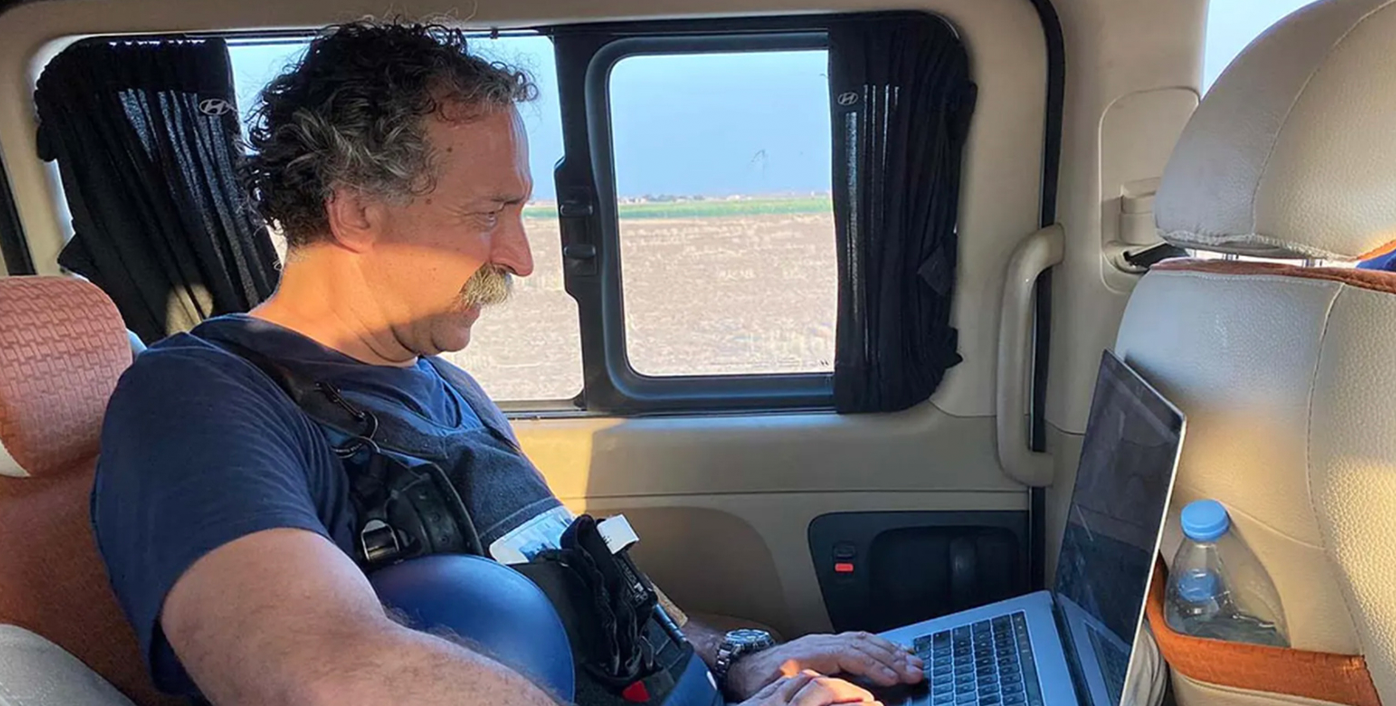
Zakrzewski's death was announced by Fox News Media chief executive Suzanne Scott.
Scott said in a memo to employees that he was killed when the vehicle the Fox News crew was traveling in came under fire.
Kuvshynova's death was announced by Anton Gerashchenko, an advisor to the Ukrainian interior minister. Gerashchenko blamed artillery shelling by Russian forces.
READ MORE: China 'would face consequences' if it supports invasion, Australia says
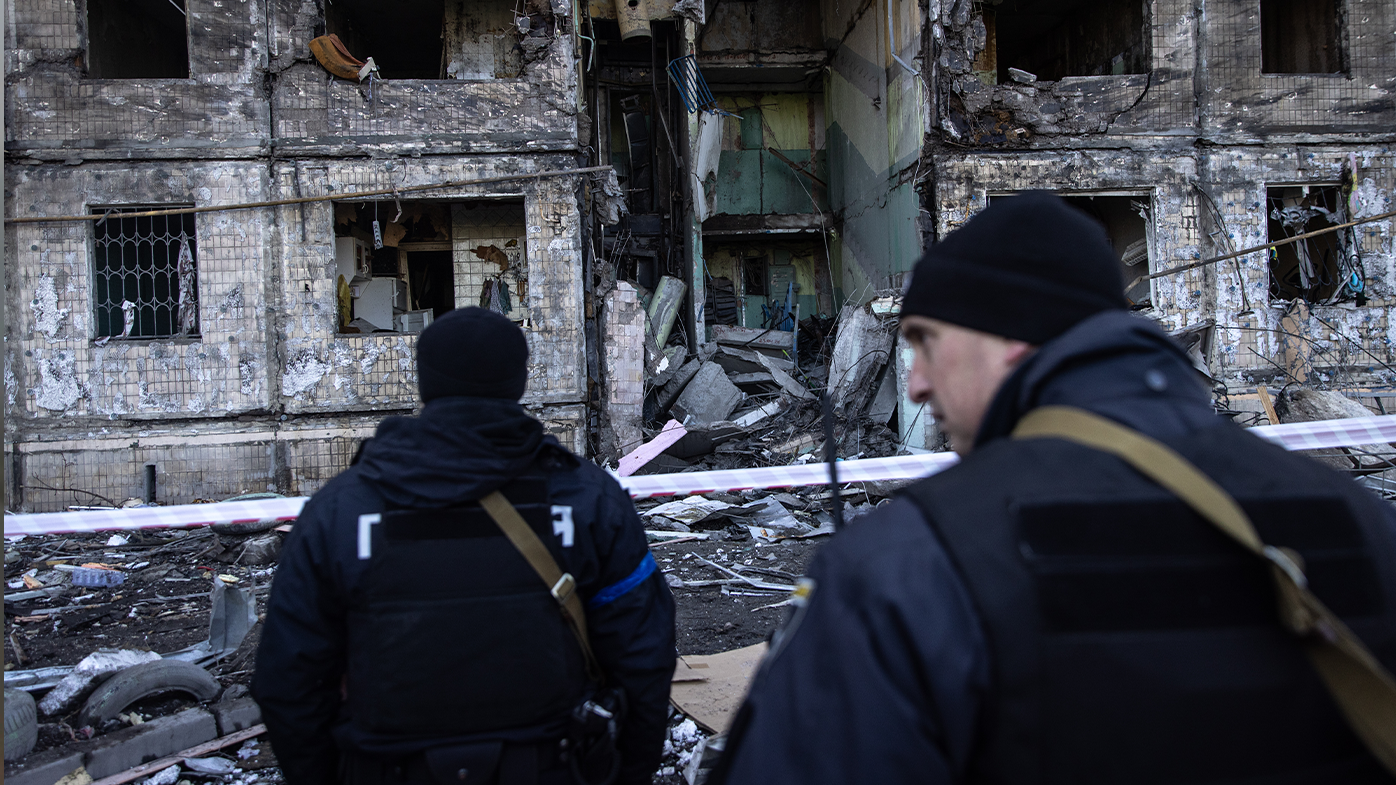
The deaths come as journalists working in Ukraine increasingly find themselves coming under fire. Brent Renaud, an award-winning American documentarian, was killed Sunday in an attack that also injured journalist Juan Arredondo.
A Sky News team released footage earlier this month showing them being violently ambushed.
Scott on Tuesday remembered Zakrzewski as a journalist who was "profoundly committed to telling the story and his bravery, professionalism and work ethic were renowned among journalists at every media outlet."
"He was wildly popular — everyone in the media industry who has covered a foreign story knew and respected Pierre," Scott said.
Scott described Zakrzewski's talents as vast and said that "there wasn't a role that he didn't jump in to help with in the field – from photographer to engineer to editor to producer.
She said that he "did it all under immense pressure with tremendous skill".
Zakrzewski was a veteran photojournalist who had "covered nearly every international story for Fox News from Iraq to Afghanistan to Syria," Scott said.
He had been reporting from Ukraine since February.
Tributes immediately poured in from Zakrzewski's colleagues at Fox News.
Anchor Bill Hemmer, who broke the tragic news on the channel's air, described Zakrzewski as "an absolute legend" at the network.
Anchor John Roberts said he had worked with Zakrzewski "many times around the world" and described him as "an absolute treasure".
Foreign correspondent Trey Yingst, who is also reporting from Ukraine, wrote on Twitter: "I don't know what to say. Pierre was as good as they come. Selfless. Brave. Passionate. I'm so sorry this happened to you."
Zakrzewski's counterparts at other networks also remembered him.
Clarissa Ward, CNN's chief international correspondent, said she had "the great privilege" of having worked with Zakrzewski and "the even greater privilege of calling him a friend".
"An extraordinary spirit and tremendous talent and one of the kindest, most gracious colleagues on the road," Ward wrote on Twitter.
"Absolutely heartbreaking."
Fox News had just recognised Zakrzewski in December as one of the network's "unsung heroes." He was described at the time as a journalist who "risks his life in war zones to get the story for Fox News."
First-of-its-kind DNA study to be carried out on Titanic wreck
More than 100 years after the RMS Titanic sunk to its icy grave in the Atlantic Ocean, a "world-first" environmental DNA study is being carried out on the wreck.
OceanGate Expeditions and eDNAtec today announced it will gather DNA water samples (eDNA) through five missions of the 2022 Titanic Survey.
It's hoped the samples will provide a clearer understanding of deep ocean biodiversity as the "unsinkable ship" has formed an artificial reef system.
READ MORE: Anti-war protester interrupts Russian state TV news broadcast
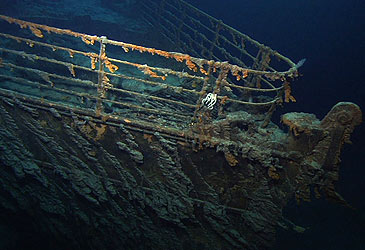
The wreck is situated in an unusual position, at a depth of 3800m in what is typically considered an "abyssal plain".
"This is groundbreaking deep-sea research," marine biologist Dr Steve W Ross said, explaining both microscopic and larger animals can be identified through analysis.
"The deeper you go into the ocean, the less knowledgeable we are.
"This study will give us an entirely different view of this one-of-a-kind habitat while also adding substantially to shared deepwater DNA data sets".
READ MORE: Russia could default on its debt within days
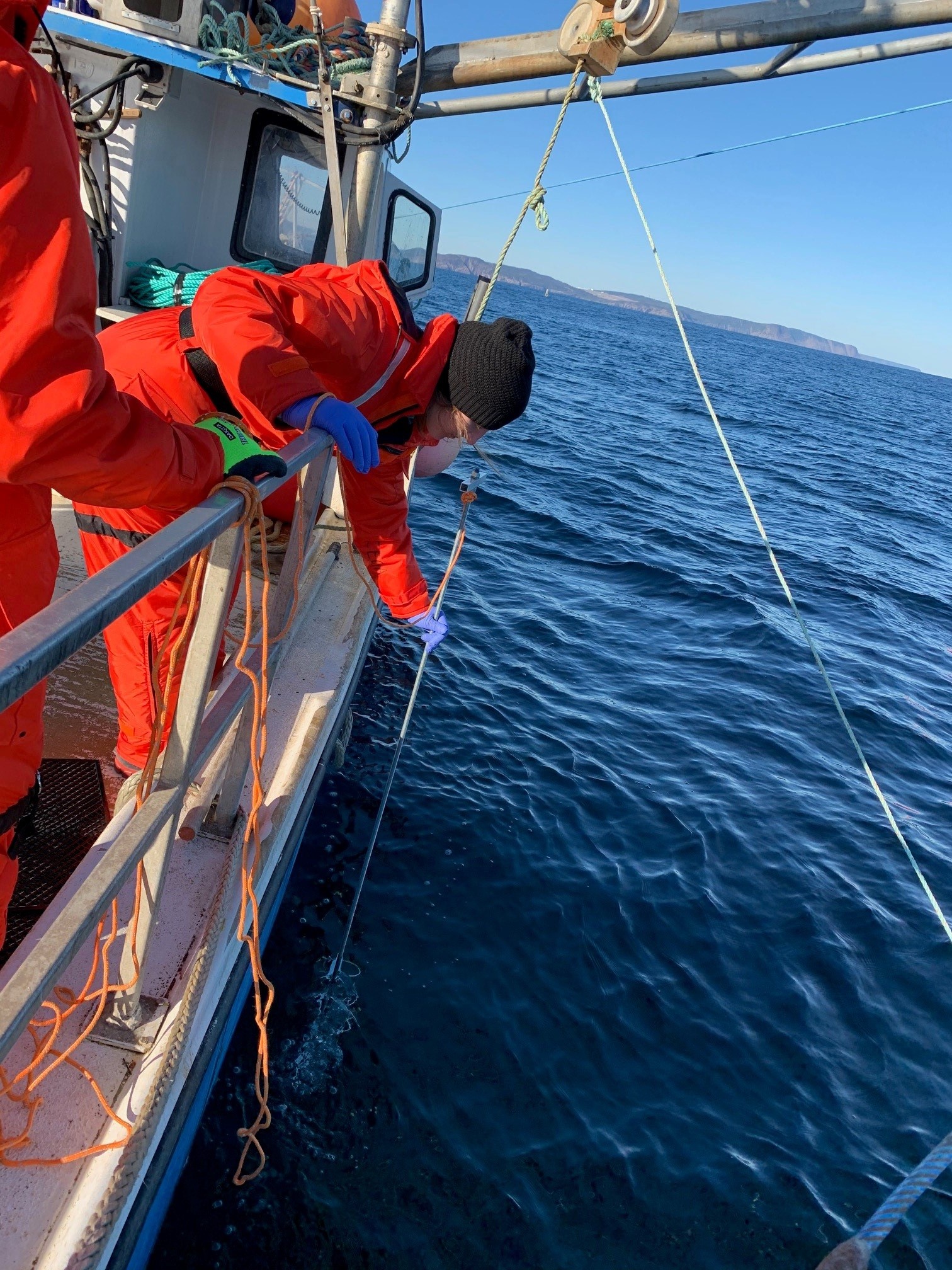
Dr Mehrdad Hajibabaei, an internationally recognised expert in biodiversity genomics and Founder and CSO of eDNAtec, said this is one the "deepest and most ambitious studies" ever undertaken.
"We will generate a complete view of organisms in an ecosystem using high-capacity sequencing platforms that generate billions of genomic sequences," he said.
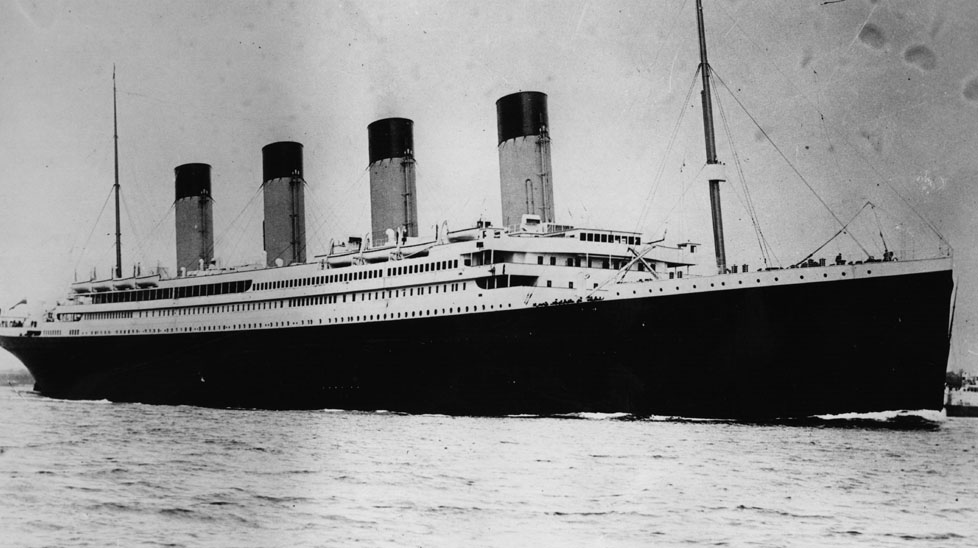
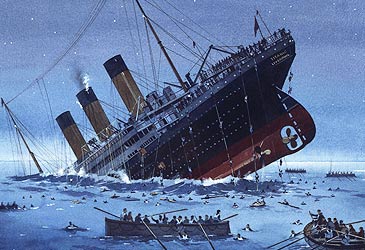
Disaster struck the Titanic late on the evening of April 14, 1912, when it hit an iceberg.
The ice perforated its steel plates, causing six compartments to flood.
The ship, measuring 269m long, sank in two hours and 40 minutes.
More than 1500 people died in the maritime disaster, with many freezing in the frigid -2.2C waters of the Atlantic.