Test your brains with the Herald’s afternoon quiz. Be sure to check back on nzherald.co.nz for the morning quiz tomorrow. To challenge yourself with more quizzes, CLICK HERE.
Category Archives: headline
Tauranga land reclaimer remanded in custody after sentencing delayed again
A man who attempted to reclaim his own private ‘park’ within Tauranga Harbour has been remanded in custody after having his sentencing pushed back.Flanked by a large contingent of supporters, Tio Faulkner, who represented himself,…
Woman strangled, raped by teen in Gore
A woman was mentally screaming at her rapist but her fight had gone from her as her attacker had strangled her before the sexual assault, the Gore District Court heard today.The woman had woken earlier in the night after she had…
Covid 19 Omicron outbreak: Kiwi hero living in limbo with family of five awaiting MIQ spot to see dying mother
A Kiwi man in Australia has spent the last month couch surfing with his family of five, while they wait for an emergency MIQ spot in time to see his dying mother. New Zealand-born man Turawaho Hemopo, who lives in Brisbane, made…
'Giggling and fist-pumping': Auckland man wins $21m Lotto Powerball
An Auckland man hasn’t stopped giggling and fist-pumping after his $21 million win with Lotto Powerball First Division this weekend. The man, who wished to remain anonymous, picked up his regular Lotto ticket on MyLotto just before…
'I bawled my eyes out': Pandemic leaves cancer patients undiagnosed
It's been less than a month since Tanya Hartman's world was turned upside down.
At 36 years old, stage-three bowel cancer is not a diagnosis she expected to be given.
Yet here she is.
The devastating news came as Ms Hartman woke from what was supposed to be a routine colonoscopy in January to tie off a suspected haemorrhoid.
"When I opened my eyes, the specialist who performed the colonoscopy told me there was no haemorrhoid, but he had found a 3cm tumour.
"I had bowel cancer."
READ MORE: How the pandemic has impacted cancer diagnosis in Australia
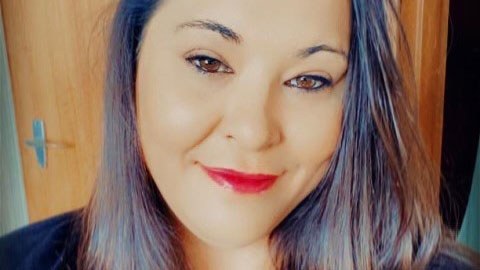
Ms Hartman's mind almost immediately turned back to all the times that colonoscopy had been postponed over a two-and-a-half year period.
Ms Hartman, who lives in Portland on the south west coast of Victoria, initially got her referral for the colonoscopy in mid-2019.
She chose to have the procedure done in Naracoorte, just across the border in South Australia.
State lines were no big deal back then: just a sign by the side of the road.
Besides, Ms Hartman used to live in the area, she knew the doctors and they had her medical records.
Ms Hartman said the first few times her colonoscopy was cancelled it was because the hospital was undergoing renovations.
Then the COVID-19 pandemic hit; with it came hard border closures and intermittent delays to elective surgeries and other procedures, such as colonoscopies.
By the time January this year rolled around, Ms Hartman said she was getting desperate.
Although she didn't think it was cancer, the suspected 'haemorrhoid' was causing her to pass a lot of blood when she went to the toilet.
"I went and had my pre-op appointment a week before the procedure. At that time, I was told it would most likely be cancelled again because of the high number of COVID-19 cases in the area," Ms Hartman said.
"I just started bawling my eyes out. I said please don't cancel because I am so sick of going to the toilet and losing so much blood. I have had enough."
After the colonoscopy, further tests showed the cancer had spread to Ms Hartman's lymph nodes and ovaries.
When the shock of her diagnosis wore off, Ms Hartman said what she felt most was fear and a lot of anger.
"I feel really angry, not just at (the doctors and hospital system), but at myself for not pushing for things to happen quicker," Ms Hartman said.
"I really should have pushed a lot harder or tried to get my treatment done in Victoria.
"But I didn't really push it because I was told it was just a haemorrhoid."
Ms Hartman's case is similar to that of 31-year-old Victorian mum Rhiannon Coombs.
As previously reported by 9news.com.au, Ms Coombs waited almost three years for a colonoscopy at a Melbourne hospital.
The delay was due in part to lengthy public wait times for colonoscopies, as well as lockdowns in Melbourne.
READ MORE: Canberra mum calls for bowel cancer screening age to be lowered
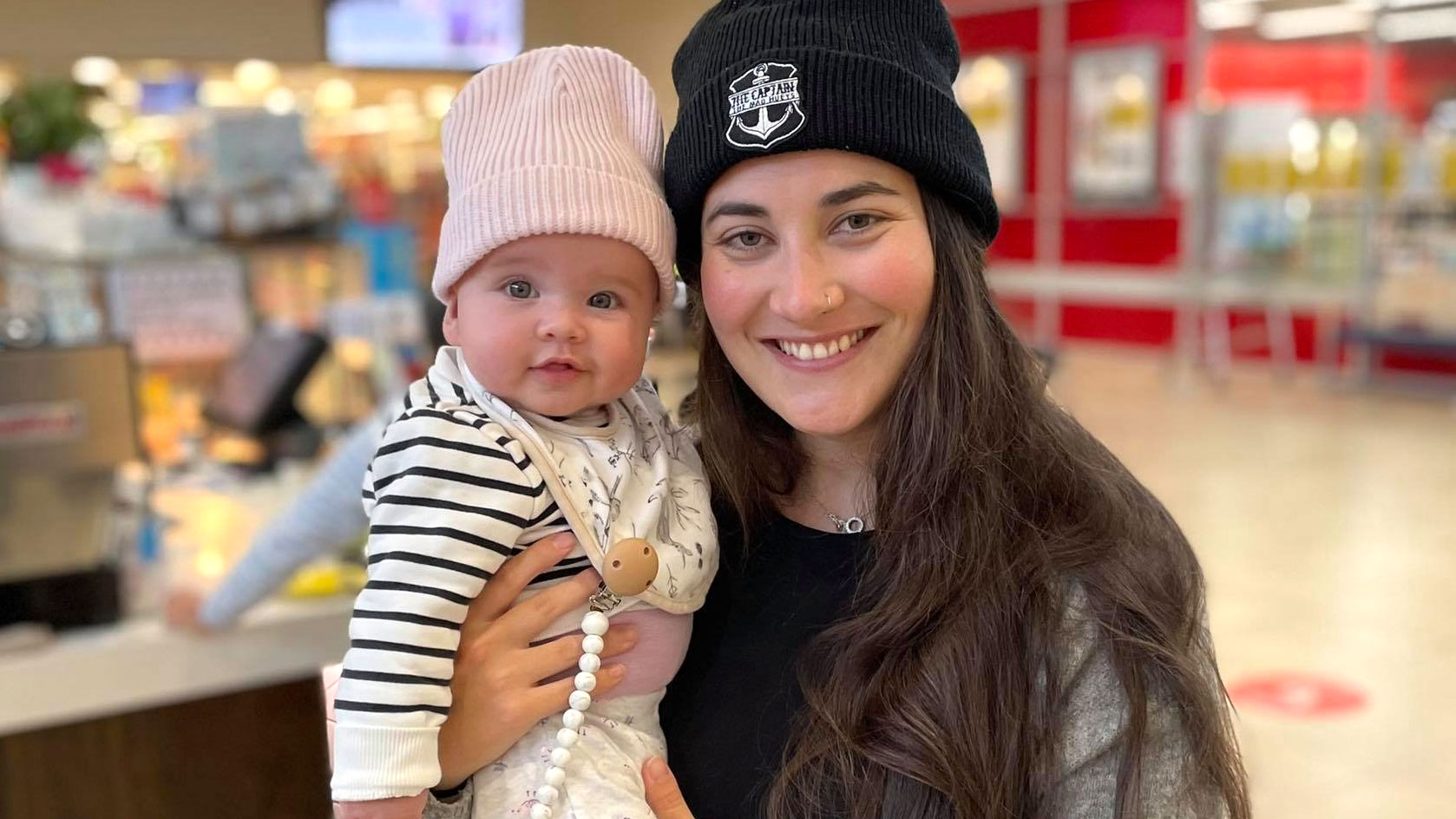
Ms Coombs was also told she likely had a haemorrhoid, but when her colonoscopy was finally done in September last year, a 5cm tumour was found and she was diagnosed with stage-three bowel cancer.
Cancers going undiagnosed
Bowel cancer claims the lives of 5255 Australians every year, including 290 people under the age of 50.
Despite a perception that it only affects older Australians, it is the deadliest cancer for young adults.
In the first Australian report of its kind, Cancer Australia raised a red flag last September about the potential number of people going undiagnosed with cancer because of the impact of the pandemic.
During 2020, the number of colonoscopies performed nationally was 13 percent lower than expected, the Cancer Australia data showed.
There were 610,000 colonoscopies performed, which was 90,000 less than expected.
Sydney colorectal surgeon and Bowel Cancer Australia director Graham Newstead said there was a significant concern some patients have been getting diagnosed with bowel cancer at later stages because of the impact of the pandemic.
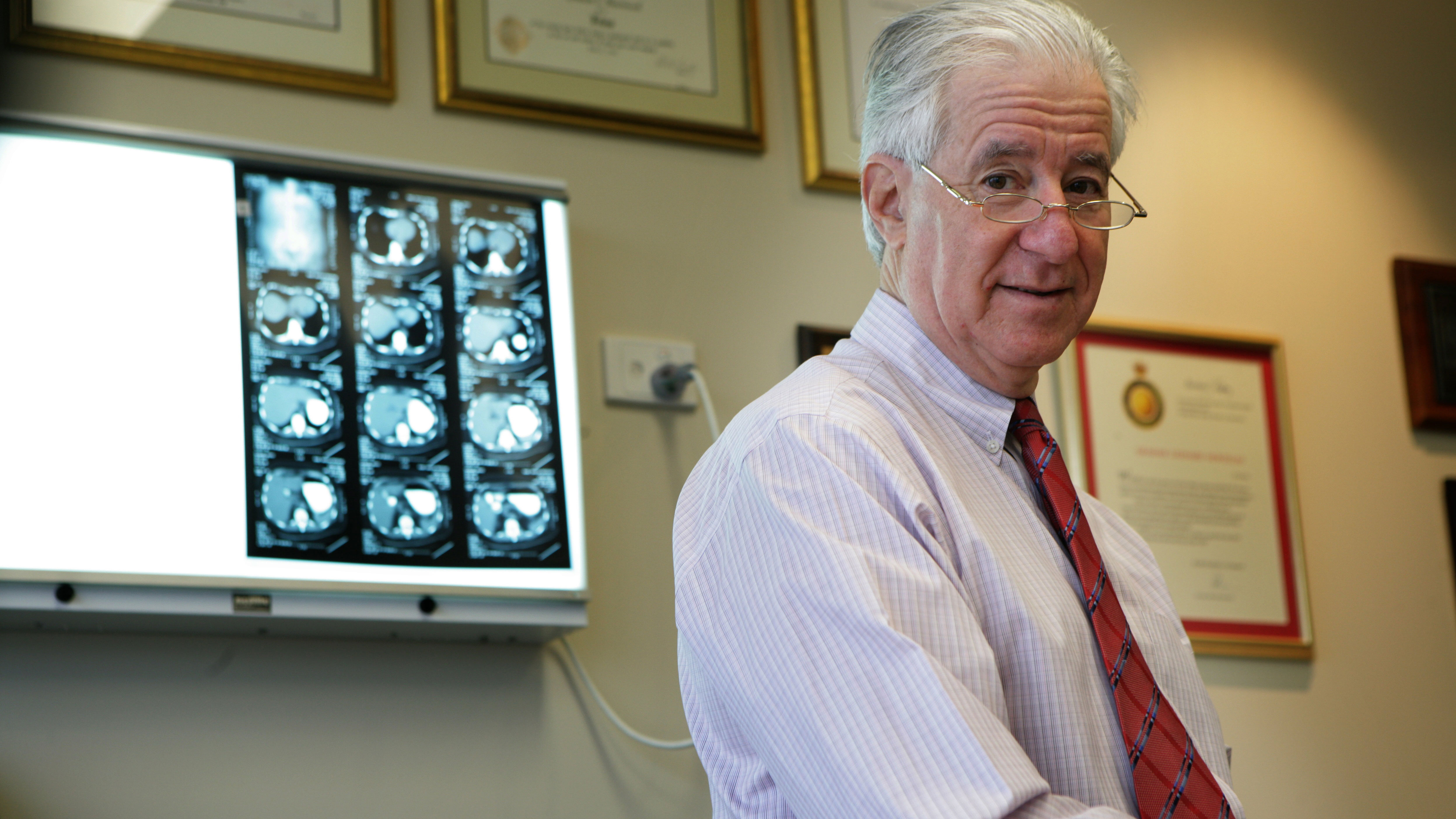
Colonoscopies, which are classed as day procedures and not elective surgery, had been scaled back intermittently in most states due COVID-19, leading to procedures being delayed, Professor Newstead said.
Some patients had also pushed back their appointments out of fear of going to hospital during the pandemic, he added.
"We have experienced patients cancelling their routine colonoscopies because they want to defer until the COVID-19 situation has settled," Professor Newstead said.
"I've seen several patients with really big (potentially pre-cancerous) polyps that have come in after due date. And I know for sure that a number of colleagues are seeing cancers after patients have put off the procedure."
In some cases, the delays could mean the difference between life and death, Professor Newstead said.
"You can go from having a cancer which is early and curable – a stage one or two – to stage three or four, which is then potentially incurable."
'I burst into tears. It gutted me'
Bowel cancer patients have told 9news.com.au that – in addition to difficulties in getting diagnosed – the cancellation of elective surgeries during the pandemic has added to their distress.
Emma Rogers was diagnosed with stage-four bowel cancer in January last year.
After undergoing chemotherapy and radiation, the 32-year-old from Adelaide underwent surgery to remove 15cm of her bowel at the end of August.
After the surgery, Ms Rogers was left with a temporary ileostomy, an opening in the abdominal wall which requires a person's waste to be collected in a bag.
Ms Rogers said living with her ileostomy had been much harder than she expected, and she had endured several complications, including regular leaks.
"Having an ileostomy means every time I go to the bathroom I have to empty the bag which can be anytime between five and eight times per day," Ms Rogers said.
"There have been times where I've been out in public, or in bed at night, when its leaked. And it does make noises, it can talk to you, which you don't have any control over. So that has been a really challenging thing.
"It's been a massive adjustment and has taken a toll on my mental health."
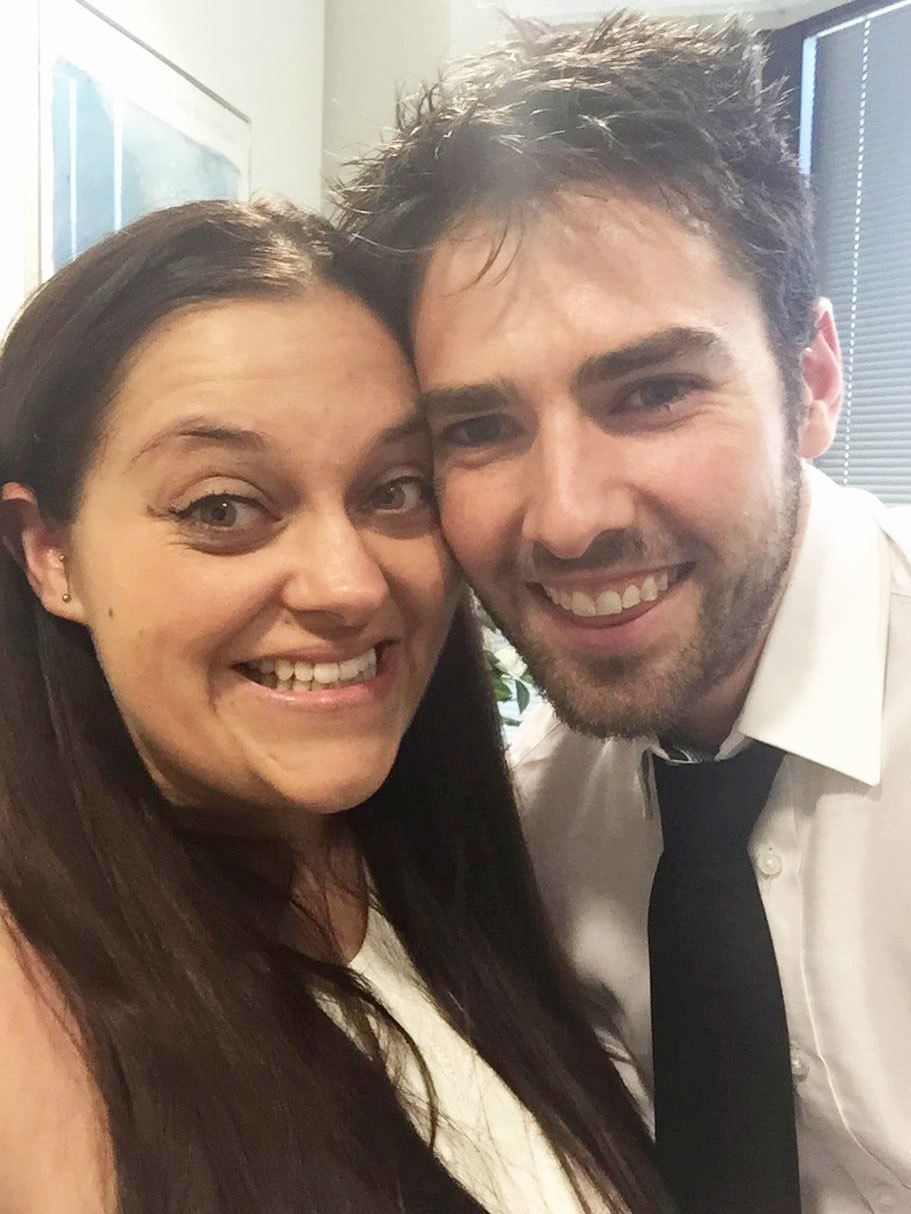
Ms Rogers said her ileostomy reversal was classified as an urgent, category two procedure to be completed within 90 days.
"I was initially told by my medical team that I was still scheduled to have the reversal at the end of January," she said.
"But, a week later, they phoned back and said that it had been cancelled and they couldn't give me a rough idea as to when it would occur.
"I am not going to lie, I burst into tears. It gutted me."
Different states and territories have responded differently to the pressures the latest Omicron variant has put their health systems, however many suspended non-urgent elective surgeries in early January.
In Victoria, only category one emergency surgery has been going ahead under its code brown system, while in NSW category one and category two surgeries have proceeded.
This week, the NSW Government announced all non-urgent elective surgeries will begin a staggered return from February 7.
The South Australian Government, which has suspended category three and non-urgent category two procedures, said yesterday a staged return of elective surgeries would begin from next week.
In Victoria, private hospitals are expected to resume a half-load of elective surgeries next week, according to The Age, however no official announcement has been made.
Ms Rogers said she felt many patients been neglected as SA hospital system struggled to cope with the pandemic and the government could have done a better job of managing the conflict.
"I understand there has been a lot of pressure on hospitals but I really feel that the South Australian Government did not do a good enough job preparing our state to open," she said.
"We were shut for quite some time and we have done the hard yards with the restrictions and getting vaccinated and doing all we can."
Last week, bowel cancer patient Tania Frost started an online petition highlighting the impact cutbacks in elective surgeries are having on cancer patients.
The petition – which Ms Frost started after hearing many stories within her local bowel cancer support group of patients with cancelled appointments – has so far attracted 18,000 signatures.
Contact reporter Emily McPherson at em********@******om.au.
Covid-19: Booster change gives NZ a bigger head-start against Omicron
Experts have welcomed the Government’s move to make the Covid-19 booster available to more Kiwis now, arguing the urgent need to get the third shot out now outweighs any immunity benefit of waiting longer. Covid-19 Response Minister…
Divers stumble on bizarre sight off Sydney beach
Divers were met with a bizarre, and concerning, sight off a Sydney beach last week when they discovered a shark stuck in a frisbee.
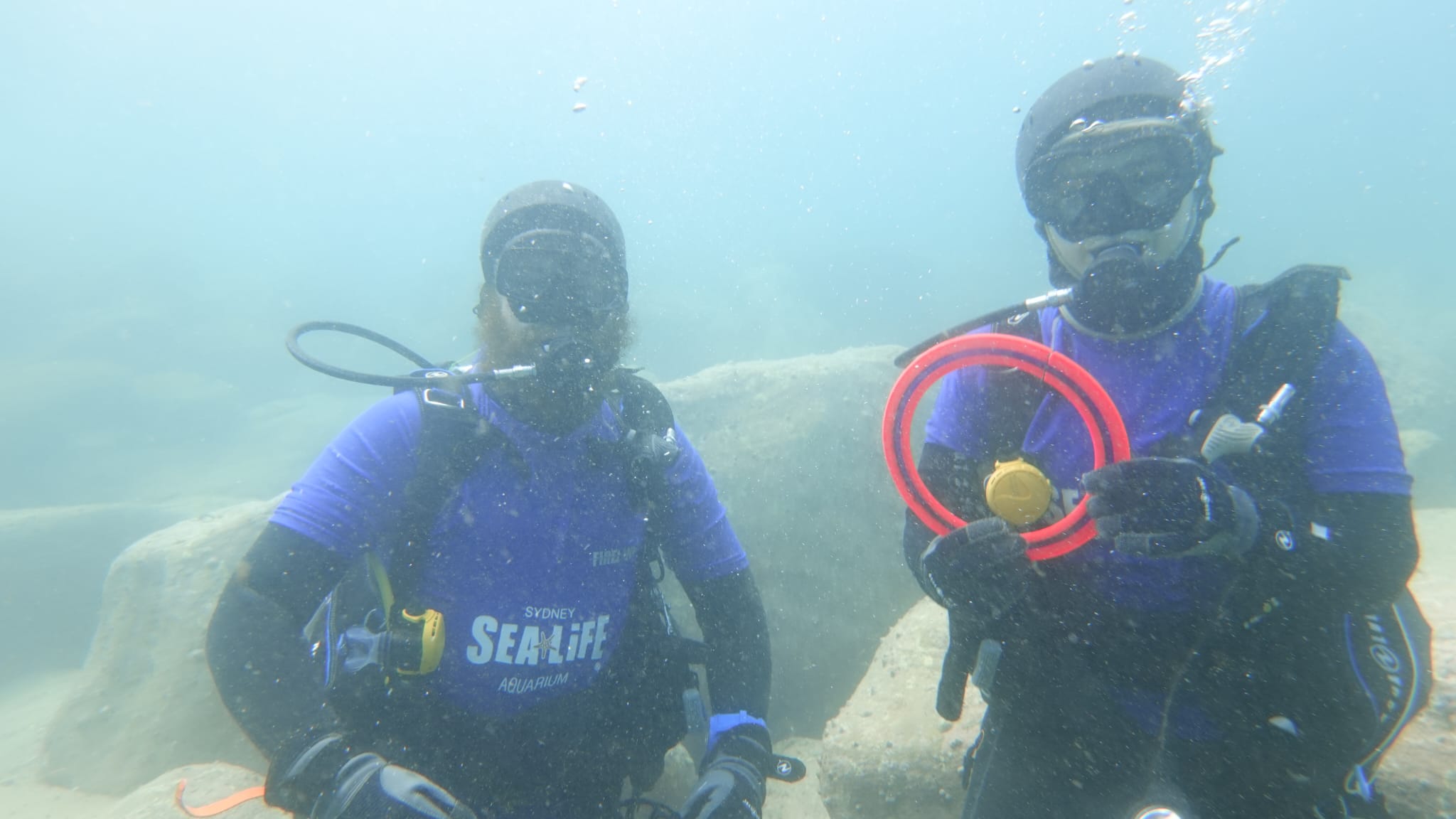
Posting to Facebook this week, SEA LIFE Sydney Aquarium said they launched a delicate rescue mission to save the wobbegong shark last Wednesday.
The animal had been spotted off Cabbage Tree Bay in Manly, a popular swimming spot for divers and snorkellers.
READ MORE: Incredible footage captures monster 768km lightning strike
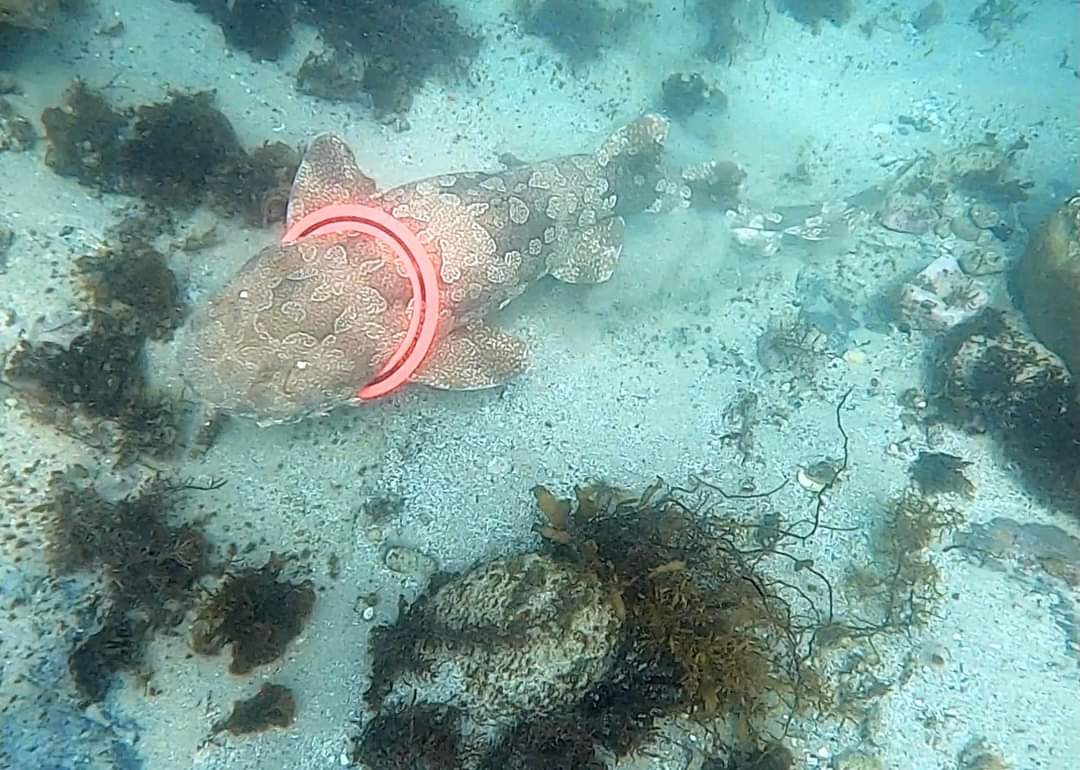
The divers investigated the situation before carefully removing the plastic from around the shark's neck.
After the rescue they posed for photos. A cut could be seen at the top of the disk.
READ MORE: Venomous snake found curled up in boy's bedroom wardrobe
Wobbegongs live in shallow coastal waters and are thought to be endemic to Australia, the Australian Museum explains.
They range from the southern coastline of Australia from southern Queensland to south-western Western Australia.
They often lie on sand or rocky bottoms and are frequently seen by divers.
The rescue comes amid estimates about eight million tons of plastic waste ends up in the ocean each year.
Millions of RATs to be manufactured in Victoria
Millions of rapid antigen tests are set to be manufactured in Victoria from April this year if the plan is approved by the Therapeutic Goods Administration (TGA).
Premier Daniel Andrews today announced Lumos Diagnostics, together with its delivery partner Planet Innovation, will establish a manufacturing facility and innovation hub in the state to produce the RATs.
The government aims for one million tests to be manufactured every month from April and three million after July, before production ramps up to full speed from October onwards.
LIVE UPDATES: In just weeks, Omicron triggers surge in global virus cases
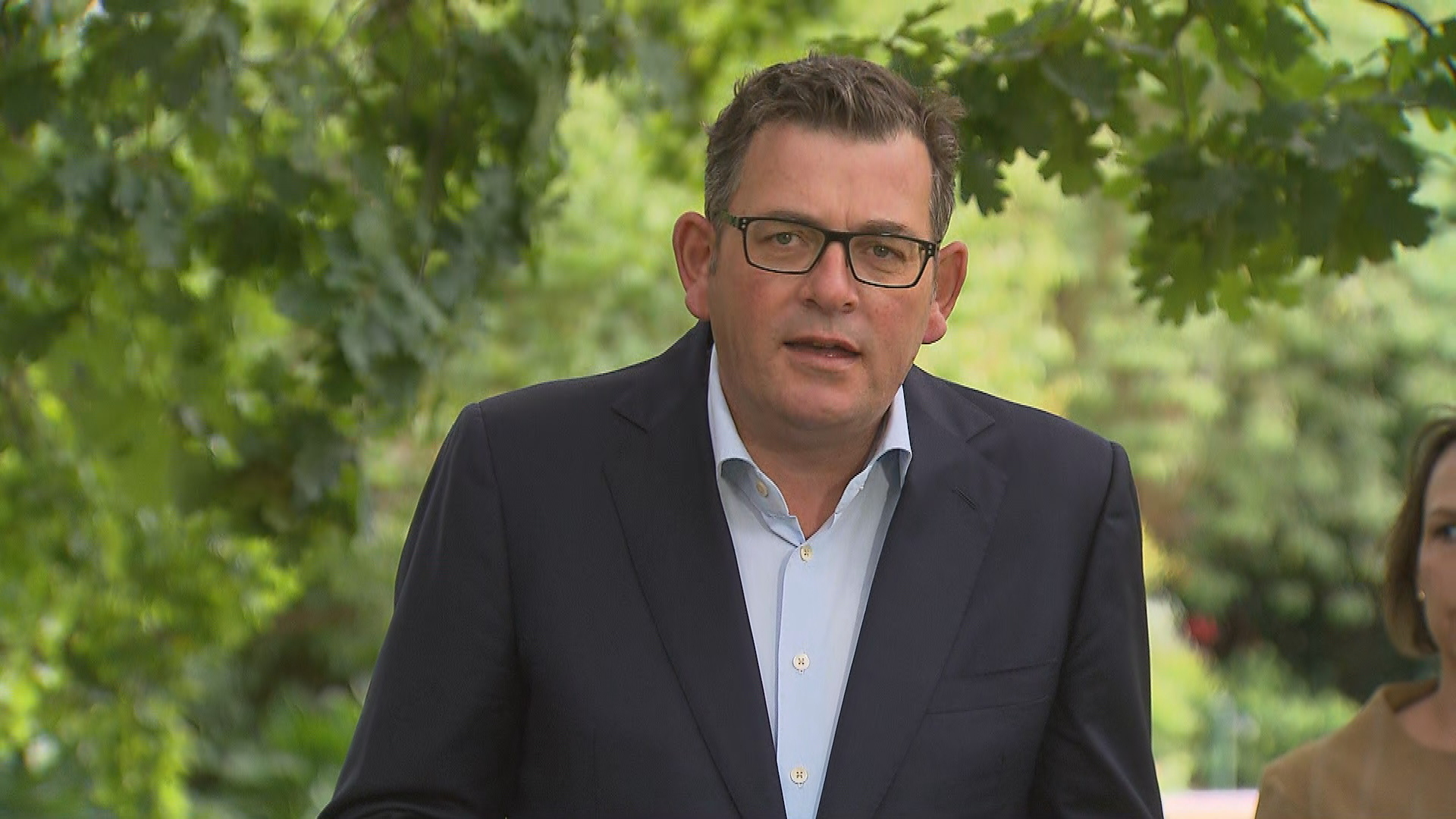
The premier said the state aimed to produce up to 50 million RATs every year.
"That's a fantastic outcome," he said.
"This is a valuable commodity, perhaps never been more valuable."
The company, Lumos, is already manufacturing RATs for Canadian and European markets.
The project will create at least 70 ongoing jobs as the facility will also be able to produce diagnostic tests for infectious diseases, tropical diseases, chronic diseases and reproductive health.
Victoria braces for potential COVID-19 spike
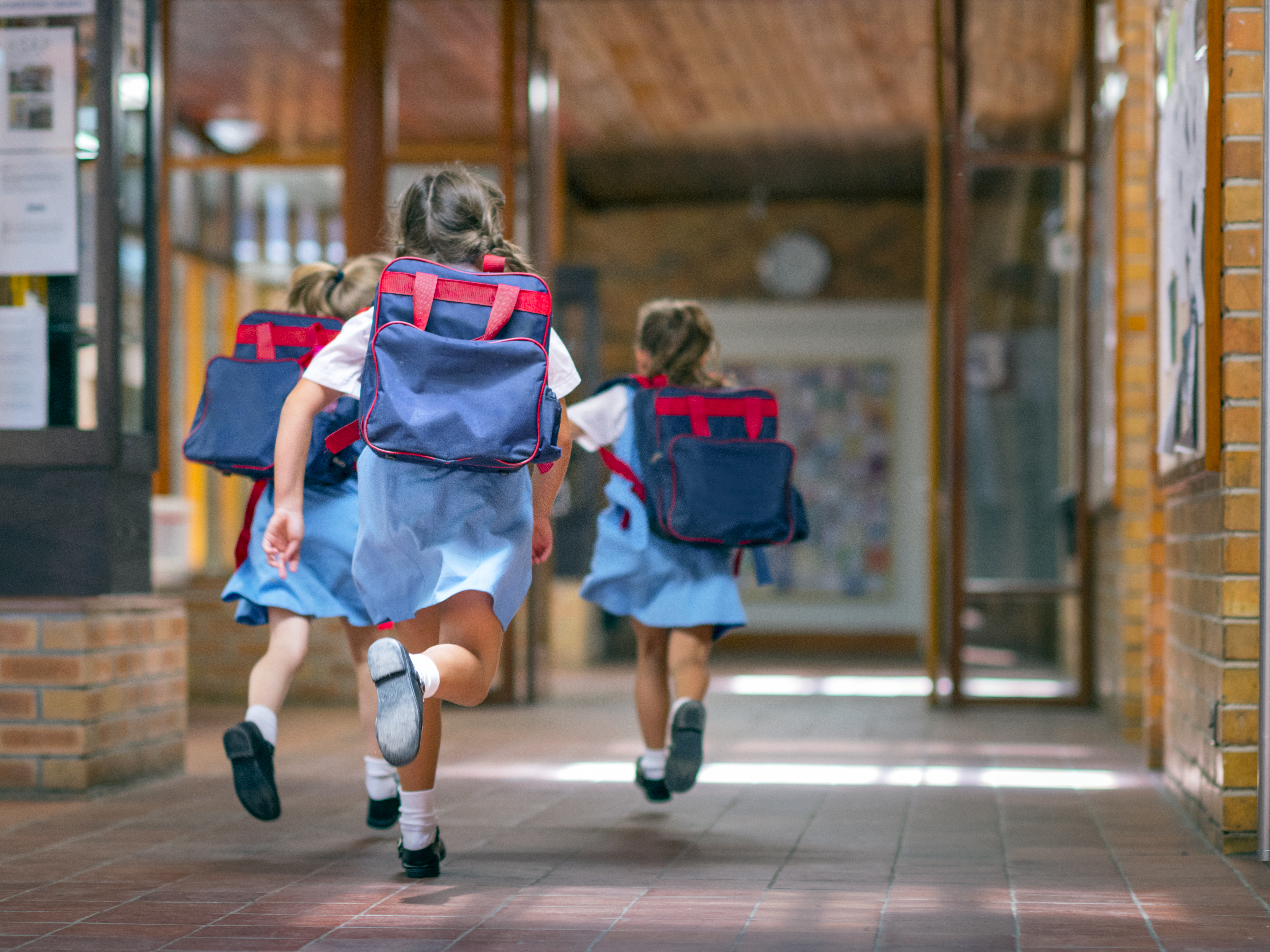
Victoria has recorded 14,553 new cases of COVID-19 amid warnings infections could spike as students return to classrooms for the start of the school year.
Another 25 people have died with the virus.
There were 150 infections detected across 1230 state schools yesterday, on day two of Term One.
However, none of those schools will close as isolation rules have relaxed in the state.
READ MORE: Australian musical industry icon Glenn Wheatley dead at 74
"I think if we are going to see a spike in cases from schools, it will take a little while for that to be identified in terms of the surveillance system, but we will see some increasing cases, I think that's very likely," infectious diseases expert Professor Sanjaya Senanayake told Today.
"We've got a group of people who haven't been together for a very long time who are now gathering together, so it's likely to happen."
https://twitter.com/VicGovDH/status/1488633278798073857?s=20&t=SNXIAd2TkH9mhpCr_hoTJg
Professor Senanayake hoped the rise in cases would be mitigated by the COVID-19 preventative measures put in place, including air purifiers and the twice-weekly rapid antigen testing for students.
The state's elective surgery ban could also soon be lifted as COVID-19 hospitalisations plummet.
Hospitalisations have decreased to 768 patients in state hospitals, with 99 people in ICU.
READ MORE: Darwin shaken by magnitude 6 earthquake
Reports suggest the ban could lift as early as mid-next-week, which could see the private sector go to 50 per cent pre-pandemic levels.
However, it remains unclear if public hospitals will follow suit.
David Attenborough spiked by most dangerous plant in the desert
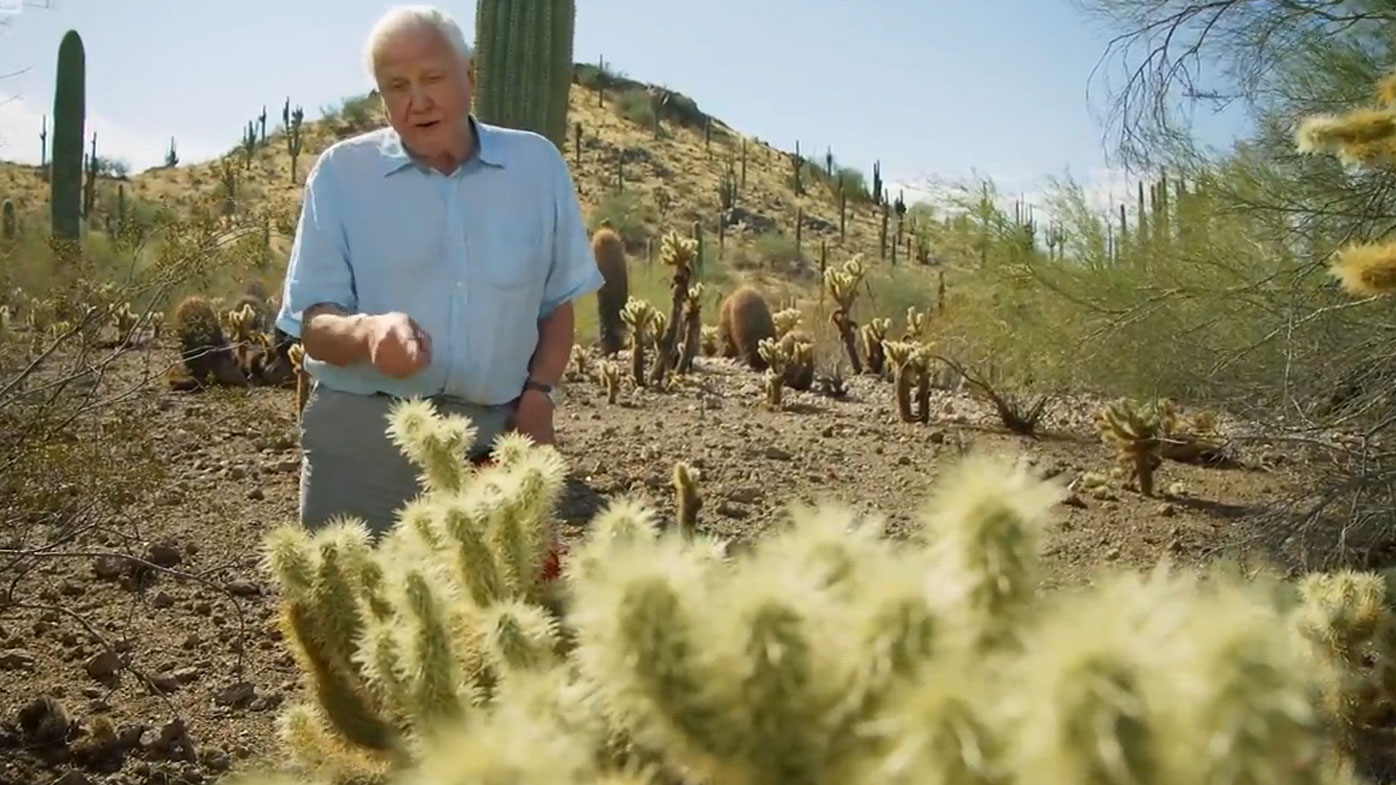
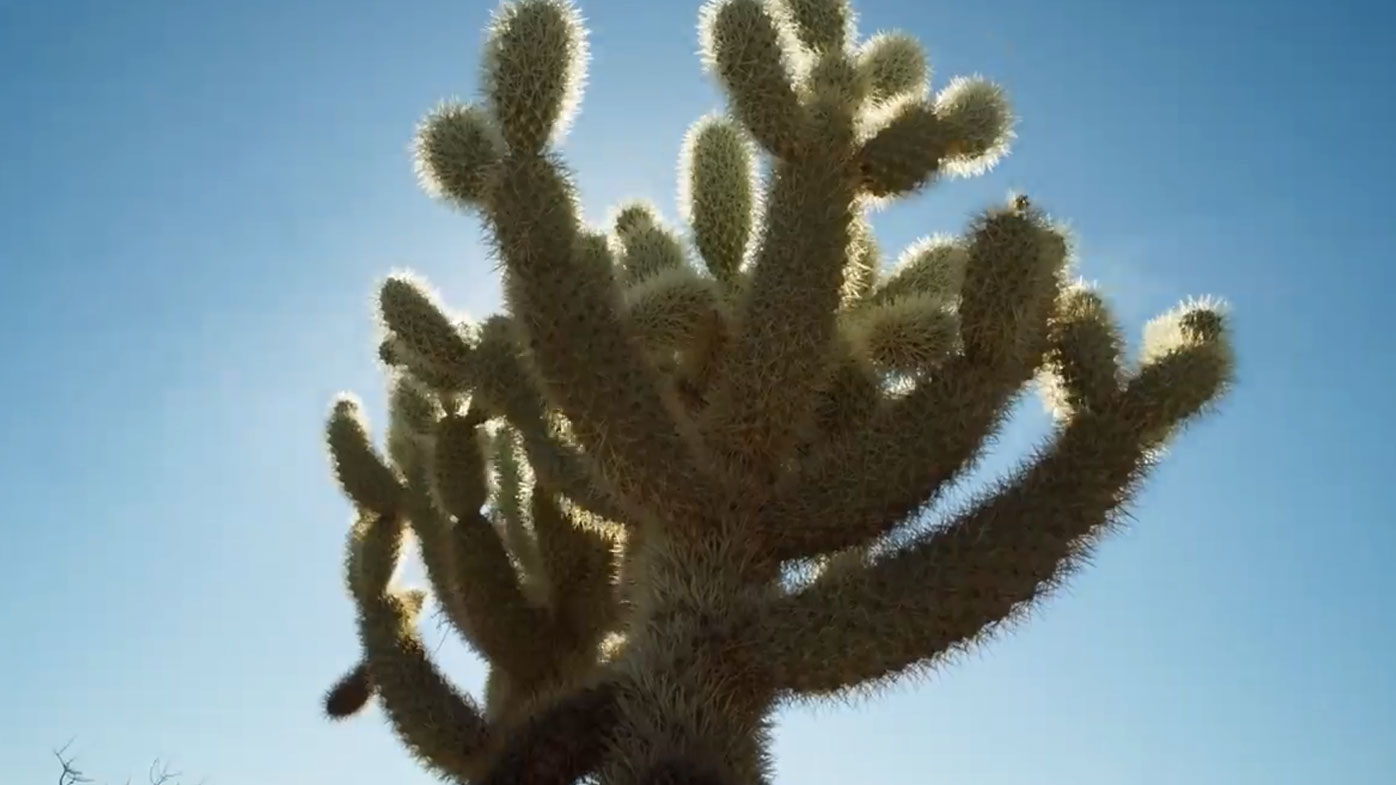
Beware the teddy bear cholla cactus, the most dangerous plant in the desert.
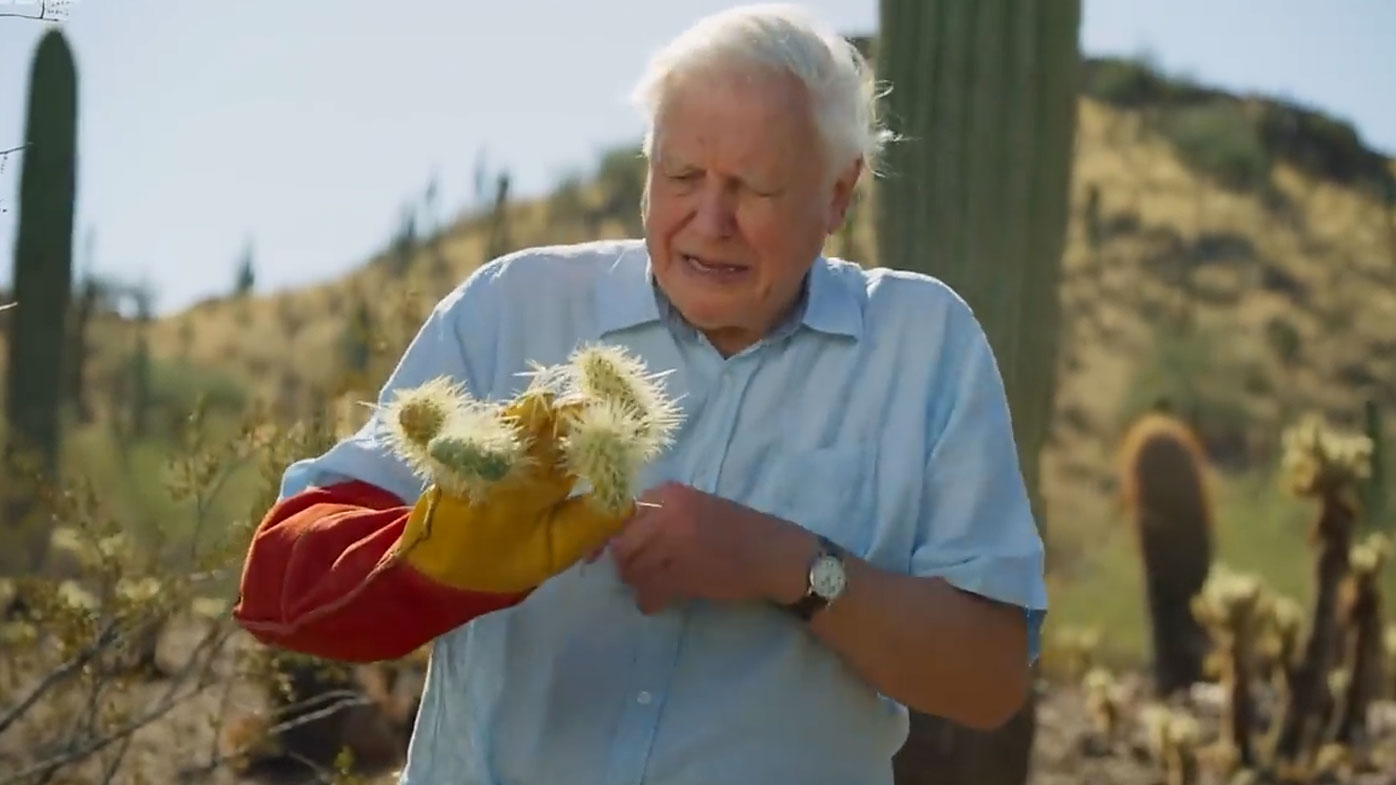
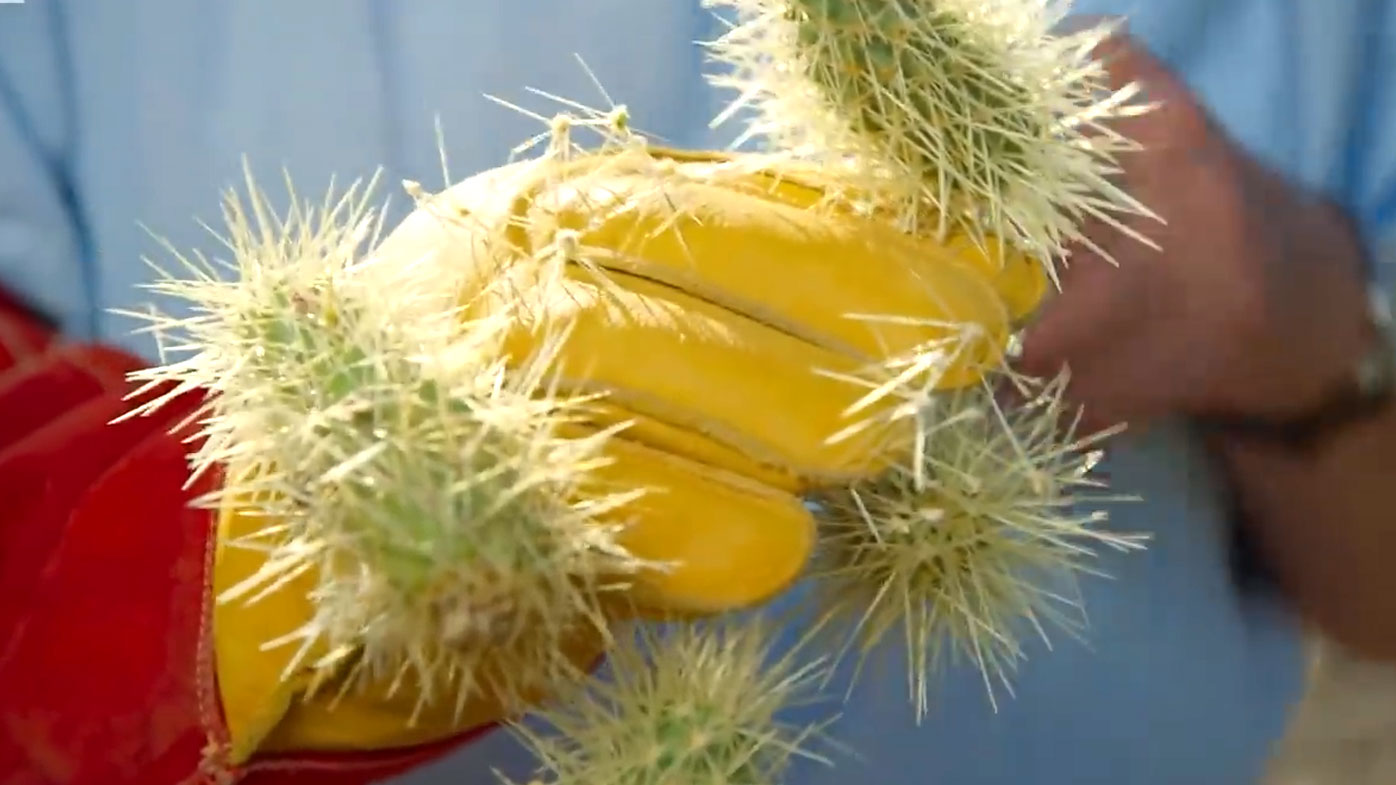
Even thick, elbow-length protective gloves could not stop Sir David Attenborough's hand being stabbed by the vicious cactus spikes, which are as sharp as glass and barbed like a fishhook.
"There is nothing cuddly about this particular teddy bear," Attenborough said of the golden prickled cactus, which can grow to heights of 2.5 metres and is native to north-western Mexico and desert regions in the US.
READ MORE: One man's mission to swim through Great Pacific Garbage Patch
READ MORE: Life washed away as billion-dollar Bitcoin pyramid scheme unravels
"Don't be deceived by the name," he explained, while in Arizona filming his latest documentary series The Green Planet.
"It's the most dangerous plant in the desert and I wouldn't dream of putting my hand anywhere near it without proper protection."
Attenborough then plunges his hand into the spikes of the chollas, before letting out a yelp of pain which indicates at least one golden needle has pierced his glove.
"One of them has just gone through," he said.
"It's quite painful."
The spikes, each one covered with backward pointed barbs, are notoriously difficult to remove.
"Getting them out even with a pair of pliers is quite hard," Attenborough said.
READ MORE: Morrison responds to explosive text message leak
READ MORE: New data reveals Aussies most at risk from COVID-19
Crew members later had to pluck the spikes from the 95-year-old British environmentalist's glove.
Chollas are sometimes used in gardens because of its dramatic splash of golden colour.
In The Green Planet, Attenborough explores the world of plants, including forest flowers, desert shrubs and snowy survivors.