Category Archives: headline

AUTOPSY PERFORMED ON THE BODY OF VICTOR MOSES

Basseterre, St. Kitts, January 19, 2022 (RSCNPF): An autopsy was performed on the body of 57-year-old Victor Moses of Belle Vue Mountain, St. Kitts, on January 19, 2022, by Resident Pathologist, Dr. Adrian Nuñez.

 Dr. Nuñez concluded that death was as a result of severe head injury due to gunshot wounds to the head.

 Investigations into the matter are ongoing.

The post AUTOPSY PERFORMED ON THE BODY OF VICTOR MOSES appeared first on The St Kitts Nevis Observer.

The Doomsday Clock turns 75 – so how close to midnight are we?

The famous Doomsday Clock turns 75 this year, and it's possible its hands could move closer to midnight than ever before.

The symbolic clock, maintained by the non-profit organisation Bulletin of the Atomic Scientists, measures what the Bulletin thinks is the likelihood of a "global catastrophe" – a cataclysmic event that could endanger human life on a worldwide scale.

The Bulletin will update the clock for 2022 at 2am AEDT tomorrow.

LIVE UPDATES: Victorian Premier calls for booster shots to be mandatory
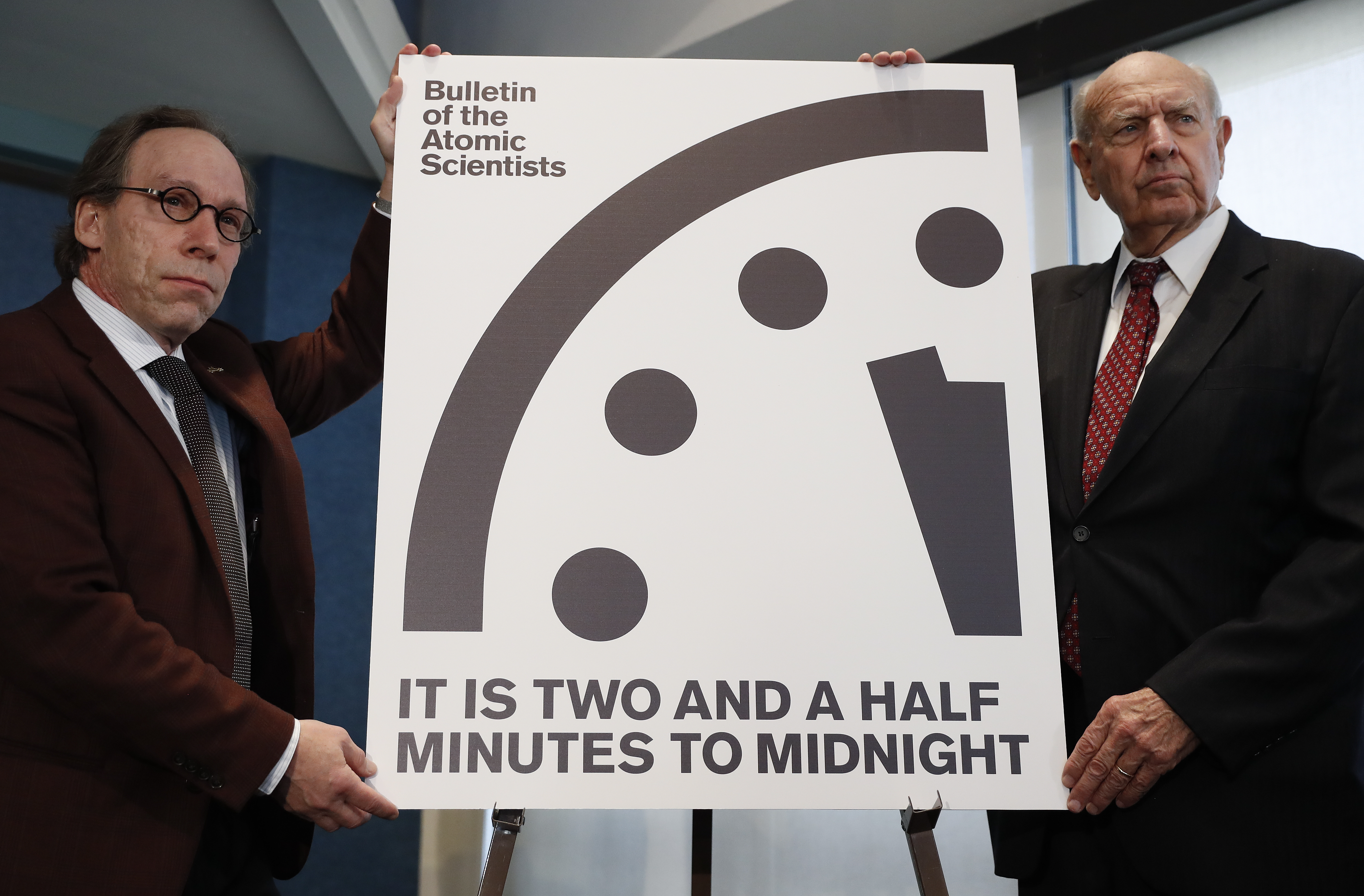
What actually is the Doomsday Clock?

Besides being a catchy name, the Doomsday Clock is a concept established in 1947, by which a group of scientists and analysts can express the risk of a potentially world-ending disaster.

Midnight represents the moment of that disaster.

The symbolic timepiece also serves as a call to action for humanity as a whole to attempt to "turn back the clock" and retreat from a headlong rush into the apocalypse.

It was established by the Bulletin of the Atomic Scientists, a non-profit organisation of scientists and researchers itself founded in 1945 by, among others, Albert Einstein.

READ MORE: Mum's partner charged with murder of nine-year-old Charlise Mutten

Einstein, pictured in 1954, the same year he wrote the letter, at Princeton.

How do they measure the likelihood of disaster?

The Bulletin of the Atomic Scientists members who are involved analyse risks posed in three key areas – nuclear weapons, climate change, and disruptive technologies in other fields.

Nuclear technology was obviously much on the minds of scientists in 1947, but in later years climate change, and more recently still the global response to the COVID-19 outbreak, have emerged as crucial factors.

Where are the hands at the moment?

Since 2020, the hands have sat at 100 seconds to midnight – just over a minute and a half away.

And yes, that is the closest we've come to the proverbial stroke of midnight.

READ MORE: Ukraine crisis intensifies as US warns Russia
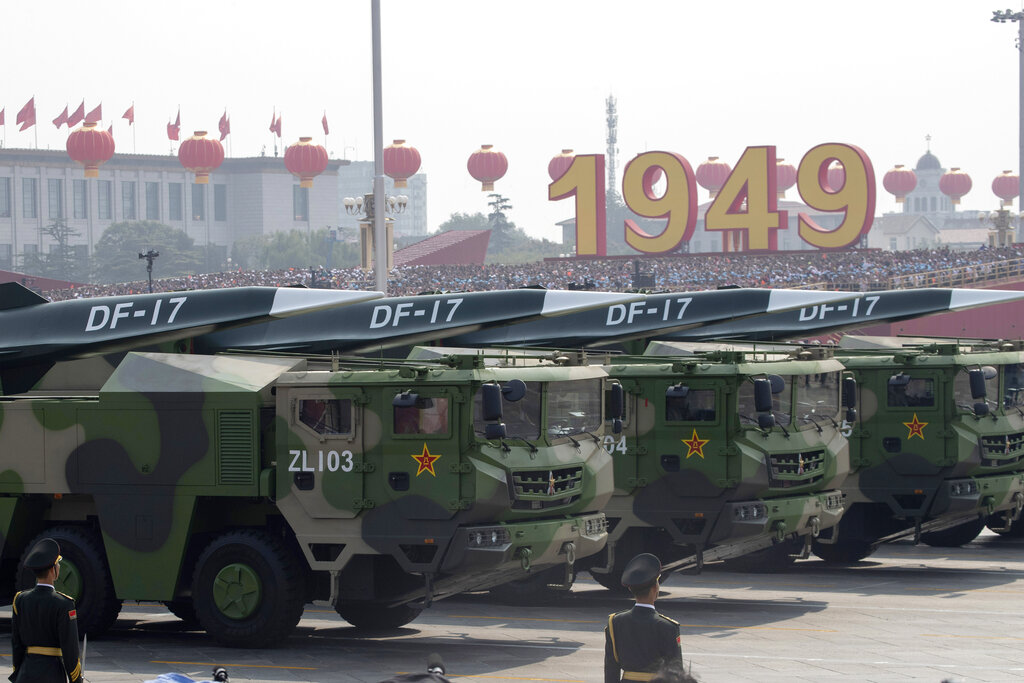
Why are we so close now?

In last year's Doomsday Clock statement, the Bulletin declared the COVID-19 pandemic a "wake-up call", pointing to laggard and lacking responses from world leaders that allowed the disease to spread.

"The pandemic revealed just how unprepared and unwilling countries and the international system are to handle global emergencies properly," the statement read.

"In this time of genuine crisis, governments too often abdicated responsibility, ignored scientific advice, did not cooperate or communicate effectively, and consequently failed to protect the health and welfare of their citizens."

The Bulletin said while COVID-19 itself had been devastating, it did not represent an "existential threat" to humanity, but what it revealed of world leadership might do.

READ MORE: Byron Bay worker claims she was sacked after vaccination
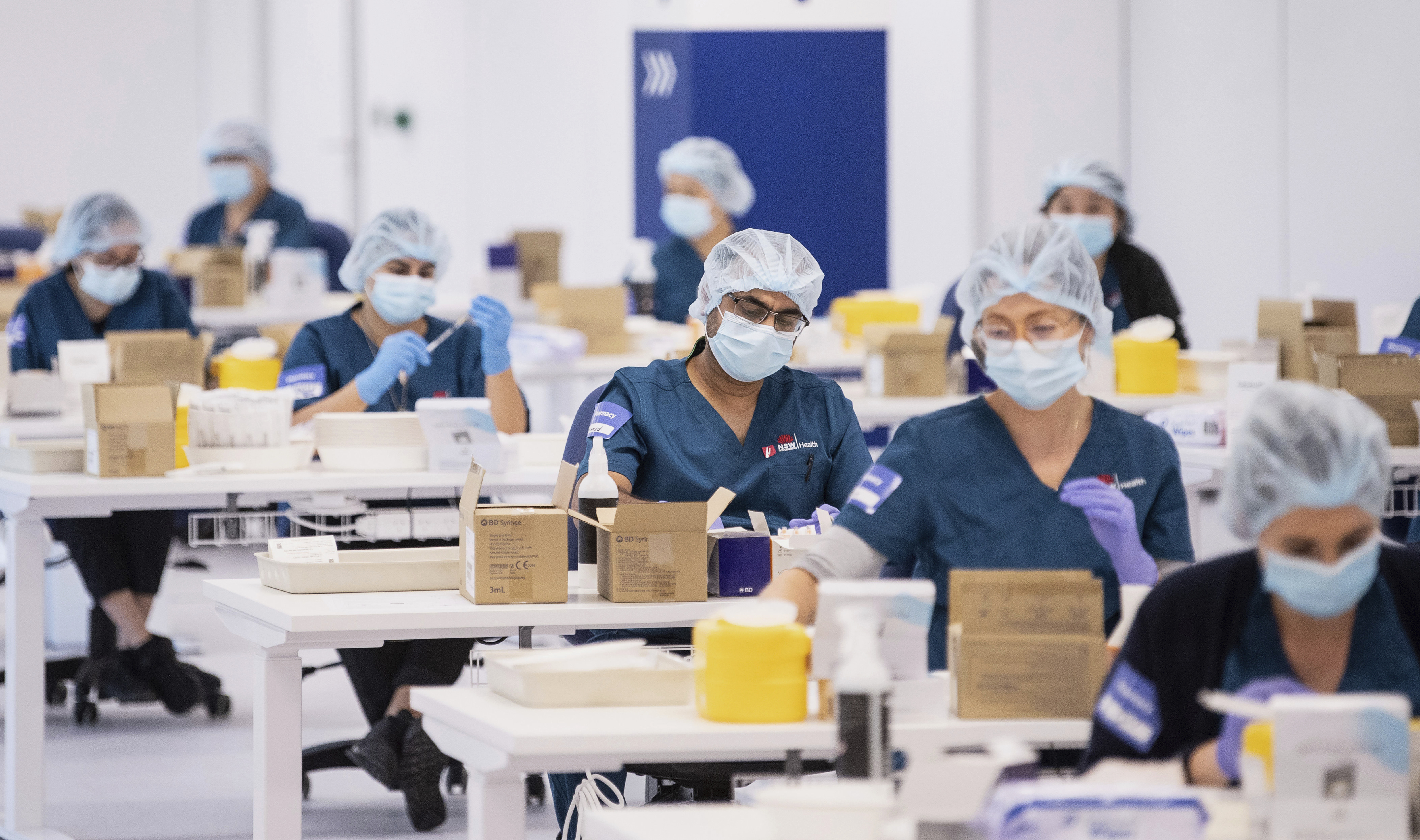
"The pandemic serves as a historic wake-up call, a vivid illustration that national governments and international organisations are unprepared to manage nuclear weapons and climate change, which currently pose existential threats to humanity, or the other dangers—including more virulent pandemics and next-generation warfare—that could threaten civilisation in the near future," the statement read.

A global acceleration of misinformation – also highlighted by COVID-19 – was also pointed to.

"This wanton disregard for science and the large-scale embrace of conspiratorial nonsense – often driven by political figures and partisan media – undermined the ability of responsible national and global leaders to protect the security of their citizens," the Bulletin said.

"False conspiracy theories about a 'stolen' presidential election led to rioting that resulted in the death of five people and the first hostile occupation of the US Capitol since 1814.

"In 2020, online lying literally killed."
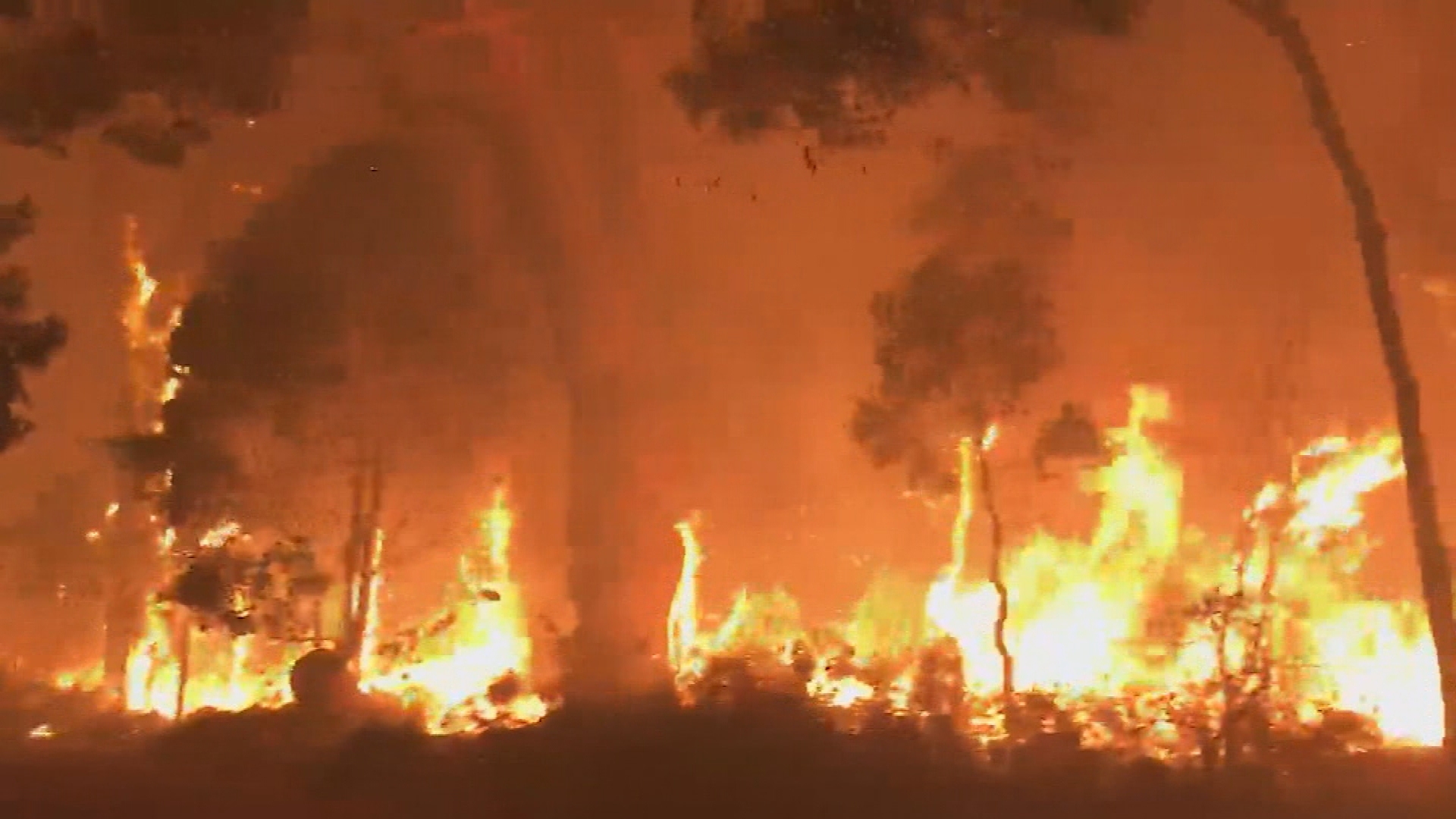
An out-of-control bushfire forced residents in parts of Western Australia's south-west to evacuate last night.

How do we turn back the clock?

The Bulletin proposed a number of measures to curb the proliferation of nuclear weapons, and fight back against the threat of climate change.

It called for the US and Russia to work together to limit the production of nuclear weapons and delivery systems, as well as for the US and Iran to return to the Joint Comprehensive Action Plan.

Banks were called on to limit investment in fossil fuel projects, as was China for its Belt and Road initiative.

Tomorrow's statement will no doubt illustrate how much progress the Bulletin believes has been made.

When was the last time the hands moved away from midnight?

That would be in 2010, when the clock moved back to six minutes from midnight, after reaching five minutes to midnight in 2007.

The Bulletin noted that year that the world was "poised to bend the arc of history toward a world free of nuclear weapons".

"For the first time since atomic bombs were dropped in 1945, leaders of nuclear weapons states are cooperating to vastly reduce their arsenals and secure all nuclear bomb-making material," the 2010 statement read.

"And for the first time ever, industrialised and developing countries alike are pledging to limit climate-changing gas emissions that could render our planet nearly uninhabitable."

It came after then-US President Barack Obama and then-Russian President Dmitri Medvedev embarked on a partnership to limit their nuclear proliferation in 2009, while the US and China agreed to reduce carbon emissions at a Copenhagen summit.

Since its founding in 1947, the clock has been moved forward 16 times, and back just eight. Its initial position was seven minutes to midnight.

When was it furthest from midnight?

In 1991, when it was moved to 17 minutes away – 11.43pm, as it were.

Since the clock was originally conceived as having a 15-minute range – ie, from 11.45pm-12am – this was quite a statement.

The previous year and more had seen the Cold War dramatically de-escalate, with the Berlin Wall being brought down in 1989, and the US and Russia both scaling down their nuclear activities.

The Bulletin said it felt as though the world was entering a "new era".

"The Cold War is over," they declared in that year's statement.

Say I'm up at 2am (AEDT) – can I watch what happens?

You can indeed. The Bulletin's website will live stream the event, as will their Facebook page.
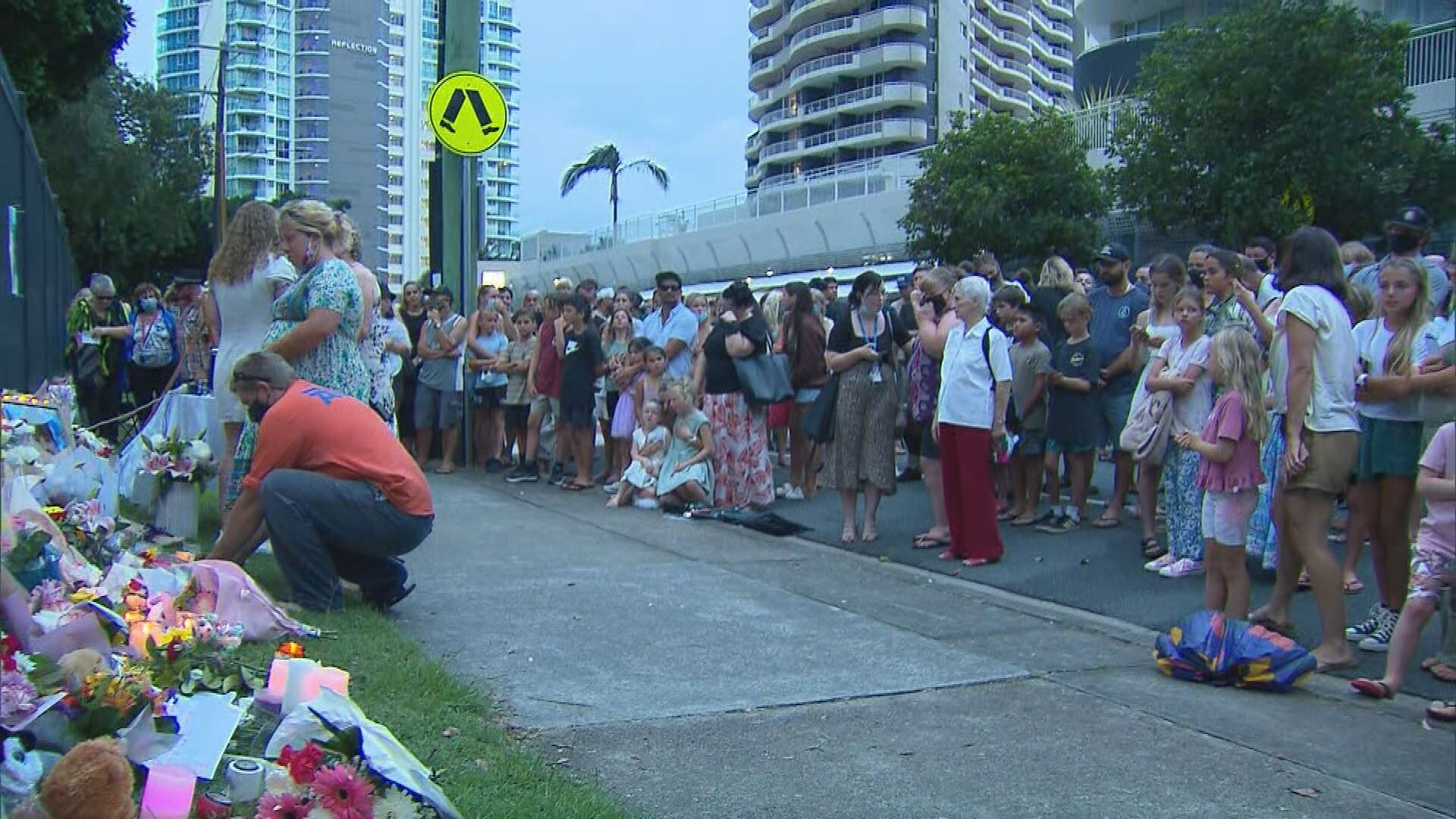
Hundreds gather to mourn Charlise Mutten in hometown

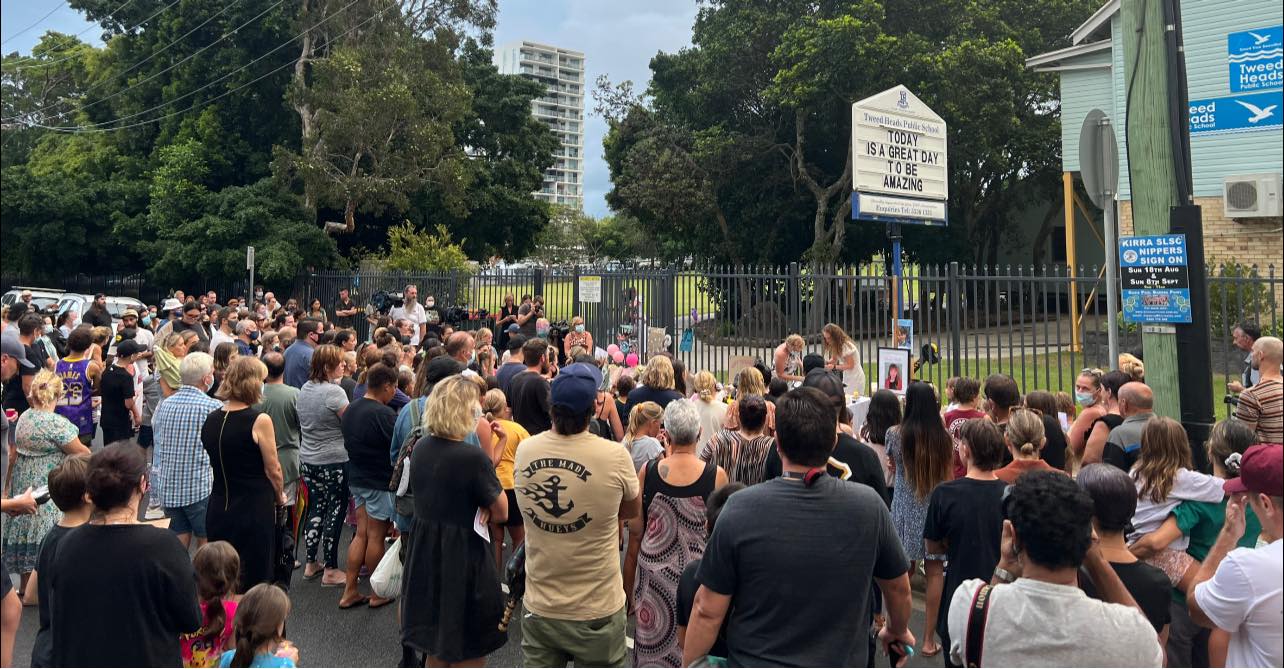
Hundreds gathered in Tweed Heads to mourn the death of nine-year-old girl Charlise Mutten, who was found dead after being reported missing in the Blue Mountains last week.

The remains of a child, found in a barrel near the Colo River on Tuesday, are said to be "consistent" with Charlise, who was reported missing last Friday.

Her mother's partner, 31-year-old Justin Stein, has been charged with murder over the girl's death.

LIVE UPDATES: State's Omicron wave 'fills equivalent of three large hospitals'

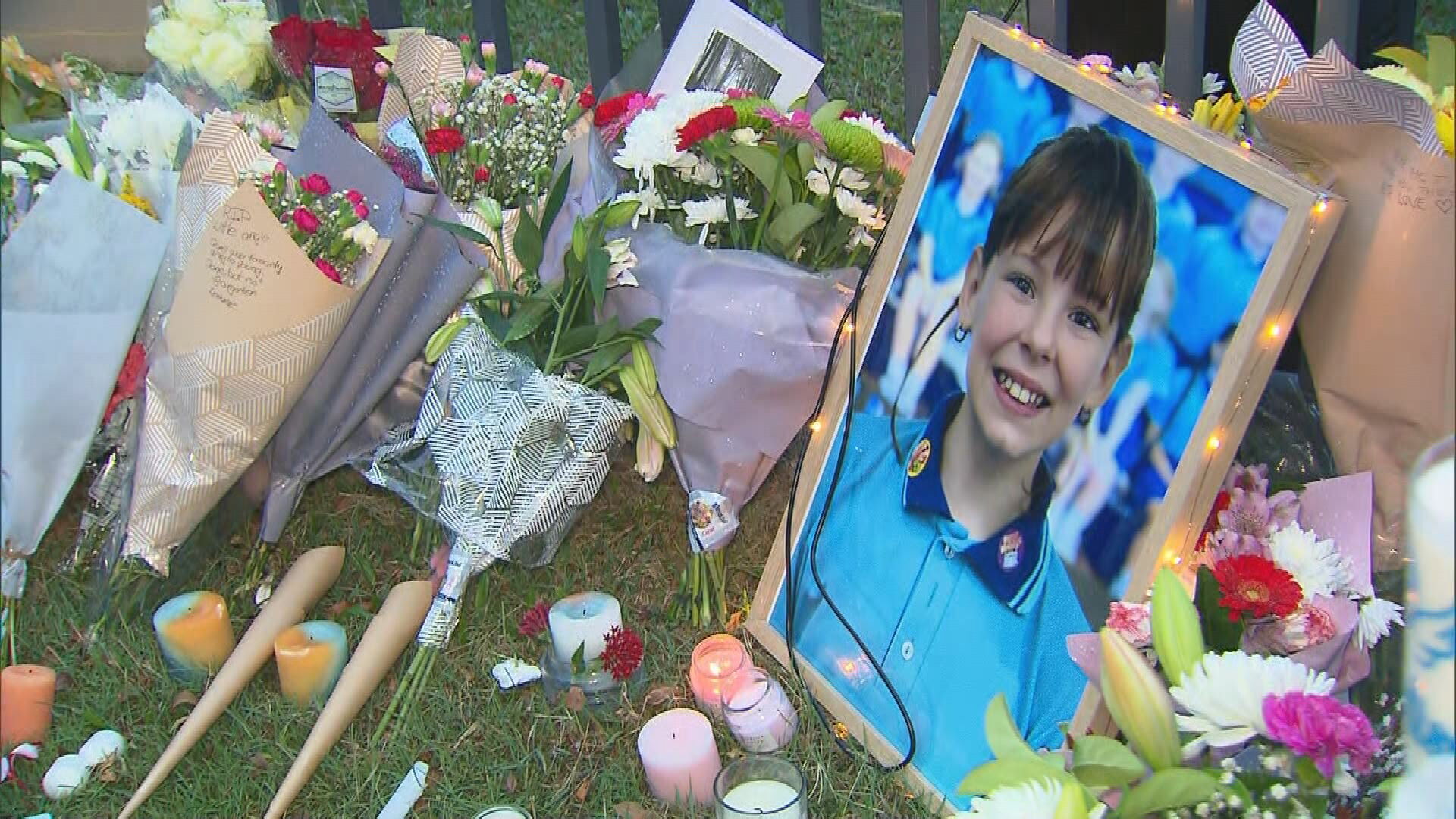
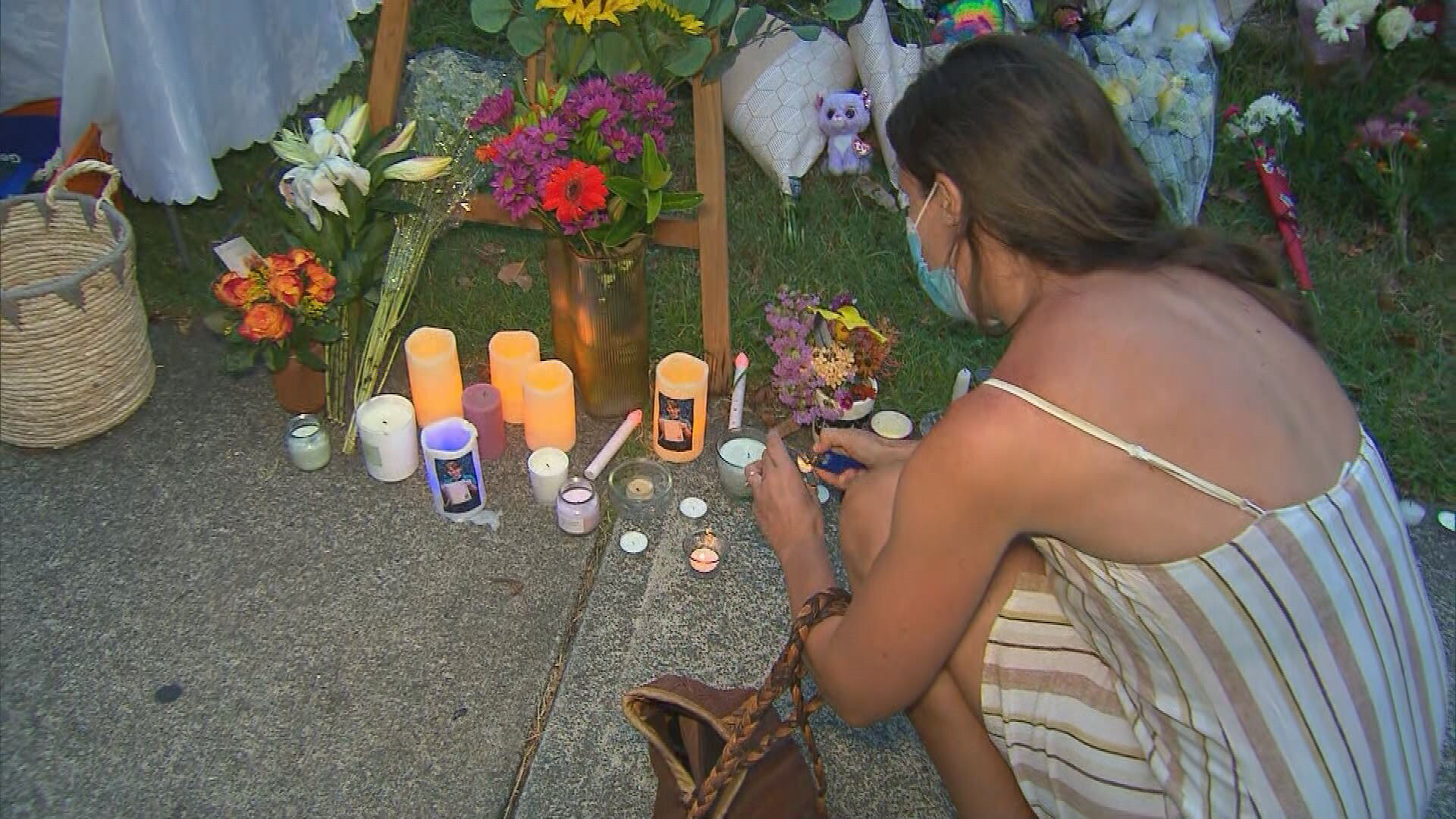
Charlise Mutten vigil

Charlise was on holiday in NSW, but lived in Queensland, where her school friends and hundreds of others came together overnight for a vigil.

Attendees spoke of the girl's sense of humour, her kindness, and her love of swimming and butterflies.

Her teachers spoke about how she would always say something nice to them as she came into class, to brighten their days.

AUSTRALIAN OPEN: Medvedev's pre-match swipe at Kyrgios

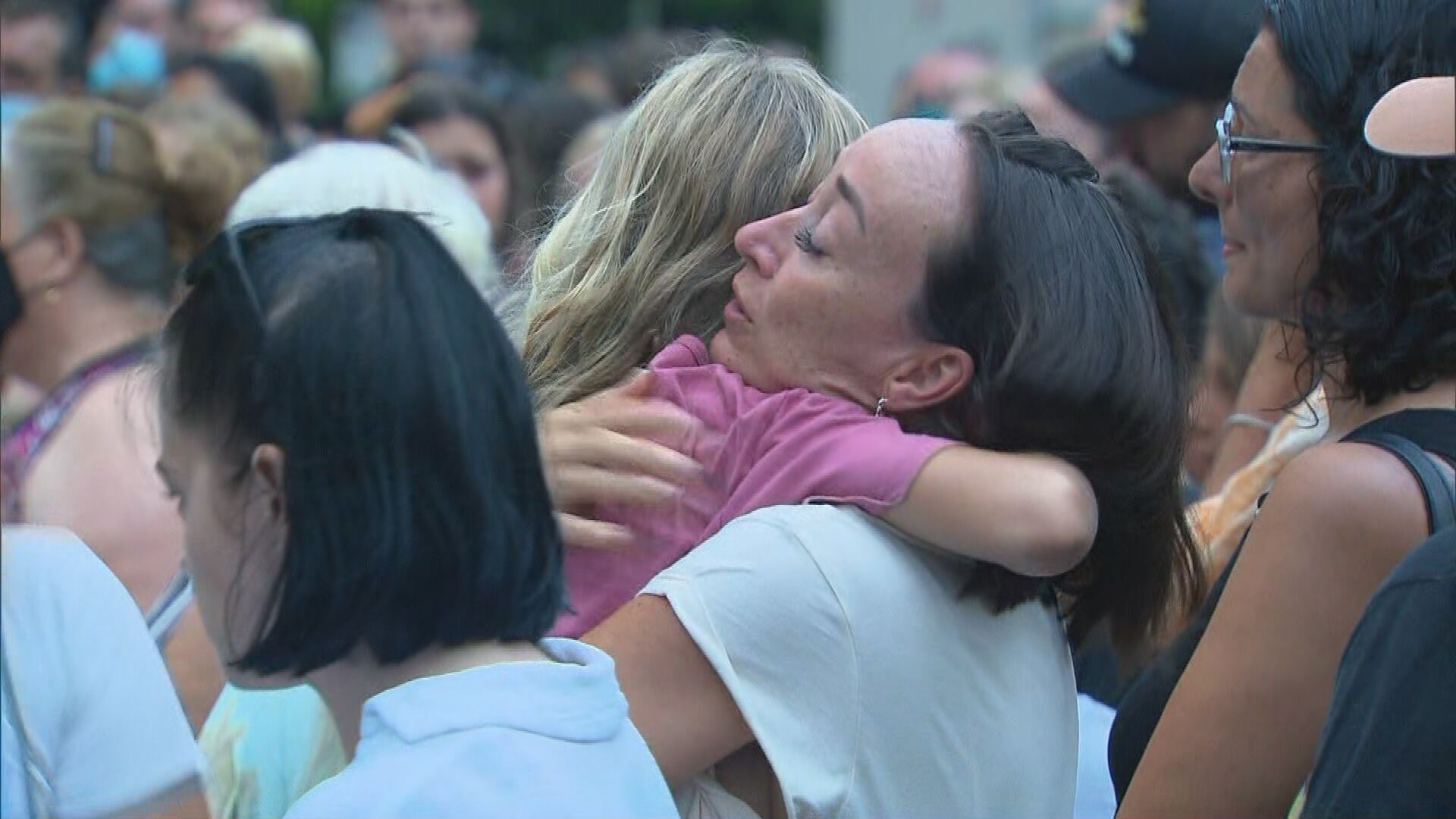
Charlise Mutten vigil

Friends, loved ones and complete strangers shared their grief, with dozens of notes left at the vigil site.

"Dear Charlise, I was in your class in Year 2," one read.

"It makes me really sad what happened to you. You were a really nice person and I wish you were coming back to school with me. Rest in peace."

Charlise Mutten vigil

Another note read, "From a little girl – I hope that you have an amazing time in heaven".

Currumbin MP Laura Gerber said the vigil was a fitting tribute to a "beautiful little girl".

"I think it is a community that is just heartbroken. I think that we are still in a bit of shock," she said.

"You kind of don't think something like this would ever happen in your community.

Charlise Mutten vigil

"I think, more importantly, last night was about the community coming together to try to support other friends, her teachers and everyone who loved her, in their grief and their loss. Because she really did touch so much lives."

She said Education Queensland would be providing targeted support to parents and teachers when school returned.

NSW Premier Dominic Perrottet described Charlise's death as "devastating".

Charlise Mutten vigil

"It's one of the most difficult conversations you have as premier to hear something like that. As a dad, you feel sick," he told Today.

"It's never easy and the whole thing, I think, is … incredibly sad and tragic."

Mr Stein appeared in court yesterday, where he was refused bail.

He will return to court on March 18.

US Navy Seizes $22M of Cocaine in Caribbean

Loop- The US Navy’s USS Milwaukee together with US Coast Guard Law Enforcement Detachment (LEDET) seized an estimated $22 million in suspected cocaine on January 7 while operating in the Caribbean Sea.

While on patrol, a maritime patrol aircraft spotted a suspected drug smuggling go-fast vessel. Packages were also observed being thrown into the water.

After receiving permission to conduct a boarding, the authorities recovered the packages and five suspected drug traffickers were detained.

An estimated 315 kilograms of suspected cocaine worth an approximated street value of over $22 million was recovered.

“We are very pleased with the effectiveness of everyone’s response and the integration of all parties involved,” said Lt Jordan Lachowsky, the LEDET’s officer in charge.

“We’re looking forward to more opportunities and more successes in the near future.”

USS Milwaukee was deployed on December 14 to the US 4th Fleet area of operations to support Joint Interagency Task Force South’s mission, which includes counter-illicit drug trafficking missions in the Caribbean and Eastern Pacific.

The post US Navy Seizes $22M of Cocaine in Caribbean appeared first on The St Kitts Nevis Observer.

IDB Program To Spur Caribbean Tourism Sector

A program to help in the technological transformation of tourist destinations in the Caribbean and Latin America has been launched by the Inter-American Development Bank, (IDB).

The Future Tourism Program which is funded by the General Cooperation Fund of Spain, is  expected to be a key tool for the recovery and competitiveness of tourism in the region.

The IDB says the Future Tourism Program opens a regional call, inviting tourist destinations to benefit from a diagnosis of their level of technological maturity, to develop a detailed action plan and pre-investment agreement with public and private sector stakeholders.

Data released by the World Travel and Tourism Council show that Latin America and the Caribbean is one of the regions where the tourism sector has had the greatest expansion, generating 10 per cent of the Gross Domestic Product (GDP) and nine per cent of employment in 2019.

But the IDB said the crisis generated by the COVID-19 pandemic has affected the sector notably, producing a 50 per cent contraction of regional tourism GDP in 2020.

The Washington-based financial institution said in this context, the revitalization of regional tourism is articulated as an essential step towards the recovery, and adoption of new technologies as the necessary engine of this process.

The organization also notes that the Sustainable Development Goals consider new technologies as a basic element towards inclusion, sustainability, competitiveness, and economic development.

Caribbean countries invited to submit proposals by March 30

The IDB says all of its 26 member countries, including those in the Caribbean, namely, Jamaica, The Bahamas, Barbados, Belize, Guyana, Haiti, Suriname and Trinidad and Tobago are being invited to submit proposals before March 30.

From the proposals received  it will select 10 destinations that meet a number of requirements.

It said the criteria would also include, the type of eligible destinations taking into account consolidated destinations, not belonging to more than two municipalities, excluding national or regional circuits. The IDB said applicant destinations may be urban, coastal or nature destinations.

“This initiative is aligned with the IDB’s Vision 2025 – Reinvesting in the Americas: A Decade of Opportunities to achieve sustainable recovery and inclusive growth in Latin America and the Caribbean,” it added.

CMC/

The post IDB Program To Spur Caribbean Tourism Sector appeared first on The St Kitts Nevis Observer.