By RNZ It is reassuring that the country’s first community case of Omicron does not appear to have infected his three housemates, epidemiologist Michael Baker says.In an Instagram post last night, Briton Robert Etheridge, who…
Category Archives: headline
Everything you need to know about new rules for isolation, close contacts
As the Omicron variant rapidly makes its way across Australia, bringing with it exploding case numbers in almost every state, a number of changes have been implemented across the country to reflect the new state of the play.
Health officials have now agreed that Omicron is less a severe variant compared to Delta, and although far more transmissible, it does not pose the same threat now as it would have in previous outbreaks.
Given the extra layer of protection the vaccine has added into society, a number of changes relating to management of the pandemic – including the definition of a close contact and isolation times – are being rolled out from midnight tonight AEST.
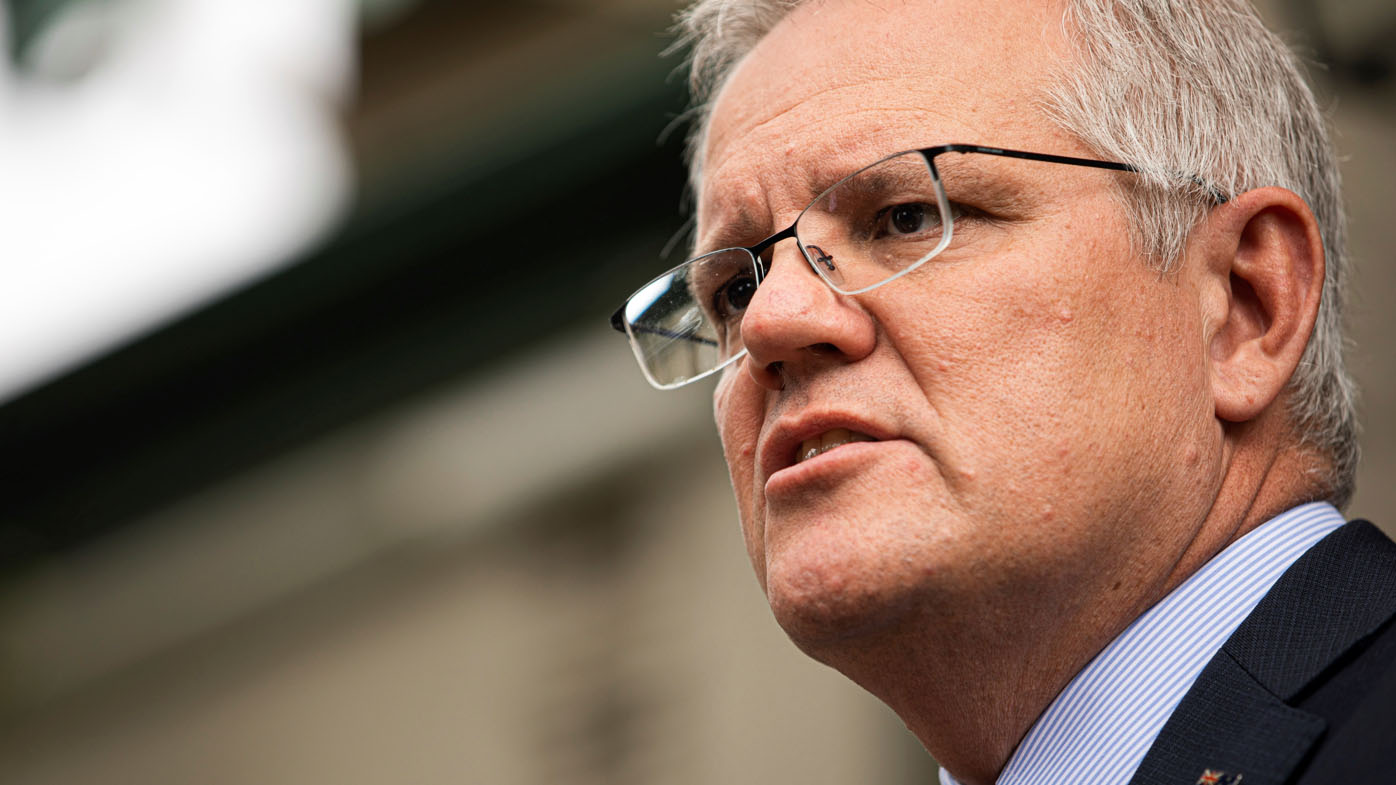
Here's everything you need to know:
What's changing?
The definition of a COVID-19 close contact and the isolation times for positive cases and close contacts.
What's the new definition?
As of midnight, a close contact of a positive COVID-19 case can now be defined as "a household contact, or a household-like contact, of a confirmed case only".
Not an interaction in a retail store, supermarket, bar or restaurant, only somebody that a person has spent over four hours with inside a home.
"A household contact is someone who lives with a case or has spent more than four hours with them in our house, accommodation or care facility setting," Mr Morrison said.
"You are only a close contact if you are, effectively, living with someone or have been in an accommodation setting with someone."
What about isolation times?
A confirmed positive COVID-19 case will have isolate for seven days starting from the date they tested positive on PCR test, previously they would have to isolate for 10.
On day six of their isolation period, the infectious person will have to have returned negative rapid antigen test prior to being able to leave isolation on the seventh day.

How long do close contacts isolate?
A close contact that is symptomatic must take a PCR test and if positive, isolate for seven days from the date of the positive test.
"So, if you are symptomatic then the right test for you is a PCR test," Mr Morrison said.
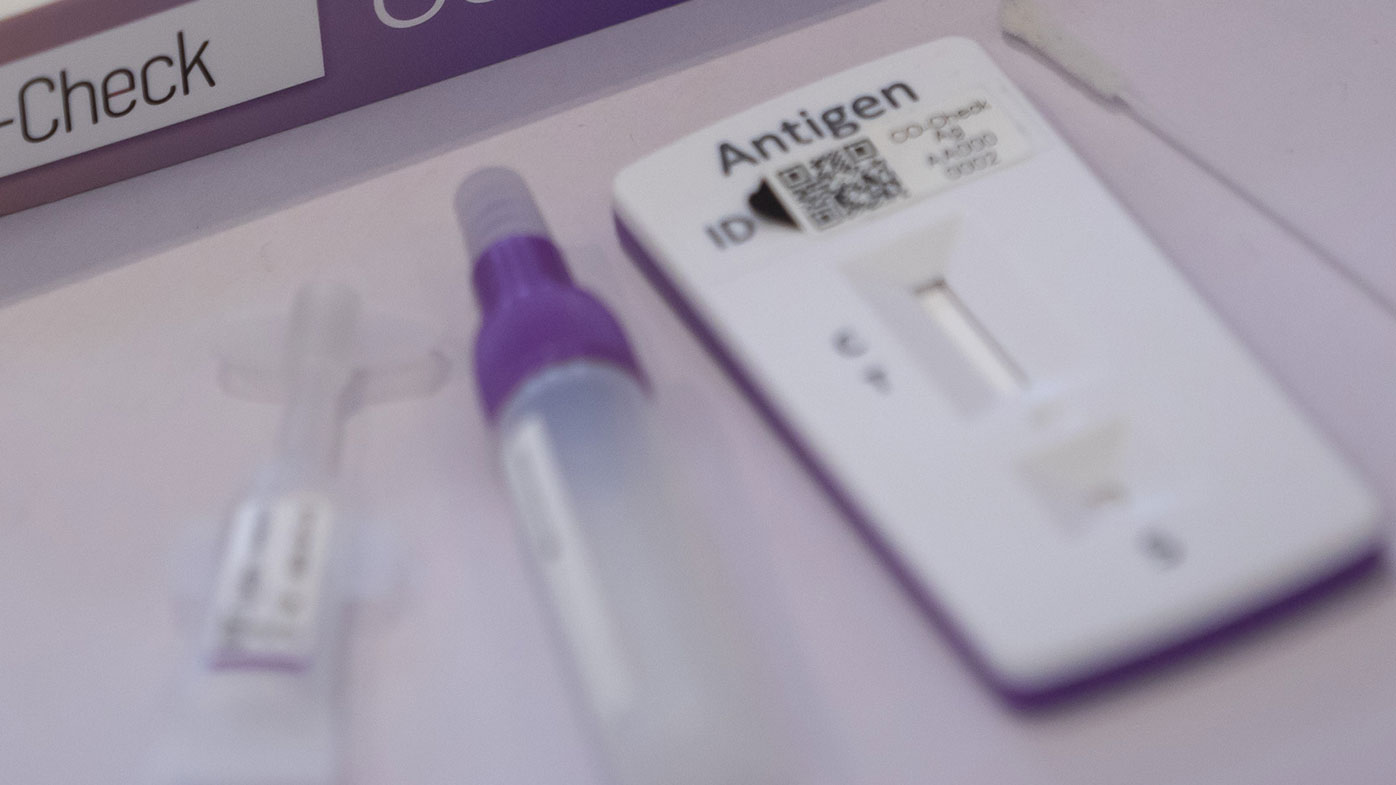
A close contact who is asymptomatic – meaning they don't show any symptoms – must have a rapid antigen test, and if positive, they must then have a PCR test.
If close contacts return a negative test, they must still remain isolated for seven days because symptoms a may present later.
"And that is seven days from their date of exposure to the person who is a confirmed case," Mr Morrison added.
"They also will have a rapid antigen test on day six."
What happens if my test result on day six is positive?
If you receive a positive rapid antigen test result on day six, then you need to go and get a PCR test.
If the PCR test also comes back positive, then the seven-day isolation period starts again.
This means it will be a 14-day isolation period.
I haven't been in contact with a COVID-19 case inside a home and don't show symptoms, do I go about life as normal?
Yes. If you don't fulfil the new definition of a close contact then there is no need for you to be in the line for a PCR test.
"You should go home. Go to the beach, go and do what you want to do. Read a book in the park," Mr Morrison said.
"Follow all the normal, common-sense things that you would do, monitor your symptoms, followed the COVID say practices, make sure you have booked for your booster, do all of those sorts of things."
So who has agreed to these new rules?
Mr Scott Morrison has announced all states and territories have agreed to the new defintions.
He said the changes will come into affect New South Wales, Victoria, South Australia, Queensland and the ACT from midnight tonight.
Tasmania will follow on January 1, and the Northern Territory and Western Australia will be making announcements in the next few days.
Close contacts redefined and isolation for COVID-19 cases reduced
Significant changes to the definition of COVID-19 close contacts and the isolation period for confirmed cases have been made at National Cabinet today.
Prime Minister Scott Morrison announced state and territory leaders have agreed to a new, nationally consistent definition of close contacts.
Mr Morrison said National Cabinet had "agreed a very practical way forward to dealing with the realities of Omicron".
LIVE UPDATES: NSW COVID-19 cases could double every two days, expert warns
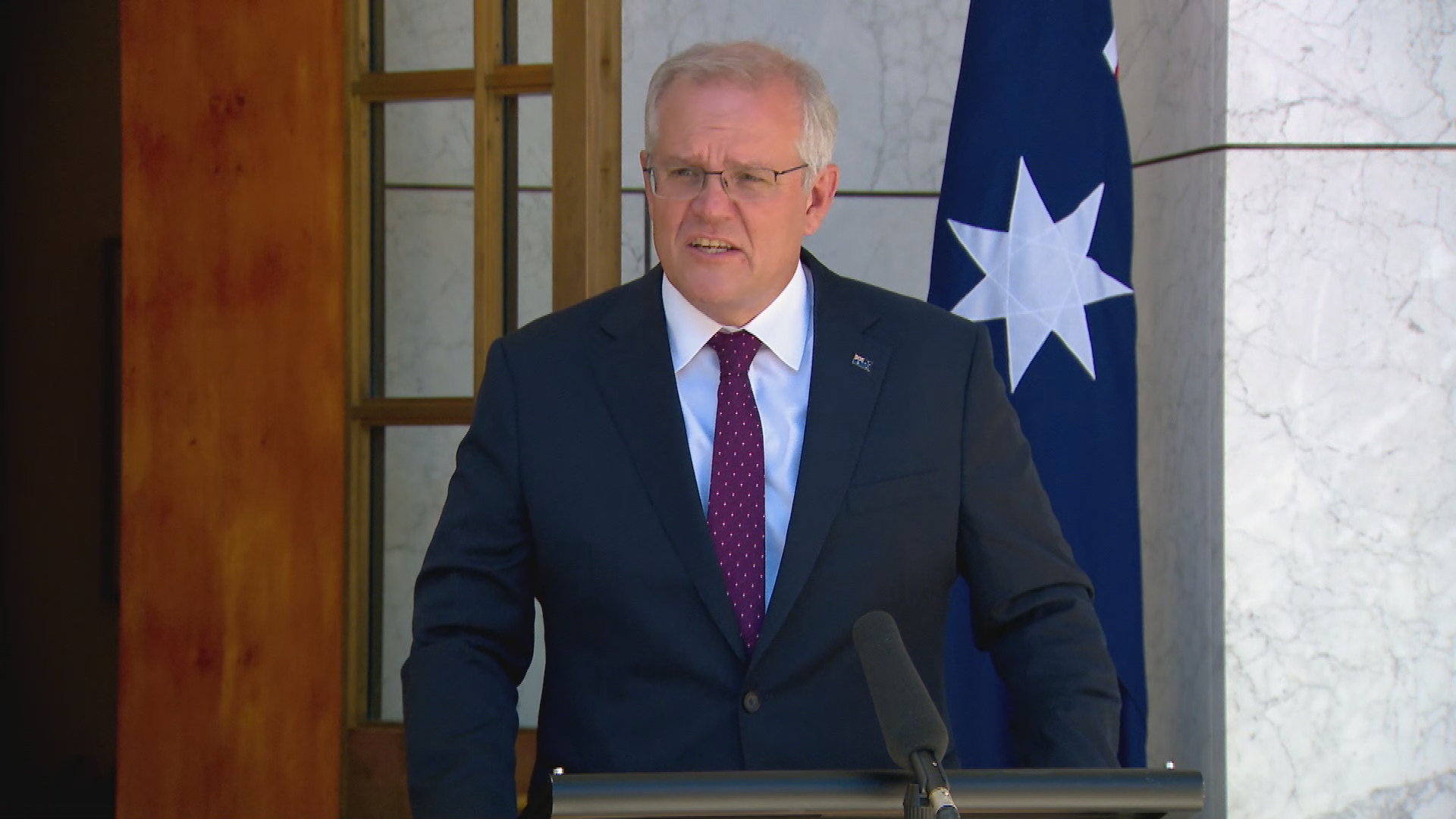
"Omicron requires us to undertake a change of how we are managing the pandemic, and we need to reset how we think about the pandemic, and how we manage ourselves and the things we need to do as governments," he said.
"Omicron is a game changer."
Mr Morrison said the national plans had taken into account that some states and territories had low cases and others had large outbreaks.
He said there was a need to change the definition of a 'close contact' due to the fast rate at which Omicron was spreading.
Changes to close contact definition and isolation periods
Mr Morrison announced a new definition of close contacts will come into place from midnight tonight across five jurisdictions, including NSW, Victoria, Queensland, South Australia and the ACT.
Tasmania will introduce the definition from January 1 while the Northern Territory and Western Australia will confirm in a few days "how they will be moving to these new definitions".
"A close contact is a household contact, or household like, of a confirmed case only," he said.
"A household contact is someone who lives with a case or has spent more than four hours with them in our house, accommodation or care facility setting."
Close contacts will still need to isolate for seven days from their exposure date.
An asymptomatic close contact must take a rapid test, while a close contact who is symptomatic or who returns a positive RAT test must have a PCR test.
Mr Morrison said there was no need for anyone who did not fulfil the close contact definition to line up for PCR tests.
The isolation period for confirmed cases has also changed to only seven days.
"On the sixth day, you have a rapid antigen test and if that is (negative) after seven days, you can go back into the community," he said.
The Prime Minister said further work would be done on the isolation requirements for those working in the essential health workforce, in aged care setting and hospitals.
"There are even more effective ways we can keep more people at work to support the health system," he said.
He said the AHPPC would bring back further recommendations to the National Cabinet meeting on Wednesday.
READ MORE: Magnitude 7.5 earthquake felt in Darwin, Northern Territory
Rapid tests available at testing clinics
Mr Morrison said rapid antigen tests would be provided publicly at testing centres for COVID-19 positive people and close contacts to use where necessary.
"So, if you turn up at those testing centres for all of the reasons I have set out, then you will either get a rapid antigen test or a PCR test," he said
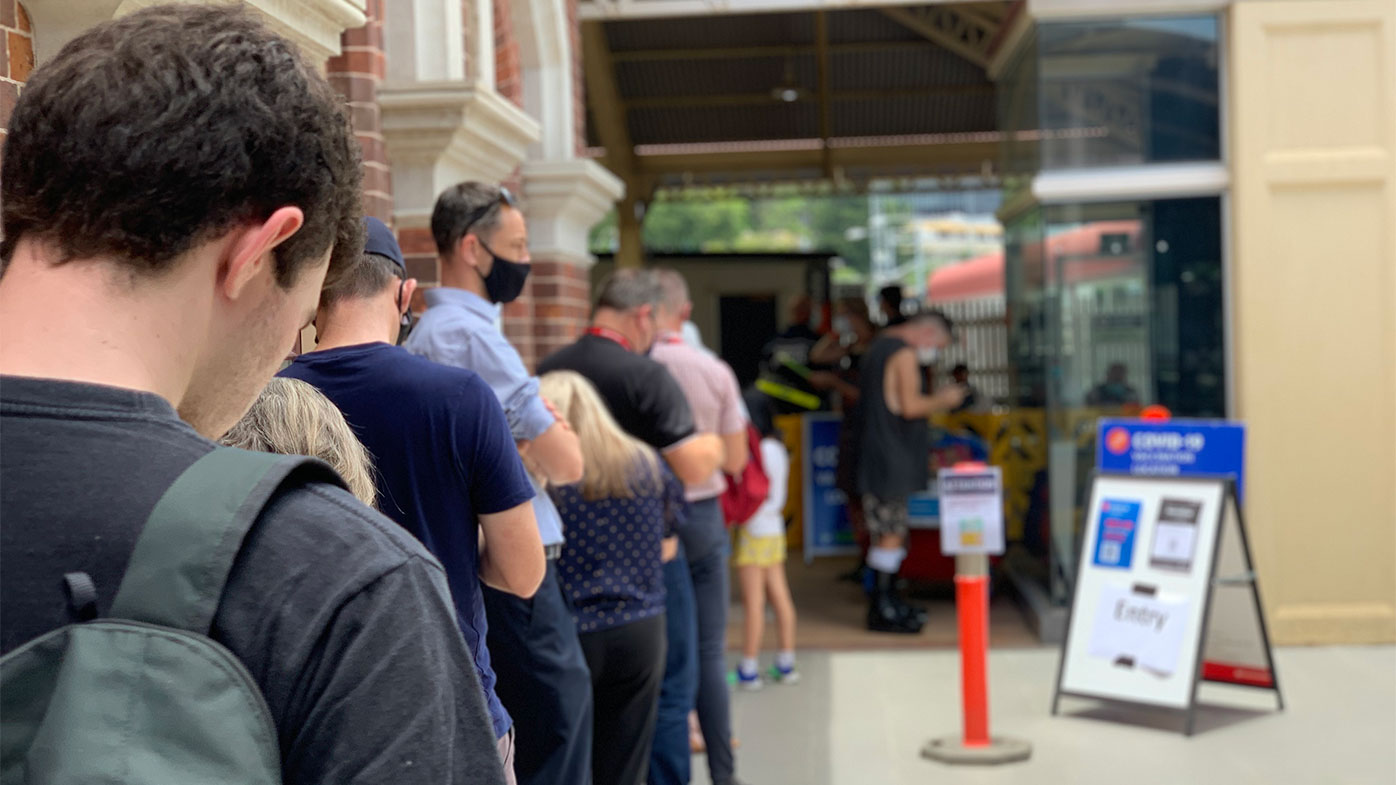
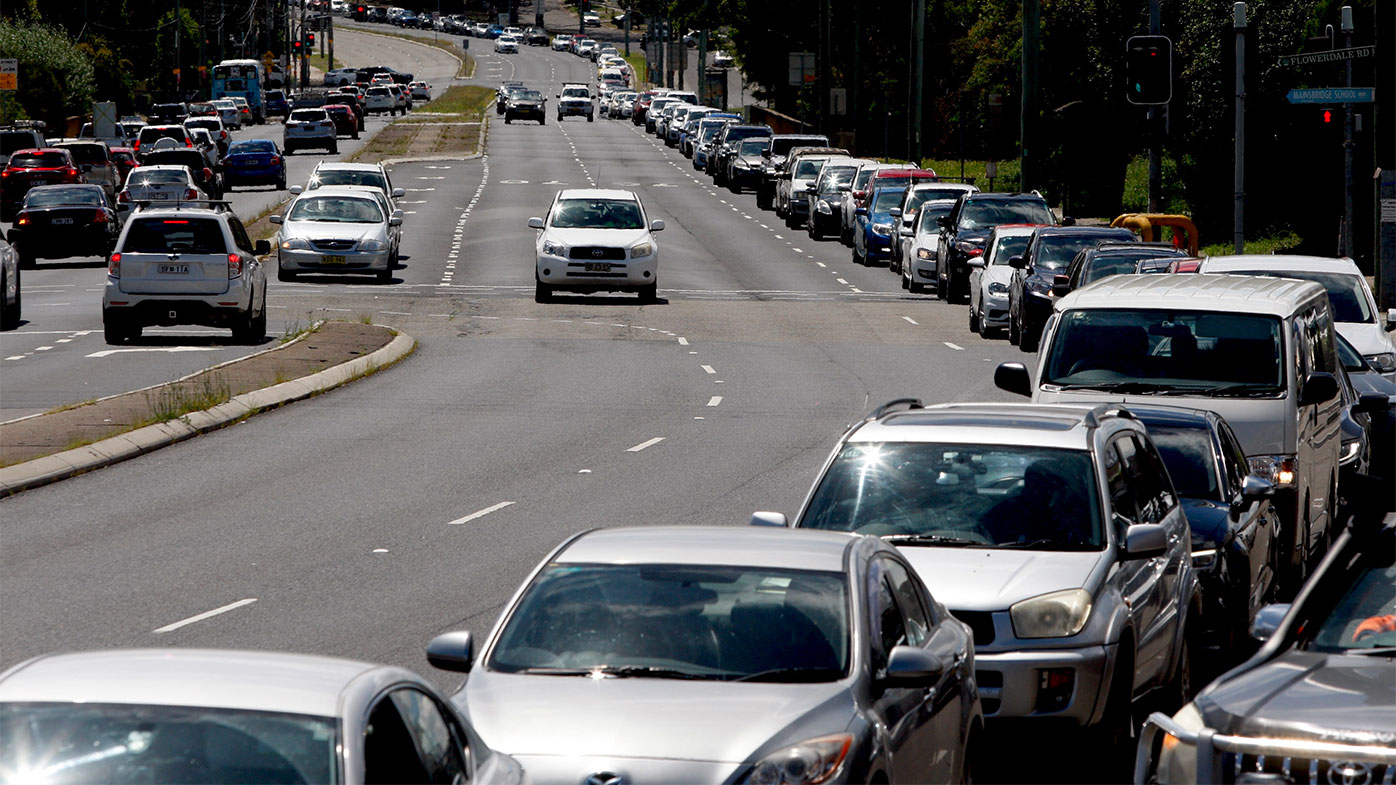
It comes after long testing lines have been seen across the nation.
"This should significantly, we hope, over the next few weeks, greatly reduce the volume people who are having these PCR tests, which means we will be able to increase the turnaround time of these tests, getting results back to those who need to take them," Mr Morrison said.
Mr Morrison said the government was also looking at providing RAT tests in other settings such as healthcare spaces.
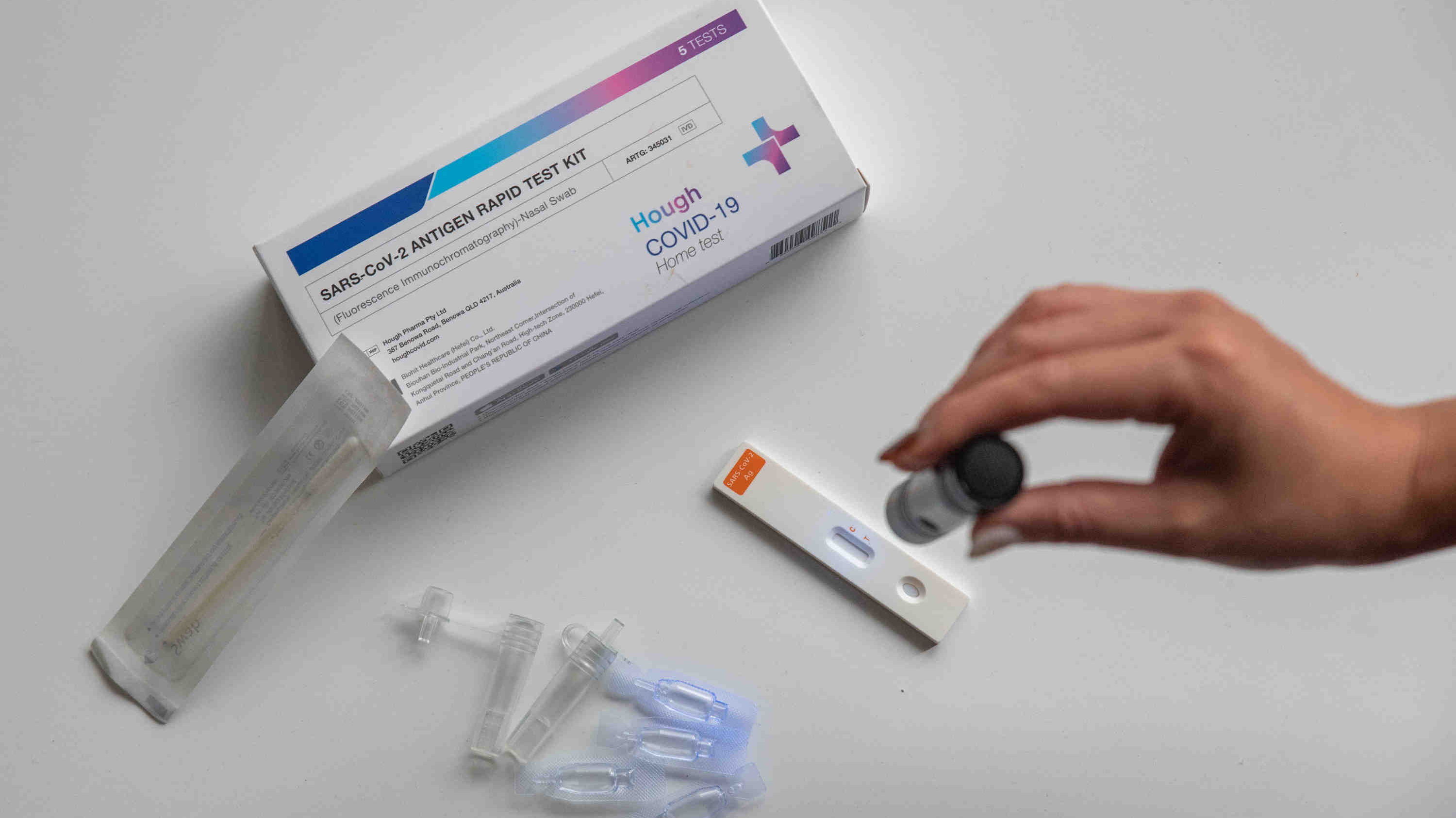
Mr Morrison said the government was also looking at the supply of rapid tests in the private market, including pharmacies and supermarkets.
He said the government would not "all of a sudden going to go round and start providing these free to anybody and everybody".
"We will be providing them only where it is recommended to us that they need to be provided, which are in settings of close contact, for our aged care workers or in those high-risk settings," he said.
For people not included in these settings, Mr Morrison said they can buy them from supermarkets and pharmacies.
PCR tests scrapped for international arrivals
PCR testing requirements for international arrivals have been scrapped in favour of rapid antigen tests in NSW.
NSW Premier Dominic Perrottet spoke to 2GB after the National Cabinet meeting.
Mr Perrottet has announced international arrivals will only need to do a rapid antigen test when flying into Sydney.
READ MORE: The financial strategy sweeping young Aussies
"From our state's perspective, to move away from overseas travellers requiring to be PCR-tested on return, we'll move to a rapid antigen test there," he said.
"That will alleviate substantial pressure on the system."
No booster dose shortage
COVID-19 Taskforce Commander Lieutenant General Frewen said supply was not an issue with COVID-19 vaccination booster shots.
"There are currently three million doses of mRNA sitting on shelves," he said.
"Over the first two weeks of January we will deliver another six million doses of mRNA out to GPs, pharmacists and state hubs. In addition to that, there is another 16 million doses of mRNA sitting in warehouses waiting delivery."
READ MORE: Taronga Zoo devastated by 'sudden' death of new baby
Over 50 firefighters work to contain Sydney blaze
A boat workshop has caught alight off Sydney's coast, sending huge plumes of smoke into the air, as over 50 firefighters fight to contain the blaze.
Fire and Rescue NSW confirmed the shed caught alight in the suburb of Drummoyne, at the rear of a property on St Georges Crescent around 2pm.
They said the boat shed has been severely damaged, and they are working to ensure the fire doesn't spread to nearby properties.
LIVE: Australia records over 20,000 daily COVID-19 cases
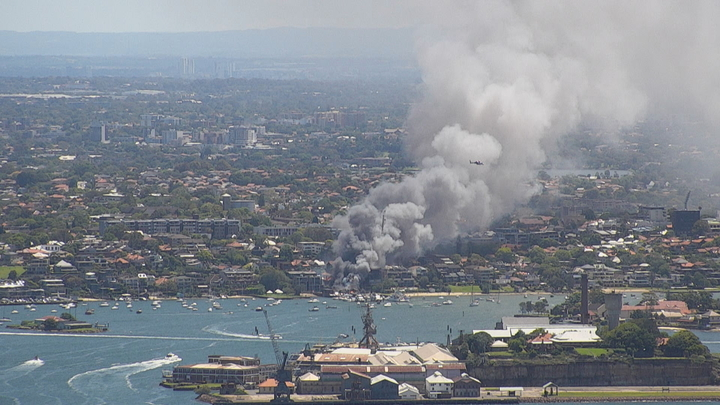
Nearby residents reported the fire via Triple Zero this afternoon.
"We received a number of Triple Zero calls to a structural fire in Drummoyne. Fire crews were called on scene and saw smoke and flame issuing from a marine shed," FRNSW acting superintendent, Tim Hassiotis said.
"At this stage its too early to determine the cause of the fire."
READ MORE: COVID-19 fears hit Sydney CBD businesses before biggest trading night of the year
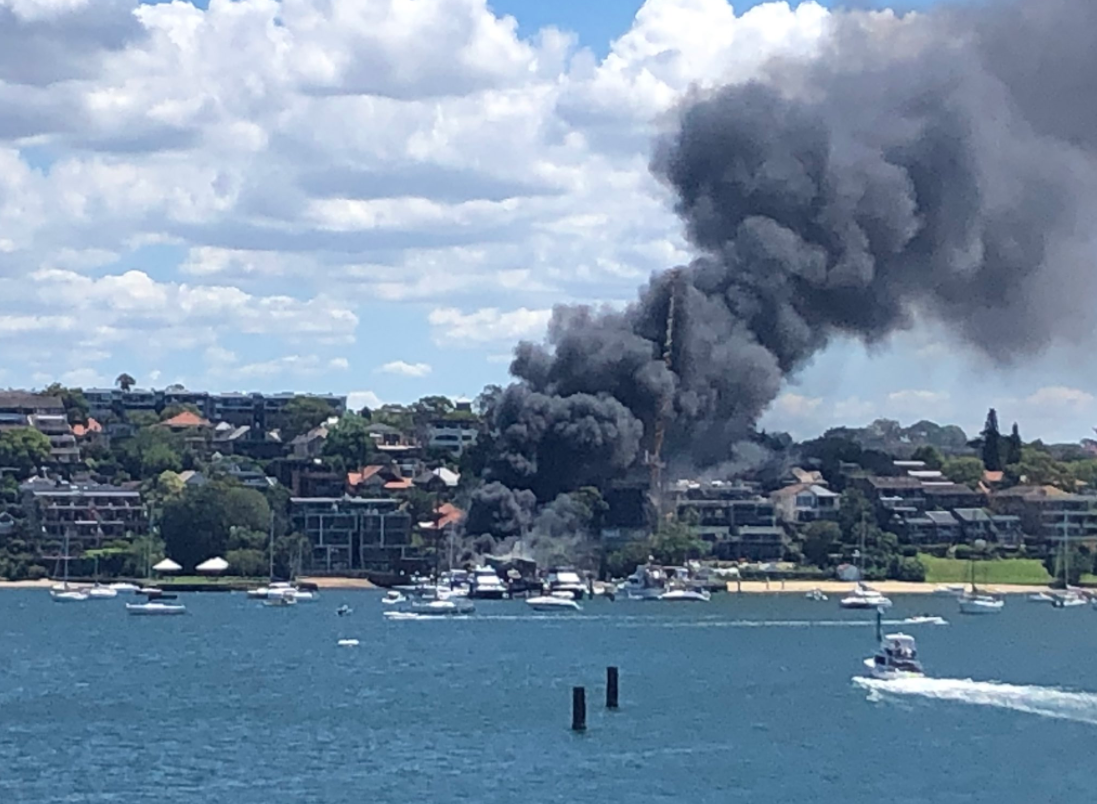
Fourteen fire trucks and over 50 fire fighters, as well as Ambulance crews and police are on scene.
A Port Authority fire boat on Sydney Harbour is also working to put out the fire from the water.
"Fire fighting efforts have also been significantly bolstered by use of a Port Authority boat as this premises is on the water," Mr Hassiotis said.
"They've managed to hold the fire to stop any external spread to nearby residences.
READ MORE: Infant who tested positive for COVID-19 dies in South Australia
https://twitter.com/FRNSW/status/1476402585305182209
Nearby balconies have sustained damage from the severe heat.
Mr Hassiotis confirmed search and rescue efforts were underway, to ensure nobody has become trapped by the fire.
He said the whereabouts of the property's residents remains unclear.
"There's no reports of injuries at this stage."
Springfield rest home fire: Critically-injured man dies in Rotorua Hospital
A critically-injured elderly man has died after a room caught fire at a rest home near Rotorua. Two fire crews were called to Cantabria Lifecare & Village in Springfield around 9.40pm on Wednesday. Police said the 73-year-old…
Covid 19 outbreak: Second Omicron case in community as Auckland moves to orange, Waiheke Island on edge after infected DJ visits
New Zealanders are on edge as the exact movements of a British DJ infected with Omicron are yet to be ironed out, and a second case has been active in the community. Large crowds will be allowed to gather in Auckland for the first…
Modern-day Icarus: Kite surfer's ride delays medical plane's takeoff
A modern-day Icarus surfing with a kite flew so close to Hawke’s Bay Airport on Tuesday that a medical flight was delayed and the coastguard called out.Hawke’s Bay Coastguard skipper Henry van Tuel said the coastguard was told by…
Holiday traffic: Congestion building as police urge motorists to take care on the road
The holiday rush has begun across parts of the North Island as holidaymakers head away to begin their summer breaks.Vehicles have clogged the highway heading to the Coromandel township of Tairua today. The transport agency has warned…
Herald afternoon quiz: December 30
Test your brains with the Herald’s afternoon quiz. Be sure to check back on nzherald.co.nz for the morning quiz tomorrow. To challenge yourself with more quizzes, CLICK HERE.
Covid 19 Omicron: Minister Chris Hipkins' mum warns media he will be late
Covid-19 Response Minister Chris Hipkins was nearly half an hour late to the press conference he fronted at 11am today – and his mum, with whom he has been staying, made sure to come out and apologise to the waiting media.Hipkins…