Category Archives: headline

China fumes over Musk satellite near-miss

Elon Musk's rocky year in China is ending on another sour note.

The tech billionaire's SpaceX satellites are catching heat in the country after Beijing complained that two satellites launched by the American aerospace manufacturer endangered Chinese astronauts.

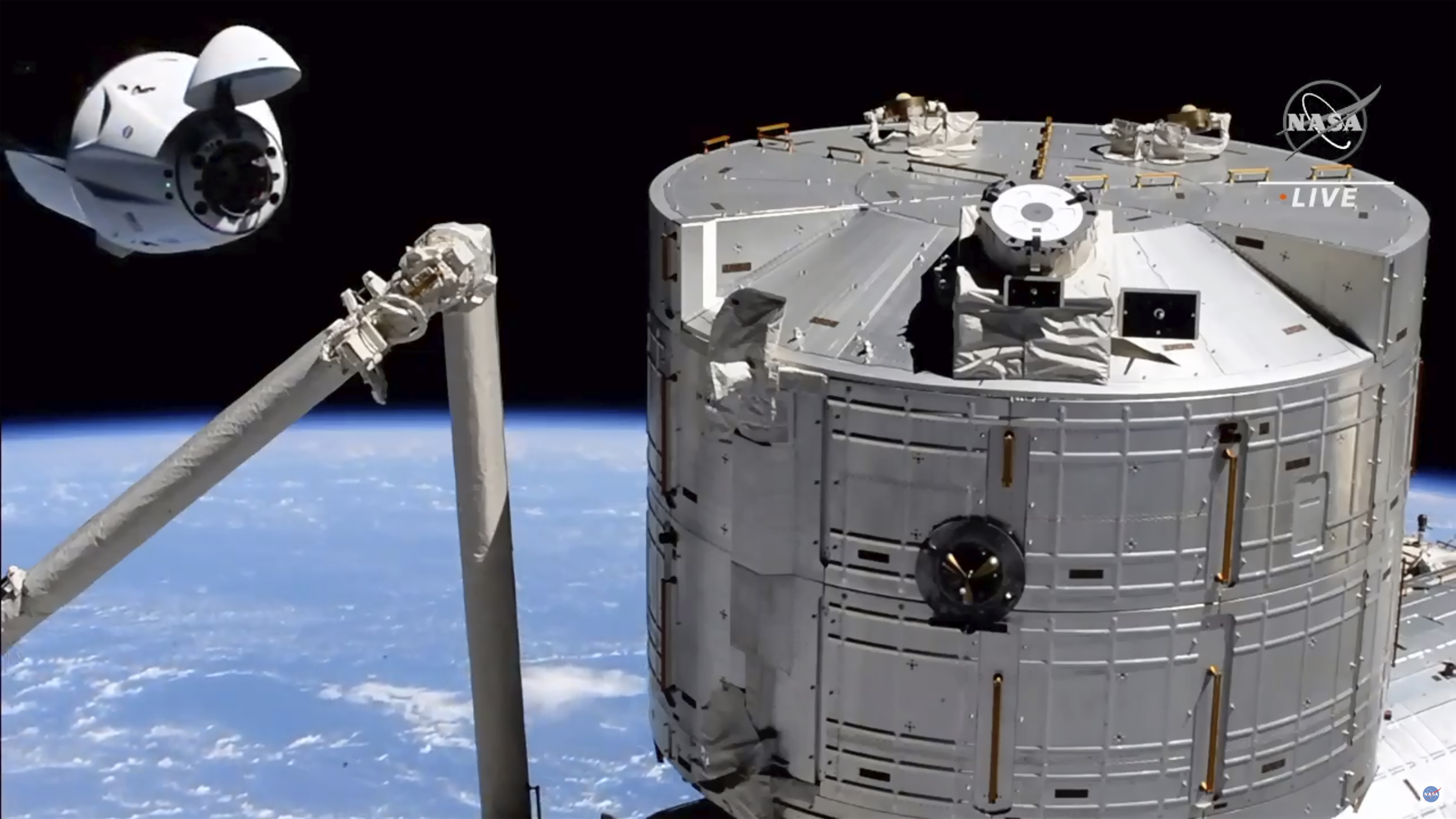
In a report sent earlier this month to the United Nations Office for Outer Space Affairs, China claimed that two SpaceX satellites flew too close to the country's space station this year, forcing the station to make evasive manoeuvres to avoid collision.

READ MORE: Space telescope launched on daring quest to behold first stars
A small group of ultra-wealthy individuals, such as Elon Musk, could help solve world hunger with just a fraction of their net worth, the director of the United Nations' World Food Programme claimed.

The two encounters "constituted dangers to the life or health of astronauts aboard the China Space Station," according to the report, which said the incidents happened in July and October.

China filed its complaint to the UN early this month. But the episodes didn't gain widespread attention in the country until this week.

Chinese State media scrutinised the incidents, which involved satellites that are part of SpaceX's Starlink constellation — a project that promises to beam high-speed internet across the entire planet.

The Global Times, a state-run tabloid, cited an expert Monday who speculated that SpaceX may have been "trying to test China's capability and response awareness in space."

The topic also attracted some 90 million views on Weibo, a Twitter-like social media service in China.

READ MORE: This $13 billion space telescope will reveal the secrets of the universe
Users criticised the "US Starlink satellites."

One person decried the network as a "rogue project" and a "kind of monopoly in the space race."

Another accused the United States of "provoking trouble."

Asked about the incident on Tuesday, a spokesperson for China's Ministry of Foreign Affairs called on the United States to "take immediate measures to prevent such incidents from happening again".

"It is a typical double standard for the US to proclaim the concept of 'responsible conduct in outer space' while ignoring its obligations under international treaties on outer space and posing a grave threat to the lives and safety of astronauts," Zhao Lijian told reporters.

SpaceX did not respond to a request from CNN Business for comment about the document that China filed with the UN, nor to questions about whether the company was able to communicate with Chinese authorities during the incidents.

The UN's Office for Outer Space Affairs did not immediately respond to a request from CNN Business for comment. In its report, China asked UN Secretary-General António Guterres to remind countries of the organization's treaty governing outer space activity.

The US military's Vandenberg Space Force Base, which monitors space traffic and attempts to track potential collisions, did not respond to a request for comment about the UNOOSA report.

READ MORE: Record number of 'rogue planets' discovered roaming the galaxy
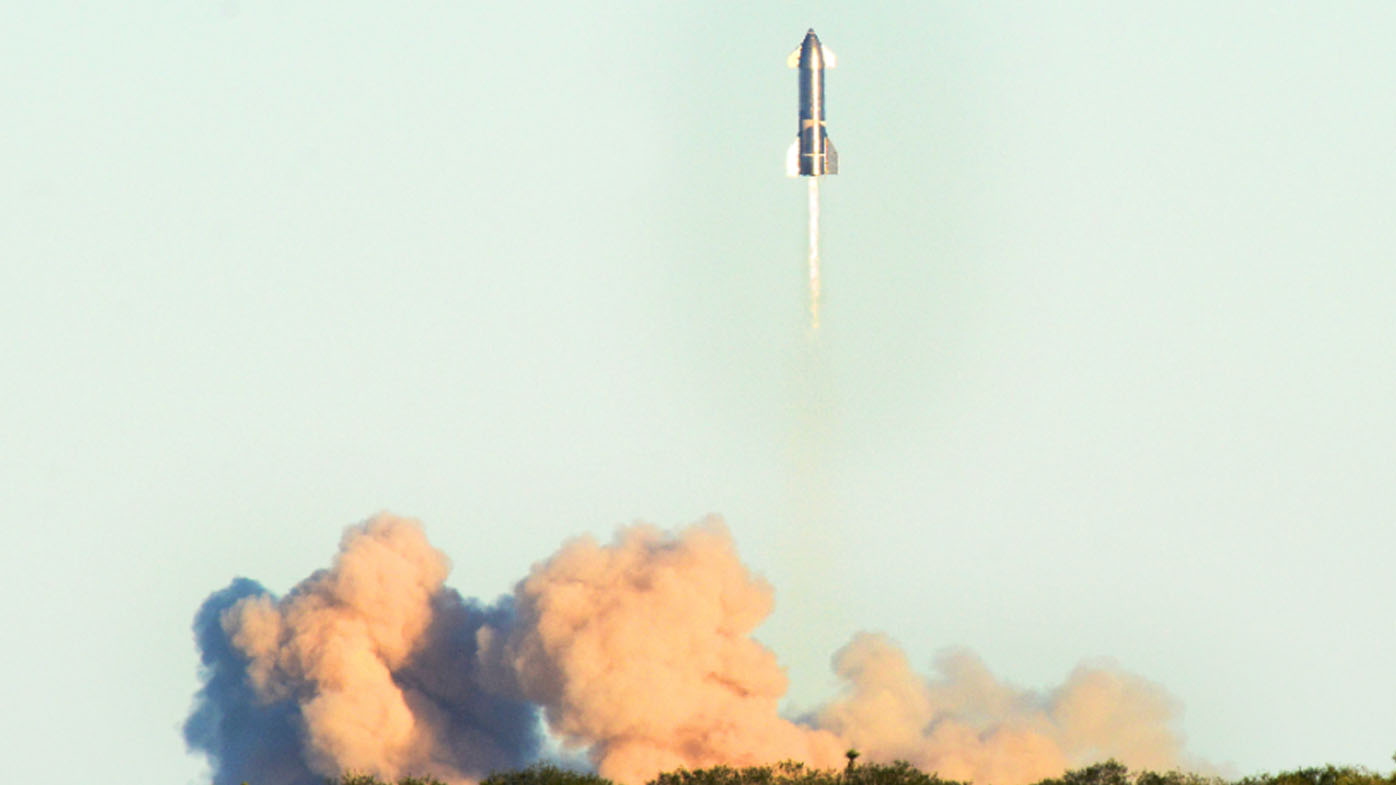
A space traffic problem

People across the United States are already using the new Starlink network, and it's rapidly expanding across the globe as SpaceX launches more Starlink satellites and expands its service into new countries.

SpaceX's Starlink constellation already includes roughly 2,000 satellites, and it promises to far surpass that amount.

But that satellite constellation, other similar planned projects and increasing commercial and government activity in space has contributed to a growing problem: how to manage traffic in space.

Near-misses between objects in space happen all the time. And the apparent close calls documented in China's report to the UN may be symptoms of a larger problem plaguing space-faring nations: There is not a perfect, international solution for tracking and coordinating objects in space.

READ MORE: Asteroid that wiped out the dinosaurs sparked years of darkness

Concerns about potential collisions will likely keep growing, and activities in space will become more dangerous as humans launch more objects into orbit.

It should also be noted that Russia and China have conducted anti-satellite, or ASAT, military tests that have essentially blown up satellites in orbit and created massive plumes of debris in space.

That debris whips uncontrollably through orbit, threatening any spacecraft, space station or satellite that might cross the debris field's path.

Jonathan McDowell, an astronomer at the Harvard-Smithsonian Centre for Astrophysics, pointed out that the International Space Station has had to manoeuvre out of the way of debris created by China's 2007 ASAT test several times in recent years.

In other words: Every party involved shares a bit of the fault for how crowded Earth's orbit has become.

"This is another symptom that we're in a new era — a new space age that is both much busier much tenser," McDowell told CNN Business.

READ MORE: Comet streaks across Aussie skies in journey 40k years in the making
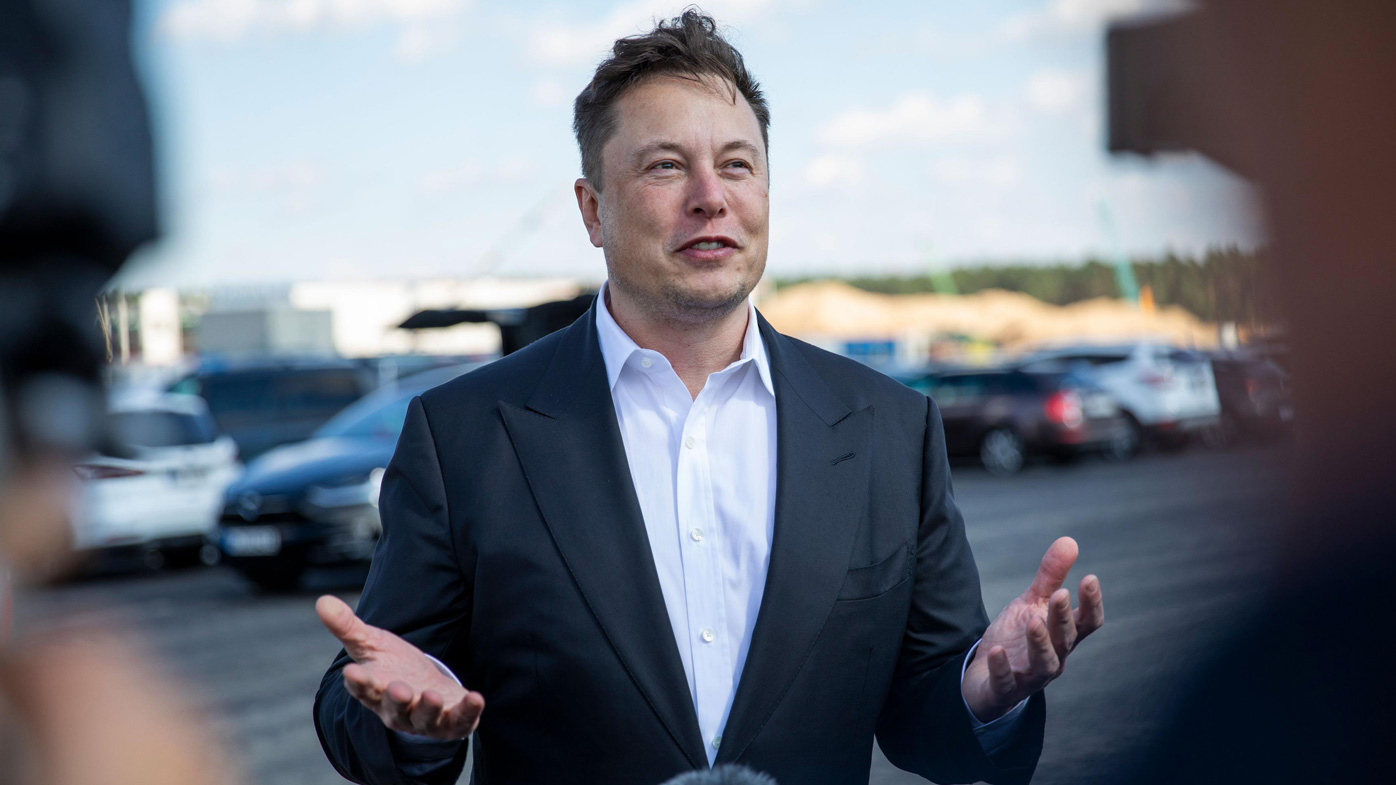
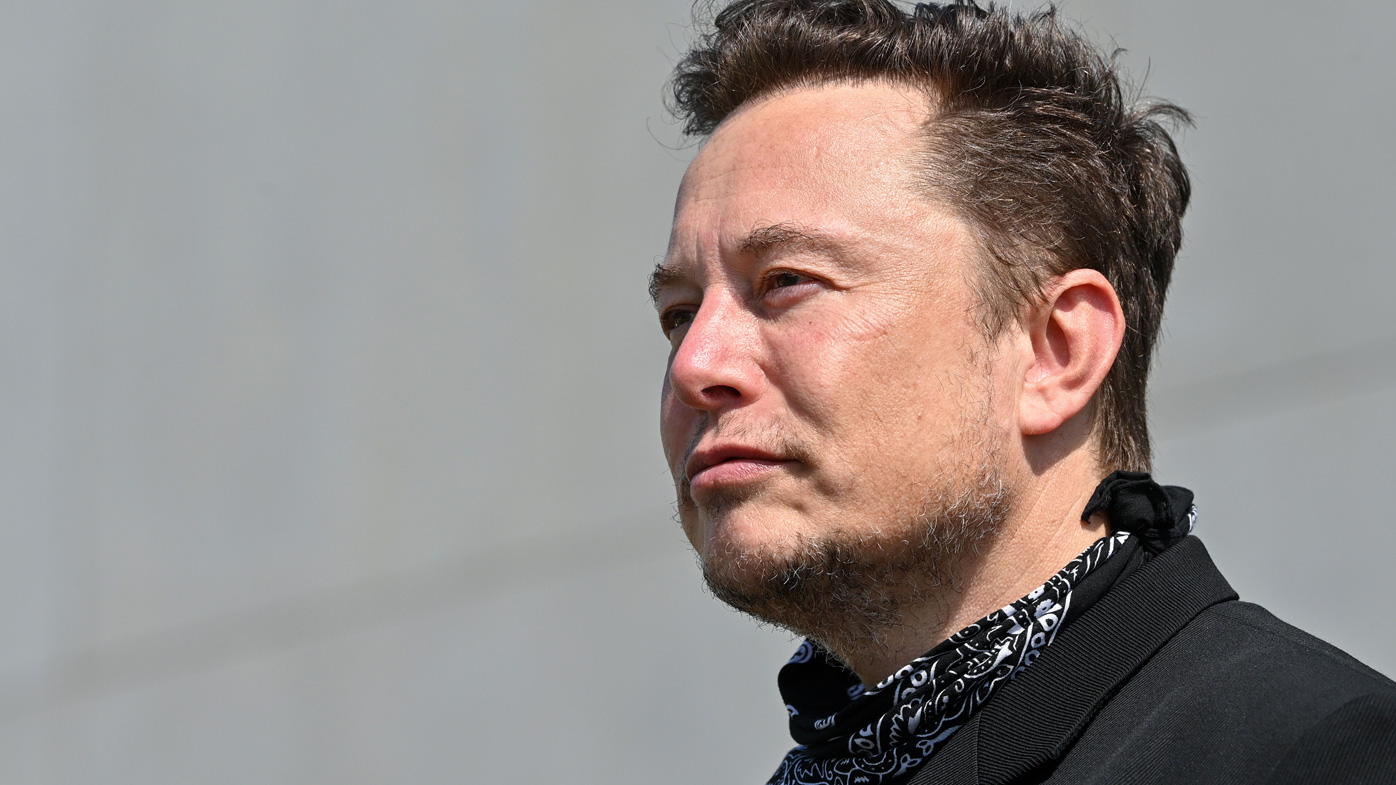
Tesla head Elon Musk talks to the press as he arrives at the construction site of the new Tesla Gigafactory near Berlin.

It's not clear whether the Starlink satellites mentioned in the UN report attempted to move out of the way of China's space station on their own.

During October's close encounter, according to China, the satellite's "manoeuvre strategy was unknown and orbital errors were hard to be assessed," prompting the space station to evade the satellite and "avoid a potential collision."

The Starlink website, though, says that autonomous collision avoidance technology is embedded into its satellites, allowing them to automatically duck out of the way if they detect a potential crash with an oncoming piece of space junk, a space station or any other space-faring object.

McDowell told CNN Business that based on his data, the Starlink satellite that made a close approach to China's space station in July made a slight adjustment to its path that could indicate the autonomous system was working.

But he added that those systems are hardly effective if there's not more coordination.

"If I'm in China — even if I know that SpaceX has an autonomous system — I don't know that it's going to work this time," he said. "I don't know if it's switched on."

READ MORE: This asteroid dust could solve mysteries of solar system
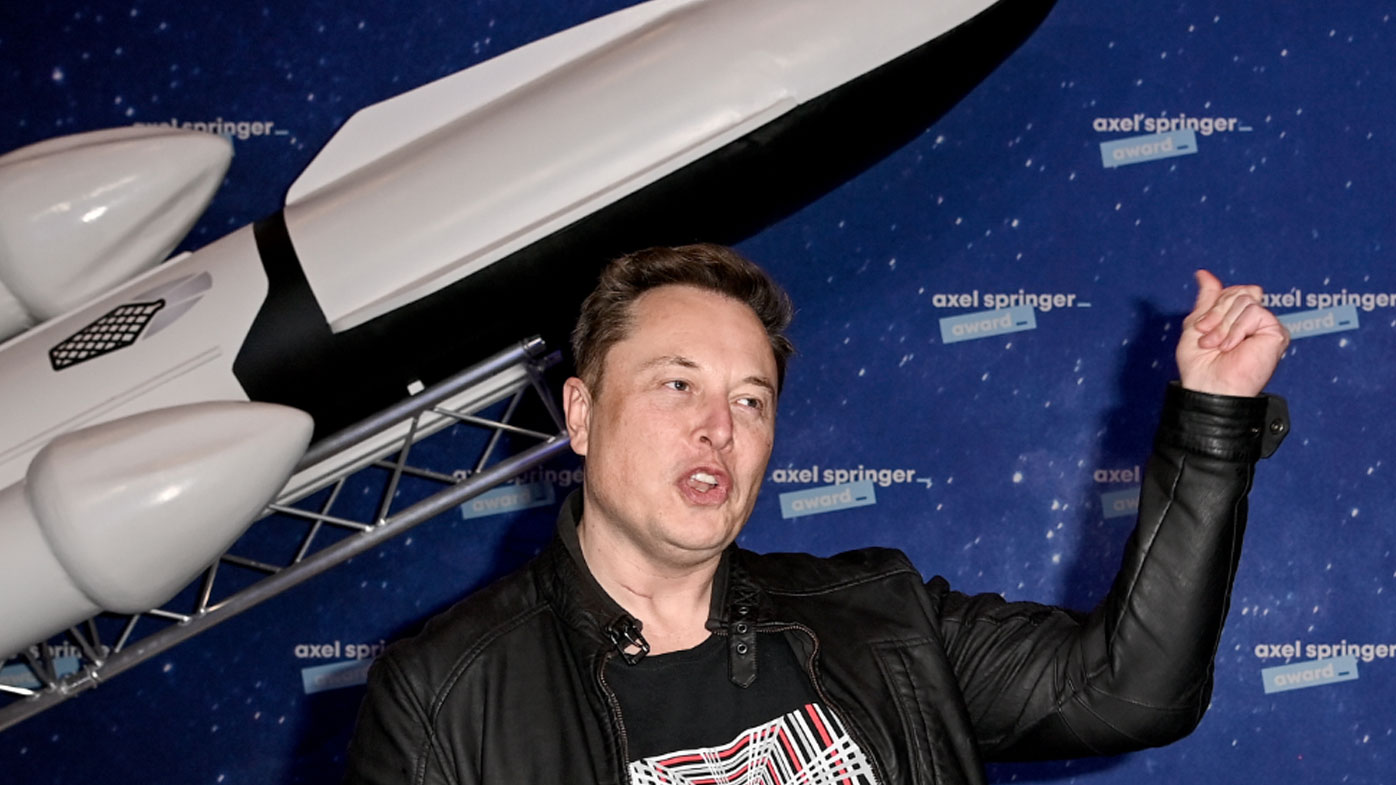
Musk's reputation in China

The controversy could hurt Musk's reputation in China.

Musk spent years winning over authorities and Chinese citizens alike as his electric carmaker Tesla made inroads where other foreign firms could not.

Tesla was the only foreign manufacturer without a local partner to win a big tax break for its cars in 2019, and Musk famously danced on stage during the debut of the Shanghai-made Model 3 early last year, which went viral on Weibo.

Premier Li Keqiang once even said he would be happy to give Musk a "China green card" after the American entrepreneur said he "loves China very much".

But Musk's reception in the country has been damaged over the last year by a run of bad publicity, including a recall of virtually all of the Tesla cars that have been built in Shanghai.

READ MORE: Alien life 'lurking in Venus clouds'

The company also faced protests by Telsa owners at this year's Shanghai auto show over poor car quality and various safety concerns flagged by Chinese regulators.

Musk, who has long shown an affinity for Chinese culture, has in the meantime been on a months-long charm offensive.

In July, he applauded the government on the 100th anniversary for the ruling Chinese Communist Party, tweeting: "The economic prosperity that China has achieved is truly amazing, especially in infrastructure! I encourage people to visit and see for themselves."

That came months after the world's richest man appeared for a rare interview with a Chinese state broadcaster, heaping praise on Beijing and saying that China would "become the biggest economy in the world."

Musk has also predicted that the country will eventually become Tesla's most important market.

And his many utterances have often created buzz within the country.

In November, Musk cryptically tweeted an ancient Chinese poem that is famous in the country, and which refers to a spat between brothers. It swiftly became a trending topic on Weibo.
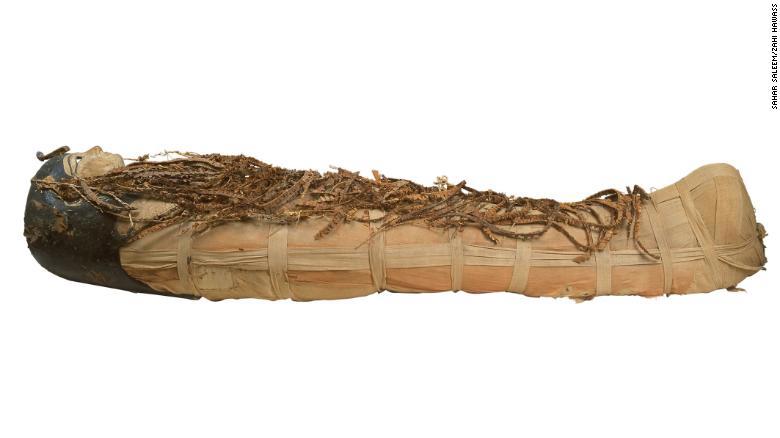
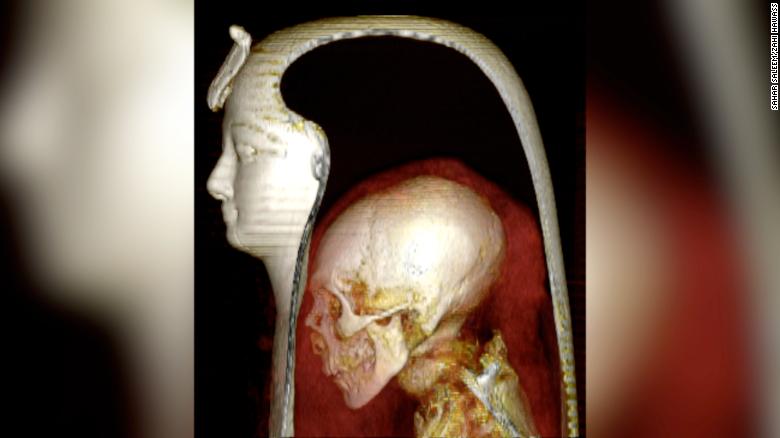
3,500-year-old mummy 'digitally unwrapped'

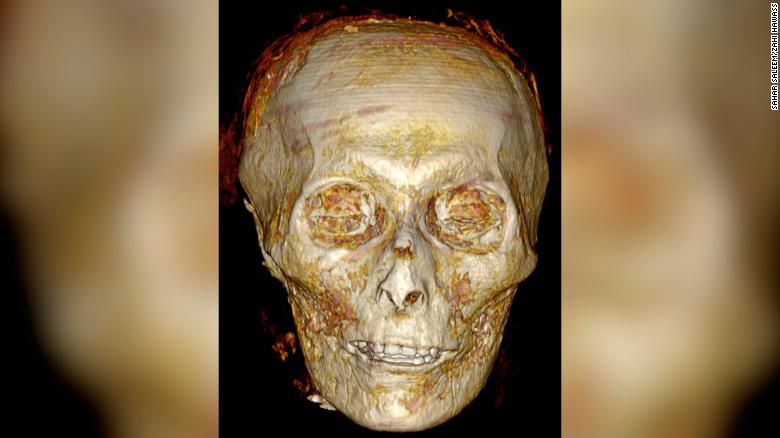
Egyptian scientists have digitally unwrapped the mummified remains of the pharaoh Amenhotep I, revealing tantalising details about the life and death of the Egyptian king for the first time since the mummy was discovered in 1881.

Decorated with flower garlands and a beguiling wooden face mask, the mummy was so fragile that archaeologists had never dared expose the remains, making it the only royal Egyptian mummy found in the 19th and 20th centuries not yet opened for study.

Using non-invasive, digital techniques, Egyptian scientists have used three-dimensional computerised tomography (CT) scanning to unwrap the 3,500-year-old mummy and study its contents.

READ MORE: Queensland to allow PCR tests for interstate travellers

"By digitally unwrapping … the mummy and 'peeling off' its virtual layers – the face mask, the bandages, and the mummy itself – we could study this well-preserved pharaoh in unprecedented detail," said Dr Sahar Saleem, professor of radiology at the Faculty of Medicine at Cairo University and the radiologist of the Egyptian Mummy Project, in a news release.

Ms Saleem and her colleagues found that Amenhotep I was about 35 years old and 169 centimetres (5.5 feet) tall when he died.

He was also circumcised and had healthy teeth.

Some 30 amulets and a unique gold girdle were found within the wrappings.

The pharaoh also had a narrow chin, a small narrow nose, curly hair, and mildly protruding upper teeth, Ms Saleem said.

Their study didn't uncover any wounds or disfigurement that would explain the cause of his death.

READ MORE: Reports isolation time for COVID-19 cases to be slashed

Amenhotep I ruled Egypt for about 21 years, between 1525 and 1504 BC.

He was the second king of the 18th Dynasty and had a largely peaceful reign during which he built many temples.

The researchers also found that the mummy had suffered from multiple post-mortem injuries likely inflicted by ancient tomb robbers, which, according to hieroglyphic texts, priests and embalmers subsequently tried to repair in the 21st Dynasty — more than four centuries after he was first mummified and entombed.

READ MORE: Global travel chaos as thousands of flights cancelled

Before studying the mummy, Ms Saleem had thought these priests and embalmers mentioned in the texts might have unwrapped the mummy to reuse some items like amulets for later pharaohs, which was a common practice at the time.

But that was not the case, she said.

"We show that, at least for Amenhotep I, the priests of the 21st dynasty lovingly repaired the injuries inflicted by the tomb robbers, restored his mummy to its former glory, and preserved the magnificent jewellery and amulets in place," Ms Saleem said in the statement.

The research was published in the journal Frontiers in Medicine on Tuesday.

What does 2022 hold for the future of cryptocurrency?

It's official: Cryptocurrency has gone mainstream in Australia.

Buoyed by the turmoil of COVID-19 and the enormous economic damage caused by global shutdowns, investors poured cash into crypto assets as a form of decentralised finance – or DeFi – hoping that it would be protected from external variables.

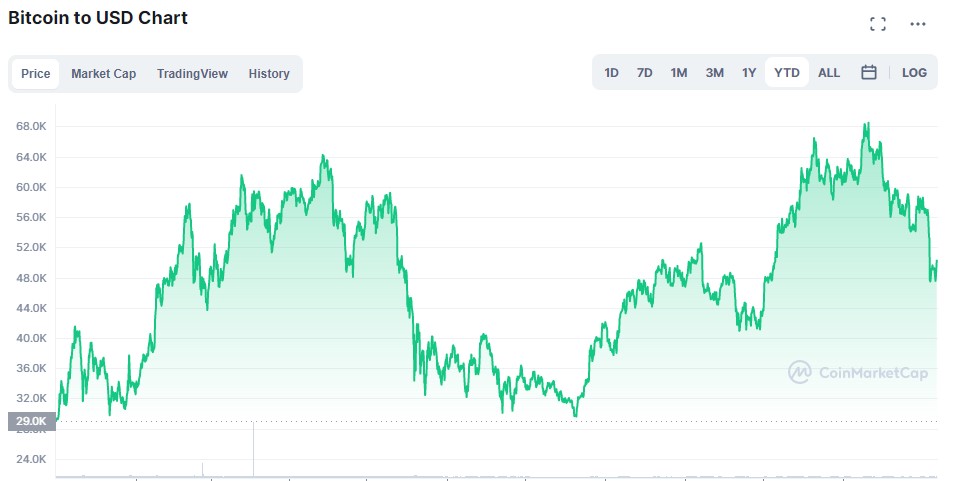
Take Bitcoin for example: In January 2021 one Bitcoin was worth just over $38,200. By December 2021 that figure had exploded to $72,300 – an increase of almost 90 per cent.

READ MORE: Aussie who claims to have invented Bitcoin keeps $71b crypto fortune

But the extreme danger of cryptocurrency is its volatility: daily swings of much as 10 per cent are not only common, but expected.

So what does 2022 hold for the future of cryptocurrency? Market analyst at eToro Josh Gilbert told 9News.com.au that he expects to see a continuation of this year's bull market.

"Global adoption of cryptoassets is accelerating at an extraordinary pace and we can expect this trend to continue well into 2022," Mr Gilbert said.

"We're currently in an environment where it's more important to invest when we consider the inflation print experienced in the US.

"Bitcoin has been labelled an "inflation hedge" by some, but the cryptoasset is still in its infancy, and hasn't been tested during a recession, therefore can't be considered as a hedge against inflation for now."

READ MORE: Cryptocurrency called 'Omicron' booms more than 900 per cent

According to Mr Gilbert, cryptocurrency's ascendancy to the mainstream is likely to remove some of its infamous volatility.

"Crypto critics often argue about the real-world use cases and utility for some cryptoassets, however, it's becoming increasingly apparent that they are now hitting the mainstream by entering and gaining a solid foothold in multi-billion dollar industries such as music, gaming, sports and art," Mr Gilbert said. 

"In early November 2021, the Reserve Bank of Australia (RBA) referred to crypto and DeFi as the 'future of payments,' highlighting crypto's rapid innovation and technology. They acknowledge that crypto and DeFi can revolutionise the financial industry, whilst democratising finance for the whole world, not just here in Australia.

"I think it may take crypto many years to solidify its place in the overall financial industry, but it's already laying the foundations."

New research shows that more than a quarter of Australian investors now own some kind of cryptocurrency asset as COVID-19 and worldwide inflation concerns push many to invest in decentralised finance – otherwise known as DeFi.

READ MORE: Aussie cryptocurrency investors 'on their own'

According to the Independent Reserve Cryptocurrency Index (IRCI) 28.8 per cent of Aussie investors now hold some form of cryptocurrency in their portfolio, having increased dramatically from 18.4 per cent in 2020.

The proportion of Aussie women who own cryptocurrency has also doubled, rising from 10.1 per cent in 2020 to 20 per cent in 2021.

"Although Australian regulators and government agencies may have taken a while to get their heads around cryptocurrencies and other digital assets, Australians themselves have sped ahead and we're really seeing that in past year, as an asset class, crypto has gone from the fringe to the mainstream," Independent Reserve CEO Adrian Przelozny said.

"Our IRCI results this year support this, with 28.6 per cent of Australians who don't currently own crypto telling us they would invest if there were better consumer protections in place.

"Another 26.6 per cent said they'd buy crypto if industry regulation was improved."

READ MORE: Crypto investors try to buy an original copy of the US Constitution

But like all investments, there's always the chance that riches could turn to rags almost overnight.

"In 2013 and 2017 we saw crypto bull markets and have now experienced this again in 2021. Nevertheless, I don't think we've yet to see the dramatic price action we saw during these periods," Mr Gilbert said.

"If history is anything to go by, this could mean that we haven't quite seen the peak for crypto yet and 2022 could be a key year.

"In the same breath, investors should remember that we may then experience a 'crypto winter'."

The information provided on this website is general in nature only and does not constitute personal financial advice. The information has been prepared without taking into account your personal objectives, financial situation or needs. Before acting on any information on this website you should consider the appropriateness of the information having regard to your objectives, financial situation and needs.

Gunman Kills Four in Denver-Area Shooting Spree Before Killed by Police

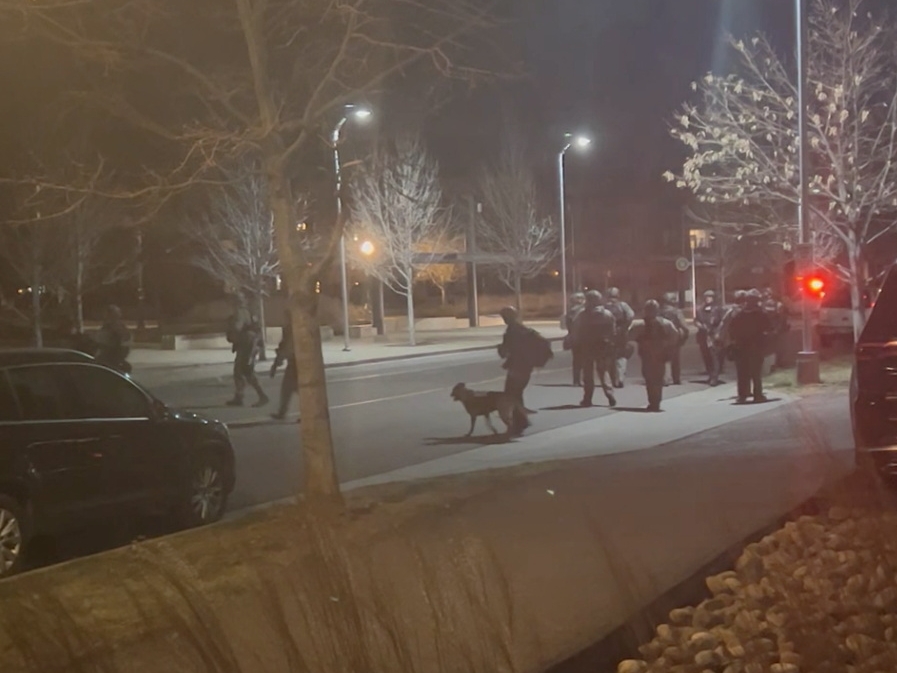
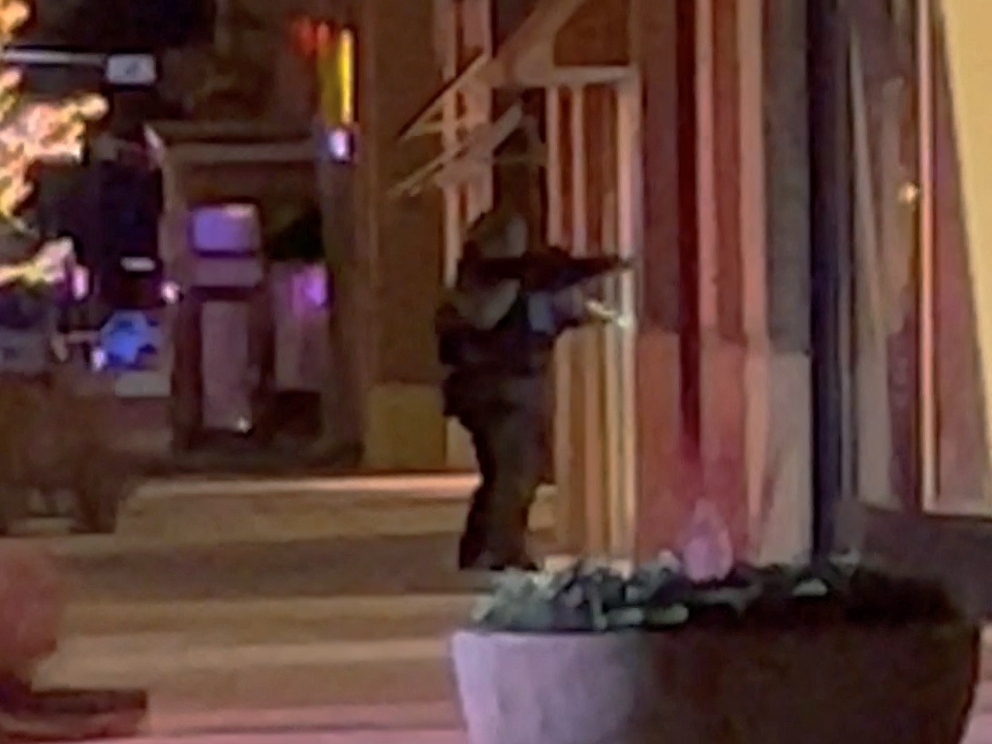
DENVER, Dec 27 (Reuters) – A lone gunman shot four people to death and wounded three, including a police officer, on Monday in a Denver-area shooting spree that unfolded at several locations and ended with police killing the suspect, authorities said.

Investigators have yet to determine a motive for the rampage, which began around 5 p.m. when the gunman shot and killed two women and wounded a man near downtown Denver, Police Chief Paul Pazen said a news briefing.

The suspect then fled in a car and fatally shot a man in east Denver’s Cheesman Park neighborhood, before opening fire again in a west Denver community where no one was hit, Pazen said. According to Pazen, the suspect twice exchanged gunfire from his vehicle with Denver officers pursuing him, disabling a police cruiser.

From there, the gunman drove into the neighboring city of Lakewood, where he shot and killed a fourth person inside an unspecified business, according to Lakewood Police spokesman John Romero.

The gunman fled from Lakewood police when they attempted to pull him over and engaged in a running gun battle with officers before fleeing on foot and entering a hotel, where he shot and wounded a clerk, Romero said.

He then shot at police officers again, wounding one of them, before police shot him dead, Romero told reporters. Authorities did not publicly identify the suspect, and said circumstances leading to the shooting remained under investigation.

The conditions of the wounded officer and civilians were not immediately known, Romero said.

Anne Wilson, a shopper who was inside a cellular phone store in Lakewood when gunfire erupted nearby, told a Denver-based NBC-affiliate TV station she heard “seven or eight gunshots, and then like another set of maybe five more.”

Wilson said she and other customers were quickly ushered by store employees into a back room behind security gates until the danger had passed. “It is scary, scary times we live in,” she said.

Reporting by Keith Coffman in Denver; Writing by Steve Gorman Editing by Shri Navaratnam, Robert Birsel

The post Gunman Kills Four in Denver-Area Shooting Spree Before Killed by Police appeared first on The St Kitts Nevis Observer.

Protest, Pandemic, Haitian Tailspin: a Look at 2021 in Latin America & Caribbean from NPR

WLRN  NPR

2021 Review: Protest, pandemic, Haitian tailspin

The good news in Latin America and the Caribbean: much of the region turned vaccination tragedy into triumph. The bad news? Just about everything else.

Few parts of the world have suffered as badly from the COVID-19 pandemic — from death rates to unemployment rates — as Latin America and the Caribbean have.

In 2021 that also put heavy political strain on the region, especially in countries with strong ties to South Florida such as Colombia, Cuba, Haiti.

WLRN Americas Editor Tim Padgett looked back at the year in Latin America and the Caribbean with Florida International University’s Eduardo Gamarra, an expert on the region and its politics.

Here are excerpts from their conversation, edited for clarity.

WLRN: Happy New Year, Eduardo.

GAMARRA: Happy New Year, Tim.

So we both chose our top three stories of the year in Latin America and the Caribbean. Your number three pick is the region’s worsening migrant and refugee crisis — something we sadly got a reminder of earlier this month when more than 50, mostly Central American, migrants were killed in a truck crash in Mexico while making their way north.

READ MORE: Latin America and the Caribbean 2020: From COVID-19 Devastation to Cuban Artist Defiance.

I think it’s important to appreciate the magnitude of this crisis right now. For example, anywhere between six and eight million Venezuelans have left Venezuela as a result of the collapse of the country’s economy and democracy. And they have essentially affected domestic politics wherever they have gone.

In Colombia, it has generated significant backlash; in Peru and Ecuador; in Chile, a significant rise in xenophobia — as candidates [have] campaigned on the basis of sending these migrants back.

MigrantCrashDeathsMexico.jpeg

AP Rescue workers place the corpses of more than 50 mostly Central American migrants killed when the truck they were crowded into crashed in Tuxtla Gutierrez, Mexico, earlier this month as they made their way to the U.S. border.

And of course you can say the same thing about the migrant crisis in Central America — which is now a global phenomenon, like the Haitians that are coming up through the Central American caravan, or African and Middle Eastern refugees. The impact politically has of course been felt here in the United States. And this is all likely to get worse.

HaitiansBorderPatrolDelRio.jpeg

Felix Marquez/AP
Horse-mounted U.S. Border Patrol agents drive back asylum-seeking Haitian migrants on the bank of the Rio Grande at Del Rio, Texas, last summer.

My number three pick is somewhat happier: Much of Latin America turned the region’s COVID vaccination tragedy into triumph. Last March, Brazil had administered only three vaccine doses per 100 people, compared to 18 per 100 people in the U.S. But at the start of this month, Brazil had two-thirds of its population fully vaccinated; so did hard hit Ecuador. In Chile, 84 percent; Cuba 82 percent.

EcuadorVaccination2021.jpeg

UNHCR A woman receives a COVID-19 vaccination shot in Guayaquil, Ecuador in June.

The shame is that in many countries, health care officials had to overcome the vaccine obstruction of leaders like right-wing Brazilian President Jair Bolsonaro or left-wing Mexican President Andrés Manuel López Obrador — and also, Eduardo, the fact that the U.S. and other developed countries didn’t donate more doses to Latin America sooner?

I think you’re right, and it’s something that several Latin American countries have pointed out. But then again, there hasn’t been a tradition of doing this kind of grand-scale donation of vaccines, and so I think the Biden administration has been playing catch-up.

Your number two story was also COVID- related, and that’s the deep economic hole the pandemic dug for most countries.

GachancipaColombiaProtests.jpeg

Ivan Valencia/AP
Colombian protesters, angry about a government tax hike plan during a pandemic that choked their economy and livelihoods, and police clash in Gachancipa in May.

The region as a whole was utterly unprepared for such a pandemic. Latin America was already facing an economic downturn with the slowdown of their export markets. More importantly, this is a part of the world with a very high number of people in the informal economy [who can’t afford to go on economic lockdown]. And you have to understand that, relative to the U.S., the ability of all but a few of these countries to provide economic stimulus to keep people out of poverty [during a pandemic] or out of absolute hunger is not very high.

So trying to enforce shutdowns made things even worse — and the economic impact, of course, ended up being drops in GDP on average of about eight percent.

My number two pick is Cuba. We saw street protests elsewhere in the region, especially in Colombia. But the anti-government demonstrations that erupted all over Cuba in July — fueled by anger over shortages of just about everything, especially human rights, not to mention a protest anthem, “Patria y Vida,” that won the Latin Grammy for song of the year — were unprecedented.

PatriayVida.jpeg

YouTube
Cuba rapper Yotuel Romero (center) and other Cuban singers in the music video of Patria y Vida

Still, we also saw the communist regime’s predictable, iron-fisted crackdown. So will the unrest lead to any real change to the island’s ramshackle economy or its political repression?

I don’t think so, largely because the international community today lacks any kind of capacity to force regimes [like Cuba’s] to change their behavior, especially on the human rights side, let alone bring about the end of those regimes.

The trend toward authoritarian rule in the region became even more serious in 2021 — and it’s not a left or right issue any longer, a case in point being Salvadoran President Nayib Bukele.

Eduardo Gamarra

This is a good segue way to your number one story of the year in Latin America and the Caribbean: how threatened democracy became in the region again. How serious is the new trend toward authoritarian government?

I think it’s very serious. Of course, we have the left-wing regimes in Cuba, Venezuela, Nicaragua. But this is not a left or right issue any longer — a case in point being President Nayib Bukele of El Salvador [where a Congress he controls summarily removed Supreme Court justices this year who oppose his agenda, including presidential re-election].

He showcases that trend toward the concentration of power in the executive, especially control over the judiciary and how justice is doled out in the region. We’ve got a similar situation in Brazil with President Bolsonaro.

NayibBukele0521.jpeg

Salvador Melendez/AP
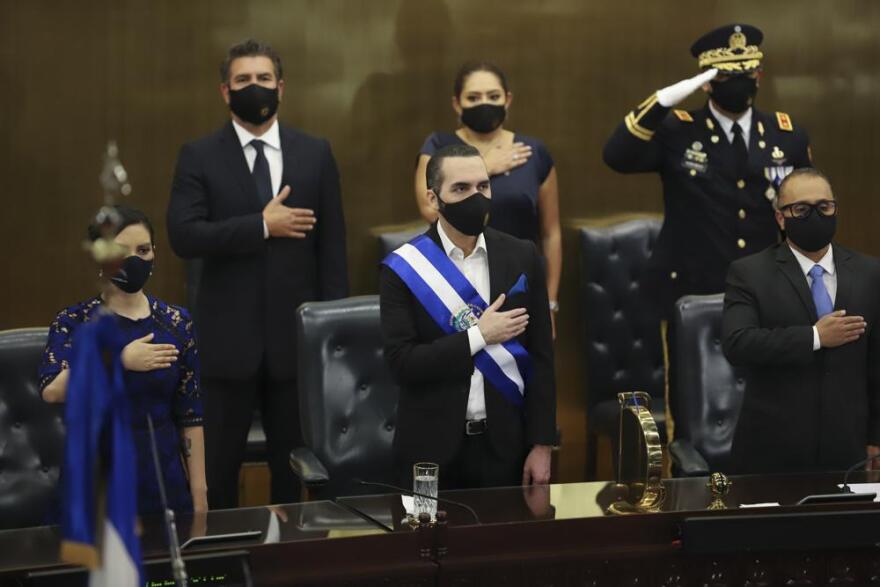
Salvadoran President Nayib Bukele (center, wearing sash) at the Congress in San Salvador in June.

The U.S., especially with its recent democracy summit, is trying to say, “Look, we have to counter this authoritarian trend,” but it’s a very big task.

Just consider the fact that in Bukele’s case, most Salvadorans appear to be satisfied with what he’s doing. Or look at the sham [November] re-election of [authoritarian President] Daniel Ortega in Nicaragua – which got extraordinary support from other countries in the region like Cuba, Venezuela and Bolivia and a conspicuous lack of condemnation from countries like Argentina.

My number one story is Haiti: the still unsolved assassination of President Jovenel Moïse in July; a major earthquake in August; economic implosion — and the takeover of much of the country by violent, ransom-kidnapping street gangs. In fact, many Haitians right now consider gang alliance leader — and former cop — Jimmy “Barbecue” Cherizier the most powerful man in the country.

FREE FALL

Failed state doesn’t seem a strong enough term to describe what’s happened to Haiti. What, if anything, can the U.S. and international community do at this point to stop the country’s free fall? And should the Biden administration as a result be deporting Haitians back to the country under these circumstances?

No, it makes no sense deporting Haitians to a country in that state. There really is no government there right now. There is a lot the U.S. and the international community should do, but aren’t doing. They first have to solve the public security collapse in Haiti before new elections can be held. But so far there’s been no real call for action. And unless there is a call for action, 2022 could result in something even worse.

Then let’s hope for a better 2022.

The post Protest, Pandemic, Haitian Tailspin: a Look at 2021 in Latin America & Caribbean from NPR appeared first on The St Kitts Nevis Observer.

Omicron Variant Suspected In USVI’s COVID-19 Surge

by Dillon De Shong

Loop- VOfficials on the US Virgin Islands are confident that the recent spike in coronavirus (COVID-19) cases in the territory is due to the omicron variant.

During today’s press briefing, Governor Albert Bryan stated: “The evidence is clear that it is here amongst us whether it is verified or not.”

“We have seen an exponential increase in a matter of days and this is the highest number of active cases we have seen in our almost two-year response to this virus.”

Commissioner of Health Justa Encarnacion said 84 samples were sent to Yale University for genetic testing and they were positive for the delta variant.

Another batch of over 80 samples has been sent to the US Centres for Disease Control and Prevention (CDC) and the results are expected back tomorrow.

Encarnacion said the rise in cases in the USVI is mimicking what is taking place across the US mainland and that is what has led authorities to believe omicron is on island.

Active infections of COVID-19 in the USVI jumped to 544 on Sunday when the weekly epidemiological report was released.

The seven-day positivity rate increased to 11.6 per cent.

This is up from just over 72 in the previous week.

Since March 2020, the US Virgin Islands has recorded 8,213 infections.

The governor said Virgin Islanders are not to blame for the recent spread of COVID-19 across the territory since he has observed that the restrictions were being followed by most people.

Bryan and a number of US Governors held a phone conference with President Joe Biden and Dr Anthony Fauci, Chief Medical Advisor to the President of the United States, to discuss the rapid rise in new infections across the nation.

He urged persons who feel ill to “stay home for the holidays” to avoid spreading COVID-19.

The government’s work from home program will be initiated from tomorrow until January 3. Bryan called on the private sector to do the same.

Bars, restaurants and clubs must shut at midnight and last call will be 11 pm.

This program will stay in place until January 10 but the governor noted it will be reassessed.

An exception has been made for New Year’s Eve and places of entertainment will be allowed to operate until 2 am with last call at 1 am.

Churches and places of worship will not be placed under restrictions but Bryan urged caution.

From January 3, all travellers will have to submit a negative test prior to travelling to the US Virgin Islands.

The test must be taken 72 hours before arrival.

Bryan expects this test requirement to last for 30 days.

“We know omicron is going to tear through here [and] there’s nothing we can do about that but we can slow it down,” Bryan said while noting the surge is expected to last for about a month.

The post Omicron Variant Suspected In USVI’s COVID-19 Surge appeared first on The St Kitts Nevis Observer.

WORLD VIEW: Worldwide Vaccination Drive, CDC Lowers Isolation Length, Air Travel Disruption, More

Dec 28, 2021

Alternate text

Good morning. Here is today’s selection of top stories from The Associated Press at this hour to begin the U.S. day.

The Associated Press

The Rundown

I'm an image

In Germany, Lutheran pastors are offering COVID-19 shots inside churches. In Israel’s science-skeptical ultra-Orthodox community, trusted rabbis are trying to change minds. And in South Africa, undertakers are taking to the streets to spread the…Read More

I'm an image

NEW YORK (AP) — U.S. health officials on Monday cut isolation restrictions for Americans who catch the coronavirus from 10 to five days, and similarly shortened the time that close contacts need to quarantine. …Read More

I'm an image

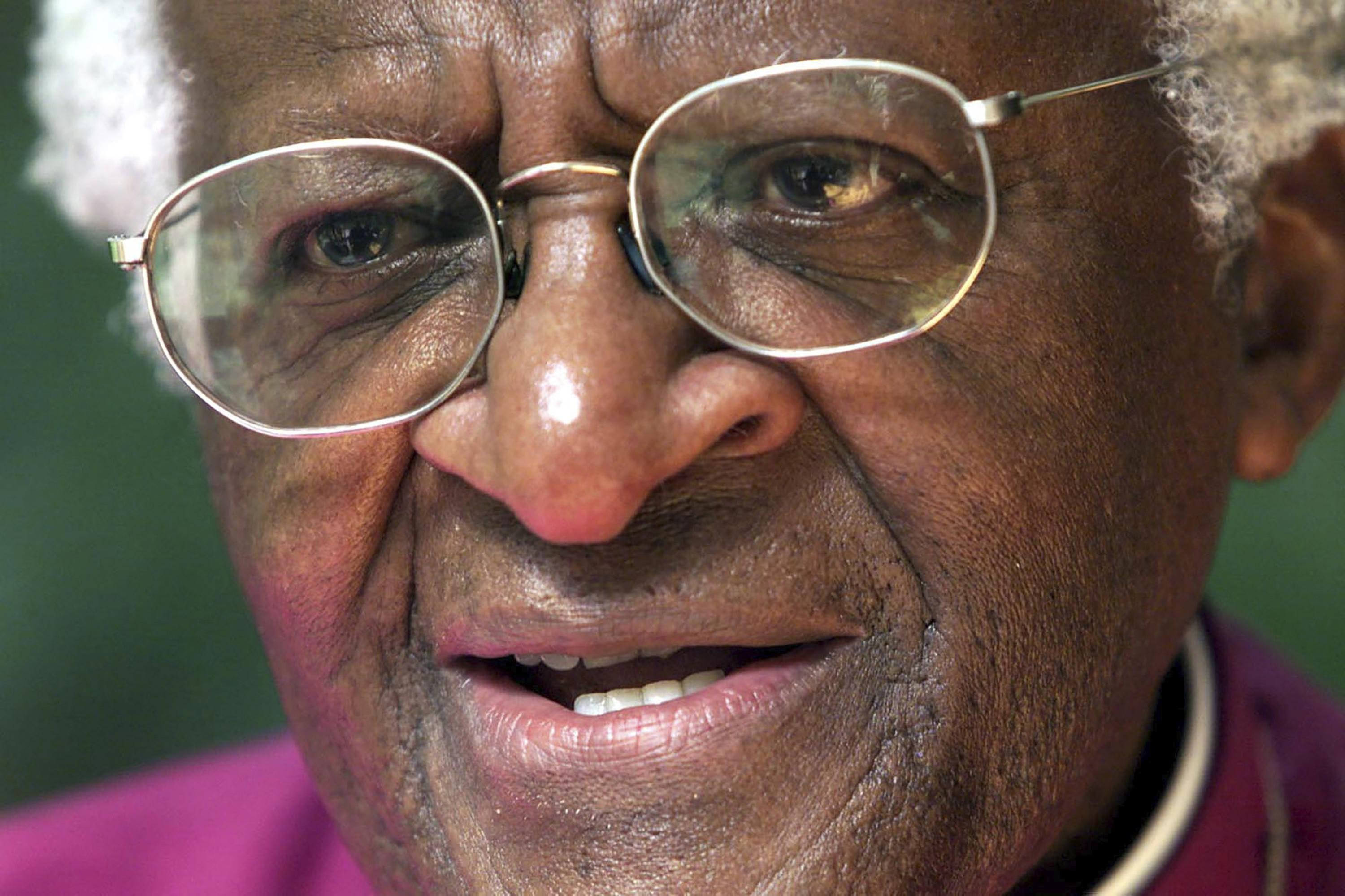
One Christmas Day in the 1980s, Desmond Tutu led a packed church service in Soweto, the Black Johannesburg township and fulcrum of protest against white racist rule in South Africa. An American family — mine — found standing room at the back. …Read More

I'm an image

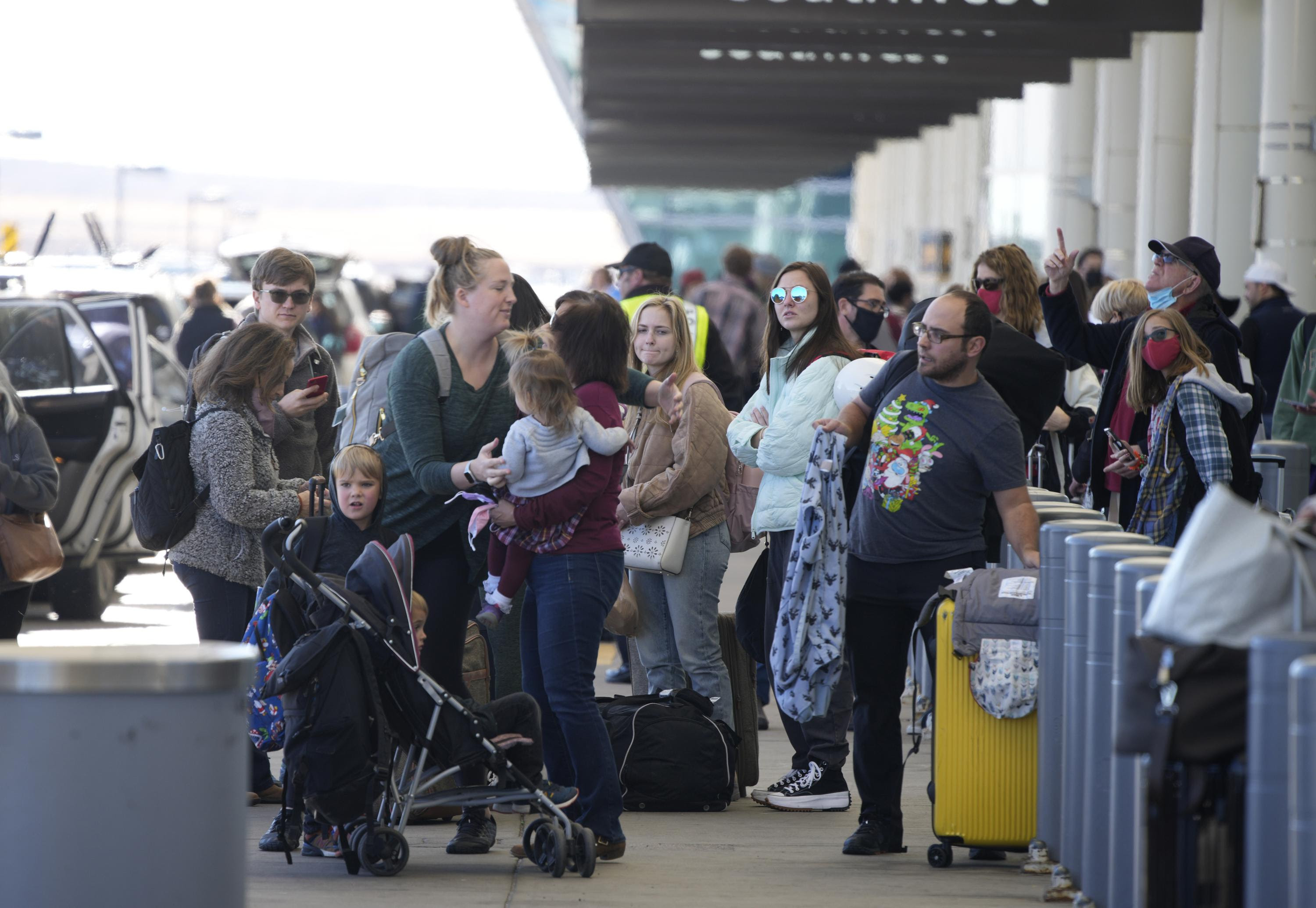
NEW YORK (AP) — Flight cancellations that disrupted holiday travel, stretched into Monday as airlines called off more than 1,000 U.S. flights because crews were sick with COVID-19 during one of the year’s busiest travel periods, and storm fronts…Read More

I'm an image

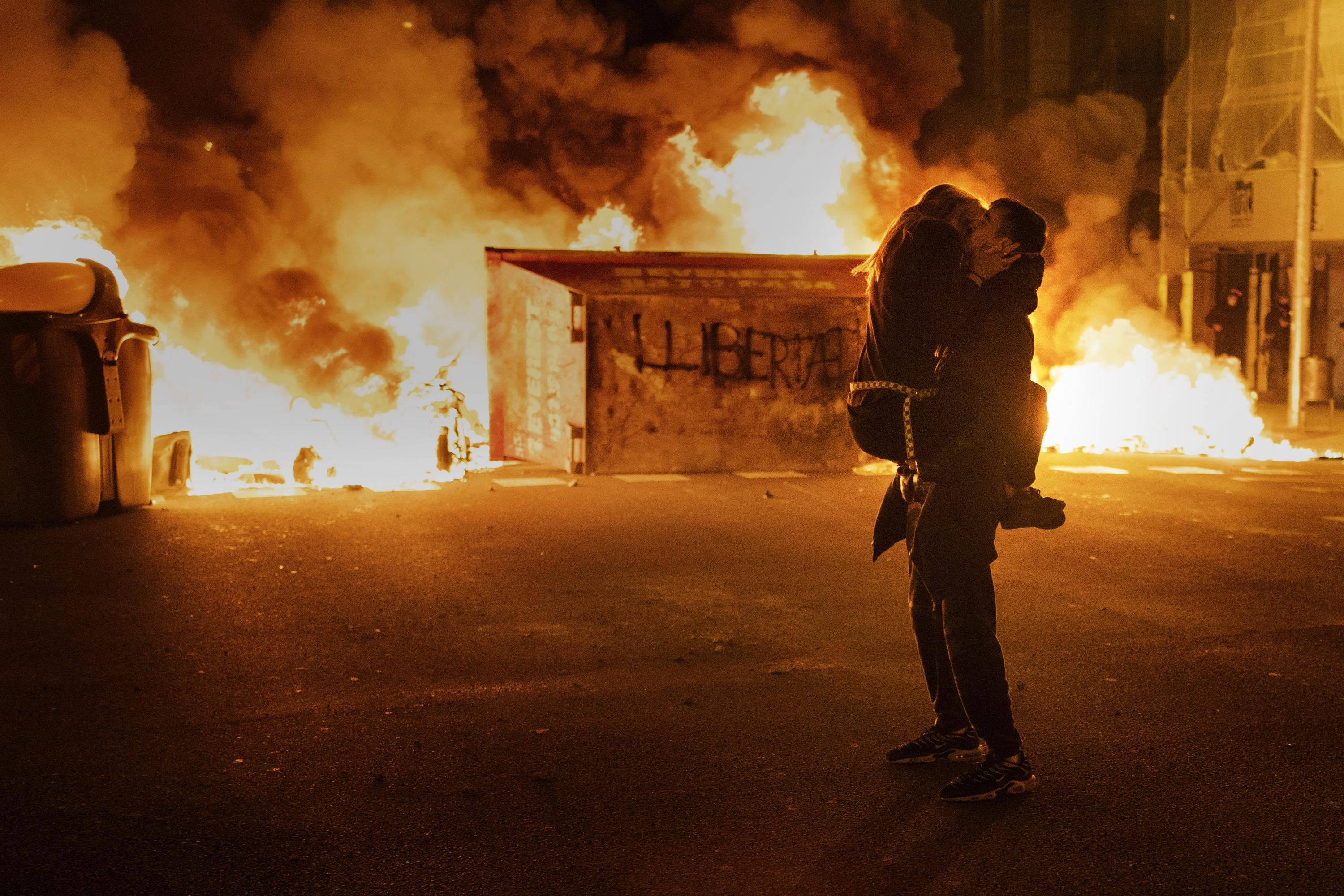
“Some say the world will end in fire,” wrote the poet Robert Frost — and for much of 2021, Associated Press photographers captured scenes of a world ablaze, amid rumblings of ruin. In New Delhi, a man sprints amid the funeral pyres of COVID-19 …Read More

OTHER TOP STORIES

LONDON (AP) — English sparkling wine has been gaining prestige in recent years, with some experts comparing it to Champagne in taste and quality. Globally, the sector is st…Read More

WASHINGTON (AP) — Dr. Anthony Fauci, the top U.S. infectious disease expert, said the nation should consider a vaccination mandate for domestic air travel, signaling a pote…Read More

BEIJING (AP) — To help make China a self-reliant “technology superpower,” the ruling Communist Party is pushing the world’s biggest e-commerce company to take on the tricky…Read More

TOKYO (AP) — Global shares advanced Tuesday following a rally on Wall Street as investors shrugged off concerns about the highly transmissible omicron variant of the corona…Read More

The post WORLD VIEW: Worldwide Vaccination Drive, CDC Lowers Isolation Length, Air Travel Disruption, More appeared first on The St Kitts Nevis Observer.

Venezuelan & Dominican Arrested in Aruban Drug Bust

Police in Aruba have two men in custody after they allegedly tried to bring drugs into the island on Christmas Day.

The Dutch Caribbean Coast Guard reported that it spotted the boat heading to Aruba and sent a team to intercept it.

When the boat was intercepted, no illegal drugs were found.

The Aruba Police Corps sent a helicopter to search an area near Arashi Beach and that’s when packages of drugs were seen floating in the water.

The Venezuelan and Dominican men, who were on the vessel, were handed over to Aruban police.

The post Venezuelan & Dominican Arrested in Aruban Drug Bust appeared first on The St Kitts Nevis Observer.