Category Archives: headline

Florida Based Cruise Ships Hit Hard Again by COVID Outbreaks

Florida cruise ships hit hard again by COVID outbreaks
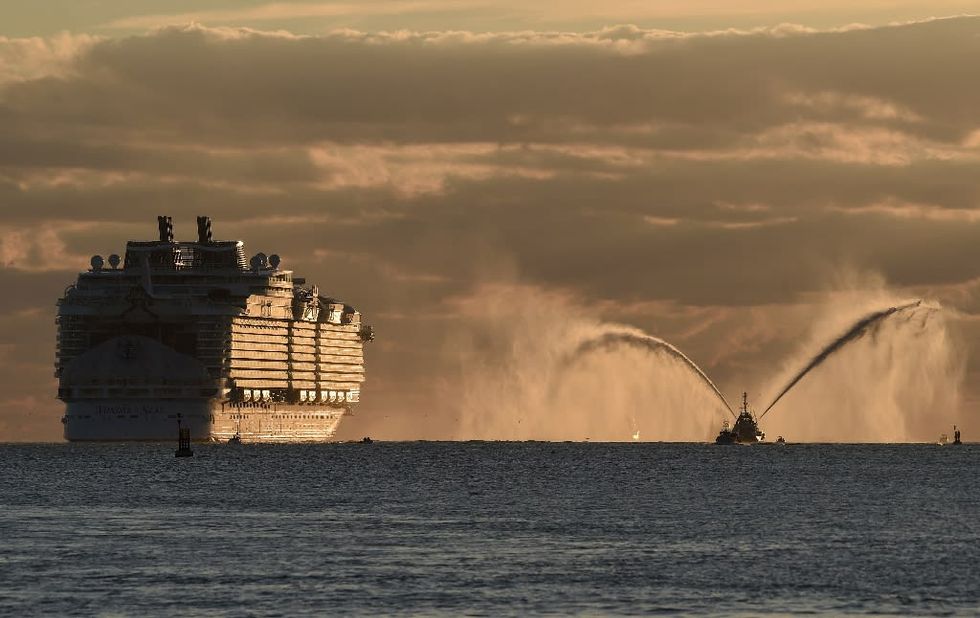
US authorities are monitoring several dozen cruise ships sailing in US waters after positive Covid-19 cases were reported on board

Miami (AFP) – US authorities on Sunday were monitoring dozens of cruise ships hit by Covid-19 cases, with several reportedly denied port in the Caribbean.

Over 60 vessels were under observation after “reported cases of Covid-19 have met the threshold for CDC investigation,” the US Centers for Disease Control and Prevention said.

The Washington Post reported that several cruise liners were denied port at their scheduled destinations.

Brenda Hammer, who was set to board the Odyssey of the Seas, a Royal Caribbean cruise ship, told AFP: “I’m a little nervous about it. I wasn’t sure I still wanted to come.”

Earlier this week, 55 people on the ship tested positive for Covid-19 which spread among passengers and crew members despite 95 percent of people on board being vaccinated, the company said.

Hammer, 69, said that she ultimately decided to go ahead with her vacation because “I already paid my money.”

The ship did not dock at the Caribbean islands of Curacao and Aruba, the last scheduled stops on its eight-day voyage out of precaution, before it returned to port at Fort Lauderdale, Florida on Sunday.

“We’re just being optimistic about everything, even if we can’t get off, we’ve got all our friends with us and hopefully everything inside is on,” said Brij Patel, 45, ahead of boarding.

Another ship, the Carnival Freedom, was turned away from the Caribbean island of Bonaire, the Post reported.

In a statement to AFP, Carnival confirmed that “a small number on board were isolated due to a positive COVID test.”

“The rapid spread of the Omicron Variant may shape how some destination authorities with limited medical resources may view even a small number of cases, even when they are being managed with our vigorous protocols,” the company said, without providing further details.

The Carnival Freedom arrived in Miami Sunday morning, debarked all guests and “will depart on its next voyage as planned,” the company said, adding if it was denied entry to a certain port it would work “to find an alternative destination.”

It added the CDC was “fully informed and supportive of our protocols and operational plans.”

The post Florida Based Cruise Ships Hit Hard Again by COVID Outbreaks appeared first on The St Kitts Nevis Observer.

SKN’s Visa-Free Agreements and Diplomatic Partnerships Reach Historic High

As of December 2021, the Federation of St Kitts and Nevis’ visa-free and visa-on-arrival agreements total to an all-time high, according to the Minister of Foreign Affairs and Aviation, the Honourable Mark Brantley.

This historic revelation means that citizens of the small eastern Caribbean nation can travel hassle-free to over 161 destinations worldwide, including major business hubs in Asia, Europe, Africa and the Americas.

The latest country to partner with St Kitts and Nevis was São Tomé and Principe. On December 16th, the two nations signed a full visa waiver agreement Principe through high representatives of both countries in New York. A few months ago, Foreign Minister Brantley travelled to Serbia and signed visa waiver agreements with Palestine and with African Nations Burkina Faso and Gabon. These partnerships have moved St Kitts and Nevis ahead of Mexico and Israel, leveling with Barbados for the number one passport in the Caribbean region and 24th globally.

During his Budget 2022 Presentation last week, Minister Brantley said that the Ministry of Foreign Affairs and Aviation “shall continue to seek means of convergence with all of our partners, that we advance our discussions and actions around our mutual interests.”

He also added that the government will continue to build on key affiliations with partners such as Canada and the United States to further strengthen bilateral relations and forecasted that face-to-face engagements at ministerial and ambassadorial levels would increase with quarantine and travel restriction ease.

St Kitts and Nevis’ increasing international diplomacy and travel partnerships are a major pull factor for time-poor high net worth investors looking to obtain a second citizenship. According to the Citizenship by Investment (CBI) Index, published by the Financial Times’ Professional Wealth Management magazine, St Kitts and Nevis is the Caribbean CBI country with the most extensive visa-free and visa-on-arrival offering. The report also ranked the Federation’s CBI Programme as the world’s best in 2021.

In exchange for a financial contribution to a government fund, vetted foreign candidates and their families are awarded nationality and issued internationally respected citizenship that permits their bearers visa-free travel to over 161 of the world’s 193 countries. The life altering investment allows them to live, learn and work in a fast-growing economic paradise and the opportunity to confidently develop their business across the world.

The post SKN’s Visa-Free Agreements and Diplomatic Partnerships Reach Historic High appeared first on The St Kitts Nevis Observer.

Panama Makes Record Seizures of Drugs in 2021

PANAMA CITY, Dec 26 (Reuters) – Panama made record drugs seizures in 2021, confiscating some 126 tonnes of contraband, chiefly cocaine, the security ministry of the Central American country said on Sunday.

This year’s haul compared with 81.7 tonnes in 2020, 86.8 tonnes in 2019 and 76.8 tonnes in 2018, the ministry said in a statement. In the process, Panamanian authorities confiscated more than $12 million in cash and arrested 710 people, it added.

Among the seizures made on both the Pacific and Caribbean coasts, as well as in airports, the national naval air service impounded 86,332 packages of drugs, national police 29,525, and the national border authority 11,011, the government said.

The province where officials made the biggest haul, mostly in containers, was Colon in northern central Panama, with 50 tonnes, followed by the western border region of Chiriqui with 20 tonnes and Panama province with 18 tonnes, the ministry said.

Reporting by Milagro Vallecillos Editing by Chizu Nomiyama

Our Standards: The Thomson Reuters Trust Principles.

The post Panama Makes Record Seizures of Drugs in 2021 appeared first on The St Kitts Nevis Observer.

A Brazilian Town Empties as Migration to U.S. Accelerates

ALPERCATA, Brazil, Nov 30 (Reuters) – Amid tearful goodbyes, Ana Paula Souza, her husband and their infant son set off for the United States, one of hundreds of families to depart the small Brazilian town of Alpercata in recent months.

Nestled in the hills of southeastern Minas Gerais state, Alpercata has been sending its townspeople north for decades. But as locals grapple with a pandemic that has killed jobs, battered Brazil’s currency and sparked double-digit inflation, a piecemeal migration from this poor, okra-farming area has become an exodus.

Municipal data suggest hundreds of households in Alpercata, home to roughly 7,500 people, have this year taken their kids out of school and sold their belongings to finance the journey to the United States. The town bakery is short of help. Civil servants have abandoned their posts. Local soccer teams are running out of players.

“Alpercata is emptying out,” said Souza, 23. “Everyone is leaving.”

She now resides in Orlando, Florida, baking cakes to supplement her husband’s construction income and pay off $15,000 in debt they took on to hire a human smuggler.

The stampede from Alpercata and other nearby towns underscores the lingering impact of a pandemic that has killed more than 600,000 people in Brazil, second only to the United States.

It also reflects this year’s broader jump in U.S.-bound migration from Latin America, an unequal, violent and poorly governed region hit hard by the virus. Record numbers of Brazilians, Haitians and Venezuelans are turning up at the southern U.S. border, swelling the ranks of hopefuls from traditional migration hot spots like Mexico and Central America.

Brazilians ranked No. 6 among the nationalities detained there in the 2021 fiscal year, U.S. Customs and Border Protection (CBP) data show. A record 56,735 were stopped, adding to pressure on U.S. President Joe Biden to halt the flow.

It won’t be easy. A booming U.S. job market and a strong dollar that makes remittances sent back to Brazil stretch farther are proving hard to resist.

Unlike previous migration waves, dominated by poor young men who quickly returned home, this one is drawing white-collar workers who will be harder for Brazil to replace, officials, academics and police told Reuters. Nurses, engineers and even city officials with guaranteed jobs are leaving – many with no plans to return. In Alpercata, nearly 5% of the 162 employees at the mayor’s office, the town’s top employer, fled to the United States this year, officials said, citing municipal data.

Many are taking their families, capitalizing on a U.S. asylum policy that allows some nationalities, including Brazilians, to remain in the United States while they pursue their claims, a legal process that can take years. Fully 99% of Brazilian families who were apprehended at the U.S. southern border in fiscal 2021 gained entry to pursue cases in immigration court, CBP data show.

The fallout can be seen in Alpercata’s municipal schools, which have lost 10% of their 926 students so far this year, said Lucélia Pimentel, the town’s education secretary. More are leaving by the day, she said.

Many of these families end up joining Brazilian diaspora communities in Florida or Massachusetts, snapping up some of the near-record 10.4 million jobs currently unfilled in the United States.

“The Americans don’t like to work so there are lots of jobs for immigrants,” said Souza, the recent Orlando transplant.

‘NATIONWIDE MARKET’

Signs of Alpercata thinning out are plain to see.

On the grounds of the mayor’s office, where mangoes dangle like Christmas ornaments from a thicket of dark green fruit trees, a backhoe sat idle in early November. Officials said the machine had been unused since its sole trained operator emigrated a few weeks earlier.

Up in his second-floor office, municipal Sports Secretary Jorge Estefesson showed a visitor a wall adorned with photos of former Alpercata soccer teams. Rattling off names, he pointed to over a dozen players who now live in the United States.

Estefesson said he was struggling to find adult players for the annual soccer tournament. Kids are dwindling too. He said 60 children are registered for his soccer school, down two-thirds from five years ago.

“We’re scared that in the future, we’re going to be an elderly city without young people,” he said.

Officials in Washington also are concerned.

Most Brazilian migrants reach the United States via Mexico, where they enter visa-free as tourists. Some catch flights to Mexican border cities before handing themselves over to U.S. authorities to claim asylum. To halt their path to the border, the United States has been pressuring Mexico to end visa exemptions for Brazilians, Reuters reported last month.

On Friday, Mexico did just that, saying that by mid-December it would require all Brazilians to secure visas in order to gain entry to Mexico. Brazilians arriving by land or sea must obtain traditional visas, which require them to visit a Mexican consulate; air travelers can apply online for a so-called electronic visa.

Such action has been effective in dissuading other would-be migrants. The number of Ecuadorians detained at the U.S. southern border has plummeted since September, when Mexico began requiring visas for visitors from that South American country. In October, 743 Ecuadorians were apprehended, compared to over 17,500 in August, CBP data show.

But Brazil’s shaky economy is likely to continue pushing its people north, a U.S. official and four Brazilian officials told Reuters.

Last month, Reuters reported that Brazilian smugglers, known as “consuls” or “coyotes,” are profiting from Brazil’s woes.

Police allege that many of the country’s top coyotes hail from the region of eastern Minas Gerais that includes Alpercata. They’re now expanding aggressively into far-flung new territories in Brazil’s north and west, places with no long-standing tradition of U.S. migration, according to federal police in Governador Valadares, a city of nearly 300,000 people a half-hour drive from Alpercata.

“This is now a nationwide market,” said federal Detective Cristiano Campidelli, a former chief of the Governador Valadares office who has tracked the illicit trade.

‘VALADOLARES’

Still, the epicenter for now remains Minas Gerais, a mineral-rich state whose ties to the United States can be traced to the U.S. search for mica used in planes and radios during World War II. Almost everyone in this part of the country has a relative in Boca Raton or Boston, according to Andre Merlo, the mayor of Governador Valadares. Locals have nicknamed the city “Valadolares” for the dollars earned by emigres and sent here as remittances.

A strong U.S. currency is an added lure for migrants. The dollar is up more than 50% against the Brazilian real since late 2018, when right-wing President Jair Bolsonaro was elected.

Migration has surged on his watch, with the number of Brazilians detained at the southern U.S. border rising more than 3,500% over the same period. Brazilians abroad are now wiring $300 million to $400 million back home each month, according to central bank data, up from $200 million to $300 million a month during the first two years of Bolsonaro’s presidency.

Although these dollars are welcome, Governador Valadares now lacks engineers and healthcare workers, according to Merlo, the mayor.

In tiny Alpercata, even the pão de queijo – Brazil’s famous cheese bread – is under threat.

Near an evangelical church whose logo is emblazoned with a U.S. flag lies the Chega Mais bakery. Owner Valquiria Ribeiro said she’s struggling to retain trained breadmakers; she has lost three to the United States since the pandemic began.

Over at one of Alpercata’s middle schools, janitor Egnalda Oliveira is laying the groundwork for her own journey north.

A single mother of a teenage boy, she said the deaths of her husband and parents, coupled with a sharp rise in inflation, had left her struggling to make ends meet. Mother and son recently obtained their first passports, pleasing 16-year-old Lucas, who has watched many of his friends depart.

“If I could leave tomorrow, I would,” Oliveira said.

Reporting by Gabriel Stargardter; additional reporting by Brad Haynes; editing by Marla Dickerson
The post A Brazilian Town Empties as Migration to U.S. Accelerates appeared first on The St Kitts Nevis Observer.

Dams Burst in Northeastern Brazil as Region Hit by Floods

ITABUNA, Brazil, Dec 26 (Reuters) – Two dams gave way in the northeastern Brazilian state of Bahia after weeks of heavy rains, swamping already swollen local rivers as flooding hit towns across the region, authorities said on Sunday.

The Igua dam, on the Verruga river near the city of Vitoria da Conquista in southern Bahia, collapsed on Saturday night, forcing authorities to evacuate residents, mainly in the town of Itambe.

A second dam gave way to rising water levels in Jussiape, 100 kilometers to the north, on Sunday morning, bringing more alerts for residents to move to safer ground.

There were no reports of deaths or injuries caused by the dam failures, though bridges and roads were damaged.

Further towards the coast in Itabuna, a city of 200,000 inhabitants, fire brigade teams rescued residents trapped in their homes in the downtown area that was under water, Reuters reporters said.

“It’s crazy by the bridge, there are waves almost 2 meters high,” shopkeeper Luiz Constancia told Reuters.

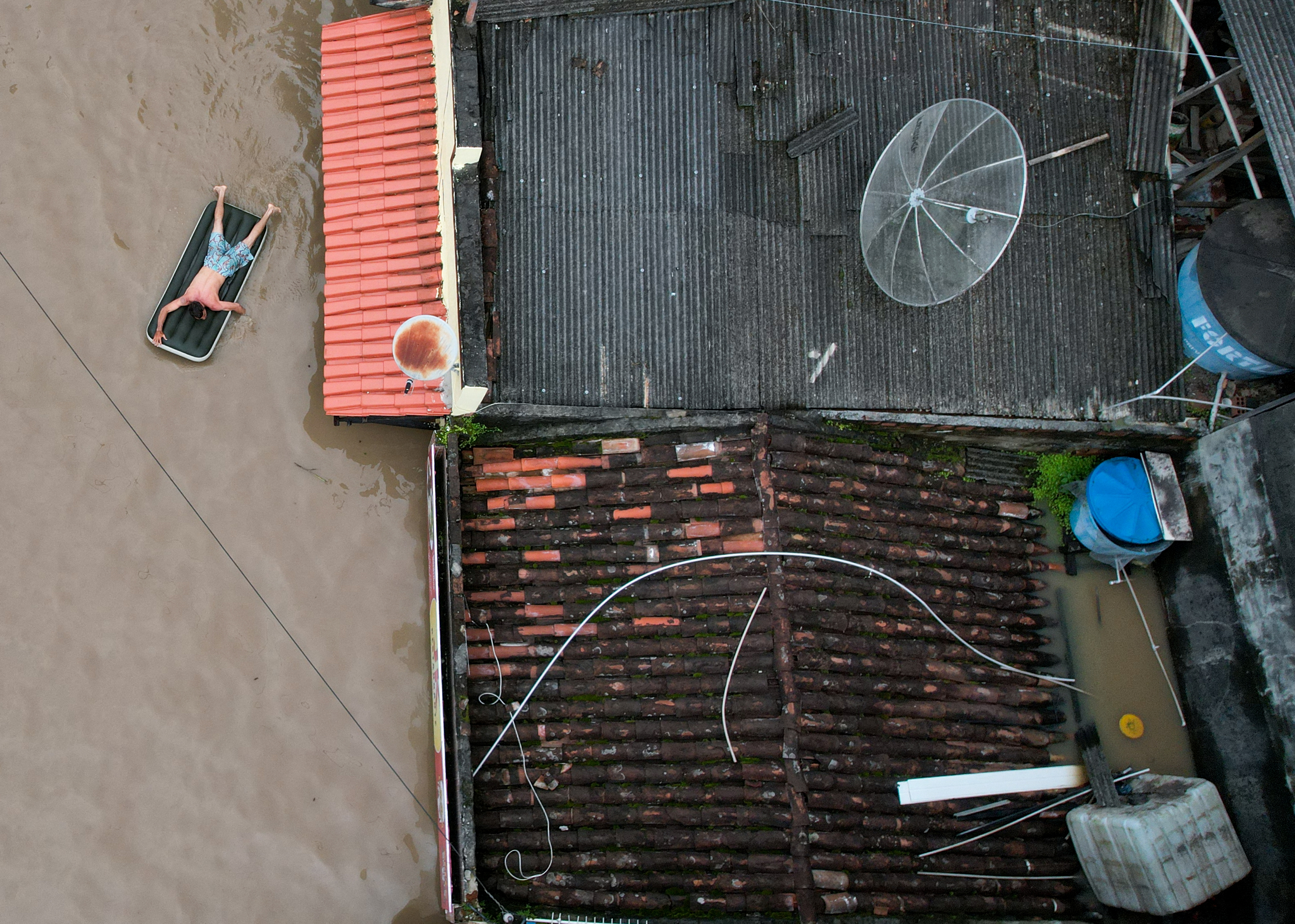
Rescuers rowed dinghies along flooded streets to reach trapped families or take them supplies. One man paddled on an inflatable mattress to reach a home.

Residents said the level of the Cachoeira river that runs through the town located 30 kms from the coastal port city of Ilheus was the highest in 50 years.

In Vitoria da Conquista, Mayor Sheila Lemos, said all residents close to the collapsed Igua dam had been evacuated.

In a posting on the city’s website, Lemos said the flooding threatened to cut off the BR-116 highway, a major truck route between northeastern and southern Brazil.

Bahia Governor Rui Castro said at least 400,000 people have been impacted by the heavy rains and thousands evacuated from some 67 towns facing emergency situationsdue to floods caused by heavy rainfall for almost two months.

“Thousands of people have had to leave their homes because the water rose one or two meters, even three meters in some places,” he told reporters on Saturday.

The rains have caused 18 deaths in Bahia since the beginning of November, including a 60-year-old ferry owner who drowned on the swollen Rio das Contas river, civil defense officials said.

In the state capital of Salvador, weather officials said December rainfall has been six times greater than the average.

Reporting by Leonardo Benassatto and Stephen Eisenhammer, writing by Anthony Boadle, Editing by Emelia Sithole-Matarise, Chizu Nomiyama and Diane Craft

The post Dams Burst in Northeastern Brazil as Region Hit by Floods appeared first on The St Kitts Nevis Observer.

New COVID-19 Pills Not for Everyone, Record High Cases, World Stats

New easy-to-use COVID-19 pills come with a catch

Loop News

This image provided by Pfizer in October 2021 shows the company's COVID-19 Paxlovid pills. Newly infected COVID-19 patients have two new treatment options that can be taken at home. But that convenience comes with a catch: The pills have to be taken as soon as possible once symptoms appear. (Pfizer via AP)
This image provided by Pfizer in October 2021 shows the company’s COVID-19 Paxlovid pills. Newly infected COVID-19 patients have two new treatment options that can be taken at home. But that convenience comes with a catch: The pills have to be taken as soon as possible once symptoms appear. (Pfizer via AP)

Newly infected COVID-19 patients have two new treatment options that can be taken at home.

But that convenience comes with a catch: The pills have to be taken as soon as possible once symptoms appear.

The challenge is getting tested, getting a prescription and starting the pills in a short window.

U.S. regulators authorized Pfizer’s pill, Paxlovid, and Merck’s Molnupiravir last week. In high-risk patients, both were shown to reduce the chances of hospitalization or death from COVID-19, although Pfizer’s was much more effective.

A closer look:

WHO SHOULD TAKE THESE PILLS?

The antiviral pills aren’t for everyone who gets a positive test. The pills are intended for those with mild or moderate COVID-19 who are more likely to become seriously ill. That includes older people and those with other health conditions like heart disease, cancer or diabetes that make them more vulnerable. Both pills were OK’d for adults while Paxlovid is authorized for children ages 12 and older.

WHO SHOULDN’T TAKE THESE PILLS?

Merck’s Molnupiravir is not authorized for children because it might interfere with bone growth. It also isn’t recommended for pregnant women because of the potential for birth defects. Pfizer’s pill isn’t recommended for patients with severe kidney or liver problems. It also may not be the best option for some because it may interact with other prescriptions a patient is taking. The antiviral pills aren’t authorized for people hospitalized with COVID-19.

WHAT’S THE TREATMENT WINDOW?

The pills have to be started as soon as possible, within five days of the start of symptoms. Cough, headache, fever, the loss of taste or smell and muscle and body aches are among the more common signs. The Centers for Disease Control and Prevention offers a website to check your symptoms.

Dr Cameron Wolfe, an infectious disease specialist at Duke University Hospital, advises getting a test as soon as you have symptoms of COVID-19.

“If you wait until you have started to get breathless, you have already to a large extent missed the window where these drugs will be helpful,” Wolfe said.

WHERE CAN I GET THE PILLS?

You’ll need a prescription first from a doctor or other authorized health worker. The US government is buying the pills from Merck and Pfizer and providing them for free, but supplies will be limited initially. They’ll be shipped to states where they will be available at drugstores, community health centres and other places. Treatment lasts five days.

Some pharmacists may be able to administer a quick COVID-19 test and prescribe the pills all in one visit. They already do this in many states for flu or strep throat.

WILL THE PILLS WORK FOR THE OMICRON VARIANT?

The pills are expected to be effective against omicron because they don’t target the spike protein where most of the variant’s worrisome mutations reside. The two pills work in different ways to prevent the virus from reproducing.

ARE THERE OTHER OPTIONS FOR NEW COVID-19 PATIENTS?

Yes, but they aren’t as easy to use as a pill: They are given by IV or injection, typically at a hospital or clinic. Three drugs provide virus-fighting antibodies, although laboratory testing suggests the two aren’t effective against omicron. British drugmaker GlaxoSmithKline’s antibody-drug appears to work, and officials say they are working to increase the U.S. supply. The only antiviral drug approved in the US, Remdesivir, is for people hospitalized with COVID-19.

=======================================

Record High Cases Worldwide

===========================

WORLD STATS

Coronavirus Cases:

280,378,753

Deaths:

5,418,468

Recovered:

250,487,33
Highlighted in green
= all cases have recovered from the infection
Highlighted in grey
= all cases have had an outcome (there are no active cases)

[back to top ↑]

Latest News

December 27 (GMT)

Updates

  • 23,210 new cases and 937 new deaths in Russia [source]

The post New COVID-19 Pills Not for Everyone, Record High Cases, World Stats appeared first on The St Kitts Nevis Observer.

JonBenet Ramsey investigation hits 25 years

It's been 25 years since the murder of six-year-old JonBenet Ramsey captivated the world.

Now, Boulder, Colorado investigators say they have analysed almost 1000 DNA samples to find the killer.

It reveals detectives' ongoing efforts after police say they have received, reviewed or investigated more than 21,000 tips, letters and emails.

READ MORE: NSW cases top 6000 again as hospitalisation rates spike

JonBenet Ramsey

READ MORE: WA fires force evacuations

Detectives have travelled to 19 states.

They have interviewed more than 1000 people.

They have processed more than 1500 pieces of evidence.

Still, the case remains unsolved. It seized the public interest, due perhaps to a mix of factors, including her involvement in beauty pageants for young girls, her family's wealth, and suspicion around her parents, who were never charged and later cleared by authorities through DNA testing.

On December 26, 1996, Jon Benet was reported missing from the family's Boulder home. Her mother, Patsy, told police she found a ransom note demanding $163,300 (US$118,000) for the girl's return.

Her body was found that day in a basement room of the home.

Police later revealed her skull had been fractured.

Patsy Ramsey died of ovarian cancer in 2006.

JonBenet Ramsey photo dancing

READ MORE: Sydney lab tells more than 400 COVID-positive people they are negative

In a statement marking the 25th anniversary of the murder, Boulder police said they actively "use new technology to enhance the investigation" and check regularly for DNA matches in order to solve this case.

"Thanks to the huge advances in DNA technology, multiple suspects have been run through the system to check for matches," police said.

"CBI (Colorado Bureau of Investigation) has updated over 750 reference samples with the latest DNA technology.

"The Boulder Police Department works closely with CBI on future DNA advancements."

Locals rescue family of nine after boat capsizes on Lake Macquarie

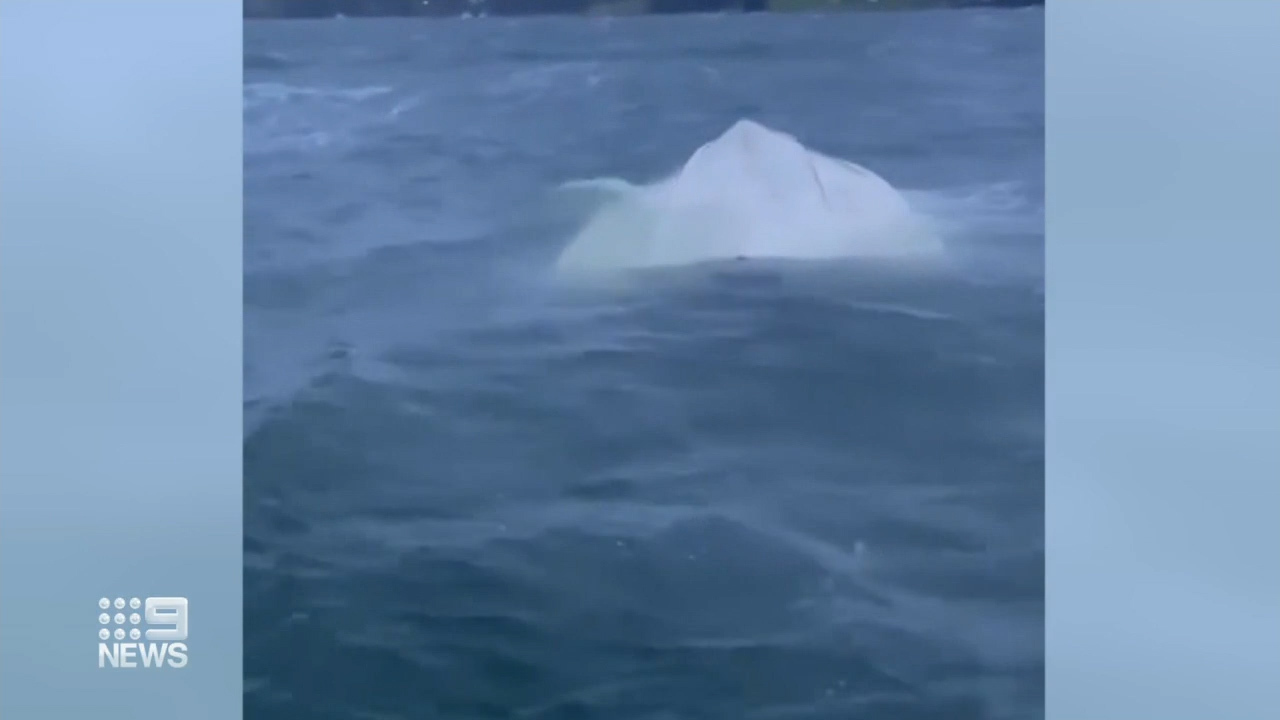
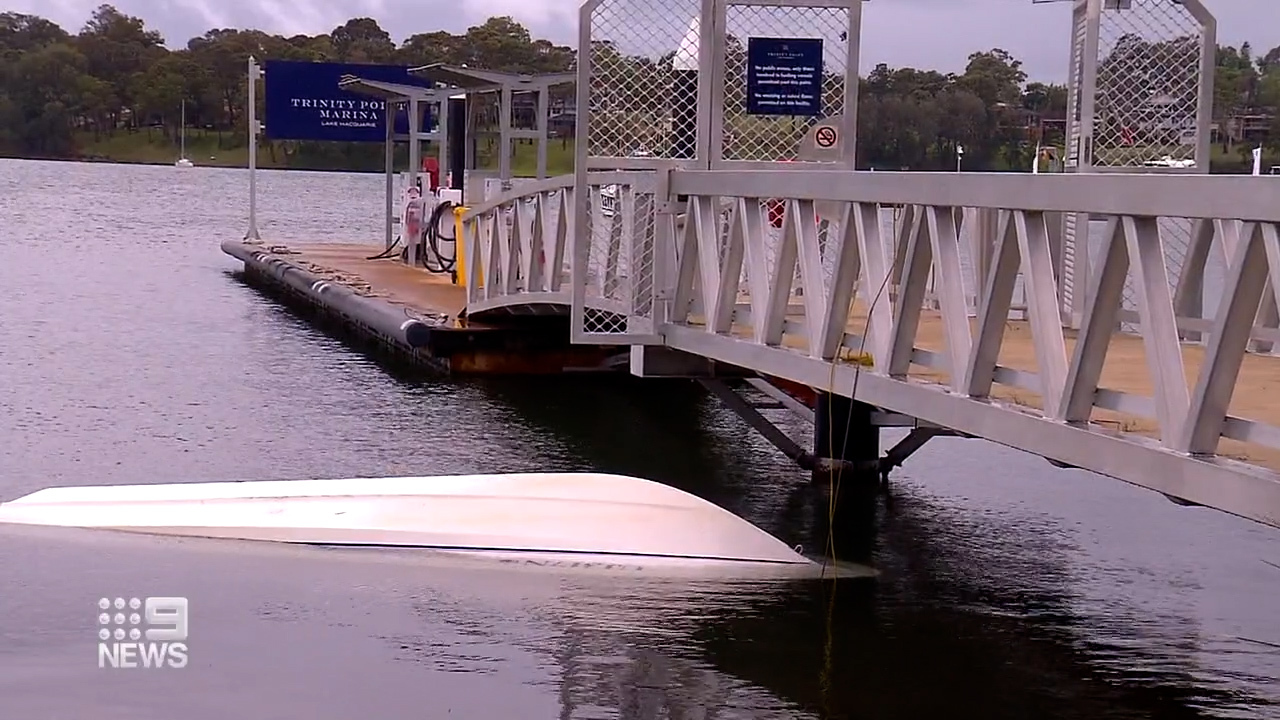
Locals have saved a family from nearly experiencing a Boxing Day tragedy after a boat capsized on Lake Macquarie.

The family of nine, including a baby and a grandmother, were on a boat about 200 metres off Trinity Point, Lake Macquarie, just before 8pm last night.

The boat capsized due to the water's choppy conditions, plunging the family members, who are aged between six months and 89, into the lake.

READ MORE: Sydney lab told almost 1000 more people they were COVID-19 negative when results had not yet been determined

A boat capsized last night in Lake Macquarie with nine people on board.

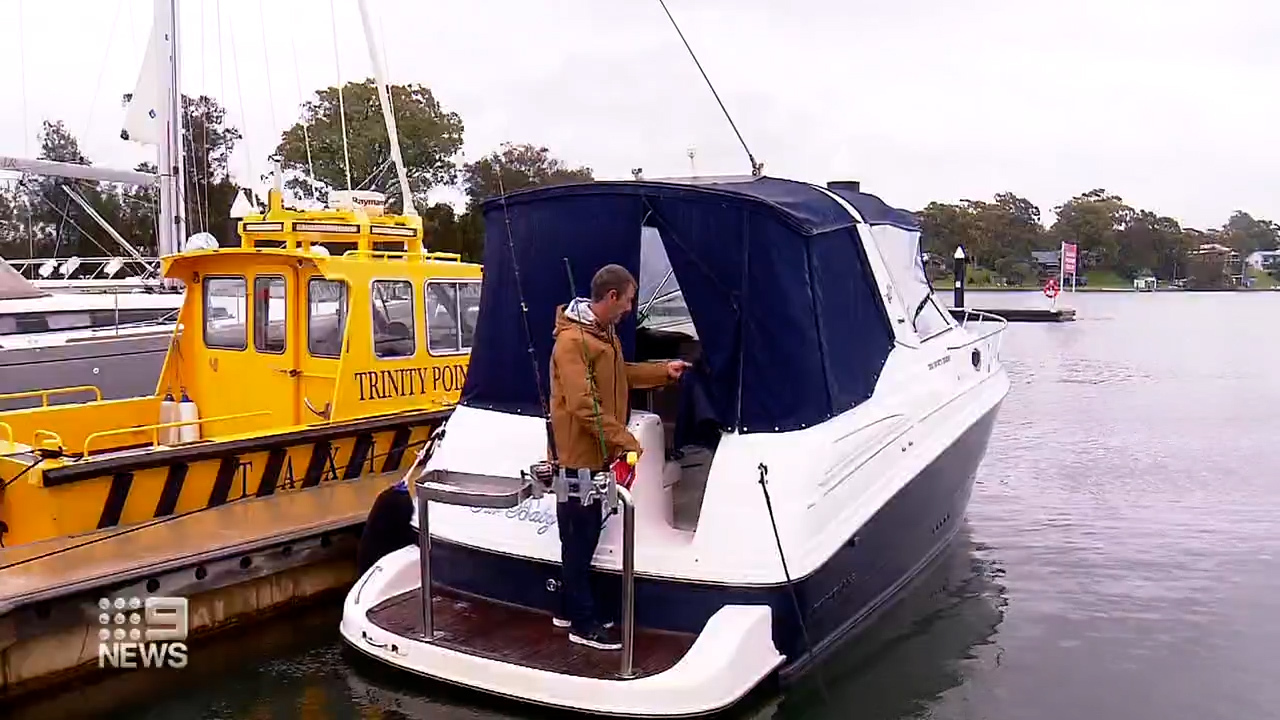
Luckily, locals on the water jumped to the family's aid.

"It was taking on water so I kind of hung around in the area and I thought there could be some trouble," Hayden Perks, one of the rescuers, said.

Mr Perks saw the family getting into trouble on the water while he was on his jetski, he rushed over and pulled the grandmother and baby to safety.

READ MORE: WA fires force evacuations, others warned 'leaving now would be deadly'

A boat capsized last night in Lake Macquarie with nine people on board.

"I jumped on mine and flew out and rescued three people," James Ryan, another rescuer, said.

"They were very grateful, the old lady was hugging me as we got back into the marina here."

The whole family escaped serious injury.

READ MORE: What you need to know about NSW's renewed COVID-19 restrictions

A boat capsized last night in Lake Macquarie with nine people on board.

The grandmother, mother and baby were taken to Wyong Hospital for observation.

Marine rescue commander Malcolm Drew said lifejackets helped save the family from catastrophe.

"They were very lucky there were passers-by," he said.

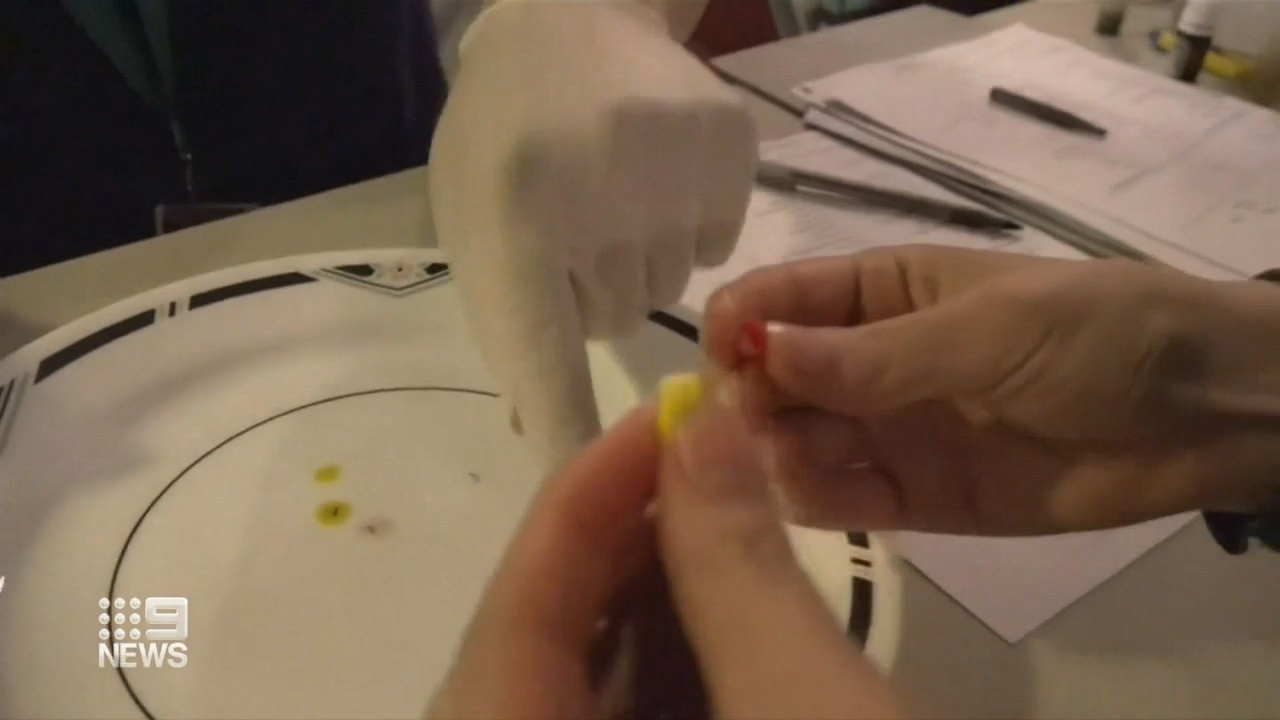
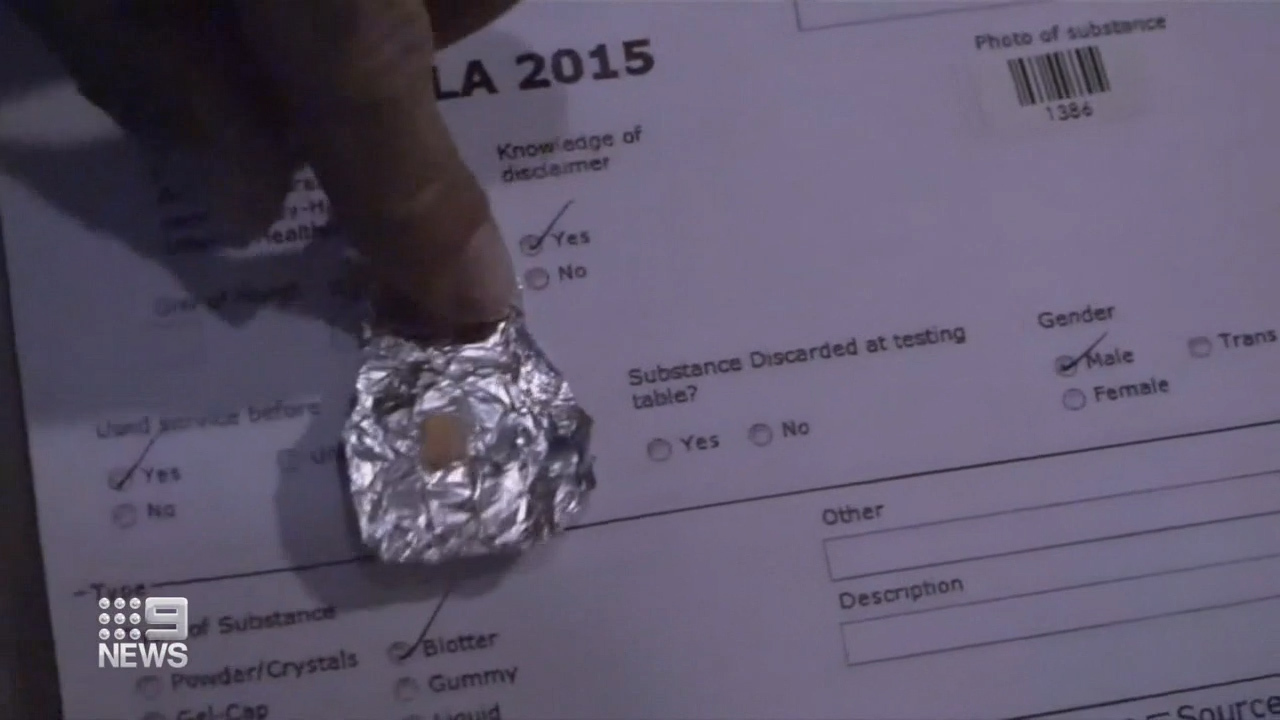
No decision on decriminalising drugs in NSW two years after inquiry

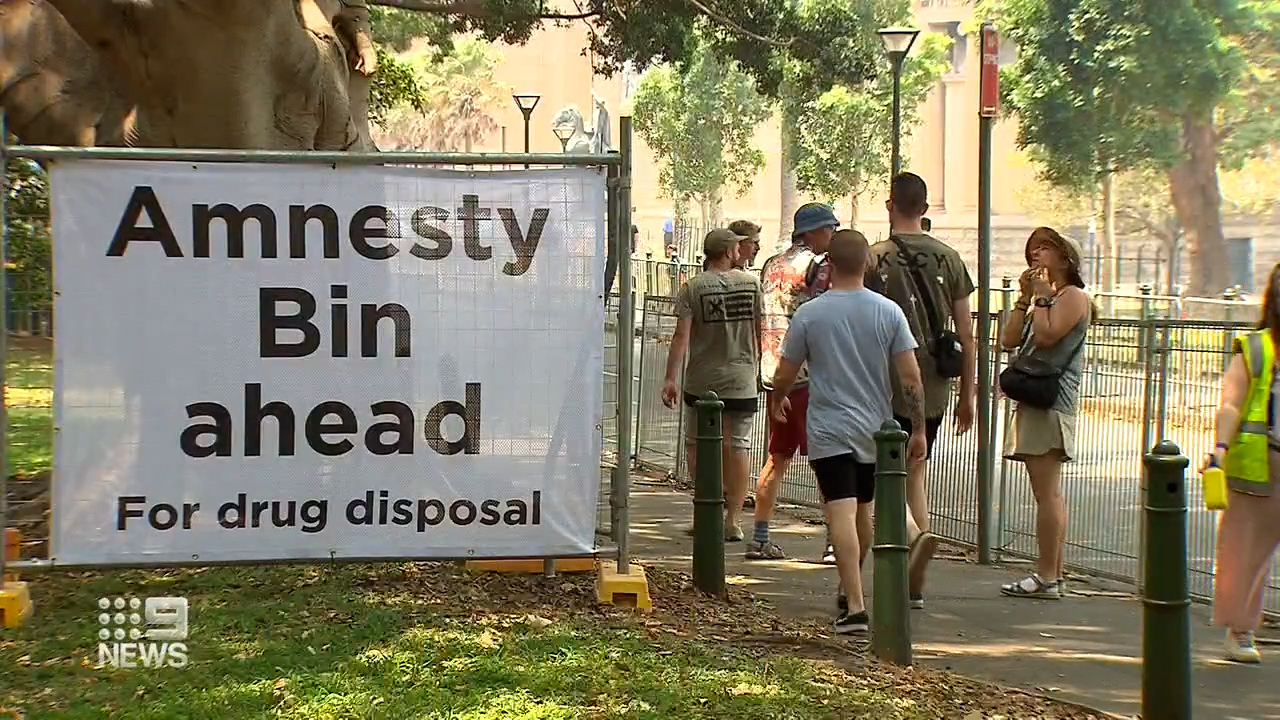
The NSW Government remains divided on decriminalising drug possession in the state despite almost two years passing since the inquiry into the drug epidemic.

It has been nearly two years since a Special Commission of Inquiry into the state's drug use and there's still no formal response from the state government.

The inquiry was sparked by multiple drug overdoses at NSW music festivals, and with another festival season set to begin, advocates are awaiting a decision.

READ MORE: Sydney lab told almost 1000 more people they were COVID-19 negative when results had not yet been determined

The NSW Government remains divided on decriminalising drug possession in the state despite almost two years passing since the inquiry into the drug epidemic.

The report by Professor Dan Howard was delivered in January 2020.

The government gave an interim response a month later which rejected five of the recommendations, including introducing pill testing and ending the use of drug detection dogs.

Since then, there has been no response on the more than 100 other recommendations in the report.

"I hope I'll be able to say good things come to those who wait. I think a final response is imminent," Attorney General Mark Speakman said in November.

"I would be disappointed if it were not this year."

READ MORE: NSW cases top 6000 again as hospitalisation rates spike

The NSW Government remains divided on decriminalising drug possession in the state despite almost two years passing since the inquiry into the drug epidemic.

Just four days until the end of the year, the NSW Government issued a statement concerning the inquiry.

"The government's response to the Ice Inquiry remains under active consideration," the statement said.

The lack of a decision on the recommendations has been criticised by the state opposition.

"There's no point in having an inquiry if you're going to wait years before you respond," Shadow Health Minister Ryan Park said.

"That's not good enough and the community deserve more and so do those families who are having to handle someone with a drug addiction."

READ MORE: What you need to know about NSW's renewed COVID-19 restrictions

The NSW Government remains divided on decriminalising drug possession in the state despite almost two years passing since the inquiry into the drug epidemic.

Last year, the cabinet reportedly considered a three-strikes policy for low-level drug possession which would have meant those caught didn't get a criminal record until their third offence.

Recommendations that are being considered fall across several areas of government, including justice and health.

'The big baobab tree has fallen': Flood of tributes for Desmond Tutu

World leaders, religious figures and royals have paid tribute to Archbishop Desmond Tutu, the revered South African cleric who fought against apartheid for years.

The Nobel Peace Prize-winner has died aged 90 after years of health problems.

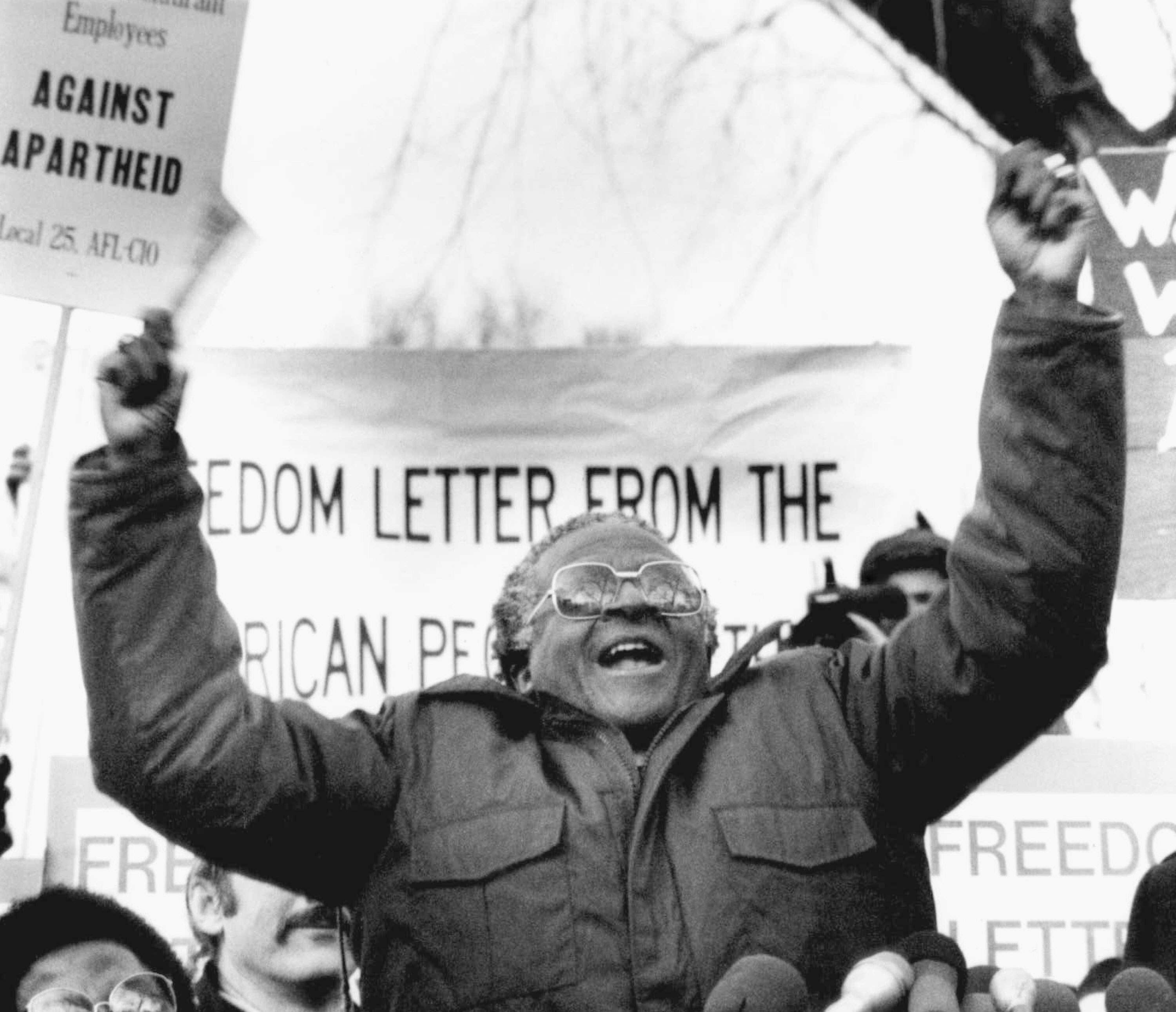
For six decades, Archbishop Tutu — known affectionately as "the Arch" — was one of the primary voices in exhorting the South African government to end apartheid, the country's official policy of racial segregation.

READ MORE: Desmond Tutu, anti-apartheid leader and voice of justice, dead at 90

After apartheid ended in the early '90s and the long-imprisoned Nelson Mandela became president of the country, Archbishop Tutu was named chair of South Africa's Truth and Reconciliation Commission.

His civil and human rights work led to prominent honours from around the world.

US President Joe Biden led a chorus of tributes.

"Today, we are heartbroken to learn of the passing of a true servant of God and of the people, Archbishop Desmond Tutu of South Africa," he wrote on Twitter.

"We send our deepest condolences to the people of South Africa who are mourning this great loss."

LIVE UPDATES: Nation might need to tackle Omicron differently, expert says

https://twitter.com/POTUS/status/1475202544997707788

UK Prime Minister Boris Johnson said he was "deeply saddened" to hear of Tutu's death.

"He was a critical figure in the fight against apartheid and in the struggle to create a new South Africa – and will be remembered for his spiritual leadership and irrepressible good humour," he said.

South African President Cyril Ramaphosa expressed his condolences to the archbishop's family and friends, calling him "a patriot without equal".

"A man of extraordinary intellect, integrity and invincibility against the forces of apartheid, he was also tender and vulnerable in his compassion for those who had suffered oppression, injustice and violence under apartheid, and oppressed and downtrodden people around the world," Mr Ramaphosa said.

United Nations Secretary General Antonio Guterres said Tutu had been a "towering global figure for peace" and an inspiration to generations.

READ MORE: Sydney woman mistakenly told she was COVID-19 negative

https://twitter.com/BorisJohnson/status/1475048780902944770

"During the darkest days of apartheid, he was a shining beacon for social justice, freedom and non-violent resistance," he said.

"Although Archbishop Tutu's passing leaves a huge void on the global stage, and in our hearts, we will be forever inspired by his example to continue the fight for a better world for all."

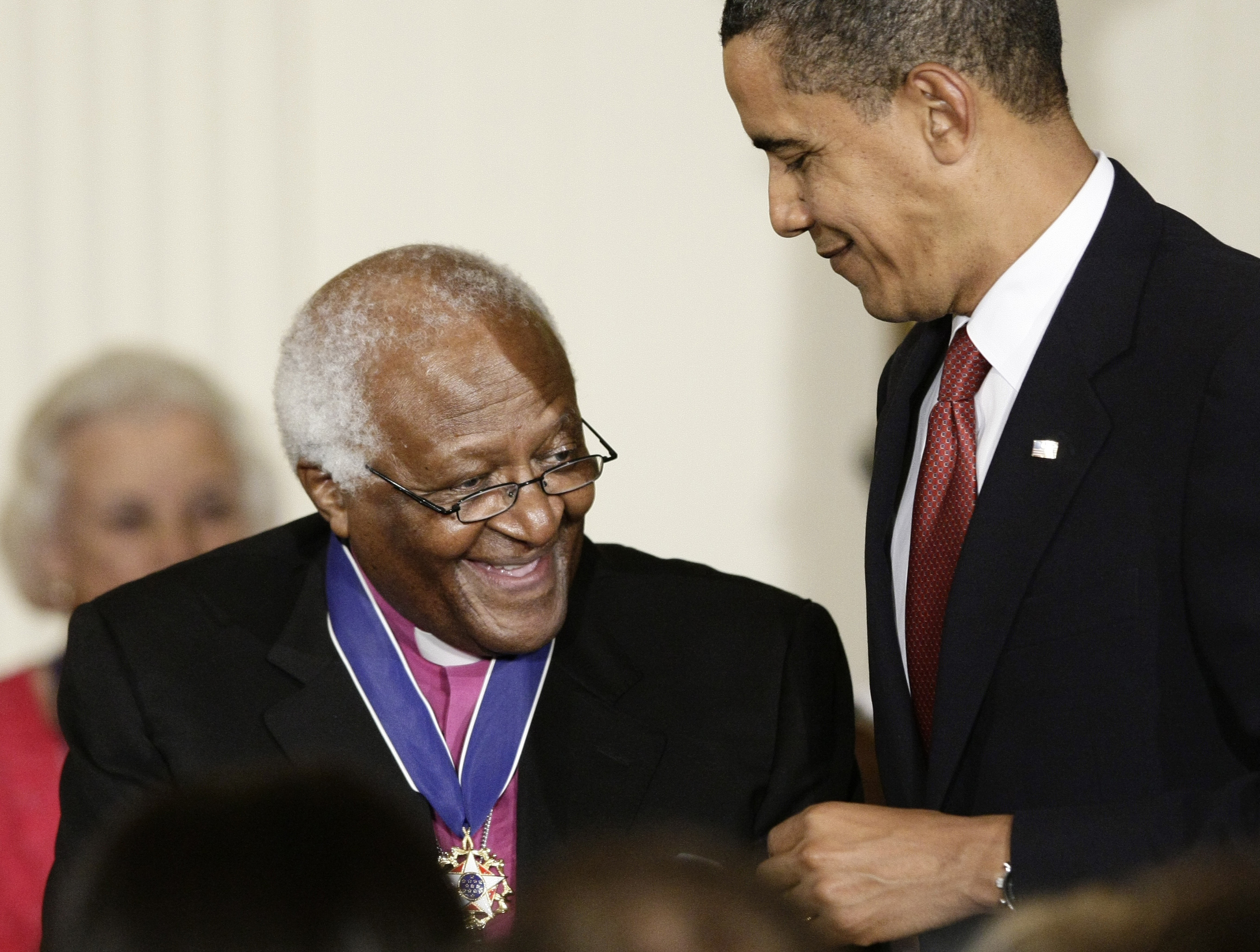
Former US President Barack Obama, who awarded Tutu the Presidential Medal of Freedom in 2009, also spoke.

"Archbishop Desmond Tutu was a mentor, a friend, and a moral compass for me and so many others. A universal spirit, Archbishop Tutu was grounded in the struggle for liberation and justice in his own country, but also concerned with injustice everywhere," he said.

READ MORE: Sydney lab tells more than 400 COVID-positive people they are negative

"He never lost his impish sense of humour and willingness to find humanity in his adversaries, and Michelle and I will miss him dearly."

In a statement, Queen Elizabeth II praised Tutu's "great warmth and humour".

"Archbishop Tutu's loss will be felt by the people of South Africa, and by so many people in Great Britain, Northern Ireland and across the Commonwealth, where he was held in such high affection and esteem," she said.

South Africa's ruling party, the African National Congress, issued a statement separate to that of the country's president.

"Indeed the big baobab tree has fallen," the ANC said.

"South Africa and the mass democratic movement has lost a tower of moral conscience and an epitome of wisdom."

Fellow spiritual leader and human rights activist the Dalai Lama said he had "cherished" his bond with the archbishop.

"Archbishop Desmond Tutu was entirely dedicated to serving his brothers and sisters for the greater common good," he said.

"He was a true humanitarian and a committed advocate of human rights."

The Vatican also issued a statement.

"His Holiness Pope Francis was saddened to learn of the death of Archbishop Desmond Tutu, and he offers heartfelt condolences to his family and loved ones," the statement read.

"Mindful of his service to the Gospel through the promotion of racial equality and reconciliation in his native South Africa, His Holiness commends his soul to the loving mercy of Almighty God."

Prime Minister Scott Morrison joined the chorus.

"Archbishop Desmond Tutu was the spiritual leader of the anti-apartheid movement," he tweeted.

"He believed in human dignity and the power of freedom to create a new nation. His deep faith was his powerhouse that made the world a better place. Thank you and 'well done good and faithful servant'."

With CNN and Associated Press.