Category Archives: headline

Booster shots to be brought forward following ATAGI advice

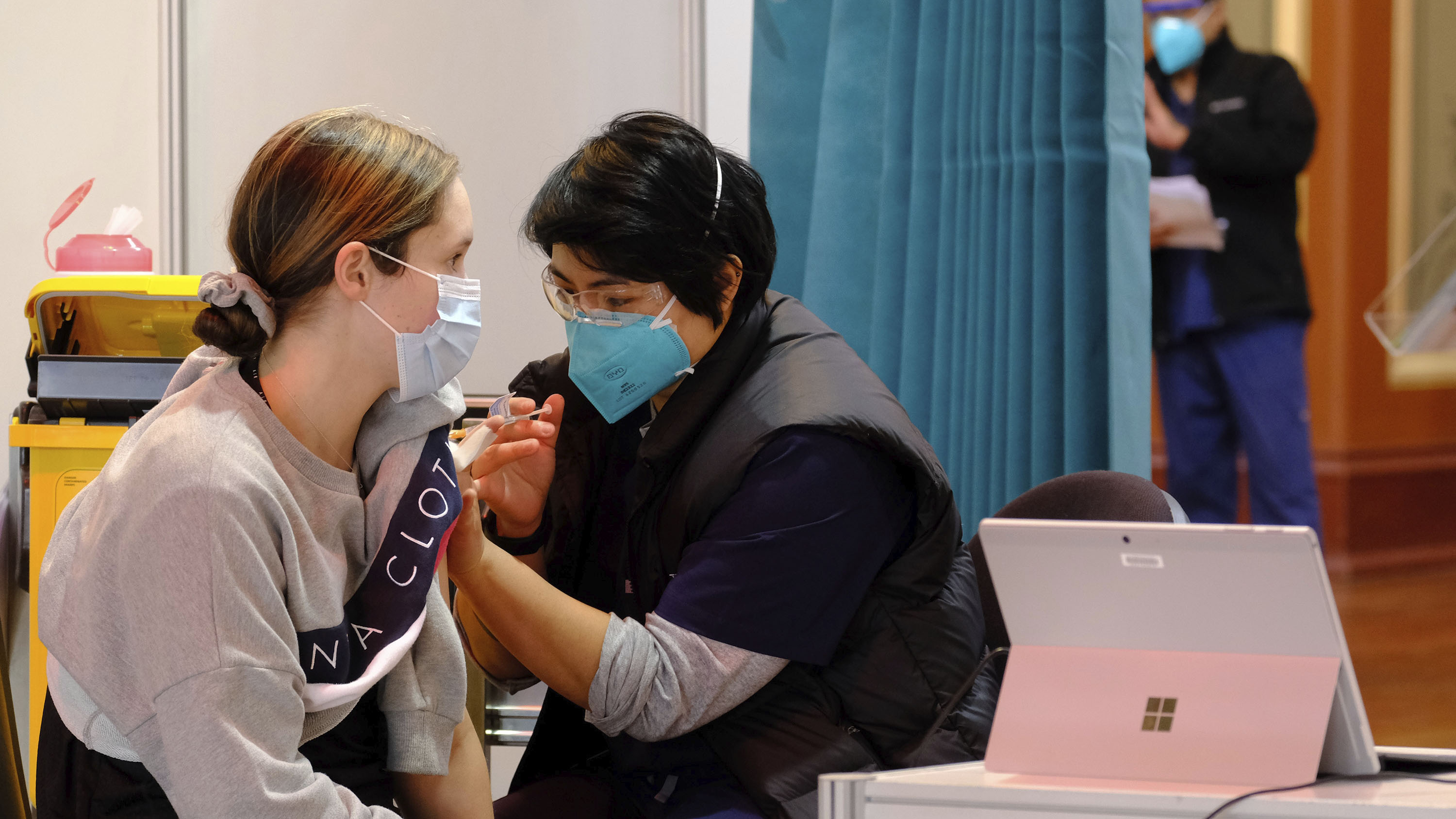
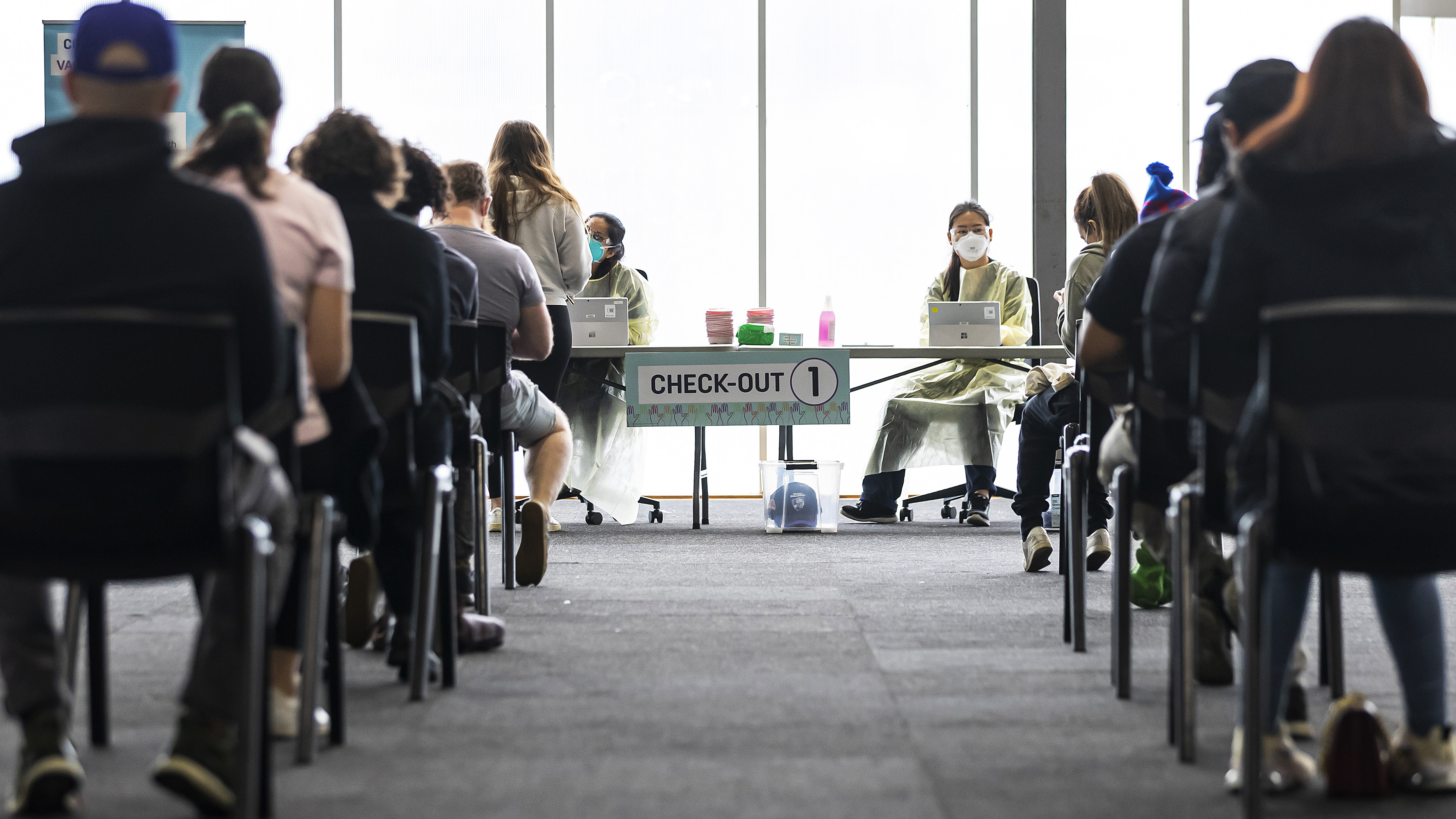
Australians will be able to get their COVID-19 vaccine booster shots after four months from early next year, and then three months from the end of January.

Health Minister Greg Hunt said the changes, based on ATAGI advice, will come into effect from January 4.

"The planning behind that is it will open up a new cohort," Mr Hunt said.

READ MORE: Masks return inside for Christmas in NSW
Australians will be able to get their COVID-19 vaccine booster shots after four months from early next year, and then three months from the end of January.

"Approximately 7.5 million people will become eligible on the fourth of January."

From January 31, the timeframe will be shorted even further to three months.

The interval had already been shortened from six months to five.

ATAGI, Australia's medical body, said there was "strong evidence" boosters would help increase protection against infection with the Omicron variant.

https://twitter.com/jekearsley/status/1474147886803795968

It said superspreading events in NSW such as the outbreak in bars and clubs in Newcastle indicated two doses "did not provide any significant protection" against Omicron.

It said it made the changes as the pandemic had "significantly changed in recent weeks".

READ MORE: 'Perfect bottleneck' hampering Australia's vaccine booster rollout
Australians will be able to get their COVID-19 vaccine booster shots after four months from early next year, and then three months from the end of January.

"Strong evidence has accumulated over the past two weeks to indicate that booster doses of COVID-19 vaccines are likely to increase protection against infection with the Omicron variant," ATAGI said in a statement.

"Although some early data suggest that the risk of hospitalisation due to disease caused by the Omicron variant is lower than that with the Delta variant, this difference would not be enough to offset the impact of high case numbers on the health system."

Third vaccine doses will be prioritised with preference placed on people who have the bigger gap in time between doses, and the immunocompromised.

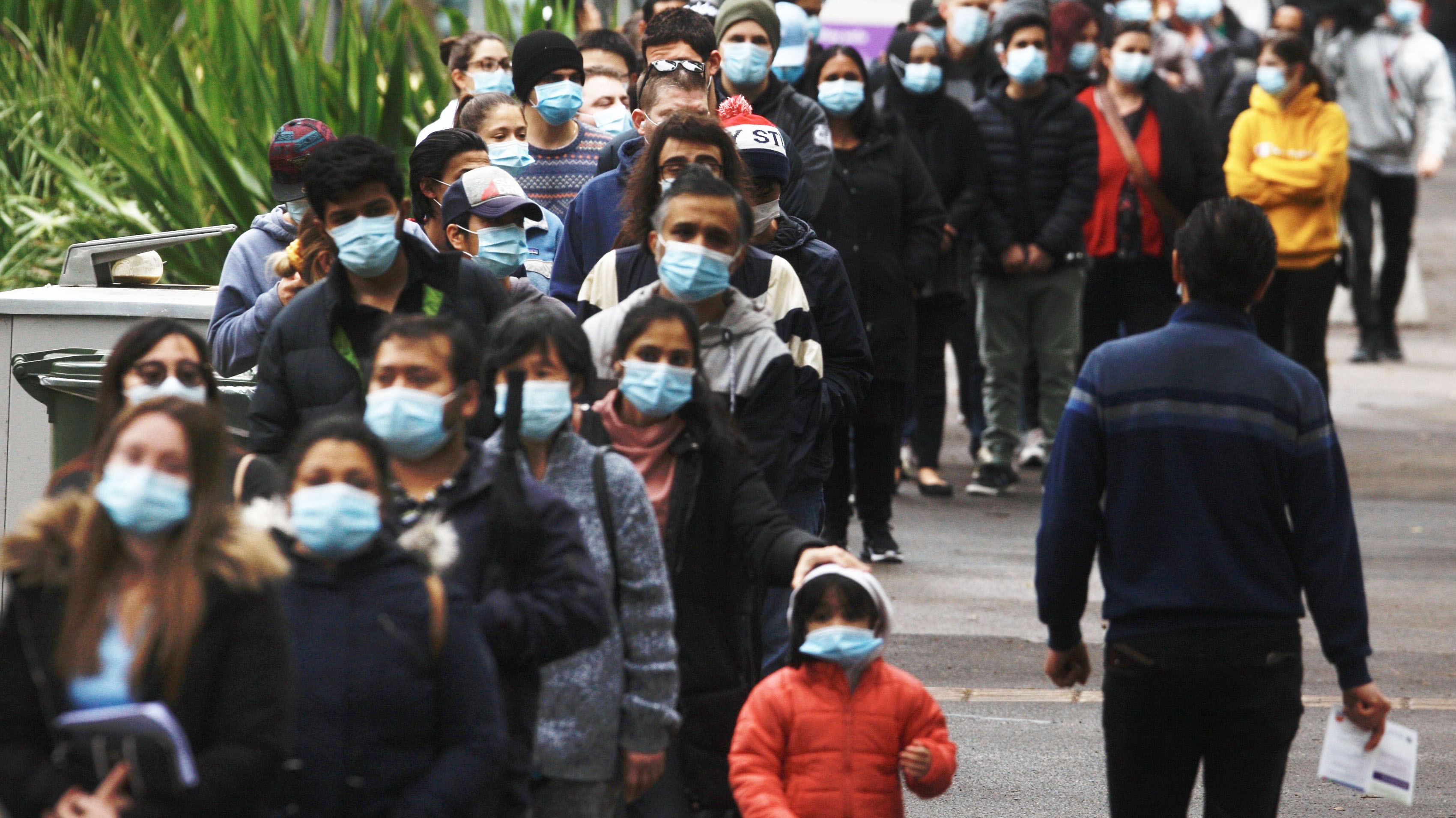
READ MORE: People wait all night for COVID-19 tests

https://twitter.com/healthgovau/status/1474160405660545025Australians will be able to get their COVID-19 vaccine booster shots after four months from early next year, and then three months from the end of January.

Australia's Chief Medical Officer, Professor Paul Kelly, also said concerns around Omicron's transmissibility fuelled the changes.

"What we're seeing in other parts of the world is a doubling rate of cases every two or three days, and that is what we are seeing here," Professor Kelly said.

"We're not seeing that increase in hospitalisation or ICU.

"Make that booking in the New Year to get that booster if you're becoming eligible. If you're eligible now, don't hesitate."

"While this is a more transmissible disease it does appear to be less severe," Mr Hunt added.

"We're taking these precautions to add extra protection for Australians and to help them stay ahead of the curve."
Australians will be able to get their COVID-19 vaccine booster shots after four months from early next year, and then three months from the end of January.

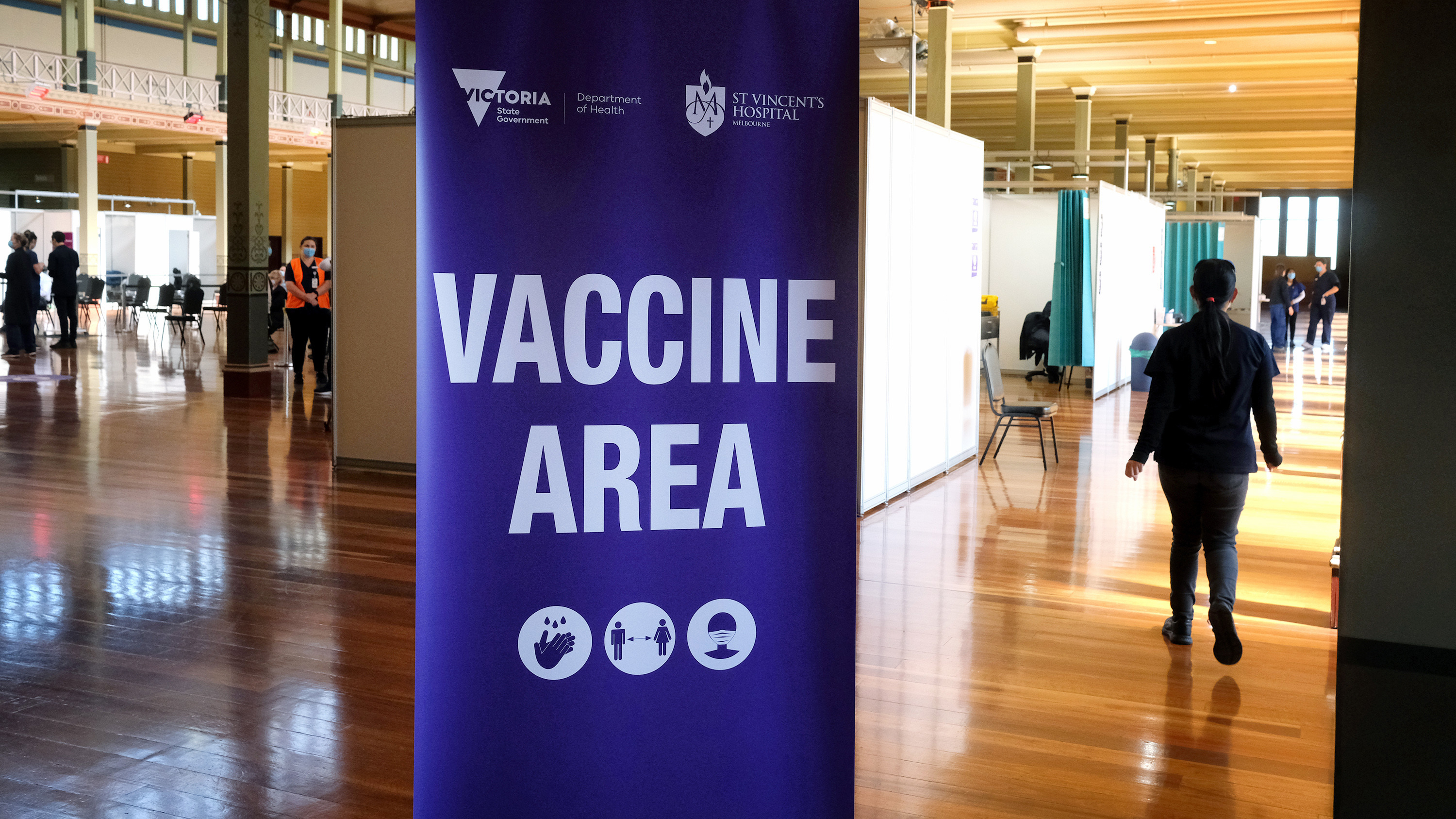
READ MORE: What you need to know about the booster rollout

ATAGI has given individual jurisdictions power to move forward with their planning if they have the capacity, as long as they don't impact more eligible citizens.

"As an example, I spoke to the Premier of South Australia last night," Mr Hunt said.

"He believes they have very strong capacity, so ATAGI has given the jurisdiction freedom to move forward."

Mr Hunt explained dates have been moved forward "out of an abundance of caution" as Omicron spreads.

"The protection as it is very strong against severe illness, but what we will see is a much stronger protection against transmission," he said.
Australians will be able to get their COVID-19 vaccine booster shots after four months from early next year, and then three months from the end of January.

Mr Hunt said there's ample vaccine supply because the government has prepared for possible fourth and fifth booster shots, though medics had already warned of a distribution "bottleneck".

"We have 20 million vaccines that are in the country now," he said.

"More than five million are in the field on the basis of orders."

In addition, 60 million Pfizer doses and 15 million Moderna have been ordered for 2022, as well as an extra 51 million doses of Novavax, which still needs TGA approval.

"We're anticipating there may need to be third and a fourth dose and indeed there is enough with those figures for five doses," Mr Hunt said.

"We're in a fortunate position… whether a fourth or fifth dose is required we just provisioned on the absolute highest-need, worst-case scenario."
World's oldest family tree reconstructed from Stone Age tomb

The oldest family tree in the world has been reconstructed through the analysis of ancient DNA taken from a Stone Age tomb in Britain, according to a new study published on Wednesday.

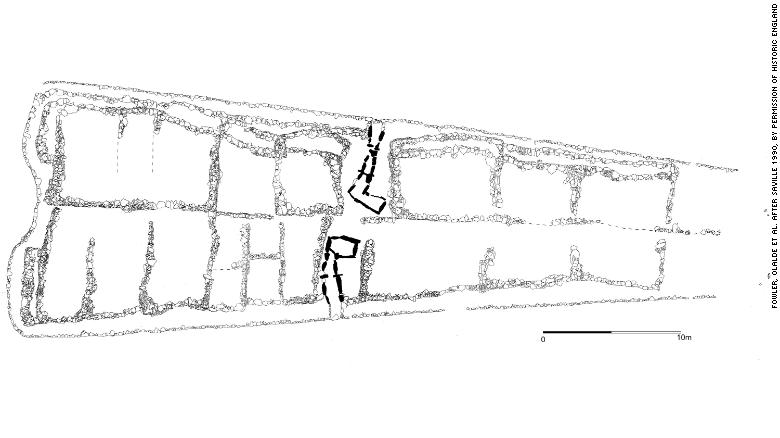
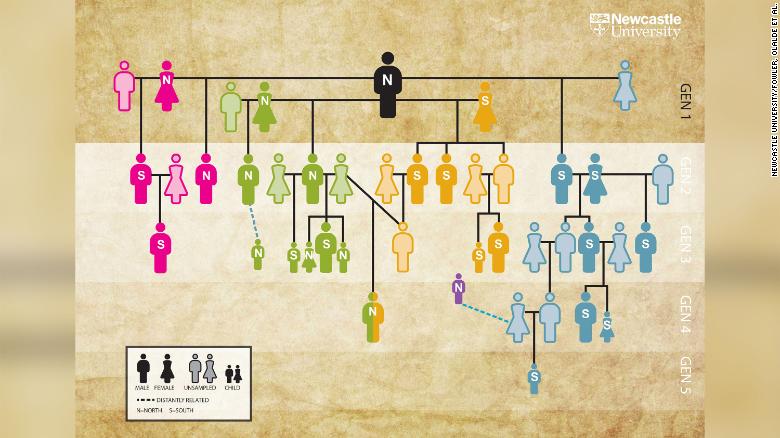
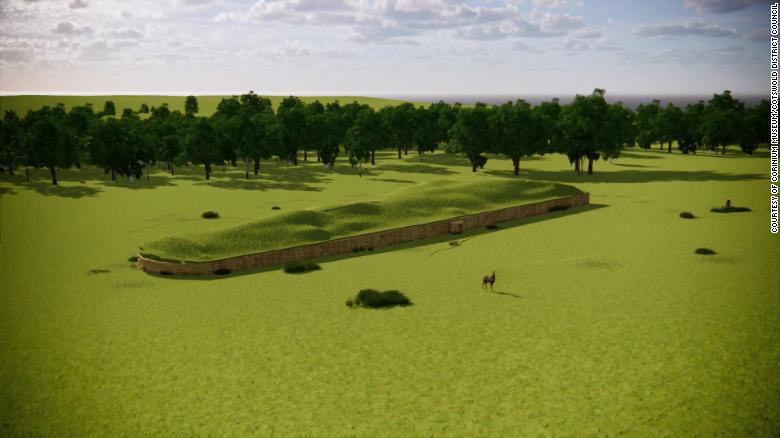
Researchers extracted DNA from the bones and teeth of 35 individuals buried at Hazleton North long cairn in the Cotswolds-Severn region in England. They found 27 of them were close biological relatives and were from five continuous generations of a single extended family.

The group lived around 3700-3600 BC — approximately 5,700 years ago. Researchers discovered that most of those buried in the tomb were descended from four women who had children with the same man.

READ MORE: Mask mandate returns to NSW for Christmas

Archaeologists and geneticists from institutions around the world — including Newcastle University in England, the University of the Basque Country in Spain, the University of Vienna in Austria, and Harvard University in the US — were involved in the research.

The study, published in the journal Nature, is significant for revealing in great detail how prehistoric families were structured, researchers said.

The findings provide fascinating new insights into kinship and burial practices during Neolithic times — the latest period of the Stone Age.

Iñigo Olalde of the University of the Basque Country and Ikerbasque, the lead geneticist and co-author of the study, said in a statement: "The excellent DNA preservation at the tomb and the use of the latest technologies in ancient DNA recovery and analysis allowed us to uncover the oldest family tree ever reconstructed and analyse it to understand something profound about the social structure of these ancient groups."

Researchers found people were buried in the two L-shaped chambered areas at Hazleton North. The chambers were located north and south of the centre or "spine" of the structure.

READ MORE: 'I am concerned. There is exponential growth right now': Top doctor's warning over Omicron variant

Men were generally buried with their father and brothers, suggesting descent was patrilineal, as the later generations buried at the tomb were connected to the earlier generations buried there entirely through male relatives.

Two of the daughters in the family tree who died in childhood were also buried in the tomb but the team found a total absence of adult daughters, suggesting their remains were either placed in the tombs of male partners they would have had children with or buried elsewhere entirely.

READ MORE: Royal Caribbean cruise ship prevented from entering two island nations due to COVID-19 outbreak

According to the study, the right to use the tomb ran through patrilineal lines — but the choice on whether individuals were buried in the north or south chambered area depended on the first-generation women they were descended from.

This suggests that these first-generation women were socially significant in the memories of the community in Hazleton North and helps to shed some light on Neolithic kinship and the significance of family lines in Stone Age burial practices, researchers said.

David Reich, a professor of genetics at Harvard University who was involved in the research, said: "This study reflects what I think is the future of ancient DNA: one in which archaeologists are able to apply ancient DNA analysis at sufficiently high resolution to address the questions that truly matter to archaeologists."

The app keeping people safe from crocodiles in Queensland

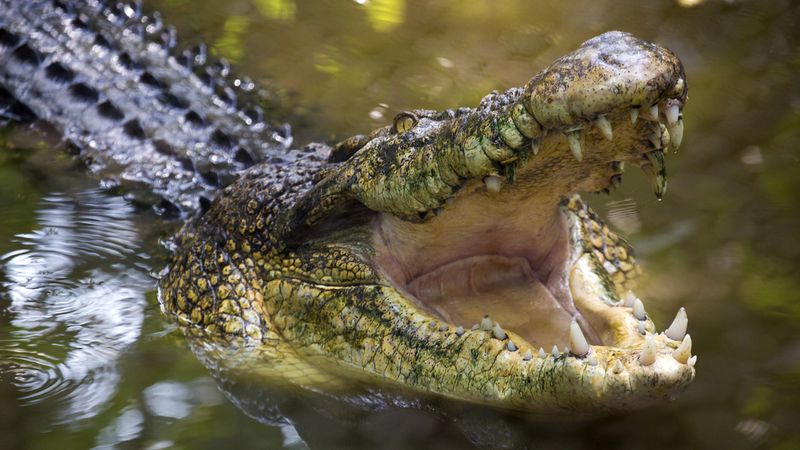
A new app launched late last year saw crocodile reports skyrocket in northern Queensland during 2021, helping visitors and locals stay safe around the water.

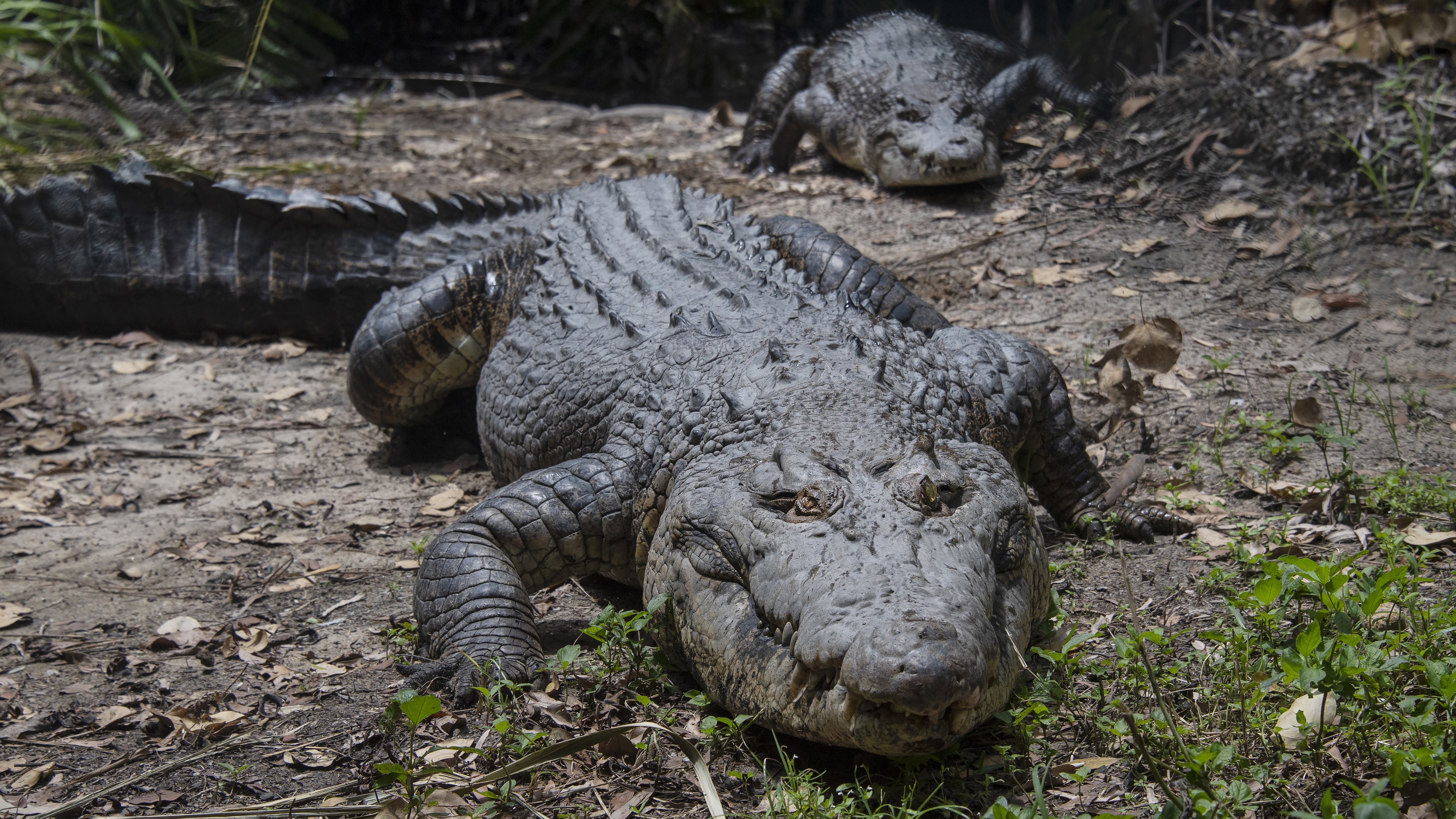
The Department of Environment and Science (DES) received 1146 reports of saltwater crocodile sightings in 2021 — up from 616 in 2020.

"This is the highest number of reports since results were first collected in 2009," DES director northern wildlife operations Lindsay Delzoppo said.

READ MORE: Booster shots to be brought forward to four months

When is crocodile breeding season?

He attributed the rise in part due to the "remarkable update" of the QWildlife app, which launched last November.

"The QWildlife app has been highly popular in 'croc country', with many people also submitting photos or videos with their reports when using the app on their smartphones or tablets," he said.

"The QWildlife app also allows people living in or visiting croc country to find out where there have been sightings and the locations where any 'problem crocodiles' have been declared within the previous 30 days."

READ MORE: What the weather will be like on Christmas Day

But Mr Delzoppo warned that just because a location had not been marked down on the app, it was not necessarily safe.

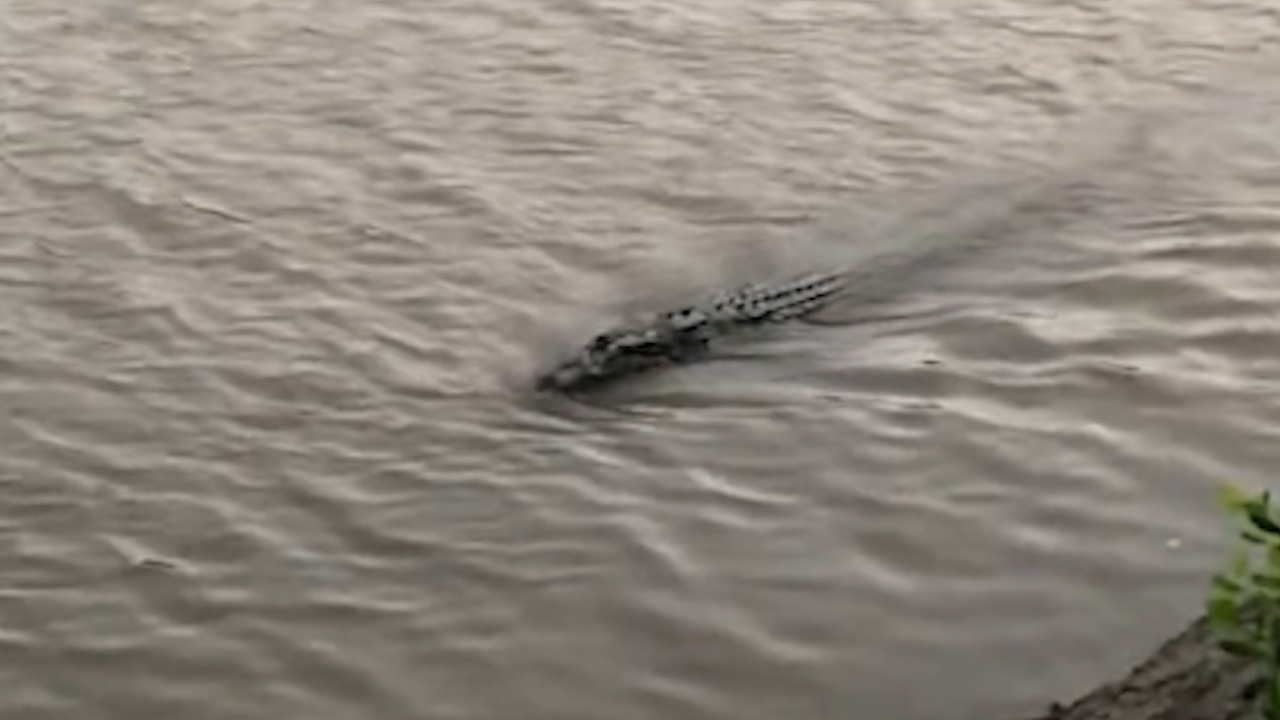
"Crocodiles are highly mobile and may turn up in any waterway in croc country at any time, even if they haven't been seen there before," he said.

But he also said the increase in reports "does not necessarily" correlate with an increase in crocodile populations.

READ MORE: Top doctor issues grim warning about Omicron strain

A Northern Territory man has been left with amputated and partially amputated toes after a crocodile attack.

"This is because more than one person could report the same crocodile, and it is now much easier for the public to report sightings via the QWildlife app," Mr Delzoppo said.

"The growth in residential development in known crocodile habitat also means there are more people to make these reports."

Mr Delzoppo said thousands of Queenslanders and interstate visitors are expected to spend the Christmas holidays season near waterways in croc country.

"Remember, you are responsible for your own safety in croc country, which begins at the Boyne River south of Gladstone, and extends up the east coast and across far north Queensland," he said.

"I encourage people who are travelling to croc country over the Christmas holidays to download the QWildlife app in advance and familiarise yourself with it."

The QWildlife app can be downloaded on iPhones and Android devices. The app can also be accessed from the DES website.

Members of the public can report crocodile sightings (and should do so as soon as possible) by entering the details to the QWildlife app or by calling 1300 130 372.

How to stay CrocWise

  • Expect crocodiles in all central, north and far-north Queensland waterways even if there is no warning sign
  • Obey all warning signs
  • Be aware crocs also swim in the ocean and be extra cautious around water at night
  • Stay well away from croc traps, including when fishing and boating
  • The smaller the vessel, the greater the risk, so avoid using canoes and kayaks
  • Stand back from the water's edge when fishing and don't wade in to retrieve a lure
  • Camp at least 50 metres from the edge of the water
  • Never leave food, fish scraps or bait near the water's edge, at campsites or at boat ramps
  • Never provoke, harass or feed crocs
  • Always supervise children near the water and keep pets on a lead

A legend says Santa Claus lives on in a mine on Svalbard

On the Norwegian archipelago of Svalbard, where polar bears reign and the dark nights are illuminated by the Northern Lights, there is a legend that Santa Claus lives in an abandoned mine below the ice.

Svalbard is one of the closest inhabited areas to the North Pole with a population of almost 3000.

In the icy tundra, foxes scurry and reindeer graze on the arctic white heather dwarf shrubs.

READ MORE: Half a heart girl's family have special Christmas wish

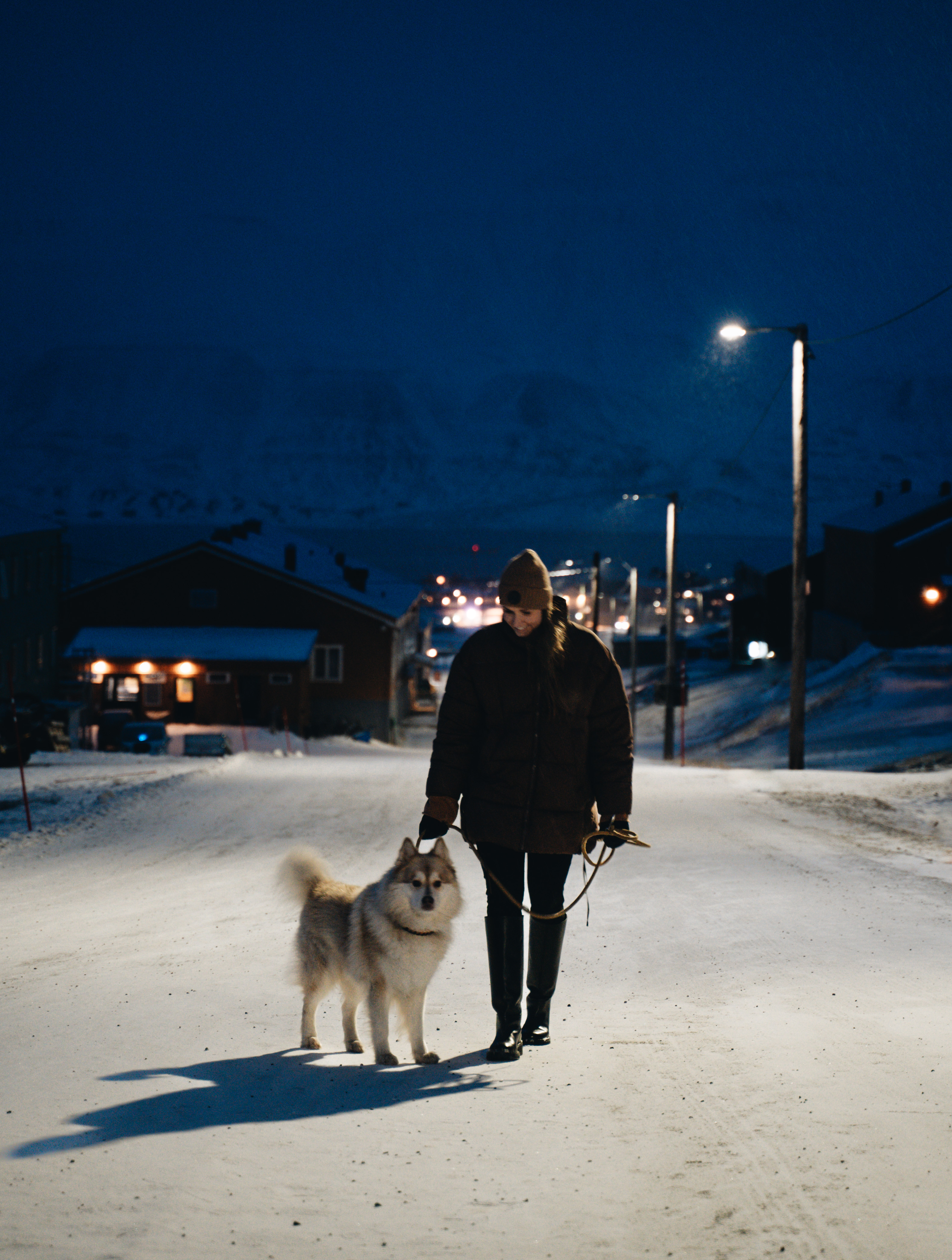
Cecilia Blomdahl has lived on Svalbard for six years.

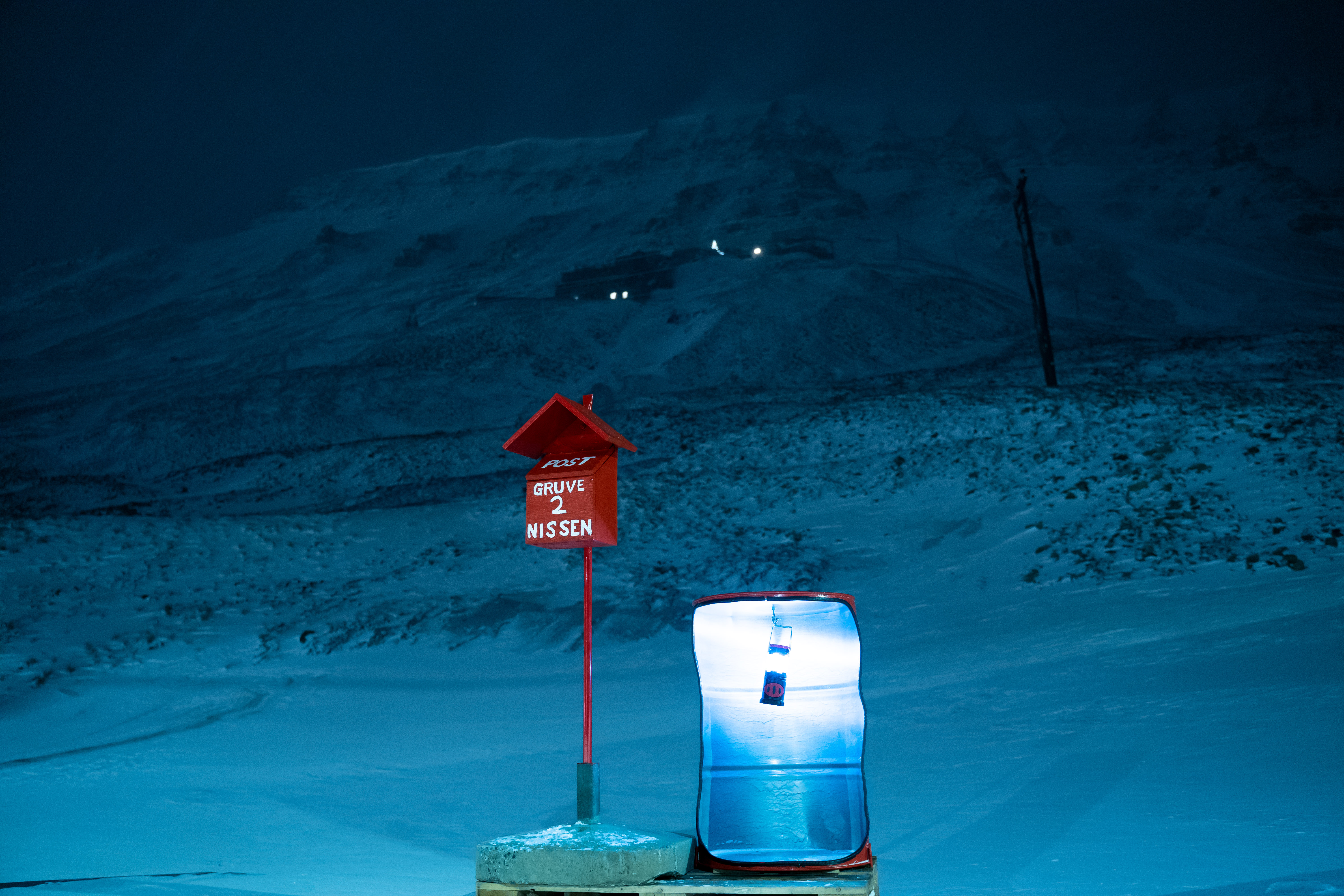
And in mine number two, also known as Gruve, local folklore says Santa Claus resides.

People of all ages can drop letters in a red post box that stands erect in front of the mine and is addressed to the man in red himself.

Whether Santa Claus is truly busy making presents in the mine shafts, Svalbard content creator Cecilia Blomdahl says there is an abundance of Christmas magic in the wintry town.

READ MORE: Response to Omicron will focus on three key areas, PM announces

Mine 2 or Gruve is believed to be where Santa Claus lives.

"We're above the arctic tree line so Christmas is magical," Ms Blomdahl said.

She has been living on Svalbard for six years and expressed her love for all the traditions that come with the holiday season on the archipelago.

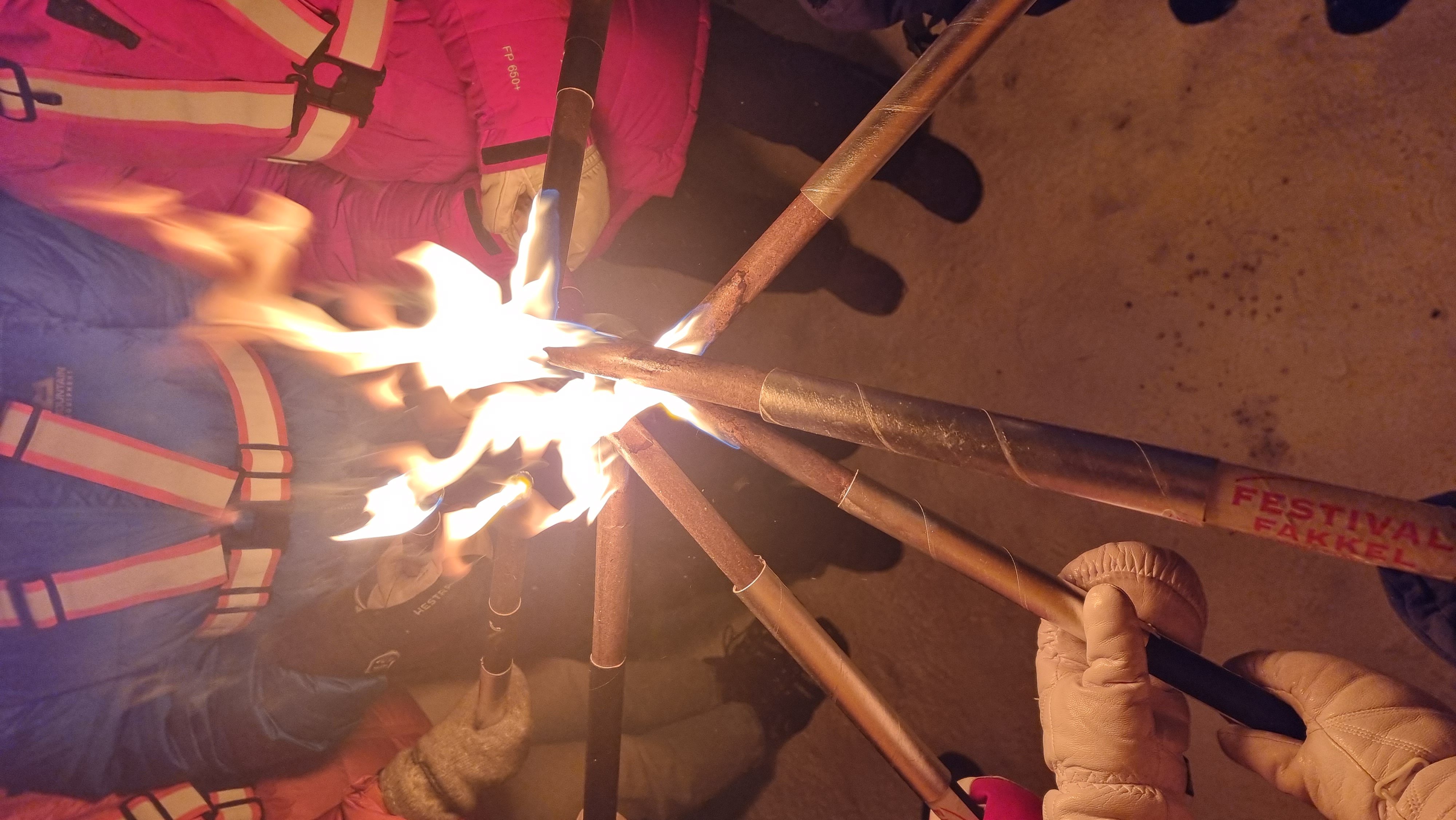
"We have this amazing tradition in Longyearbyen [one of the main towns on Svalbard]. The whole village is invited to meet at this one place called Huset. We get torches and we all wear reflective gear and then they turn the lights off in the entire that part of the village and then we walk down to the town square," Ms Blomdahl said.

READ MORE: Aussies plan to ask family to get COVID-19 tested this Christmas

People light torches for a procession on the first day of Advent.

The procession takes place on the first day of Advent because rumour has it on that day Santa Claus returns to the mine, according to Ms Blomdahl.

She added that there is also an array of community activities that take place this time of year.

"We have Christmas tables we call them. So, they're Christmas dinners with very specific Norwegian food. So, that's going on from now until Christmas," Ms Blomdahl said.

"We have Christmas concerts, we have Luciatåg, where there is a woman with a crown and the lights on it. It's called the Lucia train. You always did this in school. You make this train of people with different characters in it, and they sing in different places."

READ MORE: Australian recall issued for dry shampoos and conditioners

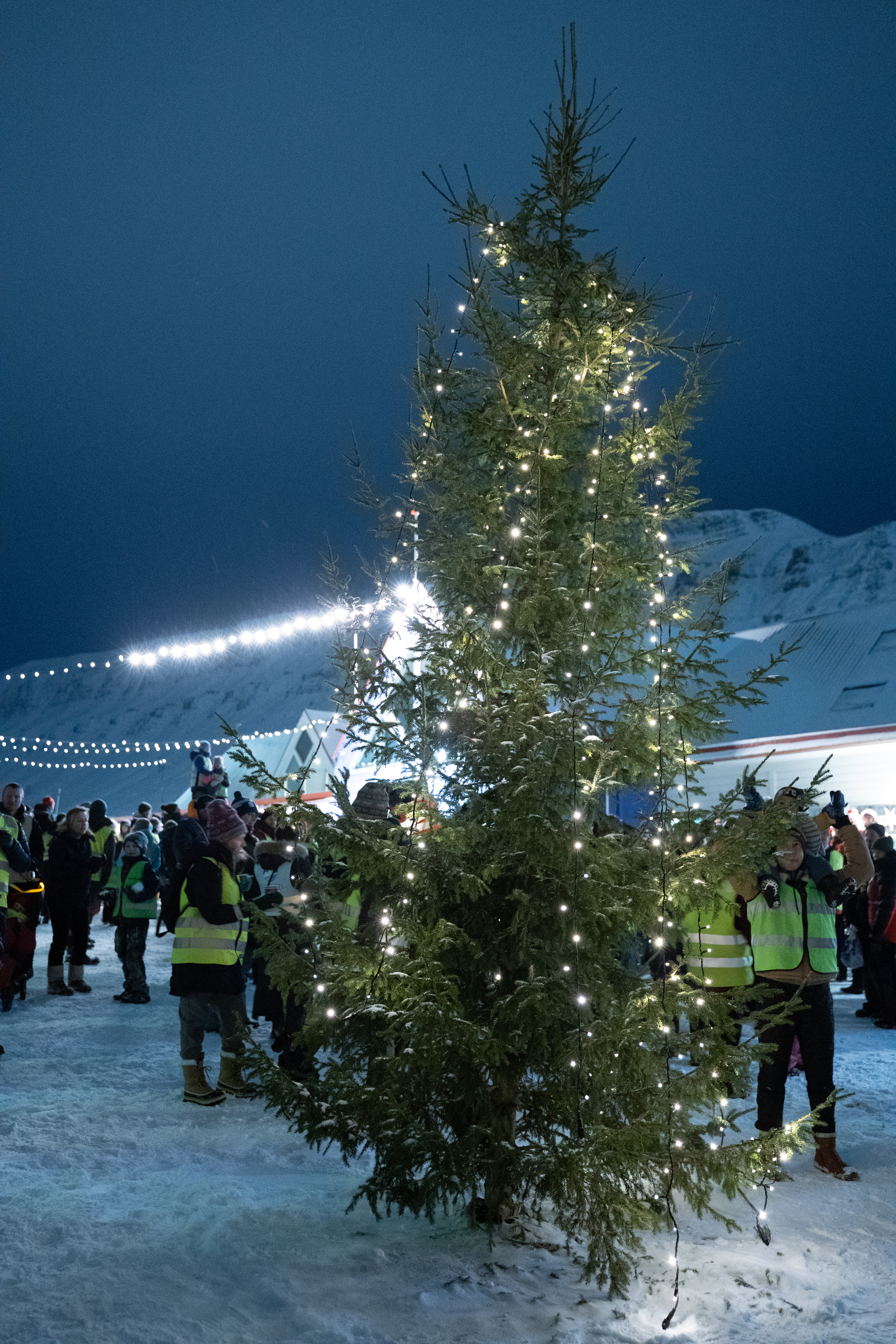
Christmas tree in the town square, which was imported from northern Norway.

The temperature during winter can drop to as low as -20C, which means no trees grow on Svalbard.

So real Christmas trees are imported from northern Norway.

One is placed in the town square in Longyearbyen and is lit up for all to enjoy.

While torches and fairy lights are used as Christmas decorations, there is a natural light show in the sky that adds even more holiday lustre to Svalbard.

The aurora borealis.

READ MORE: A new COVID-19 vaccine could be available in Australia from next month

The northern lights in Svalbard can be seen during the polar nights in winter.

"I look up and I see the sky is green. It was one of the most incredible shows I've seen in years," Ms Blomdahl said as she recalled a recent night when she had gazed up at the Northern Lights from her own backyard.

"Every time it blows my mind," she said.

"At any time you can walk in the village and you suddenly see that little streak of green, and you just know there she is. It feels like it's part of our little secret."