Two West Otago families came to the police eight years ago seeking answers to a truck crash double fatality. The police, ultimately chastened by the coroner’s findings this year, would apologise to the widows for their “narrow” and…
Category Archives: headline
Timaru police on the hunt after loaded gun thrown from 'suspicious' van
Timaru police are on the hunt after a loaded gun was thrown from a “suspicious” van. Officers spotted the white Toyota Hiace van – number plate MRE458 – about 11.06pm yesterday. The van failed to stop for police on Domain Ave….
Australian finds $1 million X Lotto ticket while tidying his house
A South Australian man has made the discovery of a lifetime after finding a $1 million X Lotto ticket while tidying his house.
The man – from Blackwood – was cleaning out some paperwork from his home "in preparation for the festive season" when he stumbled across a pile of lottery tickets.
He thought he'd already checked the tickets to see if he had won, and didn't notice anything, but decided to look again one more time.
"I was going to throw them out, but then I decided I'd check them again, just to be safe," he said.
READ MORE: Woman killed by falling tree in Sydney 'micro-burst' storm identified
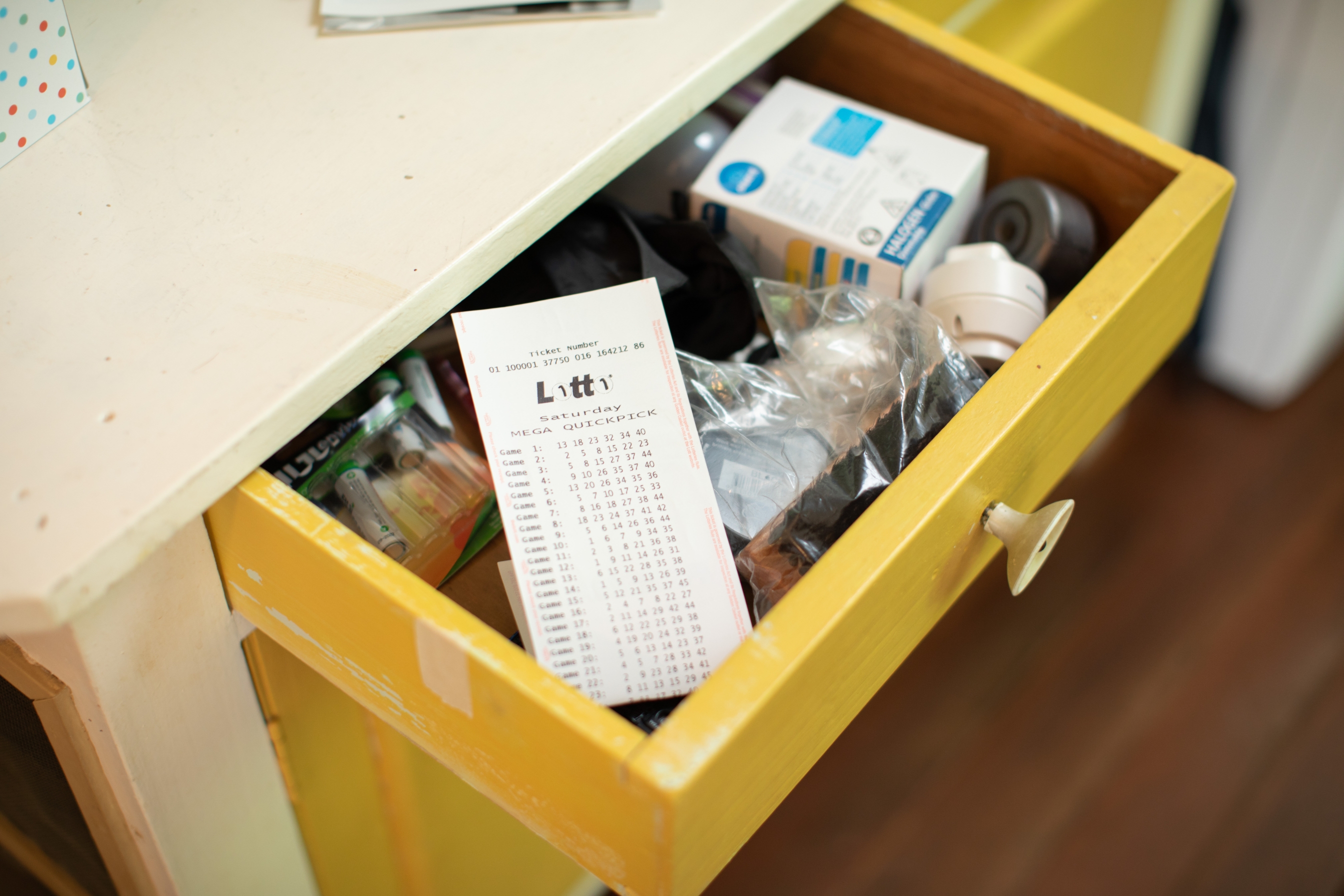
"When I saw the $1 million win pop up, I didn't believe it. I thought, 'Nah, that can't be right'."
The man said his wife "lost the plot" upon hearing about the win.
"My wife was out grocery shopping, so I called her straight away with the news. She lost the plot. She was crying, cheering and screaming. It was awesome," he said.
"We went out for dinner and got some tomahawk steaks and had some drinks to celebrate."
READ MORE: Fauci says Omicron variant is `just raging around the world'
Asked on how he'll spend the big winnings, he said he had a number of ideas in the works.
"We'll pay off the mortgage and look after our kids," he said.
"There'll be some investments, and the rest we will save for our future retirement. I can't believe I'm ending the year as a millionaire."
READ MORE: UK government says COVID-19 restrictions could tighten by Christmas
The man said he purchased the winning ticket at OTR Glandore, on Anzac Highway, in Glandore.
How to have a COVID-safe Christmas
Just as Australia seemed to be coasting towards a long-awaited Christmas break with family and friends, Omicron emerged.
Now, with cases rising, particularly in New South Wales, many are questioning what a safe Christmas day should and could look like, particularly if grandparents or a vulnerable family member is visiting.
Despite a surge in Omicron cases, and daily cases in NSW tipped to reach 25,000 by the end of January, ICU admissions are steady, hovering between just 20-30 people in the state.
READ MORE: Hacker steals Sydney man's life savings after simjacking
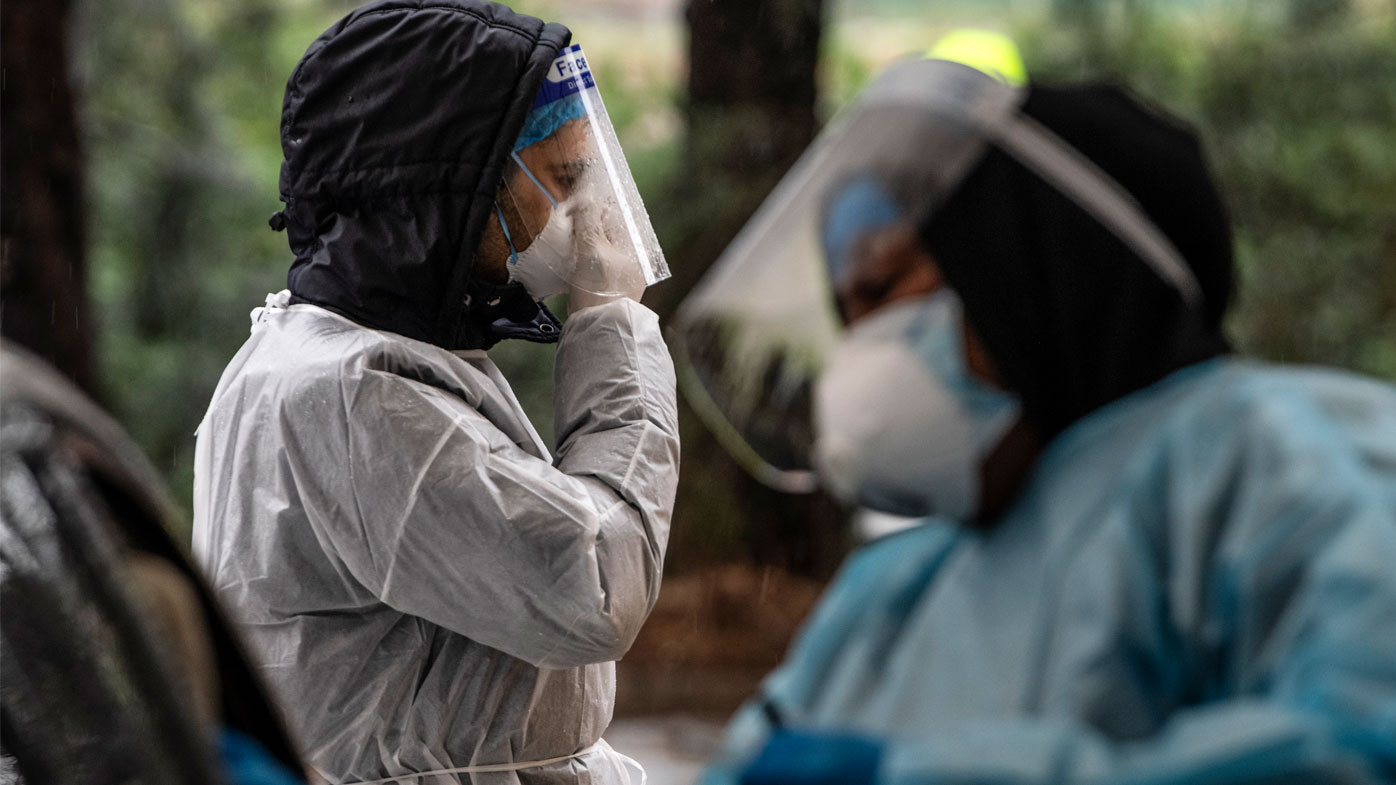
It will fall on individuals to make the right decision, an infectious disease social scientist we spoke to said, even if that might mean missing out on precious Christmas plans altogether.
UNSW Associate Professor Holly Seale said Christmas did need to be one giant worry-fest, but she warned that one of the biggest concerns will be how those with a little sniffle in the days leading up to Christmas day choose to act.
Here are some of the most pressing questions answered:
What about the family Christmas dinner?
Professor Seale says people need to take existing public health advice into their Christmas day celebrations, doing things like fist bumping, washing hands regularly and eating outdoors if they can.
"I think we need to be realistic," she said.
"There's going to be people who feel they've had two very strange, hard, long years with COVID and this Christmas to them was almost about marking a point of change."
READ MORE: Woman killed by falling tree in Sydney 'micro-burst' storm identified
What about pre-Christmas dinners with friends?
Professor Seale said to exercise common sense and caution.
There needed to be "balance" in people's decision-making.
She said people who are meeting in Sydney and then going to travel on into the regions for Christmas day and holidays should be "mindful" about their actions and the precautions they take.
"I think people are already being sensible about picnicking in parks and going to bars which offer outdoor drinking opportunities."
Should I wear a mask indoors?
This is an individual's choice, she said.
Certainly masks should always be worn in accordance with government recommendations, Professor Seale said.
READ MORE: WA locks nation out for Christmas
I have a sniffle, should I still go to Christmas dinner, and is it okay to ask someone not to come if they have symptoms?
"Go and get a test," Professor Seale said, explaining that how those people with symptoms act could be the biggest single factor in whether there are any super spreader events at Christmas.
"This is where we're really going to struggle, to make sure people are compliant (with testing and isolation), because of that fear of them missing out on Christmas."
Professor Seale said people needed to be ready to make the hard call, whether that meant declining dinner invites or for those hosting a family Christmas to consider delaying their plans.
"You don't want to be responsible for putting someone at risk."
READ MORE: Hundreds in Christmas quarantine after infectious teen goes clubbing
What if someone elderly is coming, is that safe?
This could also be a "hard" decision for people, Professor Seale said.
Taking care of the elderly or vulnerable with underlying health risks should be a priority, she said.
But it was important to balance that against the mental health toll that isolation has forced on many for almost two years.
"Keep on with those fist bumps, make sure you keep up with hygiene in your household and eat outside if you can."
READ MORE: What the weather will be like on Christmas Day
Should dinner be outdoors?
Yes. This is an excellent way to help lower the risk of transmission, Professor Seale said.
Should everyone get tested before they turn up for Christmas lunch?
Not only is the accuracy of rapid antigen tests variable, Professor Seale said, but any pre-Christmas spike in demand could put additional pressure on the supply of tests that other people might actually need more.
"There is certainly a window where rapid antigen tests work more effectively," Professor Seale said.
"If you're outside that window, there's a greater chance of a false positive."
Reform the OAS or oversee its irrelevance
By Sir Ronald Sanders
(The writer is Antigua and Barbuda’s Ambassador to the United States and the OAS. He is a Senior Fellow at the Institute of Commonwealth Studies, University of London and Massey College in the University of Toronto. The views expressed are his own)
Our world exists today in troubled circumstances, governed by outmoded charters and laws that are no longer fit for purpose and do not respond to human needs.
When most of these Charters were signed seventy or more years ago, more than 70 countries were not independent and had no say in their formulation. Therefore, the conditions of underdevelopment, poverty and disease that today plague nations around the globe were not considered; if anything, they were regarded as the natural condition of colonized people that would be addressed by their predictable death. Life was cheap.
The charter of the Organization of American States (OAS) is one such governing document. It was signed in 1948 but brought into force on December 13, 1951 – seventy years ago. The leaders, of the 14 countries that signed the Charter, were mostly autocrats who were more concerned with avoiding being overthrown by military coup d’état’s than they were about the will of their own people. They were especially concerned that, notwithstanding any actions they took to repress dissent among their own people, no other country should have any right to criticize.
Only one present day CARICOM country – Haiti – was a Member of the Organization at that time.
The leaders were also concerned with settling disputes between themselves peacefully and in acting collectively against external aggression against any of them. Not all of them succeeded in pursuing peaceful dispute settlements with neighbours. Military skirmishes, saber rattling, and other acts of aggression continued.
Significantly, while the 70th anniversary, on December 13, 2021, of the Charter coming into force should have been an occasion for celebration, the date came and went with no commemoration by the OAS.
The Charter has been amended only four times in the last 70 years, and then only in response to urgent political crises. Yet, it cries out for reform.
The CARICOM member countries of the OAS place great value on the major cornerstones of the Charter, particularly: the effective exercise of representative democracy, non-aggression, the pacific settlements of disputes, the multi dimensionality of security, the recognition that economic cooperation is essential to the common welfare and prosperity of our peoples, and the proclamation of the fundamental rights of the individual without distinction as to race, nationality, creed or sex.
However, knowing that many of these principles, particularly as they refer to development, are recognized more by omission than commission, CARICOM countries have, at various times, urged that the Charter be rejuvenated, making it relevant to the present challenges that confront the Americas.
It is not sufficient for the Charter to recognize the indispensability of economic cooperation without commitment to ensuring economic development. It is not enough for the Charter to proclaim fundamental rights of the individual without distinction as to race; and yet be silent on positive action to end racism which still lurks in the shadows of some governance systems and, sometimes, displays itself even in the bright daylight of their flawed justice machinery. Nowhere in the Charter is it inscribed that Member States should implement machinery to eradicate the scourge of racism from the Americas.
Is it adequate that the Charter declares, as a principle, that education of peoples should be directed toward justice, freedom and peace without acknowledging that justice, freedom and peace will not be served while inequities of access to education continue to exist across the hemisphere?
In today’s interconnected world where borders are no barriers to disease and no walls against Climate Change, is it right that the Charter should declare that “Development is the primary responsibility of each country”, when today small states are ravaged by the effects of CO2 emissions from other countries that retard and erode their development with impunity?
Is it right that, against the reality of the loss and damage that are inflicted by Climate Change and Global warming, that all the Charter says is that “member states should refrain from practicing policies and adopting actions or measures that have serious adverse effects on the development of other member states”, and yet not provide for adequate compensation or measures that would cause offending countries to cease and desist?
When the Charter entered into force, it suited the requirements of the leaders of the fourteen countries that directed its authorship. But 1951 conditions and preoccupations of fourteen leaders should not continue to prevail in 2021 circumstances for 33 countries. I say 33 because Cuba and Venezuela that were among the original signatories have withdrawn from the Organization, although there is a fiction that Cuba is still a member, and that Venezuela is represented by a nominee of an “Interim” President who is recognized by fewer than 50 countries globally (and then only barely).
If the members of the OAS want the Organization to be relevant to the lives of their people, to their economic advancement, and to their social improvement, they have to make its framework fit for purpose.
Governments should consider the establishment of a Group of Wise Persons, reflective of the regional membership, to analyze the Charter and to make recommendations on how it should be reformed. The alternative is to limp along – mostly to be paralyzed – in the illusion that yesterday’s Charter is still fit for purpose in our hemisphere of today.
There is a Biblical proscription against pouring new wine into old wine skins, for surely, the old wine skins will burst, and the new wine will spill, wasting the years and effort that were devoted to its production.
By seeking to retain a 70-year-old document, written at a very different time by representatives of only 14 countries, and to apply its outmoded approaches to 33 countries in modern day realities, the OAS members are pursuing an effort that can no longer be sustained.
After 70 years, the governments of the OAS member states should recognize that it is time for a comprehensive study to recommend its reform, renewal, and relevance.
Responses and previous commentaries: www.sirronaldsanders.com
The post Reform the OAS or oversee its irrelevance appeared first on The St Kitts Nevis Observer.
'Very lucky' no one hurt as air conditioning duct ripped off building
Witnesses say it's lucky no one was killed when a large sheet of metal was ripped from a Sydney building, flying through the air and smashing into cars parked on the other side of the street.
Florian Dusanter was filming the storm blowing through Sydney when what appeared to be an air conditioning duct broke loose from the top of his apartment building on Pittwater Road, Dee Why, on the Northern Beaches.
He told 9News.com.au it almost hit a group of people and it was scary to see something so big flying across the street.
READ MORE: One dead, two seriously hurt as severe storm smashes Sydney
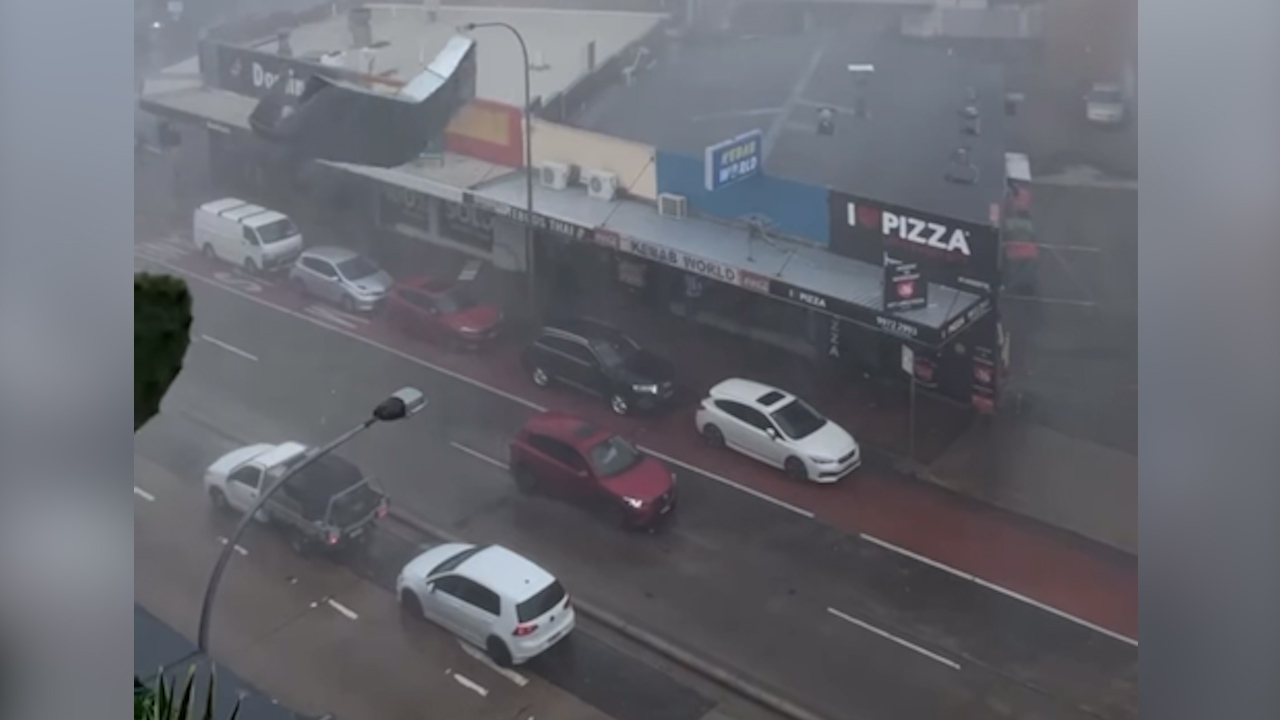
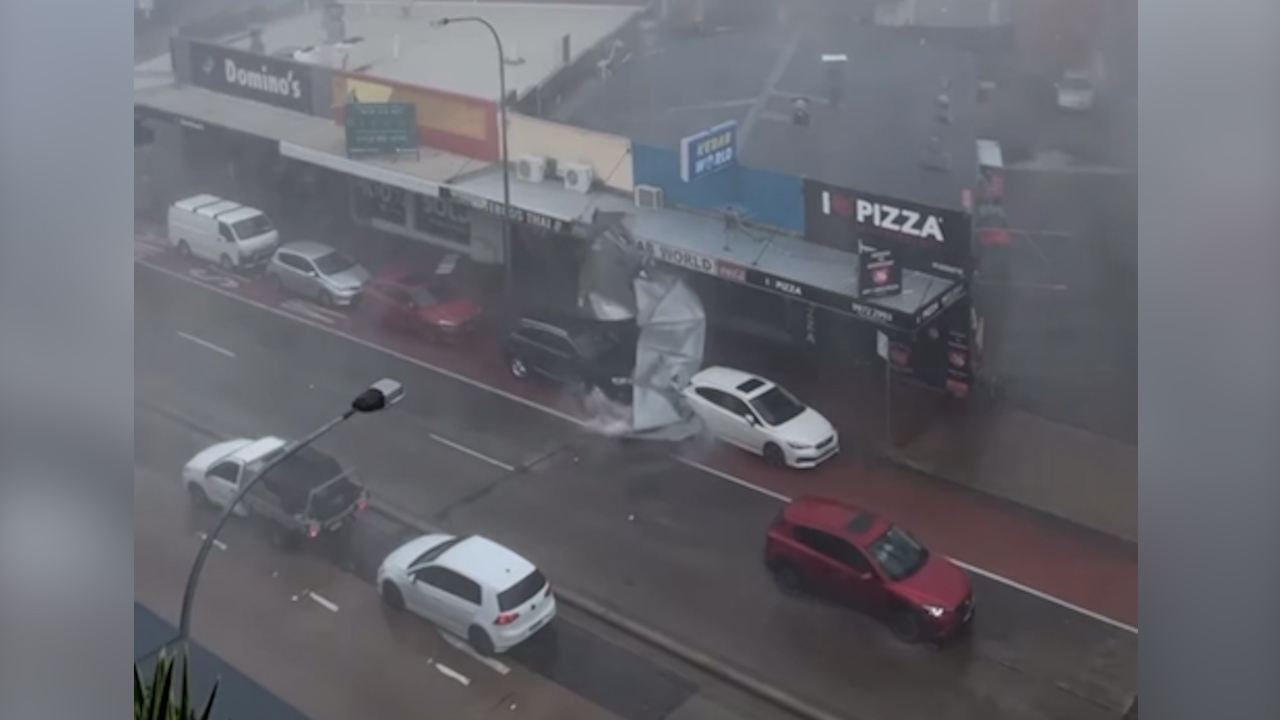
"No one got injured but it was really close," he said.
The video shows the heavy structure sailing across the street and landing on two cars in front of Roger Berti's Kebab World eatery.
Mr Berti said it was "very lucky" no one was walking past at the time.
"It would have killed them," he said.
"Just be very dangerous things because the very big part of the ventilation is coming down."
He said someone came to pick up one of the cars soon after the accident and the other was towed away.
READ MORE: WA changes border rules again, locking nation out for Christmas
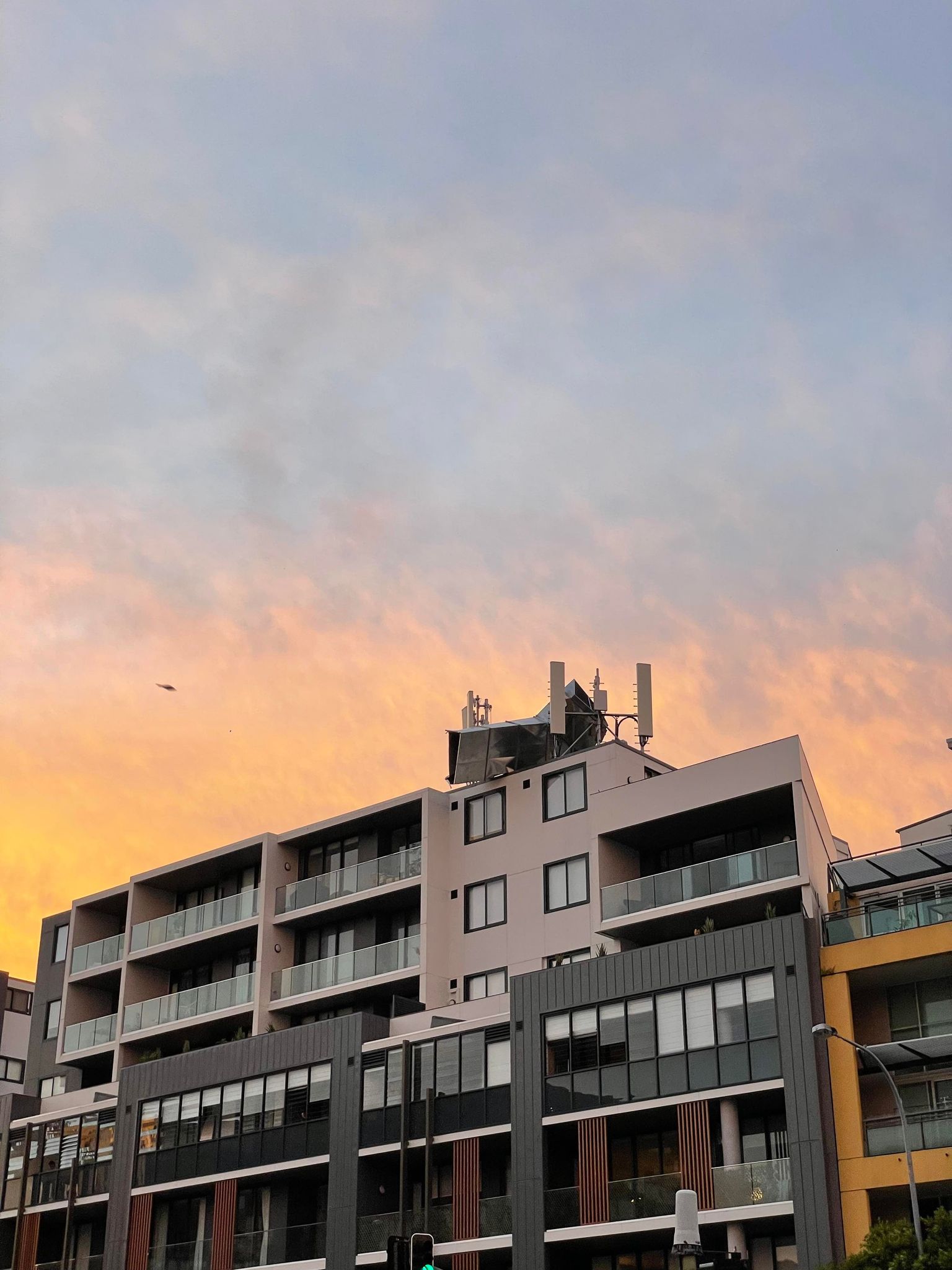
Firefighters were also called to secure the fallen structure.
Fawas Bazher, manager at Dee Why I Love Pizza next door, said the cars stopped the building from being damaged but things could have been much worse.
"It's heavy metal," he told 9News.com.au
"Like if it hit someone it would probably mean someone get killed by it."
Storms swept across Sydney on Sunday afternoon, downing trees and powerlines and ripping roofs and other debris from buildings across the Northern Beaches.
A woman in her 70s was killed and two other women — one in her 70s and one in her late teens — were left fighting for life when a tree fell in a car park at Ocean Street, Narrabeen.
Christmas 'Grinches' caught 'stealing presents from under tree'
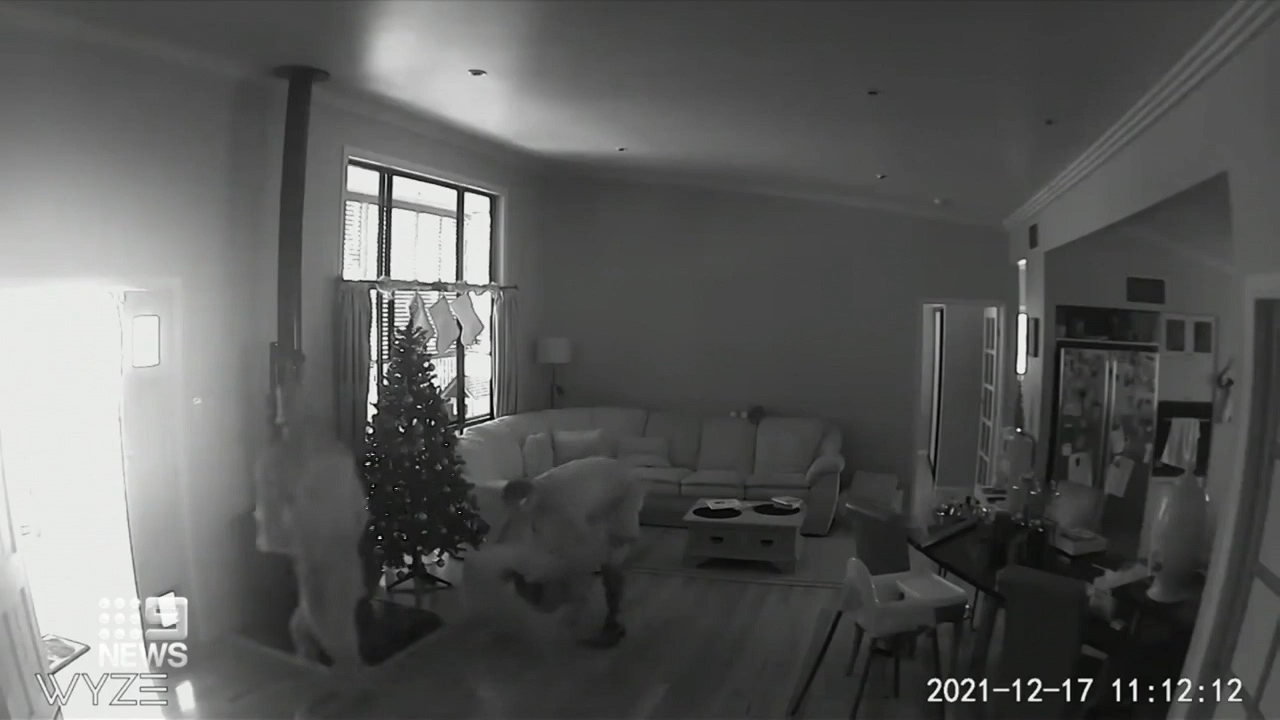
A pair of thieves might find themselves on Santa's naughty list this year, after being caught on camera stealing Christmas gifts from a Queensland family.
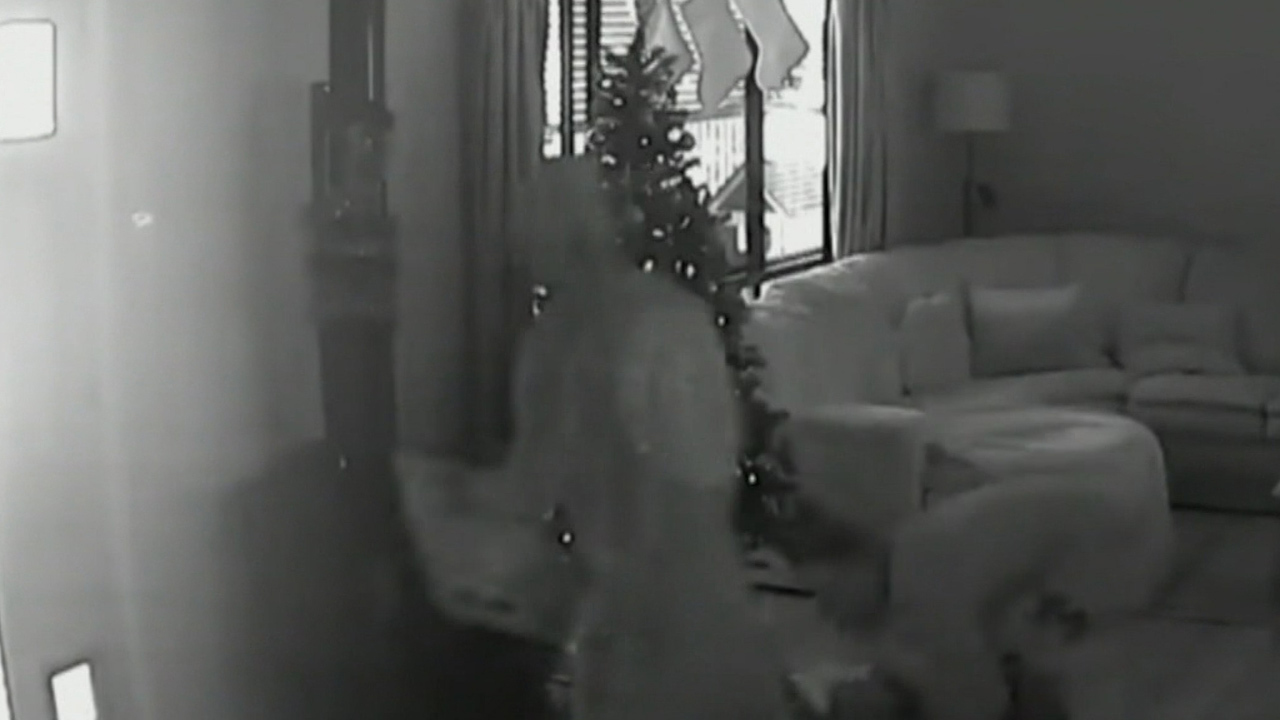
The duo were allegedly spotted helping themselves to presents – including children's toys – from under a Christmas tree in Murrumba Downs in Moreton Bay.
READ MORE: Pilot, children and their father killed in Queensland plane crash
READ MORE: Woman dead as storm smashes Sydney
Several other houses nearby were allegedly hit by the same pair.
Police officers are looking for a white sedan getaway car.
Anyone with information is being urged to contact Crimestoppers.
Man's $90,000 left to council will fund bike park in Invercargill
The legacy of an Invercargill man is expected to bring laughter, laps and a few scrapes with a new pump track installed in his former suburb.Otatara man Derek Gostelow left $90,000 to the Invercargill City Council in his will, to…
Firefighters race to blaze in two-storey building in Epsom
Firefighters are battling a blaze at a commercial building in the Auckland suburb of Epsom. The Northern Fire and Emergency shift manager Casey Cook said firefighters were called to a blaze in a building on Manukau Road at about…
'High alert': Wait for Omicron impact on hospitals after COVID-19 record
New South Wales Health Minister Brad Hazzard has said authorities remain on "high alert" after the state set another new daily COVID-19 daily case record.
There were 2566 positive cases discovered in the 24 hours to 8pm last night.
There were no new deaths recorded, and intensive care numbers remained relatively steady at 28.
A total of 227 people are currently in hospital.
https://twitter.com/NSWHealth/status/1472327041638830080
Mr Hazzard said the government was keeping a close eye on hospitalisation numbers.
"It is hard to distinguish or understand the full impact (of Omicron) until we see more weeks of experience in what is going on here NSW, as to whether or not it is going to really lift our hospital intake or not," he said.
"We are on high alert, as you would expect us to be."
Premier Dominic Perrottet is so far refusing to re-instate restrictions, despite the ongoing high case numbers.
But he has admitted that COVID-19 would have more "curveballs" in the future and the government would continue to consider any advised response.
Both he and Mr Hazzard said the key to limiting the virus spread was "personal responsibility".
"The government can't do everything," Mr Perrottet said.
"It's over to the people of our state."
Infection rates are creeping up around the country, with tens of thousands already set to stay in isolation over Christmas.
NSW recorded 2482 new COVID-19 cases yesterday, its third day in a row of new record daily levels – making today the fourth.
READ MORE: Incredible moment diver is brought back from brink of death
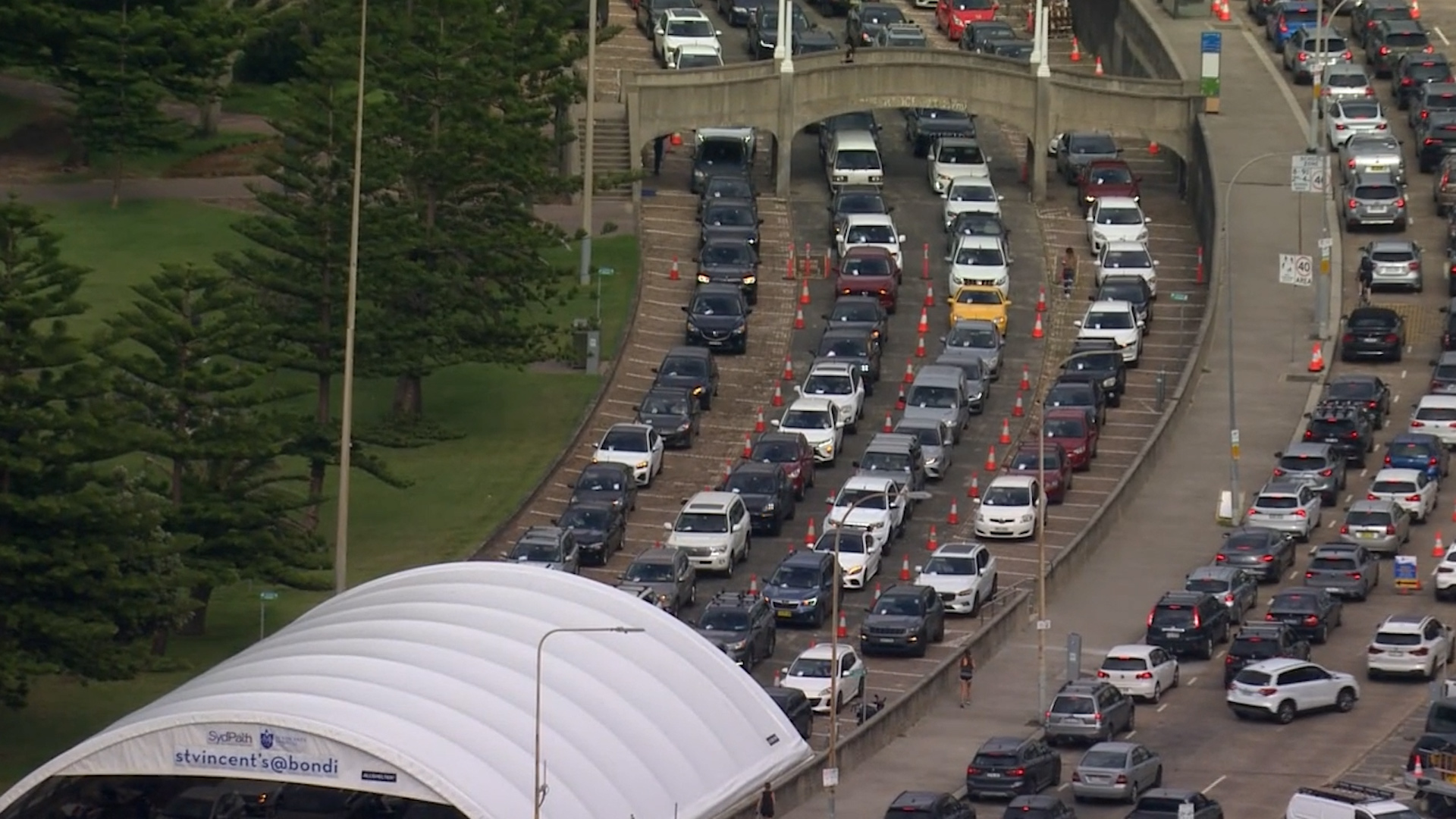
There are calls for some restrictions to return to the state, but Mr Perrottet has so far ruled them out, saying there is no going back.
As well as voices within the NSW Cabinet, health experts nationwide have said restrictions have been wound back too quickly in NSW.
Of yesterday's massive caseload, 226 were so far confirmed as the Omicron variant, but NSW Health has advised that it was possible the majority were of the new strain.
READ MORE: Man with 'weeks to live' reveals inspiring bucket list
It will no longer carry out genomic sequencing to test the strain due to the overwhelming number of cases.
Even those calling for new restrictions are not urging the Premier to bring back lockdowns.
But there is a push to bring back mask wearing indoors and enforce QR code check-ins at all venues.
These would be similar to measures Queensland took during the week to relieve pressure on hospitals.
Mr Perrottet said wearing masks in indoor settings was "strongly recommended".
Victoria records 1240 new COVID-19 cases, four new deaths
Victoria has recorded 1240 new COVID-19 cases and four people have died as a result of the virus.
There are currently 392 Victorian residents in hospital, 81 of whom are in ICU wards. There are 41 people on ventilators.
Victoria is currently managing 13093 active COVID-19 cases and reports a double-dose vaccination rate of 92 per cent for all residents aged over 12.
https://twitter.com/VicGovDH/status/1472325838938927105
More interstate COVID-19 in Queensland
Queensland has recorded more than 40 new COVID-19 cases – up from 24 reported yesterday.
Premier Annastacia Palaszczuk said 34 of those were locally acquired, seven were from interstate, and one from overseas.
There are fears holiday travellers will contribute to the spread of COVID-19 throughout the state, but so far the government is holding borders open.
One of the new COVID-19 cases is understood to be a police officer, with dozens of officers at Beenleigh Police Station in Logan forced into isolation.
The station is currently closed to the public.
https://twitter.com/ShannonMM9/status/1472376846041817091
New cases recorded in ACT
The Australian Capital Territory has recorded 18 new cases, bringing its total of active COVID-19 cases to 103.
There are just three people in hospital in the ACT, none of whom are in intensive care or on ventilators.
A total of 98.3 per cent of residents aged 12 and over are fully vaccinated.