Category Archives: headline

Clearest pictures yet show stars orbiting black hole in Milky Way

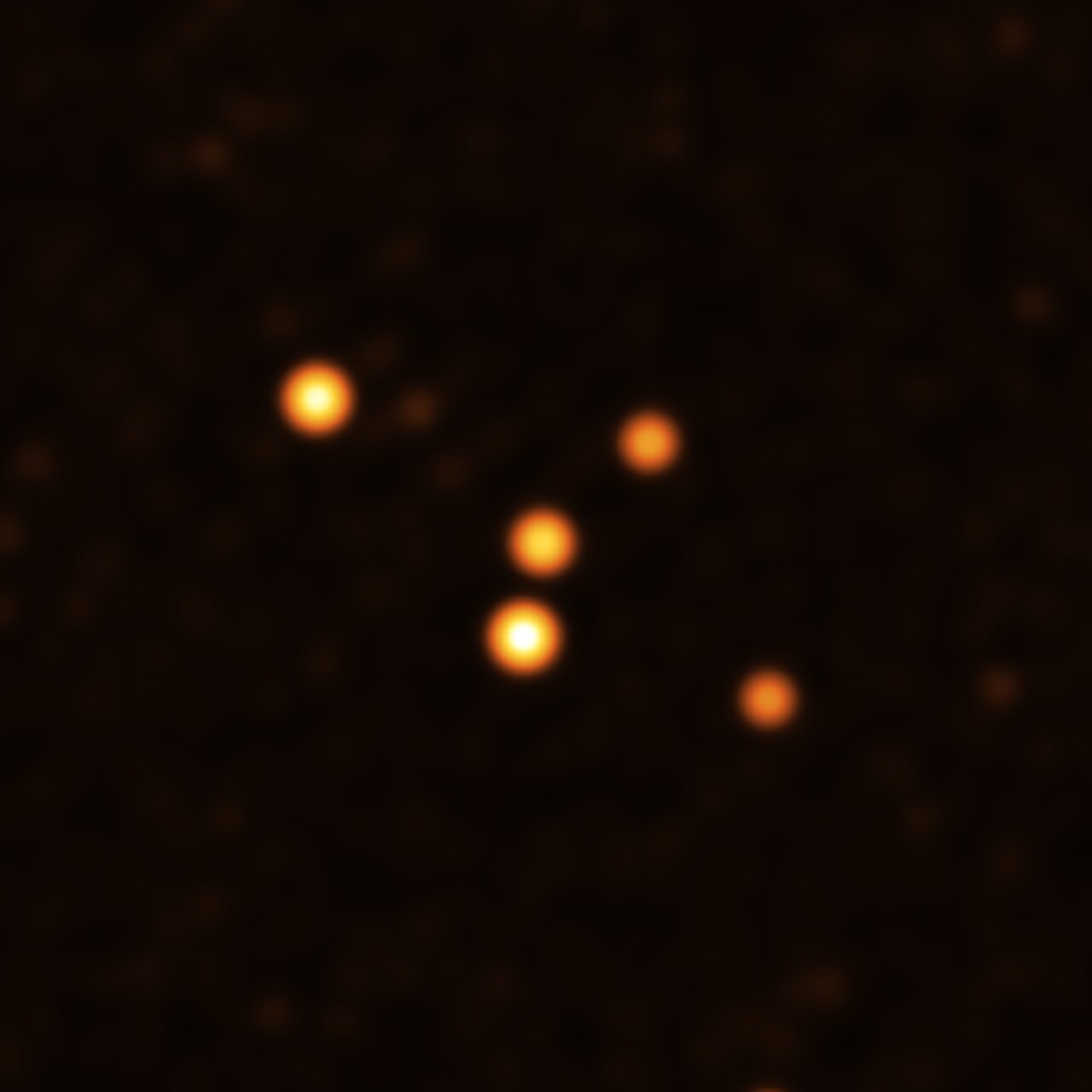
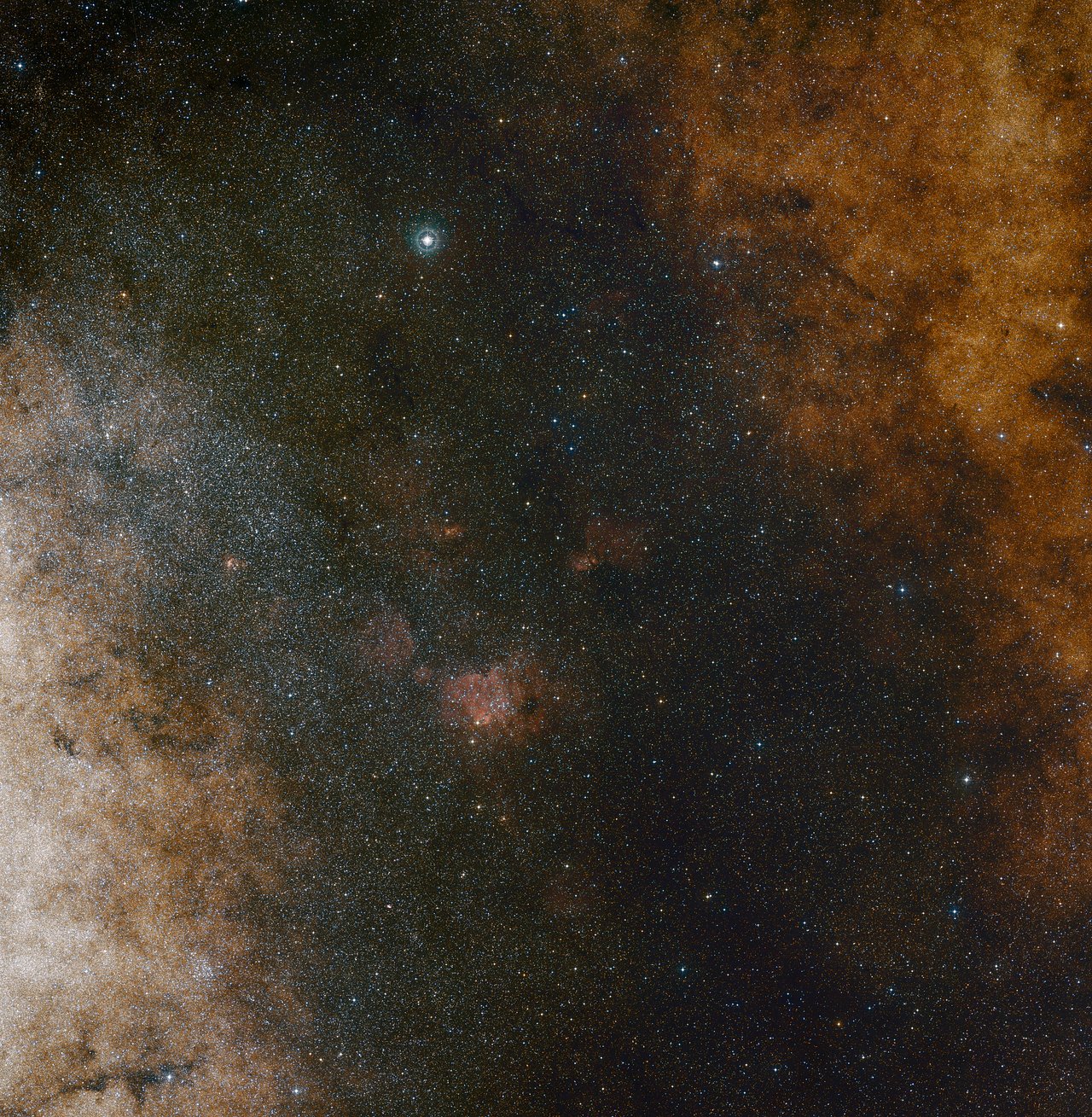
The aptly named Very Large Telescope Interferometer (VTLI) has snapped the clearest pictures yet of the supermassive black hole at the centre of the Milky Way.

The European Southern Observatory (ESO) used the VLTI, located in Chile, to track the orbits of stars at the centre of our home galaxy, allowing researchers to make the most precise measurement yet of the black hole's mass.

Nobel-prize winning astrophysicist Reinhard Genzel said there were many questions to be answered about the black hole — dubbed Sagittarius A*.

LIVE UPDATES: 'Nowhere to hide' from virus as Queensland records jump in cases

Milky Way.

"How massive is it exactly? Does it rotate? Do stars around it behave exactly as we expect from Einstein's general theory of relativity?" he said in a release by the ESO.

"The best way to answer these questions is to follow stars on orbits close to the supermassive black hole. And here we demonstrate that we can do that to a higher precision than ever before."

Using new techniques, Professor Genzel and his team were able to use the VLTI to "zoom in" 20 times closer than previously possible, discovering a heretofore unknown star.

READ MORE: COVID-19 shuts down Australian Netflix production

Milky Way.

READ MORE: Mystery lump from woman's bushwalk ends in her hospitalisation

The new observations, combined with the team's previous data, confirmed the stars follow paths exactly as predicted by General Relativity for objects moving around a black hole of mass 4.3 million times that of the Sun.

This is the most precise estimate of the mass of the Milky Way's central black hole to date.

The researchers also managed to fine-tune the distance to Sagittarius A*, finding it to be 27,000 light-years away.

'That was a moment': Spider crashes health minister's press conference

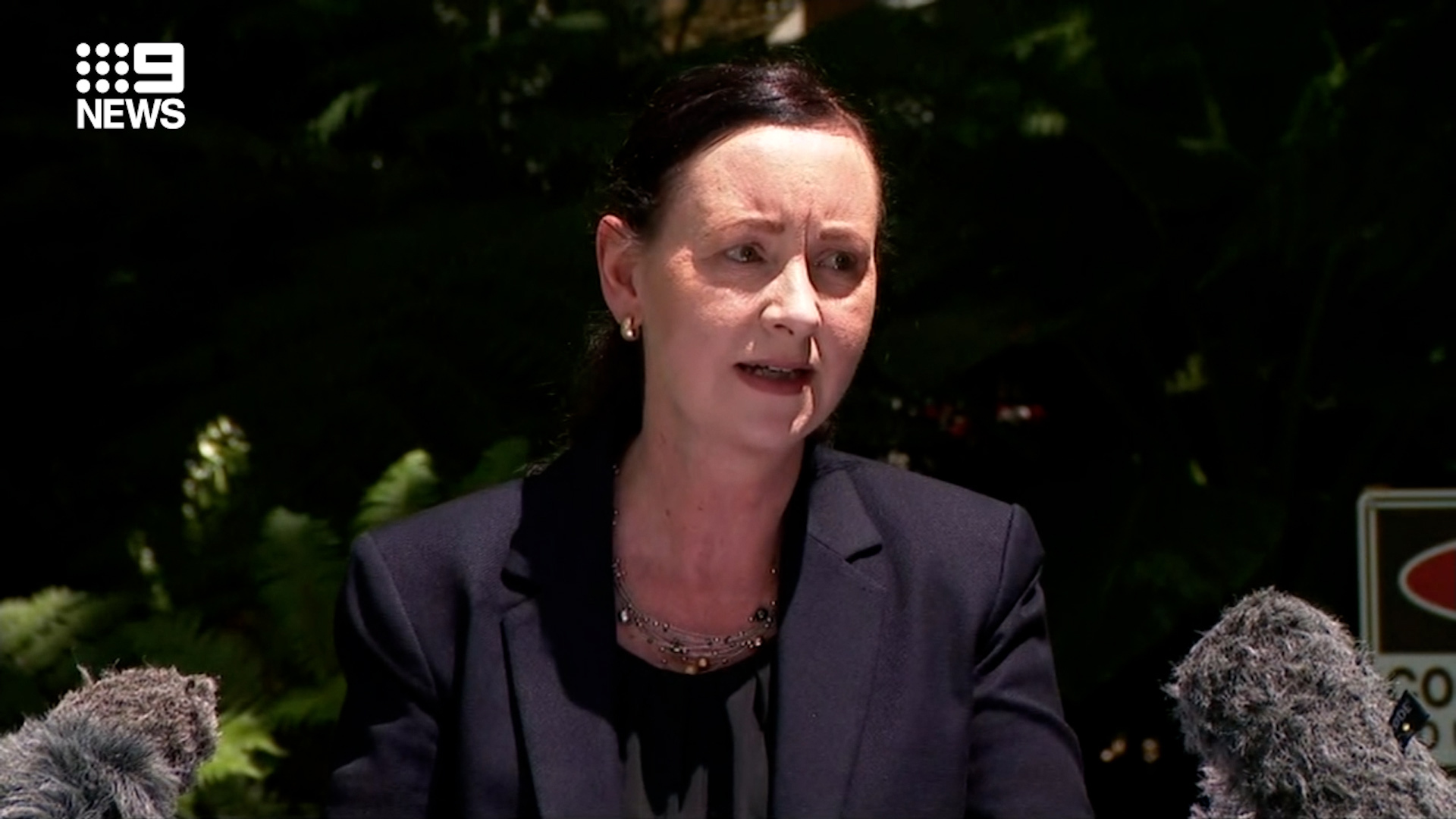
There's been more than one unwelcome gatecrasher at a political press conference during the pandemic, but Queensland Health Minister Yvette D'Ath today kept her cool when faced with arguably the most disturbing one yet.

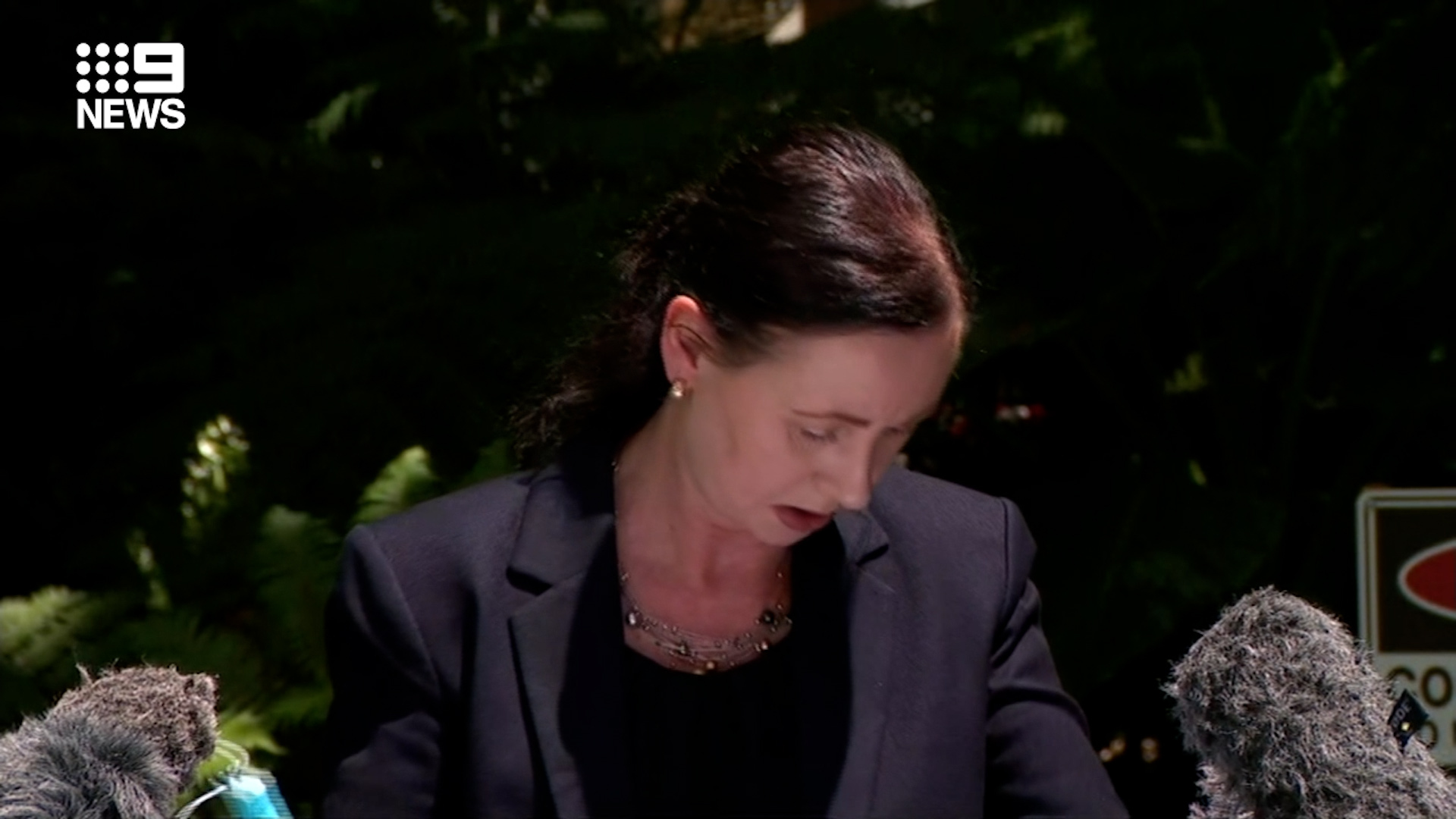
Ms D'Ath was speaking about the need for businesses to comply with vaccine orders when she broke off mid-sentence and looked down.

"Okay, can somebody please get that spider off?" she said.

LIVE UPDATES: Forecast of a million new jobs slammed as 'Christmas fairytales'

Queensland Health Minister Yvette D'Ath

A curious huntsman spider had apparently approached the minister while she was talking and made its presence known.

Chief Health Officer Dr John Gerrard quickly used a sheaf of papers to try to usher the eight-legged intruder away.

"This shows how controlled I can be," Ms D'Ath joked.

READ MORE: COVID-19 shuts down Australian Netflix production

Queensland Health Minister Yvette D'Ath

"I don't like huntsmans, but I'm going to keep going.

"If he comes anywhere near my face, let me know."

Eventually, the spider wandered off, much to the minister's relief.

"Well, that was a moment, wasn't it?" she said.

READ MORE: CCTV shows shooter open fire outside Sydney gym

"We've got COVID and we've got spiders."

Huntsman spiders rarely bite humans and are not considered dangerous, but can deliver a painful bite if feeling cornered or threatened.

Nonetheless, their large bodies and furred appearance make them one of the more polarising members of the spider community.

How Australia's ancient giant animals met their end

Australia was once home to many gigantic animals – megafauna – whose existence probably coincided with the arrival of humans.

New research from Flinders University has now revealed how those animals might have died out.

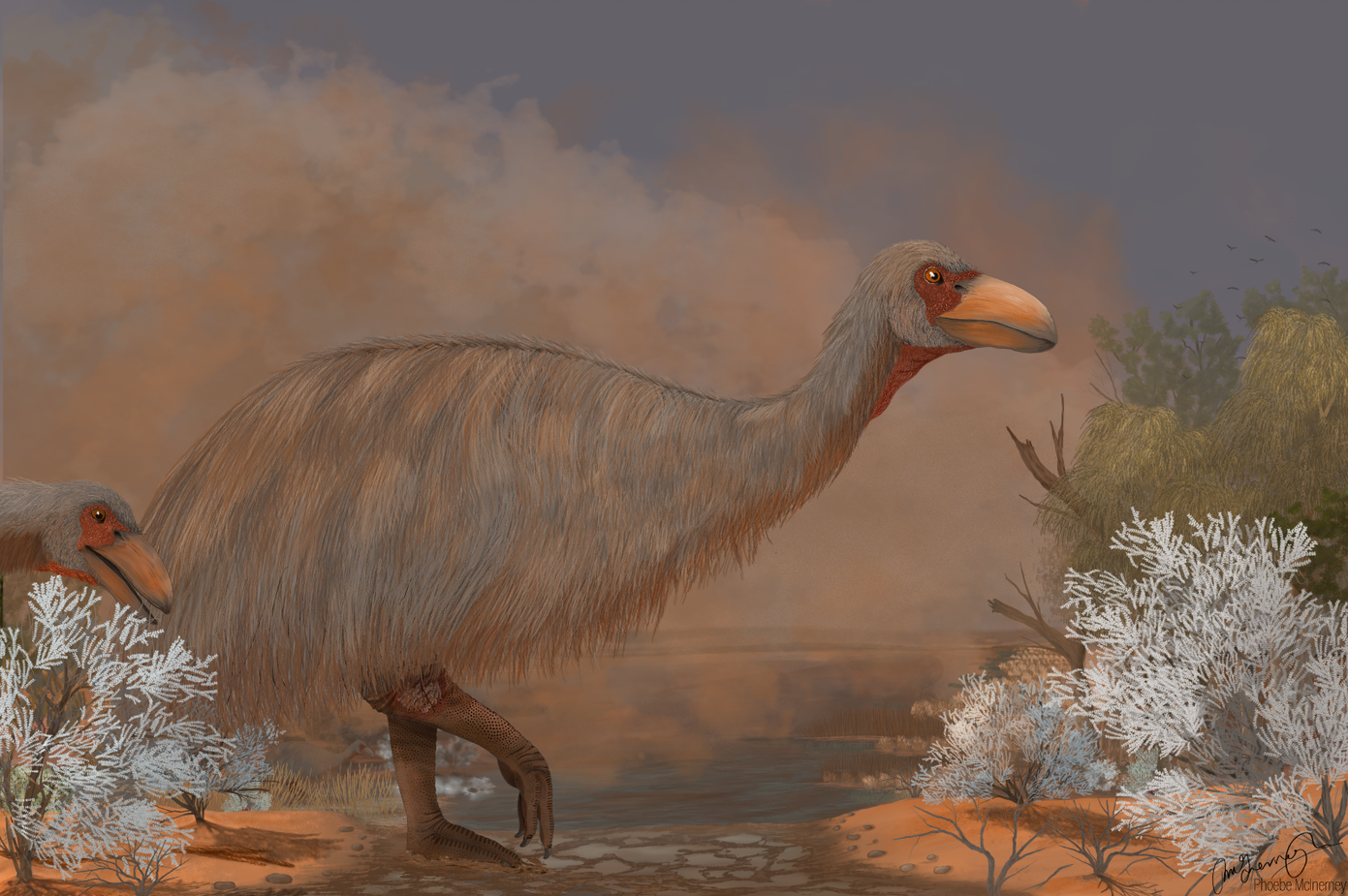
A rare fossil discovery in South Australia in particular focused attention on the fate of the dromornithids, the "thunder birds" (Genyornis newtoni).

LIVE UPDATES: Third Newcastle nightspot triggers Omicron alert

Megafauna

Research published in the journal Papers in Palaeontology, revealed that several Genyornis fossils showed severe bone infections.

Lead author Phoebe McInerney said the condition would have hampered the birds' mobility and foraging.

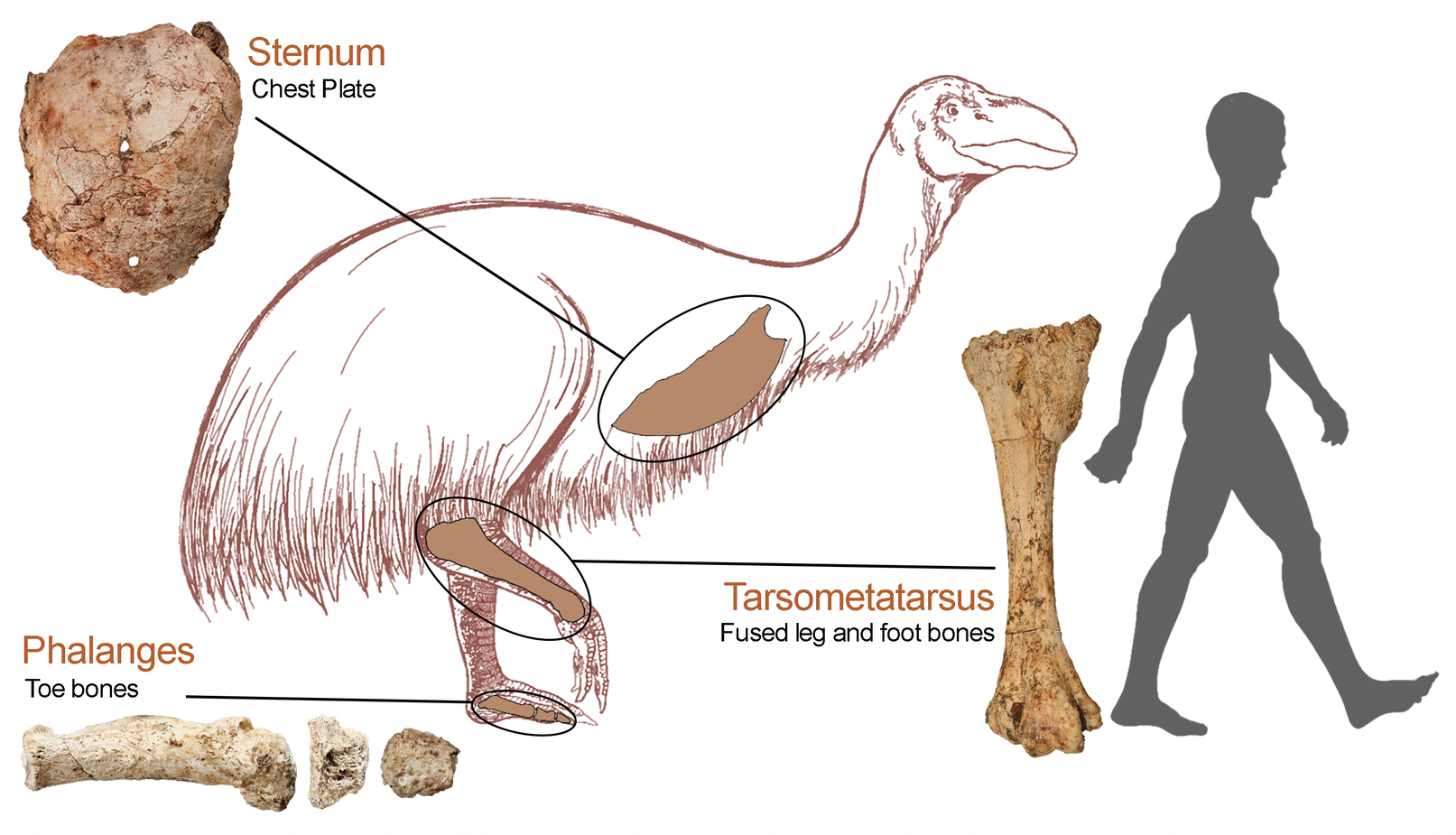
"The fossils with signs of infection are associated with the chest, legs and feet of four individuals," she said.

"They would have been increasingly weakened, suffering from pain, making it difficult to find water and food."

READ MORE: COVID-19 shuts down Australian Netflix production

Megafauna

The remains were found in the salt beds of Lake Callabonna, about 600km north-east of Adelaide.

The giant Genyornis weighed around 230kg – five to six times that of an emu – and stood about two metres tall.

The study found about 11 per cent of the birds were suffering from osteomyelitis, a severe bone infection.

University of Adelaide co-author, Associate Professor Lee Arnold, dated the lake sediments in which Genyornis was found. This linked the deaths of these individuals with a period of severe drought beginning about 48,000 years ago.

During this drought, these giant birds, along with other megafaunal species, including the ancient giant relatives of the wombats and kangaroos, were facing major environmental challenges.

READ MORE: CCTV shows shooter open fire outside Sydney gym

Megafauna

As the landscape dried across Australia, the large inland lakes and forests began to disappear, and central Australia became flat desert plains now covered by lakes of salt.

"As the drought conditions worsened, food resources would have been reduced, placing considerable stress on the animals", says co-author Associate Professor Trevor Worthy, from Flinders University's Palaeontology Laboratory.

"From studies on living birds, we know that challenging environmental conditions can have negative physiological effects, so we infer that the Lake Callabonna population of Genyornis would have been struggling through such conditions."

With no conclusive evidence to suggest that Genyornis newtoni survived much past this time, it is likely that protracted drought and high disease rates may have contributed to this species eventual extinction.

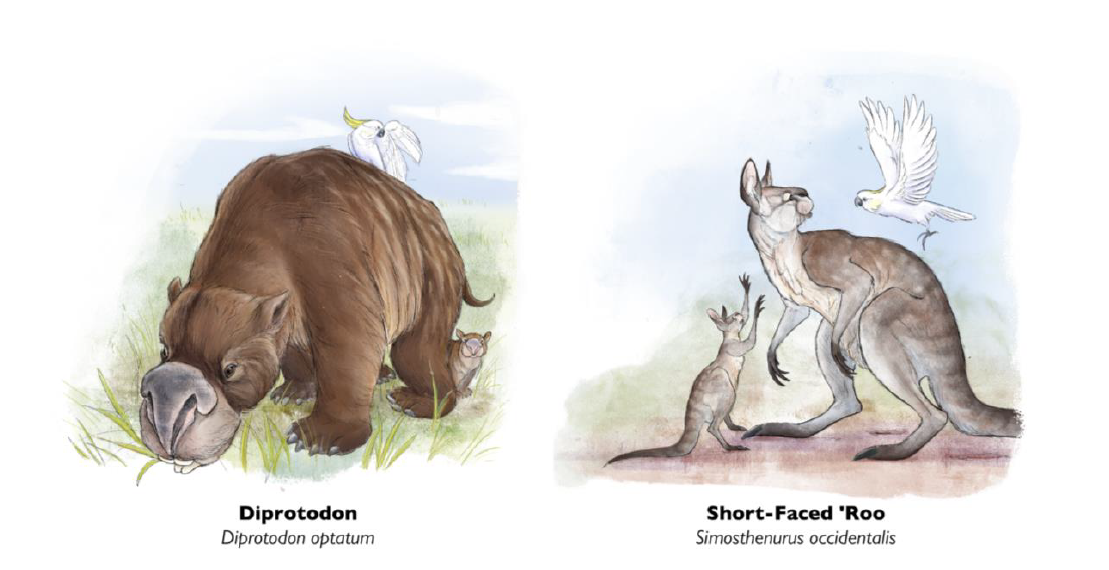
At another fossil site, the Naracoorte Caves in South Australia, modelling suggested changes to Australian plantlife, brought about by human land use and climate change, could have contributed to the extinction of ancient plant eaters such as Diprodoton.

READ MORE: Mystery lump from woman's bushwalk ends in her hospitalisation

The study was published in the journal Ecography.

"By modelling the ecological community using powerful computing methods, we can simulate any extinct or modern species' relative position in the overall food chain as it existed many millennia ago, and then estimate how vulnerable these species were to changes in the ecosystem," says Flinders University evolutionary ecologist and lead author Dr John Llewelyn.

"Our models revealed that extinct species of megafauna, particularly the big plant eaters, were more vulnerable to these 'bottom-up' coextinction cascades triggered by changes in plant species than were the species that we still have around today."

The analyses also showed that species lower on the food chain, such as plant eaters that specialised on only a few plant species for food, were particularly vulnerable.

Could blue-green algae be behind a surge in motor neurone disease?

It was the pinky finger on Peter Riley's right hand that made him realise something was wrong.

It was jutting out to the side and he couldn't bring it back into line.

Looking back, there were other signs too.

Despite being reasonably fit and active, the 64-year-old, from the Illawarra region on the New South Wales South Coast, was feeling wiped out after going on walks or climbing stairs.
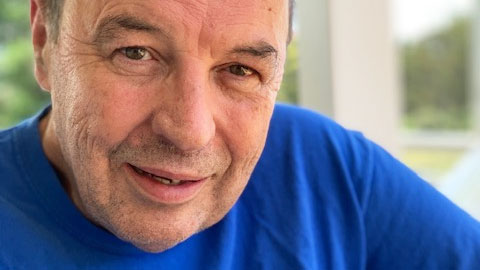
Mr Riley said he personally knew three people in the Lake Illawarra region with MND and had heard of 10 others.

At an appointment with a neurologist, Mr Riley's wife, Beth, noted the shape of his bottom had changed.

The neurologist then examined Mr Riley's back and saw muscles twitching all over it.

After a raft of tests, a diagnosis was confirmed – motor neurone disease (MND).

The progressive neurological disorder is terminal and slowly robs sufferers of the ability to walk, speak, swallow and breathe.

The number of people in Australia dying from MND has increased by 250 per cent over the last 30 years and the disease now kills 800 Australians every year.

In 1986, motor neurone disease accounted for one in 500 deaths in Australia.

In 2016, it was one in 180.

While about 10 per cent of MND cases are genetic, what is causing the vast majority of the disease, and its growth, is still a mystery.

But scientists strongly suspect environmental factors are at play and have been researching blue-green algae, pesticides and heavy metals as potential contributors.

Professor Dominic Rowe, a neurologist at Macquarie University, is one of Australia's leading MND researchers.

He has been investigating possible clusters of MND around the NSW Riverina region.

Potential hotspots the Macquarie University team has flagged – as a result of observing a higher than expected occurrence of MND – include Lake Cargelligo in the state's central west, Lake Wyangan in Griffith and the Murrumbidgee River.

These are rivers and lakes which all have regular outbreaks of blue-green algae.
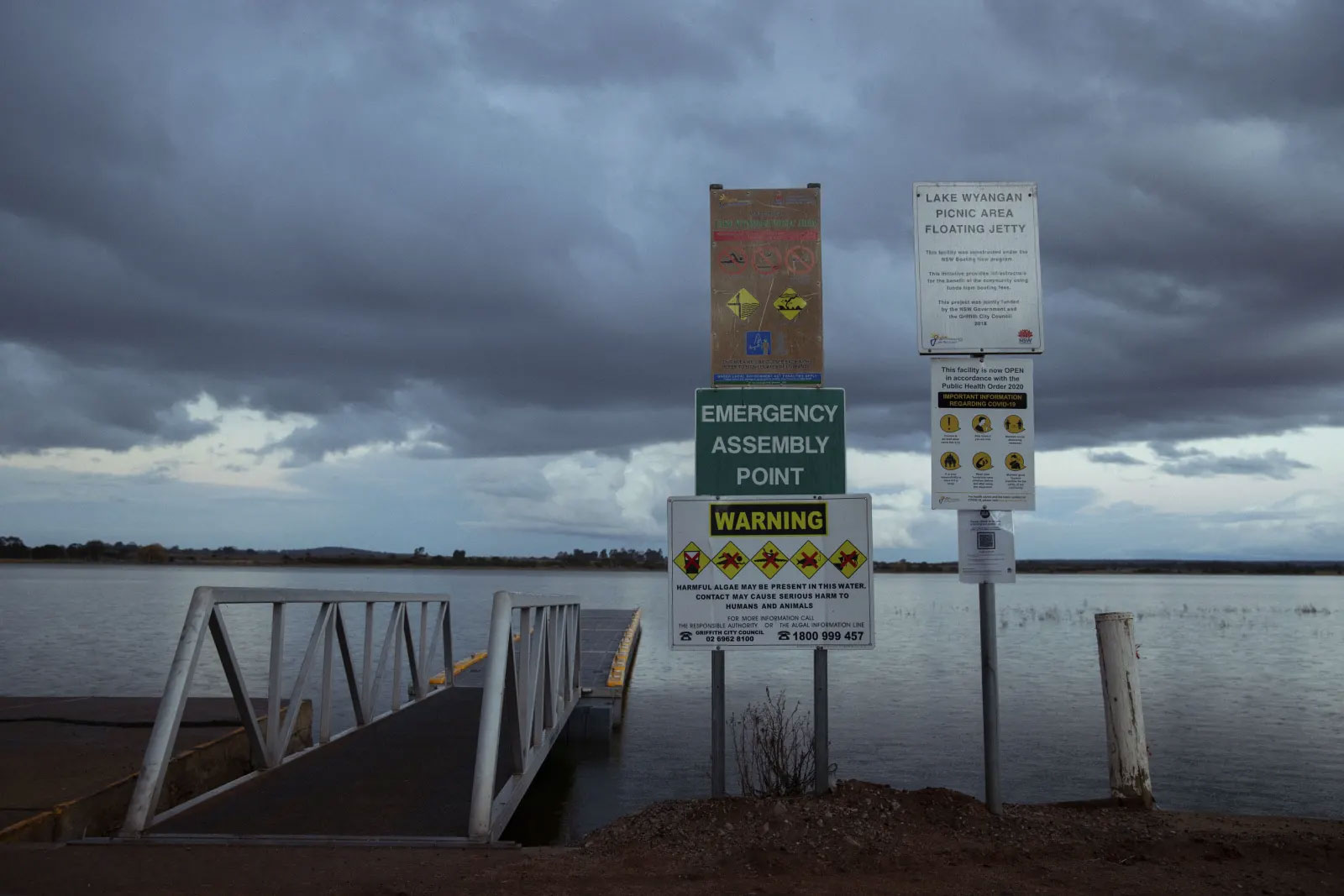
Lake Wyangan carries various warnings discouraging the public from entering the lake, canoeing on it, or eating fish caught from it because of 'harmful algae' that may be present.

Professor Rowe said he had also noted several of his patients, including Mr Riley, who either lived, or had lived, near Lake Illawarra, where blue-green algae is also known to appear.

"It is a little bit difficult to make observations because of referral patterns but we have had several patients from the western shore of Lake Illawarra, which is where (Mr Riley) grew up," Professor Rowe said.

While the potential link between blue-green algae and MND is still hotly debated in scientific circles, overseas studies have made the connection.

"In France, there is the main lagoon near Montpellier. If you live on the western side of that lagoon, within five kilometres, you have a three-to-fivefold increased risk of motor neurone disease," Professor Rowe said.

Better data could unlock mystery

One of Professor Rowe's greatest sources of frustration over the years has been a lack of complete data when it comes to MND cases in Australia.

This is because MND is not a notifiable disease, meaning doctors are not required by law to notify health authorities when they make a diagnosis.

People with MND are instead registered through an opt-in national registry or state-based organisations.
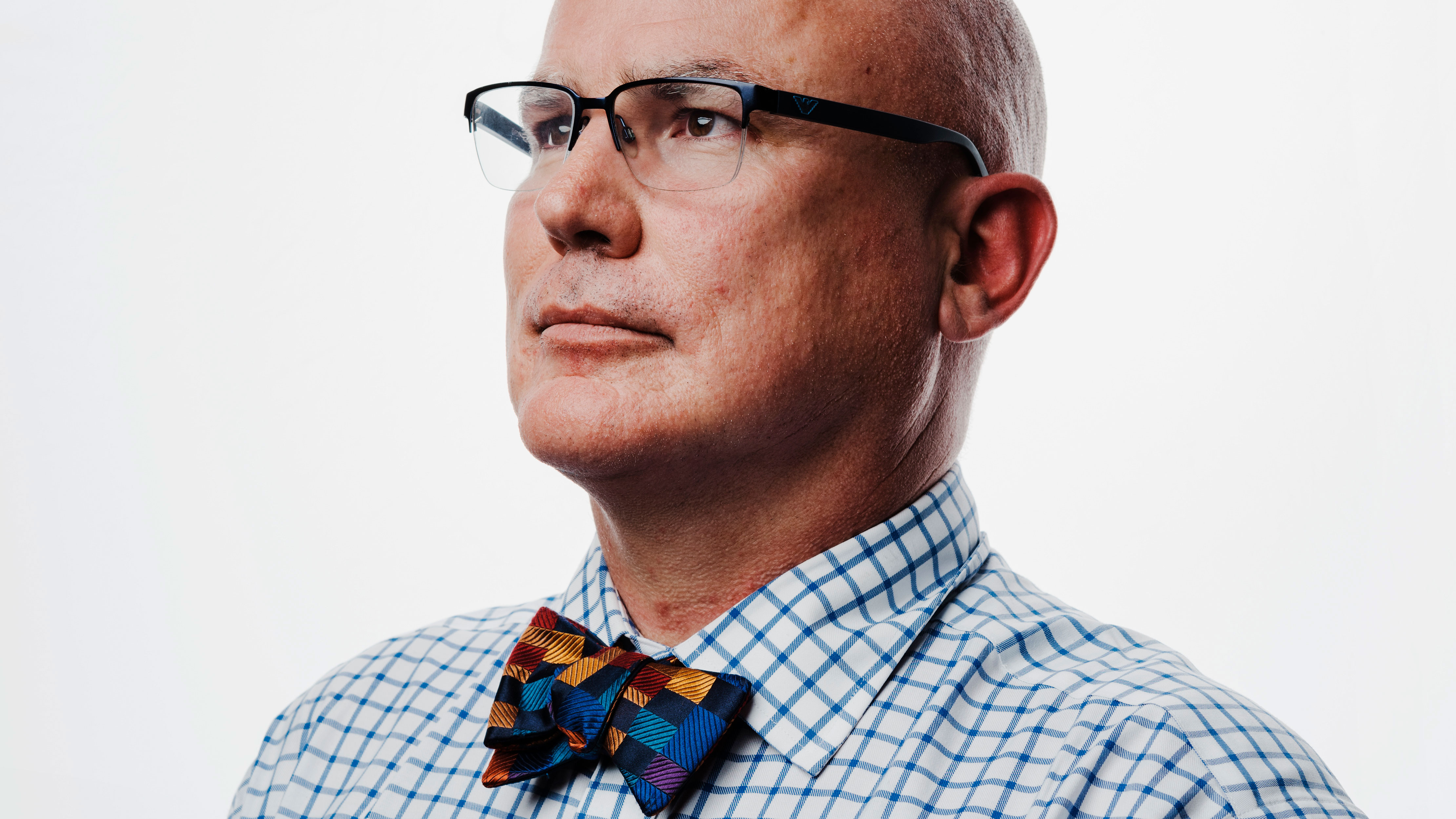
Prof Dominic Rowe from Macquarie University has called for the NSW government to list MND as a notifiable disease.

Professor Rowe has been campaigning for years to have MND made a notifiable disease.

"We strongly suspect that this disease has an environmental element that we are yet to define," Professor Rowe said.

"The problem is, until we know who has the disease and where they are, we are just making observations that are based on best guess rather than true data."

Notifiable diseases are traditionally communicable viruses which pose a high risk of community outbreaks.

However, there are many other exceptions including cancer, the industrial lung disease silicosis and degenerative neurological condition Creutzfeldt-Jakob disease which are included on the list of notifiable diseases.

Professor Rowe said he and his colleagues had a promising meeting with NSW Health authorities earlier this year, but the latest COVID-19 wave appeared to have derailed discussions.

Professor Rowe said the irony was the number of deaths from COVID-19 and MND last year in Australia were almost the same.

"Last year in Australia, 900 people died from COVID; 80 per cent of them were in aged care or in their 80s," Professor Rowe said.

"During the same time, 800 people died from motor neurone disease.

"Meanwhile, we have QR codes and check-ins and all different sorts of sophisticated methods for monitoring COVID-19, understandably, for public health reasons.

"We should be able to (make MND a notifiable disease) in this day and age, and it shouldn't be a big stretch."

A spokesperson for NSW Health said MND cases without a familial link were thought to be caused by a combination of genetic, environmental and lifestyle factors.

"Despite extensive and ongoing international research there is currently no firm evidence that any particular factor causes MND," the spokesperson said.

"NSW Health does not support making MND a notifiable condition under the Public Health Act at the current time.

"Many issues must be considered before making a condition notifiable, but generally a specific public health response should be necessary to protect the health of the community.

"NSW Health monitors the rate and distribution of non-notifiable diseases using routinely collected hospital admission and mortality data and uses this information to make evidence-based decisions."

NSW South Coast cluster?

Mr Riley, Dr Rowe's patient from the Illawarra, recently started an online petition calling on the NSW Government to make MND notifiable, which has so far attracted more than 10,000 signatures.

A scientist and researcher by profession, Mr Riley said he immediately understood the need for a proper Australian data set for MND.
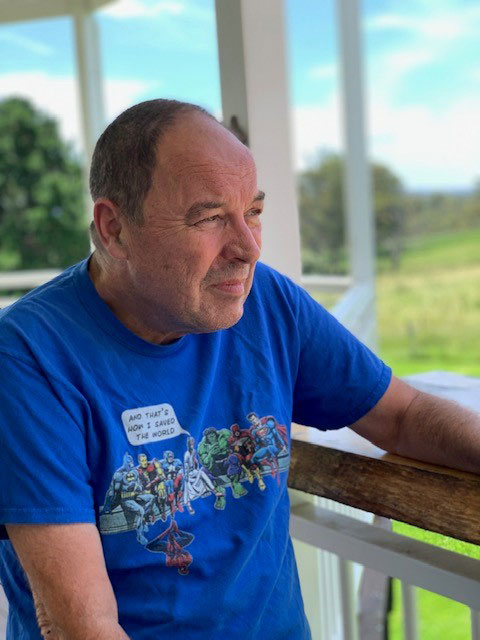
Peter Riley was diagnosed with motor neurone disease two-and-a-half years ago.

While Mr Riley has since moved from the Lake Illawarra area, he said he was also struck by the number of people he knew with MND from around where he used to live.

While motor neurone disease affects about 8 in 100,000 Australians, Mr Riley said he personally knew three people from his hometown who had MND.

"Considering I probably know a maximum of 1000 people in the town where I come from, that number seemed a bit high," Mr Riley said.

"I actually put a question up on a Facebook group associated with the town. I said, 'This is a bit weird, I know of three people in the town with MND. Does anyone know anyone else?

"I got over 10 people in the same area who responded."

It has now been two-and-a-half years since Mr Riley's diagnosis.

During that time, he has gone from working four days a week to being reliant on his wife and carers to meet many of his day-to-day needs.

He is hooked up to a BiPAP breathing machine for about 20 hours a day and is unable to drive or walk very far.

"I have gone from being quite a useful handyman to not being able to hold a hammer anymore, let alone swing it," he said.

"I love tinkering in the garage and the last thing I was able to build was a dolls house for my granddaughters."

Losing his independence had been confronting, he said.

"There are days where I don't want to get out of bed, but it's like a rollercoaster in some ways, you can't get off no matter how much you want to, you have got to ride it to the end."

Mr Riley said he was grateful, however, that his disease had not progressed as quickly as some other unfortunate people he knew.

"I thank God every day that I am not as bad as I thought I would be," he said.

Contact reporter Emily McPherson at em********@******om.au.