Category Archives: headline

Australian cruise industry set to pass two years of shutdown

Australia's $5 billion cruise industry will soon reach two years of inactivity after firms started cancelling more sailings into 2021.

P&O has now declared sailings off until at least April next year in response to the extension of a ban on ships in Aussie waters.

Other firms including Royal Caribbean, Princess, Cunard, Carnival had previously cancelled sailings up to March 2022.

READ MORE: Every NSW COVID-19 restriction that just changed

Cruise form P & O held a virtual event as cruising remains banned for Aussies.

Health Minister Greg Hunt extended the cruise ban until February 17 2022 last week, despite earlier saying he wanted cruises back on by Christmas this year.

The industry supports 18,000 Aussie jobs.

Travel agents, food suppliers, maritime firms and on-shore tour and tourism firms also suffer a knock-on effect.

President of P&O Cruises Australia Sture Myrmell called the ongoing shutdown "discouraging".

"As we approach the two-year mark in our rolling pause in operations, it is understandable that our guests will be very disappointed and frustrated that there is still no agreed restart plan for cruising in Australia," Mr Myrmell said.

"Federal and state governments are yet to outline their requirements for restart despite the nation's high vaccination rate, the cruise industry's comprehensive health protocols, vaccination policies for guests and crew and the successful resumption of cruising in other international markets."

READ MORE: State by state guide to Australia's latest vaccination rates and COVID-19 case numbers
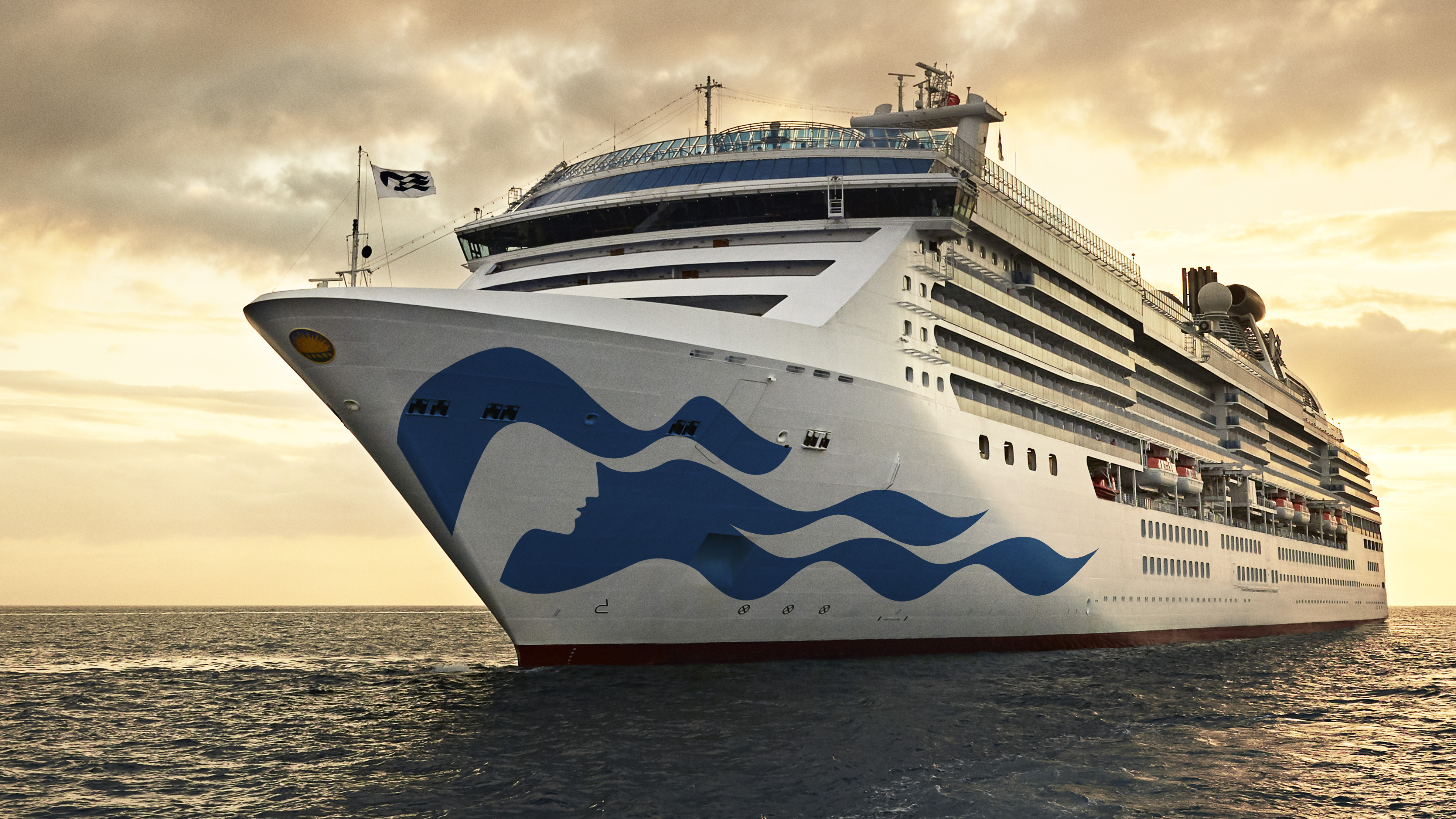
Princess is cancelling as far ahead until March 14, with four sailings on Coral Princess affected.

READ MORE: Cruises won't return by Christmas even if ban is lifted, bosses say

Cruises are sailing around the world with vaccination and testing rules in place.

But Cruise Lines International Association (CLIA) Managing Director Australasia, Joel Katz said there's "no end in sight" for the industry here.

"The cost to Australian businesses and workers will go beyond $10 billion in the next few months, yet our governments are showing no sense of urgency to create a solution," he said.

"Almost 5 million people have successfully sailed in countries where cruising has already resumed, with strict and effective health protocols in place.

"More than 80 other countries have resumed cruising, but in Australia our governments have still not agreed on measures that will allow a similar resumption here.

"Cruise lines have done an enormous amount of work in response to the pandemic and the health measures we've introduced around the world are the most comprehensive to be found anywhere in tourism."

READ MORE: 'Exceptionally hot air' will cause temperatures to soar

NSW Premier Dominic Perrottet is keen to get ships back in Sydney, saying it makes "no sense" somebody can now travel overseas to cruise but can't get aboard a ship in Australia.

Sydney is the country's busiest cruise port and sees 115,000 passengers set sail a year.

But Circular Quay has remained silent since the end of March 2020, when an initial 30-day cruise ship ban was announced.
Months of rain mean we need to watch for this dangerous parasite

Ongoing wet weather in recent months has prompted warnings about an explosion in the tick population, with a woman hospitalised overnight after a seemingly innocuous bushwalk.

Nine.com.au Line-Up Editor Karina Recchi went for a walk in Lane Cove National Park in Sydney's north last week, and came home feeling fine.

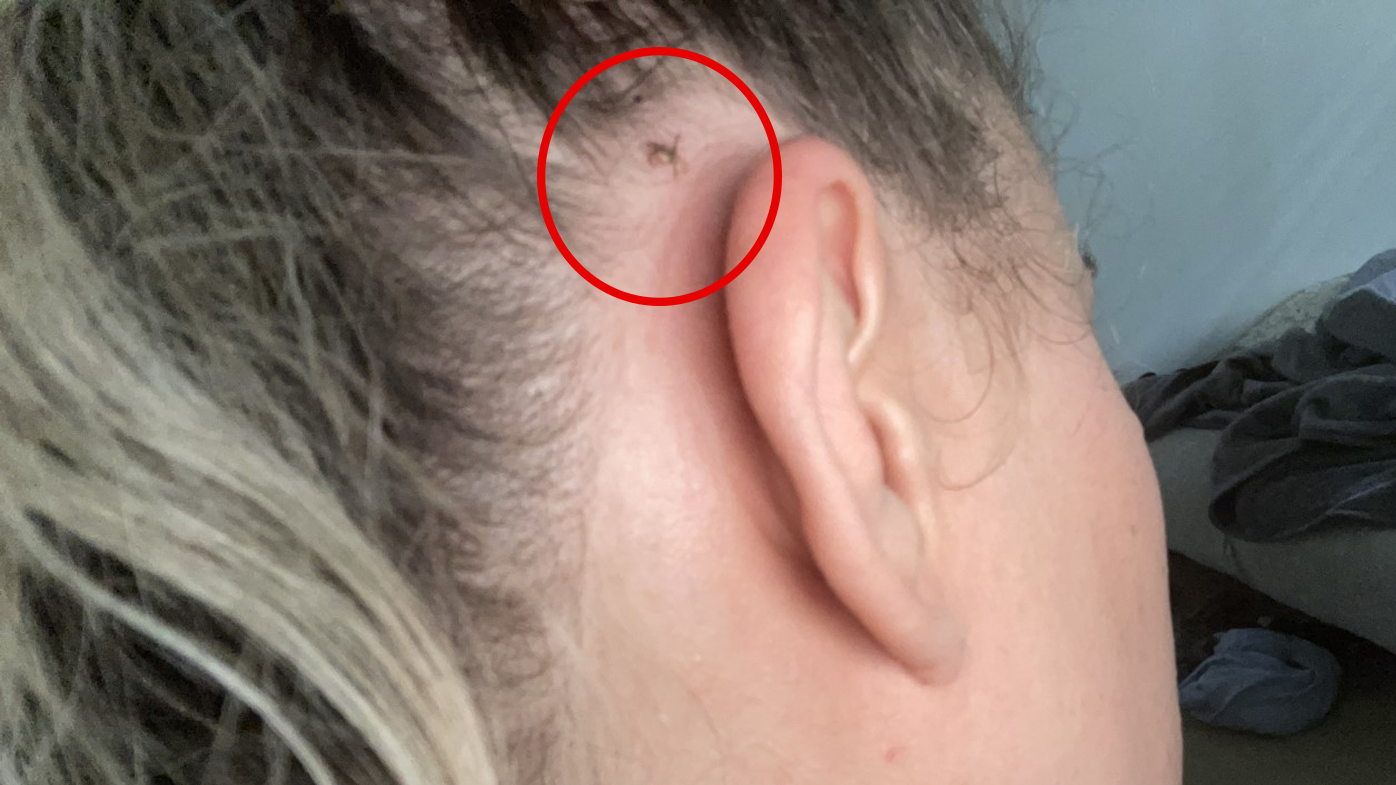
However, by Friday she felt a little bump just above her ear.

LIVE UPDATES: Sweeping changes to COVID-19 restrictions announced in Victoria

Tick bite Recchi

"My first thought was, 'Is this food'? Is it a sore? Have I grown a mole?'" Ms Recchi said.

"I had no idea."

Using her phone and a mirror, she was able to spot what looked like a small brown lump.

Still unsure what she was looking at, she started scratching and tugging at it.

READ MORE: Every NSW COVID-19 restriction that just changed

Tick bite Recchi

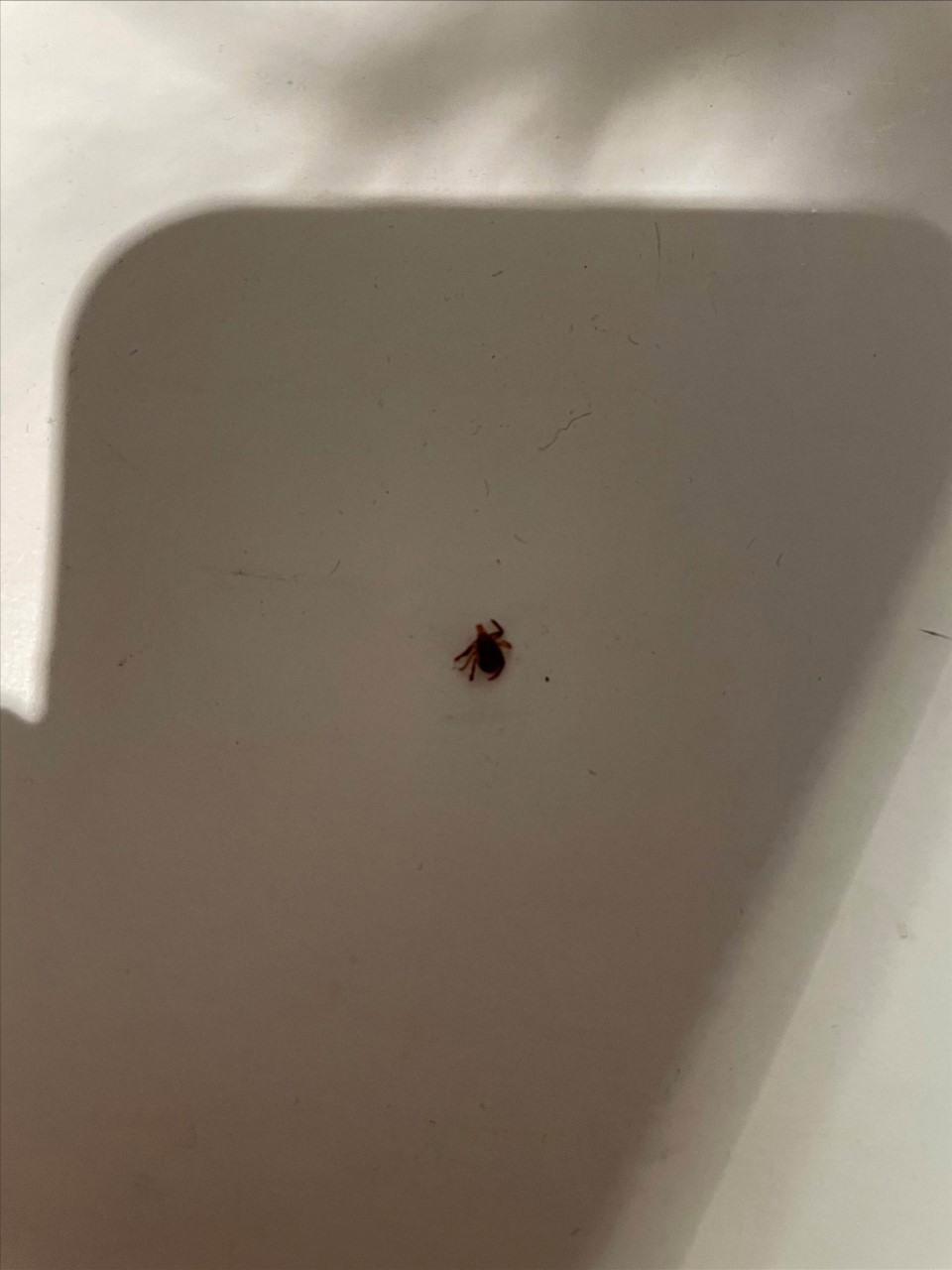
It took "five minutes of pulling", but finally, the tick was dislodged, and still alive.

"I had no clue what I was looking at," Ms Recchi said, admitting she was "terrified" of the creature in front of her.

After some quick internet searches and a phone call to a colleague, she was on her way to the doctor, who suggested she head to the hospital.

"I don't know if it was a reverse placebo effect, but I felt really dizzy, had a massive headache and I pins and needles in my legs," Ms Recchi said.

READ MORE: Queensland on tenterhooks after flight sent into isolation

After a night in the emergency ward and multiple tests including a CT scan, blood tests and neurological checks, Ms Recchi was discharged, with advice to follow up with further tests.

"I was lucky – the doctor said I pulled the tick out fine as it was whole," she said.

"But what worried them was that the tick was still alive. They said if you're trying to pull it out while it's alive, and you're squeezing it, it can release its venom into you.

"And because it bit and burrowed into my head, they wanted to make sure there was no damage."

Tickpocalypse now

Wet weather in recent months, and the forecast of more to come, has precipitated a boom in tick populations in Australia.

Ticksafe owner Aaron Wagner said the consistent rain had "definitely" been a driving force.

"The tick population is much bigger than in previous years," he said.

He and his Sydney-based team, who focus on tick prevention and extermination services in gardens, were "considerably busier" than they had been in years.

READ MORE: 'Exceptionally hot air' will cause temperatures to soar

The disease is spread by a bacteria found in ticks.

"What's different is that now, people with well-kept lawns, not just jungles, are calling with tick problems," Mr Wagner said.

"We don't normally see that."

What people need to watch out for is evidence of marsupials in their yard.

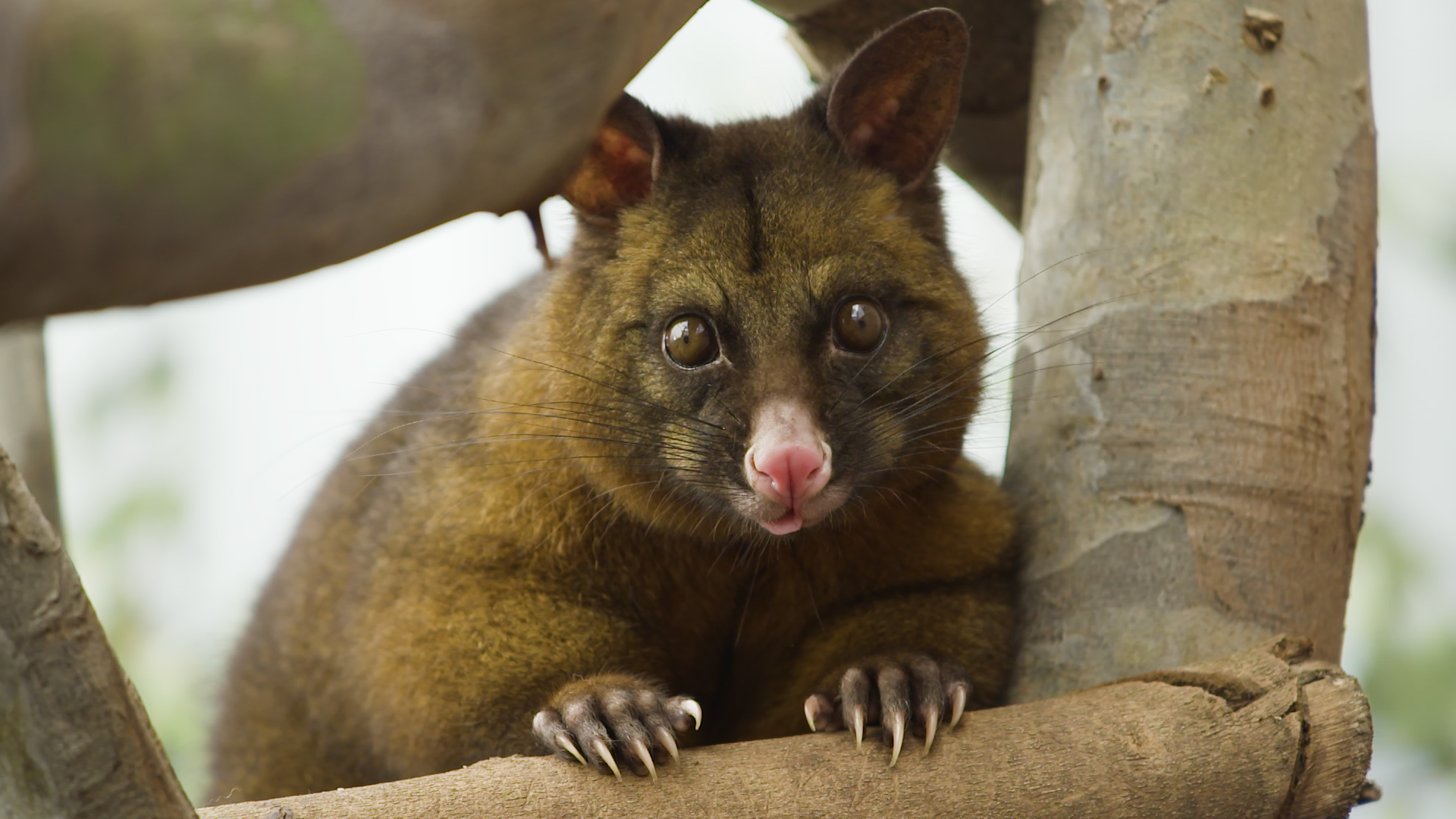
Mr Wagner said animals such as possums and bandicoots were immune to tick venoms, and that once a parasite had drunk its fill of blood from them, it would fall off.

Conical holes in the lawn were signs of bandicoots, and probably a good reason to call a tick specialist.

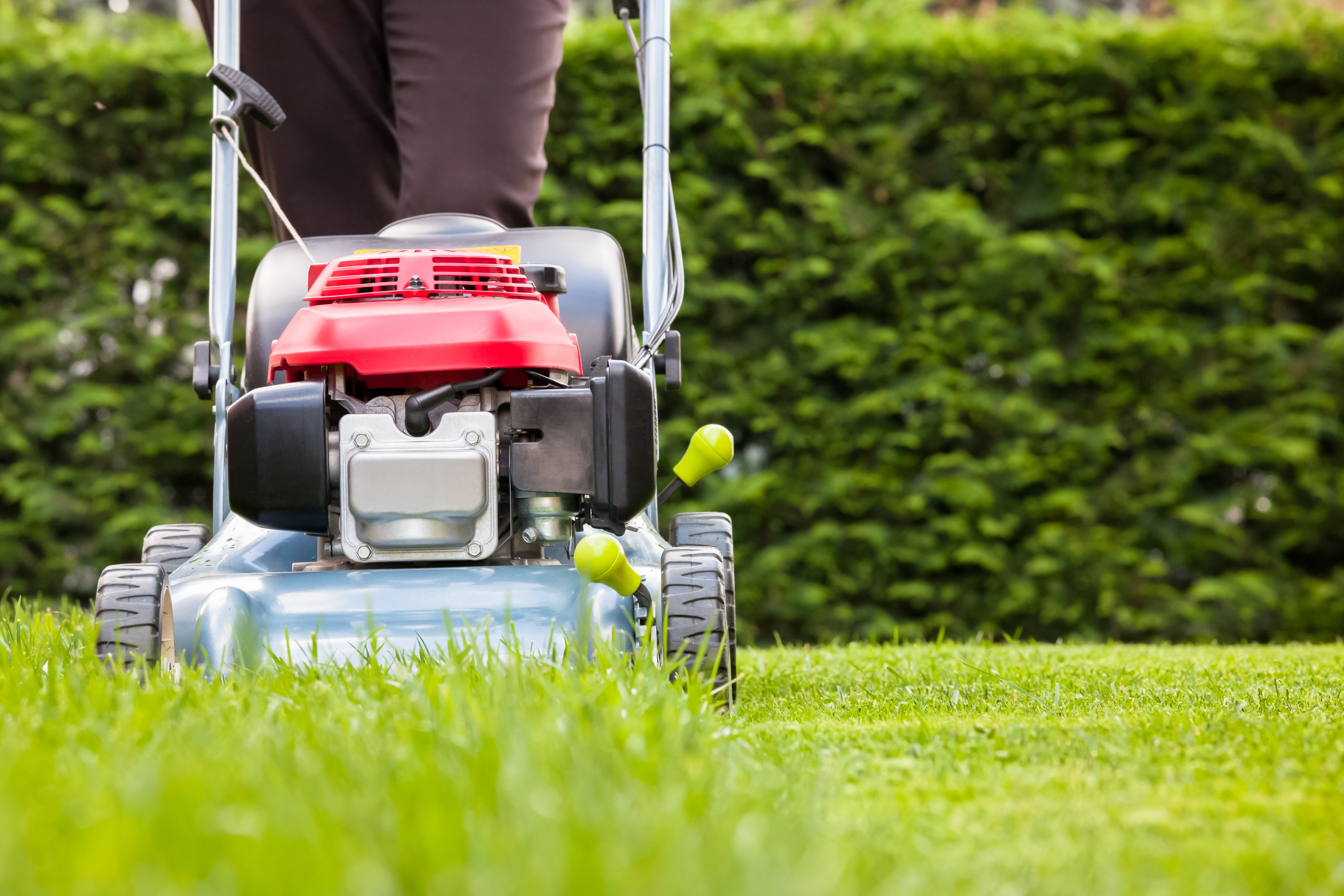
Mowing the lawn is just one of the suggestions in the letter.

And Mr Wagner warned the population boom wouldn't end any time soon.

"People have this idea that spring and summer is 'tick season'," he said.

"Ticks have a life cycle of 12 to 14 months, so they are going to be around for a while."

He said it would take a sustained period of dry weather for the population boom to be checked.

What to do if you're bitten

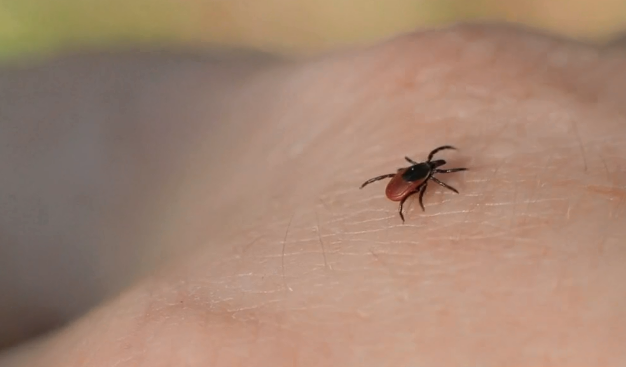
Paralysis ticks are the chief species of concern in Australia, but they are mostly focused on the eastern coast. Adults are blue-grey and measure about one centimetre in length.

Lyme disease, probably the most infamous tick-based illness, is not endemic in Australia, but allergic reactions and a condition called "tick paralysis" are still possible.

Health Direct advises that most people bitten by ticks will mostly notice redness and swelling around the bite site, which will fade when the tick is removed.

Signs of tick paralysis include a rash, headache, fever, flu-like symptoms, sore glands, unsteady walking, an intolerance for bright lights, weak limbs and a paralysed face.

Symptoms of an allergic reaction include a swollen throat, difficulty breathing, or collapsing.

If you have been bitten by a tick and are not sure if you're allergic, or know that you are, seek medical help immediately.

If you know you are not allergic, you can try to remove the tick yourself, by spraying it with something that contains ether, which should kill the tick and force it to drop off in about five minutes.

Trying to yank the tick out, or to burn it or use any other substance to kill it is not advised.

If the tick or part of the tick remains embedded, seek medical advice.

NSW Health confirmed to nine.com.au the above-average rainfall associated with La Nina meant more tick activity than usual was suspected.

"The best way to prevent tick bites is to avoid tick prone areas such as natural bushland; wear and tuck in a long-sleeved shirt and long pants tucked into socks; wear light coloured clothing; use an insect repellent that contains DEET, Picardin or oil of lemon eucalyptus," a department spokesperson said.

"If you suspect you have been bitten by a tick seek professional medical advice."

What you need to know about the COVID-19 booster roll-out

Australia's coronavirus booster shot program is being rolled out.

Here's everything you need to know about getting your third vaccination.

Covid booster eligibility

You are eligible for a booster if you are 18 or over – if you are under that age you do not yet require a booster.

LIVE UPDATES: Sweeping changes to COVID-19 rules in Victoria

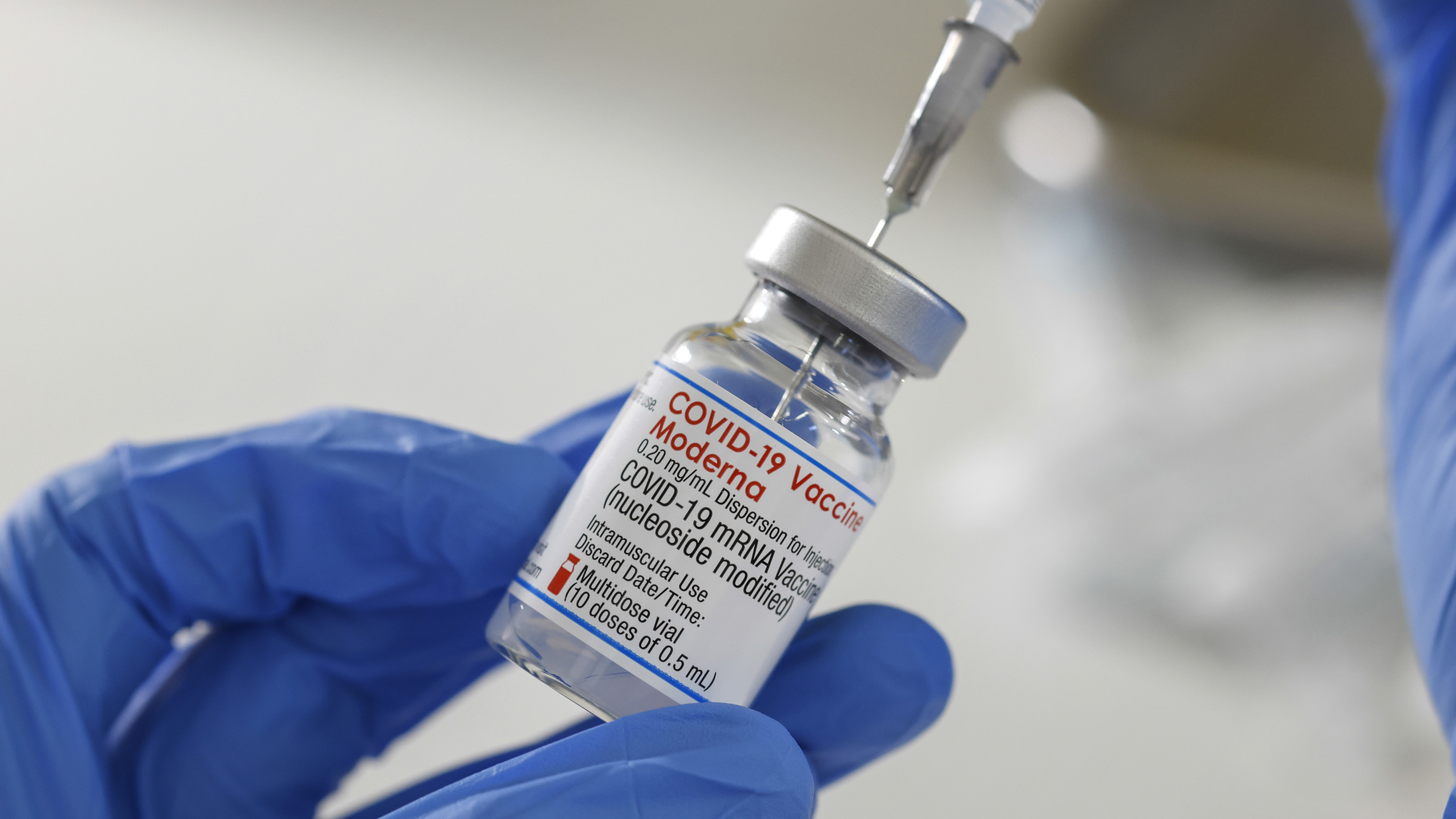
Moderna vaccines will be made in Melbourne.

You need to have had your second dose of any vaccine at least five months ago.

Amid the emergence of the new Omicron variant, that has been brought forward from six months.

You can check when you had your last shot on your vaccine certificate.

Booster doses are not mandatory, but are recommended by the Australian government,

Can you get a Moderna booster shot if you've had Pfizer or AstraZeneca jab?

Australia is using three COVID-19 vaccines- Pfizer, Moderna and AstraZeneca- although the latter is being phased out.

READ MORE: State by state guide to Australia's latest vaccination rates and COVID-19 case numbers

You can have the Pfizer or Moderna vaccine as a booster dose regardless of which vaccine you had for your first two doses.

The government says you can have AstraZeneca if you can't have the others for medical reasons, or if you had that for your first two.

It doesn't matter which brand you have.

Do you need two doses of the Pfizer and AstraZeneca COVID-19 vaccine to get a booster shot?

Yes, your booster shot is also known as a third vaccination.

READ MORE: Every NSW COVID-19 restriction that just changed

Where/how to book booster shots

You can book via the government site here.

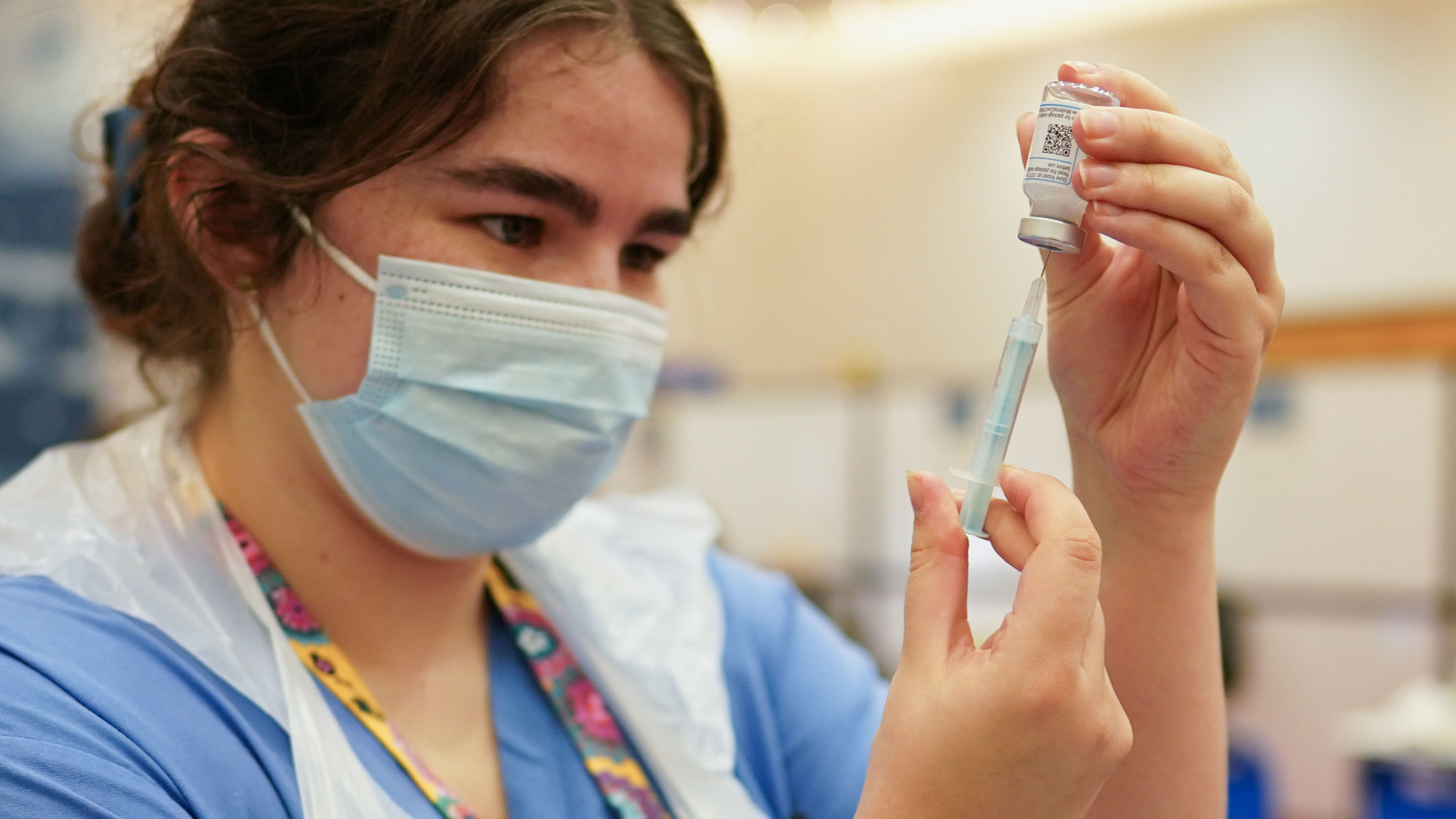
Doctors surgeries, pharmacies and also state vaccination hubs are all now giving out booster shots.

Boosters remain free of charge.

READ MORE: 'Exceptionally hot air' will cause temperatures to soar

Omicron severity against booster shots

Studies are still under way into how vaccines protect against the new Omicron variant, which was first reported in southern Africa.

Moderna vaccines will be made in Melbourne.

READ MORE: Queensland on tenterhooks after flight sent into isolation

Chief Medical Officer, Dr Brendan Murphy, said boosters have been made more important by Omicron.

"We do believe that as one gets towards six months, their waning immunity of the primary vaccination means that a booster will be very important to continue that protection against this variant," he said.

"We're still learning about Omicron, but that evidence seems to be coming out of the lab."

Why get a booster

Two doses of COVID-19 vaccine provide very good protection, especially against severe disease, according to the Australian Government.

A booster dose will make sure the protection from the first dose is even stronger and longer lasting, and should help prevent spread of the virus, it says.

Last week, Health Minister Greg Hunt said almost 700,000 people had already had their boosters in Australia.

By the start of January, 4.1 million Australians will be eligible to have the booster.

For more details visit the official government website

Pristine 50-year-old Ford Falcon to fetch more than $1 million

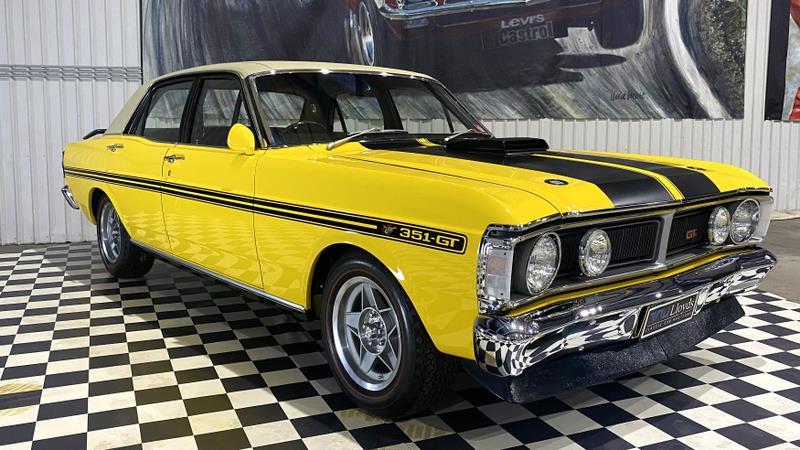
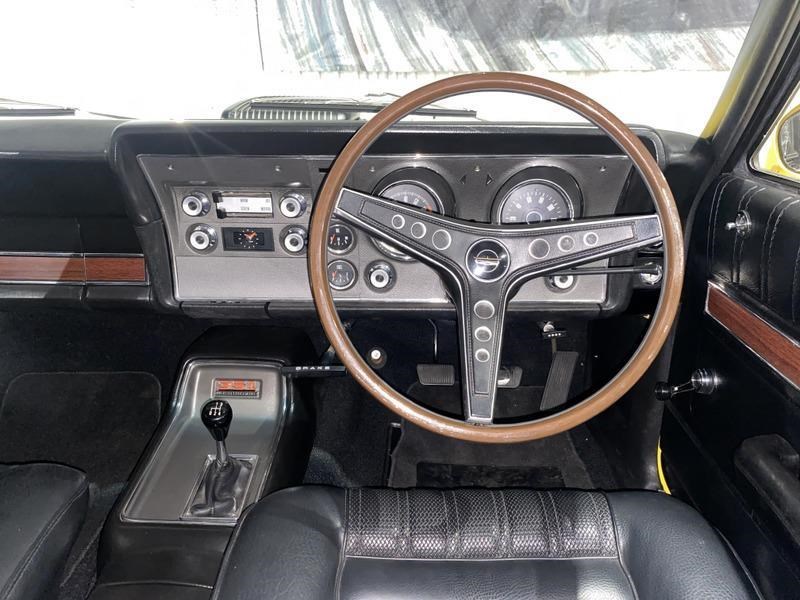
With $1 million in your bank account you could purchase the median home in Sydney, Melbourne or Canberra – or you could pick up this 50-year-old 'Holy Grail' Australian muscle car.

This 1971 Ford Falcon GT-HO Phase III is heading to auction in three days time where it is anticipated to fetch a number with seven figures.

At the time of publishing, the current bid on the vehicle was $715,000 with much of the money expected to come pouring in right before the gavel comes down.

READ MORE: Every NSW COVID-19 restriction that just changed

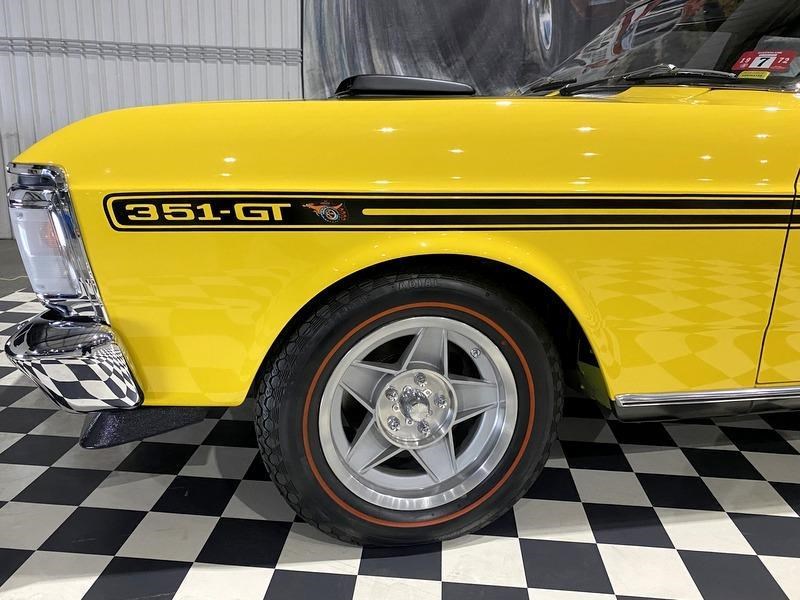
Sold by Lloyds auctioneers, the Phase III is just one of 12 vehicles that were ordered in the special "Yellow Glo" paint scheme, and features a distinctive Beige Vinyl Roof.

It is being re-offered to the market again after a non-settlement from a previous buyer.

"This car won outright Classic Grand Tourer at the Bathurst 2003 GT Nationals after a major restoration and runner up best restored Phase 3 at Adelaide GT Nationals in 2019.

"Running a fresh specification and period correct phase 3 solid engine with no mileage added in the last 18 years."

READ MORE: Queensland on tenterhooks after flight sent into isolation

The Phase III has just 30,875 miles (49,688 kilometres) on the odometer and features the legendary 5.8 litre 351 V8 mated to a four-speed manual gearbox.

In its heyday, the Phase III was widely regarded to be one of the best cars in the world.

Allan Moffat drove one example to win the Bathurst 500 in 1971 and the vehicle boasted a top speed of 228 km/h and a 0-100 km/h time of 6.9 seconds.

READ MORE: 'Exceptionally hot air' will cause temperatures to soar

It's estimated there are fewer than 100 remaining examples of the 300 examples that were produced.

In 2018 the Phase III attracted worldwide attention after Australian fast bowler Jeff Thomson sold his example for a then-record-breaking $1.03 million.

Do you have a vehicle gathering dust in the shed which might be worth a fortune? We'd love to hear your stories. Email Stuart at sm****@******om.au

This particular vehicle is set be sold this weekend and an online listing of the car can be viewed here.

'The government's had a bad year': Federal politics 2021 review

The Federal Government has limped out of 2021 in bad shape.

So says the 9News political team in Parliament House, handing down a tough verdict in their year in review.

"The government's had a bad year," political editor Chris Uhlmann said.

"There's no way to look at it other than that."

READ MORE: Greg Hunt gives tearful farewell address to Parliament after 20 years

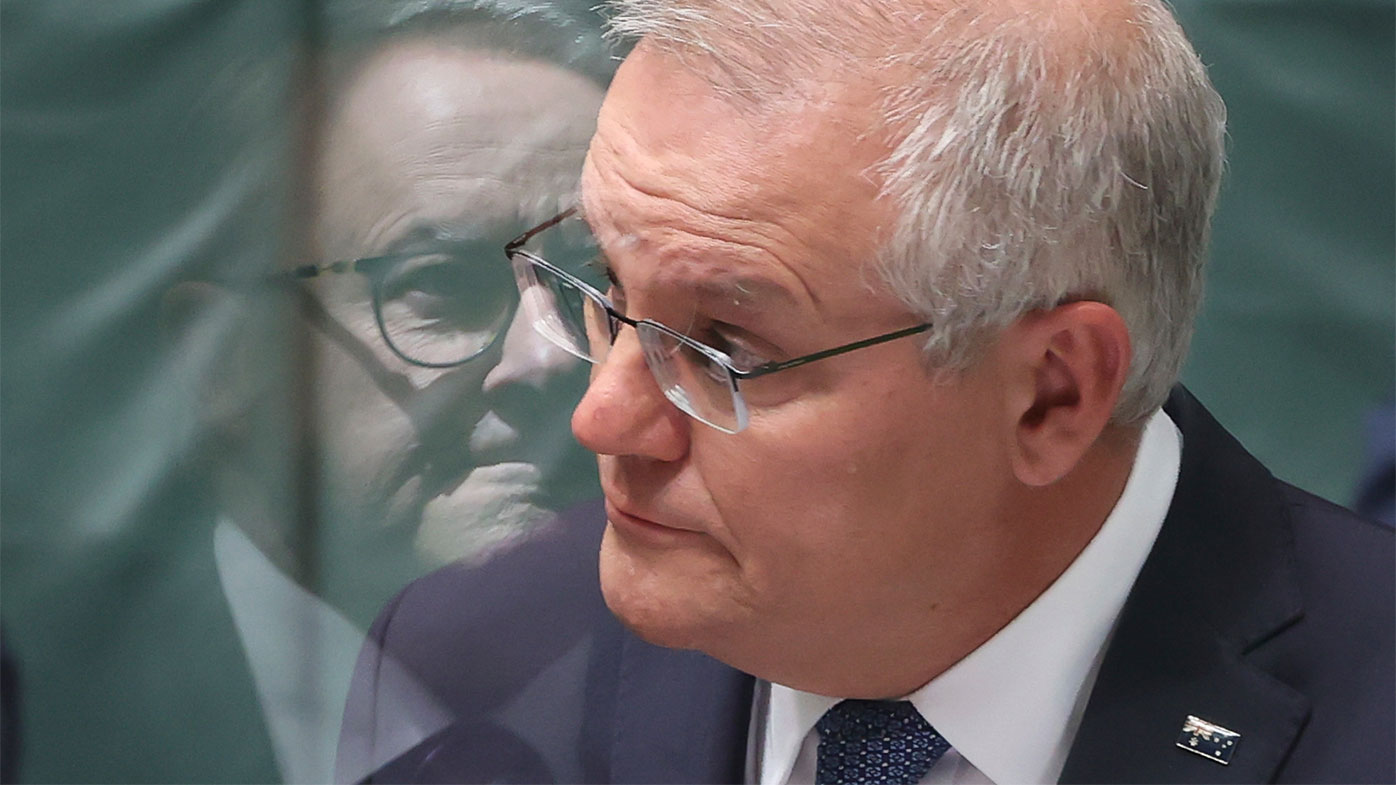
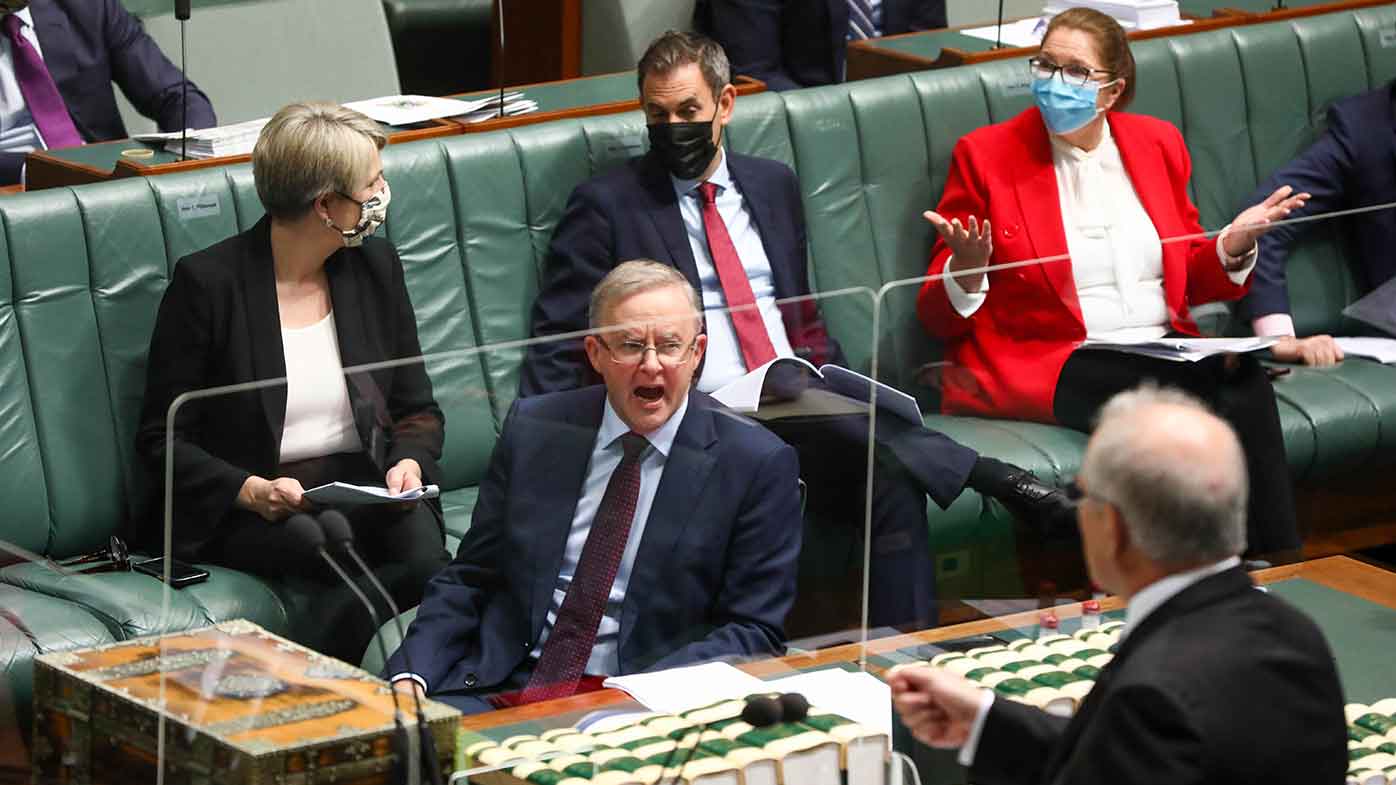
Anthony Albanese's reflection is seen on the Perspex barrier between him and Scott Morrison in Parliament.

There were scandals at the start of the year and the end, with a difficult vaccine rollout and stoushes between Scott Morrison and the state governments.

"What he needs is for everyone to have a great Christmas," Uhlmann said.

"For the economy to bounce back in the New Year, and for him to bring down a budget that then pushes the government into an election campaign."

For Anthony Albanese, the challenge in the coming election will be matching Mr Morrison's campaign pace.

"It's going to be a test of how much can he campaign on the ground?" political reporter Jonathan Kearsley said.

"The Prime Minister proved last time he was a formidable campaigner."

READ MORE: Jacqui Lambie oblivious to 'rumblings' during speech

Prime Minister Scott Morrison and Attorney-General and Minister for Industrial Relations Christian Porter.Labor has been pushing for a federal version of ICAC.

9News political reporter Eliza Edwards said the sexual abuse and harassment scandals hurt Mr Morrison in particular.

"A lot of the anger was directed at the Prime Minister's response," she said.

"This has been a weakness for Scott Morrison this year."

The 9News politics team discussed these issues and many others in their Year in Review.

For more on the year in politics, watch the video at the top of this article.

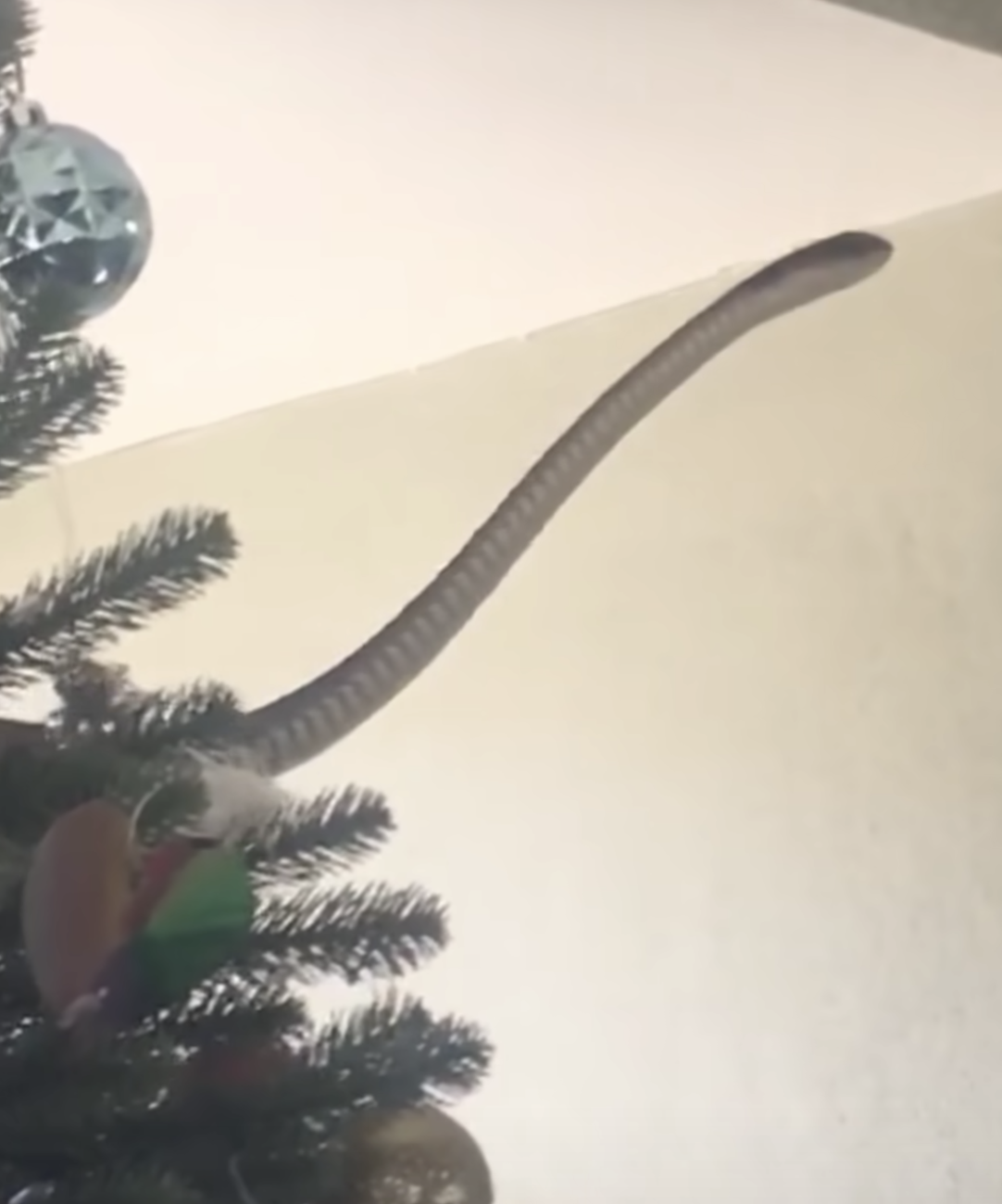
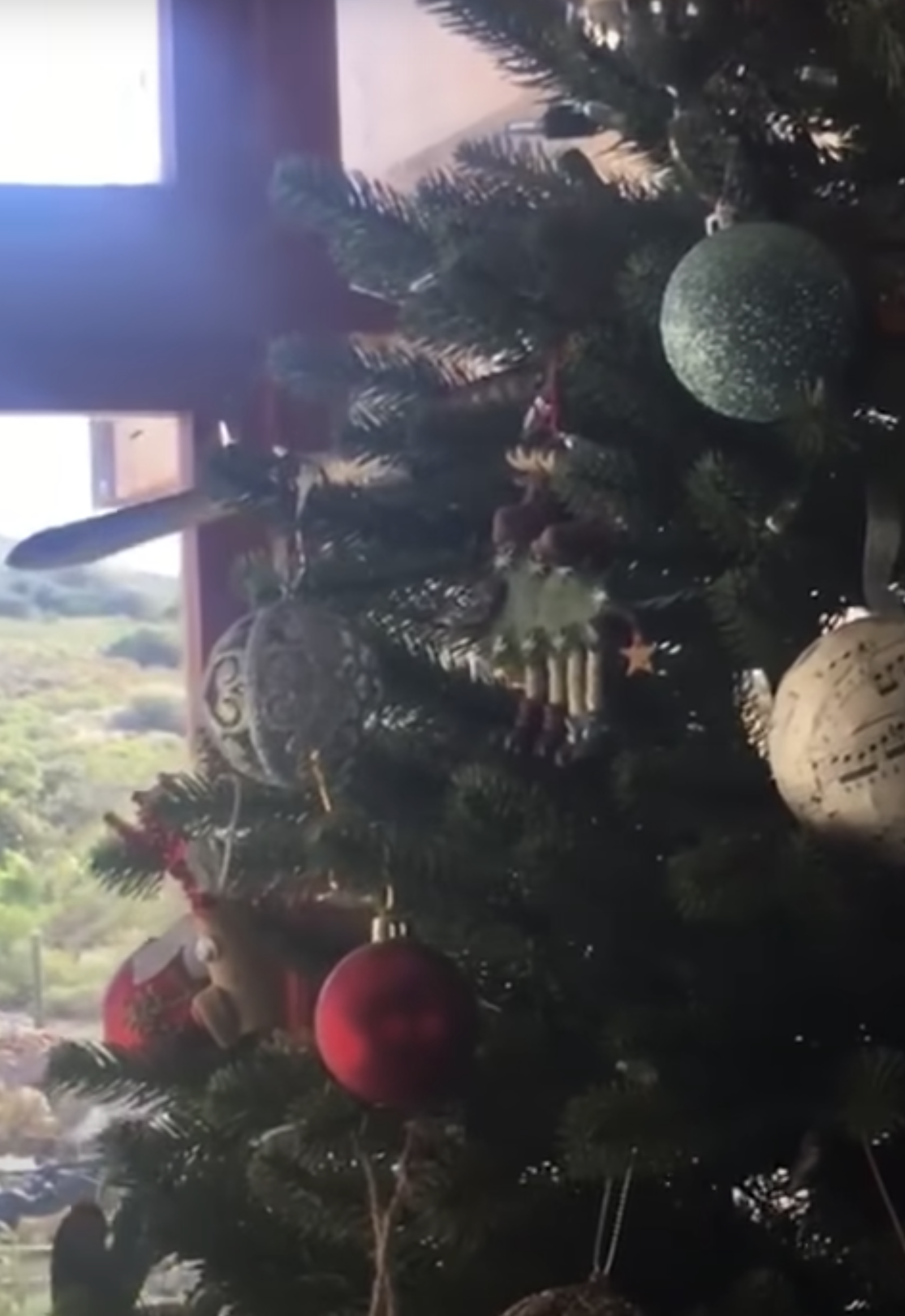
Venomous snake found lurking in family's Christmas tree

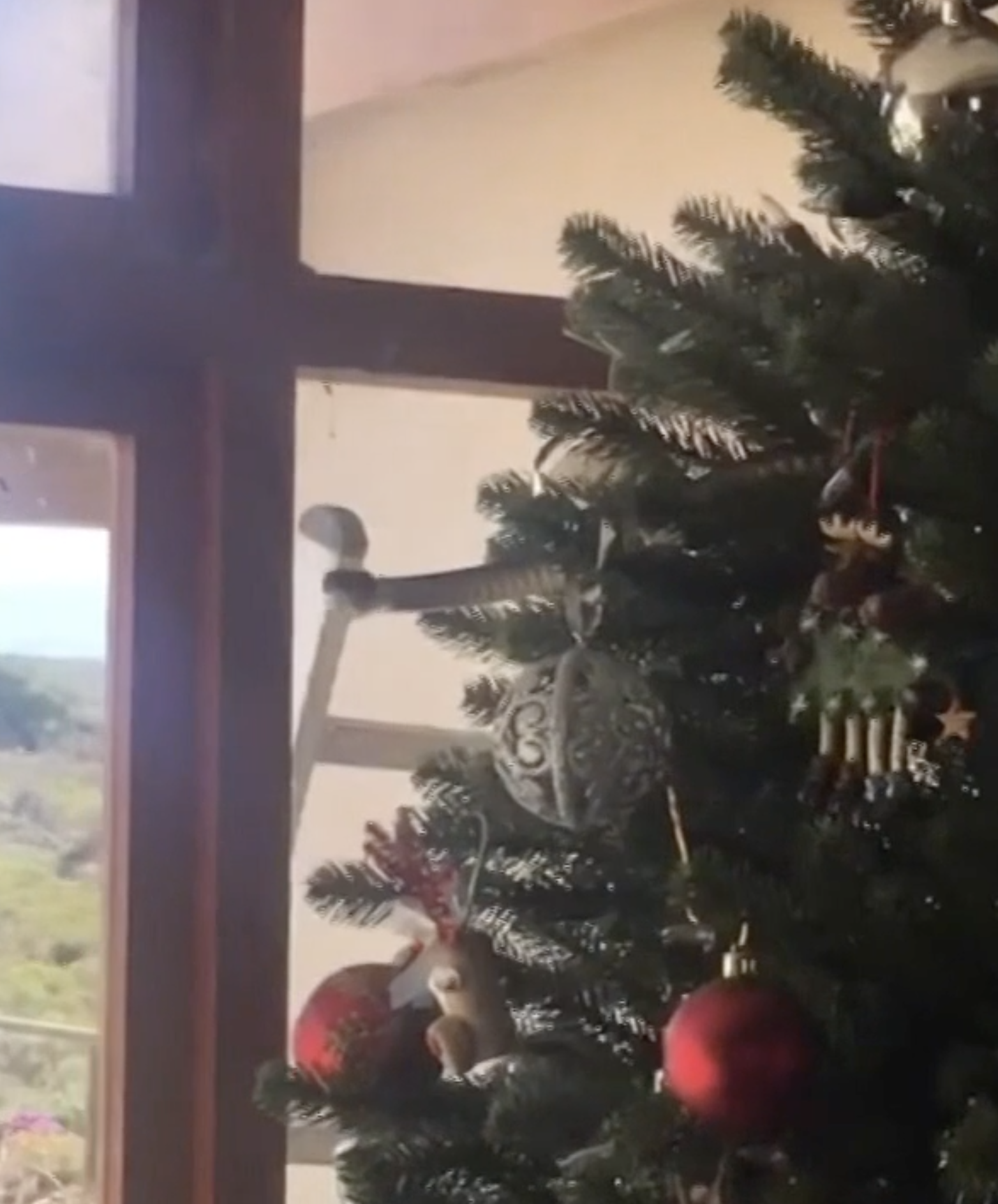
There's usually a sense of excitement about what lies beneath the Christmas tree, but for one festive family the biggest surprise was lurking in the branches up above.

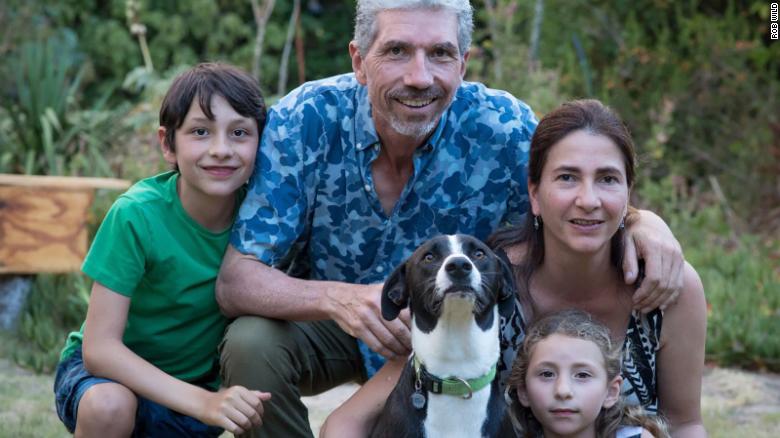
Rob and Marcela Wild wasted no time in calling in a professional after they discovered one of Africa's most venomous snakes hiding between the tinsel and baubles at their home in South Africa on Friday.

Having decorated the tree just hours earlier, they spotted their cats staring at its branches.

READ MORE: China scrambles to contain fallout of giant Evergrande debts

Rob Wild, a British stock market trader who moved with his Costa Rican wife to South Africa 18 years ago, told CNN on Tuesday: "The cats were peering into the tree and my wife said 'there's probably a mouse in there somewhere.'"

They soon discovered a rather different animal staring back, however — a boomslang.

"I didn't know what it was at the time but then I Googled what snakes are in our area and it came up immediately as a boomslang. I thought 'holy Moses, this is the king of all poisonous snakes,'" the 55-year-old said.

The boomslang is known as a shy species, but it is one of the most venomous in Africa.

The animal's venom causes haemorrhages and can be fatal to humans in small amounts.

READ MORE: North Korea's Kim Jong-Un at critical crossroads

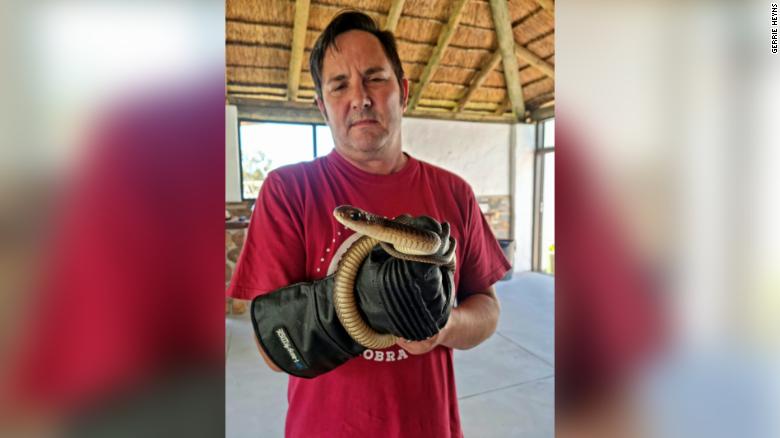
Snake catcher Gerrie Heyns confirmed the animal's identity when he arrived at the family's property in Robertson, the Western Cape, soon afterwards. The snake was female and between 1.3 metres and 1.5 metres long, Mr Heyns told CNN on Tuesday.

He said he instructed the family to stay away from the tree, but to "keep their eyes on the snake" until his arrival.

"The snake stayed in the tree for two hours until I got there," Mr Heyns said. He used "snake tongs" to place it on the floor, where it was "easier to handle," he added.

"Once I had it under control the family came right up to see the snake," Mr Heyns said.

"It didn't try to bite or be defensive because I gave it no reason to. A scary moment turned into an exciting moment for the children."

He then held it behind the neck and placed it in a "snake tube."

As it was getting dark, Mr Heyns took the reptile home where he temporarily housed it in a snake enclosure before releasing it back into the wild on Sunday.

READ MORE: Christmas parties could spark Omicron wave

Mr Heyns said the snake would have likely entered the property in search of food, water and shelter.

"Probably when it saw the first movement it tried to escape into the nearest hiding place which was the tree," he said.

Mr Heyns, who has removed hundreds of snakes from South African homes, said that bites from a boomslang are rare.

Mr Heyns said that in his eight years as a professional catcher, he has only been bitten once — and that was because he hadn't realised the animal had been shot and was acting defensively.

"They (snakes) are very reluctant to bite but have just been demonised so much," he added.