Category Archives: headline

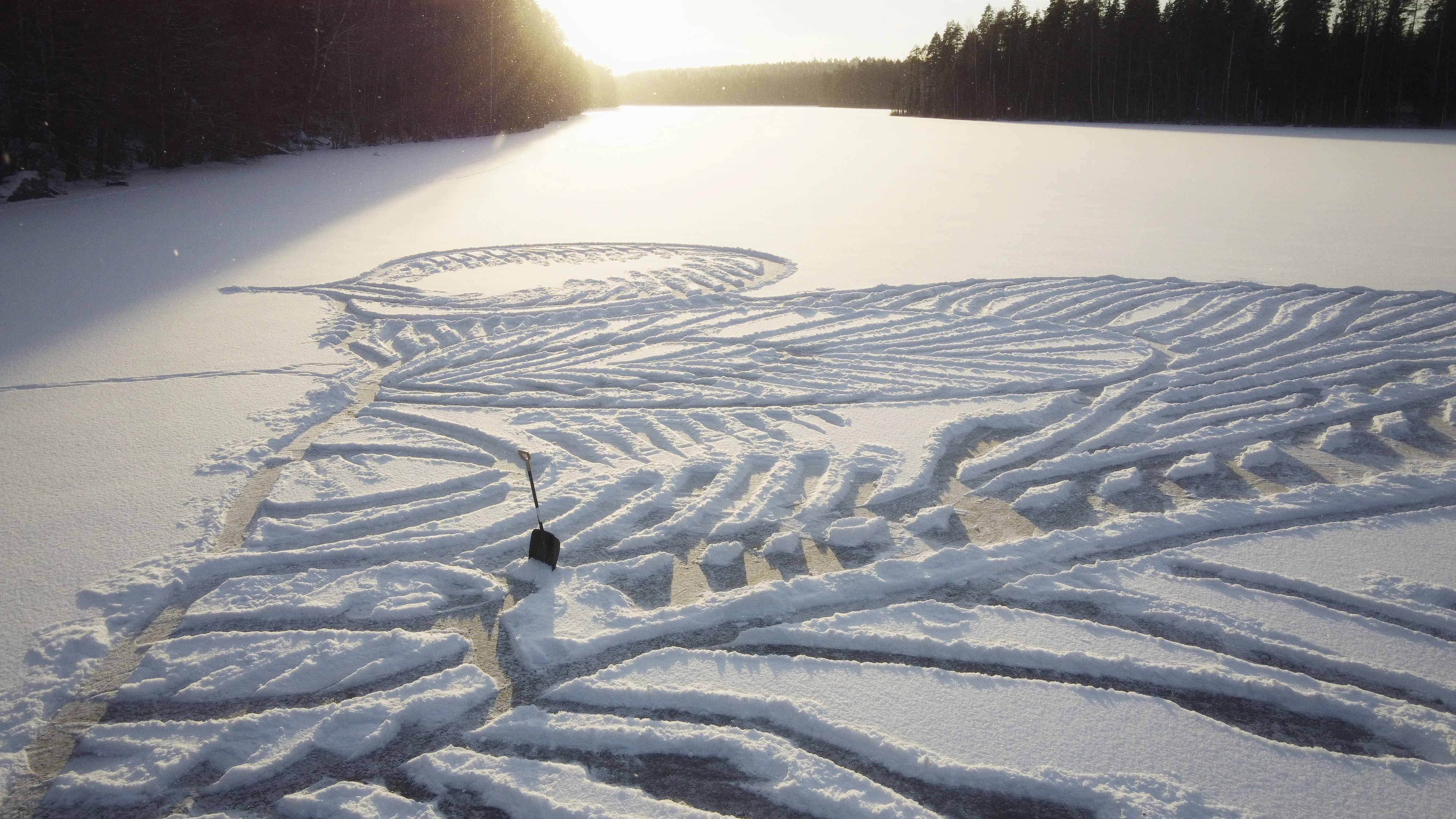
Giant fox traced into snow on frozen lake

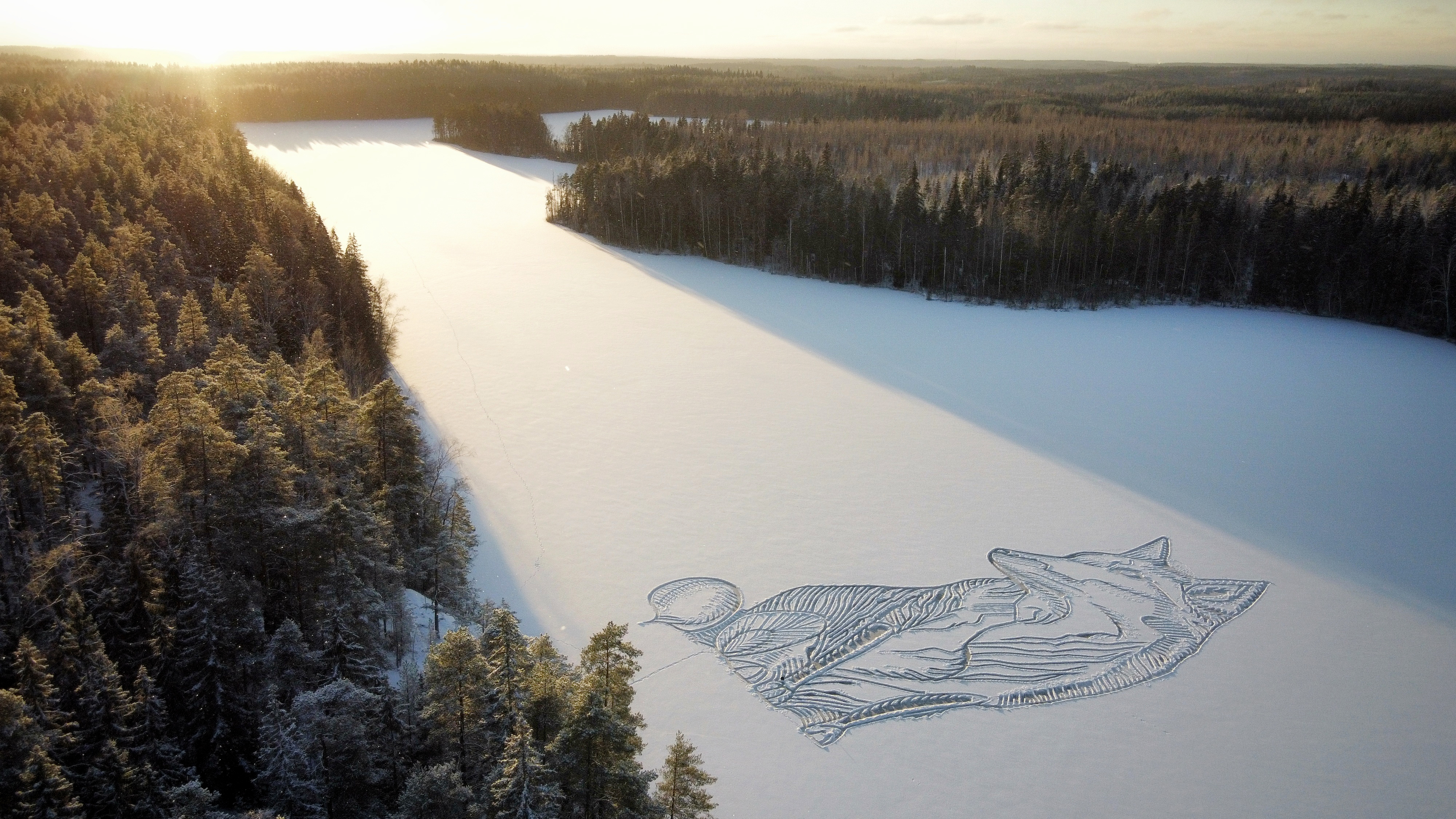
An architect-designer in southern Finland has returned to a frozen lake with a snow shovel to draw a large animal on the ice for the sixth year in a row, creating an artwork that he hopes will "make people happy and encourage them to go out to hike in a beautiful nature."

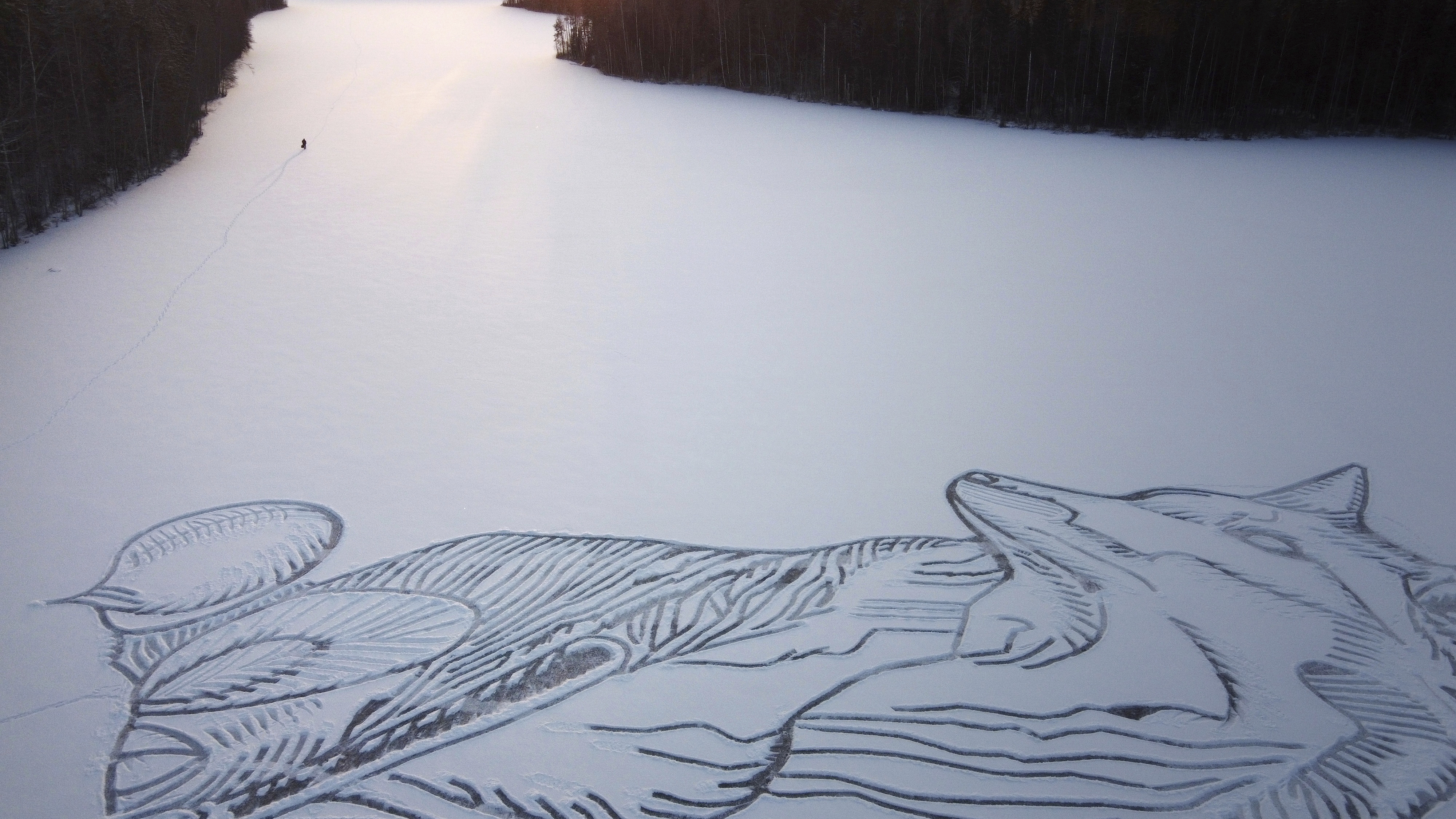
On December 4, Pasi Widgren drew a fox that measures about 90 metres from nose to tail on Lake Pitkajarvi, north of Helsinki.

In previous years, he used a shovel to sketch a bear and an owl, always using the same lake as his canvas.

LIVE UPDATES: PM hails 'biggest scientific discovery of pandemic'

Widgren has drawn animals on local lakes every winter since 2016 near his home in a village not far from Lahti, a town of 120,000.

The drawings disappear when more snow falls or when the ice melts.

The idea for the ephemeral art came "suddenly a couple of years ago when I realized I may have a special ability of coordination to do this kind of things myself," the 40-year-old told The Associated Press.

READ MORE: China scrambles to contain fallout of giant Evergrande debts

When he reached Lake Pitkajarvi this month, he tested the thickness of the ice to make sure it was dense enough to walk and work on. At 10cm-15cm thick, it was.

"Of course, I had ice awls with me, around my neck," in case the ice cracked and he had to rescue himself, Widgren said.

"Then I sketched the contours of the figure by walking and thinking it to match my image of fox at the same time and then I started to 'draw' by using (the) snow shovel."

READ MORE: Christmas parties could spark Omicron wave

READ MORE: North Korea's Kim Jong-Un at critical crossroads

Four hours later, Widgren was done.

"I walked to the top of the cliffs" 45m above the lake "to look at the end result, drank coffee from my thermos bottle and took some photos and videos as a memory of doing this."

The fox was less visible by Monday because it has snowed a little, Widgren said.

"It's very important to me also that making this kind of art doesn't leave any (marks) to nature," he said.

How COVID-19 restrictions are changing tomorrow

Coronavirus restrictions are set to further ease in New South Wales and other states from tomorrow as vaccination rates ramp up.

Major changes will take place in NSW, where unvaccinated people will be able to enjoy the same freedoms as the vaccinated for the first time.

While density limits will be axed, along with masks and QR codes in a range of places.

Here are all the changes set to take effect from Wednesday, December 15 across the country.

READ MORE: Rise in NSW COVID-19 cases will not impact restrictions relaxing

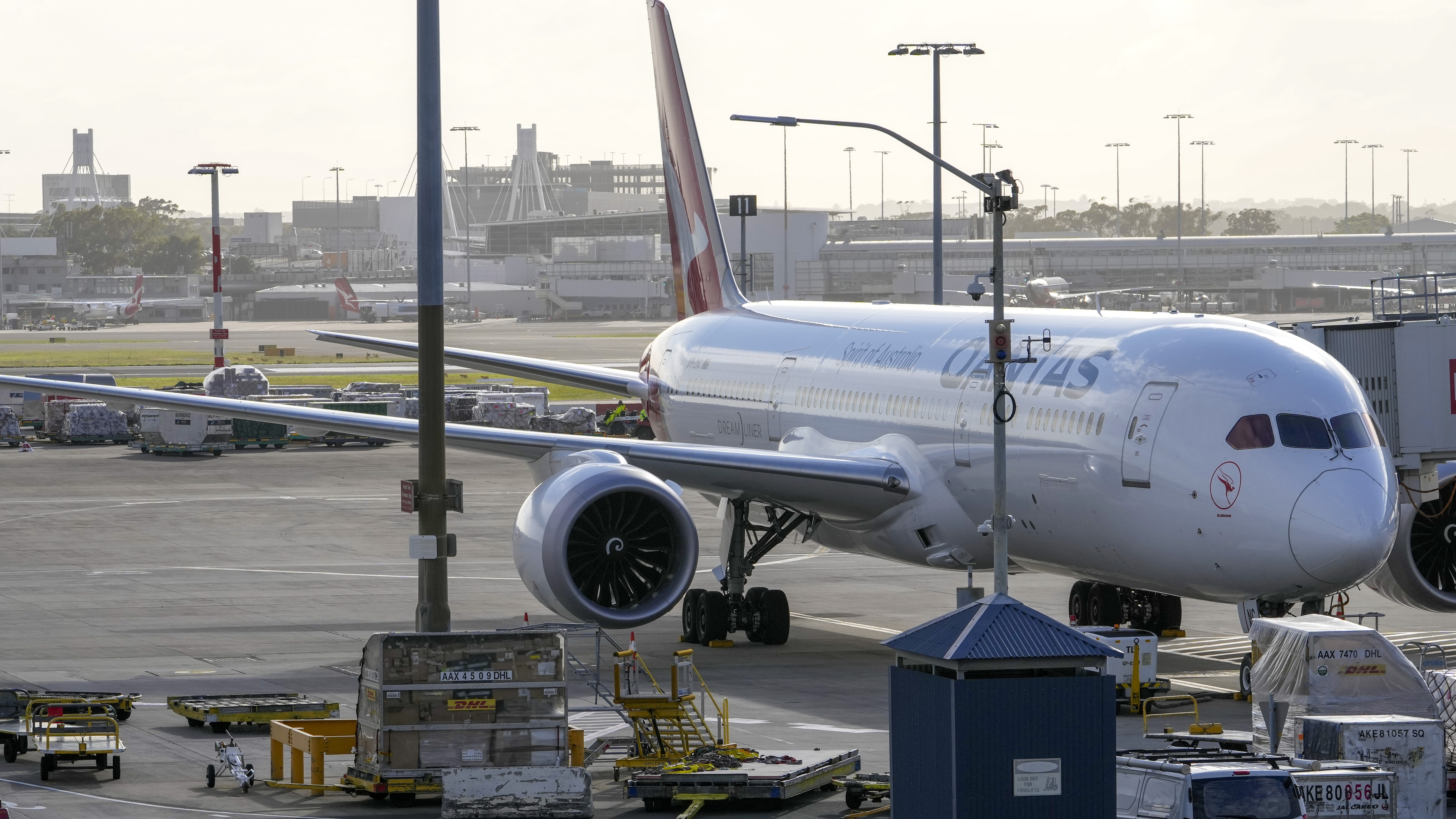
A plane arrives at Sydney Airport.

New South Wales

Masks and QR codes

Masks will only be required on public transport and planes; at airports; and indoors for front-of-house hospitality staff who are not fully vaccinated.

However, masks will be strongly encouraged in settings where you cannot social distance.

QR code check-ins will be scrapped and only required at the following locations:

  • Hospitals
  • Aged and disability care facilities
  • Gyms
  • Places of worship
  • Funerals or memorial services
  • Personal services (including sex services)
  • Pubs, small bards and registered clubs, nightclubs and strip clubs
  • Indoor music festivals with over 1000 people

Retail and personal services

Non-essential retail stores will remain open to everyone, regardless of vaccination status.

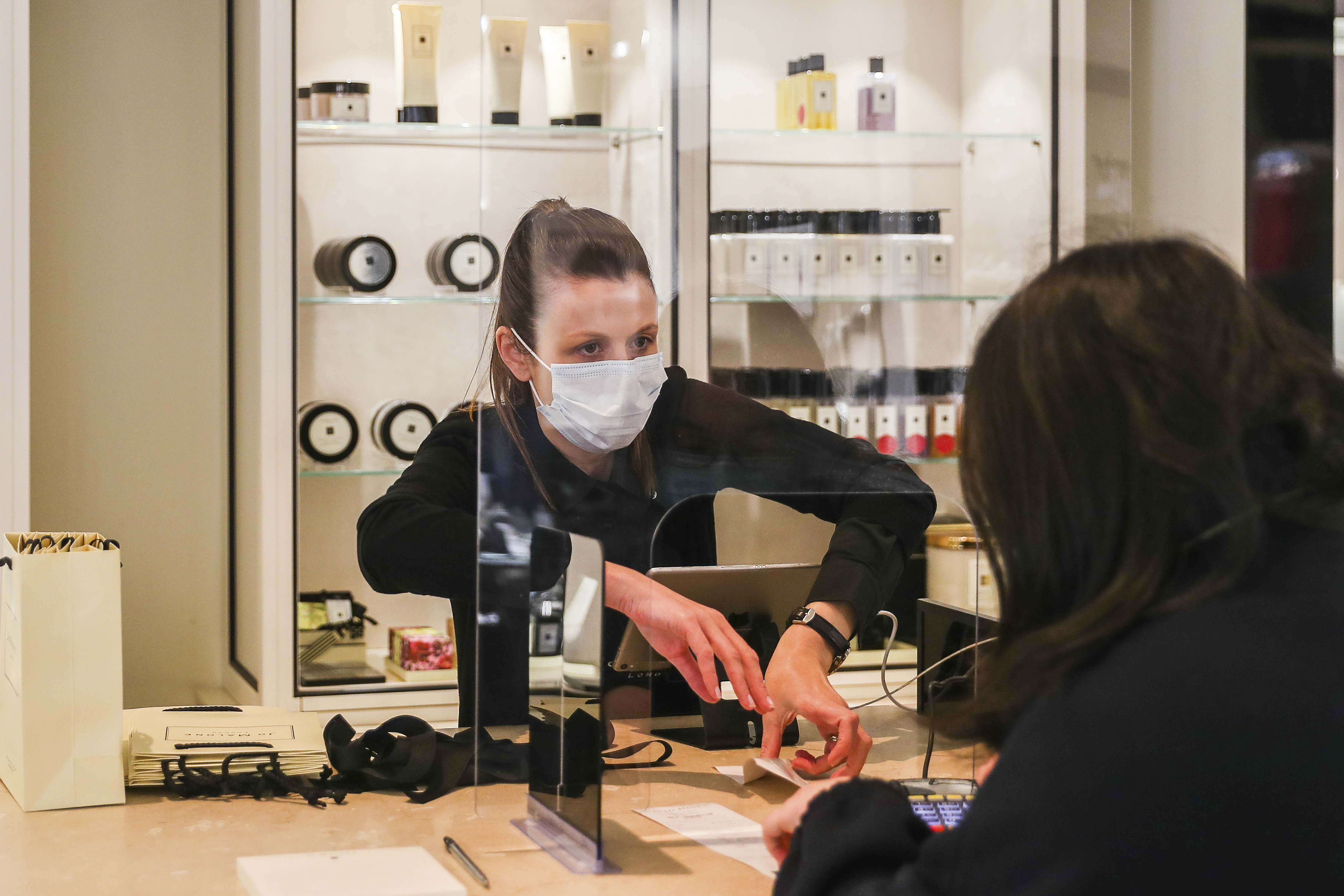
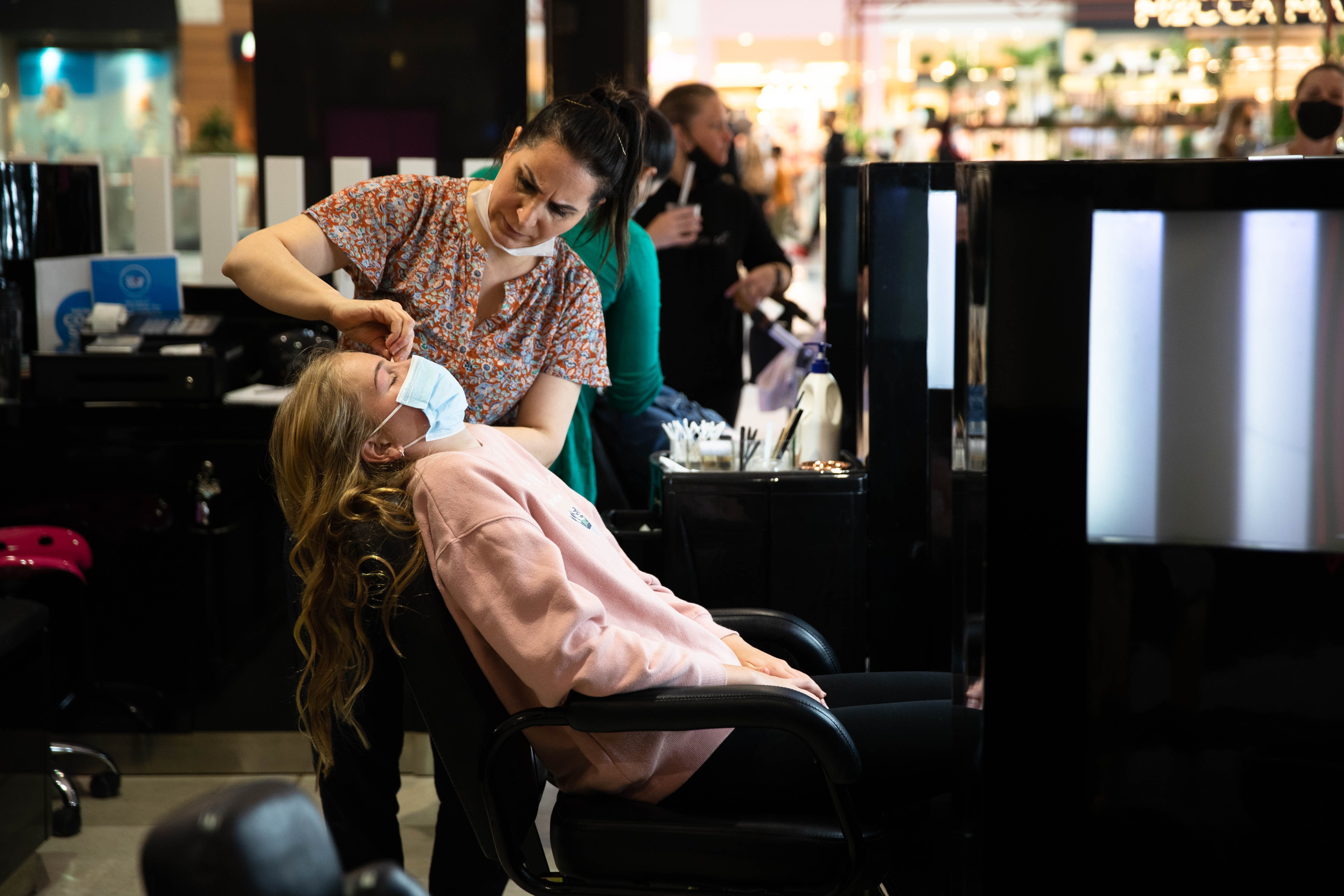
There will be no limits for personal services such as hairdressers, spas, beauty salons, tattoo and massage parlours.

Sex-on-premises services can open.

COVID-safe plans will be optional for businesses.

READ MORE: All the COVID-19 rules changing in NSW from December 15

Restrictions scrapped for unvaccinated

Unvaccinated people in NSW will be permitted to re-enter hospitality venues, retail stores and gyms.

International travel

Fully vaccinated international travellers will no longer need to quarantine when they arrive in NSW from December 15.

However, people must still do a PCR test and if they are not fully vaccinated, quarantine on arrival for 14 days.

With the Delta outbreak spreading rapidly, a two-week lockdown was announced for all of Greater Sydney on June 26. It was first full-city lockdown for Sydney since 2020.

Victoria

Victoria's mask mandate is expected to be eased in the coming days in retail settings, to fall in line with the NSW measures after December 15.

However, the state's new pandemic laws have prevented the Victorian Government from confirming the changes.

Victoria's state of emergency will be replaced with the new laws at 11.59pm tomorrow, preventing the government from foreshadowing any changes to rules or making them public before they go through "proper processes".

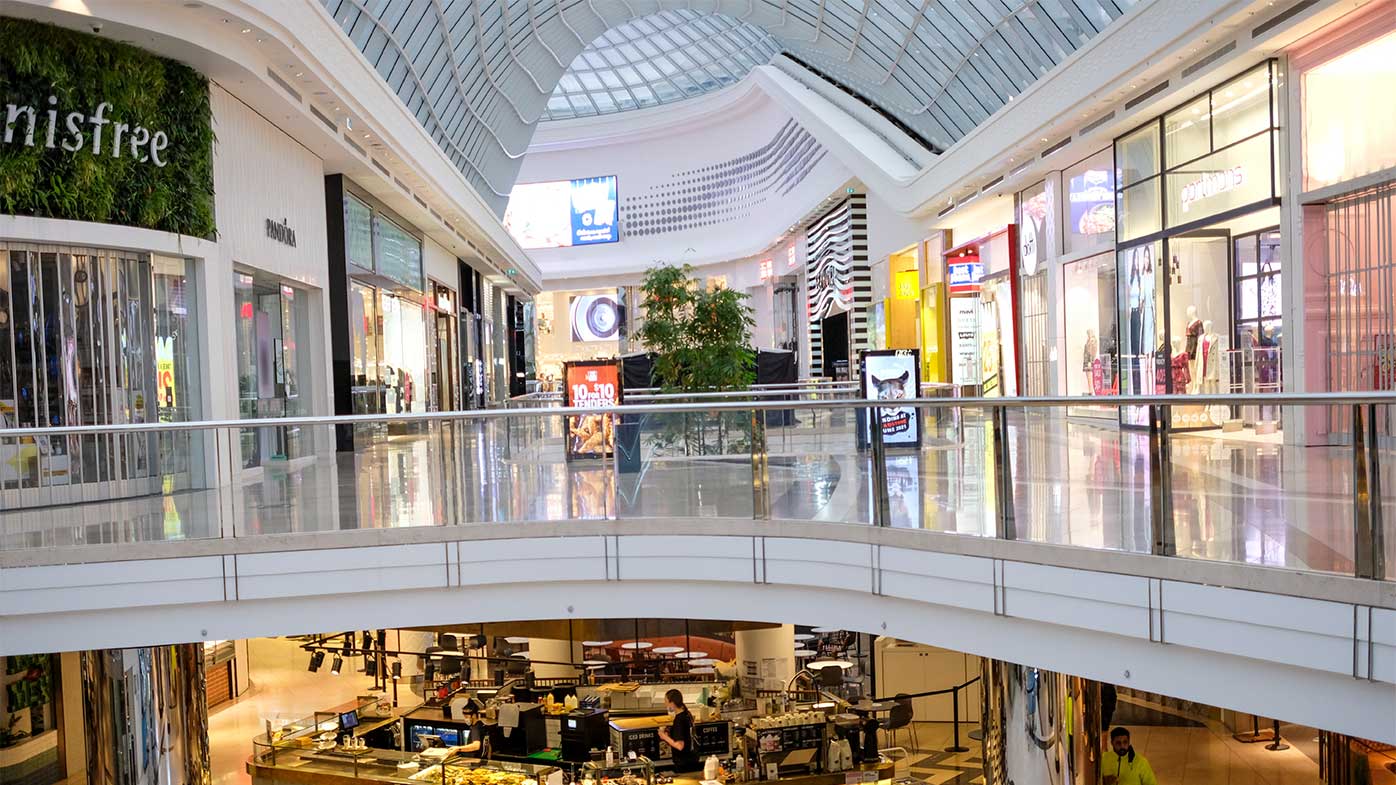
An empty Chadstone shopping centre on Victoria's first day of lockdown.

Tasmania

From December 15, travellers from anywhere within Australia will be able to enter Tasmania, as long as they are fully vaccinated.

People from high-risk areas must return a negative test result within 72 hours of travel.

Fully vaccinated international travellers also won't need to quarantine from December 15 if they return a negative PCR test 72 hours before their arrival.

International travel for visa holders

International students will be permitted to enter Australia, along with fully vaccinated eligible visa holders, without needing to apply for a travel exemption.

The new rule applies to visa holders in Australia seeking to leave the country and return.

Australian fossil reveals more about how first fish migrated to land

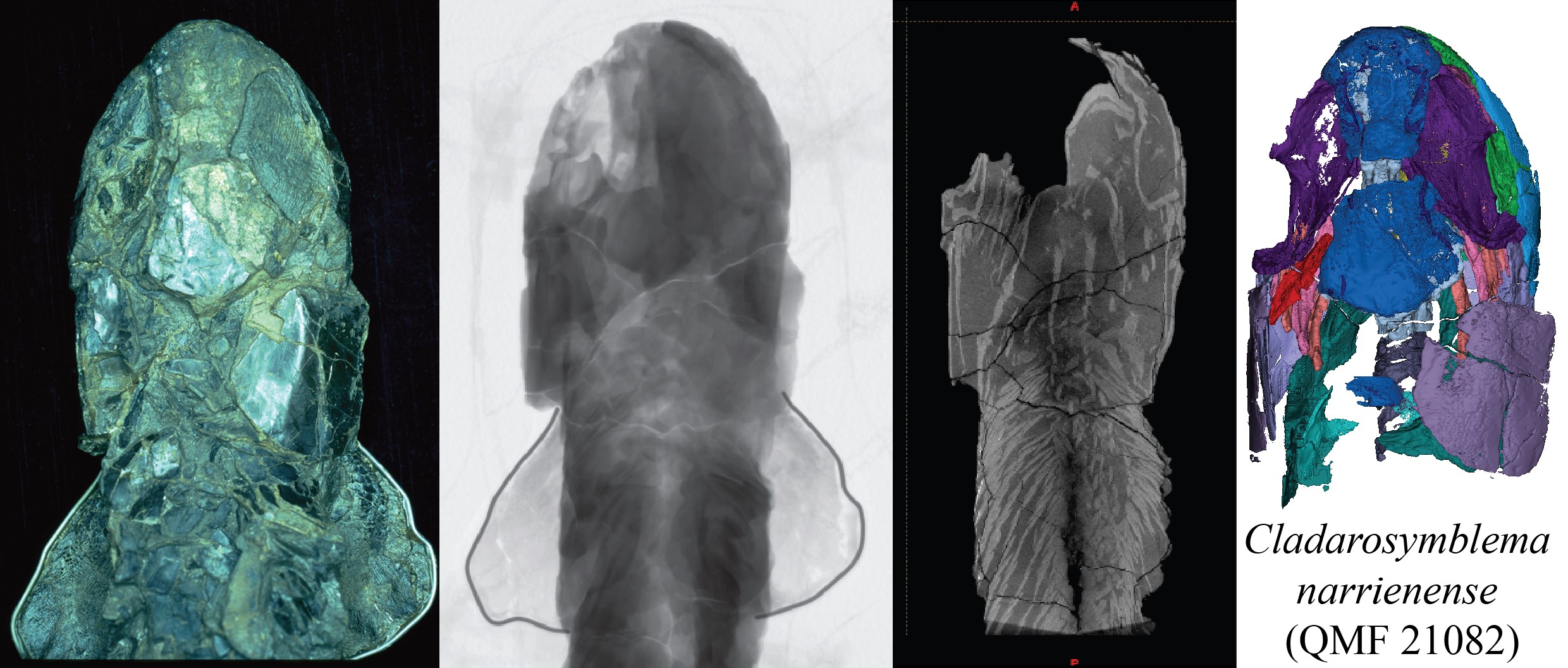
Australian-led research has provided new evidence about how the first fish to migrate to the land might have made the leap.

Flinders University led the new investigation into a 330 million-year-old fish fossil found in Queensland.

The fish, a Cladarosymblema narrienense, was an ancestor of the first land animals.

LIVE UPDATES: PM hails 'biggest scientific discovery of pandemic'

Cladarosymblema is a type of 'megalichthyid' fish, a group which existed from the Devonian-to-Permian periods, typically living in freshwater environments, and they were large, predatory animals.

Through sophisticated CT scanning of the fossil, researchers found evidence it had a brain similar to its eventual terrestrial descendants, compared to the brains of other fishes which remained living in water.

"This fish from Queensland is one of the best preserved of its kind in the entire world, in perfect 3D shape, which is why we chose to work on it," John Long, Strategic Professor in Palaeontology at Flinders University, said.

READ MORE: China scrambles to contain fallout of giant Evergrande debts

While this fish was first described in 1995, by Professor Long and others who had earlier explored and excavated the Queensland fossil site, parts of its anatomy have remained unknown.

But some of those hidden secrets have been revealed by Australia's largest CT scanner, now at Flinders University.

New information obtained from often unseen internal bones has been revealed by the new scans – particularly in the gill arch skeleton, the shoulder girdle and the palate bones (the upper mouth roof area).

READ MORE: Christmas parties could spark Omicron wave

"Additionally, a cranial endocast (mould of the internal cavity of this fish's unusually large skull) gives clues as to the shape of the brain of this animal," says Dr Alice Clement, lead author of the new paper and part of the Flinders Palaeontology Group.

"The area for the pituitary gland (so-called the 'master gland') is relatively large, suggesting a significant role in regulating various important endocrine glands."

The research has been published in PeerJ.

'Barn find' Aussie muscle car unearthed after 36 years

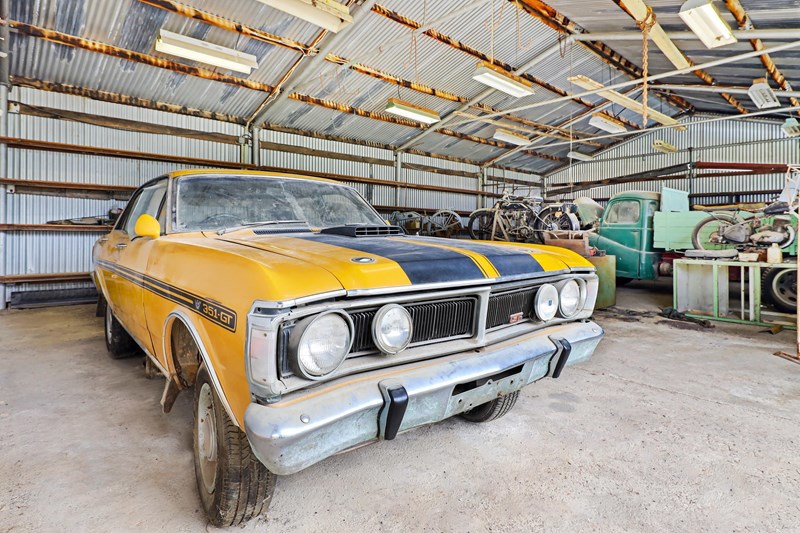
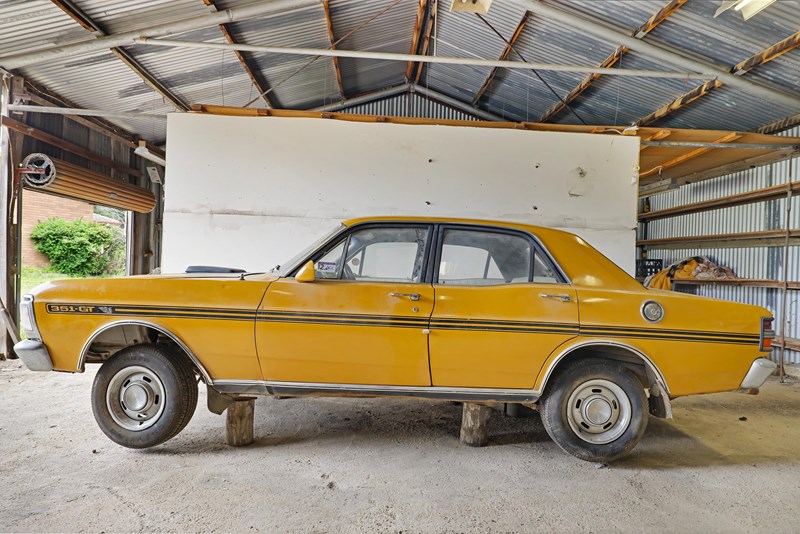
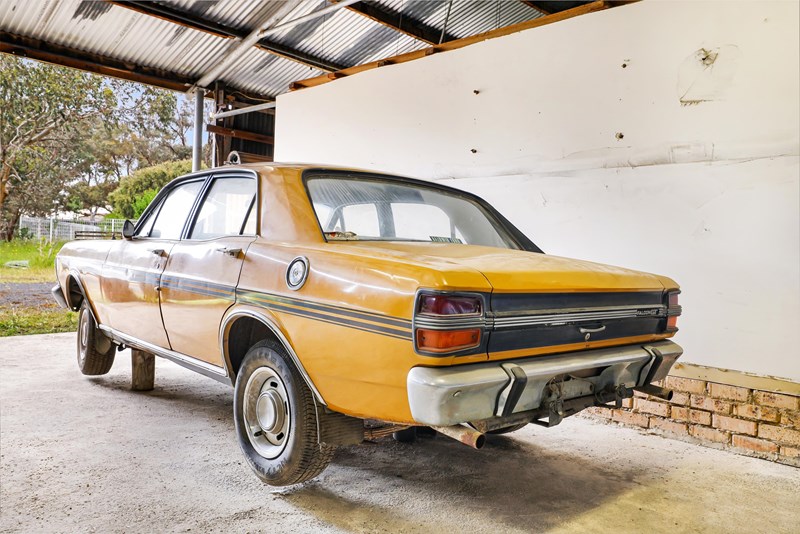
A "barn find" 1971 Ford XY GT is set to fetch hundreds of thousands of dollars at auction when it goes under the gavel this weekend.

The all-original V8 muscle car has had just one owner and has been sitting for 36 years on blocks with just over 100,000 miles (160,934km) on the odometer.

Finished in "yellow ochre", the car has belonged to one Australian family and was passed down from the original owner to his son.

READ MORE: China scrambles to contain fallout of giant Evergrande debts

"This vehicle is in completely original condition and is a once in a lifetime barn find for all Aussie muscle car enthusiasts, you do not want to miss the opportunity to own this piece of history," Lee Hames, chief operating officer for Lloyds Auctions, which is selling the car, said.

Described as "one of the most iconic muscle cars Australia has ever produced", the XY GT boasts a V8 351 Cleveland engine mated to a four-speed manual transmission.

The car started life with a black interior and it is believed it was changed to white in 1972.

READ MORE: Christmas parties could spark Omicron wave

"This is one of the most iconic muscle cars Australia has ever produced and it is ready for its next chapter with a new custodian," the listing for the Ford reads.

With four days left until the auction ends, the car is currently sitting on a bid of $106,000.

Showroom condition examples have been known to fetch in excess of $300,000.

The car is set to be sold this weekend and an online listing of the vehicle can be seen here.

Do you have a vehicle gathering dust in the shed which might be worth a fortune? We'd love to hear your stories. Email Stuart at sm****@******om.au

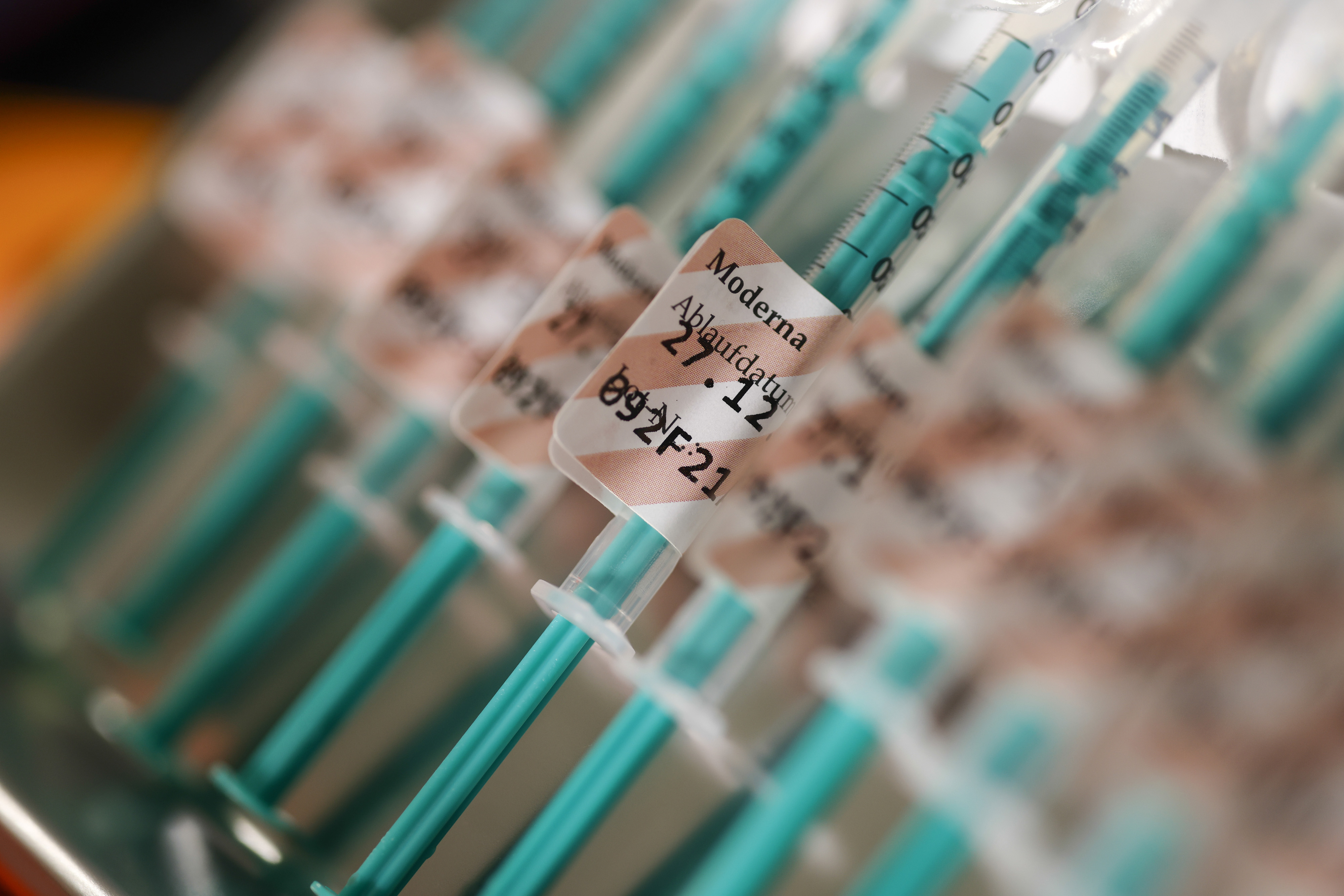
New Moderna deal to provide '100m mRNA vaccines on tap' in Victoria

Moderna could be pumping out millions of doses of vaccines in Victoria by the middle of the decade, under a collaboration by federal and state governments to bring mRNA manufacturing to Australia.

The mooted local manufacturing plant could have the capability to produce at least 100 million mRNA vaccine doses a year, as well as potential future jabs made with the emerging and thought to be highly adaptable vaccine technology.

It is hoped production could begin by 2024 in a Victorian location that is yet to be determined.

READ MORE: Australian's groundbreaking heart attack treatment

The TGA is also currently evaluating an application from Moderna for its COVID-19 vaccine to be used in Australia for children aged six to 11.

However, the Commonwealth and Victorian Government have looked at a number of sites to base the manufacturing plant.

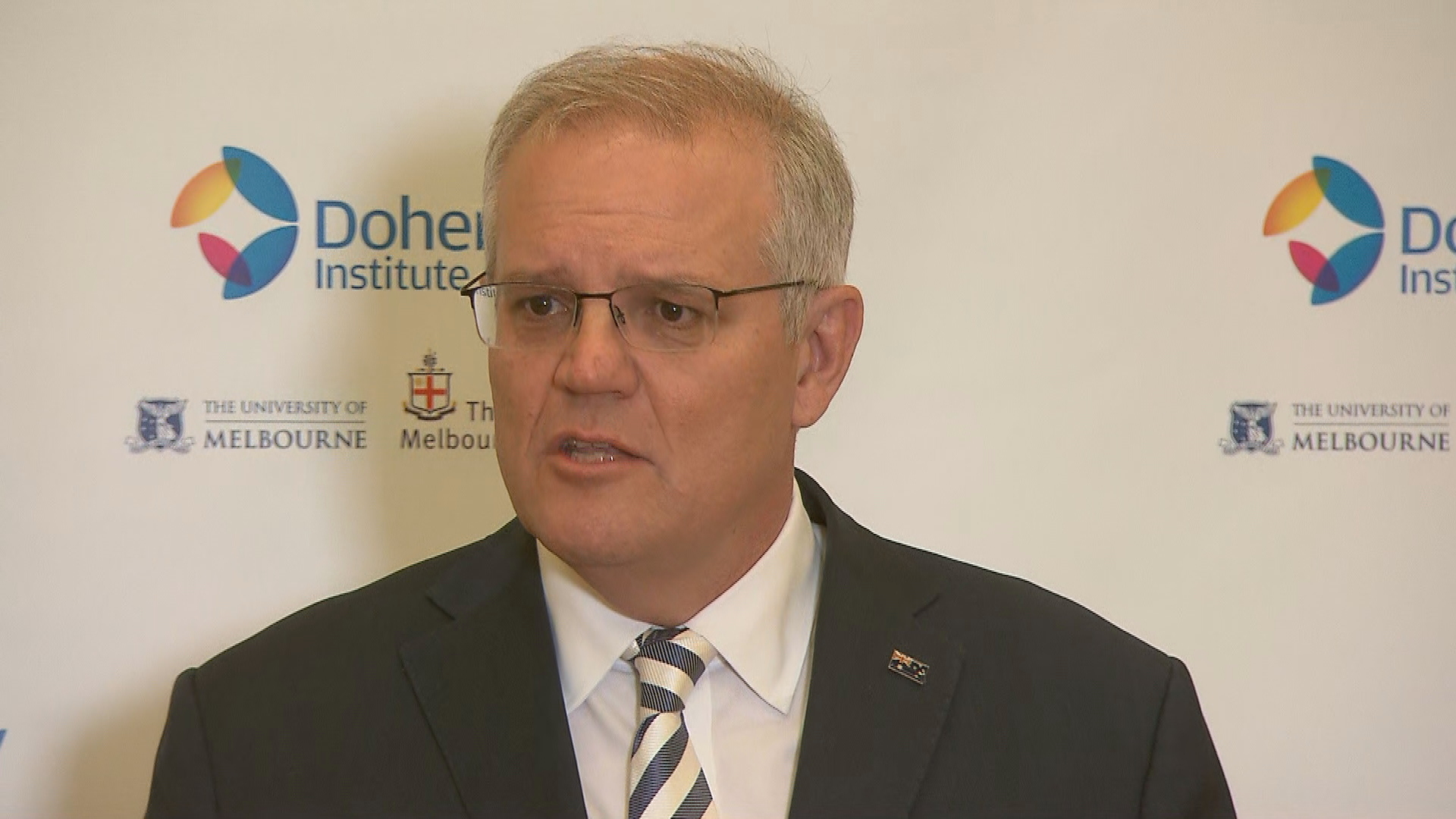
Prime Minister Scott Morrison said mRNA vaccines have proven to be the "biggest scientific discovery" over the course of the pandemic.

"This investment will continue to secure Australia's future economic prosperity while protecting lives by providing access to world-leading mRNA vaccines made on Australian soil," he said.

"The new mRNA manufacturing facility in Victoria will produce respiratory vaccines for potential future pandemics and seasonal health issues such as the common flu, protecting lives and livelihoods.

"100 million a year – and that's what Australia will have on tap here that will enable us to continue to play an important role in the region."

Victoria, which announced funding towards local mRNA jab manufacturing in April, had faced competition from other states including New South Wales for the plant.

Australia is currently only capable of manufacturing more traditional vaccines, such as the AstraZeneca jab that has been made at Melbourne's CSL plant.

Victoria's Acting Premier James Merlino said Melbourne was up there with the leading cities of Boston and London when it came to medical research and biotechnology.

"This means national security in terms of vaccine supply," he said.

"And when you think about mRNA, this is a huge announcement because this is the first time in the southern hemisphere we'll have mRNA manufacturing based in this nation."

Health Minister Greg Hunt said the deal would be a big boost for Australia's medical manufacturing efforts.

READ MORE: Emotional reunions as Queensland border opens

"Ensuring Moderna has a manufacturing presence here will deliver Australia priority access to products manufactured here in Australia, by Australians, for Australians, using the most cutting-edge vaccination science available in the world today," he said.

"This is another key pillar in Australia's long-term medical manufacturing future, and we are looking forward to finalising the agreements with Moderna as soon as possible."

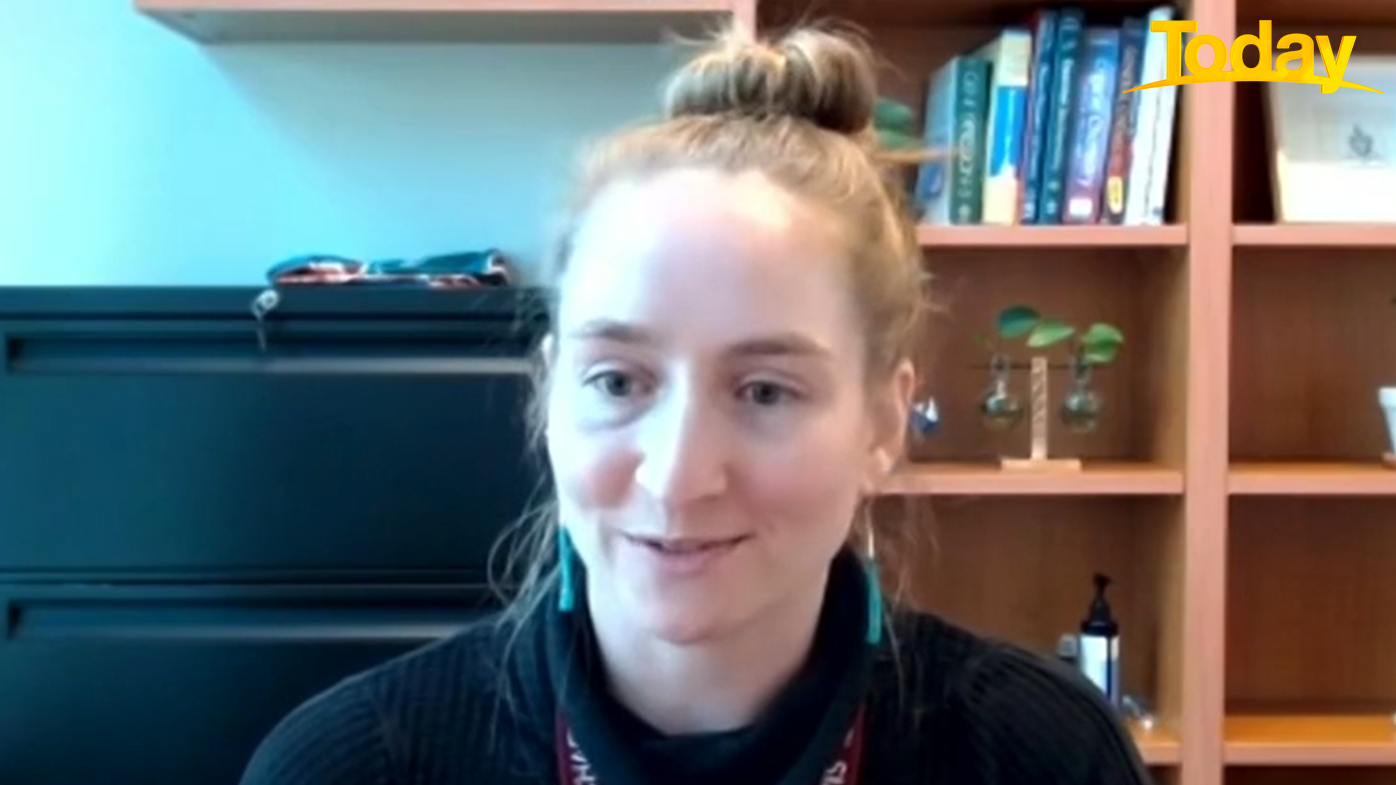
Associate Professor Anna Blakney, from the University of British Columbia, last week told Today that mRNA vaccines could be adapted quickly for new variants of the coronavirus, as well as other illnesses.

"Now we see that we have safety and efficacy for a virus, we can see where else we can apply the technology," she said.

"Are there other vaccines with diseases with unmet clinical needs or other opportunities such as cancer vaccine or monoclonal anti-virus technology?"

READ MORE: UK faces 'tidal wave' of Omicron cases

Expert warns not to worry about new variant despite it being classified as highly transmissable.

Dr Blakney said it only took "a matter of days" to make a new mRNA vaccine, although testing processes are still long and rigorous.

"Because of that you can scale it up, get it into the clinic faster," she said.

"Because it's made synthetically it doesn't rely on cells you can also scale it up for billions of doses much more easily than you can traditional vaccines."

Moderna CEO Stéphane Bancel said the company was pleased to be bringing local mRNA manufacturing to Australia.

"We believe that this sustainable national business model will have global impact and implications," he said.

All the COVID-19 rules changing in NSW from December 15

New South Wales has recorded a surge in Omicron variant COVID-19 cases just one day before a swathe of restrictions will ease across the state.

From 12.01am on December 15, unvaccinated residents in the state will be given all the same freedoms as those who are fully vaccinated and density limits in all settings will be removed.

As millions of NSW residents prepare for Christmas gatherings, work parties, holiday shopping and travel, here's everything you need to know about the December 15 changes.

READ MORE: China scrambles to contain fallout of giant Evergrande debts
When are COVID-19 restrictions easing in NSW?

COVID-19 restrictions are easing in NSW at 12.01am on December 15.

For many, it will mark a return to a pre-COVID way of life with only some rules – such as masks in some settings and occasional COVID-19 check-ins – remaining.

What is changing for unvaccinated people in NSW?

Everything.

From December 15, all people in NSW will be granted the same freedoms, regardless of their vaccination status.

Previously, unvaccinated residents have been limited to essential retail and have been unable to re-enter pubs, cafes and gyms.

From tomorrow, they will be allowed to attend all the same places as those who are fully vaccinated.

Do I have to still wear a mask from December 15?

You do, but only in limited settings.

Masks will only be required on public transport and planes, at airports, and for indoors front-of-house hospitality staff who are not fully vaccinated.

Masks will be strongly encouraged in settings where you cannot social distance.

Do I still have to check-in via the Service NSW app?

Potentially – COVID-19 check-ins will only be required at some places.

These include hospitals, aged and disability care facilities, gyms, places of worship, funerals and memorial services, personal services, pubs, small bars and registered clubs, nightclubs, strip clubs, sex-on-premises and indoor music festivals with over 1000 people.

Are there any restrictions on what families can do on Christmas Day?

No.

From tomorrow, there will be no limit to the number of visitors to your home and no limit to the number of people for outdoor public gatherings.

There are no government restrictions on whether your family members are vaccinated or not.

What changes are coming for shopping centres?

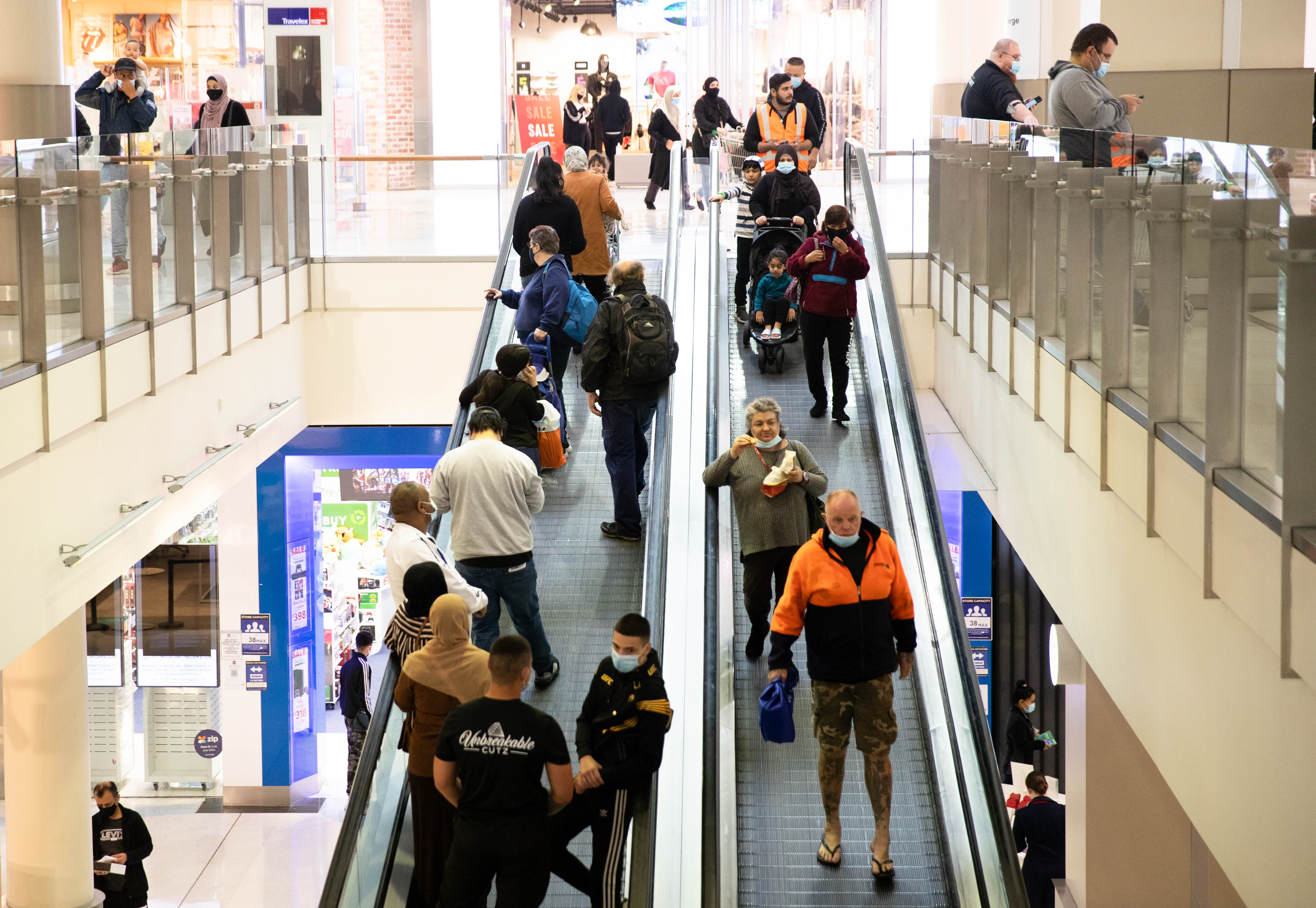
From tomorrow, all retail shops will be open to all people – there will be no government requirement to check-in and unvaccinated people will be allowed to enter.

There will be no requirement to wear a mask in shopping centres, but wearing one is highly encouraged in settings where you cannot socially distance.

READ MORE: Australia's COVID-19 booster shots brought forward to five-month mark
Will the easing of restrictions make the case numbers jump significantly higher?

They may.

Health authorities have already warned that end-of-year celebrations and Christmas parties could drive a new wave of Omicron infections.

But higher case numbers may not necessarily mean NSW's health system is under pressure.

Recent data shows the Omicron variant of COVID-19 may result in fewer hospitalisations than previous variants, such as Delta.

What about close contact rules? Are they changing?

They are not.

To summarise, if you have been told you are a close contact of someone with COVID-19, you must self-isolate for seven days and get a PCR test immediately.

You must then get another PCR test on day six and then again on day 12.

If you work in a "high-risk setting" such as a hospital or aged care, you should work from home for the next seven days after isolating as a precaution.

If you are not fully vaccinated you must isolate for 14 days.

Casual contacts must still get tested for COVID-19 immediately and self-isolate until they return a negative result.

They must get tested again on day six after the last contact with the COVID-19 positive person do not need to self-isolate while waiting for this test result, if they feel well.

READ MORE: Quarantine changed to seven days from 14 for fully vaccinated South Australians

What about travel? Can I travel throughout NSW if I am unvaccinated?

You can.

From December 15, all NSW residents can travel wherever they like in the state.

Caravan parks and camping grounds will open for people who are not fully vaccinated.

Travelling outside of NSW is largely dependent on the rules and restrictions of your destination.

What about weddings and funerals? Will any restrictions remain there?

No – pretty much all restrictions fall away from tomorrow.

There will be no person limit at weddings and people are free to eat, drink and dance as they like.

Funerals are the same.

Conceivably, the only capacity limits that remain at function venues will be those set to meet NSW fire and liquor licensing regulations.

READ MORE: North Korea's Kim Jong-Un at critical crossroads
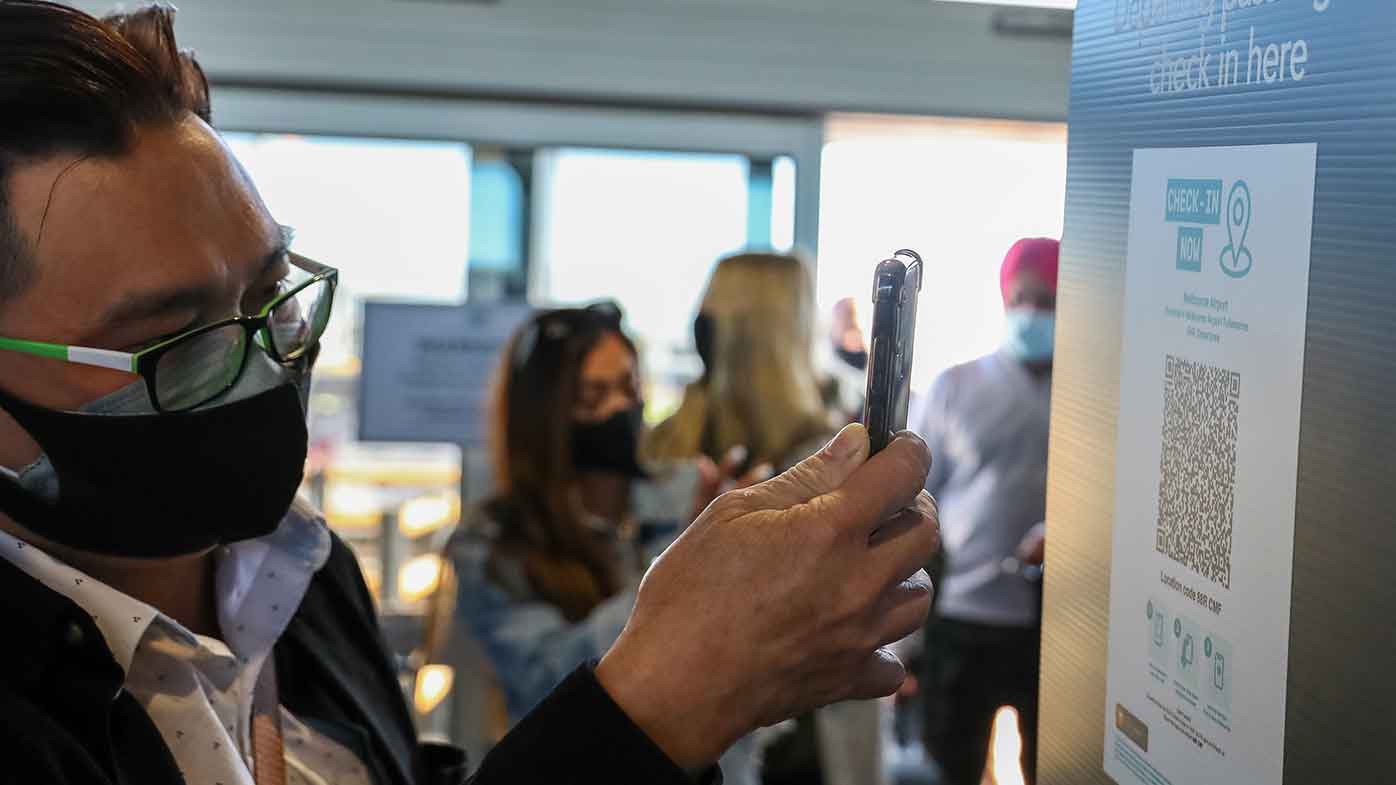
Domestic travellers from New South Wales are seen scanning QR codes upon arrival into the terminal.

Are there any changes for pubs, restaurants, theme parks and stadiums?

From December 15, there will be no density limits for all settings.

This means pubs, restaurants, theme parks, stadiums can accept as many people that can safely fit within their respective venues.

You can drink standing up, you can sing and dance, and you can go to the theatre or the cricket without a formal requirement to wear a mask.

What about places where people are in confined spaces, like music festivals and cruises?

Music festivals will be limited to 20,000 and attendees of indoor music festivals with more than 1000 people will be required to show proof of vaccination.

Cruises with over 100 passengers will also require everyone onboard to be fully vaccinated.

What does this mean for my work Christmas party?

Hundreds of thousands of people will be celebrating their work Christmas party in the coming days as the countdown towards Christmas looms.

Your employer may implement COVID-safe practices, but there will be almost no government-led rules on what they must do.

You'll likely need to sign in to a pub if you go to one, but you won't need to show proof of vaccination.
What if I'm flying to NSW from overseas?

From December 15, international travellers who are fully vaccinated will no longer need to quarantine when they arrive.

You must still do a PCR test and the vaccine you received must be recognised by Australia's Therapeutic Goods Administration (TGA).

If you are not fully vaccinated and flying to NSW you will still need to quarantine on arrival for 14 days.

Does this mean NSW residents who have been working from home must go into the office?

Not necessarily.

The NSW Government has left the door open for office workers, saying employers should "allow staff to work from home at their discretion".

I'm a business owner in NSW, what do I need to do to comply with the new rules?

It depends on what function your business serves but, broadly, from tomorrow COVID-19 safety plans will be optional for businesses.

If you run a pub, a gym, a small bar or a nightclub (among other businesses), you'll still need to keep your COVID QR check-in codes for patrons to use.
Rare giant blue gemstone to be sold

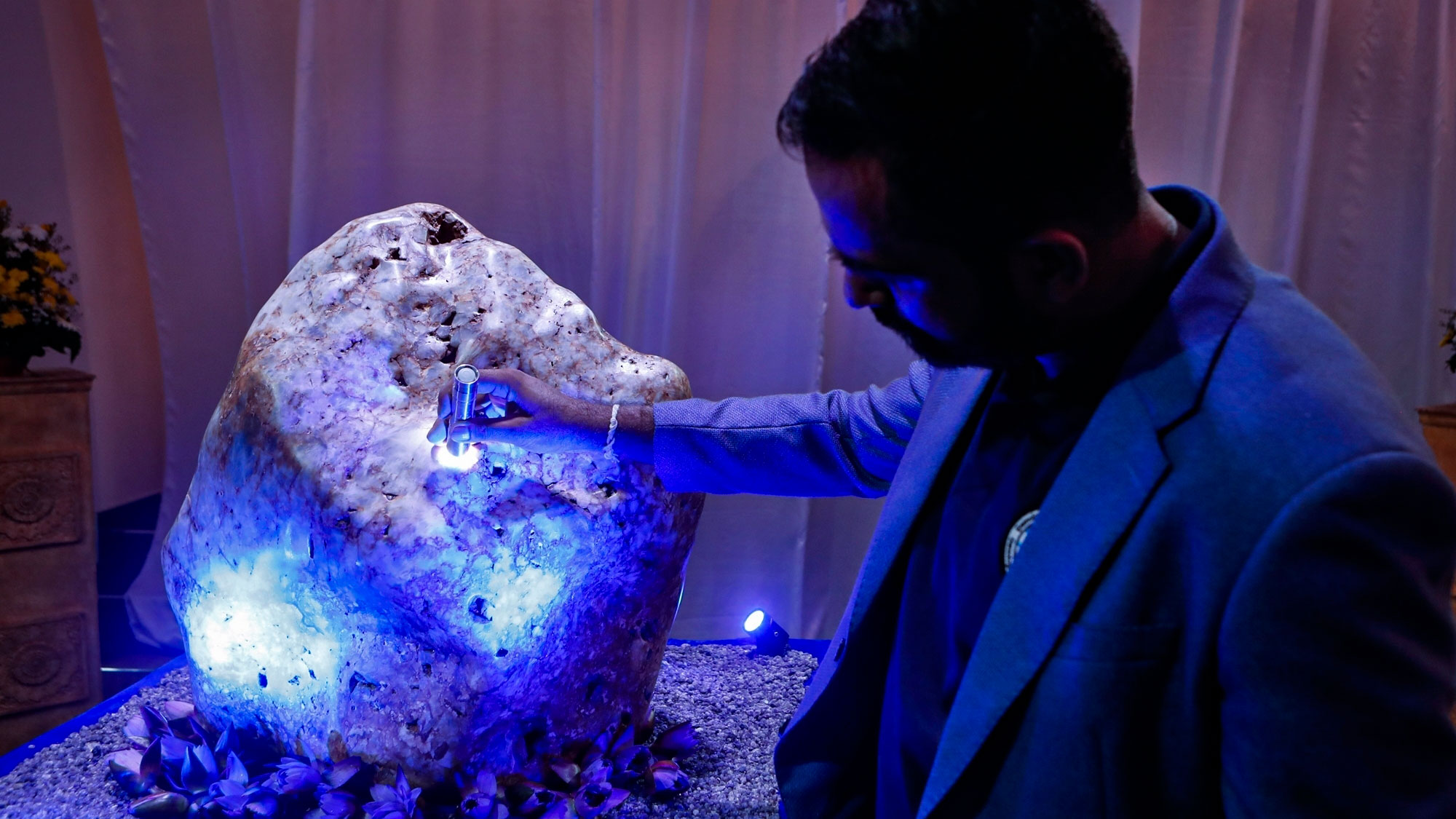
A gem company in Sri Lanka has unveiled a rare and massive gemstone weighing 310 kilograms that has been certified as one of the biggest corundums ever found in the country.

Sri Lanka's National Gem and Jewelry Authority says it has done a series of gemological tests on five samples taken from the rock.

"To our knowledge this specimen is indeed a rare specimen and not recorded in the geological literature," read an authentication letter given by the authority to the owners who unveiled the stone.

READ MORE: World's largest star sapphire cluster found in backyard

Chamila Suranga, a gemmology researcher attached to Gemological Institute of Ratnapura inspects a 310 kilograms heavy natural corundum blue sapphire at a residence where it is kept in Horana, south of Colombo, Sri Lanka.

When the outer layer was removed for inspection, the interior showed a silky blue patchy appearance, the letter said, suggesting the stone is a blue sapphire.

LIVE NEWS: Christmas parties could spark Omicron wave

Shanka Ruwanditha, a director of the company that currently owns the massive stone, the Gemological Institute of Ratnapura, told The Associated Press the owners plan to obtain the services of a local or foreign gem valuer soon to determine the price of the rock.

Sri Lanka and especially its southwestern city of Ratnapura, or the Gem City in the local language, has been known for centuries for mining gems and precious stones.