Warning: This article discusses suicide and could be distressing for some people A Taupō pensioner says she’s felt like giving up on life after her husband’s carers regularly failed to turn up. Helen Wickens has been looking…
Category Archives: headline
Thunder and lightning: North Island under severe thunderstorm watch as rain rolls across region
Motorists in Auckland are being told to expect delays as wet weather continues to hit the region.Much of the upper North Island can expect thunder and lightning this afternoon as a warm, moist front blankets the region. Northland,…
Protesters rally to oppose vaccine mandates
Thousands of protesters have converged upon Sydney and Melbourne's CBD to demonstrate against vaccine mandates, including Victoria's new pandemic laws introduced by the government.
Protesters gathered at Parliament House on Spring Street in Melbourne about 12pm, before rallying down Bourke Street chanting "free Victoria".
Crowds were carrying flags and banners, some of which read "reclaim the line" and "together we can stop vaccine passports".
READ MORE: More than 1.5 million Aussies instantly in line for booster shot
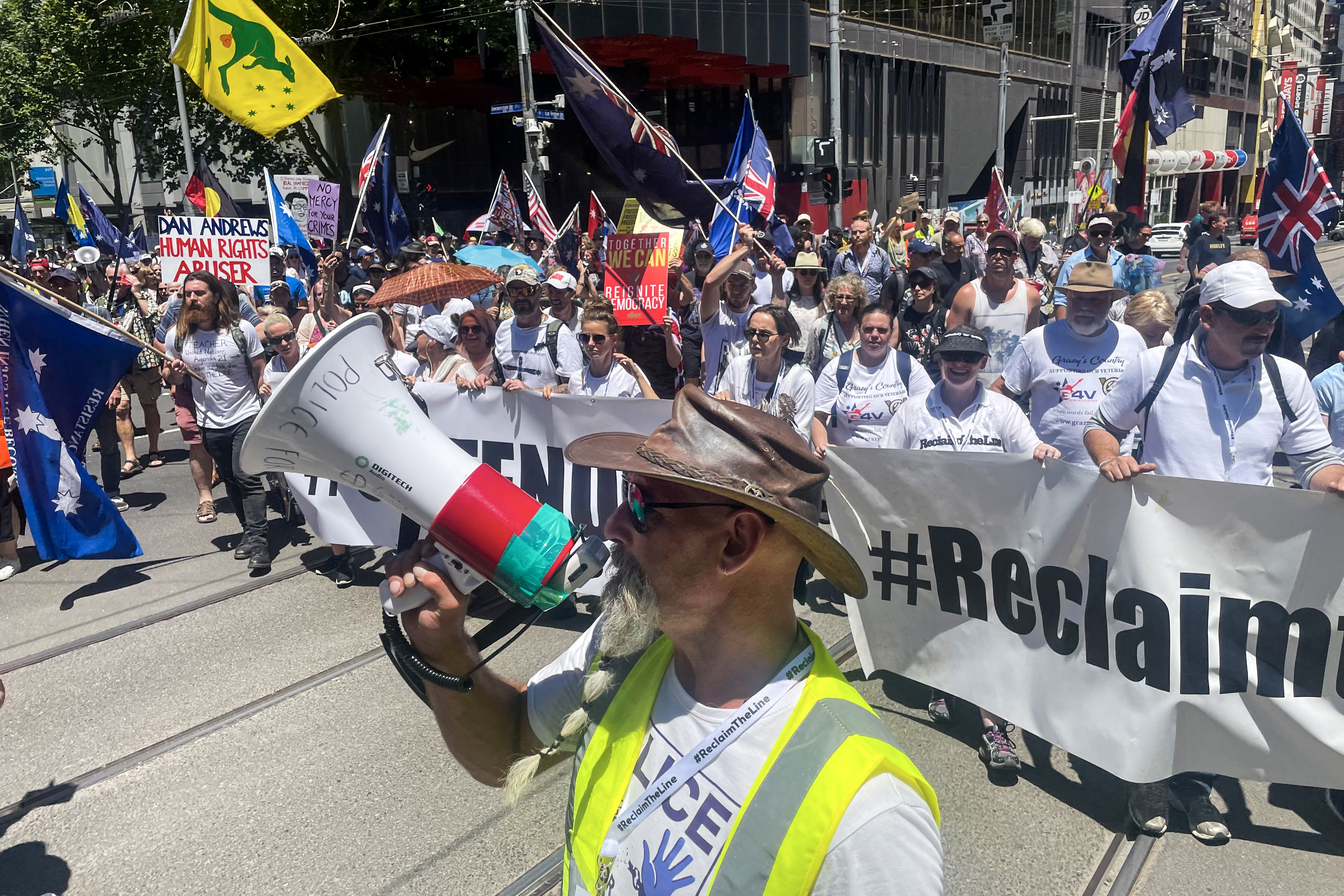
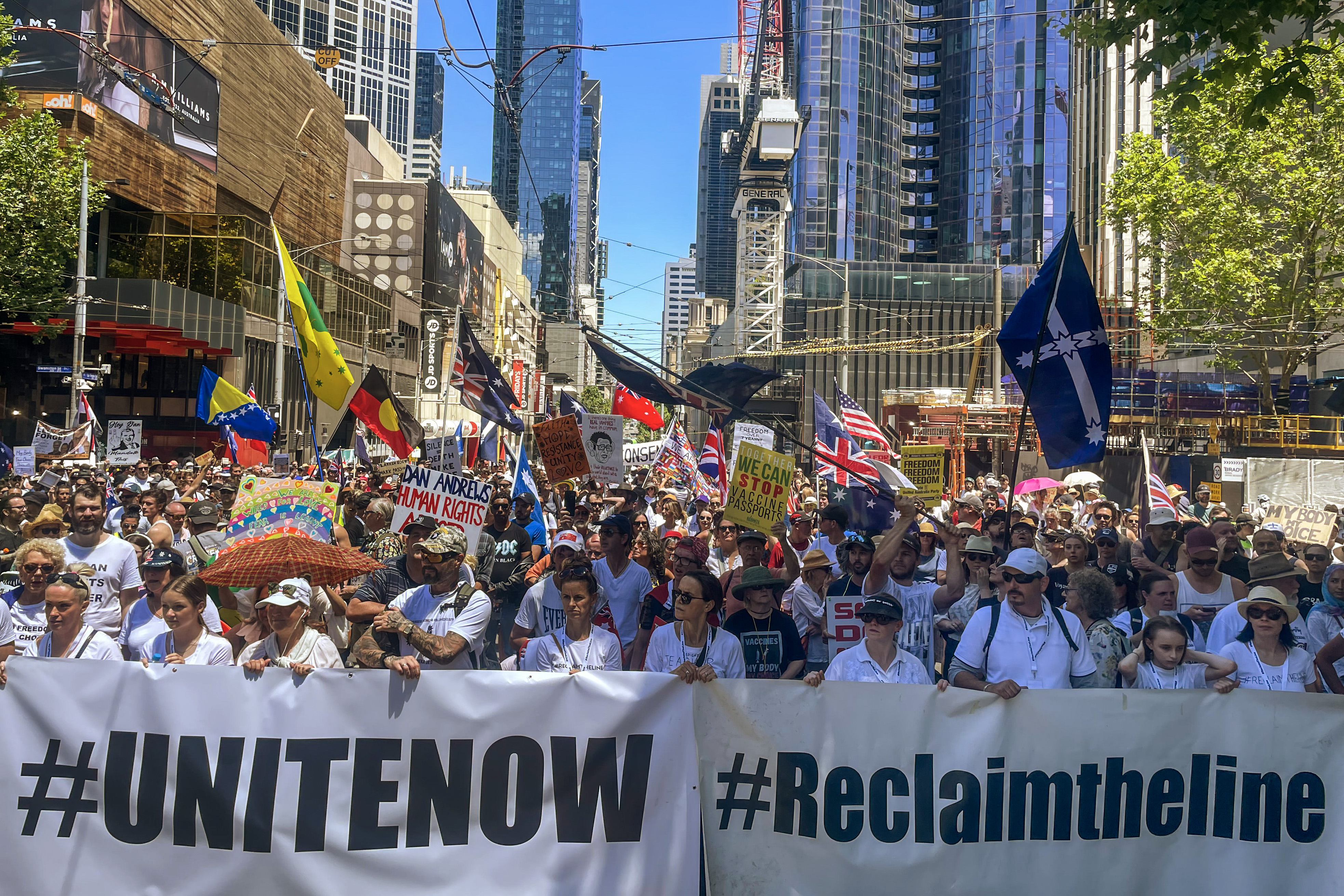
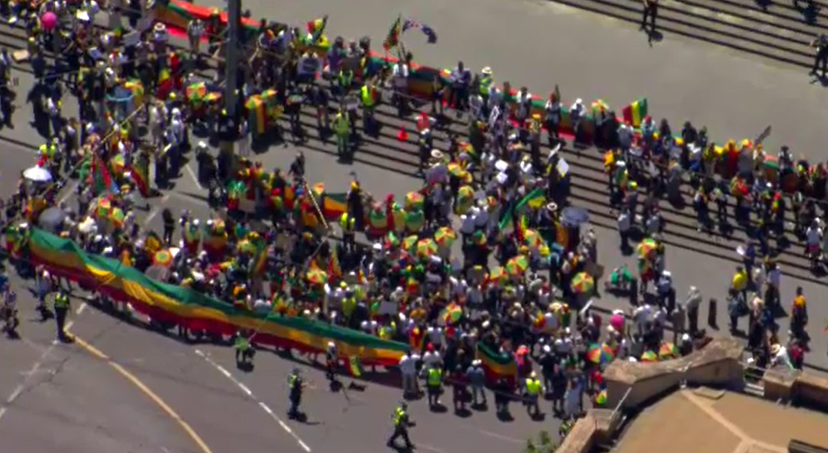
The protesters came to a stop at the Royal Exhibition Building, singing and playing music at the Carlton Gardens.
Protesters chanted: "What do we want? Freedom. When do we want it? Now."
One protester said the protests weren't about "being an anti-vaxxer".
"This is pro-choice," they said.
"No vaccine passports."
It comes as Premier Daniel Andrews made the state's first pandemic declaration under the new laws on Friday.
The premier confirmed the pandemic declaration would come into effect on December 15 at 11.59pm, when the state emergency expires.
READ MORE: COVID-19 cases drop in NSW with more restrictions set to ease
https://twitter.com/9NewsSyd/status/1469844606783135744
In Sydney, protesters packed out Hyde Park in an act of demonstration against vaccine mandates for a range of industries including entertainment, creative arts and healthcare.
The protests are part of a national day of action today across the country, with demonstrations also planned to take place in Queensland, Perth, Canberra, Adelaide and Hobart.
Covid 19: Border loosening should be postponed amid rise of Omicron – Michael Baker
By RNZ Epidemiologist Michael Baker says current border restrictions need to stay longer to keep Omicron out of the country.From early next year, most fully vaccinated travellers into New Zealand won’t be required to go through…
Drugs worth $5b burned by police in hot furnaces
More than $5 billion in illicit drugs have been burned this year as part of the Australian Federal Police's drug destruction program.
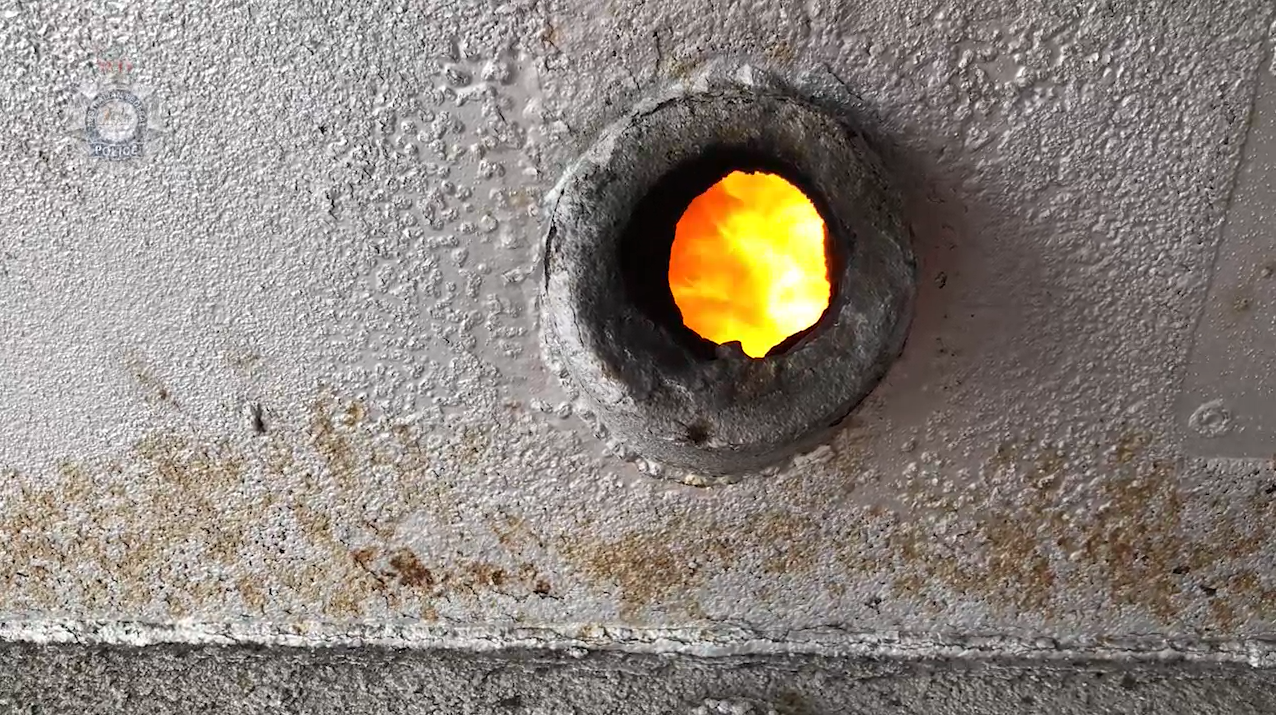
Drugs weighing more than 25 tonnes – equivalent to the weight of four large adult male African elephants – have been destroyed at specialised furnaces across the country in temperatures of up to 1400 degrees.
Illicit substances including methamphetamine, MDMA and amphetamines dominated the burning load with nearly 20 tonnes destroyed this year.
READ MORE: Motorcyclist allegedly speeds down freeway at over 250km/h
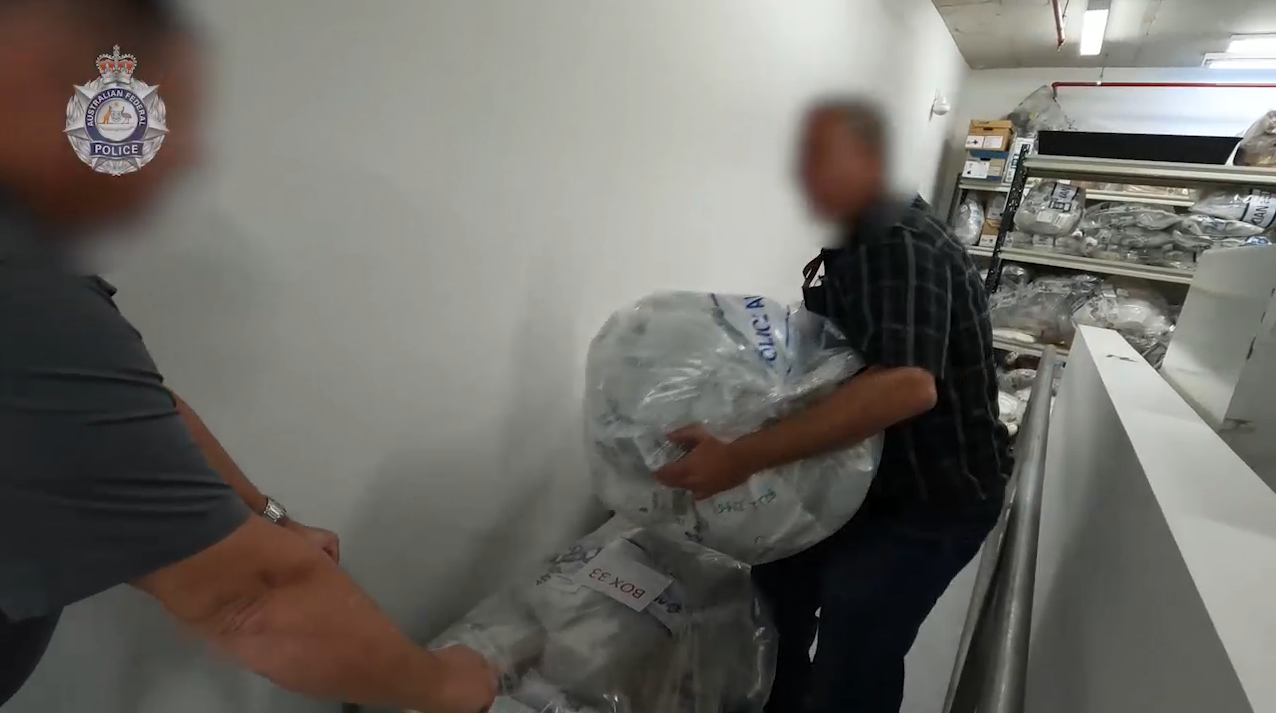
While 1.3 tonnes of cocaine and 2.2 tonnes of cannabis and cannabis-related products went up in smoke.
The furnaces vaporise the drugs into steam that is channeled through a series of filtration systems until it is harmlessly released.
The drug destruction programs follow the AFP preventing transnational organised criminals from attempting to import drugs into Australia in 2021.
AFP Crime Command Detective Superintendent Russel Smith said the furnaces had vaporised the profits of organised crime gangs.
"The AFP has vaporised more than $5 billion of profit that was destined to line the pockets of the nation's most dangerous organised criminal gangs, including outlaw motorcycle gangs," he said.
READ MORE: Over 90 graves destroyed by vandals at a cemetery in Victoria
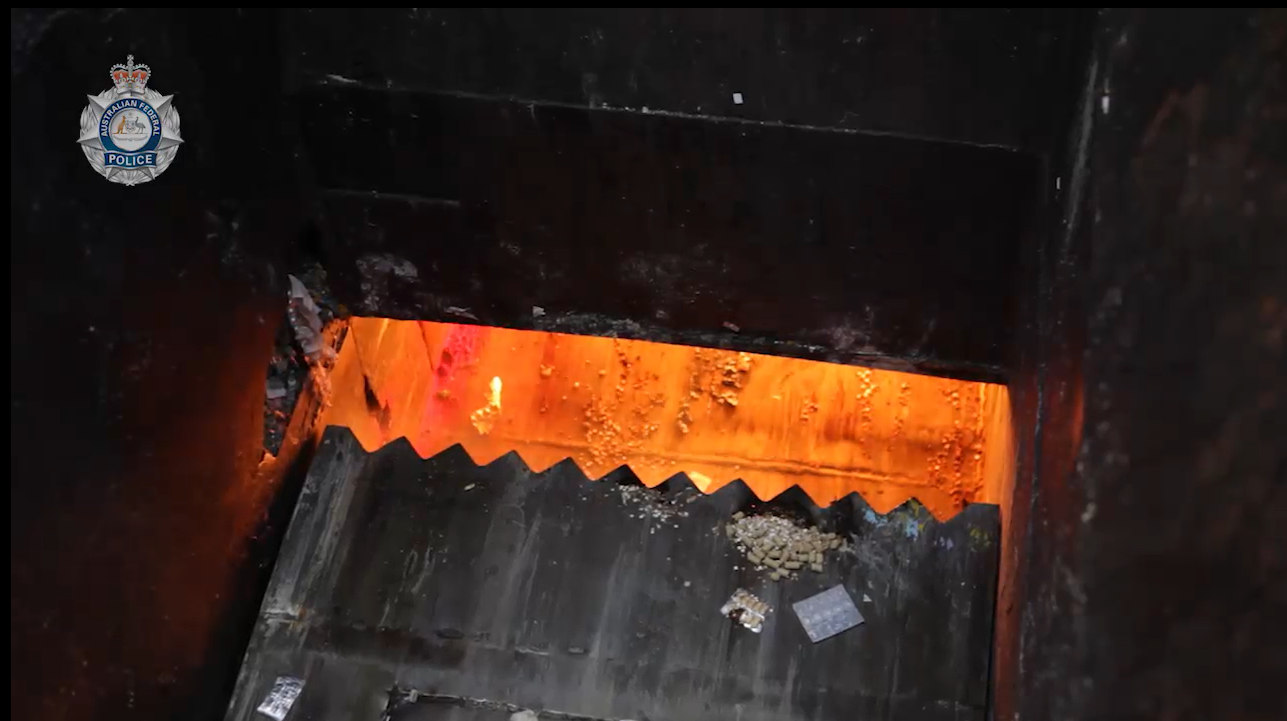
"This is a major hit to the balance sheets of these criminals and puts pressure on every aspect of their operations."
The 4.3 tonnes of methamphetamine destroyed this year had an estimated street value of nearly $3.9 billion.
The 1.3 tonnes of cocaine destroyed was valued at $533 million and the AFP also burned $349 million worth of heroin and $165 million worth of cannabis.
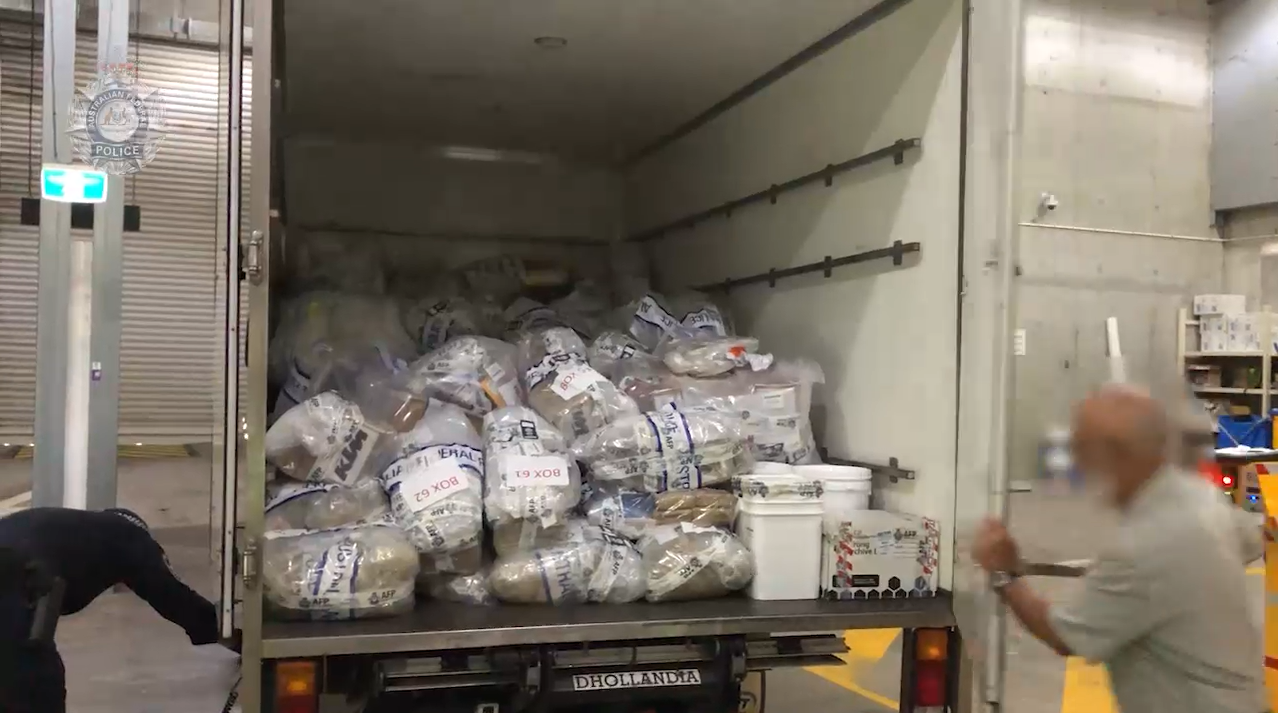
"The AFP will aggressively pursue anyone trying to spread misery on our streets in order to protect the community which pays the price for the greed of these criminal gangs," Superintendent Smith said.
"The 30 tonnes of illicit substances that the AFP has destroyed this year had the potential to cause massive damage to our communities through violence and long-term health impacts, which disproportionately affect the young and vulnerable."
Heavily-armed AFP members monitor every step of the destruction process and remain on-site until every ounce of the drugs has been destroyed.
Every gram of illicit drugs seized by the AFP gets destroyed once it is properly documented for court purposes.
Witnesses' horror as they watch avalanche bury group of skiers
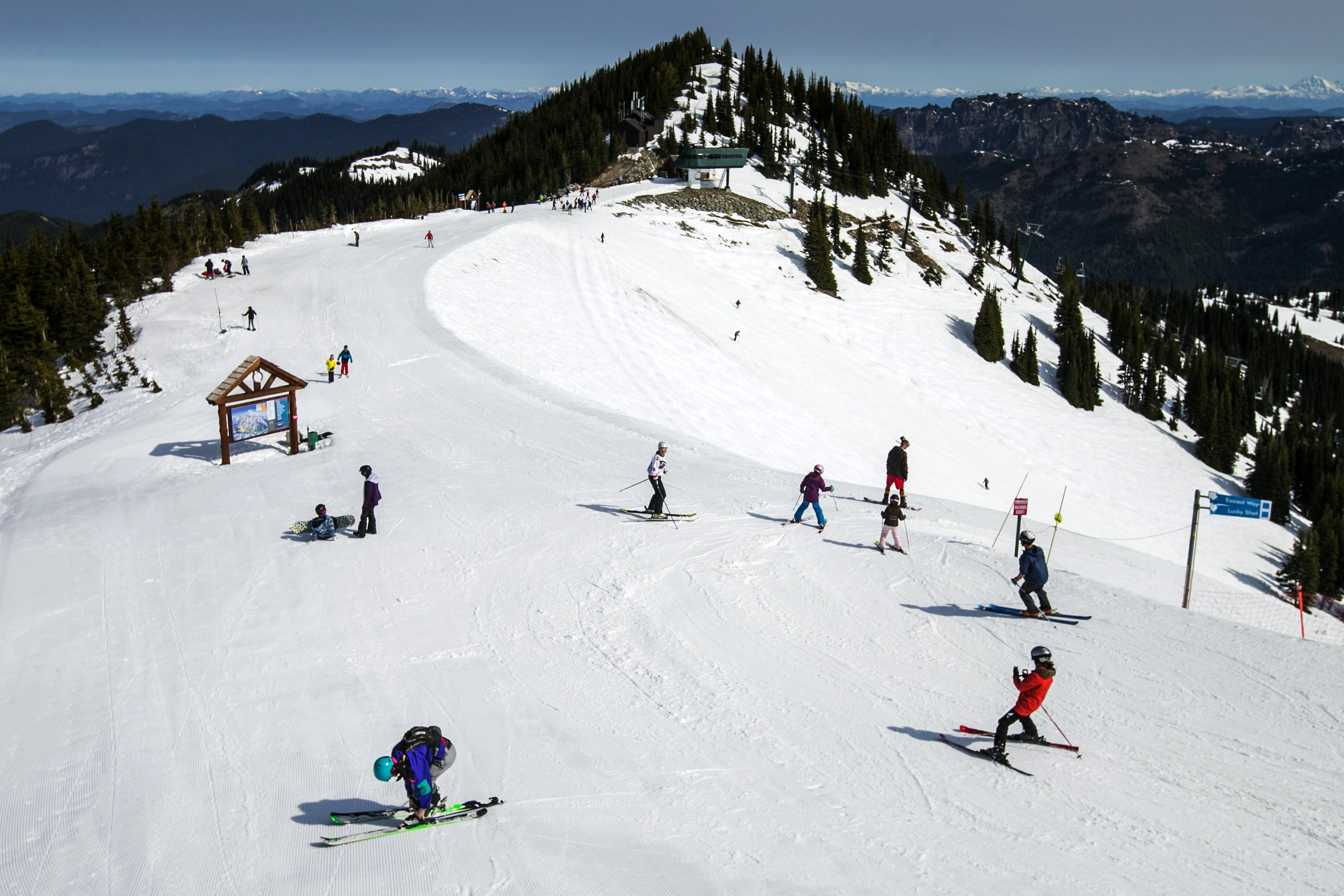
An avalanche swept through part of a Washington state ski resort used to access backcountry skiing on Saturday, killing a 60-year-old man and temporarily trapping five others.
The avalanche was reported about 10:50 am in the Silver Basin area of Crystal Mountain, which is located about 137 kilometres southeast of Seattle, said Pierce County Sheriff’s Department Sergeant Darren Moss.
The identity of the man who died hasn’t been released, but authorities say he wasn’t breathing after being pulled out of the snow and didn't survive despite CPR efforts by another skier.
READ MORE: More than 1.5 million Aussies instantly in line for booster shot
The other skiers in his group rescued themselves with the help of two witnesses who saw them get swept up by the snow. All were wearing avalanche beacons.
While all of those caught in the avalanche were experienced backcountry skiers, a warning had been issued against skiing in the area, which was just inside the boundaries of Crystal Mountain Resort.
The private ski resort determines the conditions but there is nothing that stops skiers from going there because the property abuts public lands in the Mount Baker-Snoqualmie National Forest.
READ MORE: More than 30 tornadoes carve path of destruction across US
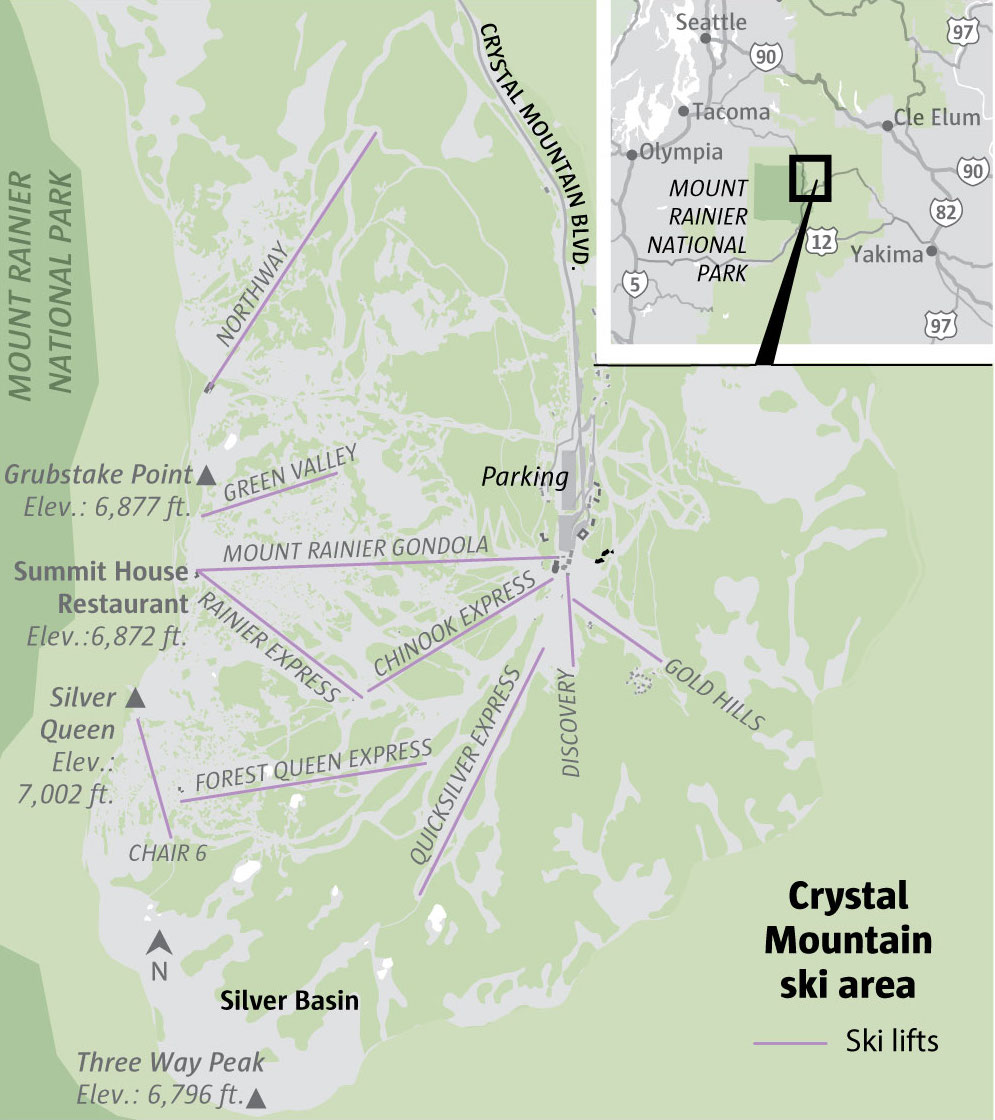
Frank DeBerry, the resort's president and CEO, said all six men held the ski resort’s uphill travel passes, which means they were registered with ski patrol, participated in an orientation on how and where to access backcountry skiing through the resort’s property and were required to check snow conditions prior to their excursion.
“Skiers can travel at will wherever they want in the national forest. They had gone out into the forest but ended up back in bounds (of the resort) where this slide occurred,” Mr DeBerry said
In addition to shutting the area where the slide occurred, the resort earlier in the day closed the Mt. Rainier Gondola because of winds reaching 161 kilometres per hour.
The avalanche came amid the season's first major snowfall.
The area is under a winter storm warning until Sunday morning, with the National Weather Service saying 38 centimetres of snow is possible for areas above 610 meters.
“We’ve had a late start to the season and now we’ve gone from virtually no snow to a giant snow storm. People got excited,” Mr DeBerry said.
“We all have to remember that it’s a sport that carries risk.”
Crystal Mountain is the largest ski resort in Washington state, encompassing 1,052 hectares.
Police attend late night boyracing incidents in Hamilton, Auckland – but no arrests
Police attended two large disturbances involving boy racers overnight – but took no action apart from speaking to those involved.The first, in an industrial area along Rosebank Rd in the Auckland suburb of Avondale, was reported…
Covid 19 Delta outbreak: Kiwi mum home after virus fight flooded with messages
A Hamilton mother who shared her Covid-19 fight for life in hospital has gone home to find her inbox flooded with messages from complete strangers thanking her for convincing family members to get vaccinated. “The whole thing was…
Local Focus: Have yourself a very crafty Christmas
It’s a treasure trove of handmade arts and crafts.For many people, the Hawke’s Bay Arts and Crafts Christmas Bazaar, now in its 26th year, is the only place to shop for Christmas gifts.Bazaar administrator Marita McCormick-Duncan…
Colossal winged reptile is largest known flying animal ever to live
The bones of an extinct reptile tell a story of how this ancient creature took an 2.4-metre leap of faith in the air to take flight, new research has revealed.
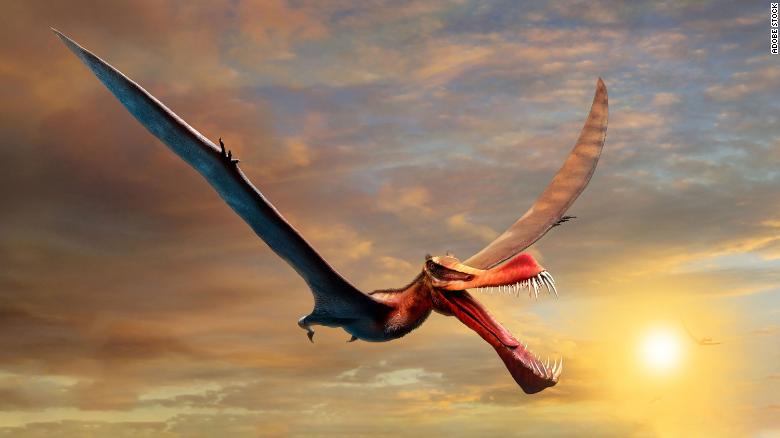
The pterosaur Quetzalcoatlus, the largest known flying animal that ever lived, boasted a 12-metre wingspan that would allow it to soar through the sky, according to a research collection published Wednesday by the Society of Vertebrate Paleontology.
Scientists were puzzled for decades at how such a large creature could fly, said coauthor Matthew Brown, director of vertebrate paleontology collections at The University of Texas in Austin.
READ MORE: More than 30 tornadoes carve path of destruction across US
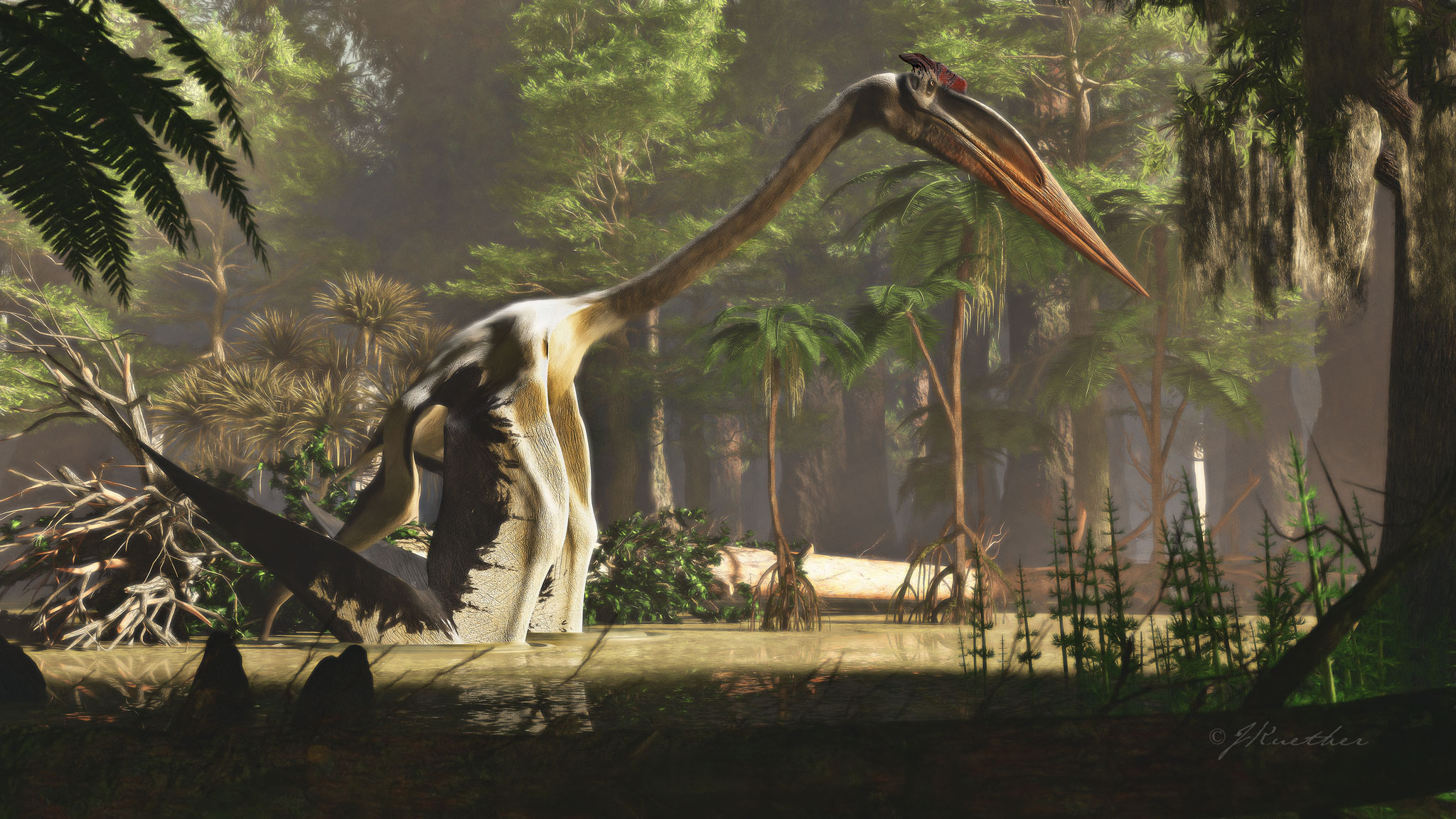
After years of research, Mr Brown's team discovered Quetzalcoatlus likely took to the sky like a fighter jet off an aircraft carrier – punching 2.4 metres off the ground before flapping huge wings.
It took nearly 50 years between the time the bones were discovered in Big Bend National Park in Brewster County, Texas, and when scientists could determine how the creature flew. Mr Brown attributes that to the painstakingly slow process of unearthing the bones.
Like many other flying species during that time, this pterosaur had bones that were hollow to aid in flight, Mr Brown said.
"You have these sort of potato chip-like bones preserved in very hard rock, and you've got to remove the bones from the rock without destroying them," he said.
Two new species are discovered
Over the last half century, two new smaller species of pterosaurs were discovered in the national park as well.
At first, the scientists weren't sure if the animals were juvenile versions of the Quetzalcoatlus or a different species altogether.
The researchers took precise measurements of the fossils and ran them through a computer algorithm. If they didn't come back as near matches to the other animal, it was mostly likely another species, Mr Brown said.
READ MORE: South African doctors see signs Omicron is milder than Delta
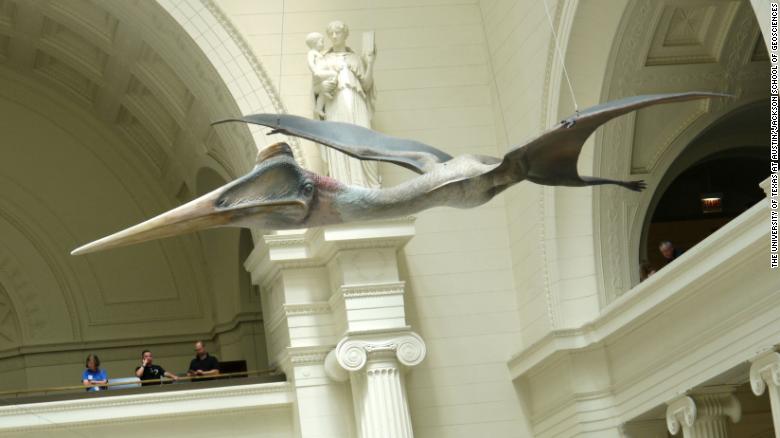
The smaller of the two new species has a blunt beak while the larger species has a long, thin, beak that comes to a point.
The animals lived in a forest oasis over 70 million years ago in what is now Texas, which was home to many bodies of water.
The larger Quetzalcoatlus would have likely used its narrow beak to forage for crabs and worms along the water, according to the research collection. This reptile species also tended to hunt alone.
The smaller Quetzalcoatlus was much more social and would spend time in large groups. Researchers found about 30 of the flying animals together at a fossil excavation.
Missing pieces of the fossil
Scientists have fairly complete skeletons of the smaller species, but only a portion of the original Quetzalcoatlus body.
Mr Brown said he wants to pick up where Douglas Lawson, a former geology graduate student at the University of Texas who discovered the original bones in 1971, left off.
One of Brown's personal goals is to obtain a permit and go out into the national park to find the rest of the animal and collect it.
"That would be hugely informative and would really test a lot of our hypothesis about what these big animals look like based on the small ones," Mr Brown said.