The sole survivor of a crash that killed five Timaru teenagers has been charged with five counts of manslaughter. He has appeared in court this afternoon but the Herald has learned some of the victim’s families were not aware of…
Category Archives: headline
How South Auckland's reputation for tagging was turned around
Twenty years ago many would have described South Auckland as a tagger’s paradise, but now the region is home to an array of stunning murals and brilliant graffiti art. And it’s primarily thanks to the Manukau Beautification Trust.In…
NZ faces dangerous 'grey zone' of more sabotage, foreign interference, major Defence paper warns
New Zealand’s armed forces face an increasingly dangerous world and will need to get more assertive and sophisticated.That’s what the first Defence Assessment in seven years has warned, and it pulled no punches in its opening line.”New…
Drug-driving man avoids jail after killing best mate in Piopio crash
A Taranaki man who killed his best mate after crashing while under the influence of a cocktail of drugs has avoided jail.Instead, Marshall Darrin Higginson, 23, will now serve a 10-month home detention sentence at a house with the…
Herald afternoon quiz: December 8
Test your brains with the Herald’s afternoon quiz. Be sure to check back on nzherald.co.nz for the morning quiz tomorrow. To challenge yourself with more quizzes, CLICK HERE.
Covid 19 Delta outbreak: Māori leader fears a group of young people is putting the community at risk by allegedly ignoring isolation rules
A young Covid-infected person and a number of youth identified as close contacts have not been isolating in the King Country, prompting fears the virus could continue to spread in the small rural communities if people continue to…
Resource consent approved for massive Wanaka film studio development
Resource consent has been approved for the $280 million Silverlight Studios film studio development near Wanaka.An independent fast-track consenting panel issued its decision today, 96 days after Silverlight Studios Limited applied…
The most dazzling photos of the Northern Lights captured this year
Travel and photography blog Capture The Atlas has published its annual Northern Lights Photographer of the Year for 2021, showcasing the top 25 photos of the Northern Lights taken around the world.
Ancient turtle fossil unearthed in Melbourne suburb
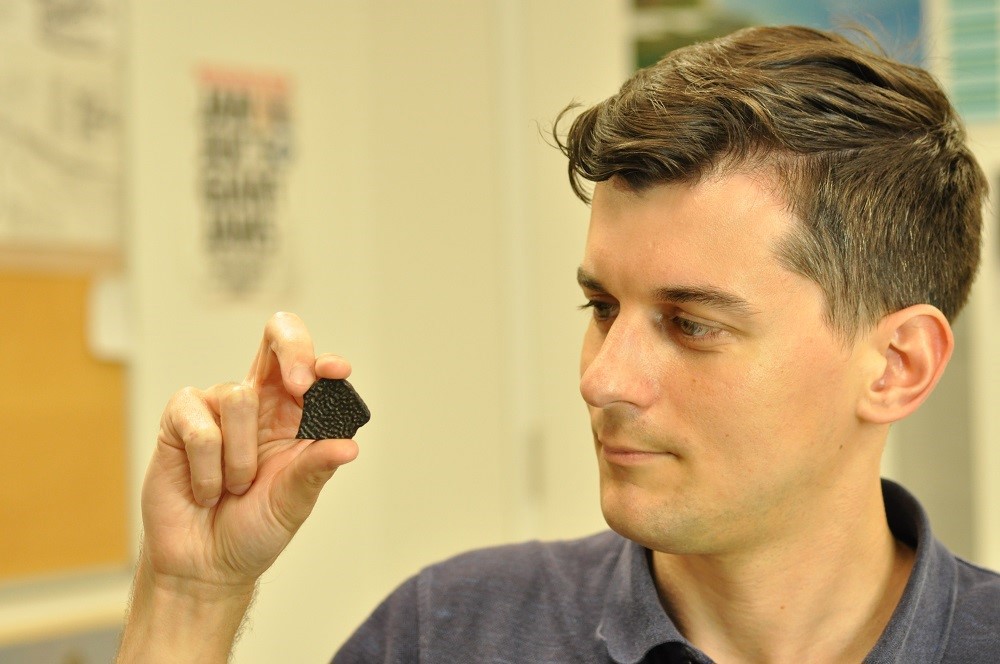
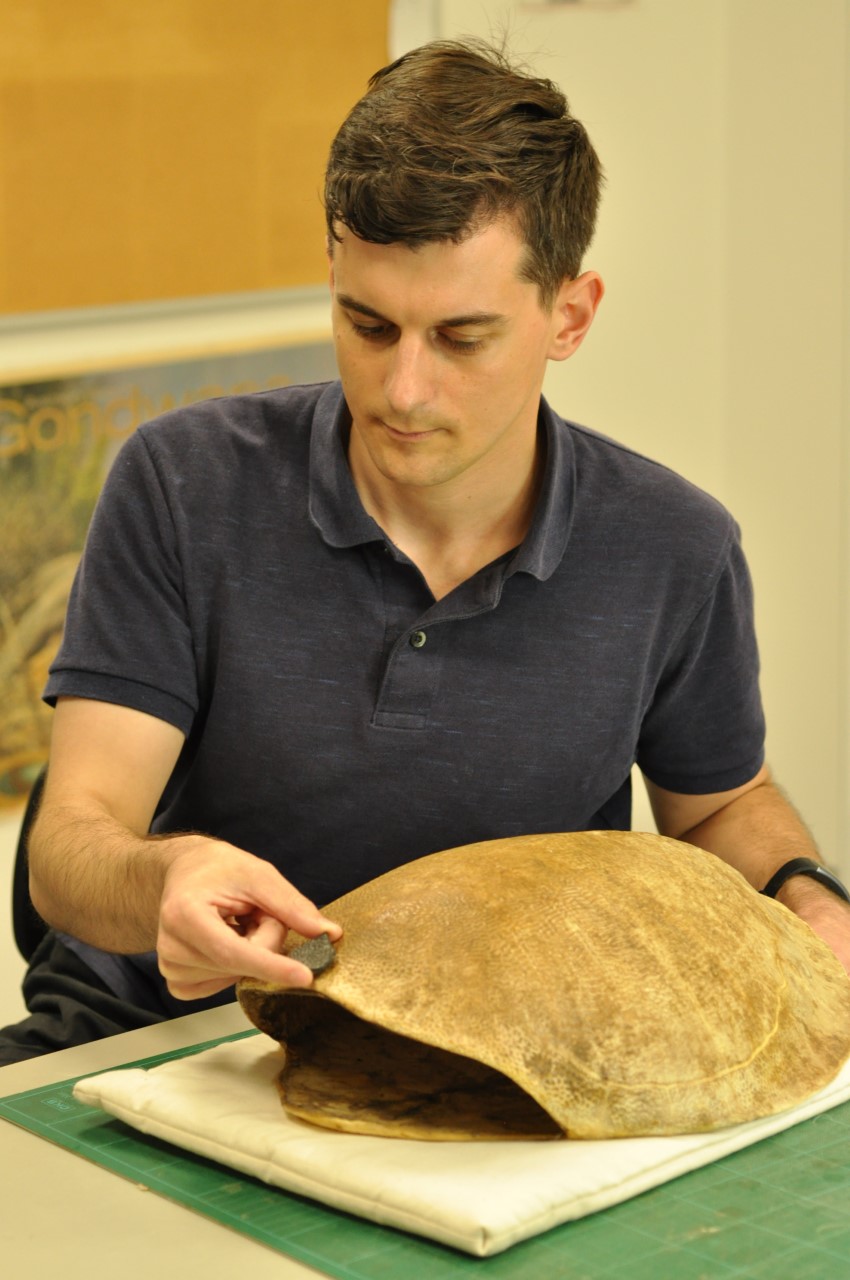
Scientists have discovered a five million-year-old pig-nosed turtle fossil in Melbourne, thousands of kilometres south of their typical home.
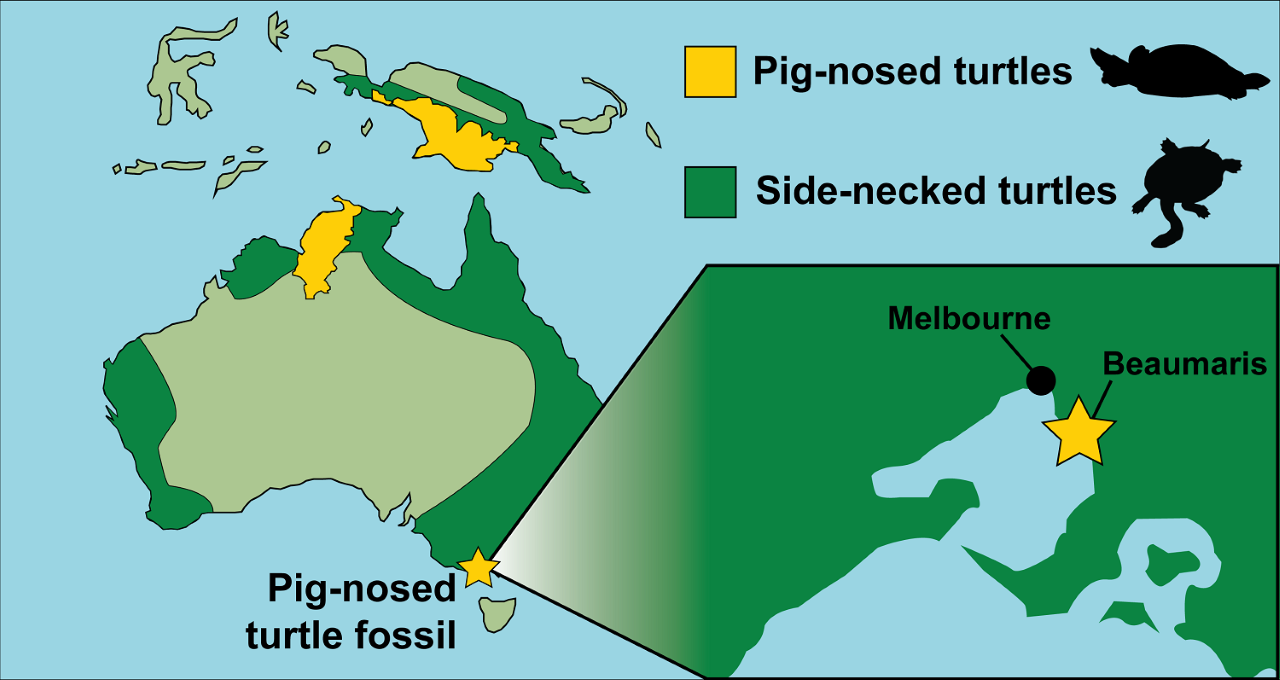
The fossil, housed in Melbourne Museum, was discovered in the bayside suburb of Beaumaris, about 20-kilometres from the CBD.
The finding, outlined in a study led by Monash University in collaboration with Museums Victoria, completely rewrites the evolution of pig-nosed turtles.
Pig-nosed turtles tend to be found in tropical freshwater ecosystems in northern Australia and New Guinea, only arriving here a few thousand years ago.
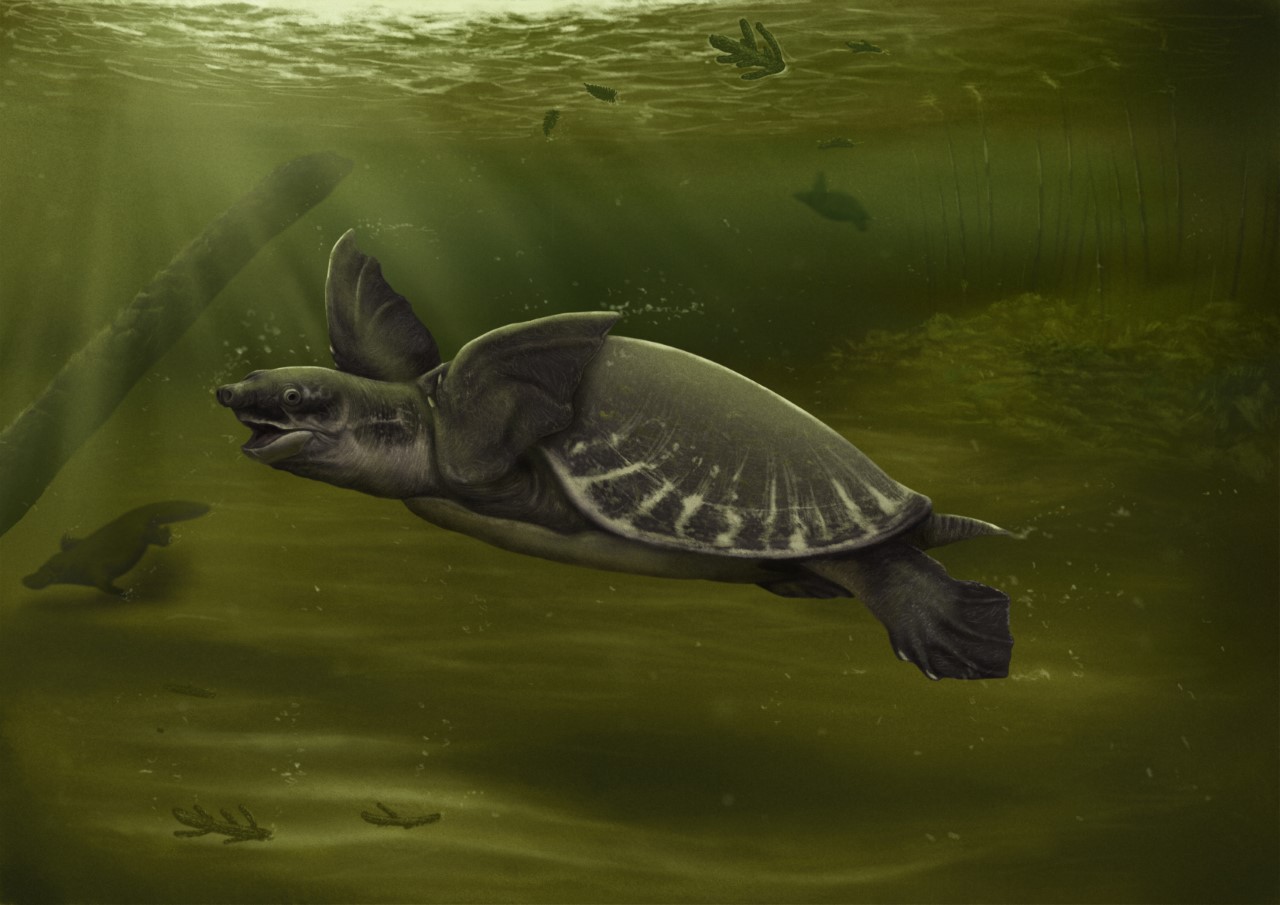
The creatures are endangered and the sole survivors of an extinct group of tropical turtles from the northern hemisphere.
However, it seems the creature once called Melbourne home millions of years ago.
"Almost the entire evolutionary history of pig-nosed turtles occurred in the northern hemisphere, with their present limited occurrence on the northern margin of Australia," said lead study author Dr James Rule, from the Monash University School of Biological Sciences.
"The discovery of a five million-year-old pig-nosed turtle fossil in Beaumaris changes this picture entirely."
It points to a broader pattern of turtles migrating across entire oceans in ancient history to reach the once tropical waters of southern Australia.
"This one fossil specimen reveals a previously unknown evolutionary history of tropical turtles in Australia, and suggests we still have much to learn about the endangered pig-nosed turtle," Dr Rule said.
READ MORE: New dinosaur species discovered decades after bones were excavated
Scientists say the climate in Melbourne was far warmer five million years ago, and was home to turtles only found in the tropics today.
"Climate change in the last few million years eliminated these tropical habitats, leaving the northern Australasian Pig-nosed turtles as sole survivors," Dr Rule said.
"Our discovery provides key insights into ancient climate change shaping modern species distribution."
READ MORE: Gems from plane crash returned to climber who discovered them
The fossil is the latest important discovery to come from the Beaumaris fossil site.
"We are so lucky in Melbourne to have such fossils right here in our own backyard," Dr Erich Fitzgerald, a senior curator of vertebrate palaeontology at Museums Victoria and co-author of the paper, said.
"The fossils at Beaumaris still have so much to teach us about our past, present and future."
New 'stealth' version of Omicron variant detected in Queensland
Australia has recorded a new version of the Omicron variant that has a different genetic structure.
Queensland today reported two Omicron cases among previously detected COVID-19 transmissions.
One of them – in a traveller who recently arrived from South Africa – has been described as "Omicron-like" after research by international experts.
READ MORE: Omicron spread a 'wake up call' as Australia re-opens
Health Minister Yvette D'Ath said the case revealed a second "lineage" of the variant.
"That is the new lineage and name that will be given to this variant that has been identified and confirmed by the international committee," she said.
Acting Chief Health Officer Peter Aitken said the lineage has about half the genetic changes of the first Omicron variant.
"We now have Omicron and Omicron-like, it's a reminder to us all that as we open our borders this doesn't mean that the COVID journey has finished, in many ways the COVID journey is just starting."
Unlike the conventional Omicron variant, it doesn't have the "S-gene drop out" feature, he said.
READ MORE: The suburbs predicted to be underwater in 80 years
'Stealth' version of Omicron
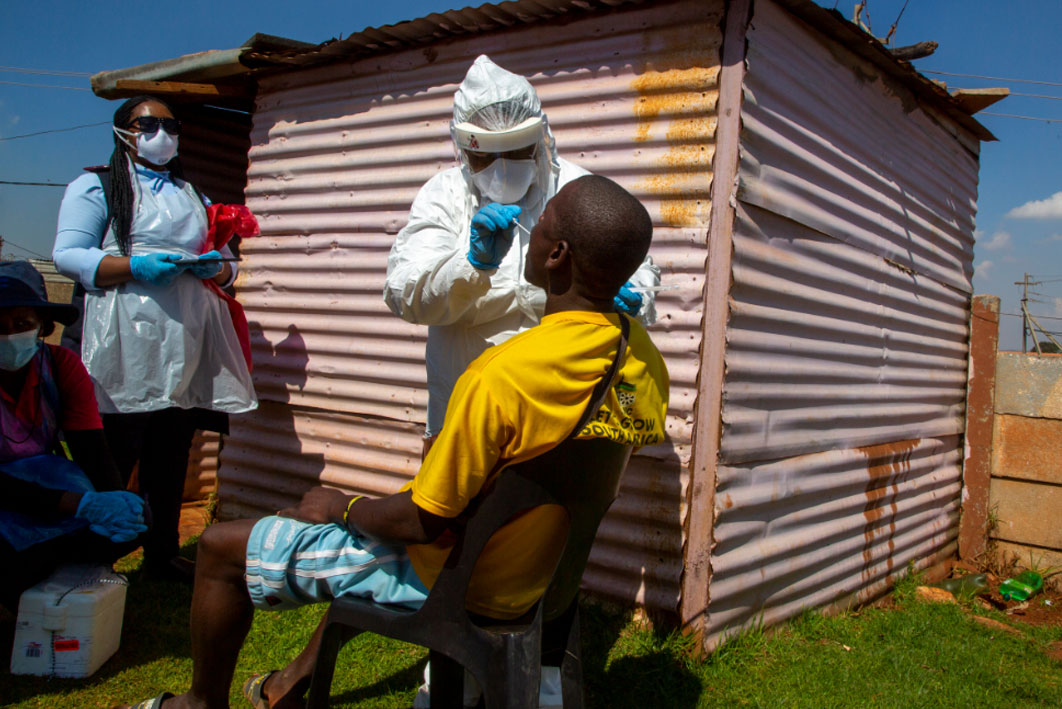
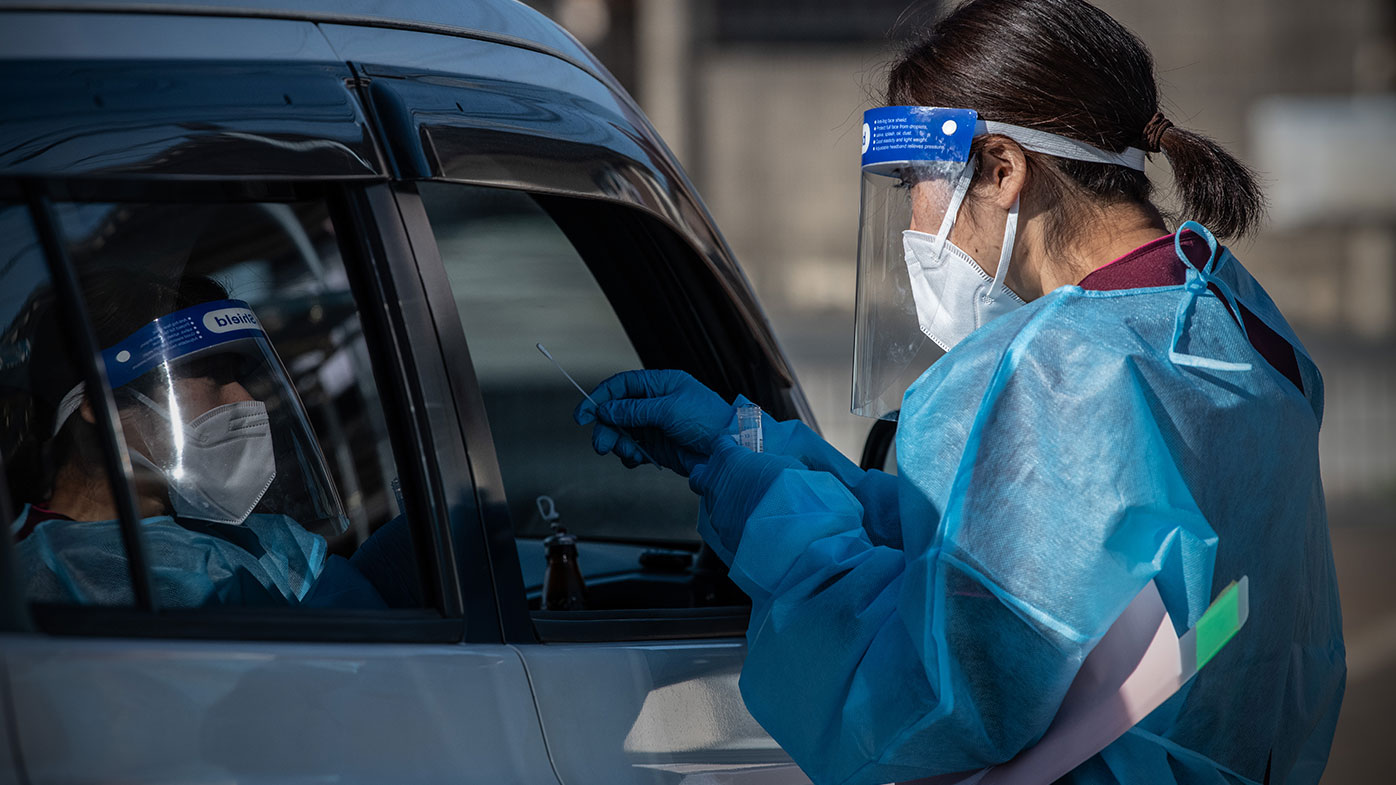
Without the "S-gene drop out" feature, the new lineage of Omicron is harder to track with PCR testing, The Guardian reports.
This has earned it the label of the "stealth" version of the variant.
Professor Francois Balloux, from the University College London Genetics Institute, said that there are "two lineages within Omicron, BA.1 and BA.2, that are quite differentiated genetically".
She said that BA.2 may behave differently than the Omicron variant first detected.
The emergence of this new variant poses a threat to countries' COVID-19 testing networks.
It could spread undetected while public health authorities concentrate on identifying standard Omicron cases.