A man has been taken to hospital after being shot at a home in West Auckland.Detective Senior Sergeant Megan Goldie said police were called to a Woodford Ave property in Henderson just before 12.30am today.”Upon arrival, a man…
Category Archives: headline
Covid 19 Delta outbreak: Whanganui's 'new normal'
READ MORE: • Whanganui 80% fully jabbed • Whanganui grapples with first day of traffic light system • Whanganui one of only five DHBs yet to reach 90% By Robin Martin of RNZ Despite having no active…
Police kept busy with bad behaviour on Auckland's first night of freedom
Aucklanders swept into bars and restaurants for their first night of freedom under the traffic light system yesterday, however police have been kept busy dealing with many getting very drunk.The troubles included a serious assault…
Man seriously hurt in Countdown carpark in Christchurch
A man has been seriously hurt after being assaulted in a supermarket carpark in Christchurch early this morning.Detective Senior Sergeant Craig Johnson said his team are investigating.”Emergency services were called to the Countdown…
One in 100 infected with coronavirus, German health minister says
Germany's health minister said Friday that more than one per cent of the population — almost a million people — are currently infected with the coronavirus, and called on citizens to get vaccinated if they haven't done so yet.
The country confirmed 74,352 new daily COVID-19 cases and 390 additional deaths, figures published by the federal disease control agency showed. According to the Robert Koch Institute's calculations, some 925,800 people in Germany are considered actively infected with the virus.
Health Minister Jens Spahn noted that the number of unvaccinated residents who are infected and seriously ill is much higher than their share of the overall population.
READ MORE: Germany backs de facto lockdown for unvaccinated
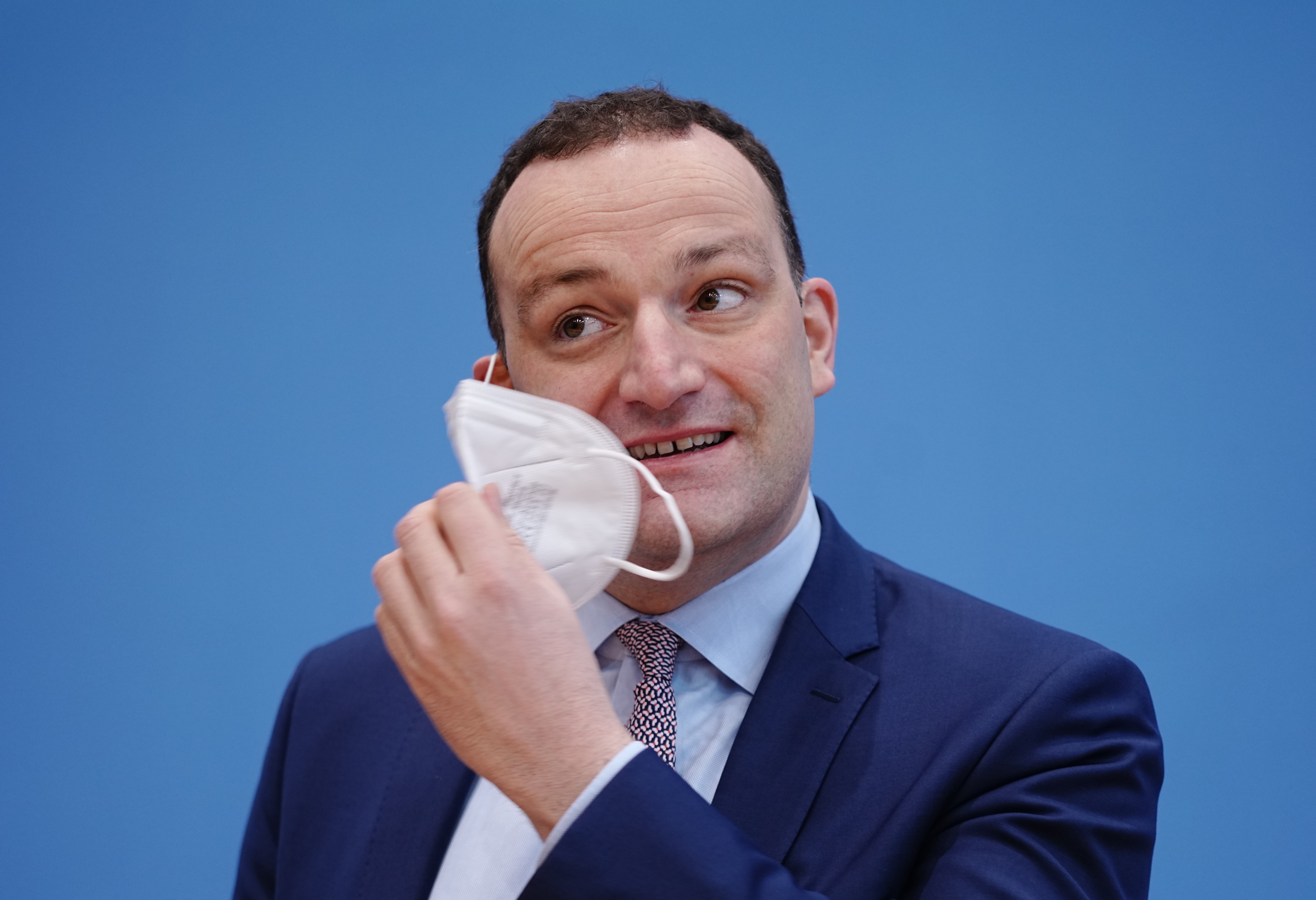
"If all German adults were vaccinated, we wouldn't be in this difficult situation," he told reporters in Berlin.
Spahn spoke a day after federal and state leaders announced tough new restrictions that largely target unvaccinated people, preventing them from entering nonessential stores, restaurants, sports and cultural venues.
The government also plans to submit a general vaccine mandate for parliament to consider. Government spokesman Steffen Seibert said lawmakers could vote on the issue in early January.
READ MORE: Scientists discover trigger of rare blood clots with AstraZeneca
Spahn, who is likely to leave office next week when Germany's new centre-left government takes office, has opposed compulsory vaccination and made clear Friday that he would vote against the measure.
About 68.8 per cent of people in Germany are fully vaccinated, while the government has set a minimum target of 75 per cent. For the first time since the summer, more than 1 million doses were administered on a single day Wednesday.
Authorities in Berlin have banned a protest planned Saturday by opponents of the pandemic measures. Police in the capital said past demonstrations had shown that participants failed to abide by infection prevention rules, including refusing to wear masks.
READ MORE: Single ticket wins $80 million Powerball
Germany's association for intensive care medicine, DIVI, has welcomed the newly agreed restrictions. But its head, Gernot Marx, told the dpa news agency that the number of COVID-19 patients treated in ICUs would likely reach a new record high over the festive period.
The head of the Robert Koch Institute, Lothar Wieler, cautioned that a plateau in new cases seen in some regions could be the result of labs and local health offices reaching the limits of what they can process.
"So it's too early to read a trend reversal into this, much less to refrain from tougher measures," he said.
READ MORE: US defence chief slams China's drive for hypersonic weapons
Man charged with alleged road rage incident
Footage has been released of a man armed with a hammer smashing the windscreen of an Armaguard van in a road rage attack at a Melbourne shopping centre.
Police swarmed Newmarket Plaza in Flemington following the incident at about 1.05pm on Friday.
Investigators believe a white cash logistics vehicle was driving along Racecourse Road and went to turn into the shopping centre car park when a red hatchback nearly collided with the van.
READ MORE: Protesters camp outside Government House after pandemic bill passes
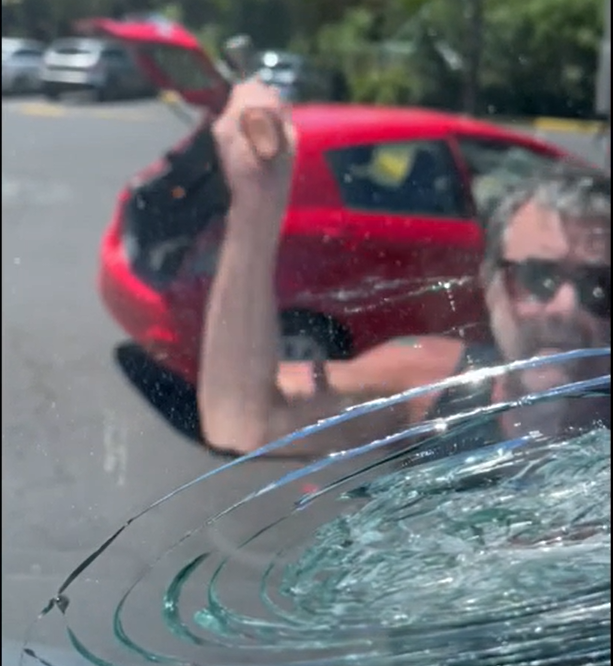
Police said a hammer-wielding man then approached the van and remonstrated with the driver, before smashing his side window and front windscreen with the weapon.
The cash logistics driver was forced to draw his gun, while the man returned to the boot of his red hatchback and then fled the scene.
Police said the legally-issued gun was not fired.
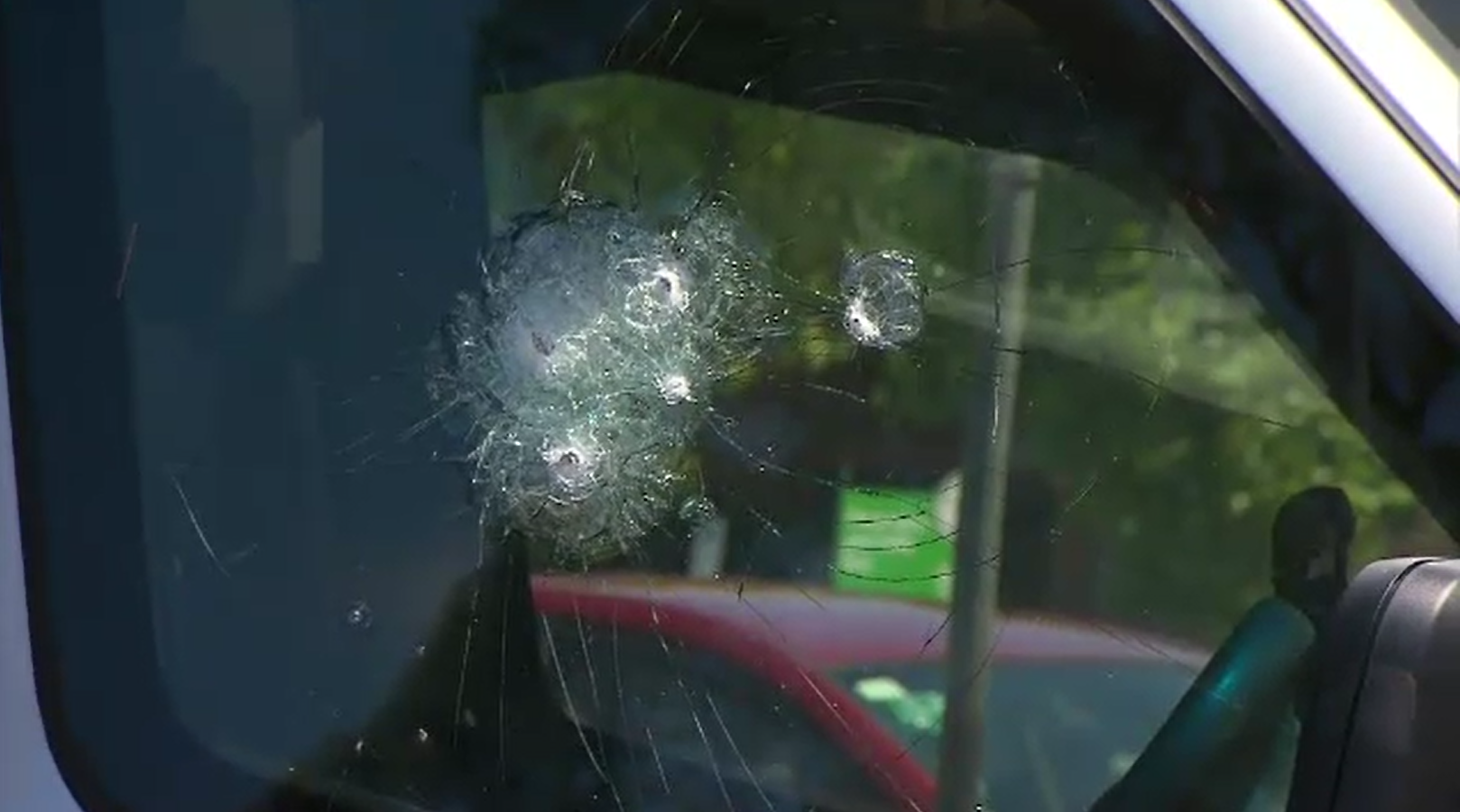
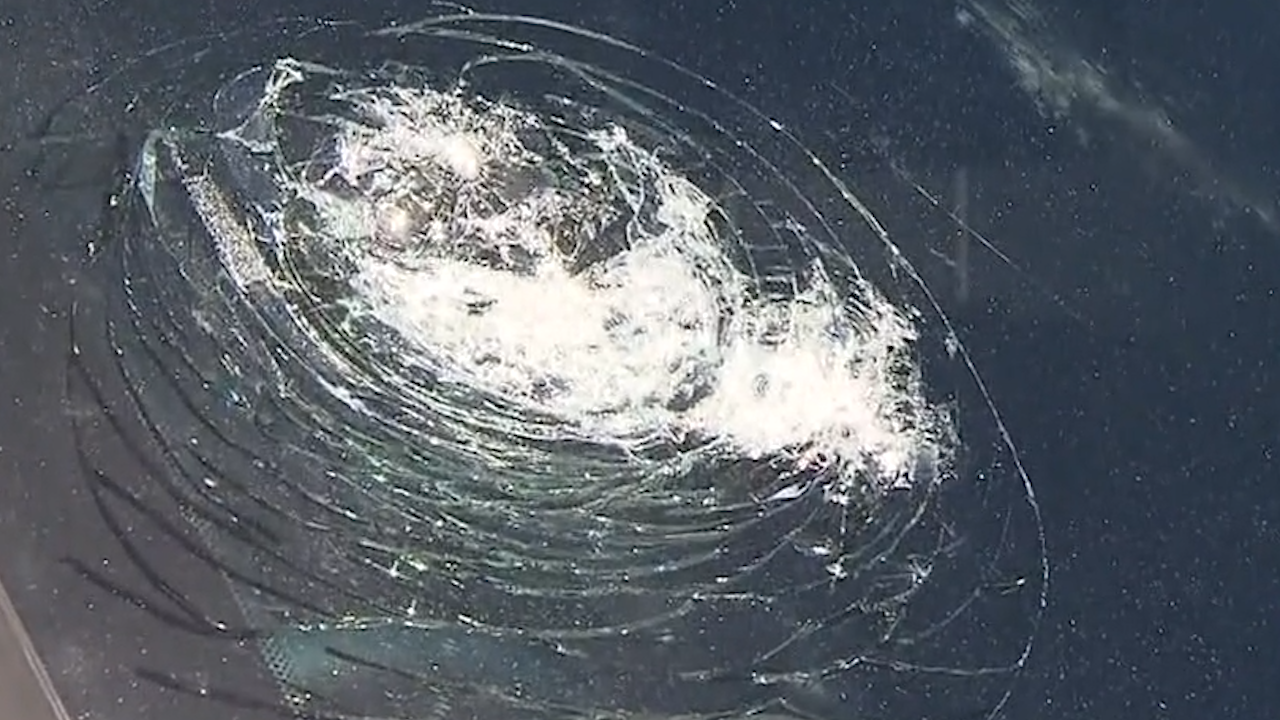
Shoppers and onlookers watched on in horror, but the driver and the passenger inside the van were not physically injured in the attack.
Late on Friday night, police said a 64-year-old Kensington man was arrested after he presented himself to a police station.
He was charged with criminal damage, unlawful assault and assault with weapon.
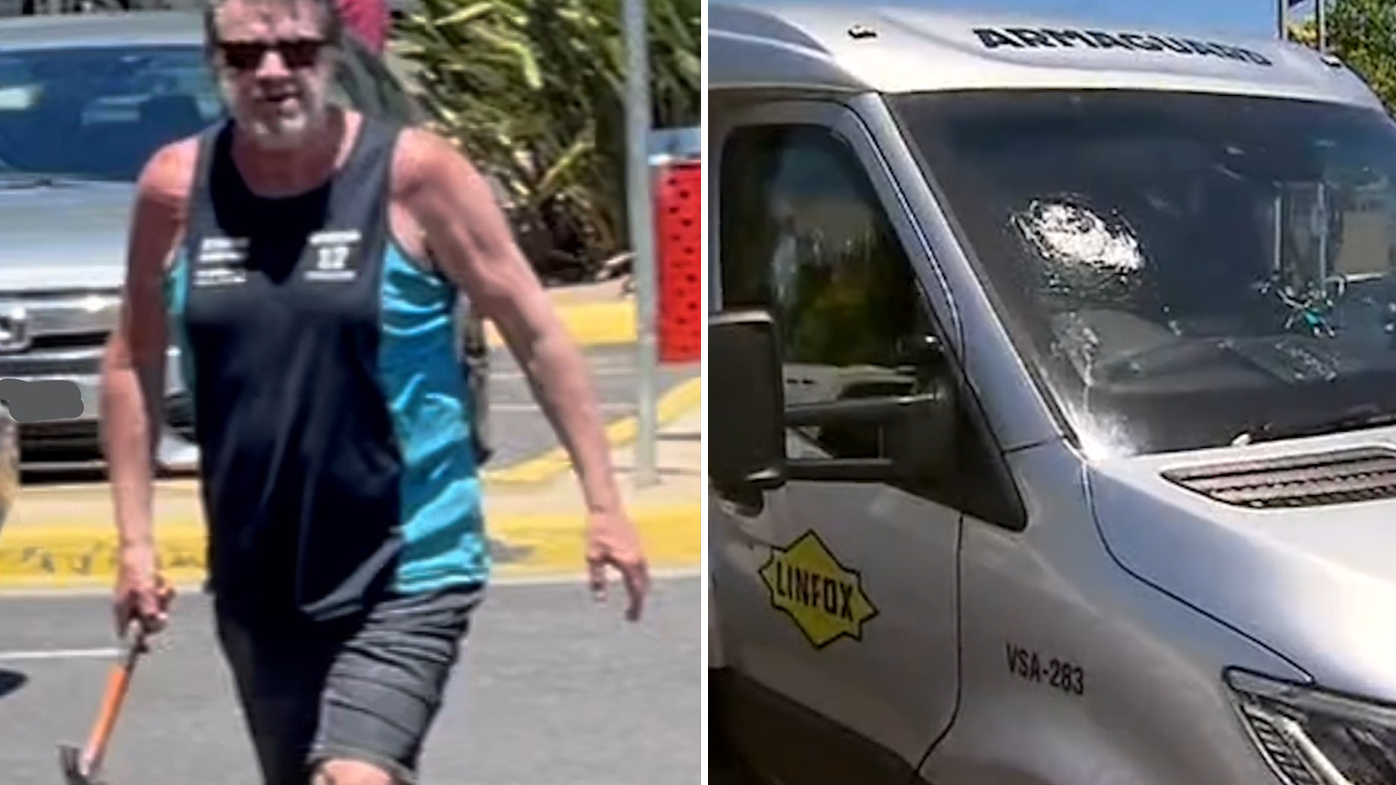
He was bailed to appear at the Melbourne Magistrates' Court on May 3.
Anyone with information or dashcam footage is urged to contact Crime Stoppers on 1800 333 000.
What you need to know about tensions rising on Ukraine's border with Russia
Tensions between Ukraine and Russia are at their highest in years, with reports of a Russian troop build-up near Russia's borders with Ukraine fuelling fears over Moscow's intentions.
Ukraine warns Russia is trying to destabilise the country ahead of any planned military invasion. Western powers have repeatedly warned Russia in recent weeks against further aggressive moves against Ukraine.
The Kremlin denies it is planning to attack and argues that NATO support for Ukraine —including increased weapons supplies and military training — constitutes a growing threat on Russia's western flank.
READ MORE: Ukraine says Russia amassed over 94,000 troops at border
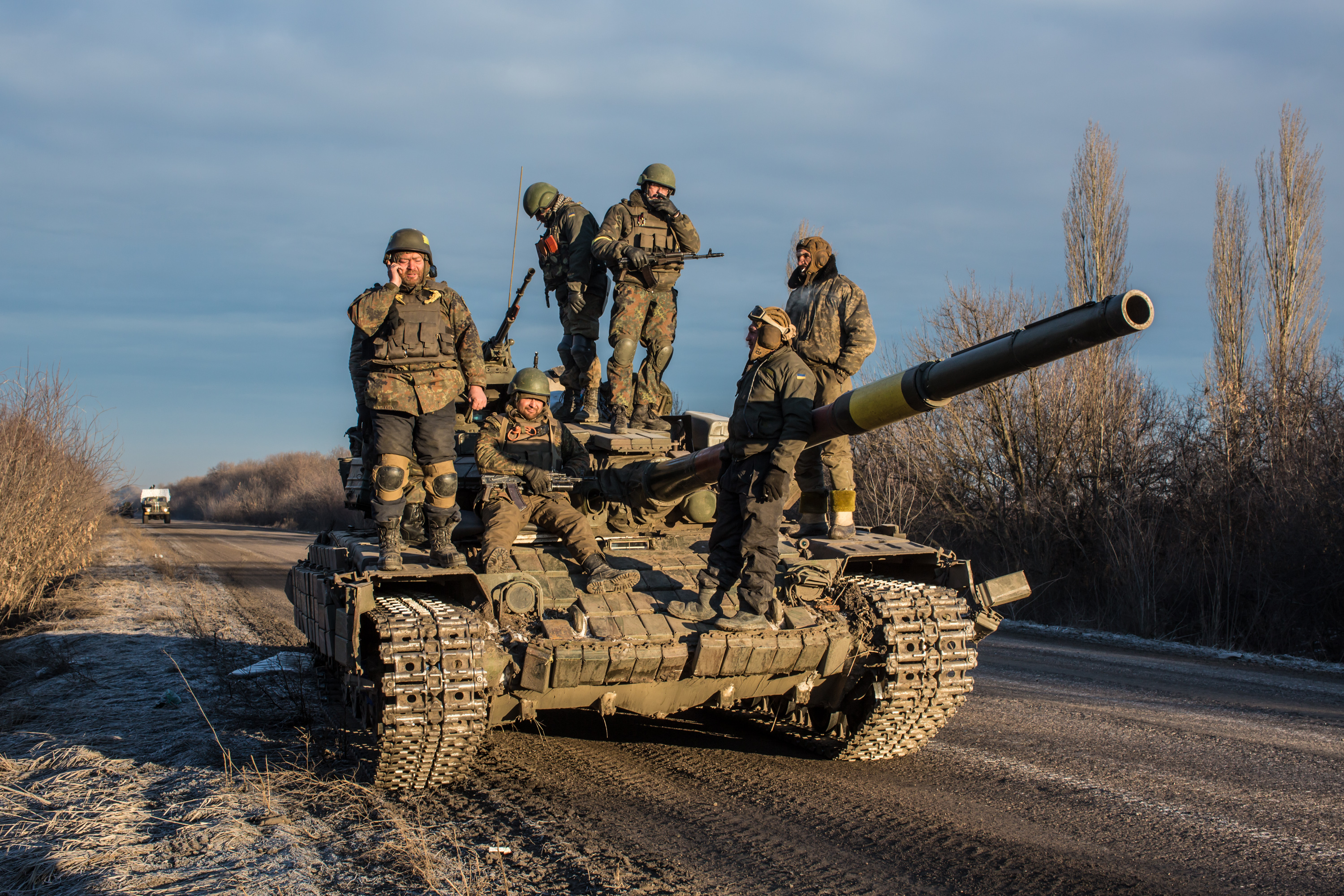
The picture is complicated — but here's a breakdown of what we know.
What's the current situation on the border?
The United States and NATO have in recent weeks described the movements and concentrations of troops in and around Ukraine as "unusual."
Last month, satellite photos revealed Russian hardware — including self-propelled guns, battle tanks and infantry fighting vehicles — on the move at a training ground roughly 300 km from the border. But little other information has been made public to back up the allegation by Western powers of an increased threat.
Many of Russia's military bases are to the west of the vast country — the direction from which history suggests any threats are most likely to come. Russia's Defense Ministry said on December 1 that it had started "regular" winter military drills in its southern region, parts of which border Ukraine. The exercises involve more than 10,000 troops, the ministry said.
Meanwhile, Ukraine's eastern Donetsk and Luhansk regions bordering Russia, an area known as Donbas, have been under the control of Russian-backed separatists since 2014. Russian forces are also present in the area, referred to by Ukraine as "temporarily occupied territories," although Russia denies it.
The front lines of the conflict have barely moved in five years, but there are frequent small-scale clashes and sniper attacks. Russia was angered when Ukrainian forces deployed a Turkish-made combat drone for the first time in October to strike a position held by the pro-Russian separatists.
Russia also has forces numbering in the tens of thousands at its massive naval base in Crimea, the Ukrainian territory it annexed in 2014. The Crimean peninsula, which lies to the south of the rest of Ukraine, is now connected by a road bridge to mainland Russia.
What's the history of the conflict between Ukraine and Russia?
Tensions between Ukraine and Russia, both former Soviet states, escalated in late 2013 over a landmark political and trade deal with the European Union. After the pro-Russian then-President, Viktor Yanukovych, suspended the talks — reportedly under pressure from Moscow — weeks of protests in Kiev erupted into violence.
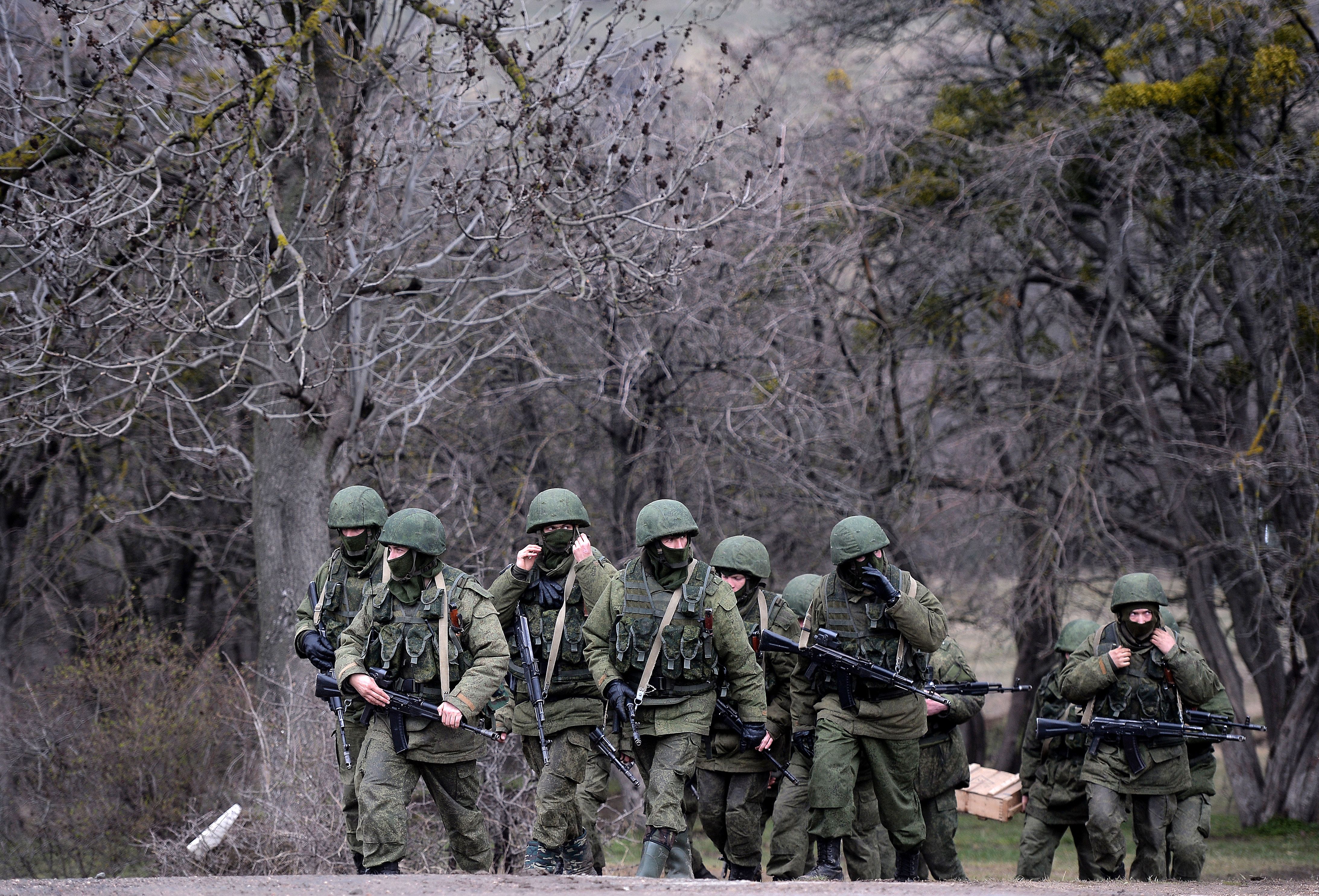
Then, in March 2014, Russia annexed Crimea, an autonomous peninsula in southern Ukraine with strong Russian loyalties, on the pretext that it was defending its interests and those of Russian-speaking citizens. First, thousands of Russian-speaking troops, dubbed "little green men" and later acknowledged by Moscow to be Russian soldiers, poured into the Crimean peninsula. Within days, Russia completed its annexation in a referendum that was slammed by Ukraine and most of the world as illegitimate.
Shortly afterwards, pro-Russian separatists in Ukraine's Donetsk and Luhansk regions declared their independence from Kiev, prompting months of heavy fighting. Despite Kiev and Moscow signing a peace deal in Minsk in 2015, brokered by France and Germany, there have been repeated ceasefire violations.
According to the latest UN figures, there have been more than 3,000 conflict-related civilian deaths in eastern Ukraine since March 2014.
The European Union and US have imposed a series of measures in response to Russia's actions in Crimea and eastern Ukraine, including economic sanctions targeting individuals, entities and specific sectors of the Russian economy.
The Kremlin accuses Ukraine of stirring up tensions in the country's east and of violating the Minsk ceasefire agreement.
What's Russia's view?
The Kremlin has repeatedly denied that Russia plans on invading Ukraine, insisting Russia does not pose a threat to anyone and that the country moving troops across its own territory should not be cause for alarm.
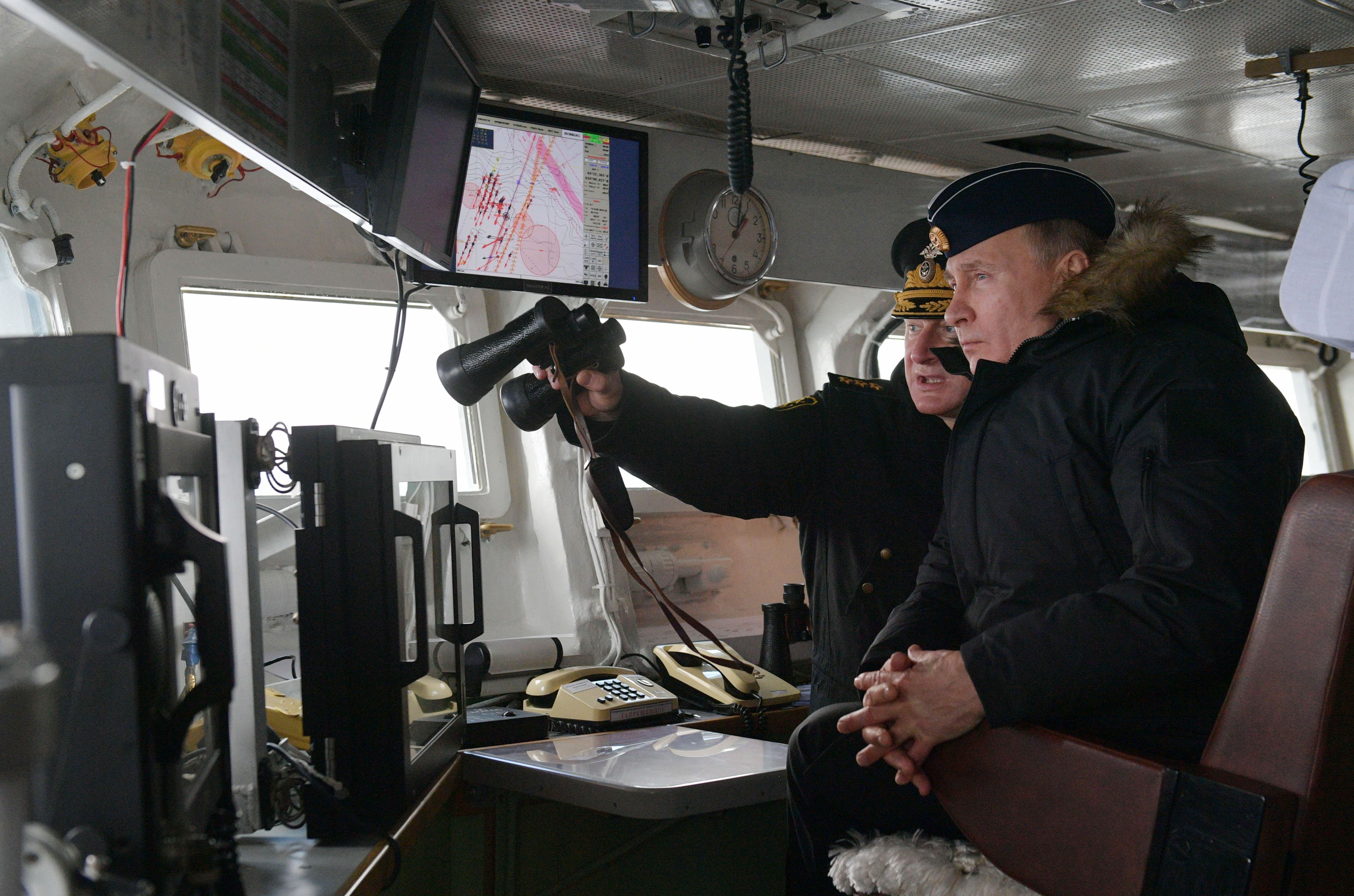
Moscow sees the growing support for Ukraine from NATO — in terms of weaponry, training and personnel — as a threat to its own security. It has also accused Ukraine of boosting its own troop numbers in preparation for an attempt to retake the Donbas region, an allegation Ukraine has denied.
Russian President Vladimir Putin has called for specific legal agreements that would rule out any further NATO expansion eastwards towards Russia's borders, saying the West has not lived up to its previous verbal assurances.
Putin has also said that NATO deploying sophisticated weapons in Ukraine, such as missile systems, would be crossing a "red line" for Russia, amid concern in Moscow that Ukraine is being increasingly armed by NATO powers.
Kremlin spokesman Dmitry Peskov said last month that weapons and military advisers were already being supplied to Ukraine by the US and other NATO member states. "And all this, of course, leads to a further aggravation of the situation on the border line," he said.
If the US and its NATO allies do not change course in Ukraine, Russian Foreign Minister Sergey Lavrov has warned that Moscow has the "right to choose ways to ensure its legitimate security interests."
What is Ukraine's view?
Ukraine's government insists that Moscow cannot prevent Kiev from building closer ties with NATO if it chooses.
"Russia cannot stop Ukraine from getting closer with NATO and has no right to have any say in relevant discussions," the Foreign Ministry said in a statement to CNN, in response to Russian calls for NATO to halt its eastward expansion.
"Any Russian proposals to discuss with NATO or the US any so-called guarantees that the Alliance would not expand to the East are illegitimate," it added.
Ukraine insists Russia is seeking to destabilise the country with the country's president, Volodymyr Zelensky, recently saying a coup plot, involving Ukrainians and Russians, has been uncovered.
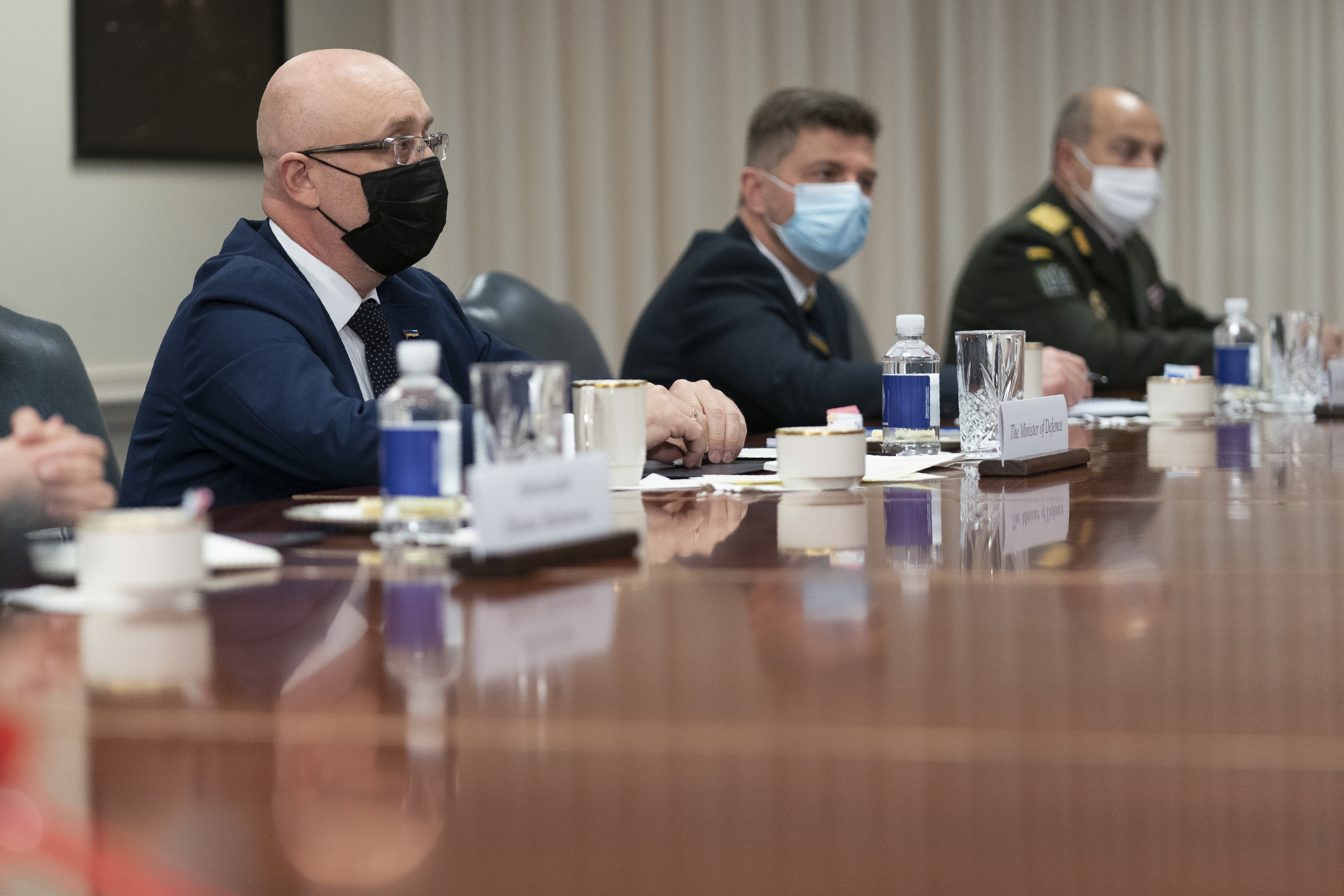
Ukrainian Foreign Minister, Dmytro Kuleba, warned that a planned coup could be part of Russia's plan ahead of a military invasion. "External military pressure goes hand in hand with domestic destabilisation of the country," he said.
Tensions between the two countries have been exacerbated by a deepening Ukrainian energy crisis that Kiev believes Moscow has purposefully provoked.
At the same time, Zelensky's government faces challenges on many fronts. The government's popularity has stagnated amid multiple domestic political challenges, including a third wave of COVID-19 infections in recent weeks and a struggling economy.
Many people are also unhappy that the government hasn't yet delivered on benefits it promised and ended the conflict in the country's east. Anti-government protests have taken place in Kiev.
What does NATO say?
Secretary General Jens Stoltenberg has said "there will be a high price to pay for Russia" if it once again invades Ukraine, a NATO partner.
"We have a wide range of options: economic sanctions, financial sanctions, political restrictions," said Stoltenberg, in a December 1 interview with CNN.
After Russia invaded Ukraine in 2014, NATO increased its defences "with combat-ready battle-groups in the eastern part of the alliance, in the Baltic countries, in Latvia … but also in the Black Sea region," Stoltenberg said.
Ukraine is not a NATO member, and therefore doesn't have the same security guarantees as NATO members.
But Stoltenberg left the possibility of Ukraine becoming a NATO member on the table, saying that Russia does not have the right to tell Ukraine that it cannot pursue NATO membership.
What does the United States say?
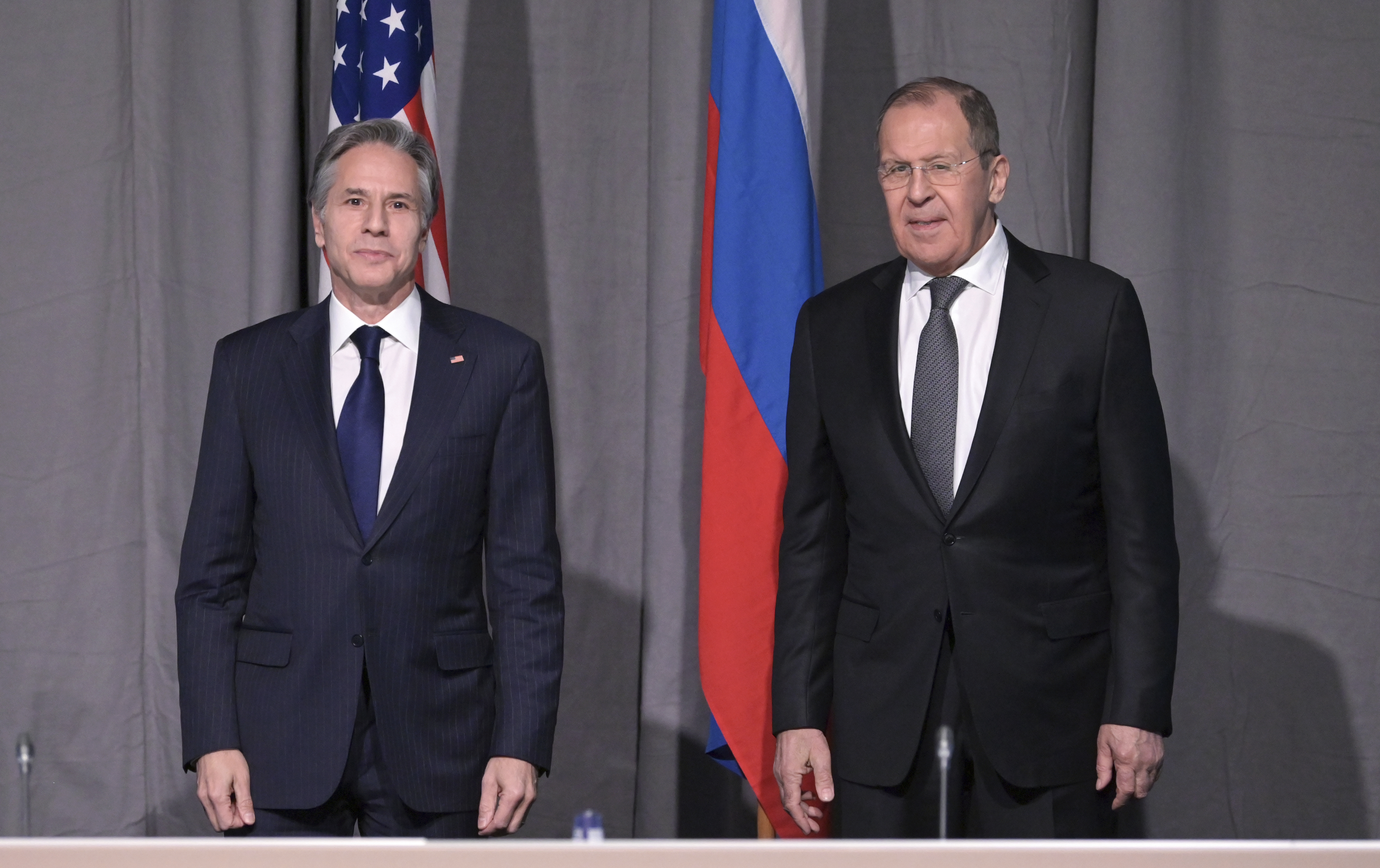
The US and its NATO allies have "deep concerns" regarding the "aggressive posture" taken recently by Russia towards Ukraine, a strategic ally of the US, Secretary of State Antony Blinken said at an OSCE summit in Sweden.
He has previously said Russia is massing combat troops along Ukraine's border and is putting in place the capacity to invade at short notice, if it chooses
Blinken warned Russia that "any renewed aggression can trigger serious consequences."
The Biden administration is also weighing sending military advisers and new equipment including weaponry to Ukraine to prepare allies for a possible Russian invasion, multiple sources familiar with the deliberations told CNN in November.
The Obama administration was taken by surprise when Russia invaded Crimea in 2014 and backed an insurgency in eastern Ukraine's Donbas region. US officials say they are determined not to be caught out by another Russian military operation.
"Our concern is that Russia may make a serious mistake of attempting to rehash what it undertook back in 2014, when it amassed forces along the border, crossed into sovereign Ukrainian territory and did so claiming falsely that it was provoked," Blinken said in November.
What other factors are at play?
Another big issue revolves around energy supply. Ukraine views the controversial Nord Stream 2 pipeline — connecting Russian gas supplies directly to Germany — as a threat to its own security.
Nord Stream 2 is one of two pipelines that Russia has laid underwater in the Baltic Sea in addition to its traditional land-based pipeline network that runs through eastern Europe, including Ukraine.
Kiev views the pipelines across Ukraine as an element of protection against an invasion by Russia, since any military action could potentially disrupt the vital flow of gas to Europe.
Analysts and US lawmakers have raised concerns that Nord Stream 2 will increase European dependence on Russian gas and could allow Moscow to selectively target countries such as Ukraine with energy cut-offs, without broader disruption to European supplies. Bypassing eastern European countries also means those nations would be deprived of lucrative transit fees Russia would otherwise pay.
In May 2021, the Biden administration waived sanctions on the company behind Nord Stream 2, effectively giving it the green light. US officials say the move was in the interest of US national security as it sought to rebuild frayed relations with Germany.
The US last month imposed new sanctions on a Russian-linked entity and a vessel linked to Nord Stream 2. Some US senators have called for further sanctions to be imposed to prevent Russia using the pipeline as a weapon; Ukraine too has called for tougher measures.
"We see different ways how this project should be prevented from being weaponized by Russia. We differ when it comes to the volume and the amount of sanctions needed to protect Europe from Nord Stream 2," Kuleba, the Ukrainian Foreign Minister, told CNN.
Price of Being a Good Samaritan: COVAX Orders St. Vincent to Pay for Vaccines Donated to Trinidad
CMC – The worldwide initiative aimed at equitable access to COVID-19 vaccines has ordered St. Vincent and the Grenadines to pay US$70,000 for COVID-19 vaccines that it donated to Trinidad and Tobago in May
Kingstown donated 5,000 doses of AstraZeneca to Port of Spain amidst a spike in cases there and the vaccines were at risk of expiring because of low uptake here.
However, Prime Minister Dr Ralph Gonsalves said on NBC Radio on Wednesday, that the COVID-19 Vaccines Global Access (COVAX) said his government should have returned the vaccines instead of giving them away.
“COVAX said to us what we gave to Trinidad, we should not have done so, we should have given them back and they would give whoever they want. I think they had somewhere else they wanted to give them – not in the Caribbean. We gave them to Trinidad so we will have to pay for those. It’s about US$70,000,” he disclosed.
Gonsalves said that when his Trinidad counterpart, Dr Keith Rowley, heard about the development, the government offered to pay for the vaccines.
“I said, ‘No. No. No. No. No. We gave you.’ So we have to organise — I believe the payment has been made already, the US$70,000 to COVAX because if we are getting now through the US, I don’t want to have any indebtedness to COVAX…,” Gonsalves said.
“We are a people of solidarity; that’s how we function. Social solidarity, regionally, globally and nationally. Love thy neighbour as you love yourself. Trinidad has been very generous to us in many, many ways. I can’t give you that and ask you to pay for it. Absolutely not. That ain’t how we stop. We nah stop so,” the Prime Minister insisted.
The post Price of Being a Good Samaritan: COVAX Orders St. Vincent to Pay for Vaccines Donated to Trinidad appeared first on The St Kitts Nevis Observer.
Wake up and smell the Chow Mein
By Sir Ronald Sanders
(The writer is Antigua and Barbuda’s Ambassador to the U.S. and the OAS. He is also a senior fellow at the Institute of Commonwealth Studies at the University of London and at Massey College in the University of Toronto. The view expressed are entirely his own)
A television interviewer asked me if I thought Caribbean countries, and other developing territories, would benefit from the ‘war for influence’ that the European Union (EU) has launched against the People’s Republic of China.
He was referring to the announcement by the EU Commission President, Ursula von der Leyen, that the EU will launch “Global Gateway”, a scheme to compete with China’s “Belt and Road Initiative” (BRI) that has been in place since the end of 2013.
The Commission President did not try to hide that the EU’s Global Gateway is aimed at trying to stop China’s spread around the world, and its growing influence as the major creditor to more than 60 developing countries on every continent.
“We want to create links and not dependence”, she said – an allusion to the claim by the G7 countries (the rich nations of the West), that China is indebting developing countries so as to control them.
What is striking about this new rivalry to lend money to developing countries is that it has arisen not in response to the needs of these countries for economic advancement and social improvement, but from big power rivalry for influence in their own interest.
Nonetheless, should the contest, between richer countries, result in the availability of more money to fund growth and prosperity in developing nations, it should be welcomed. Not only would it produce a larger global pot of money, but it will allow developing nations to accept loans from the rival providers that offer the best terms.
The EU has started late in this race, and the sums that it is suggesting are less than half of the $1.2 trillion that China has already put on the table for 13,000 projects in 63 countries. The EU Commission said it will “seek” to mobilize $340 billion by 2027 (six years from now) and from a combination of public investment and, as yet unsecured, private investment. What the EU appears to be sure of is $40 billion in export guarantees to European private investors and around $18 billion in grants.
The EU has pointed out that it has been providing “grants” while China has been providing “loans”. But in truth the repayment terms of the Chinese loans are concessionary and affordable. Further, they are used mostly for infrastructure projects that developing countries need, whereas EU grants are highly conditional and take very long to disburse.
Added to all this, while the EU’s “Global Gateway” was launched with much fanfare, its draft plan does not contain a list of projects it will undertake immediately. Nor does it say to which countries.
Significantly, absent also, is any indication of if the EU will drop its criterion of low per capita income as a qualifier for access to the “Global Gateway”. So-called middle-income and high-income countries have long been disqualified for access to grants and concessionary loans from the EU, except in disastrous situations. The development of many Caribbean countries is measured by this flawed criterion.
Perhaps at some point that EU will actually have a serious discussion with regional groups of developing countries about their real needs and how best the EU can help – particularly as several of its members have a sad legacy of underdevelopment across every continent. Among the EU members are France, Italy, Spain, Portugal, Belgium and Germany. The UK is omitted from this list since “Global Gateway” is a EU project and the UK is no longer a EU member.
The bottom line is that, if this EU-China rivalry, coupled with the G7’s “Build Back Better World” – also an effort to compete with China and halt what is seen as its global influence – produces more money for developing nations, including the Caribbean, it would signal the start of a new world. That would be especially so, if developing countries can choose the options best suited to them, and not to the lenders. In this way, they could retain their autonomy from all lenders, spreading their exposure and seeking the best terms possible.
However, right now – especially as the global financial institutions such as the IMF and World Bank – still reflect the policies of G7 countries, China remains the lender of choice.
The G7 and leading members of the EU who built their economies on the backs of developing countries in Asia, Africa, and Latin America and the Caribbean should wake up and smell the Chow Mein. It is everywhere.
Response and previous commentaries: www.sirronaldsanders.com
The post Wake up and smell the Chow Mein appeared first on The St Kitts Nevis Observer.
Ukraine says Russia amassed over 94,000 troops at border
Ukraine's defence minister estimates that Russia has amassed more than 94,000 troops near their borders and said there is a probability of a "large-scale escalation" in late January.
Ukrainian and Western officials recently voiced alarm about a Russian troop buildup near Ukraine, saying they feared it could herald an invasion. Moscow has denied planning to invade and accused Ukraine and its Western backers of fabricating claims to cover up their own allegedly aggressive designs.
Ukrainian Defence Minister Oleksii Reznikov told lawmakers Friday that the number of Russian troops near Ukraine and in Russia-annexed Crimea is estimated to be 94,300.
READ MORE: Scientists discover trigger of rare blood clots with AstraZeneca
"Our intelligence service analyses all scenarios, including the worst ones. It notes that a probability of a large-scale escalation on the part of Russia exists. The most probable time when (Russia) will be ready for the escalation is end of January," Reznikov said.
The minister noted an escalation "is a probable scenario, but not certain, and our task is to avert it."
Russia and Ukraine have remained locked in a tense tug-of-war after Russia annexed Ukraine's Crimean Peninsula in 2014 and threw its weight behind a separatist insurgency in Ukraine's eastern industrial heartland, known as the Donbas. More than 14,000 people have died in the fighting.
Repeated reports about Russia building up troops near Ukraine this year ignited concerns about the conflict intensifying, with tensions growing in recent weeks.
READ MORE: Single ticket wins $80 million Powerball
Russia traded fresh accusations and threats with Ukraine, the United States and its NATO allies this week. The West threatened the Kremlin with the toughest sanctions yet if it launches an invasion of Ukraine.
Russia, seeing new US and European support for Ukraine's military, sternly warned that any presence of NATO troops and weapons on Ukrainian soil represents a "red line."
The Kremlin also expressed concern that Ukraine might use force to reclaim control of the country's rebel east.
Reznikov said Ukraine wouldn't do anything to provoke Russia but is prepared to respond in case of an attack.
READ MORE: US defence chief slams China's drive for hypersonic weapons
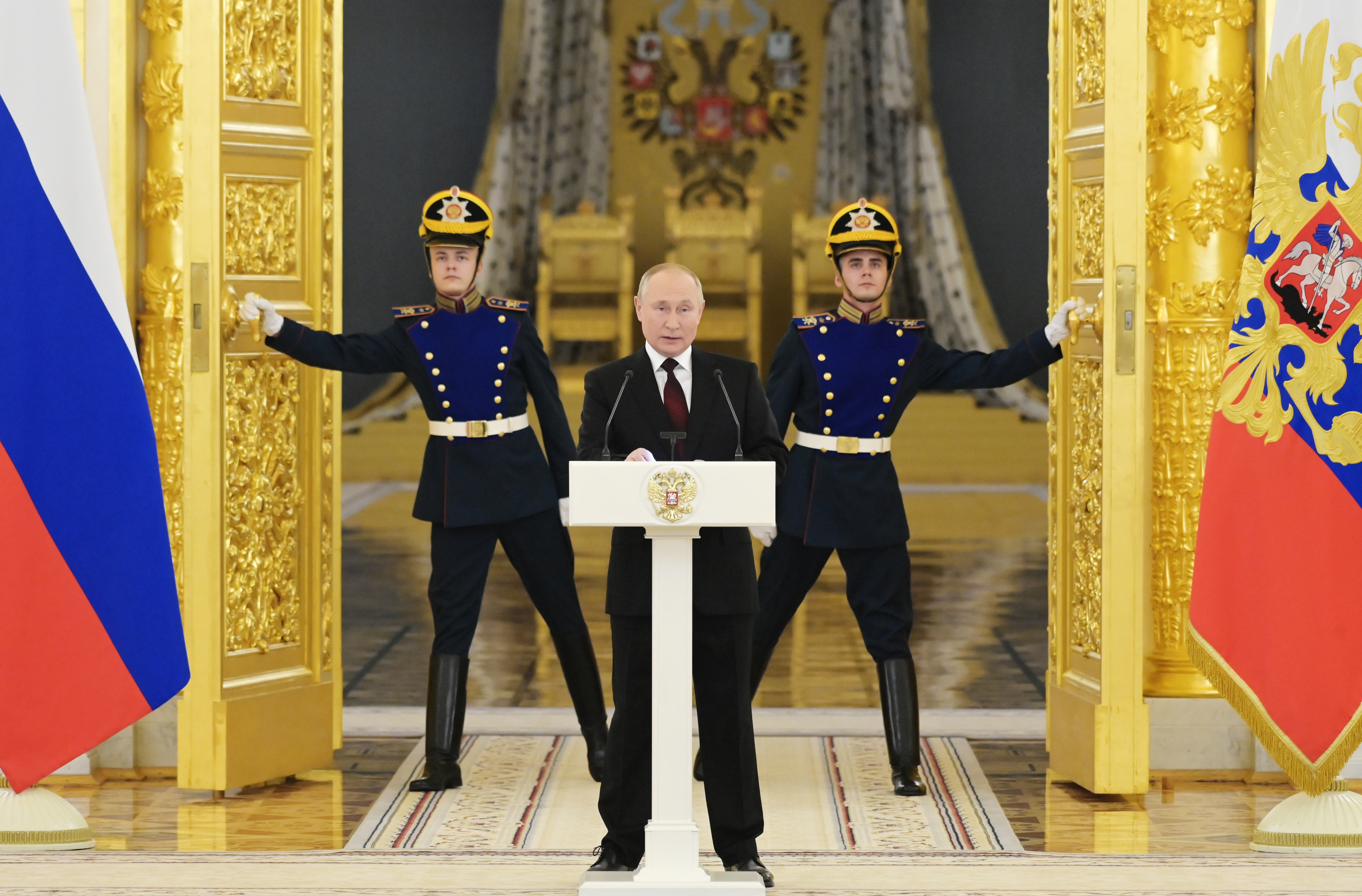
"Ukraine is most interested in political and diplomatic resolution," the defence minister said.