Category Archives: headline

Why native bilbies are being fitted with poisonous implants

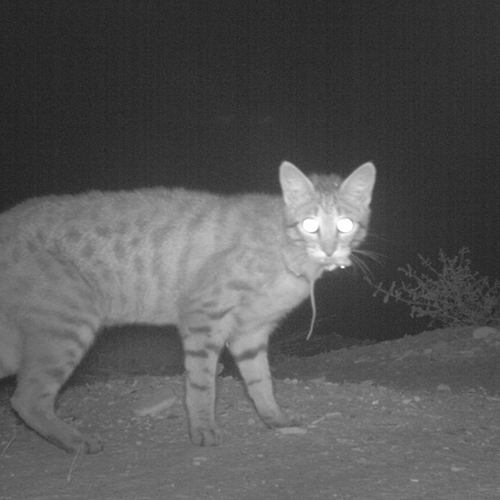
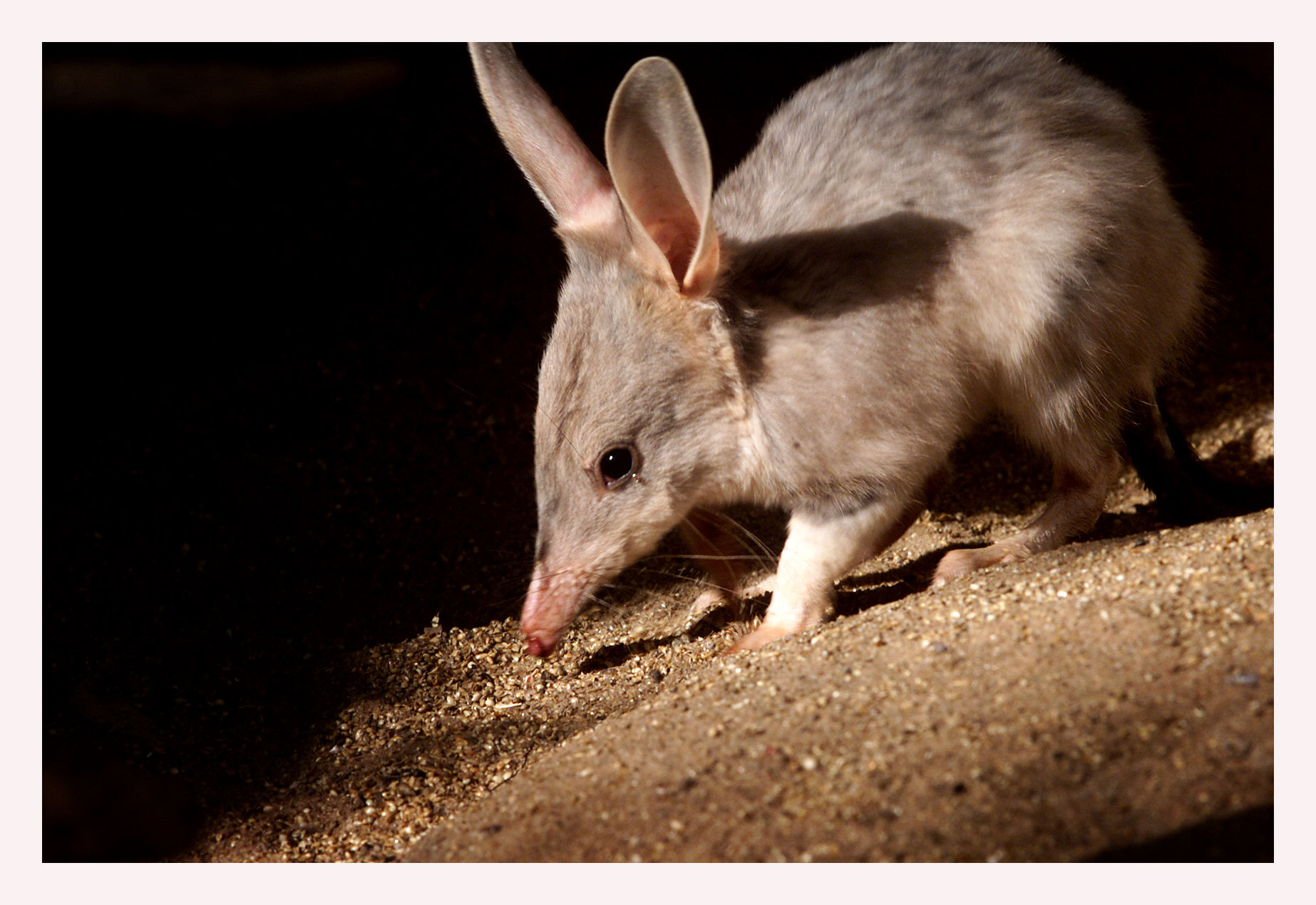
One of Australia's most iconic native animals has been fitted with a poisonous implant to help combat the threat of feral cats and other invaders.

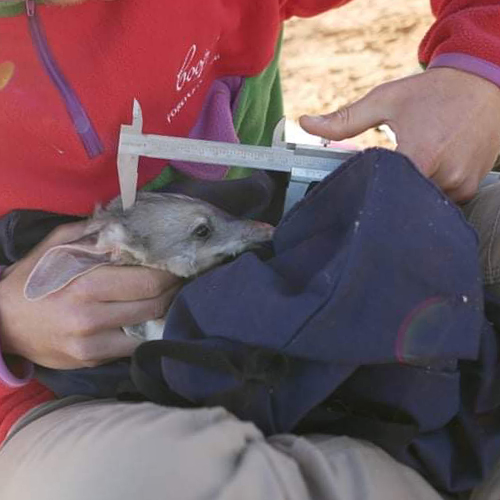
About 30 bilbies at Arid Recovery, a wildlife reserve about 550 kilometres north of Adelaide in the South Australian outback, have had the small rice-sized implant injected under their skin.

The Population Protecting Implants (PPI) were developed by Kyle Brewer from the University of South Australia.

READ MORE: Mosquito explosion coming as La Niña brings soaking rains

SPECIAL 001 September 29, 2002. Picture by Heath Missen. Brisbane Bureau. Charleville. Bilby.

They are lethal to feral cats but not to bilbies due to a specialised coating, and the marsupials' natural resistance to the toxin.

The poison "activates" after it is ingested, Mr Brewer said.

READ MORE: Australia under attack from feral cats, toxic toads and more

The rice-size implant is injected under the native animals' skin. The poison 'activates' when its ingested by a feral invader.

"If a feral cat successfully preys upon one of the PPI-injected mammals, it eats the implant, which activates in the cat's gastric system causing poison release and death," he said.

"Ultimately, this protects the remaining native animal population.

"By injecting native species with the PPI before they are reintroduced to their natural environment, we're providing a protective buffer that aims to take out the feral invader in one stroke."

READ MORE: Australian species saved from extinction in 'incredible first'

It's estimated, each year up to 6.3 million feral cats will kill 456 million native mammals, 446 million reptiles, 272 million birds and 92 million frogs.

A small group of introduced species — including cats — are causing an estimated $25 billion of damage to Australia each year, and are pushing native species, like the bilby, closer to extinction.

The greater bilby is classed as a vulnerable species by the World Wildlife Fund.

Health Minister Greg Hunt anticipated to quit politics

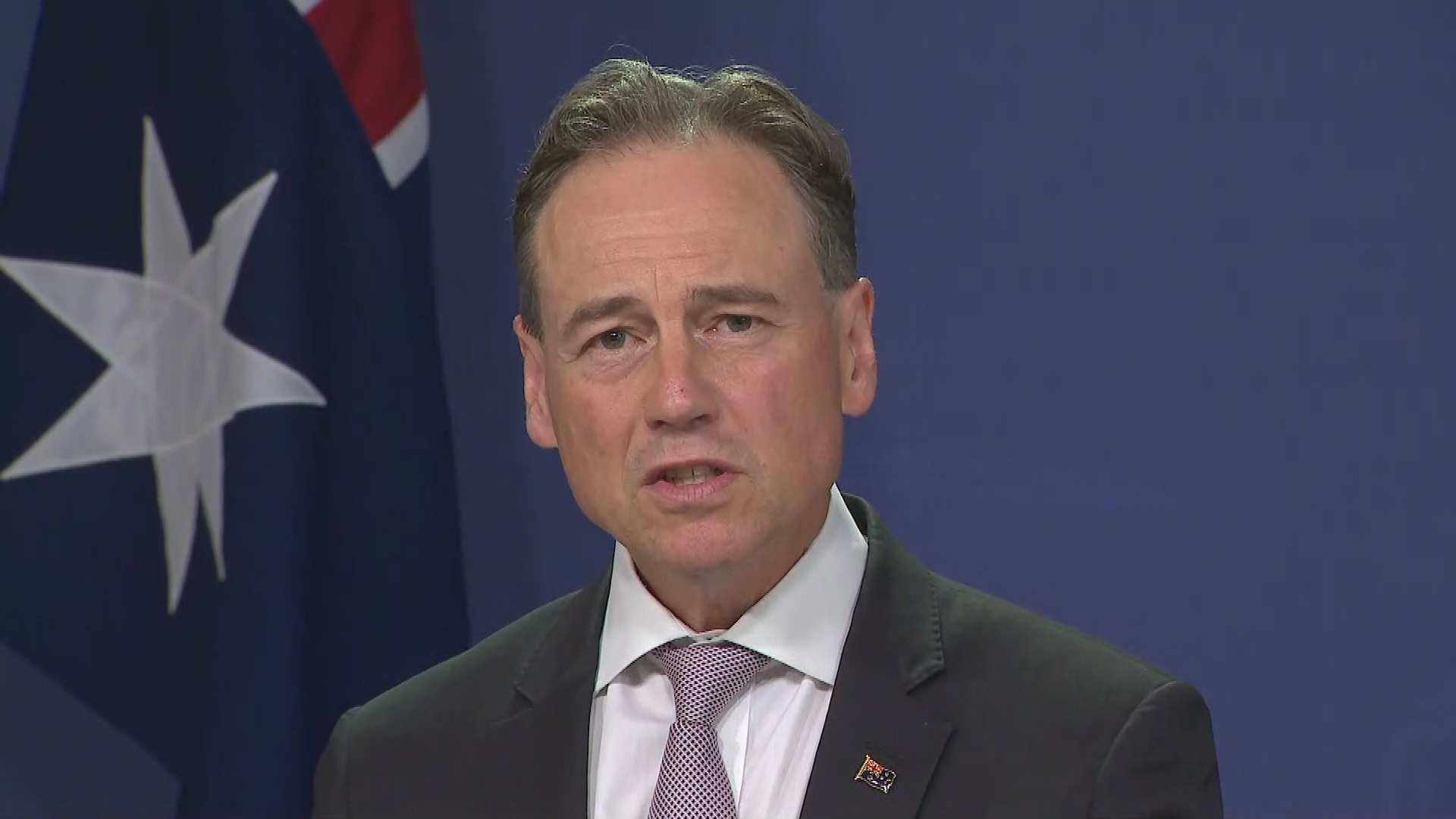
Health Minister Greg Hunt is expected to announce his retirement from politics tomorrow, as his colleagues today paid tribute to him.

Several Liberal Party figures have told The Australian Financial Review that Mr Hunt would use the last parliamentary sitting day of 2021 to announce that he will not recontest his Victorian sat of Flinders.

Mr Hunt has not spoken about the reports.

READ MORE: The once unthinkable mandate that might become the norm

Minister for Health Greg Hunt said the booster program is 'well ahead' of expectations.

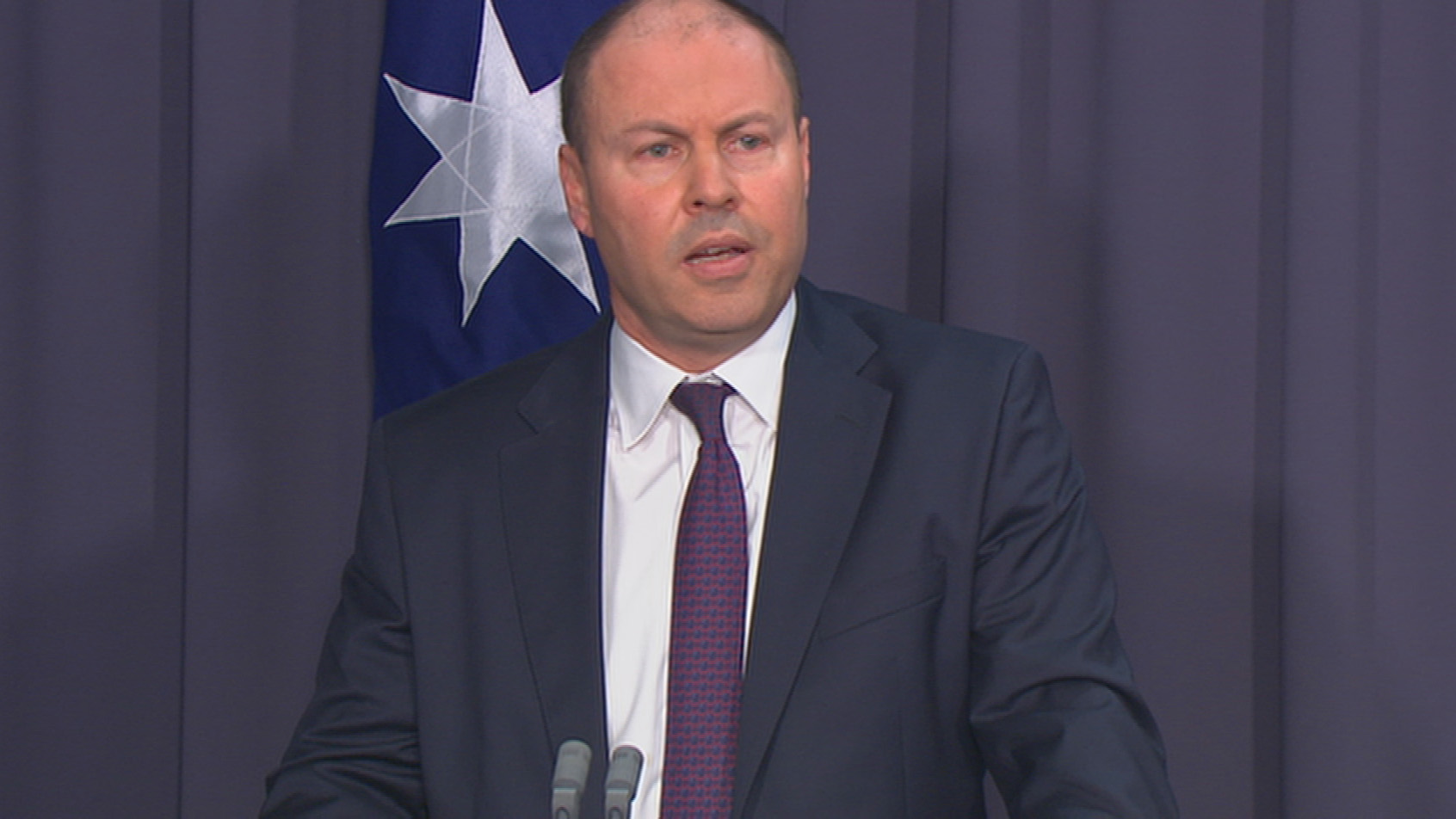
When asked about Mr Hunt's departure, Treasurer Josh Frydenberg did not confirm the reports, but spoke highly of his personal relationship with the Health Minister.

"Greg is my closest friend in this place. I am the godfather to his beautiful daughter and he is the godfather to my daughter. We are very dear friends and he has been an outstanding Health Minister through this crisis," Mr Frydenberg said.

"The fact that Australia has one of the lowest mortality rates in the world and the fact that we have one of the highest vaccination rates in the world is in due to no small part to the incredible work that all health professionals have done across Australia, and Greg as the Health Minister."

READ MORE: Flood record smashed as Queenslanders flee rising waters

Treasurer Josh Frydenberg.

Mr Hunt was elected to the parliament in 2001, representing Flinders in Victoria.

In his current portfolio as Health Minister, Mr Hunt oversaw Australia's response to the COVID-19 pandemic including the rollout of the national vaccination program.

Marathon debate on Victoria's pandemic bill ends

The marathon parliamentary debate on Victoria's controversial pandemic bill has come to an end for today following a lengthy 21-hour session that continued well into the night.

The bill has been sent back to the lower house with its suggested six amendments before returning to the upper house tomorrow for a final vote.

The proposed legislation is expected to pass parliament after a crossbencher yesterday confirmed he would support an amended version of the bill.

READ MORE: Teen drowns after falling into Melbourne's Yarra River
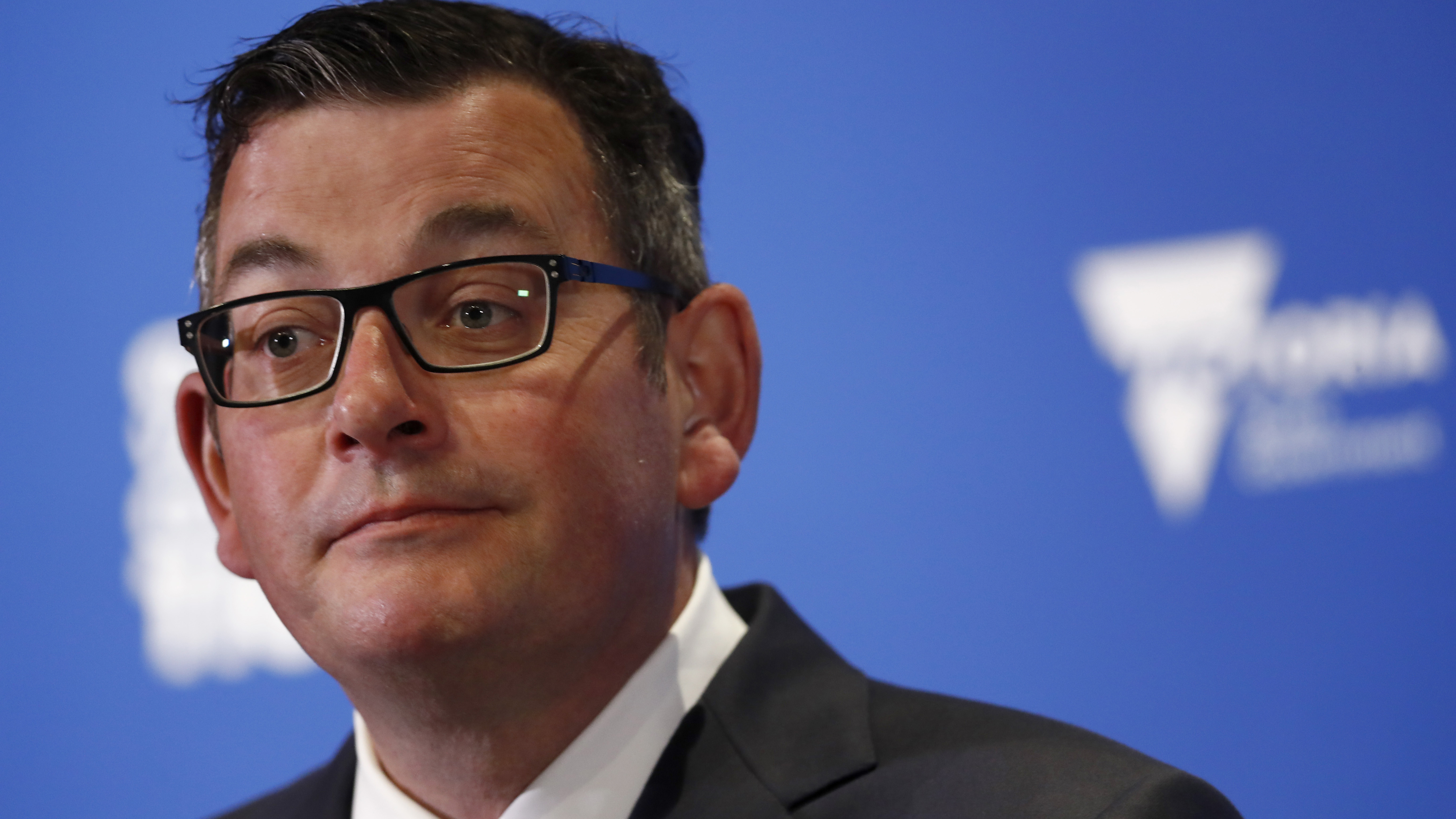
Victorian Premier Daniel Andrews.

Transport Matters MP Rod Barton agreed to vote in favour of the contentious bill if six key amendments to the legislation were made, including the establishment of a joint parliamentary committee to review public health orders and an independent panel to review appeals to detention under public health orders.

The Andrews government agreed to the six amendments to get the bill over the line in a race against time before the state of emergency powers end on December 15.

READ MORE: What we know about Omicron, the new COVID-19 variant

Victorian Ombudsman Deborah Glass today said she was "pleased" the government had listened to her concerns about the need for independent review and oversight in the bill.

"The addition of the proposed Detention Appeals Panel is an important reform, with independent members now being the ultimate decision-makers for people detained seeking review," she said.

"People will also be able to complain to the Ombudsman.

"The introduction of a proposed new cross-party parliamentary committee to review a pandemic order is also a welcome improvement."
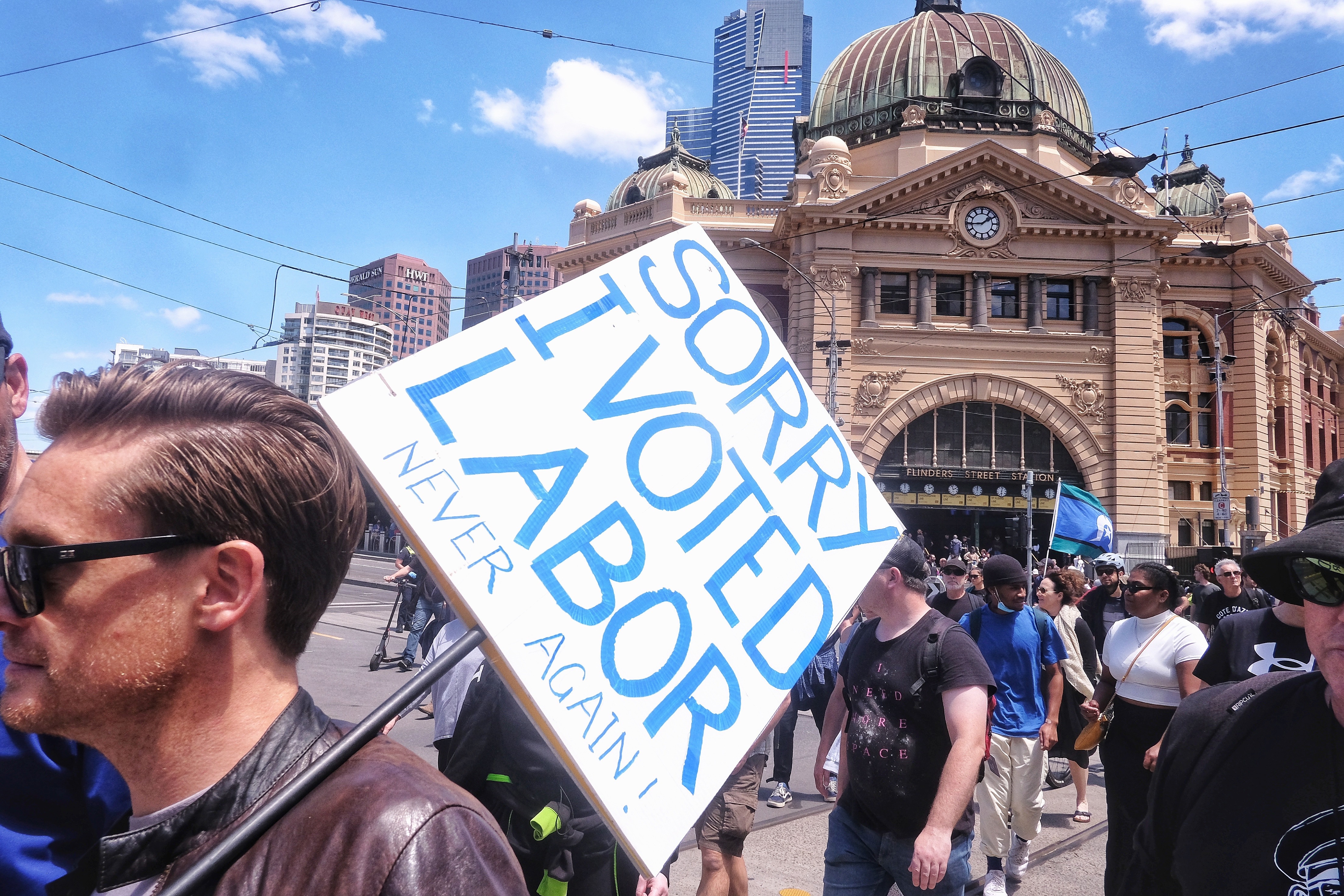
Speaking while walking into State Parliament yesterday, Premier Daniel Andrews said the pandemic bill encompassed the "rules we need", with the new Omicron variant highlighting the COVID-19 pandemic was far from over.

"If we want to protect those who are not vaccinated, can't get vaccinated, in aged care, have underlying health conditions – this is not over," he said.

A statement from the Victorian Government said the emergency powers were needed to keep the state safe.

"Over the past fortnight, we offered negotiations to the entire crossbench, giving them the opportunity to work with us on changes to this bill that would ensure Victoria has such a framework in place," the statement read.

"These were rigorous negotiations — and we thank Rod Barton, who came to the table in good faith."

The pandemic bill has sparked a month of protests in Melbourne CBD and outside State Parliament, with a strong police presence manning the area this morning.

Crossbench MP Clifford Hayes said he would not support the bill after a "series of discussions" with the government.

"From the outset, I believed that the Bill was fundamentally flawed and a massive overreach of power," he said.

"But I always understood the need for a pandemic framework.

"Over the past week, the government has negotiated in good faith and made a number of commendable amendments to the Bill.

"I would argue that myself and my colleague, Rod Barton, fought hard and long for these changes; but the final position of the government was not enough to garner my support."
Australia's GDP takes third-biggest fall in history

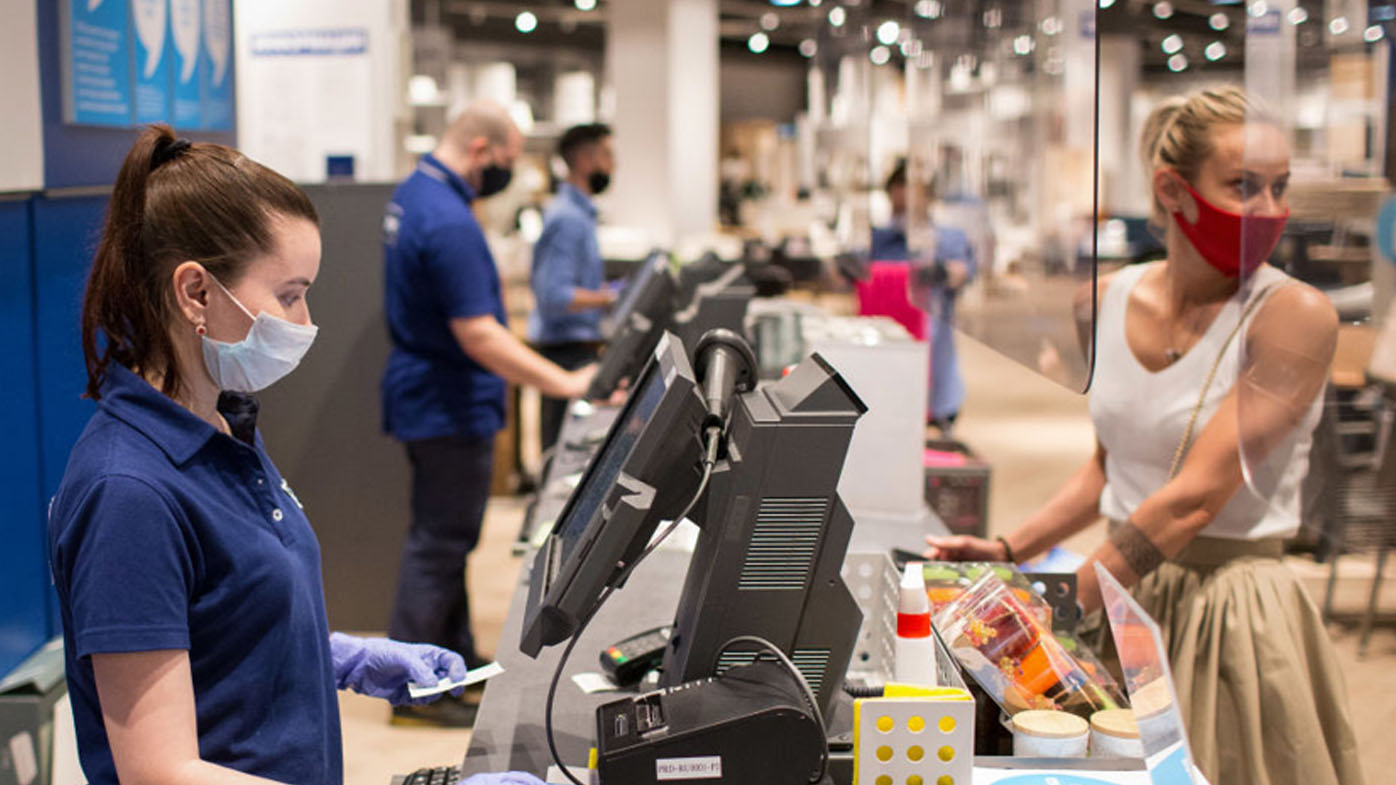
Australia's Gross Domestic Product (GDP) fell 1.9 per cent in seasonally adjusted terms in the September quarter of 2021, marking the third-biggest quarterly fall since records began in 1959.

Despite the plunge, the fall is largely better than market expectations and covers the period where much of Australia was locked down as part of Delta-strain COVID-19 restrictions.

The largest ever recorded fall came in the June quarter of 2020, when GDP fell by 6.8 per cent.

READ MORE: The once unthinkable mandate that might become the norm

The second-biggest plunge was in the June quarter of 1974 when the nation's economy fell by 2.0 per cent.

On an annual basis, Australia's GDP is still up by 3.9 per cent.

Acting Head of National Accounts at the Australian Bureau of Statistics Sean Crick said lockdowns saw household spending drop dramatically.

"Domestic demand drove the fall, with prolonged lockdowns across NSW, Victoria and the ACT resulting in a substantial decline in household spending. The fall in domestic demand was only partly offset by growth in net trade and public sector expenditure," Mr Crick said.

"GDP in the September quarter 2021 was 0.2 per cent below the December quarter 2019 pre-pandemic level."

READ MORE: Flood record smashed as Queenslanders flee rising waters

In order for Australia to be technically considered to be in a recession, it must post two consecutive quarters of negative GDP growth.

In the previous quarter, the nation's economy grew by 0.7 per cent.

GDP is the total market value of all finished goods and services produced within a country's borders.

It is a general indicator of the health or trajectory of a nation's economy.

SA Police task force to investigate murders and 'staged' overdoses

Police in South Australia have launched a major crime task force to investigate at least three unsolved murders and others likely staged to look like drug overdoses.

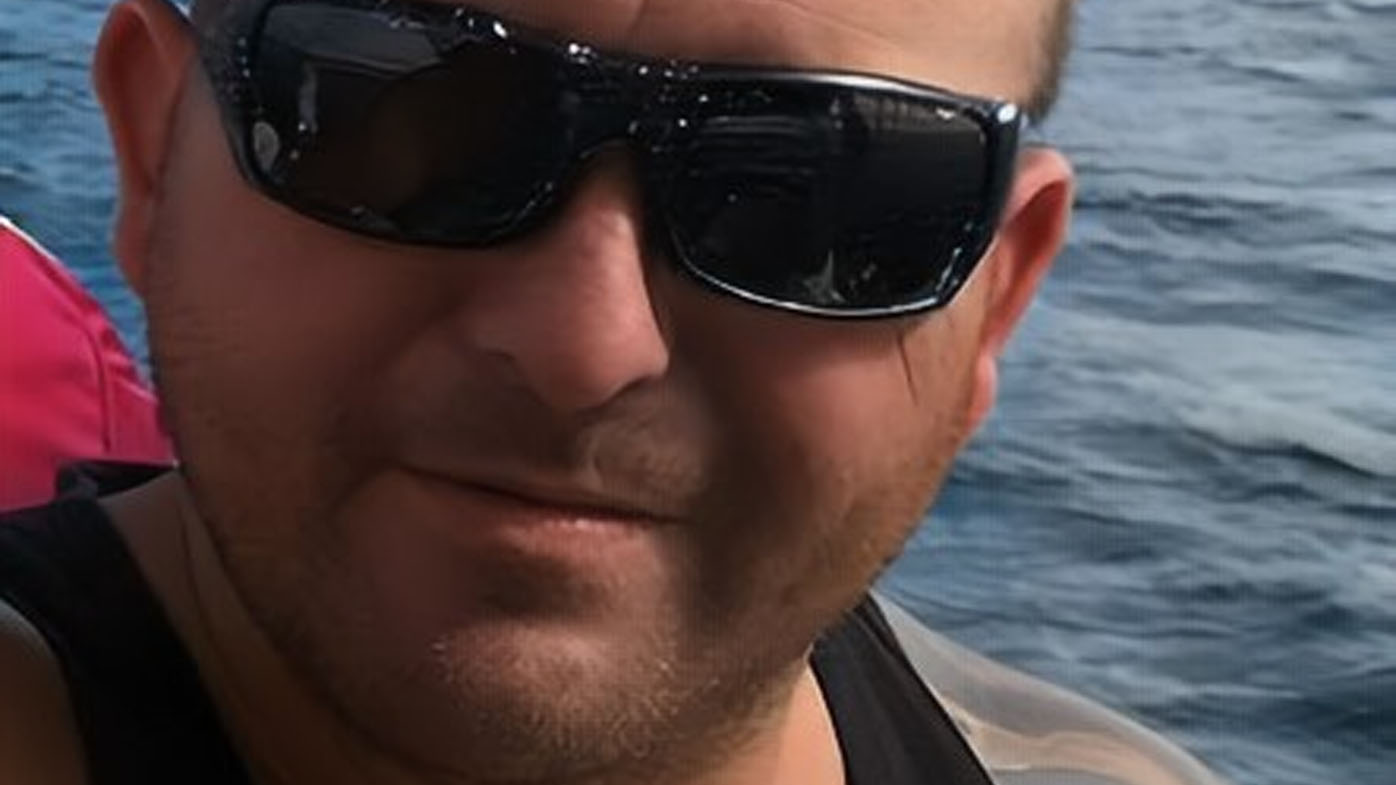
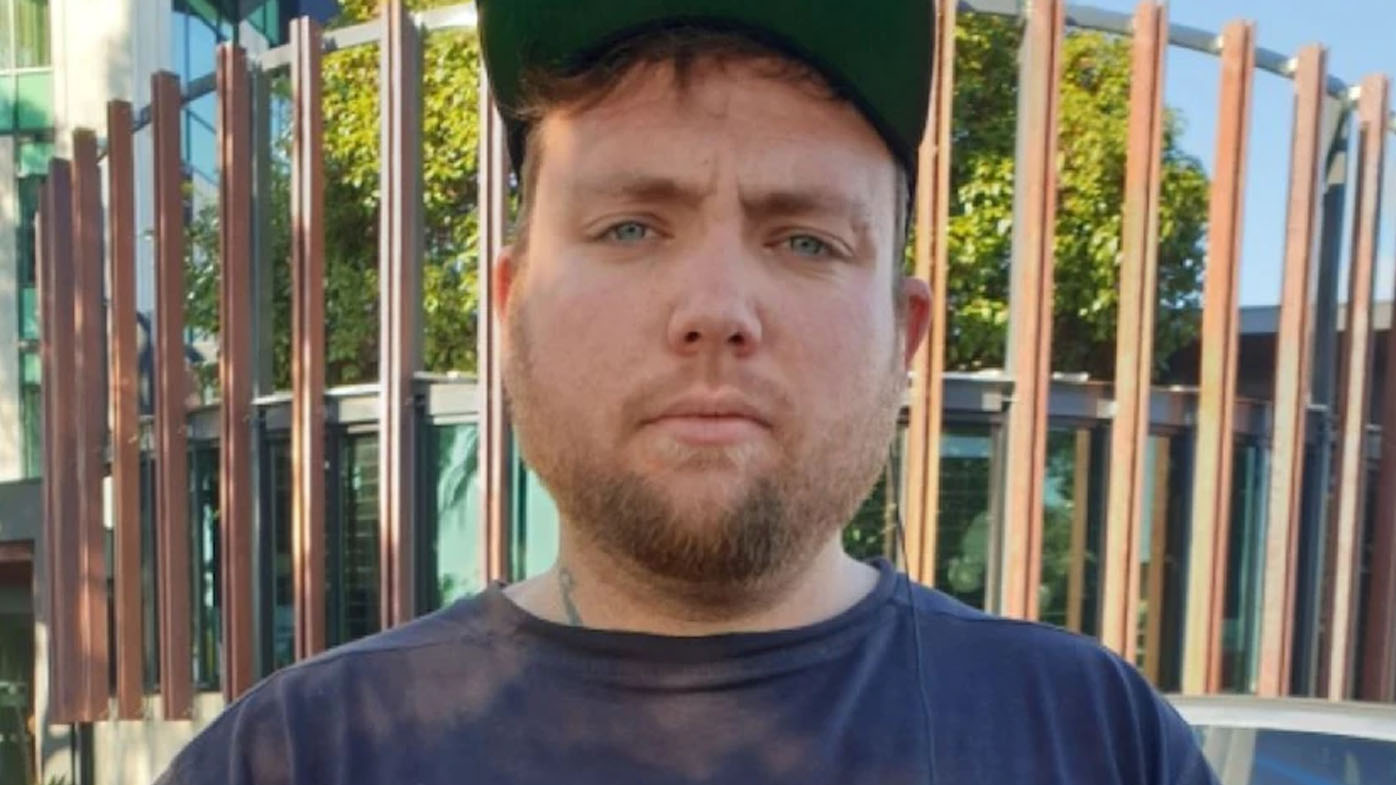
Task Force Southern will investigate the suspected murders of Robert Atkins, Jeffrey Mundy and Trevor King.

"We are investigating three murders and are investigating the possibility that there may be additional offences or murders that may as a result of drug overdoses that may not have yet been identified yet as a murder," SA Police Detective Superintendent Des Bray said.

READ MORE: Expert claims to have solved MH370 mystery

Detective Superintendent Bray said authorities were not investigating a serial killer, but a series of murders which have occurred in the southern suburbs "by people associated with the methamphetamine scene and the criminal community".

He said police are looking at somewhere between 12 and 15 people who may or may not be involved in the deaths.

"We commenced this investigation looking at the Robert Atkins murder and as that investigation has progressed we have obtained further information which has led us to the inescapable conclusion that Jeff Mundy and Trevor King have also been murdered and that there may be others that we're not aware of," he said.

READ MORE: Horrific testimony heard in Ghislaine Maxwell trial

The task force will be made up of a 42-person strong team to investigate at least three murders relating to drug crime in the southern suburbs.

Detective Superintendent Bray said the investigation is progressing "very well".

"Those involved in this crime are low-level petty criminals," he said.

"The victims in this are all known to us, the victims made bad choices to use drugs, and continue to use drugs which ultimately led to them losing their lives."

READ MORE: Flood record smashed as Queenslanders flee rising waters

Detective Superintendent Bray said an investigation of the scene of Mr King's death indicated he had taken drugs and ended up in the water.

He said police now believe Mr King was murdered and the scene was made to look like a suicide.

"Investigators will be trying to establish the movements of his final days," Detective Superintendent Bray said.

The bodies of Mr Atkins and Mr Mundy have not yet been found.

He said no arrests have been made with the investigation in the early stages.