A West Auckland primary school student has tested positive to Covid. Close contacts are isolating, and the school remains open.The child was infectious at Marina View School in West Harbour from Wednesday, November 24, principal…
Category Archives: headline
Covid 19 Delta outbreak: Fifth, small anti-vax mandate protest at Auckland Domain
A rather pitiful group of about 100 to 200 people have drifted in for today’s anti-lockdown and anti-vaccination mandate protest at Auckland Domain.The protest is the fifth since the beginning of October.Where a crowd of thousands…
Barbados’ Republican status is not a yen for pieces of silver
By Sir Ronald Sanders
(The writer is Antigua and Barbuda’s Ambassador to the United States and the Organization of American States. He is also a Senior Fellow at the Institute of Commonwealth Studies, University of London and Massey College in the University of Toronto. The views expressed are his own)
Among the most nonsensical statements uttered by a British Parliamentarian and repeated in the British newspaper, The Sunday Times, is that Barbados will become a Republic at the dictation of the Government of the People’s Republic of China.
The unvarnished truth is that within the next decade all of the independent English-speaking Caribbean countries will likely become Republics. On November 30, Barbados will become the fourth, following Guyana, Trinidad and Tobago and Dominica.
The move to Republican status will probably also be taken by Australia and other Commonwealth countries where the Queen remains the symbolic Head of State. After Barbados becomes a Republic, the Queen’s realms, other than Britain, will be reduced to 14, the majority of them (eight), being in the Caribbean.
It should be noted that when Elizabeth II was crowned Queen of the United Kingdom of Great Britain and Northern Ireland in June 1953, she also became Head of State of 67 other countries, then either colonies or dominions of Britain. Over the last 68 years, 52 of those countries opted to become Republics. Barbados will become the 53rd.
None of the countries that chose to become a Republic did so because of pressure from China or any other country. They became republics because, even though the Queen’s role was only symbolic, exercising no real executive authority, it was simply not acceptable that a foreign person, residing thousands of miles away with no daily experience of life in a country, could credibly be its Head of State.
Indeed, breaking the link with the Queen as Head of State, also completed the process of national sovereignty and independence from Britain as the former colonial power.
There are two reasons why the remaining eight independent English-speaking Caribbean countries have not already moved to Republican status. The first is that, for many of them, a Constitutional amendment will be required. Political parties in government know well that this would become a political football for their political opponents, with allegations that governing parties want a republic so that they can assume greater powers and control. Notwithstanding, the examples of Dominica and Trinidad and Tobago where Presidents have little more than symbolic roles, this argument will have its supporters.
The second reason is a residual and deserving respect for Queen Elizabeth who, in the almost seven decades as Head of State, has been an example of rectitude, particularly on matters of race. Her stance against apartheid in South Africa and the end to white rule in Southern Rhodesia (now Zimbabwe) are enduring qualities of her reign. But the high regard for the Queen will not transfer to her successor. Prince Charles has already been selected to succeed the Queen as the Head of the Commonwealth of Nations that includes the countries of the English-Speaking Caribbean. This transition will be regarded as important and satisfactory.
The notion that Barbados is becoming a Republic because the Queen’s symbolic headship of the country stands in the way of Chinese ambition, is nothing but utter foolishness. It started in September this year when the Chair of the Foreign Affairs Committee of the British House of Commons, Tom Tugendhat, said that: “China has been using infrastructure investment and debt diplomacy as a means of control for a while and it’s coming closer to home for us. British partners have long faced challenges from rivals seeking to undermine our alliance. Today we’re seeing it in the Caribbean. Some islands seem to be close to swapping a symbolic Queen in Windsor for a real and demanding emperor in Beijing”.
We should note that Mr. Tugendhat has long adopted an anti-China position, having nothing to do with Barbados. His remark about Barbados “swapping” the Queen for “a demanding” Chinese Emperor is less about Barbados and more about his taking every opportunity to criticize what he calls “the rise of China”. As I remarked, in a commentary, when Mr Tugendhat first tried to align Barbados’ decision to become a Republic with China’s influence, given the fact that he is the Chair of the Foreign Affairs Committee of the British Parliament, he should have been better informed. But clearly, he was more interested in accusing China of seeking world control than he was with the truth of the Barbados decision.
On November 20, the Sunday Times carried a story, written by journalist, Matthew Campbell, which had the appearance of carrying the views of many persons in Barbados, but which was more selective in its reporting. The story was evidently meant to justify its headline: “Awash with cash from Beijing, the island is ditching the Queen. Some fear it is simply swapping one colonial master for another”. Again, the truth, that will not acknowledge its name, is that the persons, who peddle the fears of “the Chinese will end up in control”, are the same people who would have preferred that Barbados remain ‘little England’ which bestowed upon them perceived rights that they feel they have lost.
Mr. Tugendhat’s assertion, supported by like-minded persons in Barbados and elsewhere, of the threat of Chinese dominance, fails to understand the mettle of Caribbean leadership, and especially of the fierce nationalist and regionalist disposition of Mia Mottley. His judgment, and theirs, are rooted in the condescending colonial mindset that our people cannot think for themselves.
Caribbean countries need economic assistance because of their vulnerability and the legacies of colonialism that underlay their structures of economic weakness. Their leaders and their people want to advance their countries’ social and economic development. To achieve this, they engage in economic and financial cooperation with all in a fair and just way. But they will not surrender hard won sovereignty because of a yen for pieces of silver.
Responses and previous commentaries: www.sirronaldsanders.com
The post Barbados’ Republican status is not a yen for pieces of silver appeared first on The St Kitts Nevis Observer.
Inmate at Sydney prison charged with murder of fellow prisoner
An inmate at a Sydney prison has been charged with murder after another inmate was found dead.
Corrective Service NSW officers found a 63-year-old man lying on the floor of his cell at Silverwater prison about 11.30am on November 23.
Despite the efforts of the correctional officers, the man was declared dead by paramedics.
READ MORE: What is the new COVID-19 variant in South Africa
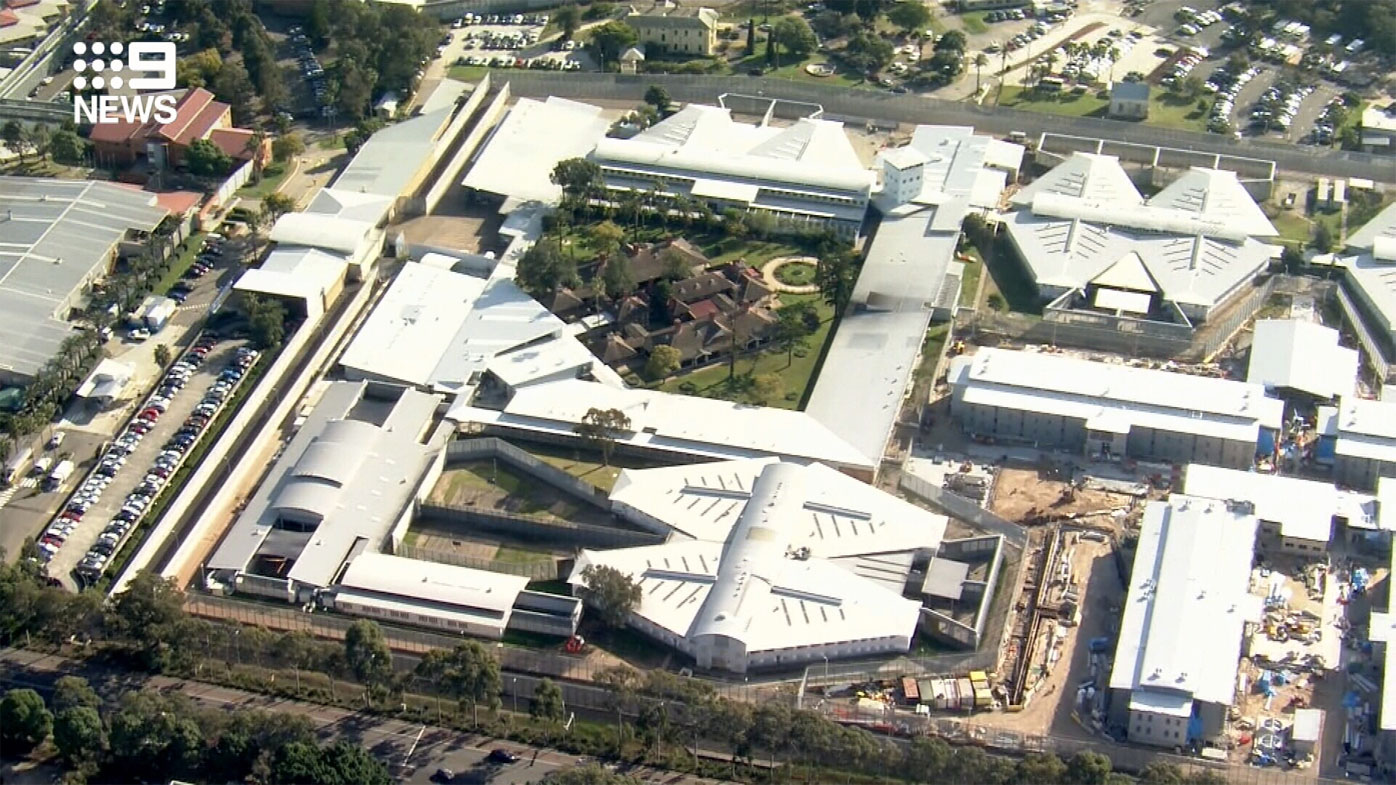
Police began investigating the circumstances around the man's death.
Officers arrested a 29-year-old inmate at the facility about 1.45pm yesterday.
The man was charged with murder and will appear before Parramatta Bail Court today.
READ MORE: Warragamba Dam spill puts NSW residents on flood alert
Arrest after car torched, house catches fire in northwest Auckland
Police have made an arrest after a car was set alight in Chaffinch Rd, Hobsonville Point in Auckland’s northwest.A 27-year-old male has been remanded in custody, charged with wilfully setting fire to property. He is scheduled…
Expert says 'no need to worry' about new COVID-19 variant yet
An expert has warned to take the new COVID-19 variant with "a grain of salt" as concerns grow over the transmissibility.
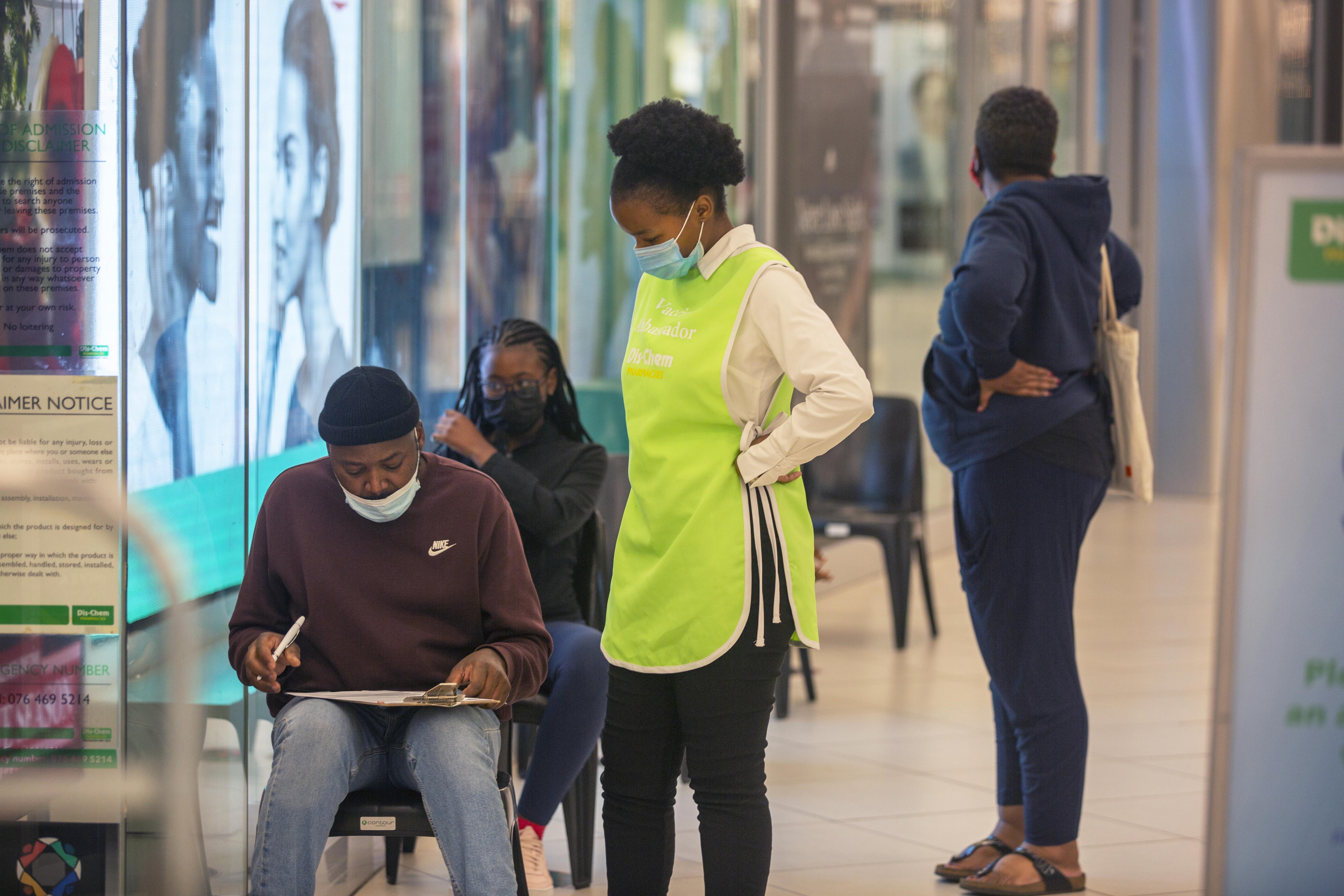
South African scientists identified a new variant of COVID-19 this week that has been declared a variant of concern.
The new variant named Omicron has spread to other countries including Botswana, Hong Kong, Israel and Belgium.
EXPLAINER: What is the new COVID-19 variant in South Africa
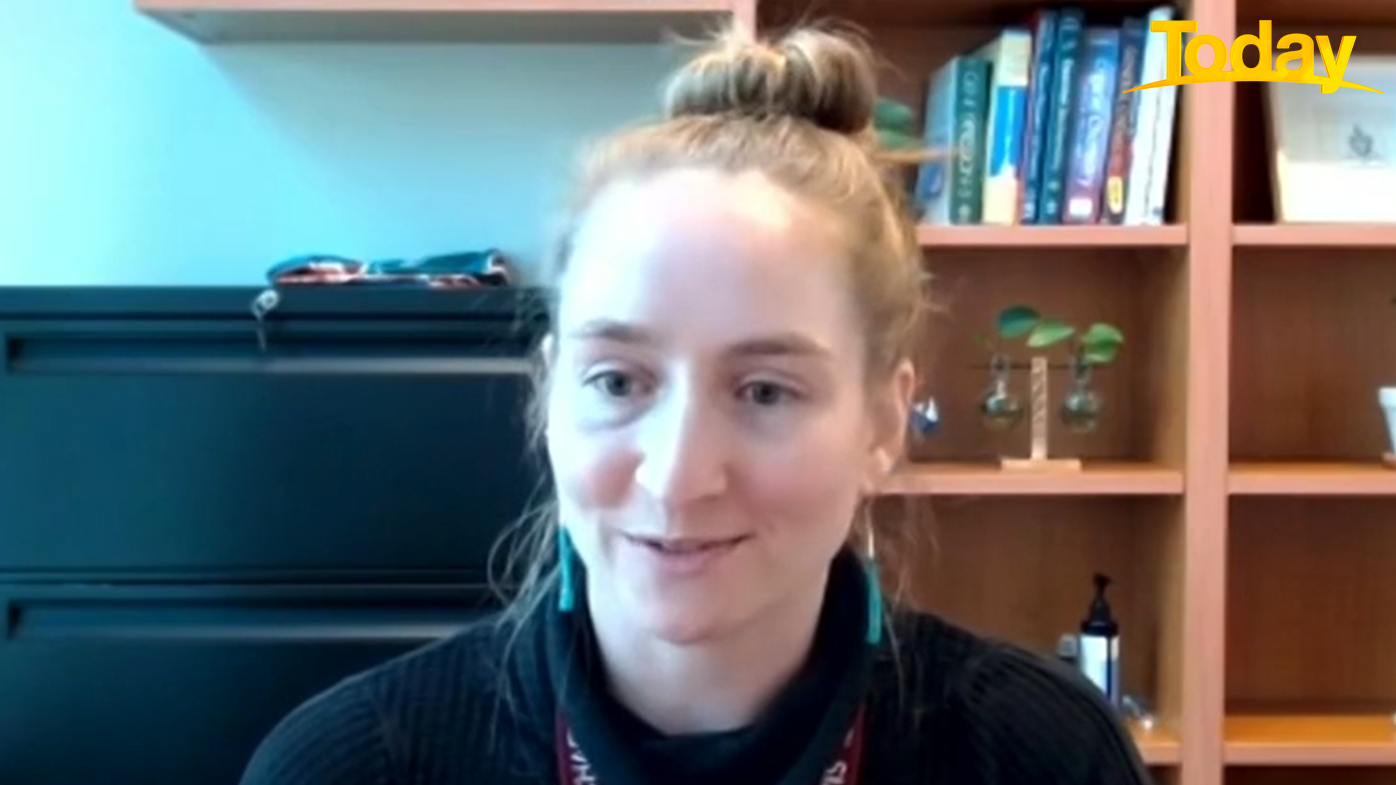
Associate Professor Anna Blakney, from the University of British Columbia, said people shouldn't be alarmed by the new variant until there is concerning data.
"I think until we see the data on how infectious or, you know, what the properties of the new variant are there's no need to worry," she said.
"I think we need to take every new variant with a grain of salt."
The World Health Organisation has classified omicron as a highly transmissible virus of concern, the same category that includes the delta variant.
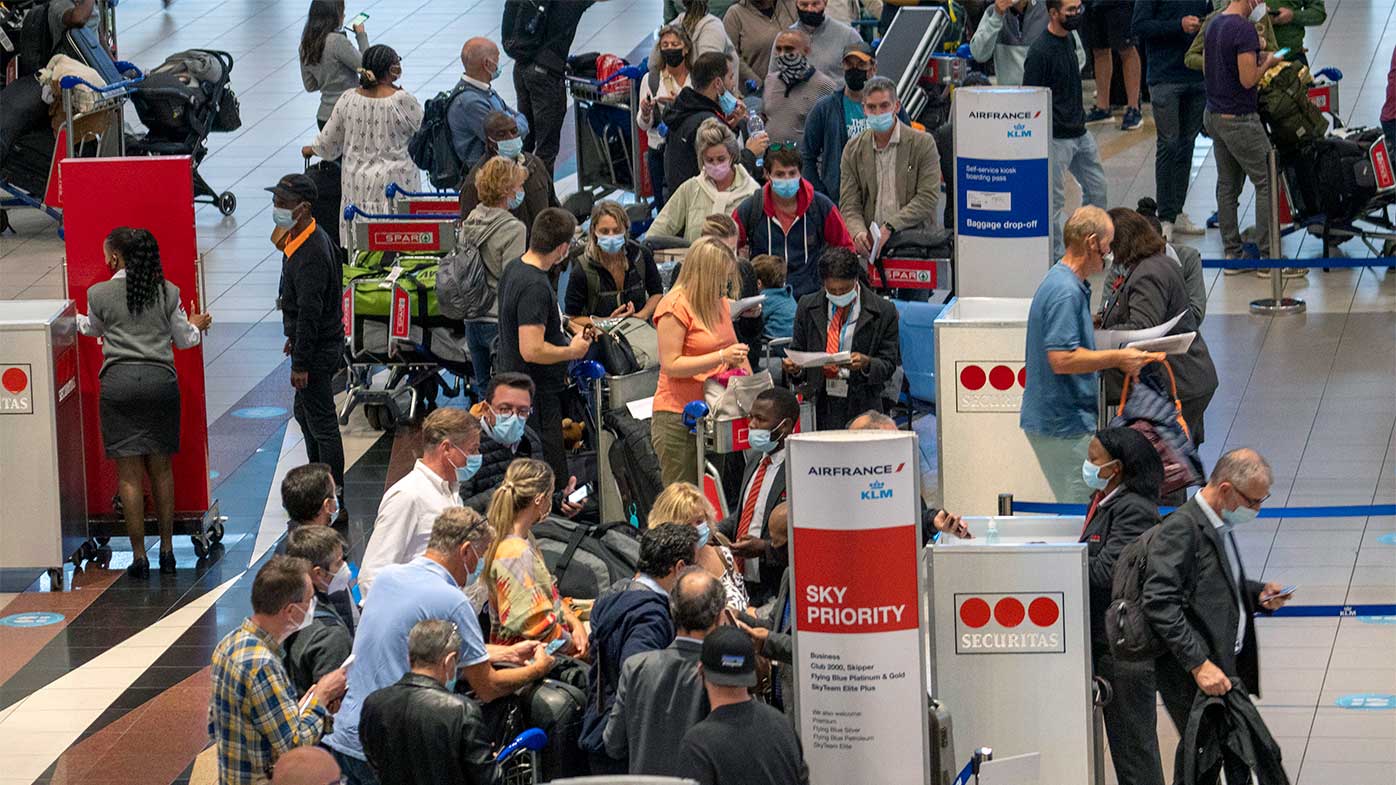
Countries around the world have begun to ban travel from South Africa to prevent the spread of the variant.

Authorities are concerned as the virus is moving quickly but Professor Robert Booy said more investigation into the spread of the variant is needed.
"We're not shocked or worried to the extent that we think this is definitely going to be a problem," Mr Booy said.
"We need to do more investigation, do the science, work out how well this virus is spreading."
READ MORE: Experts warn wet weather may bring more mice amid fears of new plague
Dr Blakney said mRNA vaccines can be adapted quickly for new variants and wasn't concerned about omicron.
"I think if there's a variant that's really concerning we will be able to create a new vaccine do the clinical testing for it and get it distributed," Dr Blakney said.
"I think we're actually in a pretty good position with being able to address new variants."
Mr Booy said testing is currently underway to adapt vaccines to offer protections against omicron.
The testing can help understand the transmissibility of the variant, but "real-world evidence" is needed.
"They use a thing called pseudo varions, viruses used in the laboratory to check whether the virus is likely to evade human immunity, the antibodies that we make," Mr Booy said.
Despite quickly being able to develop the vaccine for new variants, Dr Blakney added it takes time to go through testing for the vaccine for it then to be deployed.
Mr Booy said Australia needs to aid South Africa to vaccinate the country to prevent future variants.
"If we're to save ourselves, we have to help our neighbours. We have to be safe because everyone's safe, not just because everyone in Australia is safe," he said.
She also said mRNA vaccines used to protect against COVID-19 could be used to prevent other diseases.
The technology could be used to cure cancer, Dr Blakney said.
"Now we see that we have safety and efficacy for a virus, we can see where else we can apply the technology," she said.
"Are there other vaccines with diseases with unmet clinical needs or other opportunities such as cancer vaccine or monoclonal anti-virus technology?"
READ MORE: Stocks and oil plunge as new COVID-19 variant fears slam global markets
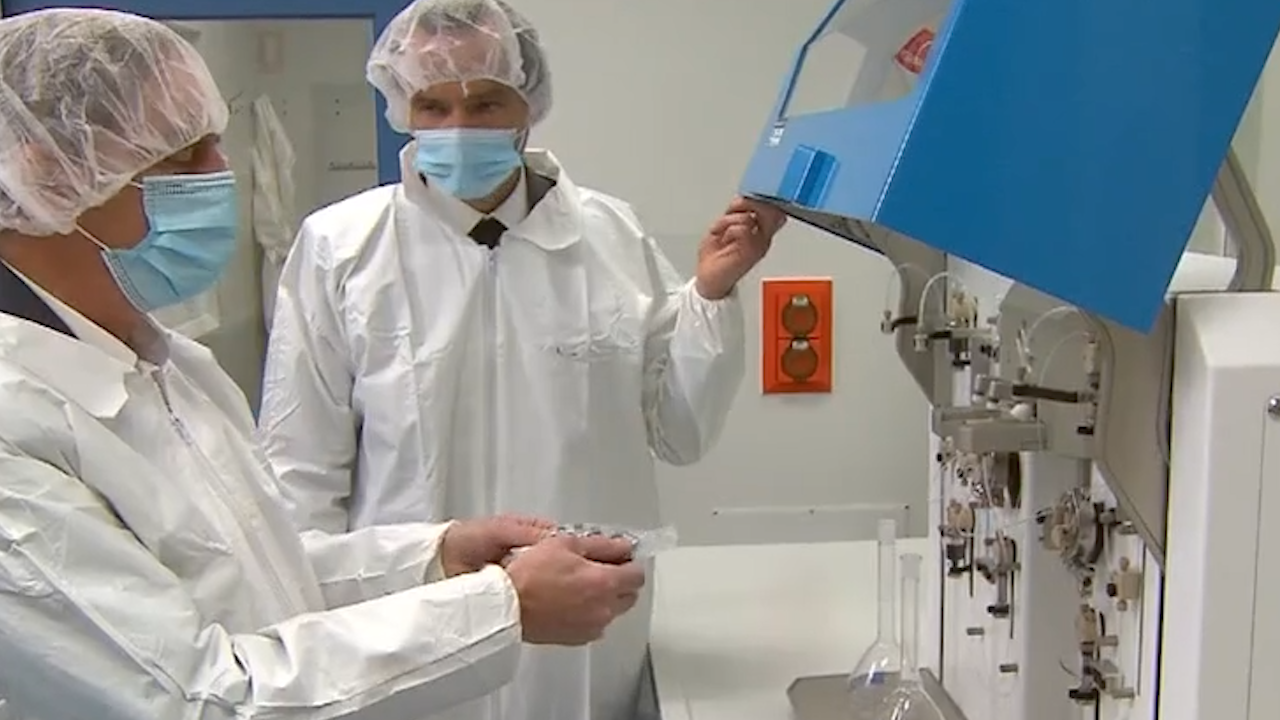
Dr Blakney said before COVID-19 the trials for mRNA vaccines were slow but now the technology can be "mobilised quickly" and could be used to cure other diseases.
"It only takes a matter of days to make a new mRNA vaccine. Because of that you can scale it up, get it into the clinic faster," she said.
"Because it's made synthetically it doesn't rely on cells you can also scale it up for billions of doses much more easily than you can traditional vaccines."
Jack Tame: Five silver linings to National's leadership spill of Judith Collins
OPINION: With our biggest city in its third month of lockdown, hundreds of thousands of New Zealanders still effectively barred from entering the country, inflation running at 5 per cent, and hundreds of new infections being recorded…
Explainer: What is Omicron, the new COVID-19 variant in South Africa
The World Health Organisation (WHO) have declared a new version of coronavirus discovered in South Africa "a variant of concern".
WHO named the variant Omicron and said the first known infection was from a specimen collected on November 9.
Scientists said the variant, which also goes by the name B.1.1.529, is behind a recent spike in COVID-19 infections in Gauteng, the country's most populous province.
READ MORE: Expert says 'no need to worry' about new COVID-19 variant yet
It's unclear from where the new variant actually arose, but it was first detected by scientists in South Africa and has also been seen in travellers to Hong Kong and Botswana.
Health minister Joe Phaahla said the variant was linked to an "exponential rise" of cases in the last few days, although experts are still trying to determine if the new variant is actually responsible.
From just over 200 new confirmed cases per day in recent weeks, South Africa saw the number of new daily cases rocket to more than 1200 on Wednesday and to 2465 a day later. Struggling to explain the sudden rise in cases, scientists studied virus samples from the outbreak and discovered the new variant.
South African experts said there are no indications to date that the variant causes more severe or unusual disease and noted that as with other variants, some infected people don't have any symptoms.
Why are scientists worried about this new variant?
It appears to have a high number of mutations — about 30 — in the coronavirus' spike protein, which could affect how easily it spreads to people.
WHO said a number of the mutations are "concerning" and the strain is showing a high-degree of transmissibility.
"The number of cases of this variant appears to be increasing in almost all provinces in South Africa," it said.
"This variant has been detected at faster rates than previous surges in infection, suggesting that this variant may have a growth advantage."
WHO is also worried about the risk of re-infection with Omicron.
READ MORE: WHO hosts special meeting on worrying new COVID-19 variant
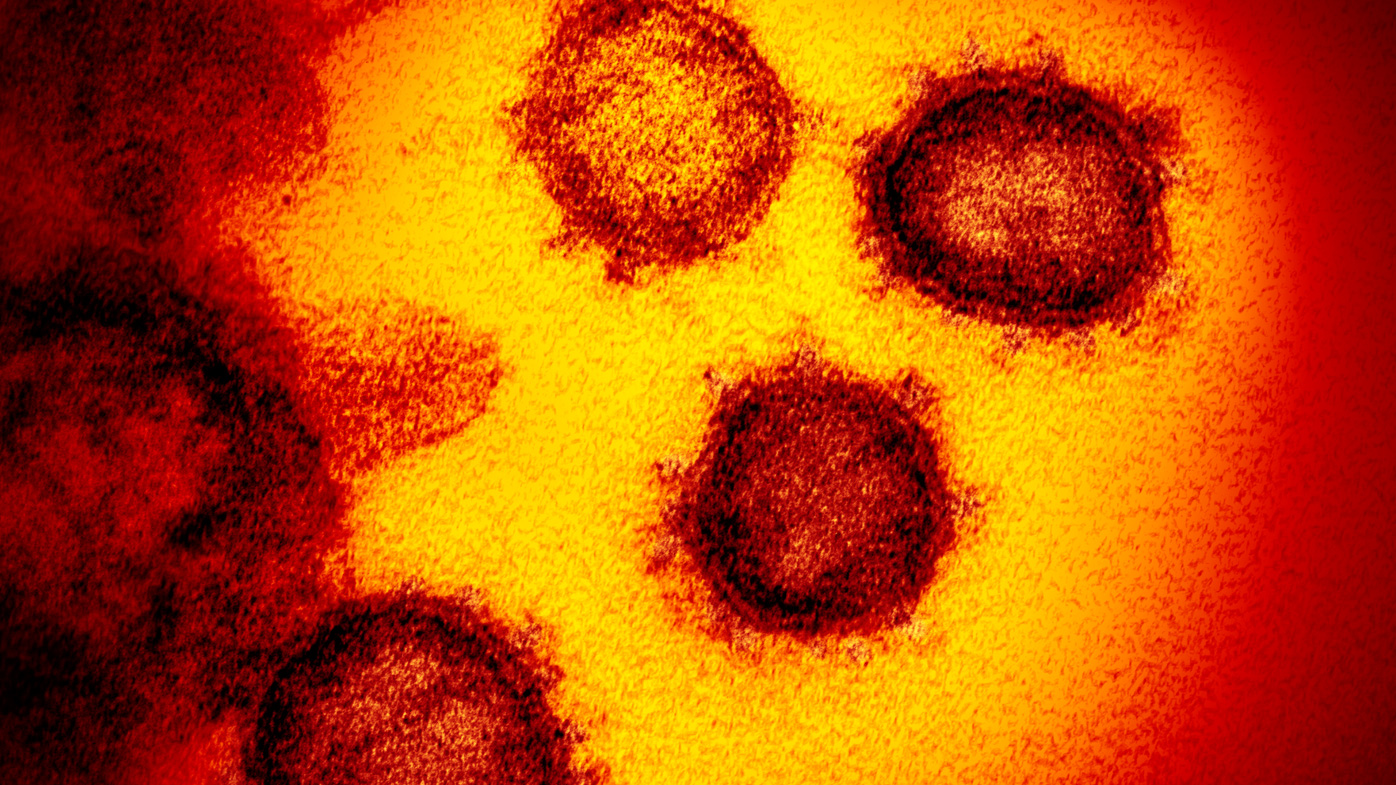
Francois Balloux, director of the Genetics Institute at University College London, said the sharp rate of COVID-19 infections in South Africa, and particularly in Gauteng province, was concerning.
"The biggest risk is that (this variant) is better at re-infecting people as well as being more transmissible and virulent," he said in a statement. But Balloux said it was unclear at this stage whether this is because the virus is inherently more infectious.
He emphasised that while it was possible that the new variant is able to reinfect previously immunised people, "we cannot make any robust predictions based on its genetic make-up alone about its expected transmissibility or virulence.
Is the South Africa coronavirus variant vaccine resistant?
Sharon Peacock, who has led genetic sequencing of COVID-19 in Britain at the University of Cambridge, said the data so far suggest the new variant has mutations "consistent with enhanced transmissibility," but said that "the significance of many of the mutations is still not known."
She said it would take several weeks to do the necessary lab tests to determine if current coronavirus vaccines are still effective against the new variant.
READ MORE: New COVID-19 variant 'not a concern' for Australia but being monitored
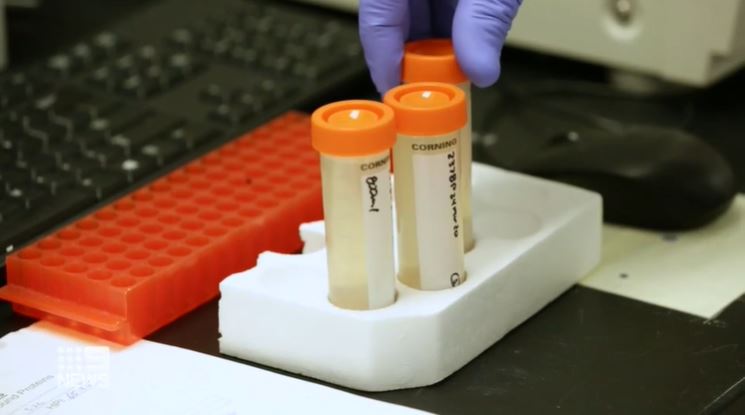
Peacock also said there was no indication that the variant causes more lethal disease.
Where has the South African variant spread to?
In response to the new variant a number of countries have restricted travel from South Africa including the USA, Germany and Canada.
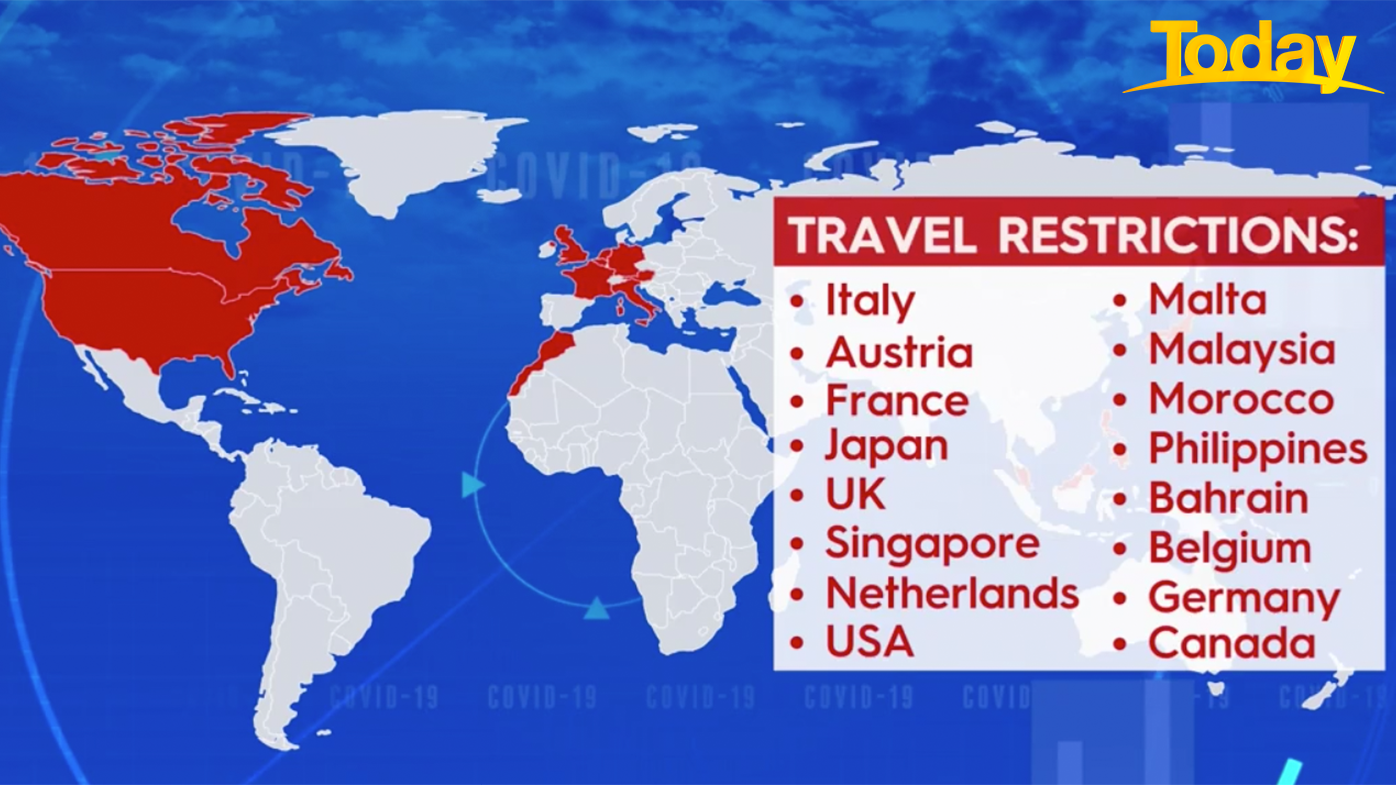
Several countries have already detected a case including Botswana, Hong Kong, Israel, and Belgium.
Australia's Federal Health Minister Greg Hunt says he is monitoring the situation and has not ruled out tightening border rules.
There has not been a case detected in Australia, Mr Hunt said yesterday.
How did this new variant arise?
The coronavirus mutates as it spreads and many new variants, including those with worrying genetic changes, often just die out.
Scientists monitor COVID-19 sequences for mutations that could make the disease more transmissible or deadly, but they cannot determine that simply by looking at the virus. They must compare the pattern of disease in outbreaks to the genetic sequences and sorting out whether there is an actual connection can take time.
Some scientists have speculated that the new variant arose in an immune-compromised patient because of the large number of mutations.
Peacock said the variant "may have evolved in someone who was infected but could then not clear the virus, giving the virus the chance to genetically evolve," in a scenario similar to how experts think the alpha variant — which was first identified in England — also emerged.
Are the travel restrictions being imposed by some countries justified?
Maybe. As of noon Friday, travellers arriving in the UK from South Africa, Namibia, Botswana, Lesotho, Eswatini and Zimbabwe will have to self-isolate for 10 days.
Given the recent rapid rise in COVID-19 in South Africa, restricting travel from the region is "prudent," said Neil Ferguson, an infectious diseases expert at Imperial College London.
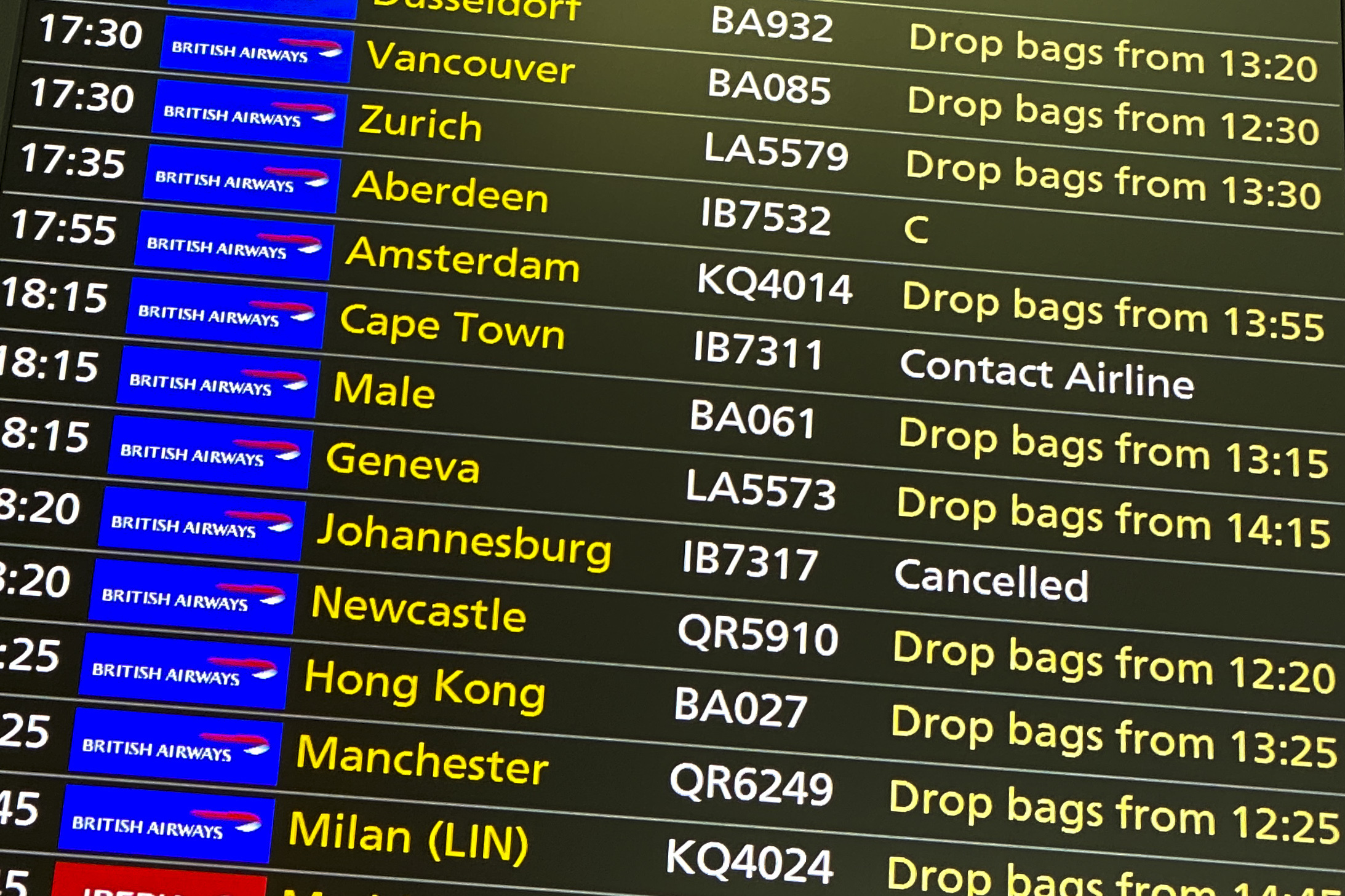
He said the new variant has an "unprecedented" number of mutations and said that compared to previous variants, the newly identified version in South Africa might more easily evade current vaccines.
Balloux of University College London said that if the new variant turns out to be more infectious than Delta, the new restrictions will have little impact but that they could still buy the UK some time to boost vaccination rates and roll out other possible interventions.
What happens next?
After WHO's technical group of experts met to assess the threat of Omicron, they've asking countries to do the following:
- Enhance surveillance and sequencing efforts to better understand circulating SARS-CoV-2 variants.
- Submit complete genome sequences and associated metadata to a publicly available database, such as GISAID.
- Report initial cases/clusters associated with VOC infection to WHO through the IHR mechanism.
- Where capacity exists and in coordination with the international community, perform field investigations and laboratory assessments to improve understanding of the potential impacts of the VOC on COVID-19 epidemiology, severity, effectiveness of public health and social measures, diagnostic methods, immune responses, antibody neutralisation, or other relevant characteristics.
Studies are currently underway to determine whether Omicron is vaccine-resistant, and more transmissible than other variants of concern.
To date, the Delta variant remains by far the most transmissible form of COVID; it accounts for more than 99 per cent of sequences shared with the world's biggest public database.
Sylvers Edge Out Tabernacle to Take 3rd Place in Constituency #7 Domino League
BASSETERRE, ST. KITTS, November 26, 2021 (MMS-SKN) — Sylvers Domino Club from Hidden Alley in Lodge Village, created history Thursday evening November 25 at the new Lodge-Ottley’s Community Centre when the team clinched the third overall position in the 14-team 26th edition of Constituency Number Seven Dr the Hon Timothy Harris Domino League tournament.
Formed six years ago and the only team captained by a female, Octavia ‘Tackie’ Huggins-Sewell, Sylvers came out the better team to beat defending champion team Tabernacle Domino Club 14-10 in a tight and hotly contested game for the third and fourth position that threateningly bore signs of going either way.
Constituency Number Seven Dr the Hon Timothy Harris Domino League, which is the longest running such league in the Federation of St. Kitts and Nevis, is sponsored by Prime Minister and Area Parliamentary Representative for St. Christopher Seven (Bellevue to Ottley’s), Dr the Hon Timothy Harris.
Sylvers had opened on a high note when from Table Two the wife and husband team of Octavia and Shaquille Sewell won the first game. Table One gave Sylvers the second game, and quickly Table Two added the third game. Before Tabernacle players could even adjust properly on their seats, Octavia and Shaquille added to the damage by winning a bonus game to take the scores to 5-0 in their favour.
Tabernacle through their Captain, Lionel ‘Nabal’ Nisbett and Kenrick Palmer on Table One scored their first game, and quickly from Table Two, Ryan St. Marie and Lorna Francis scored their second game to have deficit reduced to 2-5.
The first stint the two teams got closest to each other was when Sylvers led 7-6 after the Tabernacle pair of Lionel ‘Nabal’ Nisbett and Lorna Francis earned valuable games from Table One, but from Table Two the Sylvers pair of Shaquille Sewell and Ameer Ali pushed their lead to 8-6.
The second stint the two teams got closest to each other was when Sylvers led 9-8, and the third time was at 11-10. At that stage, Sylvers not wanting to lose when so close to victory did wonders from Table One with Octavia ‘Tackie’ Huggins-Sewell and Ken Barrette taking the 12th game and were left needing only one game to win
There was tension in the air surrounding Table Two as Sylvers raced to earn the final game and when they did, they did it in grand style that left everyone speechless. At 11:38 p.m. Shaquille Sewell and Robert Charles raced to an unbeaten 125 points to earn a bonus game and the coveted 14-10 overall win to clinch the third position.
In true sportsmanship spirit, Captain of Tabernacle Domino Club Lionel ‘Nabal’ Nisbett was the first to congratulate Sylvers on Constituency Number Seven Domino League’s Captains WhatsApp chat group: “Congratulations to all the winning teams,” and capped it with three emojis one depicting celebrations, the second depicting love, and the third depicting friendship.
With that loss, the now immediate former defending champion team Tabernacle Domino Club has clinched the fourth position in the 26th edition of Constituency Number Seven Dr the Hon Timothy Harris Domino League tournament.
According to the Public Relations Officer of Constituency Number Seven Domino League Executive Committee, Allington ‘Leggy’ Berridge, the championship battle for the 26th edition of the league’s tournament will start in earnest on Tuesday November 30 at the new Lodge-Ottley’s Community Centre when former champion team Unity Domino Club and Mansion Domino Club meet for the first of best-of-three games final encounter.
In the meantime, the second game in the Best of the Rest competition round robin eliminations was played on Thursday November 25, at the same venue where Phillips Domino Club beat Saddlers Domino Club 13-8. In the first game played on Wednesday November 24 also at the same venue, Unstoppable Domino Club had beaten Phillips 13-9
The third game in the Best of the Rest competition round robin eliminations will be played at the same venue on Monday November 29 between Saddlers Domino Club and Unstoppable Domino Club.
The game to determine the fourth position winner in the Best of the Rest competition between Small Corner Bar Domino Club and Guinness Domino Club will be played on the same evening.
The post Sylvers Edge Out Tabernacle to Take 3rd Place in Constituency #7 Domino League appeared first on The St Kitts Nevis Observer.
NEVLEC Schedules Islandwide Power Outage November 28
NIA CHARLESTOWN NEVIS — The following is a notice from the Nevis Electricity Company Limited (NEVLEC) regarding a scheduled power outage on November 28, 2021.
NEVLEC wishes to advise all customers that there will be an island-wide power outage on Sunday 28, from 4:00 a.m. to 6:00 a.m.
This is to facilitate the extension of the power plant’s LV (low voltage) switch board on the Wӓrtsilӓ #12 unit.
NEVLEC wishes to apologize for any inconvenience this interruption may cause.
The post NEVLEC Schedules Islandwide Power Outage November 28 appeared first on The St Kitts Nevis Observer.