More than 1400 doctors, nurses and other healthcare workers have missed the deadline the get their first Covid-19 jab and have stood down, resigned or had their jobs terminated.The figures have been released by district health boards…
Category Archives: headline
Covid-19 Delta outbreak: Jacinda Ardern told to apologise over Judith Collins jibe
Jacinda Ardern was forced to apologise in parliament this afternoon after referring to Judith Collins as “the other leader of the opposition”.The prime minister was responding to a question from Act Party leader David Seymour when…
Covid 19 Delta outbreak: Major concerns over vaccinations Bill being passed under urgency – 'Constitutional disgrace'
Opposition MPs and legal experts are crying foul over legislation around the new traffic light system and vaccination mandates they say is being rushed through Parliament without proper scrutiny. Parliament went into urgency today…
Covid 19 Delta outbreak: Māori now make up highest number of cases since Covid arrived in Aotoearoa
Originally published by Māori Television ANALYSIS: As Aotearoa’s number of Delta cases passed the 7000 mark, a total of 204 new Delta cases were reported on November 22 [today’s case numbers had not been released when this…
What is La Niña: The weather phenomenon about to hit Australia
After a rainy summer last year, the weather phenomenon which caused it is back for a second drenching.
A La Niña has formed in the Pacific Ocean, the Bureau of Meteorology has confirmed.
But what is a La Niña, and what does it mean for our summer?
READ MORE: La Niña officially declared
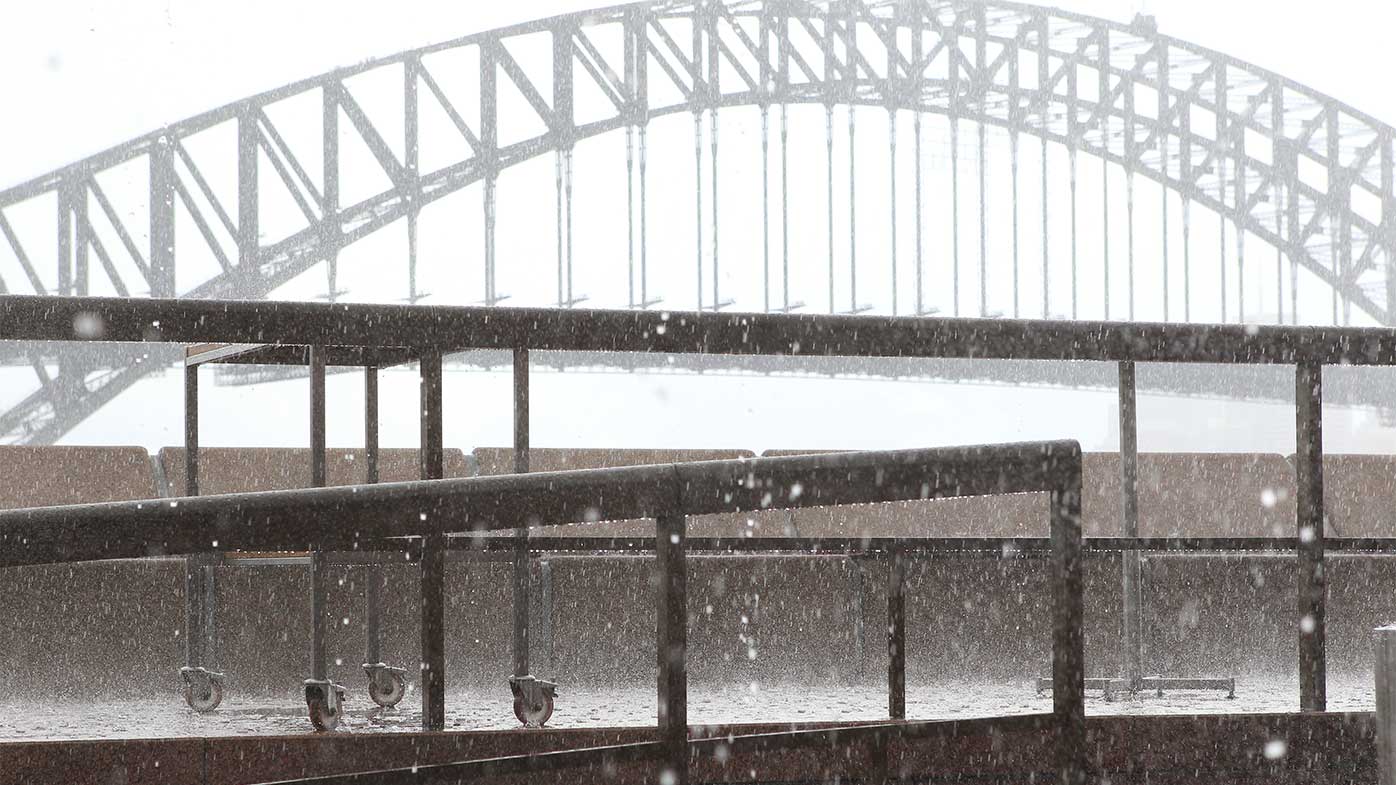
What is La Niña?
La Niña, which is Spanish for The Girl, is a complex weather pattern that pushes warm water towards the western side of the Pacific, including Australia and Asia.
As a consequence of the warmer water, more evaporation means more rainfall over Australia.
It also leads to cyclones being formed with more intensity.
It is the counterpart to El Niño, Spanish for The Boy, a weather pattern which leads to warmer weather and drought conditions.
Because the La Niña and El Niño system covers the entire Pacific, which accounts for close to half the Earth's surface, a La Niña year will likely reduce global temperatures on average, for a few months at least.
LIVE UPDATES: Victoria records spike in COVID-19 deaths
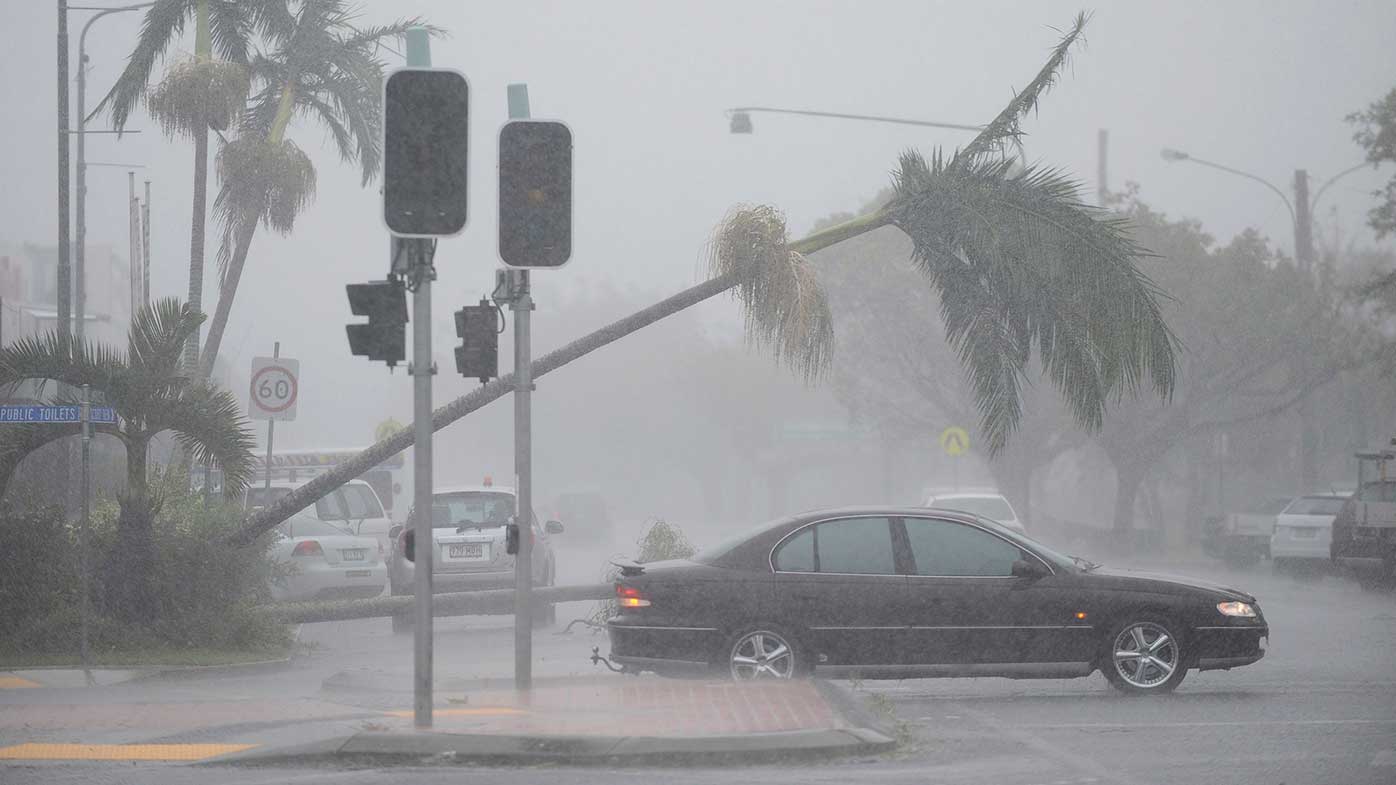
What does a La Niña mean for Australia?
Because of La Niña, the eastern half of Australia can be expected to have a cooler and wetter summer than usual.
It is the second year in a row that a La Niña has hit Australia.
The bureau's Head of Operational Climate Services Dr Andrew Watkins said back-to-back La Niñas were common.
"La Niña also increases the chance of cooler than average daytime temperatures for large parts of Australia and can increase the number of tropical cyclones that form," Dr Watkins said.
"La Niña is also associated with earlier first rains of the northern wet season, as we've observed across much of tropical Australia this year."
READ MORE: La Niña officially declared over after wet and wild summer
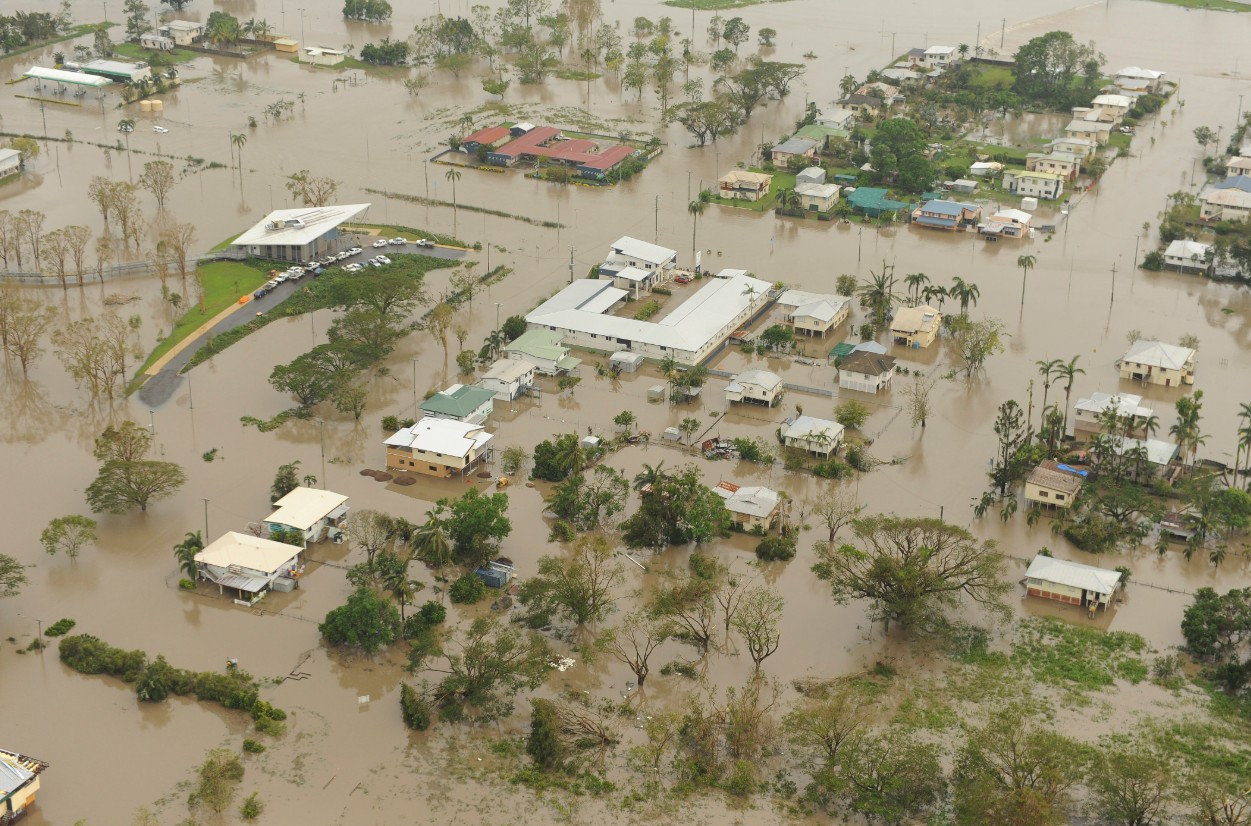
The last substantial La Niña to hit Australia was in 2010 to 2012.
That prolonged weather event brought with in intense floods in Victoria, NSW and Queensland.
It also created Cyclone Yasi, which cost an estimated $3.5 billion in damage in northern Queensland.
But the bureau forecasts that this year's La Niña will be much weaker than the 2010-2012 cycle, and perhaps weaker than this past year.
Is La Niña good or bad?
It depends on how strong it is, and your situation in life.
If you are spending your summer at the beach or by the barbecue, rainier conditions are of course less than ideal.
Though a cooler summer may be welcome compared to the scorching heat of El Niño conditions.
La Niña is also associated with fewer extremes than El Niño. A mild La Niña means it's unlikely many weather records will be broken this summer.
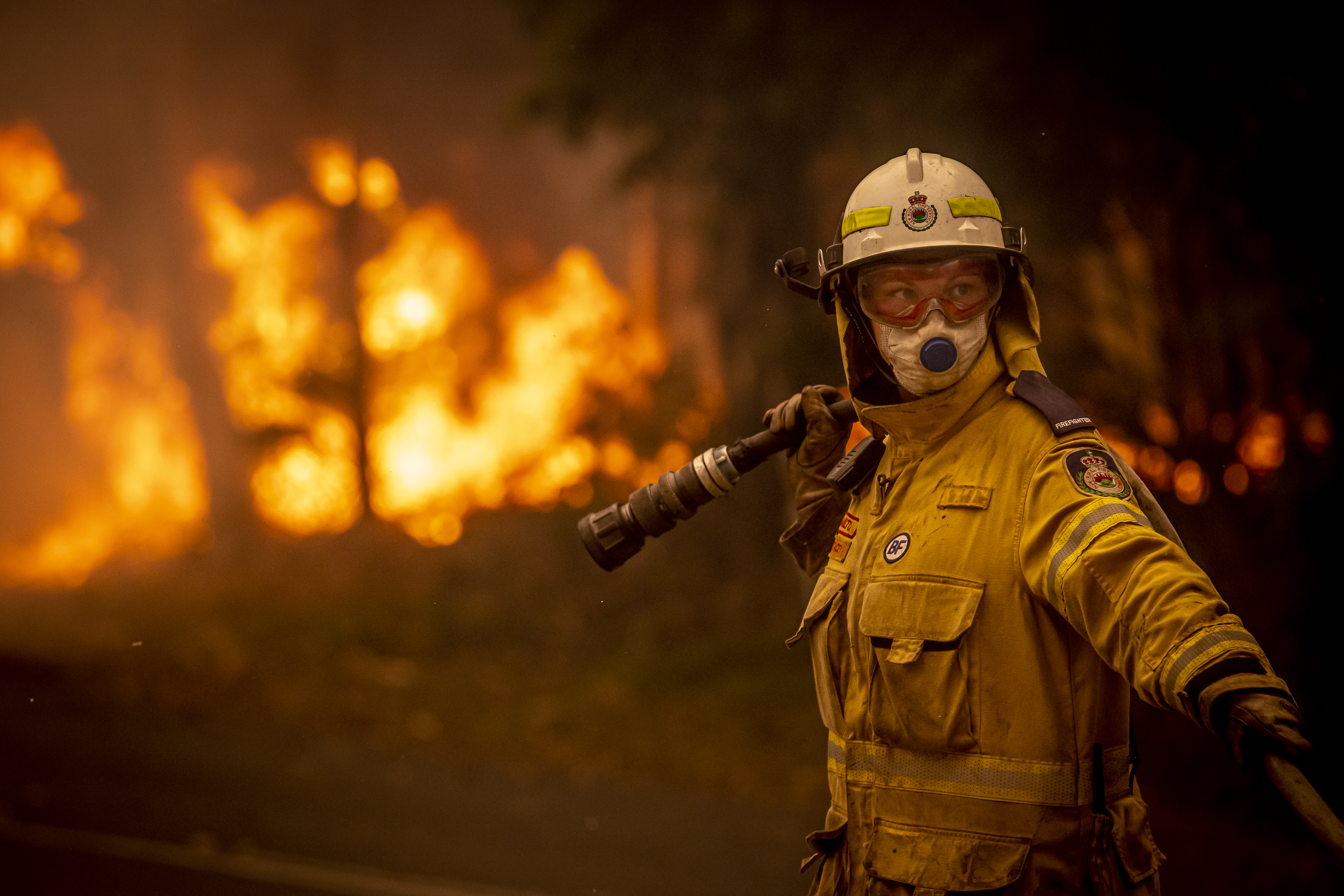
The La Niña cycle also reduces the risk of a bad bushfire season.
And a mild La Niña is likely good news for farmers still recovering after a terrible drought.
"Every La Niña has different impacts, as it is not the only climate driver to affect Australia at any one time," Dr Watkins said.
A mild La Niña probably means just a few more rainy days over summer than usual, and a few less scorchers.
READ MORE: How the pandemic has impacted cancer diagnosis in Australia
How long will La Niña last?
This La Niña is forecast to last until at least the end of January next year.
Consequently, the sun should be out by the time the kids need to be back at school.
Derelict landbanked properties 'a travesty' in midst of housing crisis, Kawerau mayor says
By Diane McCarthy, Local Democracy Reporter Kawerau Mayor Malcolm Campbell says it is “a travesty” that the Government has allowed landbanked houses in the district to become derelict when so many people are homeless.The Kawerau…
Covid-19 Delta outbreak: Destiny's Brian, Hannah Tamaki charged over latest Auckland lockdown protest
Supporters of Brian Tamaki have gathered outside the Auckland Prison Remand Centre in Mt Eden, as the Destiny Church leader faces fresh charges in relation to the anti-lockdown protest in Auckland at the weekend. Police earlier…
John Key and Christopher Luxon trade advice on helicopters
Up-and-coming National MP Christopher Luxon deflected awkward questions about his leadership ambitions on Tuesday morning, saying he was happy with his current portfolios.Luxon was also asked about his friendship with former Prime…
Covid 19 Delta outbreak: Doctors have duty of care to unvaccinated, says MOH
The Health Ministry says people cannot be refused health care because of their vaccination status, and there is no need for routine testing of unvaccinated patients before they see a doctor. “Access to health care is a fundamental…
Covid 19 Delta outbreak: Lockdown at Ambury Farm
Justin Latif, Local Democracy Reporter Spring is one of the busiest times at a farm, so when all of Auckland went into lockdown, the park rangers at Ambury Farm didn’t just have to contend with expectant ewes and cows, but an…