A person has tested positive for Covid-19 in Hawke’s Bay.Hawke’s Bay District Health Board says the case had travelled from Auckland and was isolating in Hawke’s Bay. The person had permission to make the trip.The DHB said in…
Category Archives: headline
Scientists mystified, wary, as Africa avoids COVID-19 disaster
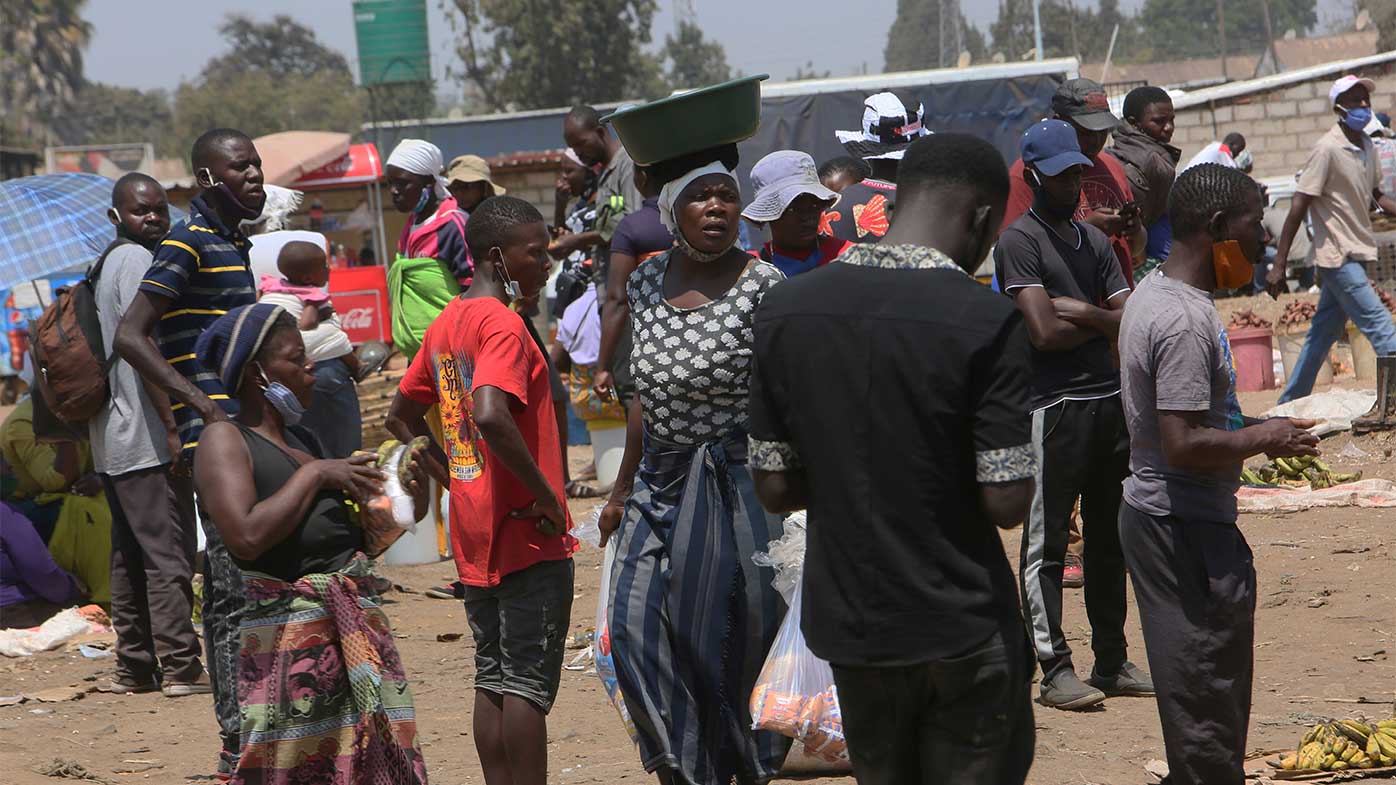
At a busy market in a poor township outside Harare this week, Nyasha Ndou kept his mask in his pocket, as hundreds of other people, mostly unmasked, jostled to buy and sell fruit and vegetables displayed on wooden tables and plastic sheets.
As in much of Zimbabwe, here COVID-19 is quickly being relegated to the past, as political rallies, concerts and home gatherings have returned.
“COVID-19 is gone, when did you last hear of anyone who has died of COVID-19?” Mr Ndou said.
“The mask is to protect my pocket. The police demand bribes so I lose money if I don’t move around with a mask.”
READ MORE: NSW, Victoria record drop in COVID-19 cases
Earlier this week, Zimbabwe recorded just 33 new COVID-19 cases and zero deaths, in line with a recent fall in the disease across the continent, where World Health Organisation data shows infections have been dropping since July.
When COVID-19 first emerged last year, health officials feared the pandemic would sweep across Africa, killing millions. Although it’s still unclear what the virus’s ultimate toll will be, that catastrophic scenario has yet to materialise in Zimbabwe or much of the continent.
Scientists emphasise obtaining accurate COVID-19 data, particularly in African countries with patchy surveillance, is extremely difficult, and warn declining infection trends could easily be reversed.
But there is something “mysterious” going on in Africa that is puzzling scientists, said Wafaa El-Sadr, chair of global health at Columbia University.
“Africa doesn’t have the vaccines and the resources to fight COVID-19 that they have in Europe and the U.S, but somehow they seem to be doing better,” she said.
READ MORE: Queensland PCR test requirement under review
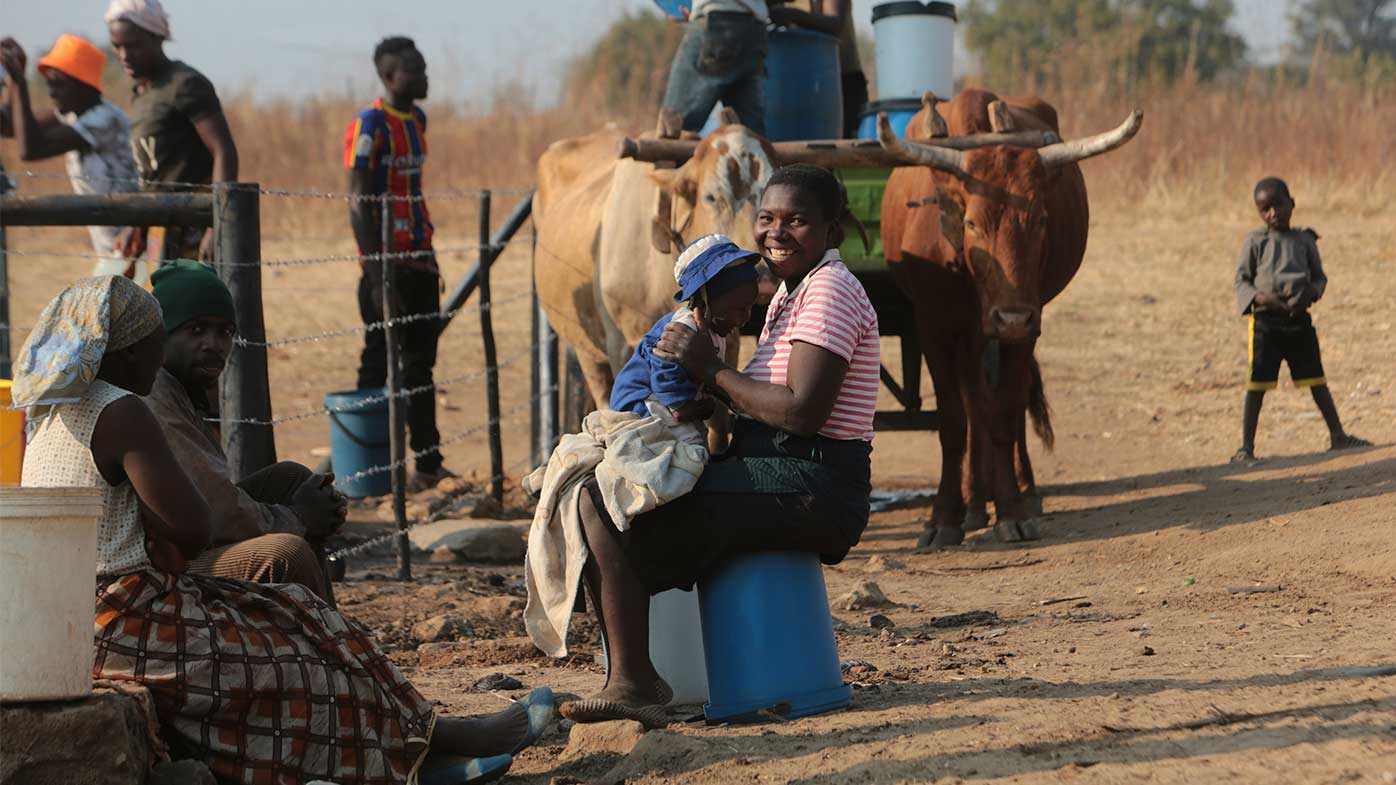
Fewer than 6 per cent of people in Africa are vaccinated. For months, the WHO has described Africa as “one of the least affected regions in the world” in its weekly pandemic reports.
Some researchers say the continent’s younger population — the average age is 20 versus about 43 in Western Europe — in addition to their lower rates of urbanisation and tendency to spend time outdoors, may have spared it the more lethal effects of the virus so far. Several studies are probing whether there might be other explanations, including genetic reasons or past infection with parasitic diseases.
On Friday, researchers working in Uganda said they found COVID-19 patients with high rates of exposure to malaria were less likely to suffer severe disease or death than people with little history of the disease.
“We went into this project thinking we would see a higher rate of negative outcomes in people with a history of malaria infections because that’s what was seen in patients co-infected with malaria and Ebola,” said Jane Achan, a senior research advisor at the Malaria Consortium and a co-author of the study.
“We were actually quite surprised to see the opposite — that malaria may have a protective effect.”
READ MORE: WHO urges vaccine uptake amid growing COVID-19 crisis in Europe
Achan said this may suggest past infection with malaria could “blunt” the tendency of people’s immune systems to go into overdrive when they are infected with COVID-19. The research was presented Friday at a meeting of the American Society of Tropical Medicine and Hygiene.
Christian Happi, director of the African Center of Excellence for Genomics of Infectious Diseases at Redeemer’s University in Nigeria, said authorities are used to curbing outbreaks even without vaccines and credited the extensive networks of community health workers.
“It’s not always about how much money you have or how sophisticated your hospitals are,” he said.
Devi Sridhar, chair of global public health at the University of Edinburgh, said African leaders haven’t gotten the credit they deserve for acting quickly, citing Mali’s decision to close its borders before COVID-19 even arrived.
“I think there’s a different cultural approach in Africa, where these countries have approached COVID with a sense of humility because they’ve experienced things like Ebola, polio and malaria,” Sridhar said.
In past months, COVID-19 has pummeled South Africa and is estimated to have killed more than 89,000 people there, by far the most deaths on the continent. But for now, African authorities, while acknowledging that there could be gaps, are not reporting huge numbers of unexpected fatalities that might be COVID-related.
WHO data shows deaths in Africa make up just 3 per cent of the global total. In comparison, deaths in the Americas and Europe account for 46 per cent and 29 per cent.
READ MORE: Austria to enter lockdown, bring in mandatory vaccinations
In Nigeria, Africa’s most populous country, the government has recorded nearly 3000 deaths so far among its 200 million population. The U.S. records that many deaths every two or three days.
The low numbers have Nigerians like Opemipo Are, a 23-year-old in Abuja, feeling relieved.
“They said there will be dead bodies on the streets and all that, but nothing like that happened,” she said.
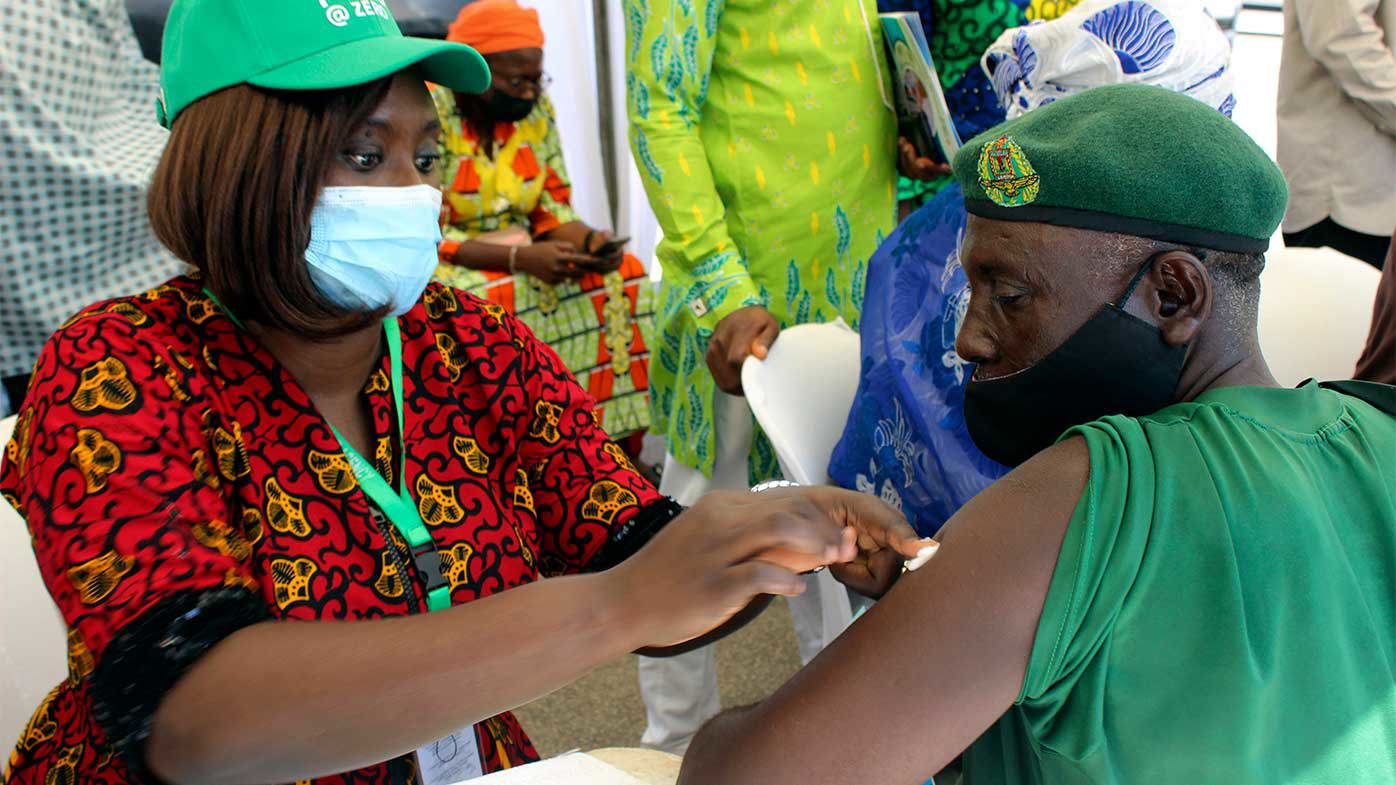
On Friday, Nigerian authorities began a campaign to significantly expand the West African nation’s COVID-19 immunisation. Officials are aiming to inoculate half the population before February, a target they think will help them achieve herd immunity.
Oyewale Tomori, a Nigerian virologist who sits on several WHO advisory groups, suggested Africa might not even need as many vaccines as the West. It’s an idea that, while controversial, he says is being seriously discussed among African scientists — and is reminiscent of the proposal British officials made last March to let COVID-19 freely infect the population to build up immunity.
That doesn’t mean, however, that vaccines aren’t needed in Africa.
“We need to be vaccinating all out to prepare for the next wave,” Salim Abdool Karim, an epidemiologist at South Africa’s University of KwaZulu-Natal, who previously advised the South African government on COVID-19, said.
“Looking at what’s happening in Europe, the likelihood of more cases spilling over here is very high.”
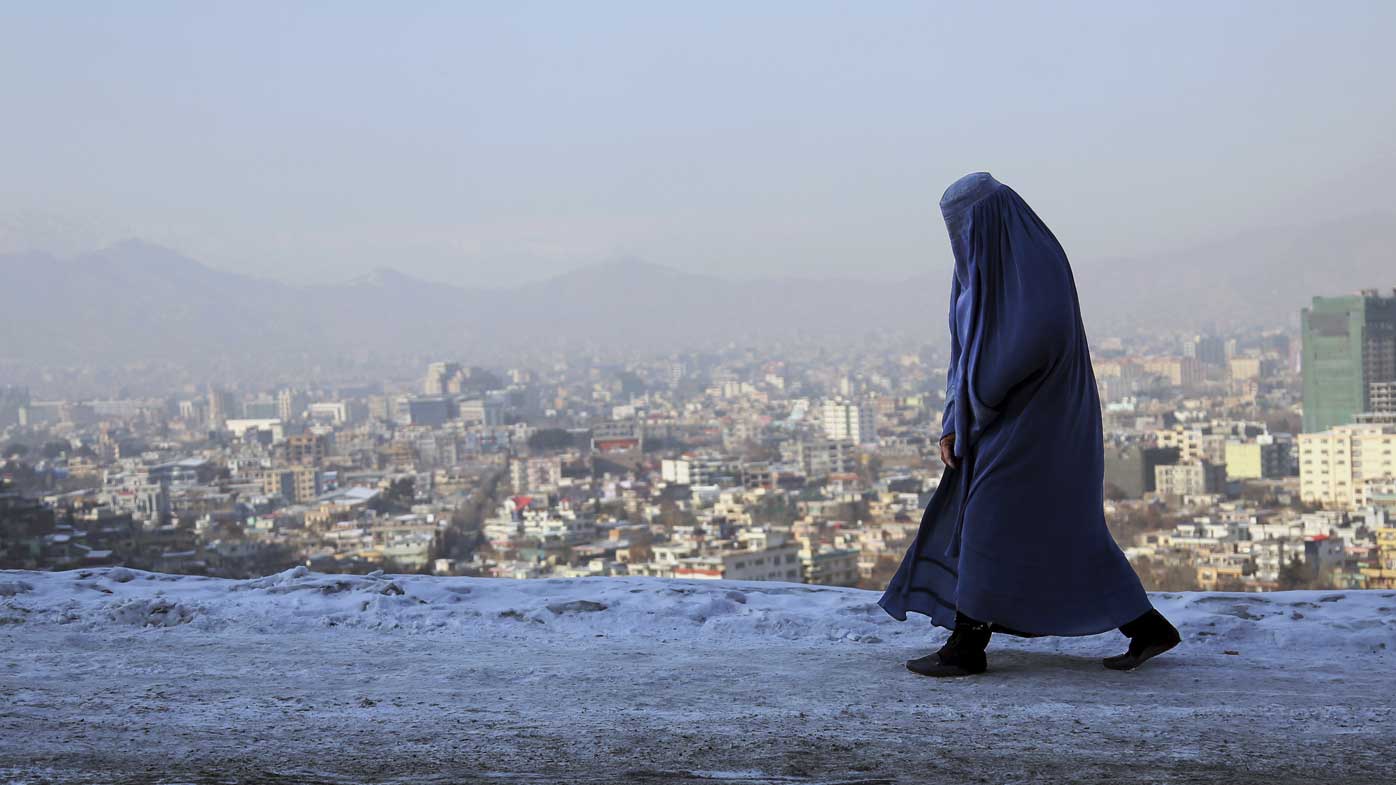
The impact of COVID-19 has also been relatively muted beyond Africa in poor countries like Afghanistan, where experts predicted outbreaks amid ongoing conflict would prove disastrous.
Hashmat Arifi, a 23-year-old student in Kabul, said he hadn’t seen anyone wearing a mask in months, including at a recent wedding he attended alongside hundreds of guests. In his university classes, more than 20 students routinely sit unmasked in close quarters.
“I haven’t seen any cases of corona lately,” Arifi said.
So far, Afghanistan has recorded about 7,200 deaths among its 39 million people, although little testing was done amid the conflict and the actual numbers of cases and deaths are unknown.
Back in Zimbabwe, doctors were grateful for the respite from COVID-19 — but feared it was only temporary.
“People should remain very vigilant,” warned Dr Johannes Marisa, president of the Medical and Dental Private Practitioners of Zimbabwe Association.
He fears another COVID-19 wave would hit Zimbabwe next month.
“Complacency is what is going to destroy us because we may be caught unaware.”
Covid 19 Delta outbreak: Mount Maunganui pub, Tauranga barber among latest locations of interest
A Bay of Plenty pub and barbershop together with a string of Waikato shops, supermarkets and service stations are the latest Covid-19 locations of interest.Covid was detected in Bay of Plenty on Thursday and there were three new…
Covid 19 Delta outbreak: Fears of a Christmas Covid surge for Kiwi hospitals and GPs
General practitioners are preparing to navigate the holiday season with a potential surge in Covid-19 cases, as the virus continues to spread across the country.The medical director of the College of GPs, Dr Bryan Betty, said many…
Friend pays tribute to victim of Bluff boating tragedy
A friend of a man who passed away in a boating incident near Bluff yesterday is lamenting the loss of a “good friend and brother”.The man, known commonly as Richard, was one of two people who died after a boat got into difficulty…
300 flowers delivered with the sole purpose of spreading joy
A Tairua woman picked and delivered more than 300 bunches of flowers for people in her town in just two weeks with the sole purpose of spreading joy.Linda Hart usually spends hours a day gardening at her home in Tairua, overlooking…
Hundreds of sharks filmed in shallows of beach
Hundreds of leopard sharks have been filmed cruising in the shallows of a Californian beach.
The video was captured by photographer Scott Fairchild yesterday as he flew his drone above the clear waters of La Jolla in the city of San Diego.
Mr Fairchild told 9News seeing leopard sharks this far into November "is unusual".
READ MORE: Crowds descend on Australian capitals for pandemic protests
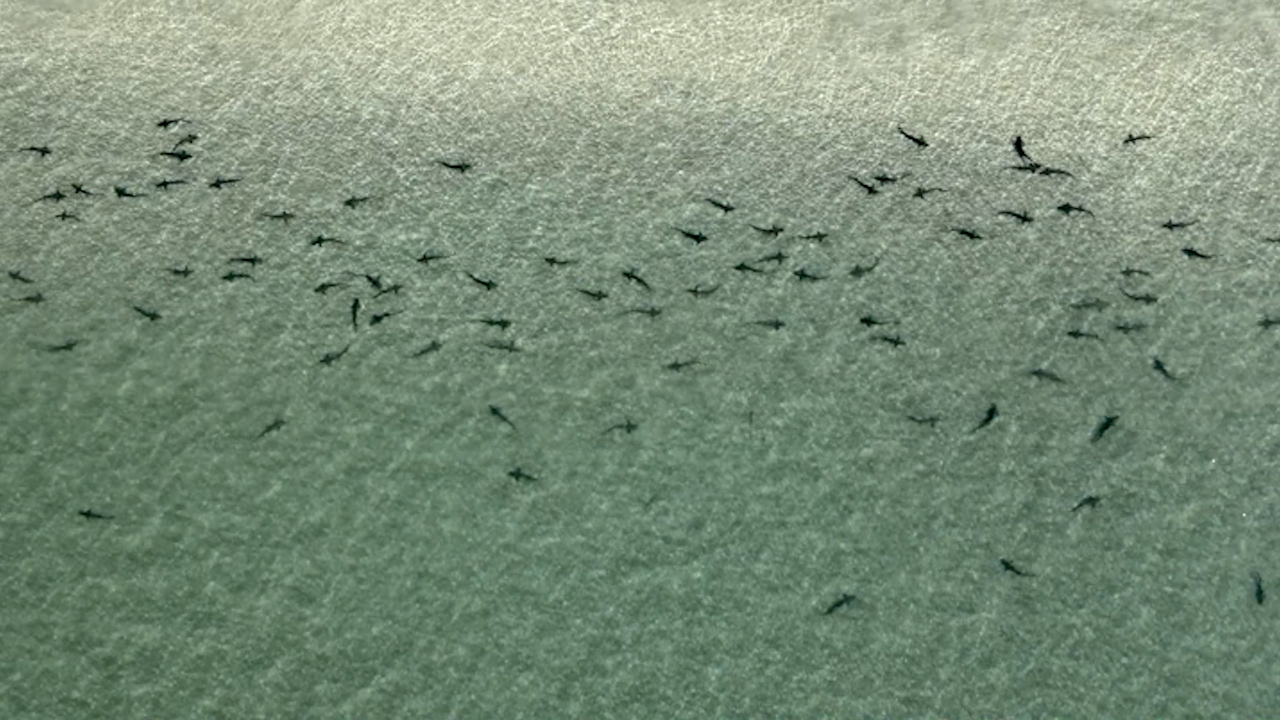
"They usually show up in the summer, July to October, but for some reason they are still here in high numbers," he said.
Every year, thousands of leopard sharks make their way to the warm waters to breed and hatch their young.
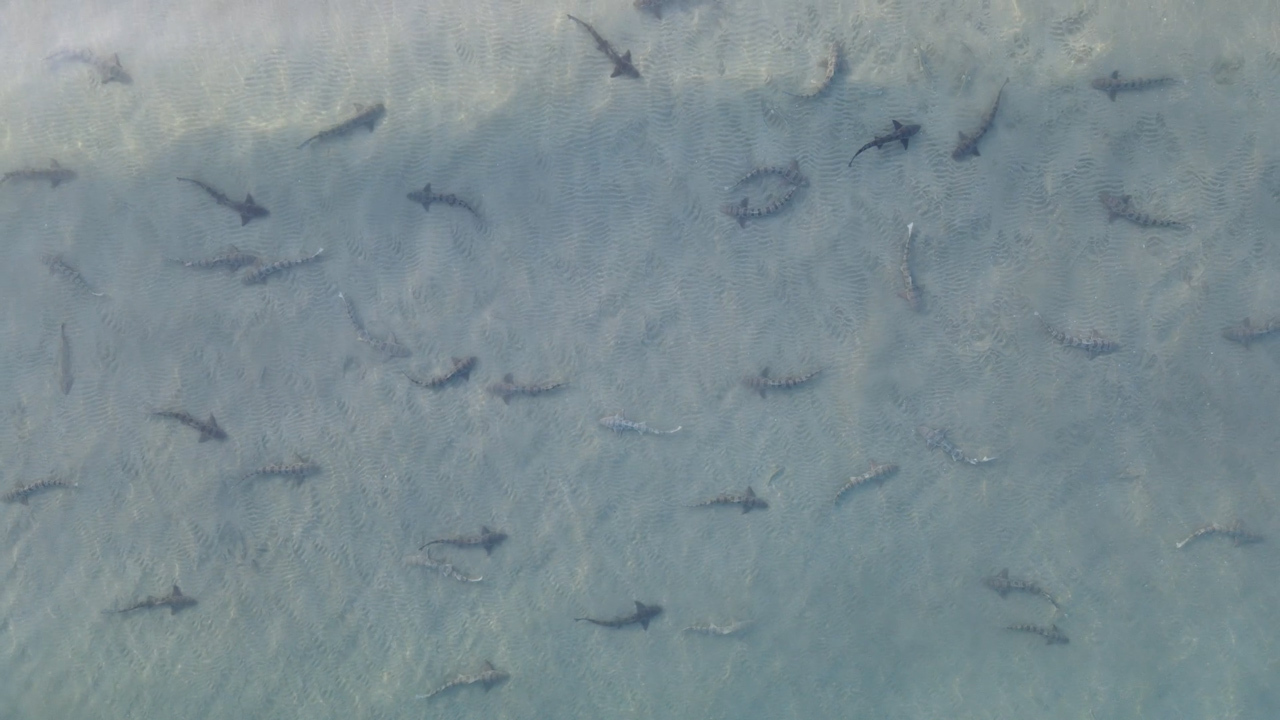
Despite growing to an average length of 2.4 metres, Mr Fairchild said the animals are very gentle.
"I see them and swim with them daily," he said.
READ MORE: Why great white shark population is booming in California

Mr Fairchild is no stranger to large sharks.
He routinely photographs great whites off the San Diego coastline.
Just last month he captured an incredible encounter between a large great white who circled a young child on his board.

The pair regarded each other with curiosity before the shark swam away.
Experts say great white shark populations are thriving in California and along parts of the east coast of America.
Covid 19 Delta outbreak: The 90% Project – how far away is your area from 90% double-jab rate?
The Auckland District Health Board has fully vaccinated 90 per cent of its residents, but the programme lead warns the work is not done yet. The DHB, which has partially vaccinated 95 per cent of its people, has just now hit the…
Person seriously hurt after car and motorcycle crash in Coromandel
A person is seriously hurt after a motorcycle and a car crashed near Whangamatā. Emergency services are responding to the crash, which police say happened on State Highway 25/Tairua Road just before 4pm. The road is closed…
Police 'looking into' Brian Tamaki's Domain protest attendance, lawyer 'expects' he hasn't breached bail
Police are looking into whether Brian Tamaki breached his bail conditions today at the Auckland Domain protest – but the Destiny Church leader’s lawyer says he hopes he is not arrested for complying with the law.Tamaki spoke in…