The motor industry says more time is needed to implement clean car standards designed to slash carbon emissions it says are the “most aggressive anywhere in the world”. Meanwhile American electric vehicle and clean energy company…
Category Archives: headline
Longest partial lunar eclipse in centuries to be visible in Melbourne
The longest partial lunar eclipse in 600 years will be visible from Melbourne tomorrow night.
The eclipse will be visible in regions in North and South America, Australia, North/West Africa, Pacific, Atlantic and parts of Europe and Asia.
It will be the longest partial eclipse since the 15th century.
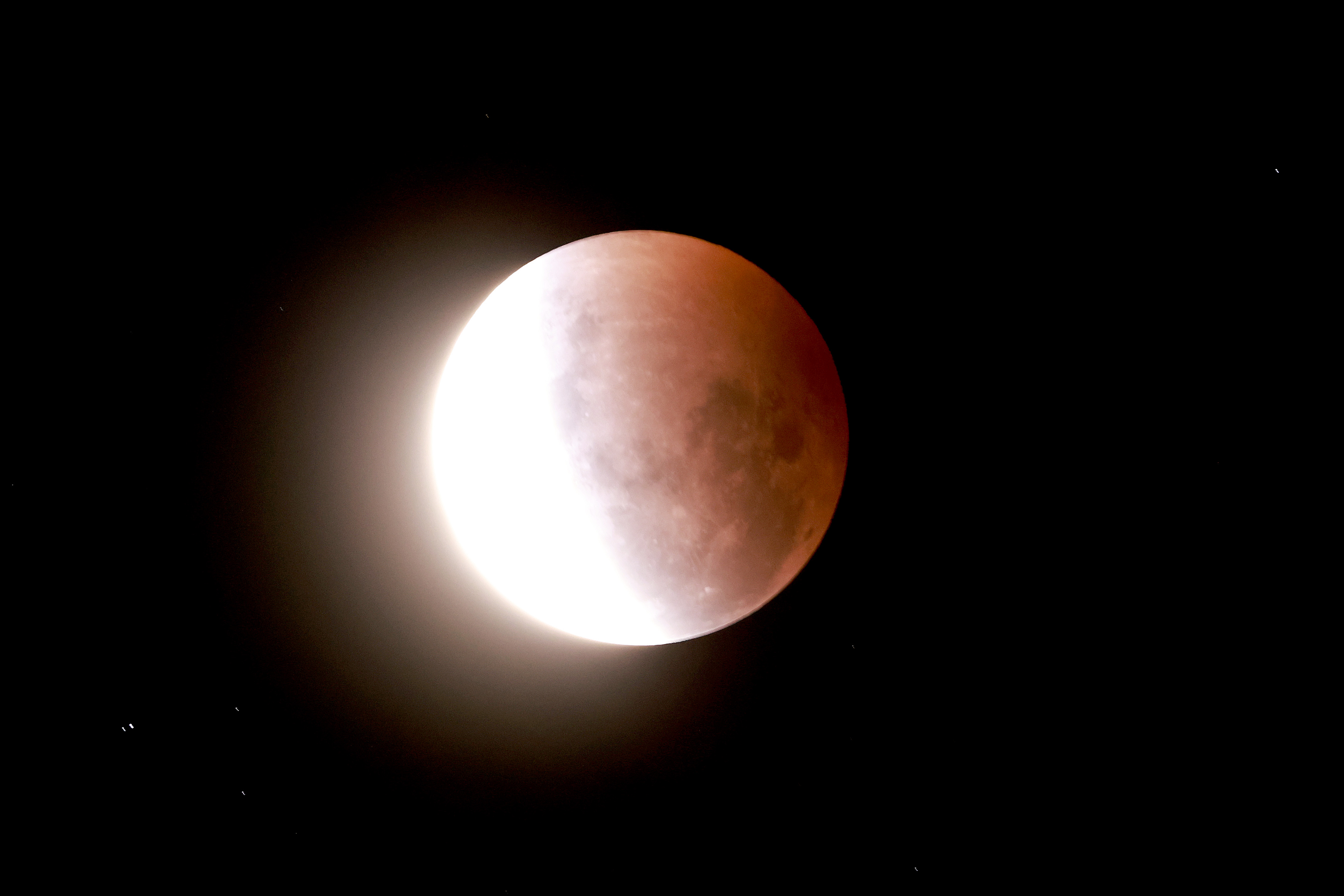
According to NASA, a lunar eclipse occurs when the sun, earth and moon align, causing the moon to pass into the earth's shadow.
During a partial lunar eclipse, the earth's shadow only covers a part of the moon.
The partial eclipse will be visible in Melbourne will begin at 8.09pm on Friday, hitting its maximum at 8.12pm and ending at 11.03pm, giving it an expected duration of 2 hours and 54 minutes.
READ MORE: Victoria to lift nearly all COVID-19 restrictions
The moment the partial eclipse reaches its greatest magnitude may not be able to be seen, as the moon will be below the horizon at that time.
People are recommended to go to a high viewing point to watch the eclipse for the best view.
Covid 19 Delta outbreak: Race on to boost Māori vaccination rates ahead of Auckland reopening
The Government has approved nearly $50 million to boost Māori vaccination rates as concerns grow around exposing vulnerable communities to Covid-19 once Auckland’s borders reopen. Just over 91 per cent of the general population…
Ground-penetrating radar used on concrete slab in search for William Tyrrell
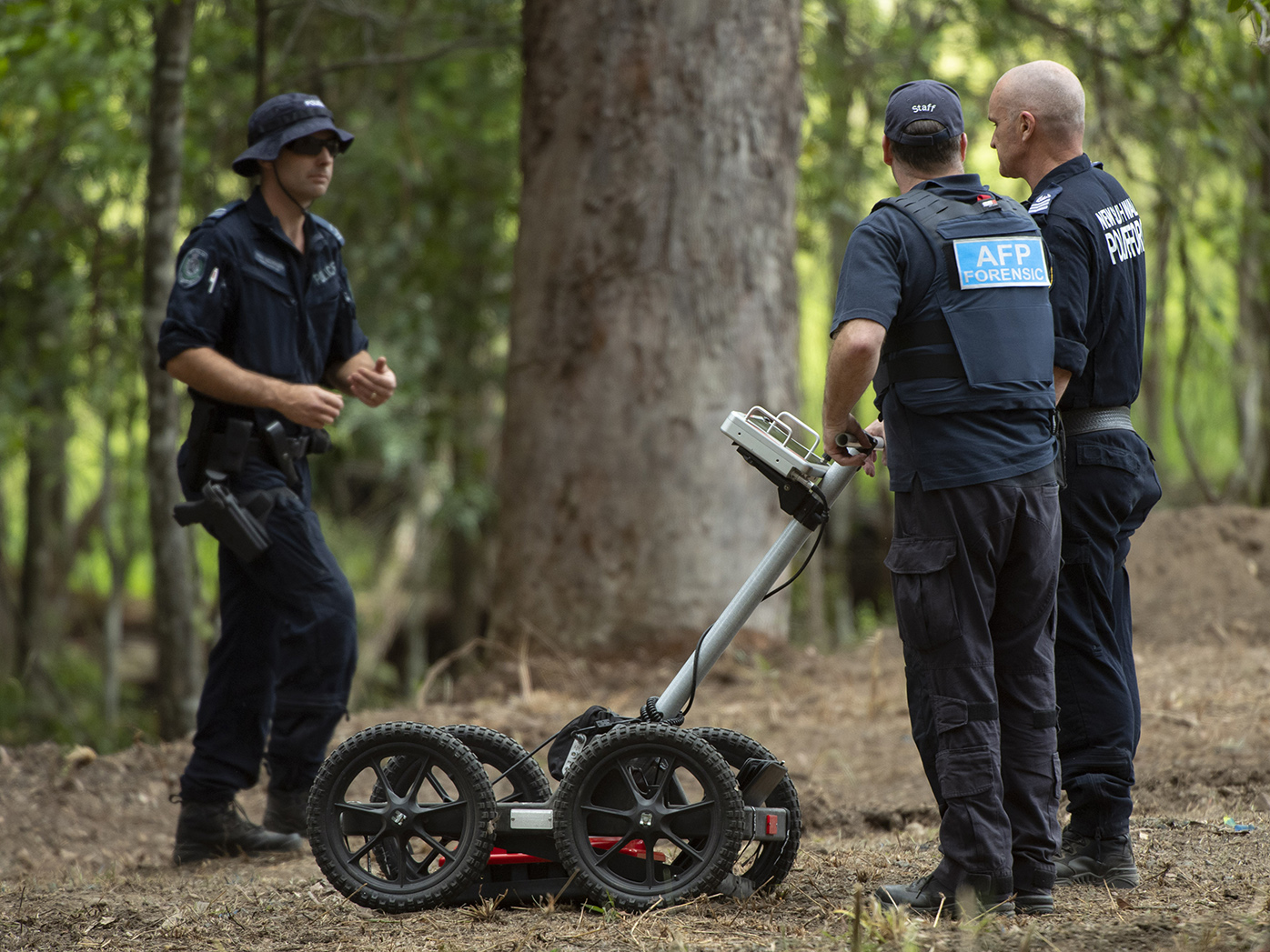
Detectives are using ground-penetrating radar to examine a slab of concrete at William Tyrrell's foster grandmother's home in the search for the missing boy's remains.
The Australian Federal Police is part of the latest search for William, who disappeared from the house on the NSW Mid North Coast in 2014.
Two sites are the focus of the latest probe – the property and a piece of bushland about a kilometre away from the home.
LIVE UPDATES: Warning Australia's COVID-19 'honeymoon' will be short lived
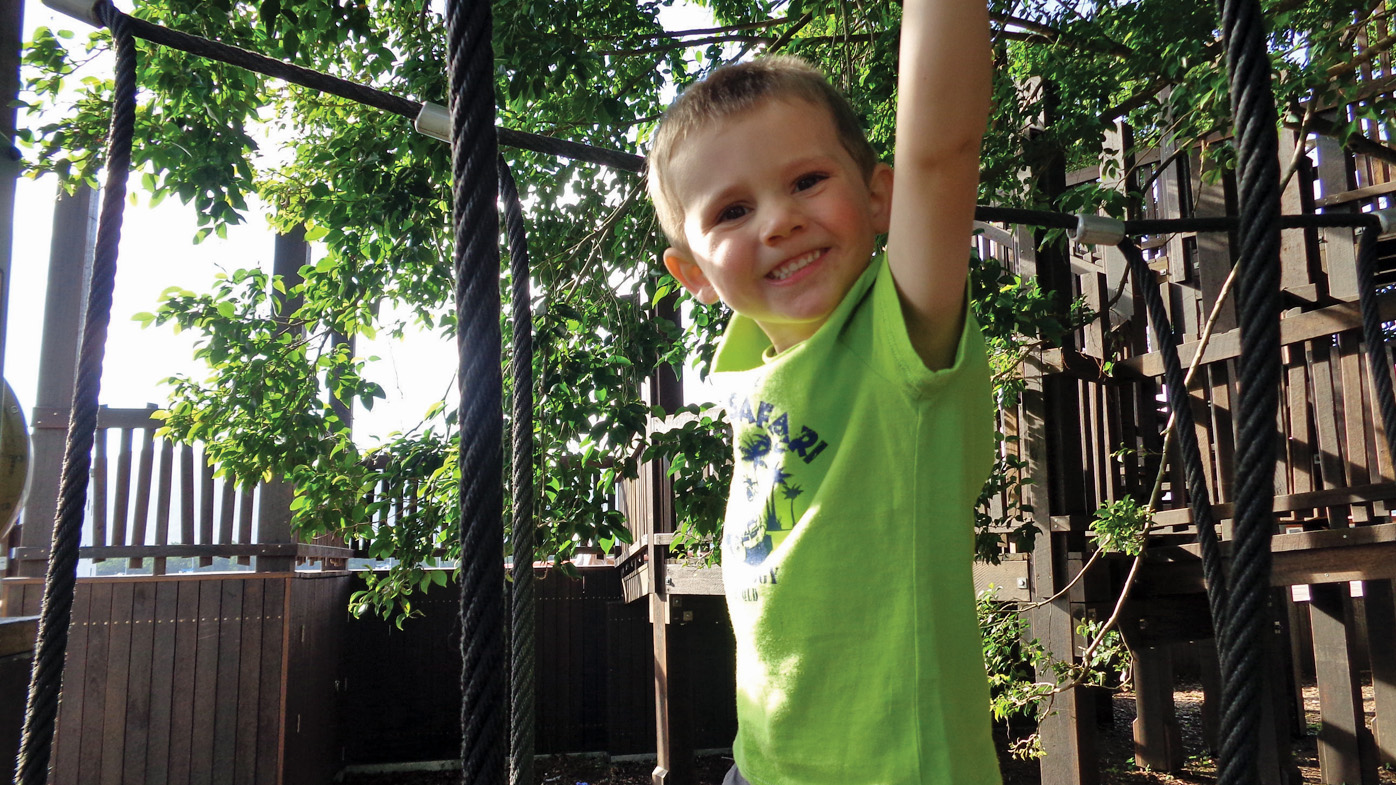
Two items were seized that looked unusual have been sent away for testing.
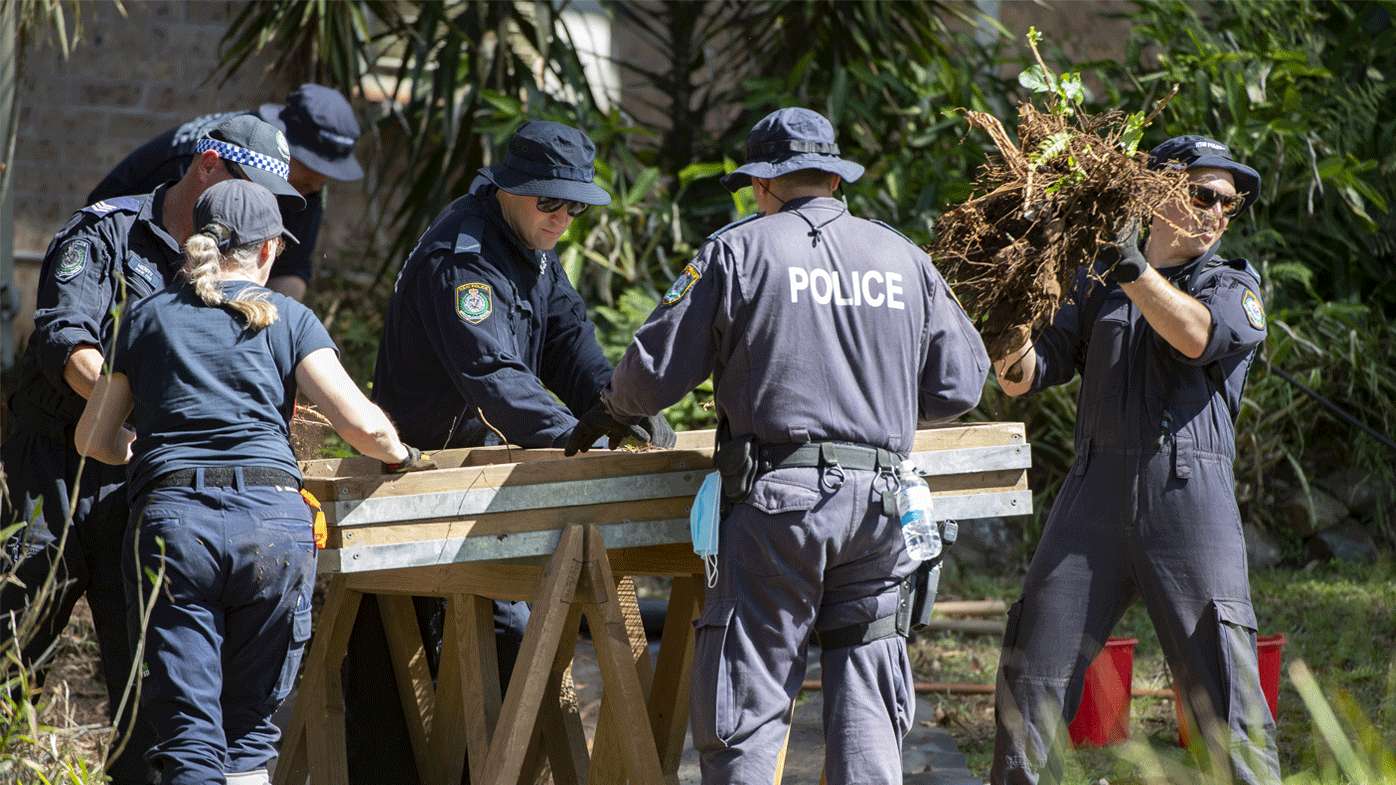
Officers have returned to the area and are sifting through the topsoil.
Earlier, a forensic pathologist said modern techniques and technology will likely find any evidence of William's fate – if it is there to be found.
Professor David Ranson told Today investigators have access to top scientific resources.
"We can work with incredibly small amounts of trace material these days that can really start to give information to piece back as to what happened at the time," he said.
"I think the forensic technology these days has become tremendously good at detecting very, very small quantities of material and being able to analyse it.
"We are far more able to apply sensitive techniques today than even seven years ago."
READ MORE: Thousands of more jobs up for grabs as pandemic restrictions ease
But he admitted the length of time since William's disappearance worked against the police.
"Materials degrade over time," Professor David Ranson told Today.
"Evidence can disappear, be washed away, be altered by the environment, and so on."
READ MORE: Alleged thief totalled Mercedes crashing it out of Gold Coast dealership
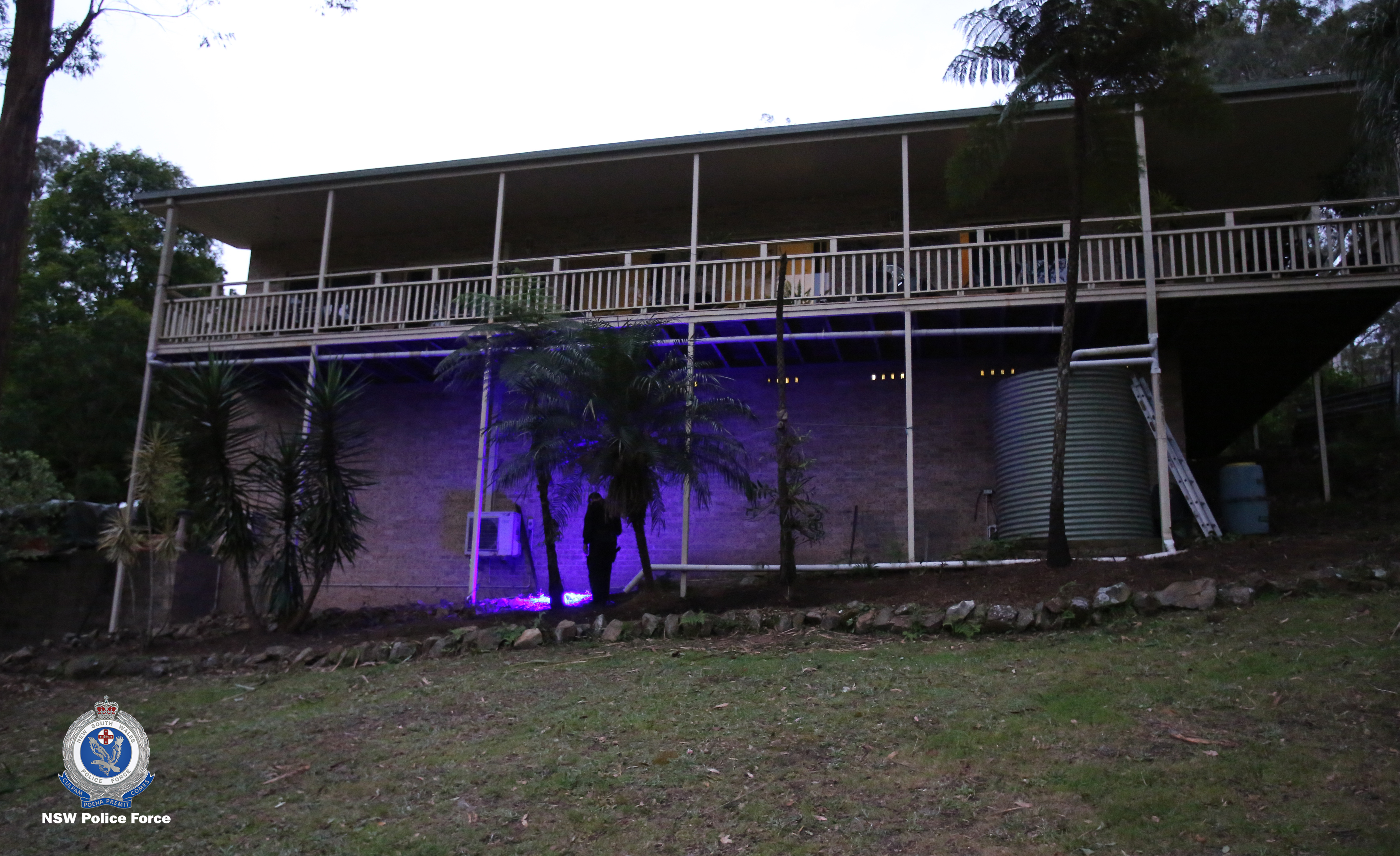
Detectives are investigating whether William fell from the balcony of his foster grandmother's home and have used luminol – a chemical to detect the presence of blood – and a cadaver dog during the search.
Australian Federal Police officers also joined the investigation yesterday, bringing ground-penetrating technology and X-ray devices in their search for William's remains.
Police also confirmed yesterday they had seized a car in Sydney last week relating to the investigation.
The car had previously belonged to William's foster grandmother, who died in March this year.
It emerged yesterday that William's foster mother, who cannot be identified, is considered the person of interest in his disappearance.
She has not been arrested or charged.
WILLIAM TYRRELL'S DISAPPEARANCE: WHAT WE KNOW
- William Tyrrell vanished from his foster grandmother's house on the NSW Mid North Coast on September 12, 2014
- His foster mother is being treated as a person of interest in his disappearance
- Police are investigating a theory whether William fell from a second-storey balcony at the home
- Detectives used a substance to detect blood and a cadaver dog to scour a garden at the property
- Another search is underway in bushland about 1km from the property
- Detectives have confirmed they are looking for William's remains
- A grey Mazda previously owned by the now-deceased foster grandmother has been seized
Covid 19 Delta outbreak: Prolific thief whose court appearance sparked Waikato lockdown sent to prison
A prolific thief whose South Auckland court appearance two months ago resulted in a Covid-19 lockdown for part of Waikato has been sentenced to 16 months’ prison. Manukau District Judge Yelena Yelavich did not address the Covid-19…
WWII mystery solved, airman accounted for 78 years on
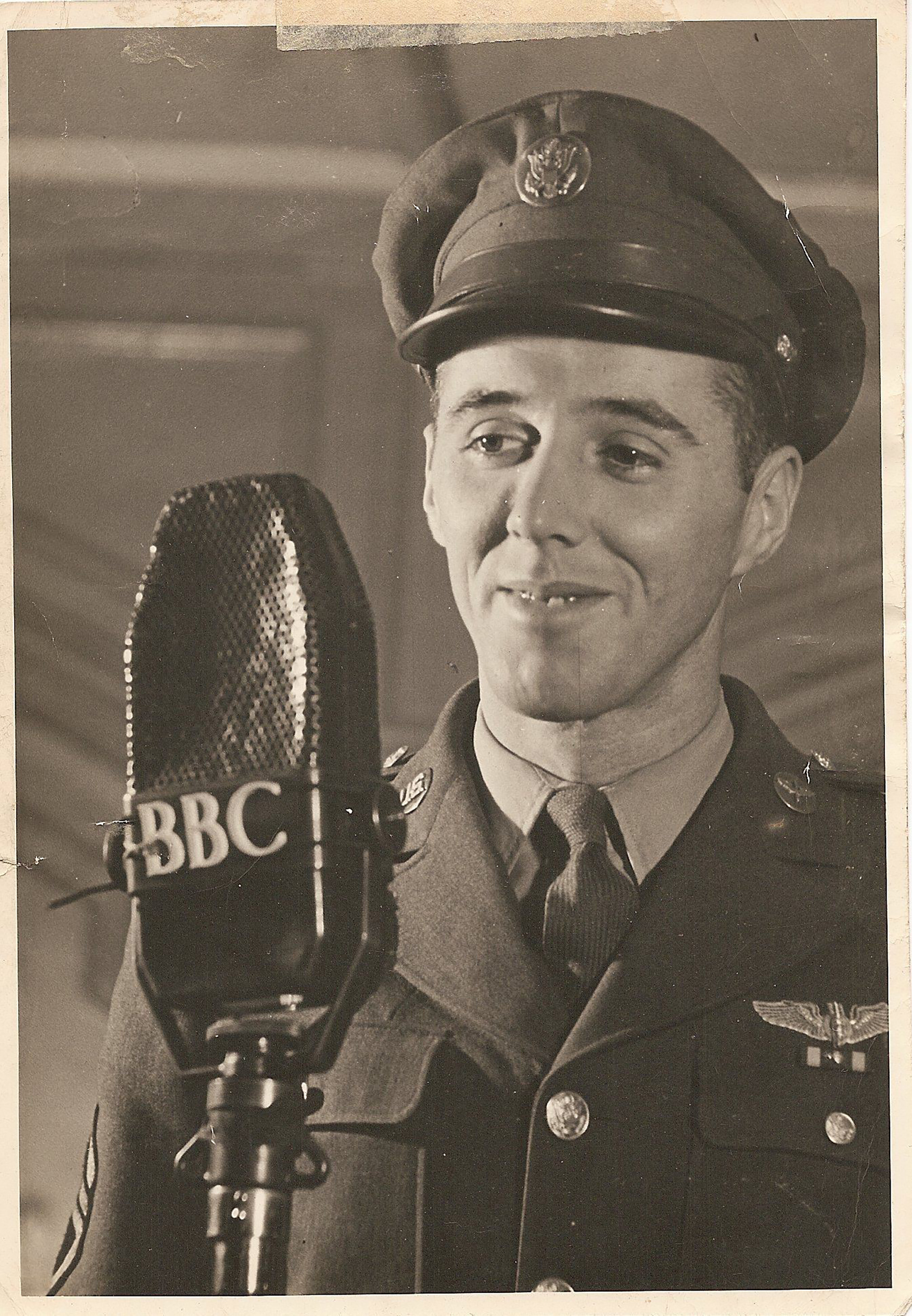
An airman from Massachusetts who was shot down over Romania during World War II has been accounted for, the US military said yesterday.
US Army Air Forces Staff Sergeant Charles G. McMackin, 26, was accounted for in August, according to a statement from the Defence POW/MIA Accounting Agency, but the announcement was not made until Wednesday because his family was only recently briefed on the situation.
The DPAA said Staff Sergeant McMackin was from Boston, but according to news clippings from the time of his death, he was from Revere, just north of Boston.
READ MORE: Expert's warning on William Tyrrell search
Staff Sergeant McMackin was the bombardier on a B-24 Liberator that participated in Operation Tidal Wave on August 1, 1943, a massive bombing mission against the oil fields and refineries at Ploiesti, Romania, considered crucial to the Nazi war effort, according to the DPAA.
His plane crashed as a result of enemy anti-aircraft fire, and his remains were not identified following the war.
Remains of American personnel that could not be identified were buried in a cemetery in Romania, and later moved to a cemetery in Belgium.
READ MORE: Discoloured ceiling in unit leads to major health issue
READ MORE: If your password is on this list it can be hacked in seconds
The remains were exhumed in 2017 and sent to Offutt Air Force Base, Nebraska, for examination and identification.
Staff Sergeant McMackin’s remains were identified using dental and anthropological analysis, as well as mitochondrial DNA analysis.
He will be buried April 14 in Chestnut Hill, Massachusetts.
Covid-19 Delta outbreak: Second Covid-19 case announced in Christchurch
Another case of Covid-19 has been announced in Christchurch.The Ministry of Health has revealed the new case is a household contact of the case announced yesterday.It brings the total number of cases in the city to two. Read…
Christchurch teen Connor Whitehead's death: Wanted man understood to have unwittingly alerted police to his hideout
A wanted man suspected of shooting dead a Christchurch teenager outside a birthday party unwittingly alerted police to his whereabouts by ringing them about an impounded car, the Herald understands. Connor Whitehead, 16, died from…
How COVID-19 restrictions will change in Victoria from tonight
Life in Victoria is set to feel much closer to normal from 11.59pm tonight, when COVID-19 restrictions are set to be eased further for those fully vaccinated against the virus.
Premier Daniel Andrews has announced restrictions will ease across the state tonight ahead of Victoria reaching the 90 per cent vaccination milestone in the next few days.
The change will mean there will be no more density restrictions anywhere.
READ MORE: Disturbing protest scenes of replica Daniel Andrews on makeshift gallows condemned by leaders
"There are no more caps, there are no more closures. There are no more rules in terms of how many people can be in different spaces," Mr Andrew said.
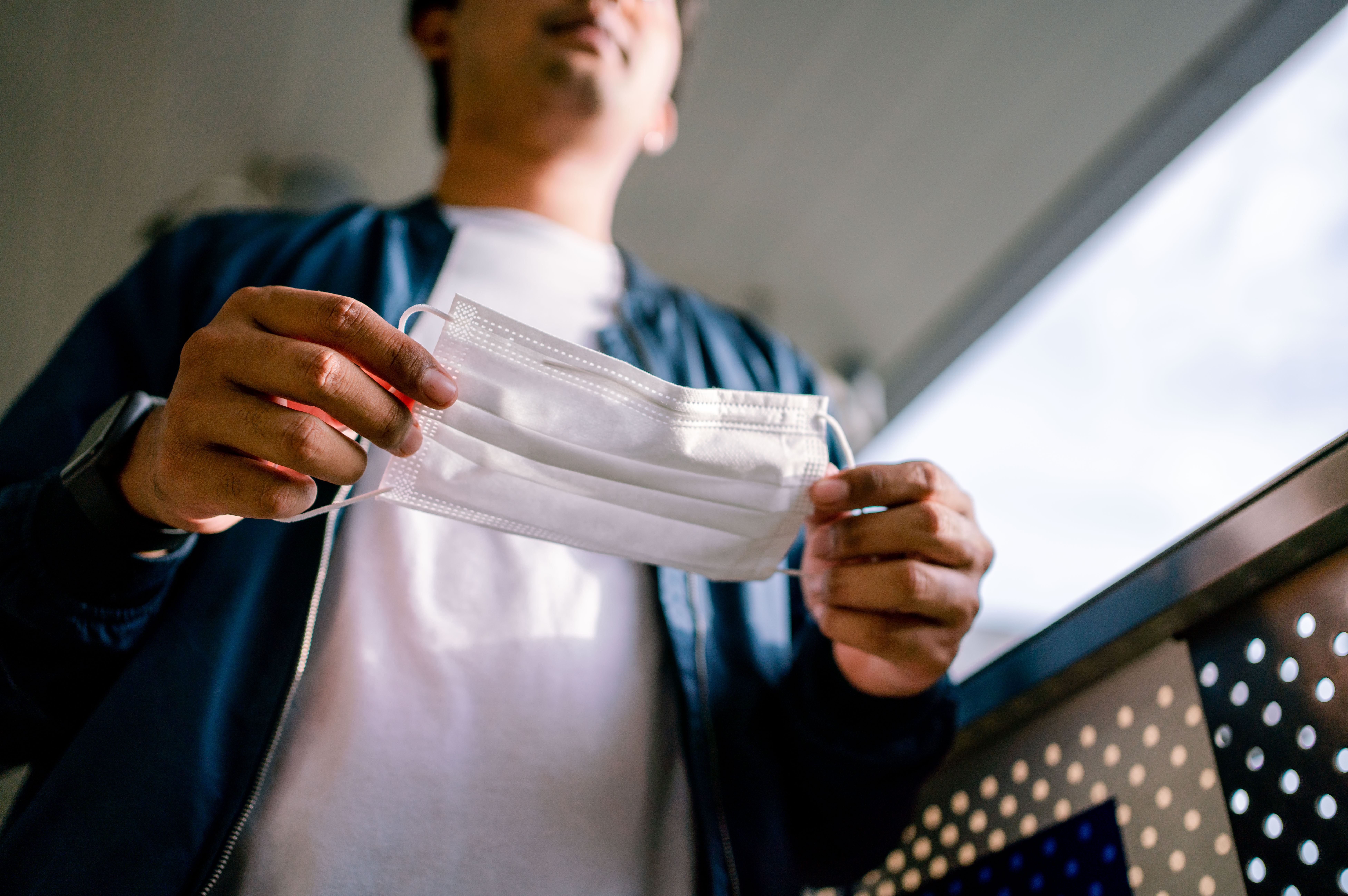
There will no longer be the need to wear a mask to enter a building and fully vaccinated people will be able to return to the office.
Here's a full rundown of what will change and when.
Will I still have to wear a face mask?
In certain circumstances, yes.
Masks will still be required in indoor retail settings, for primary school staff, visitors and for students in grades 3 and above, for select workers in hospitals or care facilities, as well as for people using public transport, taxis, rideshare services and planes.
Retail customers will no longer need to wear masks after December 15 — in line with New South Wales' restrictions — providing the state's hospitals are not overwhelmed with COVID-19 patients.
People working in high-risk settings such as corrections, meat, poultry and seafood processing will still need to wear masks.
There will still be mask requirements in place for weddings, funerals, places of worship and other settings if the vaccination status of attendees is not being checked.
How many people will I be able to have in my home?
As many as you like! There will be no limits on gatherings at home or outdoors.
However, the Victorian Government is "strongly recommending" everyone visiting a home or gathering in a public place be fully vaccinated.
Can I go back to work/the office?
On-site work can resume as normal — only for the fully vaccinated.
How many people will be allowed to attend venues and events?
There will be no more COVID-19 restrictions on cafes, restaurants, venues or events.
They will mostly be able to operate as they did pre-pandemic except for the fact that all attendees, customers and staff will have to be fully vaccinated against COVID-19.
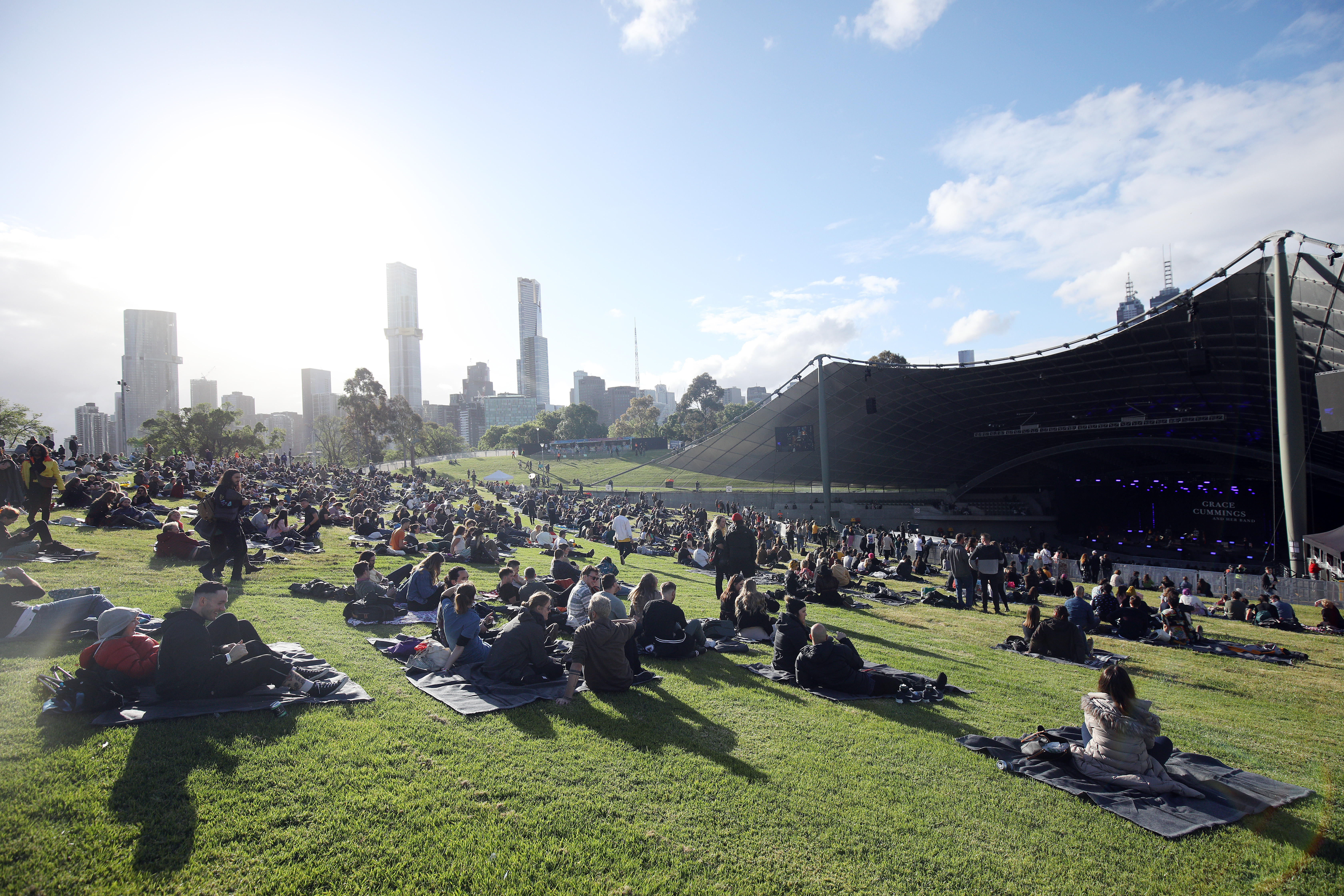
The rule change will mean large-scale events such as the upcoming Boxing Day Ashes Test at the MCG will be able to go ahead with a full crowd of 100,000 vaccinated attendees.
"Whether it is 100,000 people at the MCG on Boxing Day, or a smaller group of people standing up at the local pub having a beer, this is a COVID normal that every Victorian has wanted," Mr Andrews said.
"Significant venues" hosting major events will need to have one-off government approval of their COVIDSafe venue plan.
Events with significant numbers of children may not be able to operate at full capacity while vaccines remain unavailable for young kids.
What restrictions will be in place for retail and personal services?
A key change coming in tonight is vaccination certificates will be required to enter non-essential retail stores — that means pretty much any store that isn't a supermarket, post office or chemist.
Masks will still be required in retail stores until December 15, providing the state's hospitals are not overwhelmed with COVID-19 patients.
Only the fully vaccinated will be able to attend personal services including hairdressing and beauty services, and real estate open for inspections and auctions.
What will restrictions be for schools, childcare and adult education?
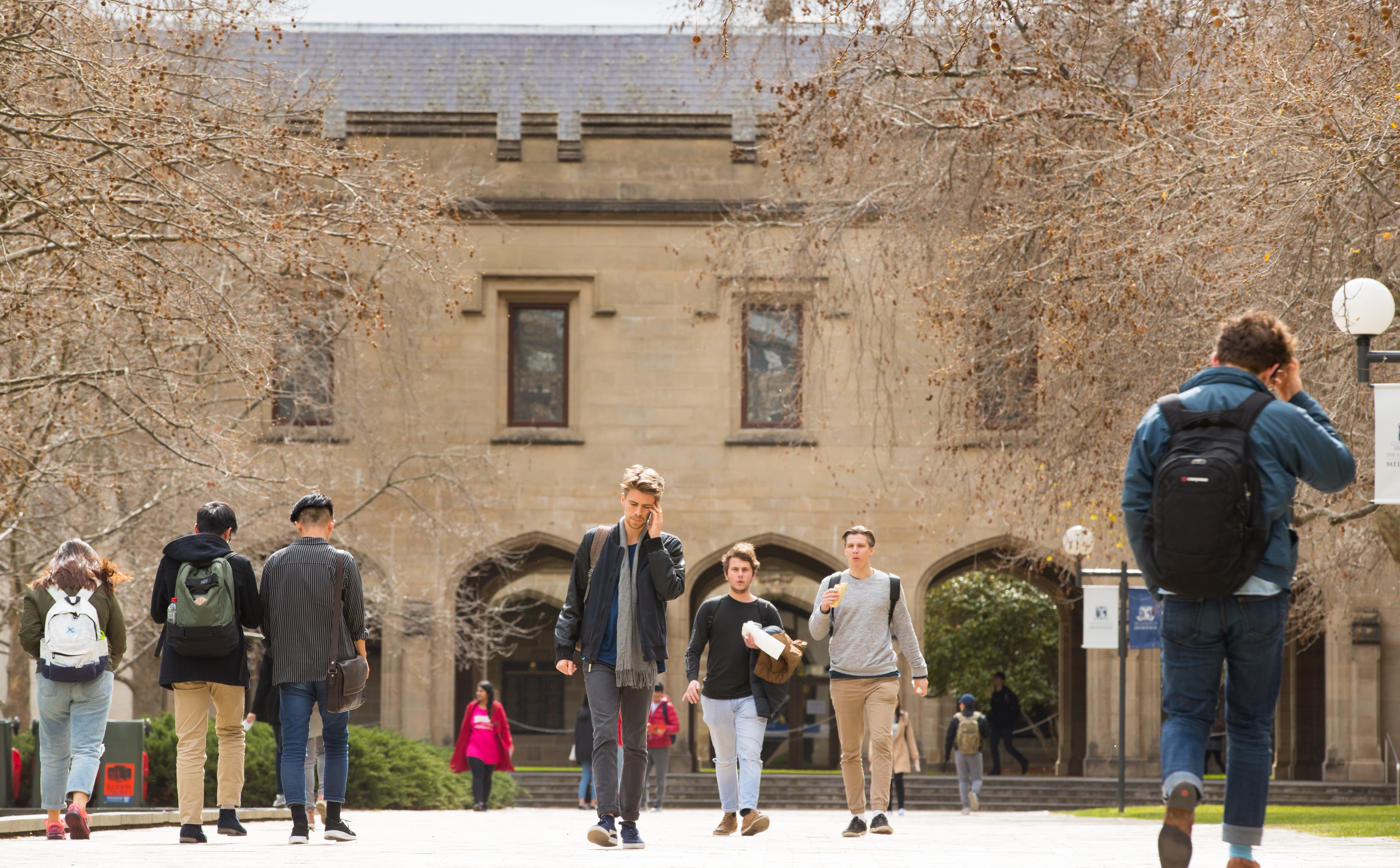
Schools, childcare centres and early childhood educations will be completely open.
Staff must wear masks indoors at primary schools, as must all students in grade 3 and above and visitors.
Only the fully vaccinated will be able to attend adult education in person.
Will isolation requirements change?
From tonight, close contacts of positive COVID-19 cases will no longer have to isolate for seven days. Instead, they will only need to get tested and isolate until they get a negative result.
The new rule will not apply to household contacts, but it means people who have been in close contact with a positive case at venues such as offices, restaurants and other locations will not need to isolate.
"As long as (your test) is negative, you are free to go about your life," Health Minister Martin Foley said.
Exposure sites will no longer be published and the Department of Health will instead use a new alert function in the Service Victoria app to notify patrons of higher-risk venues positive cases have attended.
Those people will be required to get tested.
https://twitter.com/DanielAndrewsMP/status/1461114694073139200
What will life look like for the unvaccinated?
Unvaccinated people will legally not be allowed to work in "essential" roles, and they will not be able to attend cafes, restaurants, venues, non-essential shops or events.
They will still be able to attend essential stores like supermarkets and post offices, and if organisers choose not to enforce vaccination statuses, they will be able to attend private real estate inspections.
They will mostly only be able to visit homes, be outdoors and go to essential shops.
Where will I be able to travel?
Victorians will be able to freely travel around the state.
They will also be able to travel interstate, depending on each state's border restrictions.
International travel is also allowed for Victorians.
Covid 19 Delta outbreak: Woman urges Air NZ to refund flights when children too young to vaccinate
A woman is urging airlines to be more compassionate after being refused a refund for cancelled flights despite telling staff a credit note would be useless as her children were too young for mandatory vaccinations.Hastings woman…