Numerous weather warnings are in place across New Zealand as heavy rain and severe gales are expected to continue until late Sunday.Thunderstorms are also possible in many places, according to MetService.Temperatures are unlikely…
Category Archives: headline
Crews battling forestry fire in Leithfield, Canterbury
Dozens of fire fighters have been up all night battling a forestry fire in Canterbury.Southern fire shift manager Mau Barbara said the fire, on Ashworths Beach Rd in Leithfield, now covered an area of 700m by 200m.Calls had started…
Newspaper Cover for 12th November, 2021
The post Newspaper Cover for 12th November, 2021 appeared first on The St Kitts Nevis Observer.
Cop26 Reveals Limits of Biden’s Promise to ‘Lead by Example’ on Climate Crisis
US declined to join promise to end coal mining and to compensate poor countries for climate damage. Critics ask, is that leadership?
The crucial UN climate talks in Scotland have produced landmark commitments to phase out coal mining, to call time on the internal combustion engines and to compensate poorer countries for damage caused by the climate crisis.
The United States, which has trumpeted its regained climate leadership at the summit, has not joined any of these pledges as the talks draw to a close.
This disconnect has provided the world with a muddled sense of America’s willingness to confront the unfolding climate catastrophe, with the fate of historic legislation to lower planet-heating emissions still uncertain ahead of an expected vote in Congress next week.
Joe Biden arrived in Glasgow vowing the US will “lead by example” on climate change and avoid disastrous global heating beyond 1.5C, dispatching his entire cabinet to the Cop26 talks and making widely praised new promises to cut methane, a potent greenhouse gas, and to end deforestation.
Two dozen Democratic lawmakers wearing congressional lapel pins have swept the conference venue this week, all expressing confidence that the vast $1.75tn spending bill will pass back home.
“This is the most ambitious climate legislation of all time,” Nancy Pelosi, the House speaker, told the summit. “America is back and is ready to lead,” added Kathy Castor, chair of the House select committee on the climate crisis. “Once we pass this historic package, finally, it will help keep 1.5C alive.”
But the US is bedeviled by its recent past and – many delegates of other countries fear – its potential future, following Donald Trump’s embrace of climate science denialism and American isolationism. “We have not recovered our moral authority,” admitted Alexandria Ocasio-Cortez, the progressive New York representative, when asked about the specter of the former president. “I believe we are making steps, but we have to actually deliver the action in order to get the respect internationally. It’s that simple.”
There is also mounting criticism that Biden’s actions have not matched his words and that the US president’s negotiators haven’t pushed hard enough for an ambitious deal in Glasgow to secure the deep emissions cuts needed to avoid disastrous warming that will spur ever-worsening floods, heatwaves and wildfires.
More than 40 countries announced at Cop26 a promise to end the mining of coal, the dirtiest of fossil fuels, although the US was conspicuously absent from the list. “It’s very disappointing because the science is quite clear that we have to turn sharply away from coal this decade if we are going to meet our climate goals,” said Rachel Cleetus, policy director at the Union of Concerned Scientists.
“We need very clear signals that orientate the US towards clean energy,” she added. “The climate crisis is too dire to just wait for coal to fall out. It’s just another signal of the sway the fossil fuel industry still has over US politics.”
Despite its attempts to expand the rollout of electric vehicles, the Biden administration has also declined to set an end date for the sale of new gasoline and diesel cars, unlike the UK, European Union, Canada, India and a slew of other countries at Cop26.
Its delegation in Glasgow is similarly wary of a push to provide “loss and damage” payments to countries vulnerable to climate impacts and has sought to shift criticism towards the inaction of China and Russia, although the US and China did unveil an unexpected plan to work together on cutting emissions, despite the enmity between the two countries.
This reticence, critics claim, undermines Biden’s credibility on climate. Others say the dysfunctional nature of Congress, where sweeping climate legislation to expand renewable energy and wind down fossil fuels is effectively in the hands of a senator who derives most of his income from investments in coal, is to blame.
“There is a handful of members of Congress who represent coal-intensive parts of the country who see [climate action] as a threat to their region,” Sean Casten, a Democratic representative, told the Guardian. “It’s kept the president from doing all that he’d like to do.”
Pete Buttigieg, the US transport secretary, told the Guardian that the Biden administration aims to give Americans better public transit options, as well as electric vehicle rebates and infrastructure, but that “each country is on its own path” to ending the age of fossil fuel-powered cars.
“What we are talking about is a race to the ambitious targets the president has set,” Buttigieg said, adding that the goal of half of all car sales being electric by 2030 will be in itself a “massive lift”.
Biden will face further scrutiny almost immediately after some sort of deal is struck in Glasgow, not only over the fate of the Build Back Better bill but also his issuance of permits for oil and gas drilling.
An auction of 80m acres of the Gulf of Mexico seabed, an area larger than the UK, will be offered to fossil fuel companies next week, while a new report has warned that the oil and gas that will be burned in the Permian Basin, a geological formation in the south-west US, by 2050 will release nearly 40bn tons of carbon dioxide, nearly a tenth of the remaining global “carbon budget” to stay under 1.5C.
“If the Biden administration wants to be serious about its promise to demonstrate US climate leadership, it must first clean up its own back yard,” said Steven Feit, senior attorney at the Center for International Environmental Law.
“The Permian Basin is the single largest fracking basin globally, and the continued reckless pursuit of oil extraction from New Mexico to the Gulf coast is the ultimate display of hypocrisy.”
The post Cop26 Reveals Limits of Biden’s Promise to ‘Lead by Example’ on Climate Crisis appeared first on The St Kitts Nevis Observer.
Not out of the woods: COVID-19 cases rising in Western Europe
Santa won't be getting his traditional welcome in the Dutch city of Utrecht this year.
The ceremonial head of Carnival celebrations in Germany's Cologne had to bow out because he tested positive for COVID-19.
And Austria is considering imposing a lockdown on unvaccinated people.
READ MORE: COVID-19 pandemic sparks nationwide Santa shortage
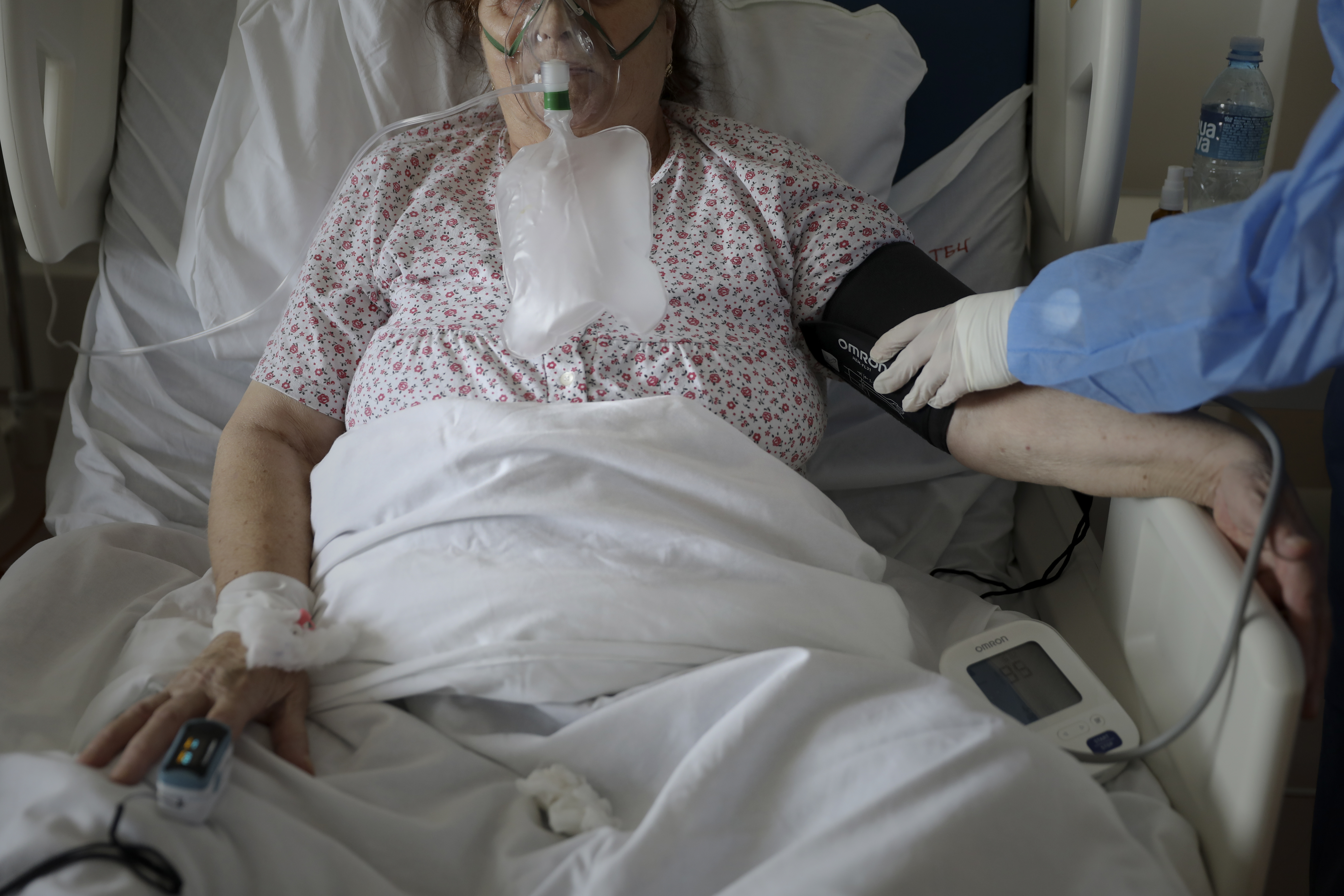
Nearly two years into a global health crisis that has killed more than 5 million people, infections are again sweeping across parts of Western Europe, a region with relatively high vaccination rates and good health care systems but where lockdown measures are largely a thing of the past.
The World Health Organisation said coronavirus deaths rose by 10 per cent in Europe in the past week, and an agency official declared last week that the continent was "back at the epicentre of the pandemic".
Much of that is being driven by spiralling outbreaks in Russia and Eastern Europe — where vaccination rates tend to be low — but countries in the west such as Germany and Britain recorded some of the highest new case tolls in the world.
While nations in Western Europe all have vaccination rates over 60 per cent — and some like Portugal and Spain are much higher — that still leaves a significant portion of their populations without protection.

Dr. Bharat Pankhania, senior clinical lecturer at Exeter University College of Medicine and Health, says that the large number of unvaccinated people combined with a widespread post-lockdown resumption of socialising and a slight decline in immunity for people who got their shots months ago is driving up the pace of infections.
Thanks largely to vaccination, hospitals in Western Europe are not under the same pressure they were earlier in the pandemic, but many are still straining to handle rising numbers of COVID patients while also attempting to clear backlogs of tests and surgeries with exhausted or sick staff.
Even the countries experiencing the most serious outbreaks in the region recorded far fewer deaths per person over the past four weeks than the United States did, according to data from Johns Hopkins University.

The question now is if countries can tamp down this latest upswing without resorting to stringent shutdowns that devastated economies, disrupted education and weighed on mental health. Experts say probably — but authorities can't avoid all restrictions and must boost vaccination rates.
"I think the era of locking people up in their homes is over because we now have tools to control COVID — the testing, vaccines and therapeutics," said Devi Sridhar, chair of global public health at the University of Edinburgh.
"So I hope people will do the things they have to do, like put on a mask."
Many European countries now use COVID passes — proof of full vaccination, recovery from the virus or a negative test result — to access venues like bars and restaurants. Pankhania warned that the passes can give a false sense of security since fully vaccinated people can still get infected — though their chances of dying or getting seriously sick are dramatically lower.
But restrictions don't go much further these days, although the Dutch government reportedly is considering a limited two-week lockdown and German lawmakers are mulling legislation that would pave the way for new measures.
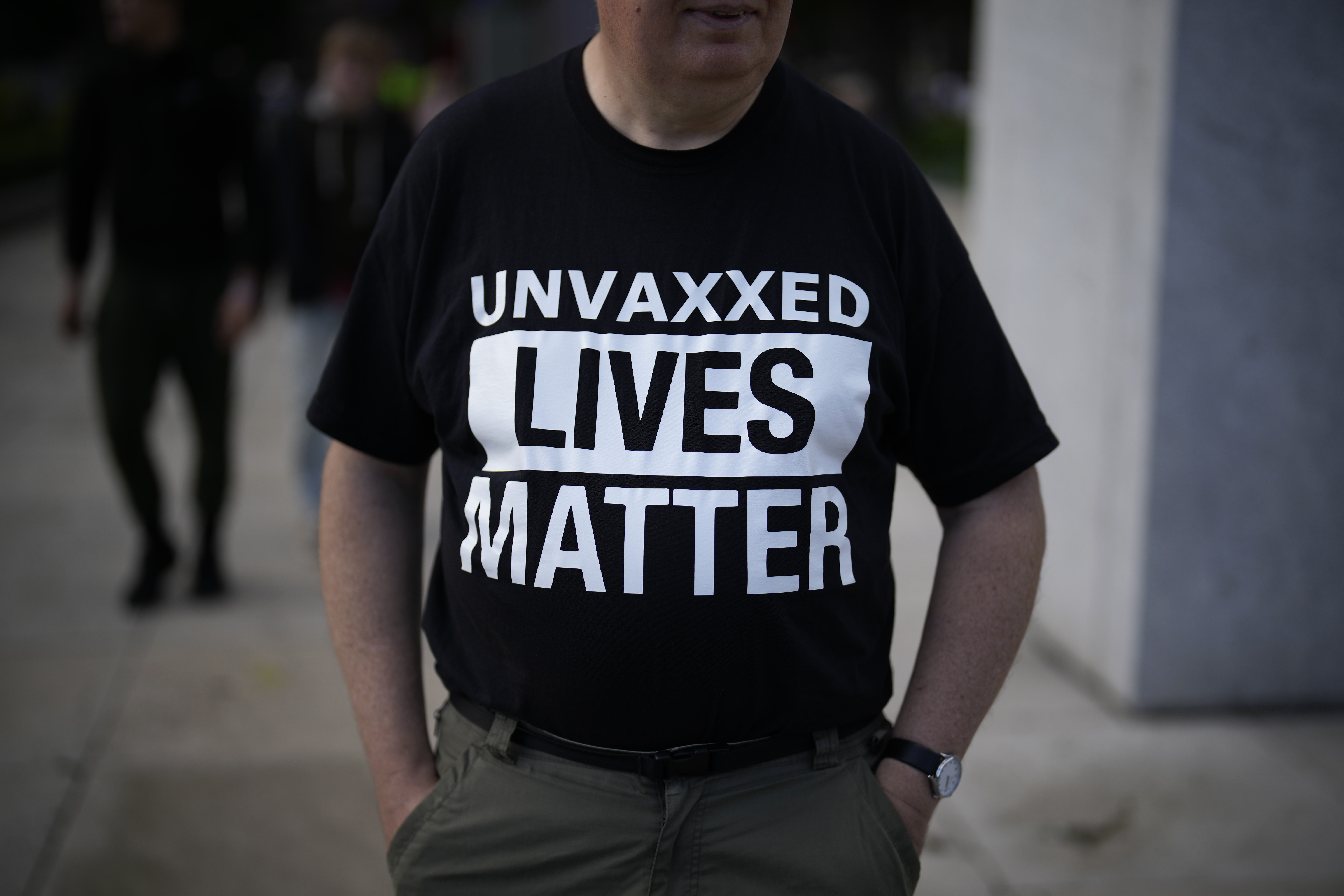
Austrian Chancellor Alexander Schallenberg said this week that a lockdown for the unvaccinated is "probably unavoidable," but he doesn't want to impose the measure on those who got the shot.
Austria is seeing one of the most serious outbreaks in Western Europe, along with Germany, which has reported a string of record-high infections in recent days.
"We have a real emergency situation right now," said Christian Drosten, the head of virology at Berlin's Charite Hospital, which has started cancelling scheduled surgeries.
Duesseldorf's university hospital said earlier this week that its ICU is full, though many facilities are struggling more with staff shortages than bed space.
Drosten said Germany must increase its vaccination rate of 67 per cent further — and fast. But officials have baulked at ordering vaccine mandates and want to avoid any blanket lockdowns.
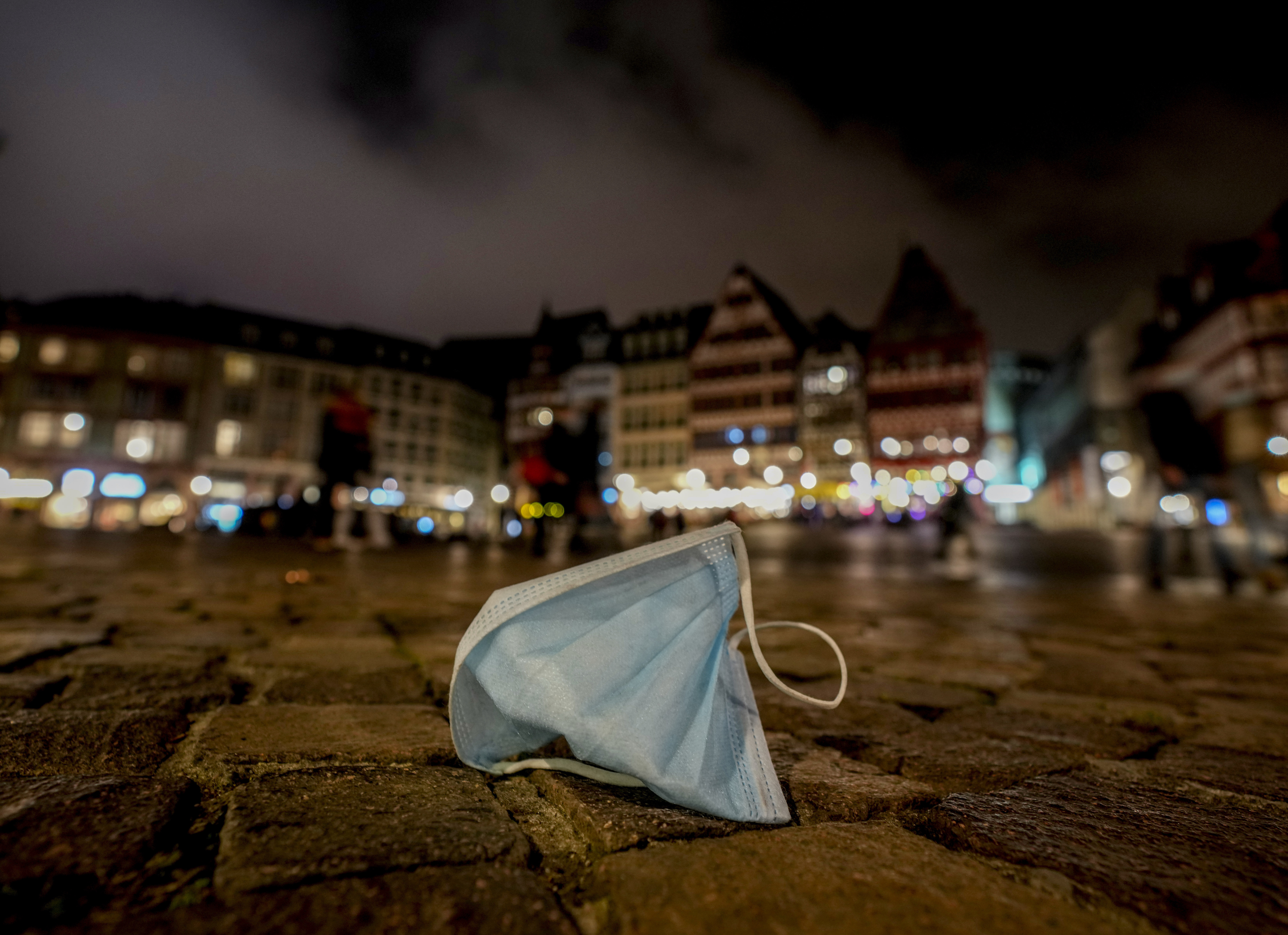
Health Minister Jens Spahn indicated that Germany could improve its often lax enforcement of COVID pass requirements.
"If my vaccination certificate is checked more often in one day in Rome than it sometimes is in four weeks in Germany, then I think more can be done," Spahn said recently.
The Netherlands is in a similar bind: The country announced the highest daily tally of new cases since the pandemic began Thursday, hospitals are warning the situation could get worse, but officials are reluctant to clamp down too hard. Amid these concerns, organisers in Utrecht said they couldn't in good conscience bring tens of thousands of people together to greet Santa at the annual Sinterklaas party beloved of children.
Cities in Germany, by contrast, went ahead with outdoor Carnival celebrations this week — but the head of Cologne's party, Carnival Prince Sven I., cancelled public appearances after testing positive.
In the United Kingdom, which lifted remaining restrictions in July and has seen big spikes as well as dips in cases since, Prime Minister Boris Johnson insists the country can "live with the virus." The government will only reimpose restrictions if the health service comes under "unsustainable" pressure, he says.

Spain, once one of Europe's hardest hit nations, perhaps offers an example of how the risks can be managed.
It has vaccinated 80 per cent of its population, and while face masks are no longer mandatory outdoors, many people still wear them. While infections have ticked up slightly recently, Rafael Bengoa, one of Spain's leading public health experts, said that given the high vaccination rate, "the virus won't be able to dominate us again."
Several countries are hoping that pushing harder on immunisations will get them there. Germany plans to re-open vaccination centres across the country to speed booster shots. France is also pinning its hopes on booster doses while urging holdouts to get their first shots. Italy is also expanding its booster program as numbers edge higher.
Pankhania says that no single measure will control the pandemic.
"To really control it, it has to be multi-layered … avoid crowds, avoid poorly ventilated places, be immunised, wear your mask," he said.
Citizens of Haiti, St. Lucia, Dominican Rep. Eligible for US Work Visas
ASSOCIATED PRESS
Two CARICOM countries are included in six new countries whose nationals have become eligible to participate in agricultural and non-agricultural visa programs in the United States this year.
The Department of Homeland Security, in consultation with the Department of State, said St. Lucia and Haiti will be allowed to participate in the H-2A and H-2B visa programs in the coming year.
It said that apart from the two CARICOM countries, the others are Bosnia and Herzegovina, Cyprus, the Dominican Republic and Mauritius.
The notice listing the eligible countries was to be published in the Federal Register on Wednesday.
“The Department of Homeland Security is committed to working with our interagency partners to ensure that companies in the United States can fill temporary or seasonal jobs for which U.S. workers are not available,” said Secretary Alejandro N. Mayorkas.
“Adding these six new countries will enable their nationals to apply for temporary work in the United States,” he added.
The H-2A program allows US employers or US agents who meet specific regulatory requirements to bring foreign nationals to the United States to fill temporary agricultural jobs, while the H-2B program allows employers or agents who meet specific regulatory requirements to bring foreign nationals to the United States to fill temporary non-agricultural jobs.
In total, nationals from 85 countries will be eligible to participate in the H-2A program and nationals from 86 countries will be eligible to participate in the H-2B program in the coming year, the authorities said.
They said that US Citizenship and Immigration Services, (USCI) may, in its discretion, approve H-2A and H-2B petitions for nationals of countries not on the list of approved countries on a case-by-case basis if doing so would be in the interest of the United States.
CMC
The post Citizens of Haiti, St. Lucia, Dominican Rep. Eligible for US Work Visas appeared first on The St Kitts Nevis Observer.
WORLD VIEW: Astroworld Disaster, COP26 Soft on Coal, US Reporter Jailed, Indian Pollution, More
Nov 12, 2021

The Associated Press
|
|
The Rundown

Anticipation had been building for hours, but never more than now, as the red numerals on the countdown clock disappeared and the first synthesized notes vibrated. An image of an eagle in a fireball hovered above the stage, a neon red tunnel appeared…Read More
 *****@
 *****@
 *****@
GLASGOW, Scotland (AP) — Negotiators at this year’s U.N. climate talks in Glasgow appeared to be backing away from a call to end all use of coal and phase out fossil fuel subsidies completely….Read More
 *****@
 *****@
 *****@
BANGKOK (AP) — A court in military-ruled Myanmar on Friday sentenced detained U.S. journalist Danny Fenster to 11 years in prison after finding him guilty on several charges, including incitement for allegedly spreading false or inflammatory informat…Read More
 *****@
 *****@
 *****@
LOS ANGELES (AP) — Britney Spears’ independence day may finally have arrived. At a hearing in a downtown Los Angeles courtroom on Friday, a judge will decide whether to terminate the conservatorship that has exercised vast control over the pop supers…Read More
 *****@
 *****@
 *****@
GLASGOW, Scotland (AP) — India faces a difficult choice that will have consequences for the world. No country’s energy needs are expected to grow faster in coming decades than India’s. …Read More
|
|
OTHER TOP STORIES
HELENA, Mont. (AP) — A little girl who lost a special teddy bear she’d had since being adopted from an Ethiopian orphanage thought it was gone forever when she forgot it along…Read More
KENOSHA, Wis. (AP) — Prosecutors and defense attorneys for Kyle Rittenhouse will return to the courthouse without the jury present on Friday to finalize how jurors will be ins…Read More
THE HAGUE, Netherlands (AP) — Santa won’t be getting his traditional welcome in the Dutch city of Utrecht this year. The ceremonial head of Carnival celebrations in Germany’s …Read More
BEIJING (AP) — Chinese leader Xi Jinping emerged from a party conclave this week not only more firmly ensconced in power than ever, but also with a stronger ideological and th…Read More
The post WORLD VIEW: Astroworld Disaster, COP26 Soft on Coal, US Reporter Jailed, Indian Pollution, More appeared first on The St Kitts Nevis Observer.
Jamaica, Bahamas, Belize Among 50 Countries Joining Initiative to Build Climate-Resilient Health Systems
WASHINGTON, DC, United States (CMC) — The Bahamas, Belize and Jamaica are among 50 countries that have joined a global initiative to develop climate-resilient and low-carbon health systems during the UN climate summit in Glasgow (COP26).
The COP26 Health Programme is a partnership between the Pan American Health Organization (PAHO)/ World Health Organization (WHO), the Government of the United Kingdom, the United Nations Framework Convention on Climate Change (UNFCCC) Climate Champions, and health groups such as Health Care Without Harm.
“The future of health must be built on health systems that are resilient to the impacts of epidemics, pandemics and other emergencies, but also to the impacts of climate change, including extreme weather events and the increasing burden of various diseases related to air pollution and our warming planet,” WHO Director General Dr Tedros Adhanom Ghebreyesus said in a press release on Wednesday to announce the commitments.
In addition to being among the 50 countries that committed to the first part of the initiative – creating national plans to adapt health systems to global warming, Belize and Jamaica committed to the second part – developing road maps, including target dates, for reduction of carbon emissions – but The Bahamas did not.
“Ministries of health in the Americas have long been vocal about the severe impact of climate change on health, especially within communities in conditions of vulnerability,” Dr Marcos Espinal, director of PAHO’s Department of Communicable Diseases and Environmental Determinants of Health, said. “But this is the first time that they have stood up and acknowledged the major role that health systems play in climate change. That is a step forward for climate change mitigation in our region.”
According to PAHO, health-care sectors contribute about five per cent of the world’s total carbon emissions. The figure takes into account the operations of health-care facilities, including energy supply, and the medical supply chain, including the pharmaceutical industry.
Dr Espinal also drew attention to the alignment of the COP26 initiative and PAHO’s recently launched Agenda for the Americas on Health, Environment, and Climate Change 2021-2030, which focuses on strategies and actions to promote environmentally resilient and sustainable health systems.
“In the Americas, health facilities are highly vulnerable to hurricanes, heavy rain and other extreme weather events that are linked to climate change. But global warming’s impacts also include increased prevalence of many diseases, such as respiratory, zoonotic, and vector-borne diseases. In addition, thermal stress from heatwaves can increase cardiovascular diseases while water pollution from floods can lead to increased gastroenteritis,” PAHO said.
The organisation said it has been working for more than two decades to help regional health systems adapt to climate change. PAHO’s SMART hospitals partnerships focus on improving hospitals’ resilience, strengthening structural and operational aspects, and providing green technologies.
PAHO also trains health professionals throughout the region to identify, predict, and manage health problems connected with climate change.
Among those efforts is PAHO’s “Climate Change and Health for Health Professionals: A Pocket Book,” which uses empirical data to help medical professionals recognise climate change-related diseases and side effects. For example, it provides information on the relationships between certain drugs and climate-sensitive health conditions, which can guide doctors on medicines to use during a heatwave.
The post Jamaica, Bahamas, Belize Among 50 Countries Joining Initiative to Build Climate-Resilient Health Systems appeared first on The St Kitts Nevis Observer.
Canada Temporarily Withdraws Non-Essential Personnel from Haiti Embassy
Nov 11 (Reuters) – The Canadian government says it is temporarily withdrawing non-essential personnel from its embassy in Haiti, citing a rapidly deteriorating security situation in the country.
“Global Affairs Canada is temporarily withdrawing non-essential Canadian employees as well as family members of Canadian embassy staff from Haiti,” the government said in a statement, adding that essential staff will continue to support Canadians in Haiti.
The post Canada Temporarily Withdraws Non-Essential Personnel from Haiti Embassy appeared first on The St Kitts Nevis Observer.
El Salvador’s Pres. Bukele Deploys Military After Spike in Murders
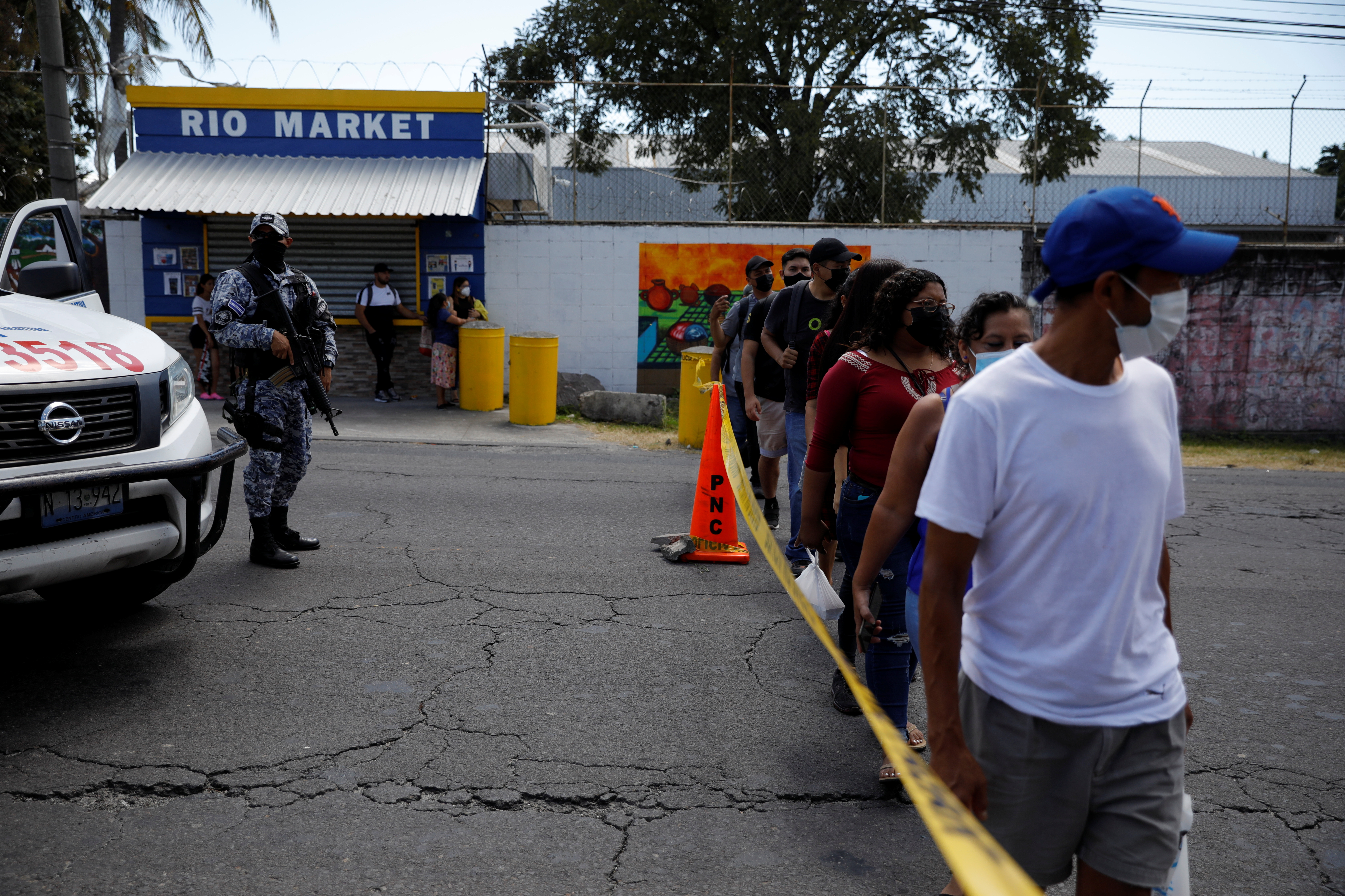
SAN SALVADOR, Nov 11 (Reuters) – Salvadoran President Nayib Bukel has deployed the military to patrol streets throughout the country in response to a surge in murders this week.
The military deployment follows more than 30 homicides on Tuesday and Wednesday in the impoverished Central American nation of about 6.5 million people. Average daily homicides had dropped to less than two per day under Bukele, who took office in 2019.
“We have deployed our national police and armed forces to contain the increase in homicides registered over the last 48 hours,” Bukele posted on Facebook alongside videos of soldiers patrolling the streets.
It was not clear how many soldiers were deployed or how long the operation would last. Bukele alleged there were “dark forces” at work, without elaborating.
A government source said that the majority of the troops would patrol densely populated areas of the capital, San Salvador. The country has been terrorized by street gangs since shortly after the end of its civil war in 1992.
The sight of soldiers on streets will sit uneasily with Bukele’s critics, who accuse the president of growing authoritarianism. Bukele, 40, proclaimed himself “dictator” in his Twitter bio in recent weeks in an apparent joke that did little to soothe the opposition fears.
He was strongly criticized in 2020 for occupying congress with military and police, which many saw as an intimidation tactic. Bukele has also announced plans to double the military in coming years to 40,000 troops from 20,000.
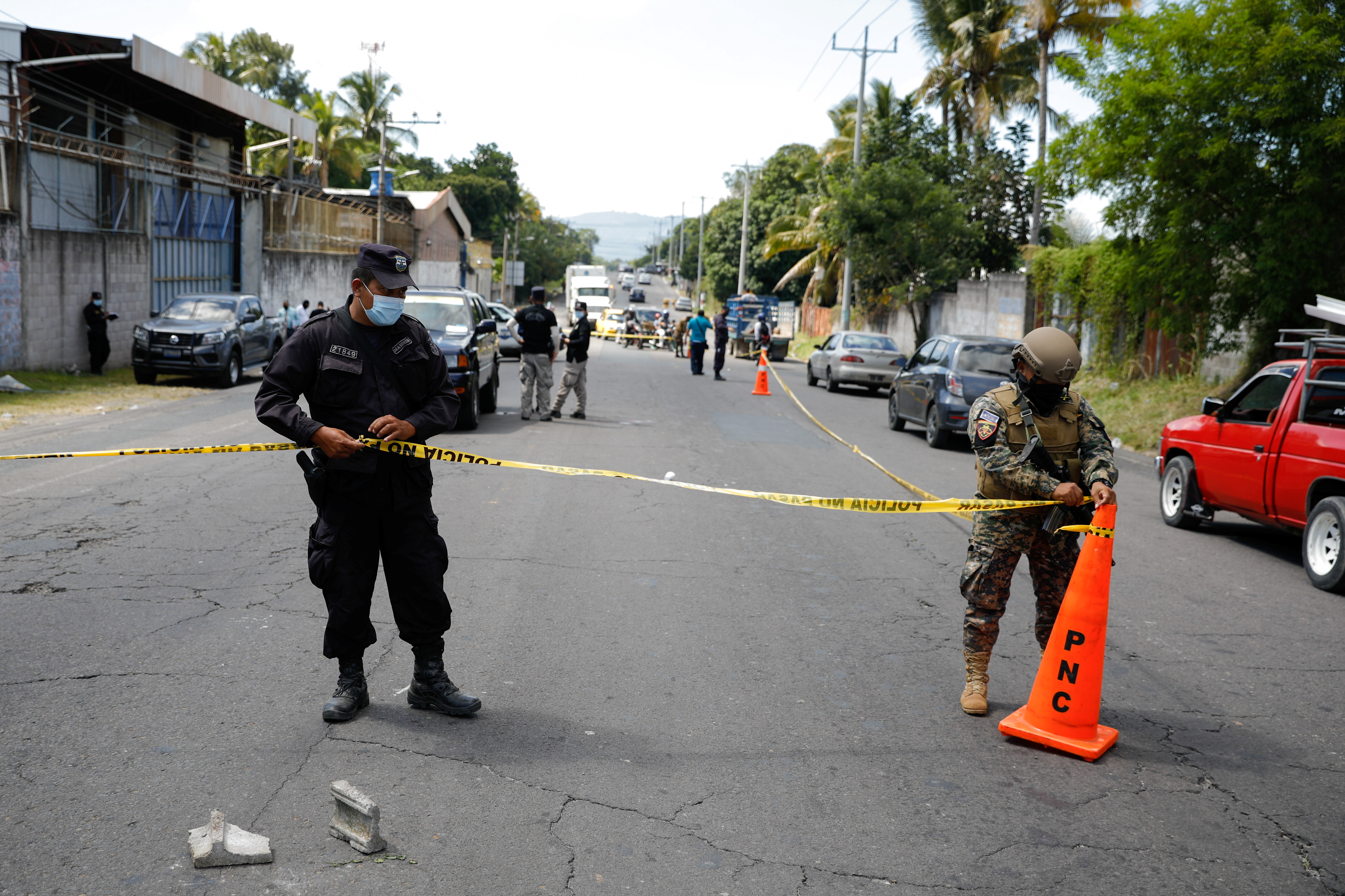
Police investigators collect evidence at a crime scene where a man was killed inside a car, as Salvadoran President Nayib Bukele deploys military to patrol the streets throughout the country in response to a sharp surge in murders this week, in San Martin, El Salvador November 11, 2021. REUTERS/Jose Cabezas
Murder rates have dropped sharply under Bukele and newspaper El Faro last year alleged government officials negotiated with gang members to reduce violence in exchange for better conditions in prison.
Bukele called the article a “farce,” but the attorney general said it would investigate.(Full Story)
On Thursday, Bukele’s political opponents speculated on social media that the uptick in homicides could be a sign that the truce is falling apart.
Bukele’s troop deployment is likely a political “stunt” that illustrates the limits and fragility of the security arrangement, according to Tiziano Breda, an International Crisis Group analyst for Central America.
“It shows the extremely low levels of violence were not due to successful public security policies but rather they were a result of a decision by gangs to scale down the displays of violence,” Breda said.
“The gangs still have the ability to change or alter these violence trends if they decide to do so.” The government did not immediately respond to a request for comment.
Bukele said more measures to halt the violence would be announced in the coming hours.
Reporting by Gerardo Arbaiza, writing by Jake Kincaid, editing by Drazen Jorgic and Cynthia Osterman
The post El Salvador’s Pres. Bukele Deploys Military After Spike in Murders appeared first on The St Kitts Nevis Observer.