Prime Minister Jacinda Ardern was answering questions this morning on the new traffic light system that will replace the current alert level system in New Zealand when she was interrupted by an earthquake.The 5.9 quake hit during…
Category Archives: headline
Government wants to plug gaps in safety rules for adventure tourism, after Whakaari eruption
By RNZ The Government wants to bring in tougher safety rules for adventure activity operators, in response to the deadly 2019 Whakaari/White Island eruption.Forty-seven people – most of them tourists – were on the island when…
Why great white shark population is booming in California
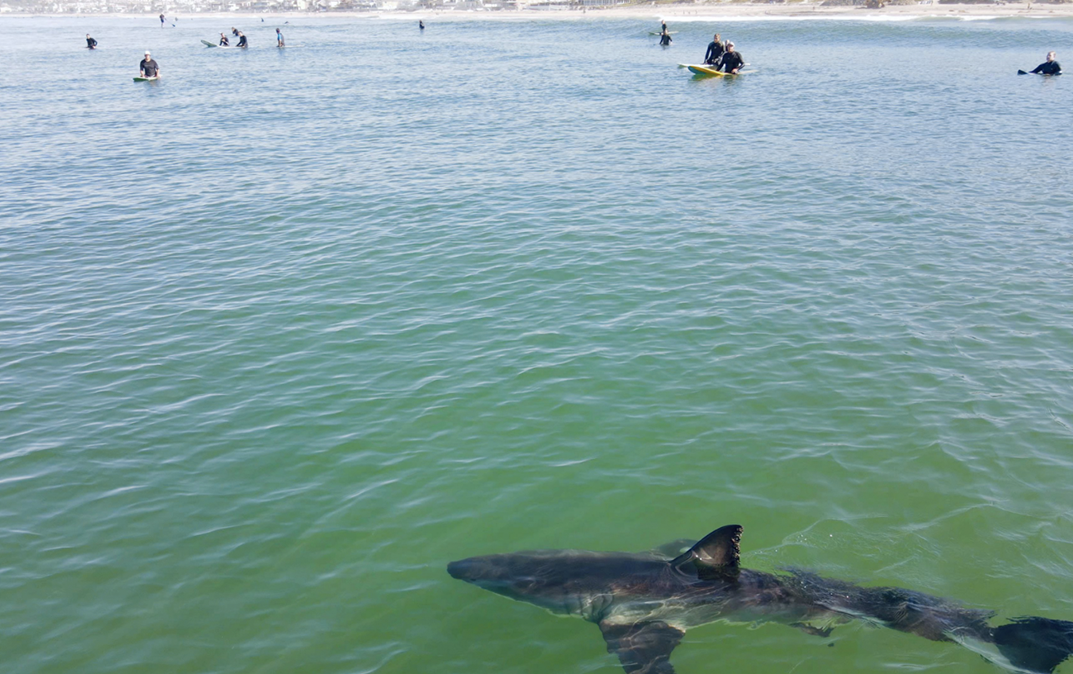
Flying his drone above the clear waters of San Diego, California photographer Scott Fairchild saw a sight that would stop most in their tracks; a large great white shark was circling a young child on his board.
The pair regarded each other with curiosity before the shark swam away.
This peaceful encounter, filmed several days ago at Del Mar, is one of many Mr Fairchild has filmed over the past month.
READ MORE: Qantas to restart international flights earlier than expected

He told 9news.com.au the shark was almost the size of a full grown man.
"All juveniles they're normally five to nine feet (1.5 metres to 2.4 metres)," he said.
"I'm guessing the shark was at the higher end of that, but I don't know for sure.
"It was pretty amazing to see this huge great white with the kid."
READ MORE: Hordes of sharks found living in volcano

He said sightings of great white sharks are becoming more common in San Diego.
Just yesterday he filmed another smaller great white shark gliding out of a swimmer's way.
And at the start of the month he filmed a large great white shark preying on a smaller one.
https://www.instagram.com/p/CU715Qxpjca/
"They are definitely an ever-increasing population here," he said.
"I can find two – ten any time I want now at this time of the year."
Why great white populations are booming in California
Director of the Shark Lab at California State University Chris Lowe has been studying the state's shark populations for decades.
He told 9news.com.au great whites are thriving.
The reason why can be traced, in part, back to 1972, when Californian sea lions and Pacific harbour seals became federally protected animals.
"The recovery of marine mammals has been vital," Dr Lowe said.
"That's been the long-lived one because they were over-hunted for more than 100 years".

Then in 1994 two things happened that caused the population to skyrocket.
"Great whites became protected and the use of gill nets were banned," Dr Lowe said.
"Their biggest population growth has been since the 90s.
"(But) that recovery of the food source has been critical."
Dr Lowe said with these protections the southern California coast has become a "primary nursery" for white sharks.
"The adults are offshore and mostly seasonal," he said.
"The juveniles are also seasonal but right off our beaches.
"Nursery habitats are beaches."
He said a positive trend is also being observed on the other side of the US.
"It's not just California – New England is seeing similar signs on the east coast in the Atlantic," he said.
Contact Raffaella at rc*********@******om.au.
New Zealand PM keeps cool as earthquake rattles press conference
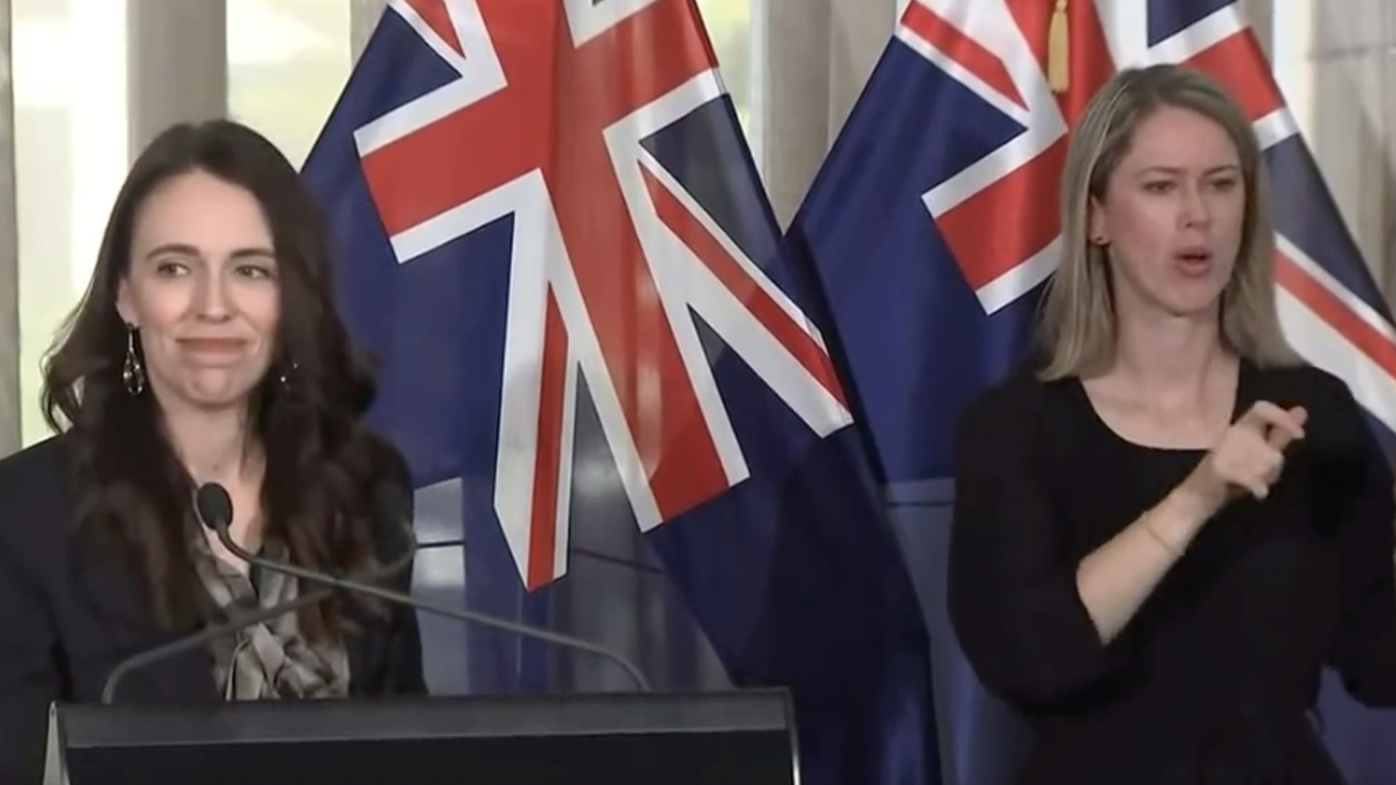
New Zealand Prime Minister Jacinda Ardern managed to keep her cool as an earthquake rattled the North Island this morning.
Ms Ardern was listening to a question asked by a journalist when the building that housed them started shaking.
The politician grabbed her podium and looked to the side quickly, before turning around with a smile.
READ MORE: Qantas to restart international flights earlier than expected
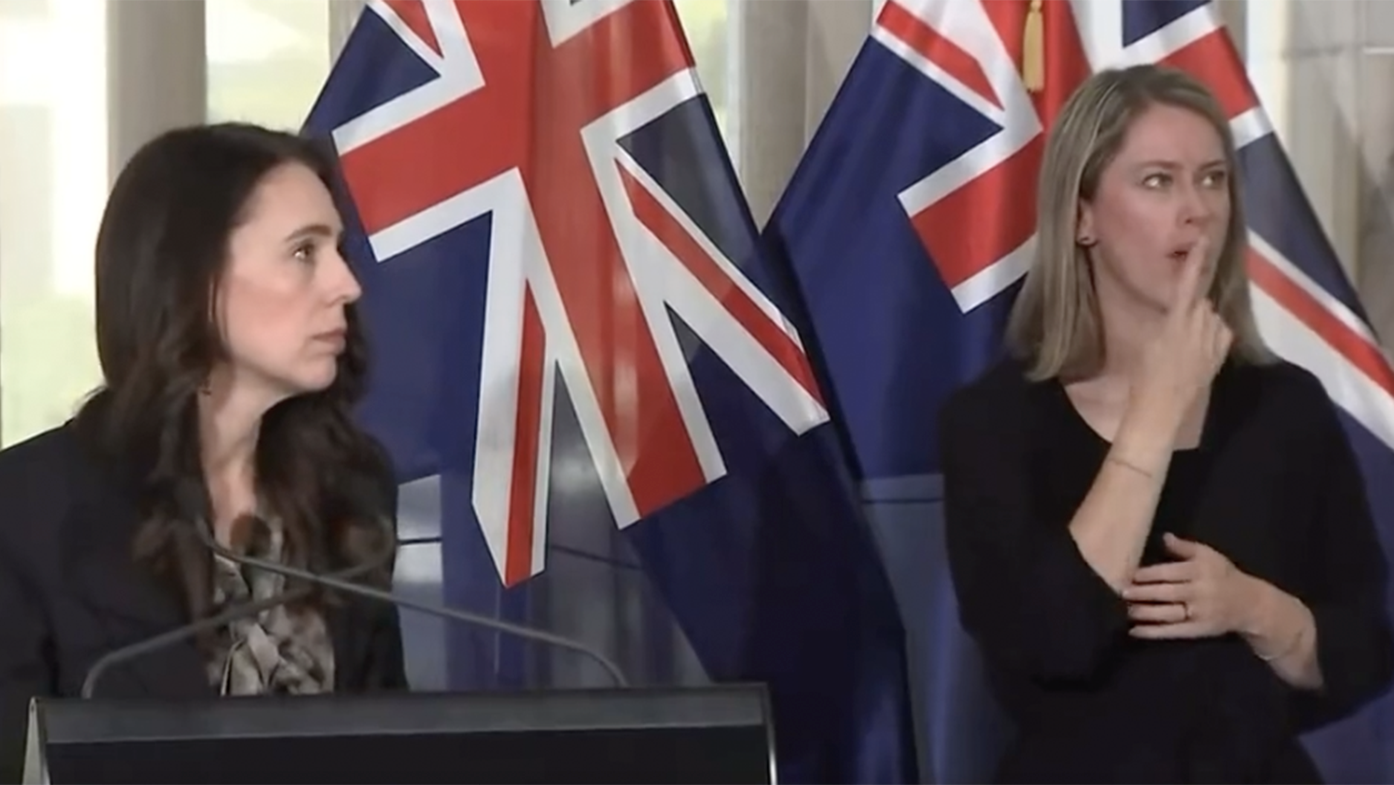
"Sorry, a slight distraction," Ms Ardern said.
"Would you mind repeating the question?"
The US Geological Survey (USGS) confirmed a magnitude 5.6 earthquake struck 33 kilometres near Taumarunui on the North Island around 8:58 am.
New Zealand is no stranger to earthquakes as it's located on the edge of The Ring of Fire; a geographical area characterised by active volcanoes and frequent earthquakes.
In May 2020, a 5.9 earthquake struck near New Zealand's capital Wellington – again interrupting Ms Ardern mid-interview.
Aussies could travel to Bali by Christmas, Qantas CEO says
Qantas CEO Alan Joyce has said travel to Bali will return by early 2022 "at the latest".
Currently, vaccinated travellers to the Indonesian island have to spend seven days in quarantine.
But Mr Joyce said Qantas was in talks with the government about a different arrangement.
READ MORE: Human remains found confirmed as those of Brian Laundrie
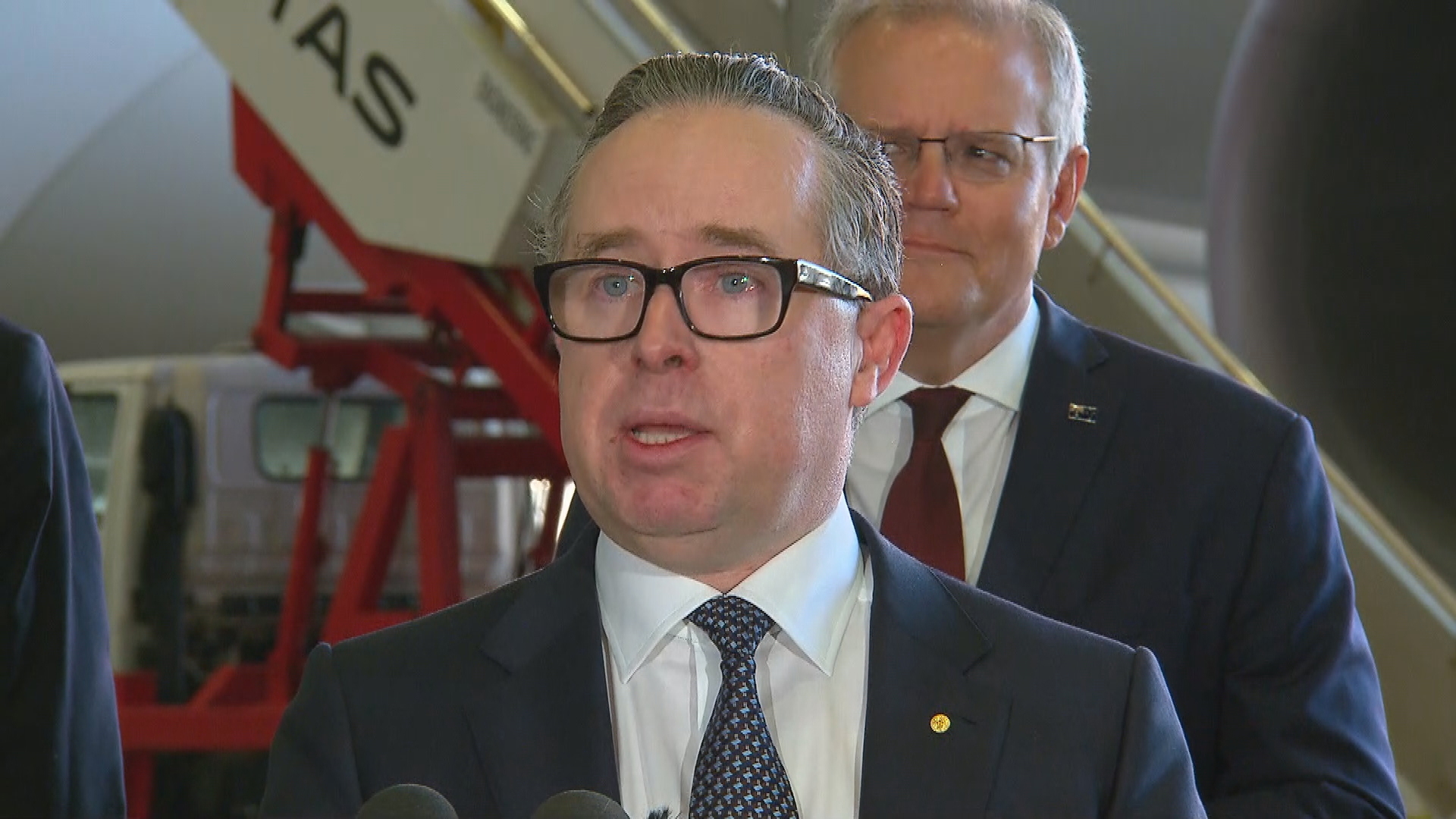
"The Indonesian government is looking for Bali, which is highly vaccinated, to do something similar to New South Wales," he said.
From November 1, New South Wales will scrap all quarantine restrictions for fully vaccinated travellers.
Mr Joyce suggested visitors to Bali could spend a couple days "in the resort" before being granted access to the community.
READ MORE: Qantas to bring forward restart of some international flights

"They need Aussies there to rejuvenate their tourism industry, and we're happy to help," he said.
"We're hoping to get Aussies back in (to Bali) before Christmas, or early in the new year at the latest, I think.
"We've got aircraft ready to go."
Prime Minister Scott Morrison said travel between Australia and Indonesia had been a "regular discussion" between he and Indonesian President Joko Widodo during the course of the pandemic.
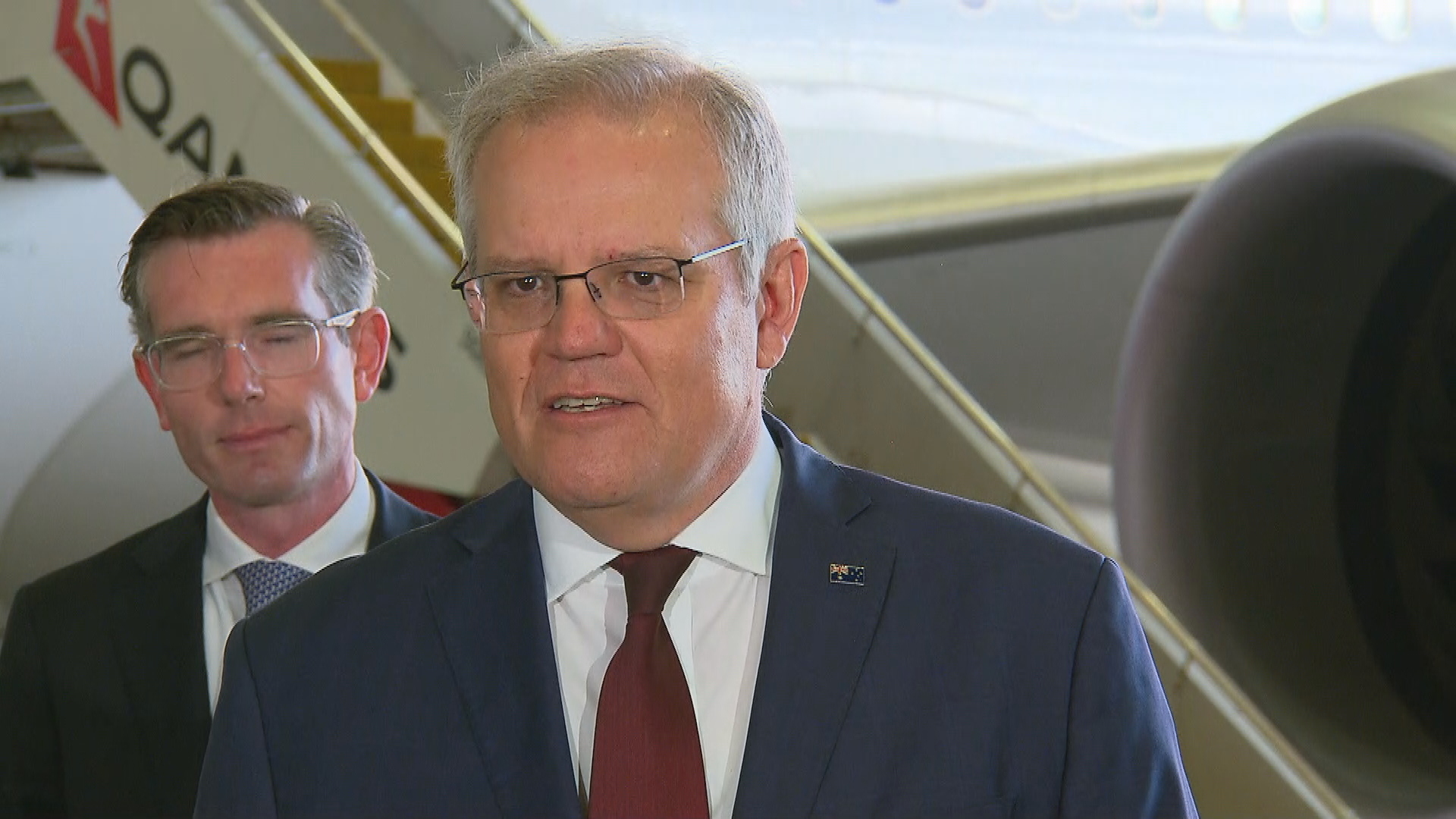
He said he expected it to resume when the pair met at the upcoming G20.
"One of the things we have to work through in November, is the issue of international vaccine certificates," Mr Morrison said.
About 320,000 Australians have downloaded their international certificate, but the Commonwealth now must undergo the process of establishing official recognition of vaccine certificates from other countries that travellers entering the country might use.
READ MORE: How to get your International COVID Vaccination Passport
Qantas to bring forward restart of some international flights
Qantas and Jetstar are bringing forward the restart of their international flights, with Australian-based employees to return to work in early December.
Flights will restart solely out of Sydney to Singapore, Bangkok, Phuket, Johannesburg, Fiji ahead of schedule.
Qantas also plans to launch a new route from Sydney to Delhi before Christmas and will bring back two of its Airbus A380 aircraft earlier than planned.
The announcement comes on the heels of Mr Perrottet's declaration that all forms of quarantine would end for vaccinated travellers entering NSW from November 1.
READ MORE: How to get your International COVID Vaccination Passport

Prime Minister Scott Morrison said that he believes Australia is "ready to take off" and a travel-bubble style arrangement with Singapore will be unveiled within the next week.
"It will see borders open more quickly," he said.
"The ground staff, the ground crew really getting Australia to take off today is the Australian people."
Mr Morrison said it would mean visa holders from Singapore would be able to travel to Australia.
He also backed Mr Perrottet's previous hope that international tourists could return to NSW by the end of the year.
But both today also affirmed that returning Australians would be the top priority.
"The first challenge is bringing Australians home," Mr Morrison said.
"There are a lot of Australians around the world who have been waiting for this day."
Qantas CEO Alan Joyce announced that a Qantas 787 would leave Sydney and head to London, via Darwin in just 10 days.
READ MORE: The parent rule bringing relief to millions of Aussies
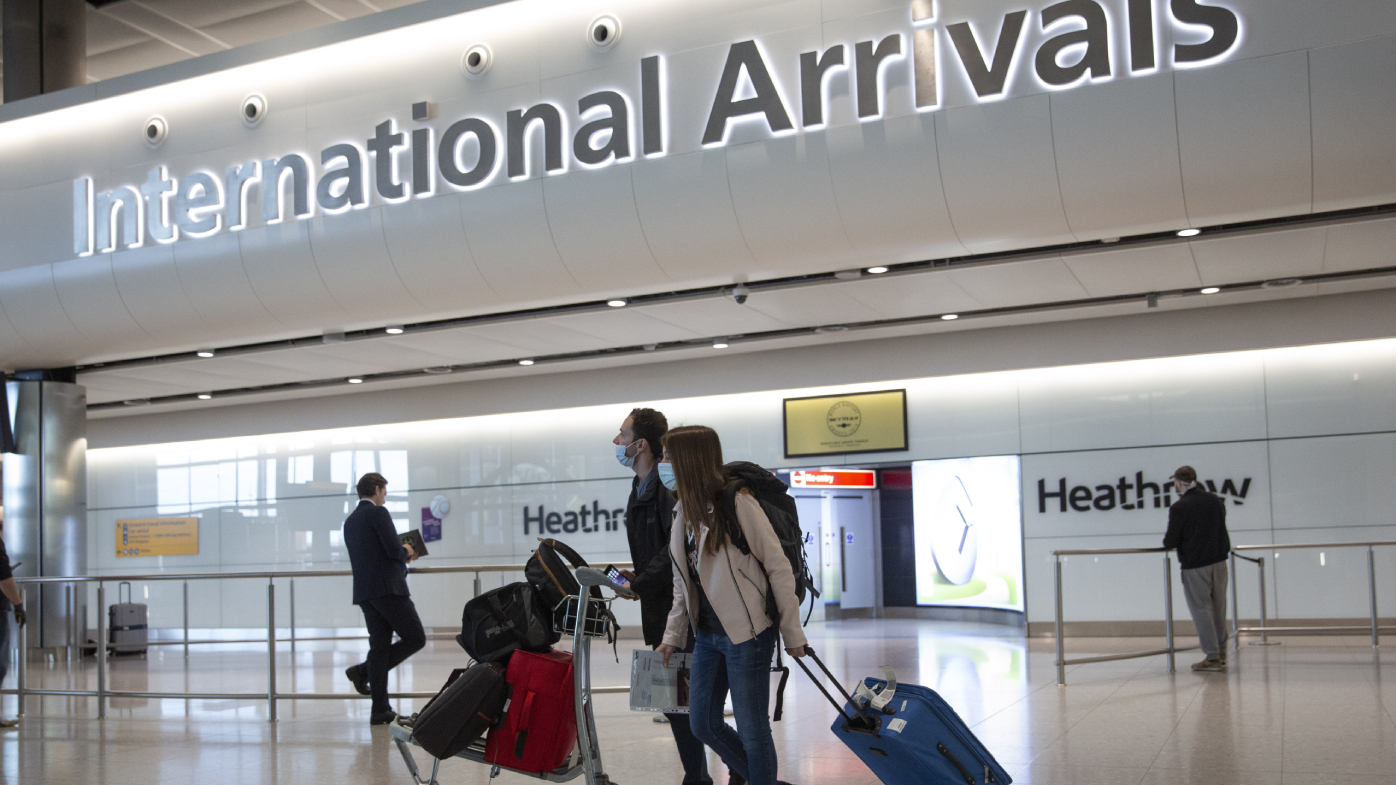
"That is the first time since March of last year that Qantas has operated long-haul international regular services," he said.
"A few days later we have a flight going from Sydney to Los Angeles."
Mr Joyce said Qantas had moved flights forward in response to announcements by Mr Morrison and Mr Perrottet that re-opened NSW's borders without quarantine for vaccinated travellers.
"This 20 months is probably the darkest period is probably the darkest period in Qantas 100 year history," Mr Joyce said.
"But there is light at the end of the tunnel."
Mr Joyce announced all of Qantas' domestic crew would be back to work from early December.
That amounts to about 5000 people who had previously been stood down.
"We believe that the domestic borders will be opened up," Mr Joyce said.
"We see we have got the announcements for Queensland, South Australia, and Tasmania and that gives us confidence to get to 100 per cent of pre-COVID levels domestically in January, and up to 120 per cent of pre-COVID levels by April."
READ MORE: Why tent zipper position is key clue in search for missing WA girl
This week, NSW Tourism Minister Stuart Ayres said the state government would be "aggressive" in its pursuit of global airlines returning to Sydney.
"We're making a really strong statement to global airlines that we want you back in Sydney," he said.
Mr Ayres said the government's Aviation Attraction Fund was necessary in order to re-establish relationships with global airlines who had directed flights away from a closed-down Australia.
"The rest of the world has been open for a fairly lengthy period of time now," he said.
"We've got to say to those airlines, we want you back in Sydney."
The fund would involve subsidies, partnerships with airlines and corporations, and work with Sydney Airport.
Mr Ayres said Sydney Airport had been operating at about one per cent of its standard revenue.
Mr Perrottet said he was hopeful the first tourists could arrive in NSW this year.
"Sure, we want Australians home first, but the quicker we move, the better it will be," he said.
He said NSW had gained an advantage in rebuilding its international tourism industry by moving first to scrap quarantine requirements for vaccinated travellers.
READ MORE: By state and territory, how quickly Australia is vaccinating
Cheers, claps and partying heard across Melbourne CBD at 11.59pm
Cheers, claps and partying was heard across Melbourne's CBD last night as excited residents celebrated their new freedoms and lockdown lifting.
Social media users took to platforms like Twitter, and TikTok and Instagram from 11.59pm as restrictions across the city finally lifted.
READ MORE: Human remains found in search for Gabby Petito's missing fiancé
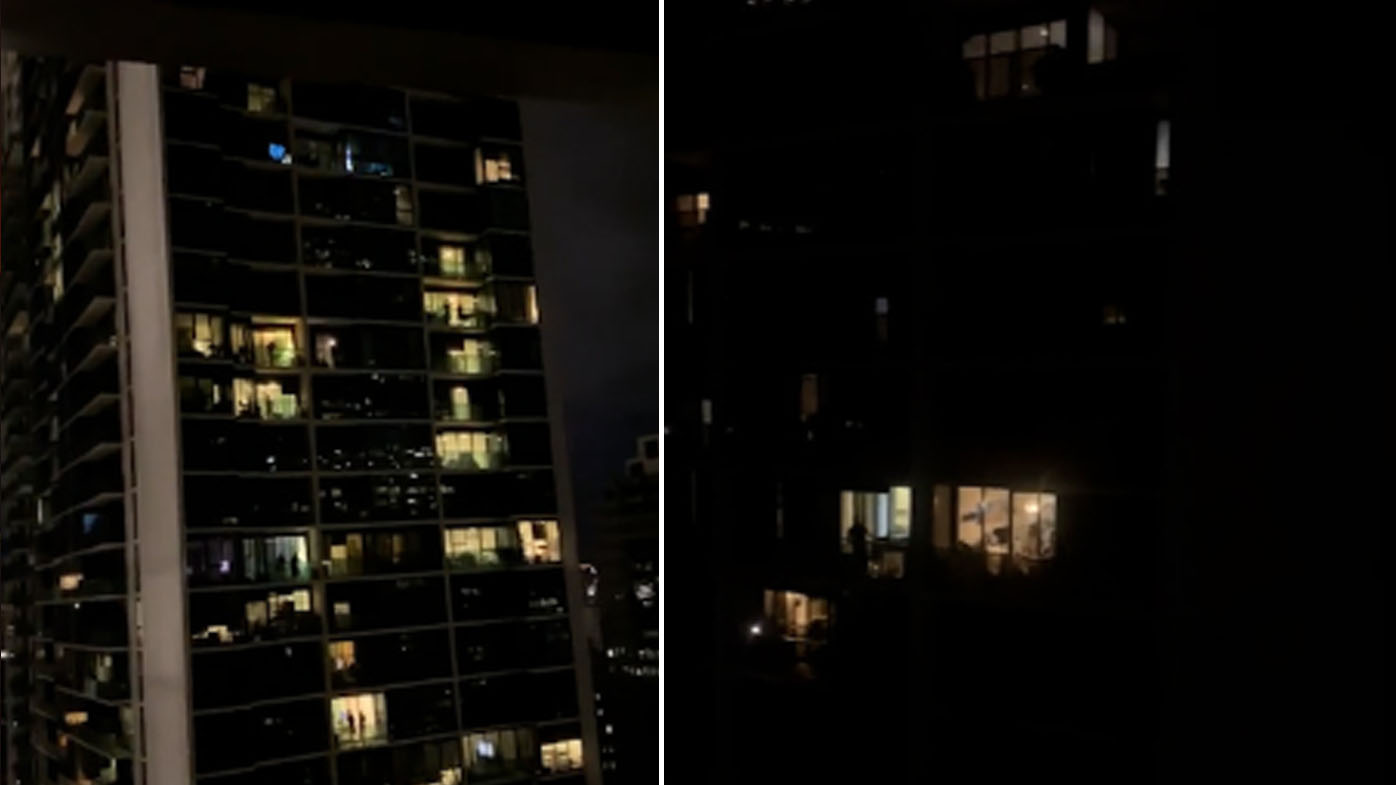
People were heard screaming, blasting music, tooting car horns, clapping and jumping for joy as a city who spent more days under lockdown than any other in the world was finally set free.
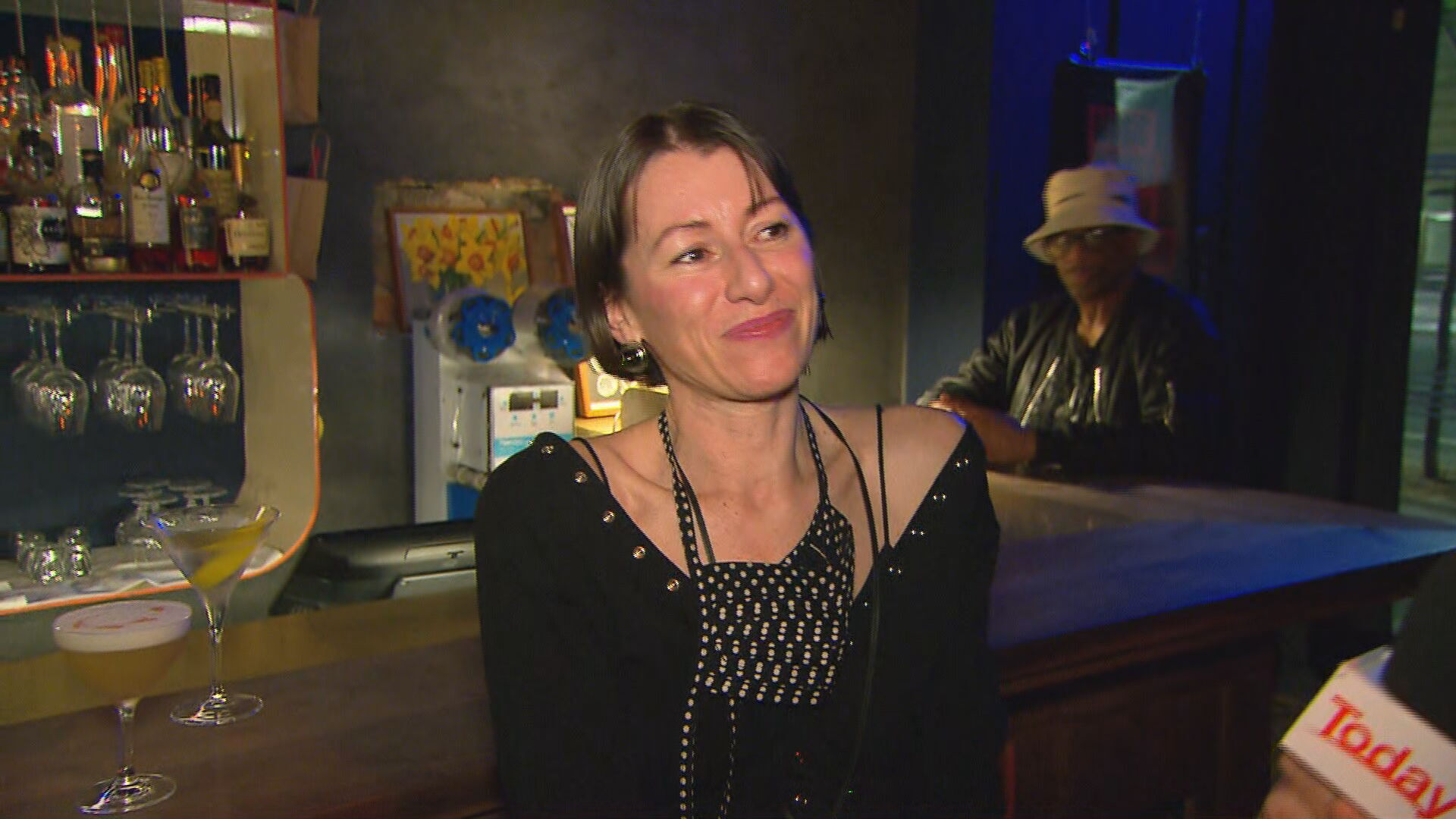
Celebrations are expected to continue into today and across the weekend, as bars, pubs, cafes, retailers and hotels are finally allowed to open back up again in a COVID-safe way.
READ MORE: Why tent zipper position is key clue in search for missing WA girl
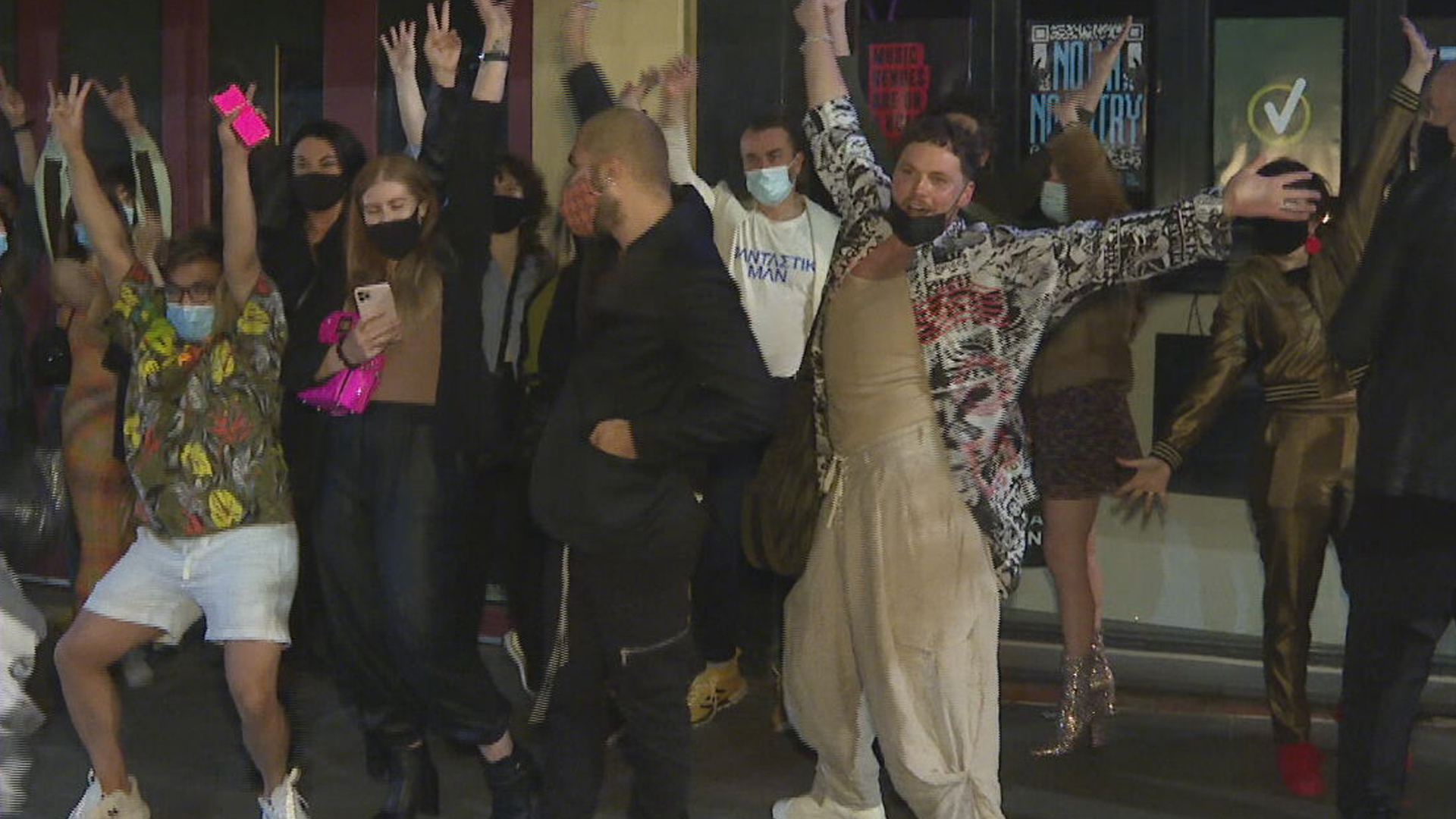
After the state hit 70 per cent double dose vaccination coverage by midmorning yesterday, restrictions lifted as planned overnight.
READ MORE: What you can and can't do now that Melbourne's lockdown has lifted
Victoria also reached a second vaccine milestone yesterday, with 90 per cent of the eligible population having had their first dose as well.
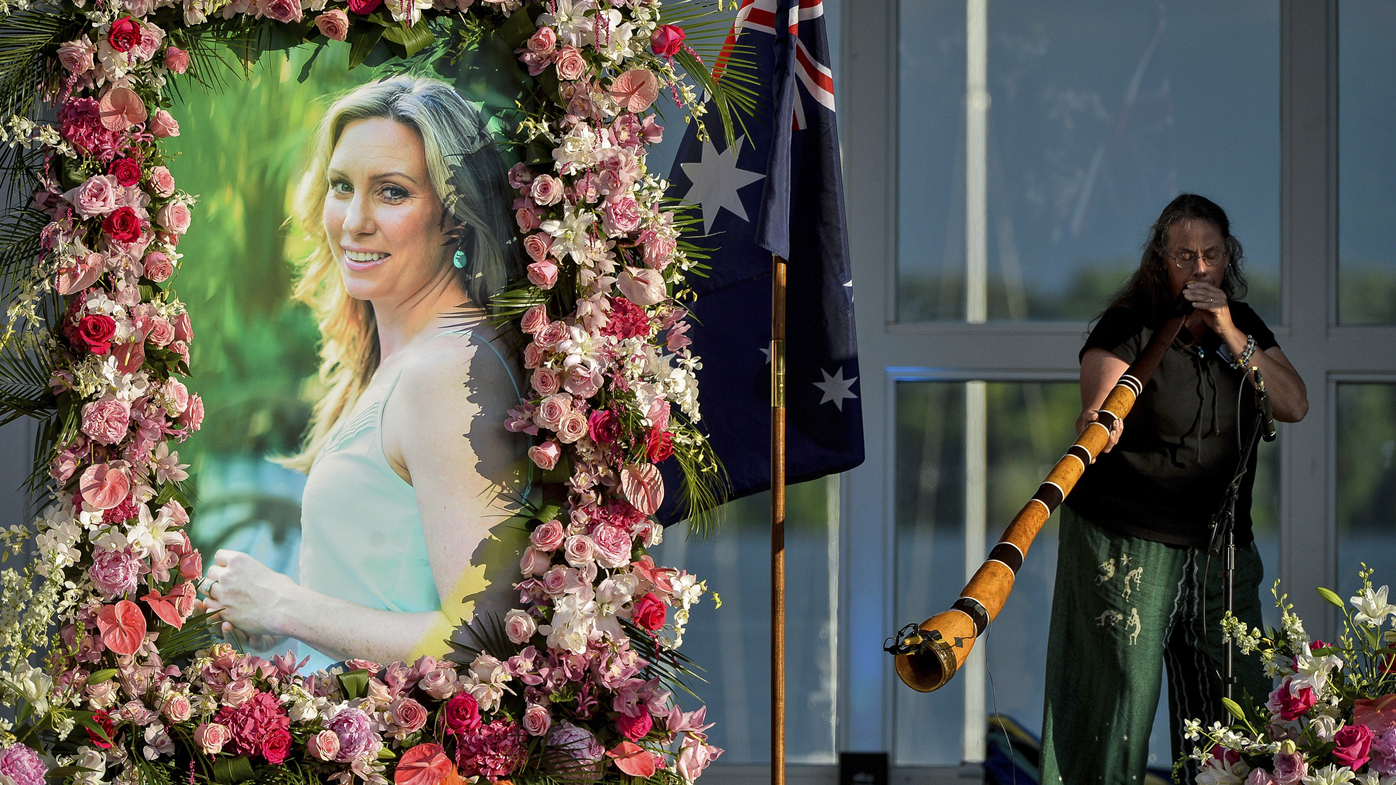
Former US cop who killed Justine Ruszczyk has sentence slashed
A former Minneapolis police officer who fatally shot an unarmed woman after she called 911 to report a possible rape happening behind her home was sentenced Thursday to nearly five years in prison — the maximum allowed for manslaughter after his murder conviction was overturned.
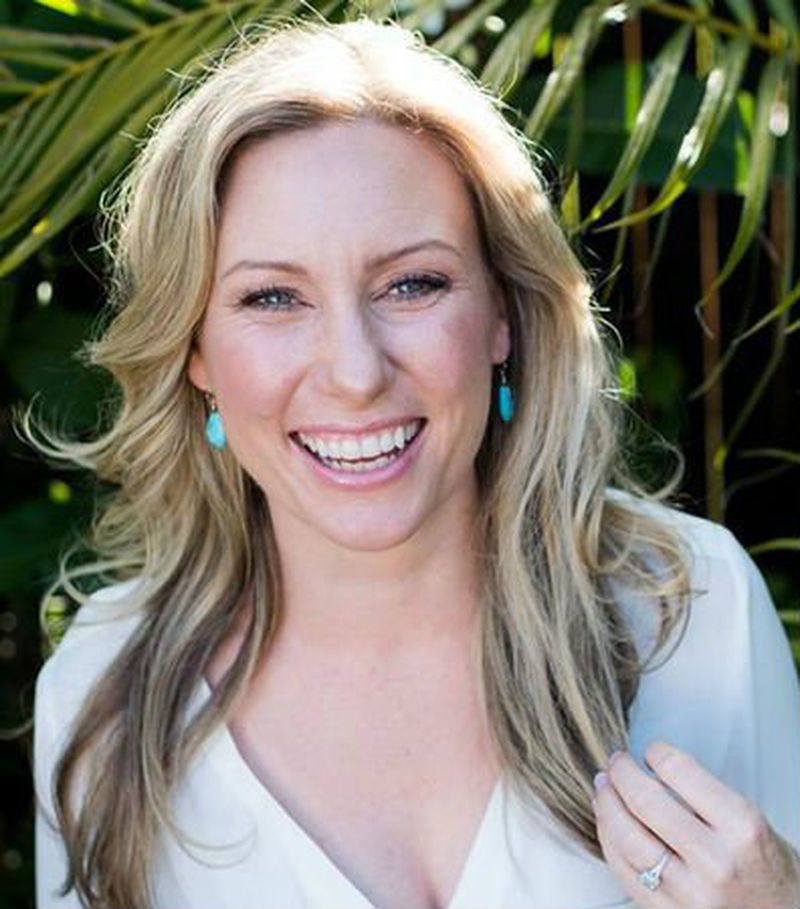
Mohamed Noor was initially convicted of third-degree murder and manslaughter in the 2017 fatal shooting of Justine Ruszczyk Damond, a 40-year-old dual US-Australian citizen and yoga teacher who was engaged to be married.
But the Minnesota Supreme Court tossed out Noor's murder conviction and 12 1/2-year sentence last month, saying the third-degree murder statute didn't fit the case because it can only apply when a defendant shows a "generalised indifference to human life," not when the conduct is directed at a particular person, as it was with Damond.
READ MORE: Murder conviction for ex-officer who shot Justine Ruszczyk overturned
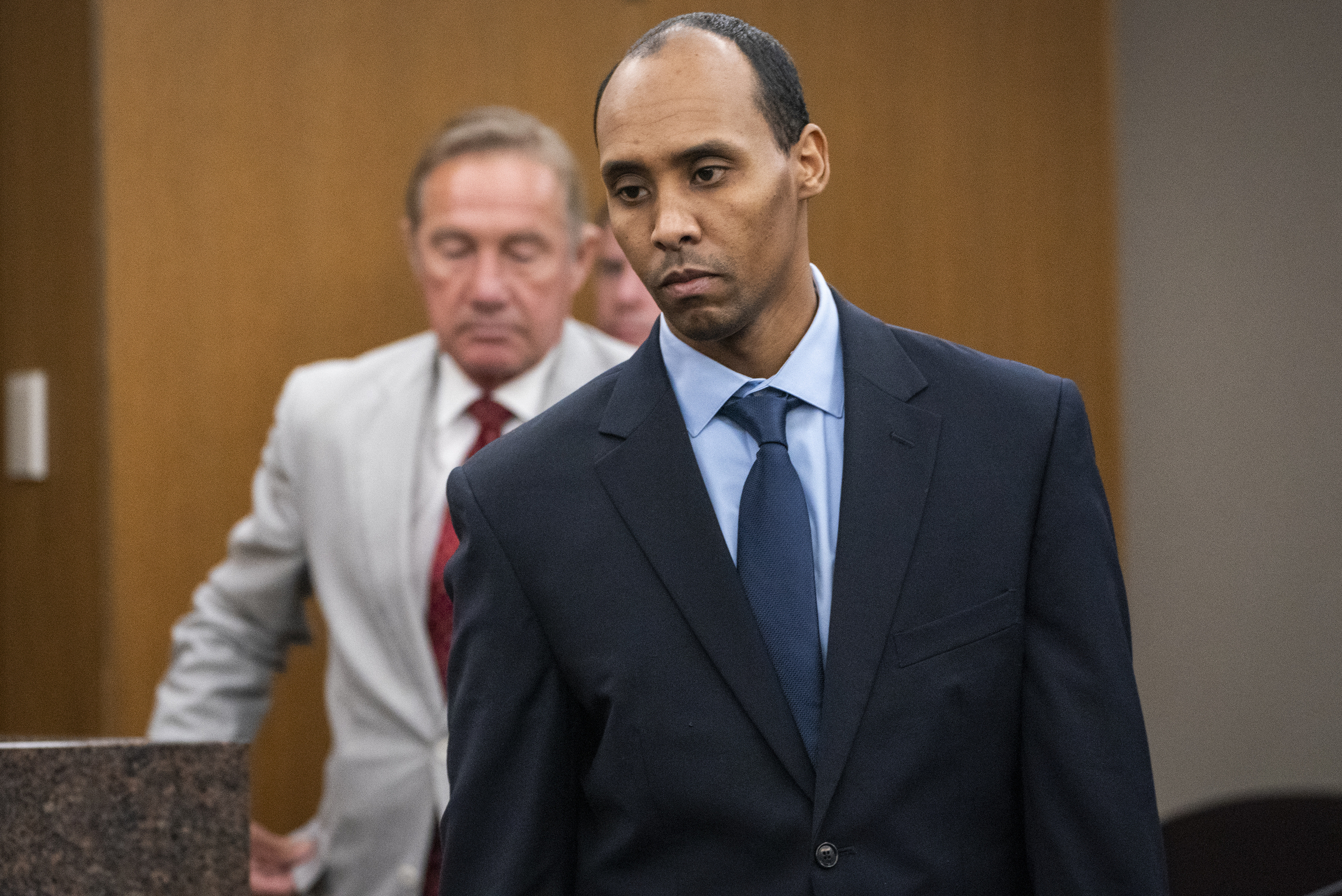
Judge Kathryn Quaintance, who also presided at Noor's trial, granted prosecutors' request to impose the maximum sentence called for by state sentencing guidelines on Noor's manslaughter conviction, 57 months. In doing so, she brushed aside the defence's request for 41 months, which is the low end of the range. With good behaviour, Noor could be freed on supervised release by next summer.
"Mr. Noor, I am not surprised that you have been a model prisoner," Quaintance said. "However, I do not know any authority that would make that grounds for reducing your sentence." She cited Noor "shooting across the nose of your partner" and endangering others the night of the shooting to hand down the stiffest sentence she could.
Noor, who was fired after he was charged, has already served more than 29 months. In Minnesota, inmates who behave well typically serve two-thirds of their prison sentences and the remainder on supervised release.
Noor testified at his 2019 trial that he and his partner were driving slowly in an alley when a loud bang on their police SUV made him fear for their lives. He said he saw a woman appear at the partner's driver's side window and raise her right arm before he fired a shot from the passenger seat to stop what he thought was a threat.
He was sentenced to 12 1/2 years on the murder count and had been serving most of his time at an out-of-state facility.
Noor's appeal of his murder conviction was watched closely for implications in the case of Derek Chauvin, the Minneapolis police officer convicted of the same charge in George Floyd's death. After the state Supreme Court overturned Noor's third-degree murder conviction, experts said they expected the same eventual result for Chauvin but that it would likely have little impact because Chauvin was also convicted of a more serious second-degree murder charge in Floyd's death. Chauvin was sentenced to 22 1/2 years.
Noor's attorneys, Tom Plunkett and Peter Wold, sought 41 months at the re-sentencing, citing Noor's good behaviour behind bars and harsh conditions he faced during many months in solitary, away from the general prison population.
Plunkett said Thursday that much attention has been given to the victim as a kind and giving person — "all true," he said. But Plunkett said there is "similar goodness" in Noor. He said Noor had always sought to help people around him, and recapped Noor's good behaviour while in prison.
Assistant Hennepin County Attorney Amy Sweasy, meanwhile, asked Quaintance to give Noor the longest possible sentence. She said the case "is worse than typical" because of who Noor is. "The most serious sentence this court can impose is required," she said.
Damond's parents, John Ruszczyk and Maryan Heffernan, also asked the judge to impose the longest sentence. In a statement read by prosecutors, they called Damond's death "utterly gratuitous" and said that the Minnesota Supreme Court's overturning of a "poorly written law" didn't change the jury's belief that Noor committed murder.
"Our sorrow is forever, our lives will always endure an emptiness," they said.
The victim's fiancé, Don Damond, gave his statement via Zoom. He started by praising prosecutors for their "sound application of the law" and criticising the state Supreme Court for its reversal, which he said "does not diminish the truth that was uncovered during the trial."
"The truth is Justine should be alive. No amount of justification, embellishment, cover-up, dishonesty or politics will ever change that truth," he said.
But Don Damond also spoke directly to Noor, saying he forgave him and had no doubt Justine also would have forgiven him "for your inability in managing your emotions that night."
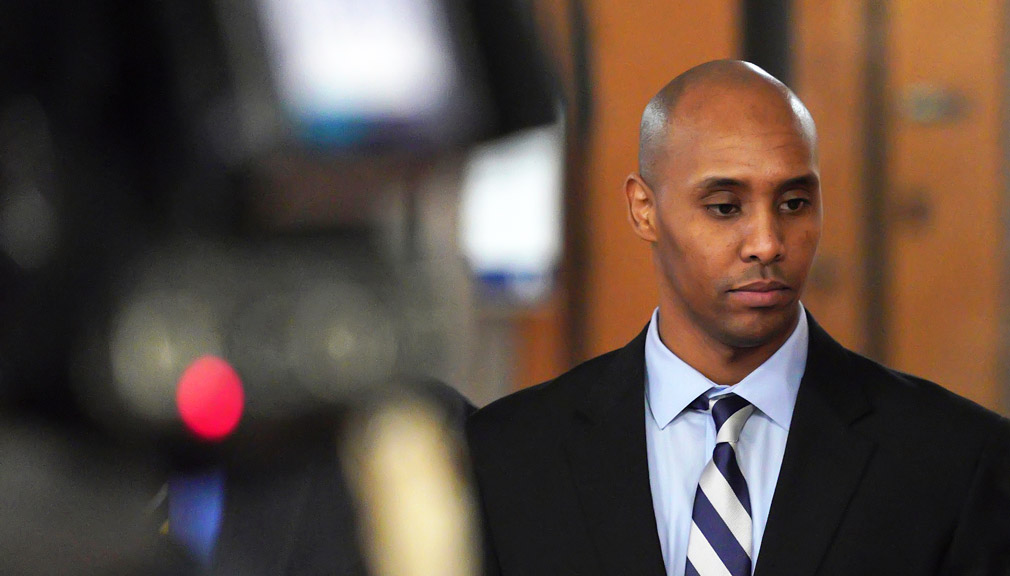
Noor, wearing a suit and tie and donning a face mask, appeared impassive as the victim's loved ones' statements were read. He later addressed the court briefly, saying, "I'm deeply grateful for Mr. Damond's forgiveness. I will take his advice and be a unifier. Thank you."
Damond's death angered citizens in the US and Australia, and led to the resignation of Minneapolis' police chief. It also led the department to change its policy on body cameras; Noor and his partner didn't have theirs activated when they were investigating Damond's 911 call.
Noor, who is Somali American, was believed to be the first Minnesota officer convicted of murder for an on-duty shooting. Activists who had long called for officers to be held accountable for the deadly use of force applauded the murder conviction but lamented that it came in a case in which the officer is Black and his victim was white. Some questioned whether the case was treated the same as police shootings involving Black victims.
Days after Noor's conviction, Minneapolis agreed to pay $20 million to Damond's family, believed at the time to be the largest settlement stemming from police violence in Minnesota. It was surpassed earlier this year when Minneapolis agreed to a $27 million settlement in Floyd's death just as Chauvin was going on trial.
PM Harris Encourages Federation Citizens to Take Up Subsistence Farming
Loop- Prime Minister Dr Timothy Harris has encouraged the people of the Federation to consider large or small scale farming in the face of the global supply chain bottleneck.
Addressing the nation, the Prime Minister said the government appreciates the importance of agriculture in the delivery of a better quality of life to the people of the federation, as food is a basic human need. He said globally, the challenge to have food in adequate quantities and simultaneously at affordable prices is great.
The bottleneck is due to an increase in demand for products as online shopping has significantly increased due to the COVID-19 pandemic. In many instances, however, manufacturers are unable to meet the rise in demand due to staff shortages and reduced operating hours restrictions and curfews continue to be put in place to limit the spread of the virus. Labour shortages are also impacting ports where the goods land, which in turn slows the offloading and inspection process thereby creating a bottleneck. Experts are predicting that this issue will get worse before it gets better.
Prime Minister Harris pointed to the supply chains around the world that continue to be disrupted by COVID-19 as backlogs increase. He also warned that there will be an adverse movement in the price of food items as an increase in transportation costs and fuel prices are realized. Costs of goods are likely to increase as a consequence of the supply chain disruptions and shortages due to climate change.
This is where, he said, locally grown foods play a critical role. “In the medium and long term, our challenge is to produce more of what we need to feed ourselves. We need to produce, store and distribute food at affordable prices. From a health perspective, a conscious effort has to be made by all of us to include more fresh fruits and vegetables in our diet. Fresh food is to be preferred over-processed foods. Foods that are low in salt and sugar are better for our health and wellness. A determined effort is required by our farmers and backyard gardeners to produce more of what we need.”
At a recent National Emergency Operations Center briefing, the Chairman of the COVID-19 Taskforce Abdias Samuel brought attention to the supply chain bottleneck which has not yet affected the federation. He however encouraged citizens and residents to manage resources and supplies that are currently available until a global solution is found. He said there was no need for panic, but necessary preventative measures must be put in place to be resilient against these types of global challenges.
In 2020 the St Kitts Nevis government responded to the food security challenge with additional budgetary support of $10 million. Support was offered to farmers in land preparation, fencing wire, reduced cost of bayticol, etc. Fisherfolk have been supported with fishing wire, fishing ropes and other necessities of their trade. In 2021, the budget support to the sector was increased while maintaining the support of duty-free concessions on farm vehicles, and removal of VAT from agricultural inputs including seeds and other implements.
Harris said the growth in the agriculture sector is highlighted by more lands being made available for farmers. There are over 1200 registered farmers and over 1200 registered fisherfolk, highlighting the growth in our agriculture sector. The Basseterre Public Market has been renovated and new farmers vending areas have been created as part of the government’s mission to build ‘stronger, healthier and more economically advanced communities.’
As more persons take advantage of the opportunities provided to them to earn through farming, new farms have been coming on stream in areas across the country.
The COVID-19 pandemic has prompted the government of St. Kitts and Nevis to offer stimulus packages to offer assistance to those persons most affected by the devastating global phenomenon.
Prime Minister Harris in his address also gave an update on elements of the government’s second stimulus package.
The Prime Minister informed that the third round of payments under the income support programme totalling $2.6 million was made on Monday. He said to date, 2,973 persons (98.8% of the approved applications) have benefitted from the programme which has recorded a total payout of $7.7 million since its launch.
In giving an update on the fuel Subsidy Programme, he pointed out that 118 individuals have submitted applications to the Ministry as of 15 October 2021. The total payout to date is $129,800.
For the Disability Support Programme, The Treasury has made the third round of payments to 155 applicants. The total payout to date is $248,000 ($233,000 to individual applicants plus $15,000 to Ade’s Place).
Food Truck Vendors Support Programme has assisted the four persons who have applied for assistance. The applications were received and approved by the Ministry and these vendors have all received payment.
The government’s second stimulus package also includes the waiver of commercial rent for small businesses which lease space from select government ministries, the waiver of stall fees for vendors using the public market and the reduction in travel tax in an effort to boost visitor arrival to the Federation.
The concessions associated with the government’s second stimulus package end in December 2021.
The post PM Harris Encourages Federation Citizens to Take Up Subsistence Farming appeared first on The St Kitts Nevis Observer.
The U.S. Doubles Down on Its Failed Haiti Policy
Washington Monthly
Hardly anyone in the United States has heard of the senior American diplomat Kenneth Merten, but in Haiti, he was already a widely disliked household name even before the State Department reassigned him to Port-au-Prince on October 12. Haitians view his appointment as a provocative sign that the Biden administration will continue interfering in their country’s affairs.
Meanwhile, the mainstream U.S. media is giving front-page coverage to the October 16 kidnapping of 17 American missionaries—and to what The New York Times calls “a country reduced to near lawlessness by natural disaster, corruption and political assassination.” Left out of the sensationalist American reports, however, is the firm conviction of many Haitians that the disastrous U.S. policies of the past decade have contributed to the present instability and chaos, and that the appointment of Merten is a dangerous indication that the State Department is doubling down on failure.
U.S. policy makers have apparently learned nothing from the former diplomat Daniel Foote, who resigned his senior post last month with a blistering indictment of America’s role in Haiti. On October 7, Foote appeared before a House foreign affairs subcommittee to elaborate on his critique. Veteran Haiti watchers were astonished by his candor. He blamed the U.S. for manipulating Haiti’s politics, for imposing the current “de facto” prime minister, Ariel Henry, and for propping up the ruling party, the PHTK, which he said is “blamed by Haitians for putting Haiti where it is today.”
Haitians who know Merten, Foote’s replacement, tell me he is pleasant, and fluent in Kreyol, the national language. But they have bad memories of his previous role there. In 2016, for instance, as special coordinator for Haiti, he vigorously pushed for Haitians to swallow the results of the October 2015 presidential election, which was widely regarded as rigged.
Haitians resisted but held a questionable re-vote later that year in which the ruling party won again. One well-placed Haitian source told me the episode was “an electoral coup d’etat.” In recent days, old photos circulated on social media showing Merten beaming alongside the corrupt previous president, Michel Martelly; in one, the U.S. diplomat is even pictured wearing a pink wristband, the PHTK’s color.
But there is hope for Haiti. Foote told the House subcommittee that a broad-based coalition of civil society organizations and a range of political groups have already tentatively agreed on a comprehensive two-year transitional process that would restore order and eventually lead to new elections.
The coalition pointedly calls itself the Commission for a Haitian Solution to the Crisis. (It is known as the Montana Accord, after the hotel where it was signed.) The group is also successfully negotiating with other political forces. “There’s been a good dialogue process, the best I’ve ever seen,” Foote said. “They’ve reached agreements in Haiti that I didn’t think they would ever come up with.”
The State Department is not heeding the advice of either the Haitian coalition or Foote, but it continues to prop up the discredited de facto regime. As Foote told the subcommittee, “Haitians are close to an agreement if it doesn’t have to include the Ariel Henry government, which is . . . perceived as completely corrupt, with impunity, with ties to the gangs. The U.S. should stop imposing Ariel Henry on the Haitian people.”
The Haitian people are not sitting by waiting to be rescued. On October 18, they carried out a successful nationwide road blockade and work stoppage, which closed the country down, to protest the wave of violence and to demand that Henry resign. The latest protest is nothing new. Earlier this year, tens of thousands of Haitians regularly filled the streets in pro-democracy marches, and back in late 2019 a general strike against corruption brought the country to a standstill for two months.
The New York Times did recognize the resistance with a brief report on Monday’s protest, after mostly ignoring the mass movement for democracy. But the Gray Lady and the rest of the mainstream press continue to say nothing about the Haitian indictment of U.S. policy, even though reporters could stop just about anyone in the streets of Port-au-Prince and get some sharp comments.
Over the years, apologists for the U.S.-Haiti policy argue, usually discreetly and sometimes with embarrassment, that the State Department supports undemocratic governments there because it craves stability, which it believes will prevent Haitians from fleeing to the United States—its number one concern. Daniel Foote demolished that view in his resignation letter: “I do not believe that Haiti can enjoy stability until her citizens have the dignity of truly choosing their own leaders fairly and acceptably.”
The post The U.S. Doubles Down on Its Failed Haiti Policy appeared first on The St Kitts Nevis Observer.