Category Archives: headline

PAHO: Jamaica Lagging Behind in Vaccination Program, UK Cases Soar, COVID Summary

paho covid vaccines
On Tuesday, October 12, 2021, the Ministry of Health and Wellness received a donation of 108,000 doses of AstraZeneca vaccines from the government of Germany through the COVAX facility.

Director of the Pan American Health Organization, PAHO, Dr. Carissa Etienne has singled out Jamaica as one of six countries in Latin America and the Caribbean that’s yet to vaccinate 20 percent of its population.

Her comments come amid concerns of vaccine hesitancy across the region.

Both the World Health Organization and PAHO outlined a target of 40 percent vaccination for Latin America and the Caribbean countries by December. But so far, just over 11 percent of Jamaicans have been fully vaccinated.

The PAHO Director said that supply delays have affected the program in Jamaica.

“Today I want to spotlight those countries in our region that are lagging and that will require special attention to meet this 40% vaccination target. Six countries in our region have yet to reach 20% of their populations: These are Jamaica, St. Lucia, St. Vincent & the Grenadines, and Haiti in the Caribbean, and Guatemala and Nicaragua in Central America.

Across all these countries, vaccine availability due to unequal distribution of doses has been a central challenge. But many of these countries are facing their own unique barriers. In Jamaica, supply delays have gotten in the way. And across the Caribbean, vaccine hesitancy among some groups remains a problem,” Dr Etienne said in a weekly press briefing for PAHO.

Twenty countries across Latin America and the Caribbean have already passed that 40 percent target.

For the countries that are lagging, PAHO said it is working to accelerate vaccine deliveries to the region, including COVAX-procured and donated doses. Jamaica is one of the countries that will receive additional vaccine supplies in the coming weeks.

“We’re supporting Jamaica, Guatemala, and Nicaragua in finalizing preparations to receive COVAX and bilateral shipments in the coming weeks,” she said.

“In the last few days, we fast-tracked the delivery of a total of 1.3 million doses that were donated by Spain, Germany, the United States of America, and Canada. These vaccines are being used to boost coverage in Honduras, Guyana, Argentina, and Jamaica.”

As more vaccines become available, Dr. Etienne has urged Caribbean leaders to implement vaccination policies that fit the needs of their population.

===================================================

UK Covid cases near 50,000 in one day as No 10 warns of ‘challenging’ winter

Reported number of cases rise steadily in October to reach highest level since 17 July
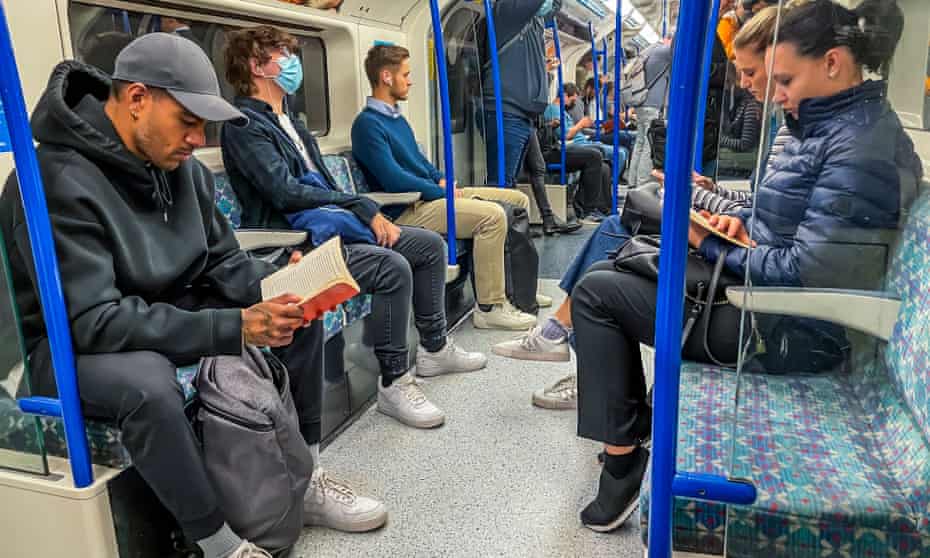
People, only a few of whom wear face masks, are seen on the tube in London
As cases rise in the UK, experts point out that the Covid statistics from Europe demonstrate it didn’t have to be this way in Britain. Photograph: Guy Bell/Rex/Shutterstock
Science editor

Downing Street has warned of “challenging” months ahead as UK coronavirus cases reached their highest level since mid-July.

The reported number of Covid cases in the UK increased steadily through October and reached 49,156 on Monday, the highest reported since 17 July and a 16% rise in new cases over the past week.

The figure is only 19,000 cases short of the peak number of cases ever recorded in the UK. On 8 January 2021, 68,053 new cases were reported at the height of the most devastating wave of the pandemic last winter.

The prime minister’s official spokesperson said a rise in coronavirus cases was expected over the winter and that the government would keep a “close watch” on the statistics.

Hospitalisations and deaths are also increasing according to Monday’s data, with 5,561 people admitted to hospital over the past week, up 6.9% on the week before, and the number dying within 28 days of testing positive reaching 869 over the past seven days, up 11.4% on the week before.

“We always knew the coming months would be challenging,” Boris Johnson’s official spokesperson said. “What we are seeing is case rates, hospitalisations and deaths still broadly in line with the modelling as set out a few months back now. The vaccination programme will continue to be our first line of defence, along with new treatments, testing and public health advice. But we will obviously keep a close watch on cases.”

The rise in UK cases is largely driven by infections among secondary school children, though some older age groups, including those who have children in school, are also experiencing rises. Hospitalisations and deaths are mostly driven by infections in older and more vulnerable groups, including those whose immunity has started to wane.

Dr Kit Yates, a mathematical biologist at the University of Bath and a member of the Independent Sage group of experts, said that with Britain nearing 50,000 cases on Monday, there had been only 16 days throughout the whole pandemic when cases were higher in the UK

“The narrative has become that case numbers aren’t important, but they still are,” he said. “They don’t mean the same as they did before vaccination, but the link between cases and deaths has not been broken. We are seeing over 120 deaths a day on average, which for me is unacceptable. Just glancing at the numbers from our neighbours in Europe demonstrates that it didn’t have to be this way.”

Prof Andrew Hayward, who advises the government on the Covid crisis, told BBC Radio 4’s World At One that it was concerning the UK had very high rates of infection and higher rates of hospitalisation and death than many European countries, adding that waning immunity was probably one reason for infections being so high.

“We shouldn’t be complacent because there is still huge potential for the NHS to come under a lot of pressure and for there to be a lot of unnecessary deaths,” he said. “So we need to get the vaccination rates up and we need to be prepared potentially to think about other measures if things do get out of control.”

Earlier this month, Prof Neil Ferguson, head of the influential modelling team at Imperial College London, called for teenage vaccines and boosters to be accelerated to reduce the risk of a substantial wave this winter.

==================================================

Oct 18 (Reuters) – Here’s what you need to know about the coronavirus right now:

EU exports over billion COVID-19 shots, von der Leyen says

More than a billion COVID-19 vaccines produced in the European Union have been exported since December, making the bloc the biggest exporter of the shots, European Commission head Ursula von der Leyen said on Monday.

The vaccines had gone to more than 150 countries, and the EU had exported as many doses as it had distributed to its own citizens, von der Leyen added in a statement.

Most EU exports have been directed to bigger economies, including Japan, Turkey and Britain, who had contracts with vaccine makers based in the bloc.

Sales and donations to poorer nations have so far made up a small proportion of total exports, but the bloc was planning to distribute at least 500 million shots to the most vulnerable countries in coming months, von der Leyen said. read more

Valneva jumps on positive results for COVID-19 vaccine candidate

Valneva (VLS.PA) reported positive Phase III results on Monday for its COVID-19 vaccine candidate VLA2001, lifting its shares in a boost for the French biotech company after Britain cancelled a big deal to buy its shot.

Valneva said its latest trial, on 4,012 participants aged 18 and older across 26 trial sites in Britain, showed the vaccine prompted a stronger immune response and fewer side-effects than AstraZeneca’s shot.

Valneva is among a handful of vaccine developers testing their vaccines against one already approved by a regulator, rather than giving volunteers a placebo as shots become more available. read more

Sydney eases more COVID-19 curbs

Thousands of children returned to school in Sydney on Monday, putting an end to months of home learning, as Australia’s largest city eased more COVID-19 curbs, thanks to rising rates of vaccinations.

Masks are no longer mandatory in offices and larger groups are to be allowed in homes and outdoors after the state of New South Wales, home to Sydney, hit a double-dose inoculation rate of 80% at the weekend among those older than 16.

The latest in a series of planned easing of restrictions marks a shift by Australia’s largest cities to living with the virus, a strategy officials have warned will bring a greater number of COVID-19 cases in coming weeks. read more

New Zealand extends Auckland lockdown

New Zealand’s biggest city of Auckland will retain its lockdown for two more weeks as the country pushes to step up vaccinations, Prime Minster Jacinda Ardern said on Monday.

Once the poster child for stamping out COVID-19, New Zealand is now fighting a Delta variant outbreak that has spread across Auckland and neighbouring regions despite tough lockdown and border closures.

Ardern said there would be no changes to social curbs, the toughest in the OECD grouping of 34 leading economies, that have run for 62 days in Auckland.

The lockdown in the city of 1.7 million began in mid-August. read more

India’s vaccine effort slows as dose gap trumps output jump

India’s vaccination campaign has slowed despite amassing record stockpiles of COVID-19 vaccine, health ministry data showed on Monday, as authorities maintain a wider-than-usual gap between doses in a strategy that has boosted coverage.

Domestic production of the AstraZeneca (AZN.L) vaccine, which accounts for nearly 90% of administered doses, has more than tripled since May, when a supply shortage prompted India to double the period between doses to between 12 and 16 weeks.

That gap, exceeding the 8 to 12 weeks recommended by the World Health Organization, has allowed India to give at least one vaccine dose to 74% of its 944 million adults, with just 30% getting the full complement of two. read more

Compiled by Karishma Singh and Nick Macfie


The post PAHO: Jamaica Lagging Behind in Vaccination Program, UK Cases Soar, COVID Summary appeared first on The St Kitts Nevis Observer.
Five Trinidadians Held as Suspects in the Carriacou Bank Robbery

by Melissa Wong

The Royal Grenada Police Force has made a breakthrough in the daring daylight robbery on Carriacou with the capture of five suspects.

Minister for Carriacou and Petite Martinique, Kindra Maturine-Stewart, says she applauds law enforcement and security forces on the island whose swift action today ensured that five foreign nationals implicated in the robbing of a bank in their peaceful community were captured.

She said,“My office has been informed that men identified as all Trinidadian nationals were captured at sea during their attempted get away from the island after robbing the Carriacou branch of the Grenada Co-operative Bank located at Hillsborough, Carriacou.”

The minister says the people of Carriacou and Petite Martinique are heartened by the swift and efficient action of the local police and coast guard which reflects the improved local security capacity on the island.

She notes in recent years, the government invested great resources in personnel and equipment in our ongoing efforts at improved security.

Despite that fact, we are determined to review even further some of the local security operations since this is the second time within two years that our very peaceful community has been jolted by what is effectively a cross border raid by regional criminal elements.” 

The minister adds: “We are thankful that none of our citizens were hurt during today’s dramatic development, though witnesses would have had some trauma since it is unusual in one of the most serene and peaceful jurisdictions in this hemisphere.”

The post Five Trinidadians Held as Suspects in the Carriacou Bank Robbery appeared first on The St Kitts Nevis Observer.
Victoria construction company admits to breaking laws that led to employees' deaths

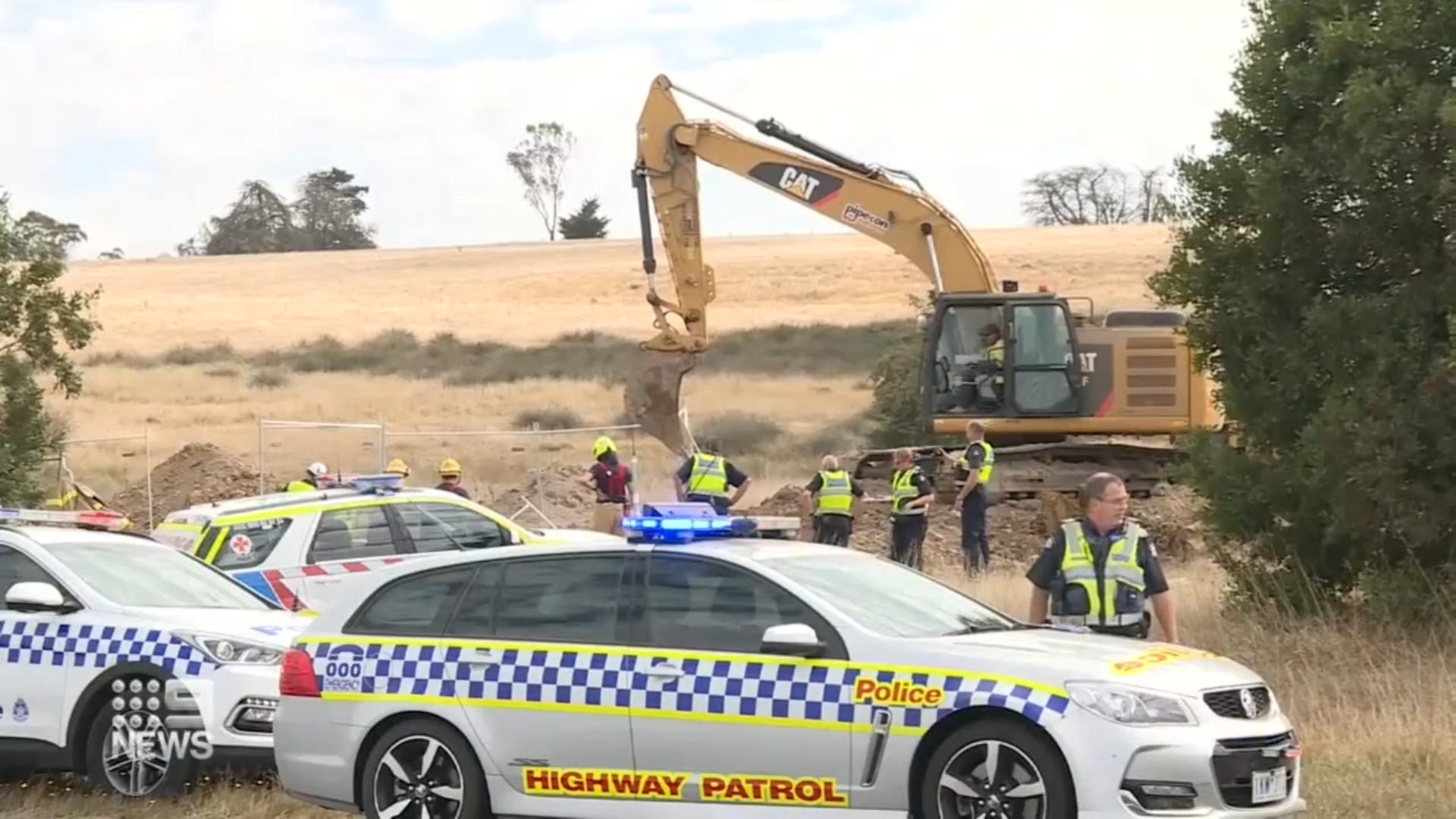
A Ballarat construction company has admitted it broke workplace laws, leading to the deaths of two young tradies in a trench collapse.

Construction company Pipecon pleaded guilty to failing to provide supervision to ensure a safe workplace before the County Court today.

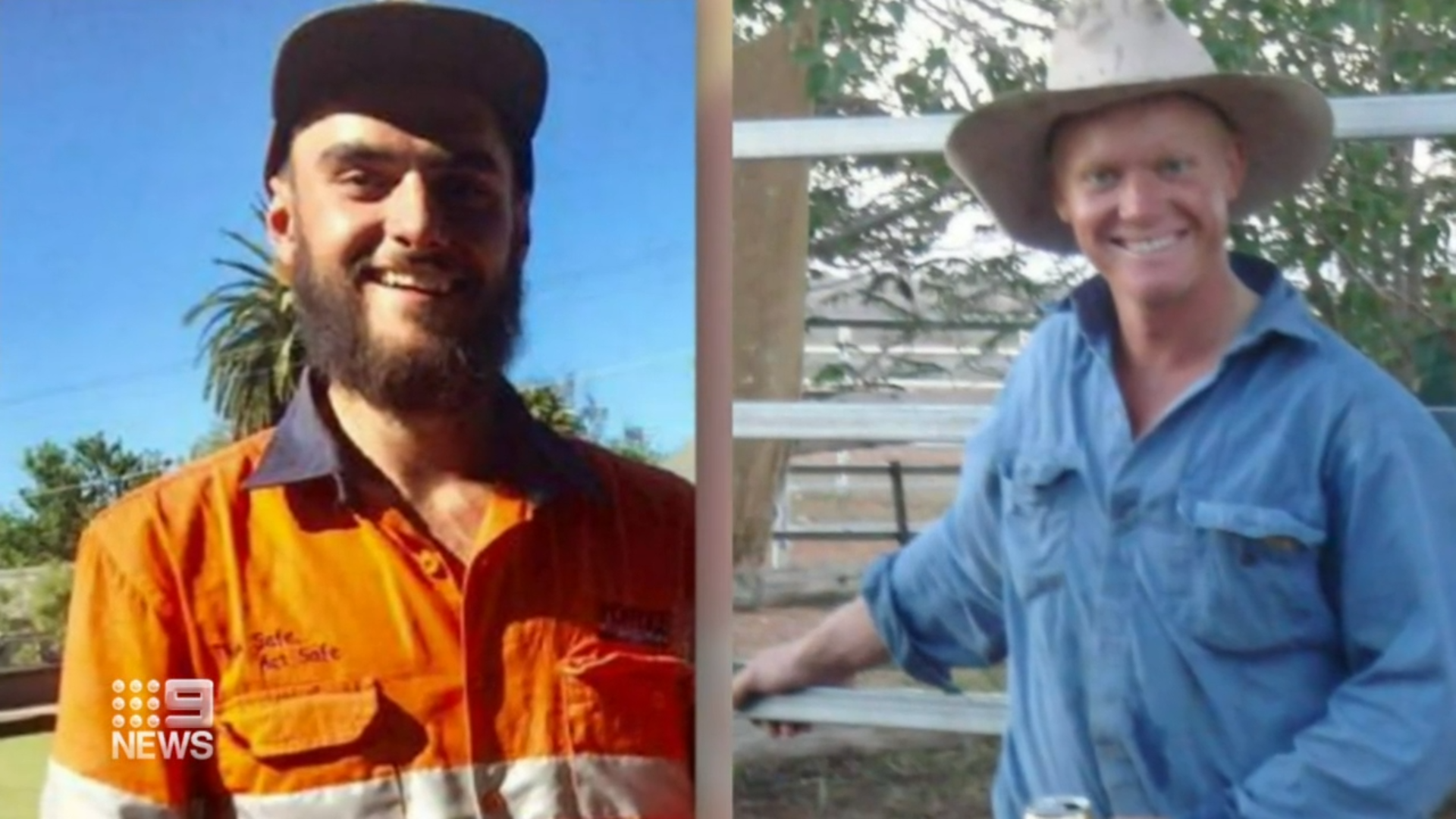
The court heard that by failing to provide the supervision, the company led to the death of Charlie Howkins, 34, and Jack Brownlee, 21, when a trench collapsed at Delacombe in 2018.

READ MORE: Man charged with murder of Melbourne mother Michelle Darragh

The men had been ordered to carry out high-risk excavation work.

Statements from the victims' families read to the court said the men would still be alive if their bosses had not failed to keep them safe.

Mr Brownlee's father Dave recalled arriving at the scene of the trench collapse on the outskirts of Ballarat in March 2018.

"It was like a horror movie," his statement read.

"I wish I could have swapped places with my boy."

Prosecutors told the court the sewerage project for the Winterfield Housing Estate where the men died was understaffed and without trenching shields or a manhole cage.

"It was inevitable a collapse would occur," the prosecutor said.

Other workers realised something was wrong after the men failed to show up for smoko.

They found Mr Howkins unresponsive and Mr Brownless asking for help to get out of the collapsed trench.

The colleagues tried to dig the pair out using their hands and a shovel.

A statement from Mr Howkins' widow said his bosses didn't even bother to call her until that evening.

"There was no care for us then, and there hasn't been ever since," her statement read.

Pipecon is facing a fine of more than $1.4 million.

Prosecutors said they wanted the sentence to send a message to others in the industry that if they fail to mitigate the risk for workers, they too would face a significant punishment.

North Korea fires ballistic missile into sea in latest test

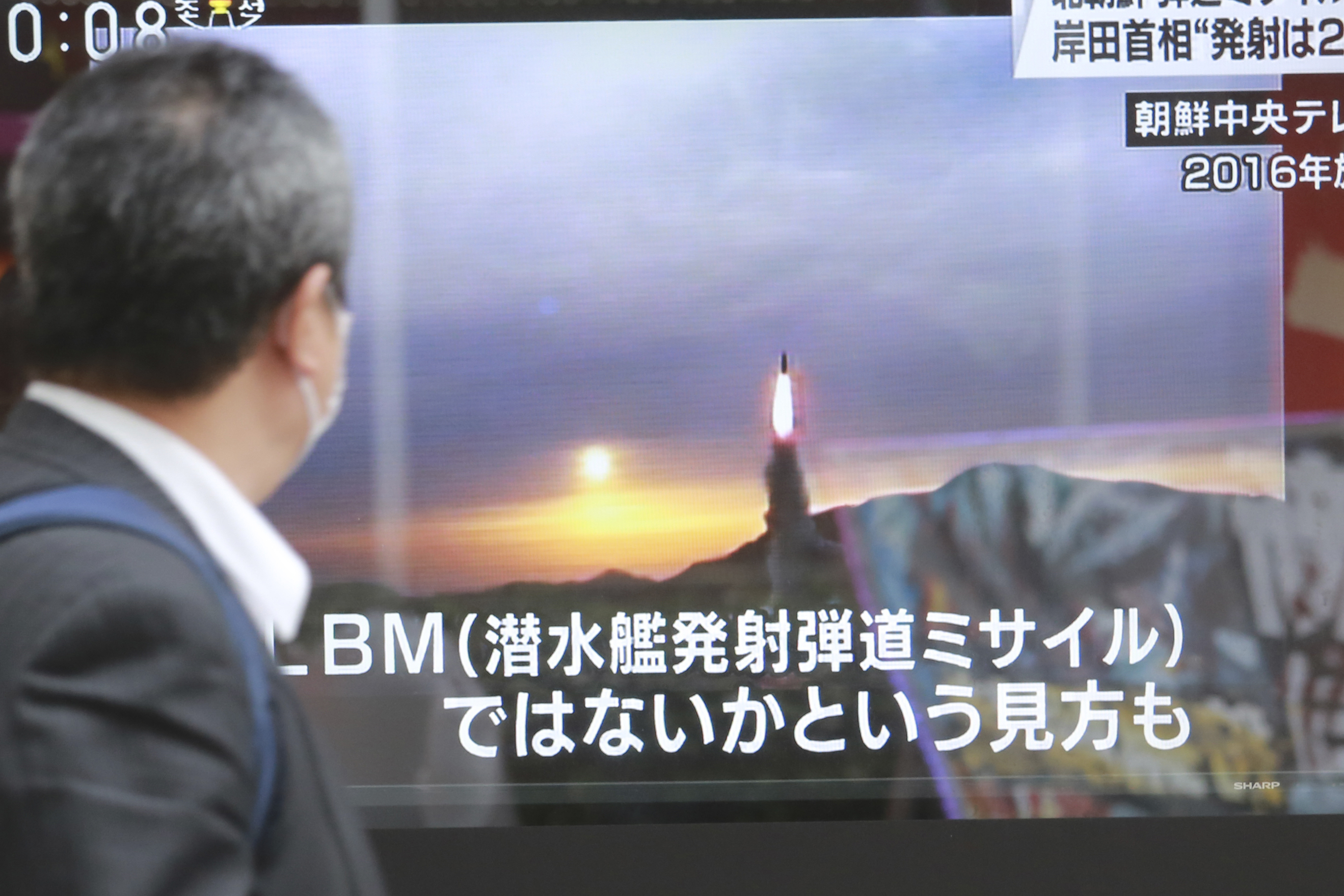
North Korea today fired at least one ballistic missile into the sea in what South Korea's military described as a weapon likely designed for submarine-based launches.

It marks one of the most significant demonstrations of the North's military might since President Joe Biden took office.

The launch came hours after the US reaffirmed its offer to resume diplomacy on North Korea's nuclear weapons program. It underscored how the North continues to expand its military capabilities amid a pause in diplomacy.

READ MORE: Kim Jong Un vows to build 'invincible' military while slamming US

North Korea has fired at least one ballistic missile into the sea. (AP Photo/Koji Sasahara)

The South's Joint Chiefs of Staff said it detected the North firing one short-range ballistic missile it presumed as an SLBM from waters near the eastern port of Sinpo, and that the South Korean and US militaries were closely analysing the launch.

The South Korean military said the launch was made at sea, but it didn't elaborate whether it was fired from a vessel submerged underwater or another launch platform above the sea's surface.

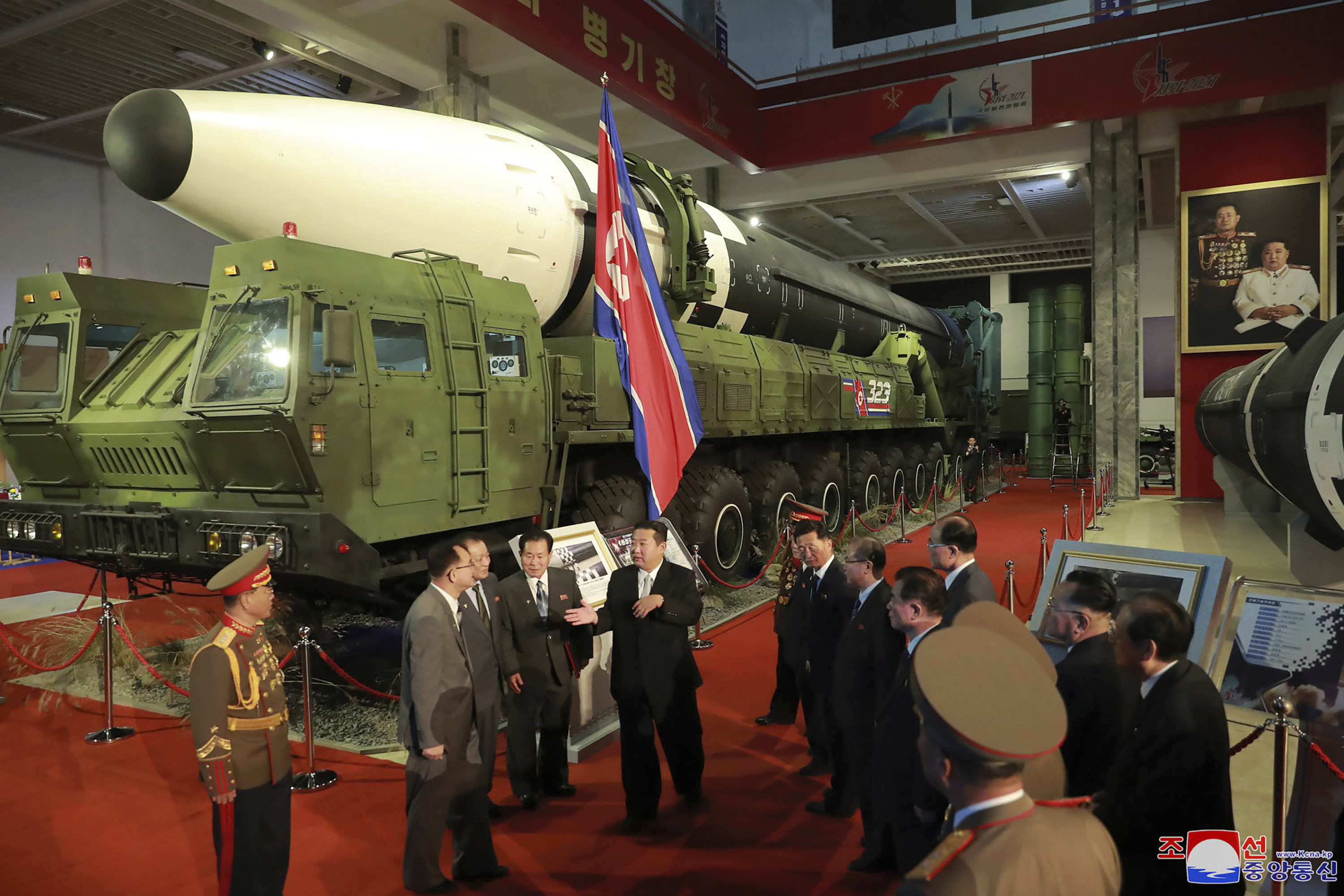
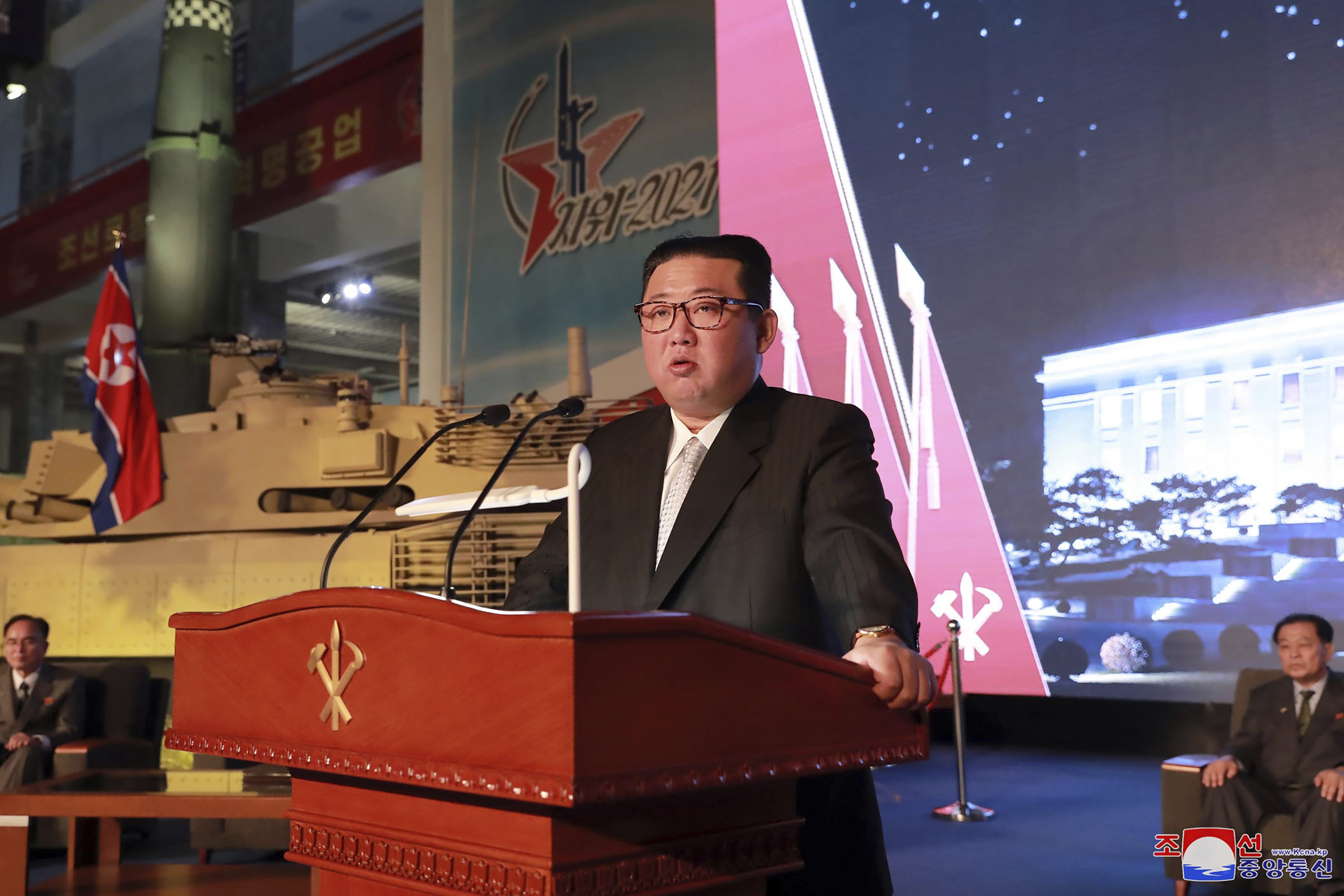
Kim Jong Un, centre, speaks in front of what the North says an intercontinental ballistic missile displayed at an exhibition of weapons systems.

But Japanese Defence Minister Nobuo Kishi said his country's initial analysis suggested that the North fired two ballistic missiles.

Japan's coast guard issued a maritime safety advisory to ships but didn't immediately know where the alleged missiles landed.

The shipyard in Sinpo is a major defence industry hub where North Korea focuses its submarine production.

In recent years, the North has also used Sinpo to develop ballistic weapons systems designed to be fired from submarines.

North Korea had last tested an SLBM in October 2019.

Analysts had expected the North to resume tests of such weapons after it rolled out at least two new SLBMs during military parades in 2020 and 2021.

There have also been signs that the North is trying to build a larger submarine that would be capable of carrying and firing more than one missile at a time.

South Korean officials held a national security council meeting and expressed "deep regret" over the launch that came despite efforts to revive diplomacy.

A strong South Korean response could anger North Korea, which has been accusing Seoul of hypocrisy for criticising the North's weapons tests while expanding its own conventional military capabilities.

Japan's Deputy Chief Cabinet Secretary Yoshihiko Isozaki said Tokyo has lodged a "strong protest" to North Korea through the "usual channels," meaning their embassies in Beijing.

Japan and North Korea have no diplomatic ties.

Ending a months-long lull in September, North Korea has been ramping up its weapons tests while making conditional peace offers to Seoul, reviving a pattern of pressuring South Korea to try to get what it wants from the United States.

North Korean leader Kim Jong-un is "developing submarine-launched ballistic missiles because it wants a more survivable nuclear deterrent able to blackmail its neighbours and the United States," Leif-Eric Easley, a professor of international studies at Ewha Womans University in Seoul, said.

Mr Easley added that North Korea "cannot politically afford appearing to fall behind in a regional arms race" with its southern neighbour.

"North Korea's SLBM is probably far from being operationally deployed with a nuclear warhead," he added.

North Korea has been pushing hard for years to acquire an ability to fire nuclear-armed missiles from submarines, the next key piece in Mr Kim's nuclear arsenal that includes a broad range of road mobile missiles and ICBMs with potential range to reach the American homeland.

Still, experts say it would take years, resources and technological improvements for the heavily sanctioned nation to build a fleet of at least several submarines that could travel quietly in seas and reliably execute strikes.

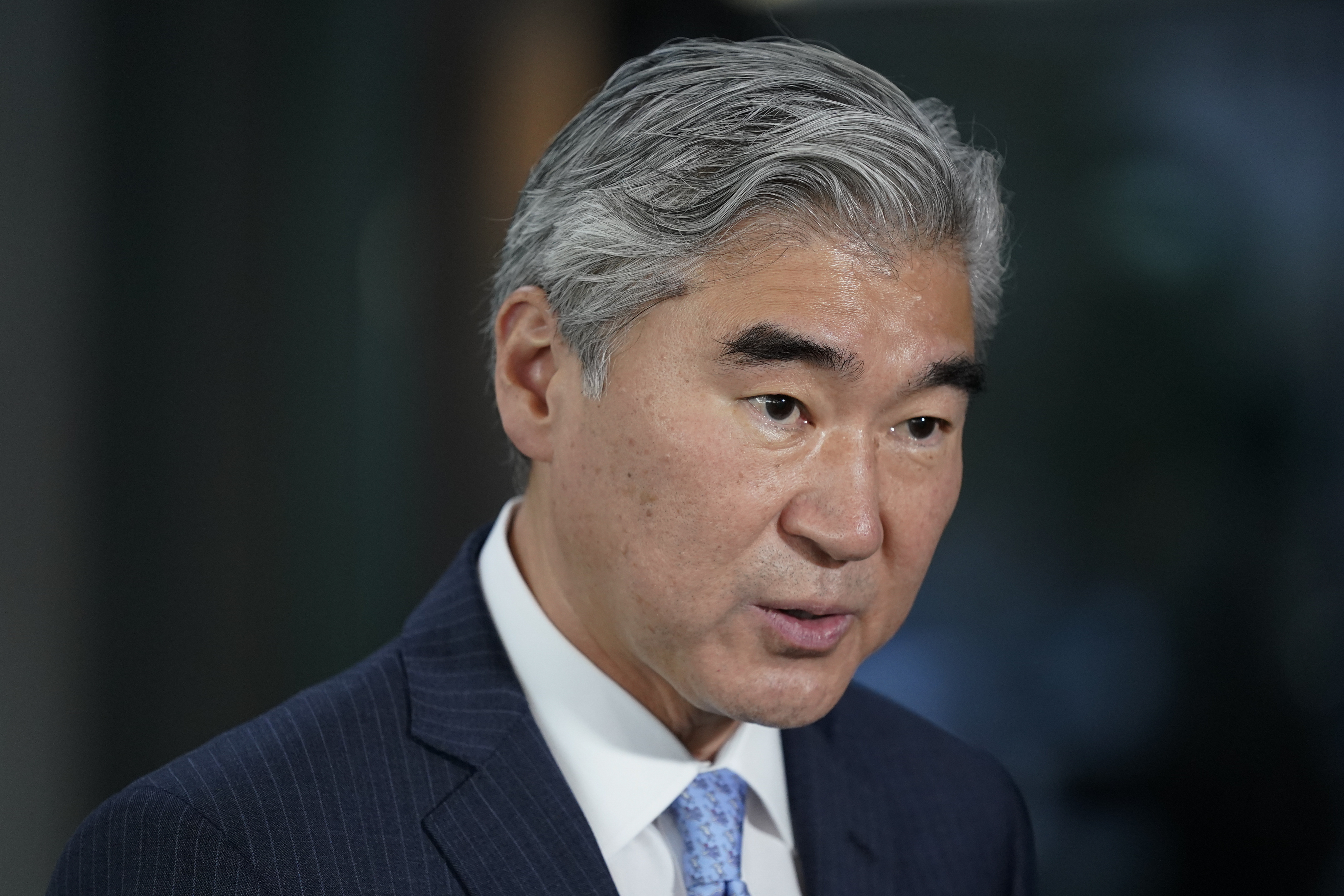
Within days, Mr Biden's special envoy for North Korea, Sung Kim, is scheduled to meet with US allies in Seoul over the prospects of reviving talks with North Korea.

US Special Representative for North Korea, Sung Kim, speaks after a meeting with South Korea's Special Representative for Korean Peninsula Peace and Security Affairs Noh Kyu-duk, Monday, Oct. 18, 2021, at the US State Department in Washington.

Nuclear negotiations between Washington and Pyongyang have stalled for more than two years over disagreements in exchanging the release of crippling US-led sanctions against North Korea and the North's denuclearisation steps.

But while North Korea is apparently trying to use South Korea's desire for inter-Korean engagement to extract concessions from Washington, analysts say Seoul has little wiggle room as the Biden administration is intent on keeping sanctions in place until the North makes concrete steps toward denuclearisation.

"The US continues to reach out to Pyongyang to restart dialogue. Our intent remains the same. We harbour no hostile intent toward the DPRK and we are open to meeting without preconditions," Mr Kim told reporters, referring to the North's official name, the Democratic People's Republic of Korea.

North Korean leader Kim Jong Un speaks during an exhibition of weapons systems in Pyongyang, North Korea, Monday, Oct. 11, 2021.

Last week, Kim Jong-un reviewed powerful missiles designed to launch nuclear strikes on the US mainland during a military exhibition and vowed to build an "invincible" military to cope with what he called persistent US hostility.

Earlier, he had dismissed US offers for resuming talks without preconditions as a "cunning" attempt to conceal its hostile policy on the North.

The country has tested various weapons over the past month, including a new cruise missile that could potentially carry nuclear warheads, a rail-launched ballistic system, a developmental hypersonic missile and a new anti-aircraft missile.

The test of the hypersonic missile on September 28 came shortly before North Korean Ambassador Kim Song called for the Biden administration to permanently end joint military exercises with South Korea and the deployment of strategic military assets to the region in his speech to the UN General Assembly.

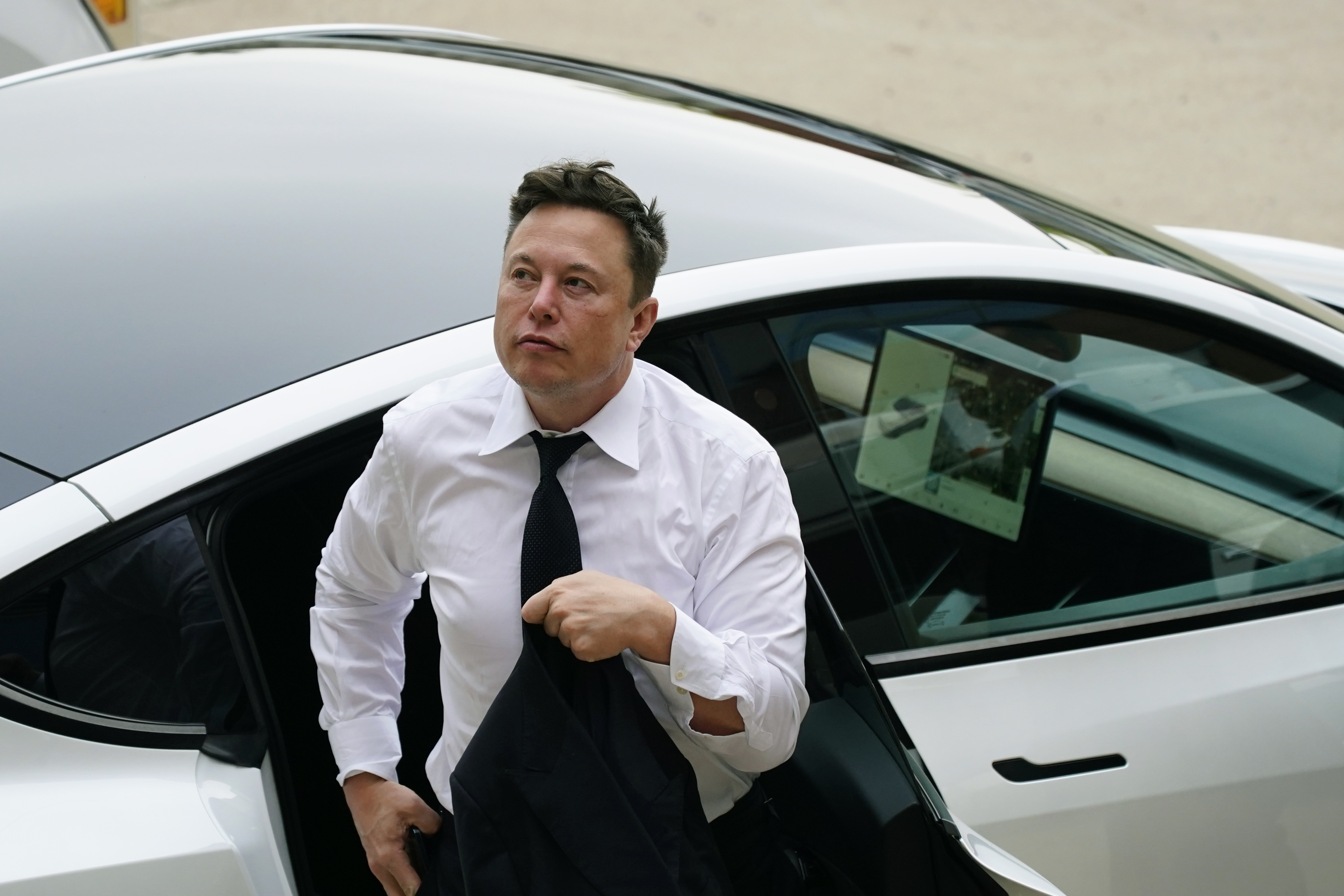
Elon Musk is now wealthier than Bill Gates and Warren Buffett combined

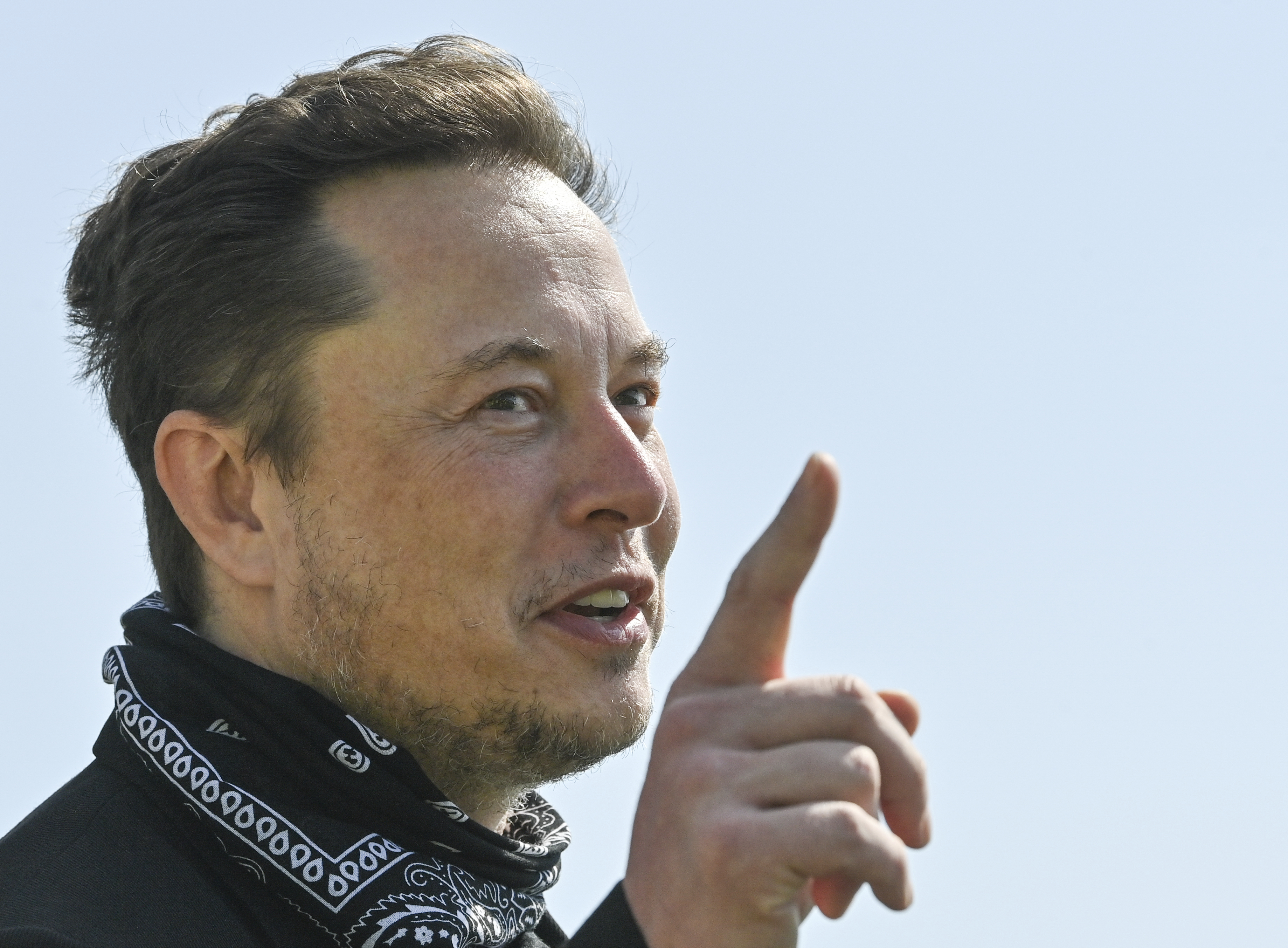
Elon Musk is once again the richest person on Earth as stock in his electric automotive company Tesla approaches a fresh all-time high.

According to the Bloomberg Billionaires Index, Mr Musk is now worth an eye-watering US$243 billion ($325.63 billion), having increased his wealth by US$73.1 billion ($97.96 billion) in the last twelve months.

He is now almost US$50 billion ($67 billion) richer than the second-placed Amazon founder Jeff Bezos, who boasts a total net worth of US$199 billion ($266 billion).

READ MORE: Search moves to coastal shacks as fears grow four-year-old WA girl was abducted

To put Mr Musk's worth into context, if he was able to liquidise his net worth he would be able to purchase more than 350,000 standard Australian homes priced at the national median of $955,000 each.

His wealth is so great that his total net worth is now more than the GDP – or entire economic output – of Egypt, Vietnam, New Zealand and Portugal.

Mr Musk is now worth more than Microsoft founder Bill Gates and Wall Street "Oracle" Warren Buffett – combined.

Much of his wealth is built into the stock price of Tesla, the groundbreaking electric automotive company he co-founded in 2004 that he owns around 20 per cent of.

READ MORE: The private videos from two weeks before Berejiklian quit

Tesla's stock is currently worth US$870, having skyrocketed in recent days as investors attempt to purchase Tesla stock before it reports its earnings later this week.

If you bought $1000 worth of Tesla stock 10 years ago – when it was worth just US$6 – your investment today would be worth a staggering $150,000.

Analysts have already given bullish forecasts for Tesla, anticipating the automotive manufacturer to announce record-breaking revenue and more vehicle deliveries than ever before.