Category Archives: headline

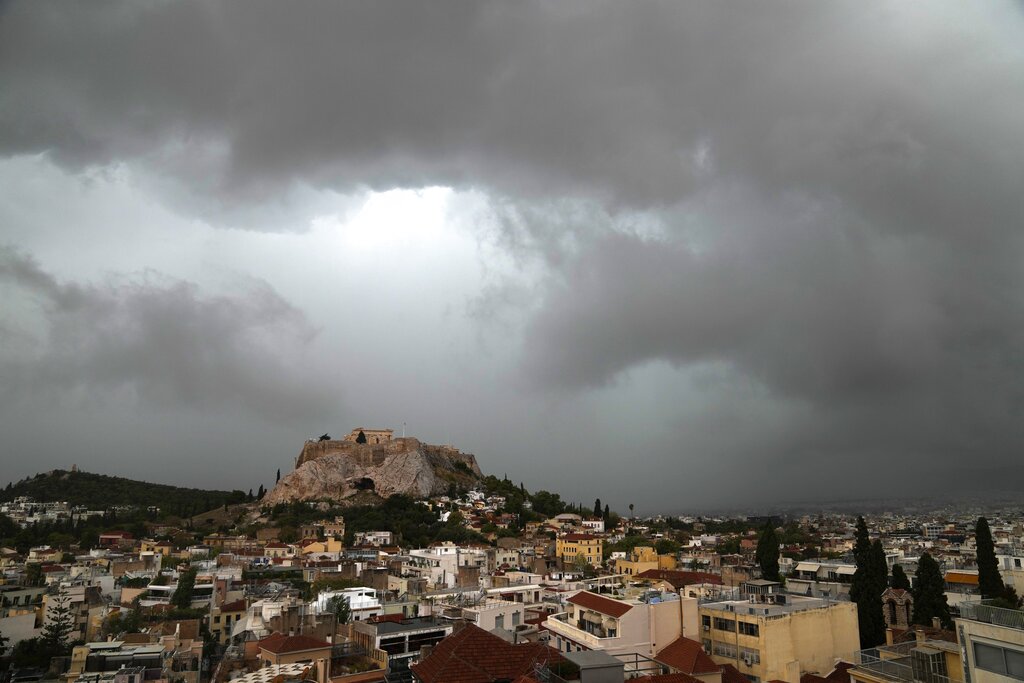
Bus tips into sinkhole as deadly storms lash Greece

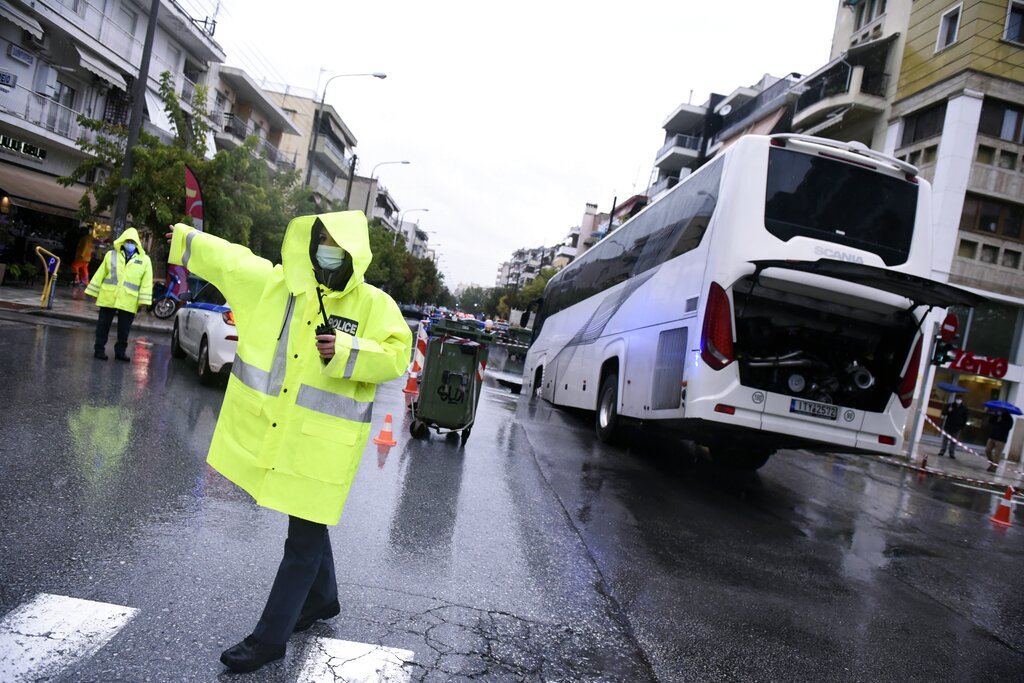
A bus transporting oil refinery workers fell into a sinkhole in the centre of Greece's second-largest city on Friday as storms continued to batter the country, damaging roads, closing schools and causing the deaths of at least two people.

Authorities said all 15 people on the bus in Thessaloniki were unharmed.

The incident occurred early on Friday as the refinery employees were heading to work.

READ MORE: UK politician Sir David Amess dies after being stabbed at constituency meeting

The front of the bus initially partially tipped into the hole, allowing people on board to escape through the rear door.

The empty vehicle later fell deeper into the hole before a crane removed it.

READ MORE: How to get your COVID-19 Vaccine Certificate

Hundreds of homes in Athens, Greece's capital, were flooded, and major roads remained closed as the storm crossed the country, heading east.

READ MORE: Man finds message in a bottle between his walls during renovations

astern states

Flooding killed one person on the Greek island of Evia, where the severe weather compounded damage from a massive August wildfire.

READ MORE: Major storm cleanup after wild weather leaves path of destruction

Torrential rain was also blamed for a traffic accident in Greece's southern Peloponnese region which left one woman dead and several people injured.

Schools were closed in Athens and many flood-hit parts of the country including on Corfu and other islands along Greece's western coast. Rescue helicopters on Corfu were used to lift stranded residents off the rooftops of flooded buildings.

USCG Drops-Off 10 Haitian Migrants in DR, Two People Smugglers Arrested

The United States has returned 10 Haitian migrants to the Dominican Republic after intercepting a boat in the Mona Passage waters near Mona Island, Puerto Rico, earlier this week.

Two other men, Dominican Republic nationals, are facing US federal criminal prosecution in Puerto Rico on migrant smuggling charges, the US Coast Guard said.

It said the interdiction is the result of ongoing local and federal multi-agency efforts in support of the Caribbean Border Interagency Group (CBIG).

”For those considering taking part in an illegal migrant voyage across the Mona Passage, don’t take to the sea,” warned Capt. Gregory H. Magee, Coast Guard Sector San Juan commander.

“You will be repatriated and returned to your country of origin or could even face possible prosecution. This is a dangerous and perilous voyage, and it is just not worth placing your life in the hands of smugglers who have no regard for your safety or well-being. These voyages most often take place in dangerous sea states, aboard grossly overloaded and unseaworthy vessels that have no lifesaving equipment.”

The Coast Guard said that during a routine patrol of the Mona Passage the crew of a US Customs and Border Protection (CBP) Marine Enforcement Aircraft detected a suspect illegal migrant vessel voyage about five nautical miles west of Mona Island, Puerto Rico.

The vessel was transporting nine men and three females, including two adult women and a 15-year-old minor, the US Coast Guard said.

The post USCG Drops-Off 10 Haitian Migrants in DR, Two People Smugglers Arrested appeared first on The St Kitts Nevis Observer.

US Open to Vaccinated International Travelers from Nov. 8

by Nathaniel Wexel
The Hill

The United States will lift border restrictions for fully vaccinated international travelers beginning Nov. 8, according to the White House.

The policy will be effective for both land borders and air travel.

“The US’ new travel policy that requires vaccination for foreign national travelers to the United States will begin on Nov 8. This announcement and date applies to both international air travel and land travel. This policy is guided by public health, stringent, and consistent,” White House assistant press secretary Kevin Munoz said on Twitter.

Restrictions on international travelers have been renewed monthly since the beginning of the pandemic in March 2020, even as other countries have opened up their borders to fully vaccinated Americans.

The Biden administration on Tuesday said it would lift restrictions at its land borders and ferry crossings with Canada and Mexico for fully vaccinated foreign nationals in early November.

Unvaccinated travelers will still be prohibited from traveling to the United States by land for nonessential reasons until January.

Beginning in early January, any foreign national travelers crossing the land borders must be fully vaccinated, whether coming for essential or nonessential reasons.

A similar policy for international air travel was announced last month, when the White House said it would allow fully vaccinated travelers from 33 countries, including China, Brazil and most of Europe.

All foreign visitors must be vaccinated against COVID-19, and must show proof of vaccination before boarding a U.S.-bound airline. They must also provide a negative test taken no more than 72 hours prior to flying.

People traveling from Mexico or Canada do not need to show a negative test.

The administration will leave it up to the Centers for Disease Control and Prevention to determine which vaccines qualify. According to an administration official, the agency has already informed airlines that all Food and Drug Administration approved and authorized vaccines, as well as all vaccines recognized by the World Health Organization, will be accepted for air travel.

Biden administration officials in June formed working groups with Canada, Mexico, the European Union and the United Kingdom to weigh when to lift international travel restrictions, and in mid-July it seemed the administration was close to announcing a change. But as the delta variant spread and infections rose, the administration said the closures would remain in place.

Now, rather than a patchwork of bans based on different countries and their COVID-19 infection levels, the new policies will be based on individuals.

Experts have said picking and choosing countries based on infections is arbitrary because the disease is already entrenched in the U.S.

The post US Open to Vaccinated International Travelers from Nov. 8 appeared first on The St Kitts Nevis Observer.

For the Caribbean, relations with the US and China is not one or the other

By Sir Ronald Sanders 

On October 12, more than a dozen representatives in the US Congress sent a letter to the US Trade Representative, Katherine Tai, asking for immediate attention to what they describe as “the growing influence of the Chinese Communist Party in both Latin America and the Caribbean trade and economic development”.

The US Congresspersons have come to this realization years after Caribbean representatives in Washington – me included – have been saying to successive US Governments and Congress that the US has been absent as a meaningful contributor to the Caribbean development for almost two decades.

The vacuum that  the US left has been filled by the Peoples Republic of China, and it would be unreasonable for the US government or Congress to expect Caribbean countries to defer or delay their urgent development needs, waiting for the US to refocus its attention on the region.

Further, the terms of China’s loans to many Caribbean nations have been far more concessionary even than World Bank and IMF loans to lower and lower middle-income countries, and China does not use per capita income as a criterion for disqualifying high income but vulnerable and underdeveloped Caribbean countries, from eligibility for loans and grants.

US Congress persons and US government policy makers should take these realities into account when they say, as they did to the US Trade Representative, “Economic prosperity and solidified trading relationships is slowing, becoming a matter of national security.”

Caribbean countries do not regard the loans and other economic arrangements they have with China as a threat to US national security, and no member state of CARICOM has put any policies or programmes in place that affect US national security.  Indeed, CARICOM countries have remained faithful to importing goods and services from the US, even though US assistance and investment in the sub-region has steadily declined.

Here are a few facts of which the 13 US Congress persons, who signed the 12 October letter, appear to be unaware.  First, with the exception of Haiti (which for the US is a special case), the 14-nation independent states of the Caribbean Community have been at the bottom of US official development assistance for decades.  In 2019, for instance, total US foreign assistance globally was US$47 billion, of which all CARICOM countries received US$338 million or 0.7%.  For emphasis, that is less than 1% of the global total.  Haiti alone received  US$268 million of that US$338 million delivered to all 14 CARICOM states, leaving the other 13 to share US$70 million only.  For 9 of the 13 countries, the sum provided did not amount to US$1 million.

On trade, the US remained the dominant trading partner of CARICOM states, enjoying a trade surplus of US$6.5 billion.   So, while it is factual that trade between Caribbean countries and China has increased in recent years, no trade in goods with the US was displaced, and certainly no trade in services.  And, on foreign assistance to the region, if China is now delivering more to the Caribbean than the US, it should hardly be a matter of complaint by the US.

Among the references made about China is that its representatives use sharp practices in negotiating contracts with Caribbean countries which could lead to seizure of vital infrastructure should defaults occur on repayment of loans.  These references suggest that representatives of Caribbean countries lack the skill to negotiate contracts that are in their interest – an assertion most CARICOM governments would reject.   It also suggests that CARICOM countries have not encountered similar practices from other countries that have led to uneven contracts – the Economic Partnership Agreement between the European Union collectively and each CARICOM country individually being a case in point.

What US policy makers should regard as undeniable is that China is giving more scholarships to Caribbean students to upgrade their knowledge and capacity than the US.  In fact, the US poaches Caribbean doctors, nurses and teachers – trained at great expense by Caribbean taxpayers.  In the end, if the US continues this practice, they will have only themselves to blame if the Caribbean professionals and influencers of the future know China better than the US.

To be sure, the 13 Congress persons who wrote to the USTR were more concerned about China’s relationship with the bigger countries of Latin American than they were about the Caribbean.  The Caribbean is usually a forgotten appendage to Latin America among most US policy influencers, including its think-tanks.  It is that concern about loss of trade benefits and influence over Latin American markets that caused them to say, “We believe that it is of the highest priority for the US to keep its relationships strong with our neighbors in the Western Hemisphere. Before long, China will be significantly positioned to completely dominate Western Hemisphere economics, as China is already the top trading partner for practically all of Asia, Oceania, Eastern Europe, Africa and, as stated, most of South America.”

If China comes to dominate Western Hemispheric economics, it will be because of a long period of US neglect and the slow process to recognising that the US must re-engage Latin America and the Caribbean in genuine cooperation and not with one-sided strategies that are long on words, but short on allocation and delivery of funds.

In any event, Latin American and Caribbean countries, concerned about improving their economies and advancing the social and economic conditions of their peoples, do not subscribe to a rivalry between China and the US in their region and hemisphere.   They would all declare that there is ample room for economic and other forms of mutually beneficial cooperation with both China and the US.

Responses and previous commentaries: www.sirronaldsanders.com 

(The writer is Antigua and Barbuda’s Ambassador to the US and the OAS.  He is also Senior Fellow at the Institute of Commonwealth Studies, University of London and Massey College in the University of Toronto.   The views expressed are his own) 

The post For the Caribbean, relations with the US and China is not one or the other appeared first on The St Kitts Nevis Observer.

Several CARICOM Members to Receive COVID-19 Vaccines from PAHO

Jamaica and Guyana are among four Pan American Health Organisation (PAHO) member countries slated to benefit from 1.3 million doses of COVID-19 vaccines recently donated by the United States, Canada, Germany and Spain.

Director of the Washington-based organisation, Dr Carissa Etienne, said the doses will be used to boost vaccination coverage in those two Caribbean Community (CARICOM) nations as well as Argentina and Honduras.

Additionally, she said PAHO is supporting Jamaica, along with Guatemala and Nicaragua, in finalising preparations to receive shipments being provided through the World Health Organisation (WHO) COVID-19 Vaccine Global Access (COVAX) Facility, and bilateral arrangements.

Etienne indicated that these undertakings form part of PAHO’s efforts to assist regional countries to meet the WHO’s 40 per cent global vaccination target for countries by year’s end. She informed that 29 countries and territories across the Americas have, to date, immunised 40 per cent or more of their populations against COVID-19. Additionally, she said 39 per cent of populations within Latin America and the Caribbean are fully vaccinated.

Despite this, the PAHO boss said coverage is much lower “in far too many [other] places.”

Etienne indicated that countries like Jamaica, St Lucia, St Vincent and the Grenadines, and Haiti in the Caribbean, and Guatemala and Nicaragua in Central America, have yet to vaccinate 20 per cent of their populations.

She said factors contributing to this include vaccine shortage due to unequal distribution; supply delays; shortage of syringes; and logistical challenges, noting that “vaccine hesitancy among some groups remains a problem”.

“As we have said before, vaccines will help end this pandemic and PAHO is committed to supporting every country in our region to reach and exceed WHO targets. We’re working to accelerate vaccine deliveries in our region – including COVAX-procured and donated doses – especially for countries where coverage remains low,” Etienne said.

The PAHO director said her organisation welcomes the gesture by several regional countries of sharing doses “so we can make the most of the available supplies”.

“As more vaccine doses are making their way to our region, we urge countries to make the necessary preparations, so these doses can be used as quickly as possible,” she added.

The post Several CARICOM Members to Receive COVID-19 Vaccines from PAHO appeared first on The St Kitts Nevis Observer.

World View: Texas Abortion Ban, Russian Vaccine Demand, Beirut Battle, More

Oct 15, 2021

Alternate text

The Associated Press

The Rundown

I'm an image

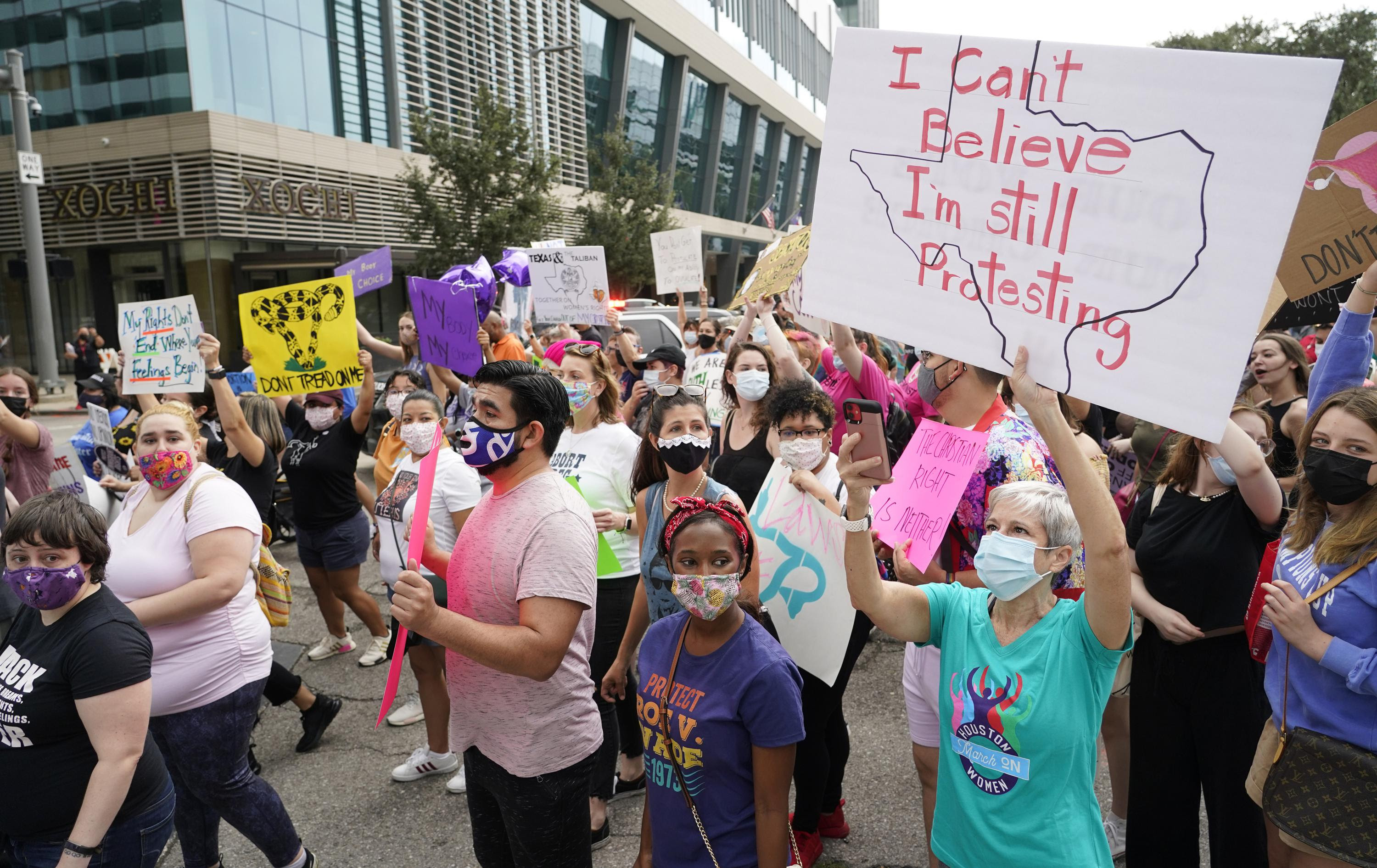
AUSTIN, Texas (AP) — Texas can continue banning most abortions after a federal appeals court rejected the Biden administration’s latest attempt to stop a novel law that has become the nation’s biggest curb to abortion in nearly 50 years….Read More

I'm an image

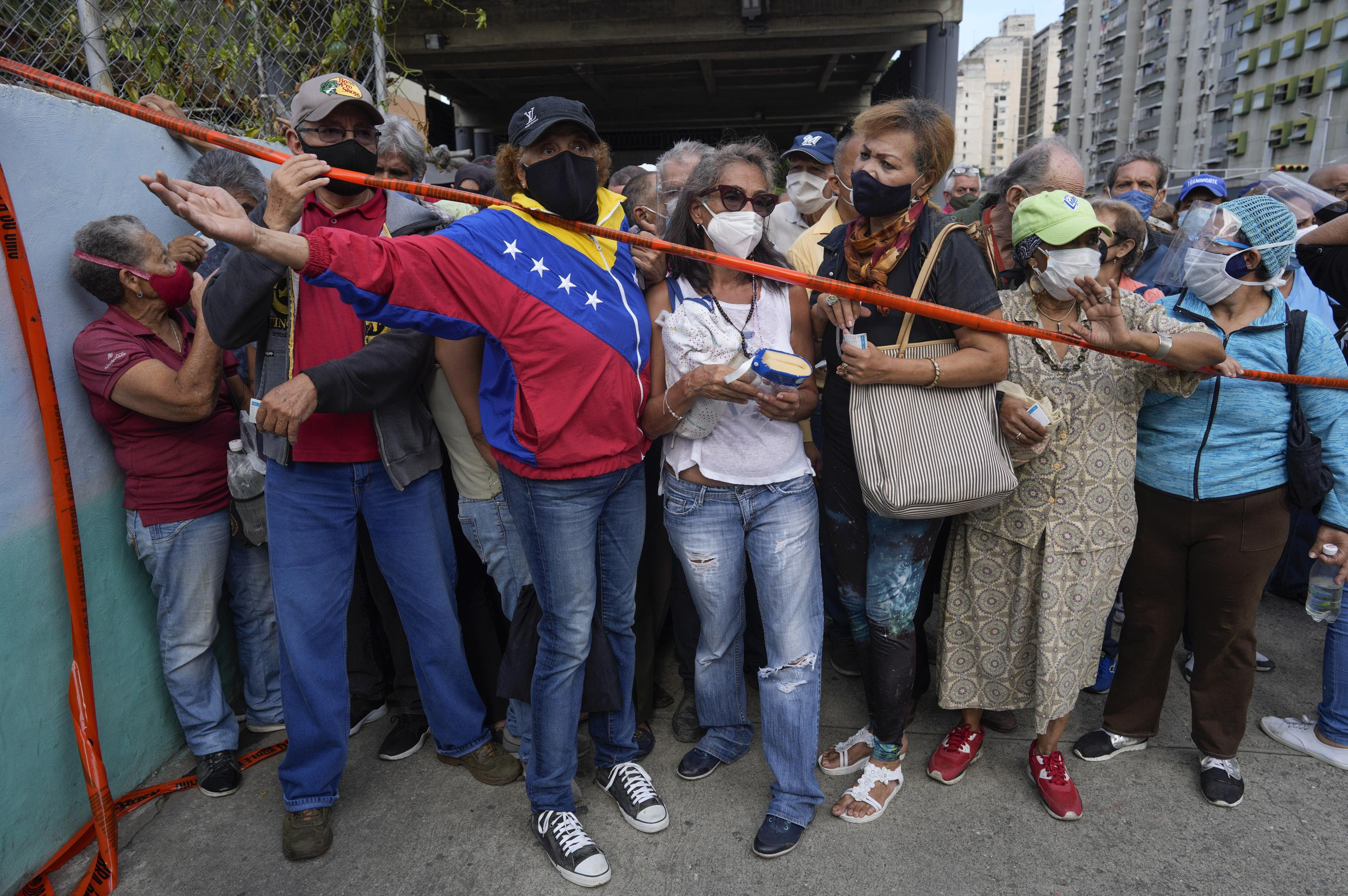
CARACAS, Venezuela (AP) — Esperita García de Perez got her first vaccination against COVID-19 in May. That, along with her Catholic faith, made her feel better protected against the virus, and she had hoped to get her second shot of the …Read More

I'm an image

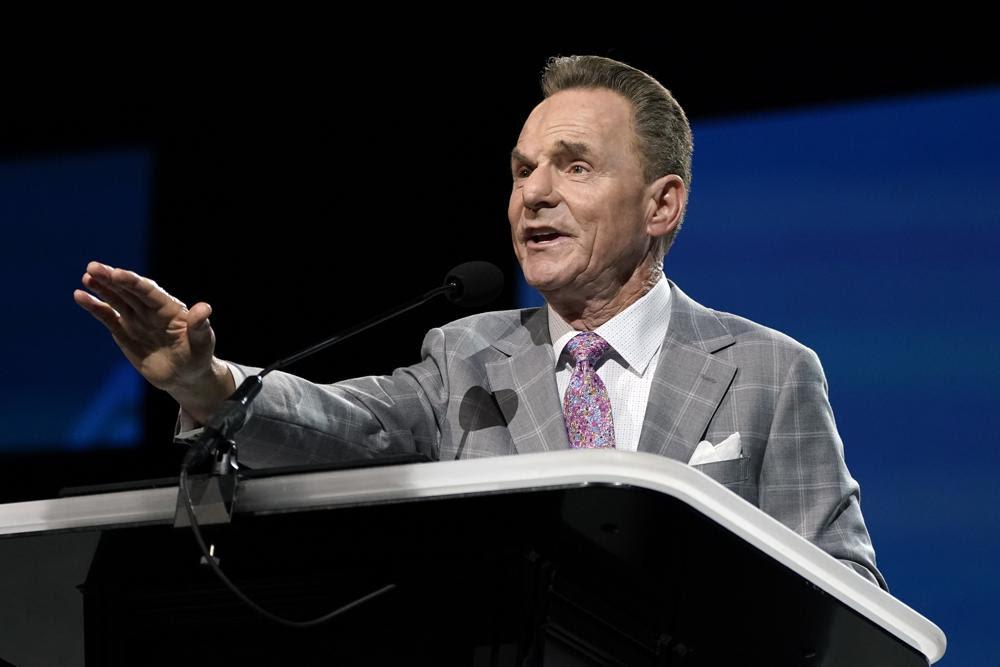
NASHVILLE, Tenn. (AP) — A top Southern Baptist Convention administrator is resigning after weeks of internal division over how best to handle an investigation into the denomination’s response to sexual abuse reports. …Read More

I'm an image

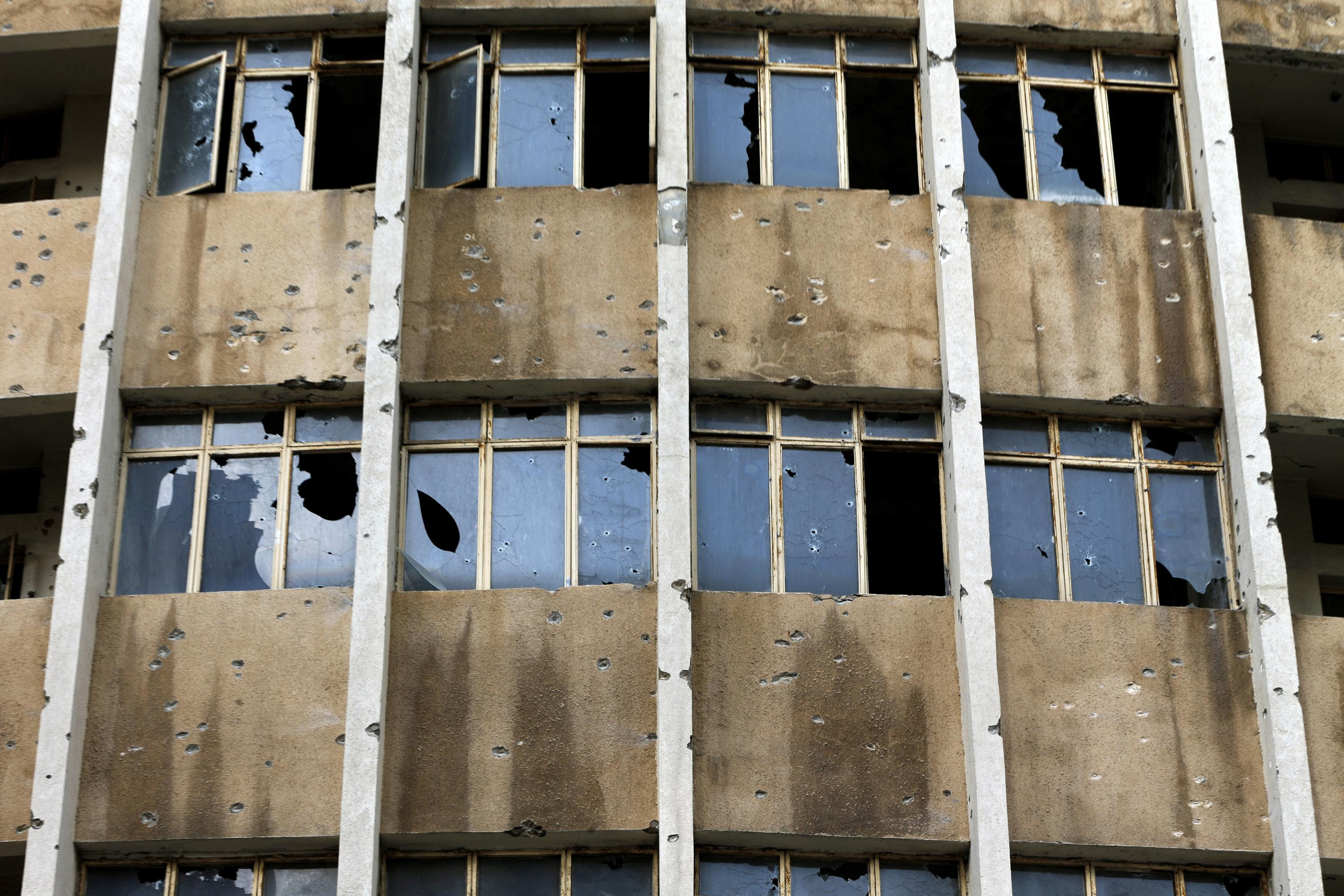
BEIRUT (AP) — Schools, banks and government offices across Lebanon shut down Friday after hours of gun battles between heavily armed militias killed six people and terrorized the residents of Beirut. …Read More

I'm an image

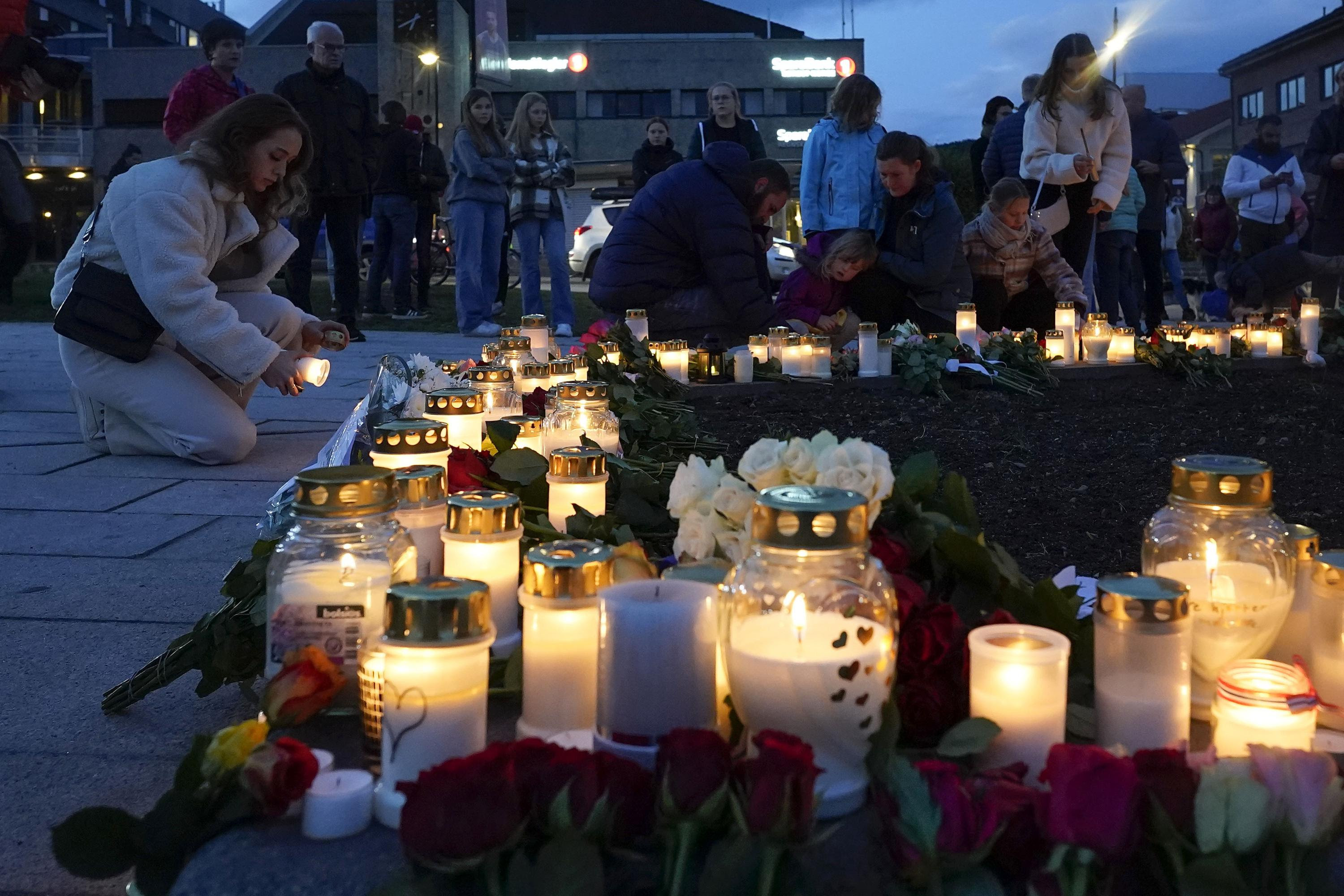
KONGSBERG, Norway (AP) — The suspect in a bow-and-arrow attack that killed five people and wounded three in a quiet Norwegian town this week is facing a custody hearing Friday. He won’t appear in court because he has has confessed to the…Read More

OTHER TOP STORIES

WASHINGTON (AP) — The Biden administration is taking steps to address the economic risks from climate change, issuing a 40-page report Friday on government-wide plans to pr…Read More

NEW YORK (AP) — To Charlotte Bennett, the new book that arrived at her Manhattan apartment this week — Anita Hill’s “Believing” — was more than just a look at gender violen…Read More

FORT LAUDERDALE, Fla. (AP) — A last-minute court hearing is set Friday in Florida for Nikolas Cruz, the man police said has confessed to the 2018 massacre of 17 people at a…Read More

LOS ANGELES (AP) — Cher has sued the widow of her former musical partner and ex-husband Sonny Bono over royalties for Sonny and Cher songs including “I Got You Babe” and “T…Read More

The post World View: Texas Abortion Ban, Russian Vaccine Demand, Beirut Battle, More appeared first on The St Kitts Nevis Observer.

Health Needs Remain High in Earthquake Ravaged Haiti

Two months since a magnitude 7.2 earthquake struck southern Haiti, medical needs remain high in the affected areas.

While many people injured in the earthquake continue their treatment and rehabilitation, other medical needs have increased in the earthquake-affected areas due to the destruction of homes, health facilities, and other infrastructure.

In response, Doctors Without Borders/Médecins Sans Frontières (MSF) has been supporting hospitals and clinics with staff, supplies, reconstruction, and water and sanitation services. At hospitals in Les Cayes, Jérémie, and Port-au-Prince, MSF has provided surgical and post-operative care to 230 people with severe injuries from the earthquake.

“Many of our hospitalized patients have now been discharged and are receiving follow-up care as they continue their rehabilitation,” explains Raphaël Torlach, MSF emergency coordinator in Les Cayes. “We are helping patients with transportation and lodging so they can attend their appointments, because some live far away.”

At the Immaculate Conception Hospital in Les Cayes, the number of patients arriving in the emergency room and the number of surgeries remain very high. An MSF medical team works together with the hospital’s staff to treat patients in the emergency, surgery, and post-operative wards, while also supplying medication and equipment.

“Nearly 50 patients are still hospitalized in the hospital wards we support,” Torlach says. “They include earthquake survivors with severe injuries but also patients with other traumatic injuries.”

In Port-a-Piment, the earthquake severely damaged a public hospital where MSF has provided sexual and reproductive health care for years. Medical services were initially moved outside to tented areas, and MSF renovated its logistical base in Port-a-Piment to provide a space for MSF and hospital staff to treat patients safely.

The OFATMA Hospital in Les Cayes was also badly damaged in the earthquake. Working along with hospital staff, an MSF medical team is preparing to manage pediatric and neonatal care in hospital tents. MSF is also building and equipping a delivery room and providing tents for pre- and postpartum care.

To reach people in isolated areas of Haiti’s Sud department, MSF organized mobile clinics along the southern coast and in the mountains, as well as in displacement camps in Les Cayes. The mobile clinic teams—with a doctor, nurses, health promoters, and often a psychologist—have carried out more 7,300 patient consultations so far, providing primary health care and mental health services.

With time, the number of patients with earthquake-related injuries has decreased, but many people have ailments related to poor sanitation and living conditions, such as skin lesions, acute respiratory infections, parasites, gastritis, and genital and urinary tract infections. Patients with severe conditions are referred to functional health facilities for care. These include malnutrition, infected wounds and abscesses, pregnancy complications, unmanaged chronic conditions, and post-traumatic stress disorder.

This week, MSF will finish distributing 5,000 kits of relief items to villages and displacement camps in the Sud department.

In Haiti’s Nippes department, MSF teams have supported health facilities with donations of medical supplies, tents and financial support. Over the last four weeks, MSF’s mobile clinic teams have treated 1,416 people, mostly for abdominal pain, gastritis, infections and fever.

In the community of Baradères, the earthquake damaged or destroyed thousands of homes, forcing people to sleep outside or under makeshift shelters. It also damaged water systems, forcing people to find alternative sources.

“While we responded to the immediate needs with water trucking, installation of water bladders and an emergency surface water treatment plant, we also put a big focus on ensuring water supply for the community for the longer-term, with the repair of water infrastructure,” said Sadie St. Denis, MSF emergency coordinator in Nippes.

MSF teams have distributed non-food items such as jerrycans, water purification tablets, soap, hammers, plastic sheeting, blankets and mosquito nets to help families build shelters and reduce the health risks associated with unsanitary conditions.

The post Health Needs Remain High in Earthquake Ravaged Haiti appeared first on The St Kitts Nevis Observer.

Peru’s Marxist Ruling Party Breaks with President Over ‘Caviar Cabinet’

LIMA, Oct 14 (Reuters) – Peru’s ruling Marxist party said on Thursday that the government of President Pedro Castillo has swerved towards the right and that it would withhold support for what it called a “caviar cabinet” in the opposition-dominated Congress.

Castillo, an elementary school teacher who won a shock election earlier this year running for the Peru Libre party, reshuffled his cabinet last week, replacing his far-left prime minister and other ministers with more moderate officials.

The shift towards the center has bolstered Peru’s financial markets but created a rift with the hard-core wing of his socialist party, foreshadowing a more hostile political arena ahead for Castillo who rode to power pledging major reforms.

The breakaway by his party, however, is unlikely to be enough to torpedo the new cabinet, with a fragmented Congress seen to be generally in favor of the more moderate make-up.

On Wednesday, the sol currency of the world’s No. 2 copper-producing country hit its strongest level since Castillo took office in late July. NL1N2R92KY

Castillo’s abrupt rise to the presidency had rattled markets and investors, concerned over his calls during the campaign for major reform of mining taxes and plans to redraft the market-friendly constitution.

However, his new prime minister, moderate left-wing lawyer Mirtha Vásquez, said constitutional change was not a priority. Castillo also recently confirmed that central bank chief Julio Velarde would stay in his role, signaling policy stability.

“There is an undeniable political turn of the government and its cabinet towards the center-right,” Peru Libre said in a statement on Twitter posted by party leader Vladimir Cerrón, a doctor and admirer of leftist governments in Cuba and Venezuela.

The party’s statement came after a national assembly of its leaders on Wednesday, Cerrón said.

Peru Libre has 37 representatives in Peru’s unicameral Congress of 130 legislators, the largest single party bloc. The right-wing and center-right parties, led by the party of former presidential candidate Keiko Fujimori, make up an opposition majority albeit in the assembly.

The Marxist party also announced plans to shake up its legislators in Congress, after some lawmakers from the group allied to the president signaled support for the reshuffle.

“We will not cast a vote of confidence in the caviar cabinet,” the party statement said, using a mocking term it often deploys against moderate, progressive leftists.

Vásquez will appear in Congress in the next few days to seek approval for her cabinet team.

Reporting by Marco Aquino; Editing by Adam Jourdan and Mark Heinrich

The post Peru’s Marxist Ruling Party Breaks with President Over ‘Caviar Cabinet’ appeared first on The St Kitts Nevis Observer.

U.S. Prepares to Resume Trump ‘Remain in Mexico’ Asylum Policy in November

Oct 15 (Reuters) – President Joe Biden’s administration is taking steps to restart by mid-November a program begun under his predecessor Donald Trump that forced asylum seekers to wait in Mexico for U.S. court hearings after a federal court deemed the termination of the program unjustified, U.S. officials said Thursday.

The administration, however, is planning to make another attempt to rescind the Migrant Protection Protocols (MPP), commonly called the “Remain in Mexico” policy, even as it takes steps to comply with the August ruling by Texas-based U.S. District Court Judge Matthew Kacsmaryk, the officials said.

The possible reinstatement of MPP – even on a short term basis – would add to a confusing mix of U.S. policies in place at Mexican border, where crossings into the United States have reached 20-year-highs in recent months. The administration said it can only move forward if Mexico agrees. Officials from both countries said they are discussing the matter.

Mexico’s foreign ministry said in a statement on Thursday that it has expressed a “number of concerns” over MPP to U.S. officials, particularly around due process, legal certainty, access to legal aid and the safety of migrants.

Trump, a Republican known for hardline immigration policies, created the MPP policy in 2019, arguing that many asylum claims were fraudulent and applicants allowed into the United States might end up staying illegally if they skipped court hearings. Biden, a Democrat, ended the policy soon after taking office in January as part of his pledge to take a more humane approach to border issues.

Immigration advocates have said the program exposed migrants to violence and kidnappings in dangerous border cities where people camped out for months or years in shelters or on the street waiting for U.S. asylum hearings.

Biden in March said that “I make no apology” for ending MPP, a policy he described as sending people to the “edge of the Rio Grande in a muddy circumstance with not enough to eat.”

After the Republican-led states of Texas and Missouri sued Biden over his decision to end the program, Kacsmaryk ruled in August that it must be reinstated. The U.S. Supreme Court, whose 6-3 conservative majority includes three justices appointed by Trump, subsequently let Kacsmaryk’s ruling stand, rejecting a bid by Biden’s administration to block it.

The administration has said it will comply with Kacsmaryk’s ruling “in good faith” while continuing its appeal in the case. The administration also plans to issue a fresh memo to terminate the program in the hopes it will resolve any legal concerns surrounding the previous one, officials said.

“Re-implementation is not something that the administration has wanted to do,” a U.S. Department of Homeland Security (DHS) official, speaking on condition of anonymity, said in a call with reporters. “But in the interim we are under this obligation of the court.”

The official said the administration has taken steps including preparing courts, some housed in tents, near the border where asylum hearings could be held.

For MPP to restart, Mexico has said that it first wants to make sure migrants have access to legal counsel and that particularly vulnerable people are not returned, a second DHS official said.

A senior Mexican official, also speaking on condition of anonymity, said that while conversations have been underway through a working group since the August Supreme Court ruling, “there is no decision at this point.”

Biden has left in place another policy that Trump implemented in March 2020 early in the COVID-19 pandemic that allows for most migrants caught crossing the border to be rapidly expelled for public health reasons, with no type of asylum screening. One DHS official said that policy will continue.

Mexico has also expressed its concern over this policy, the foreign ministry said on Thursday, warning that it incentivises repeat crossings and puts migrants at risk.

In a win for Mexico on a separate front, the United States said this week it will lift restrictions at its legal ports of entry for fully vaccinated foreign nationals in early November, ending curbs on non-essential travelers during the pandemic.

Reporting by Mica Rosenberg in New York and Kristina Cooke in San Francisco; Additional reporting by Frank Jack Daniel; Editing by Will Dunham

The post U.S. Prepares to Resume Trump ‘Remain in Mexico’ Asylum Policy in November appeared first on The St Kitts Nevis Observer.