Category Archives: headline

Grenada Health Authorities Worried About the Decline in Vaccination Rate

by Amelia Robinson

CNW- As the Covid-19 situation improves in Grenada, there has been a decline over the last three weeks in the number of persons taking the vaccine.

Speaking at the weekly post Cabinet press briefing, acting permanent secretary with responsibility for Hospital Services and Health Services, Julien St. Paul told reporters that the situation is troubling for health authorities.

Grenada in recent weeks recorded a considerable decline in the number of positive cases, hospitalization, deaths, and positivity rates linked to the pandemic.

She said that the encouraging decline in infections came at a price, “not only a financial burden to our health system, but also one where we have lost a significant number of our elderly citizens.”

“It leaves us to ask the question, are we getting comfortable with the decline in the positivity rate? The number of new infections has been dropping consistently in the last three weeks. However, one death is too many.”

“We wish to take the opportunity to appeal to all. Let us not lower our guard because of the reduced level of positivity and restrictions. Let us all remember that while the numbers are down, the virus is still within our midst.”

St Paul further stated that the Ministry had to implement measures to re-assign health services and also had to put on hold specialist services within the hospital.

“ These actions had to be taken to obtain the necessary human resource to create additional health care teams to be deployed to communities and provide extended hours of services within the health districts.”

Meanwhile Dr. Tyhiesia Donald, Director of Medical Services is encouraging Grenadians to take the vaccine as it is the only way to get back to normal. She further stated that even though there has been a decline in the number of positive cases, persons should still follow the established Covid-19 guidelines; washing of hands, wearing of masks, sanitizing and social distancing.

“The numbers are decreasing, but in order to flatten the curve, behavior is very important. We want to ensure that we maintain good behavior to prevent the spread. If we continue to observe all Covid-19 protocols and avoid large crowds, the number will decrease and flatten the curve”.

Dr. Dolland Noel, Head of Internal Medicine, General Hospital is reporting that some persons who have contracted Covid-19 are now suffering from what he termed as “Post-covid Syndrome”.

“As a clinician, I can tell you that there are already patients who have Covid-19 consequences,” he says. The sickness lasts seven to fourteen days, and most patients who come to our facility recover and are discharged within that time frame. However, some patients acquire a condition known as post-Covid-syndrome,” he said during the cabinet’s weekly press briefing.

Dr. Noel, who is also the head of the Covid-19 Medical Response Team, told reporters that among the symptoms are chronic fatigue or feeling tiredness, persistent shortness of breath and coughing, no sense of smell or taste, as well as neurological symptoms such as depression and anxiety.

“It’s always best to protect ourselves and prevent getting it in the first place” he stated, as viral infections usually have a squealae
Dr. Noel said all those infected by COVID-19 can get a sequelae which can persist for weeks and or months after the initial recovery stage and that persons who believe they were infected should seek medical counselling.

“What I want to stress to you, is that there are some of you out there who may have had the mild disease because 80 per cent of the population who were affected by Covid-19 are going to have mild disease, a little body ache, a little headache a little fever and you may recover without medical attention but what about that other 20 percent who may have moderate and severe disease,” he said.

“Please take the necessary measures to avoid contracting the virus, we are still vulnerable. Even though the numbers are decreasing. More than 66 percent of the population have not taken the vaccine to give us that protection. If our vaccination rate remains low it is possible that we will have another outbreak of Covid-19.” Dr. Noel reiterated.

Grenada has recorded more than 5,000 positive cases as well as 182 deaths since mid-August after having recorded only one death since January from the virus. More than 300 patients have been hospitalized as a result of this wave of the virus.

The post Grenada Health Authorities Worried About the Decline in Vaccination Rate appeared first on The St Kitts Nevis Observer.

World View: Climate Talks, Deadly Taiwan Fire, Norway Murders, Africa Vaccine Gender Gap, More

Oct 14, 2021

Alternate text

The Associated Press

The Rundown

I'm an image

WASHINGTON (AP) — U.S. climate envoy John Kerry is tempering expectations for a U.N. climate summit sometimes billed as make-or-break for the Earth’s future, conceding next month’s talks likely will end with nations still short of the target of cuts…Read More

I'm an image

SHREVEPORT, La. (AP) — The 33-year-old Texas woman drove alone four hours through the night to get to the Louisiana abortion clinic for a consultation. She initially planned to sleep in her car, but an advocacy group helped arrange a hotel room. …Read More

I'm an image

TAIPEI, Taiwan (AP) — The death toll from a fire in southern Taiwan that engulfed a building overnight has further risen to 46, according to officials Thursday who said at least another 41 people were injured….Read More

I'm an image

COPENHAGEN, Denmark (AP) — A Danish man who is in custody in Norway suspected of a bow-and-arrow attack on a small town that killed five people and wounded two others is a Muslim convert who had previously been flagged as having being radicalized, p…Read More

I'm an image

SARE GIBEL, Gambia (AP) — The health outreach workers who drove past Lama Mballow’s village with a megaphone handed out T-shirts emblazoned with the words: “I GOT MY COVID-19 VACCINE!”…Read More

OTHER TOP STORIES

KABUL, Afghanistan (AP) — As their flight to Islamabad was finally about to take off, Somaya took her husband Ali’s hand, lay her head back and closed her eyes. Tension ha…Read More

DENPASAR, Indonesia (AP) — The Indonesian resort island of Bali welcomed international travelers to its shops and white-sand beaches for the first time in more than a year …Read More

SANTA BARBARA, Calif. (AP) — Shifting winds posed new challenges for firefighters battling a blaze in Southern California coastal mountains that threatened ranches and rura…Read More

SEOUL, South Korea (AP) — A North Korean soldier clad in a super-tight blue outfit in a state media photo has generated a buzz on social media, with some calling him “a sup…Read More

The post World View: Climate Talks, Deadly Taiwan Fire, Norway Murders, Africa Vaccine Gender Gap, More appeared first on The St Kitts Nevis Observer.

Cubans Among Migrants Arriving in Belarus, Headed for EU

People from as far as Cuba are heading to Belarus to try to enter the European Union. But pushbacks and violence along the Polish border mean that fewer migrants are succeeding with their plans. The EU believes that Belarus is deliberately sending migrants across the border to destabilize the bloc.

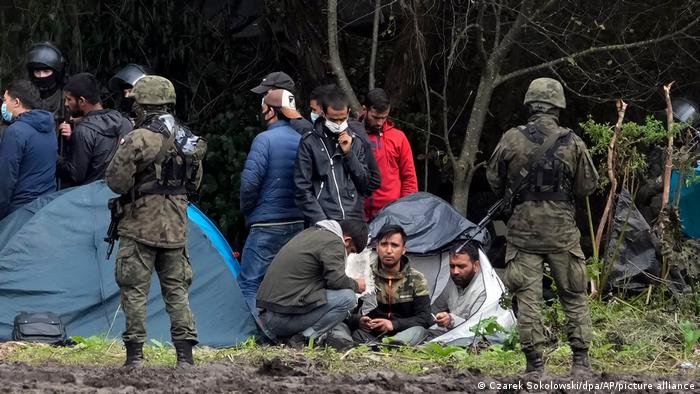
People from all over the Middle East, Central Asia and Africa try to make their way into the EU. An estimated 16,000 migrants and refugees have been stopped by Poland’s border patrol for illegally crossing the country’s 250-mile-long border with Belarus since August alone. Following the Taliban takeover in Afghanistan in August, the number of Afghan nationals showing up on the border has witnessed a particularly sharp rise.

But recently, there have also been reports of Cuban nationals joining the scores of would-be asylum seekers waiting for the right opportunity to make clandestine journeys into EU-member Poland.

Read more: Poland: Border crackdown extended amid fears more migrants may die

They abandon the Caribbean climate of Cuba usually by plane, heading for the Russian capital Moscow, where people smugglers have reportedly arranged to collect them to transport them into Belarus — a key ally of Russia — under the watchful eye of the authorities.

“(T)hat’s where our journey got a lot worse,” a malnourished and injured Cuban national named Doniel Machado Pujol told Washington-based National Public Radio (NPR) after being caught by Polish police while trying to sneak into the EU.

Read more: Significant increase in the number of asylum seekers from the Americas to Germany

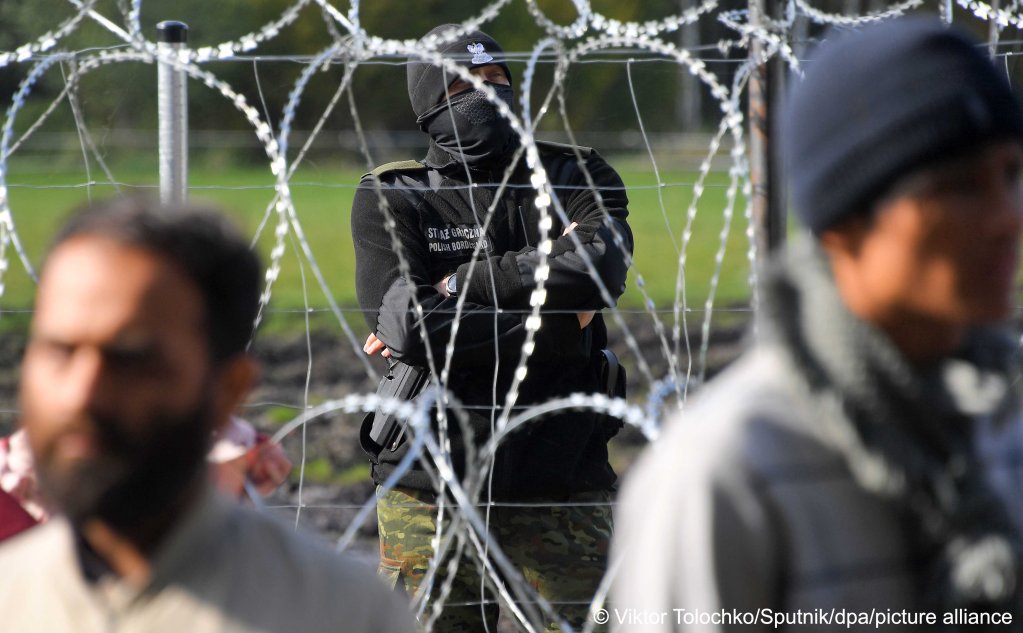
The barbed-wire border fence between Poland and Belarus | Photo: Viktor Tolochko/Sputnik/dpa/picture alliance

Violence used as a deterrent

Pujol highlights that with each time he is forcibly returned to Belarus, he faces increasingly brutal beatings by authorities on either side of the border: His legs are bruised and cut after Belarusian soldiers reportedly beat him with metal pipes, threatening to do worse if they were to see him again. There have even been allegations of shots being fired along the border.

“Don’t send me back! They’ll kill me! Look at what they’ve done to my legs,” he begs as he is being processed to be sent back. “They have no respect for human dignity or human rights,” the 29-year-old tells NPR.

“We are like footballs in a game between Poland and Belarus. Nobody wants us.”

Read more: ‘This is like death’: Polish border guard pushbacks put migrants’ lives at risk

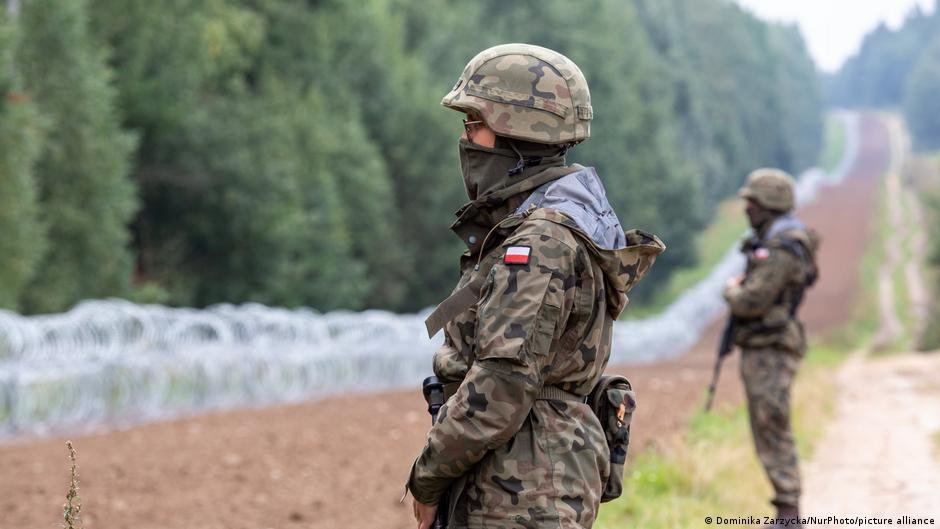
Polish soldiers eye the Belarusian border through a newly-erected wire fence | Photo: Dominika Zarzycka/Photo alliance

A manufactured crisis

EU leaders have been alleging for a several months that the humanitarian crisis on the bloc’s external borders is orchestrated by Belarusian President Alexander Lukashenko’s government. Outgoing German Chancellor Angela Merkel is among those who have accused Belarus of illegally pushing migrants over the border into European Union territory.

They all accuse Belarus of organizing the illegal passage of migrants into Poland and other EU neighbors in retaliation for economic sanctions placed on Belarus and in a bid to destabilize the bloc.

The EU alongside various other governments and international bodies around the world allege that the authoritarian leader stole last year’s election while intimidating his opponents with the widespread use of violence on any dissenting voice. Lukashenko denies all the accusations.

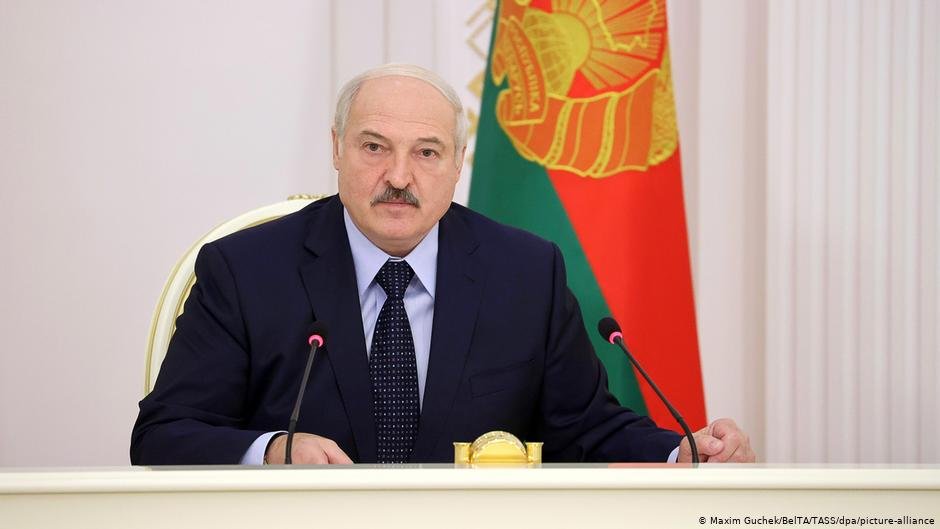
Belarusian President Alexander Lukashenko is accused of using migrants as pawns in a game of international diplomacy | Photo: Maxim Guchek/BelTA/TASS/dpa/picture-alliance

Humanitarian groups have meanwhile also criticized Poland for pushing some of the migrants back to Belarus rather than reviewing their asylum applications and allowing them due process in violation of EU law and United Nations conventions on refugees.

Marcin Przydacz, deputy foreign minister of Poland, has meanwhile defended that policy, saying that “(i)f we allow more and more people to cross the border, then Mr. Lukashenko, who’s also doing business on this, will invite even more of those people.”

Death and suffering along border

Kalina Czwarnog from the Polish humanitarian organization Ocalenie Foundation, says that a growing number of people are being lured to the Polish-Belarusian border under false pretences.

“There are many Iraqis, Kurds, there are people from Yemen, Syria, there are people from African countries like Nigeria, Cameroon, Congo, and now we’ve got people from Afghanistan,” she told NPR in an interview.

She agrees with the assessment that the government of Belarus is deliberately orchestrating a humanitarian crisis on its borders: “They are inviting them to Belarus, saying that they can cross the EU border from there. And they are getting a seven-day visa or stamp,” she explains, adding that from there, Belarusian soldiers escort them to the border and help them to get across.

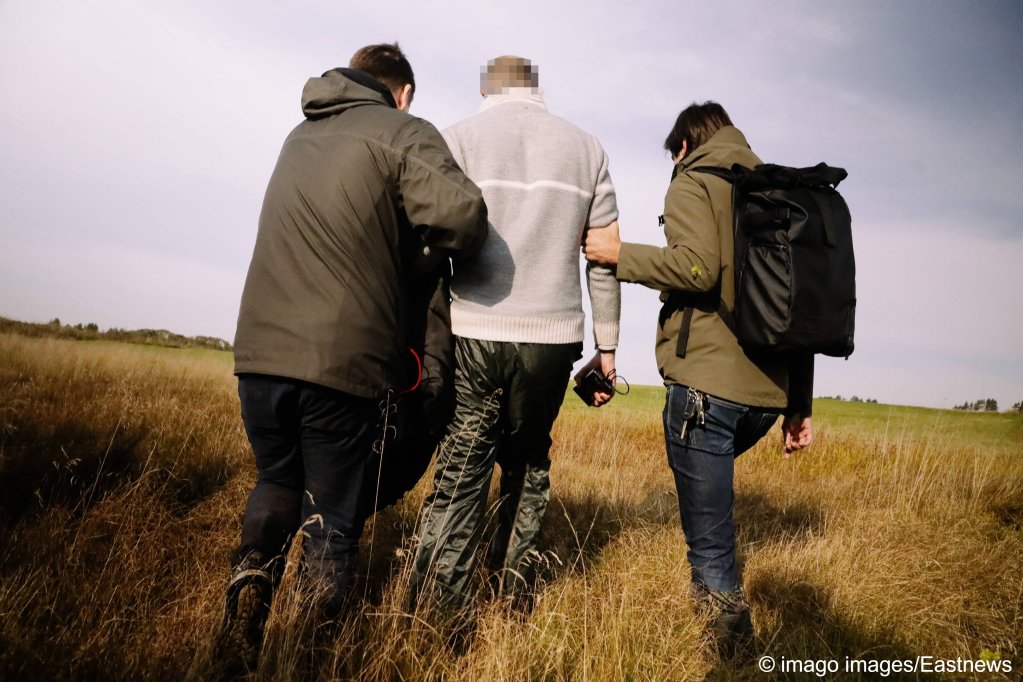
An Iraqi asylum seeker is assisted by paramedics after fainting in a forest outside the area covered by the state of emergency on October 3, 2021 in Podlasie region in eastern Poland | Photo: Jakub Kaminski/East News

Instead of allowing migrants to apply for asylum on the Polish side, however, Czwarnog says Polish border guards put most of the migrants in vans and take them back to Belarus, where soldiers often beat them and send them back to Poland again.

Polish officials say that at least five migrants have died from the harsh conditions along the border. Czwarnog meanwhile fears that more people will die along that border as the weather is bound to turn colder in coming weeks. She says that she recently found a group of migrants from Iraq with three young children suffering from severe hypothermia.

After calling an ambulance in the emergency situation, she says that Poland’s border patrol took two children and two adults, but sent a 6-year-old child with five adults back to Belarus, potentially separating the family irreparably.

Read more: Migrant child dies in Lithuania after heart and lung problems

An expensive journey

The dangerous journey through Eastern Europe comes at a high price not just for the morale of those that are forcibly returned.

Speaking on the condition of anonymity, a Syrian family told NPR that the journey to Belarus and on to the Polish border came at a price tag of $16,000. After securing visas, Belarusian soldiers reportedly helped him, his wife and their two young children to cross a river along the Polish-Russian border.

After hiking through dense forest for 12 hours, the family were caught by Polish border guards. However, the Syrian family were taken to a shelter in the city of Bialystok instead of being returned to Belarus.

The Syrian man believes that Poland didn’t send his family back because they, too, were suffering from hypothermia. He believes his family has a good chance of being granted asylum in the EU. Others are far less lucky, with push-backs becoming increasingly common along the border.

Border security guards surround migrants on the border between Poland and Belarus | Photo: picture alliance

Belarus involved in trafficking

However, there is mounting proof that Belarus has indeed helped to build the needed infrastructures to manufacture this crisis: At the beginning of 2021, there was only a single flight from Iraq to Minsk, the Belarusian capital. Now there are several flights a week from multiple Iraqi cities — all sold out through November, according to Iraqi Airways.

A Polish journalist named Patryk Michalski, who works or the digital news outlet Wirtualna Polska, says he also found evidence of Belarus’ government profiting from the human trafficking activities. He has shared documents with NPR left behind by a group of migrants along the border. Among the torn up pieces of paper were lists of travelers from Iraq, with passport numbers and receipts of payments made to Belarusian travel agencies.

There were also invoices of stays at five-star hotels run by the Belarusian government, as well as documents signed by Belarusian officials helping to facilitate the trips.

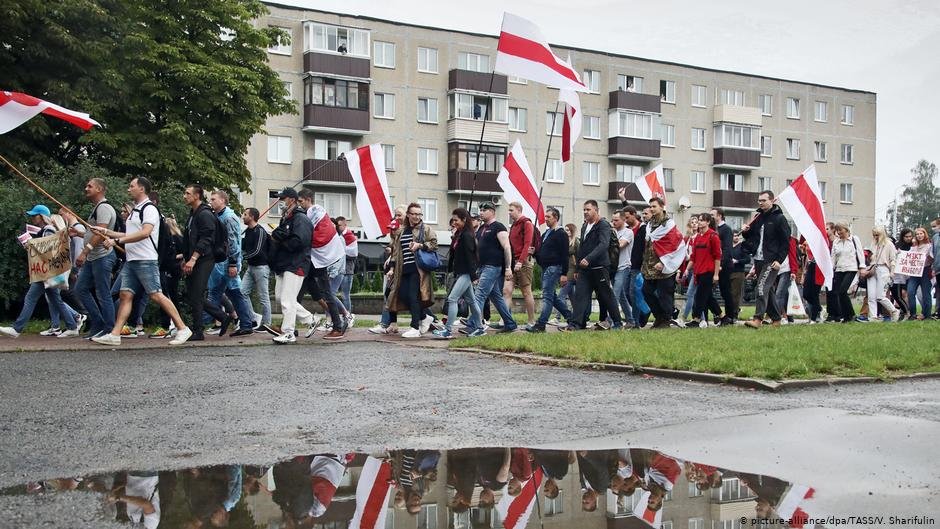
The political situation in Belarus remains unchanged, resulting in sanctions from the European Union and others | Photo: picture-alliance/dpa/TASS/V. Sharifulin

Even Belarus leader Alexander Lukashenko has indirectly acknowledged the country’s involvement in the current crisis: “If someone thinks that we will close the border with Poland, Lithuania, Latvia and Ukraine and become a filtration camp for fugitives from Afghanistan, Iran, Iraq, Libya, Syria, Tunisia, they are mistaken at least.”

“We will not hold anyone. We are not their final destination after all. They are headed to the enlightened, warm, cozy Europe,” he said sarcastically in July 2021.

Read more: Poland seeks extension of state of emergency on Belarus border


More articles

The post Cubans Among Migrants Arriving in Belarus, Headed for EU appeared first on The St Kitts Nevis Observer.

Vaccine Fears: COVID-19 Grows in Caribbean as It Declines in N. & S. America

KEVON FELMINE

T&T Guardian

With more and more children falling severely ill with COVID-19, the Pan American Health Organisation (PAHO) says several countries reported this trend as some younger populations are not eligible for vaccination.

Last week, Principal Medical Officer at the Ministry of Health Dr Maryam Abdool-Richards reported that three children, including one receiving intensive care treatment, were among those hospitalised in the parallel healthcare system.

Responding to T&T’s epidemiological situation at PAHO’s weekly media briefing yesterday, Incident Manager for COVID-19 Dr Sylvain Aldighieri said this was expected.

He said several countries have reported increasing cases in the younger population, which is linked to greater exposure and the absence of vaccinations among the age groups.

“We know that older age groups are usually more careful with the control measures, stricter about the distancing and also that they have been prioritised for vaccination, in most of the countries, including the Caribbean countries.

“It is important to mention that if a particular variant becomes predominant like the Delta Variant at the moment in most of the Caribbean, it is of course the one variant that we are going to find affecting most of the population, including either asymptomatic, mild or severe cases,” Aldighieri said.

He added that vaccine hesitancy was the problem in most Caribbean countries, especially the English and French-speaking nations.

This is the situation as cases increase in the Caribbean while infection decrease in North and South America and most Central American countries.

As a result, PAHO Director Dr Carissa Etienne encourages Caribbean countries, where vaccinations are heavily politicised, to train health workers so they possess all the knowledge they need to respond to questions about COVID-19 and the vaccines.

Etienne said health workers were trusted sources, stressing that vaccines will help end the pandemic.

Over the last week, the Americas reported over 1.1 million new cases and just over 24,000 related deaths.

Among Caribbean countries, Barbados reported its highest number of cases and deaths since the pandemic started.

It followed a five-fold increase in infections over the last month. Cases are also increasing in the Dominican Republic, Haiti, Antigua and Barbuda, Anguilla, and the Cayman Islands. Infection rates are decreasing in North America but remain high in Alaska and the mid-west of the United States of America.

Meanwhile, in Canada, cases are high in the North-West Territories, where the infection rates are 10 times the national average.

Most countries in Central America reported a decline in cases. However, it remains high in Belize.

There is a similar pattern in South America, but there are spikes at the sub-national level in Venezuela and Chile.

Last week, the World Health Organisation (WHO) launched its strategy to vaccinate 40 per cent of the population in every country by the end of 2021. Across the Caribbean and Latin America, 39 per cent of people are fully vaccinated.

Etienne reported that 26 countries and territories in the Americas already immunised 40 per cent or more of their population. However, coverage remains low in some countries.

Jamaica, St Lucia, St Vincent and the Grenadines, Haiti, Guatemala, and Nicaragua have yet to reach 20 per cent of their populations and require special attention to reach the WHO’s 40 per cent target.

Across these countries, vaccine access has been a challenge. Jamaica has supply delays.

The shortage of syringes has delayed immunisation campaigns in Guatemala.

In Haiti, logistical challenges hindered the rollout of vaccines.

With 4.9 per cent of COVID-19 patients in the parallel healthcare system vaccinated some people have concerns about vaccine effectiveness.

Addressing this last week, Assistant Director Dr Jarbas Barbosa explained that each vaccine has a different efficacy rate and used various processes to develop immunity.

He said no vaccine for any disease has a 100 per cent efficacy rate.

“Some people will get the vaccine but would not develop protection against the disease. It can be caused by some immunity characteristics that some people have.

“We know for sure that the elderly have a weak immune system, so the efficacy rate can be less than the average population. So you have some very different reasons that one person can get the vaccine and not develop the protection,” Barbosa said.

He said if 4.5 per cent of hospitalised patients are vaccinated, it shows the vaccines’ effectiveness against severe disease, hospitalization, and deaths.

It also showed that the pandemic is continuing mostly through unvaccinated people.

He stressed that vaccines provide individual protection, but also a collective effect as people who are vaccinated transmit less of the virus.

Once many people transmit less in a community, the virus will have less opportunity to spread.

He said anti-vaxxers are not using all the information that is available to them.

The post Vaccine Fears: COVID-19 Grows in Caribbean as It Declines in N. & S. America appeared first on The St Kitts Nevis Observer.

Mexico Warns Migration Will Not Slow Without More U.S. Investment in Central America

MEXICO CITY, Oct 13 (Reuters) – The United States needs to invest more heavily in Central America if it hopes to slow record levels of northbound migration, Mexico’s Foreign Minister Marcelo Ebrard said on Wednesday.

Record numbers of migrants have passed through Mexico this year toward the United States, driven by economic downturns stemming from the COVID-19 pandemic and drawn by the hope of more welcoming immigration policies under U.S. President Joe Biden.

Biden has vowed to focus on the underlying causes of migration in Central America by working to reduce poverty, violence and corruption.

“There needs to be a bigger investment from the United States in Central America than has been given, without a doubt,” Ebrard told a Mexican radio program when asked about the prospect of Mexico acting as a barrier for migrants.

“Without this investment, if the United States does not support Central America, it’s very hard to think that the migration flows that are happening will diminish,” Ebrard added.

Biden noted in a recent letter to Mexican President Andres Manuel Lopez Obrador that the United States provided more than $600 million in foreign assistance over the past year to the Northern Triangle countries of Guatemala, El Salvador and Honduras.

The letter added that Biden has requested another $861 million from U.S. Congress for the 2022 fiscal year to also allocate to Central America.

Reporting by Daina Beth Solomon; Editing by Karishma Singh

The post Mexico Warns Migration Will Not Slow Without More U.S. Investment in Central America appeared first on The St Kitts Nevis Observer.

Brazil: Claims that Healthcare Firm Used COVID Patients to Test Bogus Treatments

BBC- A Brazilian healthcare provider is accused of giving unproven drugs to Covid-19 patients and conducting experiments on elderly people without their relatives’ consent. The allegations have been linked to deaths that, families say, could have been prevented.

Katia Castilho’s grief keeps her awake at night. In March, Norberto, her father, was admitted to a public hospital in São Paulo with Covid-19. Brazil, which has been hit hard by the pandemic, was then at the height of its second wave, with daily deaths numbering 4,000.

Days later, Ms Castilho’s mother, too, began to show symptoms of the disease. Irene, unlike Norberto, had access to a private healthcare provider, Prevent Senior, one of the country’s largest, with more than half a million customers.

The Castilho family contacted the company, and were sent a so-called “Covid Kit”, which included hydroxychloroquine, azithromycin and ivermectin, despite there being no scientific evidence that those drugs are beneficial in the treatment of the virus.

Irene got worse and worse, and Ms Castilho and her two sisters decided to take their mother to a Prevent Senior-owned hospital. But, to their surprise, Ms Castilho says, Irene was sent back home without being examined.

Her condition worsened further overnight. By morning, Irene was struggling to breathe even with an oxygen cylinder. The family went back to the hospital, and she was finally admitted.

On that same day, Norberto died.

He was buried in a hurry, without rites, while the hearse waited a few moments for one of the Castilho sisters to say her goodbyes before driving her back and picking up more bodies.

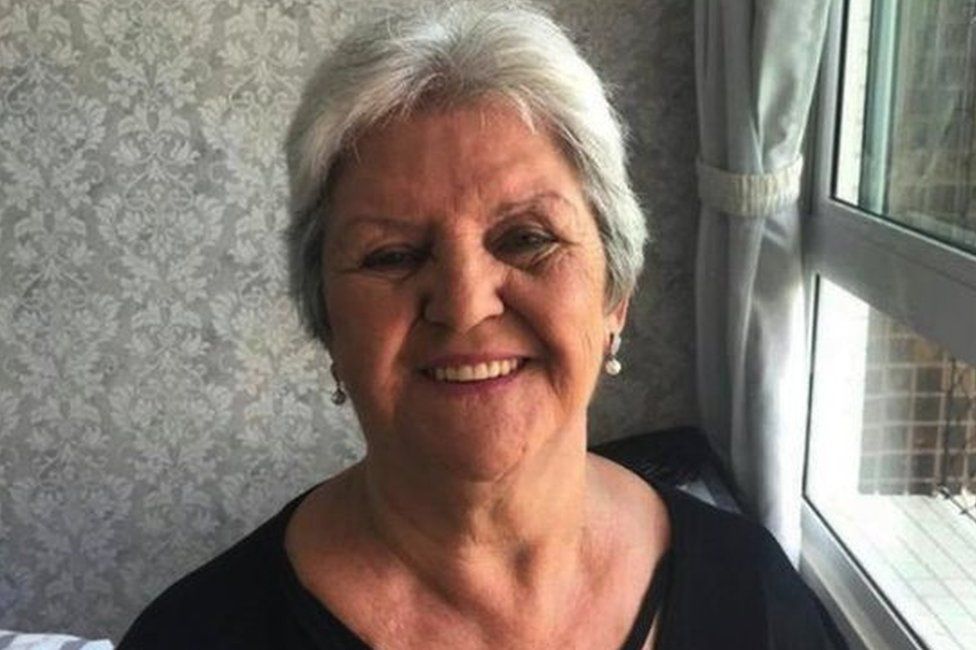
Irene CastilhoImage source, Katia Castilho
Image caption, Irene was initially given a so-called Covid Kit with unproven treatments by her healthcare provider
1px transparent line

Meanwhile at the hospital, Irene was kept in a small ward, where staff rarely came to check on her, Ms Castilho says. The sisters took turns to make sure the oxygen mask stayed on.

One day, Ms Castilho noticed that nurses were giving Irene a thick solution. She says she was told it was flutamide, a type of hormone used in prostate cancer. Flutamide can potentially lead to liver failure in certain patients, and Irene was a liver cancer survivor. The sisters say they had expressly told the hospital not to give her this drug.

“I was so upset by everything going on with my father, that I didn’t look for a doctor to discuss this,” Ms Castilho says. “Then I noticed that my mum was getting worse.”

Irene had been in hospital for nearly 10 days when she was taken to intensive care. Her organs began to fail, she developed deep-vein thrombosis, and after three weeks, was infected with a bacteria common in hospitals. She did not survive.

The sisters had 20 minutes to be with their mum for the last time. Irene was cremated and her ashes were scattered over Norberto’s grave.

‘My mum trusted them’

As the intensity of the events eased, Ms Castilho says, “the penny began to drop” about her mother’s treatment. “I started to reflect on things. I couldn’t sleep. It felt like I was rewinding a tape, realising what went wrong.”

The negligence, Ms Castilho believes, started the day Irene was sent the “Covid Kit”, as many scientists were already expressing profound misgivings about the drugs, and continued as doctors prescribed unproven medicine instead of opting for more costly intensive care treatment.

“My mum really trusted [Prevent Senior]. She was anxious and would ask me to call them to find out when her ‘Covid Kit’ would arrive,” she said. “She could never have imagined that she was a guinea pig in their hands, and that she would soon die.”

Now, more deaths are being blamed on the company’s medical practices.

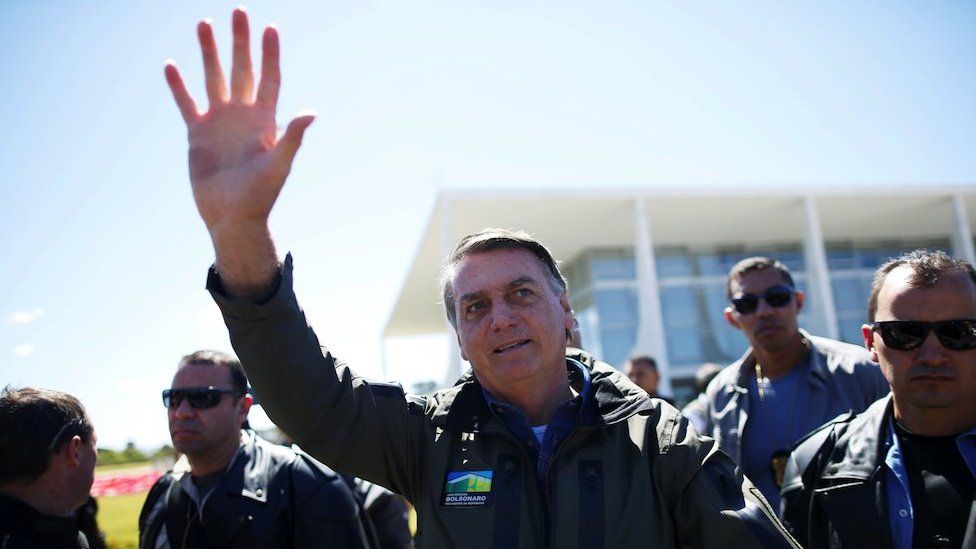
Brazil's President Jair Bolsonaro gestures to the crowd at a motorcade rallyImage source, Reuters
Image caption, President Bolsonaro has frequently advocated unproven treatments and cures against Covid

A Senate inquiry into the government’s handling of the pandemic heard allegations that the company was trying to endorse unproven treatments associated with President Jair Bolsonaro, who has repeatedly dismissed Covid-19.

A former patient, 65-year-old Tadeu Frederico de Andrade, testified that he, too, was given the “Covid Kit” and treated with flutamide. His family says doctors wanted to move him to palliative care without their consent. “I’m a survivor of this macabre plot,” he said.

Bruna Morato, a lawyer representing 12 whistleblowers, told the inquiry doctors were threatened and fired if they disagreed with the unproven drugs. The firm is also accused of failing to mention Covid-19 deaths in patients’ records to hide the scale of the problem.

Prevent Senior said in statements to the BBC that Irene and Tadeu “received every clinical and medical support” and that the company never adopted treatments contrary to medical ethics or aimed at reducing costs.

It said allegations levelled against it at the Senate inquiry were “unfounded” and “a true public lynching”. The company has also said it never fired employees because of their technical convictions.

Pedro Batista, the company’s CEO, admitted to senators that Covid-19 was removed from patients’ records after two weeks, because they were no longer infectious. But he denied testing unproven drugs on patients without their knowledge.

The company is under investigation by federal prosecutors, the police, and a separate inquiry by São Paulo state lawmakers.

The case, which has caused outrage in the country, is mired in political controversy, with the federal government being blamed for lax rules on Covid-19 treatment.

The inquiry also heard the Bolsonaro administration had ignored repeated offers by drug firm Pfizer to sell it 70 million doses of its vaccine. Next Tuesday, the investigation’s final report will be made public, and it could accuse the president of serious misconduct in his response to the pandemic, which has resulted in more than 600,000 deaths.

Ms Castilho says her family feels “devastated”.

“The day my dad died, he was supposed to be given the first dose of vaccine,” she says. “I lost my mum and my dad to a virus for which a vaccine already existed.

“Denying science kills, but when you think of all the money and interests involved… I can’t remain silent.”

* Vinicius Lemos in São Paulo contributed to this report

The post Brazil: Claims that Healthcare Firm Used COVID Patients to Test Bogus Treatments appeared first on The St Kitts Nevis Observer.

Chile’s Pres. Piñera Faces Impeachment Bid After Pandora Papers Claim

BBC- Chile’s opposition has launched a bid to impeach President Sebastián Piñera over possible irregularities in the sale of a mining company, after details emerged in the Pandora Papers leak.

Mr Piñera used “his office for personal business”, congressman Tomas Hirsch said as he presented the accusation in the lower house of Congress.

The president is accused of selling the firm to a friend in a deal contingent on a favourable regulatory decision.

He has denied any wrongdoing.

The revelations come from the Pandora Papers, a leak of 11.9 million documents. The files say President Piñera sold the Dominga mine, a copper and iron project in an environmentally sensitive area, to a childhood friend in 2010, nine months after he had taken office.

The leaks suggest the last payment in the deal was conditional on not establishing an area of environmental protection where the mining company operated, a demand of environmental groups.

The decision would be taken by the Chilean government which eventually decided against the introduction of the protection.

The data was obtained by the International Consortium of Investigative Journalists (ICIJ) in Washington DC, which has been working with more than 140 media organisations on its biggest ever global investigation.

BBC Panorama and the Guardian have led the investigation in the UK.

After the revelations, the Chilean presidency said President Piñera, a billionaire businessman, had no role in, or information about, the sale of the mining project, and that he had not been involved in the management of any company for more than 12 years.

The president himself has rejected any irregularities, saying the details of the deal were examined in a judicial investigation in 2017 that cleared him of wrongdoing.

But last week, Chile’s public prosecutor’s office said it would investigate the allegations against the president.

Opposition congressman Jaime Naranjo, one of the authors of the impeachment proceeding, said President Piñera had “openly infringed the Constitution… seriously compromising the honour of the nation”.

The president has not commented yet on the impeachment bid.

The opposition-controlled Chamber of Deputies will now hold a vote on whether to approve or reject the impeachment process. The move comes ahead of presidential and legislative elections in November. President Piñera is not a candidate.

Pandora Papers banner

The Pandora Papers is a leak of almost 12 million documents and files exposing the secret wealth and dealings of world leaders, politicians and billionaires. The data was obtained by the International Consortium of Investigative Journalists in Washington DC which has led one of the the biggest ever global investigations.

More than 600 journalists from 117 countries have looked at the hidden fortunes of some of the most powerful people on the planet.

The post Chile’s Pres. Piñera Faces Impeachment Bid After Pandora Papers Claim appeared first on The St Kitts Nevis Observer.

COVID Drops in N. & S. America, Mexico Tells WHO to Act Without “Ideology” in Certifying COVID-19 Vaccines, Pandemic Summary

COVID cases dropping in North, South America, health agency says

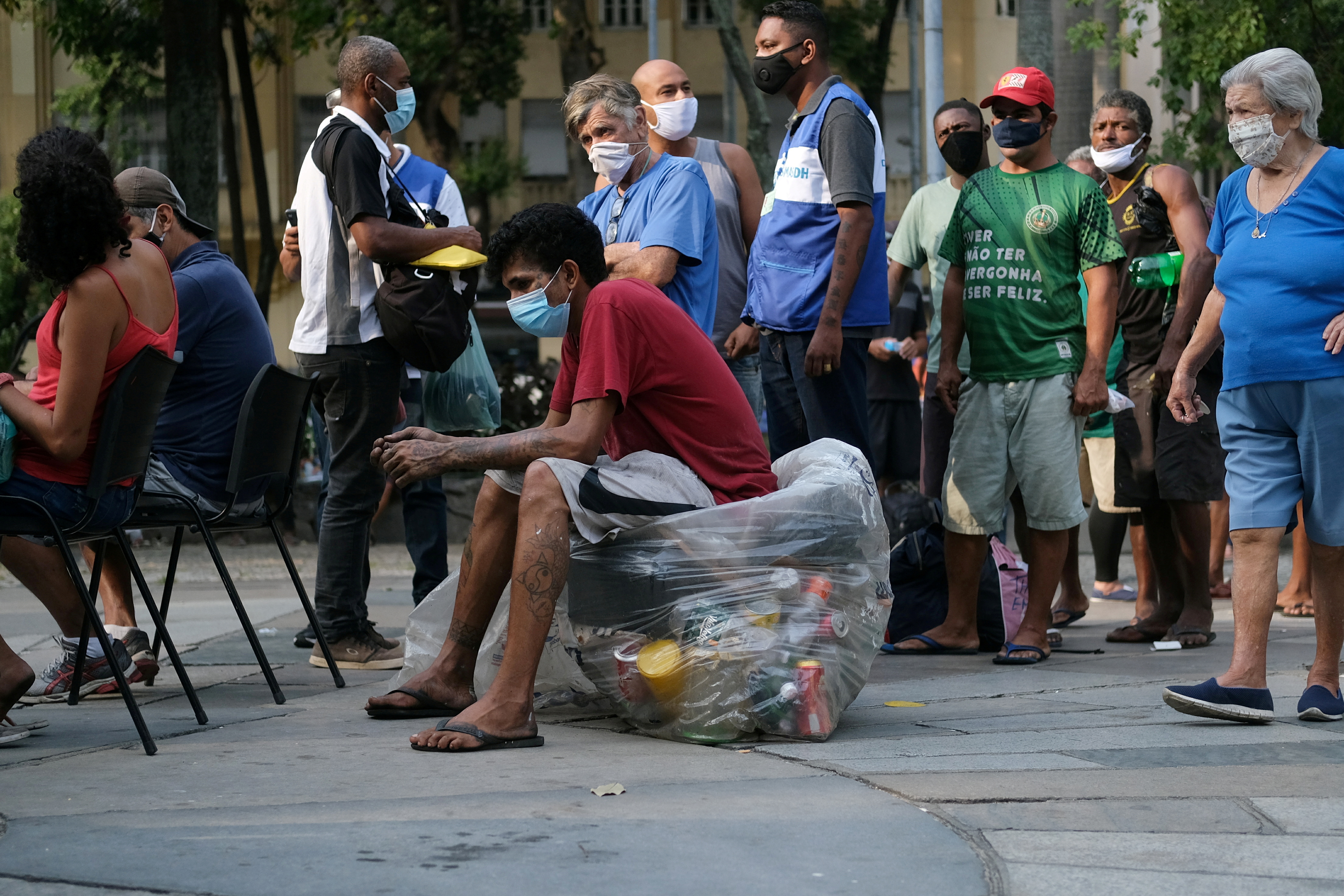
People wait to receive an AstraZeneca coronavirus disease (COVID-19) vaccine during a vaccination campaign for homeless people, in Rio de Janeiro's downtown, Brazil, May 27, 2021. REUTERS/Ricardo Moraes

People wait to receive an AstraZeneca coronavirus disease (COVID-19) vaccine during a vaccination campaign for homeless people, in Rio de Janeiro’s downtown, Brazil, May 27, 2021. REUTERS/Ricardo Moraes

BRASILIA, Oct 13 (Reuters) – The Pan American Health Organization (PAHO) said on Wednesday that COVID-19 cases are dropping overall in North America but remain high in the American Midwest, Alaska, and Canada’s Northwest Territories, where infection rates are 10 times the national average.

Infections are also dropping across South America, though cases are up in the greater Caracas area of Venezuela, and in parts of Chile’s southernmost regions.

In the Caribbean, Barbados is reporting the highest number of COVID cases and deaths since the pandemic started, with a five-fold increase in COVID infections over the last month, PAHO said.

The regional branch of the World Health Organization called for concerted action in the Americas to help every country reach the WHO’s vaccination coverage target of 40% of their population by the end of this year.

So far, only nine countries in the region have vaccinated 50% of their people, while six – Jamaica, St. Lucia, St. Vincent & the Grenadines, Haiti, Guatemala and Nicaragua – have yet to reach 20% vaccination coverage, according to PAHO.

Without concerted action to increase the vaccination rate and public health measures, it is possible that COVID-19 could become endemic in the region, PAHO Director Carissa Etienne warned in a weekly briefing.

Third dose booster vaccination is recommended, especially for people who have received the Sinovac Biotech and Sinopharm vaccines developed in China that studies have shown to provide less protection for young adults, PAHO assistant director Jarbas Barbosa said.

Booster vaccination should begin with those over the age of 80, followed by those over 60 years with prior medical conditions, and then young adults, he said. Using other vaccines is possible when the original doses are not available, he said.

Reporting by Anthony Boadle; Editing by Jan Harvey
========================================================
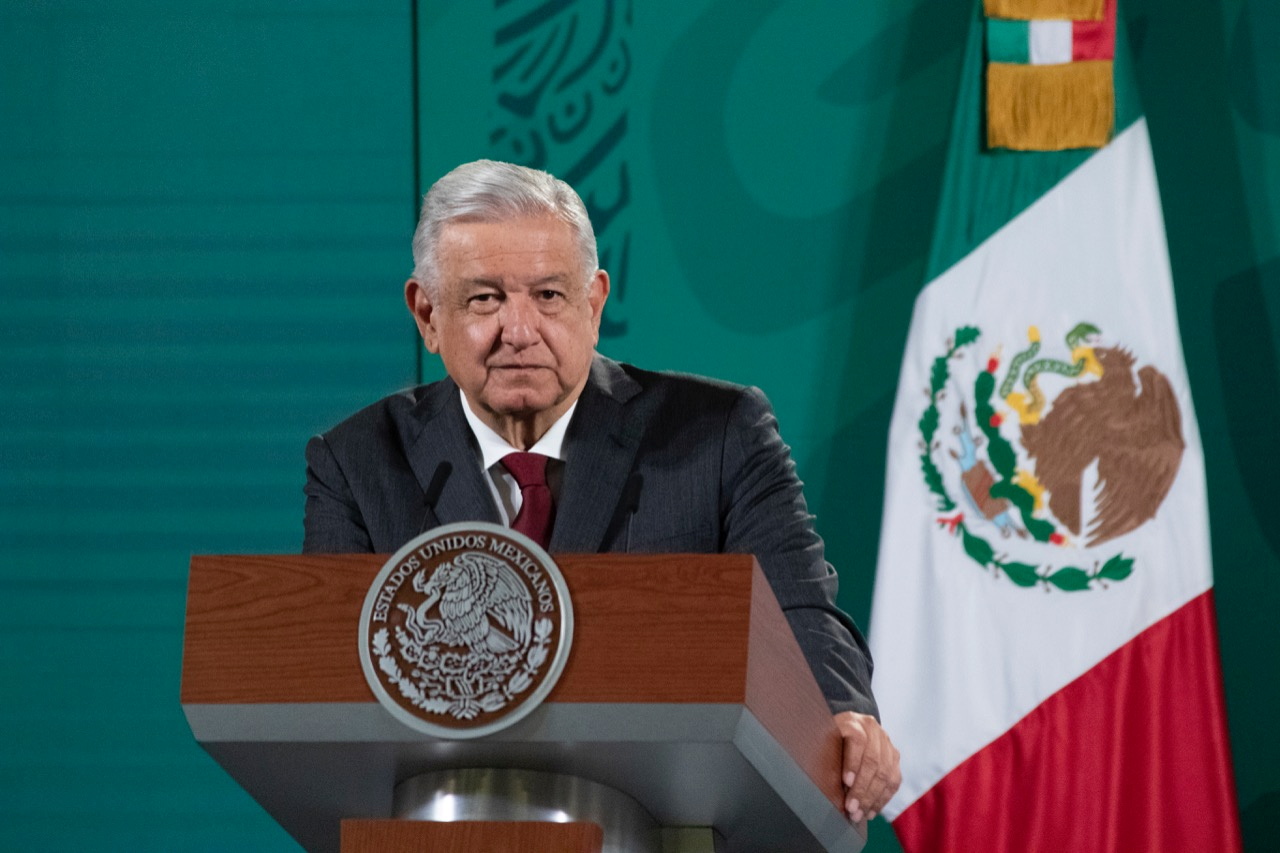
Mexican President Andres Manuel Lopez Obrador attends a news conference at the National Palace in Mexico City, Mexico October 7, 2021. Mexico's Presidency/Handout via REUTERS

Mexican President Andres Manuel Lopez Obrador attends a news conference at the National Palace in Mexico City, Mexico October 7, 2021. Mexico’s Presidency/Handout via REUTERS

MEXICO CITY, Oct 13 (Reuters) – Mexico’s President Andres Manuel Lopez Obrador on Wednesday said the World Health Organization (WHO) should certify COVID-19 vaccines in public use, amid fears some vaccinated Mexicans will not be able to enter the United States.

“The WHO must act correctly, without political or ideological tendencies, sticking to the science,” Lopez Obrador said at a regular news conference.

Lopez Obrador’s comments come after the United States said it would only allow people inoculated by WHO-approved vaccines to enter its borders.

Millions of people in Mexico have been vaccinated with Russian and Chinese shots that do not fulfill that criteria. The U.S. on Tuesday said it was reopening its land borders to fully vaccinated travelers.

Russia’s Sputnik V as well as China’s CanSino vaccines are yet to receive approval by the WHO.

Reporting by Ana Isabel Martinez and Raul Cortes; Writing by Drazen Jorgic; Editing by Frank Jack Daniel
==================================================

What you need to know about the coronavirus right now

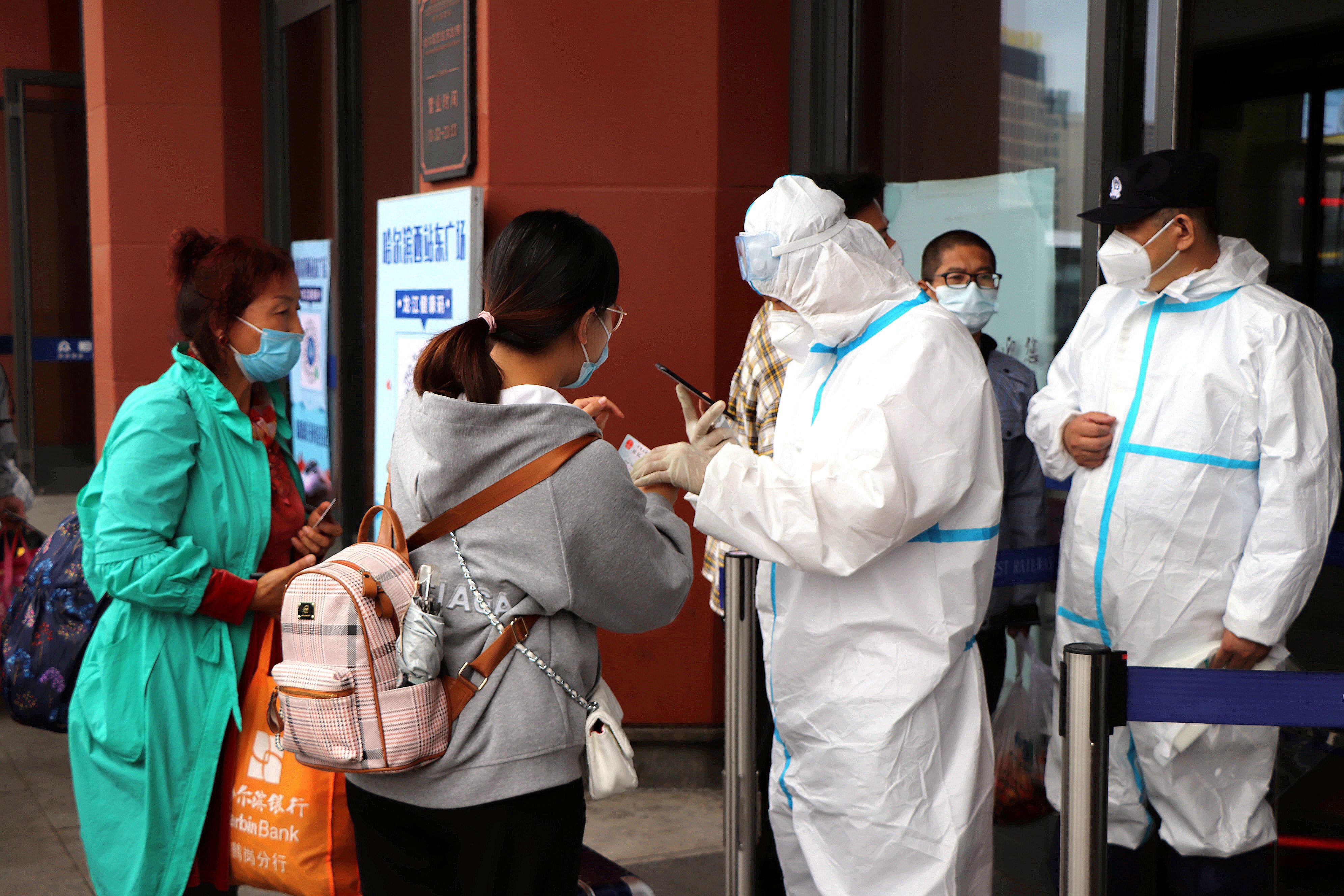
Staff members in protective suits check proof of negative test results for travellers at an entrance to the Harbin West Railway Station following new local cases of the coronavirus disease (COVID-19) in Harbin, Heilongjiang province, China September 22, 2021. cnsphoto via REUTERS ATTENTION EDITORS – THIS IMAGE WAS PROVIDED BY A THIRD PARTY. CHINA OUT.

Oct 14 (Reuters) – Here’s what you need to know about the coronavirus right now:

Melbourne set for COVID lockdown exit despite record cases

Melbourne will exit months of COVID-19 lockdown next week, helped by a faster-than-expected vaccine uptake, Victoria state Premier Daniel Andrews said on Thursday, ahead of schedule even though daily infections hit a record the same day.

On the worst day of a Delta variant outbreak that began in early August, Victoria logged 2,297 new cases, up from 1,571 the day before and the highest for any Australian state or territory since the pandemic began. Eleven people died, bringing the total toll in the latest outbreak to 125. read more

Indonesia’s Bali reopens to international tourists, but with no flights

Indonesia’s holiday island of Bali reopened to foreign tourists after 18 months of pandemic hiatus on Thursday, but the island is lacking one crucial ingredient: international flights. Though the island’s Ngurah Rai International Airport has carried out simulations preparing for tourists to return, it is not expecting much to happen soon.

Details about the reopening, such as visa requirements and which countries they apply to, have so far been patchy. Indonesia late on Wednesday had confirmed the 19 eligible countries, which include China, India, Japan, South Korea and New Zealand, and several countries from Western Europe and the Arabian Gulf. read more

J&J shot gets better boost from Moderna or Pfizer in NIH study

People who got Johnson & Johnson Inc’s COVID-19 vaccine as a first shot had a stronger immune response when boosted with vaccines from Pfizer Inc/BioNTech SE or Moderna Inc, a study run by the National Institutes of Health showed on Wednesday. The preliminary study hasn’t been peer-reviewed and is the latest challenge to J&J’s efforts to use its vaccine as a booster in the United States. read more

More than 450 adults who received initial shots from Pfizer, Moderna, or Johnson & Johnson were part of the study that showed “mixing and matching” booster shots of different types is safe in adults. Moderna’s and Pfizer’s vaccines are based on messenger RNA, while J&J’s uses viral vector technology. Separately, officials on Wednesday said J&J’s regulatory submission for its planned booster raised red flags, including small sample sizes and data based on tests not yet validated. read more

English school return spurred COVID in children

COVID-19 infections in children in England rose in September after schools returned from summer holidays, helping to keep cases high even as there was a fall among adults, a large prevalence study showed on Thursday.

The study found that the epidemic was growing among those under 17, with an estimated reproduction “R” number of 1.18. An R number above 1 implies exponential growth, while a number below 1 implies the epidemic is shrinking. The epidemic was estimated to be shrinking in 18- to 54-year-olds, while it was broadly steady among those over 55. read more

India resumes vaccine exports as domestic stocks build up – officials

India has resumed a small number of COVID-19 vaccine exports and will increase exports significantly in the next few months as domestic stocks build up and most of its large population is inoculated, officials said on Wednesday.

So far about 4 million shots have been exported, the source said, a small amount in proportion to the expansive vaccine diplomacy Prime Minister Narendra Modi’s government launched this year before a second wave of infections forced a halt. read more

Compiled by Karishma Singh; Editing by Ramakrishnan M.

The post COVID Drops in N. & S. America, Mexico Tells WHO to Act Without “Ideology” in Certifying COVID-19 Vaccines, Pandemic Summary appeared first on The St Kitts Nevis Observer.