Category Archives: headline

Afghanistan: Taliban Close Kabul University

Classes at Kabul University were canceled on Wednesday amid the Taliban’s ban on coeducational classes, which only allows women to attend school if they wear traditional Islamic garb and remain separated from their male peers.

The Kabul University campus, which is usually busy with activity, was empty, according to The Washington Post. Classes were suspended, with only male staff members permitted to enter the campus to conduct research or complete other office duties.

The school’s closure comes after the Taliban’s new minister of higher education earlier this month said that women will be allowed to attend university, but only in gender-segregated classrooms.

Abdul Baqi Haqqani said Afghanistan “will not allow boys and girls to study together,” adding that the country “will not allow coeducation.”

Haqqani also said that women would be required to adhere to a strict dress code, which includes hijabs.

The higher education minister has at times called into question the significance of university, according to the Post, recognizing that the Taliban members who recently assumed leadership roles have been successful despite never receiving academic degrees.

Senior government spokesman Bilal Karimi told the Post that officials were “working on a comprehensive plan to ensure a peaceful environment for female students.”

Once that plan is complete, Karimi said “they would be allowed to continue their education.”

The new policy is raising concerns among Afghans over the Taliban’s government after it seized control of the country following the U.S. troop withdrawal, especially when it comes to the treatment of women. Some are worried that the group will resort back to the harsh policies implemented in the late 1990s, when the Taliban last controlled Afghanistan.

Haqqani earlier this month said the Taliban were not seeking to turn back time to 20 years prior, saying, “We will start building on what’s today.”

Kabul University was founded in 1932 before being deserted during the 1990s amid the civil war in Afghanistan, which included the Taliban’s takeover, according to the Post.

After the Taliban government was toppled in 2001, however, the university was slowly restored, which reportedly received immense support from U.S. donations.

The post Afghanistan: Taliban Close Kabul University appeared first on The St Kitts Nevis Observer.
Dominican Republic: Light Plane Loaded With Cocaine Forced to Crash Land

MEXICO CITY (Sputnik) – A Cessna light motor plane loaded with cocaine crashed during a forced landing after being chased by the Dominican Air Force fighter jets in the Oviedo municipality in the south of the country, local media reported Thursday.

“According to a preliminary report, after entering the airspace of the Dominican Republic, the plane was pursued by Super Tucano aircraft [light attack aircraft used by the country’s Air Force]. The pilot made an emergency landing,” the National Drug Control Directorate was quoted as saying by the Caribe news portal.

At the crash site, the authorities found 275 1-kilogram (2.2 pounds) bags of cocaine, the news outlet said. The search for the crew of the plane, which arrived in the country from South America, continues.

More than 90% of the world’s coca plantations are located in the countries that form the “silver triangle” of cocaine production in the Andean region — Colombia, Peru and Bolivia. Coca also grows in small quantities on plantations in Panama, Ecuador, southwestern Venezuela and northeastern Brazil.

The post Dominican Republic: Light Plane Loaded With Cocaine Forced to Crash Land appeared first on The St Kitts Nevis Observer.
Bahamas, Cuba Intercept Hundreds of Haitians at Sea Headed for U.S

HAVANA, Sept 30 (Reuters) – Bahamian and Cuban authorities have intercepted hundreds of Haitians at sea seeking to reach the United States, and will repatriate them to Haiti, they said.

The Royal Bahamas Defence Force said it had deployed patrol vessels to the southeast Bahamas to defend against a “migrant surge” from Haiti, the poorest country in the Americas, which is grappling with a deepening humanitarian and political crisis.

Those vessels had intercepted more than 1,000 Haitians over the past ten days, said the Defence Force, posting photos this week on its Facebook page of small, crowded sailboats.

“The Royal Bahamas Defence Force is once again urging individuals to refrain from making long treacherous voyages on hazardous vessels, and in the process, risking the lives of many individuals,” it said.

Cuba’s foreign ministry said on Tuesday an unspecified number of Haitian migrants had also arrived via boat on the coasts of its eastern and central provinces in recent weeks in a bid to reach Florida.

Both Cuba and the Bahamas said they would be repatriating the migrants to Haiti. The Royal Bahamas Defence Force said that repatriation was expected to commence on Thursday.

Earlier this month, President Luis Abinader of the Dominican Republic, which shares the Caribbean island of Hispaniola with Haiti, told the United Nations General Assembly that Haiti was “already becoming a regional problem.”

Around 30,000 Haitians arrived at the U.S.-Mexico border in recent weeks, seeking to claim asylum in the United States. U.S. authorities have expelled around 5,000 back to Haiti.

The nation of around 11 million was already facing soaring gang crime and hunger and a political crisis before the assassination of the president and a major earthquake hit over the summer.

Former U.S. special envoy to Haiti Daniel Foote said the “collapsed state” was unable to support the infusion of returning migrants and resigned last week.

Communist-run Cuba’s foreign ministry said on Tuesday there was a “need to work for a secure, orderly and regular migration” and said the root cause – “an unjust international order and prevailing inequality” – must first be dealt with.

Reporting by Sarah Marsh in Havana; Additional reporting by Mica Rosenberg in New York and Gessika Thomas in Port-au-Prince, Editing by Rosalba O’Brien

The post Bahamas, Cuba Intercept Hundreds of Haitians at Sea Headed for U.S appeared first on The St Kitts Nevis Observer.
Approx.1,900 Colombian Guerrillas Operating from Venezuela, says Colombia Military Chief

BOGOTA, Sept 30 (Reuters) – About 1,900 fighters belonging to Colombian rebel and crime groups are operating from Venezuela, where they plan attacks and participate in drug trafficking, the commander of Colombia’s armed forces said.

The Colombian government has long said Venezuela’s leadership grants safe harbor to Colombian armed groups, allowing trafficking of cocaine in exchange for a cut of the profits.

But it is the first time the military has given a figure for the number it believes are operating from the neighboring country.

Venezuelan President Nicolas Maduro has denied that Venezuela has provided safe harbor for drug traffickers. But he has expressed sympathy for rebels’ leftist ideology and openly welcomed some guerrilla leaders.

Around half of the 2,350 known combatants from the National Liberation Army (ELN) rebel group are in Venezuela, along with about a third of the 2,400 fighters who belong to dissident groups of former FARC guerrillas who reject a 2016 peace deal, General Luis Fernando Navarro told Reuters late on Wednesday.

“In total in the (Venezuelan) states of Zulia, Tachira, Apure and Amazonas, we calculate there could be between 1,100 and 1,200 criminals from the ELN and some 700 from the FARC dissidents,” Navarro said.

“It’s a factor of instability that the strategic rearguard of these structures is in Venezuelan border states. This obviously makes it difficult to combat them,” said Navarro, accusing the Venezuelan armed forces of not pursuing the groups.

The Venezuelan government did not immediately respond to a request for comment for this story.

Colombia’s internal conflict has stretched for nearly 60 years and led to more than 260,000 deaths.

Though the demobilization of some 13,000 members of the Revolutionary Armed Forces of Colombia (FARC) under the 2016 accord lead to a reduction in violence, some areas have seen renewed fighting as dissidents, the ELN and crime gangs descended from right-wing paramilitaries battle for territory.

The violence often crosses the border. In Venezuela’s northwestern Zulia state, a local government and a major employer were paying villagers including children to staff narcotics operations, extortion rackets and illegal gold mines, a Reuters report found earlier this year.

Some 80 Venezuelans fight for FARC dissident groups, Navarro said, and some 180 for the ELN.

Commanders from dissident group Segunda Marquetalia, including former peace negotiator Ivan Marquez, Hernan Dario Velasquez and Henry Castellanos are living in Venezuela, he said, as is ELN leader Gustavo Anibal Giraldo, known by his alias Pablito.

The groups attack targets in Colombia and then melt across the border to evade authorities, Navarro said.

One FARC dissident group has taken responsibility for two incidents in June – a car bombing at a military base in the border city of Cucuta which injured dozens, and the shooting of a helicopter carrying President Ivan Duque.

Reporting by Luis Jaime Acosta Writing by Julia Symmes Cobb Editing by Rosalba O’Brien

The post Approx.1,900 Colombian Guerrillas Operating from Venezuela, says Colombia Military Chief appeared first on The St Kitts Nevis Observer.

Brazil: Battle Over ‘Divisive’ Vaccine Passports Erupts in Rio de Janeiro

By Juliana Kochs, CNN


Sao Paulo (CNN)- So-called “vaccine passports” have been reinstated in the Brazilian city of Rio de Janeiro, just one day after a local judge suspended them for being too divisive.

At the request of the city government, Brazil’s Supreme Court on Thursday annulled a ruling by Judge Paulo Rangel that had briefly prohibited requiring of proof of vaccination to enter certain public venues.

Residents will again be required to prove they’ve been vaccinated in order to attend events and enter communal facilities such as gyms, museums and tourist venues.

Rangel had described the requirement as “tyrannical.”

“The decree [to implement vaccine passports] divides society into two types: the vaccinated and the unvaccinated, preventing the unvaccinated from circulating freely,” Rangel said.

Over half a million Brazilians have died in the pandemic — the highest death toll in the world after the United States. Today, some form of vaccine passport is in place in more than 200 other towns and cities across Brazil, including in the country’s biggest city, Sao Paulo. Each regional authority decides on its own regulations.

Rio’s vaccine pass system was introduced in mid-September under Mayor Eduardo Paes. Without mentioning the suspension directly, Paes tweeted: “Sometimes I wonder how some people can accept that smoking is banned in the office, mall, subway… and also accept that the use of seat belts is mandatory! Do these people not feel restricted in their individual freedoms? Just to reflect….”

But Rangel is hardly alone in his doubts about the system. President Jair Bolsonaro — who has long downplayed the severity of Covid-19 — has battled such precautions and openly criticized the idea of a vaccine passport.

Bolsonaro personally flouted vaccination rules at the United Nations headquarters in New York earlier this month, addressing the global body in person despite not having received the vaccine.

“Why do you take a vaccine? To have antibodies, right? My antibodies rate is really high. I can show you the document,” said the president, who recovered from Covid-19 last year.

The post Brazil: Battle Over ‘Divisive’ Vaccine Passports Erupts in Rio de Janeiro appeared first on The St Kitts Nevis Observer.
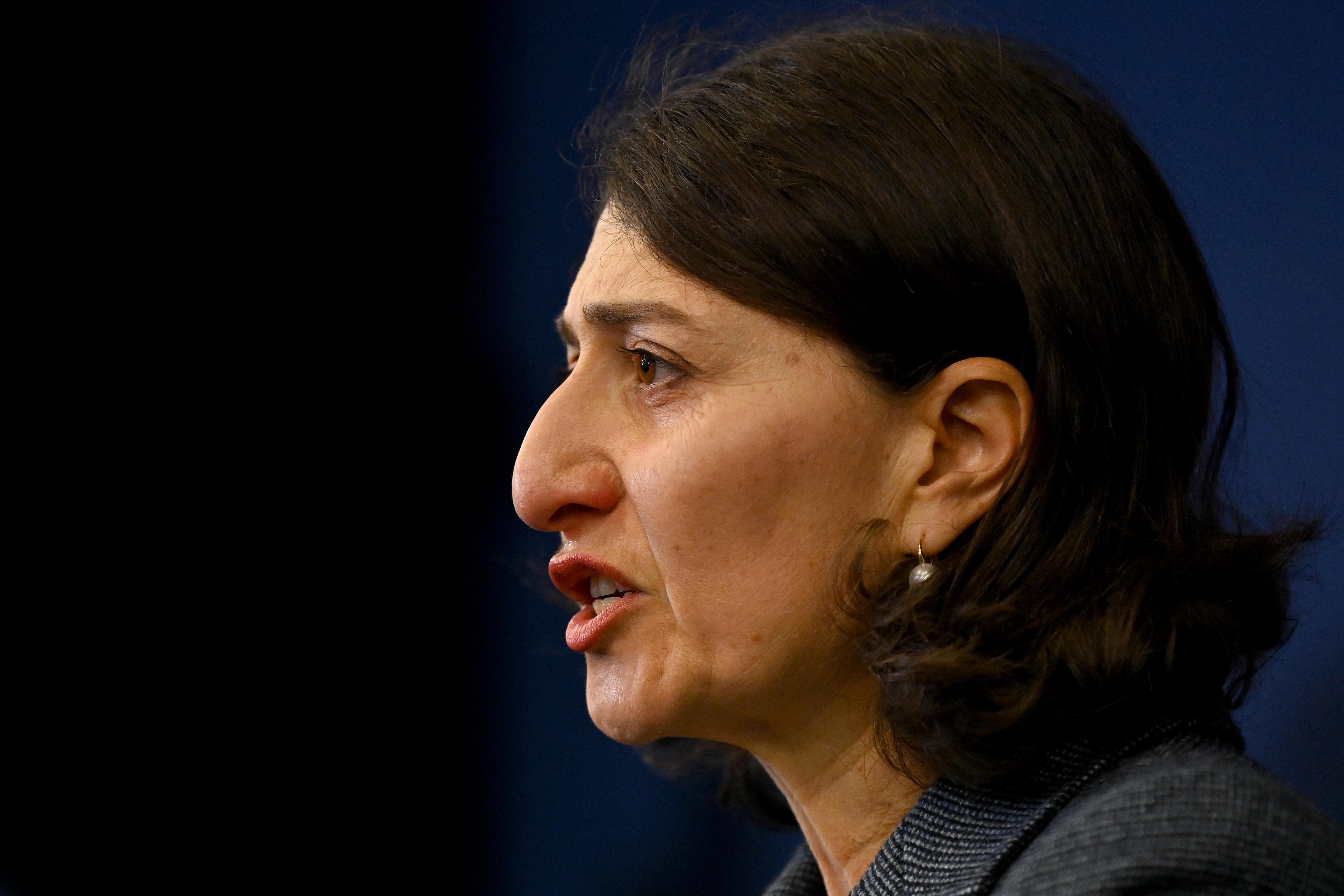
The contenders to be the next NSW Premier

The last two New South Wales premiers were chosen in effective coronations, running unopposed in the Liberal party room.

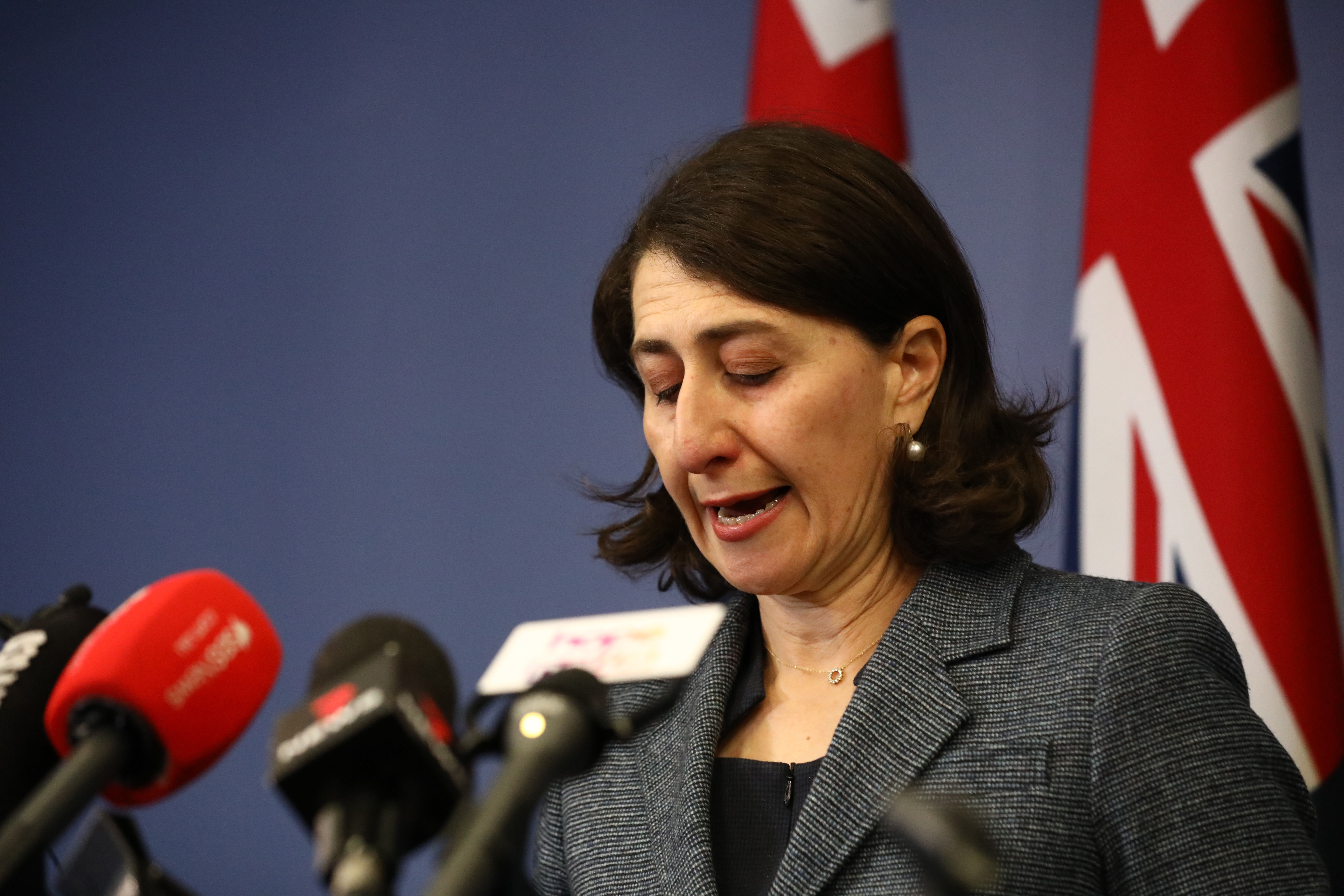
But the abrupt resignation of Gladys Berejiklian has left a power vacuum that could turn bloody.

After Ms Berejiklian weathered perhaps the toughest two years any premier has dealt with, she leaves behind a state about to exit lockdown.

So who is in the running to be the next premier of NSW? Here are the likely contenders.

READ MORE: Gladys Berejiklian's full resignation statement

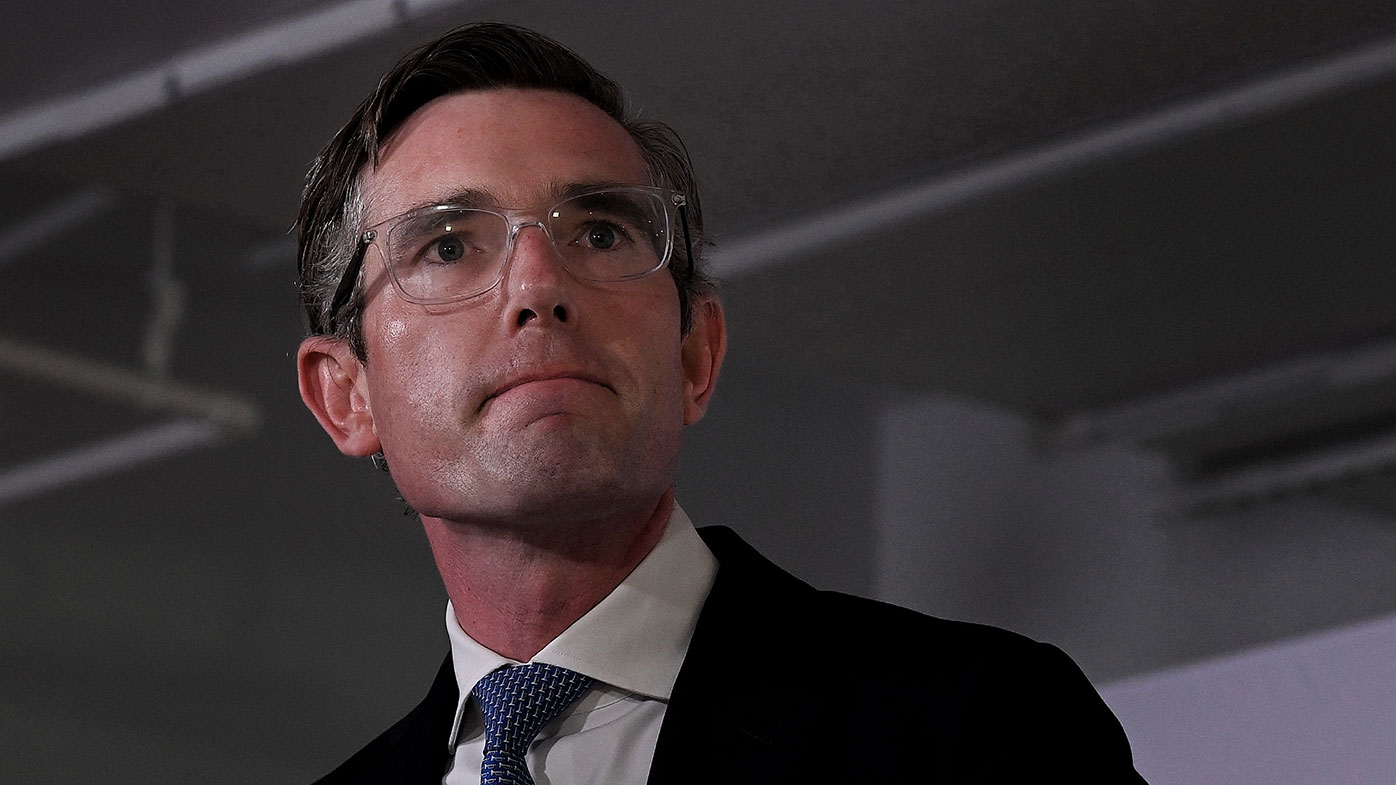
Dominic Perrottet

When Gladys Berejiklian ran unopposed for premier in 2017, the conservative faction of the party had a precondition.

They would support her for the top job, so long as Dominic Perrottet would be her deputy.

Mr Perrottet has served as Treasurer since 2017, a senior position for a young man. In spite of his experience, Mr Perrottet is still just 39 years old.

His resume makes him a frontrunner, but his position in the conservative faction stops him from being a shoo-in.

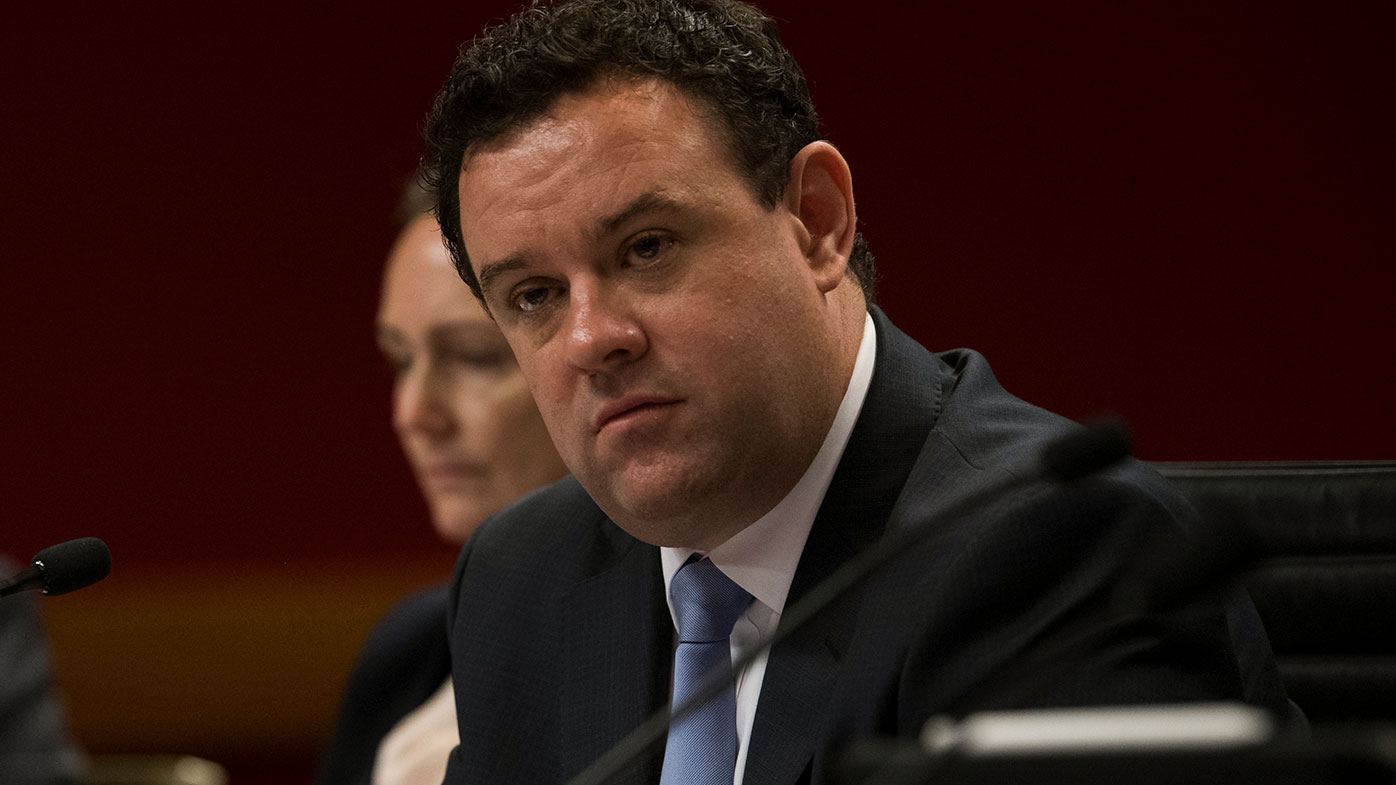
Dominic Perrotet is a likely contender in the battle to be the next premier of NSW.

The moderate faction has a majority in the NSW Liberals, and they may be reluctant to side with him.

Mr Perrottet grew up in the Hills District, and has moved electorates in three subsequent elections, from Hawkesbury to Castle Hill to Epping.

He lives with his wife Helen and their six children in northwest Sydney.

In a statement issued this afternoon, Mr Perrottet inferred that he might run for the top job.

"The interests of the people of NSW must always come first, and the priority for the Government is to ensure we continue to keep people safe, and that we re-open the economy and get people back to work, kids back to school, and life back to normal as fast as possible," he said.

"Over the coming days I will be talking to my family and colleagues about how I can best serve the people of NSW to continue to achieve these aims."

LIVE UPDATES: International borders set to reopen

Stuart Ayres

Minister for Jobs and Tourism Stuart Ayres is also reportedly angling for the top spot.

From the moderate faction, Mr Ayres, 40, represents the seat of Penrith in Sydney's west.

His dominant electoral position in what is often regarded as the most swingy part of Sydney has been a cause for consternation in the Labor Party.

Stuart Ayres could help the Liberal Party's fortunes in western Sydney.

If Mr Ayres is chosen, he would be the first NSW Liberal leader in decades to not hail from a blue-ribbon seat in Sydney's north or east.

He lives in western Sydney with his domestic partner Marise Payne, the federal foreign affairs minister.

Rob Stokes

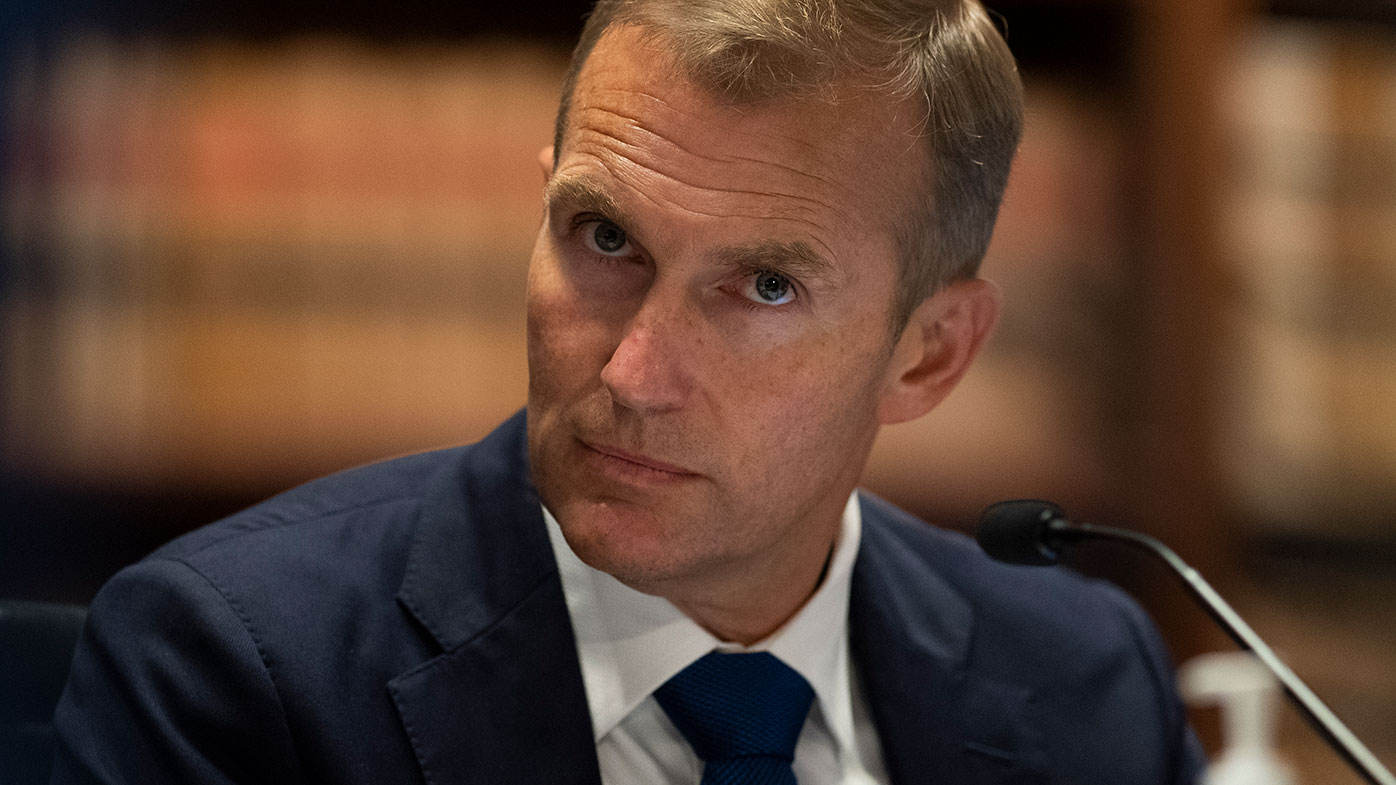
Planning Minister Rob Stokes has revealed he is planning a tilt at the top job.

Mr Stokes, 46, has represented the seat of Pittwater on Sydney's Northern Beaches since 2007.

Rob Stokes has confirmed his interested in running for premier.

The former lawyer has a PhD in planning law, and previously served as Education Minister.

Part of the moderate faction, he has been described as a key ally of Ms Berejiklian.

He lives with his wife Sophie and their three children in Newport.

Matt Kean

As a leader in the moderate faction, Matt Kean may throw his hat into the ring.

Mr Kean, 40, is currently the Minister for Energy and the Environment, and an ally of Ms Berejiklian.

He describes himself as an "outspoken critic on climate denialism", and has championed greater action on climate change.

He represents the electorate of Hornsby in Sydney's northwest.

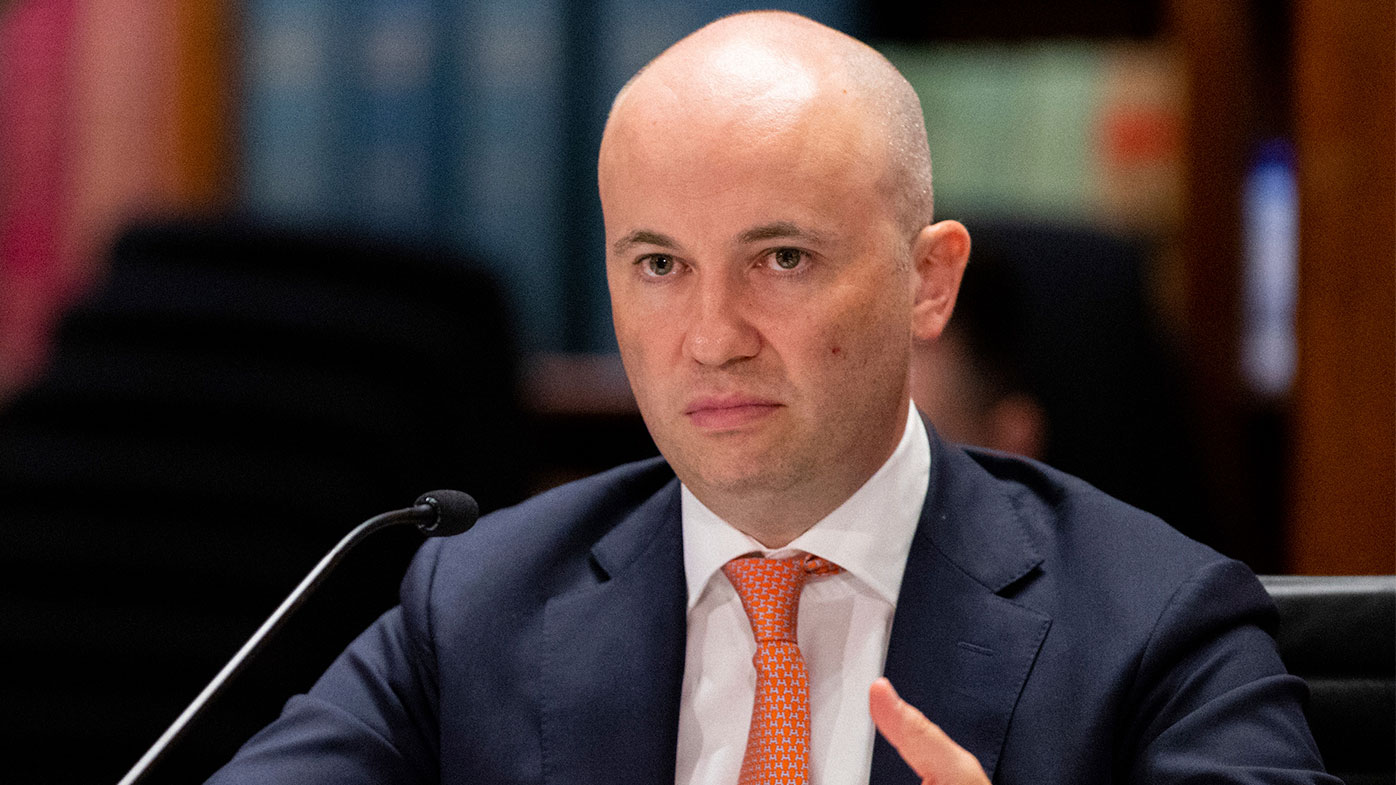
Matt Kean may run on a ticket with Dominic Perrottet.

But despite the factional differences, Mr Kean is a friend of Mr Perrottet.

It has long been rumoured that Mr Perrottet and Mr Kean would run together on a premier-deputy ticket when the next leadership spill came along.

He is recently married and has a baby boy.

READ MORE: PM, premiers praise Gladys Berejiklian after shock resignation

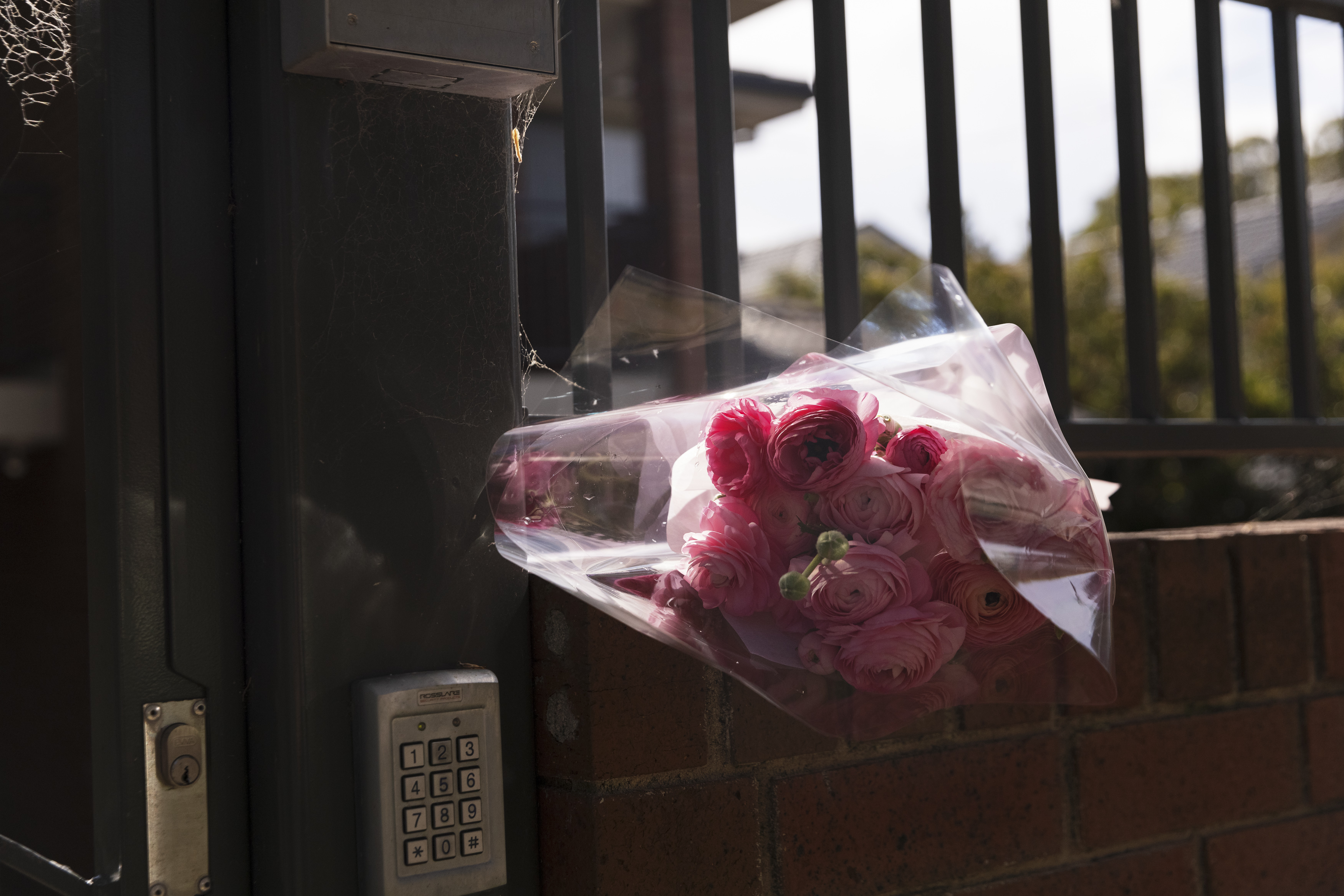
Flowers, balloons left at Gladys Berejiklian's home and office

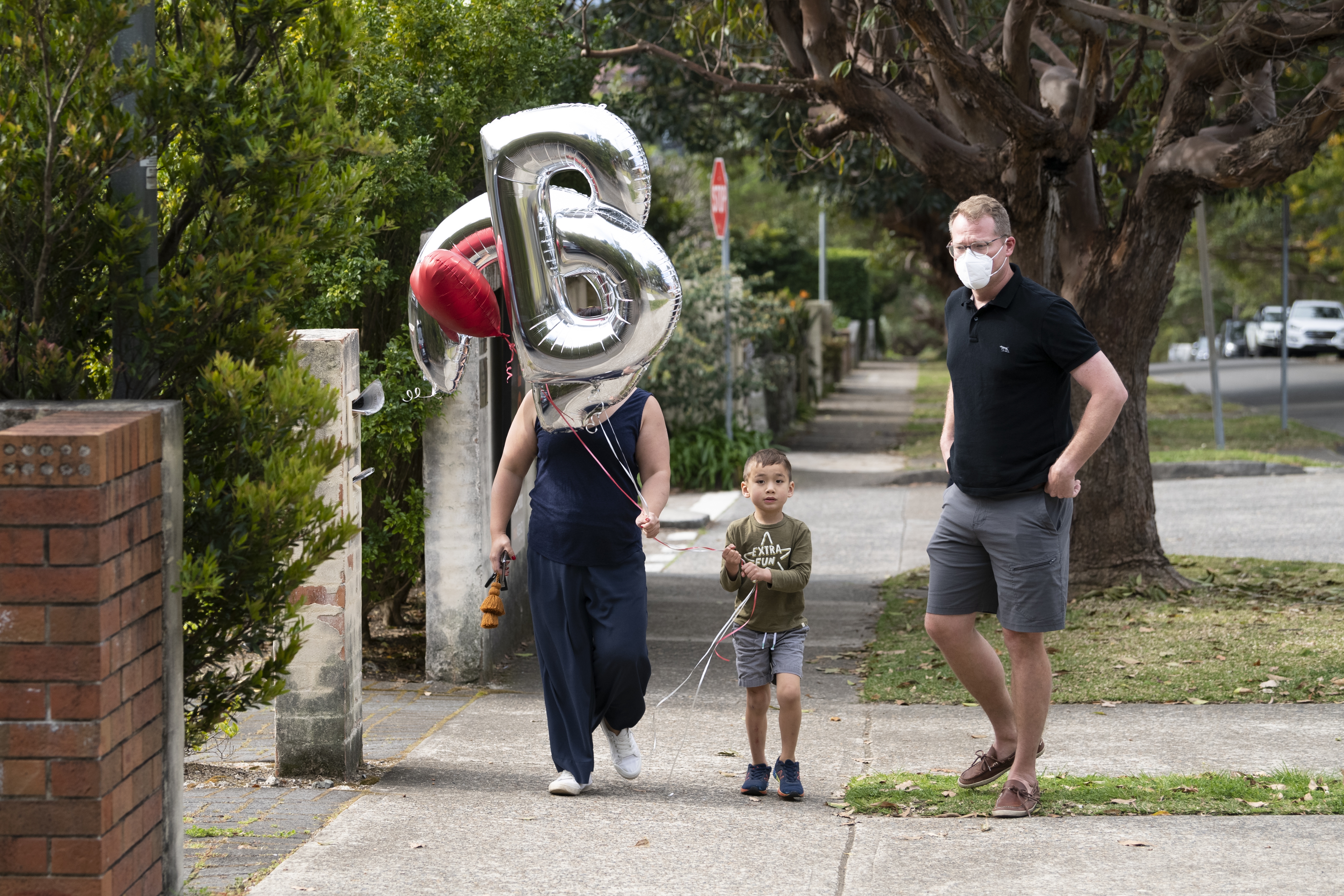
Locals of outgoing NSW Premier Gladys Berejiklian's electorate of Willoughby have left flowers and balloons at her home and office today after she stood down from her job.

Ms Berejiklian served the local electorate for the majority of her political career so there has been an outpouring of support from her constituents following her resignation.

READ MORE: 'I have been given no option': NSW Premier Gladys Berejiklian resigns

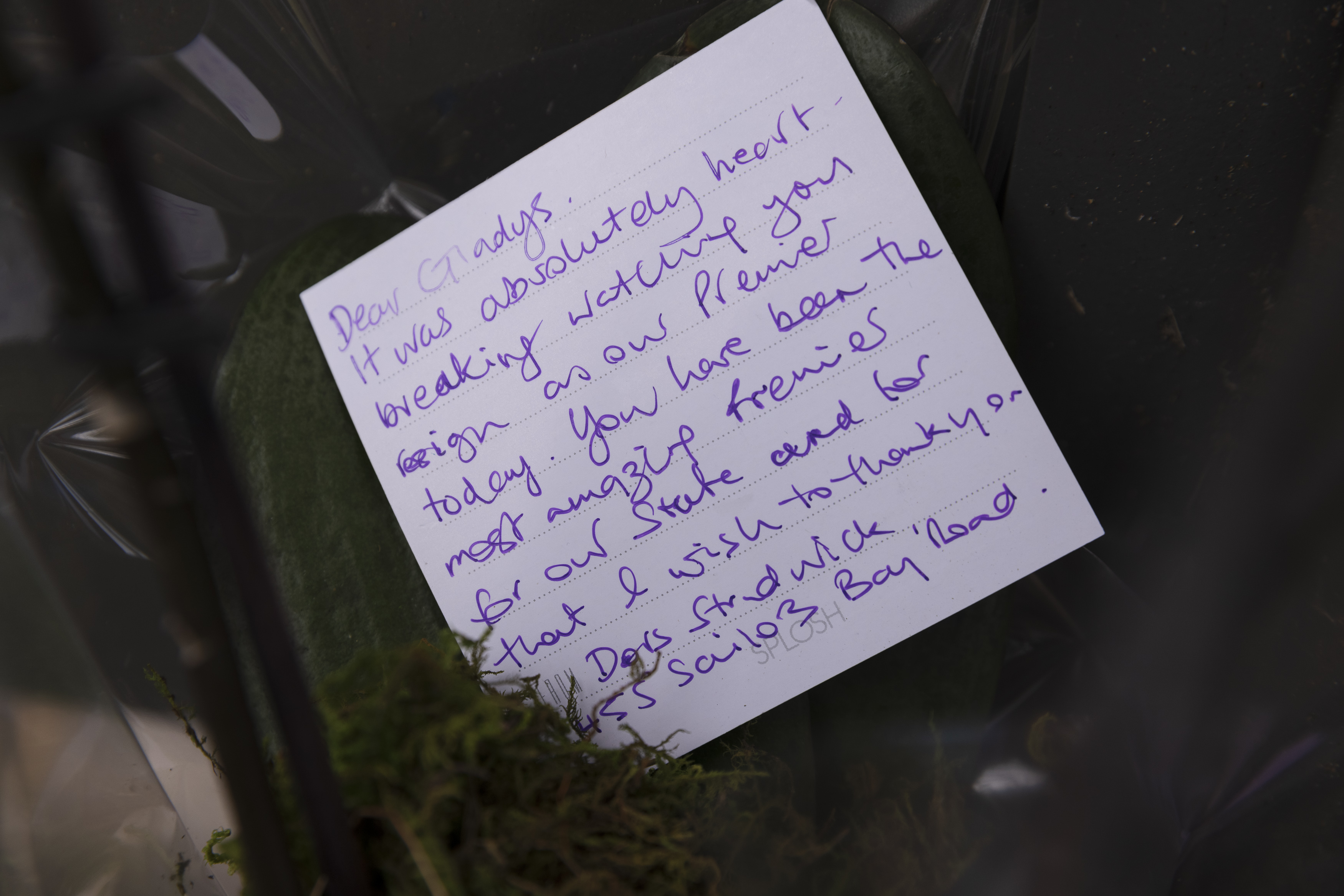
Balloons are tied to the front gate of Gladys Berejiklian's Sydney home today after her shock resignation.Bunches of flowers have been left at her house in the electorate she served for nearly two decades. Gladys Berejiklian resignation

This afternoon, there was an outpouring of support for the politician.

"It was just on Sunday we saw Gladys putting her bins like we do and thanked her for taking care of us and all the tough decisions she has had to make," one supporter told 9News.

READ MORE: The road to resignation – How Gladys Berejiklian came to this point

Ms Berejiklian took aim at ICAC over the timing of its announcement to investigate.A note left on a bunch of flowers outside Ms Berejiklian's home. Gladys Berejiklian resignation

"When you first went into politics who would have thought you'd been facing pandemic like this, the pressure she was under was immense," another said.

"It's just a real shame she has done a fantastic job during the pandemic," a local said.

New South Wales Premier Gladys Berejiklian resigned from her position after the Independent Commission Against Corruption announced a public hearing into her conduct.

Ms Berejiklian will also stand down from parliament.

The outgoing premier described the decision as "extremely difficult" but said she had been left with no choice.

'I have been given no option': NSW Premier Gladys Berejiklian resigns

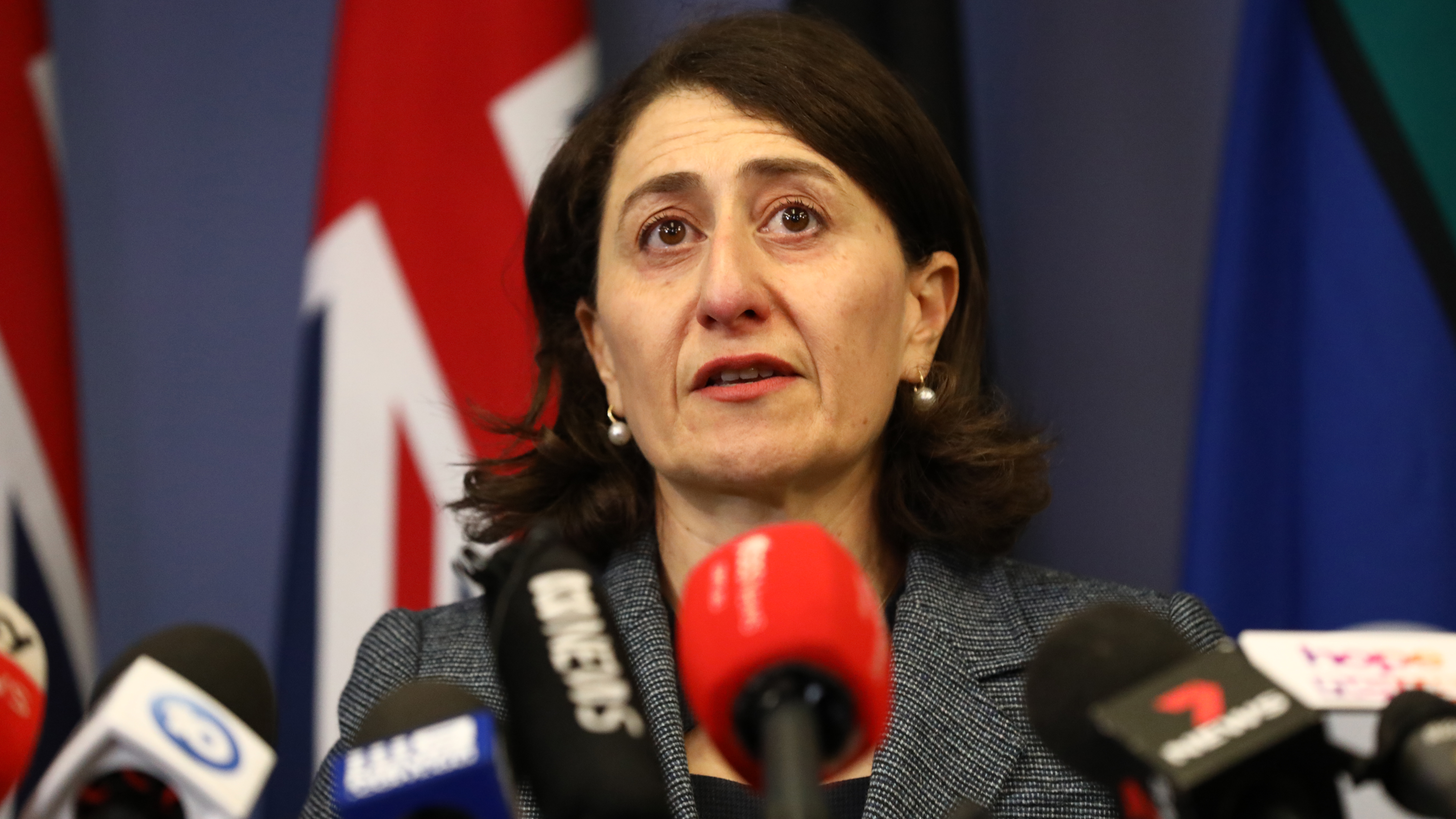
New South Wales Premier Gladys Berejiklian has resigned from her position after the Independent Commission Against Corruption announced a public hearing into her conduct.

Ms Berejiklian will also stand down from parliament.

The outgoing premier described the decision as "extremely difficult" but said she had been left with no choice.

LIVE UPDATES: International borders set to reopen

https://omny.fm/shows/the-9news-lunch-podcast/oct-1-gladys-gone-nsw-premier-makes-shock-announce/embed?style=cover/embed?style=cover

"Standing aside is not an option for me as the premier of NSW," Ms Berejiklian said in a press conference today.

She also took aim at the ICAC over the timing of the announcement, saying the change "could not come at a worse time".

"Resigning at this time is against every instinct of my being.

"I love my job and serving the community but I have been given no option."

Ms Berejiklian thanked the people of NSW for their support of her during her time in office.

"Serving you has been the greatest privilege of my life," she said.

"Please know that every day I gave it my all and worked as hard as I could to create a better future for the state and its people."

READ MORE: Gladys Berejiklian's full resignation statement

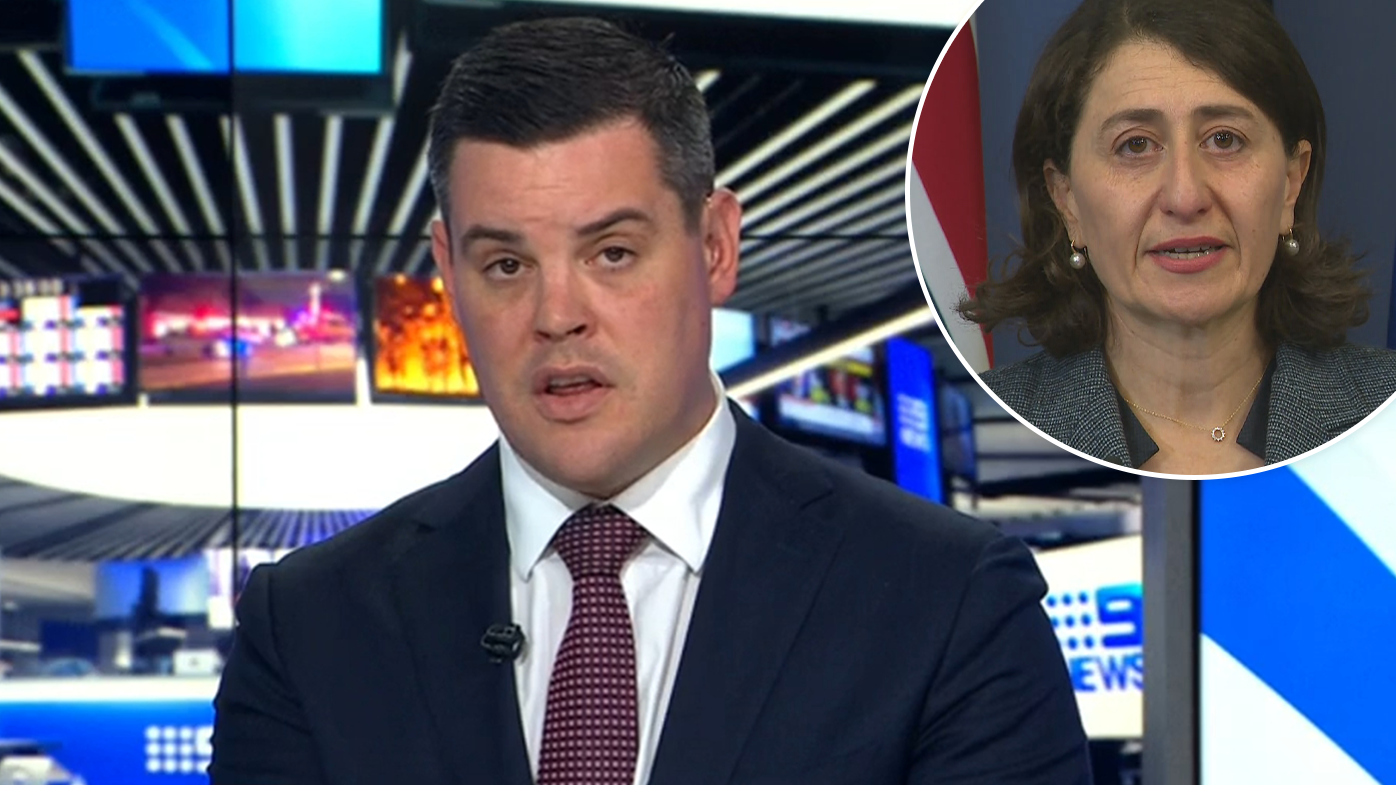
Nine's Chris O'Keefe explains NSW Premier's resignation

She said the people of NSW would come out of lockdown stronger.

"As I address you the final time as your premier, please stay the course and stay safe," Ms Berejiklian said.

"We will be shortly out of this lockdown and be able to get on with our lives."

She urged the state to support whoever is chosen as her successor. She will also resign from NSW Parliament.

READ MORE: The road to resignation – How Gladys Berejiklian came to this point

It comes after ICAC announced it will hold public hearings into whether Ms Berejiklian engaged in conduct that "involved a breach of public trust".

In a statement, ICAC said: "The Commission is investigating whether, between 2012 and 2018, the Hon Gladys Berejiklian MP engaged in conduct that…constituted or involved a breach of public trust by exercising public functions in circumstances where she was in a position of conflict between her public duties and her private interest as a person who was in a personal relationship with the then NSW Member of Parliament, Mr Daryl Maguire."

READ MORE: PM, premiers praise Gladys Berejiklian after shock resignation

ICAC will investigate any "position of conflict" between her professional role and her private relationship with Mr Maguire, then a member of state parliament.

ICAC will investigate whether her private relationship led to grant funding going to the Australian Clay Target Association Inc in 2016 and 2017, and the Riverina Conservatorium of Music in 2018.

Both organisations are based in Wagga Wagga, the city in country NSW represented at the time by Mr Maguire.

ICAC will also investigate whether Ms Berejiklian "was liable to allow or encourage the occurrence of corrupt conduct by Mr Maguire".

Mr Maguire himself will be investigated for conduct that involved a breach of public trust.

The public inquiry will be held from October 18 and is expected to last for 10 days.

A witness list will be published closer to the date.

READ MORE: The contenders to be the next NSW Premier

Ecuador: Family Members, Officials Try to Identify 116 Dead in Prison Riot

GUAYAQUIL, Ecuador, Sept 30 (Reuters) – Ecuador on Thursday sought to identify the remains of the 116 inmates killed during a riot at one of its largest prisons earlier this week, the latest bout of violence authorities have linked to gangs vying for control of drug trafficking routes.

Dozens of relatives of inmates at the Penitenciaria del Litoral in the country’s largest city of Guayaquil gathered outside a morgue seeking information on loved ones, after the deadliest outbreak of prison violence in Ecuador’s history on Tuesday in which 80 people were also injured.

Police investigators asked family members for photographs of inmates or details of features like scars or tattoos to help them identify bodies.

Police commander Tannya Varela told reporters that the casualty count could rise, as officers were still investigating. Earlier on Thursday, the national police sent 400 officers to regain control of the detention center. Soldiers also entered the prison to maintain order.”We have not yet completed the intervention in the penitentiary, so it is possible that there are other bodies inside, and some of the injured could die from their wounds,” Varela said.

The violence came after 79 and 22 people died in prison riots in February and July, respectively. Authorities linked the earlier clashes to rival local gangs with ties to transnational criminal groups battling for control over Ecuador’s drug trade.

According to Mario Pazmino, a colonel and former intelligence director for Ecuador’s army, the clashes have increased and grown bloodier recently as Mexican drug cartels, such as the Sinaloa and Jalisco Nueva Generacion cartels, have formed alliances with local gangs.

While not a large drug producer, Ecuador is a major transit hub for cocaine from neighboring Colombia and Peru bound for the United States and Europe, much of it concealed in legitimate container cargo departing from Guayaquil’s port, according to a U.S. State Department report from March.

“This presence of drug trafficking is reflected in a permanent fight over pathways and territory from where drugs leave, and that is what is being replicated in the detention centers, as well as cities where score-settling and assassinations take place,” Pazmino told Reuters.

Asked on Wednesday night whether this week’s clash was linked to drug trafficking, Fausto Cobo, director of Ecuador’s Center for Strategic Intelligence, said the violence was “connected with other serious problems.”

“This is a problem that goes beyond an issue with the penal system,” Cobo told reporters. “It is a threat against the Ecuadorian state.”

‘THIS CANNOT KEEP HAPPENING’

Outside the morgue in Guayaquil, Paola Moreira awaited news of her 24-year-old brother Bryan, who was set to be released from the Penitenciaria del Litoral in just one month.

“He called me on Wednesday at noon and asked me to please help, that everyone from section five had been killed and only two were alive, but our hands were tied and we could not do anything for him,” said Moreira, 26. “So I have come here to wait.”

In a statement posted on Twitter, Ecuador’s chief prosecutor’s office said it was still working on identifying the victims – at least six of whom it said on Tuesday had been decapitated.

Prison overcrowding and underfunding is a major problem across South America and has contributed to riots in recent years in Argentina, Brazil and Venezuela, as well as Ecuador. President Guillermo Lasso said on Wednesday he would free up funds and send additional security forces to prisons.

“They have killed so many young men, this cannot keep happening,” Moreira said.

Reporting by Yury Garcia in Guayaquil, Ecuador and Alexandra Valencia in Quito; Writing by Luc Cohen; Editing by Howard Goller, Bill Berkrot and Daniel Wallis

The post Ecuador: Family Members, Officials Try to Identify 116 Dead in Prison Riot appeared first on The St Kitts Nevis Observer.
WHO: Africa Lags Behind on COVID-19 Vaccination, Summary, World Stats

African Healthcare Workers at Risk – WHO, Nurses Say

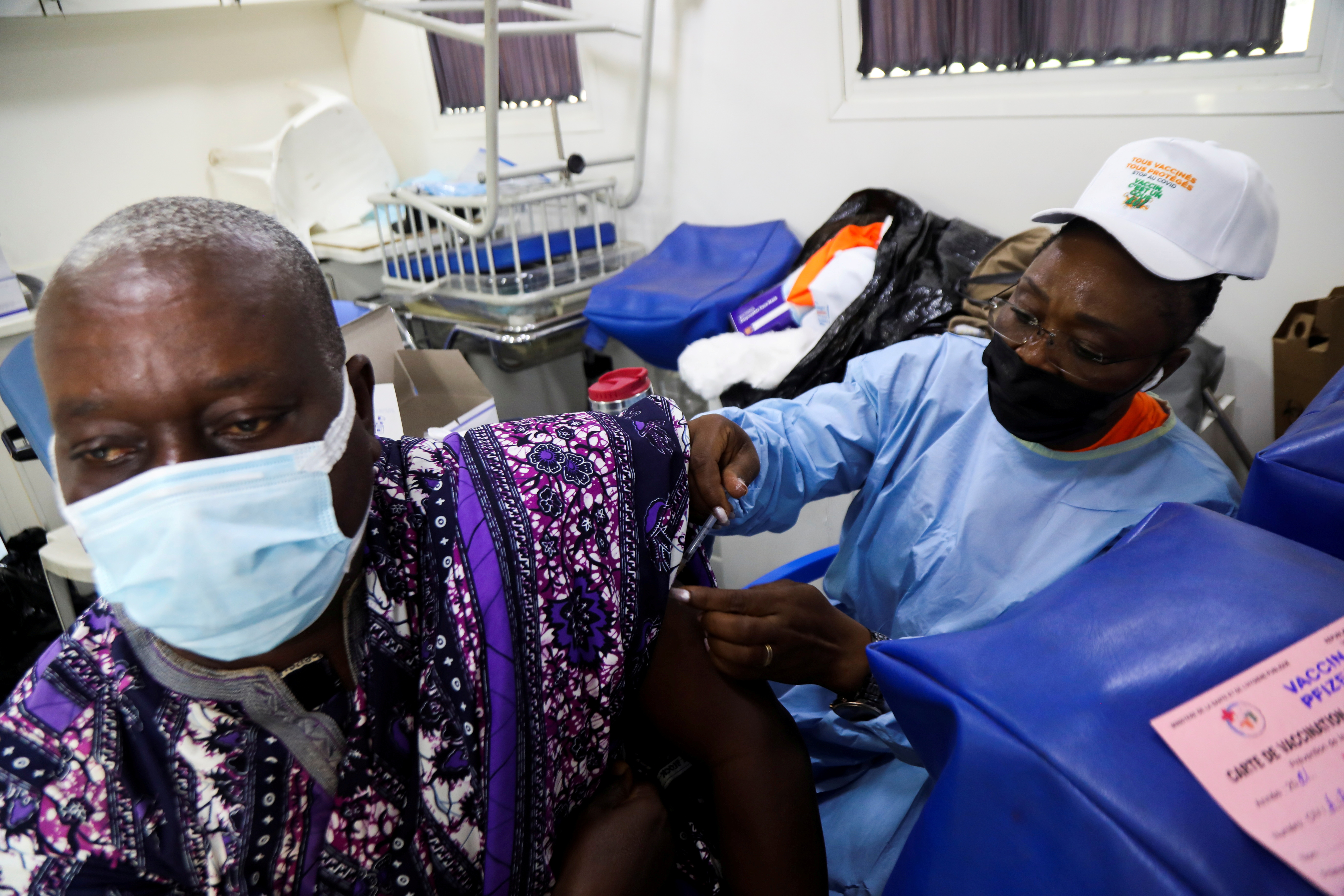
GENEVA/NAIROBI, Sept 30 (Reuters) – Only 15 of Africa’s 54 nations have fully vaccinated 10% of their populations against COVID-19 and many frontline health workers remain at risk, the World Health Organisation (WHO) and International Council of Nurses (ICN) said on Thursday.

They called for speeding up distribution of doses to those at risk on the continent amid what the WHO called “opaque delivery plans” and “bottlenecks” in the rollout of vaccines in Africa.

The WHO had called for vaccinating at least 10% of health workers in every country by Sept. 30 – a target met by nearly 90% of high-income countries, the United Nations health agency said.

Half of the 52 African countries that have received COVID-19 vaccines have fully vaccinated just 2% or less of their populations, WHO’s regional office in Brazzaville said in a statement.

Howard Catton, chief executive officer of the Geneva-based ICN, told Reuters that it analysed data from nine African countries.

It showed that approximately a third of health workers were still waiting for their first dose of vaccine and only about 10 percent had been fully vaccinated.

“Despite the promises, we are not seeing the delivery And this is a health and a human rights crisis,” he said. “Today nurses and health workers are still going to work knowing that they are at higher risk, but not having the protection of vaccine.”

In the meantime, some rich countries are already administering booster shots and vaccines to youth, he said.

“You know, we have just seen a billionaire send a healthcare worker into space, yet, here on earth, we have millions of healthcare workers still waiting to be vaccinated. They shouldn’t have to wish on a star for a vaccine, they should be prioritized,” Catton said.

Richard Mihigo, coordinator for the WHO’s Immunization and Vaccines Development Programme Africa, told a briefing: “What the data is showing us – in the 39 countries where we were able to collect that information, 8% of all the doses administered in those 39 countries were administered to healthcare workers.”

Some healthcare workers in remote rural areas have not been reached, he said.

Reporting by Cecile Mantovani in Geneva and Ayenat Mersie in Nairobi; writing by Stephanie Nebehay; editing by Angus MacSwan

=====================================================

World  Summary

Oct 1 (Reuters) – Australia will lift one of the toughest international border restrictions on its citizens next month, while neighbouring New Zealand logged more Delta coronavirus infections in its capital city. read more

DEATHS AND INFECTIONS

EUROPE

* Pupils will from Oct. 4 no longer have to wear protective face masks in French primary schools in areas with a low COVID-19 infection rate, according to a government decree. read more

* The European Union will extend a mechanism to monitor and potentially limit the export of COVID-19 vaccines from the bloc, an EU official said. read more

AMERICAS

* A U.S. judge upheld the University of California’s COVID-19 vaccine requirement against a challenge by a professor who alleged he had immunity due to a prior coronavirus infection.

* United Airlines has trimmed the number of employees who are facing termination for defying the company’s vaccine mandate. The Chicago-based carrier said 320 U.S.-based staff are now not in compliance.

* Los Angeles officials on Wednesday signalled they would vote next week to prohibit unvaccinated people from entering most businesses in the United States’ second-largest city. read more

ASIA-PACIFIC

* South Korea extended social distancing curbs for two weeks, offering more incentives to people to get vaccinated as it battles thousands of new cases each day. read more

* Japan’s Takeda Pharmaceutical said that “human error” caused metal contaminants to get into Moderna vaccine doses, leading to a recall. read more

MIDDLE EAST AND AFRICA

* South African President Cyril Ramaphosa has eased restrictions to the lowest alert level, as the country looks to open up its economy ahead of the summer holiday season. read more

* Egypt on Thursday received 1.6 million doses of the vaccine produced by Pfizer as a gift from the United States as part of the COVAX initiative, the first batch of a total of 5 million doses. read more

MEDICAL DEVELOPMENTS

* Malaysia has given conditional approval for a vaccine made by China’s Sinovac to be used on young people aged between 12 and 17. read more

* It is safe for people to receive a COVID-19 vaccine and a flu shot at the same time and it does not negatively impact the immune response produced by either, a British study has found.

Compiled by Ramakrishnan M., Vinay Dwivedi, Anita Kobylinska and Juliette Portala; Editing by Sriraj Kalluvila
================================================

WORLD STATS

Coronavirus Cases:

234,635,816

Deaths:

4,798,836

Recovered:

211,427,388
Highlighted in green
= all cases have recovered from the infection
Highlighted in grey
= all cases have had an outcome (there are no active cases)

[back to top ↑]

Latest News

October 1 (GMT)

Updates

  • 1,576 new cases and 43 new deaths in Japan [source]
  • 8,828 new cases and 533 new deaths in Mexico [source]

The post WHO: Africa Lags Behind on COVID-19 Vaccination, Summary, World Stats appeared first on The St Kitts Nevis Observer.