Category Archives: headline

Search for Remains of Indigenous Children Killed in Guatemala Massacre Blocked by Residents


GUATEMALA CITY, Sept 28 (Reuters) – Residents of a Mayan community in Guatemala prevented experts on Tuesday from beginning to exhume the remains of more than 100 children believed to have been buried clandestinely in a former military garrison during the country’s civil war in the 1980s.

The search efforts in the village of Chiul, more than 120 miles (200 km) from Guatemala City, were scheduled to begin early on Tuesday morning but were suspended after residents disrupted the plans without offering an explanation for their opposition.

Arnulfo Oxlaj, one of the survivors of the massacre who was at the site on Tuesday, said that among those who opposed the exhumations were former members of the country’s armed forces, which has been accused of carrying out the massacre.

“(They are) interested in opposing justice,” he said.

Reuters could not independently confirm the allegations by Oxlaj, who had to be guarded by local authorities to avoid being attacked during the protest, according to the Public Ministry.

A Guatemalan army spokesman did not respond to a request for comment.

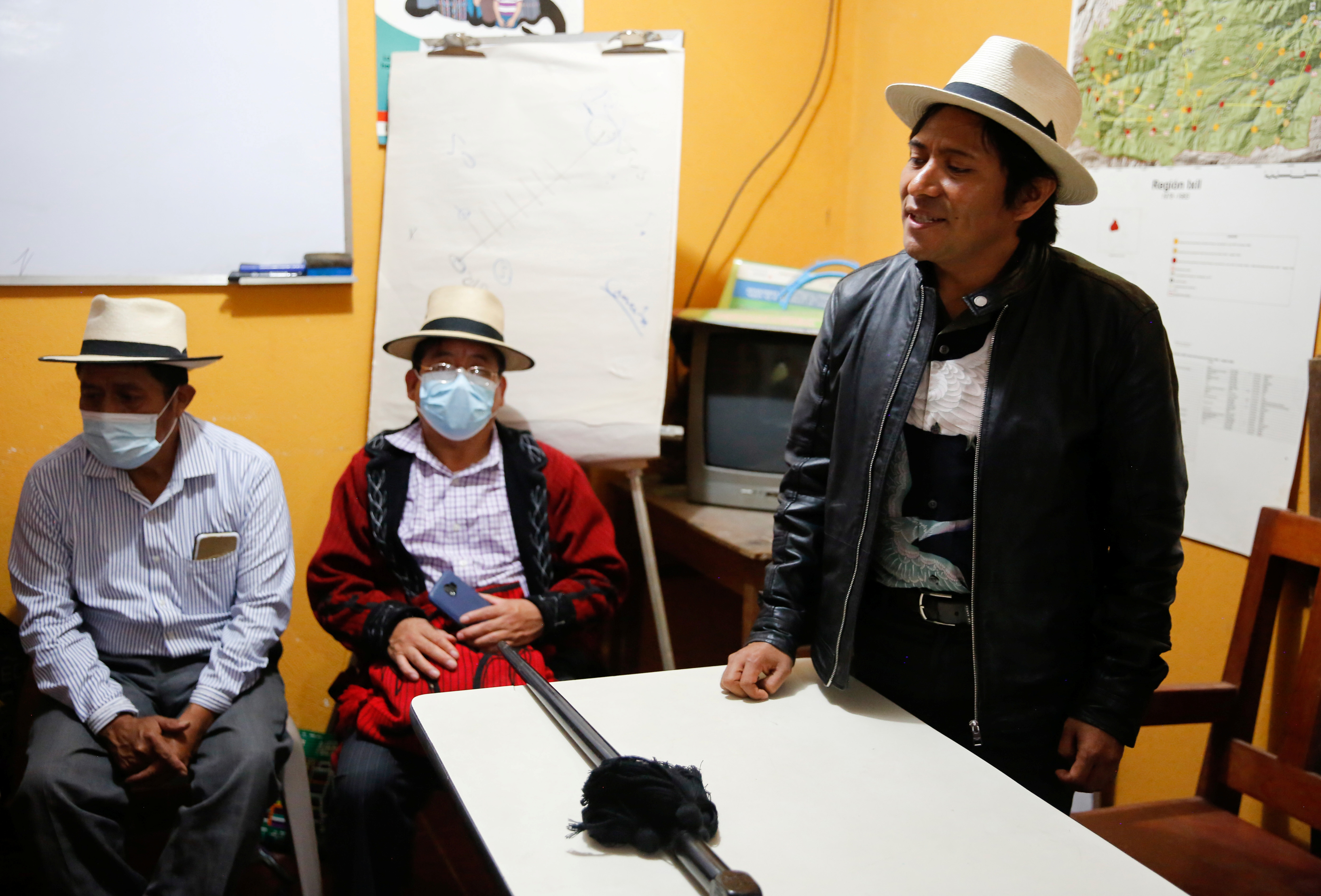
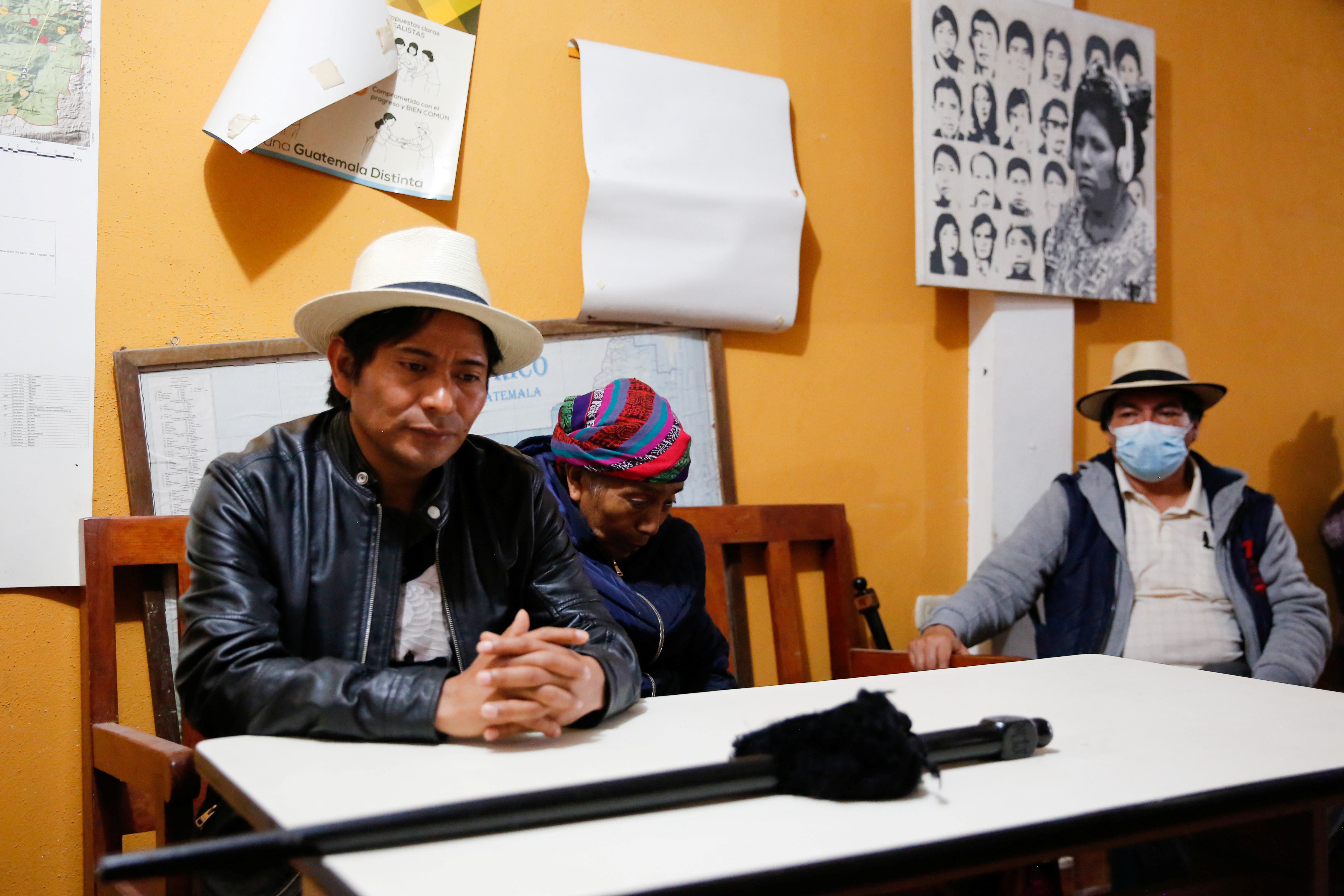
Arnulfo Oxlaj, a survivor of the massacre of children from the Chiul Indigenous community in Guatemala’s civil war, meets with Indigenous leaders after local authorities prevented an exhumation at the site where the children are believed to be buried, in Nebaj, Guatemala September 28, 2021. REUTERS/Luis Echeverria

During the dispute, community journalist Jose Guarcas was temporarily detained by the protesters, civil society organizations said.

The massacre, one of many targeting Mayan communities during the civil war, occurred on May 21, 1988, in the remote Chiul indigenous community. Witnesses say members of the armed forces captured hundreds of residents and took them to the military garrison, where they separated the children from their parents.

According to Oxlaj, 116 children between the ages of 2 and 15 were tortured and thrown into what was then a well inside the facility, where they drowned.

There is no official record of the number of victims or clarity about the motivations behind the killings. The Guatemalan military has been accused of conducting a genocide campaign against indigenous peoples during the conflict.

The Public Ministry opened an investigation into the case earlier this year, following a complaint filed by Oxlaj.

The planned excavation was coordinated by the Guatemalan Forensic Anthropology Foundation and the Human Rights Prosecutor’s Office – part of efforts to seek justice for the hundreds of thousands of victims of the armed conflict that lasted from 1960 to 1996.

Reporting by Bill Barreto; Writing by Laura Gottesdiener; Editing by Peter Cooney

The post Search for Remains of Indigenous Children Killed in Guatemala Massacre Blocked by Residents appeared first on The St Kitts Nevis Observer.

Women Across Latin America March for Abortion Rights

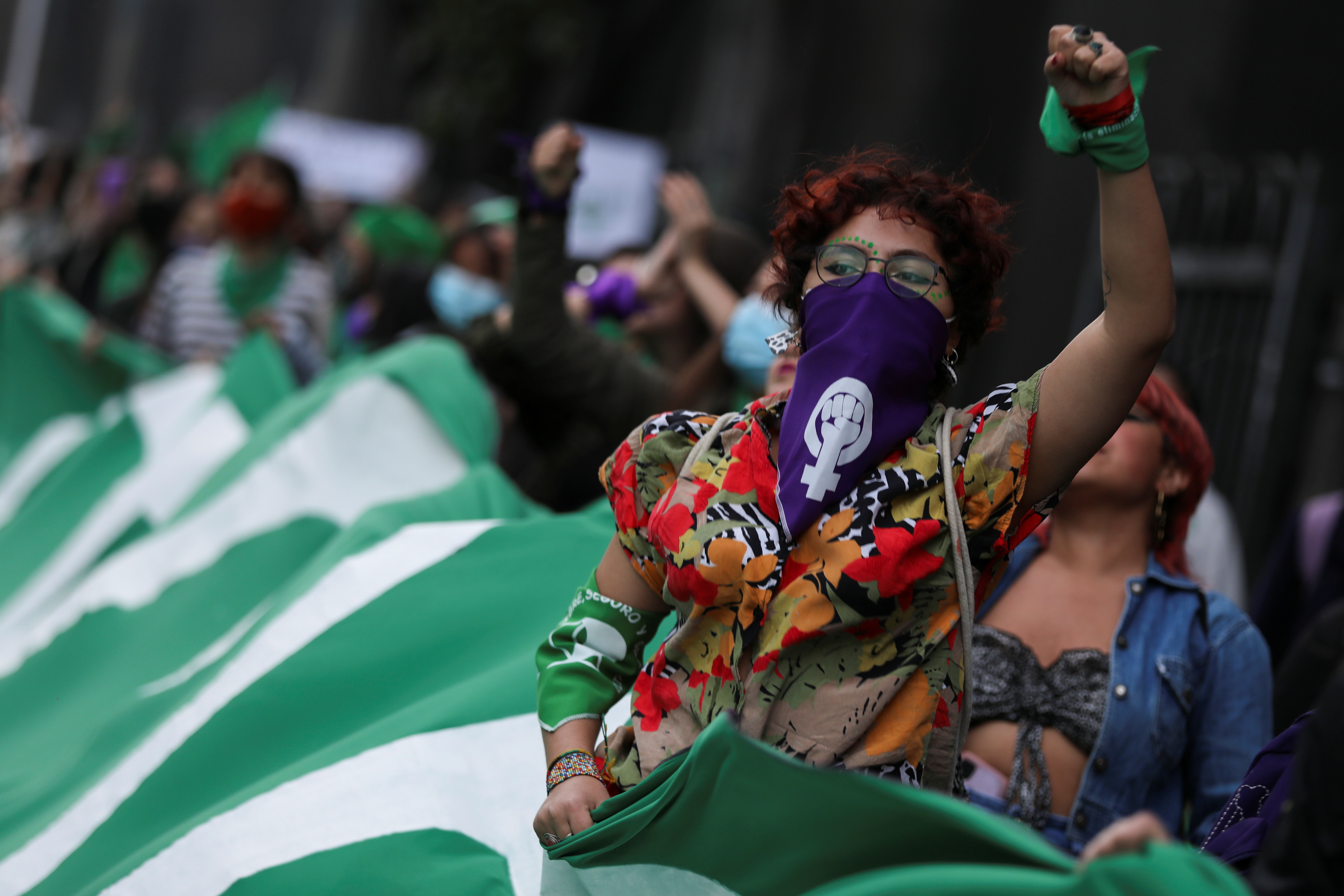
MEXICO CITY, Sept 28 (Reuters) – Thousands of women demonstrated in several Latin American cities on Tuesday to commemorate the global day of action for access to safe and legal abortion, in a region where the procedure is fully permitted only in a handful of countries.

In Mexico City, women marched to the historic center under the gaze of police with shields and riot helmets. Authorities put up protective fences on some major buildings and monuments that in the past have been spray-painted during demonstrations.

“I still don’t know if I want to be a mom, but I want to have the right to decide,” read a sign held by a young woman with a green scarf around her neck.

Earlier this month Mexico’s Supreme Court declared it unconstitutional to criminalize abortion and, shortly after, the government said that those jailed on accusations of having terminated their pregnancy would be released.

Hundreds of other women marched in other parts of Mexico, including in the cities of Cuernavaca and Veracruz.

Every year, thousands of women in Latin America die from unsafe abortions at a time when teenage pregnancies and sexual violence continue to increase in the region.

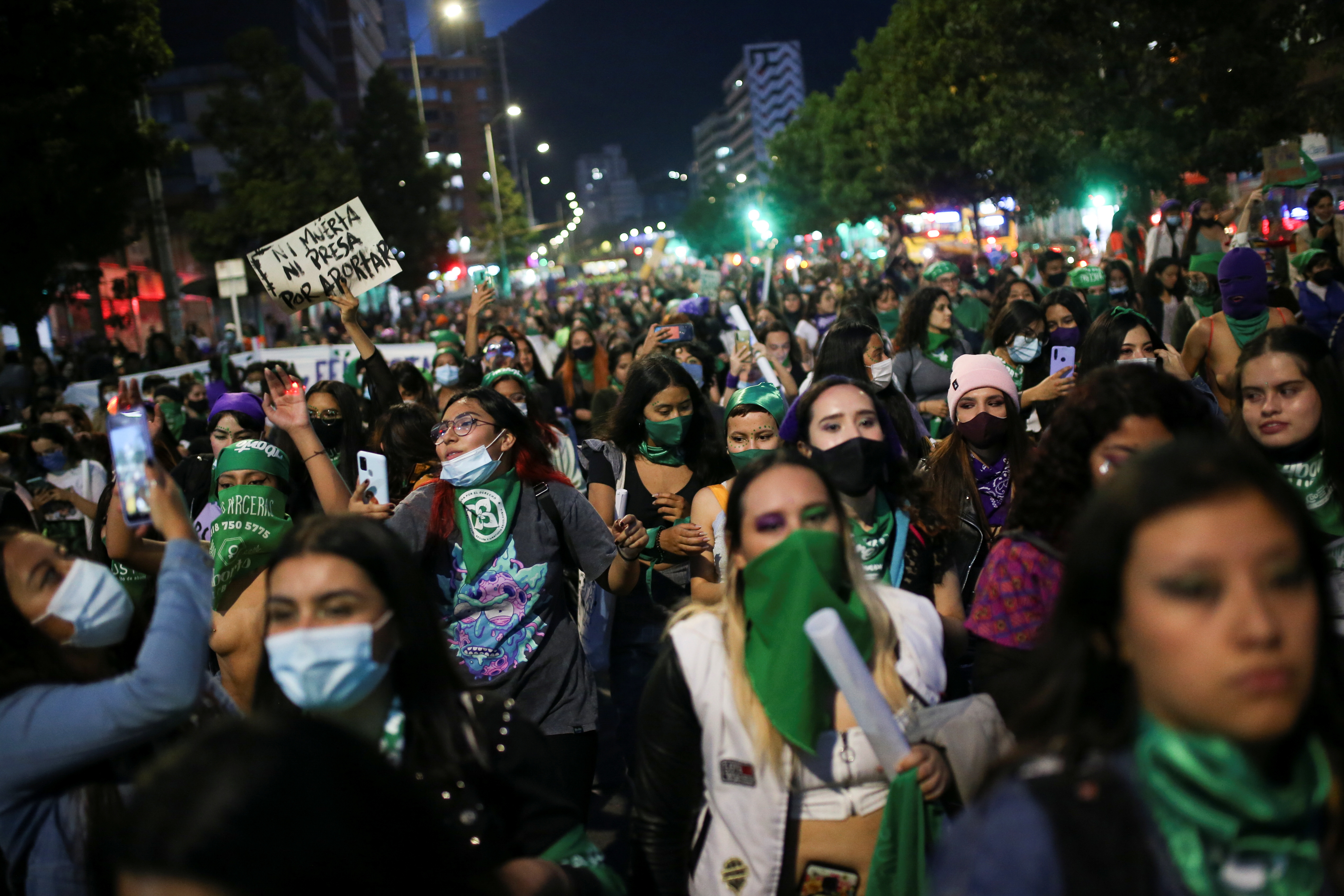
In Colombia, where abortion is allowed only in cases of rape, risks to the life of the mother, or birth defects, some 800 women marched towards the center of Bogota.

“Women are reminding states and societies that we’re full citizens, not second-class, and that we have the right to abort, to voluntarily interrupt pregnancy, to decide about our bodies, about our lives, and about our maternity wards,” said Ita Maria Diez, a leader of the Bogota demonstration.

1/7

Demonstrators march in support of legal and safe abortion and to mark the International Safe Abortion Day in Bogota, Colombia September 28, 2021. The sign reads “Neither dead nor imprisoned for aborting”. REUTERS/Luisa Gonzalez

A march was also held in Chile, where the lower house of Congress agreed to debate a bill to decriminalize abortion for up to 14 weeks after pregnancy.

STRICT LAWS

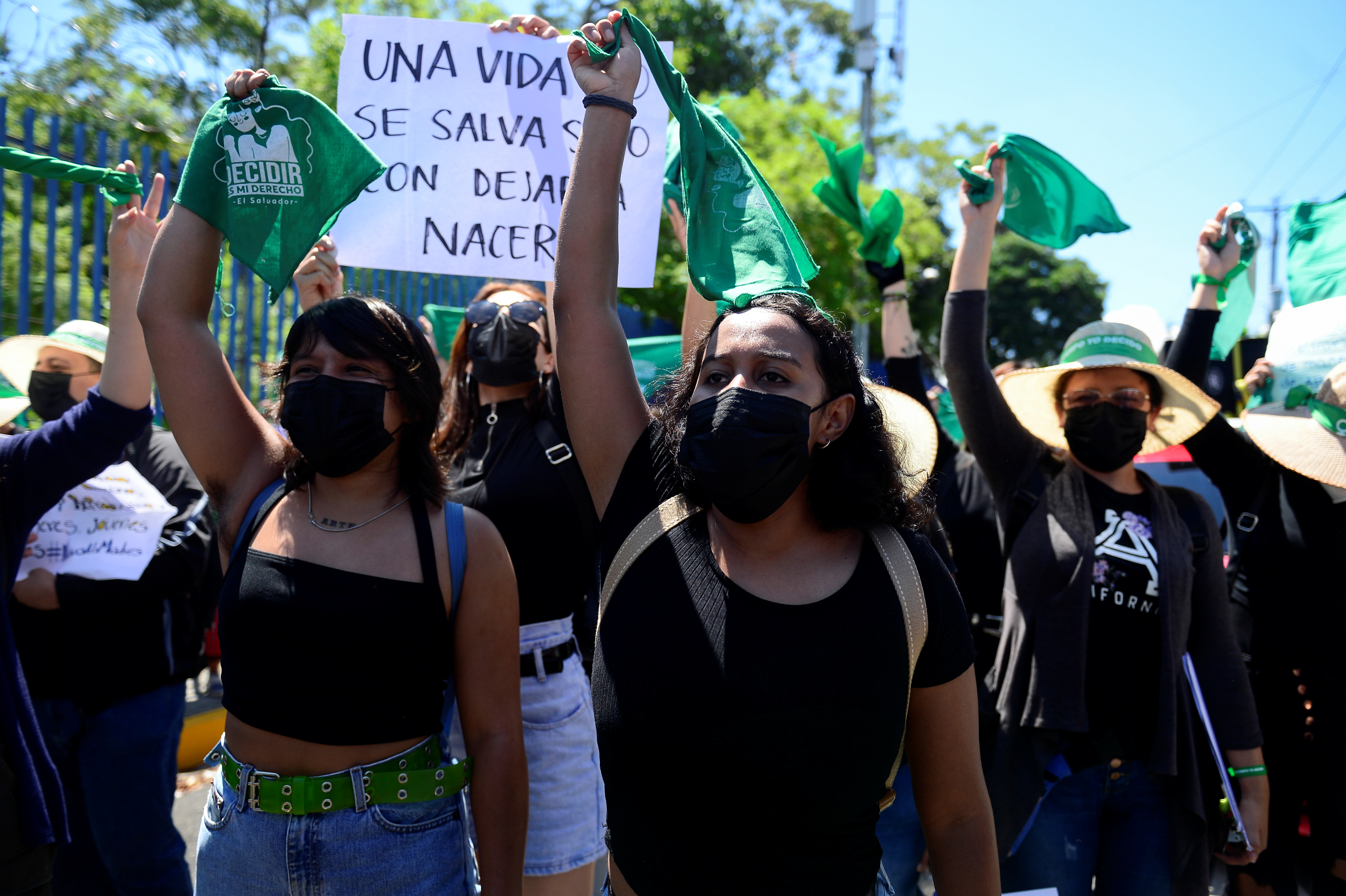
Scores of people in El Salvador waved green flags and marched through San Salvador en route to Congress to demand a loosening of the country’s “strict” abortion laws.

Holding up banners saying “it’s our right to decide” and “legal abortion, safe and free,” the Salvadoran protesters sought to pressure legislators to ease one of the world’s strictest abortion laws, which prohibit termination of pregnancy in cases of rape and even if the mother’s life is at risk.

The proposals taken to the Salvadoran Congress have been named “Beatriz Reform,” in honor of a young woman who in 2013 openly called for an abortion to save her life as she suffered from a chronic disease, which took her life four years later.

“We are asking for minimum measures to add to the Penal Code to guarantee the life and integrity of women,” Morena Herrera, a prominent Salvadoran feminist, told journalists.

“It does not require constitutional reform. It can be done now and if it is true that there is independence of powers, the Legislative Assembly must respond,” she added.

Salvadoran President Nayib Bukele earlier this month ruled out any amendments to the abortion laws as part of controversial constitutional changes his government is planning. read more

But several out of more than 20 Latin American nations still ban abortion outright, including El Salvador, which has sentenced some women to up to 40 years in prison.

Reporting by Ana Isabel Martinez in Mexico City, additional reporting by Gerardo Arbaiza in San Salvador; Luis Jaime Acosta in Bogota, Fabian Cambero and Gabriela Donoso in Santiago, Editing by Drazen Jorgic and Sandra Maler

The post Women Across Latin America March for Abortion Rights appeared first on The St Kitts Nevis Observer.

Fourth Time Haiti Polls Postponed – Electoral Body Dissolved

General elections scheduled for November in Haiti have been postponed indefinitely after the country’s prime minister dismissed all members of the body which organises elections.

Prime Minister Ariel Henry said he would appoint a new electoral council, but has not said when he would do so.

It is the fourth time the election has been postponed.

Haiti has been torn apart by a fierce power struggle triggered by the killing of President Jovenel Moïse in July.

Prime Minister Ariel Henry, who was named by President Moïse just two days before the killing, ordered the dissolution of the nine-member Provisional Electoral Council (CEP) on Monday.

A decree to that effect was published in Haiti’s official gazette.

What role does the council play?

The Provisional Electoral Council (CEP) is Haiti’s electoral commission and the body responsible for organising presidential and parliamentary elections.

Its role includes ensuring that elections are held feely and fairly.

The most recent controversy involving the CEP started in July 2020, when all nine members of the CEP resigned.

They did so in protest at attempts by then-President Moïse to change the 1987 constitution to strengthen the role of the presidency and lessen that of parliament.

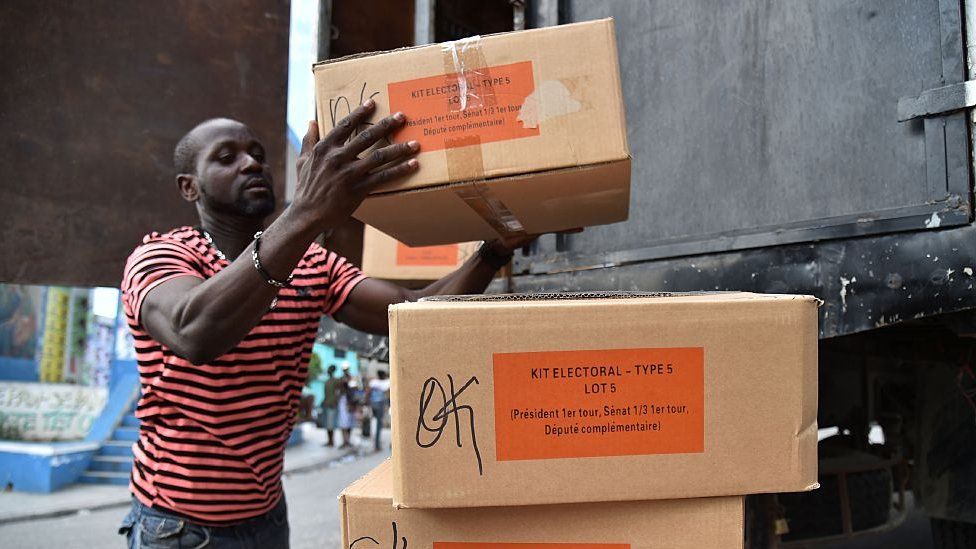
A worker unloads a box with electoral materials delivered by the Provisional Electoral Council (CEP) one day before of the general elections at a polling station in Port-au-Prince, on November 19, 2016.
The CEP organises and schedules elections 

President Moïse wanted to put those changes to the Haitian people in a referendum, which would have fallen to the CEP to organise.

But the CEP members argued that Haiti’s 1987 constitution did not allow the use of a referendum to change the constitution, and stepped down rather than organise a referendum they deemed unconstitutional.

President Moïse then proceeded to appoint nine new members to the CEP but Haiti’s Supreme Court refused to swear them in, arguing that their appointment had been “irregular”.

The president bypassed the Supreme Court and proceeded with the instalment of his chosen CEP but questions about its legitimacy has dogged its members ever since.

What about the elections?

Earlier this year, the CEP had scheduled the constitutional referendum and the parliamentary and presidential elections for 26 September 2021.

But following the killing of President Moïse by mercenaries on 7 July, the polls were postponed to 7 November.

Following the dismissal of all the CEP’s members on Monday, new CEP members will have to be appointed and a new election date set.

Prime Minister Henry did not set a deadline for the instalment of a new CEP, but only said that “sufficient time” would be allowed for its members to be chosen.

What next?

The CEP was deeply unpopular with many Haitians and the dismissal of its members has been welcomed by some.

André Michel of the opposition grouping Popular and Democratic Sector, described it on Twitter as “an important step” which would open the door to the appointment of a new “credible and legitimate” CEP.

But the renewed delay of the elections is also likely to throw Haiti into even more uncertainty at a time of extreme crisis.

Not only is the country without a president, it is also recovering from a devastating earthquake in August which killed more than 2,200 people.

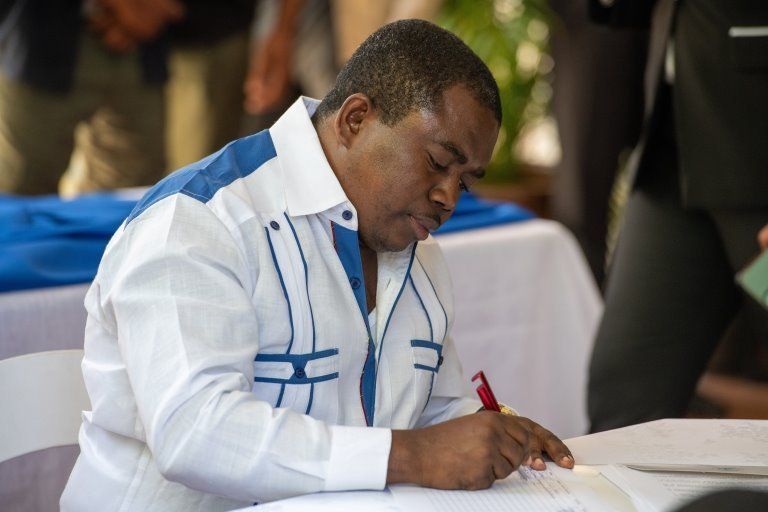
Haitian opposition leader Andre Michel signs a political agreement between the main opposition parties and the Government of Prime Minister Ariel Henry, in a ceremony at his official residence in Port-au-Prince, Haiti, 11 September 2021.
Opposition spokesman André Michel welcomed the dismissal of the CEP members 

While the constitutional referendum proposed by the late President Moïse was unpopular with many, there was general agreement that general elections needed to be held as soon as possible – not just to replace Mr Moïse, but also to have a functioning legislative.

The mandates of the members of parliament expired in January 2020 and, before his killing, Mr Moïse had been ruling by decree.

The situation in the Senate is not much better, where only 10 out of 30 senators still have a valid mandate.

The post Fourth Time Haiti Polls Postponed – Electoral Body Dissolved appeared first on The St Kitts Nevis Observer.

Peru’s Ex-President Alejandro Toledo to Be Extradited from US

Former Peruvian President Alejandro Toledo, arrested in the US two years ago on corruption charges, has been cleared for extradition back to Peru.

A US judge approved the move on Tuesday, saying sufficient evidence had been presented in a case against the former president to suggest wrongdoing.

Mr Toledo is accused of taking $20m (£15m) in bribes from the Brazilian construction company Odebrecht, while in office between 2001 and 2006.

He has denied all charges against him.

The 75-year-old, who has been living in the US state of California and has been a visiting scholar at Stanford University, has previously said the allegations are politically motivated.

Peruvian authorities allege that Mr Toledo received millions of dollars in return for awarding public works contracts. They provided the US with an extradition request in May 2018.

Odebrecht earlier admitted, as part of a plea deal with the US justice department, to paying nearly $800m in bribes to governments across Latin America.

Issuing his decision to allow the extradition of the former president, Judge Thomas Hixson of the US District Court in the Northern District of California said there was enough evidence to “establish probable cause to believe that Toledo committed collusion and money laundering”.

He said that this included testimony from Odebrecht’s former executive director in Peru, Jorge Barata, and Mr Toledo’s own admission during the extradition proceeding that he had received approximately $500,000 in Odebrecht bribe money.

Judge Hixson said, however, that the case against Mr Toledo was “not airtight”, and that some witnesses had contradicted themselves while giving evidence, which would raise issues with a trial in Peru.

The post Peru’s Ex-President Alejandro Toledo to Be Extradited from US appeared first on The St Kitts Nevis Observer.

Damaging hail covers the road in potential 'one-in-100-year event'

Parts of South Australia have been drenched by heavy rain and damaging hail, as a series of sudden storm surges beared down today.

Flash flooding and heavy hail left residents from the Barossa to Balhannah counting the costs, with damage to homes and businesses.

About 50mm of rain fell between 1pm to 2pm at Mount Lofty, 15 kilometres east of the Adelaide city centre.

LIVE UPDATES: Another NSW town plunged into lockdown

Parts of South Australia have been drenched by heavy rain and damaging hail, as a series of sudden storm surges bared down.Hail storm NSW

The Bureau of Meteorology South Australia has told 9News this could potentially be more than a one in 100-year event.

"We saw 60mm at Mount Lofty, about 75mm so far this afternoon at Crafers West," Jon Fischer from the Bureau of Meteorology said.

"We saw around 50mm of those millimetres in just one hour (in Crafers), around 1pm to 2pm his afternoon."

READ MORE: Queensland outbreak has 'hallmarks of something very significant'

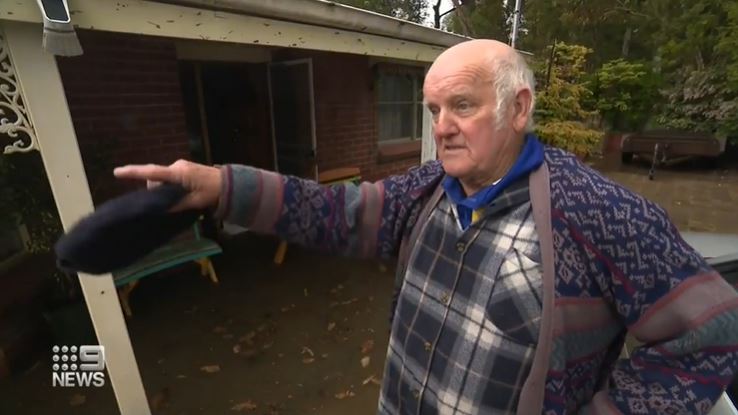
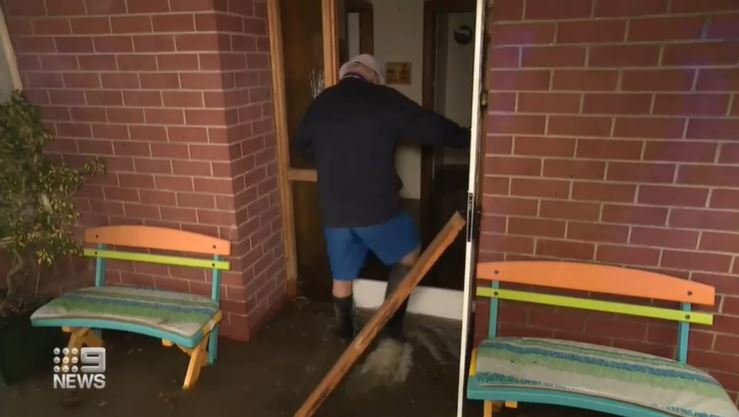
Mick Hollow's home in the town of Balhannah in the Adelaide Hills quickly became fell victim to flooding.Heavy rain hits parts of South Australia

Heavy hail and rain made for dangerous driving conditions, as stunned motorists were provided with a front-row seat to a sudden storm surge.

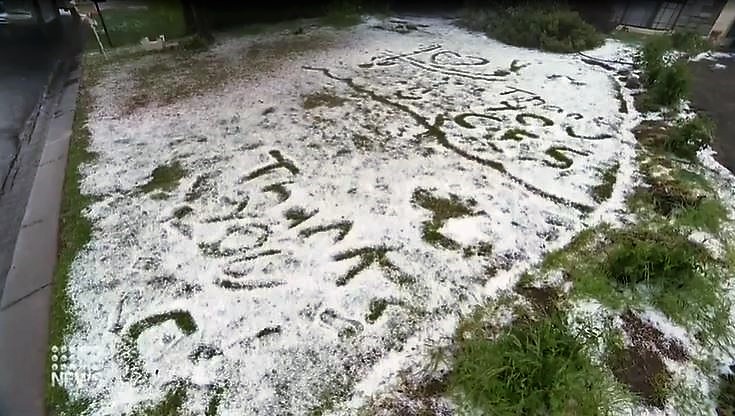
Roads in the northern suburbs resembled snowfields, with sizeable hailstones also stopping traffic at Gawler.

The State Emergency Service was called to almost 60 jobs across the state, with most in the Adelaide Hills.

Parts of South Australia have been drenched by heavy rain and damaging hail, as a series of sudden storm surges bared down.

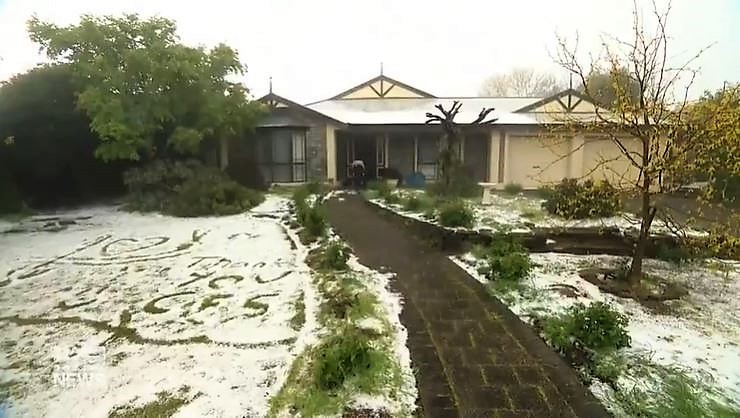
Residents thanked emergency workers for their hard work, with one family spelling out "thank you" in the hail.

Mick Hollow's home in the town of Balhannah in the Adelaide Hills quickly became fell victim to flooding.

"It's about half a foot through the home, well and truly flooded, and next door," Mr Hollow said.

However Mr Hollow said he could see the funny side.

https://twitter.com/G_Westgarth/status/1443112323426652161

"Just a little bit of water," he joked.

At nearby Hahndorf, business operators on the main street were left with a clean-up, while there was some flash flooding up the road at an Oakbank childcare centre.

Mr Fischer said the BoM did see reports of flash flooding in several areas.

"Certainly around the Barossa area and around Willaston," he said.

"We saw some reports of cars slightly underwater."

Severe thunderstorms are likely to produce heavy rainfall that may lead to flash flooding over the next several hours in several areas.

The SES has the following advice for people in the area:

  • Don't drive, ride or walk through floodwater.
  • Keep clear of creeks and storm drains.
  • Stay indoors, away from windows, while storms are nearby.

Visit the Bureau of Meteorology website for the latest weather warnings.

Pacific Nations Face ‘Lost Decade’ Due to Economic Cost of Covid

Guardian- Pacific Islands face greatest economic contraction in four decades, according to a new report from the Lowy Institute


Countries in the Pacific risk a “lost decade” following the Covid pandemic, with the region facing its greatest economic contraction in four decades, according to a new report into foreign aid.

The latest Lowy Institute Pacific Aid Map, which sets out aid spending and donations to the Pacific Islands region, shows US$2.44bn in foreign aid reached the Pacific in 2019, which is about 8% of the region’s GDP.

Australian aid to the region has increased, after growing fears China’s “soft diplomacy” through concessional loans for infrastructure projects was lessening Australia’s influence on the region. While Australia’s total foreign aid budget has shrunk under the Coalition, the Pacific has been the focus of what remains, with Australia “retooling” its budget to increase its contributions to Pacific neighbours.

The Holiday Inn in Suva stands empty as coronavirus travel restrictions devastate Fiji’s tourism industry.
‘Job-killer of the century’: economies of Pacific islands face collapse over Covid-19


But China, an emerging force in the region, slashed its contributions that same year, reducing its aid budget from US$246m in 2018 by 31%, delivering US$169m in 2019.

Lowy reports that’s the lowest level of aid China has given to the Pacific region since 2012, with the drop occurring even as Beijing secured new diplomatic alliances. China’s funding to the region is more commonly given in the form of a concessional loan, leaving countries indebted to the government. In 2019, 67% of Chinese aid was given in the form of loans, up from 41% the year before.

The Lowy Institute analysis, to be released on Wednesday, estimates an additional US$3.5bn will be needed for the region to recover from the pandemic, but donors appear in short supply.

All up, aid to the Pacific declined by 15% in 2019, with health spending accounting for just 11% of the US$2.44bn.

Lowy reports Australia accounted for 42% of all aid to the Pacific region between 2009 and 2019, but in more recent years, the amount of money being spent on health has been cut in favour of infrastructure projects.

As part of its pandemic response, Australia established a temporary AU$305m Covid package within the Pacific Step-Up program, which aimed to “to help address the economic and social costs of the pandemic in the Pacific and Timor-Leste, helping to underpin our region’s stability and economic recovery”.

A drastic economic downturn in Vanuatu has forced Warwick Le Lagon resort in Vanuatu to temporarily shutter its business.
Deserted islands: Pacific resorts struggle to survive a year without tourists

The package was mostly designed to help Pacific governments maintain essential services, including aviation, during the worst of the pandemic. Vaccines have also been sent to Pacific Island governments, along with specialist teams, to help curb the spread of Covid.

But with the world beginning to move on, the Lowy Institute points to more needing to be done to ensure nations within the Pacific region do not fall further behind.

Australia is also facing pressure from its Pacific neighbours to act on climate, with warnings the Coalition’s “inertia” on the issue was undermining its position within the Indo-Pacific, at the same time as scrambling to reassure partners the new strategic Aukus pact would not heighten defence tensions in the region.

The post Pacific Nations Face ‘Lost Decade’ Due to Economic Cost of Covid appeared first on The St Kitts Nevis Observer.

Covid Study: 37% of People Have Symptoms 6 Months after infection, Vaccine Mandates, World Stats, More

A large study reveals the scale of long Covid, with symptoms affected by sex, age and severity of infection.

People who did not need hospital care were more likely to have headaches than those who needed to be admitted.
People who did not need hospital care were more likely to have headaches than those who needed to be admitted. Photograph: laflor/Getty Images

One in three people infected with coronavirus will experience at least one symptom of long Covid, a new study suggests.

Much of the existing research into the condition – a mixture of symptoms reported by people often months after they were originally ill with Covid-19 – has been based either on self-reported symptoms or small studies.

Now researchers at the University of Oxford, the National Institute for Health Research (NIHR) and the Oxford Health Biomedical Research Centre (BRC) have shed fresh light on the scale of the problem after studying more than 270,000 people recovering from coronavirus in the US.

They found 37% of patients had at least one long Covid symptom diagnosed three to six months after infection. The most common symptoms were breathing problems, abdominal symptoms, fatigue, pain and anxiety or depression.

“The results confirm that a significant proportion of people, of all ages, can be affected by a range of symptoms and difficulties in the six months after Covid-19 infection,” said NIHR academic clinical fellow Dr Max Taquet. “Over one-third of patients were diagnosed with at least one of the long Covid symptoms between three and six months after their Covid-19 illness.”

Severity of infection, age, and sex affected the likelihood of long Covid symptoms, according to the data from the US-based TriNetX electronic health record network.

Long Covid symptoms were more frequent in those who had been hospitalised, and they were slightly more common in women, the study published in the journal PLOS Medicine showed.

Post-illness symptoms like long Covid are probably more common than we think.

Different factors also influenced which of the symptoms people were most likely to experience. For example, older people and men had more breathing difficulties and cognitive problems, whereas young people and women had more headaches, abdominal symptoms and anxiety or depression.

Covid patients admitted to hospital were more likely to suffer cognitive problems like brain fog and fatigue compared with people who did not need to be admitted, the research found. People who did not need hospital care were more likely to have headaches than those who needed to be admitted.

Many patients had more than one long Covid symptom, the researchers said.

“These data complement findings from self-report surveys, and show that clinicians are diagnosing patients with these symptoms. We need appropriately configured services to deal with the current and future clinical need,” said Taquet.

The study also looked at the same symptoms in people recovering from flu.

People who get flu can have prolonged symptoms similar to those seen in some patients with long Covid, the study suggests, but lasting symptoms occur to a far lesser extent in those who had influenza.

Symptoms linked to long Covid were 50% more common among those who had Covid compared with those who had flu, the researchers estimated.

Prof Amitava Banerjee, Professor of Clinical Data Science and Honorary Consultant Cardiologist, University College London, who was not involved in the research, said it was a “large, well-conducted and thorough study”.

He said the findings supported the calls that have been made for “large-scale rollout of health services” for those with long Covid, including those not hospitalised with Covid.

“Over half of patients (57%) had at least one long Covid feature recorded in the six months after infection and one-third (37%) in the 90 to 180 days after diagnosis,” said Banerjee.

The study had limitations, such as the fact it had focused on the nine symptoms probably most common among those with long Covid, he stressed. However, because as many as 200 signs of long Covid have previously been suggested, “the reported incidence” of long Covid was actually “likely to be an underestimate”.

He added that the fact the nine symptoms were all more common after Covid-19 than for flu was “yet another arrow in the quiver against bogus ‘this is just like flu’ claims”.

Separate research published on Tuesday found more than one in 10 secondary school pupils and over a third of school staff who had Covid-19 in England have suffered ongoing symptoms.

The most common symptom reported by staff and pupils was weakness or tiredness, while staff were more likely to experience shortness of breath than pupils, according to the study from the Office for National Statistics (ONS).

Overall, the ONS estimates that 970,000 people in the UK are suffering continuing symptoms after a Covid-19 infection.

The figures, based on self-reported symptoms, also suggest 384,000 people are still living with symptoms a year after infection.

==============================================

Vaccine Mandates

Study to consider whether vitamin A can treat loss of smell after Covid

The post Covid Study: 37% of People Have Symptoms 6 Months after infection, Vaccine Mandates, World Stats, More appeared first on The St Kitts Nevis Observer.

Amateur divers discover ancient coins in the Mediterranean

Along the cost of Spain, two beginner free divers found a large pile of ancient coins believed to be from the Roman Empire.

Brothers-in-law Luis Lens Pardo and César Gimeno Alcalá found the gold stash while on holidays with the families in the coastal Mediterranean town of Xàbia.

The two had set out to go free diving with the intention of cleaning up ocean rubbish.

READ MORE: Lava from La Palma volcano headed for Atlantic Ocean

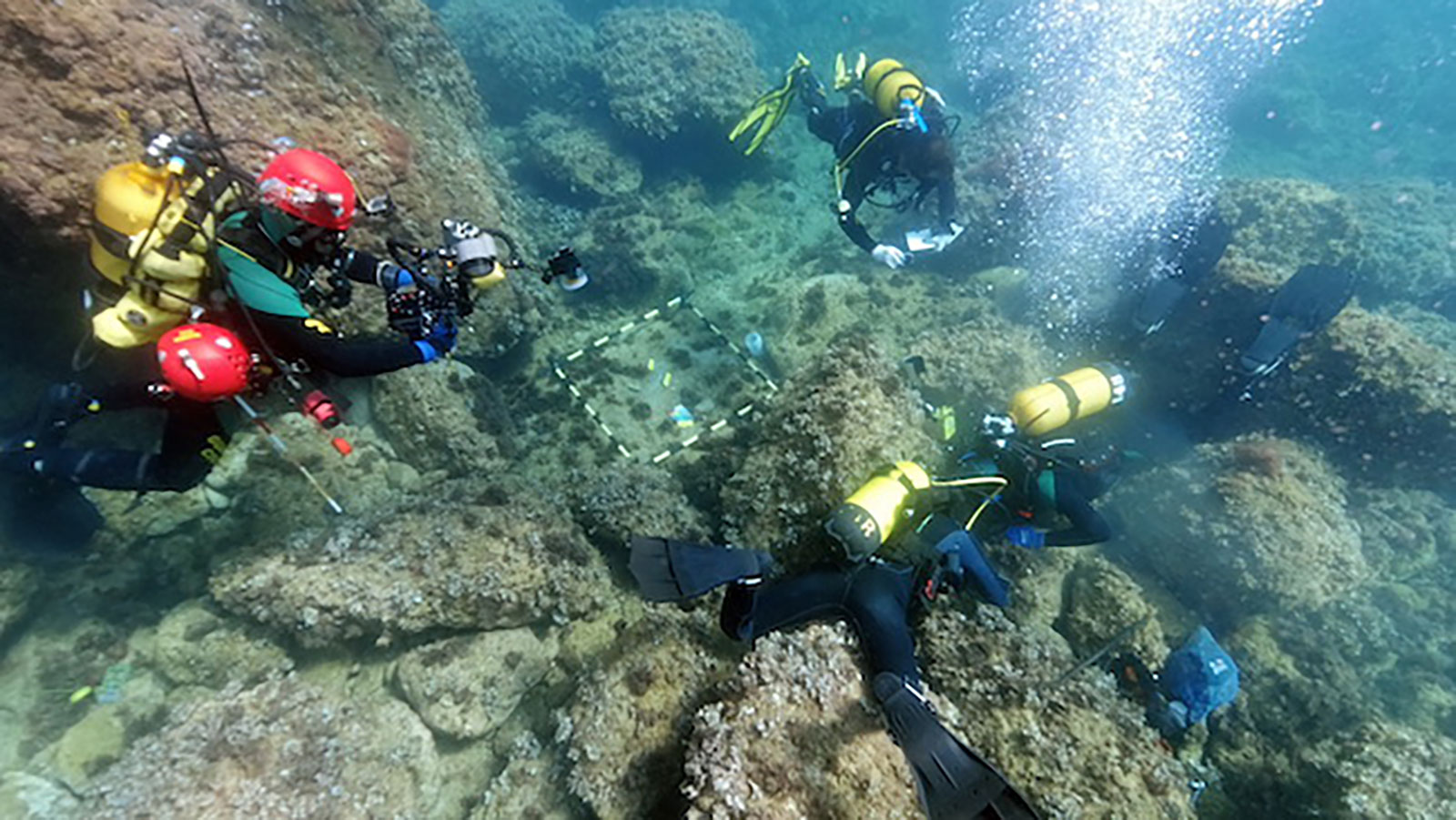
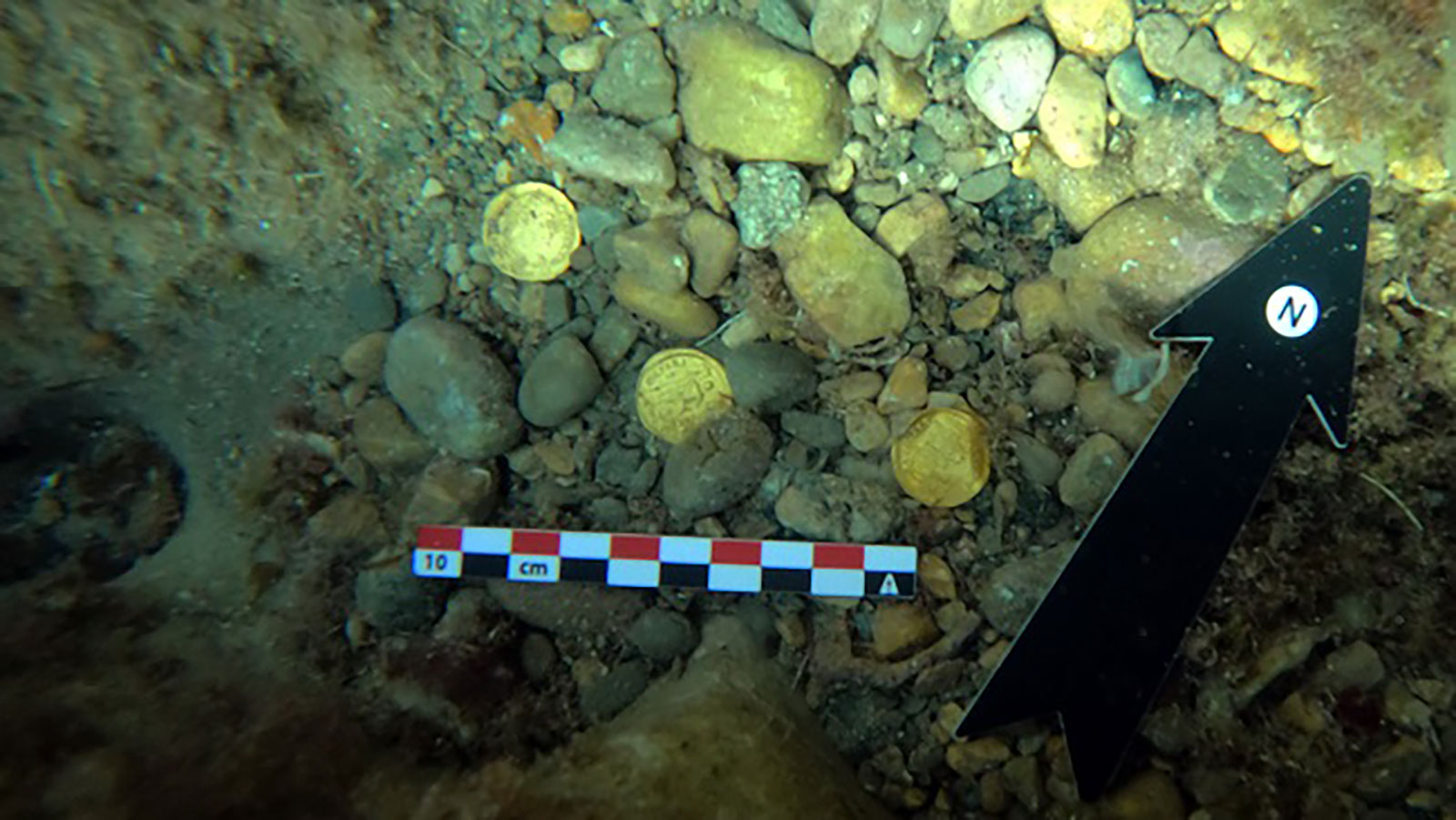
Amateur freedivers discover gold coins believed to date back to the fall of the Western Roman Empire.

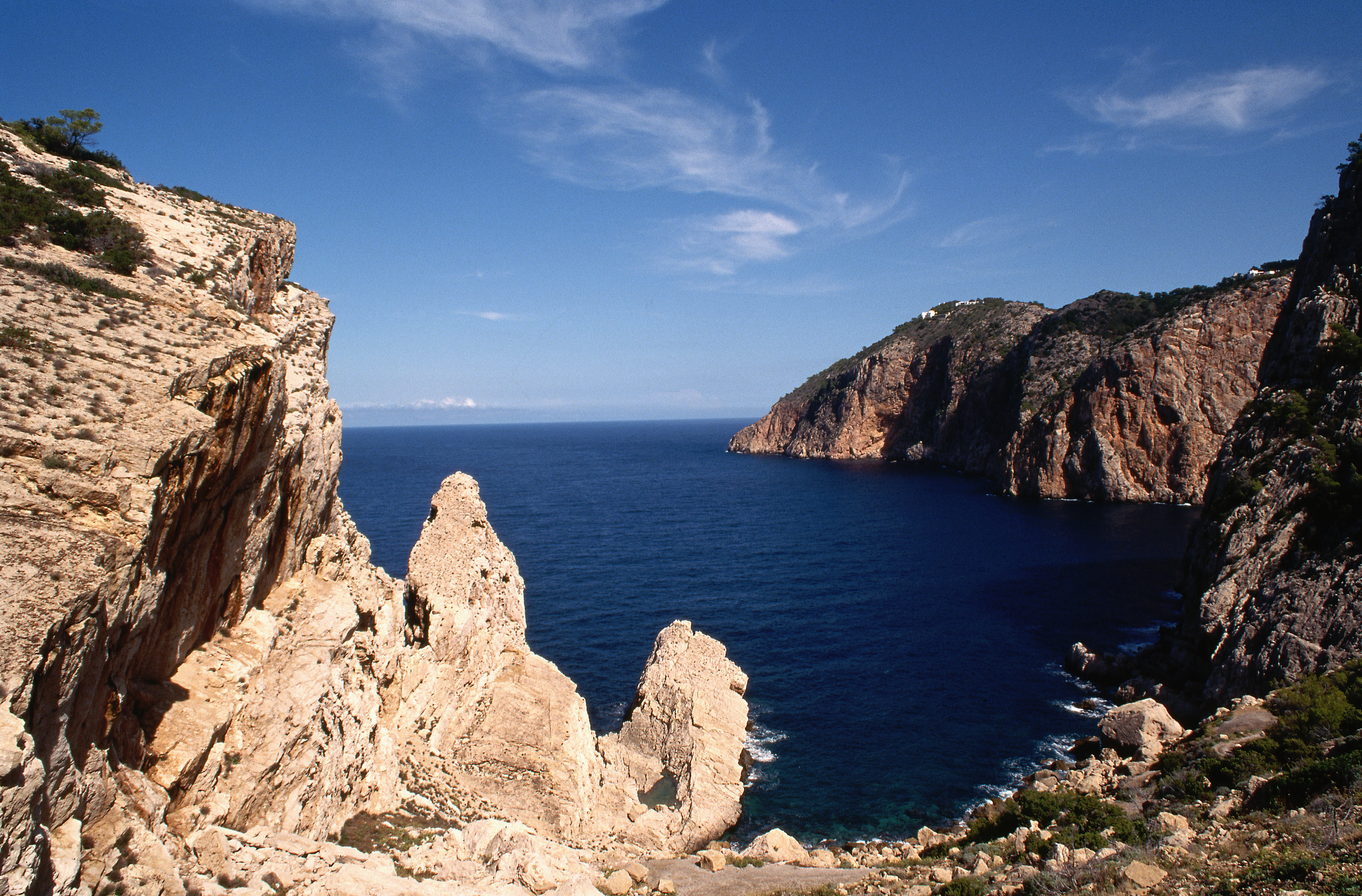
Instead the pair discovered the coins at the bottom of Portitxol Bay.

The duo then returned to the hole with a Swiss Army knife and used it to dig up eight more coins.

Mr Pardo told the El País newspaper that after cleaning one coin he saw "an ancient image, like a Greek or Roman face".

Mr Pardo and Mr Alcalá reported their finding to the authorities.

The freedivers were swimming off the Spanish coast in Portitxol Bay.

READ MORE: Lava swallows up church as flights remain halted on Spanish island

Archaeologists from the University of Alicante, the Soler Blasco Archaeological and Ethnological Museum and the Spanish Civil Guard Special Underwater Brigade along with the Town Council of Xàbia united to excavate and examine the treasure.

With the assistance of the archaeologists at least 53 coins were found.

They have been dated between AD 364 and 408 during the downfall of the Western Roman Empire.

Each coin weighed approximately 4.5 grams.

Archaeologists said the coins may have been hidden amid the downfall of the Western Roman Empire.

READ MORE: Toxic gas and new rivers of molten lava endanger Spanish island

Archaeologists were able to read inscriptions and identify the Roman emperors etched on the coins.

Some of the emperors on the coins included Valentinian I, Valentinian II, Arcadius and Honorius, according to the University of Alicante.

In addition to the coins nails and lead remains of a possible sea chest were found.

Professor Jaime Molina Vidal from the University of Alicante said the collection is one of the largest in Europe and can provide information on the last stages of the Western Roman Empire.

Archaeologists said the coins may have been hidden during violent power struggles in the final moments of the Western Roman Empire.

Professor Vidal added that the "the find speaks to us of a context of fear, of a world that is ending — that of the Roman Empire."

Man run down in alleged road rage attack in Sydney's west

A man has been taken to hospital after an alleged road rage incident in Sydney.

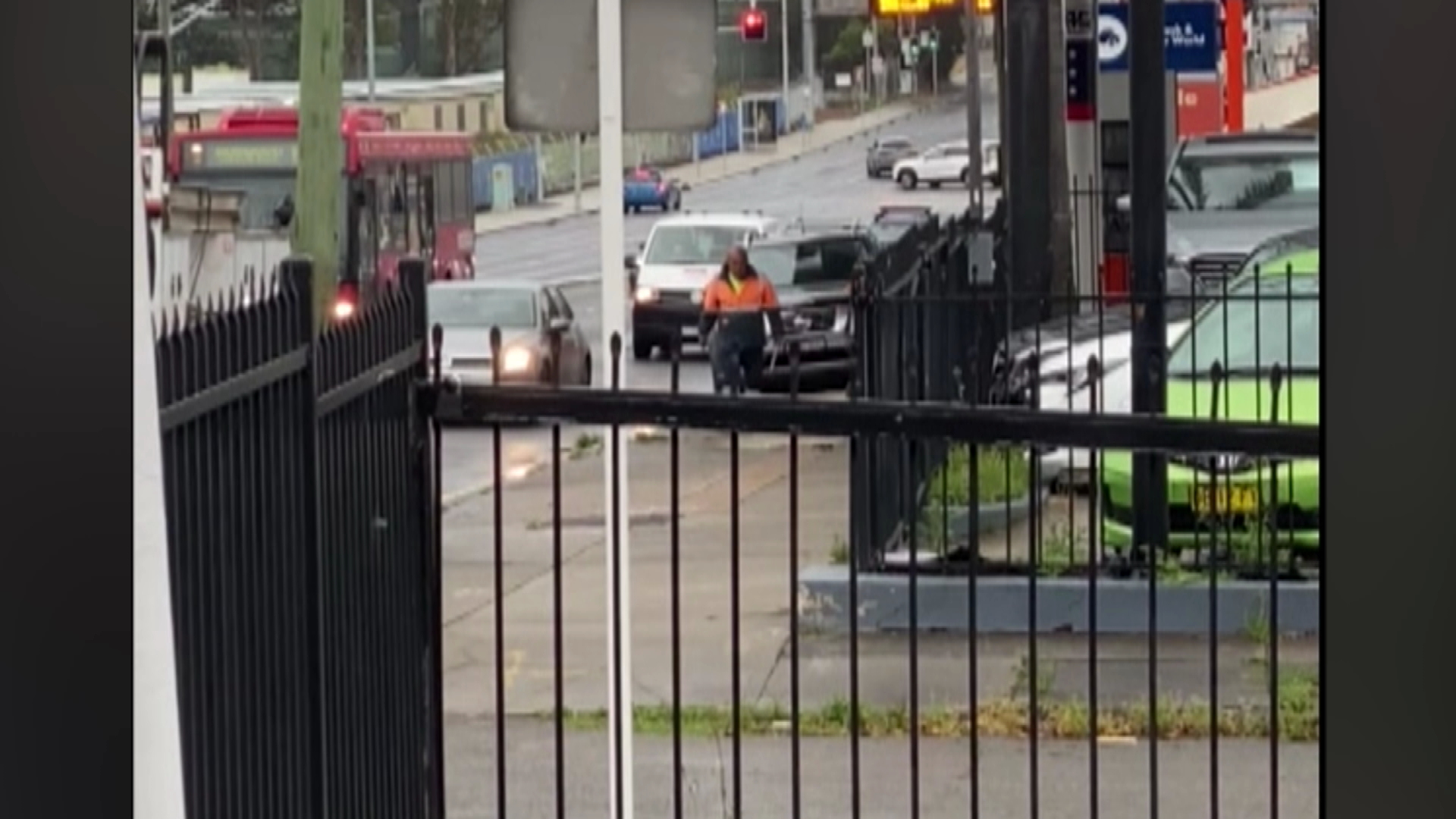
Two men were filmed on Parramatta Road in Burwood at about 4.30pm.

One man was seen getting back in his car as the other started walking away.

Burwood road rage incident, Sydney.

READ MORE: Man 'dragged out of petrol tanker and assaulted' in Sydney road rage incident

The second man, aged 55, was then allegedly struck by the other's car from behind.

The alleged victim was taken to hospital in a serious but stable condition, with head and hip injuries.

Police told 9News the incident followed a minor crash, after which one of the people involved allegedly took a nail gun out of his car and appeared to be firing it.

Burwood road rage incident, Sydney.

READ MORE: Most passive and aggressive drivers on Australian roads revealed

That man was allegedly the driver who returned to his car and ran down the other.

Police said they were aware who the alleged perpetrator was and were about to make an arrest.

Return to school date in NSW brought forward by a week

Face-to-face learning in NSW schools is set to return a week earlier than expected.

Kindergarten, year 1 and year 12 will now go back on October 18, a week after Greater Sydney's lockdown is due to end, 9News Political Reporter Chris O'Keefe has confirmed.

Year 2, 6 and 11 students will return on October 25, while the remaining grades will begin classroom learning on November 1.

READ MORE: NSW records 863 new local COVID-19 cases, 15 deaths

https://twitter.com/cokeefe9/status/1443123273919725570

All teachers must be vaccinated before going back to work.

NSW Premier Gladys Berejiklian foreshadowed this decision this morning, saying they are working to get kids back into classrooms as early as possible.

NSW recorded 863 new local cases of COVID-19 in the past 24 hours, and fifteen people died with the disease.