Category Archives: headline

Colombia Dismisses Nicaragua’s World Court Maritime Boundaries Claim

THE HAGUE, Sept 22 (Reuters) – Lawyers for Colombia on Wednesday dismissed Nicaragua’s claims before the International Court of Justice (ICJ), insisting that Bogota did respect a 2012 ruling on their maritime boundaries in the western Caribbean by the same court.

“All of Nicaragua’s claims are unsubstantiated and artificial. They are founded on words,” not actions, lawyer Manuel Jose Cepeda said.

On Monday, lawyers for Nicaragua said Colombia had violated a 2012 ruling by the ICJ, also known as the World Court, which drew a demarcation line in favour of Nicaragua in Caribbean waters, reducing the expanse of sea belonging to Colombia. read more

Nicaragua accused Colombia of cherry picking, saying it accepted the court’s ruling that a cluster of small islands was Colombian, but not the demarcation of maritime boundaries in the same judgment.

The new sea borders increased Nicaragua’s continental shelf and economic exclusion zone in the Caribbean, giving it access to underwater oil and gas deposits, as well as fishing rights.

Colombia said Wednesday its ships were occasionally present in the disputed area, in line with international law. It argued the vessels were needed for environmental preservation and for other international duties like cooperating in anti-drug trafficking actions, Cepeda said.

Nicaragua has asked the court to rule that Colombia has not respected its 2012 ruling and must give assurances it will not do the same again.

The two sides will be able to respond to each other’s arguments in hearings planned to run until Oct. 1.

The ICJ is the United Nations’ highest legal body, and deals with disputes between states. It usually takes years before a judgment is given in cases it handles, and even then, the court has no way to enforce its rulings.

Reporting by Stephanie van den Berg; Editing by Bernadette Baum

The post Colombia Dismisses Nicaragua’s World Court Maritime Boundaries Claim appeared first on The St Kitts Nevis Observer.

Brazil’s Bolsonaro & Entire UN Delegation in COVID Isolation

BRASILIA, Sept 22 (Reuters) – President Jair Bolsonaro, just back from the United Nations, isolated himself at home on Wednesday and canceled a trip after his health minister tested positive for COVID-19 and had to stay in quarantine in New York.

Brazil’s health regulator Anvisa recommended that the entire presidential delegation to the U.N. General Assembly remain in isolation and undergo more tests. Bolsonaro’s only appointment on Wednesday was changed to a remote meeting.

Health Minister Marcelo Queiroga tested positive hours after accompanying Bolsonaro to give the first speech from a head of state at the annual assembly on Tuesday, the government said. It added that the other delegation members all tested negative.

Bolsonaro, a vaccine skeptic who has bragged about not being vaccinated, defied U.N. rules that asked all those attending the assembly be inoculated against the coronavirus.

Queiroga accompanied Bolsonaro to a meeting on Tuesday morning at the U.N. building with British Prime Minister Boris Johnson. The health minister was seen wearing a mask, although the two leaders went without.

Brazil’s government has told the U.N. that its complete delegation has decided to self-quarantine for fourteen days, U.N. spokesman Stephane Dujarric said.

“Here at the U.N., we have looked into the potential exposure to U.N. staff who had been present in the General Assembly Hall and contact tracing is being finalized,” Dujarric said. He said Queiroga did not meet with Secretary-General Antonio Guterres.

“At present, no close contacts amongst U.N. staff have been identified,” he told reporters.

Bolsonaro was the only member of his entourage in New York that has not been vaccinated. Before traveling to the United States he said he believed his antibody count from a bout with COVID-19 protected him better than a vaccine.

Reporting by Lisandra Paraguassu in Brasilia and Michelle Nichols at the United Nations, Editing by Rosalba O’Brien

The post Brazil’s Bolsonaro & Entire UN Delegation in COVID Isolation appeared first on The St Kitts Nevis Observer.

Mexico: People Smuggling Soars Amid Chaos at US Border

MEXICO CITY, Sept 22 (Reuters) – People-smuggling crimes in Mexico this year have more than tripled since 2020, the government said on Wednesday, as the country battles to cope with a sharp increase in illegal immigration at the U.S. border.

Between January and August, Mexico registered 1,232 people-smuggling crimes, a jump of nearly 228% from the 376 logged during the same period in 2020, Security Minister Rosa Icela Rodriguez told a regular government news conference.

Government officials say many migrants pay people-smugglers to make their way on the perilous journey from Mexico’s southern border with Guatemala up to the United States.

Rodriguez made the announcement alongside President Andres Manuel Lopez Obrador, whose administration has had to contend with a massive jump in the number of undocumented migrants from around the Americas trying to reach the United States.

Last week, thousands of mostly Haitian migrants crossed the Mexico-U.S. border at Del Rio, Texas, creating a new human-rights headache for U.S. President Joe Biden and Lopez Obrador.

Mexico and the United States on Wednesday were preparing to fly more Haitian migrants away from U.S.-Mexico border camps, even as pressure mounted on Biden to put a stop to expulsions of Haitians to their impoverished, struggling homeland.

Biden took office in January pledging to adopt a more humanitarian approach to immigration than his hardline predecessor Donald Trump, which Mexican officials argue has encouraged migrants to try their luck at the border.

Washington has pressed Mexico to contain migrant flows as the number of people who are stopped while trying to cross the U.S. border illegally has more than doubled this year.

Reporting by Jake Kincaid in Mexico City Editing by Matthew Lewis

The post Mexico: People Smuggling Soars Amid Chaos at US Border appeared first on The St Kitts Nevis Observer.

Amid U.S. Border Crackdown, Some Haitian Migrants Seek Asylum in Mexico

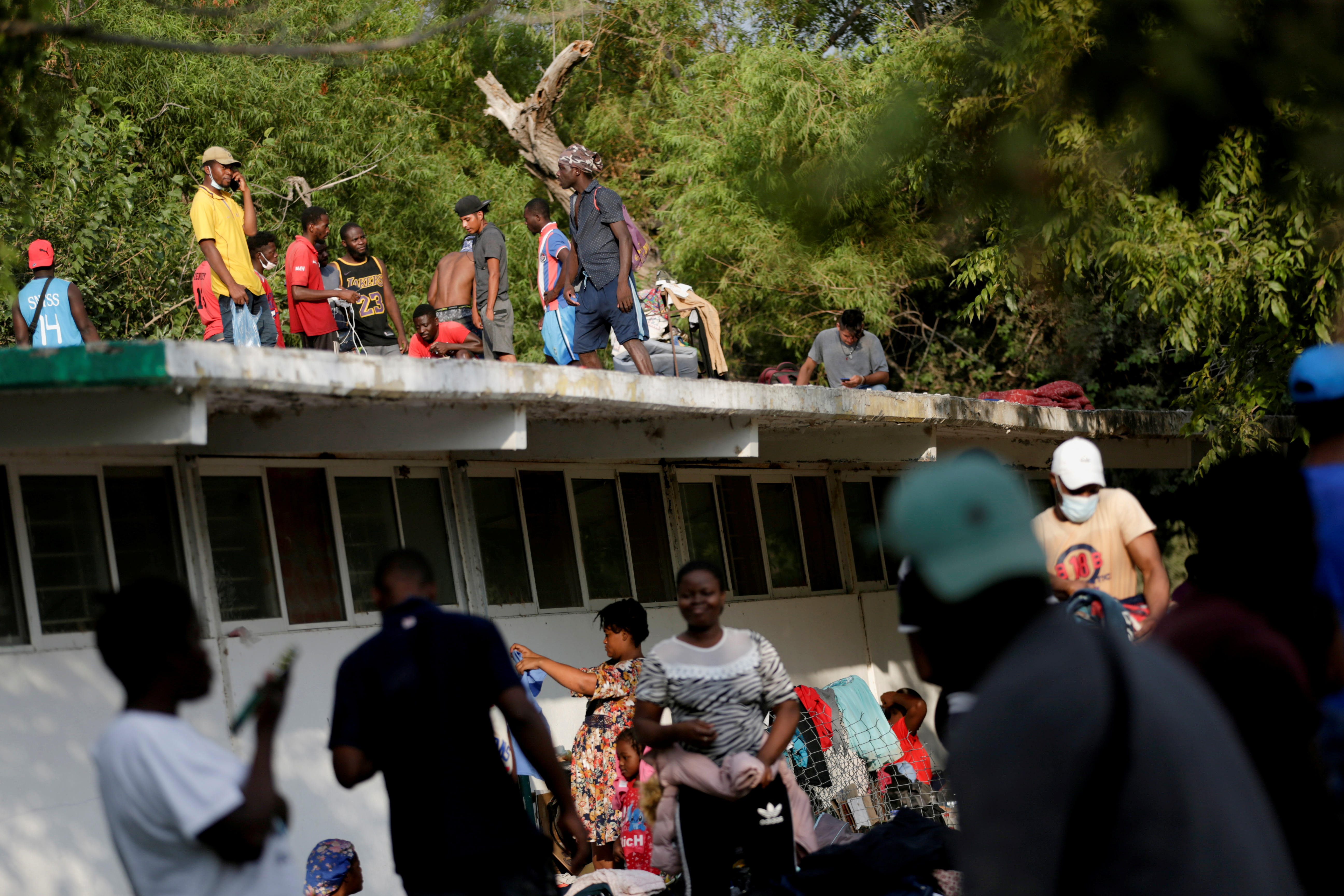
MEXICO CITY, Sept 22 (Reuters) – Hundreds of Haitian asylum seekers congregated outside Mexico’s refugee agency in the capital and in shelters in the northern city of Monterrey on Wednesday, as migrants deterred by a crackdown at the U.S. border sought legal status in Mexico.

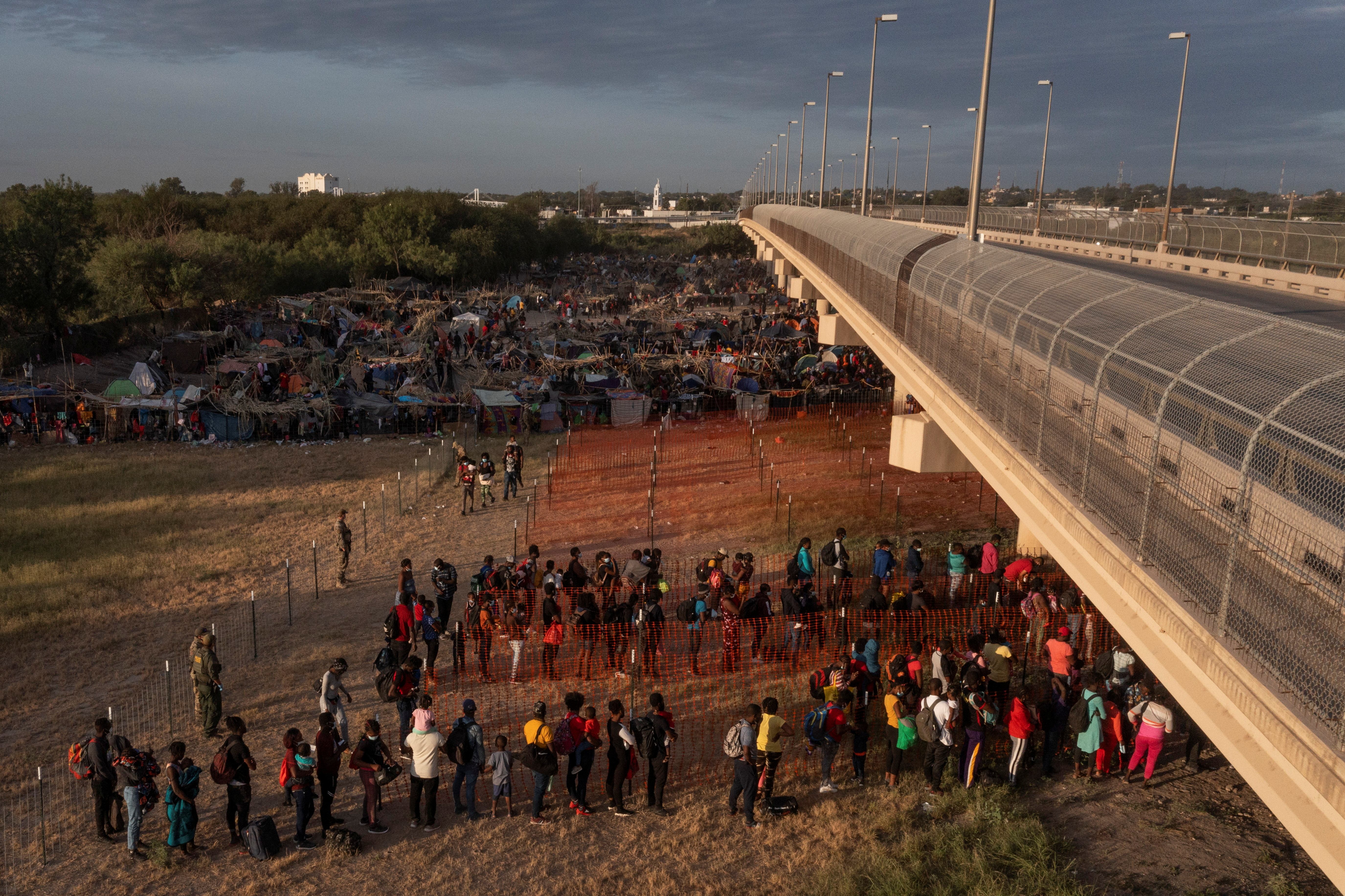
Nearly 10,000 migrants, mainly Haitian, remain in worsening conditions in an impromptu camp that sprang up under a bridge spanning the Rio Grande from the Texas town Del Rio to Mexico’s Ciudad Acuna. read more

In recent days, U.S. authorities have removed at least 4,000 people from the site for processing in detention centers. Some 523 Haitians have been deported to their homeland on four flights, with repatriations set to continue on a regular basis, the U.S. Department of Homeland Security said.

Filippo Grandi, the head of the U.N refugee agency, has warned that U.S. expulsions to such a volatile situation might violate international law. read more

The chaotic scenes at the border and news of the expulsion flights convinced some Haitian migrants transiting through Mexico that it would be better to petition for legal status there, rather than risk crossing the U.S. border.

“My thinking is to find a better life, wherever I find it… I never said it had to be in the United States,” said Wilner Plaisir, a Haitian asylum seeker waiting outside the offices of the Mexican refugee agency COMAR in Mexico City on Wednesday.

“If I can find work, I’ll stay here with my family,” said the construction worker.

Statistics published by COMAR show that 18,883 Haitians applied for asylum in Mexico in the first eight months of this year, the second-highest nationality after Hondurans.

Reporting by Josue Gonzalez and Jorge Lopez, writing by Laura Gottesdiener; Editing by Aurora Ellis

The post Amid U.S. Border Crackdown, Some Haitian Migrants Seek Asylum in Mexico appeared first on The St Kitts Nevis Observer.

Some Haitians at U.S. Border Released, Others Deported

CIUDAD ACUNA, Mexico, Sept 22 (Reuters) – Amid deteriorating conditions in migrant camps on both sides of the U.S.-Mexico border, U.S. authorities on Wednesday tried to deal with thousands of the mostly Haitian migrants that have gathered, releasing some in south Texas while deporting others on flights.

Wade McMullen, an attorney with the Robert F. Kennedy Human Rights organization said several hundred people, mostly pregnant women and parents with children, had been released in Del Rio, Texas over the past several days, straining resources at a local volunteer-run welcome center. The center does not have overnight capacity, he said.

“People are sleeping at the bus station outside or outside of the airport waiting for their bus or their plane,” to join family or other sponsors in the United States, he said.

The U.S. government said it was continuing to fly hundreds of people, including families, back to Haiti, which has been hit by recent political turmoil and natural disasters.

It has been trying to clear the encampment under the international bridge in Del Rio, which reached as many as 14,000 people at its peak. Authorities have moved thousands away for immigration processing and deported more than 500 Haitians since Sunday.

A Department of Homeland Security (DHS) spokesperson said those who cannot be expelled under a sweeping Trump-era public health order known as Title 42 will be placed in immigration hearings, without specifying who would qualify for those exemptions.

Biden ended the expulsion of unaccompanied children under Title 42 but has continued to expel some families. The spokesperson said people who are not expelled are either detained or released with a notice to appear in immigration court, adding that everyone passes background checks and has their biometric information collected.

McMullen said family members who are not parents or legal guardians of minor children are being separated from the rest of their families. In one instance, a grandmother who had been traveling with her daughter and grandson was separated from them, he said. The daughter and grandson were released, not knowing where the grandmother was. DHS did not immediately respond to a question about the separations.

Meanwhile, thousands still languished at the camp, waiting to be processed after being issued color-coded tickets.

Reuters images showed people with small babies and toddlers, one with an untreated hernia on his stomach, under makeshift shelters made out of reeds on the banks of the Rio Grande.

Clothing was hung out to dry and trash was strewn on the ground, while parents washed their children using jugs of river water and tried to find patches of shade in the punishing heat. Migrants said food remained scarce and there were not enough portable toilets.

On Wednesday morning, a trickle of people – mostly men – crossed back into Mexico across the Rio Grande in search of food.

Some have decided to stay on the Mexico side in Ciudad Acuna, across from Del Rio, citing shortages of food and poor conditions on the U.S. side. By Wednesday, around 200 people had set up a handful of camping tents and tarps as shelter.

Migrants shelter in a makeshift camp near the border with the U.S., in Ciudad Acuna, Mexico September 21, 2021. REUTERS/Daniel Becerril

One family in Ciudad Acuna was constructing a hut out of cardboard boxes. A line formed outside a Doctors Without Borders truck hoping to get medical consultations, with one woman worried about her 7-year-old son with a cough.

Most of the Haitians have not arrived direct from Haiti. Many had previously tried to settle in South America, but recounted difficulties finding work amid pandemic-related restrictions and the economic downturn.

Jenny Joseph, a 37-year-old Haitian migrant in Ciudad Acuna, said she had lived for two years in Chile but left because she was unable to obtain legal status. She said her cousin was deported back to Haiti with his family after three days in the U.S. camp and she had decided to steer clear of the U.S. side.

REPATRIATION FLIGHTS

U.S. politicians from both parties have criticized Biden’s handling of the situation. Republicans have said the Biden administration has encouraged illegal immigration by relaxing some of the hardline policies put in place by his predecessor, former President Donald Trump. Border arrests have reached 20-year highs this year.

“I think any unbiased person would say that the Biden administration’s border and immigration policies have been nothing short of a monumental disaster,” said Republican Senator Mitt Romney at a Congressional hearing on Tuesday.

Democrats have expressed anger over an incident over the weekend in which mounted U.S. border agents used reins like whips to intimidate migrants trying to cross the river. DHS Secretary Alejandro Mayorkas said the agents involved had been pulled from front-line duties.

On Wednesday, Vice President Kamala Harris said she “raised her grave concerns” about the incident in a call with Mayorkas and stressed the need for all border agents “to treat people with dignity, humanely and consistent with our laws and our values.” She said Mayorkas shared her concerns.

The expulsion flights to Haiti have also faced criticism. There is profound instability in the Caribbean nation, the poorest in the Western Hemisphere, where a presidential assassination, rising gang violence and a major earthquake have spread chaos in recent weeks.

Filippo Grandi, the head of the U.N. refugee agency, has warned that expulsions to such a volatile situation might violate international law.

Some of the deported Haitian migrants on Tuesday reacted angrily as they stepped off flights in Port-au-Prince after spending thousands of dollars on arduous voyages to reach the U.S. border.

Mexico has begun transporting some of the migrants via planes and buses towards its border with Guatemala in the south. Flights have sent some 130 people to the southern Mexican city of Villahermosa, and another 130 people to Tapachula on the Guatemala border, a Mexican government official said.

On Tuesday evening, officers from Mexico’s national migration institute (INM) entered two budget hotels on a small street in Ciudad Acuna and escorted about two dozen migrants, including toddlers, onto vans.

One woman, speaking from behind a partition, told Reuters she did not know where they were being taken.

Reporting by Daina Beth Solomon in Ciudad Acuna; Additional reporting by Kristina Cooke in San Francisco; Additional reporting and writing by Mica Rosenberg in New York; Editing by Rosalba O’Brien

The post Some Haitians at U.S. Border Released, Others Deported appeared first on The St Kitts Nevis Observer.

Melbourne protester in hospital with COVID-19

A person who was part of yesterday's protest in Melbourne's CBD is now in hospital with COVID-19.

The Department of Health has confirmed that a person who attended the protests in Melbourne's CBD yesterday is being treated for the virus.

A department spokesperson said public health investigations were underway and has urged anyone who attended the protests and experienced a COVID-19 symptom should get tested immediately.

READ MORE: Victoria hits new daily COVID-19 case tally high as Premier warns case numbers will continue to rise

"We are urging protestors to get tested should they experience COVID-like symptoms, no matter how mild."

The case of COVID-19 will be included in tomorrow's case numbers.

It comes after Victoria recorded its highest ever daily tally of COVID-19 cases today, with 766 new infections.

READ MORE: Premier condemns protests in Melbourne CBD following two days of unrest

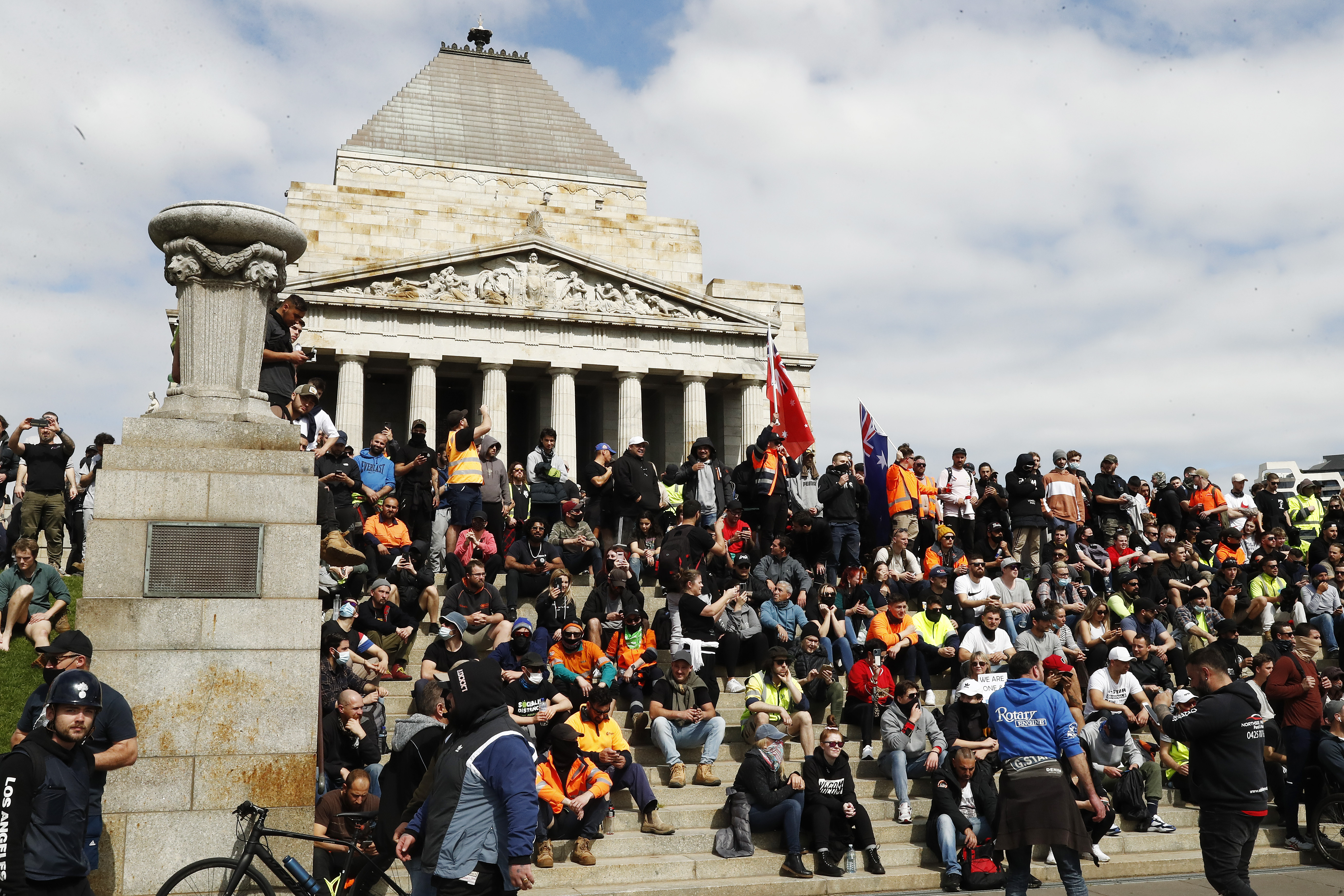
Up to 1000 protesters took the streets of Melbourne's CBD yesterday after thousands gathered in the city to protest on Tuesday.

Victoria Police arrested 215 people during yesterday's arrest and made a further 92 arrests today, despite a far quieter and more relaxed day of demonstrations.

Today marked the fourth day of protests over a push to scrap mandatory COVID-19 vaccinations for the construction industry.

On Tuesday, Victoria Police Chief Commissioner Patton said the thousands of "selfish individuals" who protested had all placed themselves and others at risk of contracting COVID-19.

Premier Daniel Andrews also condemned protesters who breached the CHO stay-at-home directions.

"We have come too far to turn back now. Please spare a thought for our healthcare workers who are working such long hours looking after patients, many who are struggling to breathe," Mr Andrews said.

Victorian nurses have also issued stern words to the thousands who have protested in Melbourne's CBD, telling the protesters "to stop thinking only of themselves".

UK: The Worst Ever Cold- But Not COVID-19, Coronavirus Immune Therapy from llamas?, World Summary

Is ‘the worst cold ever’ going around?

Woman sneezing into a tissue

BBC- You’ve probably heard a lot more sniffles around if you’ve gone out recently or got on public transport.

Perhaps there’s that one person on the work call who’s not muted and starts a coughing fit before a meek: “It’s not Covid, I’ve been tested!”

Or, maybe you’ve been ill and agree with people saying that what’s going around right now is “the worst cold ever.”

Well get used to it. Because cold season has begun.

And some people are already suffering.

‘Nothing like this’

One of those is 24-year-old Rebecca London.

The retail worker from Bournemouth caught what she calls “the worst cold ever” at a festival.

Rebecca
It’s the “worst cold” Rebecca has had

A normal cold for her would have “a runny nose, sneezing, a bit of a sore throat and feeling a bit rundown”.

“Nothing like this,” she tells Radio 1 Newsbeat.

“I barely slept, I’d wake up in the night just coughing, a constantly runny nose and feeling so tired,” she adds.

Rebecca did lateral flow tests and got negative results, but has been ill for more than a week, and was left wondering “if it’s ever going to end”.

And she’s not the only one.

The BBC is not responsible for the content of external sites.View original tweet on Twitter
Presentational white space

It may not be Covid, but it is linked to what’s happened in the past 18 months.

“We’ve actually been seeing a rise in the number of coughs and colds and viral infections,” says Dr Philippa Kaye, a GP based in London.

She says the numbers have been as high as you’d see in a normal winter and the main reason is because of the easing of coronavirus restrictions.

“We are mixing in a way that we haven’t been mixing over the past 18 months,” says Dr Philippa.

“During those first lockdowns, we saw numbers of other [non-Covid] infections fall. We think that that was primarily due to the restrictions on meeting up.”

The BBC is not responsible for the content of external sites.View original tweet on Twitter
Presentational white space
The BBC is not responsible for the content of external sites.View original tweet on Twitter
Presentational white space

So while the lockdown rules were designed to stop Covid spreading, they also stopped other viruses moving between people too.

Now we’re going out, meeting with friends and getting on public transport again, the common cold spreads again.

“Most of these things are respiratory driven, so say somebody talks or coughs or sneezes – you breathe it in,” says Dr Philippa.

What do I do about it?

Firstly, remember the three main symptoms of coronavirus. If you have one of these, get a PCR test.

  • New and continuous cough – coughing a lot for more than an hour, or having three or more coughing episodes in 24 hours
  • Fever – a temperature above 37.8C
  • Change in smell or taste – either you cannot taste or smell anything, or these senses are different to normal.

If you don’t have these symptoms but still want to check, you can do a free lateral flow test in England and Scotland. In Wales and Northern Ireland, certain people are eligible.

“Let’s say that you’ve got a cough or cold and it is not coronavirus. Then most of the time these can be managed at home,” says Dr Philippa.

Her recommendation is to have “loads of fluids and rest, over-the-counter simple painkillers for headaches and aches and pains.

“Even simple things like honey in a hot drink can help ease a sore throat.”


She adds: “You can get lots of advice from your local pharmacist for minor coughs and colds.

“But if you become more unwell, if you cough up blood, have chest pain, if you have shortness of breath or chest tightness, then you need to seek medical advice.”

Freshers flu

Look, we don’t want to put new university students off their exciting first few weeks but freshers’ flu will be pretty much unavoidable.

Just ask 18-year-old Noor Hashmi – studying at the University of Edinburgh, she’s suffering with the worst illness she’s ever had.

“Normally I’m still able to go about my day, but this one left me with muscle fatigue, a lost voice and headache that meant I’ve just stayed indoors.”

Noor
Noor has taken both a lateral flow and PCR test to rule out Covid because her symptoms were getting so bad

It’s not actually flu though – it’s just another version of the common cold.

Add in the fact that students’ immune systems will probably take a battering from going out a lot, and you’ll be vulnerable to it.

The BBC is not responsible for the content of external sites.View original tweet on Twitter
Presentational white space

Luckily, protecting yourself isn’t rocket science – it’s a case of eating well, getting enough sleep and washing your hands regularly.

And remember to register for your local GP if you’re moving somewhere new.

Noor can’t wait to get back to socialising properly.

“Although I think it’ll be some time before I’m socialising in a large group because everyone seems to have freshers flu right now,” she adds.

Presentational grey line

====================================

Covid: Immune therapy from llamas shows promise

By Victoria Gill
Science correspondent, BBC News

Published
23 hours ago
comments

Related Topics

Fifi the 'Franklin llama' lives at a farm facility at the University of Reading
Fifi the ‘Franklin llama’ lives at a farm facility at the University of Reading

A Covid therapy derived from a llama named Fifi has shown “significant potential” in early trials.

It is a treatment made of “nanobodies”, small, simpler versions of antibodies, which llamas and camels produce naturally in response to infection.

Once the therapy has been tested in humans, scientists say, it could be given as a simple nasal spray – to treat and even prevent early infection.

Prof James Naismith described nanobodies as “fantastically exciting”.

Llamas (c) University of Readingimage source, University of Reading
image captionLlamas, alpacas, camels and sharks have evolved to produce nanobodies in response to infection

Prof Naismith, who is one of the lead researchers and director of the Rosalind Franklin Institute in Oxfordshire, explained that coronavirus-infected rodents treated with the new nanobody nasal spray fully recovered within six days.

The treatment has, so far, been tested only in those lab animals, but Public Health England said it was among the “most effective SARS-CoV-2 neutralising agents” it had ever tested.

This apparent covid-fighting potency comes from the strength with which nanobodies bind to the virus.

Just like our own antibodies, virus-specific nanobodies latch on to and bind to viruses and bacteria that invade our bodies. This binding essentially tags an invading virus with an immune “red flag”, to allow the rest of the body’s immune armoury to target it for destruction.

The nanobodies that these researchers produced – with the help of a llama’s immune system – bind particularly tightly.

“That’s where we had some help from Fifi the ‘Franklin [Institute] llama’,” explained Prof Naismith.

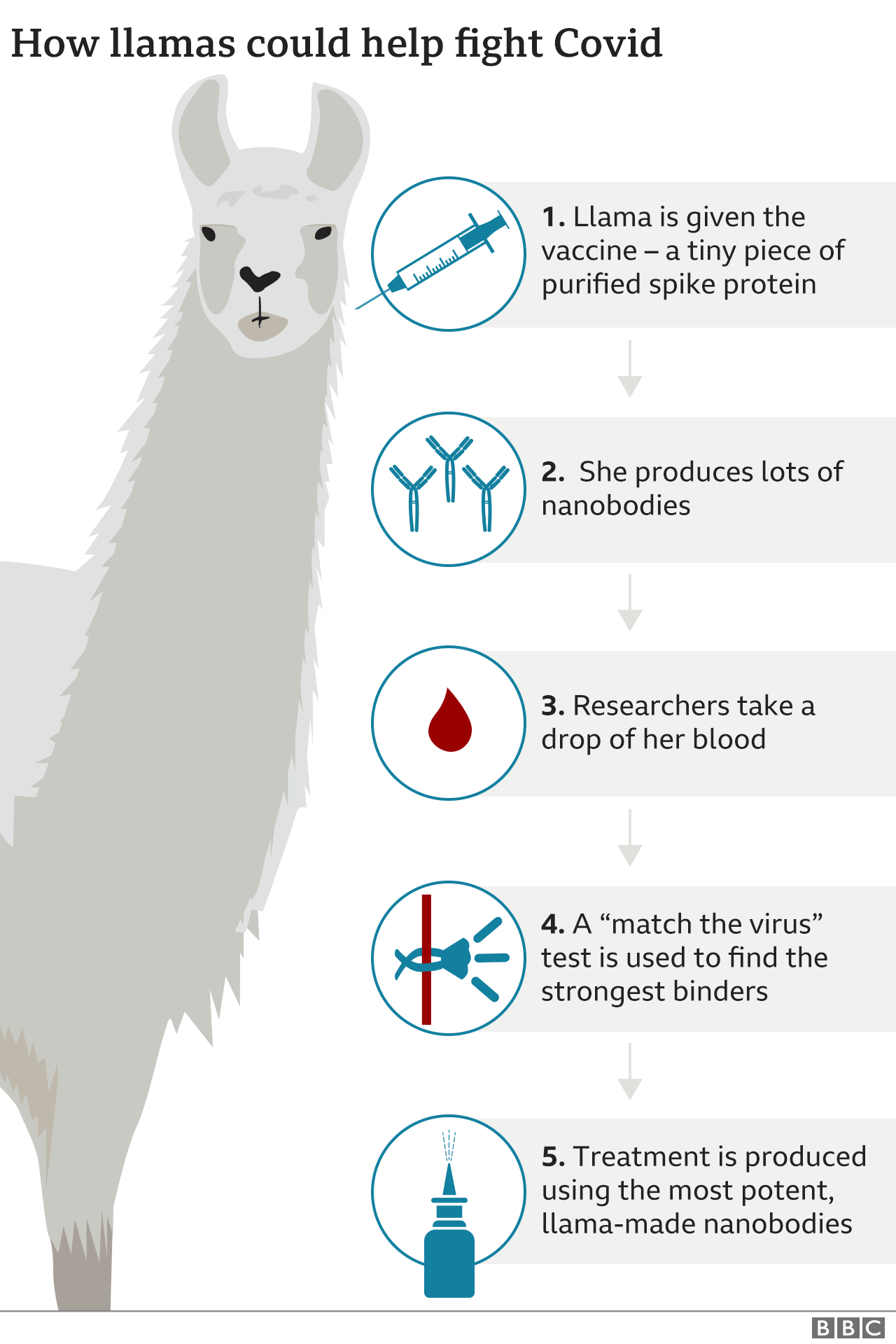
By vaccinating Fifi with a tiny, non-infectious piece of the viral protein, the scientists stimulated her immune system to make the special molecules. The scientists then carefully picked out and purified the most potent nanobodies in a sample of Fifi’s blood; those that matched the viral protein most closely, like the key that best fits a specific lock.

The team was then able to grow large quantities of the specially selected, most potent molecules.

How the process works
Presentational white space

Prof Naismith told BBC News: “The immune system is so marvellous that it still does better than we can – evolution is hard to beat.”

Llamaimage source, Getty Images

Professor Sheena Cruickshank, an immunologist from the University of Manchester said the new development was “exciting but still quite early”.

“We need more data on efficacy and safety before we move to human trials,” she added. “However it’s very promising nonetheless and the fact it may be cheaper and easier to administer is a plus. Covid-19 will be, unfortunately, with us for a while yet, so more treatments will be needed.”

Professor Naismith and his collaborators, who published their research in the journal Nature Communications agreed that, even with the success of the Covid vaccines, having effective treatments in the future would be very important.

“Not all of the world is being vaccinated at the same speed,” he said, “and there remains a risk of new variants capable of bypassing vaccine immunity emerging.”

====================================================

 Here’s what you need to know about the coronavirus right now:

U.S. FDA clears Pfizer booster for older and at-risk Americans

The U.S. Food and Drug Administration on Wednesday authorized a booster dose of the Pfizer Inc and BioNTech COVID-19 vaccine for those 65 and older, all people at high risk of severe disease, and others who are regularly exposed to the virus.

The decision paves the way for a quick rollout of the booster shots as soon as this week for millions of people who had their second dose of the vaccine at least six months ago. read more

Melbourne braces for anti-lockdown protests

Police in the Australian city of Melbourne prepared for a fourth day of anti-lockdown protests on Thursday while a vaccination hub closed after protesters abused staff, the operator said, while COVID-19 cases across the state of Victoria hit a daily record. Hundreds of protesters have taken to the streets in the city of 5 million since officials this week ordered a two-week closure of building sites and made vaccines mandatory for construction workers to limit the spread of the virus.

A vaccination centre at the Melbourne Town Hall would be shut until Monday, operator cohealth said, after several of its staff were physically and verbally abused on their way to work. read more

New variants may spread more efficiently into air

The virus that causes COVID-19 may be getting better at travelling into the air, a new study suggests. Researchers found that patients infected with the Alpha variant of the virus – the dominant strain circulating when the study was conducted – put 43 to 100 times more virus into the air than people infected with the original version of the coronavirus. Some of this was due to the fact that patients infected with Alpha had increased amounts of virus in nasal swabs and saliva.

But the amount of virus being exhaled was 18 times more than could be explained by the higher viral loads, according to a report published in Clinical Infectious Diseases. Researchers also found that loose-fitting face coverings worn by patients with mild COVID-19 can reduce the amount of virus-laden particles in the surrounding air by about 50%. read more

England’s top medic says transmission highest in children

England’s Chief Medical Officer Chris Whitty said on Wednesday that COVID-19 transmission was highest in 12- to 15-year-olds, and that almost all unvaccinated children would get infected at some point.

Although around half of children have probably already had COVID-19, he said, protection may wane and a vaccination programme would be less disruptive to schools than if the children caught COVID-19. read more

Alaska adopts crisis standards for hospitals

Alaska, which led most U.S. states in coronavirus vaccinations months ago, took the drastic step on Wednesday of imposing crisis-care standards for its entire hospital system, declaring that a crushing surge in COVID-19 patients has forced rationing of strained medical resources. About one-fifth of Alaska hospital patients are infected with COVID-19, according to state data.

Alaska’s health and social services commissioner, Adam Crum, announced that he signed an emergency addendum extending to the whole state standards of crisis care announced last week at the state’s largest hospital, Providence Alaska Medical Center, in Anchorage. The document limits liability faced by providers for crisis-level medical care in all Alaska hospitals. read more

Compiled by Karishma Singh Editing by Robert Birsel

The post UK: The Worst Ever Cold- But Not COVID-19, Coronavirus Immune Therapy from llamas?, World Summary appeared first on The St Kitts Nevis Observer.
Sydney lockdown roadmap leaves unanswered questions for businesses

Businesses have just 11 working days before Sydney is set free after several long months of lockdown and there is still no clear rulebook on how they're supposed to operate.

Just 13 per cent of the population needs a second jab to trigger freedom day, yet quarantine, isolation, and policing of the unvaccinated remains a mystery.

Every office, coffee shop, construction site, airport, and dock needs to know if they need to shut or isolate staff in the inevitable event of a positive case.

READ MORE: NSW records 1063 coronavirus cases and six further deaths

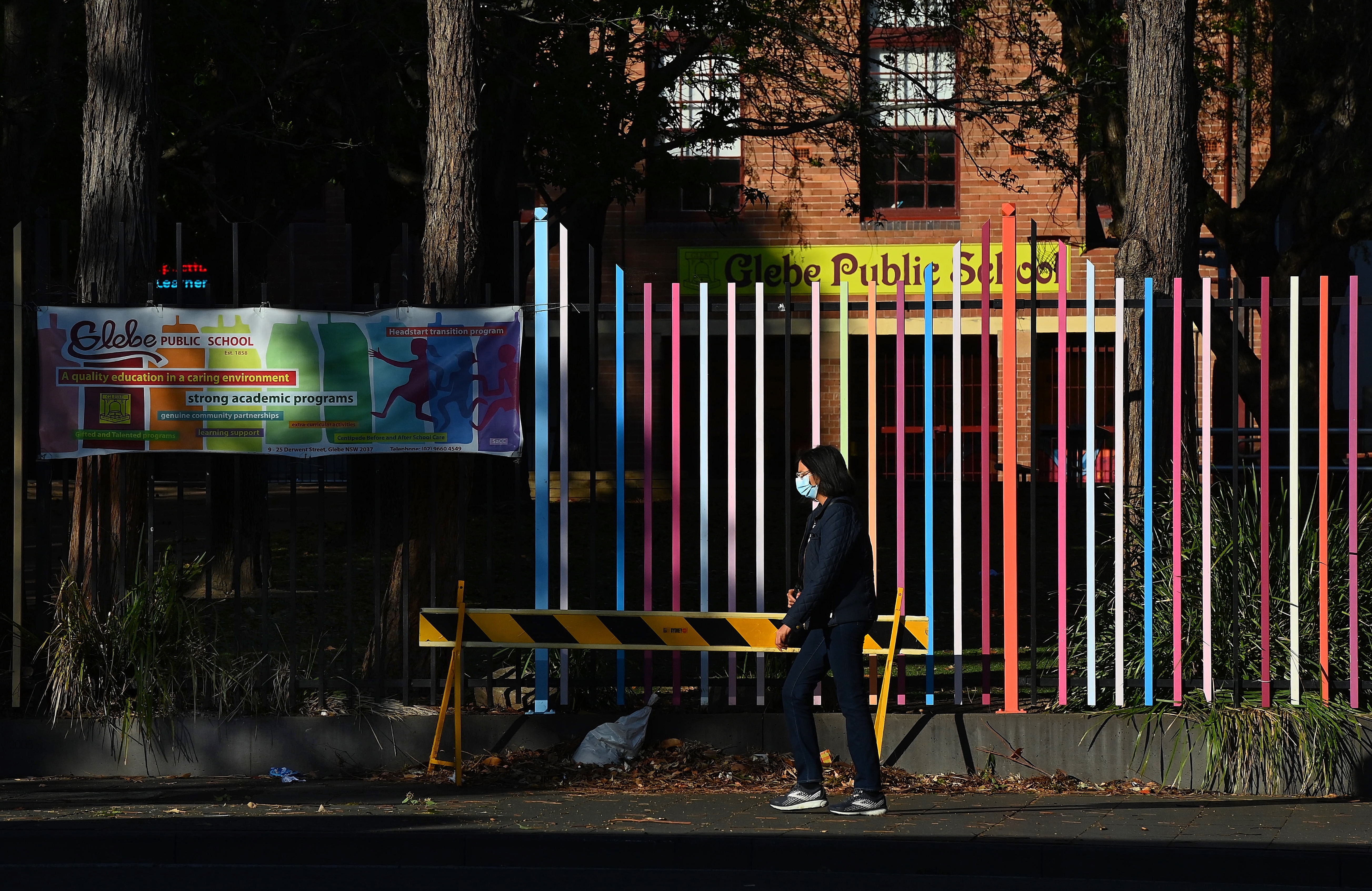
A woman wearing a face mask walks past Glebe Public School during the city wide COVID-19 lockdown. Glebe, NSW. 22nd September, 2021. Photo: Kate Geraghty

Senior state government ministers believe that by December, 2021 could all of a sudden feel like 2019.

It could spell the end of industrial-scale testing clinics, contact tracing, isolation periods and a full dismantling of hotel quarantine.

Watch the full story above.

Man holds wife's head above water after they were swept off rocks

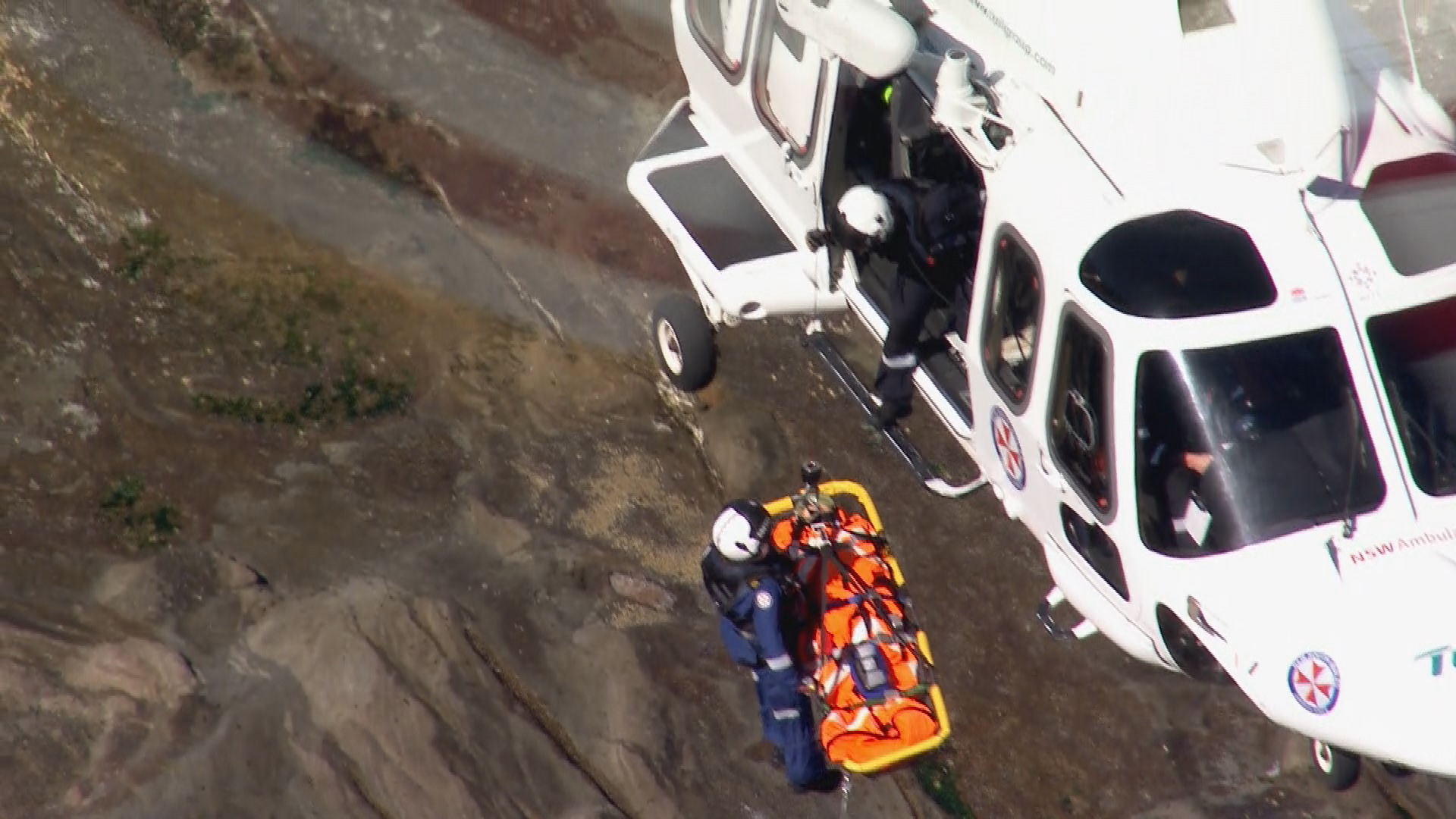
An elderly woman has been rescued from the water at Stanwell Park, south of Sydney, after she was swept off the rocks with her husband and their two grandchildren.

The grandfather and two children were able to get out of the ocean, but the grandmother could not as she was injured.

Her husband jumped back into the water and helped keep his wife afloat while paramedics made their way to help.

LIVE UPDATES: More of NSW to leave lockdown

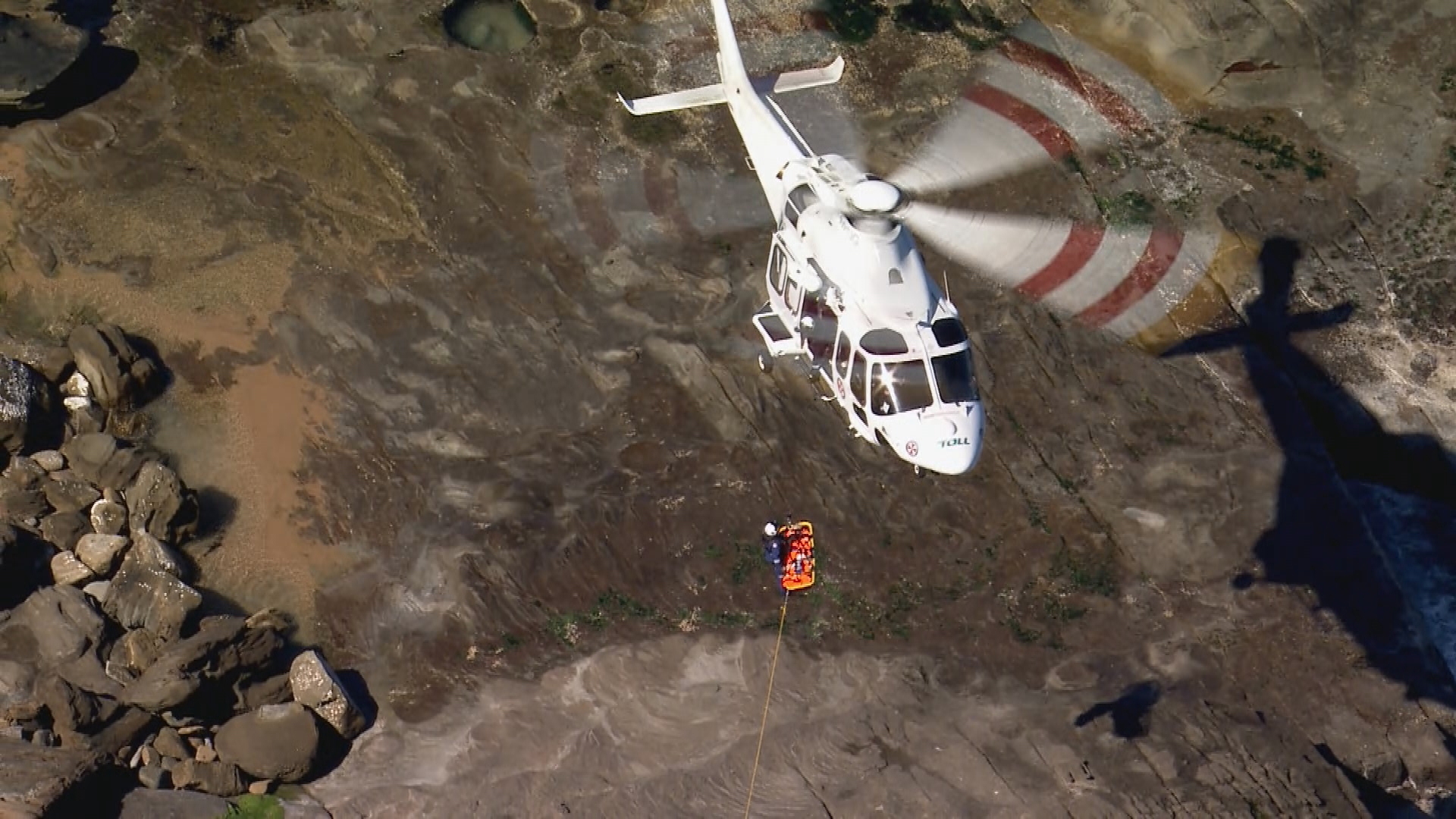
A woman has been rescued after being swept onto the rocks at Stanwell Park.She was winched to safety and airlifted to hospital. Her husband and two grandsons suffered minor injuries.

"I closed my eyes and I could feel myself backflipping, for some reason," 10-year-old Will said.

"It was so scary," his brother added.

Paramedics took about half an hour to get down to the scene, so the grandmother had to be winched out of the water by a helicopter.

The grandmother, in her 70s, will be taken to Royal North Shore Hospital for treatment.

The grandfather and two grandsons suffered minor bumps and bruises but were able to walk from the scene.

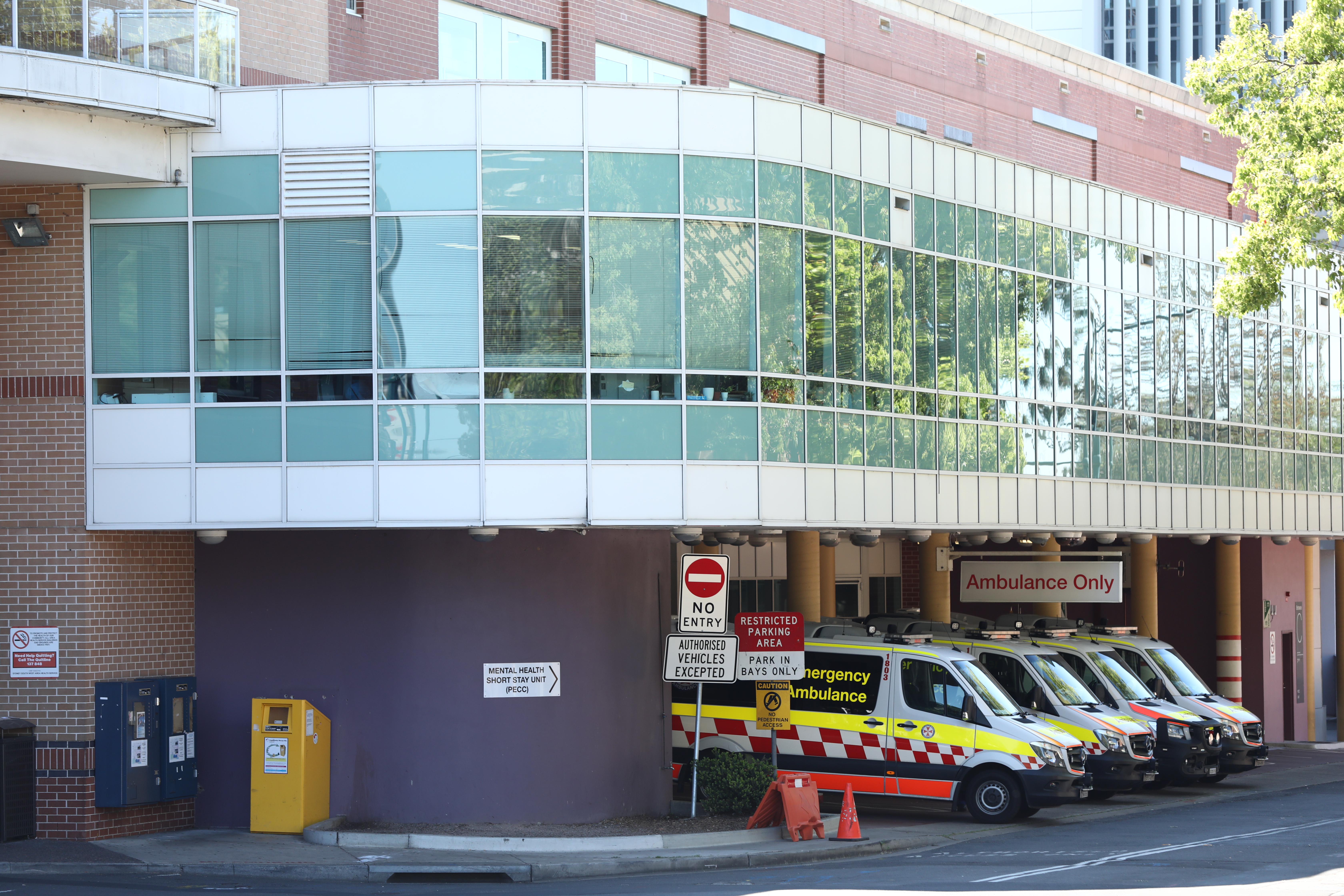
Two Sydney hospitals battling coronavirus outbreaks

Two Sydney hospitals are dealing with coronavirus outbreaks, as health workers are being asked to come out of retirement ahead of a surge in cases next month.

Liverpool Hospital is dealing with its third major outbreak with 25 cases in four different wards including orthopaedic, renal, and geriatric.

Twelve patients and three staff in the orthopaedic ward are infected, one patient and one staff member in the renal ward, three patients and a staff member in neurology and four patients in the geriatric ward.

READ MORE: NSW records 1063 coronavirus cases and six further deaths

Several staff and patients at Liverpool Hospital have tested positive for COVID-19.

A total of 28 staff are in isolation, and all workers who have tested positive are fully vaccinated, a spokesperson for South Western Local Health District said.

"An ICU nurse who tested positive in the days preceding the exposures listed was an isolate case and is not connected to the above cases," the spokesperson said.

Cases are also spreading at The Mater on the North Shore with 14 new infections.

"Of the cases, five are patients, eight are staff members, and one is a carer," a Mater spokesperson said.

"Immediately after becoming aware of these cases, The Mater commenced testing of patients and staff who may have been exposed to COVID-19.

"At this stage, no further cases have been identified."

READ MORE: The cruel text tricking customers waiting for a delivery

The Mater Hospital on Sydney's North Shore.

It comes as thousands of retired or temporarily unemployed health care workers are being asked to come back to bolster the COVID-19 pandemic response across the state ahead of an anticipated surge in hospitalisations in October.

The pandemic response sub-register has been doubled to allow more than 55,000 doctors, nurses, psychologists and dentists to return to practice.

These also include midwives, pharmacists, diagnostic radiographers, occupational therapists, optometrists, physiotherapists and podiatrists.

NSW has also reached out to Western Australia seeking assistance from those able to help.

The Australian Health Practitioner Regulation Agency created its sub-register in April 2020 in response to the coronavirus pandemic and has 26,000 practitioners.

It has now established a new pandemic response sub-register for 2021 allowing nearly 29,000 practitioners who recently stopped practising to be eligible to return.

The surge workforce will make more practitioners available to help with the pandemic response if they choose to do so.