Category Archives: headline

US: Reports of Haitian Immigrants ‘On Large Scale’ Being Freed in America

Key Allegations:

  • One unnamed federal official “with direct knowledge of operations” told The AP Haitians have been freed on a “very, very large scale” in recent days, estimating the figure at thousands.
  • A second official corroborated the mass releases of Haitians being processed under immigraiton laws, which the newspaper also said some of its journalists witnessed at the Del Rio bus station.
  • Many are being released with notices to appear (NTA) at an immigration office within 60 days, the first official said, noting that this requires less processing time from Customs and Border Patrol Agents.
  • The release of these migrants in the U.S. conflicts with the Biden administration’s statements that those entering the country will be sent home.
  • The Department of Homeland Security and the White House did not immediately respond to requests for comment from Forbes.

Crucial Quote

“If you come to the United States illegally, you will be returned, your journey will not succeed, and you will be endangering your life and your family’s life,” Homeland Security Secretary Alejandro Mayorkas said at a Monday press conference.

Key Background

The situation in Del Rio has become the latest source of trouble for the Biden administration.

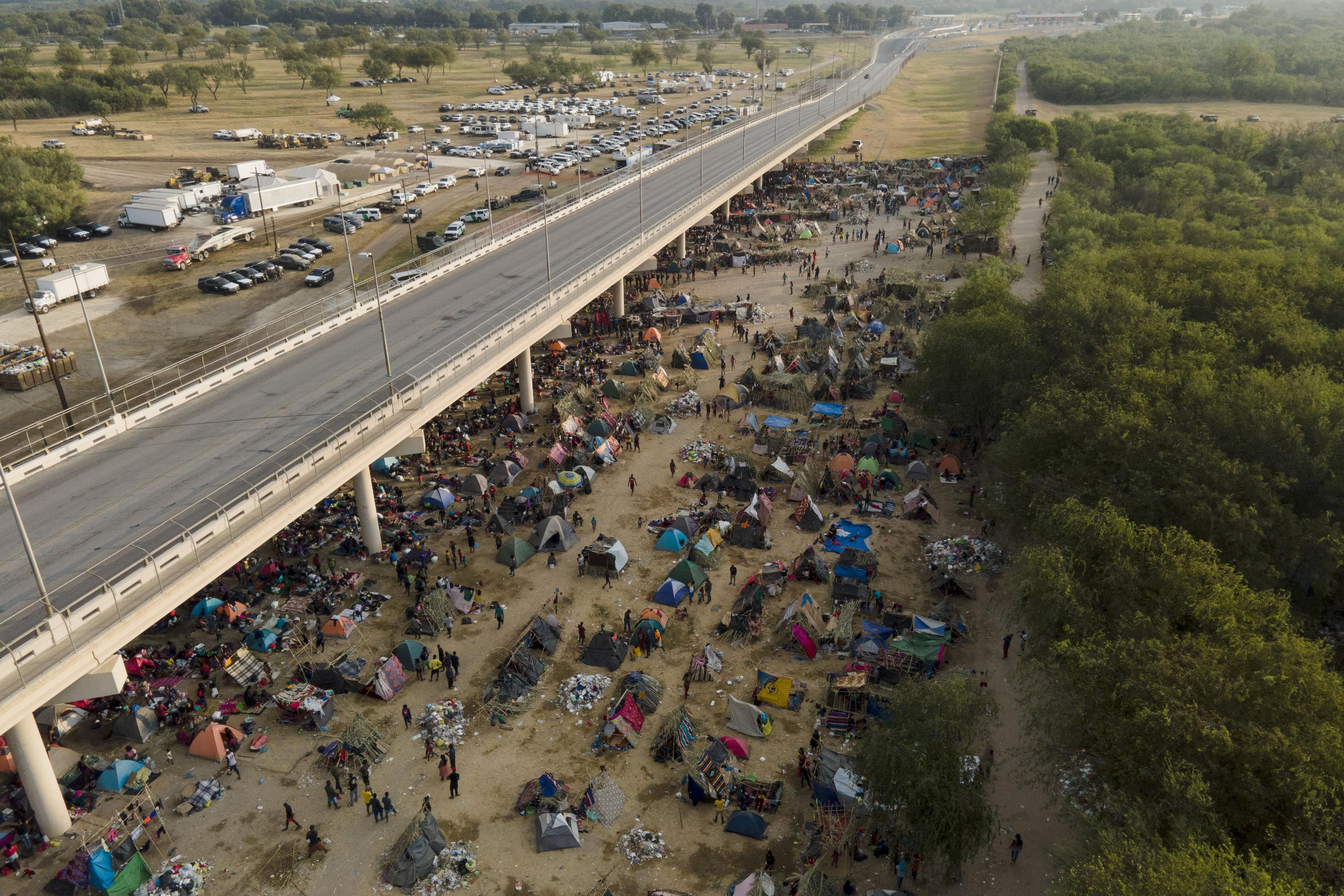
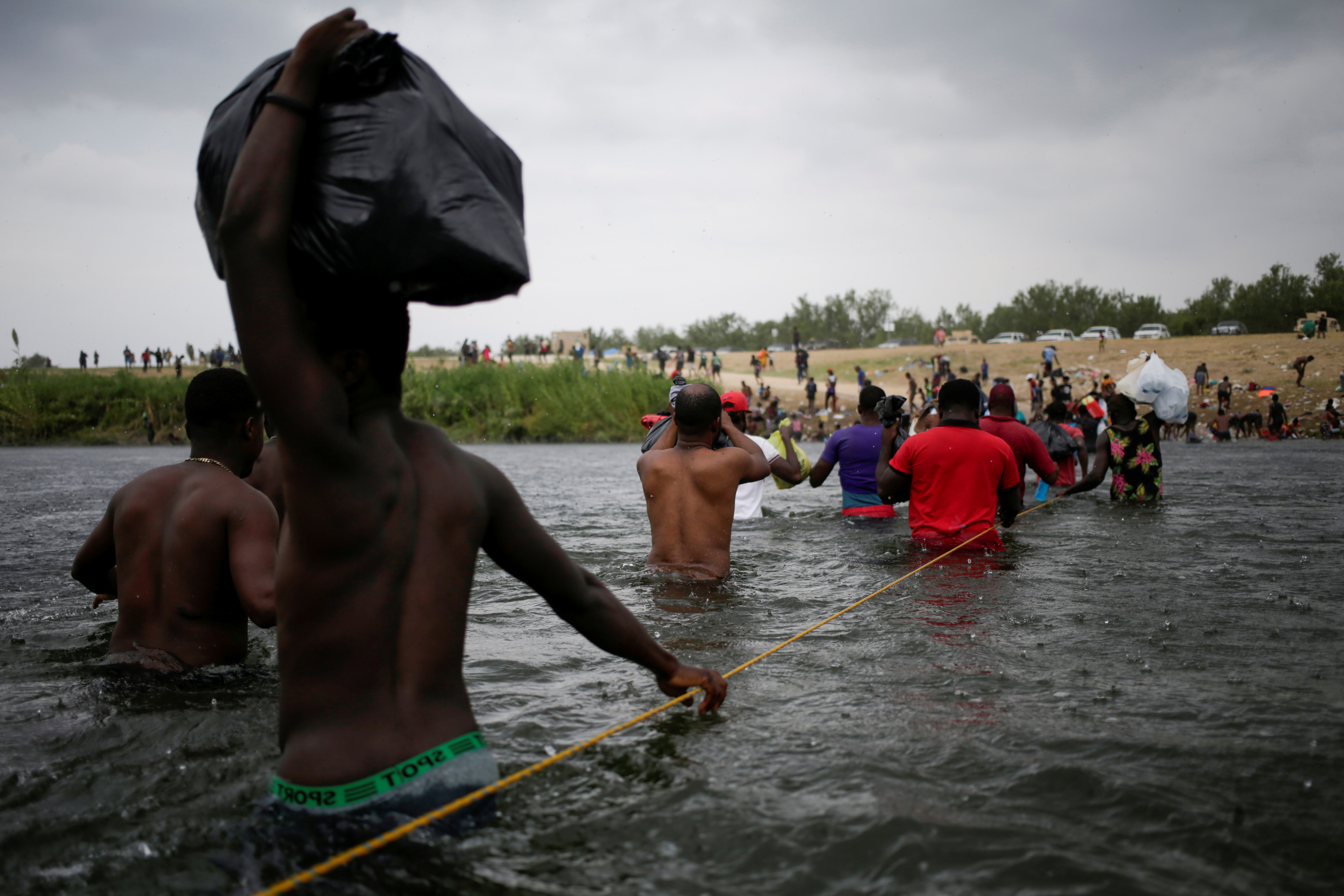
Haitians have been arriving in the thousands and camping out under or around a bridge in the small border town amid ongoing instability in their country, which was rocked by a massive earthquake in August and the shocking assassination of its president in July.

U.S. officials began ramping up expulsion of these migrants over the weekend, but quickly drew bipartisan scrutiny for images depicting aggressive tactics from border patrol agents corralling people on horseback.

Surprising Fact

Mayorkas told Congress on Tuesday he planned to have the make-shift refugee camp in Del Rio cleared out within 10 days. The Homeland Security chief explained this will be done through a mix of flights back to Haiti and moving migrants quickly “to other processing centers to ensure their security and the safety of the community.”

The post US: Reports of Haitian Immigrants ‘On Large Scale’ Being Freed in America appeared first on The St Kitts Nevis Observer.

iPad mini review: Performance and power justify steep price hike

While the iPad was not the first digital tablet, it certainly defined the market for a handheld portable computing device that was larger than your phone and could do many of the things we relied on computers for until that time.

Apple sells tens of millions of them a year, and one of the most popular among its range is the smallest, the iPad mini, which this week gets a long overdue redesign — and it's a cracker.

Because of its much smaller form factor when compared to the "standard"-sized iPad, the iPad mini is popular among business, even law enforcement — but one of its best markets is the family because the size is perfect for children's smaller hands.

IPHONE 13 REVIEW: An incremental upgrade with a stunning camera trick

All-new design

For this reason, the bulk of my review time with the all-new iPad mini was in the hands of Jackson, 14; Victoria, 11; and Harrison, 9 — my children. They're fortunate enough to have already been users of the previous iPad mini so it's the perfect test.

Immediately out of the box, you realise this really is all new. The design follows the squared look of the iPad Pro models and the more recent iPad Air redesign. It also mimics the new iPhone 12 and 13 models in many ways.

And it's about time — the previous design was nine years old, the same as when it launched at the California Theatre in San Jose.

The screen is bigger, 8.3 inches up from 7.9, and pretty much every single specification of the device is dramatically improved.

READ MORE: Apple spruiks new look iPad as 'huge leap forward'

The three key changes my kids noticed

Firstly, the iPad mini now uses a USB-C connector. This means an all-new charging infrastructure, though both the cable and wall brick come with the device. That also means the iPad mini only works with Apple Pencil second generation which magnetically attaches to the side, and pairs.

Secondly, Centre Stage. While they didn't know what it was called, they thought it was very cool that when on a FaceTime call with their mates (that's how kids keep in touch in lockdown of course), the camera would "follow" them. The ultra-wide lens and smarts of the device zoom in on you, but can pan around to follow you or zoom out if more people enter the call in your room.

Then there was the strange one: all the games they enjoy had pillar-box black lines either side of the screen. The games don't stretch to the full aspect ratio of the new iPad mini. Of course, this will be fixed quickly with software updates, but these are the things keen-eyed wanna-be tech commentators noticed.

A welcome surprise

Touch ID on the top button is a welcome surprise. I'm still gutted this wasn't included in the iPhone 13 frankly.

If you're putting a SIM card in, the new iPad mini now supports 5G, and the A15 Bionic chip powering it all is the same as the iPhone 13.

Frankly, the A15 Bionic chip means this is quite possibly the fastest tablet you can get, short of the iPad Pro which has the laptop grade Apple M1 processor.

They should have just called this the iPad Pro mini, or at least the iPad Air mini. It sticks out like a sore thumb — a good looking one — next to the new ninth generation iPad, which also launches this week and has the same classic design still, but with new improved guts.

The price

At $749, it's expensive. The iPad mini used to come with a price-tag starting with a five — or at least a low six — so this is a real jump up, but its power and performance warrant it.

The iPad mini hits stores at the end of this week, though demand looks strong with Apple's online orders already stretching out to early October deliveries.

Medical Teams from Mexico & U.S. to Help Grenada Fight COVID

The Grenadian Government says medical teams from Mexico and the United States are due in the country later this week to help strengthen the local health system cope with the impact of the coronavirus (COVID-19) pandemic that has killed 50 and infected 3,841 others since March last year.

Health Minister Dr Nickolas Steele said three doctors and nurse practitioners from Mexico are arriving here as a result of a bilateral arrangement with that country while the medical practitioners from the United States are coming under a programme being coordinated by US-based Grenadian Dr Phillip Bonaparte.

“Today we have two teams coming in to assist, one team from Mexico of doctors and health professionals that will give support and easement to our ICU team and our hospital team in general and another team lead by our proud and patriotic Grenadian, Dr Phillip Bonaparte,” Steele said on the Monday morning television programme “Perspectives”.

The team from the US will include Grenadian doctors and other professionals.

“That team is a mixture of Grenadians and USA medical professionals, and they will be spending at least one week on the island assisting the COVID-19 team at the General Hospital,” said the spokesman for the delegation, Keith Ventour.

Steeles said in addition to the two medical teams, St George’s University, which has graduated thousands of doctors over the years, will also be tapping into their alumni with a view to rendering some essential service to Grenada.

“They will be coming in so they will be giving easement at all different levels and support to our medical team who has been on the frontline bearing the brunt of this today,” he said.

From mid-August, Grenada has recorded an increase in COVID-19 positive cases, and to date, the health authorities said that more than 3000 cases have been identified.

“The action we take in society is what will prevent or slows the hospitalization and the deaths,” Steele said, encouraging citizens to become vaccinated and adhere to the public health protocols.

The post Medical Teams from Mexico & U.S. to Help Grenada Fight COVID appeared first on The St Kitts Nevis Observer.

CDC Black List Could Negatively Affect A&B Way of Life

By Orville Williams

or**************@*************er.com

Following Antigua and Barbuda’s placement in the US Centers for Disease Control and Prevention’s (CDC) “very high” risk category for Covid-19, the government has issued yet another call for residents to get vaccinated, as the placement could negatively affect socio-economic conditions.

In moving the twin-island state from its level three – “high risk” – to level four, the CDC has warned US citizens to avoid travel to the island and also advised citizens who must travel to similarly-placed countries to ensure that they are fully vaccinated.

The US is currently Antigua and Barbuda largest tourism source market, a point that was emphasised by Lionel Hurst, Chief of Staff in the Office of the Prime Minister.

“Of the 375, 000 tourists who graced our shores in 2019, before the pandemic began, more than 75 percent of that number came from the United States,” he said.

Hurst spoke on what the categorisation means for the country, especially since the economy has only just begun recovering from the losses faced during the lockdowns last year.

“When we are placed in the ‘Category Four’ – which the US has now sensibly done – it means that many Americans will think twice about coming to Antigua and Barbuda. This will, of course, affect not only income, but [also] jobs.

“It will affect the government’s income, because the hotels will import less of everything. The people of Antigua and Barbuda who are earning less, will purchase less from stores and [the stores] will import even less, meaning the government will earn even less from Customs revenues and the like.”

Despite the constant back-and-forth about vaccinations, the Chief of Staff reiterated that it has gotten to a point far beyond ‘personal choice,’ with the very way of life of many residents now under threat.

“We are attempting to share with the people of Antigua and Barbuda this link between being regarded as a fourth category country with [regard to] Covid and being a tourism-dependent destination.

“It imperils that tourism upon which we are all dependent in order to purchase food, clothing, building materials [and] all the necessities that we need – electricity and water as well, for that matter, because when the heads of families are unemployed, what usually happens is that they begin to default in the payments of [these] very important [utilities].”

He also issued a heartfelt plea to the unvaccinated, to help in arresting the spread of the virus and the deaths that have been arising as a result.

“We beg Antiguans and Barbudans to go get vaccinated, because we know that by being vaccinated the likelihood of your passing on the disease to anyone is greatly reduced, and the likelihood of you getting sick and even facing death is also greatly reduced.

“We beg you, please, go get vaccinated. That’s what the mandate requires of you and now is the time to act.”

The post CDC Black List Could Negatively Affect A&B Way of Life appeared first on The St Kitts Nevis Observer.

World View: Some Haitians Freed in US, Biden Urges Vaccine Donation, Racism Top Item at UN, More

Sep 22, 2021

Alternate text

The Associated Press

The Rundown

I'm an image

DEL RIO, Texas (AP) — Many Haitian migrants camped in a small Texas border town are being released in the United States, two U.S. officials said, undercutting the Biden administration’s public statements that the thousands in the camp faced immediate…Read More

I'm an image

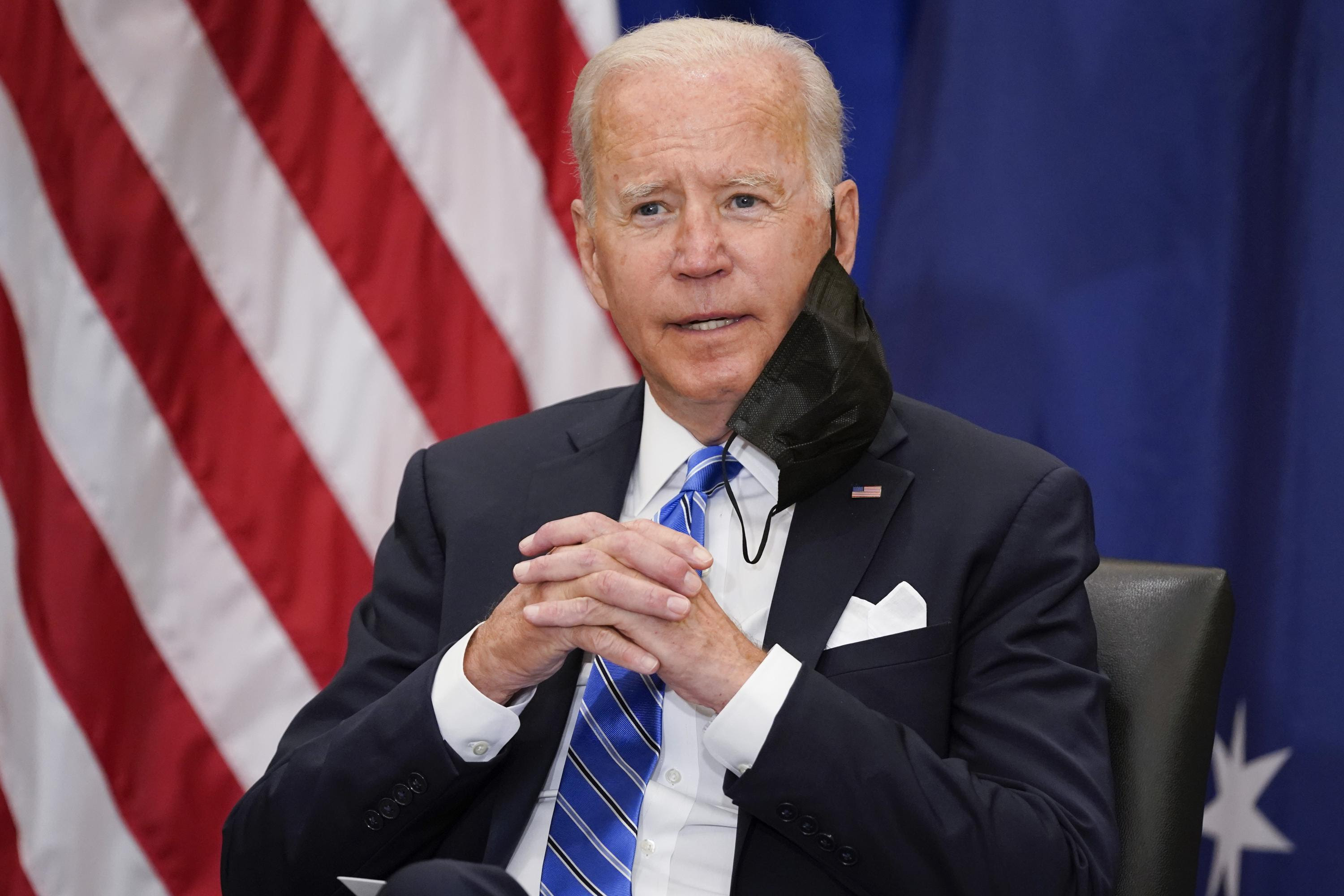
President Joe Biden is set to push well-off nations to do more to get the COVID-19 pandemic under control around the world, as world leaders, aid groups and global health organizations sound the alarm about the slow pace of global vaccinations. …Read More

I'm an image

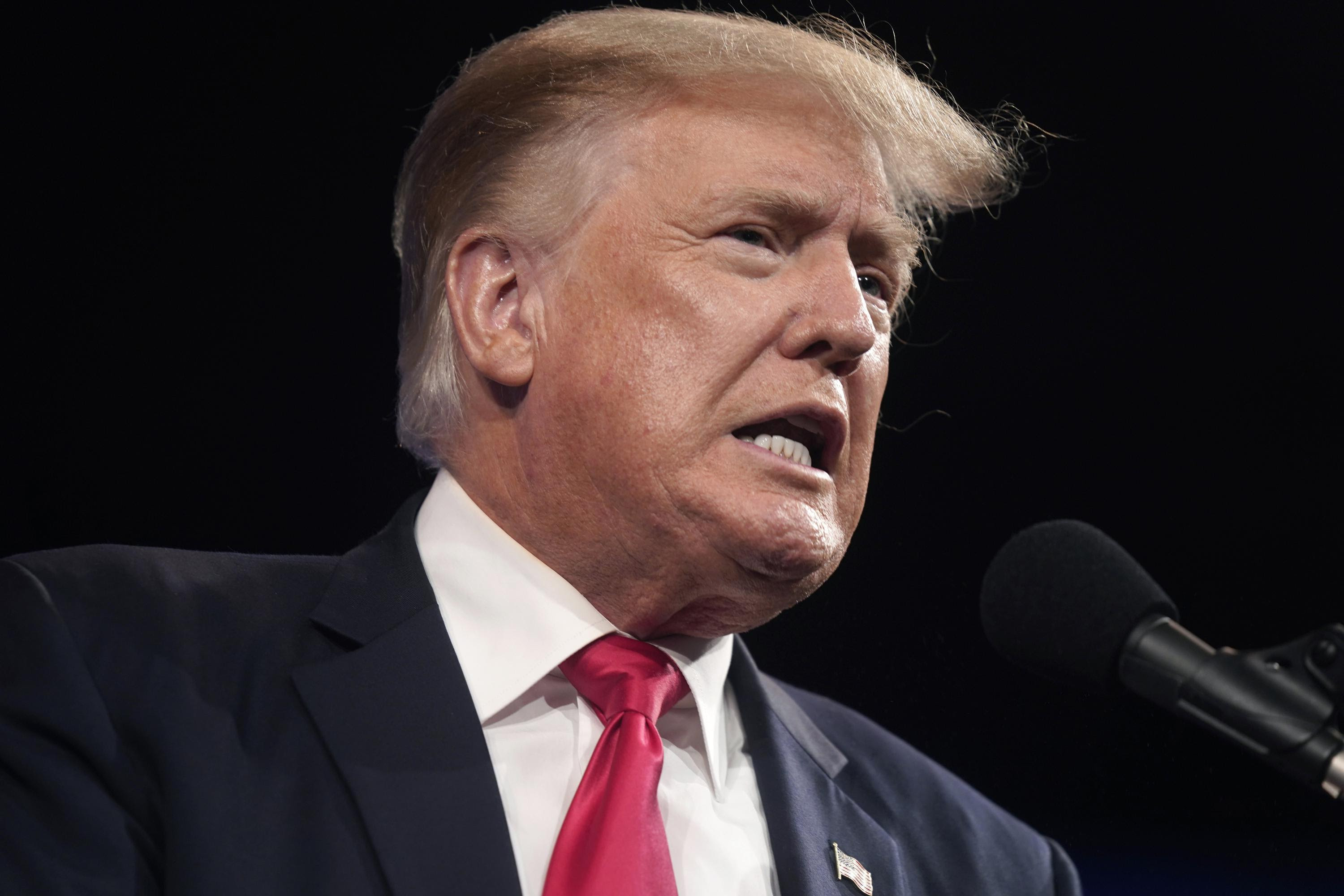
NEW YORK (AP) — Former President Donald Trump on Tuesday sued his estranged niece and The New York Times over a 2018 story about his family’s wealth and tax practices that was partly based on confidential documents she provided to the newspaper’s rep…Read More

I'm an image

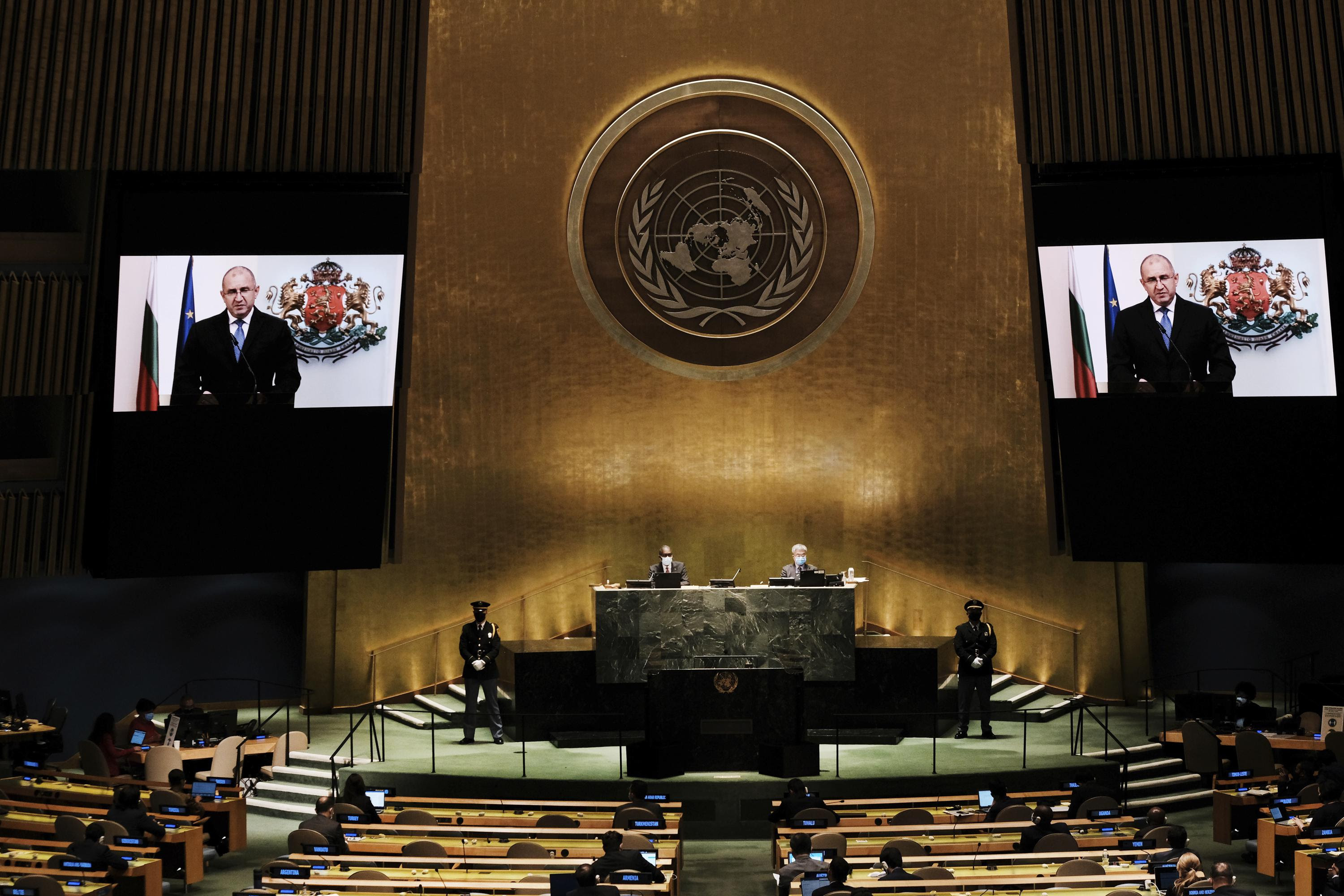
UNITED NATIONS (AP) — Racism, the climate crisis and the world’s worsening divisions will take center stage at the United Nations on Wednesday, a day after the U.N. chief issued a grim warning that “we are on the edge of an abyss.” …Read More

I'm an image

TOKYO (AP) — Guinness World Records has certified two Japanese sisters as the world’s oldest living identical twins at 107, in an announcement Monday coinciding with Respect for the Aged Day, a national holiday in Japan….Read More

OTHER TOP STORIES

HELSINKI, Finland (AP) — The top U.S. military officer met with his Russian counterpart Wednesday, against the backdrop of U.S. struggles to get military basing rights …Read More

MADRID (AP) — A small Spanish island in the Atlantic Ocean is struggling days after a volcano erupted, forcing the evacuation of thousands of people, and authorities ar…Read More

BERKELEY, Calif. (AP) — Big Tech companies that operate around the globe have long promised to obey local laws and to protect civil rights while doing business. But whe…Read More

MELBOURNE, Australia (AP) — A sports association official says seven female taekwondo athletes who fled Taliban-controlled Afghanistan have resettled in Melbourne. Aust…Read More

The post World View: Some Haitians Freed in US, Biden Urges Vaccine Donation, Racism Top Item at UN, More appeared first on The St Kitts Nevis Observer.

Panama and Costa Rica Smash Migrant Smuggling Network

SAN JOSE/PANAMA CITY, Sept 21 (Reuters) – Authorities in Costa Rica and Panama said on Tuesday they detained more than 40 people suspected of operating a cross-country people-trafficking organization by smuggling migrants overland to the United States.

The network handled migrants from Asian and African countries and to a lesser extent people from Cuba, Haiti and Venezuela, according to the Costa Rican security ministry.

Panamanian authorities carried out 35 raids and 21 arrests, while on Costa Rican soil 15 operations were reported in border municipalities and another 21 people were captured.

An investigation that lasted more than a year revealed that the organization charged each migrant $14,000 to $25,000 to take them to the United States, said Costa Rican Security Minister Michael Soto.

In Panama, police agents also confiscated three vehicles and a boat used to transport migrants, the Public Ministry said in a statement.

Reporting by Alvaro Murillo in San Jose and Elida Moreno in Panama City; Writing by Drazen Jorgic; Editing by Stephen Coates

The post Panama and Costa Rica Smash Migrant Smuggling Network appeared first on The St Kitts Nevis Observer.

Angry Scenes at Haiti Airport Over Expulsions

and

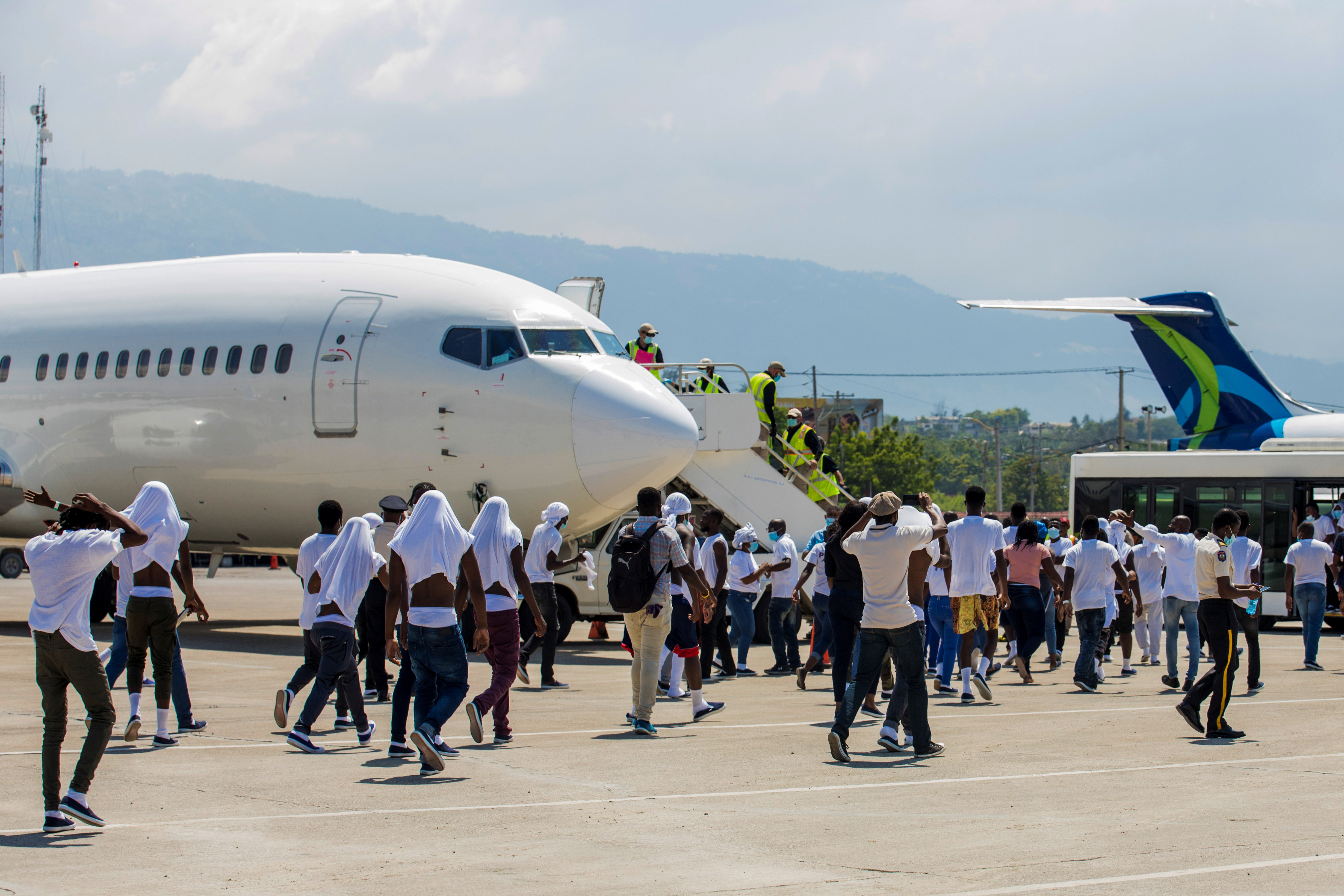
PORT-AU-PRINCE, Haiti/CIUDAD ACUNA, Mexico, Sept 21 (Reuters) – Angry scenes broke out at Haiti’s main airport on Tuesday among migrants sent home from a squalid Texas border camp, as U.S. President Joe Biden faced mounting pressure to stop an expulsions policy the U.N. refugee chief said may be illegal.

Nearly 10,000 migrants, mainly Haitian, remain in worsening conditions in the impromptu camp that sprang up under a bridge spanning the Rio Grande from the Texas town Del Rio to Mexico’s Ciudad Acuna.

In recent days, U.S. authorities have removed at least 4,000 people from the site for processing in detention centers. Some 523 Haitians have been deported to their homeland on four flights, with repatriations set to continue on a regular basis, the U.S. Department of Homeland Security said.

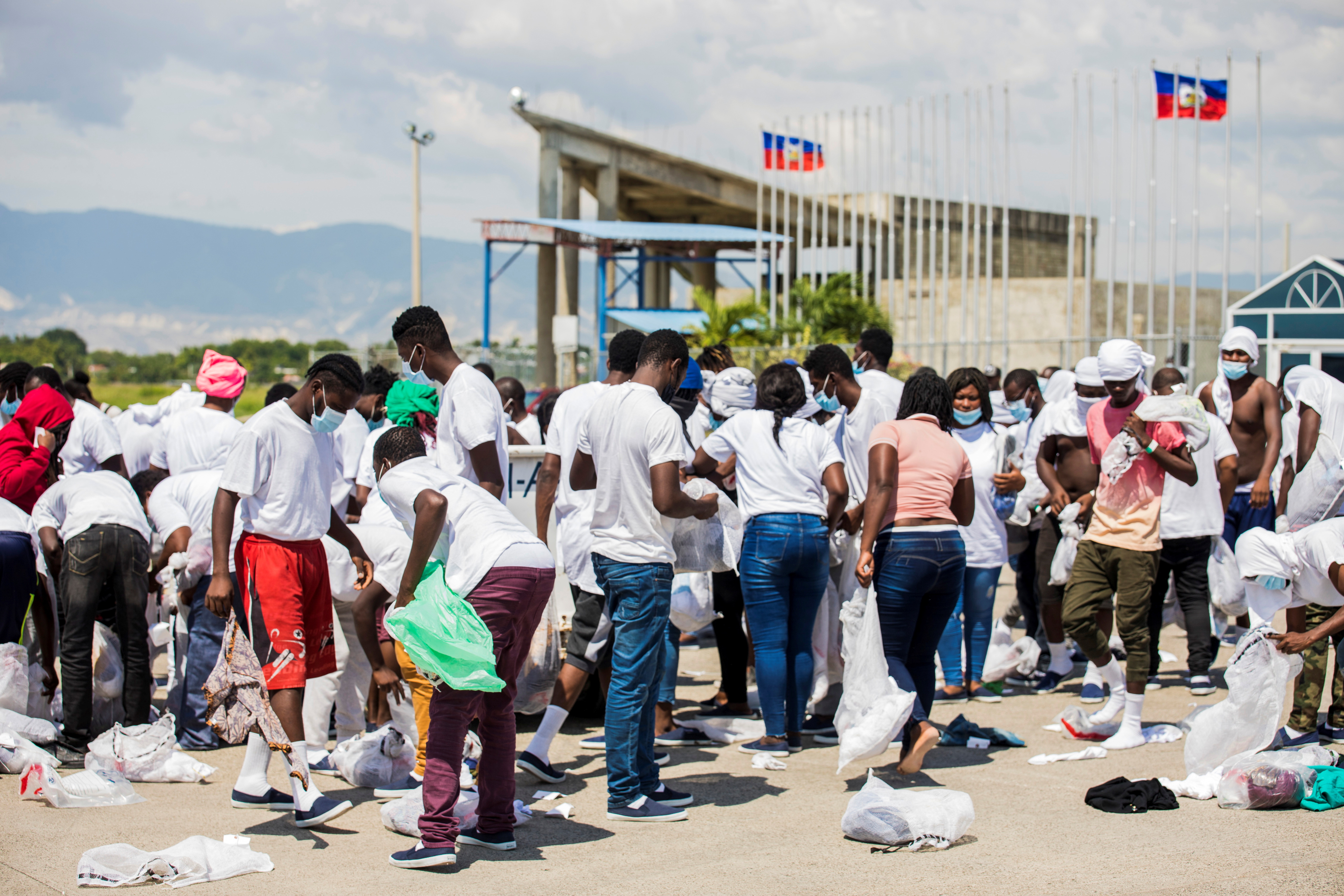
Returnees reacted angrily as they stepped off flights at Port-au-Prince airport after spending thousands of dollars on arduous voyages from the troubled Caribbean nation via South America hoping for a better life in the United States.

On Tuesday, they found themselves back where they started.

A group of men in white T-shirts rushed back toward the plane after they disembarked in Port-au-Prince, with one man attempting to get back on board, Reuters witnesses said.

The migrants broke into a restricted area of the airport as they attempted to recover passports and personal belongings, and ground staff closed the door of the plane before the man could scale the steps back into the cabin.

Tempers ran high, exacerbated by news the Haitian government had accepted the deportations.

“I am angry at the government. We were told in prison that the Haitian government had signed to send us back to Haiti. They are all bad people, these authorities,” said Yranese Melidor, 45, who arrived on an earlier flight.

The disturbances underscored the instability in the Caribbean nation, the poorest in the Western Hemisphere, where a presidential assassination, rising gang violence and a major earthquake have spread chaos in recent weeks.

Filippo Grandi, the head of the U.N refugee agency, said U.S. expulsions to such a volatile situation might violate international law and could constitute refoulement, or exposing people seeking shelter to life-threatening situations.

U.S. Senate Majority Leader Chuck Schumer also called out Biden, a fellow Democrat, on Tuesday, saying it “defies common sense” to expel the migrants to Haiti and expressing anger over tactics used by border guards to control the crowds at the camp.

Vice President Kamala Harris said the situation was complex and that the United States needed “to do a lot more” to support the basic needs of people in Haiti.

“People want to stay home, they don’t want to leave home, but they leave when they cannot satisfy their basic needs,” she told reporters.

Republican politicians with an eye on the 2022 midterm elections, when they hope to retake control of Congress, have been quick to portray the sprawling camp in Texas as the result of Democrats’ push to end some migration restrictions.

The camp’s population peaked at up to 14,000 at the weekend, according to the U.N’s refugee agency.

On Tuesday, the camp on the U.S. side of the river had expanded into a nearby forest area as migrants sought shade and cover. Some families built makeshift tents with branches and leaves, while parents washed their children using jugs of river water. One toddler had an untreated hernia on his stomach.

Haitian migrants board an airport bus aftter U.S. authorities flew them out of a Texas border city after crossing the Rio Grande river from Mexico, at Toussaint Louverture International Airport in Port-au-Prince, Haiti September 21, 2021. REUTERS/Ralph Tedy Erol

Migrants said food remained scarce and there were not enough portable toilets. In a small tent she had pitched under trees, a Haitian mother cradled her 15-day-old baby.

Fearful of the expulsions, some of the migrants have set up a new camp on the Mexican side of the river.

Mexican authorities also prepared flights and buses to Mexico’s southern states after it began detaining Haitians in Ciudad Acuna, just across the border from Del Rio. The removal transport appeared aimed at reducing the concentration around the camps.

Mexican and Haitian authorities held talks on Tuesday about how to deal with the migrant influx, with Mexico set to offer space for Haiti’s government to open consular offices in the southern cities of Tenosique and Talisman, close to the Guatemalan border.

They also agreed to schedule repatriation flights to Haiti for “for all those people of Haitian origin who wish to return to their country”, Mexican authorities said.

“HELPING GREATLY”

The new camp on the Mexican side has been growing, with migrants aided by groups, including the Red Cross and Doctors Without Borders, as well as the U.N’s migration agency.

Residents from Ciudad Acuna brought food.

Surreane Petit, who clutched her 3-year-old son at her side, said staying in Mexico was a huge improvement over the U.S. camp. “Here the Mexican people are helping greatly.”

“Over there we were hungry,” Petit said. “Under the bridge there was no help, no help.”

She said she had lived the last five years in Chile, where her son was born, but decided to leave after pandemic lockdowns made it hard to leave her house to find work.

Following an outpouring of anger over an incident in which mounted U.S. border agents in cowboy hats used horse reins like whips to intimidate the migrants, U.S. Department of Homeland Security Secretary Alejandro Mayorkas emphasized that U.S. border agents were delivering medical attention and working with the Red Cross.

Mayorkas said he was horrified by the images, echoing increasingly strident criticism from the White House, which said the footage “does not represent who we are as a country.”

The agents under investigation have been assigned administrative duties and are no longer dealing with migrants, Mayorkas said. He also ordered that the conduct of personnel in Del Rio be consistent with the policies, training and “the values of this department.”

Despite the risk of being returned to Haiti, many migrants remained in the Del Rio camp.

Carly Pierre, 40, said he was staying there because he saw a chance to make it into the United States with his wife and two children, ages 3 and 5, after several years living in Brazil.

“There are deportees and there are people who will make it in,” he said, his shorts still wet from having crossed the river to buy ice and soda at a convenience store on the Mexican side.

Reporting by Daina Beth Solomon in Ciudad Acuna and Gessika Thomas in Port-au-Prince; Additional reporting by Doina Chiacu in Washington, Kristina Cooke in San Francisco, Mica Rosenberg in New York, and Stephanie Nebehay in Geneva; Writing by Frank Jack Daniel; Editing by Rosalba O’Brien and Leslie Adler

The post Angry Scenes at Haiti Airport Over Expulsions appeared first on The St Kitts Nevis Observer.


Brazil: Bolsonaro Gives Rosy Picture of Country as Health Minister Tests Positive for COVID

United Nations Headquarters, NY (CNN) With Covid-19 and the environment at the top of the agenda at this year’s United Nations’ General Assembly, observers braced for the first world leader to speak in the UN headquarters’ storied hall: Brazil’s Jair Bolsonaro, notorious for both his off-the-cuff comments and controversial handling of the pandemic and the environment.

The Brazilian President’s speech was calmly given, even monotone at times, opening with a numbing sales pitch of his country to investors that touted developments in sanitation and transportation services. He was presenting “a new Brazil whose credibility has been recovered in the world” — one very different from the country devastated by the coronavirus on his watch and lashed by fires in the Amazon, where Bolsonaro has pushed for development.

The conservative populist leader stuck to established provocations on social and pandemic issues, repeatedly alluding to the importance of “the traditional nuclear family” and criticizing pandemic lockdown measures. Doctors should be free to prescribe the use of “off-label” medications against Covid-19, added the president, who has long championed the unproven malaria medicine hydroxychloroquine as a treatment.

Brazil traditionally goes first in the General Assembly’s weeklong roster of speeches by member states, and Bolsonaro, who is up for reelection next year, had already set a pugnacious tone for his appearance, publicly flouting the UN’s “honor system” that calls for foreign delegations to be vaccinated before entering the building. Bolsonaro declared last week that he would not get vaccinated, because he already had Covid-19.

“Why do you take a vaccine? To have antibodies, right? My antibodies rate is really high. I can show you the document,” he said in a live social media broadcast. He added that he will only make a decision about getting vaccinated “after everyone in Brazil gets the vaccine” — a dissonant voice as the General Assembly pushes this year to increase vaccination throughout the globe, and cajoling wealthier nations to share more doses with poorer ones.

But while the Brazilian President has tended to use appearances at the UN to reject foreign authority — showing a similar allergy to being told what to do when it comes to another globe-spanning crisis: global warming — he seemed to sidestep any direct confrontation on that front.

In 2020 at the UNGA podium, as flames raged in the Amazon, he told the hand-wringing world to back off, claiming foreign agents were overhyping the wildfires in “the most brutal misinformation campaign.” He has long painted the environmental concerns expressed by foreign governments, local indigenous groups, and organizations as prelude to an imagined foreign invasion of the Amazon.

This year, a quieter Bolsonaro acknowledged “environmental challenges” but boasted that the Amazon region had seen a drop of 32% deforestation in August compared to the prior year, citing numbers from the Brazilian National Institute for Space Research indicating 918 square kilometers of deforestation. The number is still nearly double what was registered in August 2018, before the Bolsonaro administration, however.

In contrast, data from the Amazon Institute of Man and Environment (Imazon) — which monitors the deforested areas by satellite — suggest 1,606 square kilometers of deforestation in August, a 7% rise in comparison to the same month last year. It is also the highest rate for August in a decade, according to Imazon´s satellites imagery.

The president also called on other countries to do their part by fulfilling commitments to climate funding “at substantial amounts.” His own government has previously received significant foreign aid from other countries to help halt deforestation — a tactic that some environmental advocates in Brazil criticize, pointing out that not all the money allocated for environmental work in Brazil is spent in the first place.

Bolsonaro, never a fan of pandemic restrictions, acknowledged as much in Tuesday’s speech before world leaders, saying that while he regrets “all of the deaths that took place in Brazil and worldwide,” the toll of unemployment must be balanced against that of the coronavirus. Over the past year, he had frequently raged against municipal and state-level lockdown orders in Brazil, even during the grimmest moments of the pandemic, when hospitals filled to capacity and whole cities ran out of oxygen. Over half a million Brazilians have died in the pandemic — the highest death toll in the world after the United States.

A more moderate tone had been expected from Bolsonaro this year, said Brian Winter, editor-in-chief of Americas Quarterly and vice president for policy at Americas Society/Council of the Americas. For one thing, the assembly’s mood was simply different, with fewer fellow right-wing populist leaders to join Bolsonaro in giving international busybodies the middle finger.

“Bolsonaro is more isolated than ever,” Winter told CNN. “Trump left, Netanyahu is gone. The main country that really aligns with his brand of right-wing conservatism is Victor Orban’s Hungary,” he says. (Bolsonaro did have a sit-down scheduled with Poland’s conservative, anti-LGBTQ president Andrzej Duda before he took the stage Tuesday, though.)

This year, too, the stakes of climate change have never been clearer, with catastrophic fires and floods seen around the world. Brazil’s vast forest works as an “air conditioner” for the globe, influencing global temperature and rainfall patterns, and absorbing carbon dioxide, and Winters says Bolsonaro had already previewed a new “constructive” tone on coordinating climate protection during a summit convened by US President Joe Biden this spring, when Bolsonaro presented a plan to eliminate illegal deforestation by 2030 and neutralize greenhouse gas emissions by 2050.

In a meeting Monday with UK Prime Minister Boris Johnson, Bolsonaro showed the same mild-mannered stubbornness that he later displayed at the podium. The two leaders discussed climate and Covid-19, and Bolsonaro “affirmed Brazil’s commitment to sustainable development,” a Brazilian Foreign Ministry statement read after the meeting.

But when it came to getting vaccinated per the United Nations’ request, he was as unmoving as ever.

During footage of the meeting at the UN headquarters, Johnson could be heard telling Bolsonaro, “AstraZeneca, it’s a great vaccine. Get the AstraZeneca vaccine. I had it twice.” Bolsonaro laughed the tip off. “No, not yet,” he said.

Reporting contributed by CNN’s Rodrigo Pedroso in Sao Paulo.

===================================================

Brazilian health minister tests positive for Covid-19 while in New York for UN meeting

The post Brazil: Bolsonaro Gives Rosy Picture of Country as Health Minister Tests Positive for COVID appeared first on The St Kitts Nevis Observer.

Barbados PM Wants 50K Residents Vaccinated in 5 Weeks, COVID & Vaccine News, World Stats

CNW- Barbados Prime Minister Mia Mottley wants at least 10,000 people to be vaccinated against COVID-19 every week for the next five weeks, which she said would determine when curfews and other restrictions would be eased and eventually lifted.

Addressing the nation on Saturday, Mottley said if vaccinations pick up to the level she wants, Barbados would be much closer to herd immunity.

Currently, just under 6,500 persons are being vaccinated in Barbados weekly, and while saying she was happy to see an increasing number of people coming forward to be vaccinated, she urged more Barbadians to get inoculated.

“We are trending in the right direction, but the overall rate does need still some pumping up; it is still a little bit too low,” Prime Minister Mottley said.

“Let us agree to aim to get as close to 10,000 persons per week being vaccinated…. If we can do that, and we can maintain that each week for the next five weeks, then we will have the majority of those persons fully vaccinated before the end of November, before Independence Day [November 30] and Christmas, such that we may as a country, consider then the options of significant review and removal of restrictions that we have in place….  There will then be a clear and justifiable case for the Government to take to the doctors and the public health specialists, that will allow us to gradually remove the restrictions.”

Barbados is currently under a 9 p.m. to 5 a.m. curfew Mondays to Saturdays, and a 6 p.m. to 5 a.m. curfew on Sundays.

The Prime Minister stressed, however, that with any removal of restrictions, members of the public would still have to wear masks, sanitise and engage in physical distancing.

Noting that the six people who have died from COVID-19 this past week were unvaccinated, Mottley pleaded: “Help us by protecting yourselves, by taking the vaccinations.”

“There is a small percentage… of seven percent, who are likely to have the breakthrough cases among the vaccinated people, but if we catch them early as well we can ensure that none of them go the way of the others who regrettably have gone to the great beyond,” she added, reiterating her view that the COVID-19 pandemic is a pandemic of the unvaccinated.

Health authorities recently started a mobile vaccination drive and the Prime Minister said that has been reaping success.

She noted that the pop-up vaccination sites in the community had made a “clear and visible difference” and that discussions were held earlier this week about increasing the number of locations.

Mottley further disclosed that some private sector entities had asked if their premises could be used for some of the community pop-ups and those discussions were ongoing.

Training for private medical doctors who will be administering COVID-19 vaccines began Sunday.

Prime Minister Mottley also told the nation that she wanted to get and distribute oximeters to a number of households across the country, so persons could test the proportion of oxygenated haemoglobin in their blood, so they would present to health officials earlier for diagnosis and treatment.

So far, about 125,000 people have received at least their first jab of one of the three vaccines available – AstraZeneca, Pfizer and Sinopharm.

==================================================

What you need to know about the coronavirus right now

Sept 22 (Reuters)

U.S. to donate an additional 500M COVID-19 vaccines

The United States plans to donate an additional 500 million COVID-19 vaccines made by Pfizer Inc and BioNTech SE to nations around the world, lifting the total the country is sharing to more than 1 billion doses, according to a source familiar with the plans.

President Joe Biden is hosting a virtual summit on COVID-19 on Wednesday and is likely to announce the new pledge then. The United States is pushing global leaders to endorse its targets for ending the COVID-19 pandemic, including ensuring 70% of the world’s population is vaccinated by this time in 2022, according to a draft U.S. document viewed by Reuters. read more

Johnson & Johnson Claim 94% Protection with 2nd Shot

Johnson & Johnson announced on Tuesday that the protection offered by its COVID-19 vaccine increased to 94 percent when a booster shot was given two months after the initial dose.

According to the company’s Phase 3 study, a two-month booster shot resulted in 100 percent protection against severe cases of COVID-19 and 94 percent protection against symptomatic cases in the U.S.

When a booster shot was administered six months after the initial dose, Johnson & Johnson reported a ninefold increase in antibodies that grew to a 12-fold increase in the four weeks after the injection, regardless of age.

What J&J is saying: “Our single-shot vaccine generates strong immune responses and long-lasting immune memory,” Mathai Mammen, global head of research and development at Johnson & Johnson, said in the company’s announcement. “And, when a booster of the Johnson & Johnson COVID-19 vaccine is given, the strength of protection against COVID-19 further increases.”

The pharmaceutical company also reported that a study had found that a single shot of its coronavirus vaccine was 79 percent effective at preventing COVID-19 infections and 81 percent effective at preventing hospitalizations. This efficacy rate is significantly higher than the 66 percent rate that was shared when the vaccine was first authorized for emergency use.

Context: This announcement from Johnson & Johnson comes shortly after Pfizer’s COVID-19 booster was recommended by a Food and Drug Administration advisory panel for use in people over the age of 65 and those in high-risk groups.

The single-dose Johnson & Johnson vaccine has been the least administered in the U.S. out of the three authorized, making up more than 14.8 million doses out of the U.S.’s total of over 386 million doses.

Read more here.

PFIZER RESULTS OFFER HOPE AMID WORSENING PANDEMIC FOR KIDS

Pfizer’s test results that its COVID-19 vaccine is safe and effective among children ages 5 to 11 provides a glimmer of hope to parents desperate to get their younger children protected against the virus.

The vaccine manufacturer’s announcement, which didn’t include specific data from the trial, comes as COVID-19 has taken a greater toll on the pediatric population in recent weeks than previously in the pandemic.

Both child cases and hospitalizations have reached new heights amid the delta variant’s spread and the back-to-school season.

The uptick has raised the pressure on Food and Drug Administration (FDA) officials to authorize a vaccine for children younger than 12.

With the Pfizer results and the FDA’s previous statement that it will review submitted data “likely in a matter of weeks rather than months,” experts say the emergency authorization for the age group could come as early as next month. But they cautioned that the timing is far from certain.

“So, practically speaking, we’re talking about the prospect of having all school-aged kids fully vaccinated when school opens after the winter holidays,” Jeffrey Gerber, an attending physician in the division of infectious diseases at Children’s Hospital of Philadelphia, told The Hill.

“That is, if we can make it easy for them to get it and their parents choose for their children to be vaccinated,” he added.

Read more here.

Locked-down Melbourne beefs up security as protesters gather

Australia’s Victoria state on Wednesday reported a jump in new COVID-19 infections as Melbourne braced for a third straight day of protests against lockdown restrictions, with police deploying in strength to disperse crowds. Television footage showed crowds of protesters walking in the middle of streets in different parts of the city, with police sometimes giving chase.

Melbourne is in its sixth lockdown, the most of any Australian city since the pandemic began. Authorities are aiming for a staggered reopening, easing some curbs when the full vaccination rate for the adult population reaches 70%. The rates of people aged 16 and older who are fully vaccinated is 45% in Victoria. read more

Chinese city in semi-shutdown after first cases since Feb

China’s northeastern city of Harbin, population 10 million, went into semi-shutdown after reporting new locally transmitted COVID-19 cases for the first time since early February. Three of 16 new local cases reported in China for Sept. 21 were in Harbin, the provincial capital of Heilongjiang, the National Health Commission (NHC) said on Wednesday.

Indoors venues such as cinemas, gyms and mahjong parlours were shut, and tourist sites were ordered to limit visitor traffic at half of their capacity, state television reported on Tuesday. The city would also suspend offline classes at all kindergartens, primary schools and high schools for a week from Wednesday, state television said late on Tuesday. read more

New Zealand says it may not get to zero COVID-19 cases again

New Zealand may not get back to having zero coronavirus cases in the community, the director general of health said on Thursday, as the country continues efforts to stamp out the infectious Delta variant of the virus.

“The important thing is we are going to keep finding any infections and basically continue to contact trace, test and isolate people so that we stop the virus circulating in the community,” Ashley Bloomfield, the director general of health told Radio New Zealand.

“Get that vaccination rate up over 90% … that’s absolutely our new means whereby we will be able to get back to the freedoms we had,” he said. read more

IMF calls for coordinated action, accountability in COVID-19 battle

The chief economist of the International Monetary Fund on Tuesday called for coordinated action and greater accountability to ensure that the world meets a target of vaccinating 40% of people in every country against COVID-19 by the end of 2021.

“It’s not enough to make announcements and pledges. You have to come through on it,” said Gita Gopinath, adding it was critical to allocate adequate supplies of vaccines, especially to African countries with big deficits, by year’s end, even if some shots did not get into people’s arms until early next year. read more

Compiled by Karishma Singh; Editing by Sam Holmes
====================================================

WORLD STATS

Coronavirus Cases:

230,339,030

Deaths:

4,723,115

Recovered:

207,048,429
Highlighted in green
= all cases have recovered from the infection
Highlighted in grey
= all cases have had an outcome (there are no active cases)

[back to top ↑]

Latest News

September 22 (GMT)

Updates

  • 1,767 new cases and 43 new deaths in Japan [source]
  • 12,521 new cases an

The post Barbados PM Wants 50K Residents Vaccinated in 5 Weeks, COVID & Vaccine News, World Stats appeared first on The St Kitts Nevis Observer.