Category Archives: headline

Aukus: UK, US and Australia Launch Pact to Counter China

The UK, US and Australia have announced a historic security pact in the Asia-Pacific, in what’s seen as an effort to counter China.

It will let Australia build nuclear-powered submarines for the first time, using technology provided by the US.

The pact, to be known as Aukus, will also cover artificial intelligence, cyber and quantum technologies.

It is the biggest defence partnership among the countries in decades, analysts say.

China’s embassy in Washington reacted by accusing the countries of a “Cold War mentality and ideological prejudice”.

In recent years, the Western democracies have all expressed concerns about China’s growing military assertiveness.

The new partnership aimed to “promote security and prosperity” in the region, said US President Joe Biden, UK Prime Minister Boris Johnson and his Australian counterpart Scott Morrison in a joint virtual press briefing.

But in one awkward moment, Mr Biden appeared to forget Mr Morrison’s name, referring to him as “that fellow down under”.

The pact means Australia has torn up a A$50bn (€31bn; £27bn) deal it signed with France in 2016, to build 12 submarines.

What is Aukus?

It is probably the most significant security arrangement between the three nations since World War Two, analysts say.

The pact will focus on military capability, separating it from the Five Eyes intelligence-sharing alliance which also includes New Zealand and Canada.

While Australia’s submarines is the big-ticket item, Aukus will also involve sharing of cyber capabilities, AI, quantum and other undersea technologies.

“This is an historic opportunity for the three nations, with like-minded allies and partners, to protect shared values and promote security and prosperity in the Indo-Pacific region,” the joint statement read.

The leaders did not refer to China directly, but said regional security challenges had “grown significantly”

“This really shows that all three nations are drawing a line in the sand to start and counter [China’s] aggressive moves in the Indo-Pacific,” said Guy Boekenstein from the Asia Society Australia.

What’s the background?

China’s military build-up and increasing aggression has worried rival powers in recent years.

Beijing has been accused of raising tensions in disputed territories such as the South China Sea.

It has also invested heavily in its military capacity, including its Coast Guard which some analysts argue has become a de facto military fleet.

Western nations have been wary of China’s infrastructure investment on Pacific islands and also criticised China’s trade sanctions against countries like Australia.

Australia had in the past maintained good relations with China, its biggest trading partner.

But the relationship has broken down in recent years amid political tensions.

Why nuclear-powered submarines?

These submarines are much faster and harder to detect than conventionally powered fleets. They can stay submerged for months, shoot missiles longer distances and also carry more.

Having them stationed in Australia is critical to US influence in the region, analysts say.

The US is sharing its submarine technology for the first time in 50 years. It had previously only shared technology with the UK.

Australia will become just the seventh nation in the world to operate nuclear-powered submarines, after the US, UK, France, China, India and Russia.

Its contract with France had been hit by delays due to Canberra’s requirement that several components be locally sourced.

Australia has reaffirmed it has no intention of obtaining nuclear weapons.

lineline

What’s been the reaction?

China’s embassy spokesman in Washington said nations “should not build exclusionary blocs targeting… the interests of third parties”.

French officials said Australia’s reneged deal showed “a lack of coherence that France can only note and regret.”

The BBC is not responsible for the content of external sites.View original tweet on Twitter

Meanwhile New Zealand said it would ban Australia’s submarines from its waters, in line with an existing policy on the presence of nuclear-powered submarines.

New Zealand, although a Five Eyes member, has been more cautious in aligning with either the US or China in the Pacific.

Prime Minister Jacinda Ardern said her nation had not been approached to join the pact.

The post Aukus: UK, US and Australia Launch Pact to Counter China appeared first on The St Kitts Nevis Observer.
New test to easily identify dangerous common virus in babies

Melbourne researchers have developed a new screening program to help identify a common virus that can lead to hearing loss and neurodevelopmental disorders in newborn babies.

The test involves a simple mouth swab which can be taken at home within days after a mother and baby are discharged from hospital.

It determines whether children are positive for Cytomegalovirus(CMV) – a common herpes-like virus thought to affect up to 85 per cent of the population at some stage.

READ MORE: Hundreds of Victorians line up for testing in Ballarat amid lockdown

CMV is most commonly transferred through infected bodily fluids and affects one in 200 babies, putting them at risk of hearing loss and neurodevelopmental disorders like cerebral palsy.

Associate Professor Valerie Sung said that if mothers picked up the virus during pregnancy either for the first time or if the virus re-activated during pregnancy it could cause problems for their unborn babies.

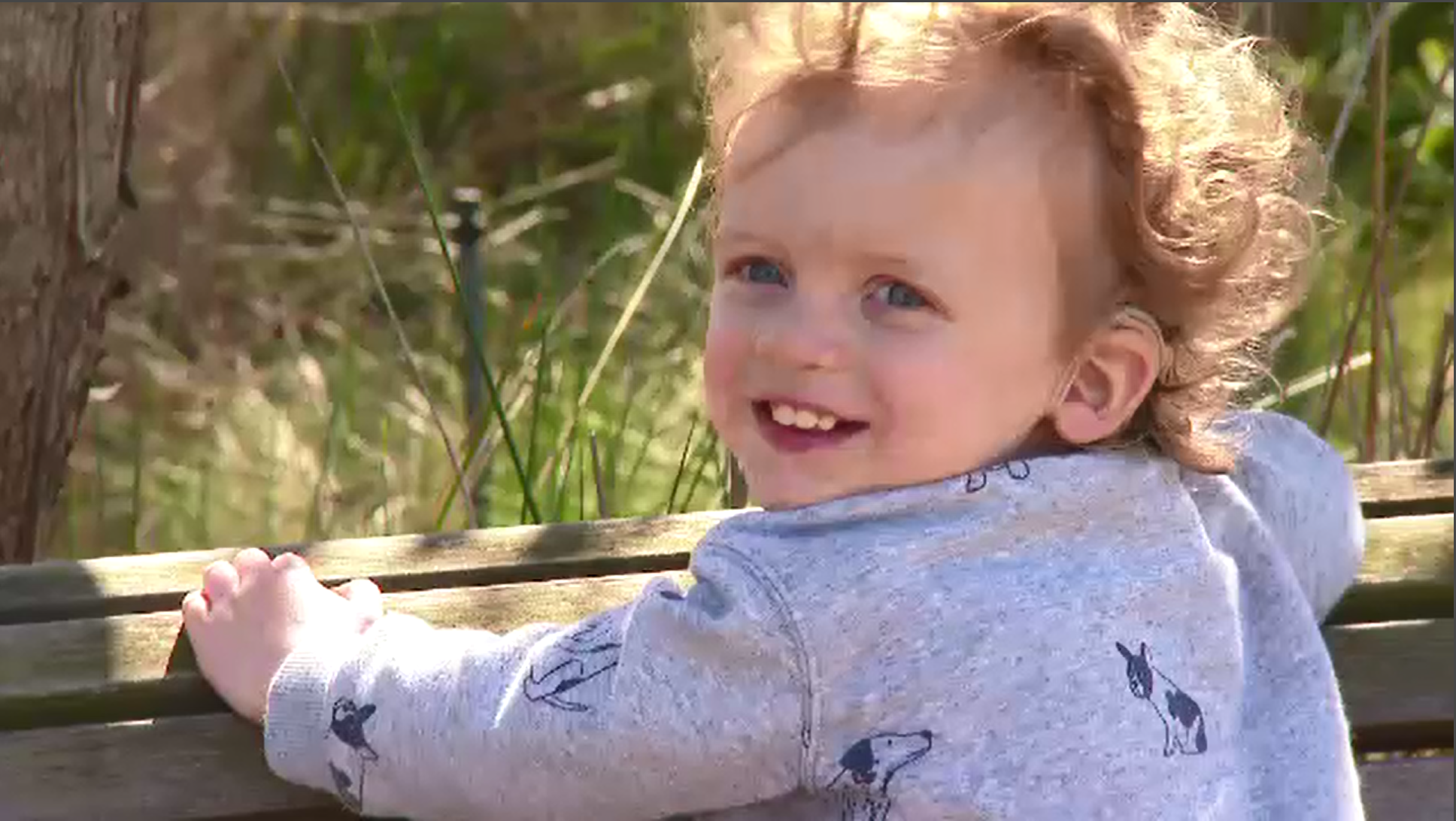
Melbourne's Vicky Cottrell didn't know she had the virus when she was pregnant.

Like all new born babies, her son Teddy, now two, was given a standard hearing screen in hospital shortly after he was born.

But he failed the first and then a second.

"That was the beginning of our journey of finding out Teddy is profoundly deaf and also had Congenital CMV," Ms Cottrell said.

Ms Cottrell said it was really lucky Teddy's swab test came back positive for the virus at 20 days into it, meaning he could get anti-viral treatment straight away.

Doctors say diagnosing CMV early is absolutely critical, with just a 21-day window for babies to get the treatment they need to stop hearing loss progression.

Parents can now give their children the tests themselves with this new screening program.

The Murdoch Children's Research Institute trialled giving the mothers of 96 newborns who failed subsequent hearing tests DIY mouth swabs.

"The majority of parents – 90 per cent – said it was very easy to do they were glad they did it," Associate Professor Sung said.

Researchers say this new take-home test is particularly helpful in the midst of the pandemic, when more women are being discharged from hospital earlier.

Queensland legalises voluntary assisted dying

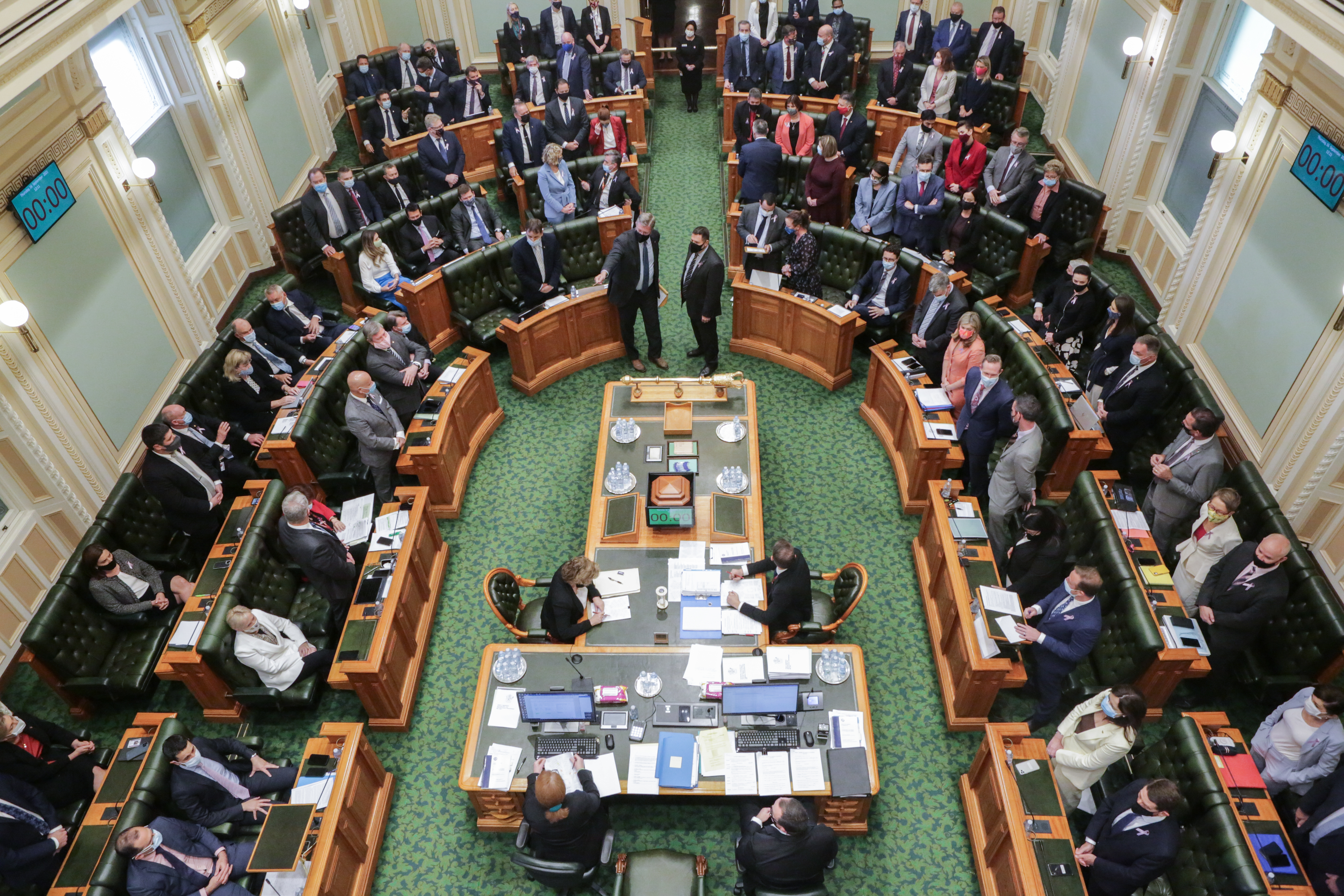
Voluntary assisted dying is now law in Queensland.

This afternoon the parliament voted to legalise the right of the terminally ill to choose when to end their life.

The legislation demands the patient be suffering intolerably from a terminal illness, have fewer than 12 months to live, have obtained more than one medical opinion, be over the age of 18 and have the capacity to make the decision.

READ MORE: One new case of COVID-19 in Queensland as Lismore cut from border bubble

https://twitter.com/9NewsGoldCoast/status/1438411775905513474

Medical staff and faith-run organisations will retain the right to conscientiously object.

Members of parliament were today given a conscience vote, meaning they were free to vote based on the opinions of their constituents as well as their own personal, religious and moral convictions, rather than be bound by their political party.

The legislation doesn't take effect until January 2023.

Victoria, Western Australia, Tasmania and South Australia have all passed voluntary assisted dying laws.

Melbourne man jailed for almost killing neighbour over washing machine

A Melbourne man who almost stabbed his neighbour to death over a fight about a load of washing has been jailed.

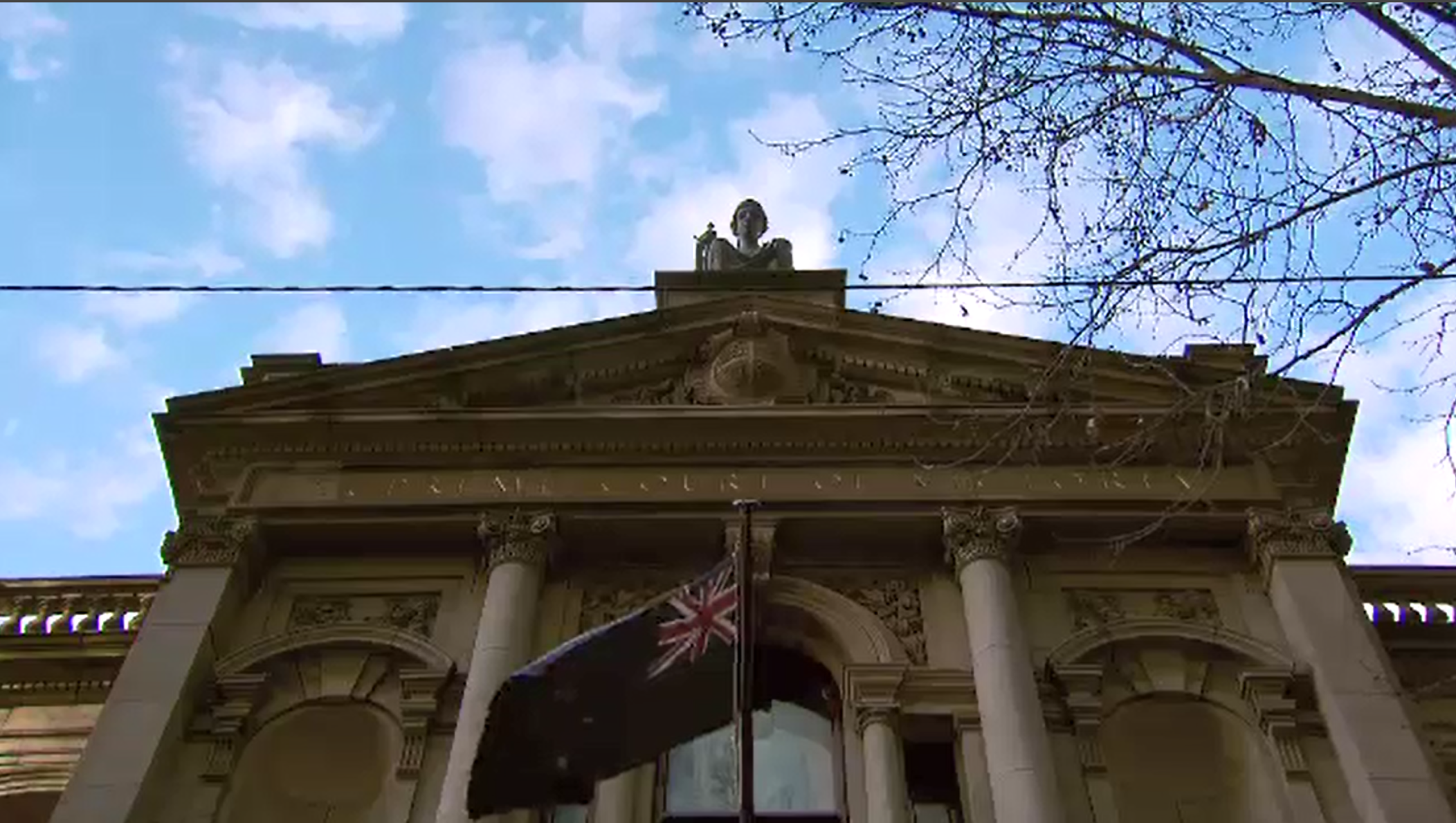
Brett Vaisey, 57, was sentenced to seven years' jail before the Supreme Court today, having previously pleaded guilty to attempted murder.

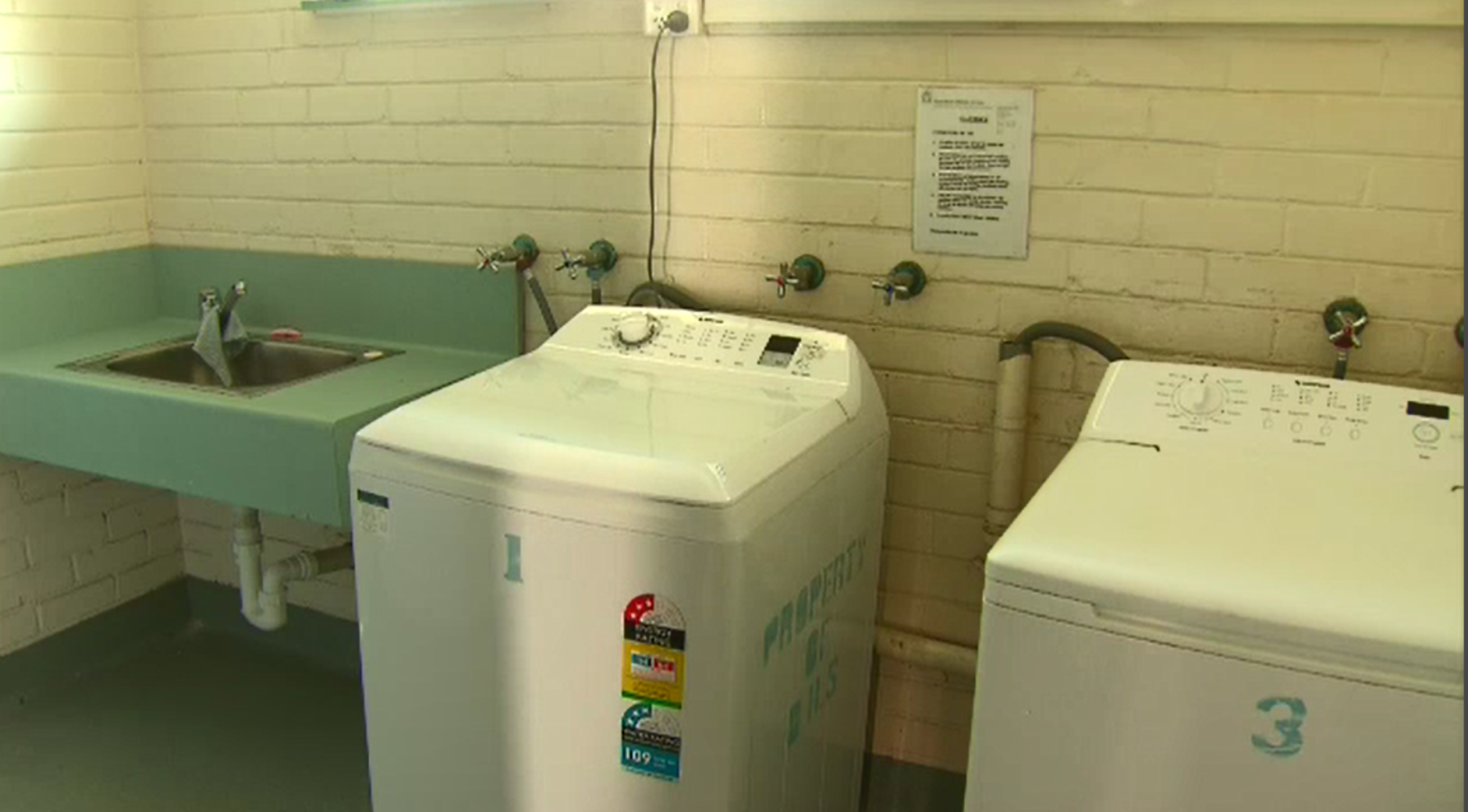
Vaisey repeatedly stabbed his elderly female neighbour, Annick Henenberg, with a 20cm kitchen knife as she headed to their communal laundry about 7.25pm on Australia Day – 26 January – last year.

READ MORE: Melbourne dad admits to targeting a second funeral to steal cash from mourners

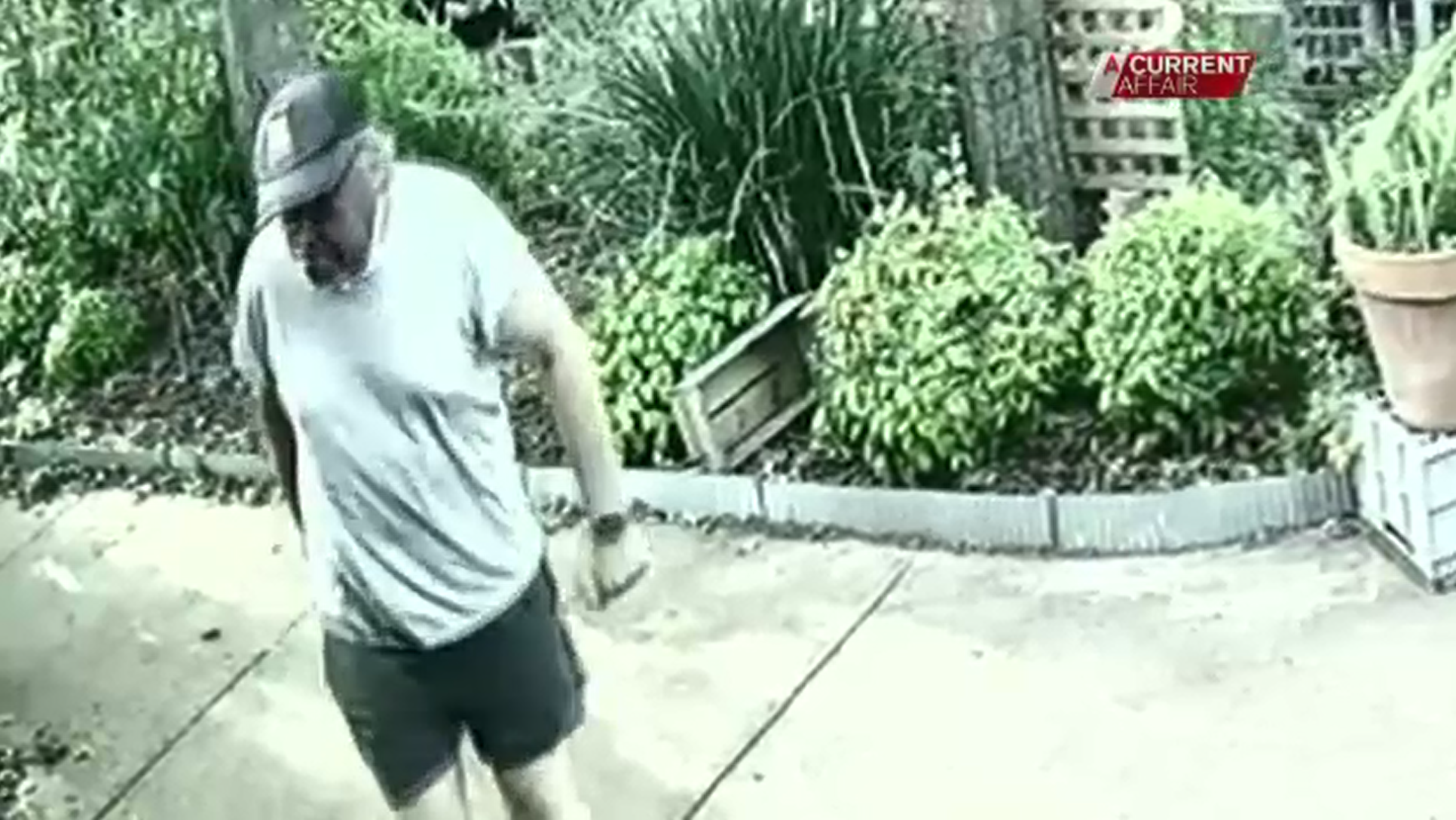
The court heard Vaisey was caught on CCTV rushing at Ms Henenberg with the knife moments before the attack, and three people witnessed the vicious assault.

Ms Henenberg had also started an audio recording on her phone right before the incident, which captured Vaisey berating her during the attack.

"Piece of sh*t, die," he was recorded saying.

"If I'm going to jail it's worth it, you know what I mean."

The court heard the woman immediately fell to the ground after Vaisey first stabbed her.

He then continued to stab her until the knife's blade came off the handle, before he kicked and punched her to the head.

A neighbour grabbed Vaisey to end the attack.

Police arrived and Ms Henenberg was taken to hospital in a life-threatening condition.

Vaisey told police, "I didn't want to do it but she provoked me".

The court heard there was a history of disputes between Vaisey and Ms Henenberg.

On the day of the attack they had fought about the communal washing machine.

He had told her to stop using it, complaining it was making too much noise next to his unit.

About an hour before the incident, another neighbour had called police to the complex about Vaisey, reporting he had been standing outside the complex with a large knife.

Vaisey told police Ms Henenberg had been going back and forth to the laundry to provoke him.

READ MORE: Six Melbourne men charged over major international phone scam

Police left the scene less than half an hour before the attack unfolded.

The court heard Ms Henenberg suffered live-threatening injuries and was still suffering ongoing physical and mental effects of the attack.

At the plea hearing, Vaisey's lawyers told the court he had serious mental health issues that had a causal link to the offending.

The court today heard Vaisey had also suffered an abusive childhood.

Judge Incerti said she was satisfied Vaisey's mental conditions had impaired his ability to make calm and rational choices.

But the Judge said the "ferocious" attack on an unarmed woman was a serious example of attempted murder.

"Your offending was a vicious assault on a woman who was a neighbour moving about her home and its surrounds. The attack was entirely unjustified and unprovoked."

Judge Incerti noted Vaisey had pleaded guilty early and had show genuine remorse.

He was sentenced to a non-parole period of four years and six months.

He has already spent 599 days behind bars.

Pair living 'life of opulence' in Dubai extradited to Sydney on $150m drugs charges

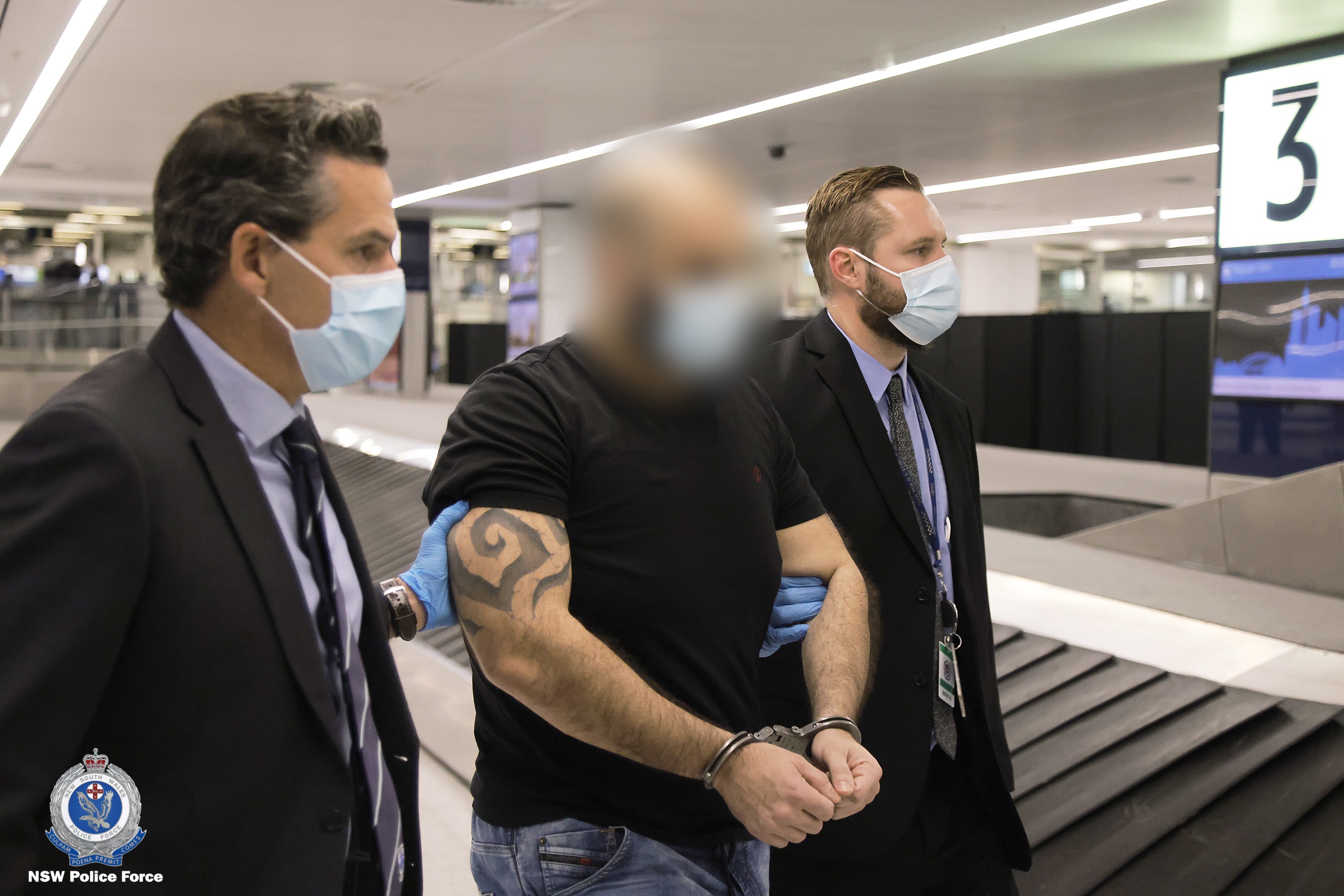
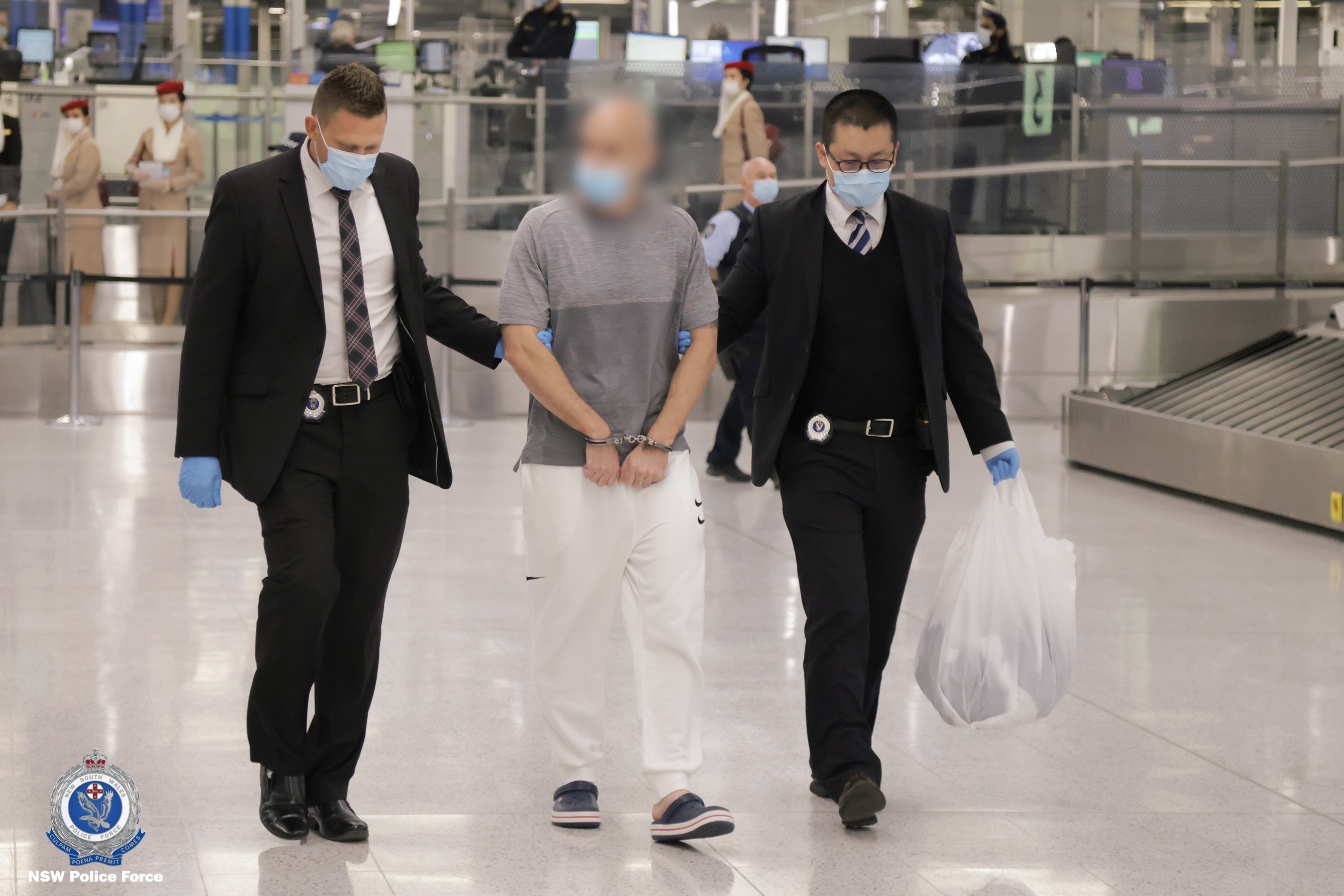
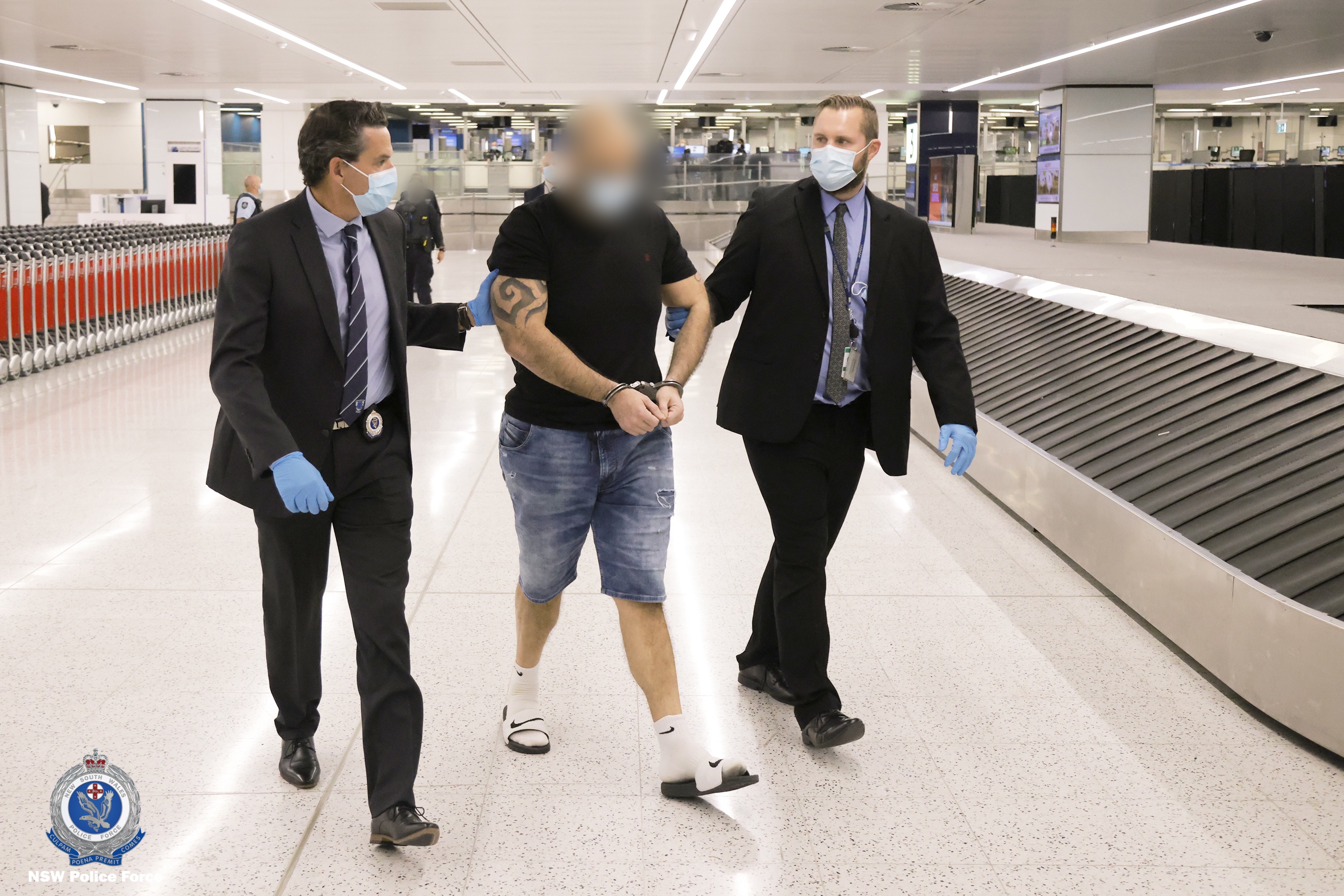
Two men have been extradited from Dubai over their alleged role in importing $150 million worth of drugs into Australia.

Benjamin Neil Pitt, 38, and Matthew John Battah, 36, were initially apprehended in Dubai last June and since then NSW Police has been working to bring them back to Sydney.

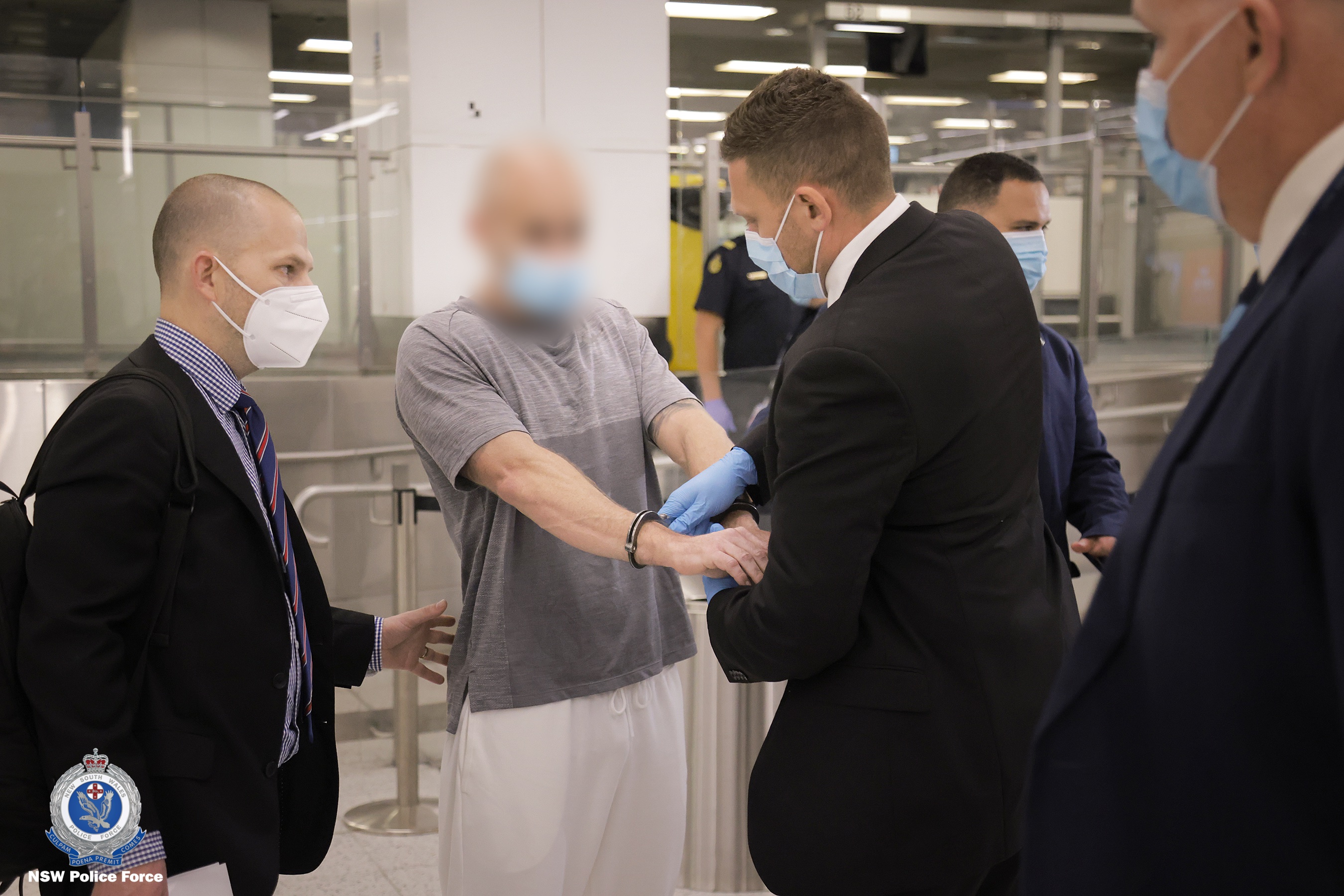
Last night, the men landed at Sydney International Airport and were taken to Sydney Police Station and served with outstanding warrants.

READ MORE: Nearly 70 per cent of Australians have had first vaccine dose

Two men have been extradited to Sydney from Dubai.The pair landed at Sydney International Airport last night escorted by detectives.

Both men were charged with three counts of conspiracy to import commercial quantity of border-controlled drug, conspiracy to traffic in commercial quantity of controlled drug, and conspiracy to deal in proceeds of crime, money/property (greater than $1 million).

The maximum penalty for the drug-related offences is life imprisonment, while the money laundering offence carries a maximum penalty of 25 years imprisonment.

Police will allege in court that the men facilitated the importation of 2.8 tonnes of prohibited drugs on numerous occasions between 2013 and 2014.

The total estimated potential street value of the drugs is more than $150 million.

The men were refused bail at Central Local Court today.

READ MORE: Australia to acquire nuclear-powered submarines

Police will allege in court that the men facilitated the importation of 2.8 tonnes of prohibited drugs on numerous occasions between 2013 and 2014.Their arrests mark the end of an eight-year investigation into a transnational criminal syndicate.

Their arrests mark the end of an eight-year investigation into a transnational criminal syndicate involved in the importation of almost 3 tonnes of prohibited drugs, with an estimated potential street value of $150 million.

"Police will allege these two men played a significant role in the facilitation of an estimated 2.8 tonnes of methylamphetamine into New South Wales, coordinated from Africa, Europe and the Middle East," State Crime Commander, Assistant Commissioner Stuart Smith said.

"The message to those involved in transnational organised crime is now very clear; you cannot flee Australia for a life of opulence in the UAE as we will come for you and hold you accountable for the crimes committed on our shores."

READ MORE: Murder conviction overturned for US cop who killed Australian woman

More than 10 international agencies including the Dubai Police, Interpol in Abu Dhabi and the FBI were involved during the eight-year investigation.

It began December 2013 and Strike Force Millstream was established. Its role was to probe the large-scale supply of prohibited drugs – mainly MDMA and methylamphetamine (ice) – in NSW.

Through the investigation detectives uncovered a significant transnational drug importation and money laundering operation, as well as other organised criminal activity.

So far, 28 people have been arrested and charged for their roles in the syndicate.

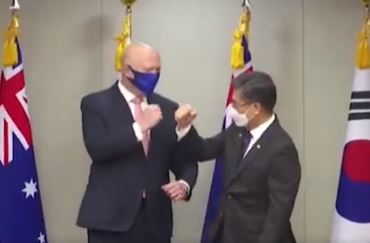
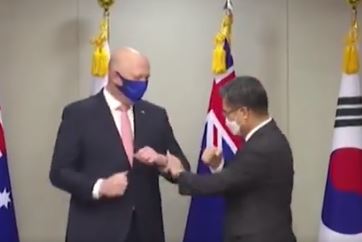
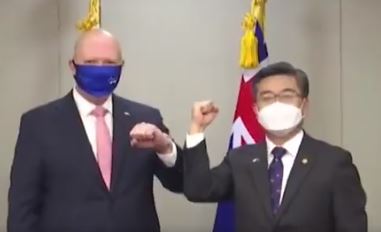
Peter Dutton's awkward 'elbow bump' in South Korea

From fist bumps to solemn bows, there's been no concrete etiquette laid down for how to greet other people during a global pandemic.

Defence Minister Peter Dutton learnt that the hard way, finding himself caught in an awkward "elbow bump" exchange with his South Korean counterpart Suh Wook.

Dutton is in Seoul for a number of geopolitical talks, and came a cropper for the all-important photo opportunity after the meeting.

READ MORE: Australia to acquire nuclear-powered submarines

Suh Wook raised his elbow to commence the bump, which Dutton responded with a triumphant fist.

It wasn't until Wook took Dutton by the wrist and physically placed his elbow on his that the COVID-safe greeting completed.

Thankfully, as far as internet scorn goes Dutton has escaped with no more than a few jibes on Twitter for his lapse.

Bushfires sparked algae bloom the size of Australia

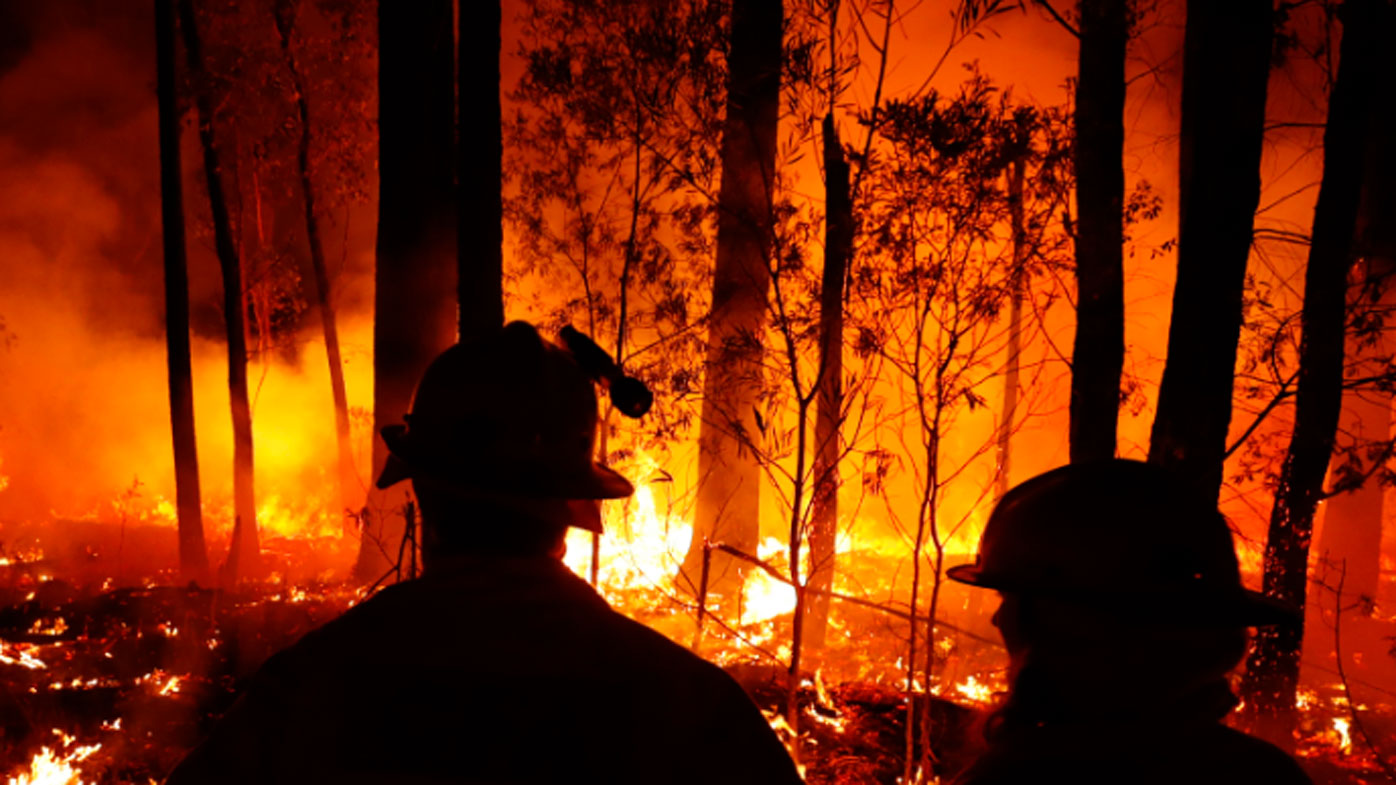
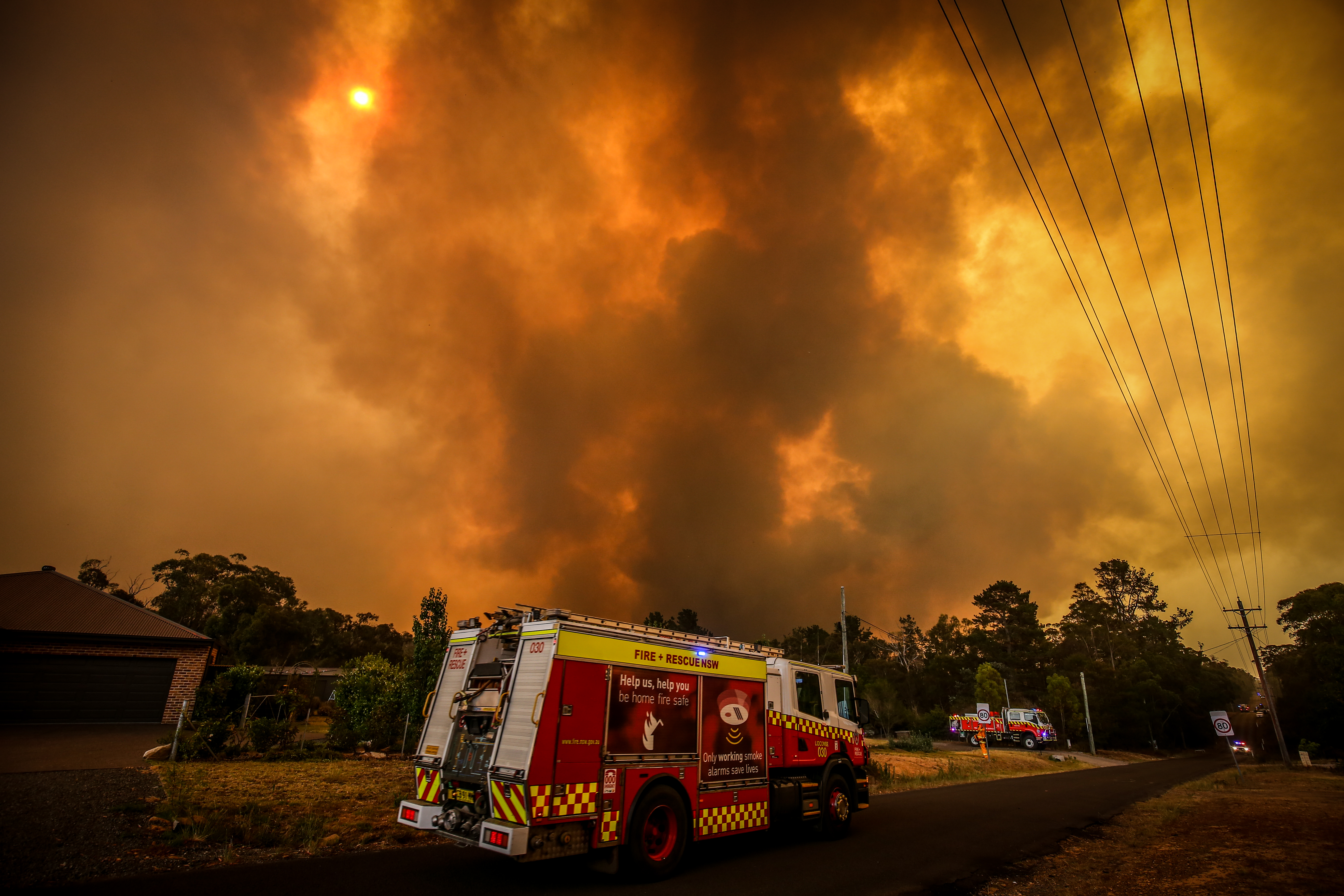
Australia's deadly bushfires two years ago triggered a phytoplankton bloom larger than the country and thousands of kilometres away, scientists say.

The huge bloom was discovered in the South Pacific and Southern Oceans between South America and New Zealand, according to a study.

Such a bloom has never been seen before in the area, according to researchers from the ARC Centre of Excellence for Climate Extremes (CLEX) and the University of Tasmania's Institute for Marine and Antarctic Studies (IMAS).

READ MORE: How bushfires can end up triggering thunderstorms

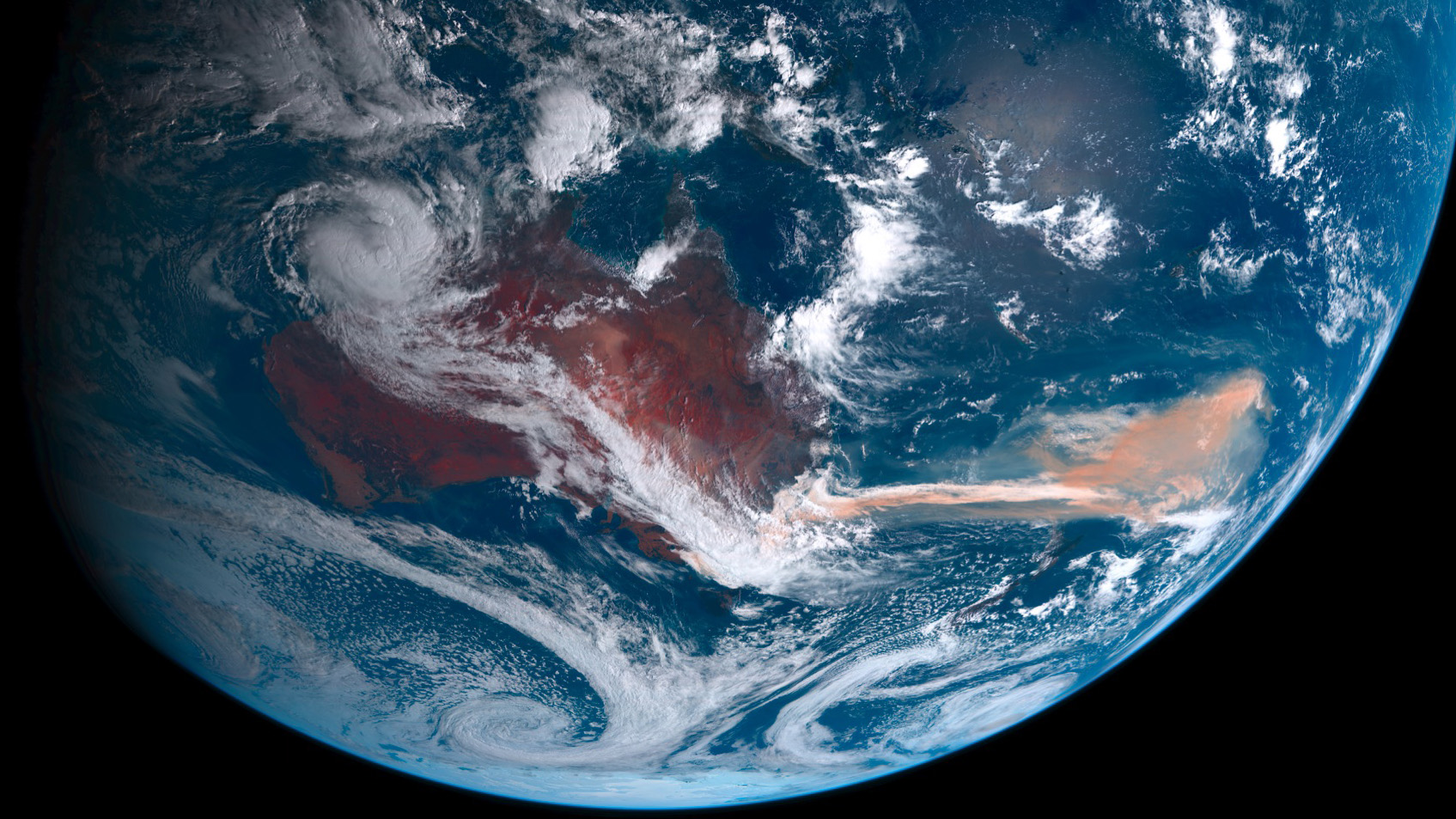
Himawari-8 satellite image showing smoke from January 2020 bushfires stretching over the South Pacific.

"The phytoplankton bloom in this region was unprecedented in the 22-year satellite record and lasted for around four months," IMAS co-author and CLEX Chief Investigator, Professor Peter Strutton, said.

"What made it more extraordinary is that the part of the season when the bloom appeared is usually the seasonal low point in phytoplankton, but the smoke from the Australian bushfires completely reversed that."

Scientists used satellites and measurements to help make the link and say the smoke from the fires, which reached 16km in the air, was transported vast distances thanks to changed winds in the stratosphere.

That smoke contained small amounts of iron vital for photosynthesis and phytoplankton growth – triple the amount usually found in the ocean.

READ MORE: Goats brought in to prevent bushfires in NSW Central West

It sparked phytoplankton growth just days after the fires.

Phytoplankton can have a positive effect as it absorbs carbon dioxide.

Those blazes are said to have generated 715 million tonnes of carbon dioxide – but the algae absorbed that.

"The phytoplankton growth removed significant amounts of carbon from the atmosphere, roughly equivalent to the amount released by the fires," the ARC Centre of Excellence for Climate Extremes said.

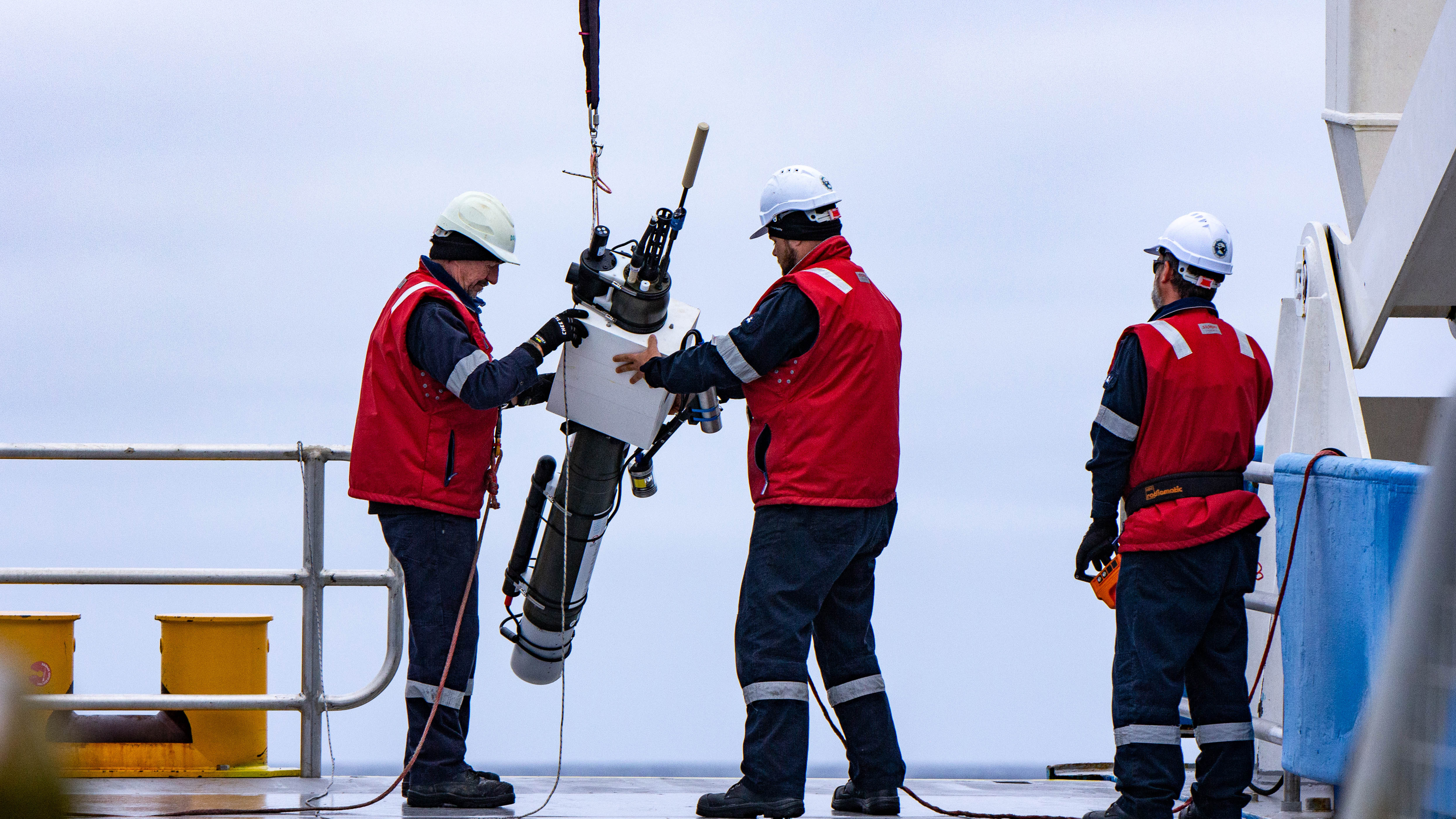
A bushfire approaches homes on the outskirts of the town of Bargo on December 21, 2019.An Argo float in the process of being launched from the RV Investigator.

Experts say fertilising the ocean with iron to promote phytoplankton growth has often been suggested as a method to combat climate change.

But more work needs to be done.

"With increasing risks of bushfires in some areas, and the potential impact on climate, this research shows that we need to turn our attention to the consequences of fires at a global scale," Professor Strutton said.

READ MORE: 'Unprecedented' forest fire ravages Greek island

"We need a far more comprehensive representation of wildfires in climate models and targeted studies to understand their influence on marine ecosystems.

"Our capacity to adapt to future climate change depends on it."