Power remains out this evening to around 400 homes in parts of West Auckland following the wild storm that damaged homes, forced families to flee from flooded properties and left several roads closed.Vector said crews remain on…
Category Archives: headline
Turbulent weather patterns expected this spring
As many Australians soak up the sun on the last day of a warmer-than-average winter, a new weather system has taken hold of the country, bringing with it heavy rainfall across the south-east as well as increased flood risks.
Although winter was mild this year – with Darwin sweltering though 35 degrees on August 15, marking the earliest 35-degree day on record – it was also Australia's wettest since 2016.
That can be attributed to the negative Indian Ocean Dipole event (IOD), which is expected to continue heading into spring.
READ MORE: Hurricane Ida leaves at least one dead and all of New Orleans without power
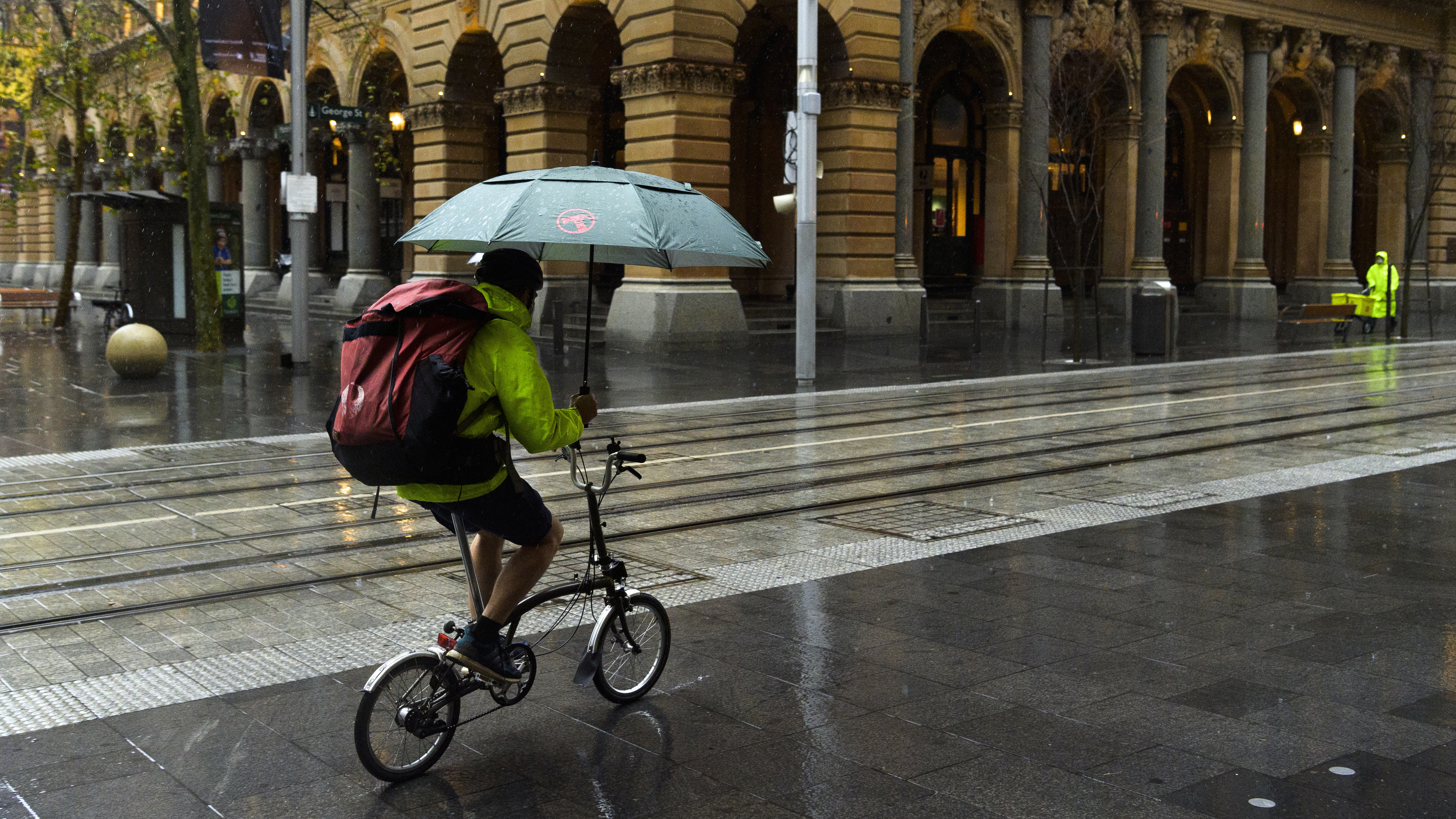
The IOD is a natural climate phenomenon that influences rainfall patterns around the Indian Ocean, sometimes referred to as the "Indian Ocean's cousin" of the more well known El Niño and La Niña patterns.
While El Niño brings dry weather, La Niña brings wet weather. A similar comparison can be made with the IOD, which experiences positive and negative phases, respectively.
Negative IODs bring heavy rainfall and flooding, but are less frequent. While, positive IODs bring dry and warm weather (the Black Summer bushfires in 2019–20 were also linked to a positive IOD, among other factors).
"This pattern enhances winter-spring rainfall over much of southern and eastern parts of the continent. As a result, spring is likely to be wetter than average for much of the rest and two thirds of Australia," Climatologist Dr Andrew Watkins said.
"The first rains of the Northern Australia wet season are likely to be earlier than normal overmatch of Queensland and the Northern Territory.
"Where soil and catchments are wet and stream flows are high, further rainfall will increase the risk of flooding, particularly in eastern Australia."
READ MORE: A look inside the communities hit by one of the most powerful US hurricanes
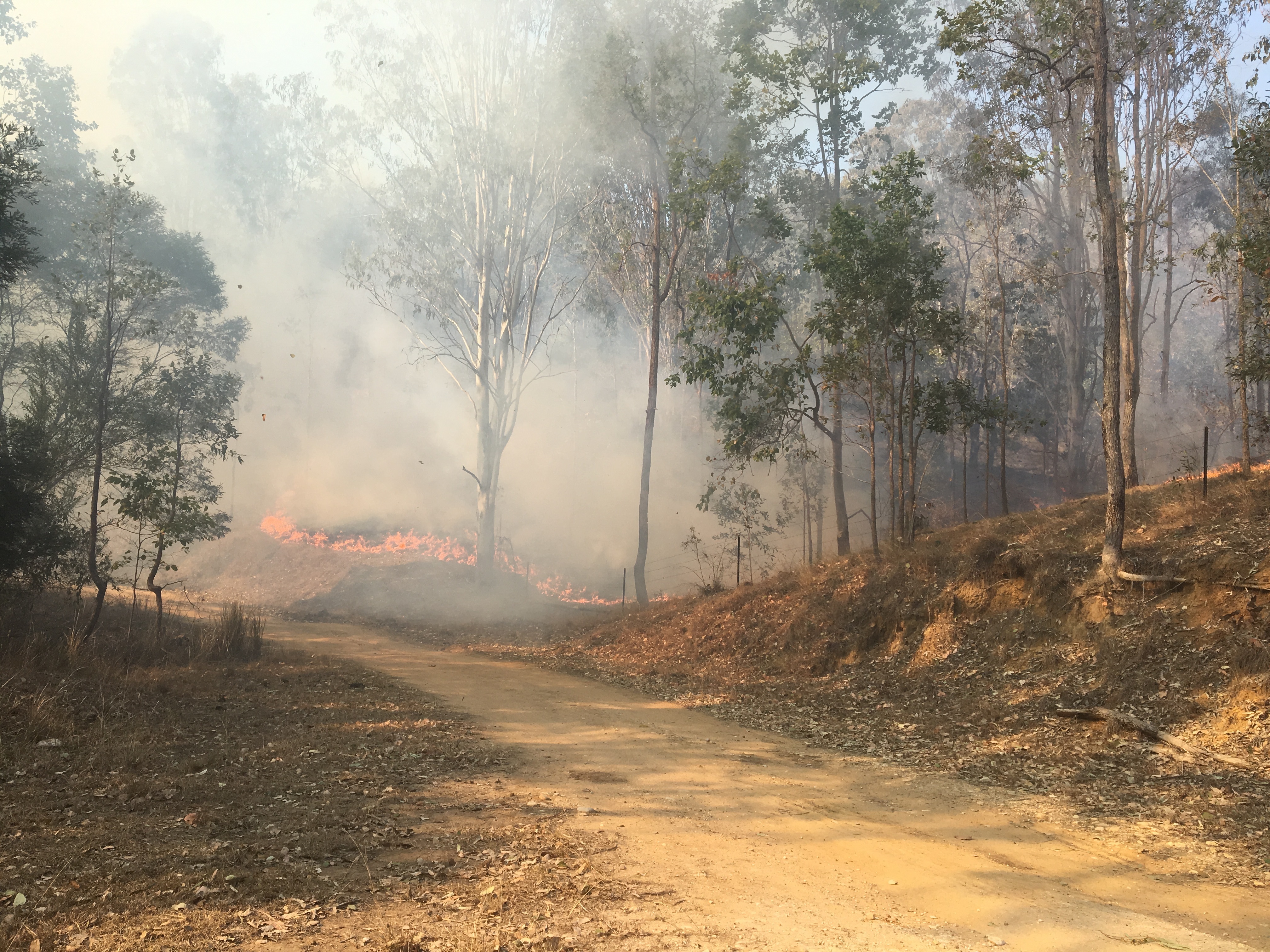
Dr Watkins also said that in some parts of the country, the spring bushfire outlook shows "above normal fire potential" for the north-eastern parts of New South Wales, and southeast Queensland.
"Spring is likely to see above average rainfall for the eastern two thirds of Australia, warmer than average days for northern and southeastern areas" he said.
"An increased risk of flooding in parts of the southeast.
"And an increase fire potential in parts of the east and Northwest."
High temperatures from September to November are likely to be above average for the northern tropics and far south-east Australia, according to the Bureau of Meteorology.
While below average daytime temperatures are more likely for other areas of southern Australia including southern Queensland.
$2.75m Mongrel Mob meth rehab funding approved after proposal argued crime and gang suicides would drop
A meth rehab programme for Mongrel Mob members has been approved after the applicant argued it would combat a rising number of gang homicides and suicides, and help reduce organised crime.Details of the H2R Research and Consulting…
Hawke's Bay: All you need to know as region enters alert level 3
Hawke’s Bay residents are being urged to be patient and not rush out for fast food on Wednesday with heavy traffic expected as establishments open for contactless takeaways.Meanwhile, cafe owners say they are “so excited” to be…
Greenhithe fatal crash: Police say car crashed into speed camera van
Police say the driver of a car who veered off an Auckland highway crashed into a parked speed camera van, killing himself and seriously injuring a police staff member. The crash on Upper Harbour Highway in Greenhithe yesterday morning…
Fall of Afghanistan: Military intelligence never saw total collapse coming of Afghan army, committee briefing hears
Five Eyes intelligence never envisaged the total collapse of Afghanistan’s military, New Zealand’s chief of defence claimed today, while confirming they “absolutely” would have completed two final evacuation flights if it wasn’t for…
'This virus is ripping families apart'
At this morning's COVID-19 press conference, nurse Michelle Dowd, who works as the manager of the intensive care unit at Liverpool Hospital, shared her insight into what it's like working on the frontlines of the health response during the pandemic.
Ms Dowd detailed just how sick patients are becoming with COVID-19, and the emotional toll treating them has taken on staff and families.
We have published the full transcript of her media conference below, or you can watch that specific segment from the press conference at the top of the page.
READ MORE: NSW records three more deaths, 1164 new COVID-19 cases
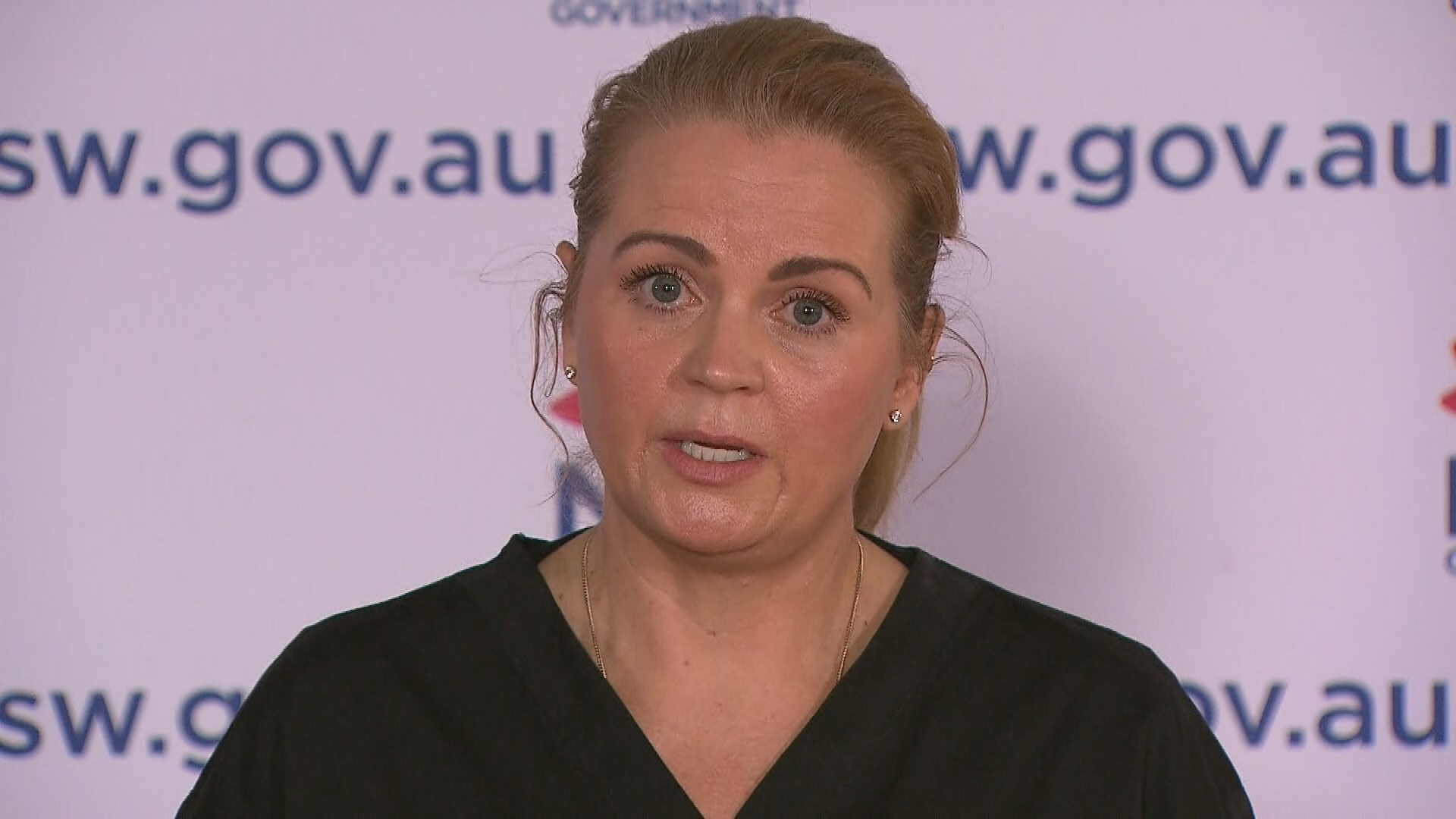
My name is Michelle Dowd and I'm the nurse manager at intensive care for Liverpool Hospital.
I'm here with you today to share what it's like for intensive care nurses on the frontline during this pandemic response and to encourage you all to please get vaccinated.
Intensive care units in hospitals are where we look after our sickest, most vulnerable patients.
We work in a large team of health professionals and support staff to look after the sickest patients in the hospital, these are patients who have been victims of trauma, patients who have had strokes, cardiac arrest, major surgery.
To keep everyone safe in our intensive care unit right now, we've essentially divided it so we can keep the COVID and non-COVID patients separate and protect the most vulnerable.
The Delta variant is just that contagious, and that's why vaccination is so very important.
Intensive care patients need one-on-one nursing care.
They need to be monitored really closely so that we can respond immediately in case they deteriorate.
If you or your loved one is in intensive care right now for any reason, you may not be able to have visitors.
We know it's really hard at the moment to be separated from your support network but the amount of virus that's circulating in the community just poses too much risk to our patients.
For our COVID ICU patients, they can't have visitors at all.
Every day, we're communicating with families over the phone and by video call to connect them.
In the worst cases, at the end of life, we'll connect a call with the family and hold the patient's hands and provide as much care and comfort and support as we possibly can.
We know this is really hard for families.
This is really hard for us as well.
We normally work really closely with our families at the bedside when we look after our intensive care patients but looking after COVID patients is not just emotionally hard for intensive care nurses.
It's physically really hard work as well.
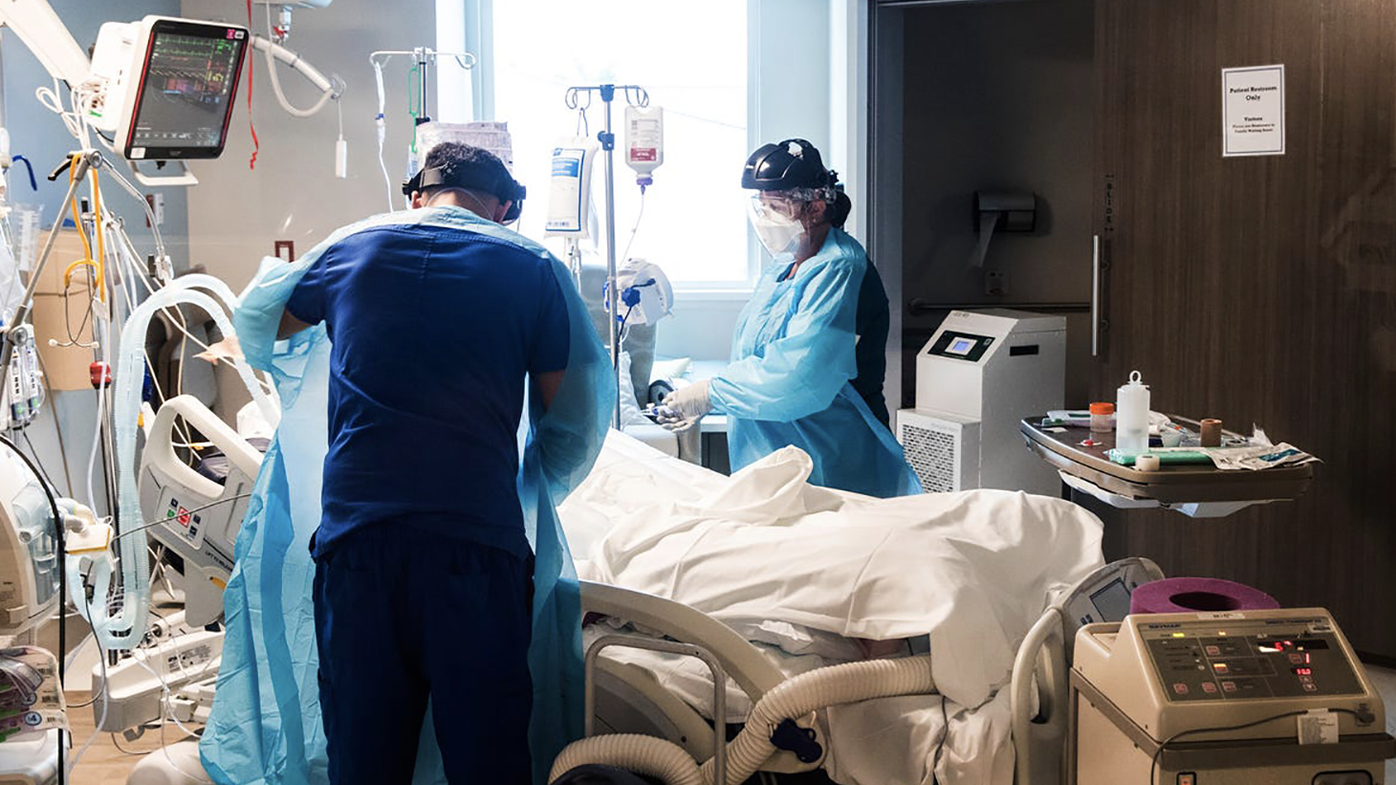
These patients are some of the sickest we've ever seen
They require so much support and monitoring and physical care.
We're in layers of PPE, sometimes for hours at a time.
This is really physically hard work.
While our intensive care units are busy and stretched at the moment, we do work in a broader NSW ICU network and we can share the load to some degrees but we really need your hope to stop the spread and keep people out of hospital and out of intensive care.
The Delta variant is so contagious that we have entire family groups in our hospital in some really tragic circumstances.
We've had parents, both parents of young children so sick that they need to be ventilated in our intensive care unit and separated from their children.
Sometimes, they don't have extended family to look after these children, or the extended family is so sick that we need to make alternative care arrangements.
This virus is literally ripping families apart.
Many of our parents with COVID are young. They're normally fit and healthy.
They come from a variety of backgrounds but the one thing that they have in common is the disease.
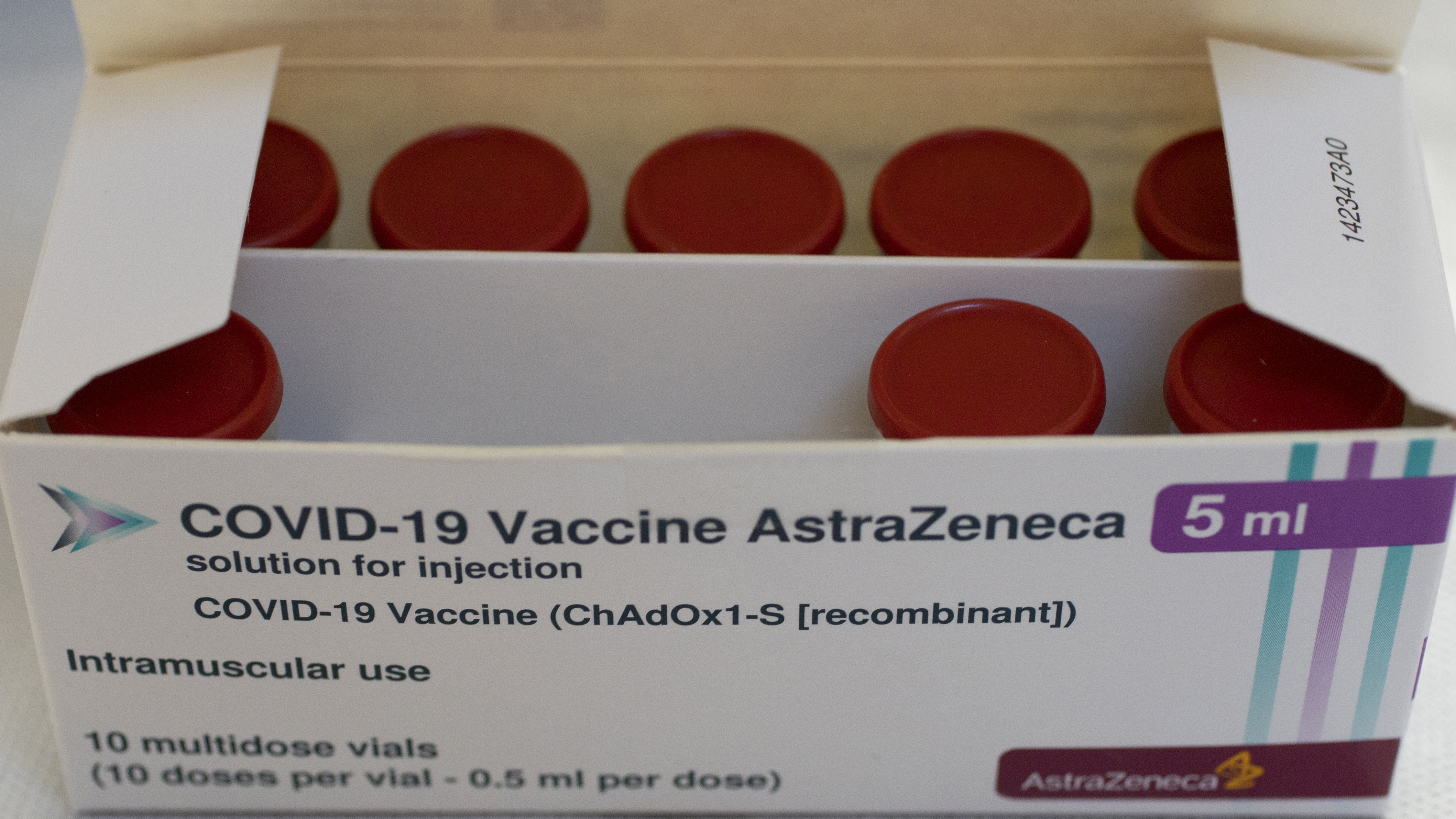
We'll be with you right through this, but we need you to be with us now.
If you haven't booked your vaccine, please, please go out today and book that vaccination.
Follow the health orders.
Help us as your frontline health care workers to keep patients out of hospital.
By getting vaccinated you don't just protect yourself.
You protect your family, your friends, strangers. Will save lives.
You will help us to save lives. I know that the restrictions are really hard.
We all want things to get back to normal but we have to stay the course so please book your vaccination today.
Work with us and we will get through this together.
Thank you so much.
Covid 19 Delta outbreak: What genomes reveal about this outbreak
Scientists have sequenced samples from hundreds of confirmed cases in this outbreak, to generate whole genomes that represent the virus’ entire genetic make-up. It’s made a crucial difference in managing the outbreak in real time,…
Covid 19 Delta outbreak: Police map out checkpoints ahead of move to alert level 3
Police are preparing five checkpoints around the Auckland region head of the alert level move at 11.59pm tonight. From 11.59pm tonight, areas south of Auckland will move to alert level 3. While Auckland and Northland will remain…
Two arrested at anti-lockdown protest in Whanganui
Two people have been arrested after an anti-lockdown protest in Whanganui on Tuesday morning.The protest – one of a number of small protests that happened nationwide – occurred outside the Whanganui District Council building in…