Category Archives: headline

More freedoms for fully vaccinated in NSW: What you need to know

New South Wales residents can look forward to a slight relaxation of lockdown rules next month – but it's a two-edged sword for the regions.

Premier Gladys Berejiklian said the vaccination milestone of six million reached this week would allow for a small renewal in freedoms for residents with the jab.

Here's what you need to know.

LIVE UPDATES: Slight change to rules on leaving home for vaccinated in Sydney

What's changing

From September 13, households living in the NSW government's LGAs of concern will be allowed to spend an additional hour of recreation outdoors, as long as all adults in the household are fully vaccinated.

This is on top of the already-permitted hour of exercise, meaning households will be able to visit a park, Ms Berejiklian said.

However, people must take this hour within the current and ongoing curfew hours, which will continue.

Outside the LGAs of concern, through the rest of Greater Sydney and regional NSW, five people will be allowed to gather outdoors, as long as all adults are fully vaccinated.

READ MORE: NSW records 1029 new cases, three more deaths

This will also come into effect from September 13.

Those five may be from different households, but people will still have to adhere to the LGA/5km radius rule.

Ms Berejiklian said to take advantage of the new freedoms, people would need to demonstrate proof of vaccination.

All other rules, including mask-wearing, social distancing, and no visits to households, will remain in place.

Lockdown extended

As cases continue to grow in western NSW, Ms Berejiklian said lockdown for regional NSW would be extended until at least midnight on Friday, September 10.

Deputy Premier John Barilaro apologised to people in communities with no COVID-19 cases, but said the restrictions were possibly what was keeping the disease away.

READ MORE: Queensland pauses arrivals from interstate hotspots

What comes next

As part of the roadmap when the following targets are hit, freedoms will be as follows, A NSW statement said.

  • 70 per cent full vaccination: a range of family, industry, community and economic restrictions to be lifted for those who are vaccinated.
  • 80 per cent full vaccination: further easing of restrictions on industry, community and the economy.

Ms Berejiklian said businesses and industry needed to prepare for a 70 percent vaccination level throughout the state.

"That's when things will start to open up," she said.

She said businesses should once more prepare a COVID safety plan, including QR code check-ins.

Ms Berejiklian said the NSW government was also working on an app that would allow people to sign in to a business or venue in a way that would also confirm their vaccination status.

An announcement on a return to safe schooling will be made tomorrow.
Alleged border jumper charged after ramming police

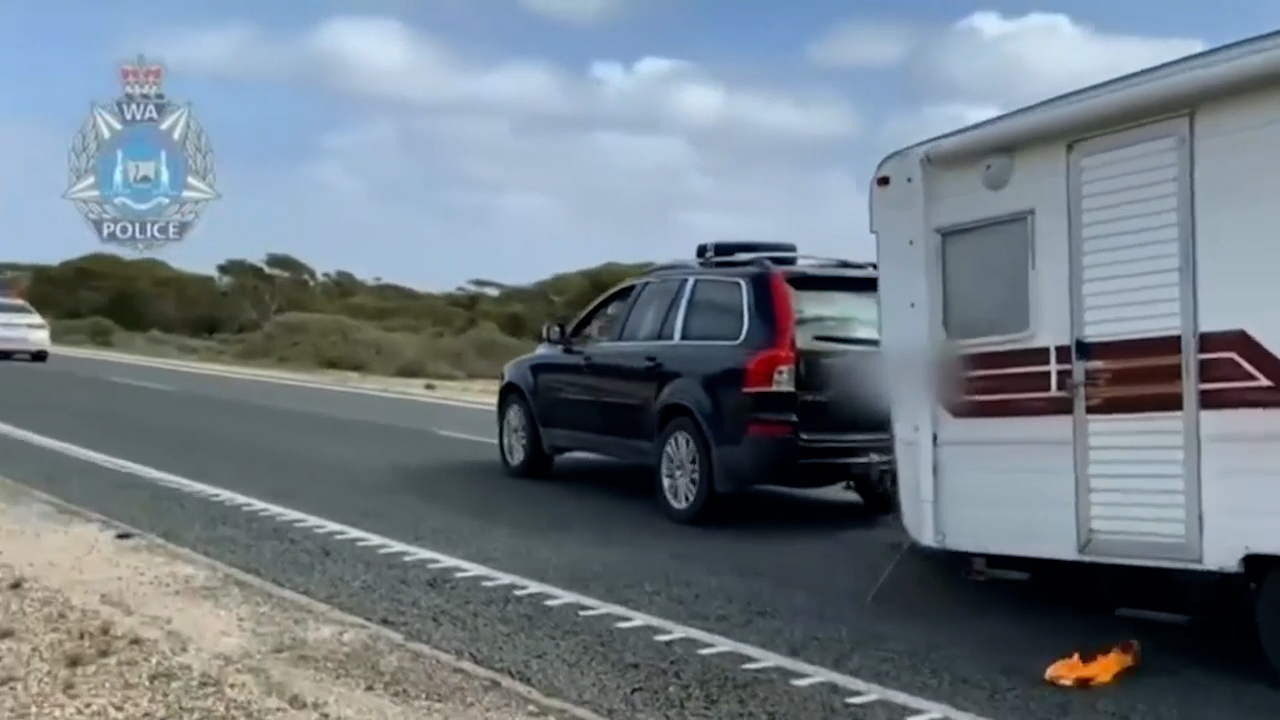
A woman has been refused bail after allegedly ramming a police car while trying to escape a checkpoint while towing a caravan on the South Australia-Western Australia border.

Police say the 47-year-old was driving a Volvo wagon and towing a caravan when she approached the border check point on the Eyre Highway, just after 10am on August 23.

She allegedly continued driving after being flagged by officers to pull over so they could check the relevant quarantining and G2G approvals before being permitted entry.

READ MORE: What WA's 'extreme risk' border declaration means for NSW

WA border police chase

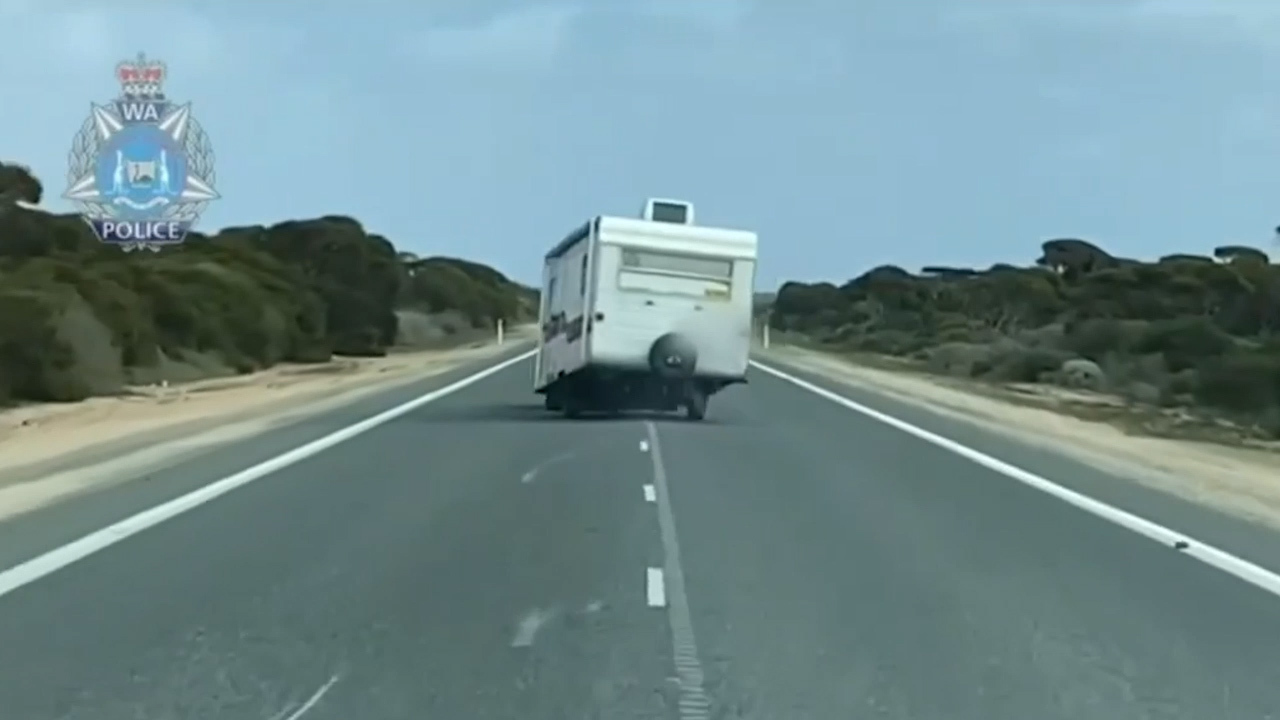
Officers initiated a pursuit and the woman allegedly accelerated, with police vehicle cameras showing the caravan swerve as the driver appeared to try and evade them.

Police also allege the woman then came to a stop further down the Eyre Highway where another marked vehicle had managed to pull in front of her.

As officers stepped out of the vehicle to approach hers, the woman then allegedly reversed – causing the caravan to connect with the rear police car before allegedly angling the Volvo at one of the officers on the road.

The pursuit continued and the caravan eventually dislodged, veering onto the wrong side of the road before rolling into the bush.

The woman then allegedly sped off again without the caravan in tow.

Police say the woman slowed again and began yelling at officers, opening the driver's door and lighting a substance from a jar before driving off again.

READ MORE: WA's border forces Melbourne man to split from wife ahead of life-changing surgery

WA border police chase

Police continued following the Volvo from a safe distance before the woman drove into a truck rest area about 40 minutes later.

Officers again pulled in behind the Volvo, when the woman allegedly again tried to reverse into the unmarked car.

Allegedly, the woman again took off before turning around and driving in an easterly direction towards Madura.

She was eventually arrested and taken into custody where she was charged with several offences including reckless driving to escape a police pursuit, failing to comply with police directions, endangering life, assault and unlawfully throwing a substance on a person.

She appeared at Kalgoorlie Magistrates Court yesterday where the judge refused bail ordering her to serve out her quarantine in custody.

Ancient DNA reveals previously unknown group of humans

The bones of a teenage hunter-gatherer who died more than 7000 years ago on the Indonesian island of Sulawesi tell the story of a previously unknown group of humans.

This distinct human lineage has never been found anywhere else in the world, according to new research.

The study was published on Wednesday in the journal Nature.

READ MORE: New clue to human evolution's biggest mystery emerges in Philippines

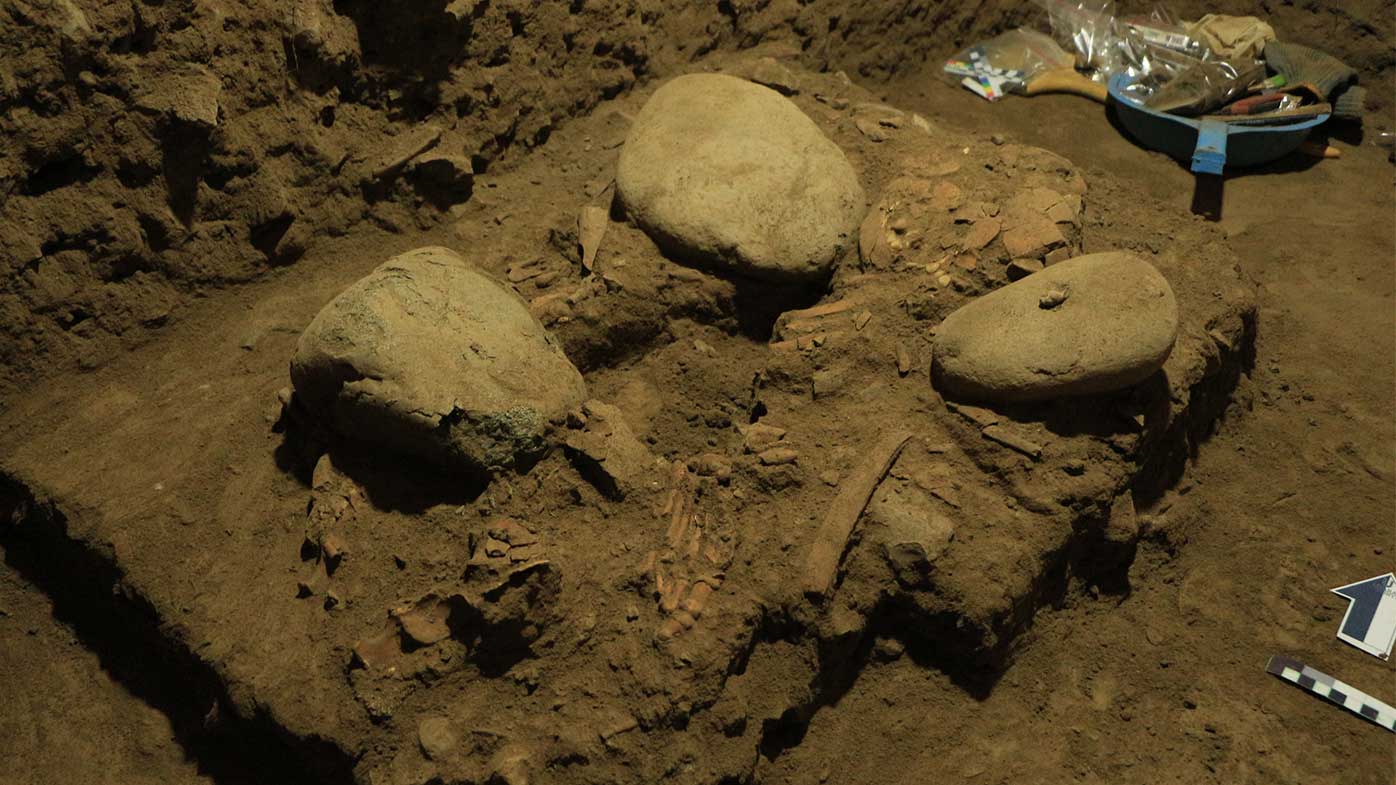
The skeletal remains of an ancient teenage Toalean woman were nestled among large rocks, which were placed in the burial pit discovered in a cave on Sulawesi.

"We have discovered the first ancient human DNA in the island region between Asia and Australia, known as "Wallacea", providing new insight into the genetic diversity and population history of early modern humans in this little understood part of the world," said study coauthor Adam Brumm, a professor of archaeology at Griffith University's Australian Research Centre for Human Evolution, via email.

The first modern humans used the Wallacea islands, mainly Indonesian islands that include Sulawesi, Lombok and Flores, as they crossed from Eurasia to the Australian continent more than 50,000 years ago, researchers believe. The exact route or how they navigated this crossing, however, is unknown.

"They must have done so using relatively sophisticated watercraft of some kind, as there were no land bridges between the islands, even during the glacial peaks of the last ice age, when global sea levels were up to 140m lower than they are today," Prof Brumm said.

READ MORE: Wisdom teeth vanish, extra arteries added in new human evolution

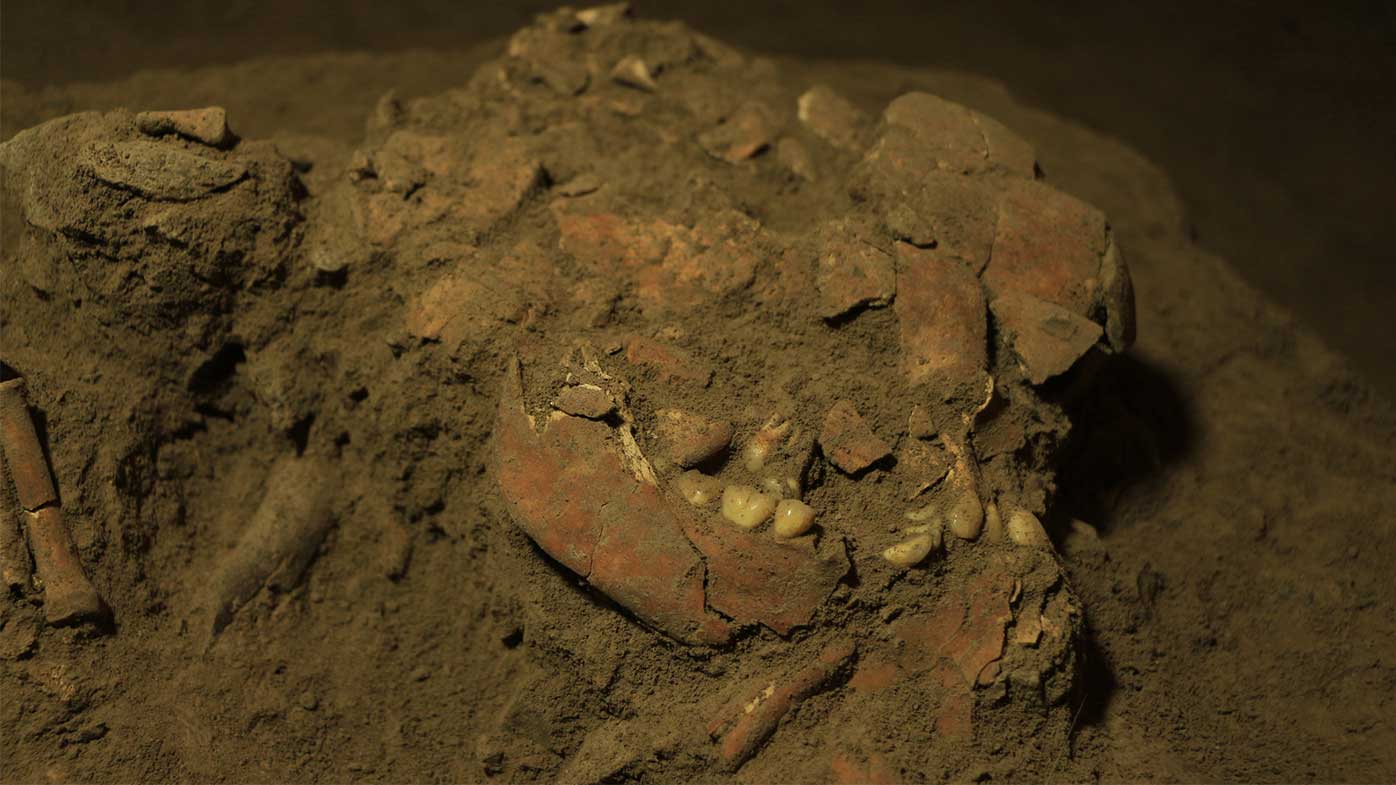
Fragmentary remains of the girl's skull were used to retrieve her DNA.

Tools and cave paintings have suggested that humans were living on these islands by 47,000 years ago, but the fossil record is sparse and ancient DNA degrades more rapidly in the tropical climate.

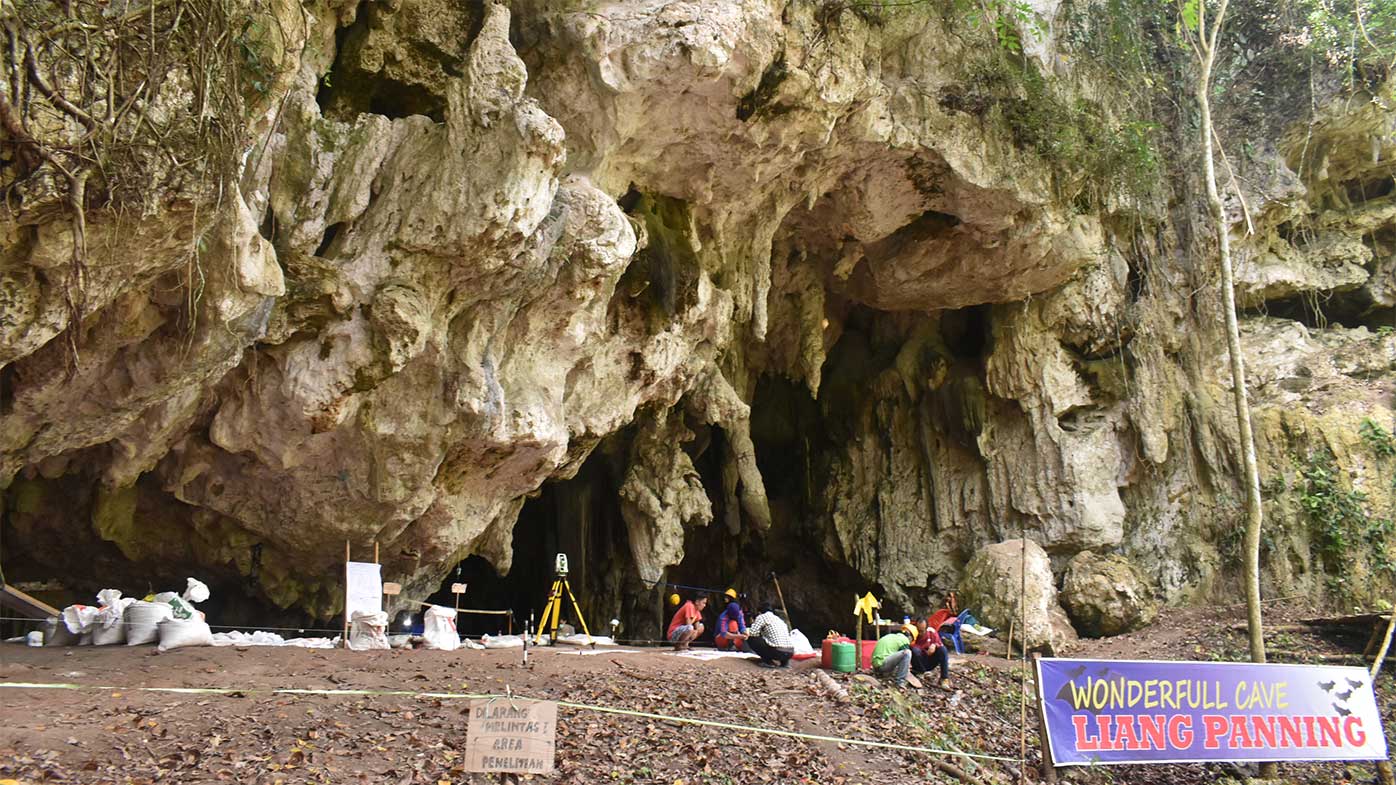
However, researchers uncovered the skeleton of a female between the ages of 17 and 18 in a cave on Sulawesi in 2015. Her remains were buried in the cave 7200 years ago. She was part of the Toalean culture, only found in a pocket of Sulawesi's southwestern peninsula. The cave is part of an archaeological site called Leang Panninge.

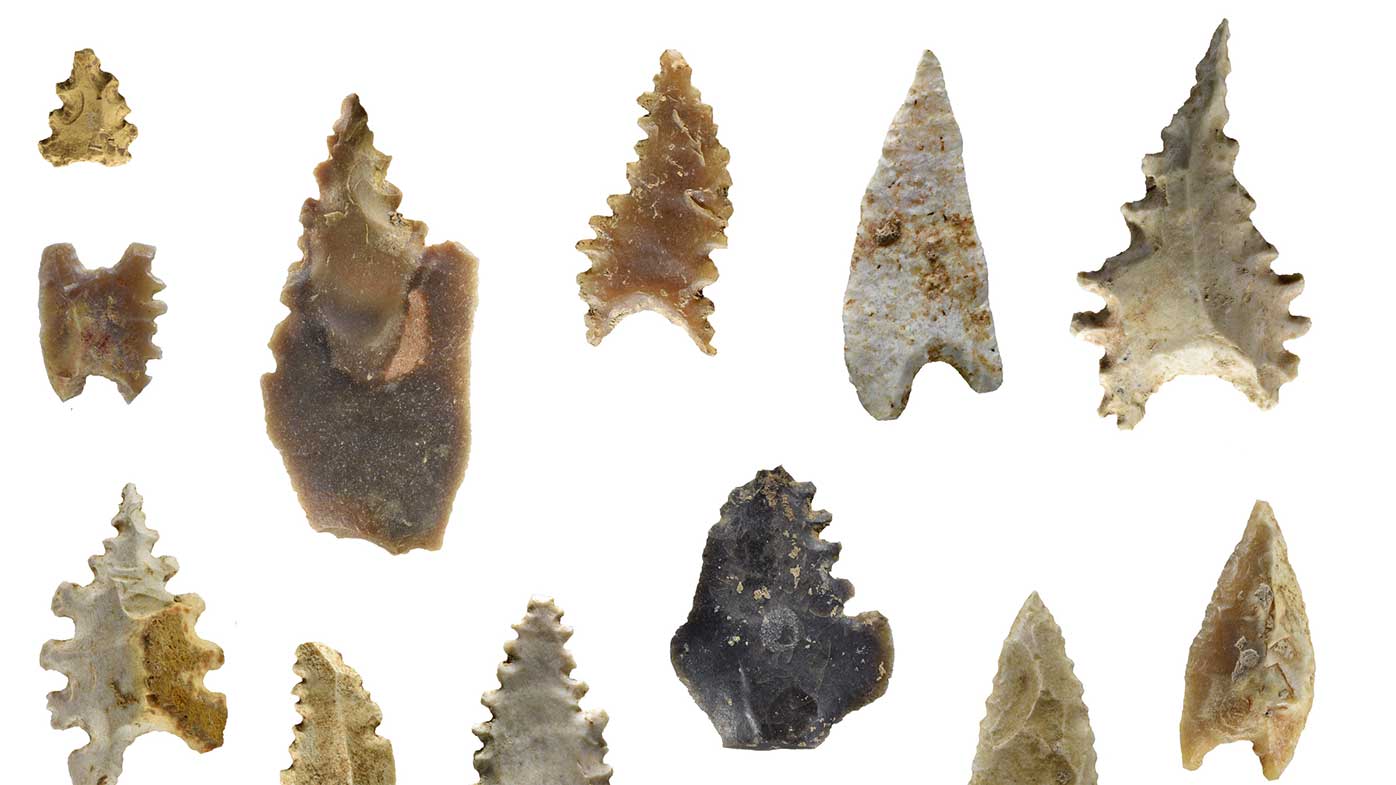
"The 'Toaleans' is the name archaeologists have given to a rather enigmatic culture of prehistoric hunter-gatherers that lived in the forested plains and mountains of South Sulawesi between around 8000 years ago until roughly the fifth century AD," said Brumm via email. "They made highly distinctive stone tools (including tiny, finely crafted arrowheads known as "Maros points") that are not found anywhere else on the island or in wider Indonesia."

READ MORE: The mass extinction event that triggered age of dinosaurs

The largely unknown Toalean culture made distinct and complicated stone arrowheads.

The young hunter-gatherer is the first largely complete and well-preserved skeleton associated with the Toalean culture, Brumm said.

Lead study author Selina Carlhoff was able to retrieve DNA from the wedge-shaped petrous bone at the base of the skull.

"It was a major challenge, as the remains had been strongly degraded by the tropical climate," said Ms Carlhoff, also a doctoral candidate at the Max Planck Institute for the Science of Human History in Jena, Germany, in a statement.

Secrets hiding in DNA

The work to retrieve the genetic information was well worth it.

The young woman's DNA showed that she descended from the first wave of modern humans to enter Wallacea 50,000 years ago. This was part of the initial colonisation of "Greater Australia," or the combined ice age landmass of Australia and New Guinea. These are the ancestors of present-day Indigenous Australians and Papuans, Brumm said.

And it turns out that the oldest genome traced to the Wallacea islands revealed something else: previously unknown ancient humans.

READ MORE: 120,000-year-old fossils in Israel linked to human family tree

The Leang Panninge cave is where researchers uncovered the remains a young hunter-gatherer from 7000 years ago.

She also shares ancestry with a separate and distinct group from Asia who likely arrived after the colonisation of Greater Australia — because modern Indigenous Australians and Papuans don't share ancestry with this group, Brumm said.

"Previously, it was thought that the first time people with Asian genes entered Wallacea was around 3500 years ago when Austronesian-speaking farmers from Neolithic Taiwan swept down through the Philippines and into Indonesia," he said.

"It suggests that there might have been a distinct group of modern humans in this region that we really had no idea about up until now, as archaeological sites are so scarce in Wallacea and ancient skeletal remains are rare."

Reimagining A More Resilient UN System With Taiwan In It

Jaushieh Joseph Wu

Minister of Foreign Affairs

Republic of China (Taiwan)

After more than 200 million infections and over 4 million deaths and counting, the COVID-19 pandemic has raged across the globe. This has created a profoundly devastating socio-economic impact on our interconnected world, with virtually no countries spared. The pandemic has disrupted global trade, exacerbated poverty, impeded education, and compromised gender equality, with middle to low income nations bearing the brunt of the burden. 

As many countries brace for another spike of the virus, prompted by the highly contagious Delta variant, the world looks up to the United Nations (UN) to ramp up comprehensive efforts to resolve the crisis, ensure better recovery, and rebuild sustainably. This is a daunting task that requires all hands on deck. It is time for the global body to welcome Taiwan, a valuable and worthy partner that stands ready to lend a helping hand.  

Over the past few months, Taiwan, like many other countries, has been dealing with a surge of COVID-19 cases after almost a year of success in containing the virus. Yet, it got a handle on the situation and emerged even more ready to work with allies and partners to tackle the challenges posed by the pandemic. Taiwan’s effective response to the pandemic, its rapid capacity expansion to meet global supply chain demand, and its substantive assistance toward partner countries around the world all speak to the fact that there is no lack of compelling reasons for Taiwan to play a constructive role in the UN system.

However, under pressure from the People’s Republic of China (PRC), the UN and its specialized agencies continue to reject Taiwan, citing the 1971 UN General Assembly Resolution 2758 (XXVI) as a legal basis for this exclusion. But the language of the resolution is crystal clear: it merely addresses the issue of China’s representation in the UN; there is no mention of Chinese claim of sovereignty over Taiwan, nor does it authorize the PRC to represent Taiwan in the UN system. The fact is, the PRC has never governed Taiwan. This is the reality and status quo across the two sides of the Taiwan Strait. The Taiwanese people can only be represented on the international stage by their popularly elected government. By falsely equating the language of the resolution with Beijing’s “one China Principle,” the PRC is arbitrarily imposing its political views on the UN. 

The absurdity doesn’t end there. This exclusion also obstructs the participation of Taiwan’s civil society. Taiwanese passport holders are denied access to UN premises, both for tours and meetings, while Taiwanese journalists cannot obtain accreditation to cover UN events. The only reason for this discriminatory treatment is their nationality. Barring members of Taiwan’s civil society from the UN defeats the ideal of multilateralism, contravenes the UN’s founding principles of promoting respect for human rights and fundamental freedoms, and hampers the UN’s overall efforts. 

For six decades, Taiwan has been providing assistance to partner countries around the world. Since the adoption of the UN 2030 Agenda, it has focused on helping partners achieve the Sustainable Development Goals (SDGs), and, more recently, engage in antipandemic response and postpandemic recovery. Meanwhile, at home, Taiwan has fulfilled its SDGs in gender equality, clean water and sanitation, and good health and well-being, among others. Our innovative, community-based solutions are harnessing public-private partnerships for the benefit of society as a whole.

The World Happiness Report 2021, released by the Sustainable Development Solutions Network, ranked Taiwan the happiest in East Asia, and 24th in the world. The ranking indicates how the people of a country feel about the social support they receive, and reflects in large part a country’s implementation of the SDGs. Taiwan is willing to pass on its experience and work with global partners to build a better and more resilient future for all.

At a time when the world is sounding the clarion call for climate actions and to achieve net-zero carbon emissions by 2050, Taiwan is actively charting a roadmap toward the goal, and has drafted dedicated legislation to facilitate this process. Climate change knows no borders, and concerted efforts are a must if we want a sustainable future. Taiwan knows this, and is working on the best ways to turn the challenges of carbon reduction into new opportunities.

In his oath of office in June this year, UN Secretary-General António Guterres stressed that the COVID-19 pandemic has revealed our shared vulnerability and interconnectedness. He said that the UN, and the states and people it serves, can only benefit from bringing others to the table.

Denying partners that have the ability to contribute is a moral and material loss to the world as we seek to recover better together. Taiwan is a force for good. Now is the time to bring Taiwan to the table and let Taiwan help.

The post Reimagining A More Resilient UN System With Taiwan In It appeared first on The St Kitts Nevis Observer.

Police release pictures in appeal over Melbourne protests

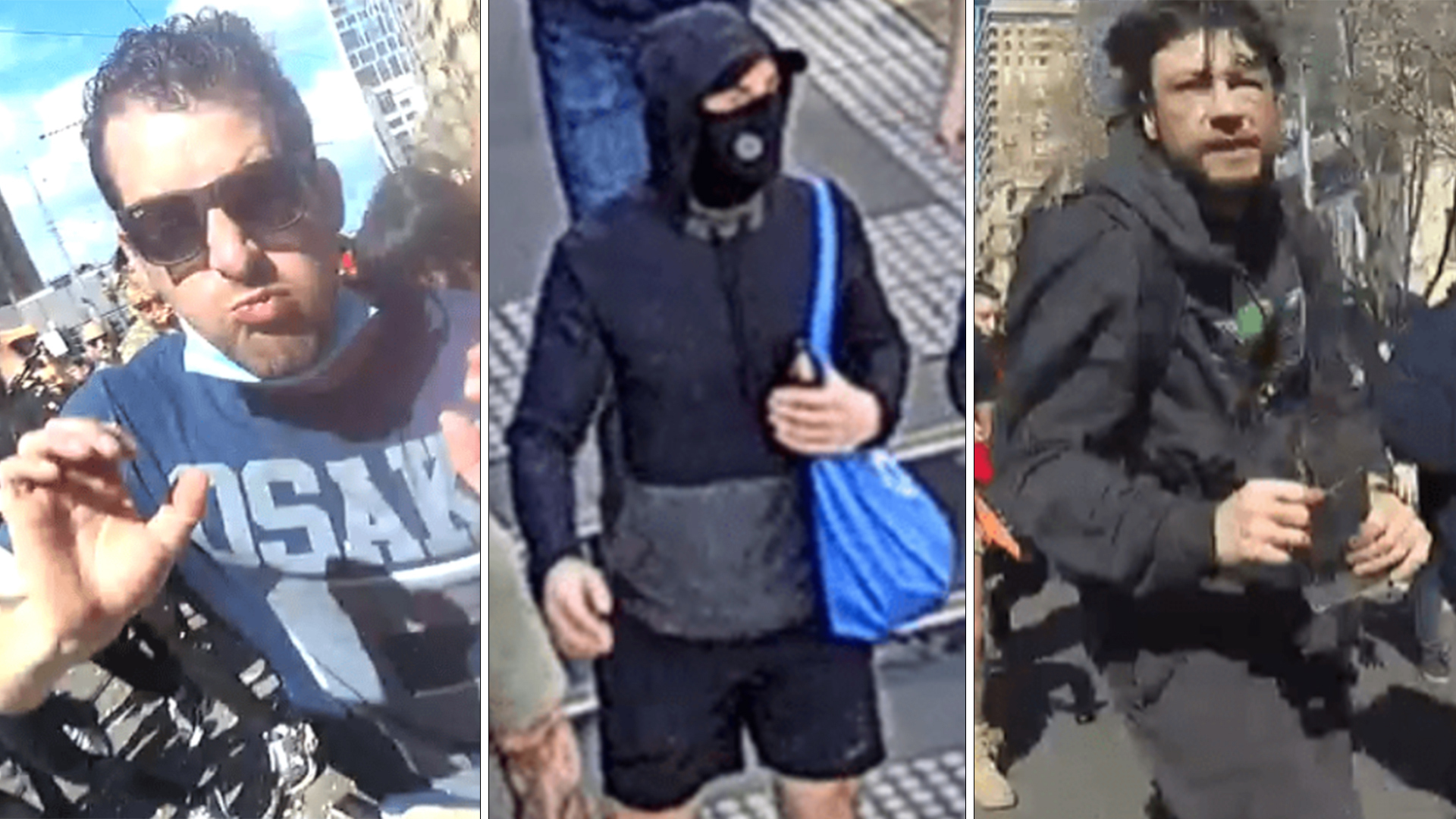
Victorian Police have released photos of six men they want to speak to in connection with the violent lockdown protests in Melbourne over the weekend.

More than 20 officers were injured in the protest on Saturday, with nine even needing hospital treatment.

Police said they believe the six men in the photos can help assist enquiries.

READ MORE: What it's like to be in ICU with coronavirus

Police have released images of men they want to speak to after Melbourne's lockdown protests.

"Several police officers were assaulted during the rally, which included multiple people charging at officers and in some instances punching them," Victoria Police said in a statement.

"Images of six males who police believe can assist with their enquiries into these incidents have been released."

Earlier this week Chief Commissioner Shane Patton revealed some of the injuries suffered by 21 officers.

Victorian Police want to speak to six men after Melbourne's protests.

The Commissioner said two protesters repeatedly punched one officer, who was on the ground after being kicked and pushed against a wall.

"That's just disgraceful," he said.

Nine officers were assessed in hospital following the wild rally, two of those had suspected broken noses and one had a broken thumb.

Another possibly needed leg surgery.

Flares were also released in what police leaders said was the most violent demonstration in 20 years.

Officers were left with bruises and cuts, while some received minor burns from flares.

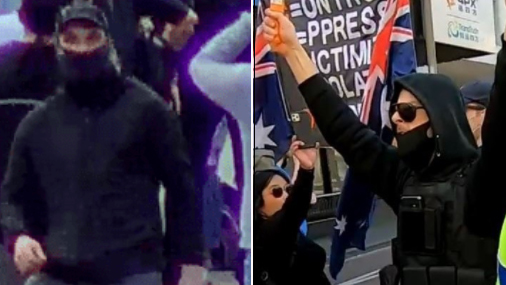
Images of another two men have been released in connection with the release of several flares during the rally, which took over Melbourne's CBD.

Two men Victoria Police want to speak to in connection with the release of flares.

Anybody who can help should contact Crime Stoppers on 1800 333 000.

Hollywood Stars’ Donation Gives Hope for Haiti

Blake Lively and Ryan Reynolds have donated $10,000 to Hope for Haiti as the nation looks to rebuild after a devastating earthquake.

“Our entire organization would like to thank @vancityreynolds and @blakelively for their generous donation to our #HaitiEarthquake Response & Recovery efforts,” Hope for Haiti announced on Instagram Tuesday.

“This donation will help empower our team to continue to respond in the hardest-hit areas of southern Haiti in the days and weeks to come,” the nonprofit added.

TMZ later confirmed the actors donated $10,000, saying the funds will help establish mobile clinics to those most in need, as determined by the Ministry of Health. The donation will also reportedly help cover food delivery distribution costs from World Central Kitchen.

Haiti was hit by a 7.2-magnitude earthquake on Aug. 14 and drenched two days later by Tropical Depression Grace, the Associated Press reported, causing dangerous flooding.

The earthquake killed at least 2,200 people and injured more than 12,000 citizens, according to NBC News. The natural disaster devastated the Haitian community, who are currently experiencing political unrest following their president’s assassination, as well as public health instability with the rise of coronavirus cases. 

In a nod to the long-term recovery efforts that will be necessary in Haiti, Prime Minister Ariel Henry issued a month-long state of emergency, per the AP.

Haiti After Earthquake
Credit: STANLEY LOUIS/AFP via Getty

U.S. President Joe Biden later announced that he had authorized an immediate response, appointing USAID Administrator Samantha Power to coordinate the U.S. recovery efforts. 

“Through USAID, we are supporting efforts to assess the damage and assist efforts to recover those who were injured and those who must now rebuild,” Biden said in a statement. “The United States remains a close and enduring friend to the people of Haiti, and we will be there in the aftermath of this tragedy.

Looking to help in the wake of the devastating damage?? Here are some organizations providing relief to Haiti:

The post Hollywood Stars’ Donation Gives Hope for Haiti appeared first on The St Kitts Nevis Observer.

Haiti Quake: $1.2B in Damage for Starters

CMC-  Haiti would need an estimated US$1.2 billion to deal with the initial damage caused by the August 14 earthquake according to an initial impact assessment report discussed Monday during a technical steering committee meeting chaired by Prime Minister Ariel Henry.

The meeting was attended by senior government ministers as well as representatives of the Tripartite Partnership involving the United Nations, the European Union and the World Bank.

Henry spoke also of the availability of the Inter-American Development Bank (IDB) which is at the forefront, alongside other national and international stakeholders, in the planning of post-earthquake reconstruction.

“We have the firm will to orient reconstruction on the path of sustainable development,” he said encouraging all local and international actors to work rigorously in order to provide the government and its partners with adequate tools to better frame their interventions for the benefit of the earthquake victims.

The meeting formed part of the assessment of damage, losses and post-earthquake needs 2021, in the Southern Peninsula (PDNA-2021 / Post Disaster Needs Assessment).

The United Nations Deputy Resident Coordinator in Haiti, Maureen Bermingham said she saw this exercise as an opportunity not only for the physical reconstruction of the country but also for social reconstruction

The World Bank Resident Representative in Haiti, Msellati Laurent, in his remarks confirmed the readiness of his institution to align with the proposals that will be made by the partners of the United Nations and also the European Union and the IDB.

He said that following the first satellite impact assessment, the results showed that the damage caused by the earthquake would require the disbursement of US$1.12 billion.

The technical steering committee has six weeks to finalize the preliminary version of the PDNA, produce the physical and economic reconstruction plan for the southern peninsula and organize the meeting of donors in order to have funds to finance the plan

“It is essential that each actor has in mind the objectives that we have set for ourselves, along with the six-week deadline to complete the entire process and begin to provide, with serenity and speed, lasting responses to this disaster,” Prime Minister Henri said.

The post Haiti Quake: $1.2B in Damage for Starters appeared first on The St Kitts Nevis Observer.

Government to spur cruise tourism to put thousands back to work, says PM Harris

BASSETERRE, ST. KITTS, August 25, 2021 (MMS-SKN) — Basseterre’s Port Zante is no ordinary cruise passenger port, having been described by the authoritative TripAdvisor as “one of the newer and upscale cruise ports in the Caribbean that cruise ships stop at,” and one that became a marquee port two years in a row for amassing over a million cruise passengers to the country’s shores.

PM Dr the Hon Timothy Harris at the press conference. At the head table are the Hon Lindsay Grant, the Hon Akilah Byron-Nisbett, the Hon Wendy Phipps, the Hon Eugene Hamilton, and (partly hidden) the Hon Vincent Byron Jr.

But as a result of the global coronavirus pandemic, cruise tourism worldwide almost ground to a halt. As the industry is showing strong signs of picking up, the Government of St. Kitts and Nevis is all out to ensure that Port Zante returns to its former glory and that it is positioned to take its rightful place in the global cruise tourism industry.

“At our Cabinet meeting on Monday, August 16th we took a decision to spur cruise tourism by making a major concession to allow vaccinated cruise passengers to enter the Federation utilising the antigen tests,” said Prime Minister Dr the Hon Timothy Harris at his monthly press conference held on Tuesday August 24 at the NEMA conference room in Lime Kiln.

The Honourable Prime Minister however advised that in making that decision they took a number of factors into consideration. One of the factors was that once visitors are fully vaccinated, the risk of their transmitting the virus to the people here is significantly reduced.

Present at the press conference included the Minister of Tourism the Hon Lindsay Grant, and the Minister of Health the Hon Akilah Byron-Nisbett.

“The strong roll-out of our vaccination programme has seen St. Kitts and Nevis emerge with over 62 percent of the adult population fully vaccinated – this is one of the highest in the hemisphere – and over 73 percent having taken at least their first dose of the AstraZeneca vaccine,” noted Dr Harris. “This significant higher level of vaccination provides a further level of protection against the virus. Of course we must never become complacent or drop our guard.”

He further noted that there will be coordinated efforts to manage cruise visits through bubble arrangements which will result in a safe corridor of containment, and added that with the advent of the Pfizer vaccine even more persons can be, and will be, protected.

“The opening up of cruise tourism will put thousands of persons back to work, increasing income flows and business activity,” said Prime Minister Harris. “We took note that for 17 months a large number of persons like taxi operators, and some employees at duty free shops at Port Zante and elsewhere have been without meaningful work. A brighter future now awaits them. They however should minimise their risks by getting vaccinated and observing all protocols.”

With the opening up of the cruise sector, the heavy dependence of state-owned enterprises SCASPA and Solid Waste on budgetary support from the Federal Government will be lessened as they will receive their own steady inflows from cruise business. For 2020 and 2021 the government supported these entities to the tune of $12.4 million.

Flashback to cruise tourism glory days at Port Zante: Top pictures show action on Thursday February 27, 2020 and bottom pictures depict action in Port Zante on Tuesday March 10, 2020.

“The opening up of the sector will safeguard our heavy investments in cruise tourism and consolidate the gains so carefully built up over six years by my administration,” said the Prime Minister. “The success of this is that St. Kitts and Nevis became a marquee port two years in a row, amassing over one million cruise passengers to our shores.”

He added: “We thank all the stakeholders and the Ministry of Tourism led by the Hon Lindsay Grant. St. Kitts and Nevis recorded the fastest growth in cruise tourism in the region. We will build on this even as we diversify around tourism and increase our stay over arrivals, thereby building a stronger and more resilient economy.”

Also present at the press conference were Federal Cabinet Ministers the Hon Eugene Hamilton, the Hon Jonel Powell, the Hon Eric Evelyn, the Hon Wendy Phipps, and the Hon Vincent Byron Jr.

The post Government to spur cruise tourism to put thousands back to work, says PM Harris appeared first on The St Kitts Nevis Observer.

CONCACAF Seeks $70 million from Confiscated FIFA Money

The U.S. Department of Justice declared FIFA and other soccer bodies to be victims of corrupt former officials and said Tuesday they should get more than $200 million from cash forfeited in a sprawling investigation.

A first amount of $32.2 million will be paid into a “World Football Remission Fund” overseen by the FIFA Foundation charity, federal prosecutors said.

“This announcement is the beginning of the process for returning funds to the victims of the FIFA bribery scandal and marks the department’s continued commitment to ensuring justice for those victims harmed by this scheme,” the DOJ said in a statement.

FIFA’s charity supports projects in schools, helps the sport recover after natural disasters, develops women’s and girls’ soccer, and the FIFA Legends program that uses former players as ambassadors.

“I would like to thank the US authorities for the trust placed in FIFA,” its president Gianni Infantino said in a statement, pledging “we will make sure that these funds are used properly and bring tangible benefits for people who really need it.”

Under FIFA’s Control

The forfeited money — in a case unsealed in 2015 that led to more than 50 people or corporate entities charged — will now be under FIFA’s control in Zurich though it mostly never belonged to the world soccer body.

The money was typically linked to bribes and kickbacks from broadcasting and sponsor deals for continental competitions in the Americas and national deals for World Cup qualifying games.

More than $150 million was to be forfeited by Jose Hawilla, the Brazilian marketing executive who has since died. His group of agencies had close relationships with South American soccer body CONMEBOL and North America’s CONCACAF (The Confederation of North, Central America and Caribbean Association Football).

In separate statements, Paraguay-based CONMEBOL said it was entitled to $71 million of the forfeited money and Miami-based CONCACAF said its share was $70 million. Each soccer body lost a succession of presidents who resigned in the scandal.

That would leave $60 million for FIFA though it will control distribution of all the money, which Infantino said would be subject to “strict monitoring, auditing and compliance checks.”

It is unclear how much total cash has been recovered though the DOJ said “well over” the initial $32.2 million granted “has been seized and has been or is expected to be forfeited to the United States in the Eastern District of New York.”

The remission deal follows more than five years after FIFA claimed tens of millions of dollars in restitution for itself from money held by prosecutors who secured dozens of guilty pleas from soccer and marketing executives, mostly in the Americas.

Some are still awaiting sentencing in federal court in Brooklyn years after admitting charges of financial wrongdoing including racketeering conspiracy. Indicted soccer officials have avoided extradition while remaining in Brazil and Trinidad and Tobago.

AP

The post CONCACAF Seeks $70 million from Confiscated FIFA Money appeared first on The St Kitts Nevis Observer.