A car driving through long Kikuyu grass on a private property sparked a fire that spread over four hectares in Whangārei Heads. Two appliances from the Whangārei Heads and Onerahi volunteer fire brigades were called to…
Category Archives: headline
Covid 19 coronavirus Delta outbreak: Maskless woman arrested after coughing on police officer in Kaitaia
Police have arrested a maskless woman in Kaitaia on Tuesday after she allegedly deliberately coughed over one officer, before assaulting another.Overnight, the 31-year-old woman and a man were arrested after an incident at a Far…
Covid 19 coronavirus Delta outbreak: Life-saving kidney transplant cancelled due to Auckland City Hospital nursing shortage
A man who was hours away from getting a life-saving kidney transplant from his brother, who had raced across the globe to donate, has been told his surgery is cancelled because of a nursing shortage at Auckland City Hospital. Auckland…
Rare, fluffy bees emerging from outback burrows
What's fluffy, has wings, and only lives in hard-baked clay of the Western Australian outback?
The Dawson's burrowing bee, or Amegilla dawsoni.
Thousands of the winged insects have begun to emerge from their burrows on Hamelin Station Reserve, as part of an annual spring breeding event.
READ MORE: Scientists create daddy 'short' legs spiders
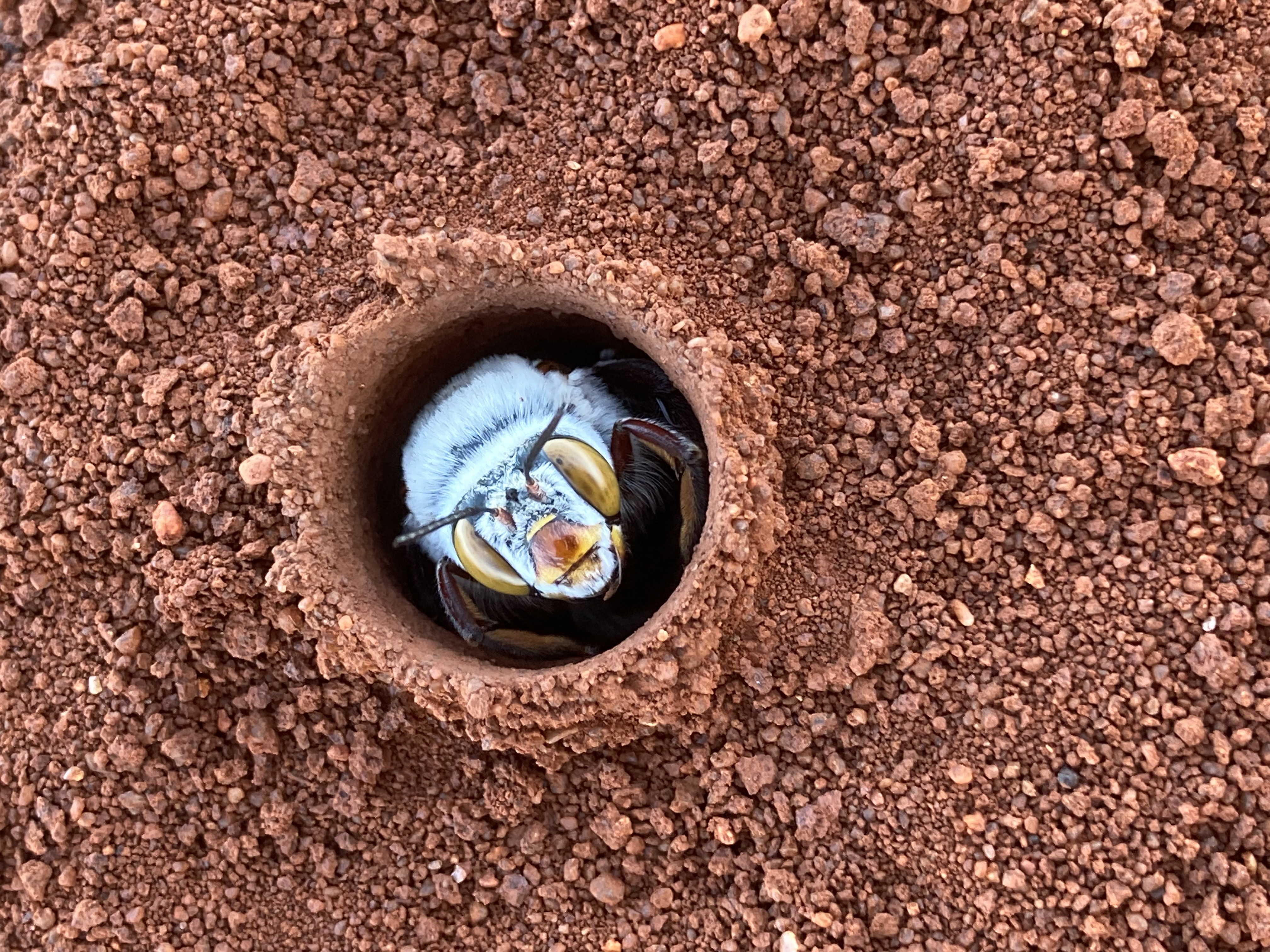
The remote 202,644-hectare property, located about 670km north of Perth, is run by conservation group Bush Heritage Australia.
Reserve managers, Michelle and Ken Judd, along with volunteers, have photographed the bees as they began to emerge.
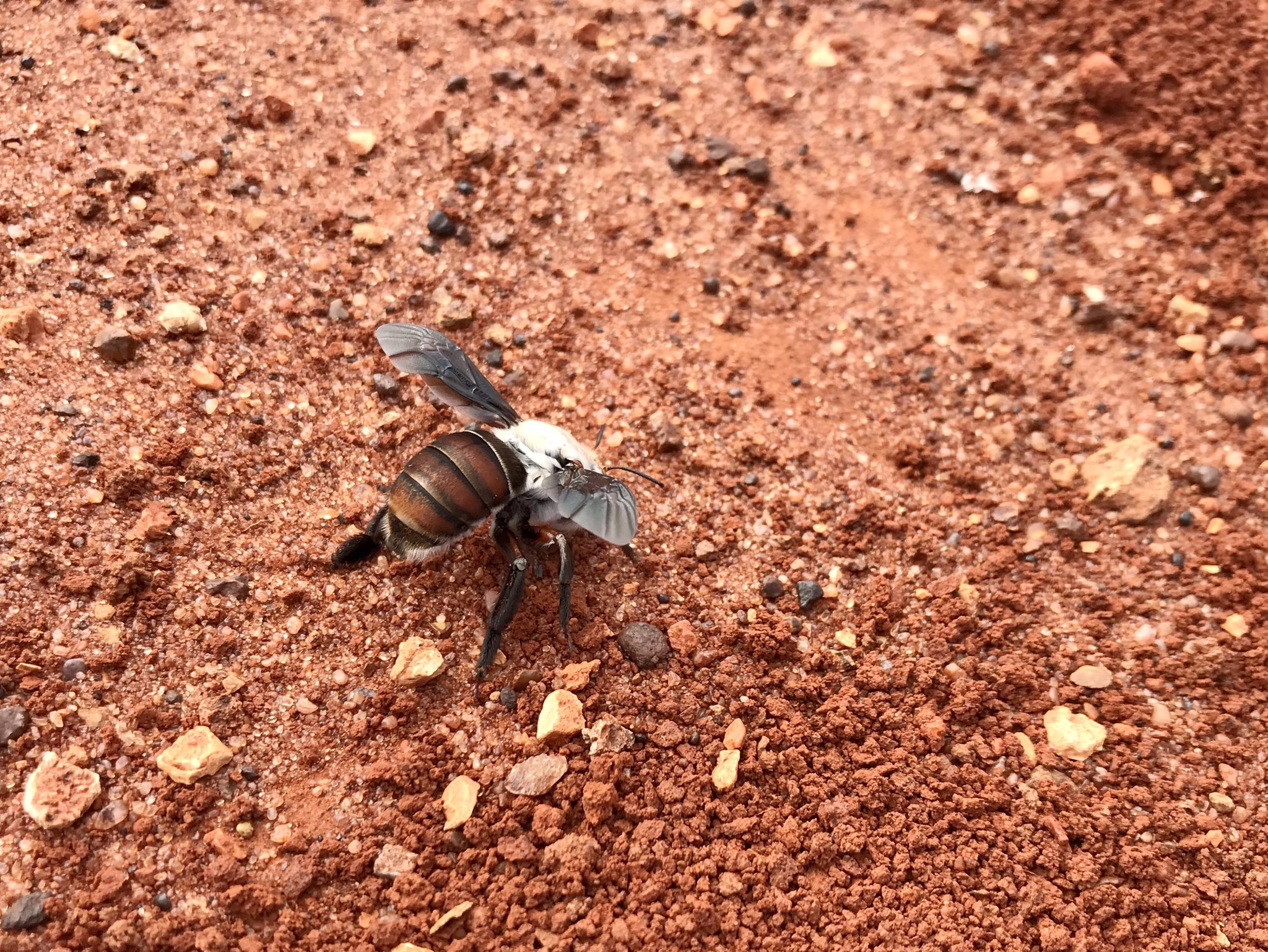
Ms Judd told 9news.com.au the population is looking "healthy" after a year of above-average rainfall spurred the growth of the bees' two favourite flowers: the poverty bush and rough bluebell.
It's estimated 5000 burrows are on Hamelin Station Reserve.
"The bees normally come out of their holes at this time of the year but we're seeing a lot more than usual this year," Ms Judd said.
"That could be a reflection of the landscape recovering.
"They're not something that you see every day, and this population is particularly healthy.
"It's great that they're in a protected zone where they can continue to develop and not be impacted by disturbances."
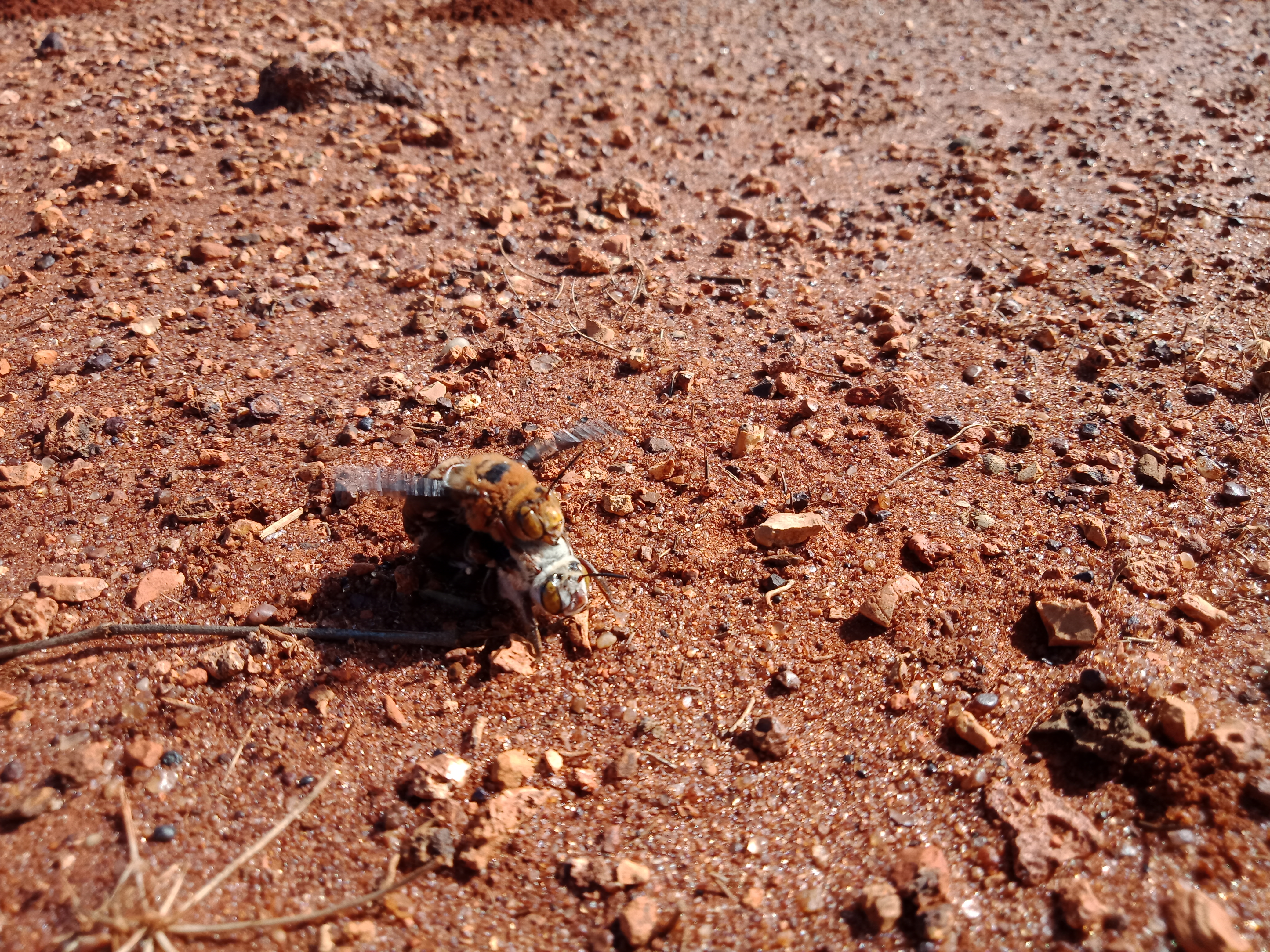
Dawson's burrowing bees are one of Australia's largest native bee species, measuring about 20mm long.
"They're certainly one of the more photogenic ones, too," Ms Judd said.
"They're very placid, very noisy and very social, but they act as individuals rather than creating a hive".
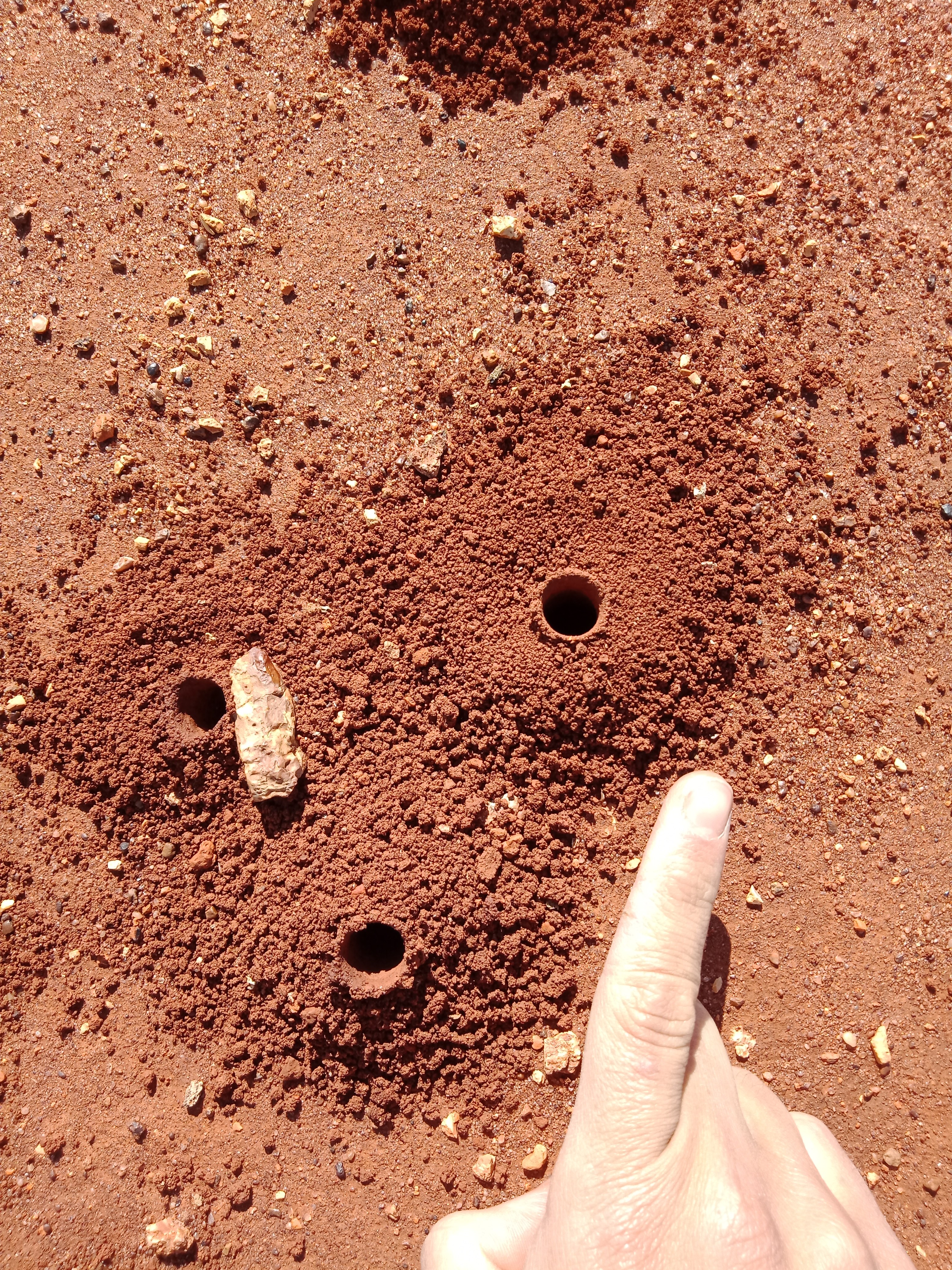
For most of the year, the bees are dormant larvae underground and eat their way up to the surface to breed.
The Western Australia Museum said adults typically occur during the months of July to September.
Once the females have been fertilised, they burrow back into the soil to create new nests, which they line with food and come complete with turrets about 20mm high.
"When you locate a nesting colony, you'll see these tiny little mud towers all across the landscape," Ms Judd said.
Laura Warner: Our six days of waiting for teen's high-risk Covid-19 test result
By RNZ For six days, a teenager has been waiting to find out if, like her friend, she caught Covid at a sushi shop. Here, her mother writes about surviving the waiting game. OPINION: A parent of a 14-year-old girl gets used…
We Love Local named Electra Business & Innovation Award finalists
From sponsors to finalists, We Love Local are first-time finalists in the Kāpiti Horowhenua Electra Business and Innovation Awards.After sponsoring the awards last year, the growing company enjoyed seeing the success of the…
Funeral for newborn found at recycling plant won't go ahead until search for mother completed – police
Police say they will be exhausting all possible avenues to find the mother of a newborn baby found dead at a recycling plant before any decisions will be made on funeral arrangements. It has been more than a week since the baby…
Green light for Wellington's $350m walking, cycling, public transport plan
Wellington city councillors were warned not to pick things apart before giving the green light for further work on $350 million worth of walking, cycling, and public transport improvements. The council’s Planning and Environment…
Herald afternoon quiz: August 25
Test your brains with the Herald’s afternoon quiz. Be sure to check back on nzherald.co.nz for the morning quiz tomorrow. To challenge yourself with more quizzes, CLICK HERE.
Key COVID-19 symptoms to watch out for – and when to dial 000
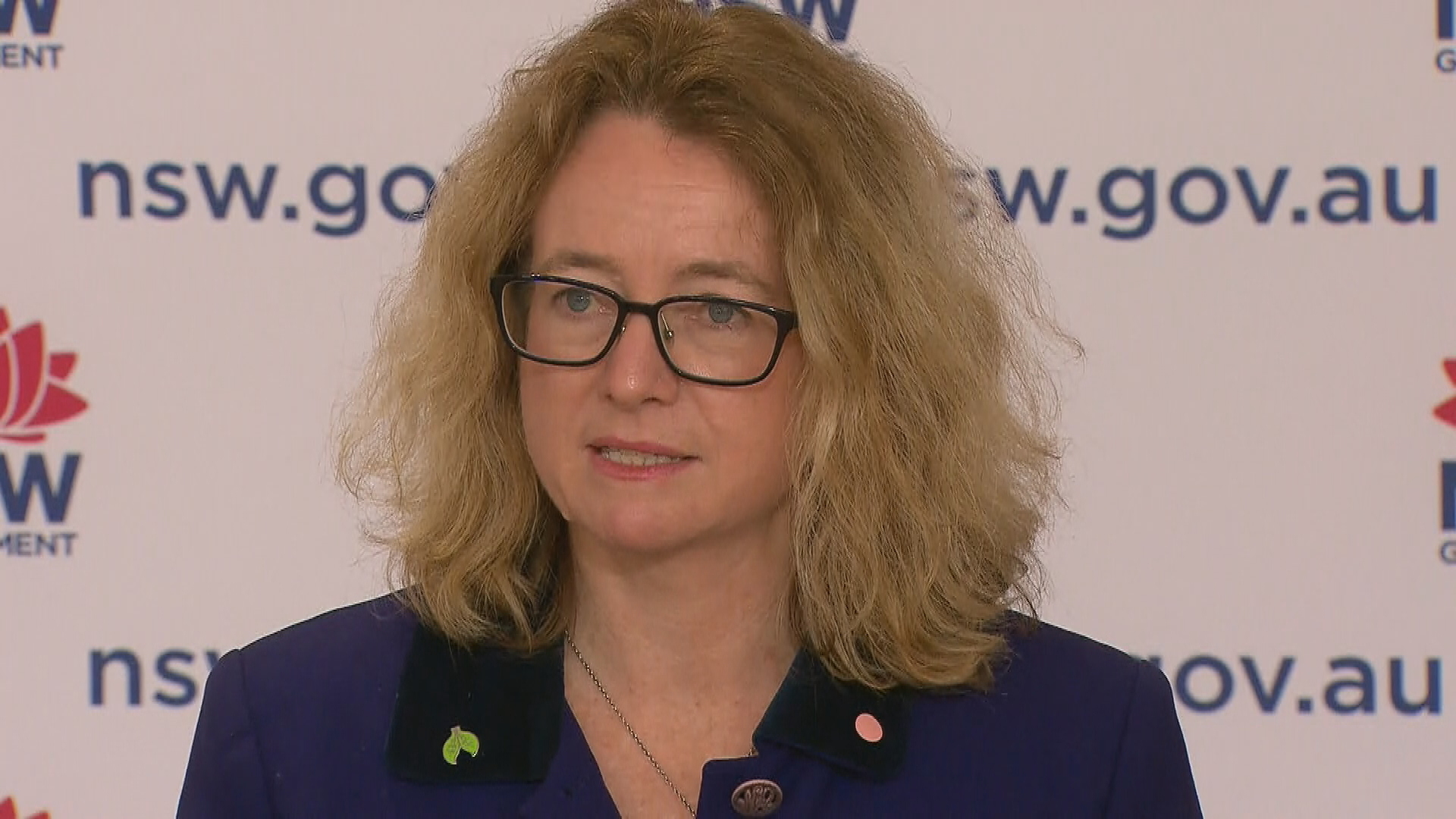
In a departure today during the daily NSW COVID-19 update, Premier Gladys Berejiklian invited lung specialist Dr Lucy Morgan to talk about what it is like to fall ill with COVID-19 and what symptoms to watch out for.
Dr Morgan is a Sydney lung specialist and works as a part of the team looking after patients with COVID-19 in Sydney's west.
We have published the full transcript of her media conference below, or you can watch that specific segment from the press conference at the top of the page.
READ MORE: NSW records 919 new COVID-19 cases, two deaths
I know that some people are still worried about getting vaccinated, so I wanted to share some stories with you about what it's like and how it feels to fall ill with COVID-19.
LIVE UPDATES: Almost a third of people in NSW fully vaccinated
And my hope is when we can understand a little bit more about how it feels to get sick with COVID-19, we might transfer some of our anxieties about the vaccine to feeling a bit more anxious about the illness and what we can do constructively to reduce our chances of falling ill with this.
The big message from me today is get vaccinated. It's not too late to get vaccinated. Think about getting vaccinated today. The Delta strain of COVID-19 is incredibly infectious and that's one of the problems for all of us.
The tiny particles of the virus get into our bodies with the tiniest of contact. And this is why social distancing and staying at home really helps to contain the virus and contain the infection.
It also explains why once the virus has infected one member of a household, it spreads so incredibly quickly within that household.
So getting vaccinated protects you against catching that virus and it also definitely reduces the chances that if you get infected, that you get sick enough to end up in hospital.
READ MORE: 'An odd thing to say': WA Premier hits back at PM's Croods comparison
It also reduces the chances that you will pass on that virus to other people in your household.
So vaccination avoids the risk of serious illness and definitely reduces infectivity.
Symptoms to watch out for
Once you're exposed to this virus, most of us have very, very few symptoms in the early days. Unfortunately, you've already caught the virus and you are already passing that virus on.
The first symptoms of COVID-19 virus are very much like any other cold or flu illness.
They're often very mild, so mild as to be not really noticeable but they'll be the ordinary cold and flu symptoms – a headache, a bit of a sore throat, maybe a little bit of a cough.
Some people have muscle aches and some people have fever in those early days.
READ MORE: Queensland pauses arrivals from interstate hotspots
But some people become breathless and dizzy. And these are the sorts of symptoms that need urgent medical assistance.
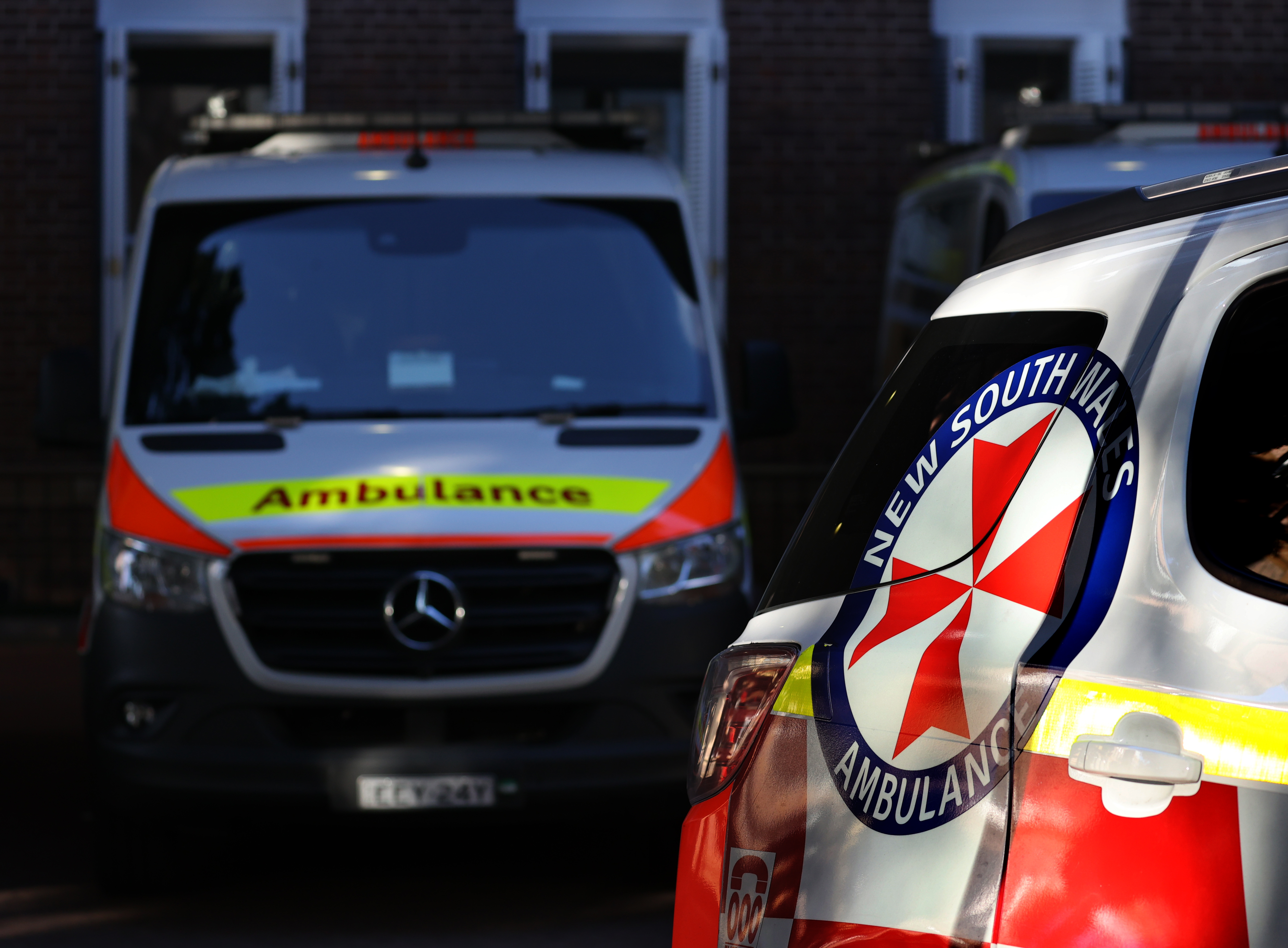
If you have COVID-19 and you feel breathless, you have trouble breathing or you are feeling dizzy, you need to call an ambulance.
An ambulance is free*, your medical care will be free and there'll be people who can care for you even if English is not your first language.
The symptoms of COVID-19 that are affecting many of the patients I've been caring for in the last few weeks include a really severe headache, not just a little bit of a headache but a really severe migraine-like headache that makes you sensitive to light, has a stiff neck and that takes more than just Panadol to relieve it. It's really awful.
Many of my patients have a terrible cough, the sort of cough that leaves you breathless and they can't move or speak or walk without the cough becoming really, really terrible.
Lots of patients have diarrhea, lots of patients have nausea – they just can't eat anything or drink anything and people feel so overwhelmingly fatigued, all they can do is lie on the bed.
READ MORE: Majority of crew on Fremantle cargo ship test positive to COVID-19
Some of these patients become increasingly breathless.
Initially, just breathless walking quickly or making the bed but as time goes by, they become breathless walking or even talking.
If anybody is at home with symptoms this severe, they need to call an ambulance.
Don't ring up and make a GP appointment, call an ambulance.
Because these are the sorts of symptoms and signs that tell me that the COVID-19 illness is progressing and progressing quickly.
As people become increasingly breathless, the oxygen in their blood starts to drop and they need increasing levels of extra support to keep their oxygen levels up.
That might be oxygen via little nasal prongs that go into the nose but as things progress and as people get sicker, they may need a machine to do the breathing for them.
And that's the point at which someone who is in a hospital having care for COVID-19 may require intensive care therapy, the sorts of treatments that Dr Nguyen talked about on Monday.
A machine to do the breathing for you, a machine to possibly support your blood pressure and do the work of organs in your body.
READ MORE: US fully approves Pfizer vaccine, now branded Comirnaty
So anything that we can do to reduce the severity of the illness and reduce the need into intensive care is very, very important.
And getting vaccinated is clearly something that we can do to reduce this severe illness.
https://twitter.com/NSWHealth/status/1430334358351536130
One of the things that I noticed in my most recent days in the hospital was the heartbreaking stories of patients who were very, very young.
I've been looking after patients in their 20s, in their 30s and in their 40s.
Many of whom have very young children, many of whom have partners who are in hospital in other hospitals, dislocating their families.
Many of these patients have children who have needed to be admitted to other hospitals so that there's someone who can care for them safely.
READ MORE: Woman in her 30s with COVID-19 dies in Sydney home
All of them have extended families who have been impacted in many, many ways by the impact of the COVID-19 illness.
Not one person that I was caring for with severe respiratory illness over the last few days was fully vaccinated.
But the good news in all of this is that this does not have to be you.
You could get a vaccine today and reduce your risk of getting severe respiratory illness from COVID-19 and reduce your chances of ending up in hospital.
Two doses of the COVID-19 vaccination will be your suit of armour.
It will protect you from getting sick from COVID-19, from needing admission to hospital, and from ending up in ICU.
Book your vaccine today and protect your loved ones and protect yourself.
* NSW Health confirmed to Nine.com.au patients with COVID-19 will not be charged for an ambulance. If there is a bill received, NSW Ambulance will waive the fee for those patients.