Category Archives: headline

Lockdowns, vaccine rollout 'sending nation backwards': Economist

Australia's latest coronavirus lockdowns will cost the country up to $25 billion, an economist has predicted, with the slow vaccine rollout seeing the nation go "backwards" as the rest of the world opens up.

"We were a bit slow in taking up the vaccine – way too slow in fact," AMP's Chief Economist Shane Oliver told Weekend Today.

"Those other countries are now opening up and learning to live with COVID.

READ MORE: Taxis, Ubers banned from Sydney CBD amid protest warning

AMP's Chief Economist Shane Oliver said Australia's lockdowns will have a long-term impact

"But, of course, we have to wait until we get those vaccination rates up before we can do the same.

"My estimate is it will cost the Aussie economy somewhere between $20 to $25 billion. So we'll be going backwards as the rest of the world opens up."

READ MORE: Regional Victoria fears new lockdown imminent

However, he said Australia's ongoing international border closure could have actually helped the economy in some ways, as well as slowing the spread of the virus.

"The reality is that the closure of the borders has helped to protect the Australian economy and has helped protect lives," he said.

"In the meantime, our economy has spent much more time open, at least domestically anyway, than we've seen in other parts of the world.

A view of the Melbourne skyline as seen from Gellibrand Hill Summit, Greenvale.

"By and large, I think it's helped us.

"Yes, it's caused some pain in some areas, particularly the higher education sector, those Australians who want to go overseas, but I think saving lives has been worth it."

READ MORE: Sydney lockdown longer, stricter with 'final list of what we can throw' at crisis

He said the deficit under government approximates over the next four years will be around $145 billion – but more jobs and businesses would have been lost otherwise.

"If we didn't spend that money we would have seen more businesses go bust, we would have seen lots of people lose their incomes, default on their loans," he said.

"We would probably would have seen something akin to a depression.

Parramatta, Sydney, during lockdown.

"I think it is better to have done that, protect the economy through this and that in turn will mean a stronger economy in future years than otherwise we would have."

However, he said the predicted 80 per cent vaccinated by November is good news for the economy.

But he admitted the long-term impact of so many lockdowns will be felt for years.

An empty Hosier Lane in Melbourne.

"Some jobs will never come back," he said.

"We'll probably never have CBDs like we used to.

AT THE OAS, CARICOM OUTLINES HELP TO HAITI, CALLS ON INTERNATIONAL INSTITUTIONS TO TURN WORDS TO ACTION

Washington, DC, 20 August…  The Caribbean Community (CARICOM) says “there is an urgent need for the entire global community to respond swiftly and meaningfully to the dire situation of the Haitian people within a framework of transparency and accountability”

This observation was made today at the Organization of American States (OAS) in Washington DC at a meeting of the Permanent Council of the organization.

Speaking on behalf of the CARICOM Group at the OAS, Antigua and Barbuda’s Ambassador, Sir Ronald Sanders, said: “We in CARICOM, urge international development and finance institutions and governments to help to the fullest extent of their capabilities, making sure that assistance is provided to the needy and vulnerable in a fair and equitable manner”,

Sir Ronald, who is also the Chair of the CARICOM group at the OAS, spoke after the members of the Council had heard from the Prime Minister of Haiti, Ariel Henry, an account of conditions following an earthquake on August 14 that killed almost 2,000 people, injured 10,000 and left about 40,000 homeless.

Speaking for the CARICOM countries, Ambassador Sanders said: “We are greatly troubled that the misery caused by this disaster was intensified by tropical storm, Grace, which generated widespread flooding and landslides.  When this double calamity occurred over the last few days in Haiti, the country was already confronting a humanitarian crisis, including a grave strain on its medical facilities that were overwhelmed by several essential demands, including coping with the COVID-19 pandemic”.

The Antigua and Barbuda diplomat outlined steps that CARICOM has already taken to aid Haiti.  He disclosed that the Caribbean Catastrophe Risk Insurance Facility (CCRIF) agreed to pay out $40 million to Haiti with the first instalment of $15 million  being paid to the government early next week, and the remaining $25 million being delivered within the next 14-days.

He also stated that “it is significant that this current payment to Haiti represents the largest one-time payment from CCRIF to date.  It should also be noted that, since its inception in 2007, CCRIF has made five payments to Haiti, in the sum of $78.3 million or 32%  – the largest single portion of the benefits paid out to its 22 subscribing states”.

Ambassador Sanders revealed that the Caribbean Development Bank has given support to Haiti by paying, in whole or in part, Haiti’s insurance premiums for earthquakes, tropical cyclones, and excessive precipitation.

The OAS Permanent Council was also informed that the Caribbean Disaster Emergency Management Agency (CDEMA) is deploying a team to provide operational support to the National Emergency Operations Centre in Port-Au-Prince, and that several organs of CDEMA are alert and activated, awaiting indications from Haitian authorities that they are ready to receive teams of specialist relief groups.

Concluding that “CARICOM is doing all in its power with its limited resources to respond to the crucial emergency needs of the Haitian people”, Ambassador Sanders called on the international development and financial banks and wealthy governments “to turn  words to action”.    “The Hatian people”, he said “ have suffered enough”.

The post AT THE OAS, CARICOM OUTLINES HELP TO HAITI, CALLS ON INTERNATIONAL INSTITUTIONS TO TURN WORDS TO ACTION appeared first on The St Kitts Nevis Observer.

Chaos Mars Afghan Evacuation Efforts; Biden Criticism Builds

The Hill

Violence on the road to Kabul’s airport and chaos at the gates are hampering efforts to evacuate Americans and vulnerable Afghans looking to flee the country following the Taliban takeover.

Adding to the mayhem is mixed messaging from the State Department, which is urging Americans and those with travel documents to head to the Hamid Karzai International Airport “as soon as possible” even though the U.S. Embassy alerted people that it could not guarantee safe passage.

People who make it past the gantlet of Taliban checkpoints report being turned away amid surging crowds that U.S. forces are trying to disperse.

The number of Americans in Afghanistan is believed to be between 10,000 and 15,000, with more than 80,000 Afghans who likely qualify for evacuation based on their work with the U.S. military and government.

The U.S. has so far only evacuated a fraction of those people.

Government officials from the National Security Council and the Department of Defense (DOD) told congressional staffers on a call Thursday that they have evacuated 6,741 individuals since Saturday, of which 1,792 are American citizens or lawful permanent residents.

“Which of course is absurd because we heard from DOD they could do up to 9,000 a day,” said one congressional staffer who spoke to The Hill after the call.

The U.S. military this week pledged to start evacuating 5,000 to 9,000 people per day.

“The latest report we heard was there are 10,000 to 15,000 American citizens in the country, so less than 20 percent are out, basically,” the aide said.

The staffer relayed that administration officials expressed distress over the deteriorating conditions, with one administration official saying, “conditions are awful and we are not blind to that.”

Another congressional aide said the Biden administration is “doing their best but they’ve been overwhelmed by folks in need of help.”

“You saw the announcement they sent for American citizens and green card holders that they should make their way to the Kabul airport — but as you know getting to that airport is a major challenge, with the Taliban controlling the way in,” the second aide said.

At the State Department briefing Thursday, Press Secretary Ned Price said there are 6,000 people “processed into the airport”  — a figure roughly matching the number of troops at Kanbul’s airport — while 20 planes are scheduled to take off between today and tomorrow.

Photos and video on social media show massive crowds outside the airport. One video showed a child passed through the crowd and handed over a security wall to a U.S. soldier.

An American citizen who reached the airport Wednesday evening provided a photo to The Hill of the massive crowds.

Further video showed Afghans on the road to the airport cowering in a roadside trench amid an eruption of massive gunfire.

An Afghan man sent me this video which he said was raked outside Kabul airport today. How are Americans and Afghans supposed to get through this? pic.twitter.com/PjRTvof5p5

Situational reports from a nongovernmental organization obtained by The Hill describe havoc at the airport, with entry gates inconsistently opening and closing.

“There remain so many people at the entrances to the airport that soldiers have been told to keep the gates closed, and pretty much not let anyone in,” according to a report from the National Democratic Institute. “Some checkpoints on the airport perimeter currently have no comms with the airport, thus no way of being able to verify persons requesting entry should be allowed.”

Sunil Varghese with the International Refugee Assistance Project (IRAP) said the government needs to quickly gain control and streamline the process.

“DOD and State are pointing the finger at each other and someone has to step up,” he said.

“And all of this hinges on the Taliban letting people wait at the airport so I just really hope the USG is working on some sort of plan so that an evacuation doesn’t turn into a massacre.”

People must run a gantlet of Taliban checkpoints to get to the airport, with reports of beatings, whippings and intimidation. Those fleeing must hide critical documents needed to get on a flight to get past the Taliban.

Sen. Tom Cotton (R-Ark.), a member of the Senate Armed Services Committee whose staff is helping aid evacuation efforts, said the situation outside the airport is “getting worse by the day.”

“My office has received numerous reports of American citizens and Afghan allies being harassed, beaten, and abused by Taliban thugs. These reports are in addition to the televised scenes of chaos at the airport perimeter,” he said in a statement.

He called for President Biden to expand the security perimeter around the airport to “rescue Americans trapped behind enemy lines.

“Anything less amounts to an abandonment of our fellow Americans and a shameful abdication of duty in a moment of crisis.”

Adding to the chaos are unsanitary conditions, with toilets and trash backing up. People have been told to bring their own water and be prepared to wipe their phone of data in encounters with the Taliban.

Melissa Keaney, a senior staff attorney also with IRAP, said that there is no real strategy in getting through Taliban checkpoints.

“Some of the advice is to actually have your [U.S.] documents, because the Taliban is not letting you through unless you show that you are a U.S. citizen or you’re entitled to get on an evacuation flight. Other pieces of advice that I’ve seen have indicated the exact opposite, that you should not have any of those types of documents with you,” she said.

The State Department says it is surging resources at the airport to evacuate Americans and vulnerable Afghans. Former ambassador to Afghanistan John Bass was sent to the airport to help with logistics around evacuations. Chargé d’affaires Ross Wilson remained at the airport with an embassy team even as the majority of staff were evacuated from the country.

Biden has committed to keeping American troops at the airport until every American who wants to leave is evacuated, pushing back against a tentative deadline of Aug. 31 that had been discussed with the Taliban.

The president has not yet offered those same commitments to evacuate Afghans who assisted the U.S. military and are in the process of applying for Special Immigrant Visas (SIVs), or vulnerable Afghans in general.

“If Biden does not keep the evacuation going long enough to get all of the people who have applied for SIVs and were hung up because our process has been slow and incompetent, than he is morally derelict,” said Ronald Neumann, president of the American Academy of Diplomacy and who served as ambassador to Afghanistan from 2005 to 2007.

The post Chaos Mars Afghan Evacuation Efforts; Biden Criticism Builds appeared first on The St Kitts Nevis Observer.

Bahamas: Cruise Passengers Will Have to Show Vaccination Proof

Cruise passengers heading to the Bahamas will soon have to show proof of vaccination before docking at a port — including on a cruise line’s private island.

Starting Sept. 3, cruise ships will not be able to dock in the Bahamas unless all passengers 12 and older supply proof they are fully vaccinated, according to an emergency order issued Thursday and posted to the Bahamas Customs & Excise Department website. The order will be in effect through at least Nov. 1.

To comply, ship captains must submit the passenger manifest with the passenger’s vaccination status, including when a ship stops at a cruise line’s private island in the country.

The order does not apply to crew members, children under 12, or anyone who is ineligible for the COVID-19 vaccine due to a medical reason.

Royal Caribbean — which saw several guests test positive for COVID-19 on cruises sailing from the Bahamas last month — will require all guests 12 and older be fully vaccinated on cruises visiting the island nation starting Sept. 3, including those leaving from Florida, according to the company. Previously, Royal Caribbean required all guests 12 and older to show proof of vaccination before boarding nearly all cruises except those leaving out of Florida.

The post Bahamas: Cruise Passengers Will Have to Show Vaccination Proof appeared first on The St Kitts Nevis Observer.

Reports of targeted Taliban killings fuel Afghans' fears

Reports have mounted of targeted killings in areas overrun by the Taliban, fuelling fears that they will return Afghanistan to the repressive rule they imposed when they were last in power, even as they urged imams to push a message of unity at Friday's prayers.

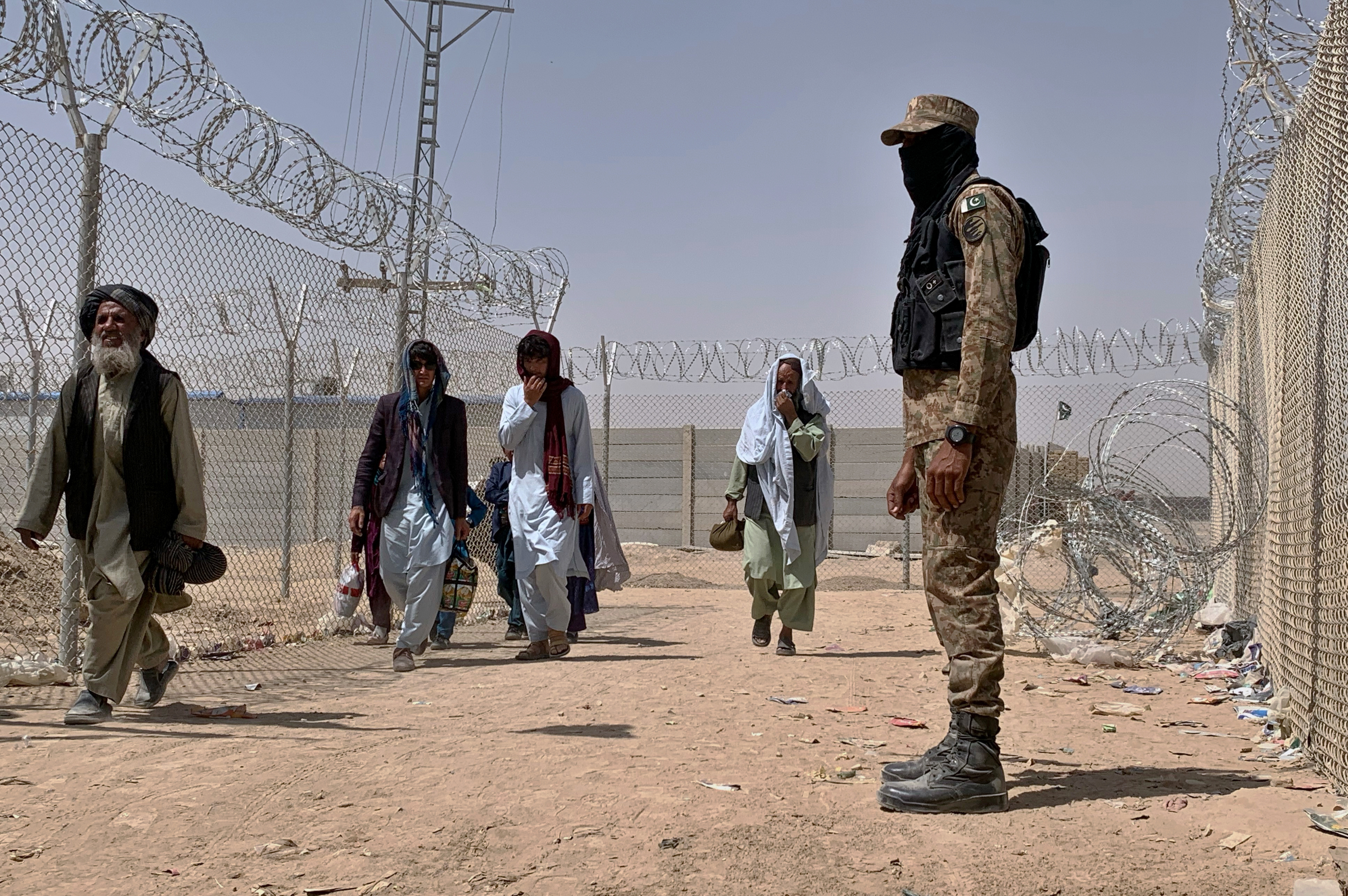
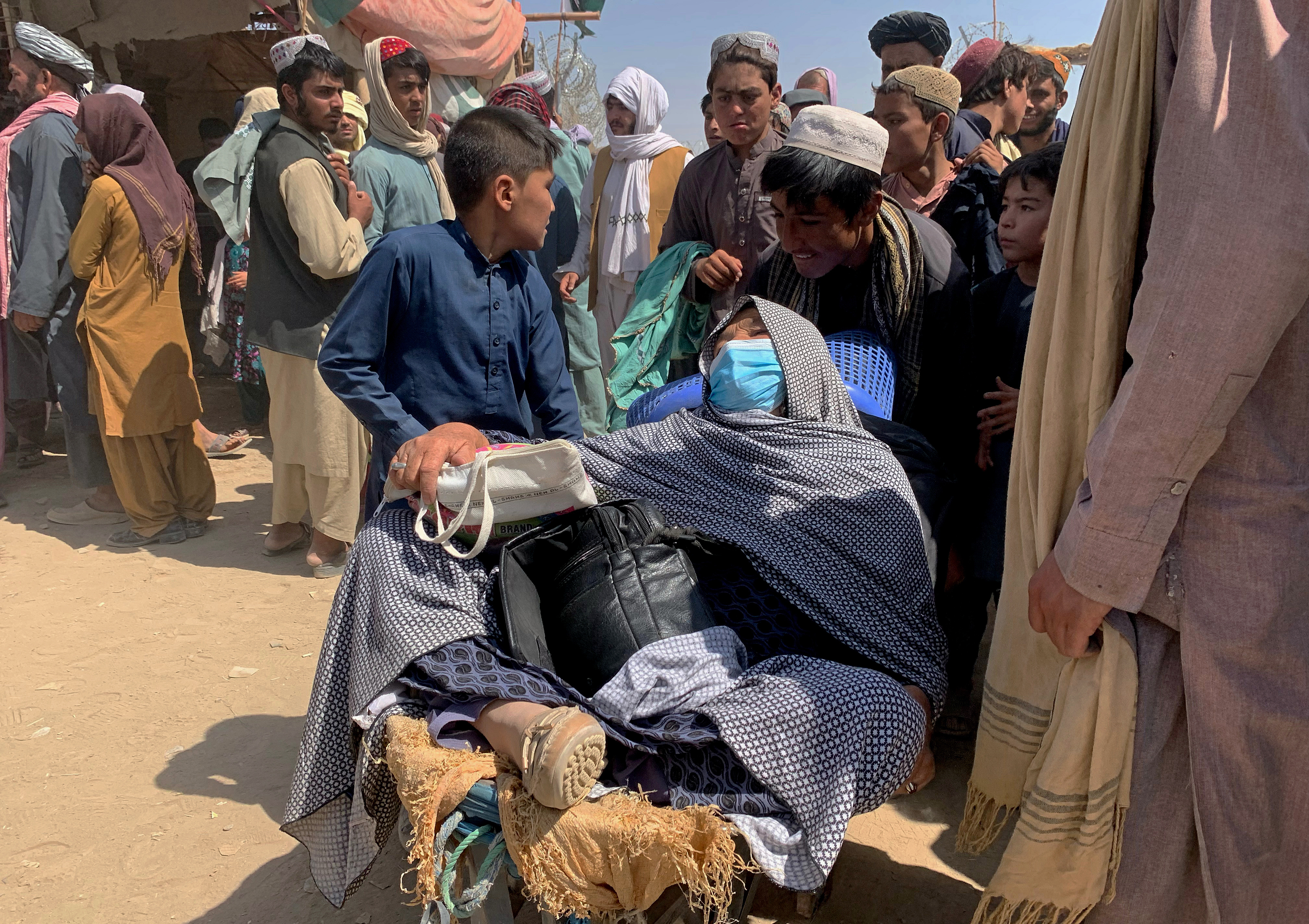
Terrified that the new de facto rulers would commit such abuses, thousands have raced to Kabul's airport and to border crossings, desperate to flee following the Taliban's stunning blitz through the country.

Others have taken to the streets to protest the takeover — acts of defiance that Taliban fighters have violently suppressed.

READ MORE: Morrison warns Kabul is 'chaotic' as first Afghan evacuees arrive home
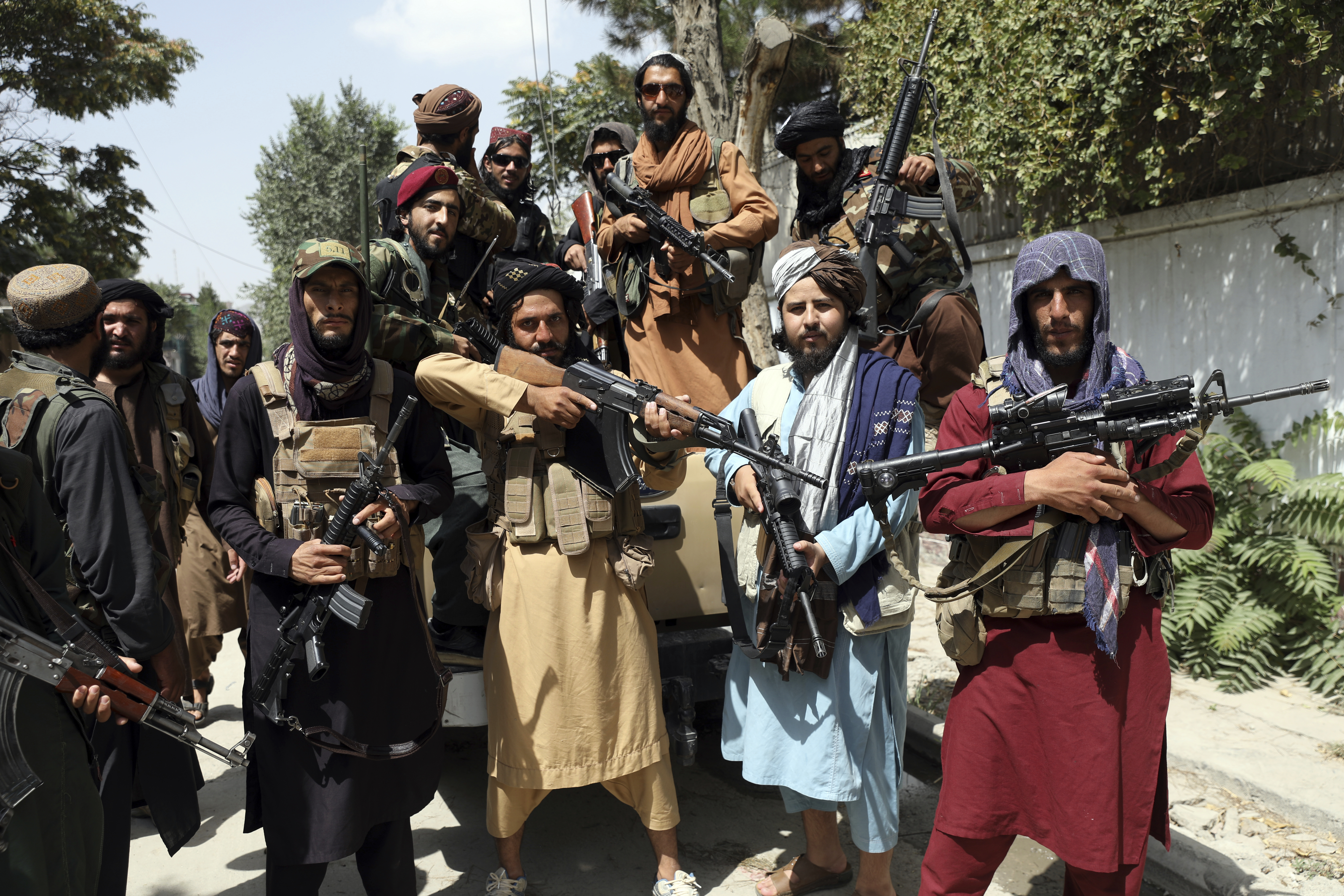
The Taliban say they have become more moderate since they last ruled Afghanistan in the 1990s and have pledged to restore security and forgive those who fought them in the 20 years since a US-led invasion. Ahead of Friday prayers, leaders urged imams to use sermons to appeal for unity and urge people not to flee the country.

But many Afghans are skeptical, fearing that the Taliban will erase the gains, especially for women, achieved in the past two decades. Reports of abuses are growing, and an Amnesty International report provided more evidence Friday that undercut the Taliban's claims they have changed.

The rights group said that its researchers spoke to eyewitnesses in Ghazni province who recounted how the Taliban killed nine ethnic Hazara men in the village of Mundarakht on July 4-6. It said six of the men were shot, and three were tortured to death. Hazaras are Shiite Muslims who were previously persecuted by the Taliban and who made major gains in education and social status in recent years.

The brutality of the killings was "a reminder of the Taliban's past record, and a horrifying indicator of what Taliban rule may bring," said Agnes Callamard, the head of Amnesty International.

READ MORE: Biden eyes 'greater' threats than a Taliban-controlled Afghanistan
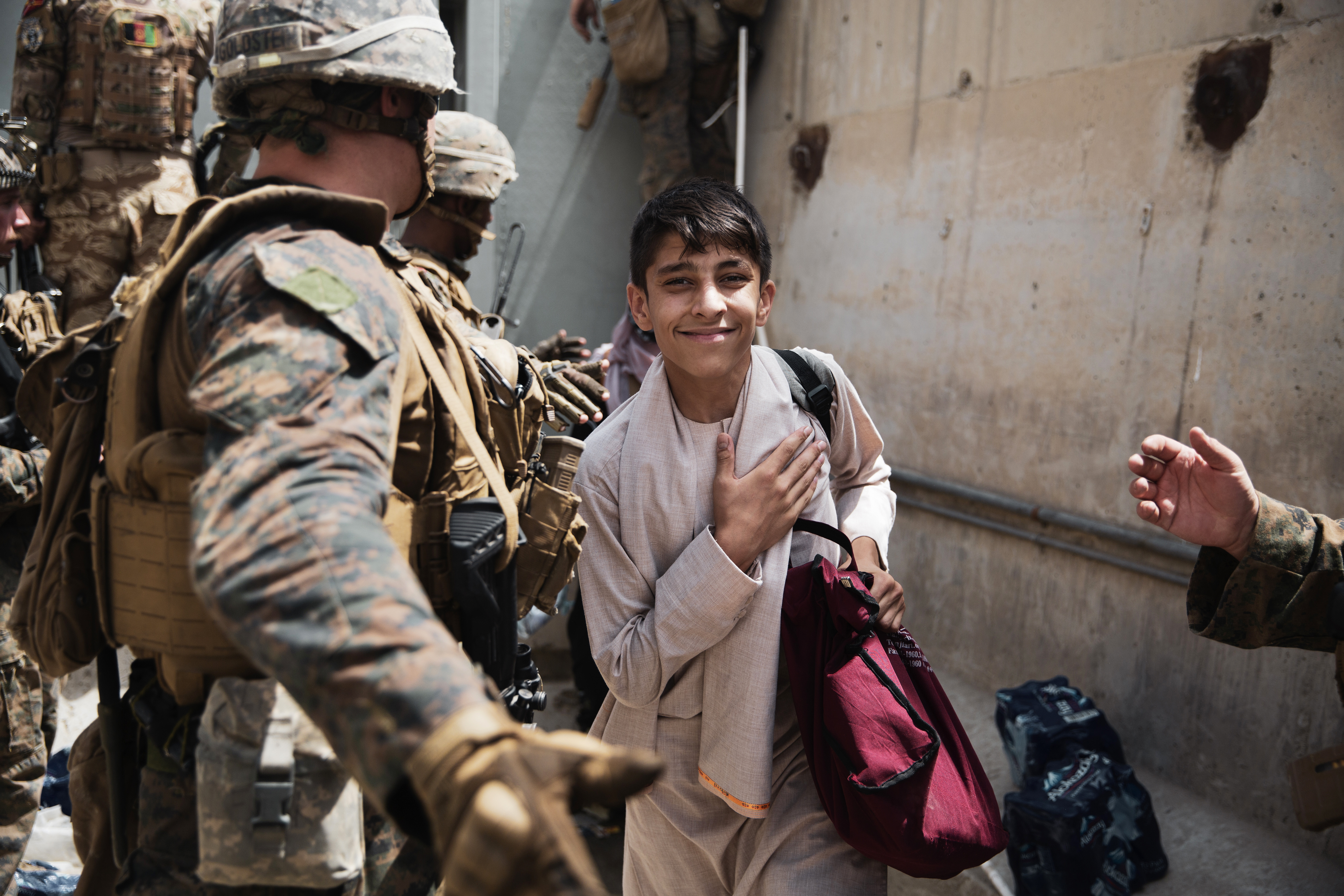
The rights group warned that many more killings may have gone unreported because the Taliban cut cellphone services in many areas they've captured to prevent images from being published.

Separately, Reporters without Borders expressed alarm at the news that Taliban fighters killed the family member of an Afghan journalist working for German broadcaster Deutsche Welle on Wednesday.

"Sadly, this confirms our worst fears," said Katja Gloger of the press freedom group's German section. "The brutal action of the Taliban show that the lives of independent media workers in Afghanistan are in acute danger."

Meanwhile, a Norway-based private intelligence group that provides information to the UN said it obtained evidence that the Taliban have rounded up Afghans on a blacklist of people they believe worked in key roles with the previous Afghan administration or with US-led forces. A report from RHIPTO Norwegian Centre for Global Analyses that was obtained by The Associated Press included a copy of one of the letters.

READ MORE: Afghans protest Taliban in emerging challenge to their rule
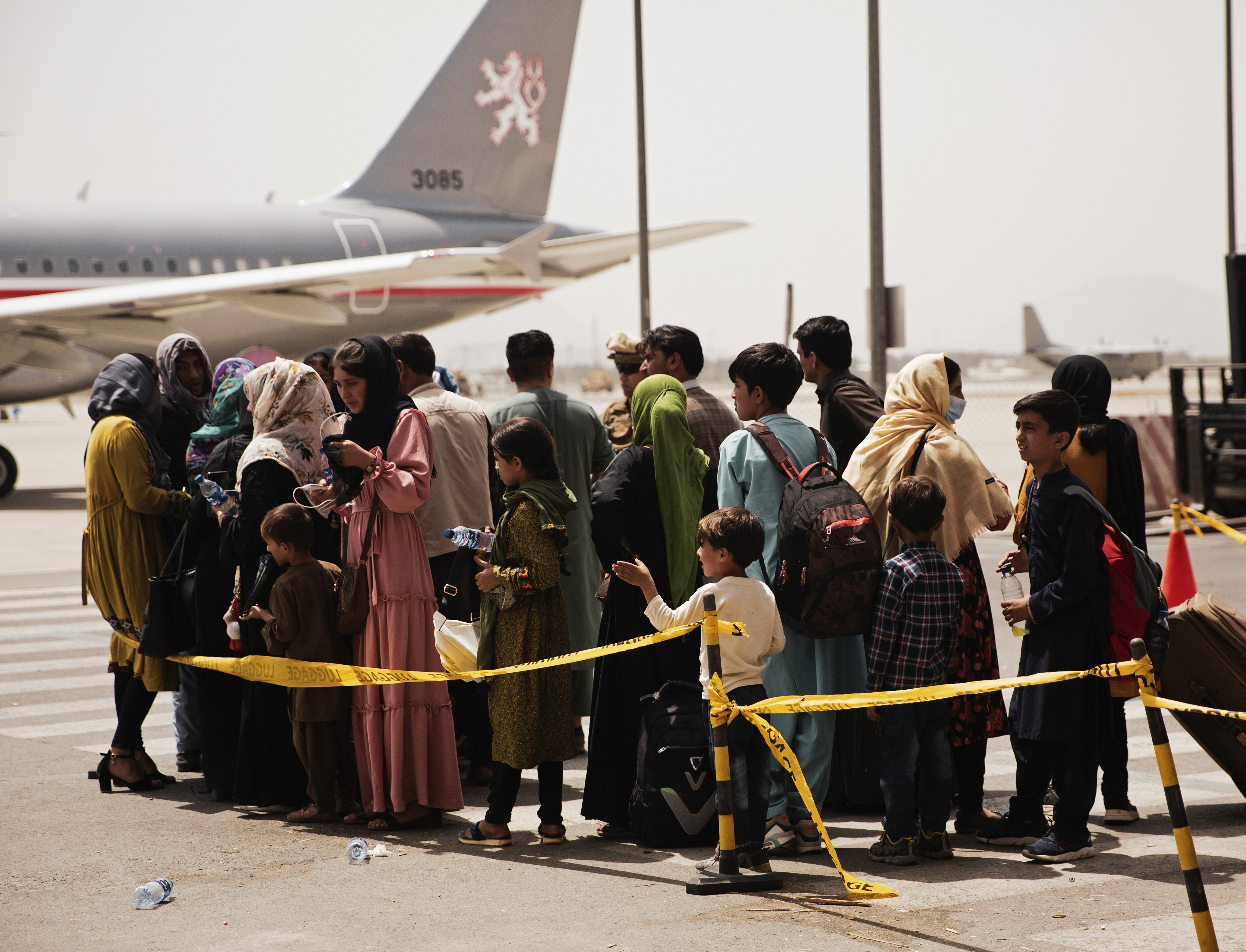
In an email to the AP, Christian Nellemann, the group's executive director, said the organisation knew about several threat letters sent to Afghans, including a man who was taken from his Kabul apartment this week by the Taliban.

"We had access to hard copies of concrete letters issued and stamped by the Taliban Military Commission to this effect," he said.

The AP could not independently verify the claims made by the group.

Under the Taliban's previous rule, women were largely confined to their homes, television and music were banned, and public executions were held regularly. Fearing a return to those days, thousands have tried to flee the country, braving checkpoints manned by Taliban fighters to rush to Kabul's airport.

Mohammad Naim, who has been among the crowd at the airport for four days trying to escape, said he had to put his children on the roof of a car on the first day to save them from being crushed by the mass of people. He saw other children killed who were unable to get out of the way.

Naim, who said he had been an interpreter for US forces, urged others not to the come to airport.

READ MORE: 'Horror': ADF interpreter warns Taliban will be brutal in takeover
"It is a very, very crazy situation right now and I hope the situation gets better because I saw kids dying, it is very terrible," he said.

The United States is struggling to pick up the pace of evacuations it is running from Afghanistan, where thousands of Americans and their Afghan allies may be in need of escape.

Dozens of other flights have already brought hundreds more Western nationals and Afghan workers to Europe and elsewhere.

But continued chaos at the airport has hindered flights. Spain's Defence Minister Margarita Robles said Friday that its military transport planes are leaving Kabul partly empty in the tumult.

"Nobody's in control of the situation," Robles told Spanish public radio RNE.

Getting to the facility is also a major challenge. Germany was sending two helicopters to Kabul to help bring small numbers of people from elsewhere in the city to the airport, officials said. Australia's prime minister said that his country's citizens who live outside Kabul have not been able to be evacuated.
As concerns mount about what a Taliban government will look like, the group's leaders are meeting with some officials from previous Afghan administrations.

An Afghan official familiar with those talks indicated nothing would come of them before the last US troops leave, currently planned for August 31.

The Taliban's lead negotiator, Anas Haqqani, has said the group agreed with the US to "do nothing" until after that date, according to the official, who spoke on condition of anonymity because he was not authorised to give information to the media. The Taliban have said they want an inclusive government, but, as with their other promises, it was not clear if they would make good on that.
In addition to concerns about Taliban abuses, officials have warned that Afghanistan's already weakened economy could crumble further without the massive international aid that sustained the toppled Western-backed government. The UN says there are dire food shortages and experts said the country was severely in need of cash with much of the government's funds abroad frozen.

After the Taliban overran Kabul the market used by many in the capital to exchange money was closed down.

Underscoring the difficulties the Taliban will face in returning the country to normal life, trader Aminullah Amin said Friday that it would stay closed for the time being. There was just too much uncertainty surrounding exchange rates, how the Taliban might regulate the market, and the possibility of looting.

"We have not decided to reopen the markets yet," he said.

UK Approves First-of-Its-Kind Antibody Treatment for COVID-19

illustration of monoclonal antibodies

A monoclonal antibody (mAb or moAb) is an antibody made by cloning a unique white blood cell.

Ronapreve, the first drug designed specifically to tackle covid-19, gets approval

The UK has approved the first treatment to use artificial antibodies to prevent and fight the coronavirus. According to The Medicines and Healthcare products Regulatory Agency (MHRA), the drug may be used to prevent covid-19 infection, treat acute symptoms of the disease and reduce the likelihood of being admitted to hospital due to the virus. Sajid Javid, UK Health Secretary, said that he hoped it would be rolled out to patients soon.

Trials of the drug, called Ronapreve, took place before widespread vaccination and before the emergence of virus variants. The drug, previously known as REGN-Cov2, was given to former US president Donald Trump when he was admitted to hospital with covid-19 last year.

Ronapreve, developed by pharmaceutical firms Regeneron and Roche, is given either by injection or infusion and acts at the lining of the respiratory system, where it binds tightly to the virus and prevents it from gaining access to the cells, the MHRA said. It consists of monoclonal antibodies, proteins produced in the lab that mimic antibodies found in the immune system.

Astra Zenica will be seeking approval for its own monoclonal COVID antibody drug.

The post UK Approves First-of-Its-Kind Antibody Treatment for COVID-19 appeared first on The St Kitts Nevis Observer.

Gangs in Haiti are Abducting Doctors- Patients are Paying the Price


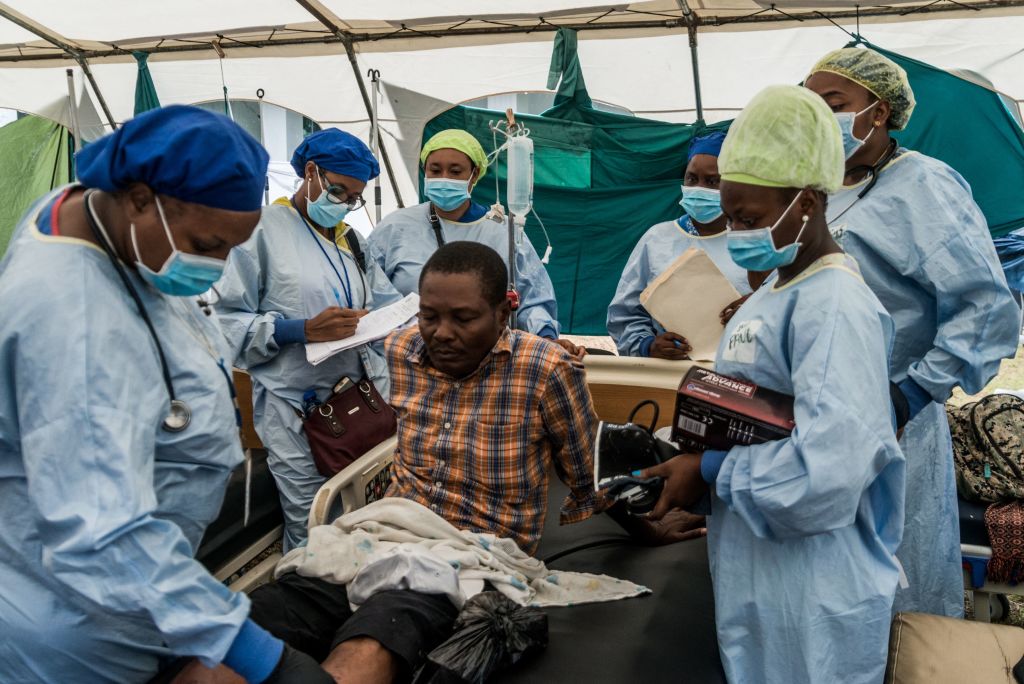
The Week- One of the few orthopedic surgeons in Haiti was abducted by gang members Wednesday in Port-au-Prince, leaving dozens of patients injured during Saturday’s 7.2-magnitude earthquake without anyone to treat them.

The victim, Dr. Workens Alexandre, works at the Bernard Mevs Hospital, where 45 of its 48 patients are waiting to have orthopedic surgery, The Associated Press reports. There has been an increase in gang violence in Haiti this year, and one official at the hospital told AP some health care workers, worried about their safety while driving to and from the hospital, have been staying on site for several days at a time.

On Tuesday, an obstetrician on his way to perform an emergency cesarean in Port-au-Prince was abducted by gang members, and because he was unable to get to the hospital, his patient and her baby died. Dr. Ronald La Roche, founder of the DASH network of hospitals, told AP he is “furious” at the gang members, adding, “They are responsible for the death of this woman and her child.” In protest of the abductions, La Roche said his hospitals will be closed for two days to non-emergency cases.

The death toll for the earthquake is close to 2,200, and that number is expected to rise. More than 12,000 people were injured, leaving hospitals already dealing with COVID-19 patients overwhelmed. AP reports that the families of the abducted doctors have been contacted by the kidnappers, but it is unclear how much they are asking for ransom.

The post Gangs in Haiti are Abducting Doctors- Patients are Paying the Price appeared first on The St Kitts Nevis Observer.

Trouble in Paradise: COVID-19 in French Polynesia Surpasses Deadly Surge in Caribbean

President Emmanuel Macron visited French Polynesia last month.
President Emmanuel Macron visited French Polynesia last month. AFP – LUDOVIC MARIN


Staff at the hospital in Taaone, Papeete, the capital of French Polynesia, have been forced to install two dozen beds in the entry hall to the establishment, currently submerged by a wave of coronavirus victims.

The rate of infection in the Pacific island chain far exceeds the 1,700 cases per 100,000 reported last week in Guadeloupe, and the 1,200 per 100,000 in Martinique, both described as requiring urgent action by French Health Minister, Olivier Véran, on his visit to the Antilles last week.

The coronavirus appeared to have been banished from French Polynesia, with practically no local infections reported between March and June.

The Delta variant has dramatically changed that picture, with 2,731 cases now being reported for every 100,000 inhabitants. On Wednesday, there were 303 new hospital admissions, 38 to emergency care, and 11 deaths.

Schools on the archipelago re-opened last week. Some establishments have been forced to close because of the high number of infections.

Weekend lockdown and extended curfew

Polynesians are currently subject to a weekend lockdown and a 9PM to dawn curfew.

Less than one-third of the population has been fully vaccinated against Covid-19.

According to Dr. Jacques Raynal, the local health minister, “98 percent of those needing emergency care” have not been inoculated.

Earlier this month, a wedding party at a French Polynesian restaurant was attended by hundreds of people — including top local figures — in defiance of existing rules and with no one wearing masks.

“We were not exemplary and I am infinitely sorry,” said the territory’s president Edouard Fritch, who was seen playing the guitar in images of the party that shocked many Polynesians. The mayor of the capital Papeete, Michel Buillard, was pictured providing the vocals.

The Indian Ocean island of La Réunion also remains in partial lockdown, a measure which has prompted protests and led to scuffles with the security forces.

In sharp contrast, the French overseas territories of New Caledonia, Saint-Pierre-et-Miquelon and Wallis et Futuna are currently reporting no Covid cases.

The post Trouble in Paradise: COVID-19 in French Polynesia Surpasses Deadly Surge in Caribbean appeared first on The St Kitts Nevis Observer.

Jamaica Mandates 7 Days of Total Lockdown Amid COVID-19 Spike

CNW- Prime Minister Andrew Holness announced the seven days of “no movement” during a press conference on August 19, one day after the Ministry of Health and Wellness confirmed that the delta variant was spreading among the population.

The no-movement days announced by the prime minister are Sunday, August 22; Monday, August 23; Tuesday, August 24; Sunday, August 29; Monday, August 30; Tuesday, August 31; and Sunday, September 5.

During these days, only essential workers will be allowed to leave their homes and only essential services such as pharmacies and hospitals will still be allowed to operate. All other persons will have to work from home.

“We have to prevent further transmission and the most effective way of slowing down transmission is to have a complete halt at a point. Stop movement. That’s what it comes down to simply,” Holness said.

Holness said that outside of the no-movement days the nightly curfew will begin at 7:00 pm and end at 5:00 am the next day, except on Saturdays when the curfew begins at 6:00 pm.

He noted, however, that to facilitate the implementation of the new measures, the curfew will be extended on Friday, August 20 and Saturday, August 21.

From August 25 to September 7, no funerals will be allowed to take place and burials will have a maximum capacity of 15 persons.

“The tighter measures we have introduced are necessary because our rising case numbers and hospitalisations are beyond the capacity of our public health system. I urge all Jamaicans to co-operate and to do their part. We all need to work together to get this third wave under control so that we can start opening schools,” Holness said.

Earlier today, Jamaica received some 208,000 doses of vaccines from the United States. Holness said the country currently has sufficient supply to substantially increase the country’s vaccination numbers.

The Prime Minister also warned that if the cases continue to spike through lack of compliance, “we will have no choice but to introduce further measures to restrict movement which will inevitably have an adverse impact on the economy and our livelihoods.”

The post Jamaica Mandates 7 Days of Total Lockdown Amid COVID-19 Spike appeared first on The St Kitts Nevis Observer.

Brazil to Send Humanitarian Earthquake Aid to Haiti

Brazil will send humanitarian aid to Haiti in the wake of last week’s devastating earthquake, the Brazilian Ministry of Foreign Affairs announced.

“Brazilian government decided to send a multidisciplinary humanitarian mission to Haiti on board of a cargo aircraft KC-390 Millennium of the Brazilian Armed Forces. The departure is scheduled for the next weekend,” the statement read.

The humanitarian mission will include rescue teams, specializing in urban search and rescue operations. Kits of medical supplies will also be sent, the foreign ministry added.

On 14 August a deadly 7.2 magnitude earthquake swept Haiti, with death toll topping 2,000 people. Over 12,000 people sustained injuries of different degrees of severity, and over 300 people are still not accounted for. Many countries, including the United States, EU members, Canada, Mexico, Venezuela sent humanitarian missions to Haiti, but up to 600,000 Haitians still require emergency assistance, according to the country’s authorities.

The post Brazil to Send Humanitarian Earthquake Aid to Haiti appeared first on The St Kitts Nevis Observer.