Category Archives: headline

Using the OAS to promote discord over Cuba

By Sir Ronald Sanders 

(The writer is Antigua and Barbuda’s Ambassador to the United States and the Organization of American States.   He is also a Senior Fellow at the Institute of Commonwealth Studies at the University of London and Massey College in the University of Toronto.  The views expressed are entirely his own)


Much has been written about a meeting, convoked by the present Chair of the Permanent Council of the Organization of American States (OAS), to discuss “the situation in Cuba” which he was obliged to defer after objections by several member states.

The present Chair is the Ambassador of Uruguay, Mr Abdala Washington.  He convoked the meeting on Monday July 26 to be held at 10 am on Wednesday 28 July.  While the Chair has the authority to convene a meeting of the Permanent Council, it is unusual that he did so without consulting member states.  After all, he expected member states to participate in a meeting on a subject matter on which he decided; the least he might have done was to consult with the coordinators of the regional members of the OAS to determine their views.   This is normal practice on any matters that would obviously be controversial.

In any event, no consultation was held, and OAS member states were surprised to be given less than 48 hours to discuss Cuba which had not participated in the OAS since 1961 when it was suspended by a general assembly of the OAS.  It should be noted that, apart from Haiti, no CARICOM member state was a member of the OAS when that suspension occurred.  Heading countries that voted for the 1961 suspension were such notorious figures as Alfredo Stroessner of Paraguay, Nicaragua’s Anastasio Somoza and Francois “Papa Doc” Duvalier in Haiti.

Since the 1961 suspension, Cuba had been discussed by the OAS only once.  That was in June 2009 when the general assembly decided to lift the suspension at its own volition; Cuba had not requested its lifting.

The 2009 resolution itself stated that “the participation of the Republic of Cuba in the OAS will be the result of a process of dialogue initiated at the request of the Government of Cuba”.   Cuba’s response was that it had no interest in participation in the OAS.

The de facto position, therefore, is that Cuba has not been a participating member of the OAS for 60 years and has no wish to be a member.   A sudden, unexplained decision to discuss Cuba in the Permanent Council troubled member states who could see no productive outcome from it.  Indeed, if anything, such a discussion was considered to be harmful to diplomatic efforts to try to improve relations between the US and Cuba which was one of President Biden’s undertakings during his campaign to be elected President.

Further, on the same day that the Chair of the OAS Permanent Council issued his unexpected convocation of the meeting to discuss Cuba, CARICOM Heads of Government had written to President Biden saying that they were “troubled by the circumstances in Cuba”, referring to protests that had taken place on July 11.  They attributed the protests to the 61-year-old US trade embargo, punitive measures imposed by the Trump administration, and the effects of the COVID-19 pandemic.  They said, “All of this, together with threats to its national security, have contributed to placing Cuba in conditions of abnormality in which normal criteria and expectation cannot be applied”.   They called on President Biden to lift the embargo “so that all the rights to which the Cuban state and its people are entitled can be respected and upheld”, and they recalled that “under a previous US administration of which you were a part, significant strides were made in this direction, and could be advanced to beneficial effect”.

Passing strange was an email sent to many OAS delegations by an Organisation called “Youth and Democracy in the Americas”, formed by Venezuelan nationals with help from the OAS Secretary-General, Luis Almagro.  Curiously, this organisation, told OAS Ambassadors on 27 July that it had “presented a petition to the Secretary General of the Organization of American States (OAS), Dr. Luis Almagro and subsequently our President Cecilia Navas met with the President of the Permanent Council of the OAS and also Uruguayan Ambassador, Washington Abdala, to request a extraordinary session to discuss the serious humanitarian situation suffered by our Cuban brothers and sisters and the dangers facing democracy in the Republic of Cuba”.   They went on to say, “in view of the fact that the Permanent Council of the OAS has accepted our request and has convened a special session for tomorrow, July 28, with the situation in Cuba as its central theme, we therefore request your participation… “.   It was evident from this email message that the Chair of the Permanent Council and the Secretary-General had accepted a consulted with an external group that has a specific political agenda, and not with member states of the OAS on the holding of a meeting to discuss Cuba.  A very odd way to behave, causing more questions to be raised, concerning the motives for the meeting.

Thirteen CARICOM countries formally urged the Chair to reconsider holding the meeting.  I was authorised by those delegations to send the letter in my capacity as Coordinator of the CARICOM group. ASeveral other countries sent similar letters, and for fear of calling a meeting for which there would be no quorum, the Chair decided to defer the meeting, pending an Opinion from the Legal Department of the OAS Secretariat which is answerable to the Secretary-General and routinely produces opinions consistent with his views.

The legal opinion has now been produced and, predictably, it concludes that the Permanent Council has “the competence to consider the situation in Cuba” because since Cuba never formally withdrew from the Organisation, it remains a member notwithstanding its publicly stated position that it has no interest in participating in it.  It seems membership can be conveniently forced on the unwilling.

No possible useful purpose will be served by any meeting to discuss Cuba.  The OAS can enforce nothing on it.  Any discussion could only satisfy political hawks with an eye on US mid-term elections where winning South Florida with the backing of Cuban exiles would be a prize.  The task of the OAS should be to promote peaceful and cooperative relations in the hemisphere, not to feed division and conflict.

Responses and previous commentaries: www.sirronaldsanders.com

The post Using the OAS to promote discord over Cuba appeared first on The St Kitts Nevis Observer.
Forward not backward

Prime Minister Mia Amor Mottley announced on Tuesday that Barbados will become a republic on November 30th of this year. This is significant, because Barbados gained independence from Britain on November 30th, 1966, 55 years ago. It would be done come Independence Day, according to Mottley.

Becoming a republic means that Barbados will remove the British monarch as its titular head of state. Most of the former British colonies, upon obtaining independence, continued with the British monarch as head of state. They joined what is referred to as the Commonwealth. Most have since became republics.

Ms. Mottley in a speech on Tuesday said,

“On November 30 this year, our great nation which we love shall become a parliamentary republic. The Cabinet has accepted the recommendations of the Forde Commission, with minor modification, [and] our parliamentary republic shall have a non-executive president.

[The president] shall be elected by the Electoral College of both houses of Parliament, and that president shall be entitled to serve initially for a period of four years, and thereafter can be reappointed for another term.

“We will make amendments to facilitate that transition to a new president to be sworn in on that day of November 30 of this year, and that in so doing, that we start from December 1 the journey of the settlement of the new constitution of Barbados, which will be the subject of extensive consultation and communication with the people of this nation,”

By contrast, in the British Virgin Islands (BVI), the British government is conducting a commission of inquiry into governments past and present. The inquiry was launched by the former British-appointed governor in January this year. The commission’s scope is very wide, and appears to continue in session into 2022.

Sir Gary Hickinbottom is the Sole Commissioner in the British Virgin Islands Commission of Inquiry.  He is an English lawyer.

Many in the British Virgin Islands believe that Britain will suspend the constitution of the BVI and implement direct British rule. The Observer is not in accord with this thinking. Barbados, which is also a former British Colony, gained independence in 1966. St. Kitts and Nevis was the last British Caribbean colony to gain independence. St. Kitts and Nevis became independent in 1983.

Contrast Jamaica declaring independence in August 1962, Barbados in November 1966, and St. Kitts and Nevis in 1983 to the British Virgin Islands returning to direct British rule in 2022. That will not set well anywhere. If the British commission of inquiry finds wrongdoing, then the accused should face the court of law while the British Virgin Islands  continues to greater self-governance.

That march has stalled. The last review in the Virgin Islands constitution happened in 2007. Britain suspended the constitution  of the Turks and Caicos Islands in 2009, and implemented day-to-day Home Office rule. Britain gave a reason for that move to be widespread corruption in that territory.

The islands that  formed the British Caribbean Islands started the march to independence 59 years ago, implementing direct British on any territory in 2022 is worse than any retrograde step that could be considered in modern times.

Britain says that China violated its promise to maintain a separate system in Hong Kong by imposing direct rule. If Britain imposes direct rule in the British Virgin Islands in 2022, can it even shake a candle at China?

A referendum on independence for the British Virgin Islands may fail, because it appears that most residents prefer to maintain a relationship with the UK. Given that constraint, local politicians may want to encourage greater self-governance; a reduced role for a British-appointed governor, and strong and enforceable  guidelines for governance; greater transparency, and an independent prosecutor’s office that can investigate and prosecute corruption.

Coming out of the European Union, the United Kingdom has labelled itself “Global Britain”, indicating that Britain will again be a dominant player in world affairs. The UK has built new ships, and is partnering with the United States – and very recently China and Russia accused the UK of illegally transiting through their waters.

It is the view of the Observer that the UK unnecessarily retreated from the world, and trying to return to the world stage cannot be at the sovereign expense of her few remaining colonies.
Global Britain could end up being a guide for any country that maintains colonies, ceding  the running of the territory to elected politicians with Britain maintaining big brother position for defense, assistance with technical assistance and training.1962 and 2022 .We should be moving forward and not backward.

The post Forward not backward appeared first on The St Kitts Nevis Observer.
National Cabinet sets vaccination target for path out of pandemic

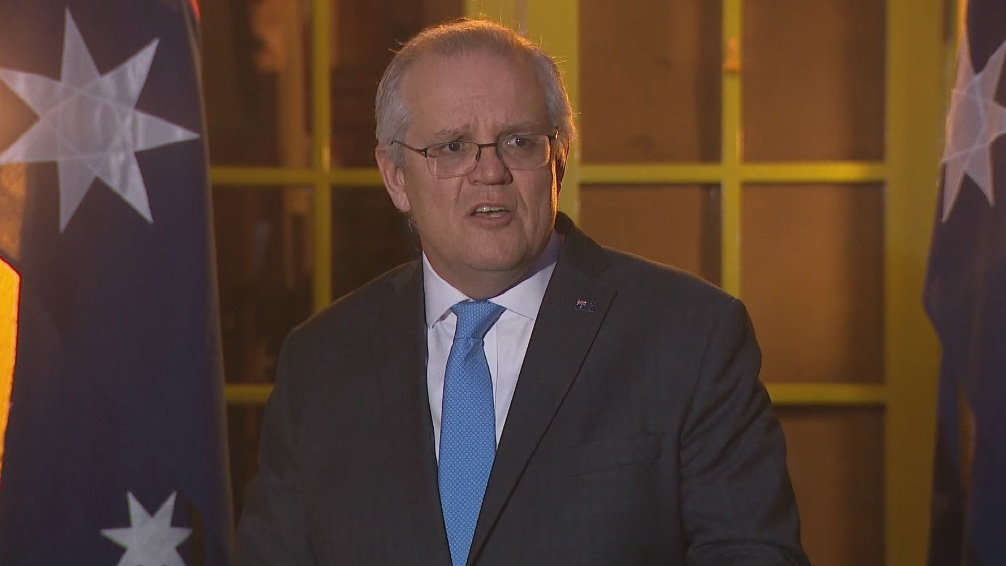
Prime Minister Scott Morrison says National Cabinet has agreed in principle on vaccine targets for Australia's path out of the COVID-19 pandemic.

Mr Morrison said 70 per cent of eligible people need to be vaccinated to get to the next phase under the four-part plan he outlined last month.

Australia will move into phase B when 70 per cent of the eligible population is double-dose vaccinated and phase C at 80 per cent.

READ MORE: How to get vaccinated – state-by-state

Scott Morrison

While he refused to set timelines, he indicated the 70 per cent could be hit before the end of the year.

"We will hit these targets with what I believe will be a gold medal run to the end of the year," he said.

While around 40 per cent of Australians have had their first dose, just over 18 per cent are fully vaccinated.

Any state or territory can only move into the next phase when the average is achieved at both a national and state level.

However, it's a high target in comparison with the rest of the world.

"I note there are only two countries, significant countries, that have reached a 70 per cent level of vaccination, double-dose of their eligible vaccination – the United Kingdom and Israel," Mr Morrison said.

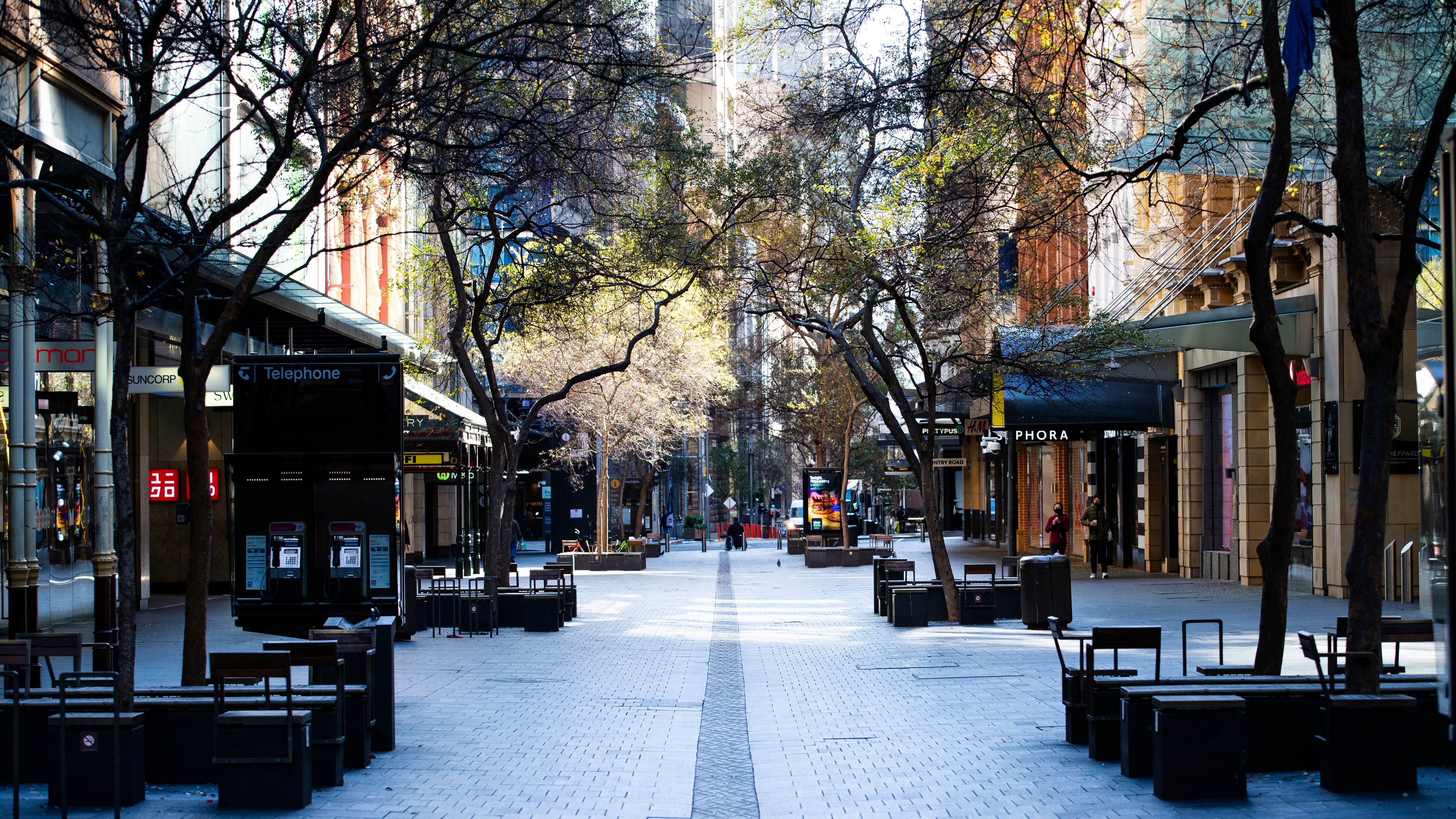
Empty streets in the CBD.

Mr Morrison said lockdowns will continue to be part of life in the first phase of his plan out of the pandemic and will remain possible, although less likely in phase B.

"Track, trace, isolate and quarantine remain very important parts of the program," he said.

"When you reach 70 per cent, the advice is you have built up a much more significant level of protection, which enables the usual settings and levers that we have to deal with an outbreak, particularly Delta, are able to be more effective."

The prime minister said 80 per cent of the eligible population will need to be vaccinated to move to phase C of the plan.

In this phase, "broad-based metropolitan-wide lockdowns" will be a thing of the past, he said.

National Cabinet leaders are using new scientific modelling from the Doherty Institute to weigh up the health risks of reopening, against the economic pain of restrictions.

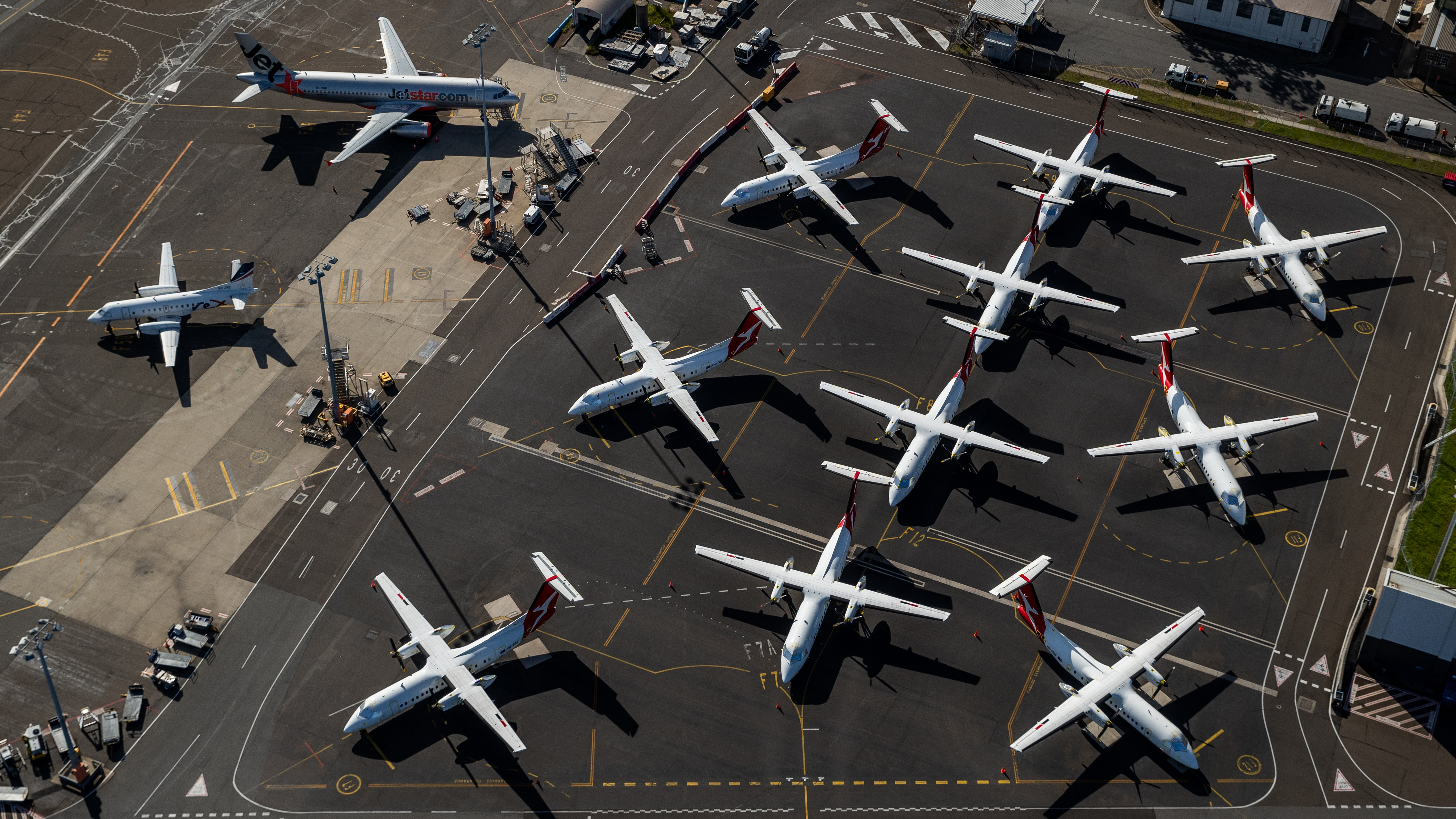
Qantas

Mr Morrison said international arrival caps will be restored to around 6000 to the current 3000 after 70 per cent vaccination is reached.

There are more than 35,000 people registered as trying to get home who can't due to the flight caps.

Caps on vaccinated Australians returning will be abolished altogether in phase C.

Mr Morrison said there will be a gradual reopening of "inward and outbound international travel with safe countries".

He said a country would be considered safe if it had the "same sort of vaccination levels as Australia" along with "proportionate quarantine".

The prime minister says people entering Australia would need to have a "recognised" vaccine, in order to reap the potential benefits including skipping quarantine.

The final phase of getting back to normal has no vaccination target.

"It is too hard to say what the situation will be down the track," Mr Morrison said.

"It will depend on the booster program, which we have ample vaccines for.

"But the durability and the proof of those vaccines over time, there are too many unknowns before we can understand life as normal, but that's certainly where we are heading."

Meanwhile, more than 210,000 vaccine doses were done today across the nation – a new record.

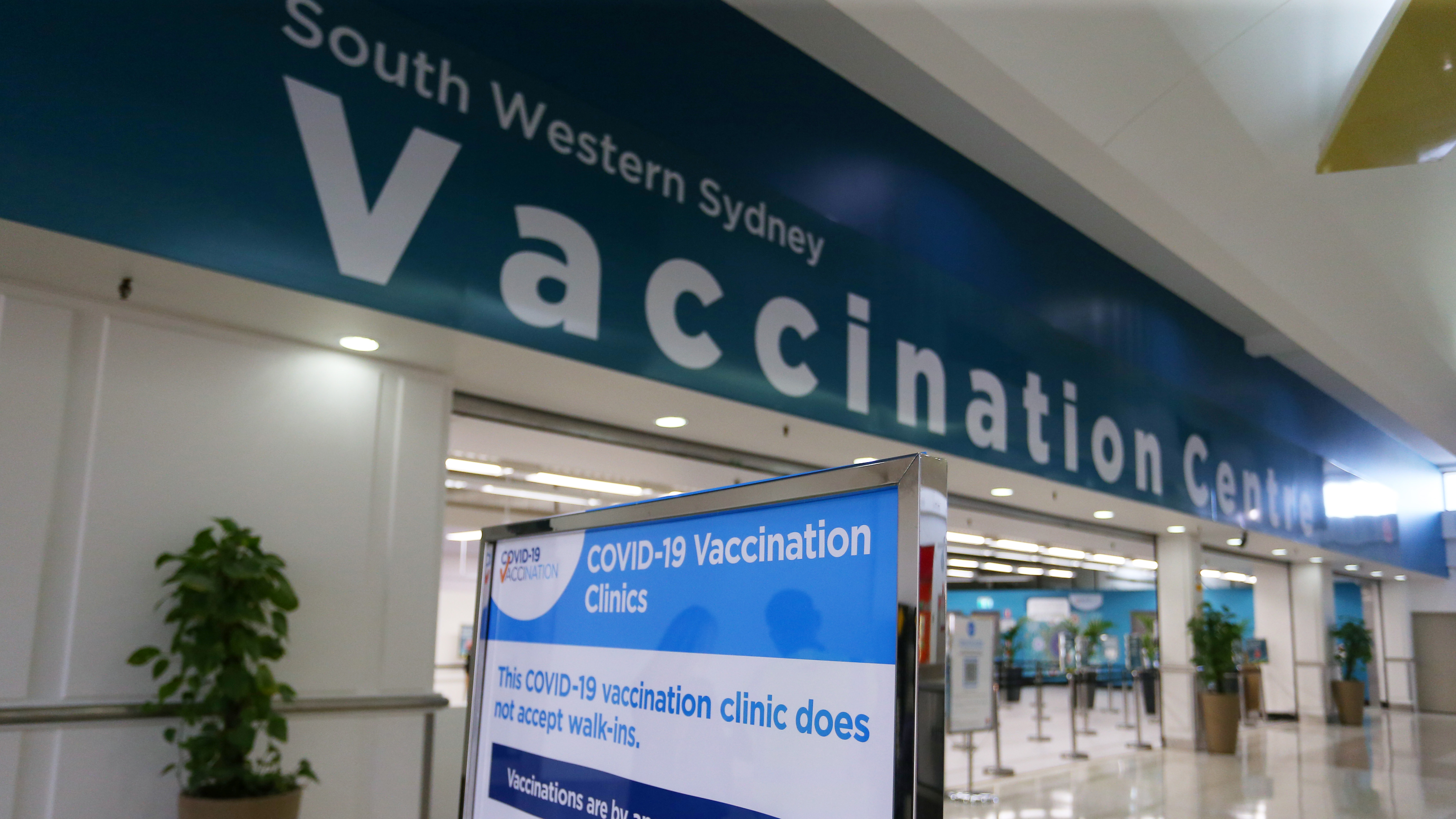
https://twitter.com/ccroucher9/status/1421016762879938560The newly opened South Western Sydney Vaccination Centre at Macquarie Fields.

Brisbane school with COVID-positive student listed as close contact site

A Brisbane high school attended by a student with COVID-19 has been named a close contact exposure site, meaning anyone at the school at specified times in the last two days will be required to quarantine.

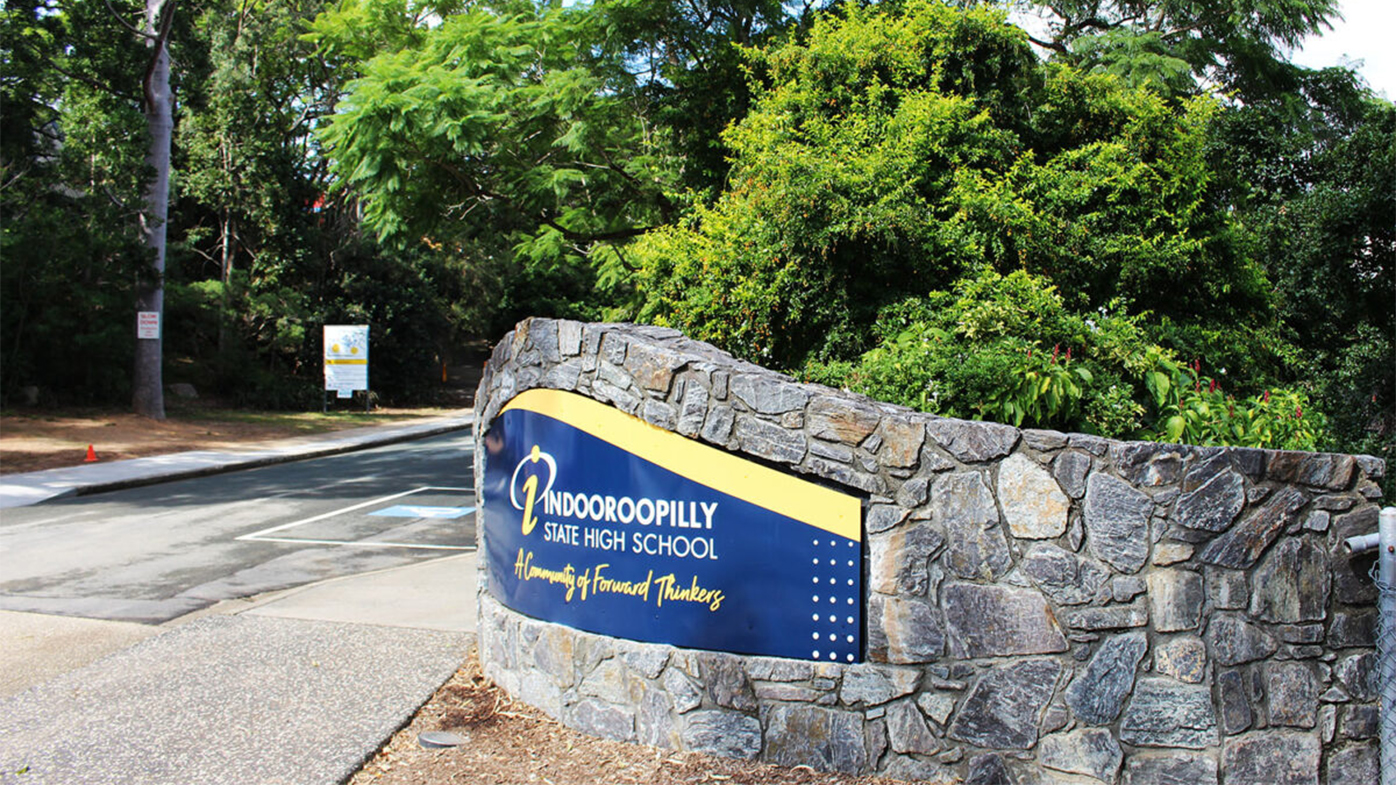
Indooroopilly State High School, in the city's west, was locked down for 48 hours for deep cleaning after the 17-year-old female student's test came back positive late last night.

The school was this afternoon named a close contact exposure site, meaning anyone who was there from 8am to 10am on Tuesday or 8am to 3.30pm on Wednesday must immediately quarantine at home and get tested.

LIVE UPDATES: Troops called in to patron Sydney's hotspot suburbs as cases skyrocket

The school has more than 2400 students.

The student had attended school for the past two days before becoming unwell yesterday.

New exposure sites

Close contacts

  • Indooroopilly: Indooroopilly State High School, Tuesday July 27 from 8am to 10am and Wednesday July 28 from 8am to 3.30pm
  • Ipswich: CBD Community Vaccination Clinic, Ipswich Mall, Thursday July 29, 8am to 9am

Casual contacts*

  • Virgin Flight VA466: Brisbane to Perth, Sunday July 18 from 12.53pm to 5.12pm
  • Chermside: David Jones, Westfield on Friday July 23 from 11.06am to 11.13am

Low risk

  • Ipswich: Nicholas Street Mall, Thursday July 29, 8am to 9am
  • Ipswich: Ipswich Hospital Fever Clinic, Thursday July 29, 9am to 10am

* These are related to previous cases but have only just been uploaded on the Queensland Health website today

Authorities are at a loss to explain how the teen contracted the virus.

"She became unwell yesterday and went and got tested and overnight, her result has come back positive," Health Minister Yvette D'Ath said this morning.

"We are testing her family members. It's a family of five.

"She's been in the community for three days and at school for two days, so I understand the school has already notified families and have closed down for a deep clean."

Chief Health Officer Dr Jeanette Young said the teen came forward for testing after having a headache, but how she caught COVID-19 remains a mystery.

"We'll have to wait until we get whole genome sequencing results back later today to work out from where she's got this," Dr Young said.

More information will be posted on the Queensland Health website when it becomes available later today.

The girl had been in the community for three days from July 27 and at school for two days.

Health authorities have used today's new case to once again urge the community to come forward for a COVID-19 vaccination, particularly those aged over 60.

"You are the most at-risk group – we know that you're the group that if you get infected you do have a higher risk of getting severe disease and potentially dying," Dr Young said.

"We have plenty of AstraZeneca available in Queensland."

https://twitter.com/AnnastaciaMP/status/1420871824758382596?ref_src=twsrc%5Etfw

READ MORE: Backpackers forced into lockdown in Brisbane not told when they'll be let out

Dr Young said the new local case is "quite concerning".

"We do know that we have had 13 incursions of the virus into Queensland over the last six weeks and we know that in any particular outbreak, someone with can get infected, not have symptoms and then spread the virus to someone else, which is why it's critically important that we all remain very, very cautious until the vast majority of people have been able to be vaccinated," she said.

"So masks, maintaining social distance, being careful when you're out and about, all of those things are important when we move forward."

The school will remain closed for at least the next 48 hours, Acting Executive Principal Derek Weeks said in an email last night.

"We are continuing to liaise with public health authorities and our own department in relation to the latest developments and will act immediately on their advice should there be an identified need to do so," Mr Weeks wrote in the email.

"The health, safety and welfare of your children, our students, continues to be my number one focus.

"If you, or a member of your family, are feeling unwell or displaying symptoms of COVID-19, please consult your GP.

"I look forward to welcoming our school community back as soon as we are safely able to do so."

Last night, the school hosted a three-and-a-half-hour event attended by tertiary educators from more than a dozen universities, colleges and TAFEs as well as the Australian Defence Force Academy.

The University of Queensland at Springfield was today also closed for cleaning as a precaution.

READ MORE: Virus alert for Brisbane backpacker hostels, airport, hospital and Gold Coast shopping centre

Instructor killed, passenger injured in skydiving crash

A skydiving instructor has died and his passenger has suffered life-threatening injuries after they crash-landed in a coastal Victorian town this afternoon.

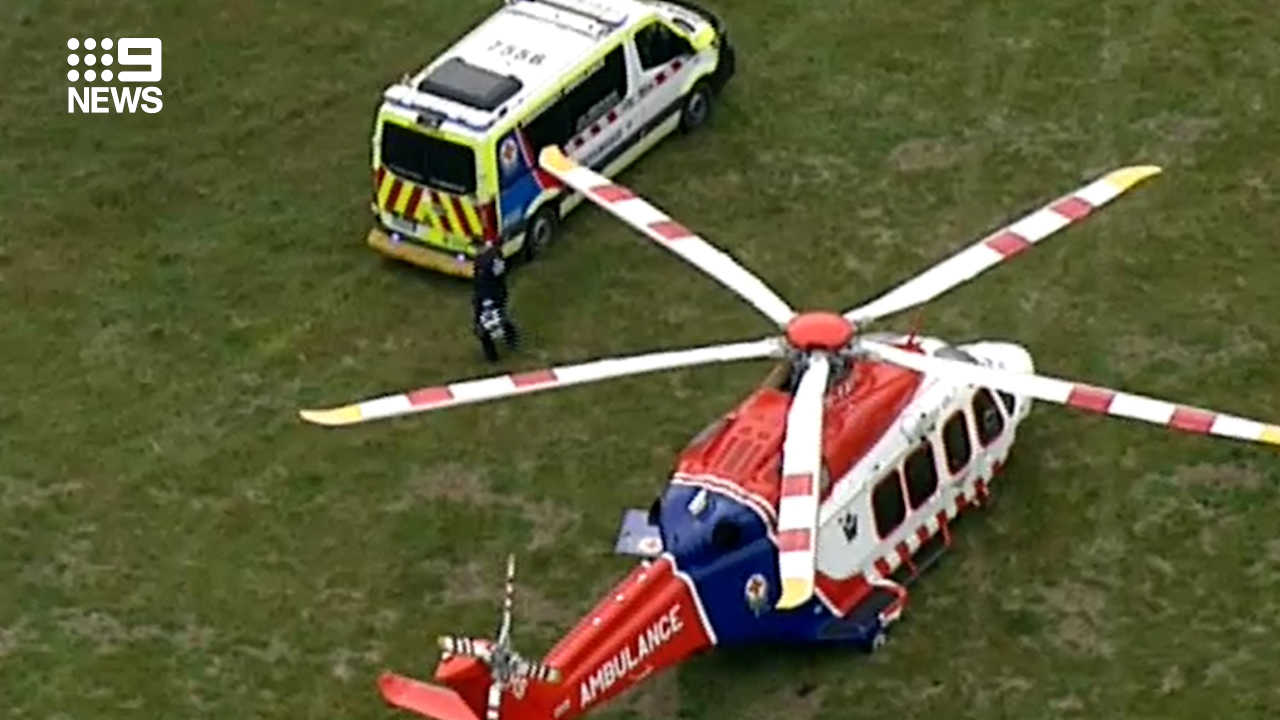
Police said the pair were doing a tandem jump when they "got into difficulty" and came crashing down to land in a paddock on Fischer Street in Torquay about 12.30pm.

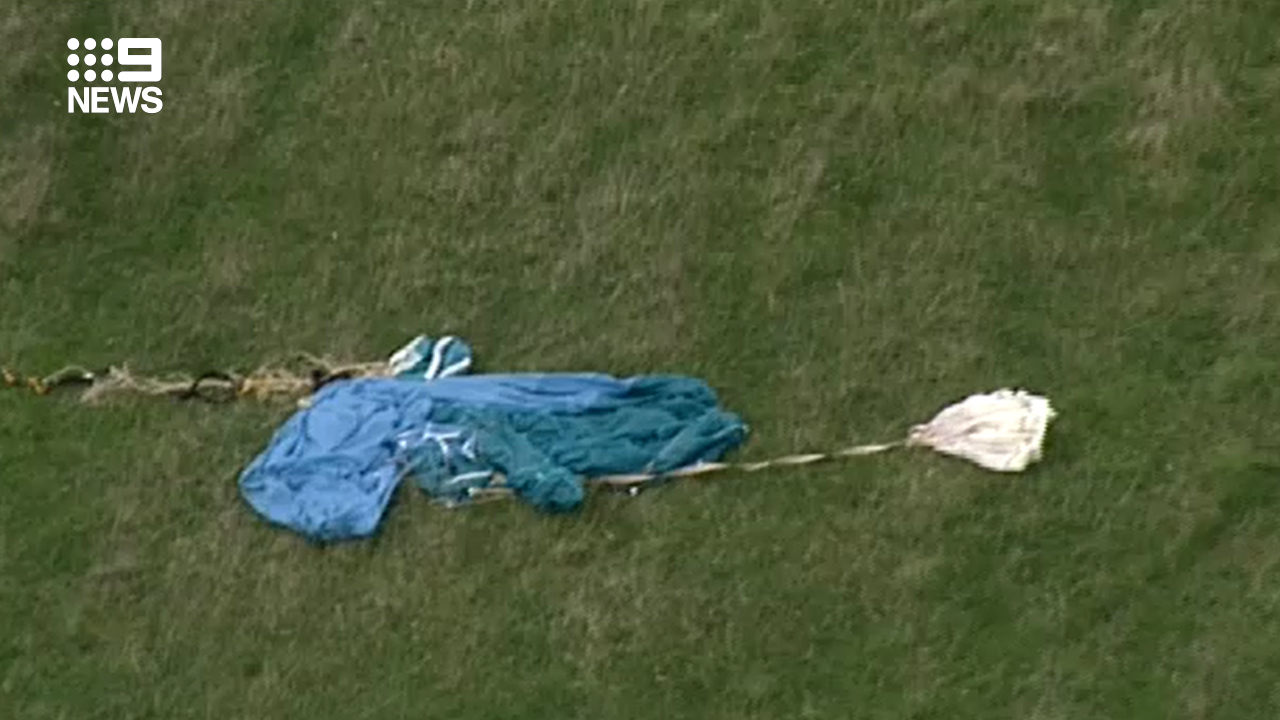
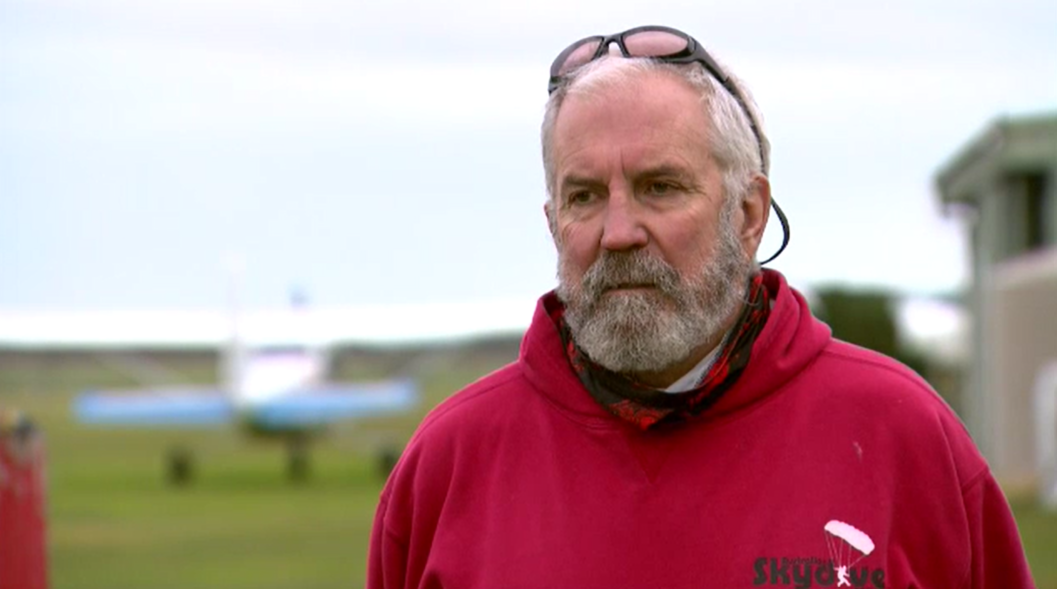
Co-owner and Chief Instructor of Australian Skydive Ralph Hamilton-Presgrave told 9News both of the pair's parachutes failed to open, causing them to plunge to the ground.

READ MORE: Victoria's mystery case linked to apartment complex outbreak

Mr Presgrave said the instructor copped the brunt of the fall in an attempt to protect his passenger.

"They did their freefall, they opened their parachute, the main parachute hasn't opened correctly," he said.

"They've elected to use their second parachute and ran into difficulties.

"The instructor has taken the brunt of the fall of the landing and put himself in jeopardy to try and minimise the passenger's injuries."

Mr Presgrave said the instructor was "very experienced" and "definitely capable of doing everything he had to do".

"The actual parachute malfunctioned and that's why we always carry two. In this instant, both parachutes haven't opened correctly.

"I don't know how and I don't know why. It will be investigated fully."

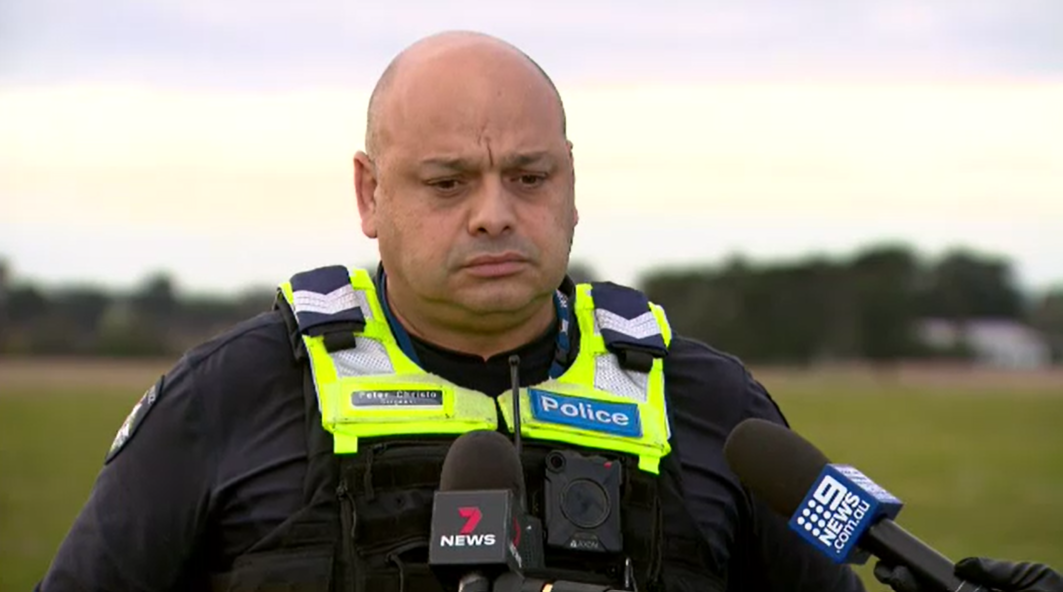
Sergeant Peter Christo from Torquay Police said paramedics worked on the instructor, aged in his mid-30s, for about 20 minutes before he took a "downward turn" and died at the scene.

"Unfortunately there was a parachuting incident where a parachute failed to open up," he said.

"Once the parachute didn't open, there were emergency attempts made to open up the chute and unfortunately, couldn't open the chute.

"As a result of that, we have a deceased male. I believe the instructor may have cushioned a lot of the blow for the client."

The injured passenger, understood to be a man aged in his 50s, was flown to The Alfred hospital with a broken leg.

Police will prepare a report for the coroner and investigate the crash alongside the Australian Parachute Federation and WorkSafe.

Driver reveals grief after killing his best mate in a high-speed crash

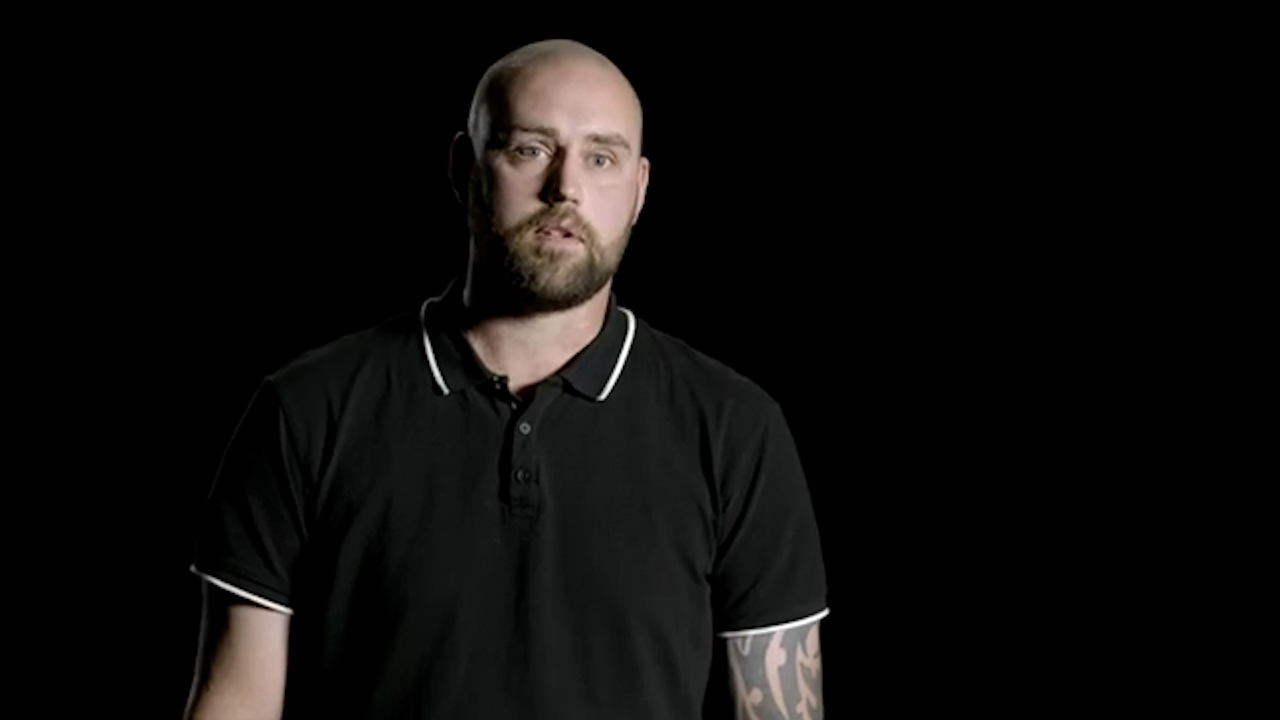
South Australian man Nicholas Holbrook was 18 when he was killed by his best mate Phillip in a high-speed crash.

Mr Holbrook died when the car he was a passenger in slammed into a tree on West Lakes Boulevard in the Adelaide suburb of Westlakes in 2009.

The crash was devastating for both the first responders that attended and Mr Holbrook's parents Glynis and Michael.

READ MORE: Three generations of one South Australian family involved in horror double fatal crash

South Australian man to reveal grief after killing his best mate in a high-speed car crash

In never-before-seen interviews, they're telling their stories to warn South Australians about the long-term trauma of car crashes.

Phillip, the driver, will also expose the psychological and emotional scars left by the experience of killing his best mate.

SA Police Deputy Commissioner Linda Williams said the interviews warn "that one stupid act on the road can cause life-long damage".

READ MORE: Skydiver seriously injured in coastal Victorian town

South Australian man to reveal grief after killing his best mate in a high-speed car crash

"Nobody wants to live with that guilt," Deputy Commissioner Williams said.

Appearing on TV from Sunday, the campaign includes 13 different commercials which will be released gradually to build the story of Mr Holbrook's crash from various perspectives.

The first will be Phillip's account of the moment he learned his driving had caused his best mate's death.

The campaign will also appear on billboards, in shopping centres, online and on social media.

READ MORE: Qantas to roll out digital health pass for international flights

Police Minister Vincent Tarzia said these are "real stories told by real people".

"I can't see a situation where people wouldn't be affected in some way by these heartbreaking stories," Mr Tarzia said.

"Watching this campaign resonated with me on so many levels – as a father-to-be, a son, a brother, a friend."