A body has been found at a lodge in a remote part of the Marlborough Sounds. Police and Fire and Emergency Services staff attended the incident at Furneaux Lodge today, which is along the Queen Charlotte track in Endeavour Inlet….
Category Archives: headline
PM rejects Victorian Premier's call to put 'ring of steel' around Sydney
Prime Minister Scott Morrison has rejected Victorian Premier Daniel Andrews' call to enforce a "ring of steel" around Sydney.
Mr Andrews today called for the city to be encased in a ring of steel as the Delta coronavirus outbreak continues to surge.
The premier said there was a "national responsibility" to contain the out-of-control Sydney coronavirus outbreak otherwise the "whole country will end up in lockdown".
LIVE UPDATES: Sydney situation a 'national emergency'
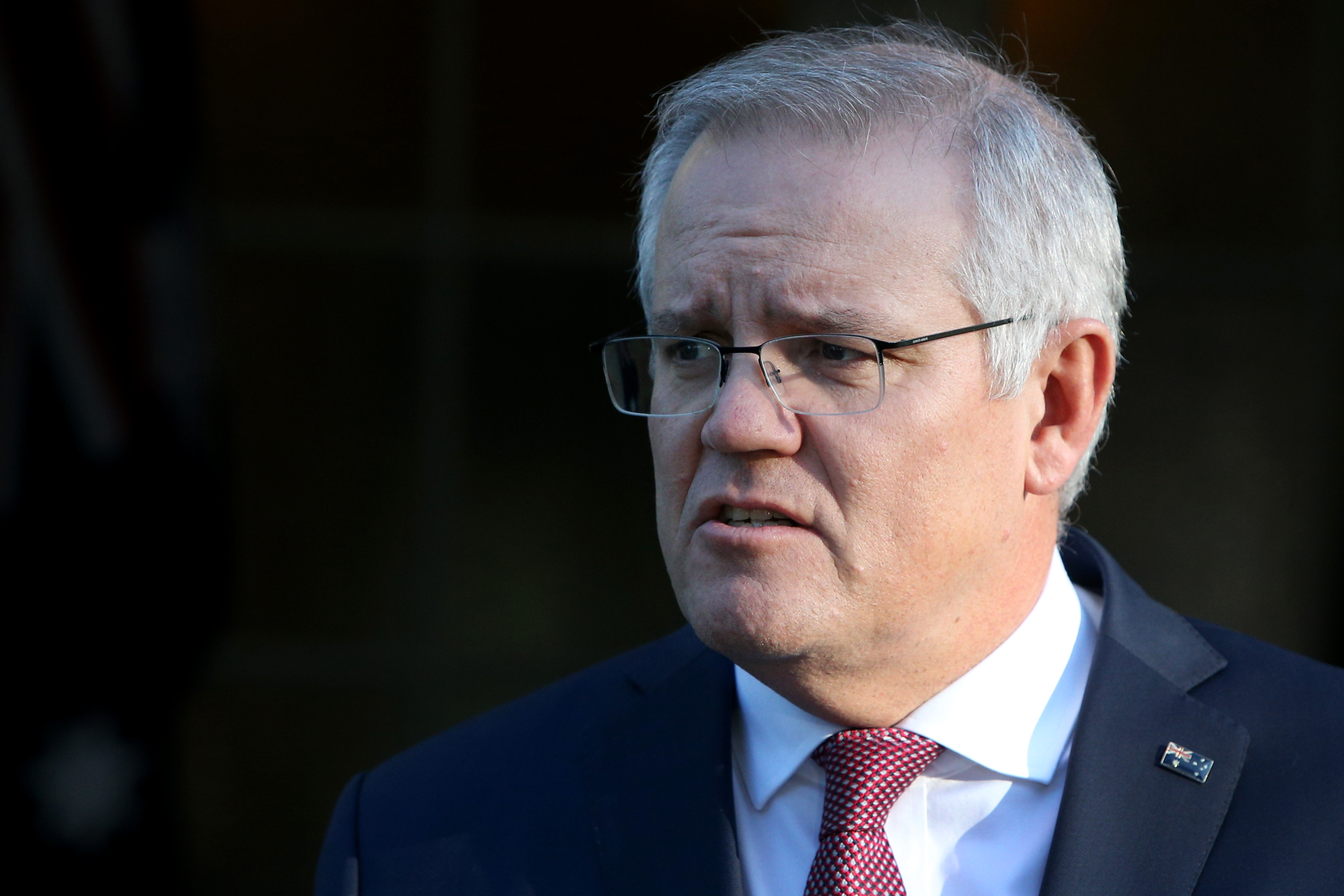
"Sydney is on fire with this virus and we need a ring of steel around Sydney," Mr Andrews said.
"There is a national responsibility to do everything possible to contain it where it is now. Not to see it spread."
Mr Andrews raised the issue at today's National Cabinet meeting of premiers and the prime minister.
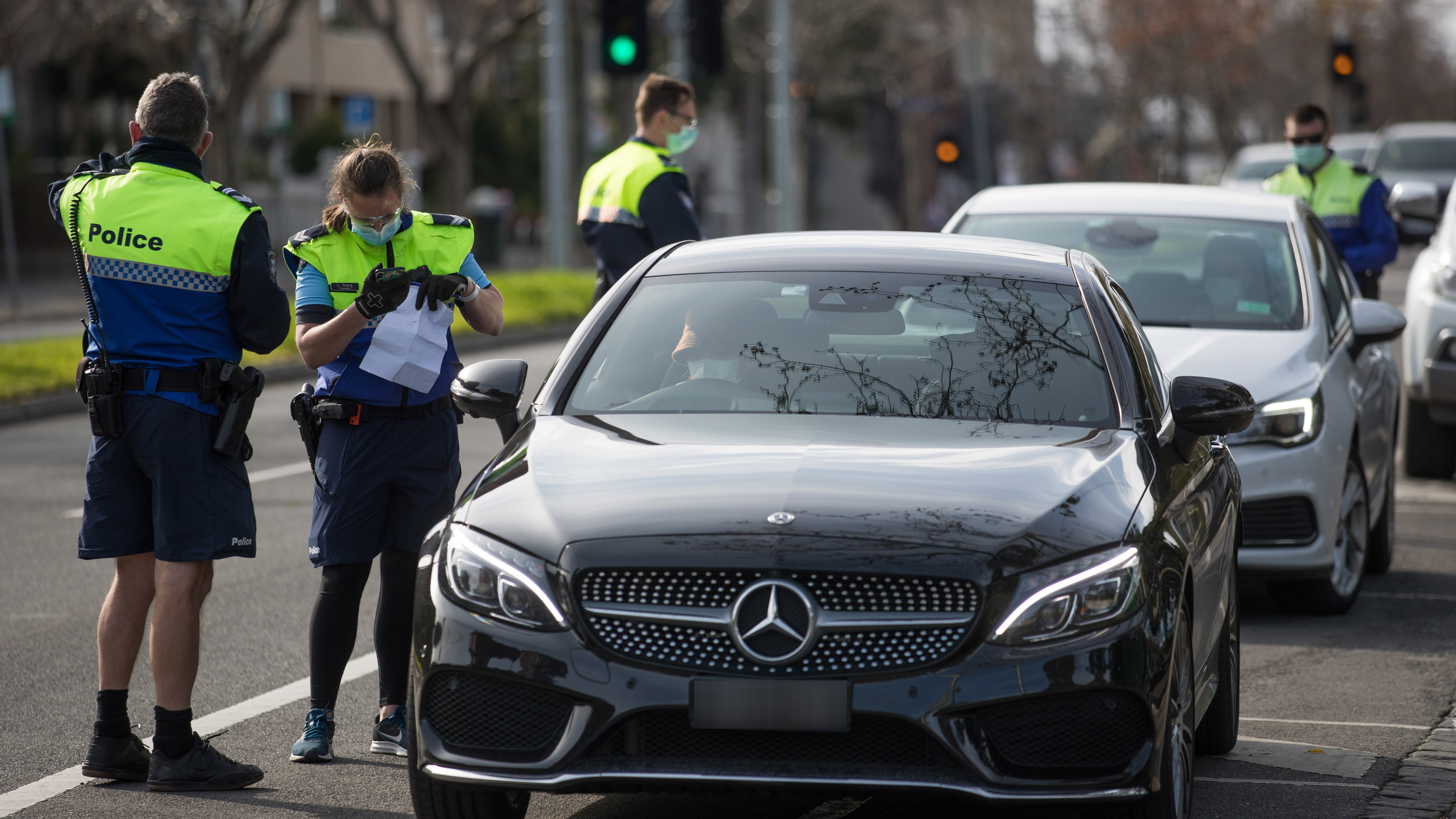
But Mr Morrison today rebuffed the views of the premier, insisting it was up to NSW Premier Gladys Berejiklian to manage lockdown measures.
"The only view that matters on this is the view of the New South Wales Premier because they are responsible for how they manage the lockdown in New South Wales," he said.
"There is nothing light about the lockdown in Sydney, I can assure you. My family are in it.
"I'm quite certain that people living in Greater Sydney do not feel they are under loose restrictions."
Currently Victoria, South Australia and the regional NSW town of Orange are also under stay-at-home orders.
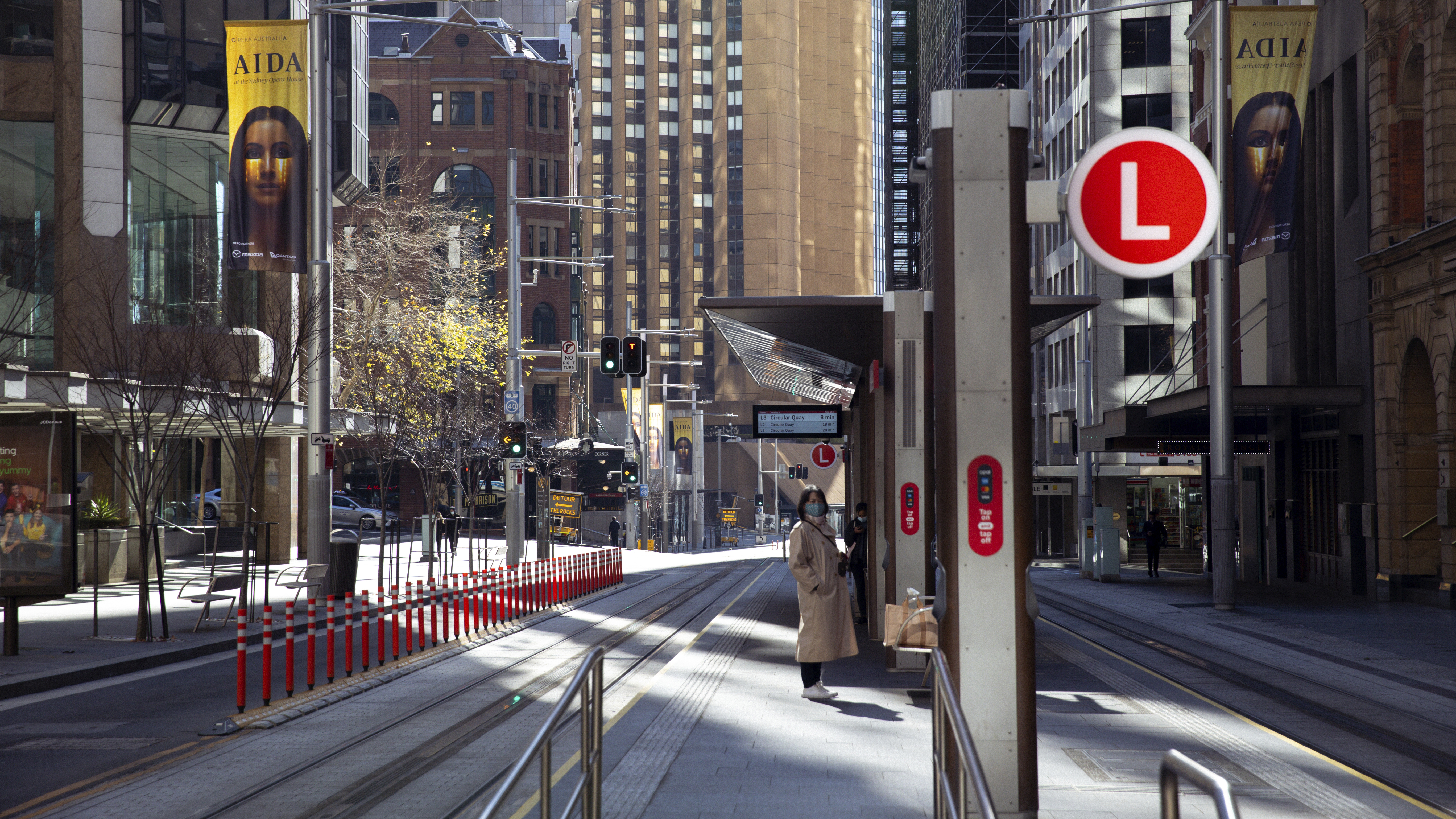
During Melbourne's lockdowns last year, police were stationed around the edge of the city stopping people from travelling to regional areas without a valid reason.
However, Sydney's current restrictions do already mean people are not allowed to leave home except for a small list of reasons, with extra rules for more areas of the city's west and south west announced today.
In line with the restrictions on Fairfield, Liverpool and Canterbury-Bankstown, workers in Cumberland and Blacktown will no longer be allowed to leave those communities unless they are health and emergency workers.
READ MORE: Restrictions tightened across south-west Sydney
Mr Andrews today implored for stricter measures after NSW Chief Health Officer Kerry Chant described the situation in the state as a "national emergency".
The Victorian Premier said NSW seemed to have "crossed a threshold" with a surge in COVID-19 cases.
"How many more states do we want locked down?" he said.
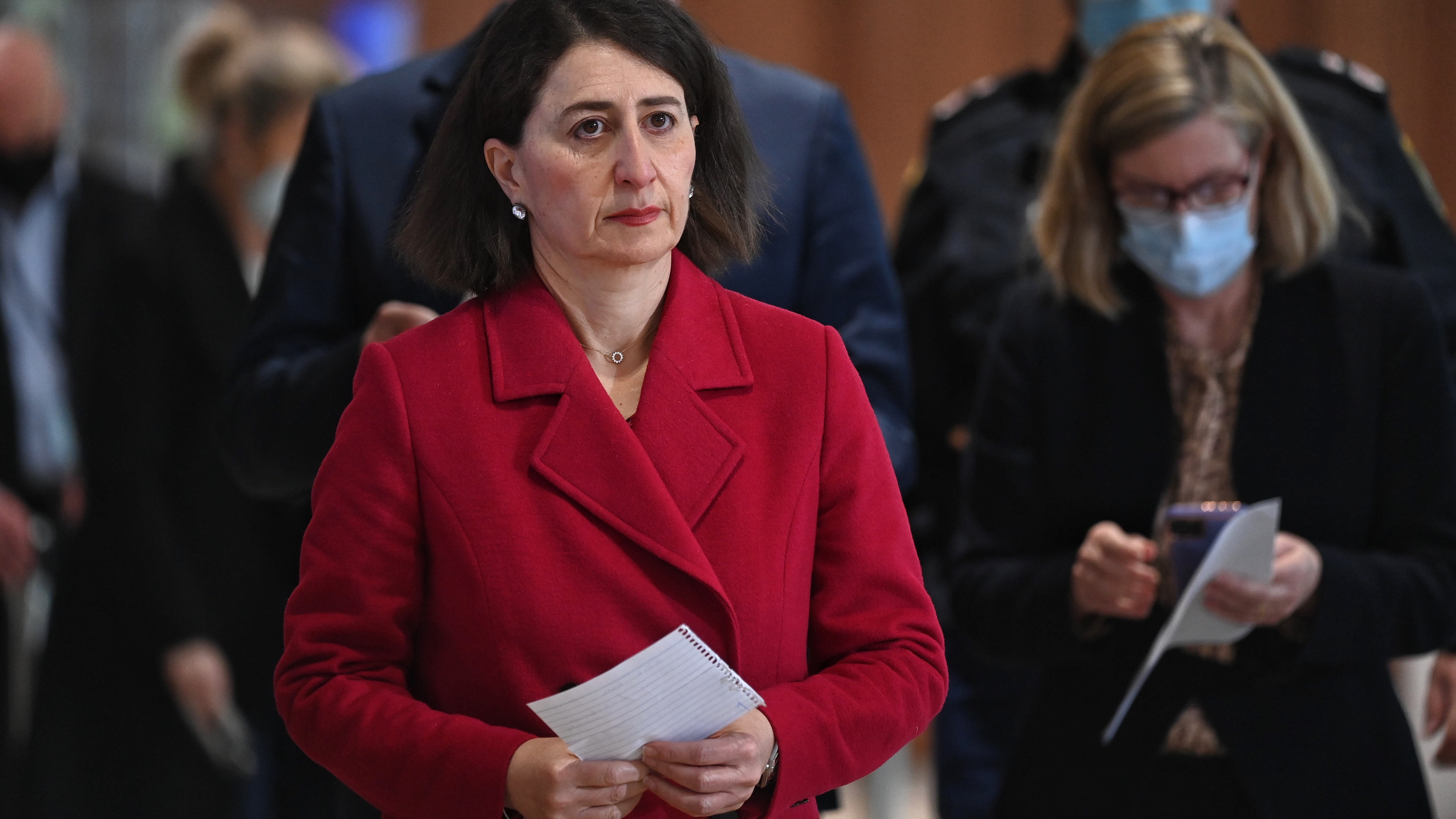
"We did it last year to protect country Victoria and our country, and the same must occur in relation to Sydney.
"There is a national responsibility to put a ring of steel around Sydney."
Police, authorised officers and ADF personnel could help man the proposed border to protect the virus from seeping into other states, Mr Andrews suggested.
New South Wales recorded 136 local COVID-19 cases today, 53 of which were infectious in the community.
Man avoids jail after teenage girls bashed in Sydney park
A Sydney man who kicked a teenage girl unconscious has narrowly avoided jail.
William Shepley was one of three friends involved in a sickening brawl with high school students at Pirrama Park in Pyrmont on the night of Mardi Gras in March.
Video posted to social media shows the 15- and 16-year old girls being punched, kicked, dragged and thrown off a concrete ledge.
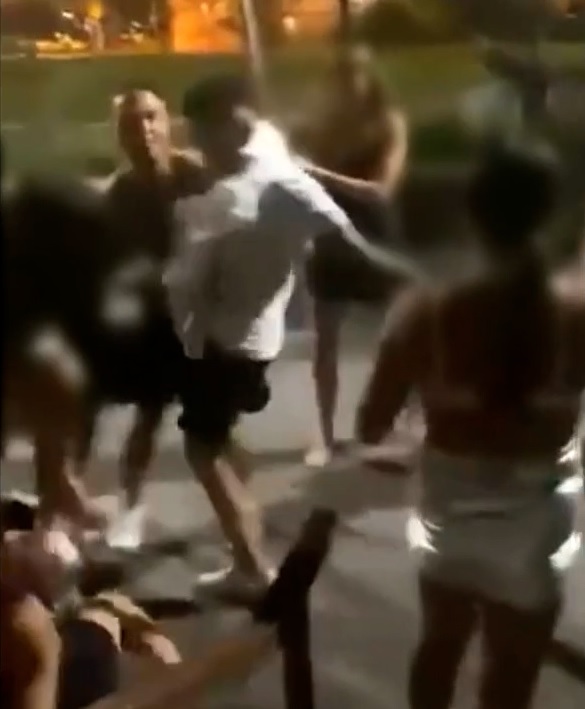
Three of the victims suffered serious injuries, including concussion.
At the time, NSW Police Commissioner Mick Fuller told 9News he'd never seen "such disgraceful footage".
Shepley today pleaded guilty to charges of affray and common assault.
The prosecutor described the fight as disturbing and fuelled by alcohol.
The court heard the 23-year-old kicked a girl until she blacked out, yet when he went to prison for 17 days, he was petrified he'd be the victim of a revenge attack.
Shepley's barrister Michael Coroneos argued his client should not be sent back to jail because he has a clean record and suffers from depression and PTSD.
He'd also voluntarily undergone programs to improve his life choices and had shown remorse towards the school-aged victims.
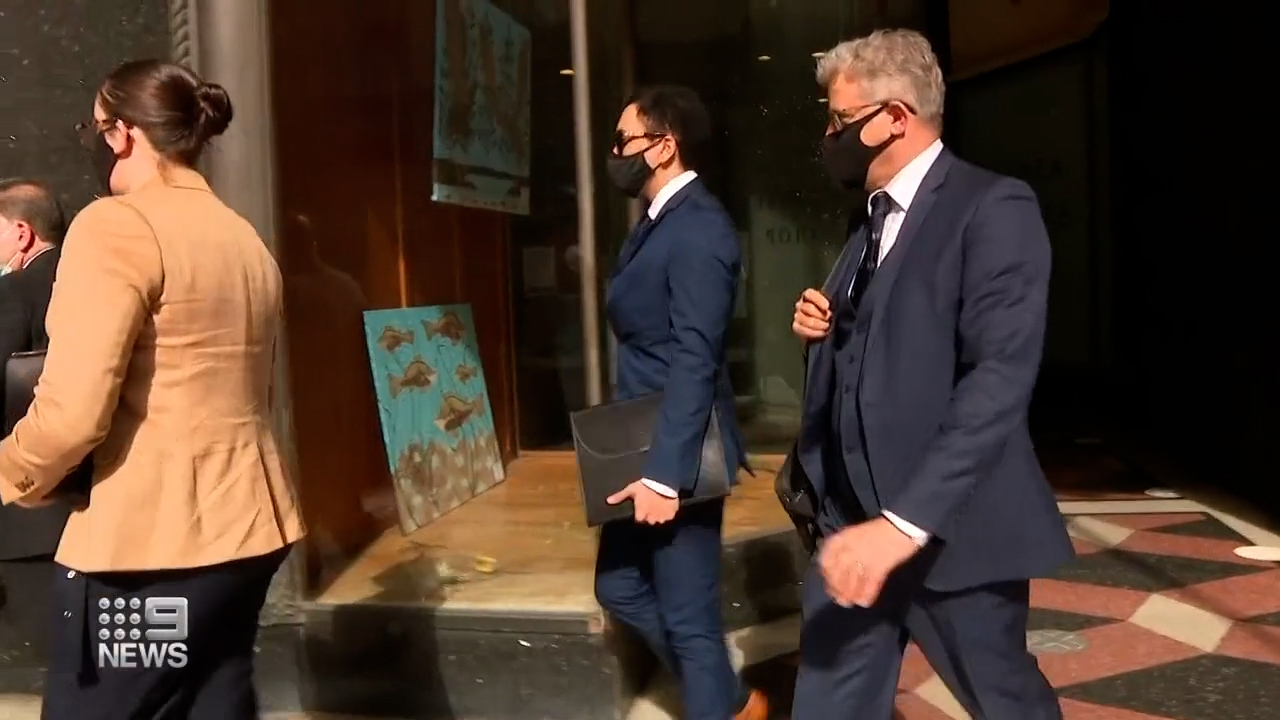
Shepley avoided a custodial sentence but was instead fined $1400 and will have to be of good behaviour for the next two years.
His co-accused Jesse Mackenzie is serving 20 months behind bars while the third man involved, Hong Lee, also avoided being locked up after being convicted.
First Group of Evacuated Afghans Going to Virginia
The Biden administration plans to send the first group of Afghans – who are being evacuated amid threats to their lives for helping U.S. troops during the war – to a military base in Virginia, a congressional aide notified about the plans confirmed Monday.
Spokespeople for the State and Defense departments later also announced the plans to send the first group of Special Immigrant Visa (SIV) applicants to Fort Lee, Va.
“These are brave Afghans and their families, as we have said, whose service to the United States has been certified by the embassy in Kabul, and who have completed thorough SIV security vetting processes,” State Department spokesperson Ned Price said at a news briefing. “They will be provided temporary housing and services as they complete the final steps in the special immigrant process.”
The plan: Up to 2,500 Afghans who are in the “very final stages” of applying for SIVs are expected to be sent to Fort Lee while they wait for “final medical screenings and final administrative requirements,” Pentagon press secretary John Kirby said at separate briefing. That includes 700 SIV applicants, while the rest are their family members.
Because they are near the end of the process, the Afghans are likely to only stay at the base for “several days or so,” Kirby added.
Some of the 2,500 may also be sent to other military bases inside the United States in addition to Fort Lee as the Pentagon continues to look at options to house SIV applicants, Kirby said.
Earlier: The news, which was first reported by Reuters, comes after the Biden administration last week formally announced “Operation Allies Refuge,” which officials said would start evacuations at the end of July.
Sending the Afghans to Fort Lee represents a shift from the administration’s initial statements on looking to send them to third countries or U.S. facilities outside the continental United States.
But the Pentagon last week did say it also started looking at facilities within the continental United States in order to give the State Department, which is leading the operation, as many options as possible.
Other groups sent elsewhere: The Pentagon is continuing to look into overseas facilities to house Afghans who are less further along in the visa process than the group coming to Virginia and so need “additional security vetting,” Kirby said Monday.
Plans are underway to relocate about 4,000 applicants and their family members outside the United States, Price said.
This group has passed the “chief of mission screening” process, Price said, but has yet to complete the more vigorous security clearance vetting process to come to the United States, which can take several months.
Why Fort Lee?: For those coming to Fort Lee, the Pentagon will provide food and water, “appropriate medical care” if needed and “as much comfort as we can provide,” such as providing access to religious facilities, Kirby said. The department will not need to build new housing for them on the base, he added.
Asked why Fort Lee was chosen as the initial site to house the Afghans, Kirby said the base “just made a lot of sense for a lot of different reasons.”
Kirby declined to say when the first group would arrive at Fort Lee, citing security concerns.
The background: The Biden administration has faced increasing pressure from lawmakers and advocates to evacuate Afghans who served as interpreters or otherwise helped the U.S. military during the war as the United States nears its final exit from Afghanistan after nearly 20 years.
The pullout from America’s longest war is about 95 percent done, with President Biden setting an official deadline of Aug. 31 for the end of the withdraw
The post First Group of Evacuated Afghans Going to Virginia appeared first on The St Kitts Nevis Observer.
Baby orca Toa dies – Whale Rescue
Baby orca Toa has died, the Department of Conservation has confirmed.The juvenile orca, aged between 3 and 6 months, was found stranded on rocks at Plimmerton beach near Porirua on July 11.Search efforts over the past 12 days…
Trading Sex for Cosmetic Surgery in Mexico’s Narco Capital
image copyrightGetty Images
BBC- The western Mexican state of Sinaloa is home to the country’s most powerful and bloody drug cartel. The money it generates has left its imprint on the relationships between narcos and young women – and fuelled a local obsession with plastic surgery.
On the desk in her clinic in the city of Culiacan, Dr Rafaela Martinez Terrazas has a stack of applications from potential clients – women wanting surgery. Most of them ask for procedures associated with what has become known as the “narco-aesthetic”.
“A smaller, defined waist… Wider hips with bigger buttocks… And if we’re talking breasts, they’re generally large,” says Martinez.
A woman with this hyper-feminised, exaggerated silhouette is often referred to as la buchona in Mexico – especially if she has a taste for flashy, designer goods and has a narco lover.
“The average age of my patients is between 30 and 40. But very often much younger women come – even minors under 18,” says the doctor.
“They compete with each other – who has the best body, or the tiniest waist.”
The women and teenagers might come for a consultation with their mothers or friends. Others arrive with a man, or alone.
Ulises Escamilla
I explain to them that after a while he won’t be their boyfriend any more, but their body will be theirs for the rest of their lives
“Often they come with a boyfriend who pays for the surgery. And I have various gentlemen who call me and say, ‘Hey, doctor – I’m going to send you a girl to operate on.’
“One guy rang me and said, ‘One of my girls is coming to see you. Now doctor, you know what I like. Don’t take any notice of what she says – that’s what I’m paying you for,’” Martinez says.
“I told him to sort it out with her, because when the patient’s in my operating theatre, she will make the decisions.”

What is ‘la buchona’?
 image copyrightGetty Images
- The origin of the term is contested, but it is used to refer a look that includes a surgically enhanced hour-glass figure, flashy clothes and expensive accessories
- Narcos favour la buchona girlfriends – but many women who adopt this style do it simply because it’s fashionable, not because they have links to drug-trafficking
- The Kim Kardashian look (above) has sometimes been called buchona
This man has sent maybe 30 women to Rafaela Martinez for surgery. At around $6,500 (£4,700) for lipo-sculpture, procedures are not cheap. Often the payment is made in cash.
“Obviously, in these cases the money comes from drug-trafficking,” Martinez says. “I used to say, ‘This definitely isn’t good.’ Now, it’s not that I’ve changed my mind, but I no longer think about it so much before operating. That’s because the economy here in Sinaloa – restaurants, bars, hospitals – depends on drug-trafficking.”
Martinez tries to counsel women whose operations are paid for by a lover.
“I ask the patient if she’s OK about the surgery he wants her to have. Sometimes they say, ‘It’s fine, whatever he wants.’ And I explain to them that after a while, he won’t be their boyfriend any more, but their body will be theirs for the rest of their lives. So they must choose what they want – not what he wants.”
In her consulting room, the doctor sees the evidence of semi-contractual, often temporary liaisons between men and women. These are personal relationships in Sinaloa shaped – some would say misshaped – by drug trafficking.
A woman might say, ‘OK, my body’s yours for six months if you pay for the operation, Pedro
personal trainer
personal trainer
“For a narco it’s really important to have a beautiful woman at his side… It’s like the prototype for every narco,” says Pedro (not his real name).
Pedro is a powerfully built man in his 30s who does not want to be identified. He describes himself as a personal trainer, and moves in drug-trafficking circles in Sinaloa.
“Men compete with each other for women. Your wife is someone who will be at home looking after your children. The other women you have are more like trophies.”
A narco’s wife
Emma Coronel Aispuro, wife of the notorious former head of the Sinaloa cartel, Joaquín “El Chapo” Guzmán, pleaded guilty in June in Washington DC to conspiracy to distribute drugs and a range of other charges. She reportedly met Guzmán as a teenager at a beauty pageant in Durango, Mexico, in 2007, and agreed to marry him that day.
https://www.instagram.com/p/CCJx4Tvh596
And there is something more basic at work too.
“Men are motivated by lust – for large buttocks and breasts. More than anything it’s lust,” he says.
Pedro has paid for plastic surgery for two women.
“Maybe someone you know tells you, ‘My friend wants her breasts done, or her buttocks, or her nose fixed. She’s looking for a sponsor.’ And if the man’s attracted to her, then he’ll be her sponsor or godfather,” he says.
A deal is done.
“So a woman might say, ‘OK, my body’s yours for six months if you pay for the operation,’” Pedro says.
And these informal contracts may not only be for surgery.
“Often if a woman isn’t the daughter of someone with means, they look for a boyfriend who can support them,” he says. “So the agreement might be for things like a car, a house, cash or luxury items.”

In Sinaloa, where poverty is rife and life precarious as a result of the presence of so many armed groups, a “godfather” may bring a woman not only comfort, but also protection.
This is what Carmen (again, not her real name) was looking for when she made a pact with a narco. She lives in Culiacan, Sinaloa’s biggest city, but comes from a poor, rural area, where as a child she was often hungry.
“I wanted a life my family couldn’t give me because of poverty,” she says. “So when I was 16 I told my mother I was going to live by myself. I remember my grandmother said, ‘But you’re just a child, what are you going to do?’ And I said, ‘I have hands and feet, and I’m intelligent. I can work.’”
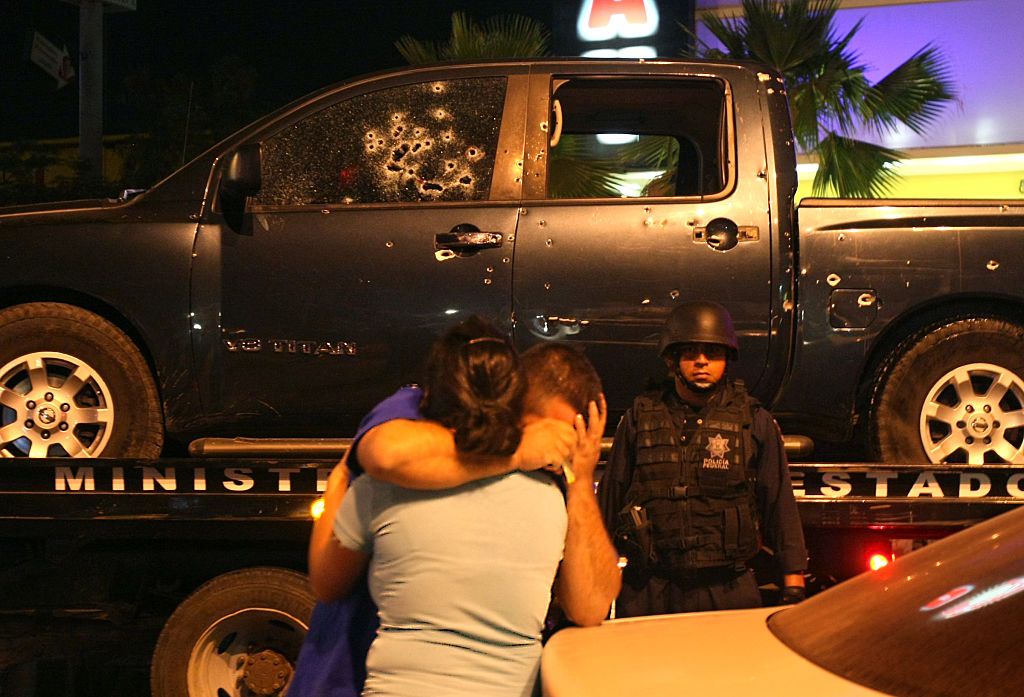 image copyrightGetty Images
Carmen moved to Culiacan, and stayed with one of the many families linked to organised crime. But in this house she was sexually assaulted. Carmen took a chance and confided in a man she met.
“He saw I was very scared and he said, ‘Take my number.’ I found the courage to leave that house, and kept in touch with him.”
The relationship became sexual.
“He told me, ‘You’re a girl, you’re alone and you have no-one to protect you in Culiacan, a dangerous city.’
“He said, ‘I’ll be your godfather.’ So I see him when he wants to see me, and all his people know who I am. I can walk around anywhere in Culiacan, and I feel super-protected that nothing’s going to happen to me.”
She doesn’t know how many other women have a similar relationship with this same man.

Carmen is bold and determined. This is a young woman who dreams of going to university and starting her own business, and she has calculated that the way to achieve her goals in Sinaloa is to succumb to the whims of a man she also identifies as extremely dangerous.
“I haven’t stopped being frightened of him. When I meet him there’s talk about mafia, about business – that scares me,” she says.
“What I try to do is forget what I heard and saw, because that can get you into trouble… Maybe my patron isn’t bad, but he’s done bad things. And he might not want to do me harm, but he could have me disappeared whether he’s bad or not.”
- Listen to Dangerous Liaisons in Sinaloa, from Radio 4’s Crossing Continents, on BBC Sounds
- Download the Crossing Continents podcast
Carmen is under pressure from her narco-godfather to have plastic surgery to transform her petite figure. So far she has managed to avoid being taken to a doctor’s consulting room.
“I think those who get surgery are insecure, and maybe they’re more interested than I am in becoming more like la buchona,” she says.
Narco culture’s obsession with plastic surgery has leaked into Sinaloa’s wider society. Billboards advertising surgeons and their wares appear all over Culiacan, assuring prospective clients they can pay with credit if they do not have ready cash. It’s not uncommon for a teenage girl to receive new breasts or a remodelled nose for a birthday or Christmas present. Men too are nipped, tucked and lipo-suctioned.
Janette Quintero
In my 20s, I was the woman with the most pronounced bottom in all of Sinaloa!
Janette Quintero, who runs a large hair and beauty salon, has had more than 20 surgical procedures.
“I love it. For a woman, having surgery is the most beautiful thing in the world – to change things that you don’t like about your body,” she says.
“In my 20s, I was the woman with the most pronounced bottom in all of Sinaloa! I wanted to be like the others.”
Now she says fashion is changing – some women are having the size of their bust and bottoms reduced. But Gabriela (also not her real name), a 38-year-old single mother with her own business, is not among them. She’s very happy with the uber-feminised curves she paid for herself after the break-up of a relationship.
Those procedures have raised her self-esteem, she says, even if they have not yet helped her attract the new partner she is looking for.
While many women in Sinaloa go through a phase of wanting to be a narco’s girlfriend, Gabriela says, she now wants a different kind of man – “someone who’s intelligent, a worker, and who’s loyal”.
But those qualities may be scarce in Sinaloa.
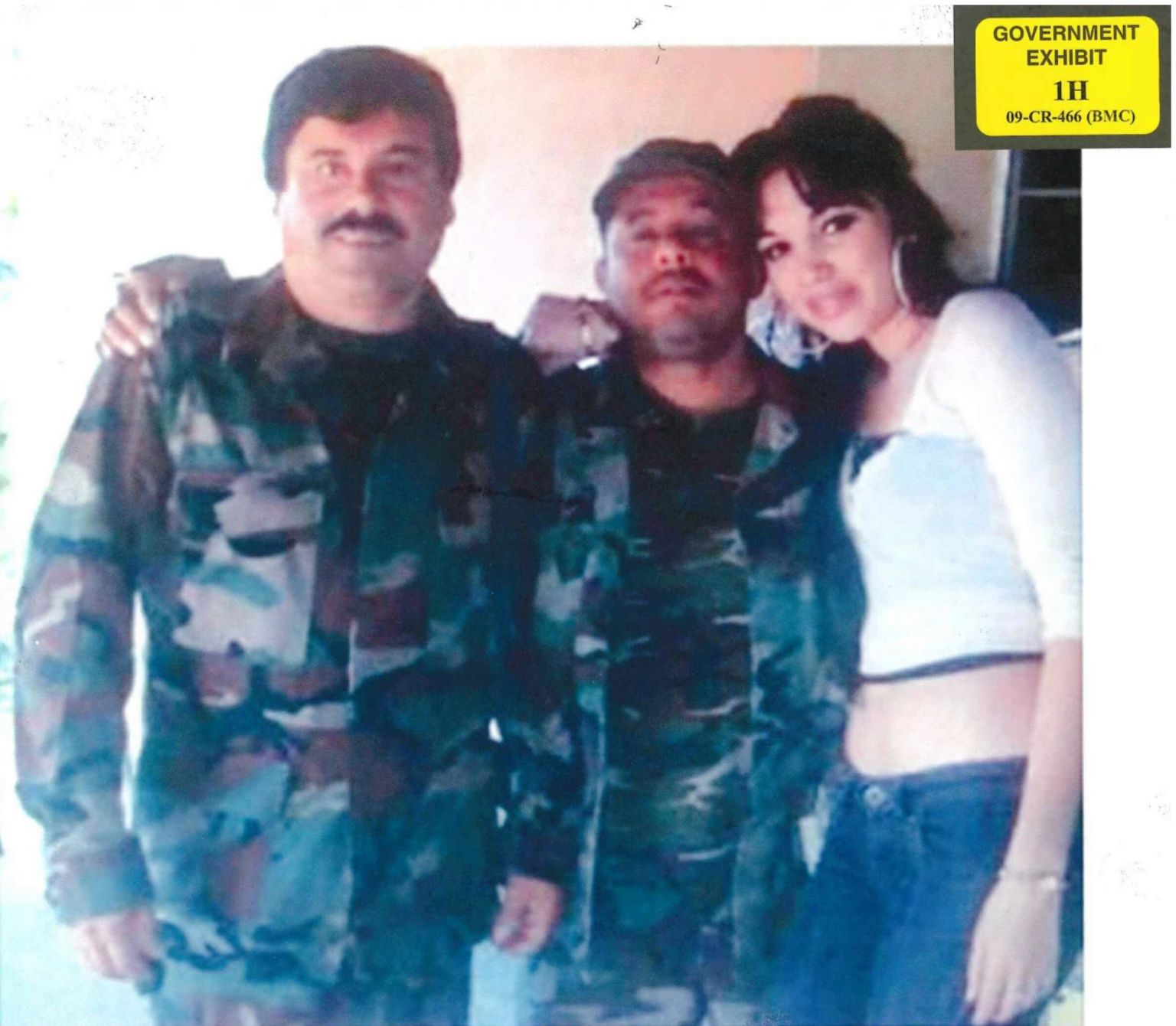 image copyrightUS Attorney’s Office
“It’s very normal for a man to have three or four women as well as other girlfriends. It’s part of the culture,” says Gabriela, philosophically.
“And what I’ve seen over time is that men have become more shameless. Women put up with it while they’re supported financially – eyes that don’t see, a heart that doesn’t feel,”
Narco culture has fostered the idea that women are property “owned” by men, says Maria Teresa Guerra, a lawyer who has spent decades advocating for women in Sinaloa.
And this increases the risk of violence against women, she believes, whether that is violence from a narco lover or his enemies.
“Women have been murdered because they’re the partner of a trafficker, or when a man feels he’s been betrayed. The narcos send a message that women belong to them,” Guerra says.
In Sinaloa twice as many women are killed using firearms than in other Mexican states.
Ulises Escamilla
I’ve known women who want to disassociate themselves from drug traffickers, but it’s complicated
“What we find in Culiacan is a high incidence of violence and cruelty against women – their bodies are found tortured and burned,” says Guerra.
“I remember the case of a young woman – her boyfriend was a narco. He paid for her cosmetic surgery. When she was killed, the assassins aimed their bullets at her breasts and her hips – the parts of her body the narco had invested in.”
How easy is it for a woman to say ‘No’ to a narco?
“I’ve known women who want to disassociate themselves from drug traffickers, but it’s complicated,” says Guerra.
“The authorities still don’t want to confront this issue of narco culture. There’s no serious fight against organised crime – there’s still complicity. It’s the narcos who are protected, not women.”
Carmen, who is committed to a dangerous liaison with a cartel heavyweight, may not quite have understood this. Or at least, she refuses to engage with it.
And she does not know how much longer she will be able to resist his entreaties to visit a surgeon to enlarge her breasts or make her bottom bigger.
“For now, he treats me like a goddess,” she says.
Maybe. But you do not cross the men with guns in Sinaloa.
The post Trading Sex for Cosmetic Surgery in Mexico’s Narco Capital appeared first on The St Kitts Nevis Observer.
Opinion: What’s Next for the Haitian Liberation Movement After Moïse Assassination?
The assassination of Haitian President Jovenel Moïse didn’t seem to make a difference for the average Haitian.
“We woke up hungry Tuesday,” said Jean Paul, 26, a resident of the sprawling ghetto of Laforcette in Haiti’s second capital, Cap-Haïtien. “Wednesday, we woke up with the same hunger.”
This is how one person, speaking for many, experienced the July 7 assassination of Moïse, a U.S.-backed, neoliberal stooge.
Moïse did not have popular support. In an interview with TeleSUR, political analyst Patrick Mettelus described the widespread feeling across Haiti that foreigners had no right to intervene. “The social movements sought for months and years to remove Moïse from office but never to harm him.” His removal was popularly deemed the historic task of the Haitian people.
Furthermore, many Haitians find it peculiar that the governments most under scrutiny for the assassination have been tasked to lead the investigation. For a media outlet like CNN, it is an afterthought that “members of the U.S. delegation met with rival contenders for the country’s leadership on Sunday.” The U.S. government continuing to appoint itself as the custodian of Haiti’s immediate and long-term future has nothing to do with altruism and everything to do with U.S. economic and geopolitical interests.
David Oxygène, spokesperson of MOLEGHAF (Mouvement de Liberté, Égalité des Haïtiens pour la Fraternité or the Haitian Movement of Liberty, Equality and Fraternity) commented on the contradiction.
“The apprentice is gone, but the master, the boss and teacher are still there,” Oxygène said. “Their illegitimate proxy isn’t there, but the master, U.S. imperialism, is.
Frustrations of a Wronged People
Absent from any mainstream analysis focused on palace intrigue and throwing us off the scent of 26 Colombian paramilitaries and DEA agents involved in the murder is what the Haitian people are saying and living.
The power scramble now gives the regime of the Parti Haitien Tèt Kale (The Baldheaded Party or PHTK) carte blanche to persecute any of their political enemies. Demonstrations against PHTK’s state and paramilitary violence were planned for July 7 and 8, which was designed to culminate in a protest against the PHTK on July 11, where diverse social actors would have taken back the momentum and the streets. All of these actions were cancelled and postponed once Moïse was assassinated because of fears of state repression.
Mainstream headlines predictably obfuscate, engaging in racist tropes and sensationalism. As the sentiment Jean Paul expressed, in the last week, nothing objectively changed in the lives of the millions of workers, peasants, and the under- and unemployed across Haiti. The Haitian currency is highly devalued. One U.S. dollar converts into 94.69 gourdes. Gasoline scarcity causes serpentine queues and a black market price of $10 dollars per gallon. Millions of Haitians wake up hungry every day. Foreign-owned sweatshops and giant plantations, like the Savanne Diane, continue to produce for export, paying Haitian workers an average wage of $4 a day.
Gangs and paramilitary units have been involved in a pitched turf war, killing hundreds of Haitians while displacing thousands. While Jimmy “Barbecue” Cherezier, a strongman from Port-au-Prince ghettos Delma 6 and Lasaline, has shifted his rhetoric as of late, innocent families continue to be trapped in neighborhood feuds. For a deeper examination of the role of Barbecue and the heavily armed G-9, or the Confederation of Nine Gangs, Democracy Now hosted a debate on July 8. Mintpress News pressed about the potential of the 3-million-strong lumpen proletariat (those members of the working class who are unable to sell their labor for wages) to organize themselves against their class enemy.
No Further U.S./UN/OAS Intervention in Haiti
The slogan, “no foreign intervention in Haiti,” is misleading. Haiti is a neocolony. Foreign intervention is everywhere in Haitian society. Now, U.S. imperialism and their junior partners are attempting to use this power vacuum to launch yet another invasion of Haiti.
Mainstream outlets have shown images of Haitians asking for help outside the U.S. embassy in Port-au-Prince. How did a proud, dignified people—an example of self-determination for the world—get reduced to dreaming of a visa to escape their country’s woes? Only a thorough examination of the neocolonial model and all of its far-reaching tentacles of economic, political, diplomatic, military, educational and psychological domination can begin to address this question.
Walter Rodney’s analysis in the “Politics of the African Ruling Class,” (Black World View, 1976) offers an introduction to Haiti’s subservient position today:
“They [the dependent countries] were brought into the world economy as fractions during the colonial period. They have not yet transcended this state of affairs. And, therefore it follows that they have not yet attained the stage where we can talk about national economies.”
The Western media is expert in ignoring this history of foreign repression and resistance. Instead, it presents Haiti as an isolated basketcase.
A NACLA article by Haitian scholar and activist Mamyrah Dougé-Prosper and professor and organizer Mark Schuller offers insights into how to support a people’s agenda. The Commission de Recherche pour une Solution Haïtienne à la Crise is a coalition warning of another U.S. intervention and fighting for a “sali piblik,” or a Haitian solution.
In the protracted national liberation struggle, the Haitian people must have the last word. As David Oxygène said, “We are standing up, marching forward and mobilizing to overthrow this regime. Jovenel is not there, but the PHTK regime is still there. MOLEGHAF will never agree with foreign domination, with elections under foreign control, PHTK crimes with or without Jovenel. Imperialism ate him up and threw him away. No longer needing him, they discarded him. MOLEGHAF continues the battle against the imperialists and neocolonialism. The struggle continues! Stronger! Long live the Haitian revolution!”
Danny Shaw is a professor of Caribbean and Latin American Studies at the City University of New York. He frequently travels to Haiti to stay with the mass anti-imperialist movement. A Senior Research Fellow at the Center on Hemispheric Affairs, Danny is fluent in Haitian Kreyol, Spanish, Portuguese and Cape Verdean Kriolu. He has reported for Toward Freedom on Haiti and he recently wrote a book review.
The post Opinion: What’s Next for the Haitian Liberation Movement After Moïse Assassination? appeared first on The St Kitts Nevis Observer.
'I wasn't feeling too crash hot': Wallabies fan on catching COVID-19
A man has spoken out about testing positive to COVID-19 after attending a rugby match now believed to be a super-spreader event at Melbourne's AAMI Park.
Zac, 21, spoke exclusively to 9News as he fights coronavirus in hotel quarantine at the Holiday Inn after he tested positive despite two initial negative results.
The software engineer from Hawthorn attended the Wallabies vs France test match on July 13 with his godfather Pete, which later became a Tier One exposure site for certain areas.
READ MORE: Victorian premier calls for Sydney 'ring of steel'
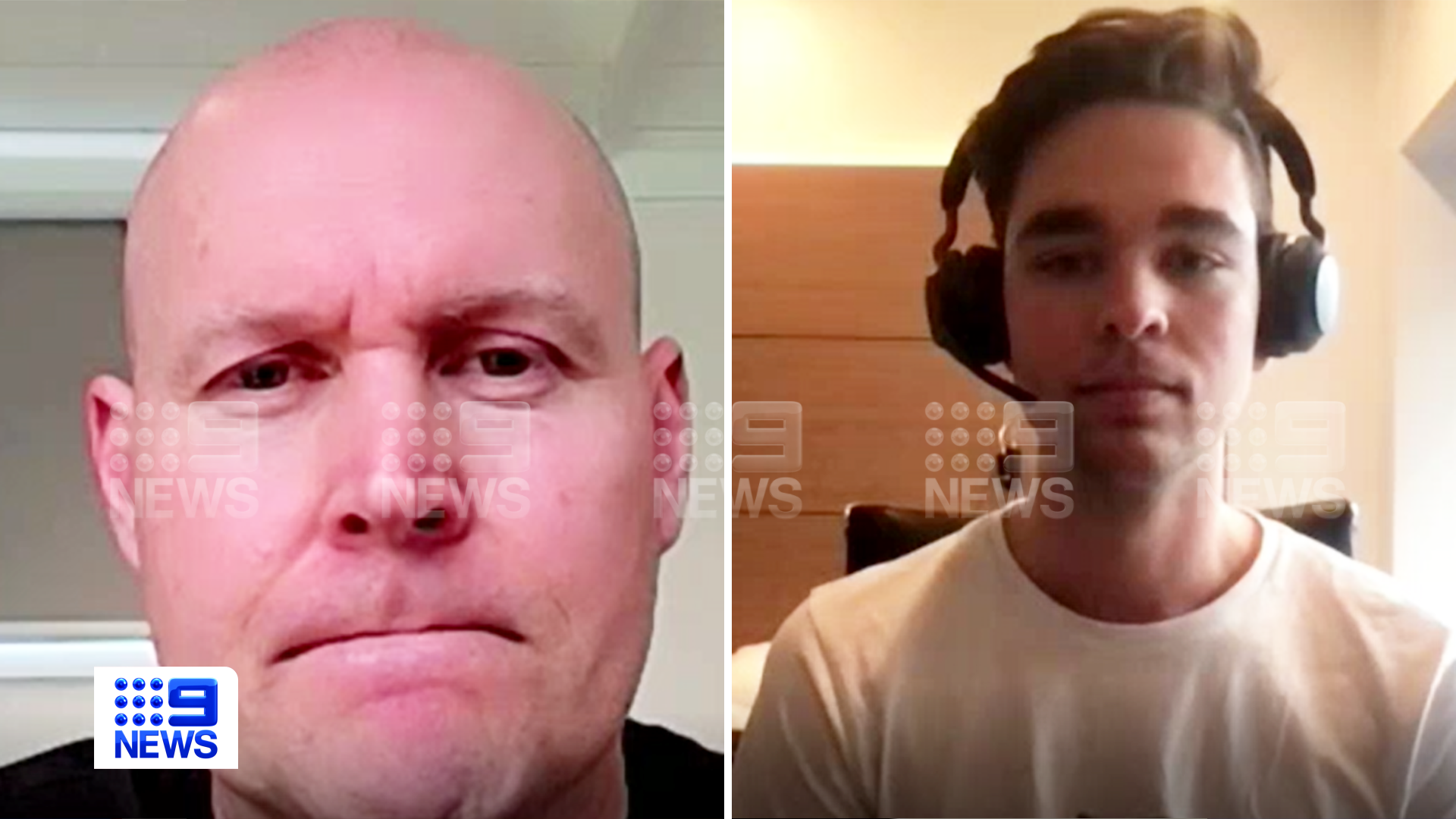
"The first one or two days of when I was symptomatic, I wasn't feeling too crash hot," Zac told 9News.
The pair have been forced into 14 days of quarantine after being exposed to the virus and believe they may have sat within two rows of the positive case at the stadium.
"We were pretty shocked to discover a few days later that we were in a Tier One exposure point and then immediately went into 14 days of kind of lockdown into our houses," Pete said.
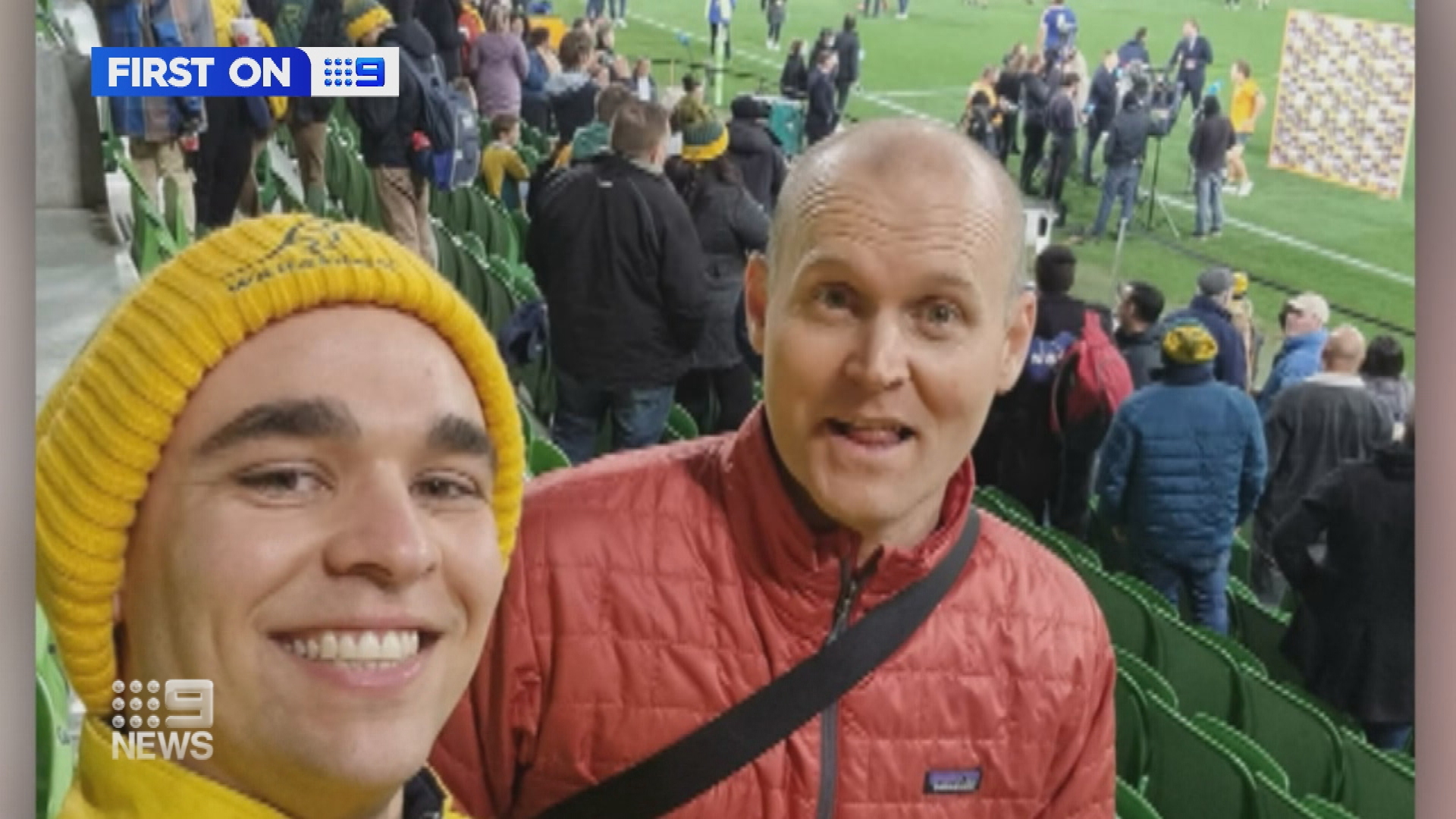
While the pair sat together at the match, they arrived separately, lining up outside as busy crowds streamed inside.
Gate entry has previously been flagged by the state's chief health officer as a site of potential transmission in some cases.
"I actually recall going through the entry gate thinking this is pretty chockablock, you know," Zac said.
"Lot of shoulder-to-shoulder, very long queues.
"It struck me as just how potentially disastrous that queue could have been."
READ MORE Victoria records 14 new COVID-19 cases

READ MORE: Exposure sites grow across Victoria
There are now 10 cases linked to the AAMI Park cluster, including four new infections today, made up of one attendee in quarantine, one household contact in quarantine and two household members of the cases who visited Prahran market.
Pete – aged in his 40s and fully vaccinated with Pfizer – has so far tested negative.
"It's pretty incredible that Zac, who is obviously a lot younger and not eligible to have the vaccine, that we have come out with very different outcomes," Pete said.
There are thousands of close contacts from AAMI Park who will start their day 13 tests over the weekend.
Tests must come back negative for those people to be released from quarantine.
US Slaps Sanctions on Cuban Officials After Protest Crackdown
BBC- The US government has imposed sanctions on Cuban officials who they claim committed human rights abuses during a crackdown on protests earlier in July.
The move by President Joe Biden’s administration comes amid pressure from Cuban-Americans and politicians to respond to the anti-regime protests.
The US is also exploring ways to keep internet access open on the island.
The 11 July protest was Cuba’s largest in decades. Hundreds were arrested and at least one protester was killed.
Cuba has blamed the US and its economic sanctions for the protests and Cuba’s wider problems. The US has said it supports the Cuban people asserting their rights.
Demonstrators have said they were angry about the collapse of the economy, food and medicine shortages, price hikes and the government’s handling of Covid-19.
The sanctions announced on Thursday target defence minister General Alvaro Lopez Miera and the interior ministry’s special forces unit, blocking all US assets and transactions with Americans.
“This is just the beginning,” Mr Biden said in a statement. “The United States will continue to sanction individuals responsible for the oppression of the Cuban people.”
During the presidential race, Mr Biden had pledged to undo then-President Donald Trump’s travel and economic policies against Cuba.
Former President Barack Obama had re-established diplomatic relations with Havana in 2015.
- EXPLAINER: Three key issues that explain protests
- ON THE GROUND: Internet sheds light on anger, until it goes dark
- PROFILE: Miguel Díaz-Canel, the man succeeding the Castros
White House officials say Mr Biden may increase the number of staff at the Havana embassy in an effort to support the Cuban people. Earlier this week, the White House also formed a group to discuss ways for Cubans living abroad to send money home in a way that avoids government-controlled banks.
In recent weeks, Cuban-Americans, especially those in Florida who supported Mr Trump in the 2020 election, have been fiercely critical of Mr Biden’s response to the protests.
“Cuba policy puts Joe Biden in a bind, caught between those on the left who long for a return to Obama-era diplomatic outreach and Cuba hard-liners, particularly in the key electoral battleground of Florida,” says BBC North America reporter Anthony Zurcher.
“It’s a delicate balance that may leave no one satisfied.”
The post US Slaps Sanctions on Cuban Officials After Protest Crackdown appeared first on The St Kitts Nevis Observer.
Covid 19 coronavirus: Alarm raised over 'offensive' pamphlet months before release
By RNZ The red flag was raised months ago over an inappropriate Covid-19 pamphlet that went out via Bay of Plenty District Health Board, RNZ understands.Bay of Plenty health staff have apologised and withdrawn the material,…