More than a year and a half into the coronavirus pandemic, the world's rich nations are beginning to accept that COVID-19 is not going away — despite high vaccination rates drastically cutting the number of hospitalisations and deaths.
But while they may agree that the virus is here to stay, in some form, for the foreseeable future, these countries have radically different approaches to dealing with it.
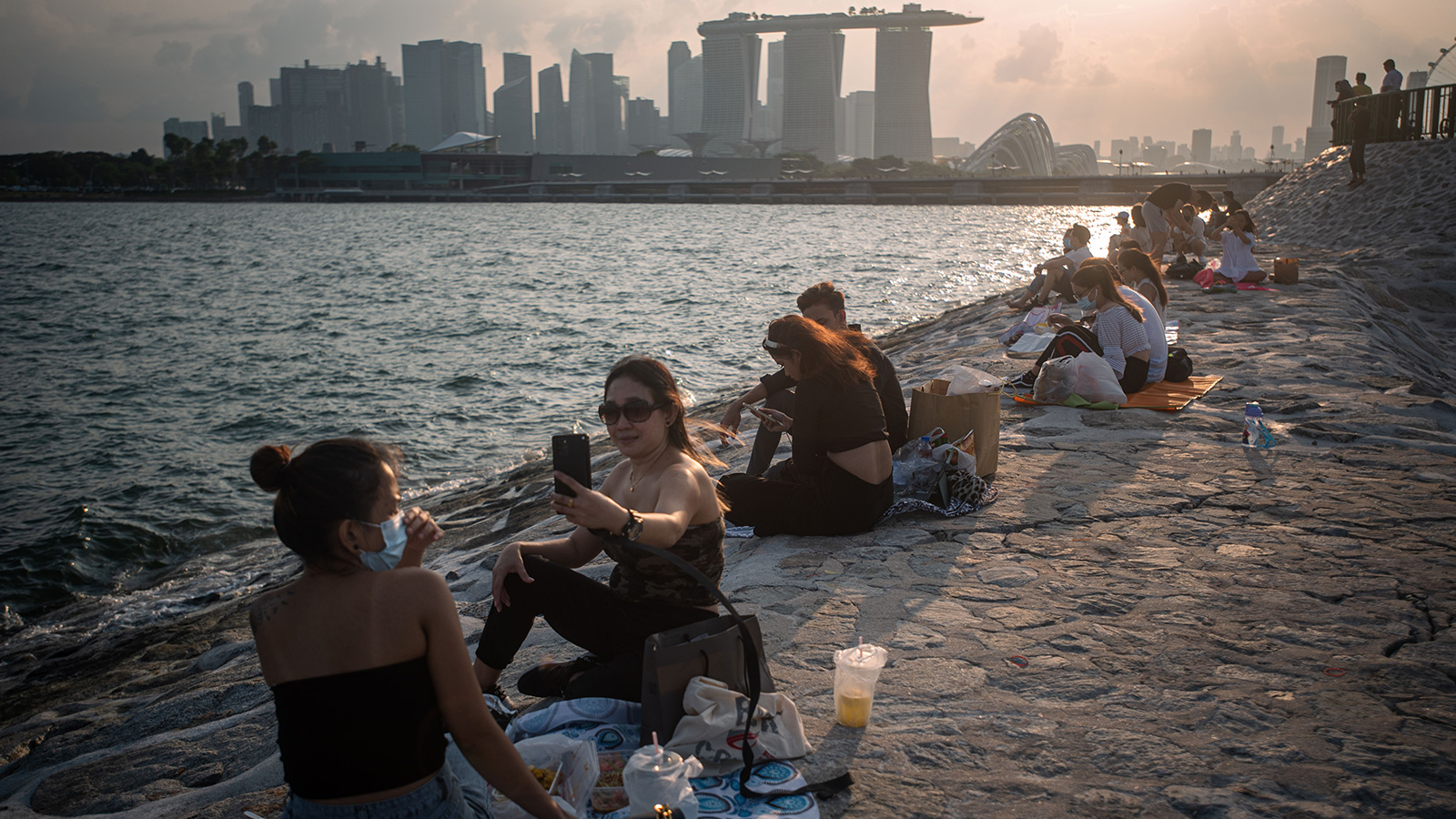
Singapore, an island state of 5.69 million, and the UK, home to an estimated 66 million people, have had very different pandemic experiences — and outcomes — so far.
READ MORE: Indonesia desperate in face of peak yet to come
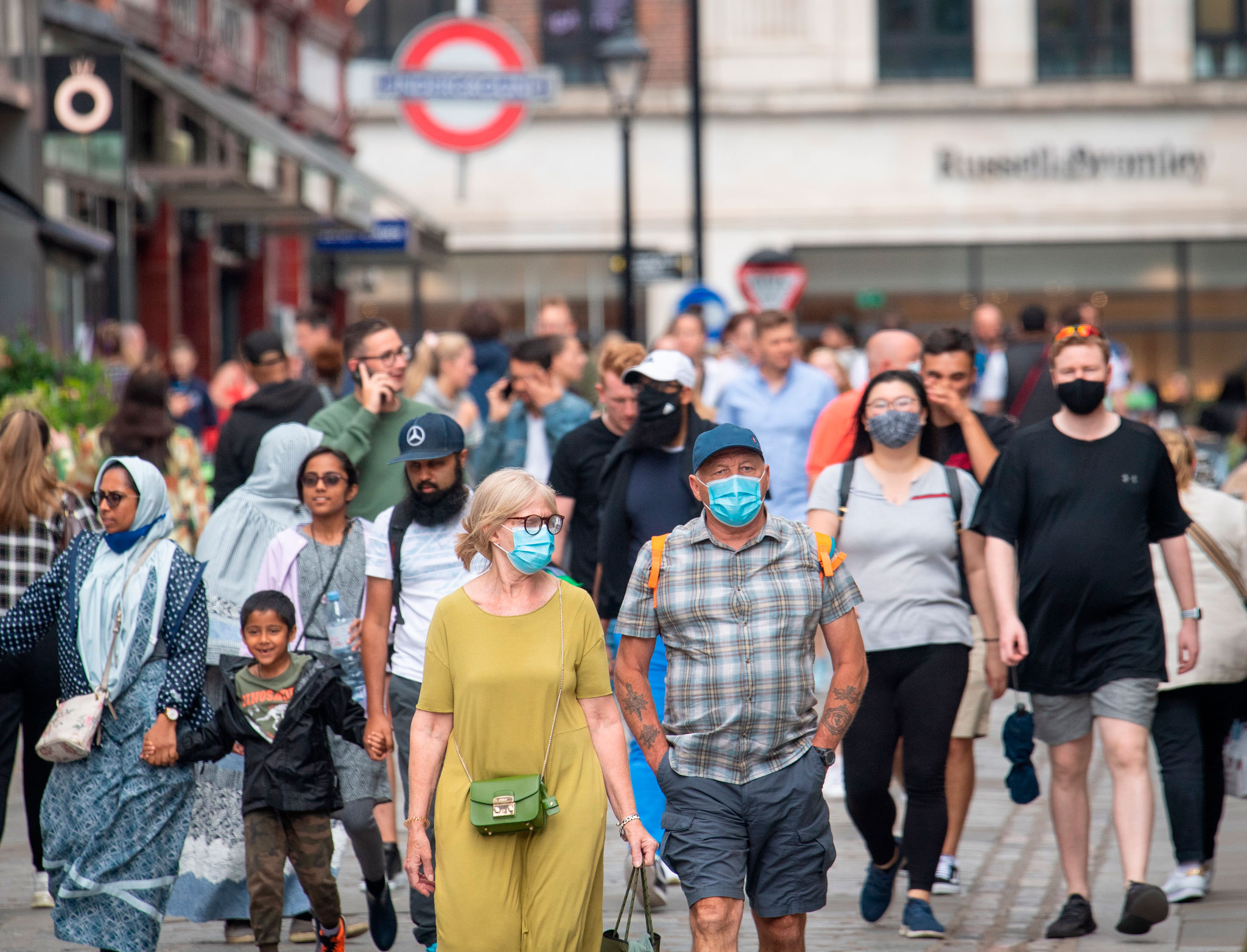
While the UK has one of the highest numbers of COVID-19 related deaths in the world — nearly 129,000 since the pandemic started — only 36 people have died of COVID-19 in Singapore.
For every 100,000 of the population in the UK, there have been 192.64 COVID-19 deaths in the UK. This goes down to 0.63 in Singapore, according to Johns Hopkins University data.
The UK government was widely condemned for being slow to implement pandemic control measures, such as mask mandates and lockdowns, as the virus began to spread in spring 2020.
By contrast, Singapore was quick to shut its borders, implemented a comprehensive contact tracing and testing program, and imposed quarantine requirements early on.
Now the two countries are charting different paths out of the pandemic; their plans are likely to be seen as test cases for other nations as they ramp up their vaccination programs.
The roadmaps
In June, Singaporean legislators unveiled the country's roadmap to a "new normal" in a letter published in the Straits Times, outlining a radical departure from Singapore's previous "zero transmission" model.
So-called "zero-Covid" approaches have been adopted by several countries and territories across the Asia-Pacific region.
But the letter revealed that Singapore's authorities were looking to change tack, moving away from daily monitoring of cases to a focus on medical outcomes such as "how many fall very sick, how many in the intensive care unit, how many need to be intubated for oxygen, and so on."
Eventually, they hope, COVID-19 will be treated as a less severe disease, like influenza or chicken pox.
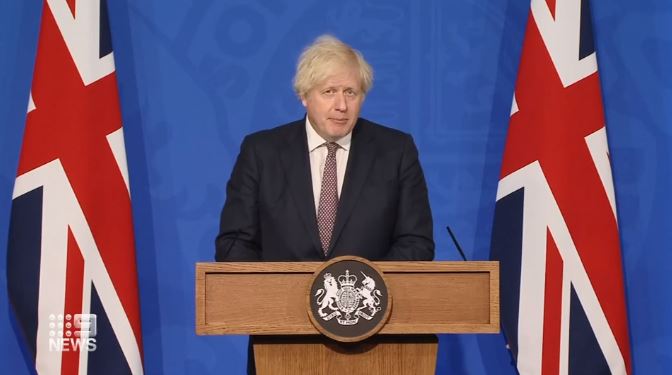
Weeks later, UK Prime Minister Boris Johnson struck a similar note, predicting that COVID-19 would "become a virus that we learn to live with as we already do with flu."
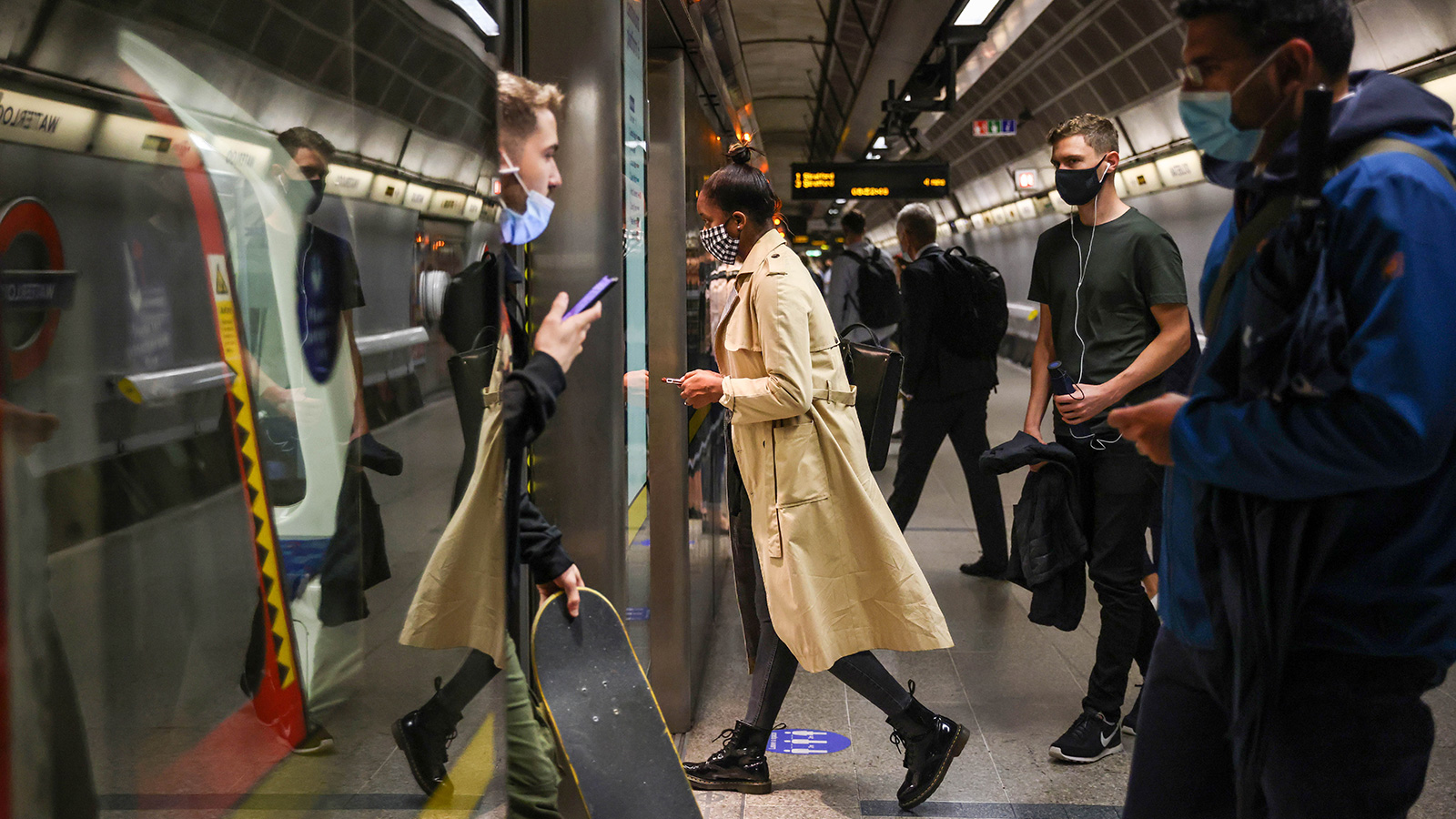
Mr Johnson announced plans to lift almost all coronavirus restrictions, including the mask mandate and social distancing rules, in England on July 19.
He said the country's successful vaccine rollout — under which 66 per cent of the adult population has now received two doses of the jab — has broken the link between infections and severe illness.
READ MORE: UK's new Health Secretary Sajid Javid tests positive for COVID-19
But COVID-19 case numbers have surpassed 50,000 a day in the UK at the same time that "normal life" resumes — nearly 52,000 new cases, and 49 deaths, were recorded on Friday.
England's reopening is the latest pandemic measure to divide opinion in the country. While many in Mr Johnson's ruling Conservative Party support his approach, scientists have issued dire warnings that the health of millions of people is at stake, since herd immunity has not been reached and around 17 million people — some classed as extremely vulnerable to COVID-19 — remain unvaccinated.
After modelling suggested that thousands of people may die if the UK reopened in June, Johnson kicked back the UK's "Freedom Day."
Dr Oliver Watson, a researcher modelling COVID-19 transmission at Imperial College London, told CNN there appeared to be little political will to delay the reopening further, despite the numbers, and the increased transmissibility of the Delta variant, which is now the dominant strain of COVID-19 in the UK.
Watson contrasted the UK's loosening of restrictions in the face of all the data, with the situation in Singapore, where — despite a determination to return to normal life — the authorities still appear keen to clamp down on cases of the virus.
"The ease with which Singapore will tighten their restrictions in response to local outbreaks is just completely worlds apart to how they [the UK government] handles things," he said.
READ MORE: Thailand tightens measures as daily cases cross 10,000
An 'unethical experiment'?
Singapore is currently averaging 26 new COVID-19 cases a day; no firm date has yet been set for its reopening.
Singapore's Health Minister Ong Ye Kung told Bloomberg on July 9 that Singapore's roadmap diverged considerably from the UK's "big bang approach" to reopening.
"I think what we want is to take a more middle path," he said, explaining that it was critical to achieve high vaccination rates and "maintain both containment and mitigation measures."
About 40 per cent of the Singaporean population have received their second dose of the vaccine, and the government says the country is on track to vaccinate three quarters of its entire population by August 9.
Unlike the UK, adolescents over the age of 12 are included in the vaccination figures. The UK has yet to approve giving the jab to that age group.
Mr Ong told Bloomberg that "the balance will shift," but mitigation and containment measures would not be abandoned.
Instead, he said, Singapore's reopening would be gradual, "package by package — nothing 'big bang' — and each step of the way, make sure we keep populations safe."
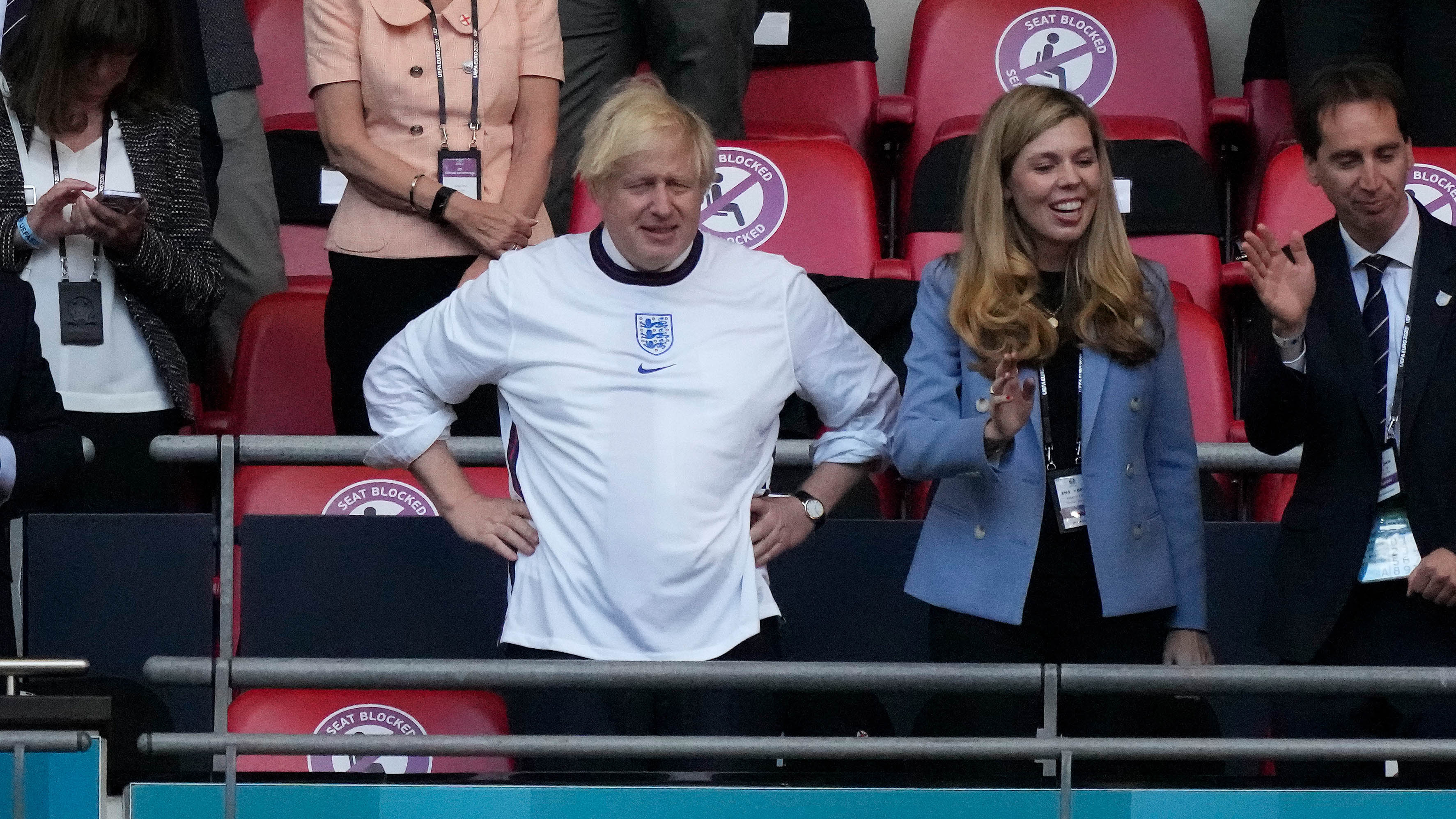
Back in England many are watching Mr Johnson's reopening gamble with alarm.
More than 100 doctors and scientists last week warned that not only was the move premature, but that "unmitigated transmission will disproportionately affect unvaccinated children and young people who have already suffered greatly."
The strategy will create "fertile ground for the emergence of vaccine-resistant variants," endangering the UK and the wider world, they added.
"We believe the government is embarking on a dangerous and unethical experiment, and we call on it to pause plans to abandon mitigations on July 19," they wrote.
Speaking at a press conference on Monday, Mr Johnson defended the reopening plans, saying that the upcoming school holidays would act as a "natural firebreak" to help limit the spread of the virus among children.
He also called for people to take personal responsibility and recommended they wear face coverings in crowded or enclosed spaces, despite his decision to lift the mask mandate.
This reliance on personal responsibility has raised eyebrows.
"It is very easy to [shift] that onus on personal responsibility and push the blame on the population" if deaths rise, Dr Watson said.
On top of the 17 million people without protection, an uptick of cases could also cause some partially or fully vaccinated individuals to die, he said.
The researcher added that it was "horrid" to watch the UK — one of the few countries in the world to have wide-scale access to vaccines — squander this vital tool against COVID-19 with an early reopening.
READ MORE: Singapore overtakes New Zealand as the pandemic's most resilient country
Vaccines and testing
In contrast to the UK, Singapore's roadmap out of the COVID-19 crisis has faced little public opposition, partly thanks to high levels of trust in the government, which is credited with having helped keep a lid on the virus for the past 18 months.
In its fight against coronavirus, the island state has advantages many larger countries do not: It has a small population that is accustomed to somewhat draconian, top-down rule-making.
Additionally, its experience of the 2003 SARS outbreak gave it a 17-year head-start on creating quarantine facilities, building labs and a workforce for the next viral disease.
That meant that, in the months after the first reported case in China, "we were right on top of this," Dale Fisher, a professor in infectious diseases at the National University of Singapore, told CNN.
A big part of Singapore's success in containing the coronavirus lies in its extensive and aggressive contact tracing system.
Using Bluetooth wireless technology, its Trace Together app tracks close encounters between people, allowing close contacts of confirmed cases to isolate swiftly. Use of the app is mandatory to enter shops and venues.
READ MORE: Singapore police can obtain COVID-19 contact tracing data for criminal investigations
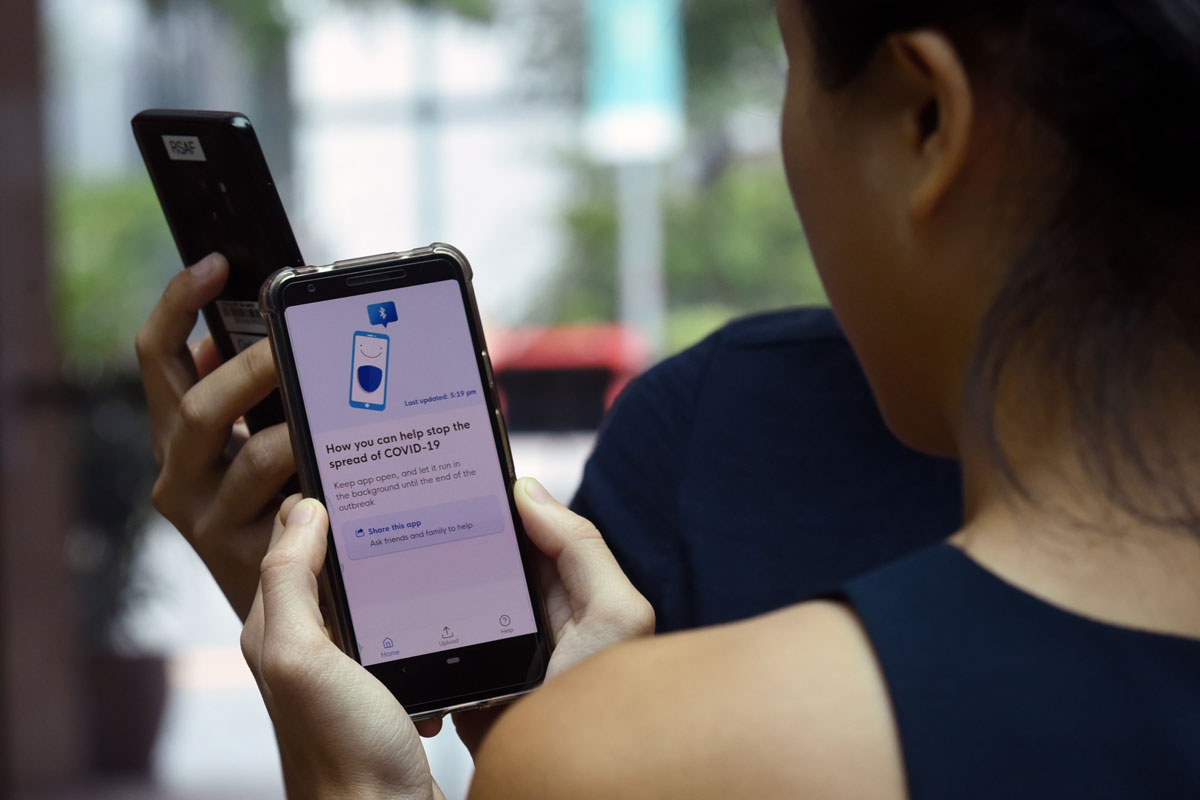
But it is not without its controversies. The government admitted this year that data from the Trace Together app can be handed to police for criminal investigations, sparking criticism from the public.
High levels of vaccine coverage are central to the government's reopening plan. But lawmakers are unsure if they will reach the 90 or 95 per cent coverage needed for herd immunity, Mr Ong told Bloomberg.
"We may get 80 per cent, if we are lucky," the Health Minister said.
Singapore's authorities are working on the basis that COVID-19 will go from being a pandemic to being endemic among its population — it will still circulate, but at a very low rate.
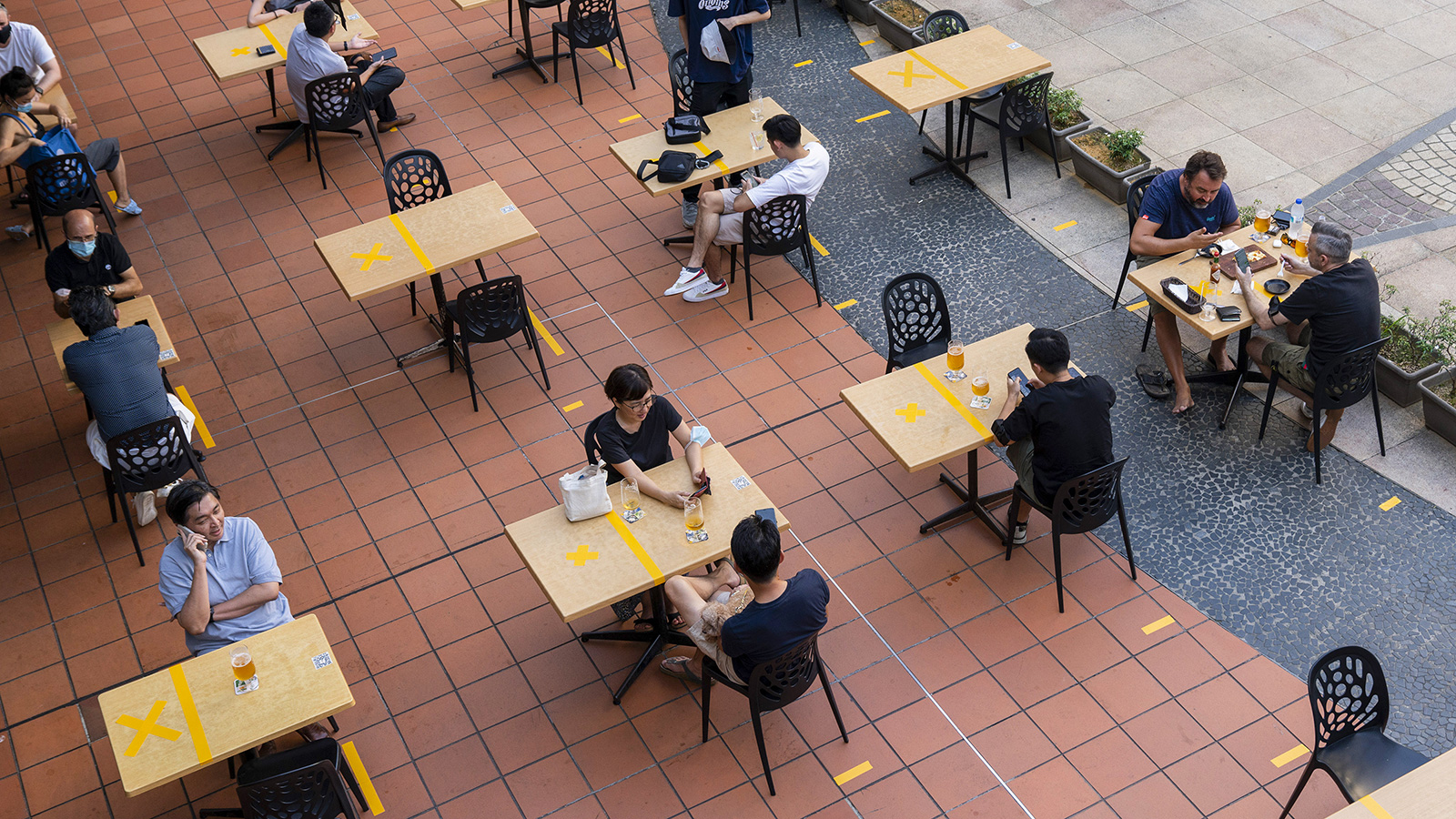
Singapore's reopening will be gradual, and levers will not be lifted overnight. Despite its lower threshold of cases than the UK, Singapore's current social distancing rules limit social mixing to five people.
When 40 per cent of the UK's adult population was double jabbed in June — which is the current vaccination figure in Singapore — up to 30 people could legally meet in an indoor setting.
And unlike the UK, entry into Singapore is largely limited to Singapore citizens and permanent residents — but they are required to quarantine for 14 days at a hotel or at home. At the end of July, fully vaccinated people will be allowed to meet in groups of eight.
Starting this week, staff in "higher-risk" settings — gyms, restaurants and beauty salons — will be required to take COVID-19 tests every fortnight, according to a government website. Meanwhile, workplace testing is not mandatory in the UK.
As more people are vaccinated in Singapore, the number of infections will be less of a concern, said Professor Fisher.
Instead of reporting daily infections, the focus should be on how many of those infections translate into hospitalisations and deaths, he added.
"It does change the game, because what a case meant a year ago when there was no vaccine, is quite different from what a case means now," the infectious diseases expert said.
Still, Singapore's reopening "won't be the UK-style 'take off your masks and let's party'," he said.
The finer details of Singapore's roadmap are still being drawn up by its health agencies, but Fisher reckons the reopening may see Singaporeans allowed to travel more freely, and to quarantine at home if they are vaccinated, rather than at dedicated facilities.
People infected with COVID-19, and occasionally some of their close contacts, are isolated at dedicated COVID-19 facilities.
But as Singapore gradually reopens, infected people will instead recover at home "because with vaccination the symptoms will be mostly mild. With others around the infected person also vaccinated, the risk of transmission will be low," the Straits Times letter said.
"The point is, we don't want to keep it so tight, but we also don't want overnight 5000 cases," Professor Fisher said.
"I think it'll be about keeping a lid on it, but heading towards more lenient restrictions."
A balancing act
While much has been made of the need to balance public health measures and the economy, the two are not mutually exclusive, experts say.
"It may seem like it's a good thing economically to open up the country right away, but if the end result is another wave of infections, which I think is reasonably possible in the UK, then in the long run it may have been bad economically," David Matchar, Professor at the Duke-NUS Medical School in Singapore, told CNN.
Matchar said Singapore was attempting to lift restrictions slowly and steadily in order to prevent hospitals from getting overcrowded, and in turn prevent the economic shocks brought about by drastic lockdowns.
Events in Israel — one of the most vaccinated countries in the world — foreshadow the risks ahead. After lifting most COVID-19 regulations in June, Israeli lawmakers reinstated the indoor mask mandate weeks later on June 25 after a spike in cases caused by the Delta variant.
Despite his earlier claims that the UK's lockdown lifting was "irreversible," this week Mr Johnson would not rule out reimposing restrictions if a new variant emerges that evades vaccinations.
"It seems a shame" that the UK can't wait a little bit longer like Singapore, and instead is opting to gamble on the gains of its "brilliant and effective" vaccine rollout, Imperial College's Dr Watson said.