Exploratory drilling is underway on Miramar Peninsula in Wellington, raising concerns among some iwi members they could be in for the Shelly Bay saga all over again.The Port Nicholson Block Settlement Trust (PNBST), which was established…
Category Archives: headline
Covid 19 coronavirus: Kiwis help counter the outbreak in Fiji
Fiji is in the midst of a major Covid-19 outbreak and they need New Zealand’s help more than ever to flatten the curve. The country’s record number of Covid-19 infections on Tuesday – 636 new cases of the virus and six further deaths…
Ghost train: Hamilton to Auckland train's lacklustre popularity revealed
New figures reveal the Te Huia Hamilton to Auckland train is only a quarter full on weekdays. Newstalk ZB can reveal there are just 34 people, on average, who ride the train on weekdays – the train has a capacity for roughly 150…
From meth addict to clearing rubbish from Whangārei streets, dinosaur man turns over a new leaf
If you come across dinosaurs picking up rubbish from your street in Whangārei, do not be alarmed – it’s just Travis Takutai on his mission to clean up the community under the supervision of his 10-year-old daughter. Takutai,…
Trump announces lawsuit against Facebook, Twitter, Google
Former US President Donald Trump has announced he is filing suits against three of the country's biggest tech companies: Facebook, Twitter and Google, as well as their CEOs.
Mr Trump said on Wednesday (early Thursday morning AEST) he was serving as lead plaintiff in the class-action suits, claiming he has been wrongfully censored by the companies.
"We're demanding an end to the shadow-banning, a stop to the silencing and a stop to the blacklisting, banishing and canceling that you know so well," Mr Trump said at a news conference at his Bedminster, New Jersey golf course.
READ MORE: Trump Organisation, CFO plead not guilty to tax crime charges
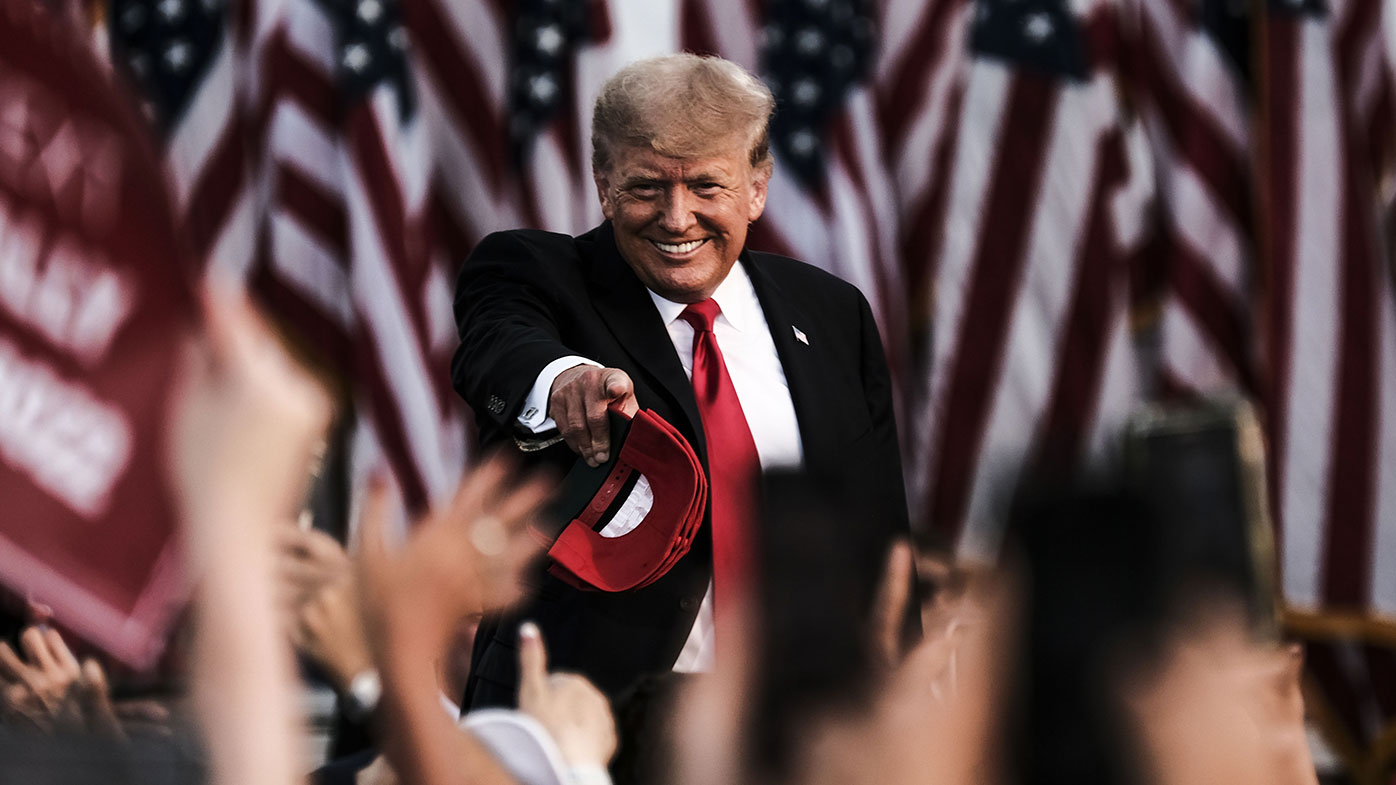
The suits were filed in US District Court for Florida's southern district.
Mr Trump was suspended from Twitter and Facebook after his followers stormed the Capitol building on January 6. The companies cited concerns that he would incite further violence.
Currently, he can no longer post on either platform.
Nonetheless, Mr Trump has continued to spread lies about the 2020 election, baselessly claiming that he won, even though state and local election officials, his own attorney general and numerous judges, including some he appointed, have said there is no evidence of the mass voter fraud he alleges.
Under Section 230 of the 1996 Communications Decency Act, internet companies are generally exempt from liability for the material that users post.
The law, which provides a legal "safe harbor" for internet companies, also allows social media platforms to moderate their services by removing posts that, for instance, are obscene or violate the services' own standards, so long as they are acting in "good faith."
But Mr Trump and other politicians have long argued that Twitter, Facebook and other social media platforms have abused that protection and should lose their immunity — or at least have to earn it by satisfying requirements set by the government.
Facebook, Google and Twitter have all declined comment.
Haitian President assassinated at home, first lady hospitalised: official
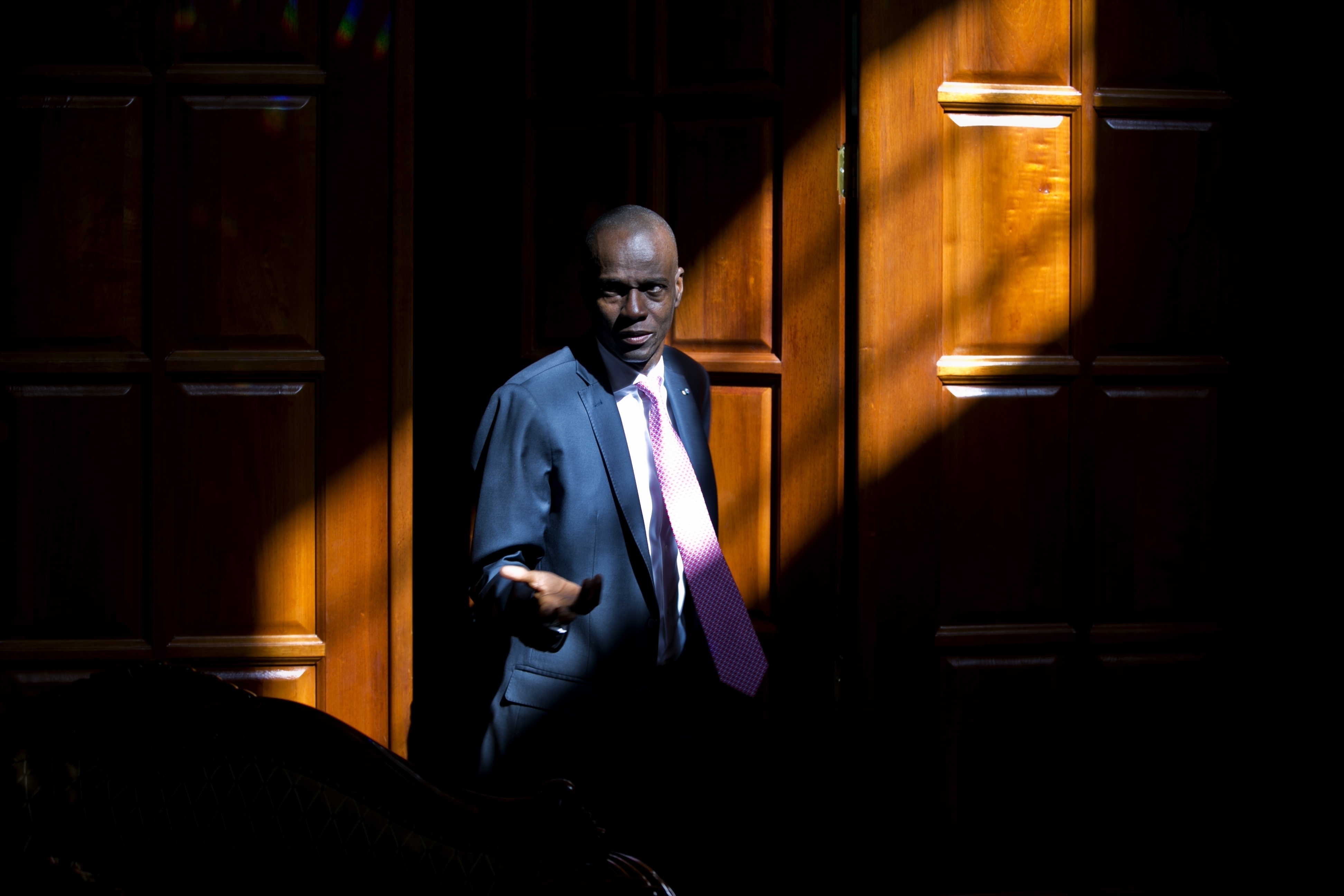
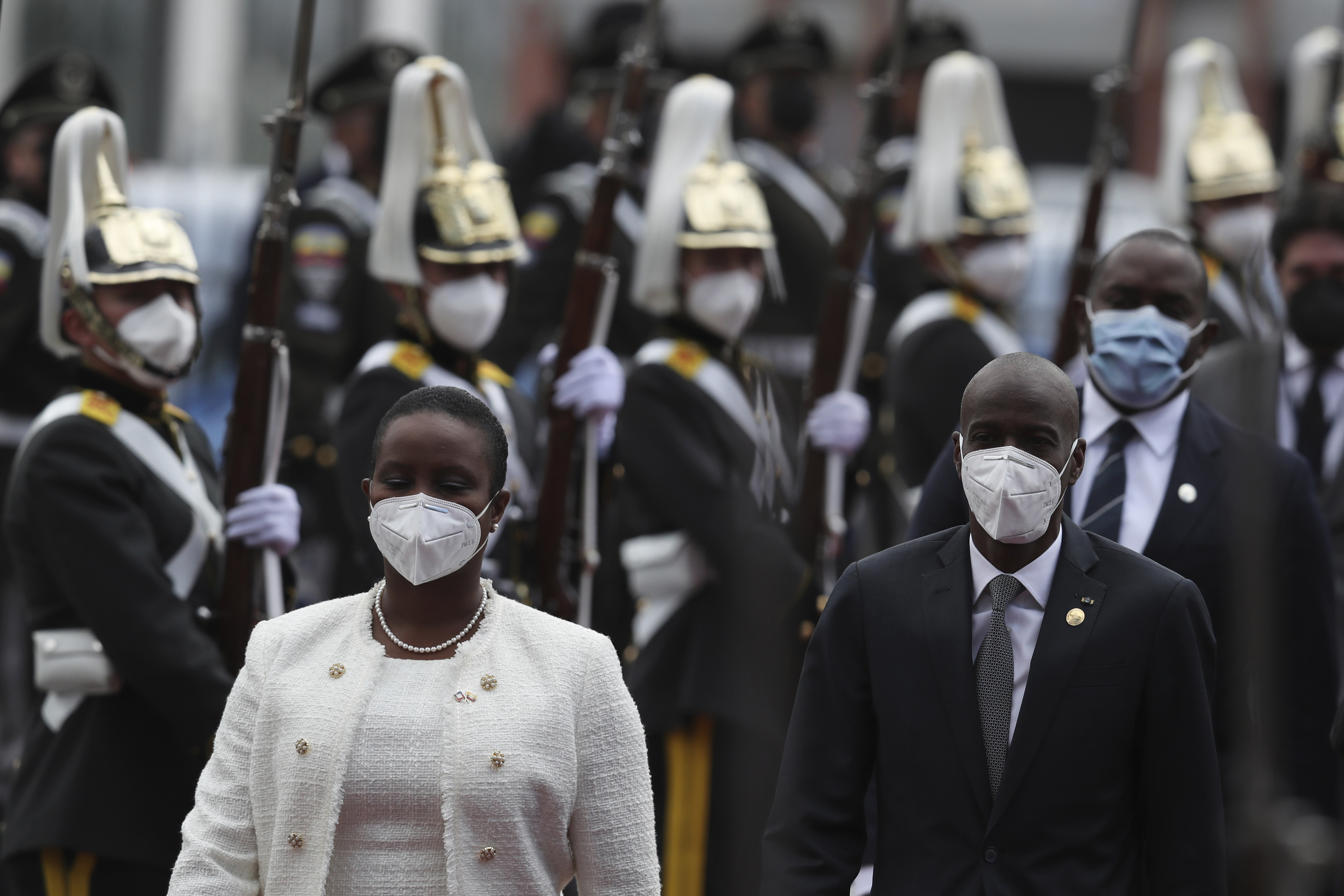
Gunmen have assassinated Haitian President Jovenel Moïse and wounded his wife in their home, inflicting more chaos on the unstable Caribbean country that was already enduring an escalation of gang violence, anti-government protests and a recent surge in coronavirus infections.
Claude Joseph, the interim Prime Minister, confirmed the killing and said the police and military were in control of security in Haiti, where a history of dictatorship and political upheaval have long stymied the consolidation of democratic rule.
"The country's security situation is under the control of the National Police of Haiti and the Armed Forces of Haiti," Mr Joseph said in a statement from his office.
READ MORE: Bodies recovered after Russia plane crash
"Democracy and the republic will win."
Mr Joseph said police had been deployed to the National Palace and the upscale community of Petionville and would be sent to other areas.
He condemned the assassination as a "hateful, inhumane and barbaric act" and said some of the attackers spoke in Spanish but offered no further explanation.
While the streets of the Haitian capital, Port-au-Prince, were quiet on Wednesday morning, some people ransacked businesses in one area.
Former President Michel Martelly, whom Moïse succeeded, said he was praying for first lady Martine Moïse, calling the assassination "a hard blow for our country and for Haitian democracy, which is struggling to find its way."
A resident who lives near the president's home said she heard the attack.
"I thought there was an earthquake, there was so much shooting," said the woman, who spoke on condition of anonymity because she feared for her life.
"The President had problems with many people, but this is not how we expected him to die. This is something I wouldn't wish on any Haitian."
READ MORE: Hurricane Elsa strengthens as it approaches Florida's west coast
The White House described the attack as "horrific" and "tragic" and said it was still gathering information on what happened.
US President Joe Biden would be briefed later in the day by his national security team, spokesperson Jen Psaki said during an interview on MSNBC.
"The message to the people of Haiti is this is a tragic tragedy," she during a previously scheduled interview on CNN.
"And we stand ready and stand by them to provide any assistance that's needed."
Haiti's economic, political and social woes have deepened recently, with gang violence spiking heavily in Port-au-Prince, inflation spiralling and food and fuel becoming scarcer at times in a country where 60 per cent of the population makes less than US$2 ($2.66) a day.
These troubles come as Haiti still tries to recover from the devastating 2010 earthquake and Hurricane Matthew that struck in 2016.
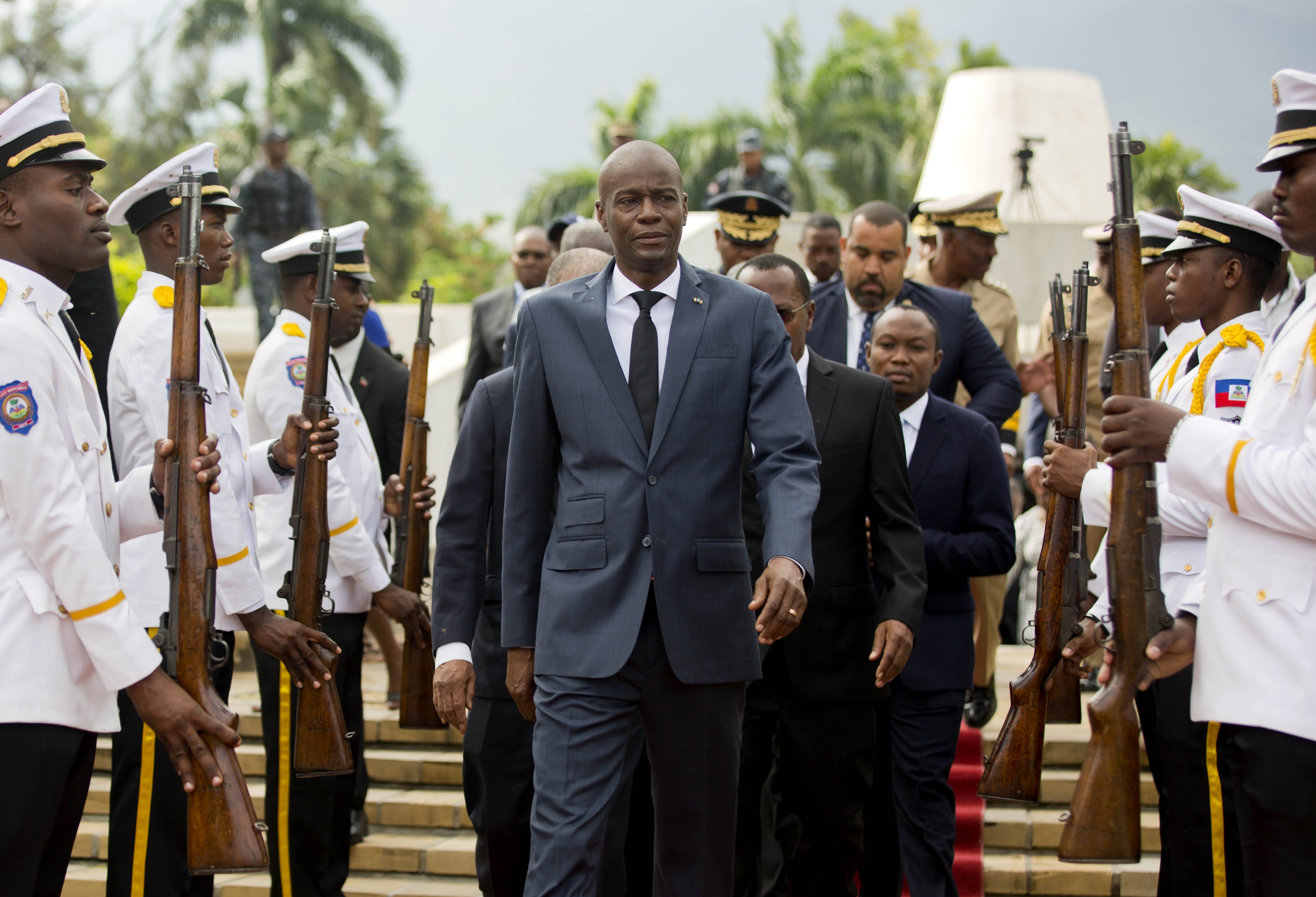
The country appears to be heading for fresh uncertainty ahead of planned general elections later this year.
Mr Moïse, 53, had been ruling by decree for more than a year after the country failed to hold elections.
Opposition leaders have accused him of seeking to increase his power, including approving a decree that limited the powers of a court that audits government contracts and another that created an intelligence agency that answers only to the president.
In recent months, they demanded he step down, arguing that his term legally ended in February 2021.
Mr Moïse and supporters maintained his term began when he took office in early 2017, following a chaotic election that forced the appointment of a provisional president to serve during a year-long gap.
Haiti was scheduled to hold general elections later this year.
The US Embassy in Haiti said it was restricting US staff to its compounds and that the embassy would be closed on Wednesday because of ''an ongoing security situation.''
Weekly house rental prices hit all-time high
The cost of renting a house in Australia has hit record highs as the nation's economy booms in an apparent recovery from the worst of the COVID-19 pandemic.
Domain's Rent Report, released today, shows the national median price to rent a house is now at an all-time high of $477 per week.
Canberra remains the most expensive city in the country for house renters, recording an eye-watering median price of $630 a week.
READ MORE: New generation of boarding houses across Sydney are unrecognisable
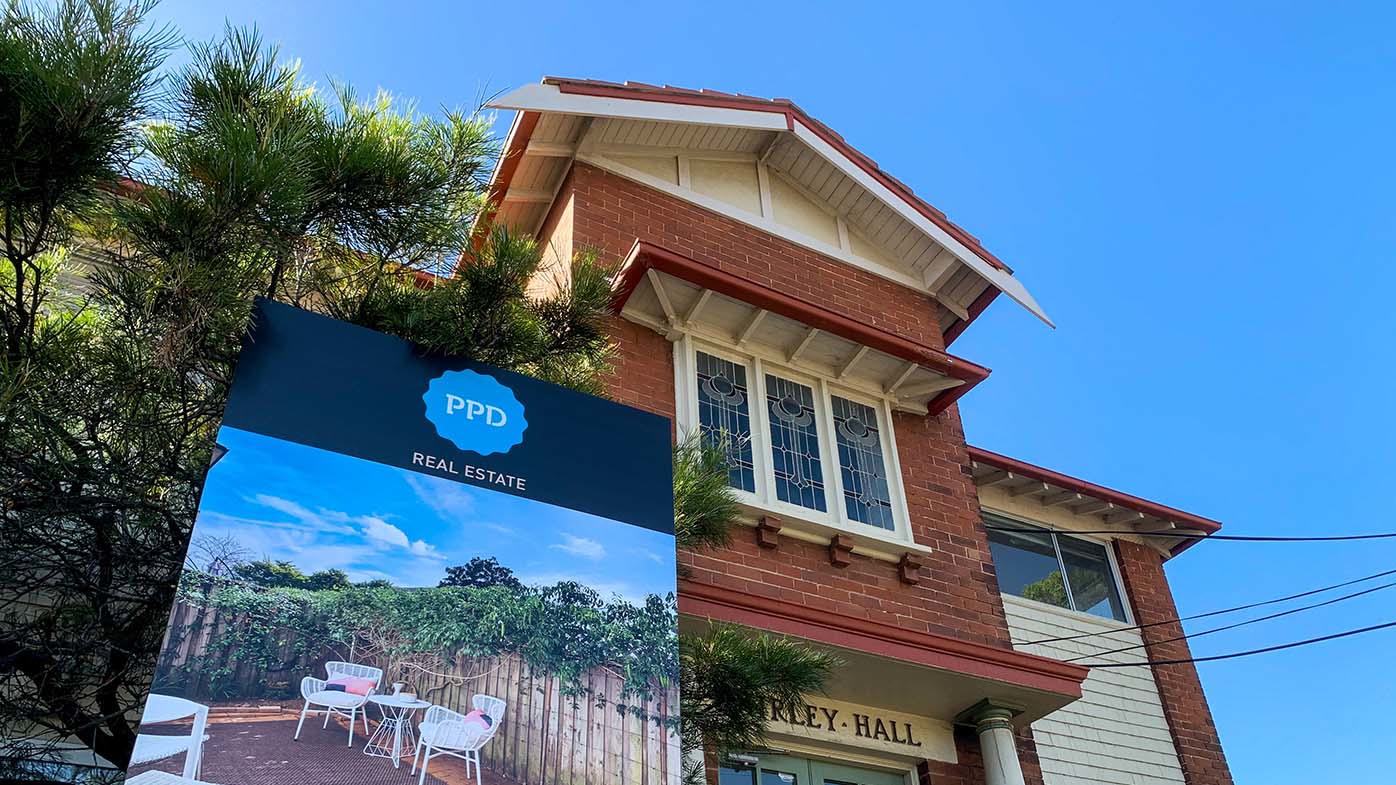
That's a $30 per week quarterly increase and the strongest pace of annual growth for the nation's capital since 2007.
Curiously, Darwin is now the second most expensive city in which to rent a house, recording an unbelievable median asking price of $593 a week – a 20.9 per cent increase in just one year.
Despite being the most expensive city to purchase a house, Sydney is relatively more affordable to rent, coming in as Australia's third most expensive city with a median of $550 a week.
READ MORE: Renters lose out in huge government cash splash
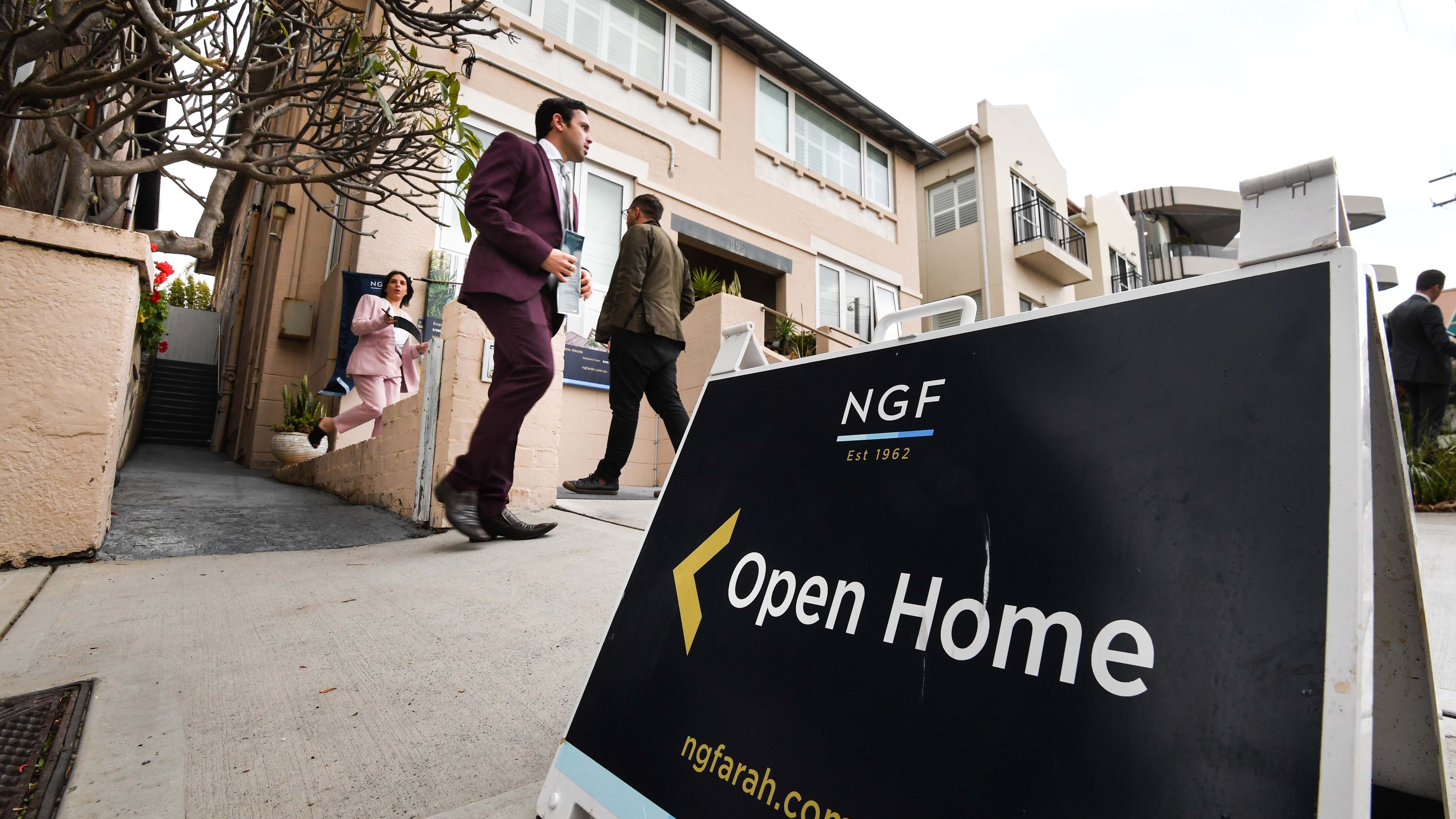
Sydney's median asking price for a free-standing home ticked just $10 a week higher in 12 months.
The situation in Melbourne is just as curious. While known as the second most expensive city in Australia to buy, Melbourne is the most affordable city in which to rent a house.
The median weekly asking price is now $430 – right on par with Adelaide.
While it is the first time Melbourne has been ranked as the most affordable, $430 a week marks a six-year high for Adelaide.
READ MORE: Less than one per cent of rentals affordable for people on welfare

Australia's Median Weekly Asking Rent for Houses
|
Capital City: |
Weekly house rental cost: |
Year-on-year change: |
|
Sydney |
$550 |
+ 1.9 per cent |
|
Melbourne |
$430 |
0.0 per cent |
|
Brisbane |
$450 |
+ 12.5 per cent |
|
Adelaide |
$430 |
+ 8.9 per cent |
|
Perth |
$450 |
+ 21.6 per cent |
|
Canberra |
$630 |
+ 10.5 per cent |
|
Darwin |
$593 |
+ 20.9 per cent |
|
Hobart |
$495 |
+ 10.0 per cent |
|
National |
$477 |
+ 5.9 per cent |
*Domain Rent Report, June Quarter 2021
Haiti President Jovenel Moise Assassinated in Attack on His Residence
(CNN) Haiti’s President Jovenel Moise was killed during an attack on his private residence early on Wednesday, according to the country’s acting Prime Minister Claude Joseph.
Speaking on a local radio station, the prime minister, Claude Joseph, confirmed the killing of Moïse, saying the attack had been carried out by an “armed commando group” that included foreign elements.
“Around one o’clock in the morning, during the night of Tuesday 6 to Wednesday 7 July 2021, a group of unidentified individuals, including some speaking Spanish, attacked the private residence of the president and fatally injured the head of state,” Joseph said in a statement quoted in the media.
Condemning “this odious, inhuman and barbaric act”, Joseph sought to reassure Haitians, saying the security situation in the country remained calm.
He added that Moïse’s wife, Martine, had been seriously injured in the attack. An official speaking anonymously to the Associated Press also confirmed Moïse’s death.
The assassination is likely to plunge the impoverished Caribbean nation into further turmoil after several years marked by political unrest and violence. Moïse’s time in office had been marked by an increase in political instability, allegations of corruption and a long-running dispute about when Moïse’s period in office should end.
There have been intermittent periods of protests and street violence and a rise in gang violence, some of it tied to the country’s political parties. At the centre of the crisis has been the question of when Moïse’s presidential term was due to end – and whether he was governing unconstitutionally.
Killers lurk in the shadows as Haiti chaos takes a sinister turn
Haiti’s opposition claims Moïse should have stepped down on 7 February to coincide with the fifth anniversary of 2015 elections that were cancelled and then re-run a year later because of allegations of fraud.
They further allege that because Moïse failed to hold legislative elections in 2019 – and has since ruled by decree after parliament was left without lawmakers – he had violated the country’s 1987 constitution.
Moïse and his supporters rejected that argument, saying he only took power in 2017 after winning the re-run.
Instability has been exacerbated by the Petrocaribe scandal, a controversy that arose from a scheme to buy discounted oil from Venezuela on cheap credit. The idea was to free up funds for social schemes, but the money was pocketed by politicians.
Earlier this year amid allegations by Moïse of a coup attempt that planned to “murder him” and fresh protests – Moïse moved to protect his position, ordering the arrest of 23 people including a supreme court judge and a senior police official, while declaring that he was “not a dictator”.
The Caribbean country – the world’s first black republic after its revolution against French rule – has a history marked by poverty, authoritarian rule, political instability and external interference including a long US occupation. It has struggled to rebuild since the devastating earthquake in 2010 and Hurricane Matthew in 2016.
Joseph said in a statement that a group of unidentified individuals attacked Moise’s home at around 1 a.m. and fatally wounded the head of state. The statement does not specify how the President was killed. Haiti’s first lady was shot and is receiving treatment, he added.
The Prime Minister called the assassination a “heinous, inhumane and barbaric act” and called for calm.

“The security situation in the country is under the control of the Haitian National Police and the Haitian Armed Forces,” the statement added. “All measures are being taken to guarantee the continuity of the State and to protect the Nation.”
Moise was 53 years old. The former banana exporter spent most of the past year waging a political war with the opposition over the terms of his presidency.
Moise claimed his five-year term should end in 2022 — a stance backed by the United States, United Nations and Organization of American States.
The opposition has argued he should have stepped down on February 7 this year, citing a constitutional provision that starts the clock on the term once a president is elected, rather than when he takes office.
The post Haiti President Jovenel Moise Assassinated in Attack on His Residence appeared first on The St Kitts Nevis Observer.
Covid 19 coronavirus: Thousands of visa applications canned as Immigration NZ faces regulatory roadblock
Thousands of visa applications that have been in limbo for the past 12 months have been canned as Immigration New Zealand is unable to process them due to legal reasons.The agency’s border and visa operations general manager Nicola…
'We are not bringing back JobKeeper': Frydenberg quashes NSW's plea
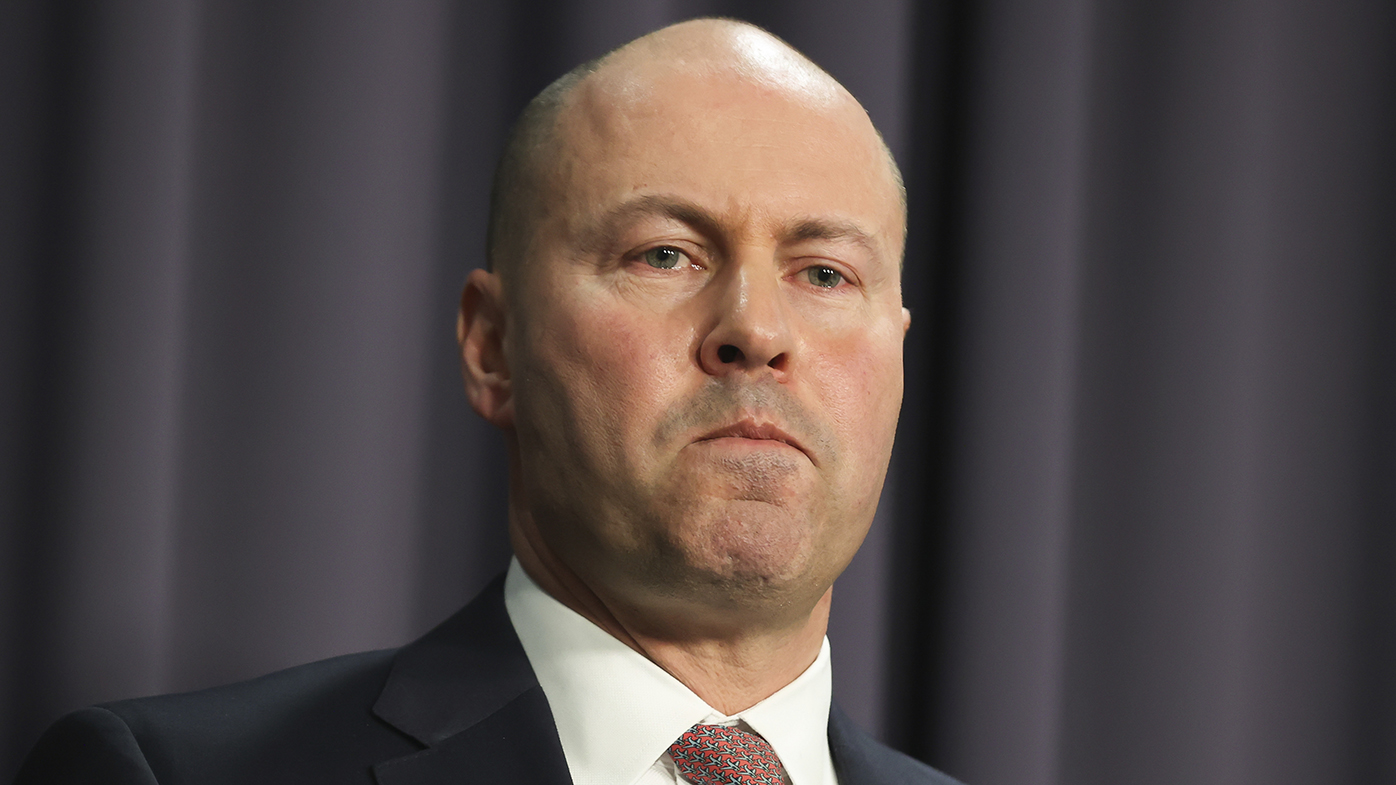
A New South Wales request to have JobKeeper reinstated amid the current lockdown has been rejected by Treasurer Josh Frydenberg.
Speaking today after a meeting with leaders of the business community, Mr Frydenberg said despite NSW Treasurer Dominic Perrottet's plea, JobKeeper will not be brought back but those affected by the Sydney coronavirus outbreak will have other financial support available to them.
"We are not bringing back JobKeeper," Mr Frydenberg said.
READ MORE: Sydney lockdown extended by one week, 27 new COVID-19 cases
The Federal Government will, however, provide NSW with "the same support" Victoria received a few weeks ago through the COVID-19 Disaster Payment.
"The payments of $500 and $325 are available," he said.
Mr Frydenberg met some of Australia's most powerful business leaders today to discuss how the private sector can help deliver vaccine doses.
The Federal Government has considered allowing big businesses in the private sector to help deliver the COVID-19 jab, as seen with flu vaccines.
"It was agreed by all members present that businesses will write to all the workers about the importance of being vaccinated, and in some cases will reach out to the customer base," Mr Frydenberg said.
"The Commonwealth will work with the business community about that particular message."
READ MORE: How to claim the COVID-19 Disaster Payment
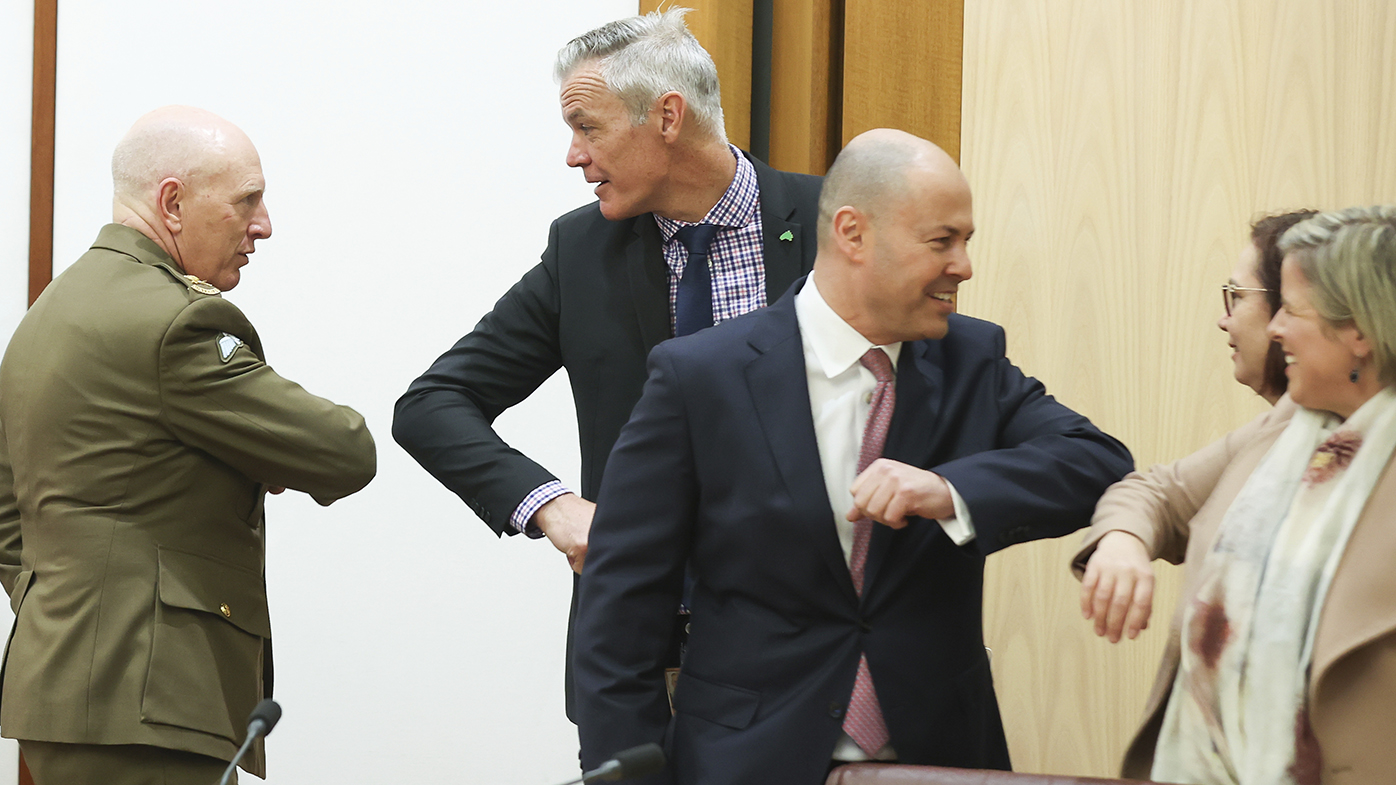
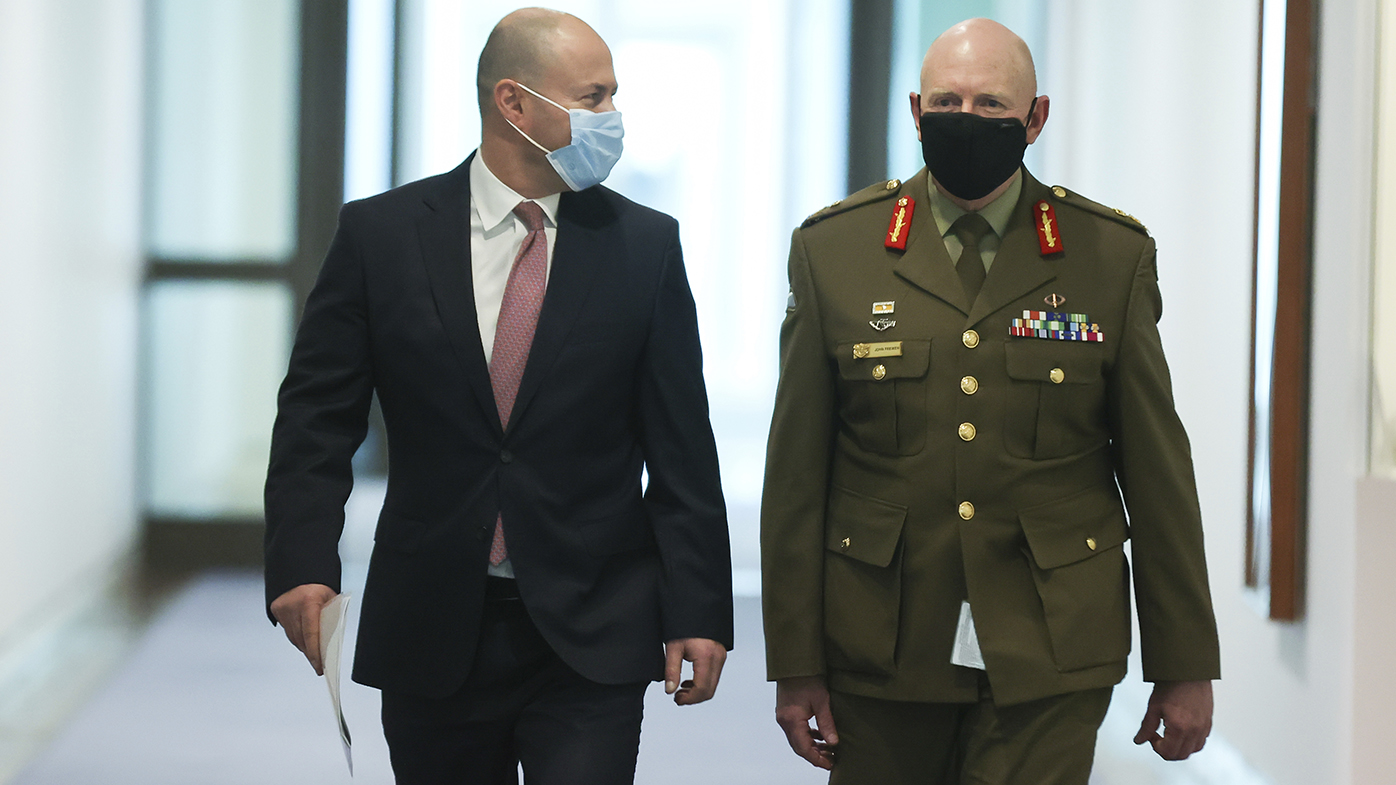
The Treasurer added that premises such as Bunnings and Officeworks were put forward as potential vaccination centres, and incentives for vaccinated people were also discussed.
"It was a constructive and productive meeting," he said.
The Treasurer refuted questions about why business leaders have only just become involved in the conversation about rolling out the vaccine.
READ MORE: More than 100 students at Sydney private school given Pfizer vaccine
"But with respect to today, it was about accelerating that involvement commensurate with the acceleration in the vaccine rollout," he said.
"And as more supply comes on board, businesses can play a greater role.
"And, of course, their advocacy about the importance of getting the jab is going to be vital."
Mr Frydenberg said business involvement will be increasingly important later in the year when more vaccines are available.
Australian Industry Group CEO Innes Willox told Today businesses would need an indemnity similar to doctors and drug companies, protecting them from any adverse effects of the vaccines.
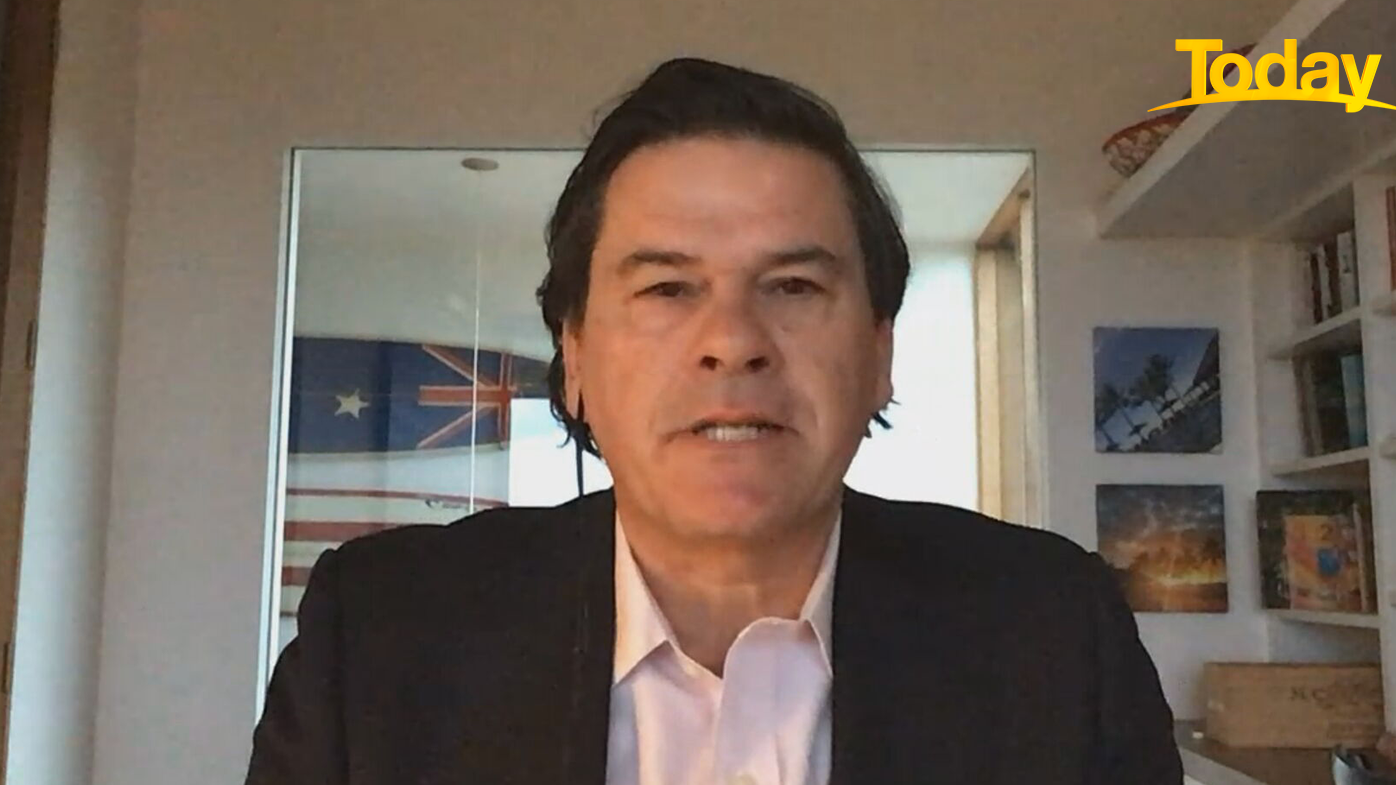
"If we want to speed up the rollout once we have the supply, this is the best way of doing it," he said.
"Hopefully this is the beginning of being able to rollout vaccines through workplaces, just like the flu."
The meeting, which will include representatives from major Australian mining and banking companies, was held two days after GPs were given the green light to deliver the Pfizer vaccine to patients aged 40-59.
"We think it's important that businesses have a greater role in the vaccine rollout, that business centres become vaccination centres," Mr Willox said.
READ MORE: Concern new Lambda variant could be resistant to vaccines
"It's a really strong opportunity to put forward businesses concerns around the vaccine rollout and provide advice around a path forward.
He said the coronavirus jab needed to be approached in the same way as flu vaccinations.
"Businesses have to have the supply, they have to have a nurse available to administer it, of course, they need to have all the legal supports that they need to become vaccination centres," Mr Willox said.
"If we want to get back to something that looks like the old normal, we have to speed this up.
"Workplaces are where people congregate and businesses stand ready."
The move hinges on having more supply, with 40 million doses of Pfizer set to hit Australian shores in October.