Wellington City Council has signed off on its spatial plan – paving the way for a significant step-change in housing development. The plan shrinks protected character areas by almost three-quarters, allows at least six-storey developments…
Category Archives: headline
Medical Official: Air Strike Kills at Least 43 in Ethiopia’s Tigray
ADDIS ABABA June 23 (Reuters) – An air strike killed at least 43 people in the town of Togoga in Ethiopia’s Tigray region on Tuesday, a medical official told Reuters, after residents said new fighting had flared in recent days north of the regional capital Mekelle.
Ethiopian military spokesman Colonel Getnet Adane did not confirm or deny the incident. He said air strikes were a common military tactic and that government forces do not target civilians.
The bomb hit a market at around 1 p.m., according to a woman who said her husband and 2-year-old daughter had been injured.
“We didn’t see the plane, but we heard it,” she told Reuters on Wednesday. “When the explosion happened, everyone ran out. After a time we came back and were trying to pick up the injured.”
The woman said the market had been full of families, and she did not see any armed forces in the area. “Many, many” people had been killed, she said.
Reuters could not independently verify her account. She and other sources asked not to be identified for fear of reprisals.
The medical official confirmed at least 43 fatalities, citing witnesses and first responders.
A spokesperson for Prime Minister Abiy Ahmed and the head of a government task force on Tigray did not respond to requests for comment.
The U.S. State Department said it was concerned by reports of civilian deaths in the market attack and urged Ethiopian authorities to ensure full medical access for all the victims.
“We also call for an urgent and independent investigation, as well as remedial action, to hold those responsible for this attack accountable,” State Department spokesman Ned Price said in a statement.
U.N. Secretary-General Antonio Guterres is deeply alarmed by the reports of civilian casualties, U.N. spokesman Stephane Dujarric told reporters in New York.
“We have requested access to the area to assess the situation and see how we can provide assistance,” Dujarric said. “The situation in the area remains very, very volatile.”
The airstrike happened as Ethiopian officials counted ballots from national and regional parliamentary elections held this week in seven of the nation’s 10 regions.
1/2
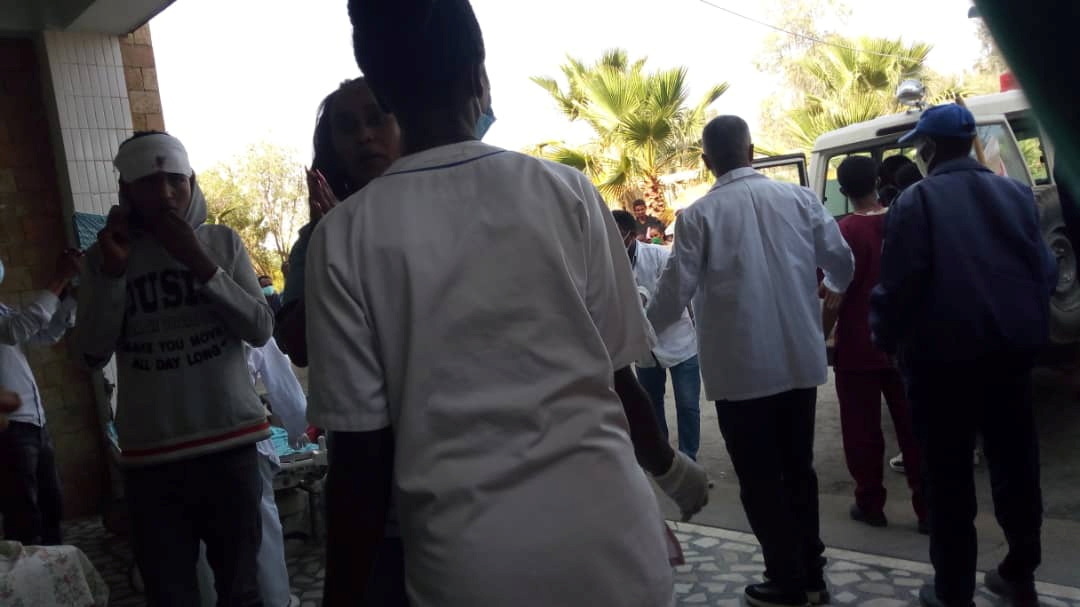
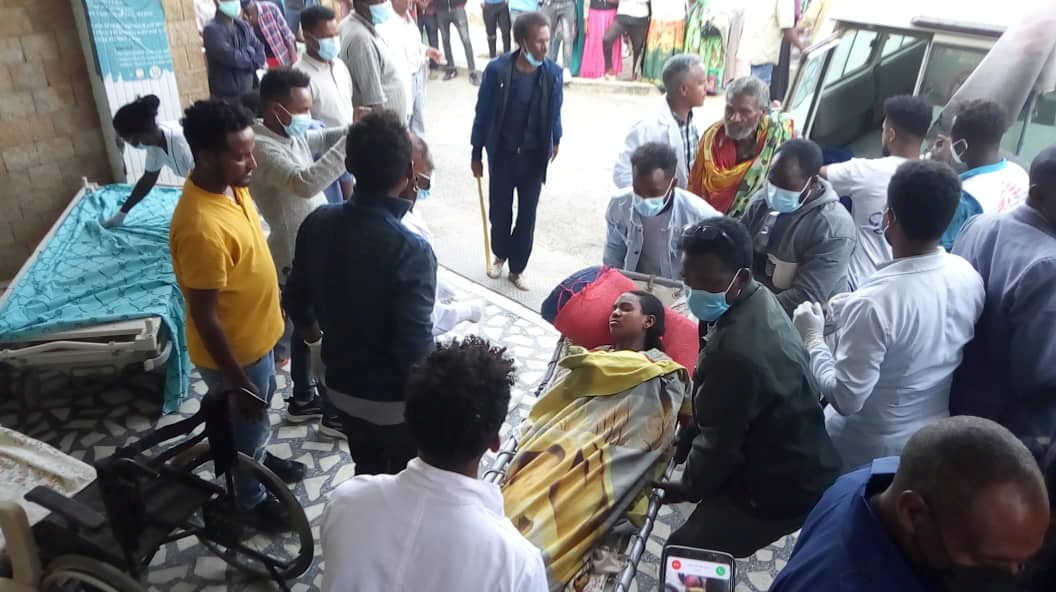
A woman is taken to Ayder Referral Hospital, in Mekelle, after an airstrike in Togoga, Ethiopia’s Tigray region June 22, 2021. Picture taken June 22, 2021. Tigray Guardians 24 via REUTERS
No voting was held in Tigray, where the military has been battling forces loyal to the Tigray People’s Liberation Front (TPLF), the region’s former ruling party, since November. Security concerns and problems with ballot papers also delayed voting in two other regions.
Residents reported that TPLF forces had entered several towns north of Mekelle in the past three days, withdrawing from one of them within hours.
AMBULANCES BLOCKED
The official and two other health workers helping with the response in Togoga told Reuters on Wednesday that Ethiopian soldiers were blocking the main road from Mekelle to the town and preventing ambulances from reaching the scene.
“Patients are dying right now,” the official told Reuters around midday.
He said two ambulances had been able to reach the town via a back road late on Tuesday but did not have the necessary equipment and were not allowed to leave.
He said the teams had counted at least 43 dead, and 44 critically wounded patients needing treatment.
One medical worker told Reuters he had tried to reach the scene six times over two days.
Finally around several ambulances reached Mekelle’s Ayder Referral Hospital as night fell. The oldest victim who arrived was 62, and the youngest was six, a doctor there told Reuters. Many had serious injuries, including a man whose brain was exposed, he said.
A doctor who had stayed at the scene overnight told Reuters it was “terrible” and shared pictures of people too wounded to move wrapped in blankets against the cold.
“We heard screaming and crying coming from houses where people died – one family lost four members,” she said. “All the houses around the market were flattened, apples and tomatoes lying everywhere.”
“Many people who were injured died before we could reach them … I felt so hopeless.”
Military spokesman Getnet denied that the military was blocking ambulances.
Reporting by Katharine Houreld; Editing by Toby Chopra
The post Medical Official: Air Strike Kills at Least 43 in Ethiopia’s Tigray appeared first on The St Kitts Nevis Observer.
India: ‘Black Fungus’ Epidemic Follows COVID Pandemic
The deadly disease has sickened former coronavirus patients across the country. Doctors believe that hospitals desperate to keep Covid patients alive made choices that left them vulnerable.

AHMEDABAD, India — In the stifling, tightly packed medical ward at Civil Hospital, the ear, nose and throat specialist moved briskly from one bed to the next, shining a flashlight into one patient’s mouth, examining another’s X-rays.
The specialist, Dr. Bela Prajapati, oversees treatment for nearly 400 patients with mucormycosis, a rare and often deadly fungal disease that has exploded across India on the coattails of the coronavirus pandemic. Unprepared for this spring’s devastating Covid-19 second wave, many of India’s hospitals took desperate steps to save lives — steps that may have opened the door to yet another deadly disease.
“The pandemic has precipitated an epidemic,” Dr. Prajapati said.
In three weeks, the number of cases of the disease — known by the misnomer “black fungus,” because it is found on dead tissue — shot up to more than 30,000 from negligible levels. States have recorded more than 2,100 deaths, according to news reports. The federal health ministry in New Delhi, which is tracking nationwide cases to allot scarce and expensive antifungal medicine, has not released a fatalities figure.
The coronavirus pandemic has drawn stark lines between rich nations and poor, and the mucormycosis epidemic in India stands as the latest manifestation. During the second wave, which struck India in April, its creaky, underfunded medical system lacked beds, oxygen and other necessities as infections and deaths soared.
The mucormycosis epidemic adds even more urgency to the difficult task of protecting India’s 1.4 billion people. Only a small fraction have been vaccinated against the coronavirus, and they remain vulnerable to a third wave and the consequences that could follow.

Image
“Mucormycosis will tail off and go back to baseline as the Covid cases subside,” said Dr. Dileep Mavalankar, an epidemiologist. “But it may come back in the third wave unless we find out why it is happening.”
Many doctors in India think they know why. The bone-and-tissue-eating fungus can attack the gastrointestinal tract, the lungs, the skin and the sinuses, where it often spreads to the eye socket and the brain if left untreated. Treatment for the disease involves complex, often disfiguring surgery and an uncommon and expensive drug, contributing to a mortality rate above 50 percent.
Mucormycosis is not passed from person to person. It develops from commonplace spores that sometimes build up in homes and hospitals. Doctors believe India’s crowded hospitals, and their dire lack of medical oxygen, left the fungus an opening.
Without enough oxygen to go around, doctors in many places injected patients with steroids, a standard treatment for doctors battling Covid globally. They can reduce inflammation in the lungs and help Covid patients breathe more easily.

Image
Many doctors prescribed steroids in quantities and for durations that far exceed World Health Organization recommendations, said Arunaloke Chakrabarti, a microbiologist and the co-author of a study examining the causes of India’s mucormycosis outbreak. Those steroids may have compromised patient immune systems and made Covid-19 patients more susceptible to fungal spores.
The steroids may have also dangerously increased blood sugar levels, leaving people with diabetes vulnerable to mucormycosis. It could also increase the chance of blood clots, leading to malnourished tissue, which the “fungus attacks,” Dr. Prajapati said.
Desperate doctors may not have had the chance to ask patients about whether they had diabetes or other conditions before resorting to steroids.
“Doctors hardly had any time to do patient management,” Dr. Chakrabarti said. “They were all looking at how to take care of the respiratory tract.”
According to the health ministry, about four out of five mucormycosis patients have had Covid-19. More than half have diabetes.

Image
Alok Kumar Chaudry, a 30-year-old engineer with surgical tape over his left eye and hooked up to an I.V. drip at Civil Hospital, is one of those with mucormycosis who first came down with Covid.
He was studying for India’s civil service exam in April in New Delhi when the second wave hit. After testing positive for the coronavirus, and with hospital beds, drugs and oxygen scarce, he jumped onto a train to his older brother’s home in rural Gujarat. There, his oxygen levels plummeted to a potentially lethal 54 percent.
After two weeks on oxygen support and steroids at a local hospital, he recovered from Covid-19 but developed an acute headache on the left side of his brain. Doctors thought that steroids may have caused it and that it would go away.
The post India: ‘Black Fungus’ Epidemic Follows COVID Pandemic appeared first on The St Kitts Nevis Observer.
Fishermen filmed with 'thousands' of pink maomao in bins in Tairua
The alleged “wholesale slaughter” of an elusive and unprotected fish species was caught on camera in Tairua as locals acted in frustration at the lack of laws.Pink maomao, or longfin perch, is a species of sea bass. They can grow…
TSB Bank blames 'unexplained transactions' for freezing pensioner's life savings
A woman with power of attorney for her sick mother has been hospitalised with stress after TSB Bank froze the elderly pensioner’s life savings due to concerns about “unexplained transactions”.TSB has now reinstated access to one…
New Zealand pauses travel bubble with NSW for another 12 days
New Zealand has extended its pause on quarantine-free travel with New South Wales for another 12 days as Sydney's coronavirus outbreak continues to spread.
NZ's Minister for COVID-19 Response Chris Hipkins said his government believes in "a cautious approach".
"There are now 36 recent community cases of COVID-19 in New South Wales – including four not yet linked to the existing outbreak that are urgently being investigated by Australian health officials," Mr Hipkins said.
"This decision follows a further public health assessment today in which officials consider a range of factors – whether any new cases are identified, the results from COVID-19 testing of any contacts identified and from the wider Sydney community."
READ MORE: Sydney cluster grows to 21
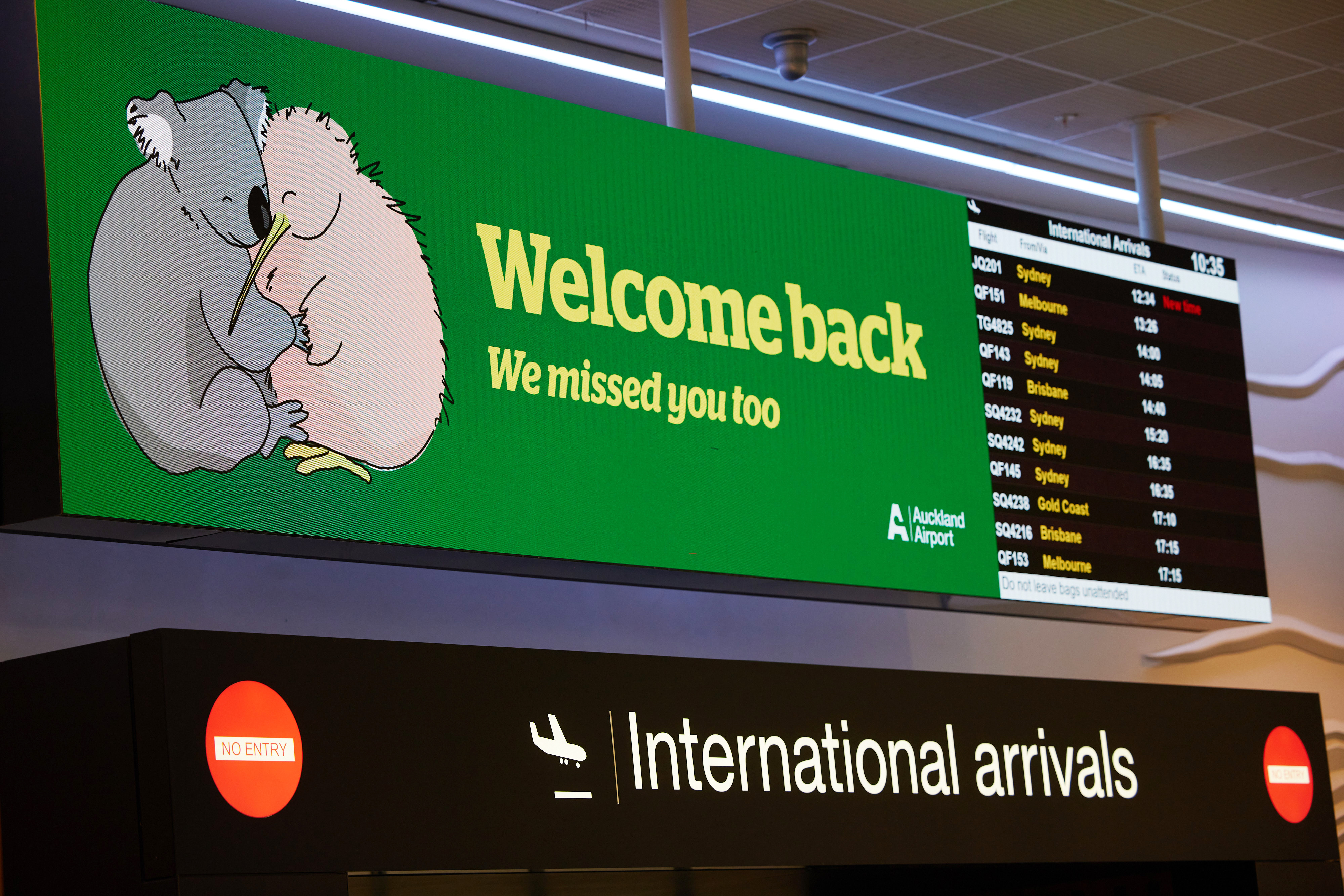
The travel bubble pause first came into effect at 9.59pm AEST on Tuesday (11.59pm NZ time).
"As with previous pauses, it will be under constant review," Mr Hipkins said in a statement.
"This decision follows a public health assessment today which determined that while the overall risk to public health in New Zealand currently remains low, there are still several unknowns, including a case that was infectious while in the Sydney community and a primary school age child with no clear link established at present.
"The government is taking a precautionary approach and will review the decision to pause again on Thursday."
READ MORE: Thai restaurant, bank, perfume shop added to exposure sites list
New Zealand health officials have also updated their advice for anyone already in New Zealand who has recently visited Sydney's Westfield Bondi Junction shopping centre, where community transmission of the virus has been as confirmed as occurring.
New Zealand's pause with NSW came as it resumed its travel bubble with Victoria after a run of low case numbers.
Victorians are no longer required to test negative before departing for New Zealand but are encouraged to monitor for symptoms and check the Victoria Health website for updated locations of interest.
In the past week, there have been no new COVID-19 cases of the Delta variant and health officials have determined there is unlikely to be widespread community transmission.
– reported with Stuff
You can find out more details about how to book your vaccine through the Federal Government health site here.
Early COVID-19 samples 'deleted' from database, expert claims
Scientists investigating the origins of the coronavirus pandemic might be working with the wrong samples, because some early samples of the virus submitted by a Chinese researcher were deleted from a shared database, an expert in the evolution of viruses says.
Dr Jesse Bloom, a researcher at the Fred Hutchinson Cancer Centre in Seattle, said he found genetic sequences taken from early coronavirus cases in China that were deleted from a US National Institutes of Health database.
Examination shows some of the early cases in the Chinese city of Wuhan are different, genetically, from the variants that eventually spread to cause the pandemic.
READ MORE: Mystery case among 11 new Sydney infections
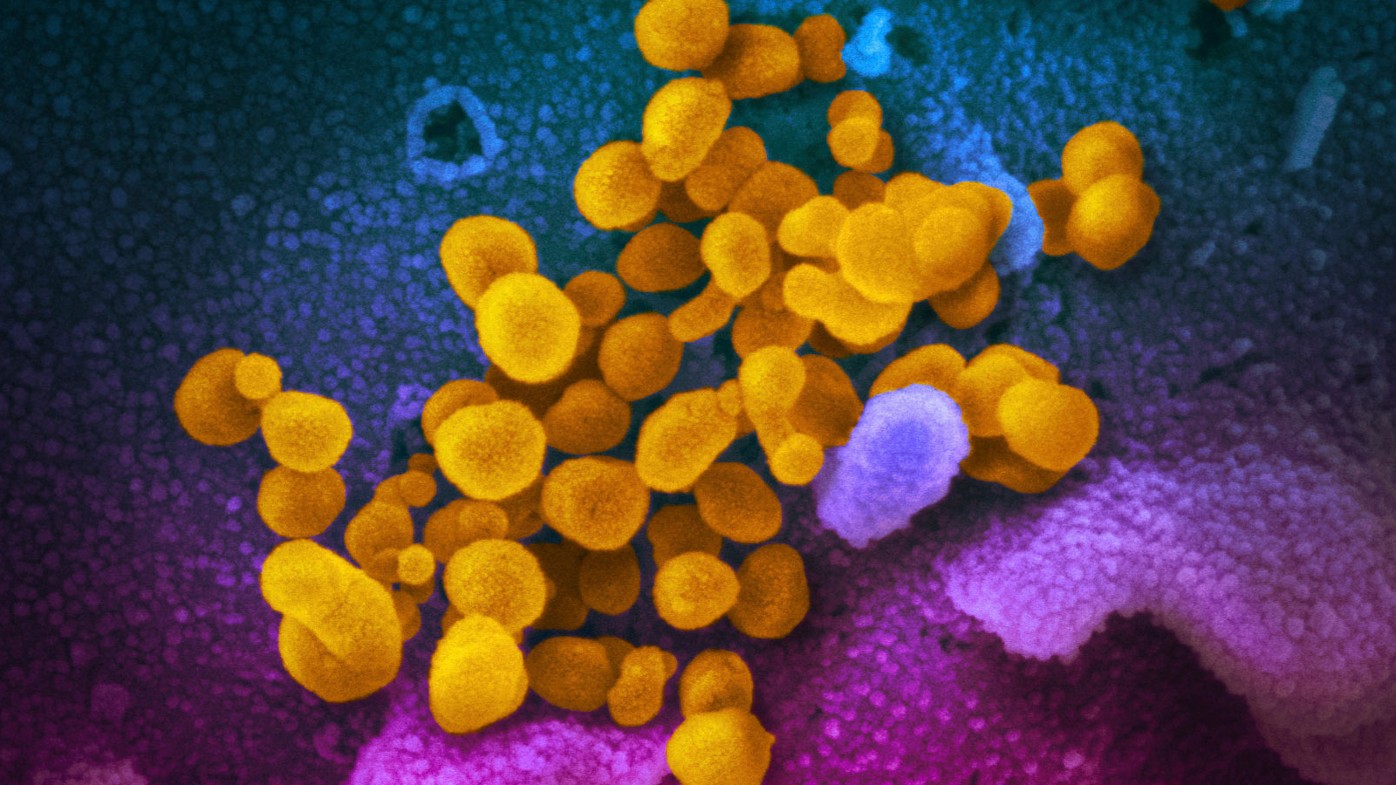
The sequences themselves do not shed any more light on the renewed debate about whether the virus spread naturally from animals to humans, or was the result of a laboratory leak, Dr Bloom told CNN.
But he said his analysis shows the samples being used to investigate the origins of the COVID-19 pandemic may not be complete.
"I recover the deleted files from the Google Cloud, and reconstruct partial sequences of 13 early epidemic viruses," Dr Bloom, who is helping with efforts to follow the genetic changes of the coronavirus, wrote in a pre-print paper posted on bioRxiv.
It has not yet been peer-reviewed.
The NIH confirmed the sequences had been removed in June 2020 at the request of the investigator who originally submitted them in March 2020, and said it was standard practice to allow this.
Geneticists have been sharing information in databases like this one since the start of the pandemic.
READ MORE: Scott Morrison rejects claims Australia bought 'the budget shot'
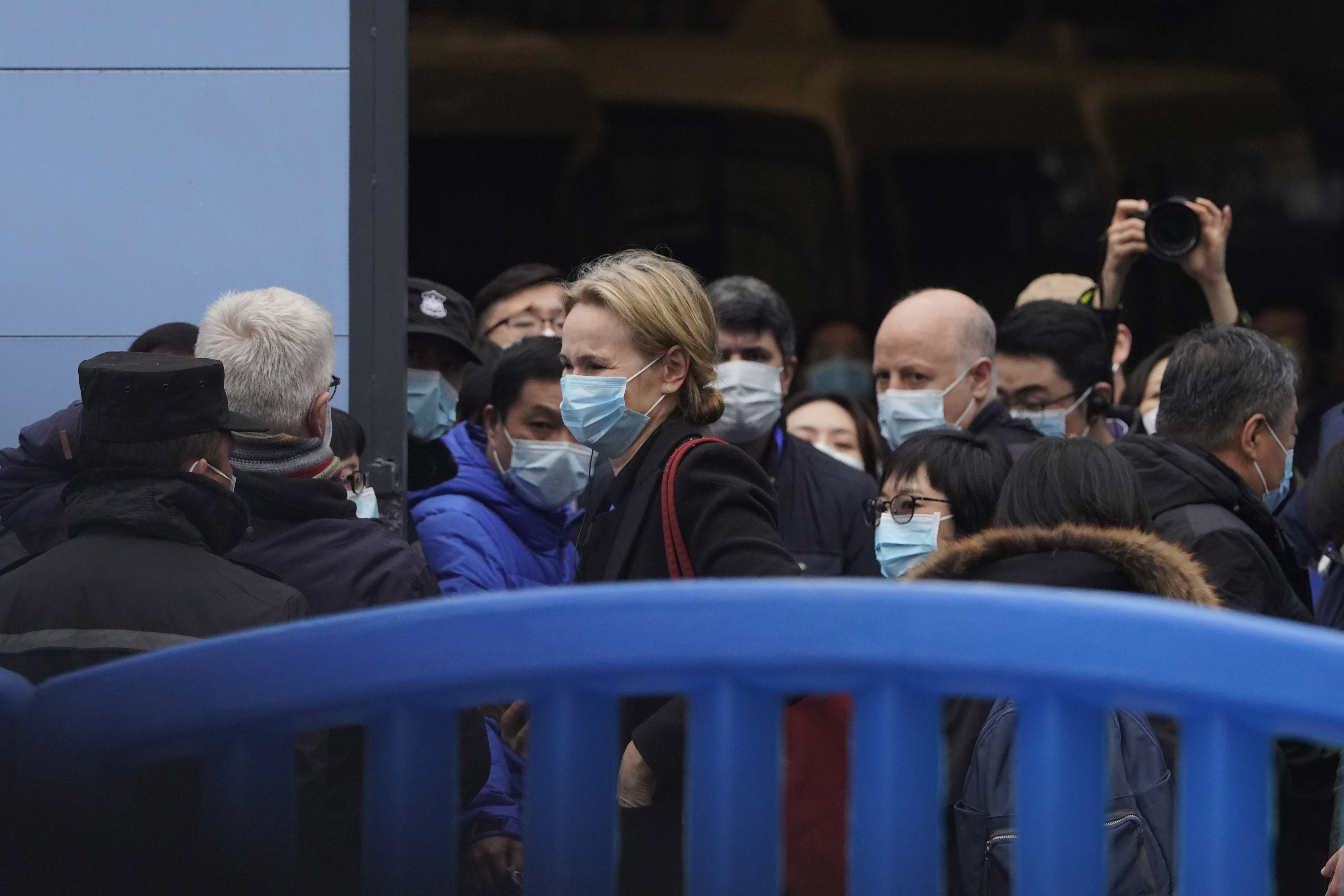
The World Health Organisation has been leading efforts to find the origins of the coronavirus and issued a report in March saying it was most likely the virus originated in an animal and passed to people, as other coronaviruses have.
Least likely, it said, is the possibility that a virus was engineered in a lab and leaked out.
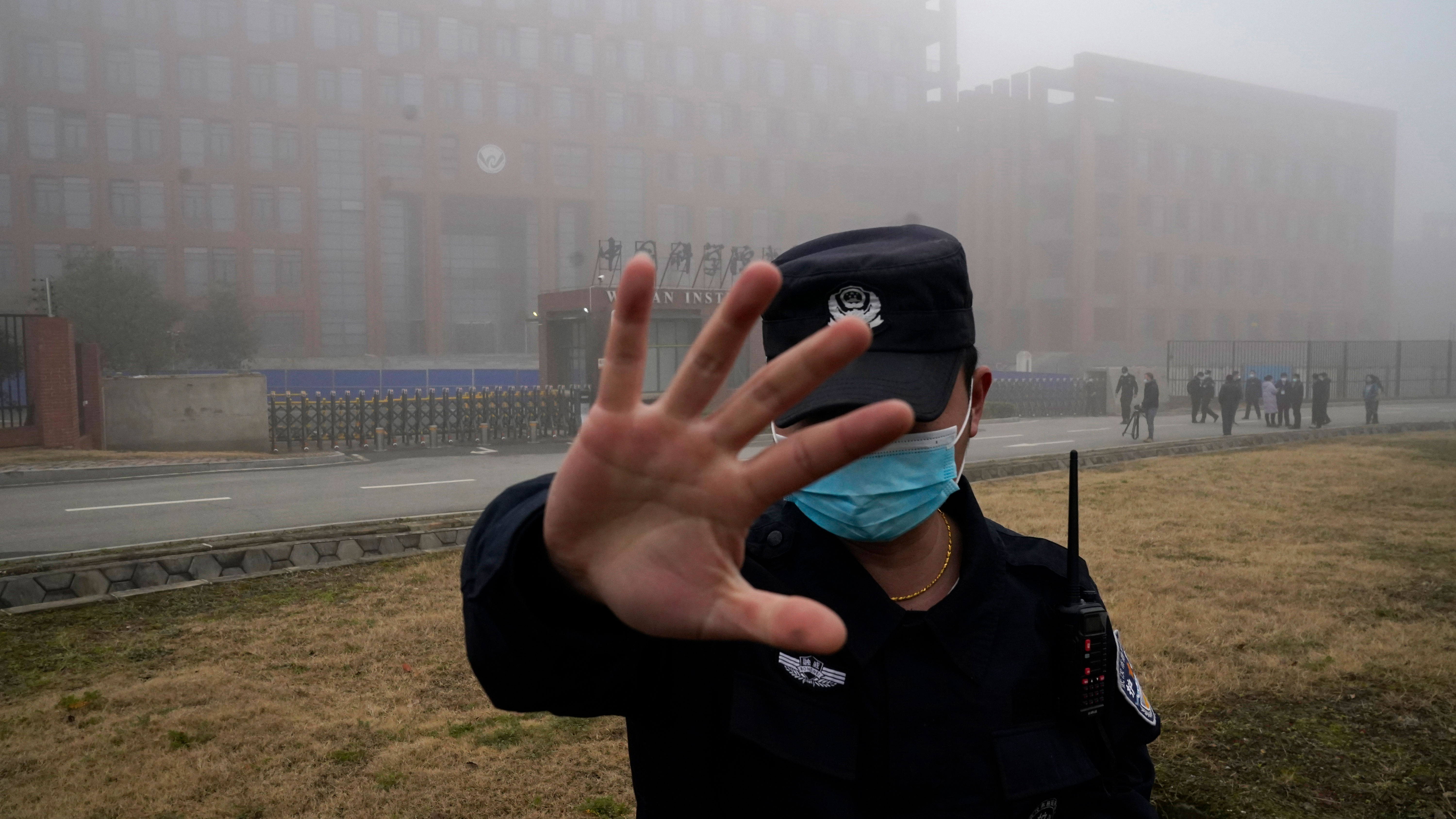
Much of the investigation has focused on early cases at Wuhan's Huanan Seafood market.
But WHO has been criticised for accepting evidence from China, and the administration of President Joe Biden has been taking another look at the origins.
"We are aware of this report and, as we repeatedly asked, we hope that all data on early cases will be made available," WHO spokesman Tarik Jašarević told CNN by email.
Dr Bloom said the missing sequences are no smoking gun.
"This study does not provide any additional strong evidence favouring either natural zoonosis or lab accident," Dr Bloom said in an email to CNN.
"Rather, it shows that there are additional sequences from relatively early in the outbreak that are still unknown, and in some cases have mutations that suggest they are probably evolutionarily older than the viruses from the Huanan Seafood Market."
Scientists not involved with Dr Bloom's analysis were sceptical about his conclusions.
READ MORE: Everything we know about the Delta Plus variant
"If these sequences were removed for the purpose of obscurity, it is also worth noting that such an effort clearly flopped because … these sequences do not immediately provide any completely new knowledge about the genetic diversity of SARS-CoV-2 in the early pandemic," Robert Garry, a professor of immunology at Tulane University, said.
"The reality is that minor scientific missteps and less-than-ideal circumstances surround the sharing of scientific data all of the time.
"In general, the work is vague or remiss about extremely important context and details about the sequences in question."
"The language of the paper is unusual, its contains a significant degree of supposition and conjecture, cites blog posts and appears to be pointing towards a deliberate cover-up by Chinese authorities of early sequence data from Wuhan," Andrew Preston, a professor of microbial pathogenesis at the University of Bath in Britain, said in a statement.
"However, this is an entirely subjective appraisal of the situation, which will be very difficult to confirm or disprove."
You can find out more details about how to book your vaccine through the Federal Government health site here.
Lake Alice abuse in care: Police apologise, admit failings in investigations
By Andrew McRae of RNZ Police have acknowledged failings in investigations into complaints made over abuse in the adolescent unit at the Lake Alice Psychiatric Hospital in the 1970s.An apology has been given at the Royal Commission…
Covid 19 coronavirus: NZ extends New South Wales travel halt, some Wellington flyers not welcome in Cook Islands
New Zealand has extended the halt on the travel bubble with Covid-plagued New South Wales for another 12 days.Covid-19 Response Minister Chris Hipkins said there were now 36 virus cases in the state, including four not yet linked…
More than 200,000 people worldwide playing Kiwi-made trading card game
Just over eight years ago, James White set out to bring people together with an all-new classic trading card game.Little did the founder of Epsom-based Legend Story Studios know it would soon make history.Flesh and Blood is designed…