Category Archives: headline

PM calls on global trade umpire to intervene over China wine row

Prime Minister Scott Morrison says Australia will ask the World Trade Organisation (WTO) to intervene in the wine tariff trade row with China.

The Federal Government has previously said it was considering taking the dispute over Chinese tariffs on Australian wines to the WTO. It has already brought action at the global trade umpire over Beijing's barley tariffs.

"Barley producers in Australia, wine-growers in Australia, have been targeted with trade sanctions that we believe are completely unconscionable," Mr Morrison told 6PR radio.

READ MORE: 'There is a lot at stake': PM sounds warning ahead of G7 summit

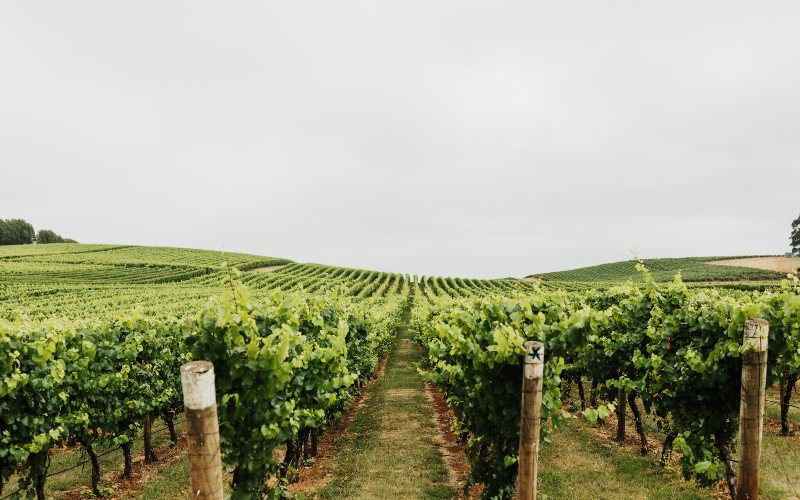
Tamar Valley vineyard, Tasmania

"And we are seeking to take those up in the World Trade Organisation to see them resolved there."

Nine.com.au has asked the Prime Minister's Office for further details on the WTO action.

China imposed trade sanctions against Australian exporters after relations between Beijing and Canberra plummeted over the last year.

Exports including coal, barley, beef, lobster and timber were hit with tariffs and other punitive measures.

Earlier this year, China extended tariffs on Australia wine exports for another five years.

Chinese officials said the taxes – expected to be up to 220 per cent – were anti-dumping measures.

READ MORE: US trade strike force to counter China

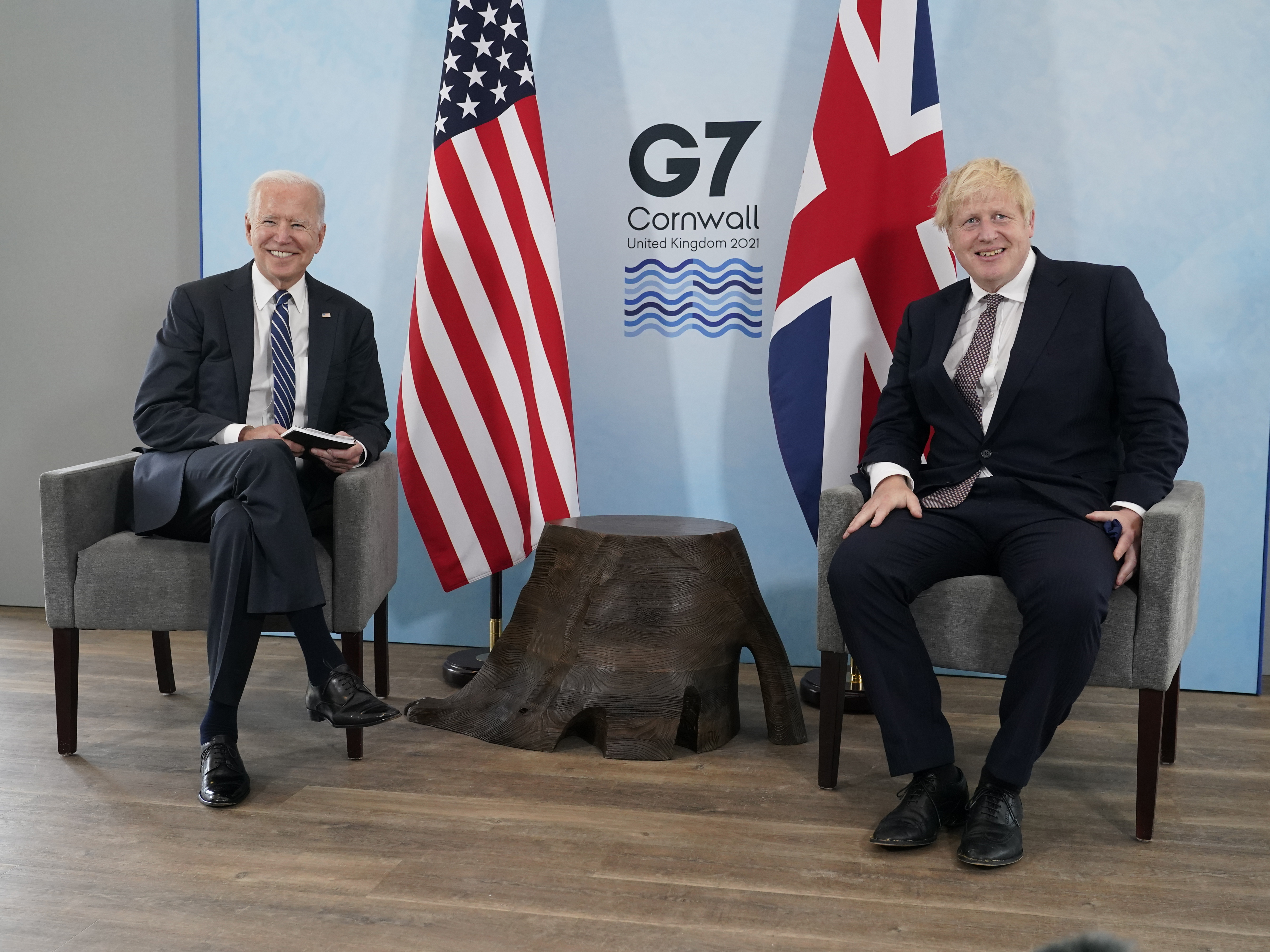
G7

Mr Morrison had flagged a beefed-up WTO earlier this week before he headed to the UK for this week's G7 leaders summit.

He said he will be seeking support from other western nations to counter what he called "economic coercion".

Australia announced last December that it was taking China to the WTO over barley tariffs after Beijing slapped duties of 80 per cent on the grain.

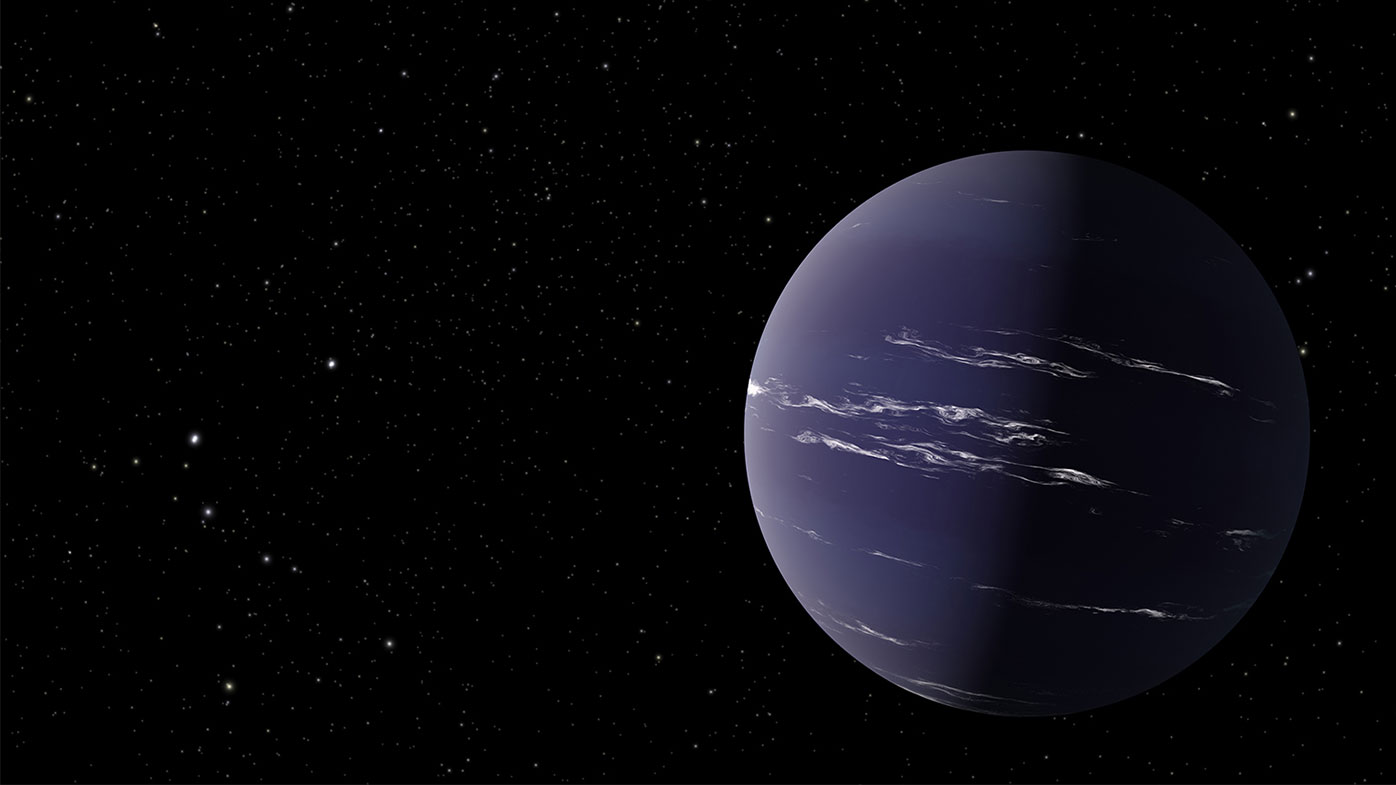
Newly discovered planet could have water clouds

Scientists have discovered an exoplanet located 90 light-years from Earth with an intriguing atmosphere – one that could contain water clouds.

Exoplanets are planets located outside of our solar system. This exoplanet, called TOI-1231 b, completes a full orbit around its star every 24 Earth days.

It orbits a red, or M-type, dwarf star, known as NLTT 24399, that is smaller and dimmer than stars like our sun.

READ MORE: Sydney wakes to blanket of fog

The exoplanet is believed to have water clouds and has an average temperature of 60C.

The discovery of the planet was detailed in a new study that will be published in a future issue of The Astronomical Journal.

"Even though TOI 1231 b is eight times closer to its star than the Earth is to the Sun, its temperature is similar to that of Earth, thanks to its cooler and less bright host star," study co-author Diana Dragomir, an assistant professor in the University of New Mexico's department of physics and astronomy, said in a statement.

"However, the planet itself is actually larger than earth and a little bit smaller than Neptune – we could call it a sub-Neptune."

Why this exoplanet might have clouds

The researchers were able to determine the planet's radius and mass, which helped them calculate its density and infer its composition.

The exoplanet has a low density, which suggests it's a gaseous planet rather than a rocky one like Earth, but scientists don't yet know for certain the composition of the planet or its atmosphere.

"TOI-1231 b is pretty similar in size and density to Neptune, so we think it has a similarly large, gaseous atmosphere," lead study author Jennifer Burt, a postdoctoral fellow at NASA's Jet Propulsion Laboratory in Pasadena, California, said.

"TOI1231b could have a large hydrogen or hydrogen-helium atmosphere, or a denser water vapour atmosphere," Ms Dragomir said.

"Each of these would point to a different origin, allowing astronomers to understand whether and how planets form differently around M dwarfs when compared to the planets around our Sun, for example."

The researchers believe TOI-1231 b has an average temperature of 60 degrees Celsius, which makes it one of the coolest of the small exoplanets available for future study of its atmosphere.

"Compared to most transiting planets detected thus far, which often have scorching temperatures in the many hundreds or thousands of degrees, TOI-1231 b is positively frigid," Ms Burt said.

The cooler the exoplanet, the more likely it is to have clouds in its atmosphere.

The similarly small exoplanet K2-18 b, discovered in 2015, was recently observed in more detail, and researchers found evidence of water in its atmosphere.

"TOI-1231 b is one of the only other planets we know of in a similar size and temperature range, so future observations of this new planet will let us determine just how common (or rare) it is for water clouds to form around these temperate worlds," Ms Burt said in a statement.

This makes TOI-1231 b the perfect candidate for observations by the Hubble Space Telescope – or the James Webb Space Telescope, which is scheduled to launch in October.

Webb will have the ability to peer into the atmospheres of exoplanets and help determine their composition.

And Hubble is scheduled to observe the exoplanet later this month.

The search for exoplanets

Ms Burt, Ms Dragomir and their colleagues discovered the planet using data from NASA's Transiting Exoplanet Survey Satellite, or TESS.

The planet-hunting satellite, launched in 2018, observes different areas of the sky for 28 days at a time.

So far, TESS has helped scientists find large and small exoplanets orbiting stars like our sun as well as the smaller M dwarf stars.

These diminutive stars are common in the Milky Way galaxy.

When a planet crosses in front of its star during orbit, it blocks a certain amount of light.

This is called a transit, and it's one way astronomers search for exoplanets using missions like TESS.

Given that M dwarf stars are smaller, the amount of light blocked by a planet orbiting them is larger, which makes the transit more detectable.

Scientists look for at least two transits before determining if they have found an exoplanet candidate.

Follow-up observations were made using the Planet Finder Spectrograph on the Magellan Clay telescope at Las Campanas Observatory in Chile.

"One of the most intriguing results of the last two decades of exoplanet science is that, thus far, none of the new planetary systems we've discovered look anything like our own solar system," Burt said.

"This new planet we've discovered is still weird – but it's one step closer to being somewhat like our neighbourhood planets."

Clean-up begins after wild Victoria storm

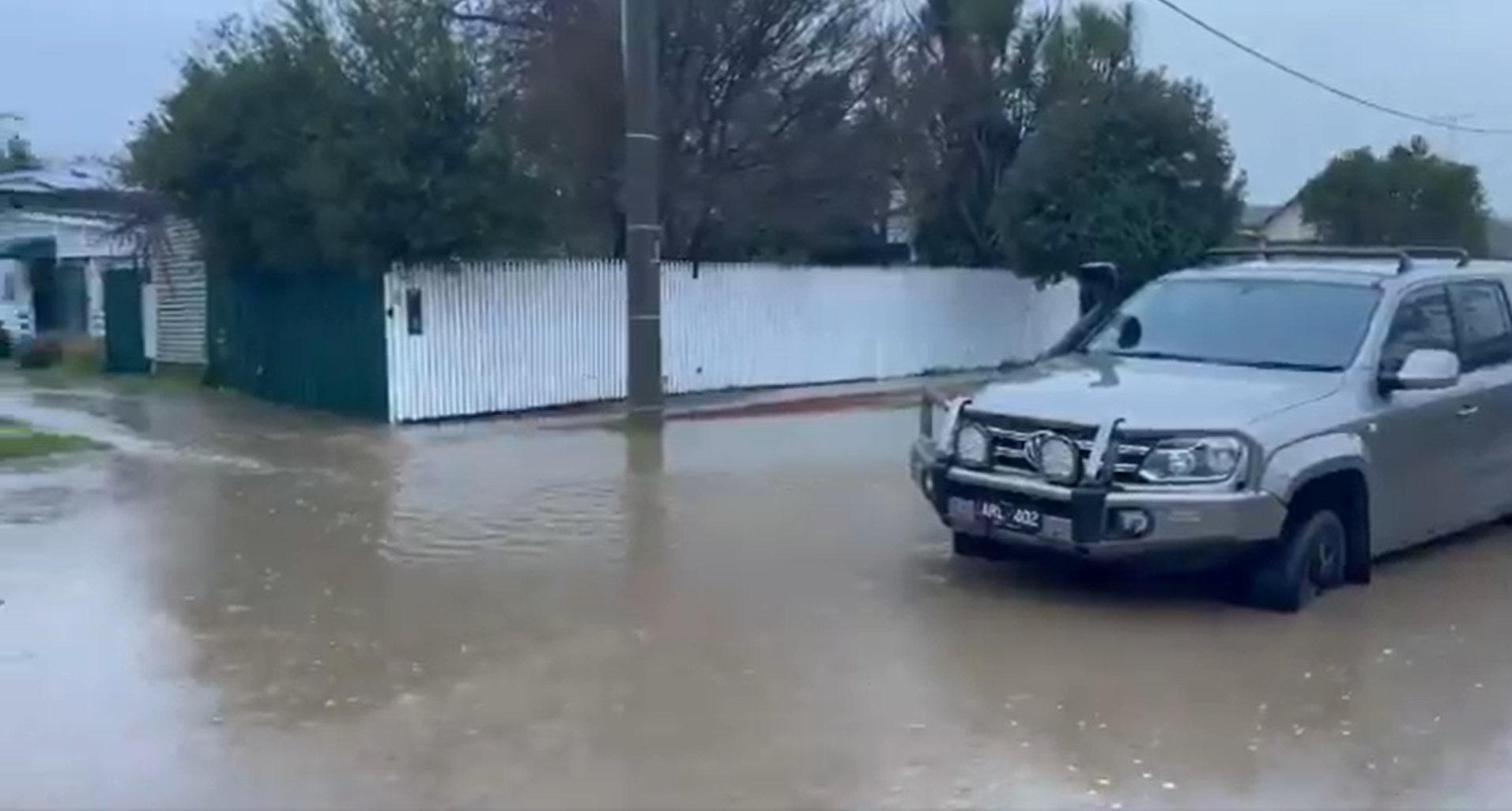
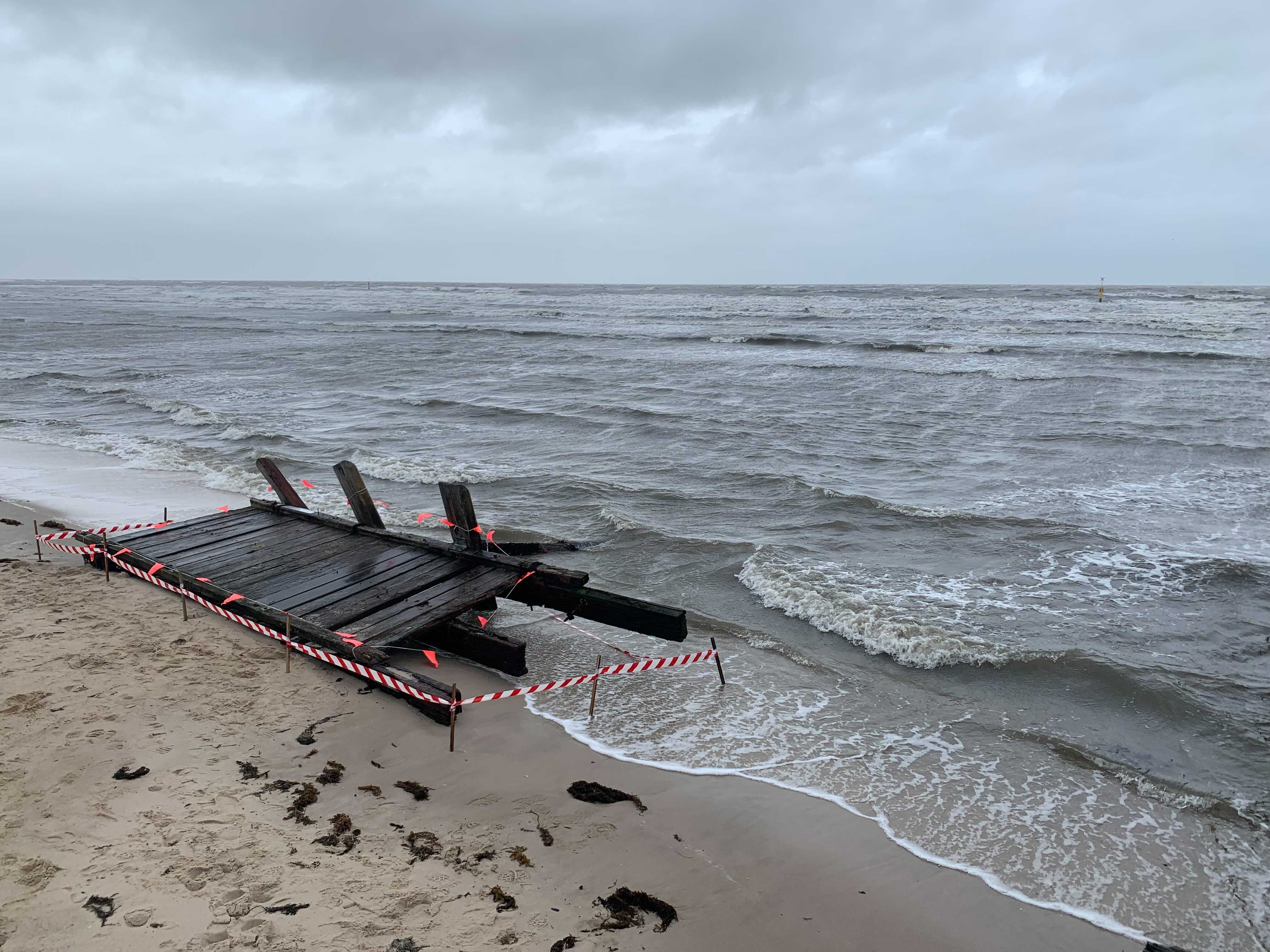
Residents in parts of Victoria face a mammoth clean-up after a wild winter storm destroyed homes and left entire towns cut off.

A man was killed and many thousands left without power potentially for several days from the weather that first struck on Wednesday night.

The chaos and destruction stretched from the city to the suburbs, with evacuation orders still in place for some residents overnight as rivers threatened to flood from the drenching rain.

READ MORE: Man found dead in Victorian floodwaters
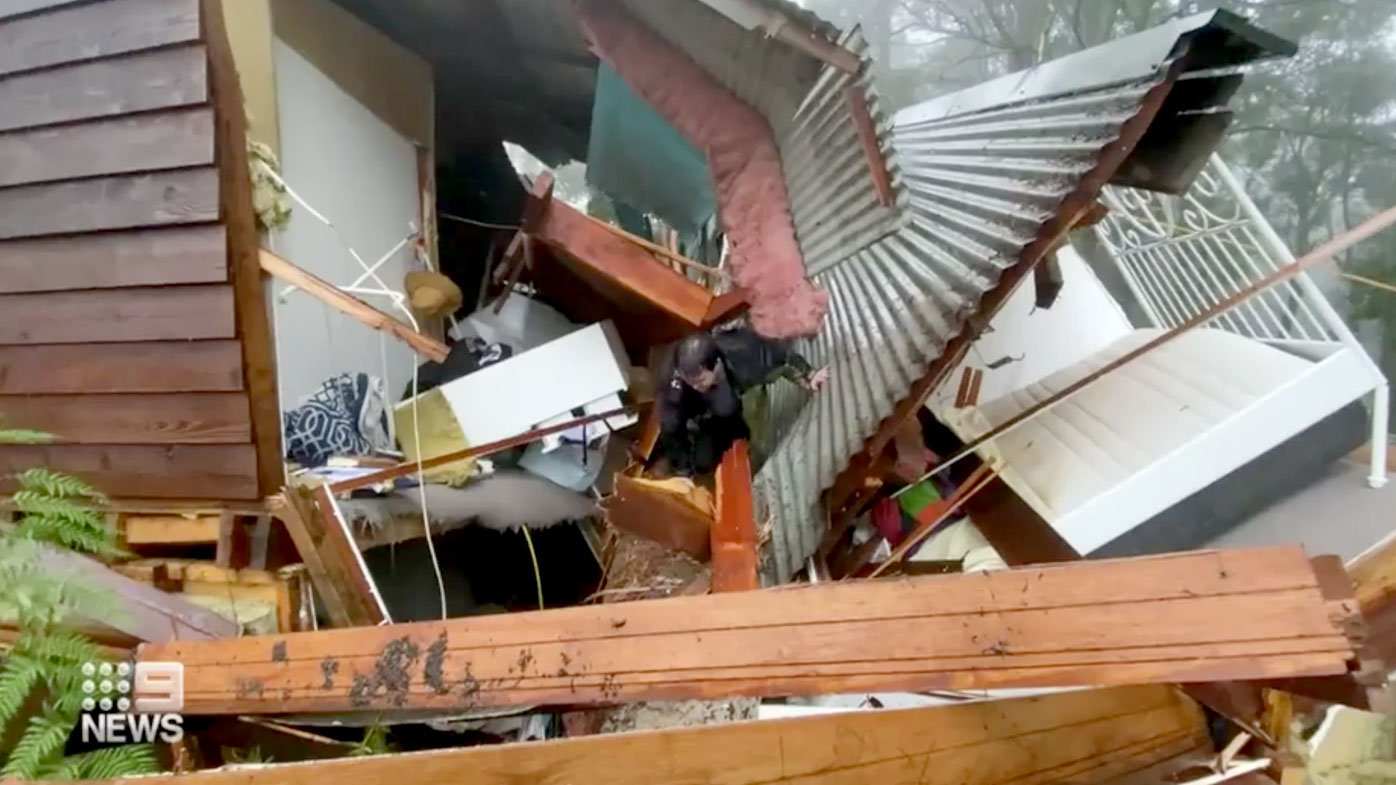
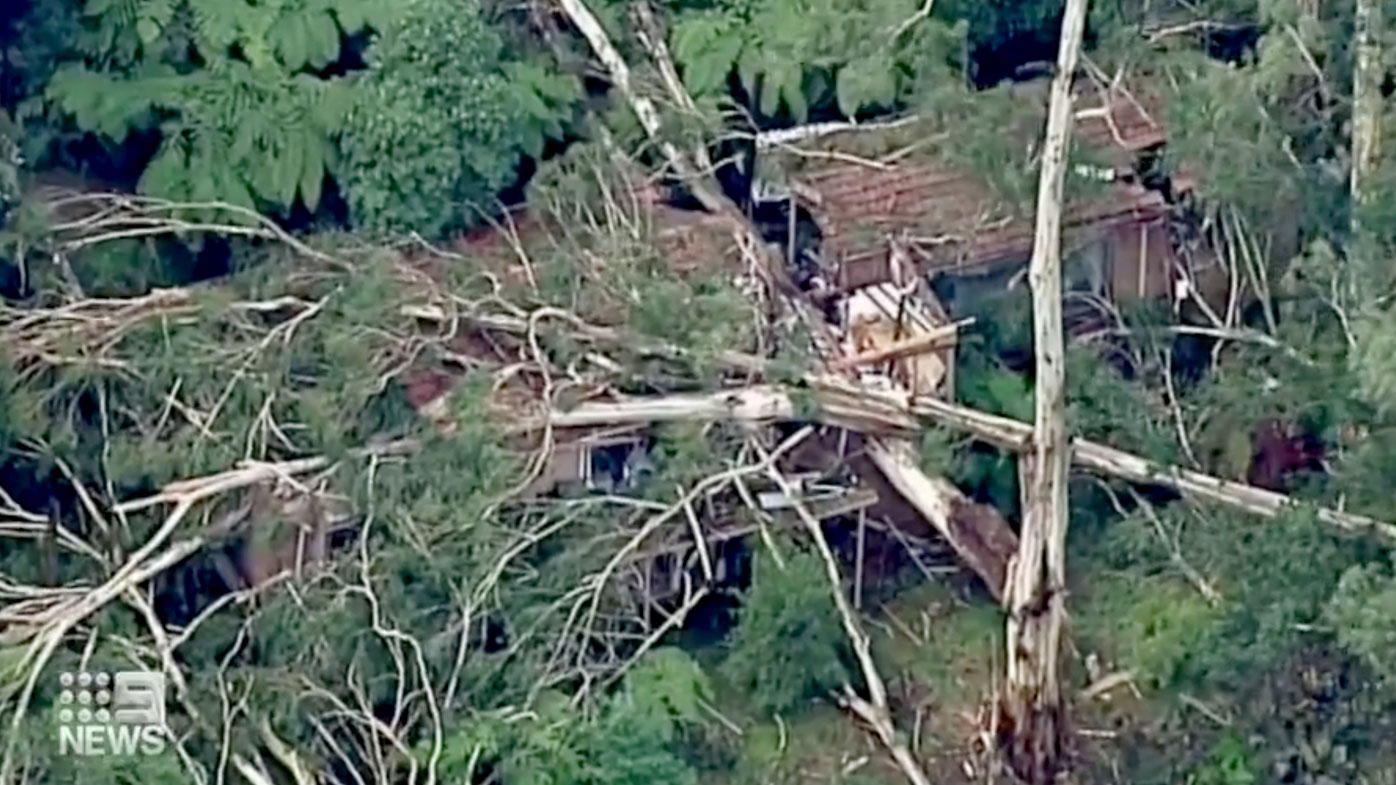
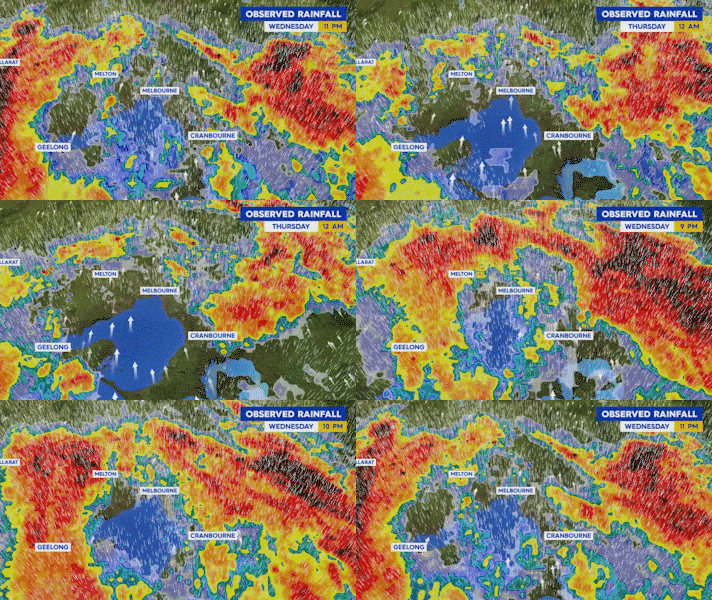
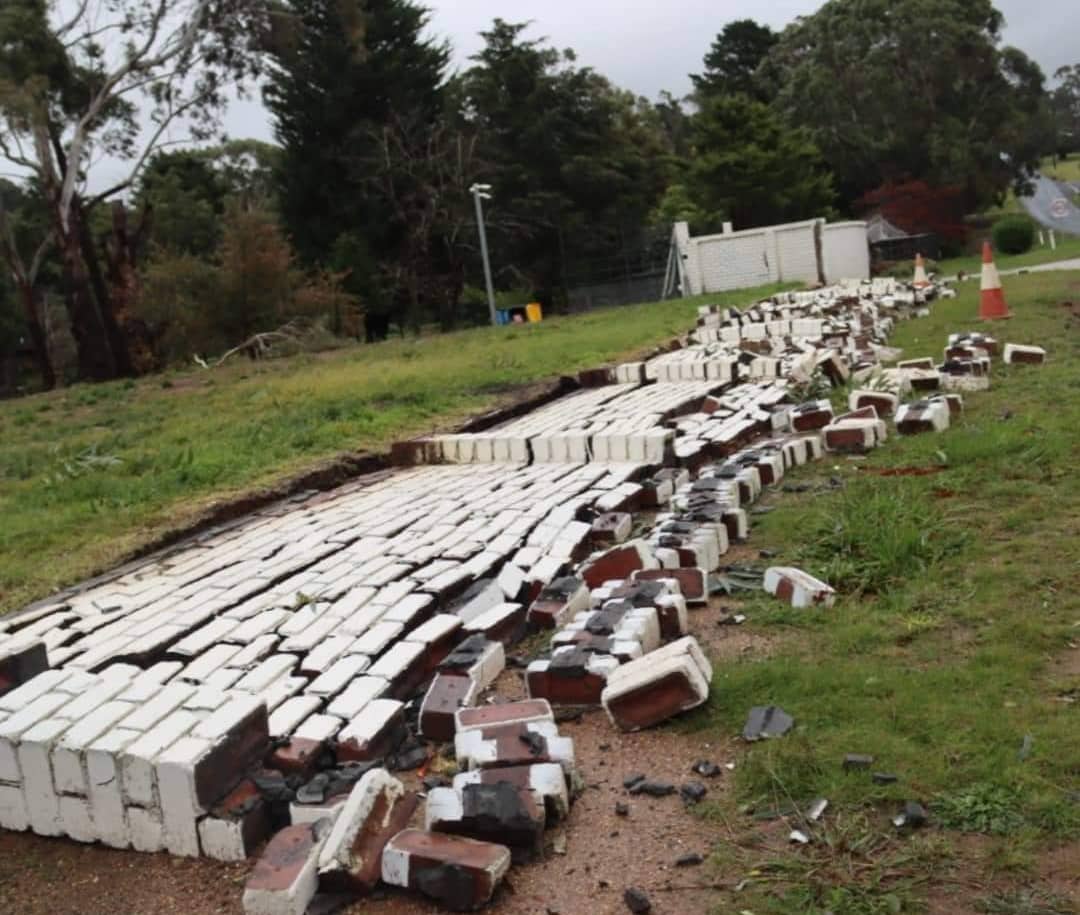
Melbourne's outer-east, the Dandenongs and East Gippsland were the hardest hit, as winds that sounded like "half a dozen semi-trailers" felled trees and heavy rain sparked flash floods.

"It looks like a catastrophe," Croydon local Andrew Fell said.

He inspected his house, which resembled a disaster site.

https://twitter.com/ScottMorrisonMP/status/1402949173314347011

More than 160,000 were still without power on Thursday night.

In Gippsland, a man's body was found on Thursday afternoon after a member of the public notified police of a car inundated by floodwaters.

Victorians fear for their lives and homes

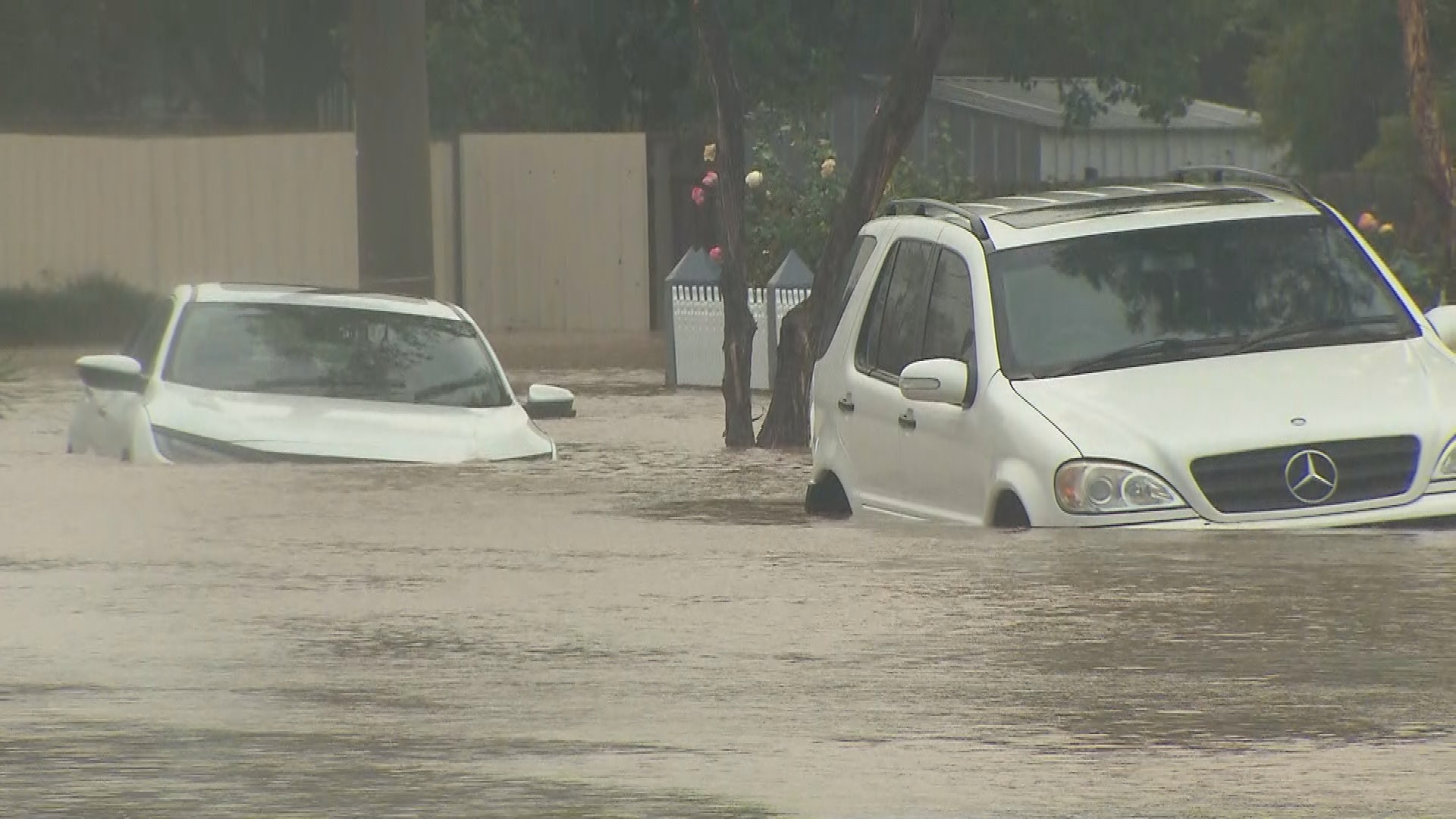
Thousands were forced to flee as properties and cars were destroyed in the ferocious conditions.

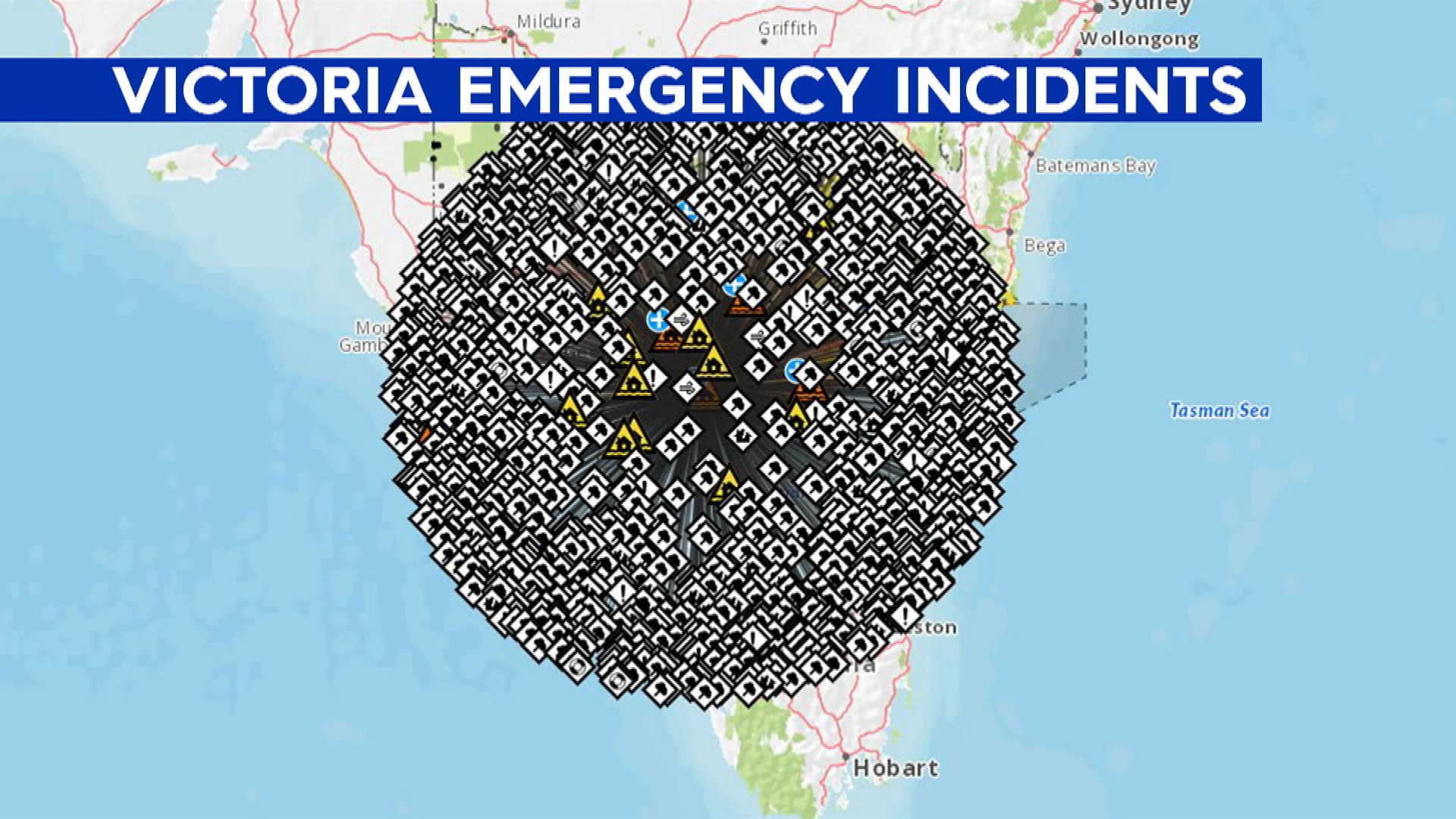
The State Emergency Service (SES) was inundated by more than 5000 calls and only 1000 volunteers on the ground.
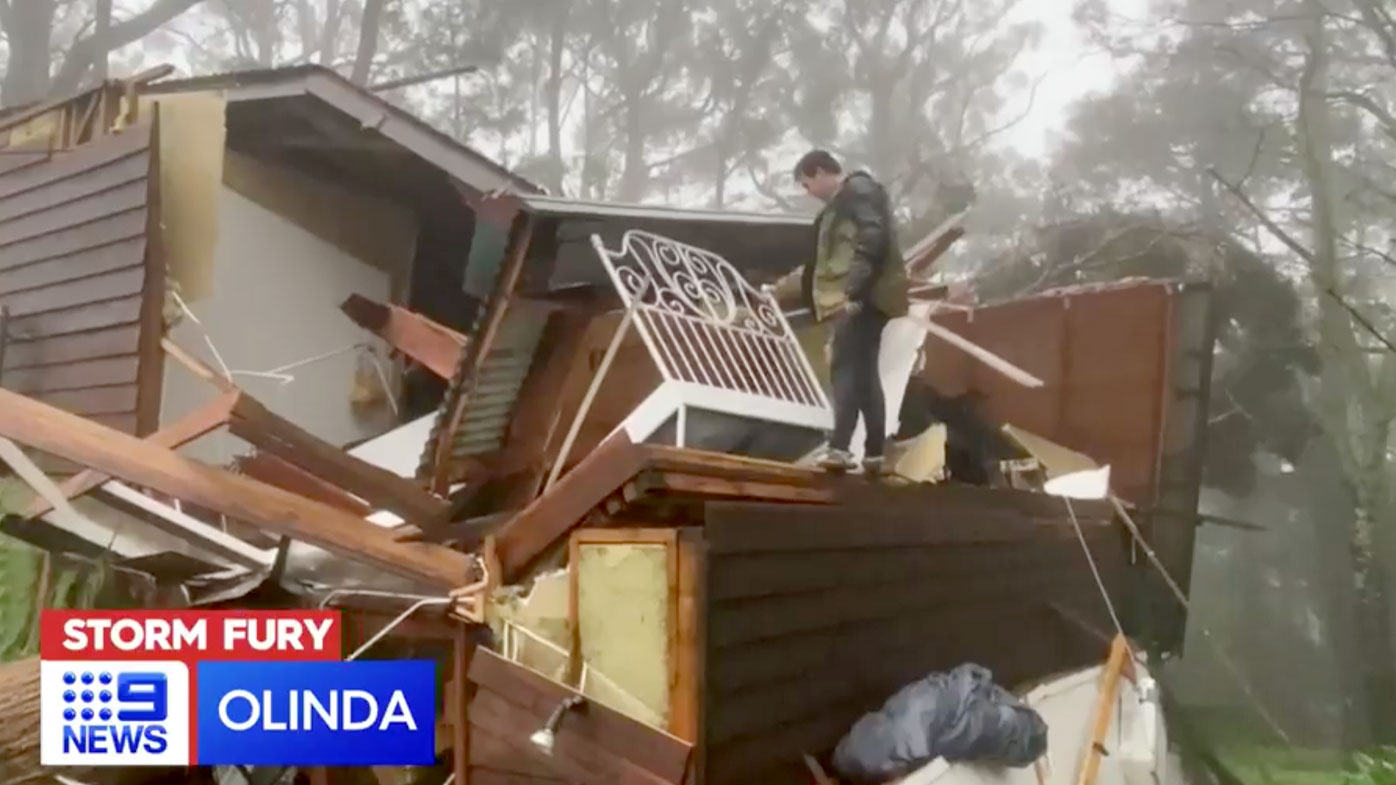
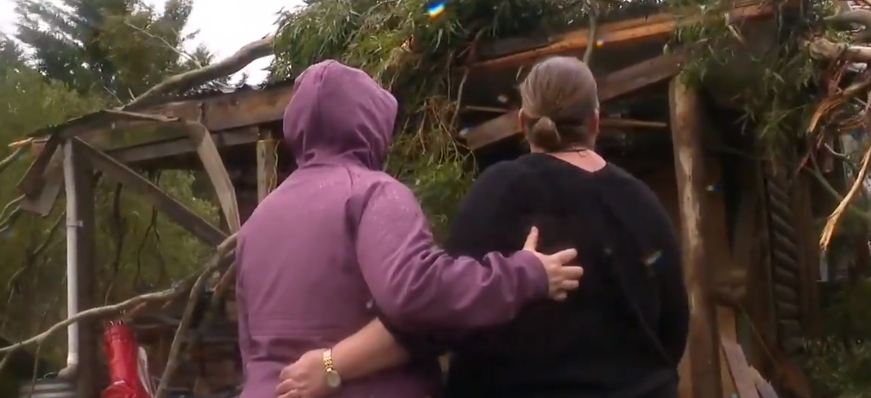
Elaine Henderson and her daughter Kayla fled the storm in Kalorama and returned to a heartbreaking mess.

"It was really, really scary — it was like I was in some sort of movie, just trying to get out of here," Ms Henderson said.

"Coming and seeing my mum's house like this today, it's horrifying," Kayla said.

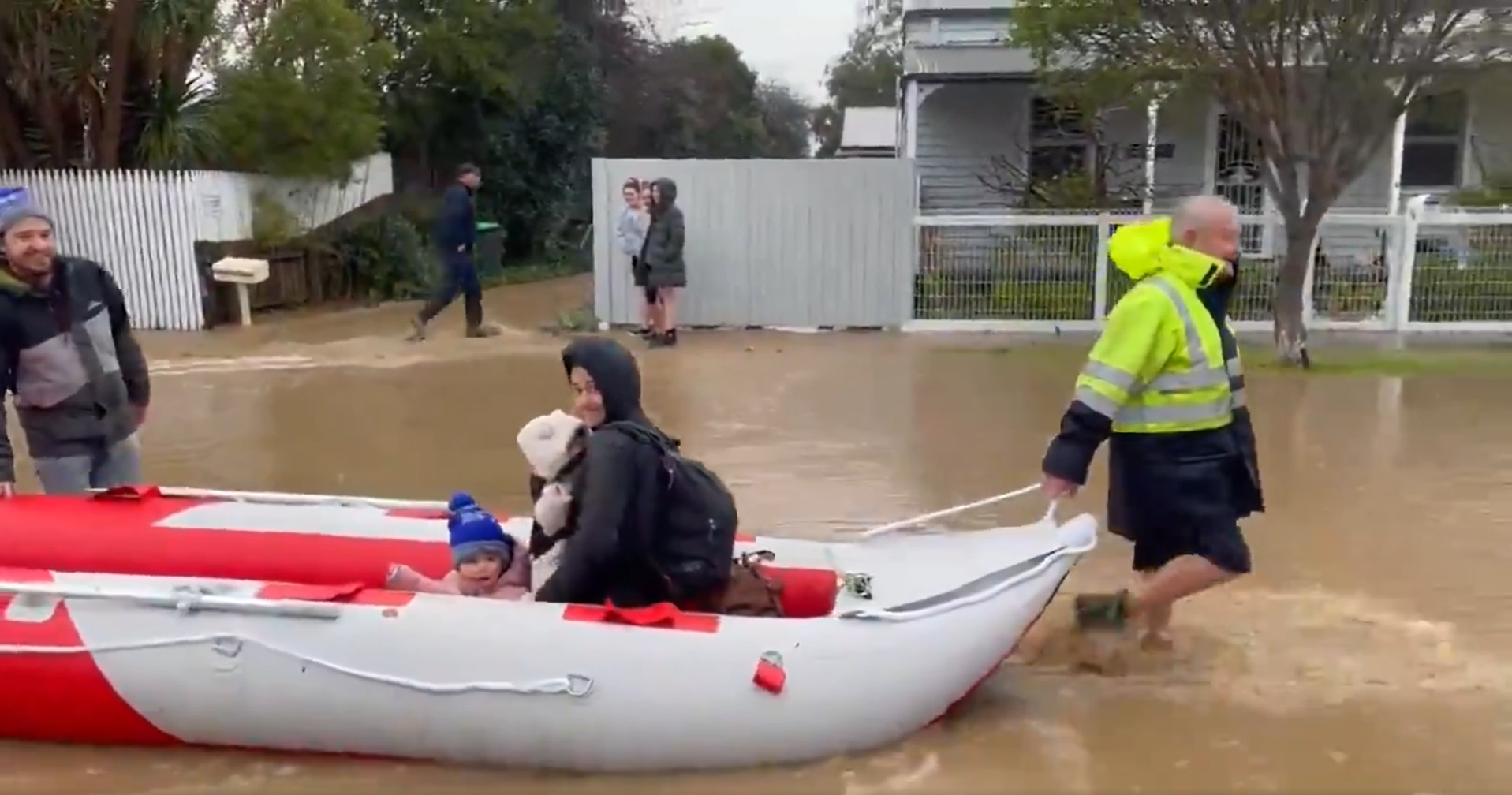
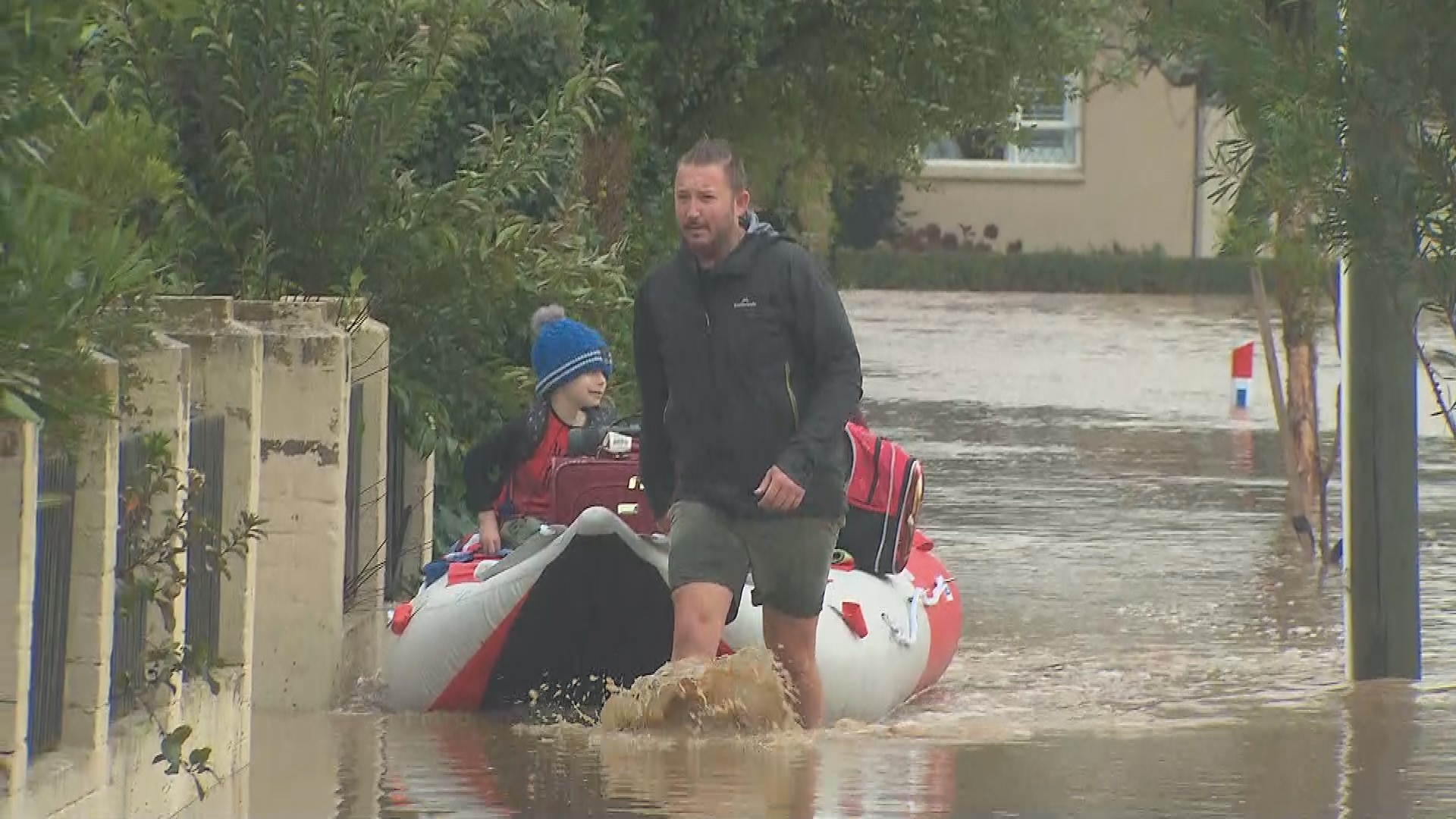
Gemma Moran was with her three-year-old daughter and her six-week-old son when murky brown floodwater started to rise around their Traralgon home.

She had to leave her partner and evacuate with the kids.
"I cried the whole way down. [There's] water everywhere, it'd be at least a metre up or more," Ms Moran told 9News.

"I'm freaking out."

The Gippsland mum said they were lucky to escape by boat.

"I've been panicking on the inside," she said.

"I am just glad we're out and on higher ground."

Power outages for many thousands

At least 164,000 homes across Victoria were without power on Thursday night and faced a wait of up to three days.

"Power's out, walking around with candles, phones are flat … living the dream," Mr Fell said in Croydon.
Commissioner of Energy Safe Victoria Marnie Williams said there's been "unprecedented damage to the back bone of the network", particularly around Gippsland, the eastern suburbs and eastern fringe of Melbourne near the Yarra Valley.

Phone companies are having the same issue.

Emergency Management Commissioner Michael Crisp warned people to avoid going near any fallen power lines as they were a "significant risk".

"I ask you all to be patient in relation to power," he said.

The rural town of Trentham, in the state's north-west, was quickly running out of water supply after a treatment plant lost power.

Residents were told to minimise water usage to conserve the supply as the provider works to restore services.
The mounds of debris blocking the town's roads were preventing Coliban Water from accessing the plant to switch to using the generator for power.

"We are continuing to experience several issues across our water services network," Coliban Water said in a statement.

Regional town told to 'evacuate now'

Earlier, VicEmergency urged people living and working near Traralgon Creek in Gippsland to leave and travel to a safe location as the creek was expected to rise to 5.3 metres.

A relief centre was set up at Traralgon Basketball Stadium for those who needed shelter and safety.

READ MORE: Severe wintry weather leaves Australia's south-east shivering
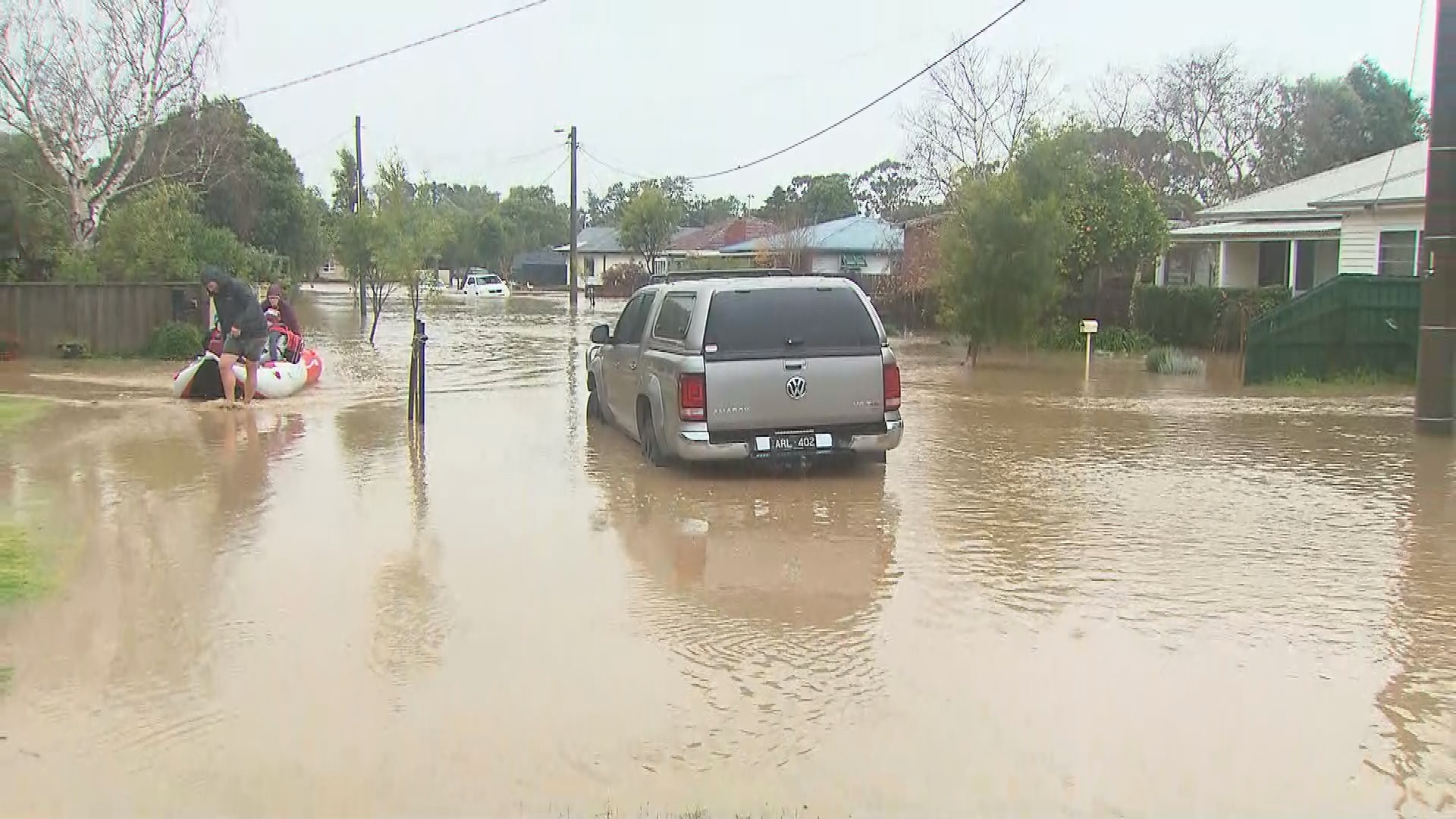
"Floodwaters are rapidly rising in the Traralgon Creek area," an emergency message read.

"If you live or work in the area you should evacuate now."

Mr Crisp said the evacuation notice had been issued for more than 200 homes near the creek.

"That situation of flash flooding, the risk to the community now, we're moving into riverine flooding," he said.

READ MORE: Masks still mandatory outdoors as Victoria records four new cases
Storm causes 'absolute carnage'

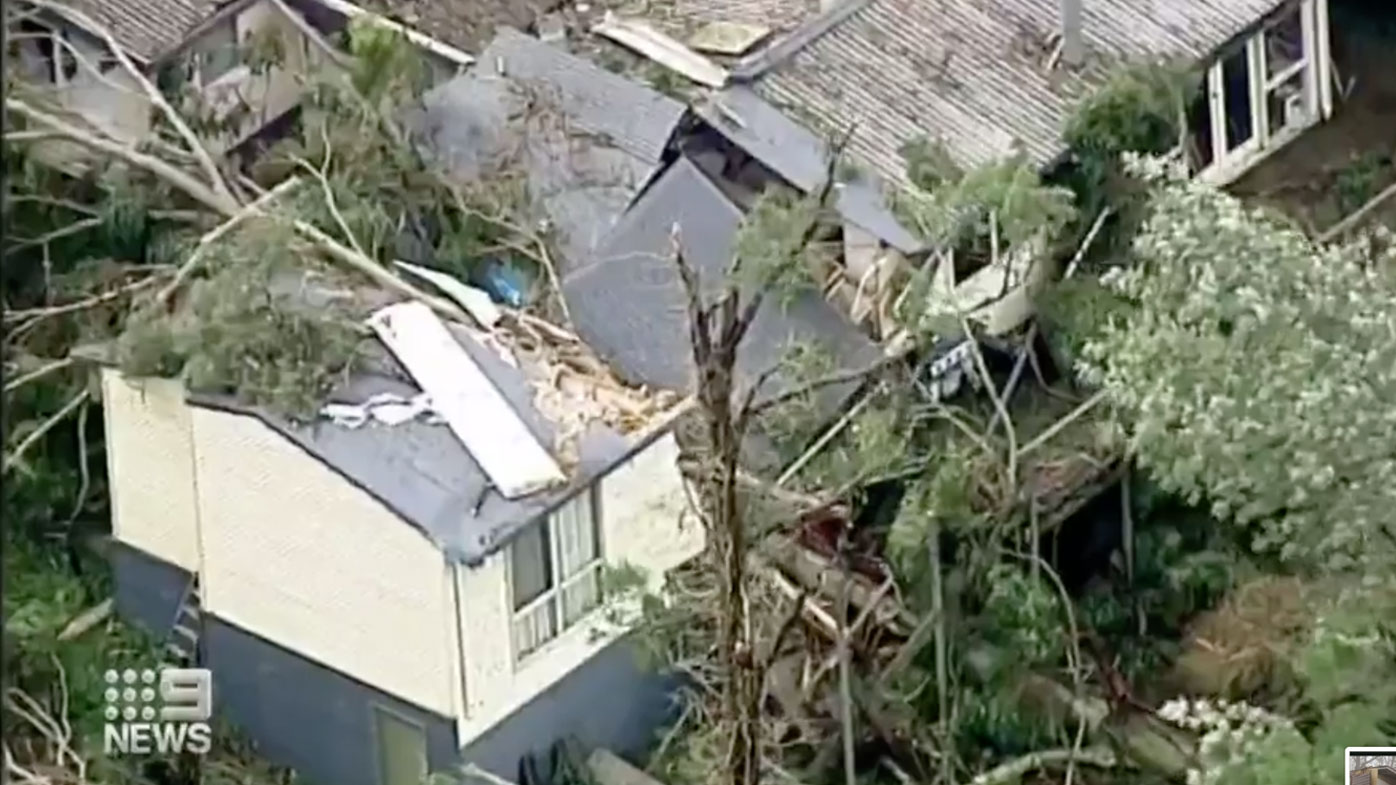
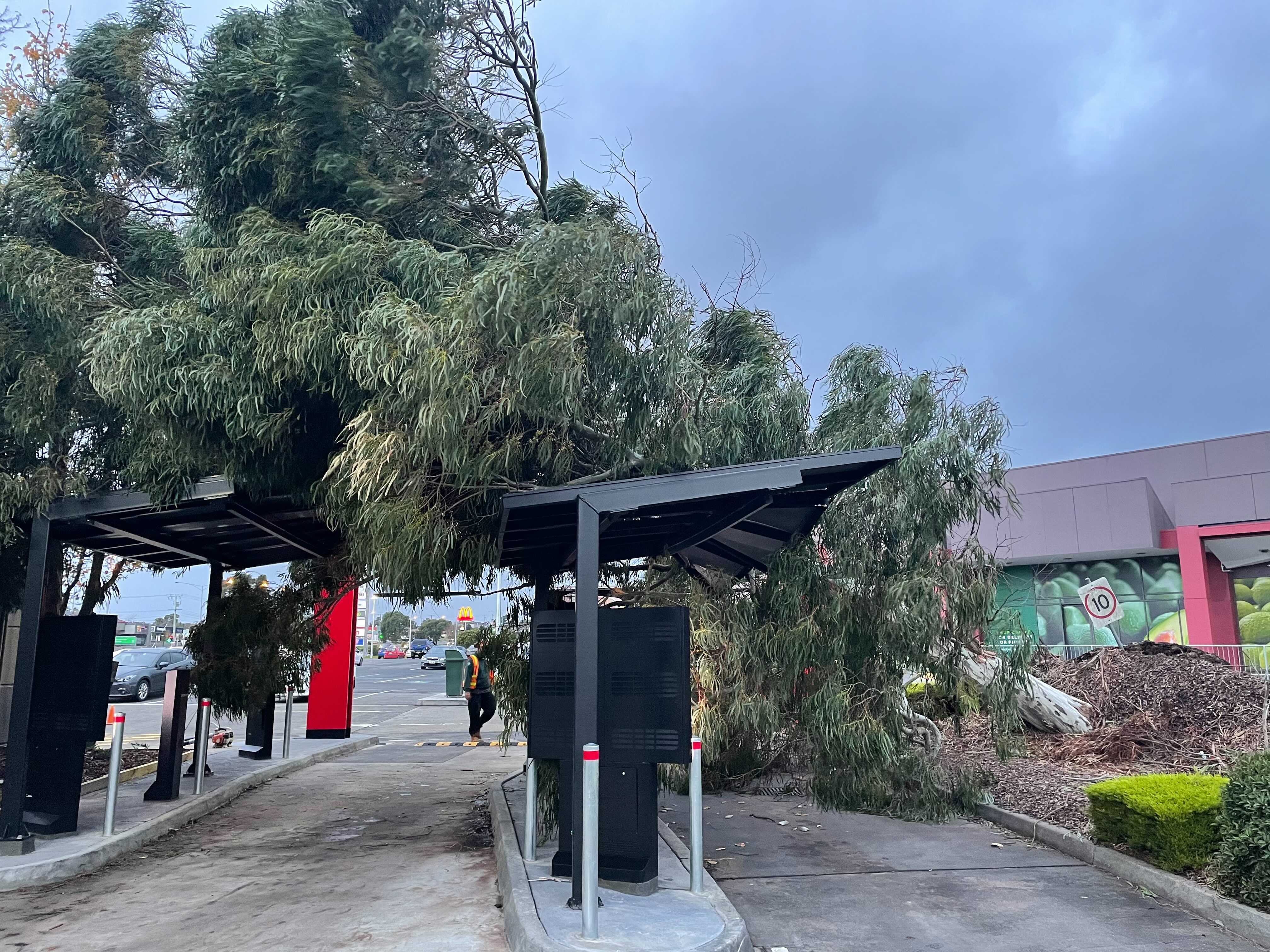
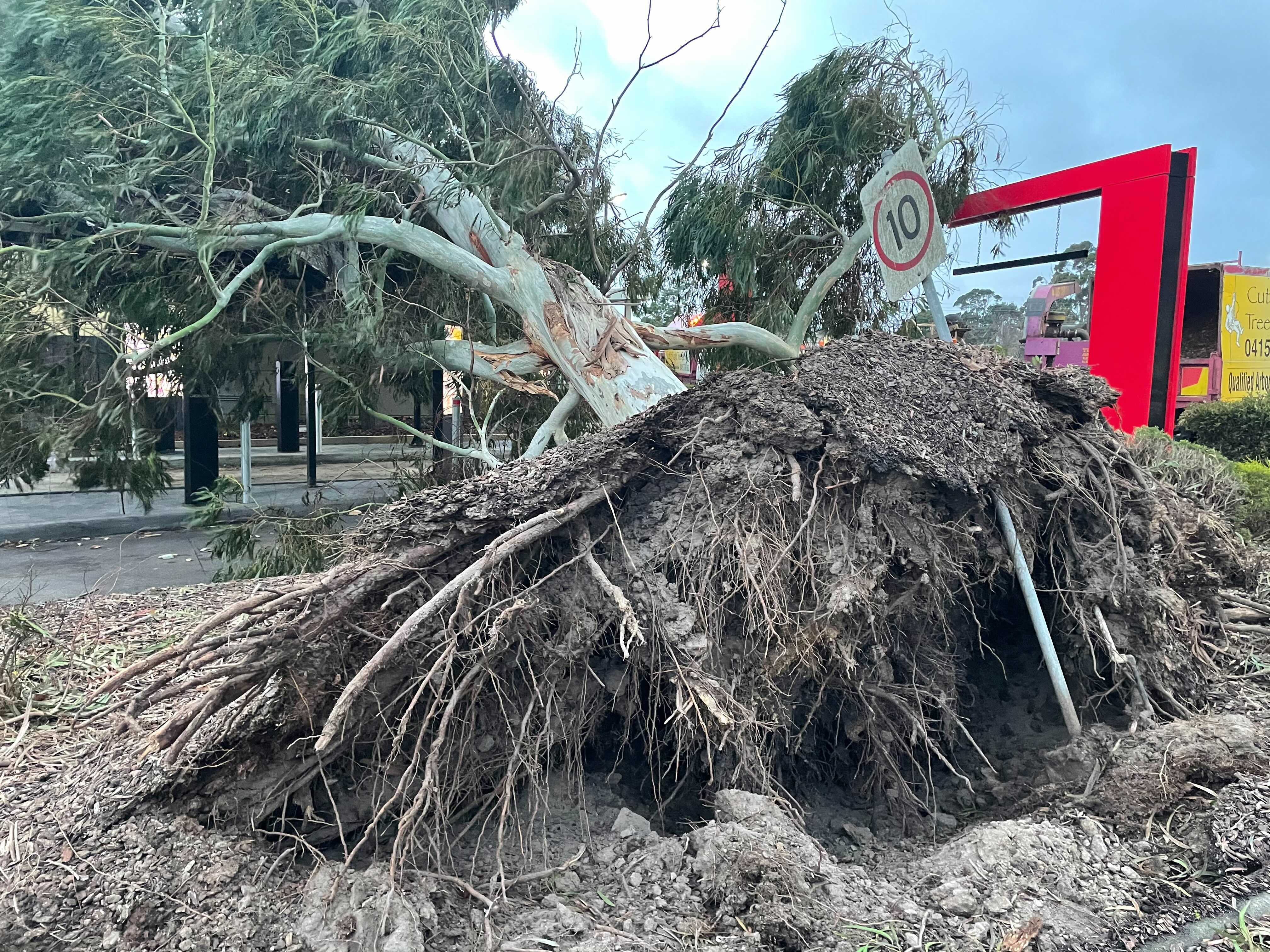
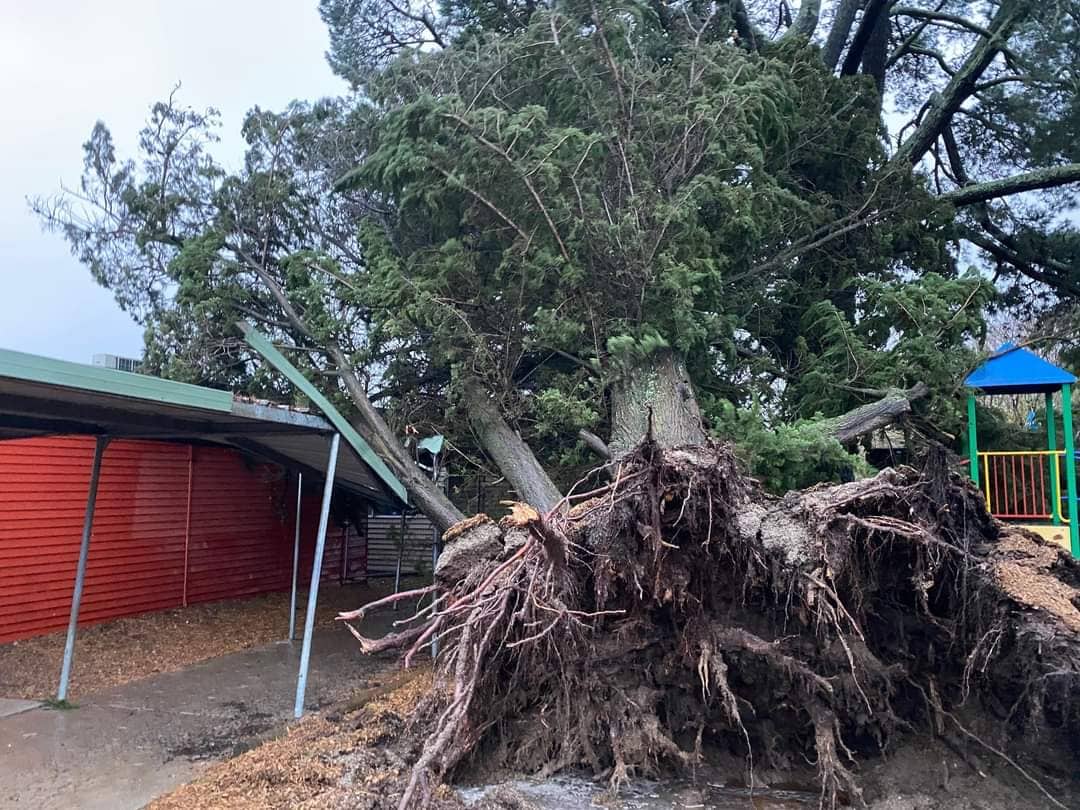
Winds over 100km/h uprooted trees, causing them to smash through houses and sprawl onto roads.

Of the more than 5000 calls for help, there were 3500 reports of trees down, about 500 reports of building damage, and about 150 calls for help in areas where there was severe flooding.

More than 3000 requests for assistance came from Melbourne's eastern and southern suburbs.
The severe weather warning spanned all the way from Sale to Ballarat, with 18 flood warnings across the state, six of those being major.

Some of the hardest-hit areas included Lilydale, Emerald and Croydon in Melbourne's outer-east, the Gippsland area, and Trentham in the state's north-west.

"What we have seen is a significant impact in relation to damaging winds and that heavy rainfall from the east of the state, right through to the west," Mr Crisp said.

Bureau of Meteorology (BoM) meteorologist Kevin Parkin said the wild weather overnight, a low-pressure system off the Tasman Sea, had similar characteristics to an East Coast low.

"It's these weather systems that result in the most significant heavy rain and flood events … but this had a nasty sting," he said.

"It had damaging to destructive winds that resulted in widespread vegetation damage."
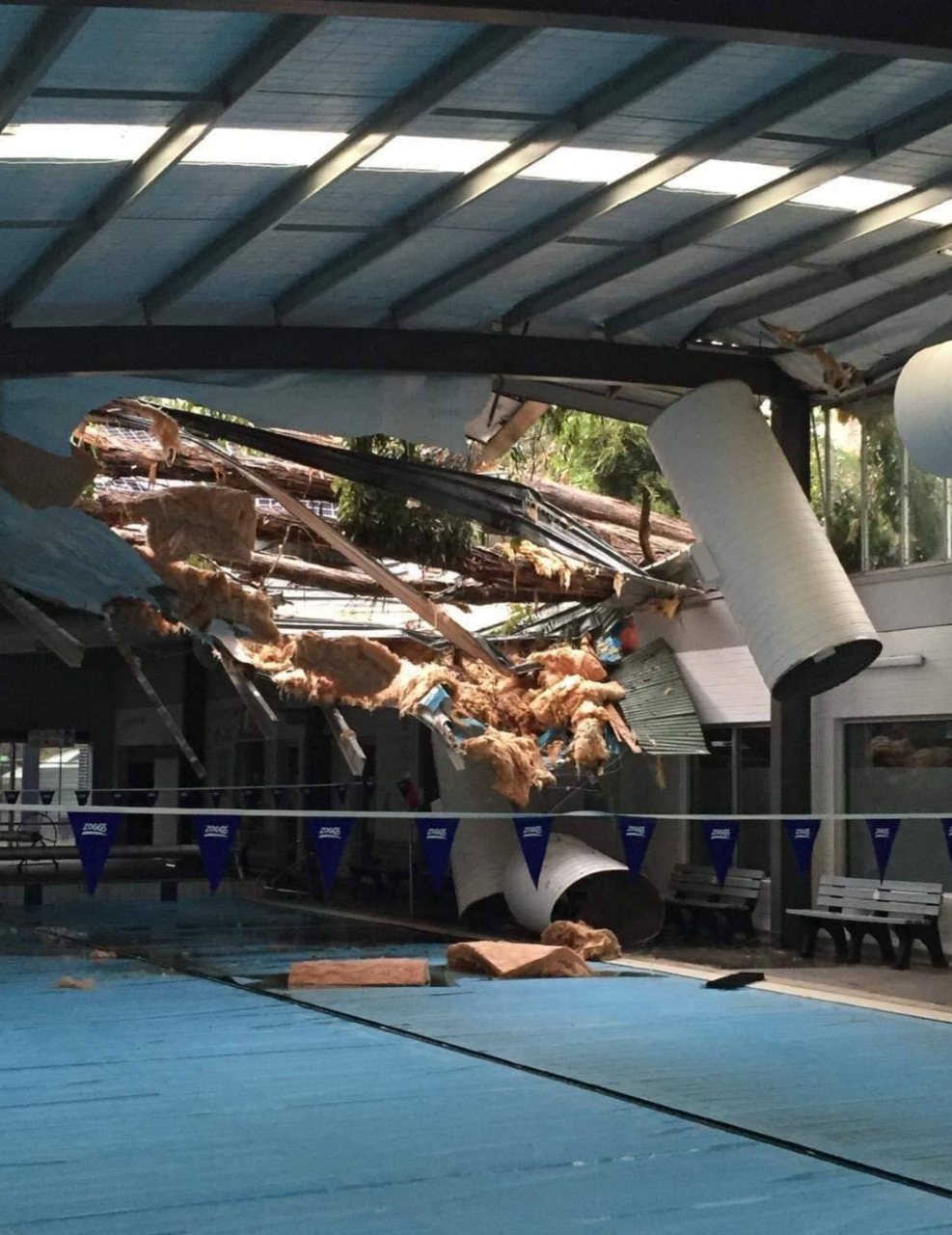
Heavy rainfall triggered flood warnings for a number of rivers, with the Yarra River swamped with 241mm of rain.

Mount Dandenong was pelted with 271mm of rainfall.

"As a result of all this rainfall, a number of river systems are in flood. We have major flood warnings out for the Latrobe, for the Thompson, for the Avon and also for the McAllister as well," Mr Parkin said.
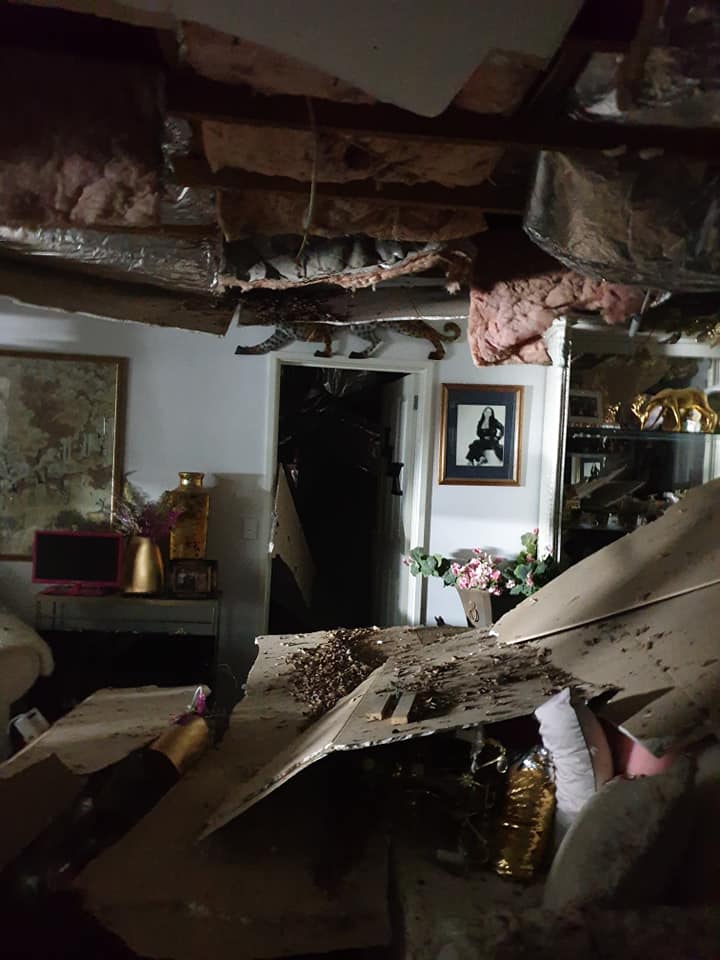
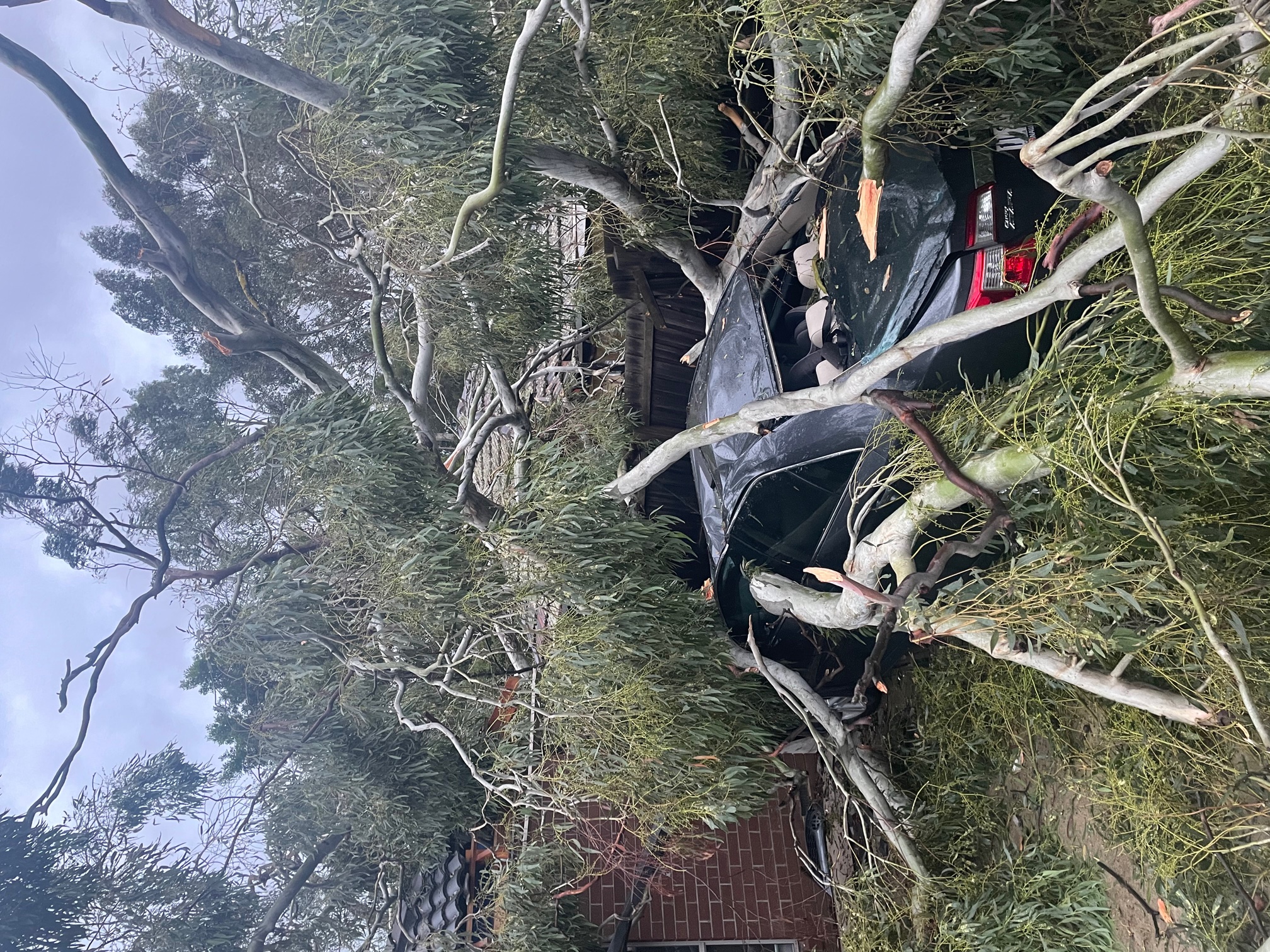
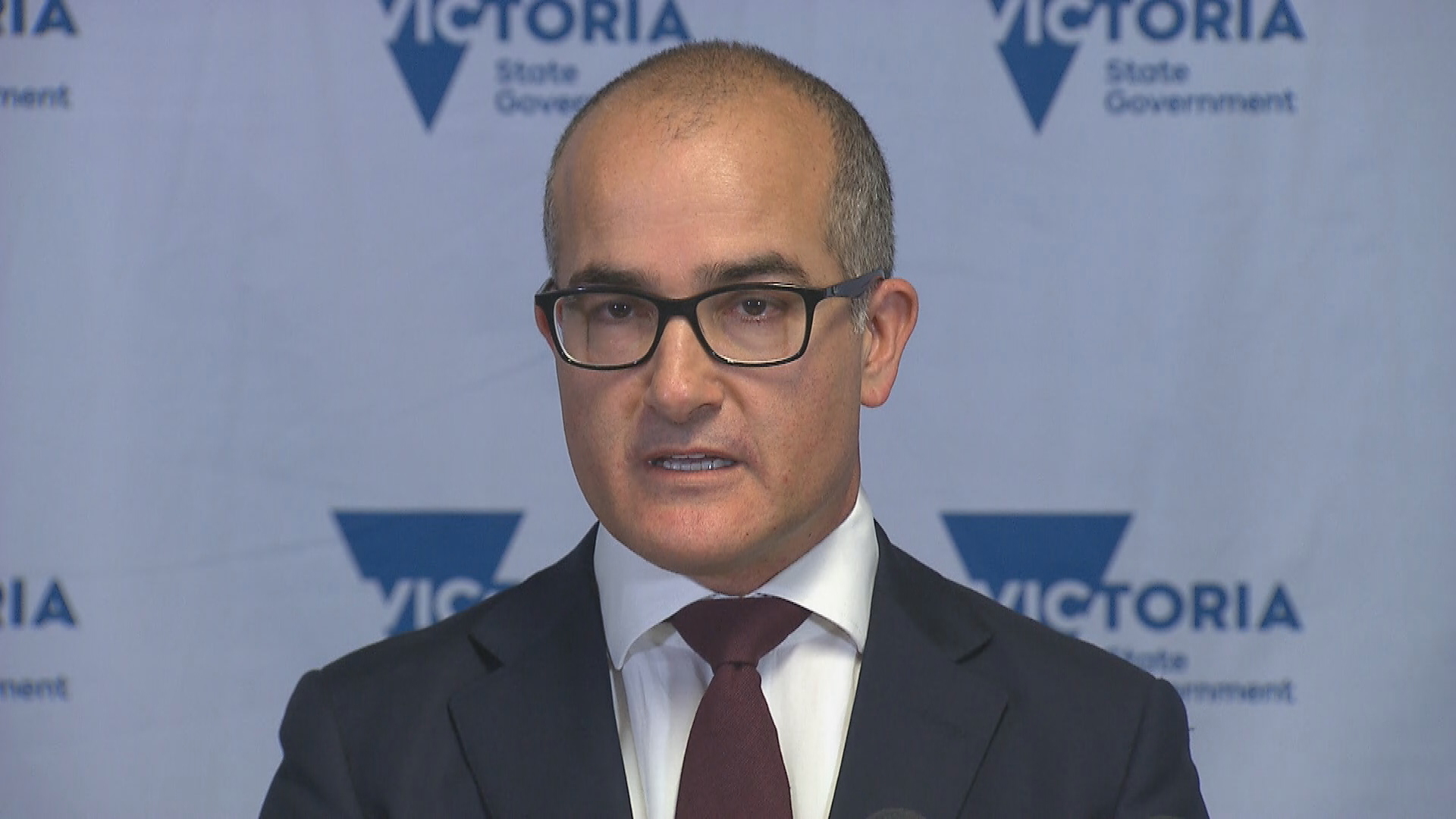
Acting Victoria Premier James Merlino said he did not get much sleep overnight as storms wreaked havoc in his area.

"It was a wild night in the Dandenongs. Not much sleep last night," he said.

"One of our scared children scrambled into bed."

He thanked the SES members "supporting Victorians right across the state".

"All of our emergency services are doing a brilliant job," he said.

"Thank you for the work you are doing in the most difficult of circumstances."

Tree crushes paramedic's vehicle

A paramedic escaped injury after a tree crushed his vehicle in Sherbrooke, Melbourne's outer-east.

Ambulance crews were en route to assist a woman and her son after they became trapped when a tree fell on their Olinda home just after 11pm on Wednesday.

"A number of trees fell as an Advanced Life Support (ALS) crew and a MICA vehicle travelled along Sherbrooke Rd," an Ambulance Victoria statement read.
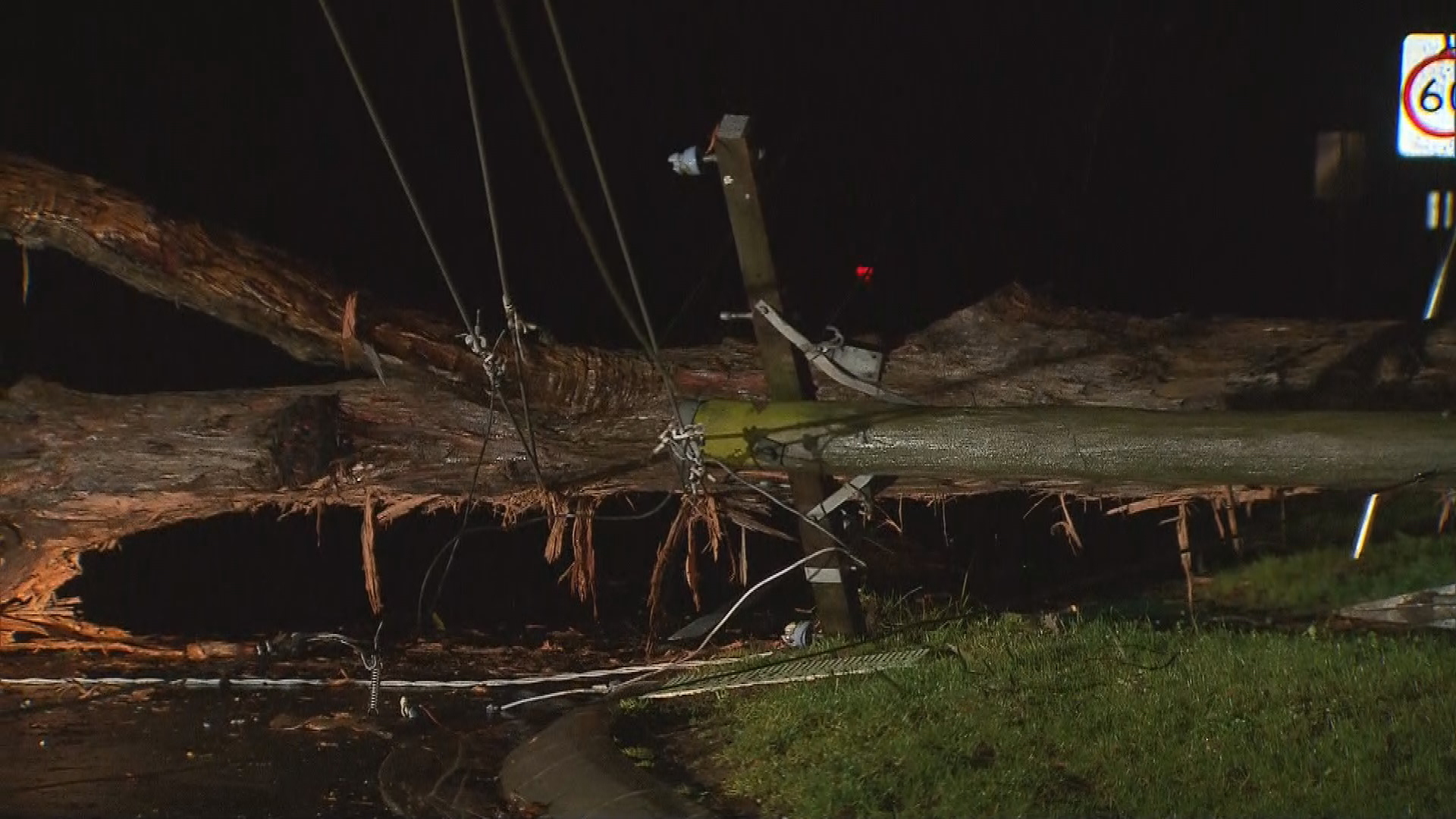
"A falling tree struck the rear of the MICA vehicle and blocked the path of the ALS ambulance.

"The paramedic, while shaken, wasn't injured."

Brave police rescue injured mother and son

Police trekked about 1.5 kilometres in the Dandenong Ranges to rescue the injured mother and son after a tree fell on their home in Olinda.

The woman called Triple Zero just after 11pm in need of help after the tree branch came crashing through the roof of their home, entrapping her and her nine-year-old son.

"The woman who was upstairs, she was injured and received a head injury and was separated from her nine-year-old child who was downstairs," Sergeant Julie-Anne Newman told 3AW.
"Police were actually stuck themselves in between some fallen trees and couldn't get in or out, so they trekked over 1.5km through this weather and the risk of other trees falling, they made their way to this woman and child and were able to walk them out."

Police were also assisted by SES personnel who cleared a nearby road so officers could reach the scene to take the injured mother and son to paramedics.

"Please be vigilant on the roads. If you don't need to be on the roads today please don't drive in this extreme weather," Sergeant Newman said.

The mother and son were taken to Maroondah Hospital in a stable condition.

You can find out more details about how to book your vaccine through the Federal Government health site here.
Melbourne ends lockdown despite four mystery cases

Melbourne has emerged from its fourth lockdown despite four mystery coronavirus cases on the eve of restrictions being lifted.

Masks will remain mandatory as authorities try to ensure Victoria has gotten its latest surge of virus under control.

The restrictions eased at 11.59pm on Thursday, a week after it was initially hoped the state would be on top of the outbreak.

The four new locally acquired cases, revealed by Acting Premier James Merlino on Thursday, are from the same household in Reservoir, in Melbourne's north, and investigations into the source of the infections are underway.

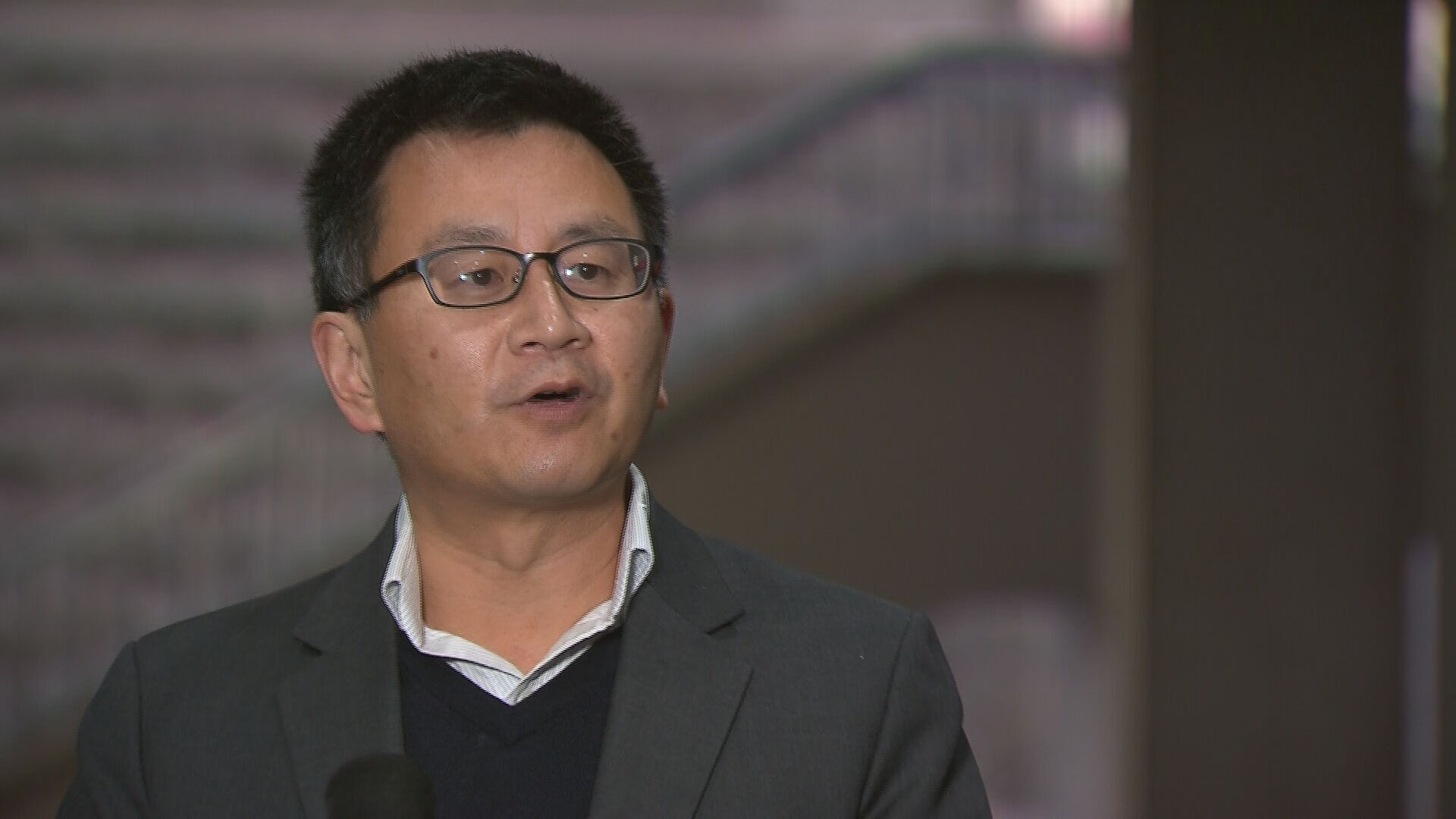
Deputy Chief Health Officer Allen Cheng said they were not close contacts of known infections.

"They're not identified as close contacts, none of them has given a history of being at an exposure site," Professor Cheng said.

READ MORE: Victoria announces $30 million support package targeted at residents hit by COVID lockdowns

"The first man, a man in his 80s, was tested on June 8 and got his result (on Wednesday). The other members of the household tested positive (on Wednesday) as well.

"We've already tested several close contacts of these cases outside of the household and they've all come back negative but obviously will remain in quarantine."

Professor Cheng said the continued requirement to wear masks outside was based on concern around mystery infection.

"These new cases are really the strongest reminder that we are, by no means, out of the woods yet," he said.

READ MORE: The highly contagious Delta strain explained

"Over the last fortnight, there have been very limited opportunities for people to transmit infection during lockdown, and obviously what I am anxious about is whoever gave the infection to both these groups is identified quickly and doesn't have the opportunity to transmit to other people."

Mr Merlino said wearing masks outdoors was a small but effective price to pay.

"We are used to it, we know it works, and as we come out of this period and lockdown, while we are driving these new cases to ground, I think it is a logical and common-sense step to take," he said.

"This is a small price to pay to make sure that we can proceed with this careful easing out of lockdown."

READ MORE: What's coming back and what's staying closed

https://twitter.com/VicGovDH/status/1402761600663052290

Chief Medical Officer Professor Kelly congratulated Victoria for their successful handling of the latest coronavirus outbreak and said the state's hotspot status would be lifted.

"I have made the decision that the hotspot, that designation should be removed at midnight tonight, the same as the Victoria lockdown changes," he said.

READ MORE: NSW woman's blood clot death linked to AstraZeneca vaccine

Professor Kelly said this means the COVID-19 disaster payments on offer to affected Victorians would end as well but noted further support measures would continue.

"Any other assistance the Victorian government has at this time in relation to personal protective equipment, for example, will still be provided and will continue for another two weeks but the hotspot designation will end tonight at midnight," he said.

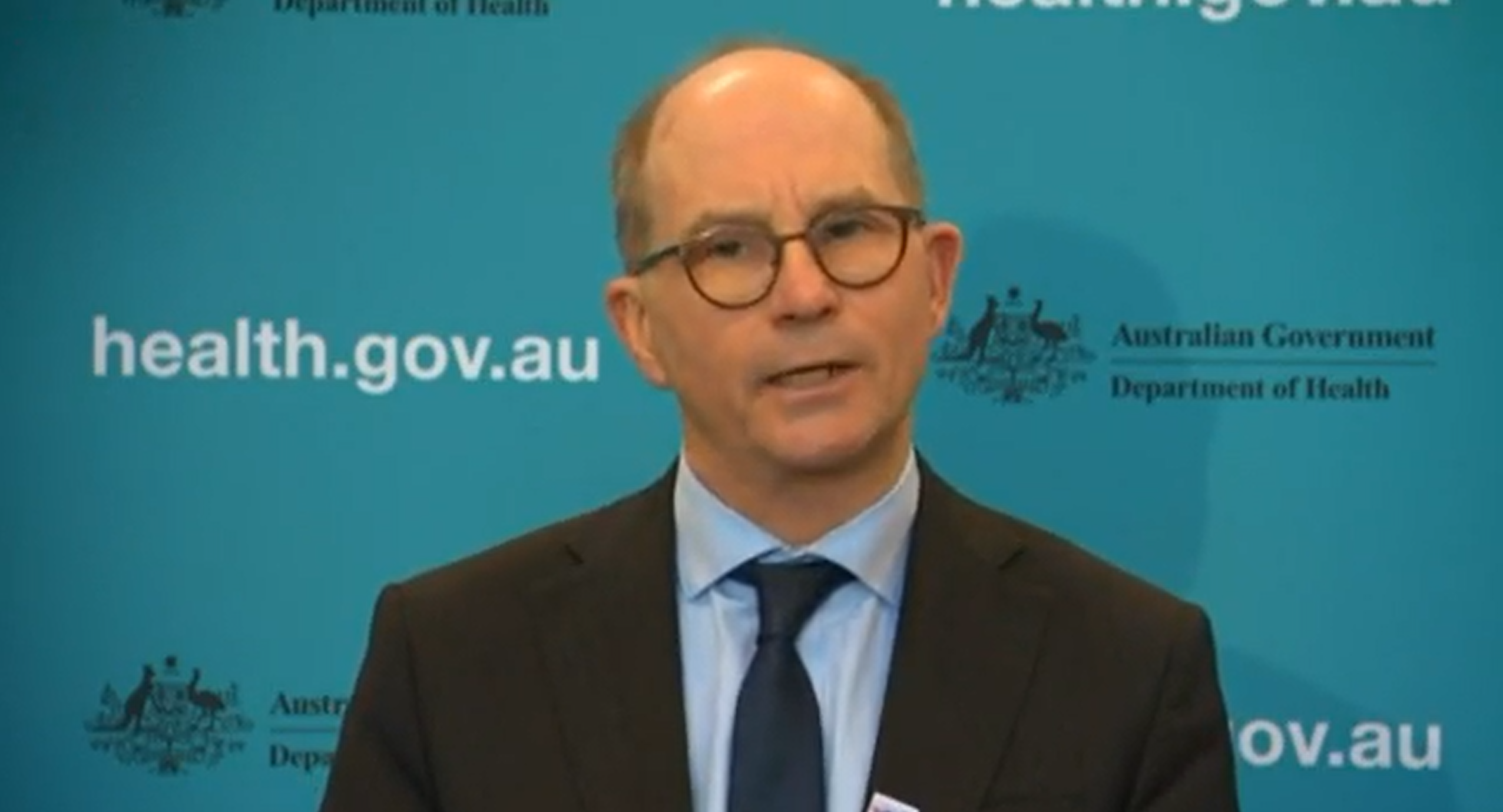
Chief Medical Officer Professor Paul Kelly.

More than 23,000 people came forward to be tested in Victoria on Wednesday.

The lifting of the lockdown means the five reasons to leave home no longer apply.

Private household gatherings are still prohibited, but public gatherings up to 10 people outdoors will be allowed, hospitality and retail sectors will reopen and students will return to schools.

Settings deemed high-risk such as gyms, amusement parks, dance studios and nightclubs will remain closed.

It comes as interstate health authorities race to prevent coronavirus outbreaks after a COVID-positive woman and her husband drove from Melbourne to the Sunshine Coast via New South Wales.

READ MORE: Tens of thousands without power as destructive storms lash Victoria

The 44-year-old Victorian woman tested positive in the Sunshine Coast on Wednesday, sparking more than 20 health alerts across regional NSW and south-east Queensland.

Her husband has since also tested positive.

Nearly 30 new COVID-19 exposure sites have been added to Victoria's list, including multiple days and times for aged care home Arcare Maidstone.

Coles Bundoora Square has been marked as a Tier Two site after a person shopped at the supermarket while potentially infectious.

Marco Fine Food & Groceries at Reservoir Central has been listed as a Tier One site requiring anyone who attended at the time to isolate for 14 days and get tested.

You can find out more details about how to book your vaccine through the Federal Government health site here.
NSW woman dies of blood clot 'likely' caused by AstraZeneca jab

A woman in New South Wales has died of a rare blood clotting condition after receiving the AstraZeneca COVID-19 vaccine, the Therapeutic Goods Administration has reported.

The TGA said since last week, there have been four confirmed cases of thrombosis with thrombocytopenia syndrome (TTS) which are "likely" linked to the AstraZeneca vaccine.

A 52-year-old woman was one of these cases and the TGA reported she had suffered a severe form of TTS in the form of a blood clot in her brain, also known as a cerebral venous sinus thrombosis, before her death.

Vials of AstraZeneca vaccine against coronavirus (COVID-19)

READ MORE: Delta coronavirus variant '60 per cent more transmissible'

"We are sad to hear of the passing of a woman who recently received COVID-19 Vaccine AstraZeneca, and our thoughts are with her family and friends," AstraZeneca said in a statement on Thursday night.

"Patient safety remains AstraZeneca's highest priority, and we continue to work closely with the TGA and other regulators around the world as they investigate these very rare cases."

The woman was the youngest of the four reported new cases, with others including a 77-year-old NSW man, a 70-year-old South Australian man, and an 87-year-old South Australian woman.

Four other cases of TTS in the past week were reported as probable instances of being linked to the AstraZeneca vaccine, three of them in NSW.

READ MORE: 'This is insane': Africa desperately short of COVID vaccine

In total, there have been 48 cases of TTS following the AstraZeneca jab in Australia, with 35 confirmed and 13 assessed as probable out of millions of vaccinations.

So far, 31 have been discharged from hospital and are recovering, 15 patients remain in hospital, including one in a critical condition in intensive care, and two people have died in hospital.

The other death believed to be linked to the AstraZeneca vaccine was a 48-year-old woman who died in a NSW hospital in April.

That woman, who was diabetic, had serious underlying health issues before receiving the vaccine.

Following the 52-year-old woman's death, Chief Medical Officer Paul Kelly reminded Australians that blood clotting was "an extremely rare" reaction to the vaccine.

"NSW Health has in the last couple of hours announced we have had our second death related to the AstraZeneca vaccine," Professor Kelly said.

"An extremely unfortunate situation of a 52-year-old woman who had the vaccine a couple of weeks ago.

"I will point out that it is only the second death with now over 3.6 million doses of the vaccine being given across Australia.

"I will point out that this remains an extremely rare event to get these serious clots, but when they happen, as we have seen in this case, it can have tragic circumstances."

The TGA also clarified that TTS incidents remained extremely rare, but urged people with concerns to consult their doctor.

Anybody who has been vaccinated should seek immediate medical attention if they begin suffering a severe or persistent headache, blurred vision, shortness of breath, chest pain, leg swelling, persistent abdominal pain, unusual skin bruising, or pinpoint round spots beyond the site of vaccination.

TTS symptoms most commonly manifest between four and 30 days after vaccination.

The TGA said the benefits of the AstraZeneca vaccine continued to outweigh the risks.