By RNZ Some people ringing the police non-emergency number have encountered wait times of more than an hour in the past month.The 105 phone number gets more than 100,000 calls each month.The police say about a third of calls…
Category Archives: headline
Police responding to incident in Mt Roskill, central Auckland
At least one person has suffered injuries in an incident at in the Auckland suburb of Mt Roskill. Police and emergency services are at the scene on May Rd. DO YOU KNOW MORE? EMAIL US A spokeswoman confirmed police were called…
Waikato DHB set to reveal more details about crippling cyber attack
“We don’t pay ransom” – that’s the message from the Waikato District Health’s Board chief executive Dr Kevin Snee as the organisation braces for ongoing issues before regaining control of its computer systems. Read More DHB…
Mutant COVID strains 'will come' to Australia, expert warns
A leading epidemiologist expert has warned Australians not to hesitate getting the coronavirus vaccines, saying delays could expose them to a higher chance of being infected by a mutant strain.
New statistics published by Nine newspapers found a third of adults are 'unlikely' to get the jab, citing concerns over side effects and the belief there isn't a rush so long as international borders remain closed.
Professor Mary-Louise McLaws, one of Australia's leading epidemiologists, says the results of the survey are "very damaging" to the nation's recovery.
READ MORE: Pandemic riches: COVID-19 vaccine profits mint nine new billionaires

"Yesterday we had an amazing day of 100,000 injections and that's what we need every day for a year to be able to say that we are safe to open our borders," Prof McLaws told Weekend Today.
"When we do open our borders, we will have the 'variants of concern', those very, very transmissible infections.
"I would be going for about 85 per cent of adults (vaccinated)."
She said if one in three are hesitant, that will mean that the Australian population will be at a greater risk of a serious infection.
READ MORE: Nurse backs vaccine after suffering from blood clots
"All we have to do is watch the news and see what's happening in India and see the deaths," she said.
"That's the variant of concern and – in India. It will come to Australia. Other variants will come. The longer we don't get vaccinated, the greater the risk of a mutation."
READ MORE: Hospital staff 'should have checked for blood clots', say SA family
She said the "biggest group" who should be targeted in a vaccine push were the 20 to 39-year-olds.
"Because if we can get them vaccinated the majority of them, then we can ring-fence the rest of the community."
This demographic made up 50 per cent of all COVID cases last year in Australia, particularly during the second wave.
Prof McLaws added the government should be spending more money to encourage vaccinate uptake.
"We need every 20 to 39-year-old hearing an ad that they can identify with," she said.
Results of the survey come after reports that more than 200 GPs have dropped out of the vaccination rollout nationwide over erratic supplies, with many doctors speaking out against allocated vaccine supplies, saying that they have the capacity to administer the vaccines, but not the inventory.
In NSW overnight, the state surpassed one million COVID-19 vaccinations administered; 340,000 given by NSW Health and 725,000 by Commonwealth Government providers and GPs.
'Significant delays' after three vehicle crash on SH1 at Pukerua Bay
State Highway 1 (SH1) has now opened after a three-vehicle crash blocked the northbound lane at Pukerua Bay on the Kāpiti Coast earlier this morning. However NZTA Waka Kotahi advised motorists to continue to expect “significant…
Covid 19 coronavirus: Ten people fined for entering New Zealand without test
By RNZ Ten people have been fined after travelling to New Zealand without proof they tested negative for Covid-19.Customs said more than 23,000 people – or 99.5 per cent of travellers – had complied with the requirement introduced…
NZ pilot Allan Tull had medical event before helicopter crash death fighting NSW bushfire
A pilot killed in a helicopter crash while water bombing a bushfire on the New South Wales south coast probably suffered an incapacitating medical event, an investigation into the 2018 crash has found.Allan Tull died on August 17…
COVID vaccine profits mint nine new billionaires
COVID-19 vaccines have created at least nine new billionaires after shares in companies producing the shots soared.
Topping the list of new billionaires are Moderna CEO Stéphane Bancel and Ugur Sahin, the CEO of BioNTech, which has produced a vaccine with Pfizer. Both CEOs are now worth around US$4 billion ($5.17 billion), according to an analysis by the People's Vaccine Alliance, a campaign group that includes Oxfam, UNAIDS, Global Justice Now and Amnesty International.
Senior executives from China's CanSino Biologics and early investors in Moderna have also become billionaires on paper as shares skyrocketed, partly in expectation of profits earned from COVID vaccines, which also bode well for the companies' future prospects. The analysis was compiled using data from the Forbes Rich List.
READ MORE: Wrong supermarket identified as exposure site in coronavirus scare
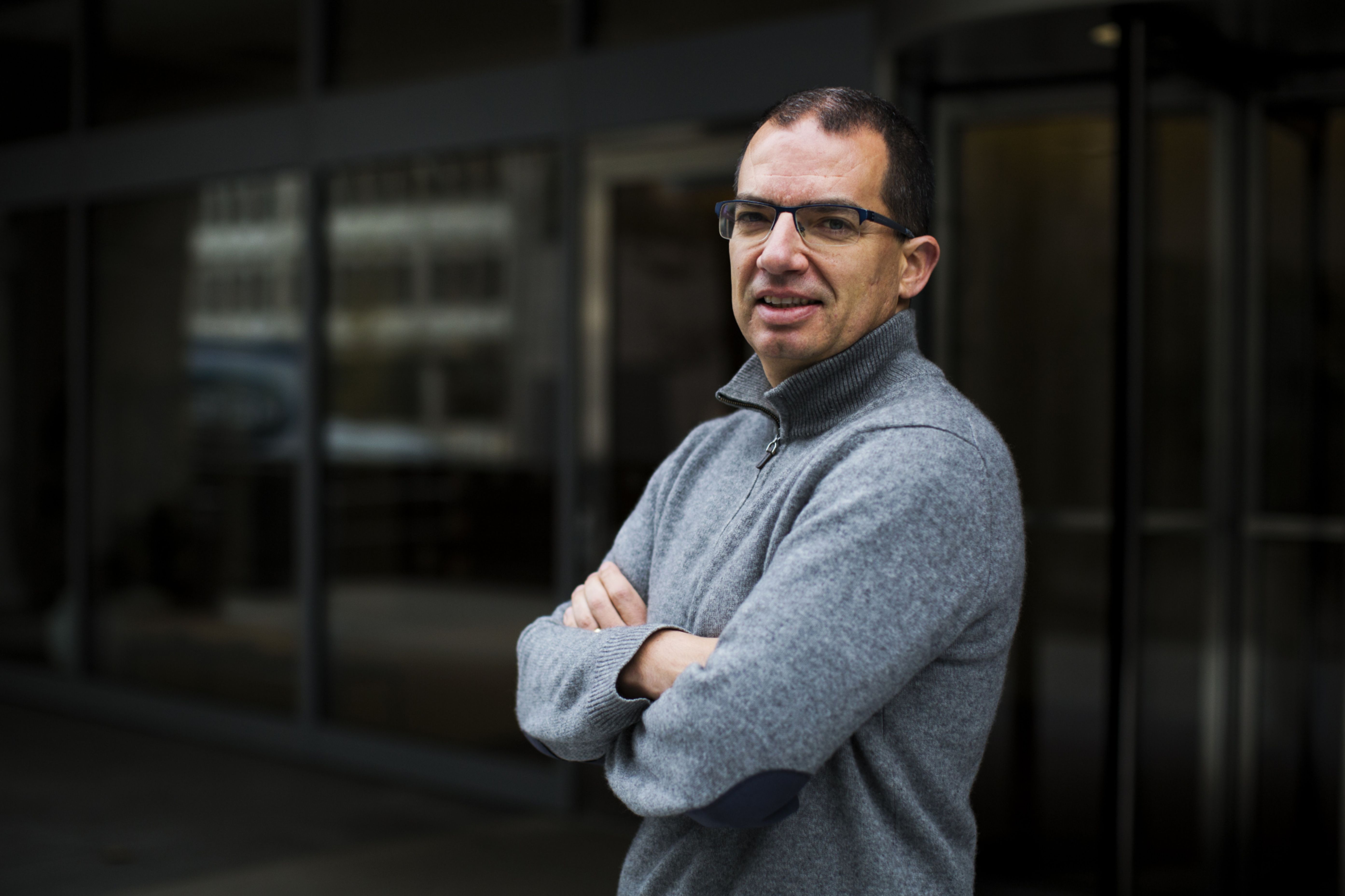
Moderna's share price has gained more than 700 per cent since February 2020, while BioNTech has surged 600 per cent. CanSino Biologics' stock is up about 440 per cent over the same period. The company's single-dose COVID-19 vaccine was approved for use in China in February.
Activists said the wealth generation highlighted the stark inequality that has resulted from the pandemic. The nine new billionaires are worth a combined US$19.3 billion ($24.94 billion), enough to fully vaccinate some 780 million people in low-income countries, campaigners said.
"These billionaires are the human face of the huge profits many pharmaceutical corporations are making from the monopoly they hold on these vaccines," Anne Marriott, Oxfam's health policy manager, said in a statement. "These vaccines were funded by public money and should be first and foremost a global public good, not a private profit opportunity," she added.
The report coincides with the G20 Global Health Summit taking place on Friday at which world leaders are expected to discuss waiving intellectual property rights on vaccines.
READ MORE: Carnival claims cruise passengers who caught COVID-19 knew the risks

US President Joe Biden has backed the move, which supporters say will help expand the global supply and narrow the vaccination gap between rich and poor countries. Opponents, such as Germany, have argued that protecting intellectual property is vital to innovation and say that removing patents won't meaningfully increase supply due to limited production capacity and insufficient vaccine components.
According to the World Health Organisation, 87 per cent of vaccine doses have gone to high- or upper middle-income countries, while low income countries have received just 0.2 per cent. In a paper published Friday, IMF chief economist Gita Gopinath said that vaccinating 60 per cent of the global population by mid-2022 would cost just US$50 billion ($64.62 billion).
Albert Bourla, the CEO of Pfizer, said during the health summit on Friday that the company will provide 2 billion doses of its vaccine to low- and middle-income countries over the next 18 months. Pfizer expects its sales of the vaccine to total about US$26 billion ($33.6 billion) by the end of this year, with a profit margin approaching 30 per cent.
READ MORE: New York offers $6.4m lottery for newly vaccinated
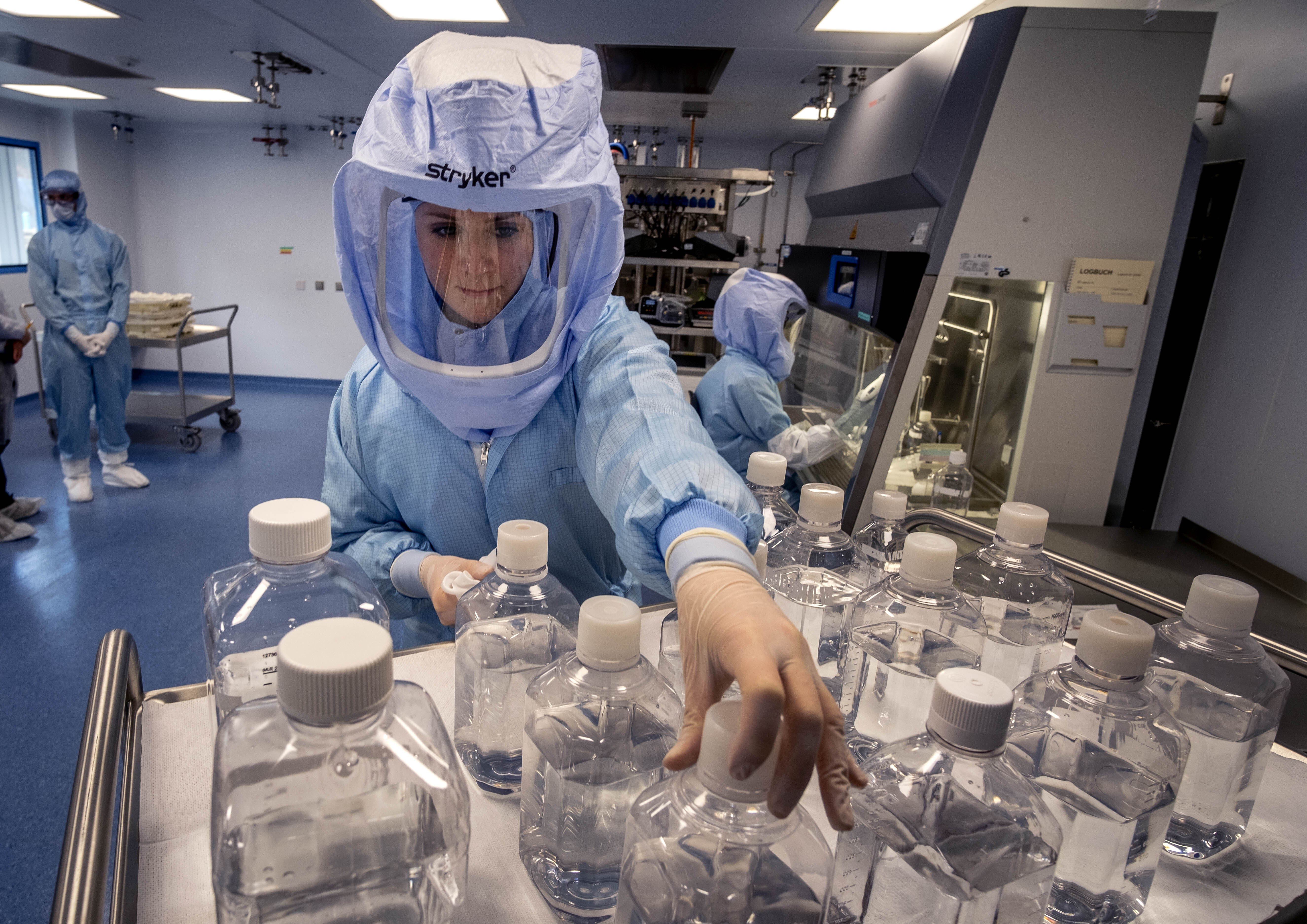
Bourla has defended the decision to profit from the vaccine, saying his company assumed all the risk to develop it and invested as much as US$2 billion ($2.58 billion) in research and development.
Vaccine billions
BioNTech, which received €325 million ($511.69 million) from the German government for the development of the vaccine, said it is committed to supplying low-income countries with its vaccine at cost. "We all know that no one will be safe until everyone is safe," the company added.
In a statement shared with CNN Business, it said that complex manufacturing processes and the length of time it takes to build new factories are among the major obstacles to increasing the global supply of vaccines. "Patents are not the limiting factor," it said.
BioNTech made a net profit of €1.1 billion ($1.73 billion) in the first three months of the year, largely thanks to its share of sales from the COVID-19 vaccine, compared with a loss of €53.4 million ($84.07 million) for the same period last year.
Moderna's COVID-19 vaccine sales hit US$1.7 billion ($2.2 billion) in the first three months of this year and it had its first profitable quarter ever, the company reported earlier this month. Goldman Sachs expects Moderna to make US$13.2 billion ($17.06 billion) in COVID-19 vaccine revenue in 2021. The company has received billions of dollars in funding from the US government for development of its vaccine.
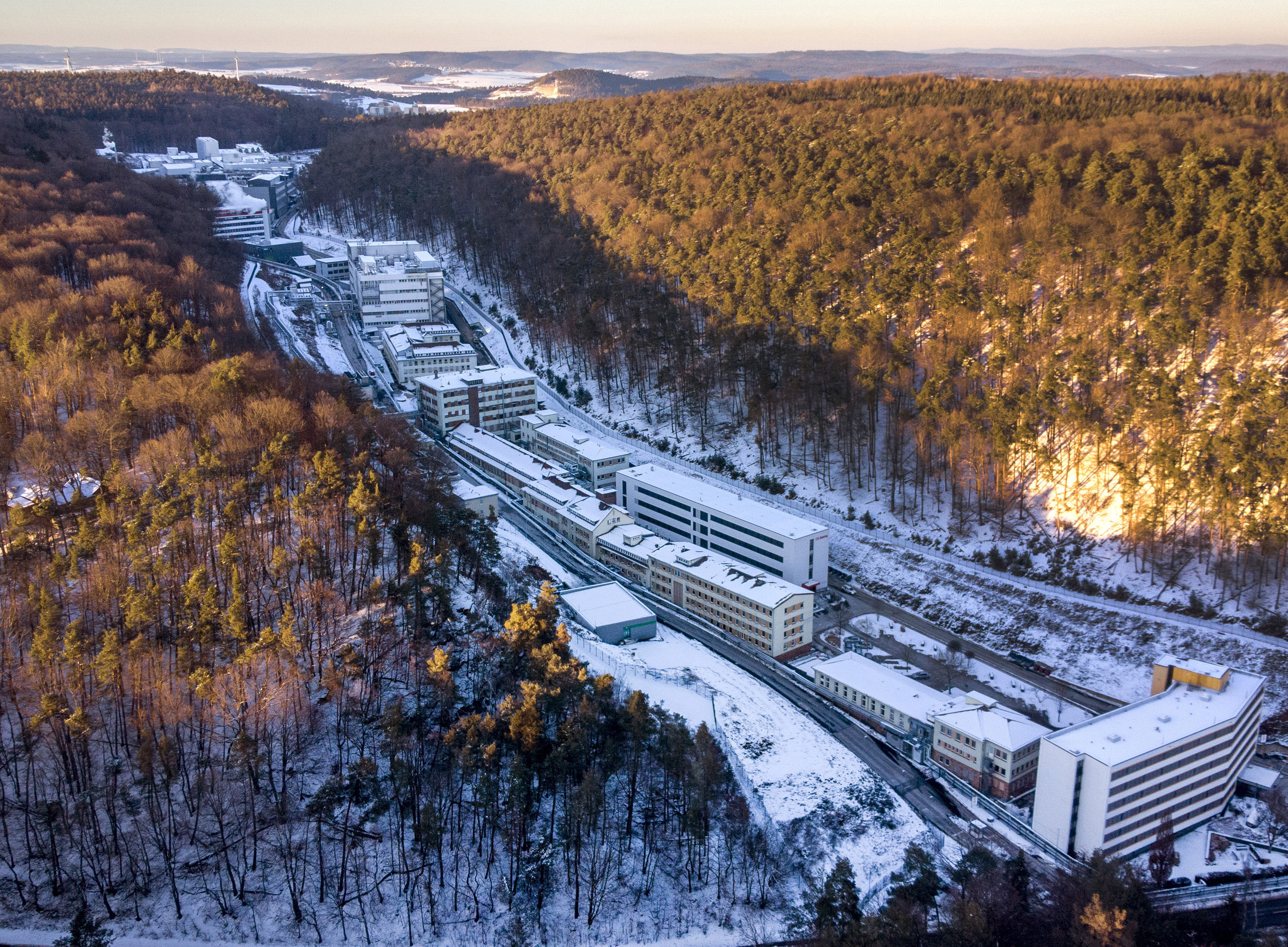
CanSino Biologics and Moderna did not respond to a request for comment. In a statement last month, Bancel said that Moderna is willing to license its intellectual property to other companies "for the post-pandemic period."
AstraZeneca, which produced a vaccine with researchers at Oxford University, has agreed to provide doses at cost until at least July 2021, and in perpetuity to low and middle-income countries. Johnson & Johnson has also said it will provide its vaccine on a not-for-profit basis, as long as the world continues suffering from the pandemic.
Fiji sea rescue, beheading claims: Photos show moment man found after 'horrific' incident on vessel
Fijian authorities have released dramatic photos of the moment a crewman was saved after what is being described as a violent and horrific incident at sea. A lone man can be seen in a life-raft wrapped in what appears to be a white…
Ontario resuming use of AstraZeneca, but only as second dose
Canada's most populous province is resuming use of the Oxford-AstraZeneca COVID-19 vaccine, but only as a second dose for those who'd received it initially, officials said Friday.
Ontario and several other provinces stopped giving out first doses of Oxford-AstraZeneca earlier this month on concerns over reported links to rare blood clots, which previously led some European countries to restrict its use.
The Ontario government said that decision was also based on the increased supply of alternative vaccines from Pfizer and Moderna and a downward trend in cases.
The province also has delayed giving second vaccine doses in order to get as many people covered by a first shot as possible. While protocols initially called for a three-week interval, studies found a longer gap often was more effective.
Ontario's chief medical officer for health, Dr. David Williams, said "informed consent" is needed to get the second dose of AstraZeneca. Those who got the first dose between March 10 and March 19 will be eligible as soon as next week for the second shot.
RELATED: Locally manufactured COVID-19 vaccines 'will help enormously'
The government said data from the UK strongly suggests a much-reduced risk of the rare blood cots in second doses of AstraZeneca. Williams said it is one in 600,000.
Ontario has more than 50,000 doses of the vaccine set to expire at the end of the month and officials don't want to waste them.
The province said nearly a million Ontarians aged 40 and over received the AstraZeneca vaccine as their first dose between March 10 and May 11.
Canada has overtaken the US in the percentage of people with at least one dose, but Canada has only fully vaccinated about three per cent of the population. Second doses are expected to be administered for most adults in June and July in Canada.
Canada has relied largely on the Pfizer and Moderna vaccines. Plans to distribute the first 300,000 doses of the Johnson & Johnson COVID-19 vaccine in Canada remain on hold after Health Canada learned part of them were manufactured at a Maryland facility where the US Food and Drug Administration had uncovered manufacturing violations.
Meanwhile, federal Transport Minister Omar Alghabra said Canada is extending the ban on direct passenger flights from India and Pakistan for another 30 days until June 21. There had been a disproportionately higher number of positive cases among those travelling on flights from India and Pakistan.