Category Archives: headline

2021 iPad Pro review: How Apple is changing video calling

Video calls are going to look very different for those people using the new Apple iPad Pro, with a feature called "Centre Stage" set to make it look like you've got your very own camera operator no matter where you're calling from.

The idea is that the iPad's smarts analyse the video and essentially zoom and pan around the wider fixed image to give the impression of movement from a device that is sitting still.

This might not mean much, but for people doing any form of demonstration or hosting video calls while doing other things, it's a winner. It's the key software feature of the iPad Pro for 2021.

READ MORE: Apple's new iMacs – the ultimate family computer

However, it's far from the only new feature. 5G connectivity comes to the iPad Pro after launching in Apple's lineup with the iPhone 12 late last year. Frankly, that alone could have warranted a model upgrade, but instead it's one of many new features.

The USB-C port is now Thunderbolt-enabled. That allowed me to do a fast data transfer of video files, which then sat comfortably on the massive 2TB storage (an option if you're prepared to pay for it). Though with Thunderbolt connectivity, you could edit files and video off an external drive without needing the storage on-device.

https://twitter.com/JadRahme/status/1384599013450731526

The design is the same, though the Magic Keyboard accessory now comes in white, which looks amazing — but ask me again in a few months and we'll see how clean it is.

A stunning screen, which Apple is calling a Liquid Retina XDR display, is the standout visual feature. This mini-LED backlit screen is producing a 1000-nit full brightness, peaking at 1600, and has an outstanding million-to-one contrast ratio. The blacks are black, the colours are bright. It's exceptional.

In some ways, it's too much for the average set of eyes to appreciate.

The processor is much the same. The utterly bonkers decision by Apple to put their M1 processor into the iPad makes this one of, if not the most powerful tablet you can buy.

That's laptop performance. It's the same processor powering the MacBook Pro. Not unprecedented — Microsoft puts Intel Core processors in its Surface Laptops and Surface Pro Tablet — but this is a big deal for Apple.

Apps launch in an instant, performance is snappy and when you lay down 4K video in an edit timeline it's like being on a desktop or pro laptop.

However, imagine if it ran MacOS, or a touch-enabled version of the same. Imagine if iPadOS wasn't an enhanced version of iOS but a tablet-enabled version of MacOS. Perhaps it's just me, but it seems utterly logical.

The 2021 Apple iPad Pro goes on sale on Friday, starting at $1199 for the 11-inch model with WiFi only and 128GB of storage.

Add in all the beans and you can pay $3549 for the 12.9-inch with 2TB of storage and 5G connectivity. Worth it, if you're a creative pro working in design, videography or photography for sure.

Otherwise, the bog-standard iPad is still a pretty amazing device that does most of what most people need for just $499. Remember that before you go crazy with your cash.
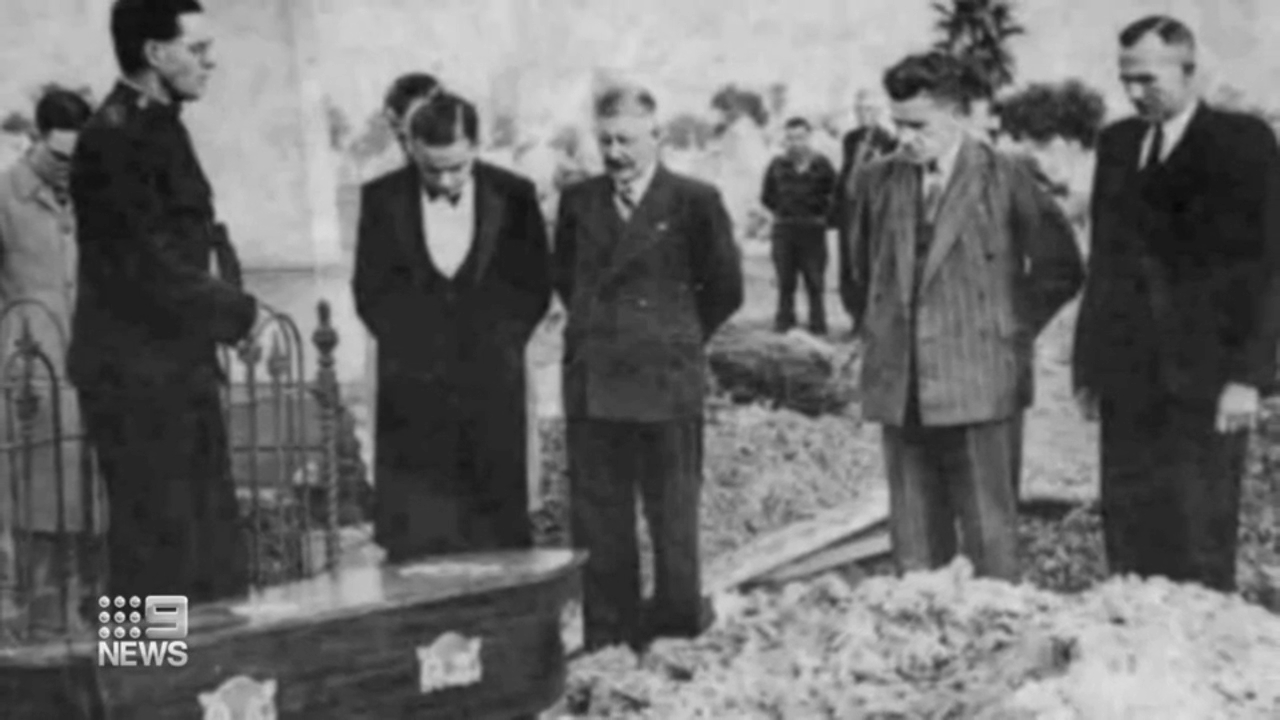
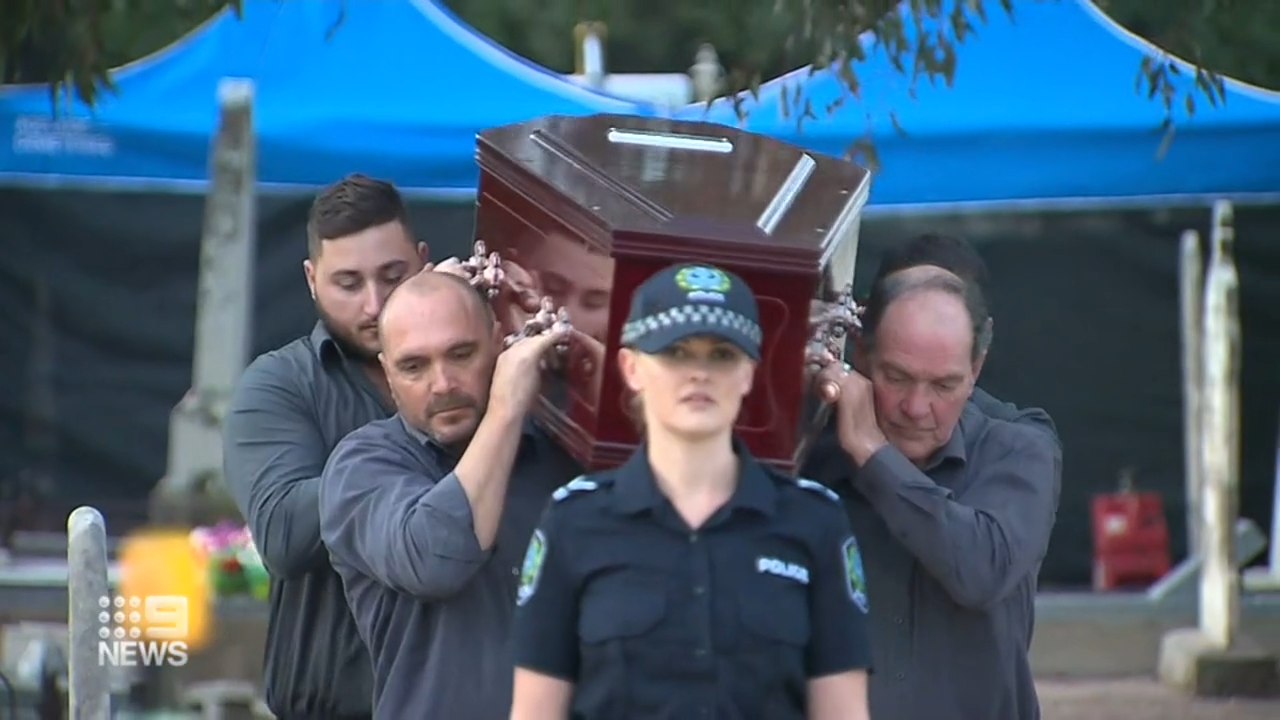
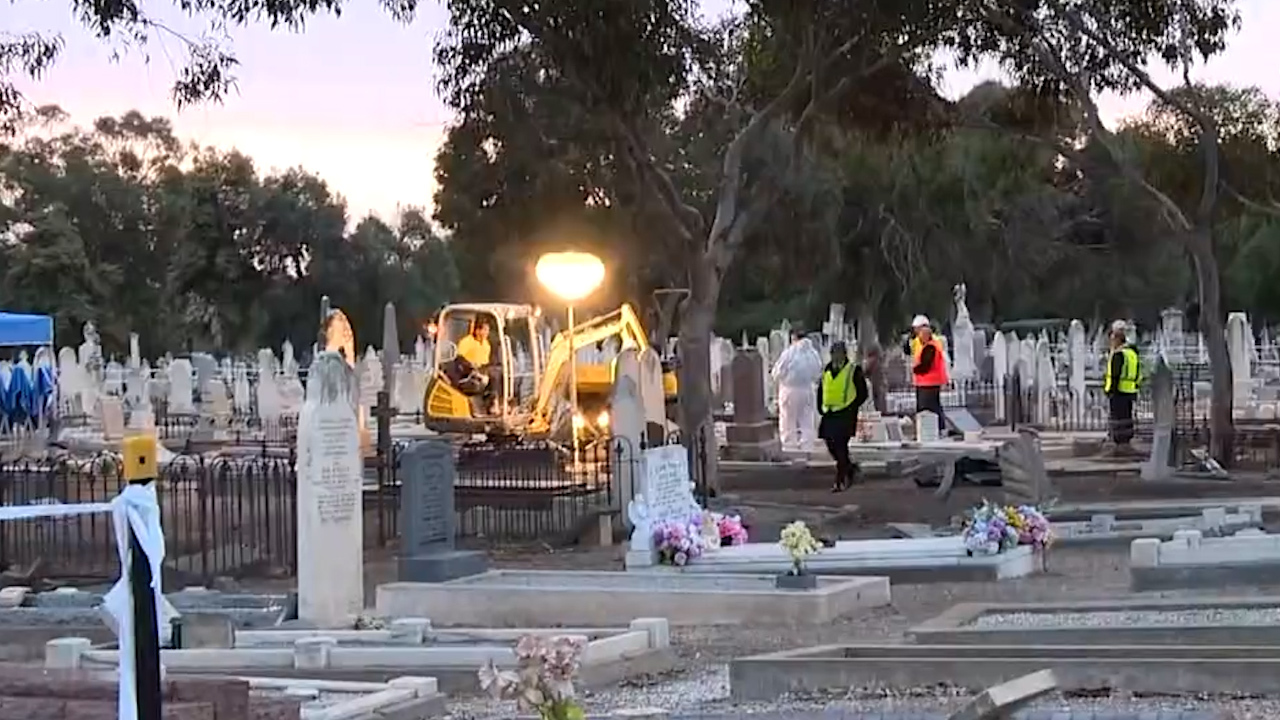
Somerton Man's remains exhumed in a bid to solve enduring mystery

There is hope that one of South Australia's most enduring mysteries could be solved with the unearthing of the so-called Somerton Man.

His remains are now in the hands of forensic detectives, who will use cutting-edge techniques to try to finally determine who he was and potentially end decades of public intrigue.

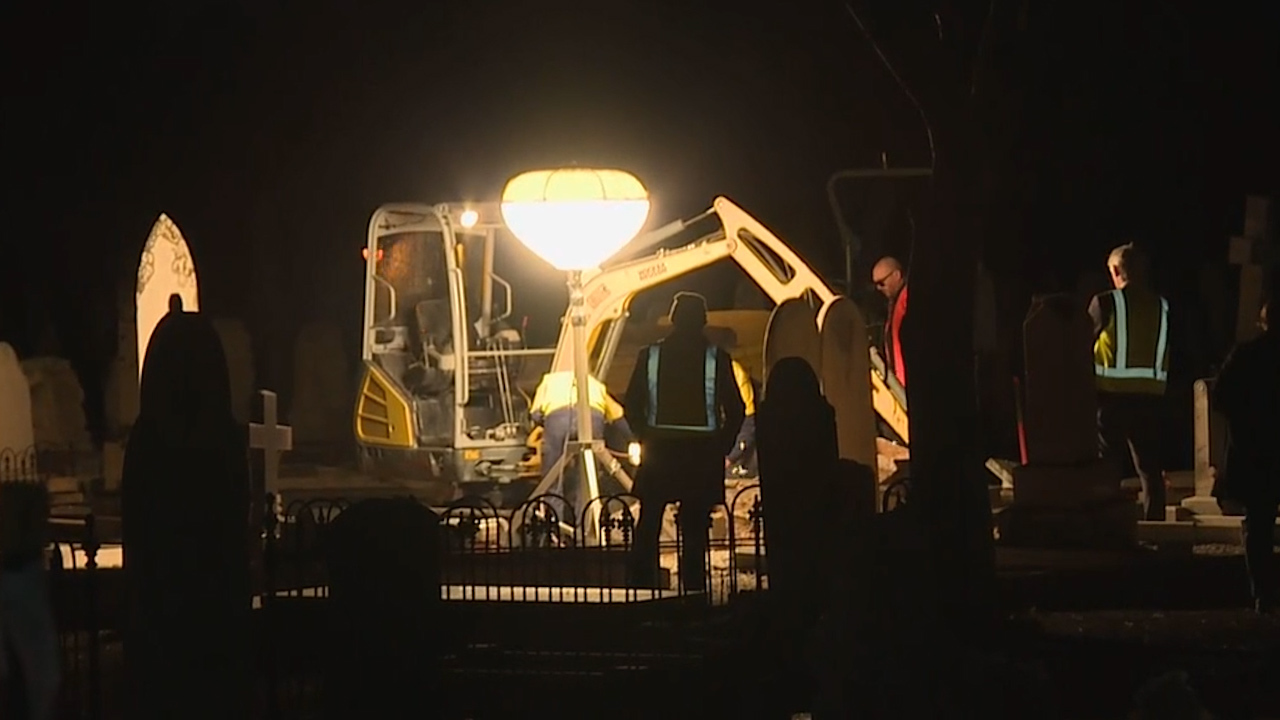
Detectives started digging this morning after getting permission from South Australia's Attorney-General Vickie Chapman to extract DNA as part of their investigation.

Somerton Man's remains exhumed in a bid to solve enduring mystery

But dense clay and no knowledge of if he is buried in a coffin, or its condition, initially delayed the process by a few hours.

READ MORE: Breakthrough hope as bid to solve Australia's most baffling case continues 70 years on

The mystery surrounding the man, whose body was found on Adelaide's Somerton Beach more than 70 years ago, has captivated Australia and the rest of the world.

He has never been identified and the circumstances surrounding his death have baffled police.

Somerton Man

After several lines of enquiry over the years have left authorities stumped.

https://twitter.com/9keziahsullivan/status/1394918917919842310?ref_src=twsrc%5Etfw

SA Police Detective Superintendent Des Bray said exhuming the man's body would allow investigators to get a full and complete DNA profile of the man.

"Whether we're successful or not is yet to be determined," Supt Bray told Today.

"It's going to be a challenge because he was embalmed at the time and the chemicals will impact with the DNA and that will make it more difficult."

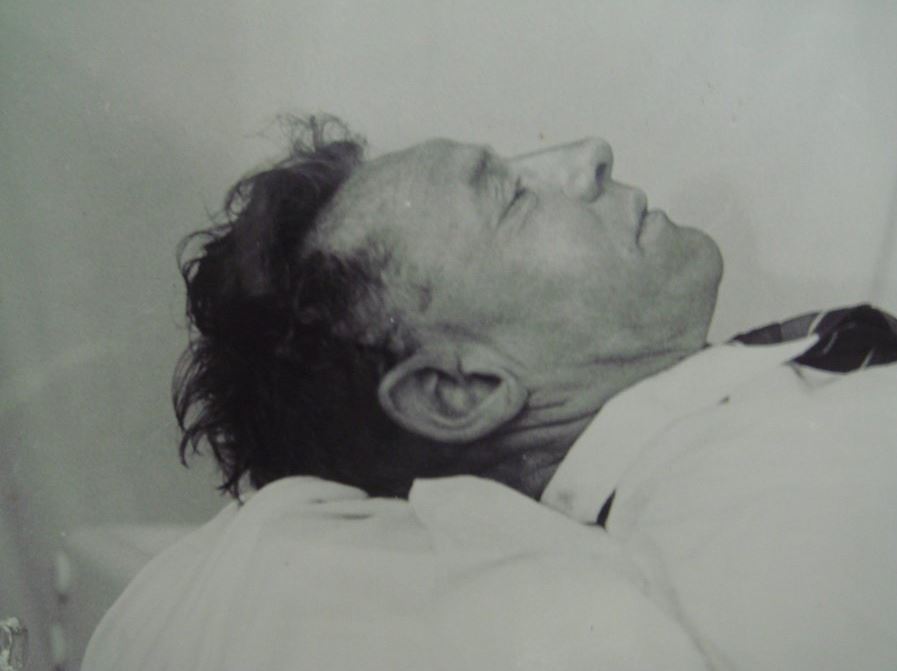
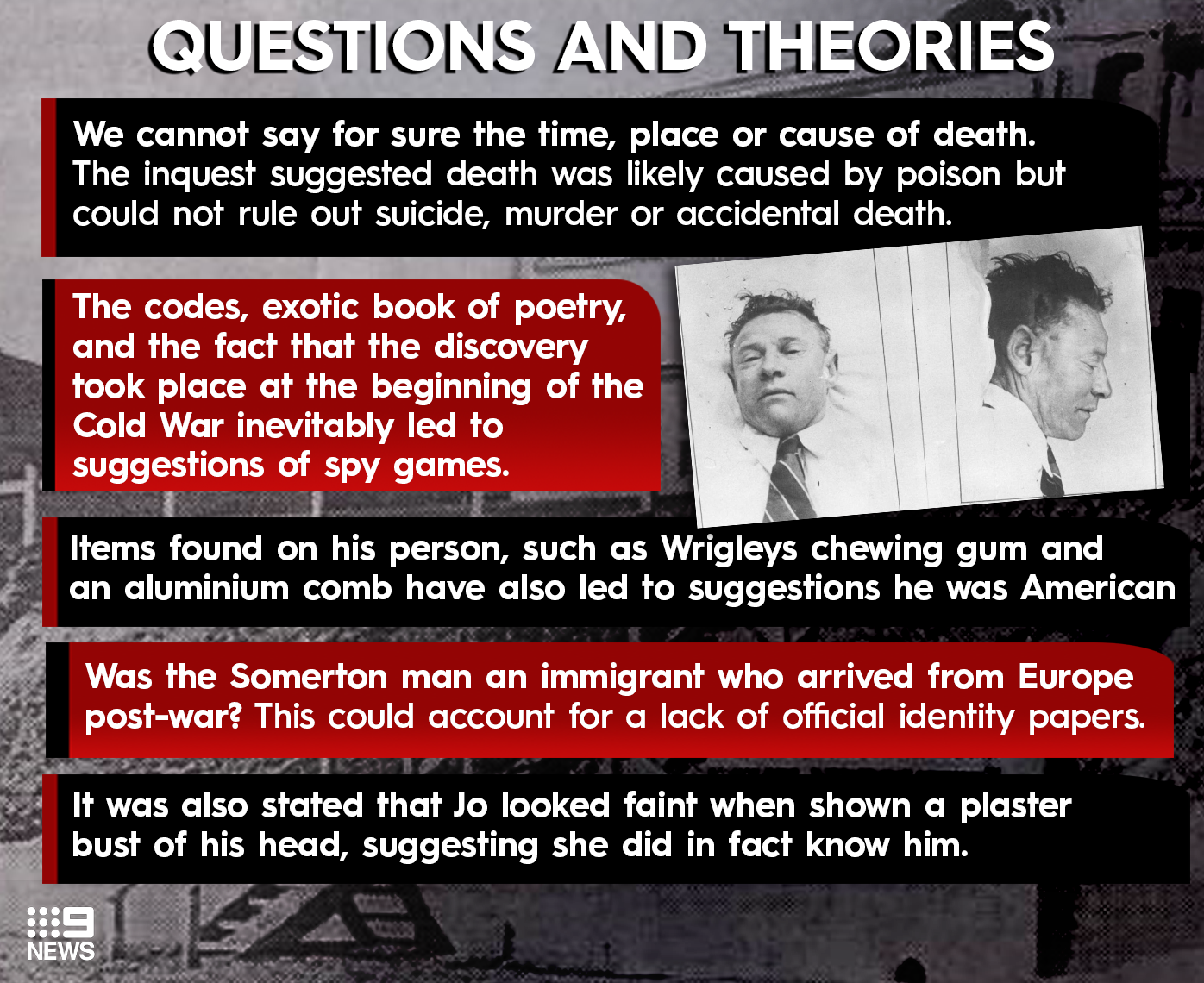
The Somerton Man shortly after autopsySomerton man mystery body exhumed

READ MORE: Mystery of SA's Somerton Man closer to being solved

Supt Bray said technology available today is ahead of the techniques available to investigators who discovered the body in the 1940s.

For years, the man's identity and circumstances surrounding his death have been a mystery to locals and police hope this new development will lead to answers.

How DNA could help solve the mystery

The man's body was located sitting up against a wall at Somerton Beach on December 1, 1948.

More than 70 years have passed since the mystery man's body was found and authorities still don't know who he is or how, when and why he died.

His details don't match any missing persons reports, no one's come forward to claim the body and the collection of clues investigators have gathered have so far turned up nothing.

Somerton Beach in relation to Adelaide.

Professor Derek Abbott, a keen follower of the Somerton mystery for over a decade, told nine.com.au the man's nuclear DNA could provide answers to his identity.

While DNA from strands of the man's hair had been retrieved at the time of the man's discovery, it only provided some clues to his origins.

"We can say which haplogroup he's from, and he's from one which is pretty well spread throughout Europe, that's what his mother's origin is, but it's not enough to identify him," Professor Abbott told nine.com.au.

With nuclear DNA, investigators will be hopefully be able to search genealogical databases for a match.

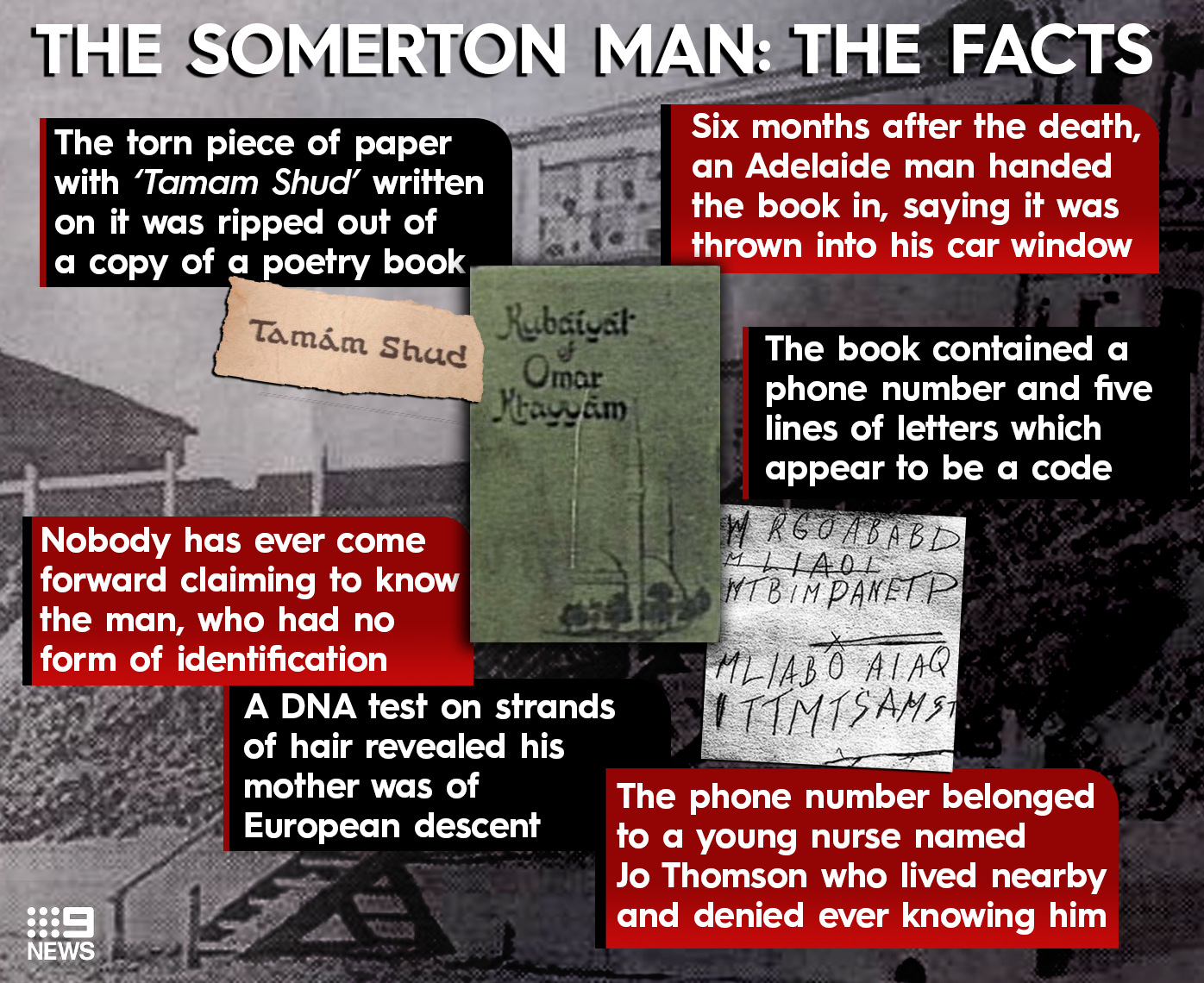
Somerton Man: The Facts (correct spelling)

What clues detectives have so far

The man was found dressed in a suit with the tags cut out on Adelaide's Somerton Beach.

Supt Bray told Today the man arrived in Adelaide by train and checked a bag into a locker at the station the day before he died.

He said the man caught a bus to Glenelg and had eaten a pastie according to post-mortem tests.

Hidden deep in one of his pockets was a piece of ripped paper with the words "Tamam Shud" written on it, which translates as "finished" in Persian.

Six months after his body was found, a man handed in a copy of the Rubaiyat of Omar Khayyam, a book of poems it is believed to be ripped from.

He said it was thrown through his car window.

The book had the pen imprint of what appeared to be five lines of undecipherable code and a phone number in it.

Somerton Man

Detectives were able to determine the phone number belonged to a young nurse, Jo Thomson, who lived in Glenelg, and investigators believe the Somerton Man may have visited her prior to his death.

"That woman has always denied knowing him," Mr Bray said.

"He was not dressed for the beach. Dressed neatly, highly polished shoes. Sat against the wall, seen by people that evening and found the following morning.

"There are a lot of crazy theories but the reality is nobody knows what the truth is."

An aluminium comb and packet of Wrigley's chewing gum were also found in the man's pockets leading some to believe he may be American.

‘City of Women’: A Refuge for Colombia’s Displaced Afro-Caribbeans

BBC- During Colombia’s more than half-century armed conflict, bloodshed between left-wing guerrillas, right-wing paramilitaries and the country’s military forced nearly eight million people to flee their homes.

Women and Afro-Colombians in particular faced greater levels of violence in the conflict and would often arrive in far-off cities with nothing and no-one.

In an impoverished neighbourhood in the sweltering coastal city of Cartagena, a group of displaced women decided to do something about it.

They formed the League of Displaced Women and in 2003 began to construct their own community brick by brick: The City of Women.

The City, in the nearby municipality of Turbaco, is made up of 100 houses the women built with their own hands.

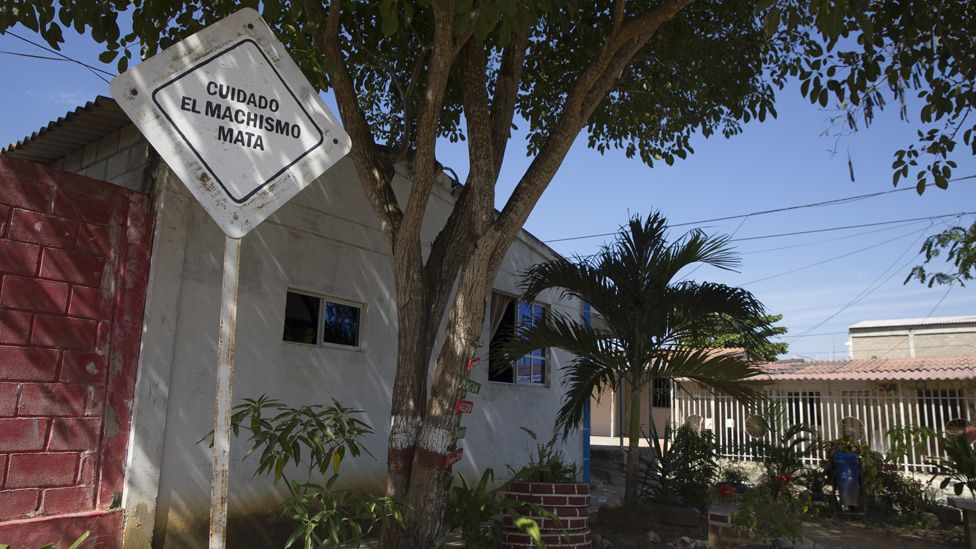
A view of a sign reading, "careful, machismo kills" in the City of Womenimage copyrightMegan Janetsky
A sign reading “Careful, machismo kills” stands in the centre of the city, near one of the 100 homes the women built for themselves and their families.

During Colombia’s armed conflict, sexual violence and targeting of women were used to sow fear. Many of the women in the City are survivors of that violence.

It offers refuge to the women and their families who faced killings, rapes, threats and other violence both in their homes and during their displacement. All of the crimes against them remain in impunity.

That struggle has pushed them together and given them the power to push back against things like machismo, societal norms and stigmas against displaced people still prominent in much of the country.

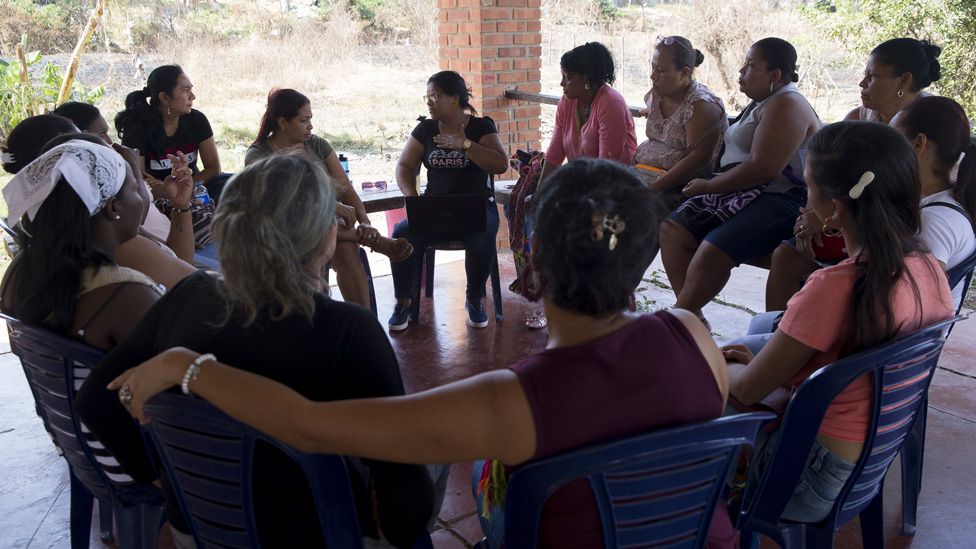
Leaders of the City of Women gather in their community centre on 20 January, 2020 near Turbaco, Colombia.image copyrightMegan Janetsky
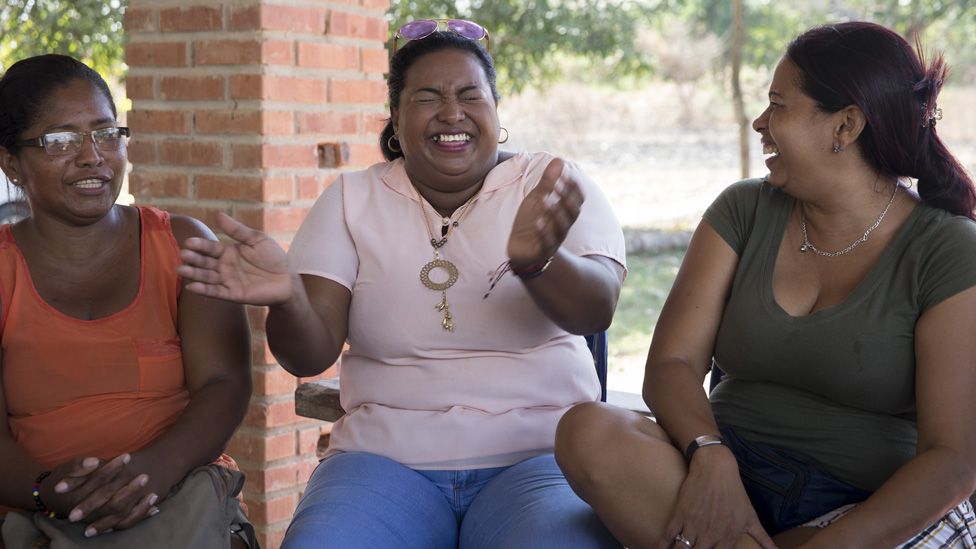
The women say they are like sisters. “We protect each other, we care for each other,” says leader Lubis Cardenas (centre).

“The war had taken our homes from us, it cut you from your customs, your dreams, your land.”

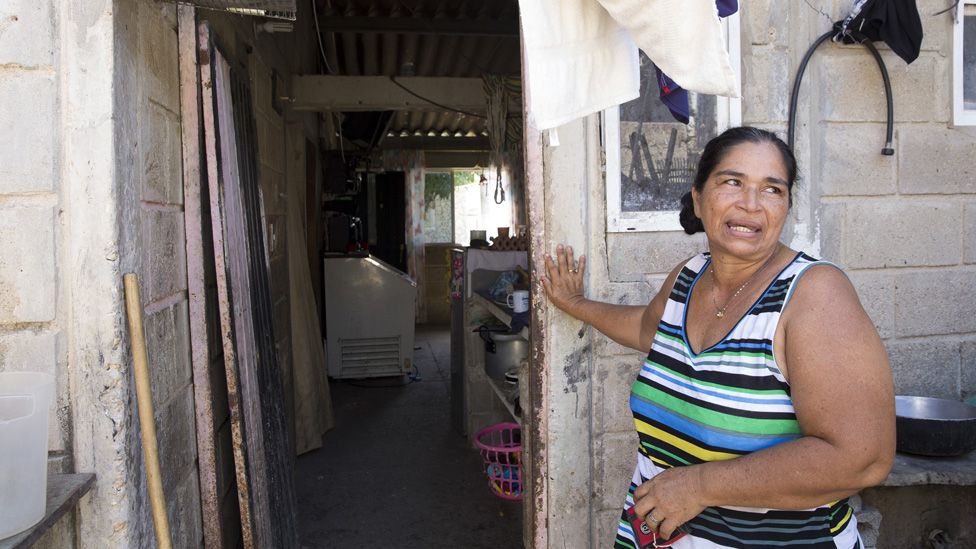
Consuelo Villega Mendoza, 44, is from a town in the northern region of Sucre, and was forced to flee after paramilitaries began massacring communities near her home.

“It was only a matter of time until it happens to you,” she said. “I left out of fear.”

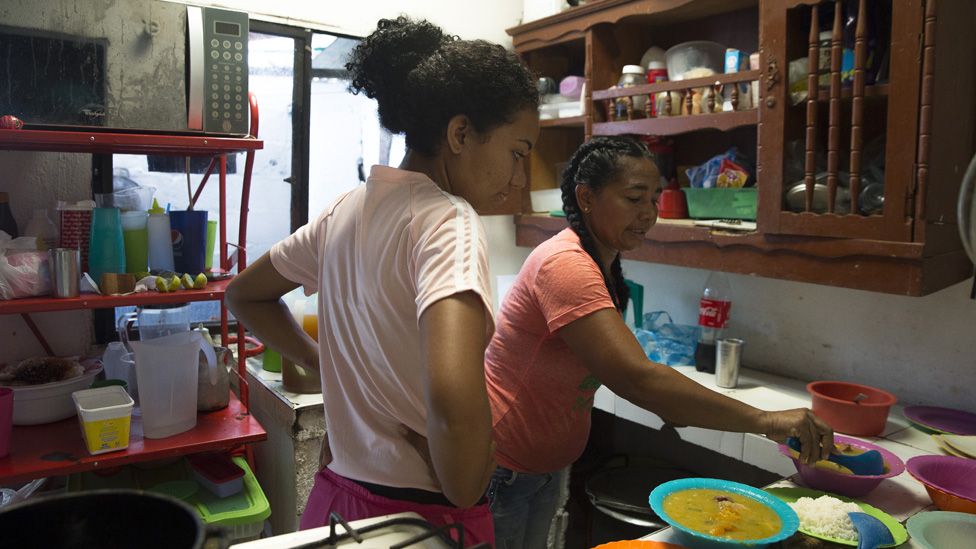
With her daughter she runs a restaurant out of the home she built. They are preparing mondongo, a Colombian soup.

Cousuelo Villega Mendoza, 44, and her daughter cook the Colombian stew Mondongo to serve at a restaurant they run out of the home Villega builtimage copyrightMegan Janetsky

“Being a part of the League of Displaced Women has helped me a lot because they have taught me how to move on. ”

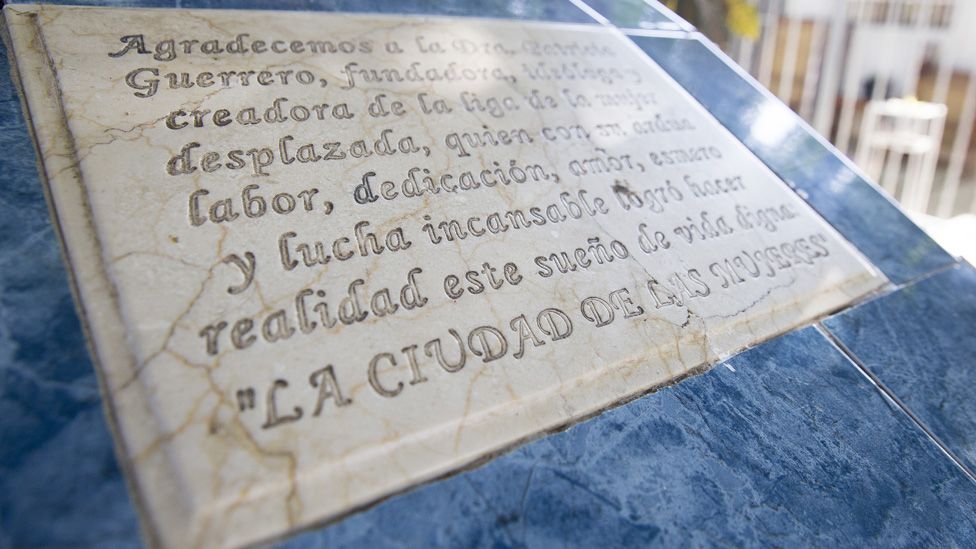
A plaque reading the “La Ciudad de las Mujeres” says that it turned the women’s dream of a life with dignity into reality.

A plaque reading the "La Ciudad de Mujeres," or "The City of Women," sits in the centre of the city.image copyrightMegan Janetsky

Women in the City have fought to get justice for the crimes committed against them, but all 159 cases of gender-based violence and displacement remain unresolved.

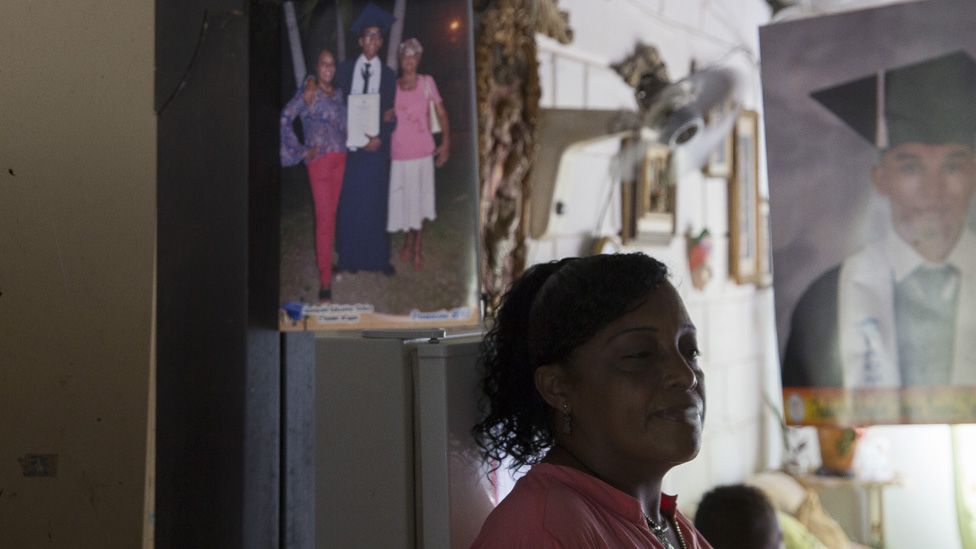
Alneris Orozco Caupo, 47, poses for a portrait in a mirror in her home in the City of Women. Originally from the north-western region of Cesar, she was forced to flee with her two young children more than 20 years ago due to the territorial conflict between paramilitaries and Farc rebels.

She proudly displays photos of her children graduating from high school and university, something she was never able to achieve due to the violence.

Alneris Orozco Caupo, 47, poses for a portrait in a mirror in her home in the City of Womenimage copyrightMegan Janetsky

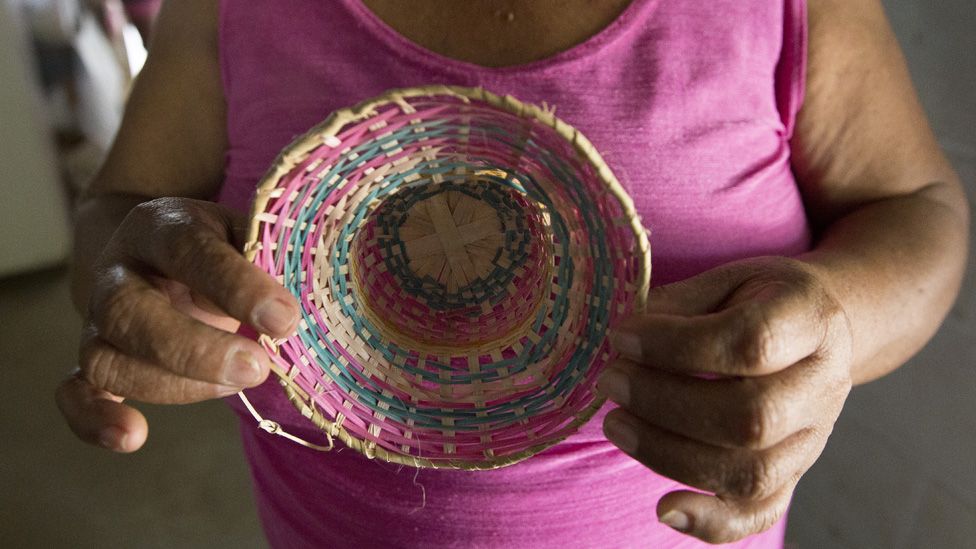
Elvia Bautista, 53, from the Córdoba region in Colombia shows a tiny hat she made out of fibres from the plants by her house.

Before she was forcibly displaced, she used to weave large traditional Colombian sombreros, but the plants from her home in Cordoba do not exist in the dry plains near Turbaco, so she does her best to weave and sell the small ones.

Elvia Bautista, 53, from Cordoba, Colombia, shows a tiny hat she made out of fibres from the plants by her house.image copyrightMegan Janetsky

Erika Maria Gamarra Caro, 42, is from El Carmen de Bolívar and fled to Cartagena after members of her family were murdered during massacres carried out by right-wing paramilitaries as they fought left-wing Farc rebels.

She says that she was repeatedly sexually assaulted during her displacement but the League has helped her to recover.

Erika Maria Gamarra Caro, 42, (centre) laughs during a meeting with other members of the League of Displaced Women.image copyrightMegan Janetsky
image captionErika Maria Gamarra Caro, 42, (centre) laughs during a meeting with other members of the League of Displaced Women

“I realised I was a woman and that I had rights, and I began to demand them,” she said. “Now, I’m not a shy woman, I’m not a woman unable to speak because of fear or the feeling that as a woman I’m not worth anything.”

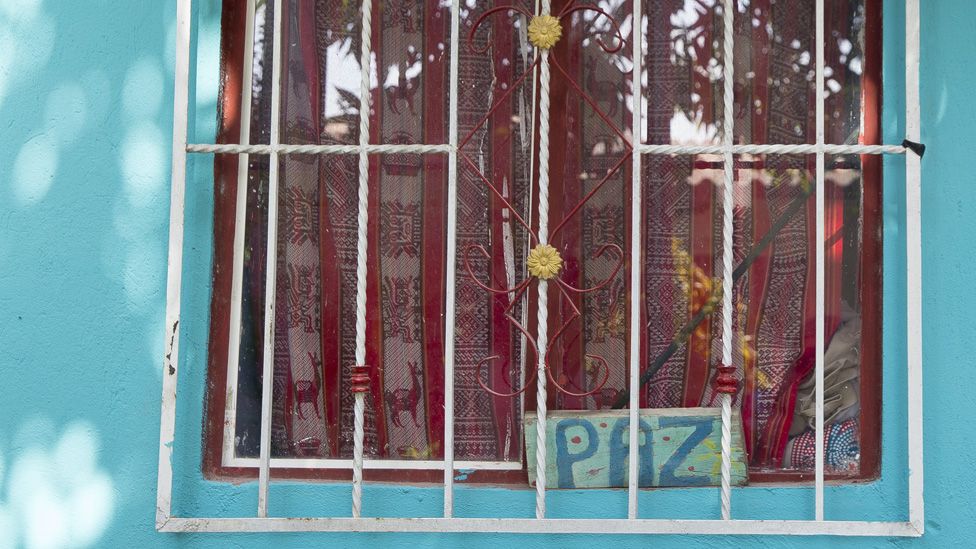
A sign reading "peace" sits in the window of a home in the City of Women on 20 January, 2020.image copyrightMegan Janetsky
image captionA sign reading “peace” sits in the window of a home in the City of Women.

While building the homes, members of their community were killed, raped and threatened, but they say their finished city stands as a symbol of peaceful resistance.

Carmen Beluas, 45, fled from her home in Copey in the late 1990s after her husband was murdered by paramilitary forces who accused them of being affiliated with the guerrillas.

Carmen Beluas, 45, fled from her home of Copey, Colombia in the late 1990s after her husband was murdered by paramilitary forces who accused them of being affiliated with guerrillas.image copyrightMegan Janetsky

She left with her three children and arrived in Cartagena without knowing anyone. She says she will always remember how her husband was taken from her.

“It’s something that will never go back to normal. I know I have my children, but there are still things I’ll never forget.”

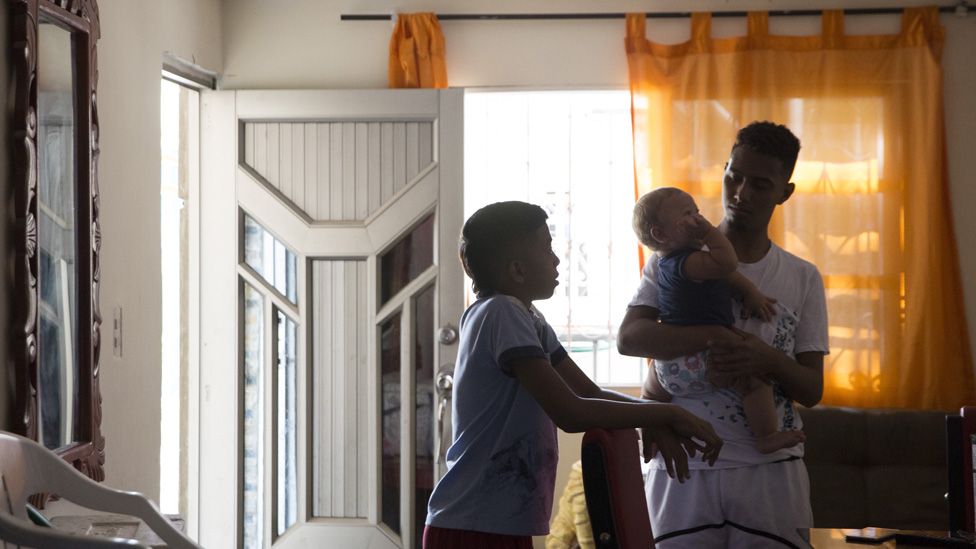
Despite its name, the City of Women also has male residents. The women, often heads of household, created the city for their children and partners to live in and the community has grown as members started having their own families in the City of Women.

The husband and son of community leader Eidavis Montes care for her baby in the living room of her house.

League leader Eidavis Montes' husband and son care for her baby in the living room of her house.image copyrightMegan Janetsky

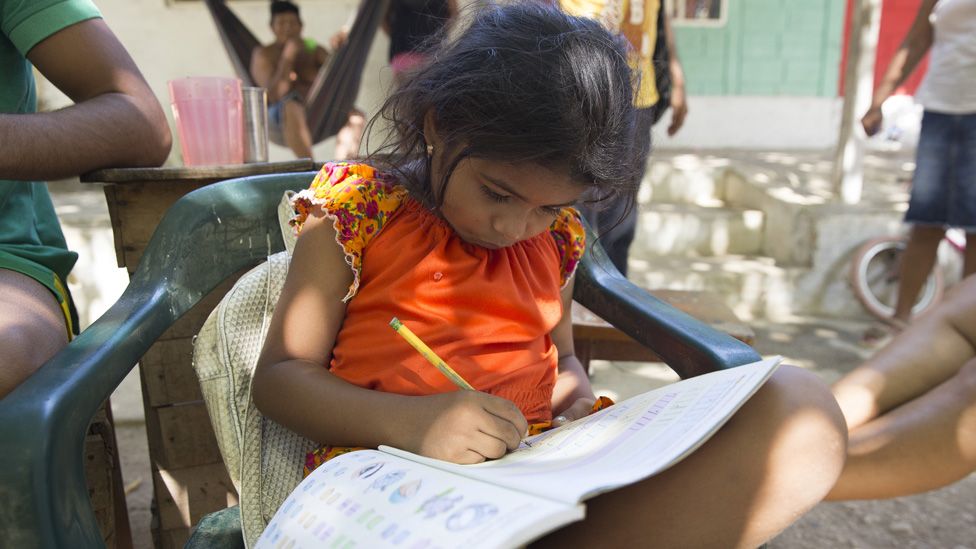
Seven-year-old Shayla Monterlaza, the granddaughter of a displaced woman, studies in front of the community’s school with her family.

Seven-year-old Shayla Monterlaza, the granddaughter of a displaced woman, studies in front of the community's school with her familyimage copyrightMegan Janetsky

The community is completely self-sufficient and has its own school, stores, restaurants and community centre for children like Shayla.

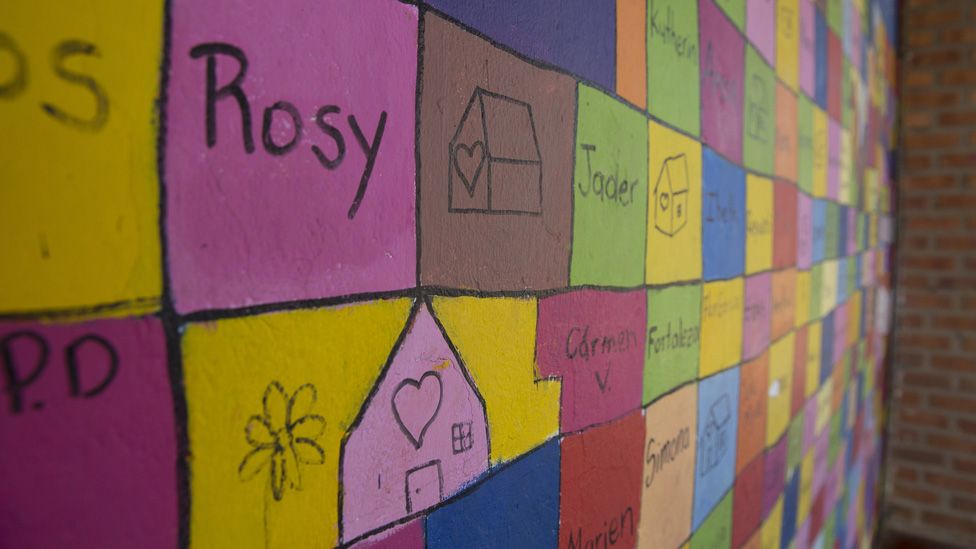
The names of members of the League of Displaced Women and drawings of homes are written on a multi-coloured wall in the City's community centre.image copyrightMegan Janetsky
image captionThe names of members of the League of Displaced Women and drawings of homes are written on a multi-coloured wall in the City’s community centre

Eidavis Montes and fellow community leader Lubis Cardenas say the City has changed women’s roles and outlook on life.

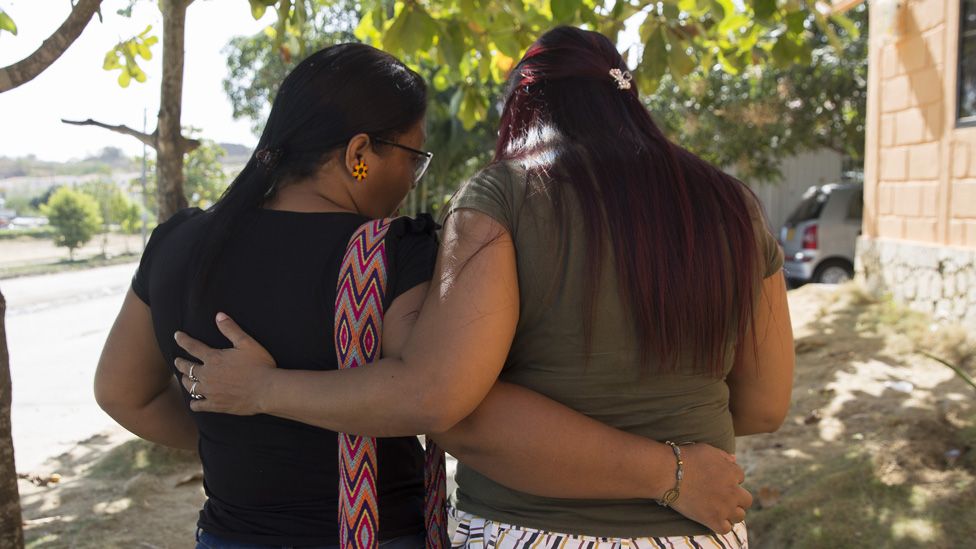
Community leaders Eidavis Montes and Lubis Cardenes embrace as they walk through the streets of their city on January 20, 2020.image copyrightMegan Janetsky

“Oftentimes women in the countryside are timid, they care for the children, tend to their husbands. If you don’t know anything else you’re always going to be in that role,” Eidavis Montes says.

“This life we have created has taught me that I am a women with rights, that we can do other things.”

As Colombia struggles to emerge from more than a half-century of armed conflict, the women in the city plan to tell their stories and seek justice before the country’s transitional court system.

“This life we have created has taught me that I am a women with rights, that we can do other things, ” Ms Montes adds.

All photos by Megan Janetsky and subject to copyright.

The post ‘City of Women’: A Refuge for Colombia’s Displaced Afro-Caribbeans appeared first on The St Kitts Nevis Observer.

Brazil’s Christ Statue Lights Up for Vaccine Equality

The world’s most famous statue of Jesus Christ was lit up in Rio de Janeiro to promote vaccine equality as Brazil and developing countries struggle to protect residents from COVID-19.

The message “Vaccine saves, United for vaccines” was projected on onto the 98-foot (30-meter) statue by Unidos Pela Vacina (United by the Vaccine), in partnership with the Cristo Redentor Sanctuary and the Ogilvy Brazil advertising agency.

In January, two healthcare workers received the first shots of coronavirus vaccines at the foot of the statue as Brazil kicked off its vaccination campaign.

Since then, 17% of residents have received at least one dose of vaccine and 8% have been fully vaccinated. (Graphic on global vaccinations)

The country ranks 30th in the world based on first doses given and far behind the 59% in Israel and 47% in the United States, according to a Reuters analysis. read more

New cases of COVID-19 are once again rising in Brazil and infections are at 82% of the peak the country hit in March, according to a Reuters analysis. (Graphic on Brazil cases and deaths)

In May 2020, the statue was lit up to call for wearing masks to slow the progress of the pandemic. Brazil has reported the third-highest number of cases in the world and the second-highest number of deaths, with over 435,000 lives lost.

The post Brazil’s Christ Statue Lights Up for Vaccine Equality appeared first on The St Kitts Nevis Observer.

World Shortage: Most of J&J Corona Vaccine in Florida Remains Unused

](AP Photo/Damian Dovarganes)

Almost two-thirds of the Florida supply of the Johnson & Johnson COVID-19 vaccine remain unused in the state, telling of a seeming lack of interest by residents in the one-dose shot on the heels of an investigation into rare blood clots.

Data recently released by Florida’s Department of Health showed that only about 38 percent of the Janssen vaccine, issued by the Johnson & Johnson pharmaceutical company, has been used despite generating substantial initial interest when it first arrived in Florida.

Although more than 50% of Broward County has been vaccinated, Broward Commissioner Barabara Sharief said the Johnson & Johnson pause “did hurt us” in terms of increasing vaccine hesitancy and unused supply. She said, “We are going to have to reassure people about the safety of vaccines.”

Reports of adverse events following the use of the vaccine had suggested an increased risk of a rare adverse event called thrombosis with thrombocytopenia syndrome (TTS). Nearly all reports of this serious condition, which involves blood clots with low platelets, have been in adult women younger than 50 years old.

Governing bodies, the United States’ Centers for Disease Control and Prevention and Food and Drug Administration continue to monitor the safety of all COVID-19 vaccines.

The post World Shortage: Most of J&J Corona Vaccine in Florida Remains Unused appeared first on The St Kitts Nevis Observer.

Taiwan launches New Formosa Club in Caribbean

TAIPEI (Taiwan News) — The Formosa Club in the Caribbean held its inaugural virtual meeting recently, with nearly 100 members of parliament from five countries attending.

Foreign Minister Joseph Wu (吳釗燮) said in a pre-recorded video that the purpose of the Formosa Club is to call on parliamentarians who recognize the values of freedom, democracy, and human rights, to provide mutual assistance, according to a Ministry of Foreign Affairs (MOFA) press release.

Amongst those present at the conference were: Saint Vincent and the Grenadines Prime Minister Ralph Gonsalves, Speaker of the Belize House of Representatives Valerie Woods, Saint Lucia External Affairs Minister Sarah Flood Beaubrun, Saint Kitts and Nevis Foreign Minister Mark Brantley, Haitian Senator Pierre Francois Sildor, and Taiwan Deputy Foreign Minister Miguel Li-jey Tsao (曹立傑).

Tsao thanked Taiwan’s Caribbean allies for their firm support of the nation’s participation in international organizations.

MOFA said all the Caribbean parliamentarians were excited about forming the club. They hoped that through this transnational platform, dialogue and cooperation with Taiwan will be conducted on the basis of shared values.

The club will also help support Taiwan’s participation in the U.N., the World Health Organization, and other specialized international agencies. The new Formosa Club follows chapters established in Africa, Europe, Latin America, West Asia, and the Indo-Pacific, which were launched May 7.

The post Taiwan launches New Formosa Club in Caribbean appeared first on The St Kitts Nevis Observer.

Bahamas: One Dead, One Injured in High School Knife Attack

Nassau Guardain- An eleventh grade Government High School student was stabbed to death and another was seriously injured following an altercation on the school’s campus today, authorities said.

Assistant Superintendent Audley Peters said preliminary investigations reveal that two male students were in a corridor when they were approached by two others.

“Edge tools were produced and two of those [students] were stabbed,” Peters said on the scene.

“We do not know if the victims were the aggressors in this situation or if they were the ones who were stabbed.”

Peters said one of the students died on the scene. The other is said to be in serious condition in hospital.

He said the two students, believed to be responsible for the stabbing, scaled the school’s fence.

As police processed the scene, a number of anxious parents were lined up outside the school’s walls awaiting word from education officials about the incident.

Minister of Education Jeffrey Lloyd, who was also on the scene, said the government is “deeply hurt” by the events of the day.

However, he insisted that government schools remain safe.

“Obviously this is unfortunate,” he said. “I wish parents to know that our schools are very safe.”

He added that violent incidents are uncommon.

As Lloyd addressed school safety, parents demanded increased police presence on school campuses.

Education officials said about 300 students were on GHS’ campus today.

The post Bahamas: One Dead, One Injured in High School Knife Attack appeared first on The St Kitts Nevis Observer.

Tokyo Olympics Ready Despite Virus Surge, India Record, World Stats

(CNN) Less than 10 weeks out from the postponed start to the Tokyo 2020 Olympics, organizers have promised athletes they are doing everything they can to ensure the Games take place safely.

Japan is struggling with a renewed outbreak of coronavirus, with only about 1% of the population vaccinated — renewing calls for the Olympics to be canceled.

Speaking at a meeting of the coordination committee Wednesday, International Olympic Committee President Thomas Bach said Japanese and Tokyo 2020 officials would make the right decision on managing the situation, and the risks had been managed well so far.

Bach and other officials — both from the IOC and Japanese sporting bodies — pushed back against critics, with the IOC President saying his organization has offered to provide additional medical personnel to help pull off strict anti-Covid measures alongside the Tokyo government.

He added that 75% of people who plan on being in the Olympic Village have already been vaccinated, while organizers hope the final number will be more than 80%.

Bach said the existing plans have been tested with foreign athletes in several test events — none of which turned into super spreader events.

Tokyo 2020 President Seiko Hashimoto, also speaking at the opening of the meeting, said the purpose of Wednesday’s session was to focus on the protection of athletes and the public. She said the two main focuses would be the frequent testing of athletes and separating them from the Japanese public.

Earlier this month, an online petition calling for the Games to be canceled garnered 350,000 signatures in nine days, while the CEO of leading Japanese e-commerce company Rakuten has called plans to host the Games a “suicide mission.”

“Stop Tokyo Olympics” campaign organizer Kenji Utsunomiya said the event should take place only when Japan can welcome visitors and athletes wholeheartedly.

“We are not in that situation and therefore the Games should be canceled,” he told a news conference, according to Reuters. “Precious medical resources would need to be diverted to the Olympics if it’s held.”

Speaking to CNN this week, World Athletics president Seb Coe said he was confident the Games could be held safely.

“Should we have the Games? Yes, we should. Can we have them safely and secure? I believe we can,” Coe said. “I’m not cavalier about that. But I do think there are systems that are now tried and tested. We know so much more about these systems than we did a year ago.”

===================================================

India Records World Record Daily Infections

Ireland expects most adults to be fully vaccinated by end-September

Taiwan a ‘victim of its own success’ over lack of access to vaccines

Prof Chunhuei Chi, the director of Oregon State University’s center for global health, has said that Taiwan was “a victim of its own success”. Having locally eliminated the virus in early 2020 it did not get prioritised vaccination orders, and then failed to stay up to date with the changing science, such as the increased transmissibility and high asymptomatic rates of new variants like the UK one now spreading, he said.

“Taiwan is one of the few countries that never experienced a second, third, or fourth wave,” said Chi. “It basically resumed normal life so … most people including some government officials were lagging behind updated knowledge.”

The government in Taiwan remains opposed to mass testing on the grounds that false positives could waste resources. Chi said Taiwan did not have the capacity for mass testing because it never needed it before, and establishing it could take weeks. Rapid testing stations were established in Wanhua – where Taipei’s cases are concentrated – in order to encourage patrons of the hostess bars at the centre of infections to come forward alongside the rest of the community. But there have been reports of stations hitting capacity and turning people away.

Medical staff at one of the rapid test stations in Wanhua District.
Medical staff at one of the rapid test stations in Wanhua District. Photograph: Annabelle Chih/SOPA Images/REX/Shutterstock

On Wednesday, the CECC said further stations would be set up in other hotspots, but continued to discourage people from getting tested unless they had symptoms and case connection.

“The virus is really vicious,” said Prof Chen Chien-jen from Academia Sinica genomics research centre, who was Taiwan’s health minister during the 2003 Sars outbreak, and sometimes consults current authorities. “Just one day [after we thought we’d controlled the Yilan outbreak], we found, oh my God, the Wanhua teahouse outbreak. Then the cases surged rapidly.”

Several of the experts the Guardian spoke to said the government was largely relying on the community to restrict their own movements voluntarily rather than impose lockdowns.

=======================================

WORLD STATS

Coronavirus Cases:

164,935,494

Deaths:

3,420,194

Recovered:

143,920,995
Highlighted in green
= all cases have recovered from the infection
Highlighted in grey
= all cases have had an outcome (there are no active cases)

[back to top ↑]

Latest News

May 19 (GMT)

Updates

  • 2,344 new cases and 329 new deaths in Poland [source]
  • 7,920 new cases and 390 new deaths in Russia [source]
  • 2,767 new cases and 257 new deaths in Mexico [source]

The post Tokyo Olympics Ready Despite Virus Surge, India Record, World Stats appeared first on The St Kitts Nevis Observer.

New York Prosecutor: Trump Probe Now Criminal Investigation

BBC- The New York attorney general’s office says it is investigating the Trump Organization “in a criminal capacity”.

A spokesman for the state’s top prosecutor, Letitia James, said the inquiry into Mr Trump’s property company was “no longer purely civil”.

Ms James has been scrutinising the ex-Republican president’s financial dealings before he took office.

The Trumps deny wrongdoing and say the inquiry by a Democratic prosecutor is a political vendetta.

Ms James’ spokesman, Fabien Levy, told the BBC on Tuesday: “We have informed the Trump Organization that our investigation into the Organization is no longer purely civil in nature.

“We are now actively investigating the Trump Organization in a criminal capacity, along with the Manhattan DA. We have no additional comment.”

The statement did not say what turned the inquiry from civil to criminal in nature, or whether the former president himself might be personally implicated in any allegations.

Civil cases usually have to do with injury to individuals or other private parties, including businesses; criminal law applies in cases where the damage is thought to affect society at large, including the state.

Ms James launched a civil inquiry in March 2019 into claims that Mr Trump had inflated the value of his assets to banks when seeking loans, and understated them to lower his taxes.

Her office has also been seeking documents on four Trump Organization properties in Manhattan, upstate New York, Chicago and Los Angeles.

Manhattan District Attorney Cyrus Vance Jr said in court documents last August that his office was investigating alleged “protracted criminal conduct” at the Trump Organization.

Mr Vance’s legal filing cited newspaper articles about purported bank and insurance fraud at the company.

The Manhattan district attorney has also been investigating whether any of Mr Trump’s financial records were doctored to cover up hush-money payments to two women in 2016 who say they had affairs with him.

Mr Vance’s office said in February it had obtained Mr Trump’s tax returns as part of the investigation, after a long legal battle.

Throughout his presidency, Mr Trump resolutely refused to reveal his tax returns, despite coming under great pressure to do so.

2px presentational grey line

A significant development

Will Grant, BBC News, Washington DC

Throughout his time in office, Donald Trump dismissed any probe into his financial dealings or those of his organisation as a politically-motivated “witch hunt” led by Democrats desperate to see him forced from power.

Yet now that he no longer enjoys protection from prosecution, this latest development will trouble him. That a former US president is facing not one but two criminal investigations is a significant development, one which could have repercussions for his political future.

The New York State Attorney General, Letitia James, clearly believes that there is enough at play to warrant moving the investigation from a civil to a criminal one. When combined with the ongoing examination of the former president’s tax returns by the Manhattan District Attorney, Cy Vance, Mr Trump is looking at a complex and tangled legal battle ahead — one which he remains adamant he shouldn’t have to face but which he now almost certainly cannot avoid.

The post New York Prosecutor: Trump Probe Now Criminal Investigation appeared first on The St Kitts Nevis Observer.

Ex-FARC leader Jesus Santrich Killed in Venezuela by Colombian Military

Reuters- Jesus Santrich, one of the most prominent leaders of a group of Colombia’s former FARC rebels who reject a 2016 peace accord, has been killed in Venezuela in an operation by Colombia’s military, former FARC dissidents said late on Tuesday.

Santrich was traveling by a truck in Venezuela when it was attacked by Colombian commandos the dissident group, which calls itself the Segunda Marquetalia, said in a statement.

Santrich, who initially backed the 2016 peace deal, was wanted by the United States on drug trafficking charges and had long been thought to be based in Venezuela.

“The truck carrying the commander (Santrich) was attacked with rifle fire and grenades,” the statement said, adding that the Colombian commandos left in a helicopter following the attack.

Colombia’s ministry of defense did not immediately respond to a request for comment.

Earlier on Tuesday Colombia’s Defense Minister Diego Molano said the government was working to confirm if Santrich had been killed in Venezuela.

“Intelligence information signals that alias Santrich and other criminals were killed in supposed confrontations which took place yesterday in Venezuela,” Molano said on Twitter. “Information being verified. If confirmed, it proves Venezuela harbors narco-criminals.”

The Venezuelan government did not immediately respond to a request for comment.

In March Molano blamed fighting for control of drug trafficking between the Venezuelan military and illegal armed groups, including former FARC rebels, for violence which caused thousands of people to flee to Colombia. read more

Colombia’s government accuses Venezuelan President Nicolas Maduro of harboring dissidents, while Maduro has said his country is a victim of criminals.

About 13,000 members of the Revolutionary Armed Forces of Colombia (FARC) demobilized under the peace deal, which ended the group’s part in more than 50 years of conflict.

The group’s former members have formed a legal political party and are participating in transitional justice proceedings, but about 1,500 former rebels refused to give up arms.

The United States said last year it was offering rewards of up to $10 million each for information leading to the arrest or conviction of Santrich, whose birth name is Seuxis Hernandez, and Ivan Marquez.

Marquez, one of the negotiators of the peace accord, disappeared in 2018 after his nephew was arrested and bundled off to the United States.

Santrich had been set to serve in one of 10 congressional seats granted to former rebels, but he was indicted by the United States, sparking months of legal wrangling, before he too disappeared in mid-2019.

Both men reappeared in an August 2019 video announcing a new offensive against the government.

The post Ex-FARC leader Jesus Santrich Killed in Venezuela by Colombian Military appeared first on The St Kitts Nevis Observer.