Test your brains with the Herald’s morning quiz. Be sure to check back on nzherald.co.nz at 3pm for the afternoon quiz. To challenge yourself with more quizzes, CLICK HERE.
Category Archives: headline
Josie Hepi-Hika's cancer battle given a boost by Whanganui fitness challenge
Whanganui’s Josephine (Josie) Hepi-Hika was 35 weeks pregnant when she was diagnosed with two strands of stage 4 cancer – Burkitt’s lymphoma leukaemia and lymphoma – at the beginning of April.Doctors made the decision to induce…
Brazil: First COVID, Now Floods Ravage the Amazon Region
Rivers in the Brazilian Amazon region have risen to near record levels after heavy rains, flooding small towns and threatening areas hit hard by Covid-19 with another disaster.
In Amazonas state, 52 of the 62 towns and cities have areas under water, and 25 have declared a state of emergency including the capital, Manaus. About 410,000 people have been affected, according to the civil defence service.
In Manaus, the Negro river is at its third-highest level since records began in 1920, at 29.72m (97ft). Brazil’s geological service expects the waters to reach 30.35m, exceeding the record flooding seen in 2012.
Raised wooden walkways for pedestrians have been erected in parts of the city centre, and local officials say they will set up barricades with sand bags to try to contain the waters. The houses of 4,200 people have been flooded across the capital.

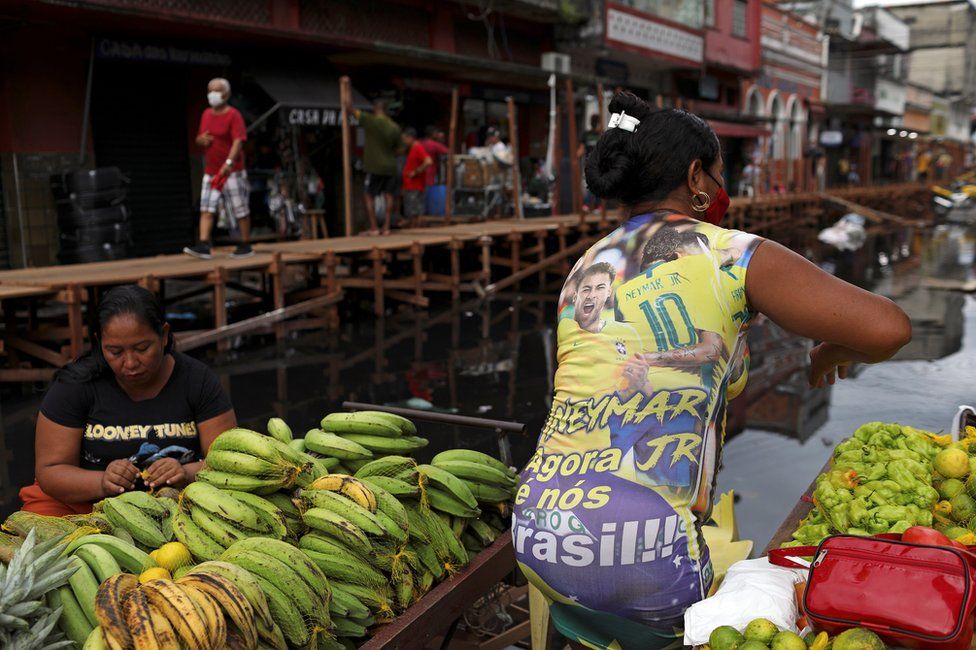 image copyrightBruno Kelly/Reuters
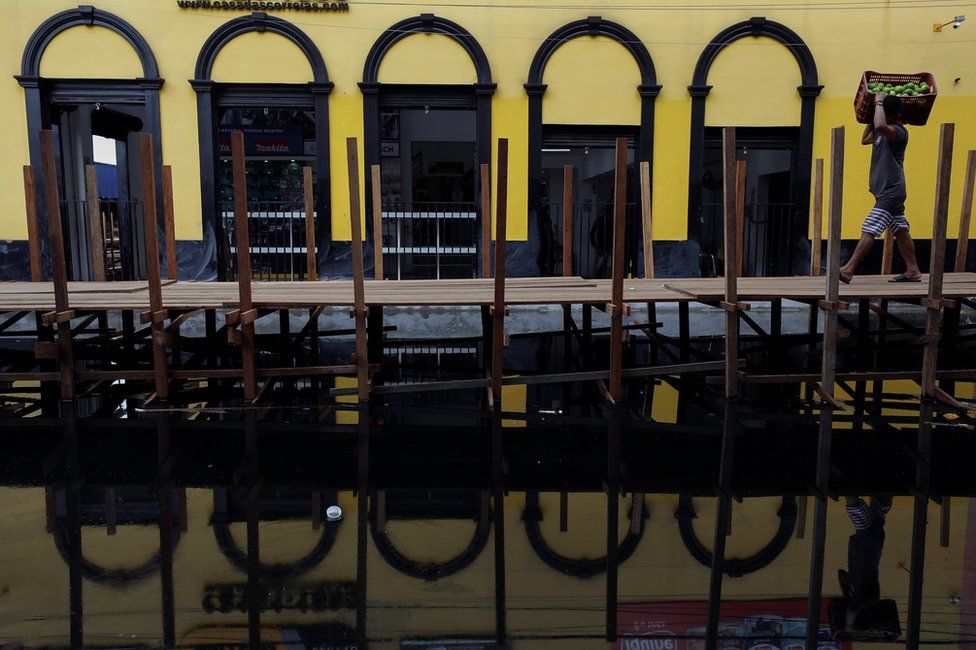 image copyrightBruno Kelly/Reuters
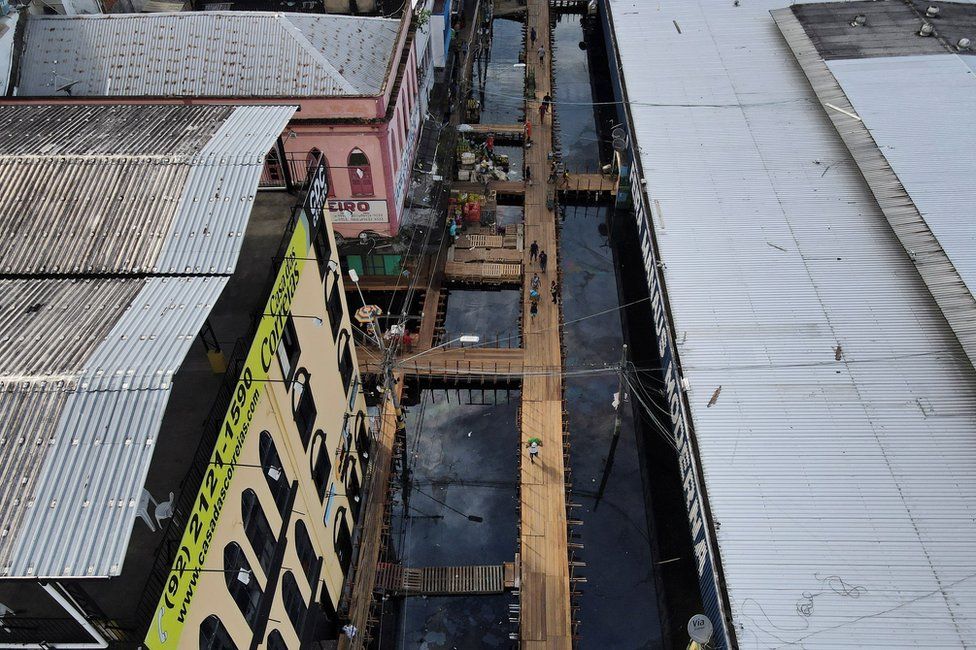 image copyrightBruno Kelly/Reuters
The increased precipitation in the region is linked to La Niña, a phenomenon where cooler-than-normal surface temperatures in the Pacific Ocean lead to significant weather changes in different parts of the world.
The town of Anamã, with a population of 12,700, has been totally flooded by the Solimões river. Boats and canoes have become the only way to get around the so-called “Venice of Amazonas”.
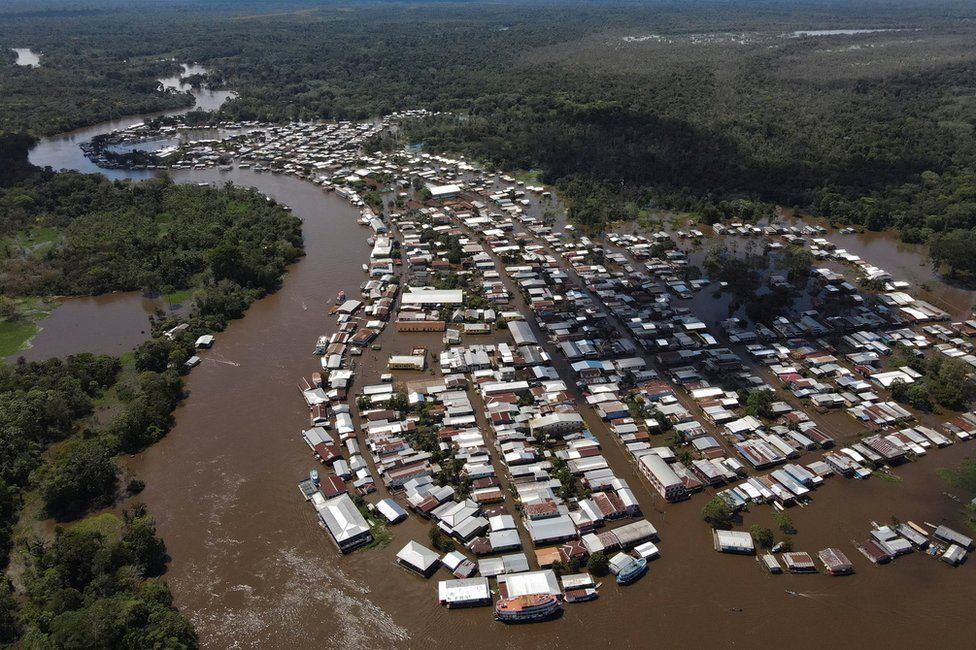 image copyrightBruno Kelly/Reuters
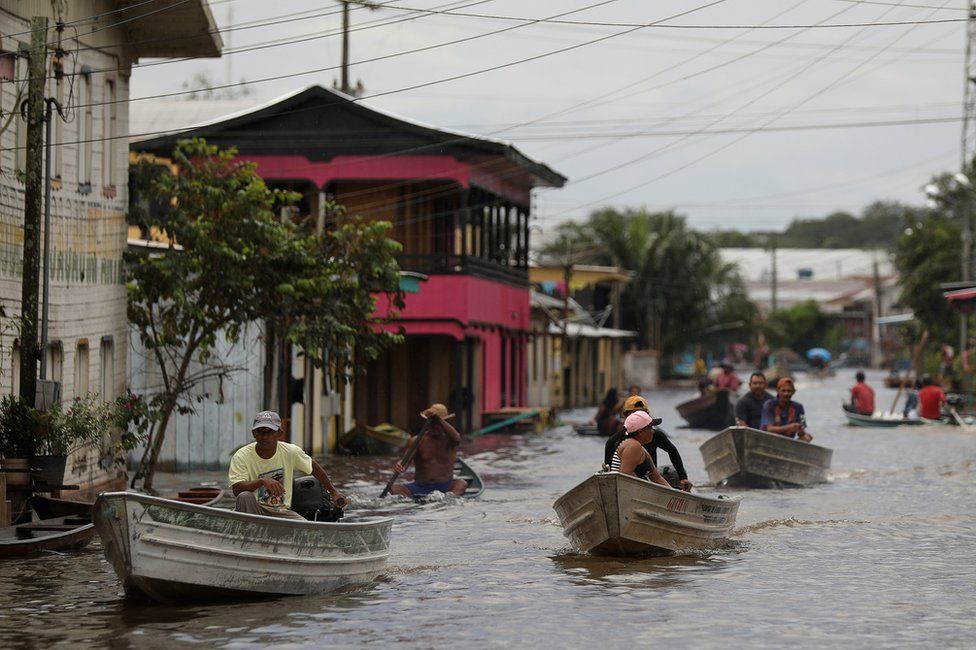 image copyrightBruno Kelly/Reuters
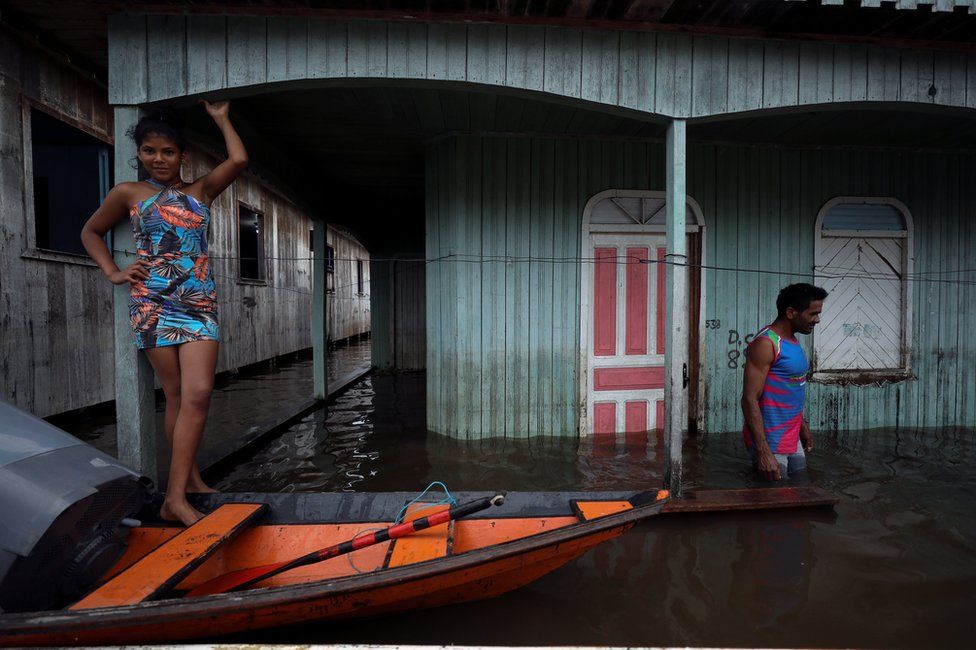 image copyrightBruno Kelly/Reuters
Like most residents, Manoel de Oliveira Cardoso and his wife, Eliana dos Santos Madi, have built wooden structures so they can walk around the flooded rooms of their house.
“Look at the state of my house, half flooded, I’ve got nowhere to keep my things,” he told Reuters news agency. “I’m struggling to see if I can salvage at least half of my things.”
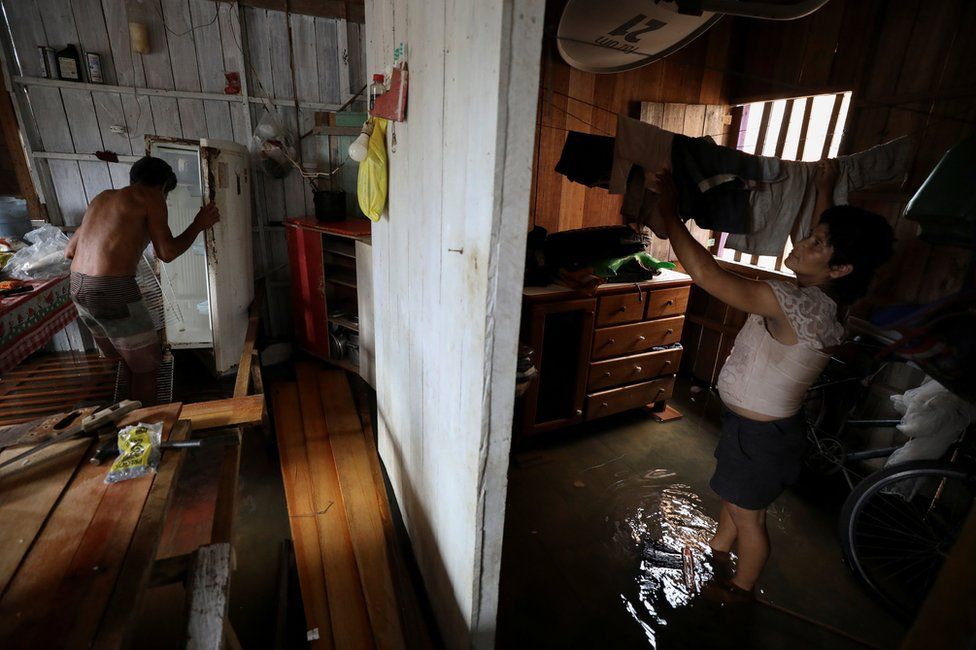 image copyrightBruno Kelly/Reuters
As Anamã experiences inundations almost every year, some of the houses have a second level where people move their belongings in case of severe flooding. Others are built on wooden poles to keep them above the river level, known locally as palafitas.
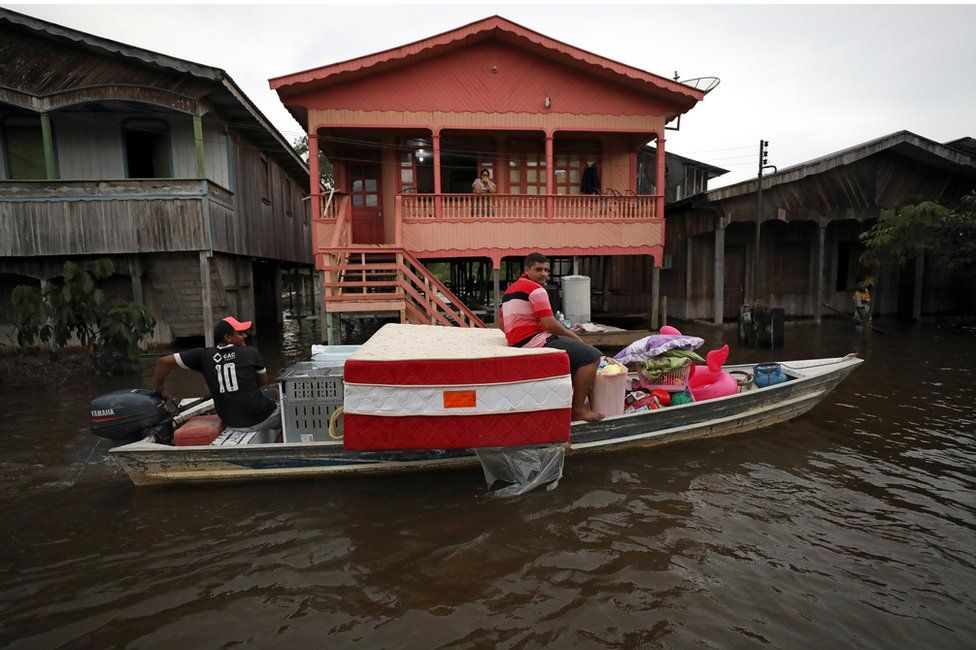 image copyrightBruno Kelly/Reuters
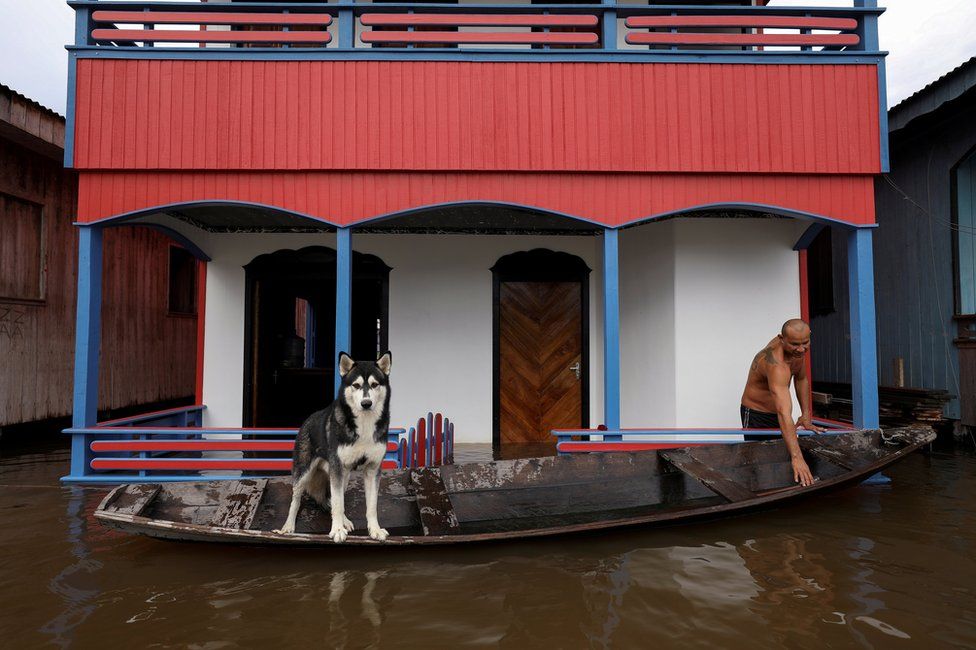 image copyrightBruno Kelly/Reuters
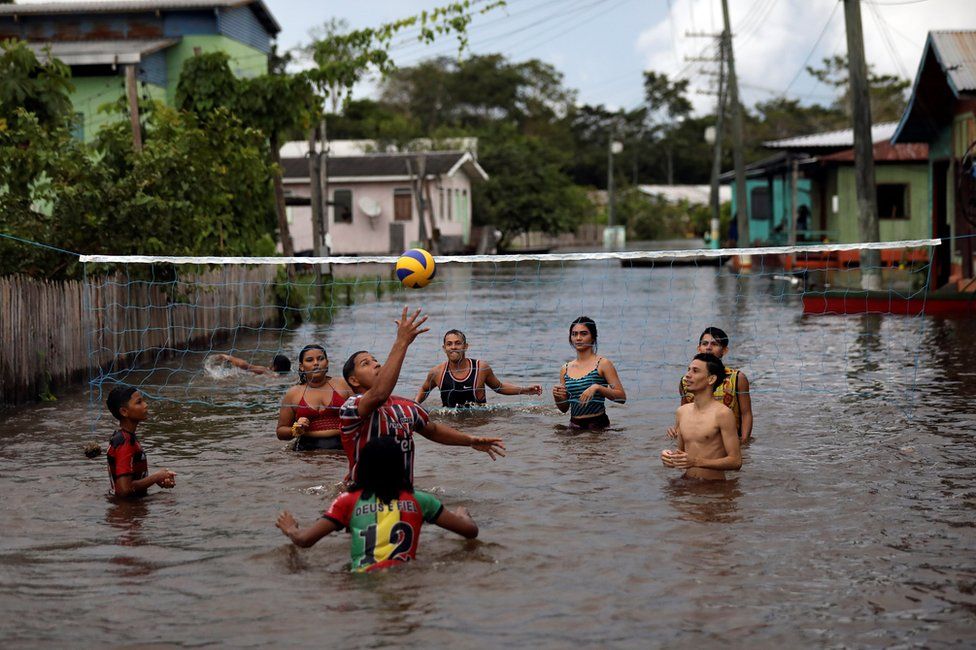 image copyrightBruno Kelly/Reuters
The Solimões and Negro rivers are the main branches of the Amazon river, which has flooded the towns of Parintins and Itacoatiara. In Manacapuru, crops were destroyed.
Meanwhile, cases and deaths related to Covid-19 were rising again in the state amid a slow rollout of vaccines and lack of co-ordinated measures to curb the spread of the virus, according to the Fiocruz Amazonas institute.
By boat, Neuda Sousa, a local health worker, carried a box of Oxford-AstraZeneca jabs to vaccinate residents in flooded areas.
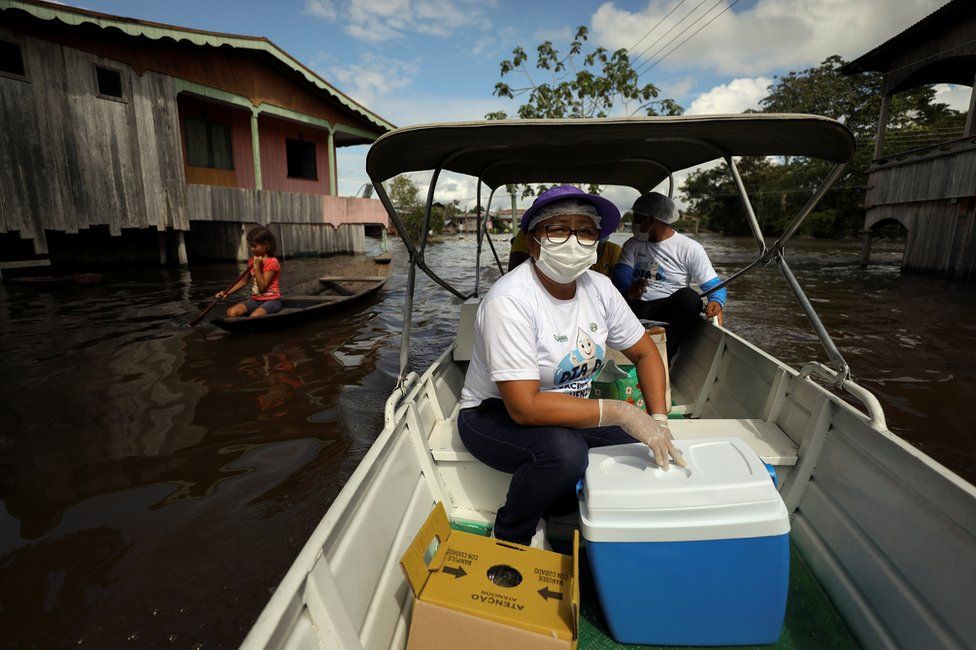 image copyrightBruno Kelly/Reuters
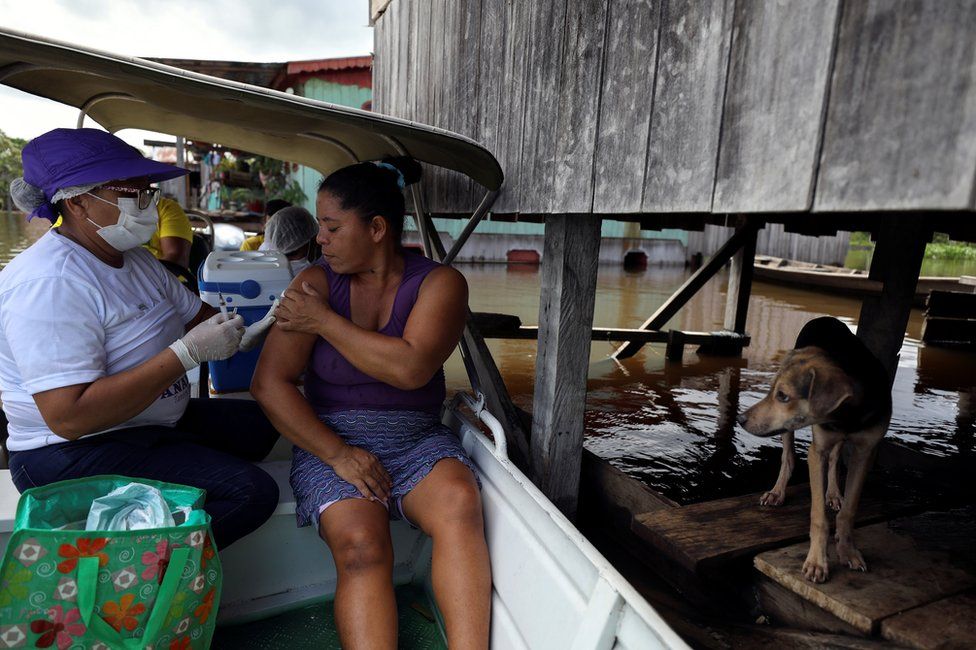 image copyrightBruno Kelly/Reuters
Manaus and nearby areas reported the first cases of a highly contagious variant of Covid-19 that has spread throughout Brazil, one of the countries hardest hit by the pandemic. Earlier this year, the city’s health system collapsed, with hospitals running out of oxygen amid a steep rise in infections.
There are now fears Amazonas state could face a devastating third wave.
All pictures from Reuters and subject to copyright.
The post Brazil: First COVID, Now Floods Ravage the Amazon Region appeared first on The St Kitts Nevis Observer.
Morrison government to spend $600 million on new Hunter Valley gas power plant
The Morrison government will spend up to $600 million to build a new gas power plant in the NSW Hunter Valley.
The government says the plant, scheduled to come online in summer 2023-24 to replace the coal-fired Liddell power plant following its 2023 closure, will keep NSW energy prices down.
But the announcement came after some experts questioned whether the major investment made commercial sense and on the same day the International Energy Agency called for an end in new coal mines, oil and gas wells.
READ MORE: China's massive appetite for Australian iron ore shows no sign of ending
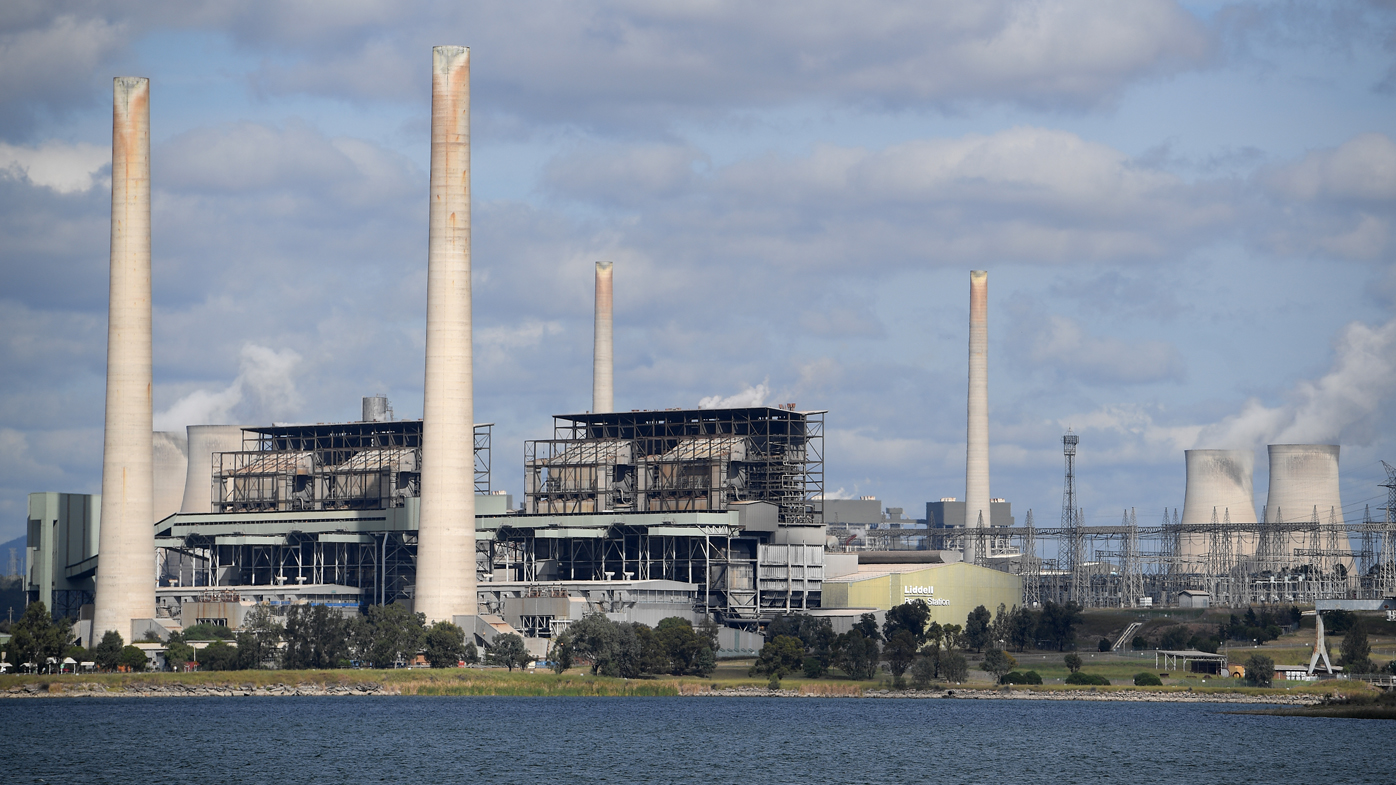
With money committed in the 2020-21 Federal Budget, Snowy Hydro Limited will be tasked with constructing the 660 MW open-cycle gas turbine at Kurri Kurri, creating up to 600 jobs during peak construction.
The government promised to back the plant, if power generators failed to do so, when announcing its "gas-led recovery" from the coronavirus last year.
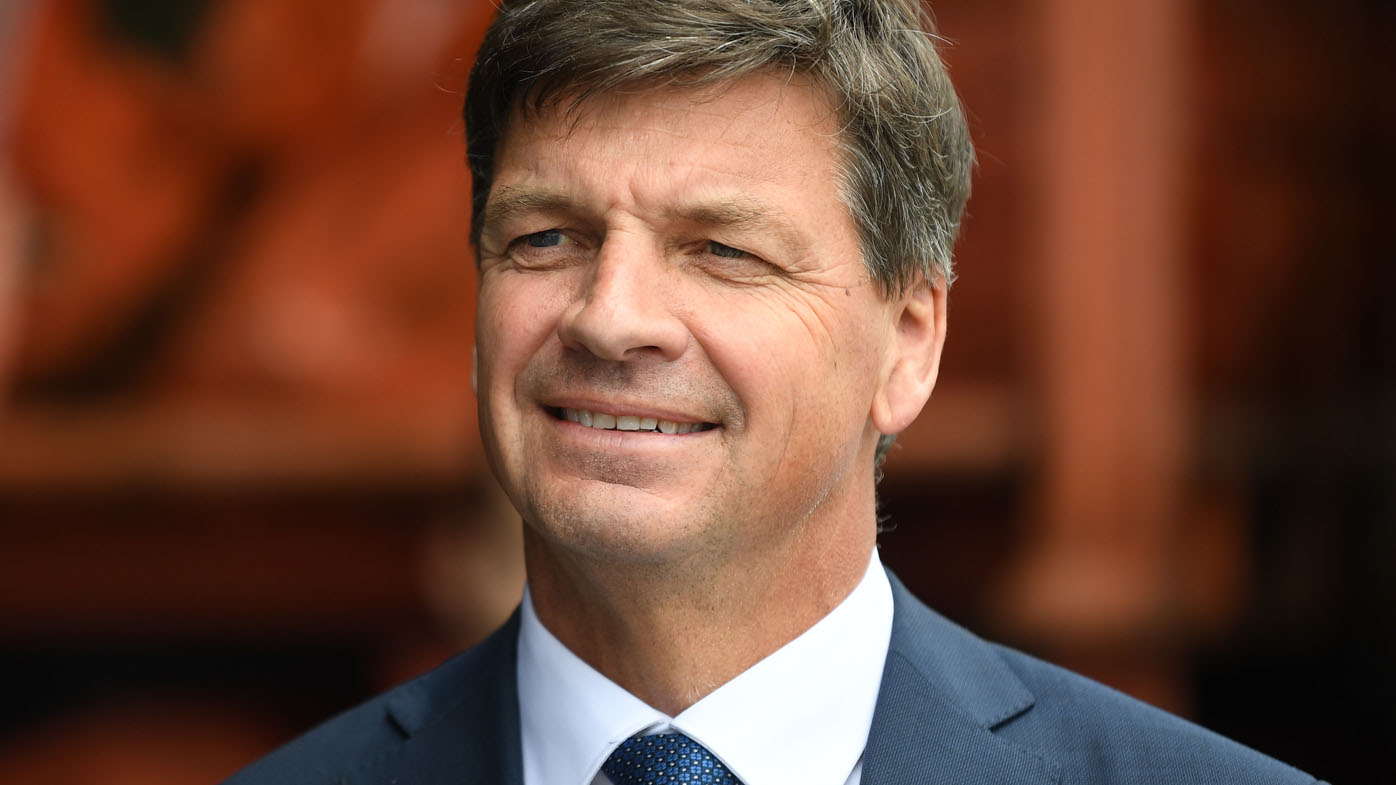
On Tuesday, Energy and Emissions Reduction Minister Angus Taylor said the government had given the private sector every opportunity to act.
"Cheap power is crucial to ensuring families, businesses and job-creating industries in NSW can thrive, which is why we are committed to replacing the energy generated by Liddell to keep prices down," he said in a statement.
"This important project is good news for NSW as well as the broader National Electricity Market.
"We were very clear from the start – we will not stand by and watch prices go up and the lights go off."
Mr Taylor said the multimillion-dollar project was a responsible investment expected to deliver "strong returns".
READ MORE: US 'watching Australia's back' amid China trade tensions
But Kerry Schott, chair of Australia's Energy Security Board, told The Guardian the private sector wasn't building the plant because gas was "expensive power" and the project "doesn't stack up".
"One of the reasons given for [a taxpayer-funded plant in the Hunter] is it will flood the market with gas-fired power and when there's a tonne of supply in the market, prices go down," she said.
"We all learned this in economics. However, that doesn't work when there are a whole lot of other things around that are cheaper in price, like wind, solar and big batteries, like pumped hydro and we've got Snowy 2.0 coming."
University of Melbourne energy expert Dylan McConnell told Nine newspapers last week the plant could operate at less than 2 per cent capacity, based on figures contained in an environmental impact statement for a 750-megawatt plant on the site.
Calls for end to new fossil fuel supply investments
In a report released shortly before the government's announcement, the International Energy Agency said it had determined there was a narrow but viable pathway for building a global energy sector with net-zero greenhouse gas emissions by 2050.
Several countries, including the United States and the European Union, have pledged to achieve net-zero emissions — meaning only as much planet-warming gas is released into the atmosphere as can be absorbed — by mid-century.
Australia is yet to commit to net-zero by 2050 or improve on its 2030 target of cutting emissions by 26 to 28 per cent of 2005 levels, which have been described as "insufficient".
The IEA report sets out 400 steps needed to transform how energy is produced, transported and used.
These include no investment in new fossil fuel supply projects, an end to the sale of new internal combustion engine passenger cars by 2035, and a four-fold increase in the deployment of solar and wind power by 2030 compared to last year's record level.
IEA executive director Fatih Birol said the transformation would create millions of new jobs and boost economic growth worldwide.
But he warned while countries and companies had begun to set bold targets for cutting emissions of carbon dioxide and other greenhouse gases in the coming decades, actual emissions continued to rise substantially.
The IEA said last month that 2021 would see the second-largest annual increase in emissions since 2010 as the world economy bounces back from the pandemic.
"There is a growing gap between the rhetoric we hear from governments and industry leaders, and what it happening in real life," Mr Birol said.
The agency, whose 30 members are mostly in North America, Europe and East Asia, said the power sector needed to lead the way, with electricity generation achieving net-zero by 2035 in advanced economies and worldwide five years later.
"Beyond projects already committed as of 2021, there are no new oil and gas fields approved for development in our pathway, and no new coal mines or mine extensions are required," it said.
Dave Jones, an analyst at the energy think tank Ember, said the report's recommendation mark a turnaround from the IEA's past position and were "truly a knife into the fossil fuel industry."
Mr Taylor said the government had also announced almost $25 million to make new gas generators hydrogen-ready.
Strike from Gaza kills two as Israel topples six-storey building
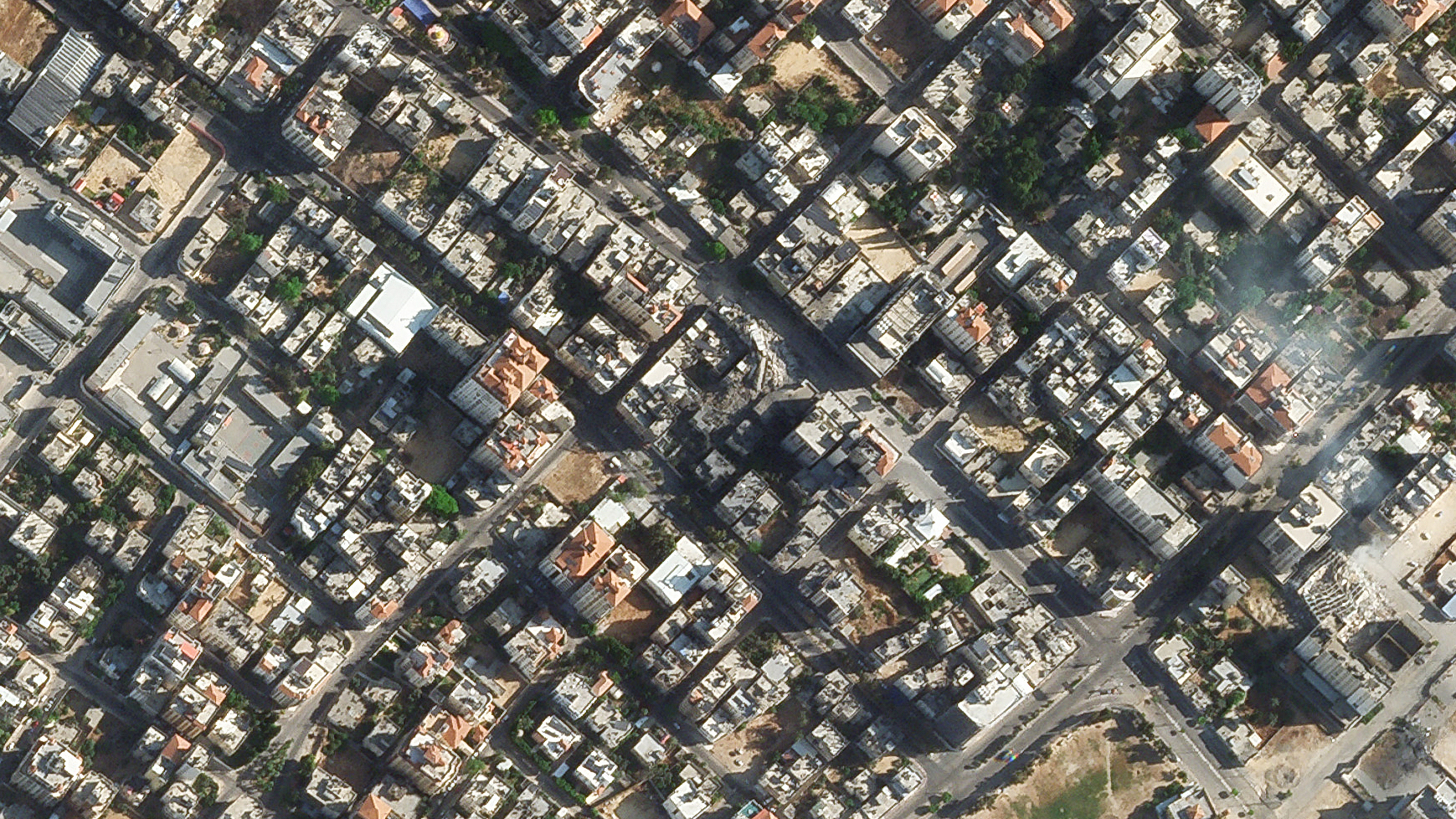
A strike launched from Gaza killed two Thai workers inside a packaging plant in southern Israel on Tuesday, police said, hours after Israeli airstrikes toppled a six-storey building in the Palestinian territory that housed bookstores and educational centres.
With the war between Israel and Gaza's Hamas rulers showing no sign of abating and truce efforts apparently stalled, Palestinians across Israel and the occupied territories went on strike in a rare collective action against Israel's policies. The general strike and expected protests could further widen the conflict after a spasm of communal violence in Israel and protests across the occupied West Bank last week.
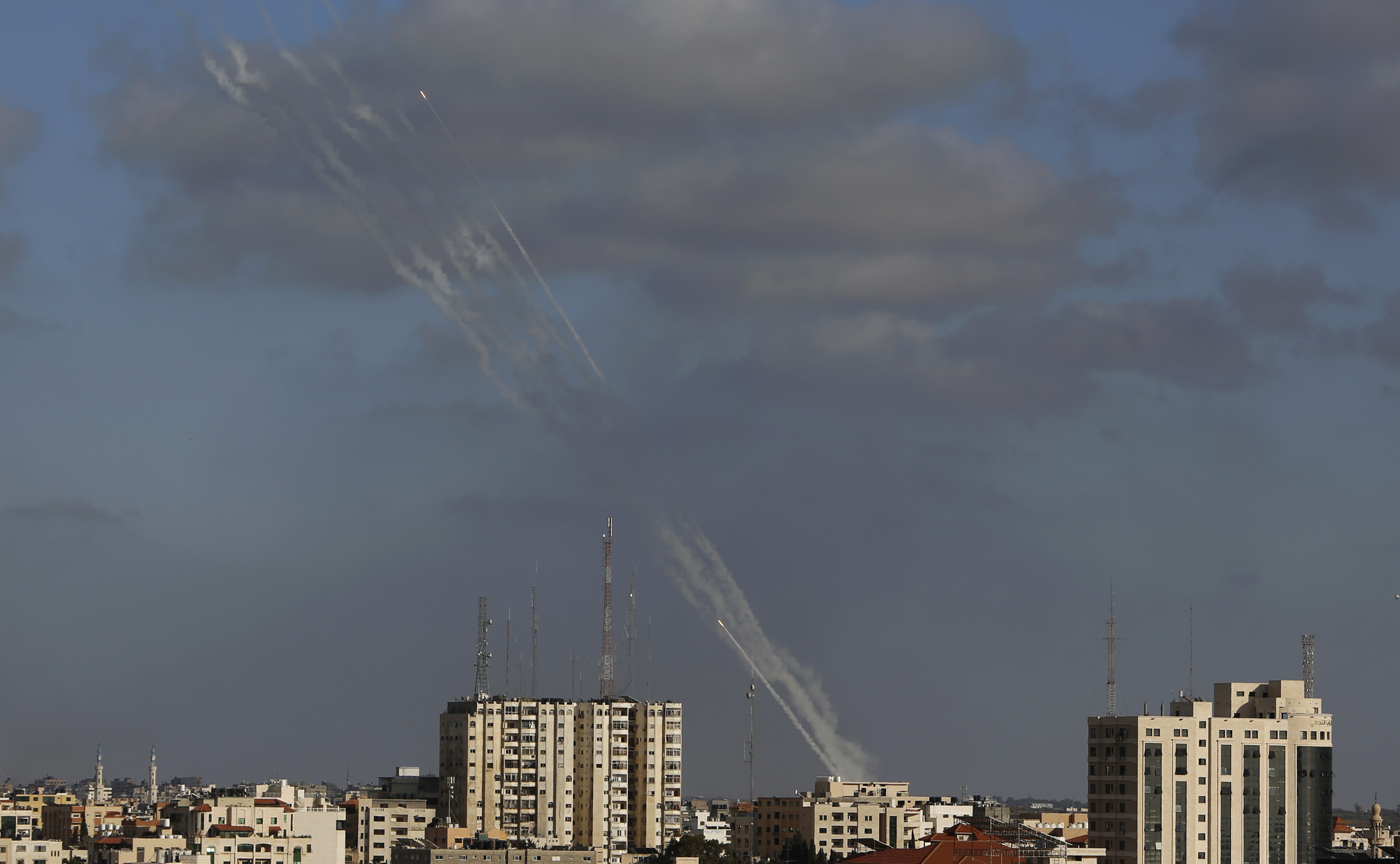
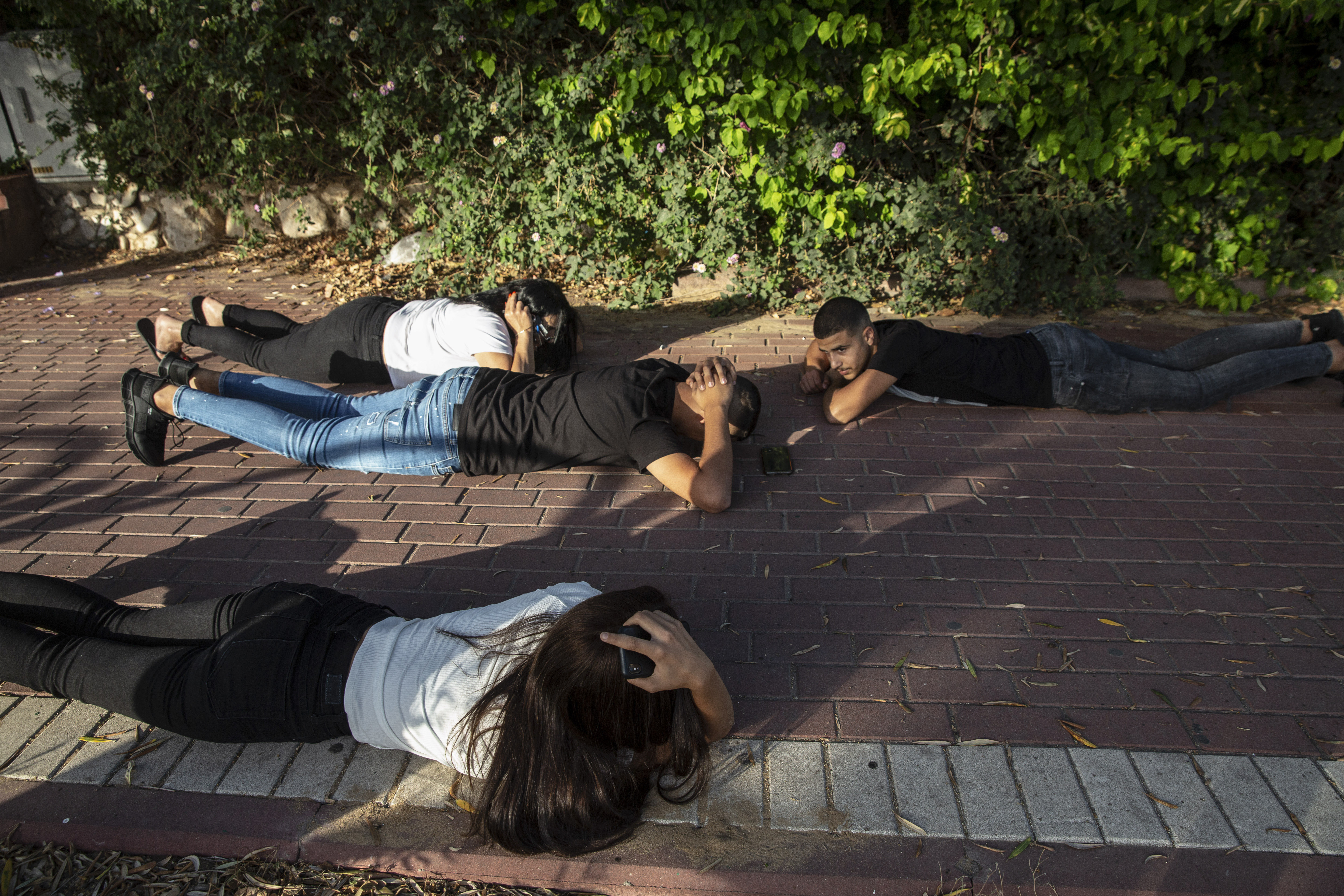
Since the fighting began last week, the Israeli military has launched hundreds of airstrikes it says are targeting Hamas' militant infrastructure, while Palestinian militants have fired more than 3400 rockets from civilian areas in Gaza at civilian targets in Israel.
READ MORE: Biden expresses 'support' for cease-fire in Netanyahu call
The latest attack from Gaza on Tuesday hit a packaging plant in a region bordering the territory. In addition to the two people killed, who were in their 30s, Israel's Magen David Adom rescue service said it transported another seven wounded people to the hospital.
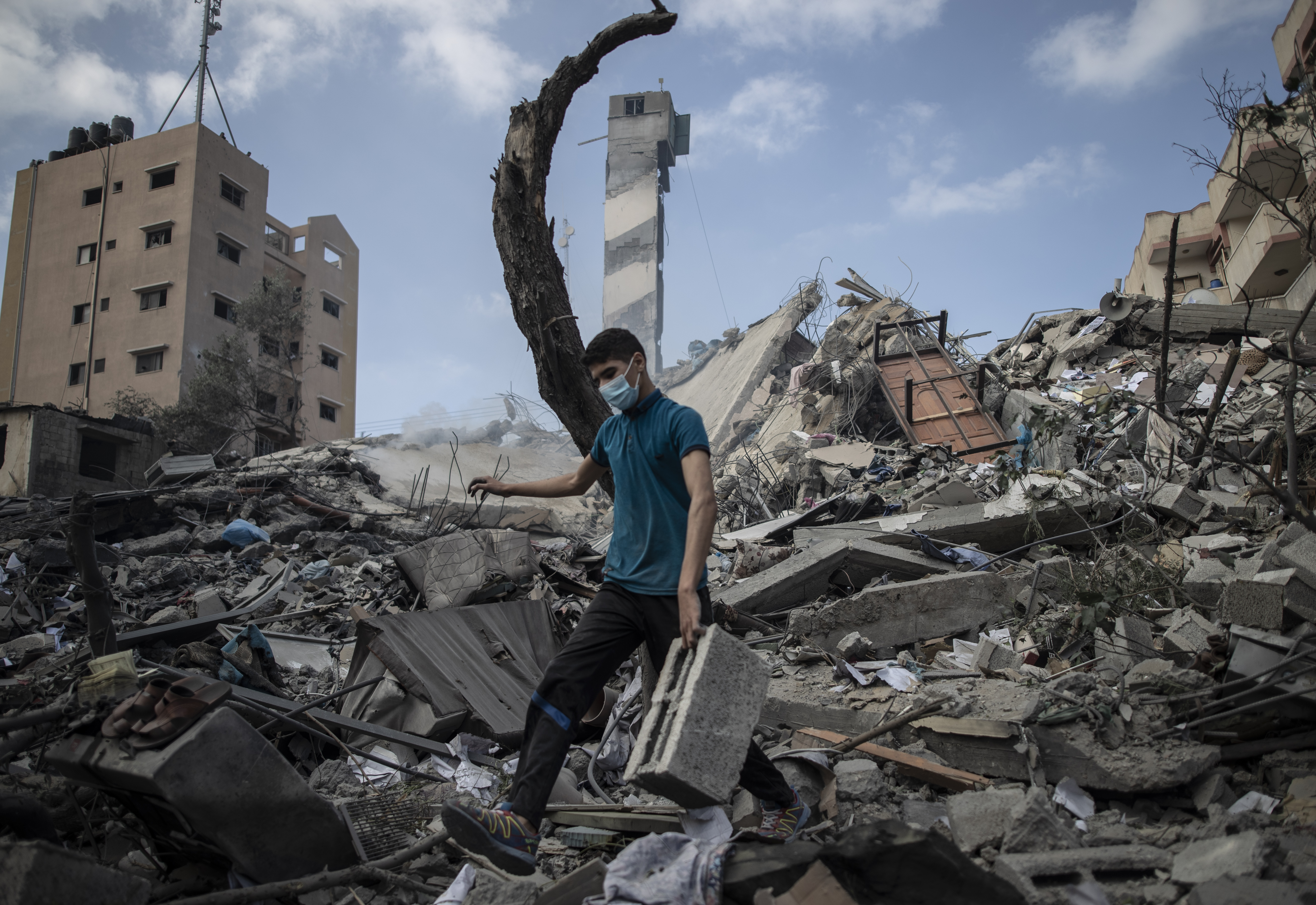
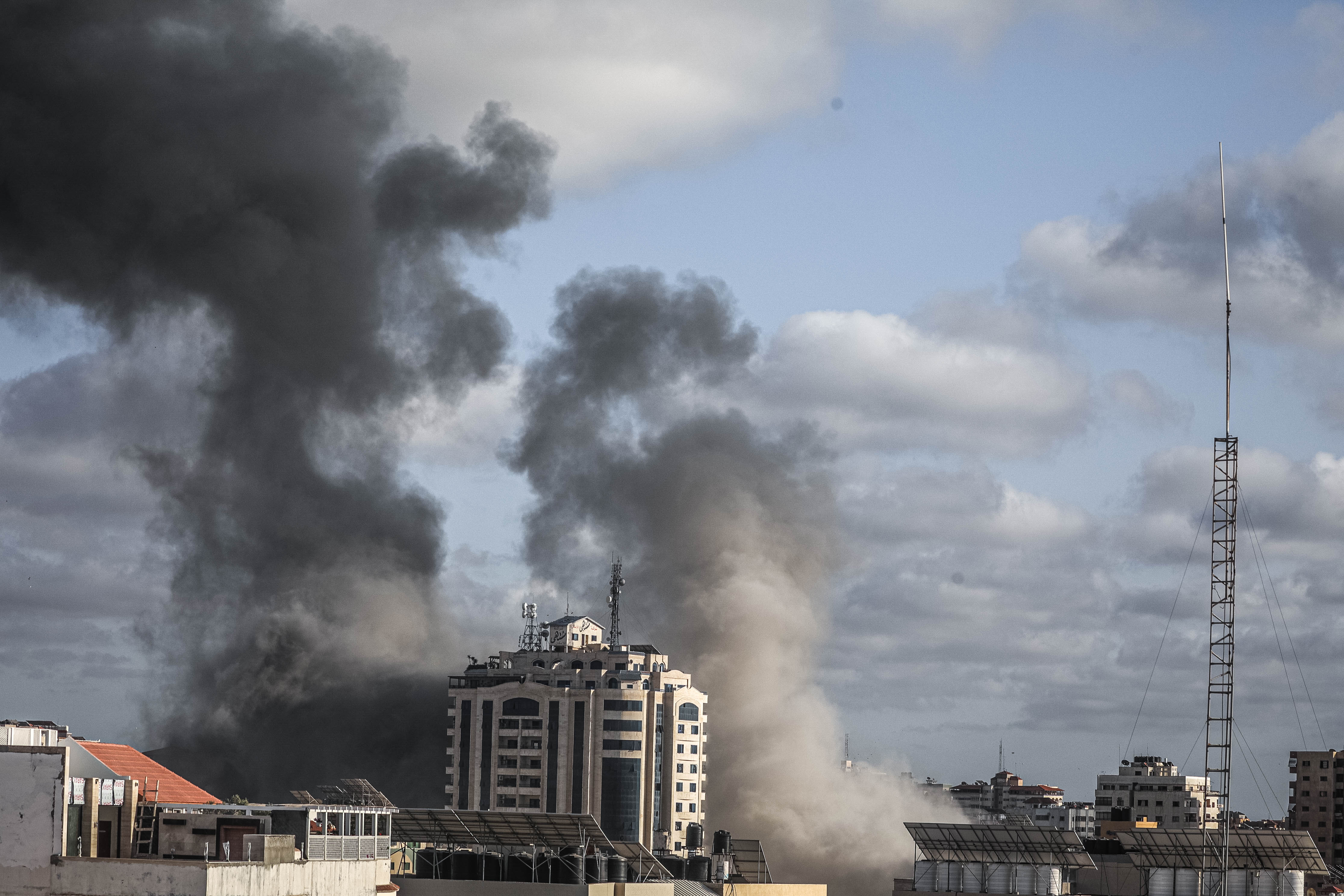
Israel continued its airstrikes into Gaza, leaving behind a massive mound of rebar and concrete slabs in its attack on the six-storey building that housed bookstores and educational centres used by the Islamic University and other colleges. Desks, office chairs, books and computer wires could be seen in the debris. Residents sifted through the rubble, searching for their belongings.
Israel warned the building's residents ahead of time, sending them fleeing into the predawn darkness, and there were no reports of casualties.
"The whole street started running, then destruction, an earthquake," said Jamal Herzallah, a resident of the area. "This whole area was shaking."
READ MORE: Israel strikes Gaza tunnels as truce efforts remain elusive
Since 2012, Hamed al-Ijla had run a training centre in the building, teaching first aid, hospital management and other skills to thousands of students. The only things remaining were a pile of red first aid bags, medical coats wrapped in plastic and one box of surgical gloves.
When the war is over, "I will set up a tent across the street and resume work," he said.
Heavy fighting broke out May 10 when Gaza's militant Hamas rulers fired long-range rockets toward Jerusalem in support of Palestinian protests against Israel's heavy-handed policing of the Al-Aqsa Mosque compound, a flashpoint site sacred to Jews and Muslims, and the threatened eviction of dozens of Palestinian families by Jewish settlers.
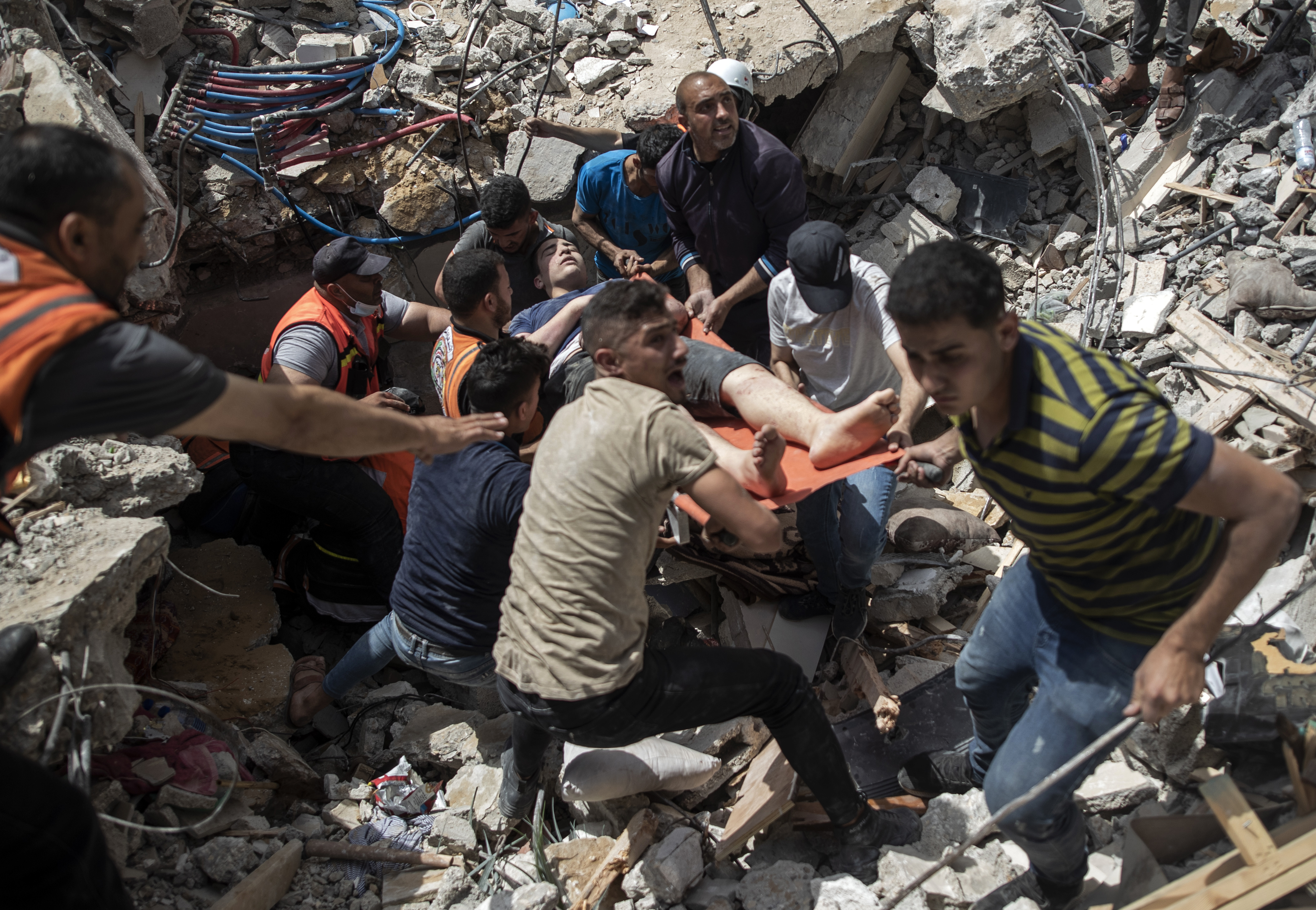
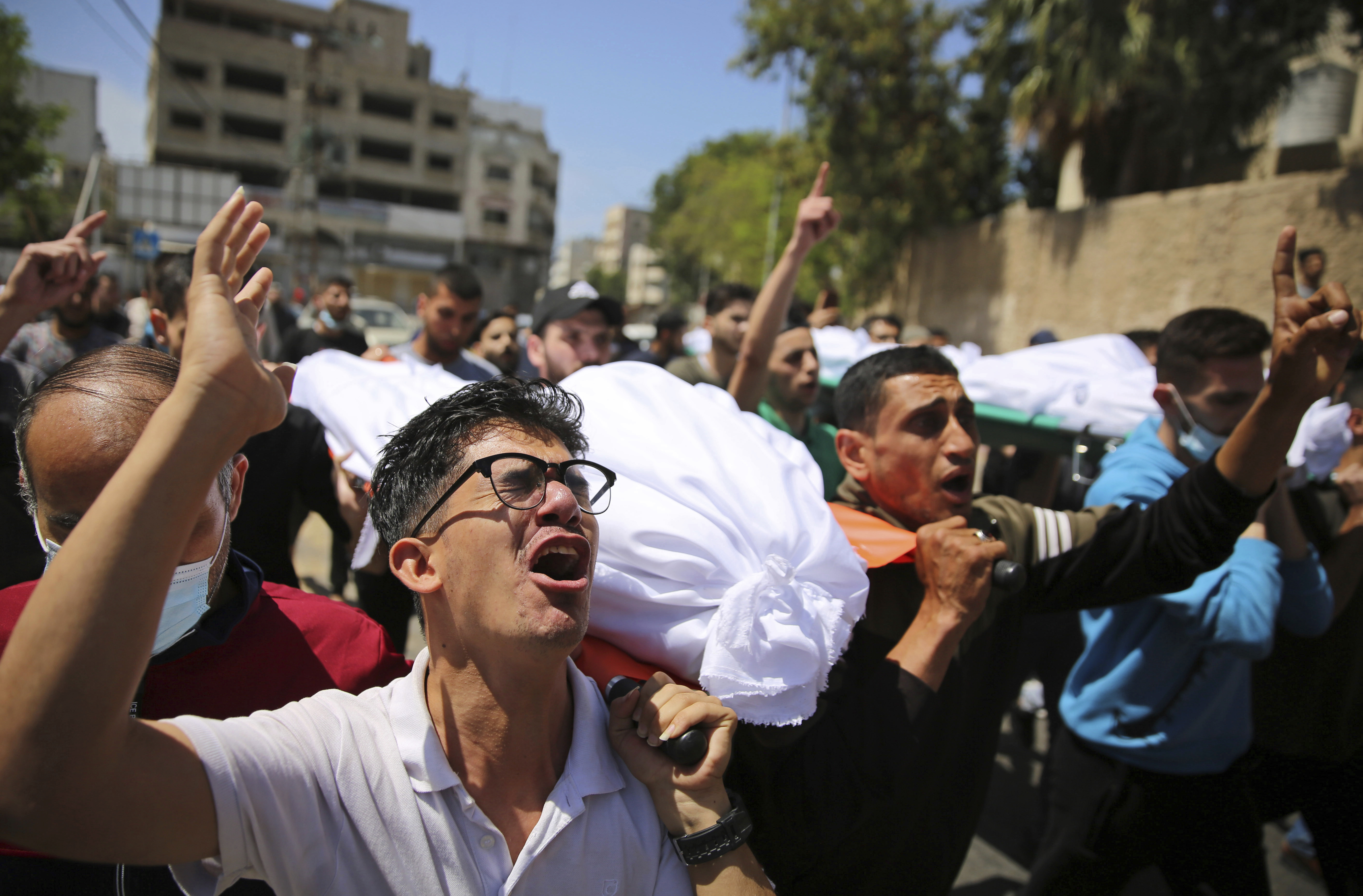
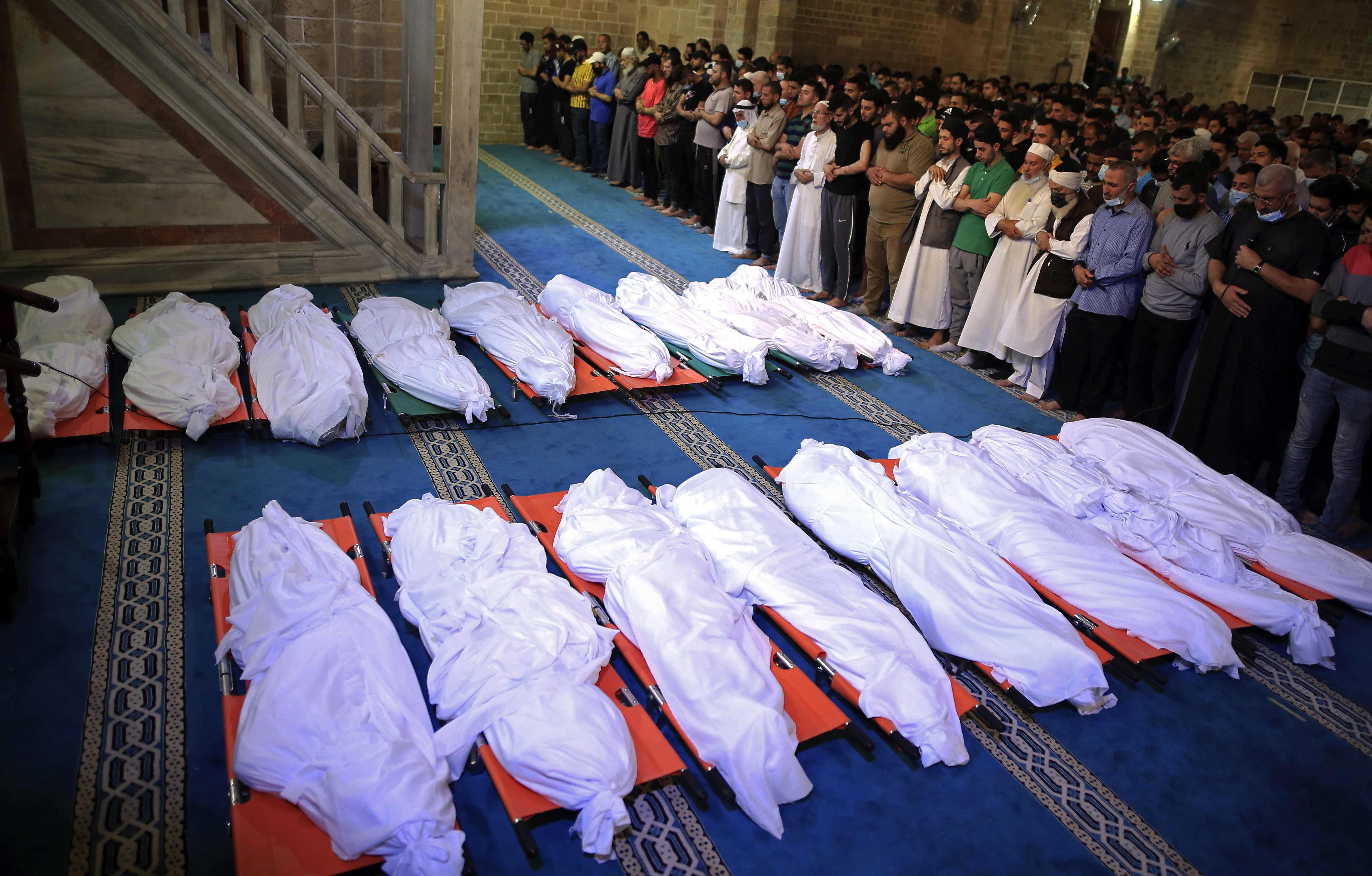
At least 213 Palestinians have been killed in airstrikes since, including 61 children and 36 women, with more than 1440 people wounded, according to the Gaza Health Ministry, which does not break the numbers down into fighters and civilians. Twelve people in Israel, including a 5-year-old boy and a soldier, have been killed in the ongoing rocket attacks.
The fighting is the most intense since a 2014 war between Israel and Hamas, but efforts to halt it have so far stalled. Egyptian mediators are trying to negotiate a cease-fire, but the US has stopped short of demanding an immediate stop to the hostilities and Israel has so far vowed to press on.
As the fighting drags on, medical supplies, fuel and water are running low in Gaza.
Palestinians in Israel, east Jerusalem and the occupied West Bank observed a general strike Tuesday. It was a rare show of unity among Palestinian citizens of Israel, who make up 20 per cent of its population, and those in the territories Israel seized in 1967 that the Palestinians have long sought for a future state of their own. Life had already ground to a halt in Gaza when the fighting began.
The strike was intended to protest the Gaza war and Israeli policies that many activists and some rights groups say constitute an overarching system of apartheid that denies Palestinians the rights afforded to Jews. Israel rejects that characterisation, saying its citizens have equal rights. It blames the war on Hamas, the Islamic militant group that controls Gaza, and accuses it of inciting violence across the region.
Leaders of the Palestinian community in Israel called the strike, which was embraced by the internationally-backed Palestinian Authority in the occupied West Bank, where ministries and schools were closed. Most businesses appeared to be observing the strike, and protests were expected.
Muhammad Barakeh, one of the organisers of the strike, said Palestinians are expressing a "collective position" against Israel's "aggression" in Gaza and Jerusalem, as well as the "brutal repression" by police across Israel.
The war has also seen an unusual outbreak of violence in Israel, with groups of Jewish and Palestinian citizens fighting in the streets and torching vehicles and buildings. In both Israel and the West Bank, Palestinian protesters have clashed with Israeli forces.
The Israeli military said Tuesday it fired at 65 militant targets, including rocket launchers, a group of fighters and the homes of Hamas commanders that the army said were being used for military purposes. It said more than 60 fighter jets took part in the operation.
The military said it also shot down a drone "approaching the Israeli border" in the northeast, far from the Gaza fighting. It did not say where the unmanned aircraft originated, but it's possible the drone came from Syria.
The military said Palestinian militants fired 90 rockets, 20 of which fell short into Gaza. Israel says its missile defences have intercepted about 90 per cent of the rockets.
Israel's strikes have brought down several buildings and caused widespread damage in the narrow coastal territory, which is home to more than 2 million Palestinians and has been under an Israeli-Egyptian blockade since Hamas seized power from rival Palestinian forces in 2007.
Hamas and Islamic Jihad say at least 20 of their fighters have been killed in the fighting, while Israel says the number is at least 160 and has released the names of and photos of more than two dozen militant commanders it says were "eliminated."
Israeli attacks have damaged at least 18 hospitals and clinics and entirely destroyed one health facility, the World Health Organisation said in a new report. Nearly half of all essential drugs in the territory have run out.
It said the bombing of key roads, including those leading to the main Shifa Hospital, has hindered the movement of ambulances and supply vehicles. Over 41,000 displaced Palestinians have sought refuge in UN schools in Gaza, which was already struggling to cope with a coronavirus outbreak. Gaza is also running low on fuel for its electricity supply and water.
Israel has vowed to press on with its operations, and the United States signalled it would not pressure the two sides for a cease-fire even as President Joe Biden said he supported one.
"We will continue to operate as long as necessary in order to return calm and security to all Israeli citizens," Prime Minister Benjamin Netanyahu said after meeting with top security officials on Monday .
The Biden administration has declined so far to publicly criticise Israel's part in the fighting or send a top-level envoy to the region. On Monday, the United States again blocked a proposed UN Security Council statement calling for an end to "the crisis related to Gaza" and the protection of civilians, especially children.
Among the buildings that Israeli airstrikes have levelled was the one housing The Associated Press Gaza office and those of other media outlets.
Netanyahu alleged that Hamas military intelligence was operating inside the building. US Secretary of State Antony Blinken said Tuesday that Israel had given the US information about the bombing. Israel has not publicly provided any evidence of its claim.
Blinken, speaking from Iceland, declined to characterise the material received.
AP President Gary Pruitt reiterated the organisation's call for an independent investigation into the attack.
"As we have said, we have no indication of a Hamas presence in the building, nor were we warned of any such possible presence before the airstrike," he said in a statement. "We do not know what the Israeli evidence shows, and we want to know."
ILO to Hold Its 1st Virtual Labor Conference
GENEVA (ILO News) – The 109th Session of the International Labour Conference (ILC) will, for the first time in its history, be held virtually, reflecting changes imposed by the COVID-19 crisis.
In another special arrangement, the ILC will open on 20 May to elect its Officers and set the Conference in motion. The Conference will then proceed in two parts; the first in June 2021 and a second in November-December 2021.
The June sittings will start on 3 June, with meetings of the Conference committees that are expected to run for two and a half weeks.
Work in plenary will commence on 7 June and will be addressed by the President of the Swiss Confederation. The ILO’s Director-General, Guy Ryder and the Chairperson of the Governing Body will also present their reports, which will cover two years. This will be followed by the introductory statements of the Presidents of the ILC’s Employers and Workers groups.
The items on the June segment of the ILC agenda include a special outcome document on the ILO response to COVID-19 , the ILO’s programme and budget for 2022-23 , the recurrent discussion on social protection , and consideration of the reports on the application of labour standards during the pandemic and related country case discussions.
The World of Work Summit, entitled, International action for a human-centred COVID-19 response, will take place on 17 and 18 June, with sessions running for about 90 minutes each day. The Summit will include a high-level segment with heads of state and government and a panel discussion with tripartite representatives.
Other ILC events will include for World Day Against Child Labour, on 10 June (World Day falls on a Saturday this year), and the launch of a report on child labour.
The June part of the ILC will close on 19 June.
The ILC will resume its work in November, with an agenda that includes two thematic discussions in committees, one on inequalities and the world of work and the second on skills and life-long learning. The Director-General is expected to close the 109th ILC on 11 December.
The work of the ILC can be followed via the “ILC live” section of the ILO’s website, which will include live coverage of the plenary sessions. There will also be a live blog with rolling coverage. A 30-minute “Daily Show”, covering key moments and themes, will go live at 16.30 CEST each day on the ILO website, as well as YouTube, Twitter and LinkedIn.
All ILC coverage, as well as photos, videos and social media links will be available via the Conference webpages: https://www.ilo.org/ilc
The ILC, sometimes known as the world parliament of labour, is the largest international gathering dedicated to the world of work, attended by representatives of governments, employers and workers from the 187 ILO Member States. As well as discussing key world of work issues, delegates discuss, adopt and monitor International Labour Standards and set the ILO’s global agenda and budget.
The 109th session of the annual ILC was deferred from 2020 to this year by the ILO’s Governing Body, as a consequence of the COVID-19 pandemic.
The ILO’s Governing Body will meet twice during this period, on May 21 and June 25.
For further information and to arrange print media interviews, please contact the ILO Department of Communication: ne******@*lo.org .
For broadcast coverage and interviews, please contact: mu********@*lo.org .
The post ILO to Hold Its 1st Virtual Labor Conference appeared first on The St Kitts Nevis Observer.
Sir Ronald Disputes the OAS Chief Calling Hamas a Terrorist Group
The post Sir Ronald Disputes the OAS Chief Calling Hamas a Terrorist Group appeared first on The St Kitts Nevis Observer.
Health workers 'thrown under the bus' over children's hospital death
Four medical workers involved in the treatment of a seven-year-old girl who died at Perth Children's Hospital after a "cascade of missed opportunities" to help her have been reported to regulators.
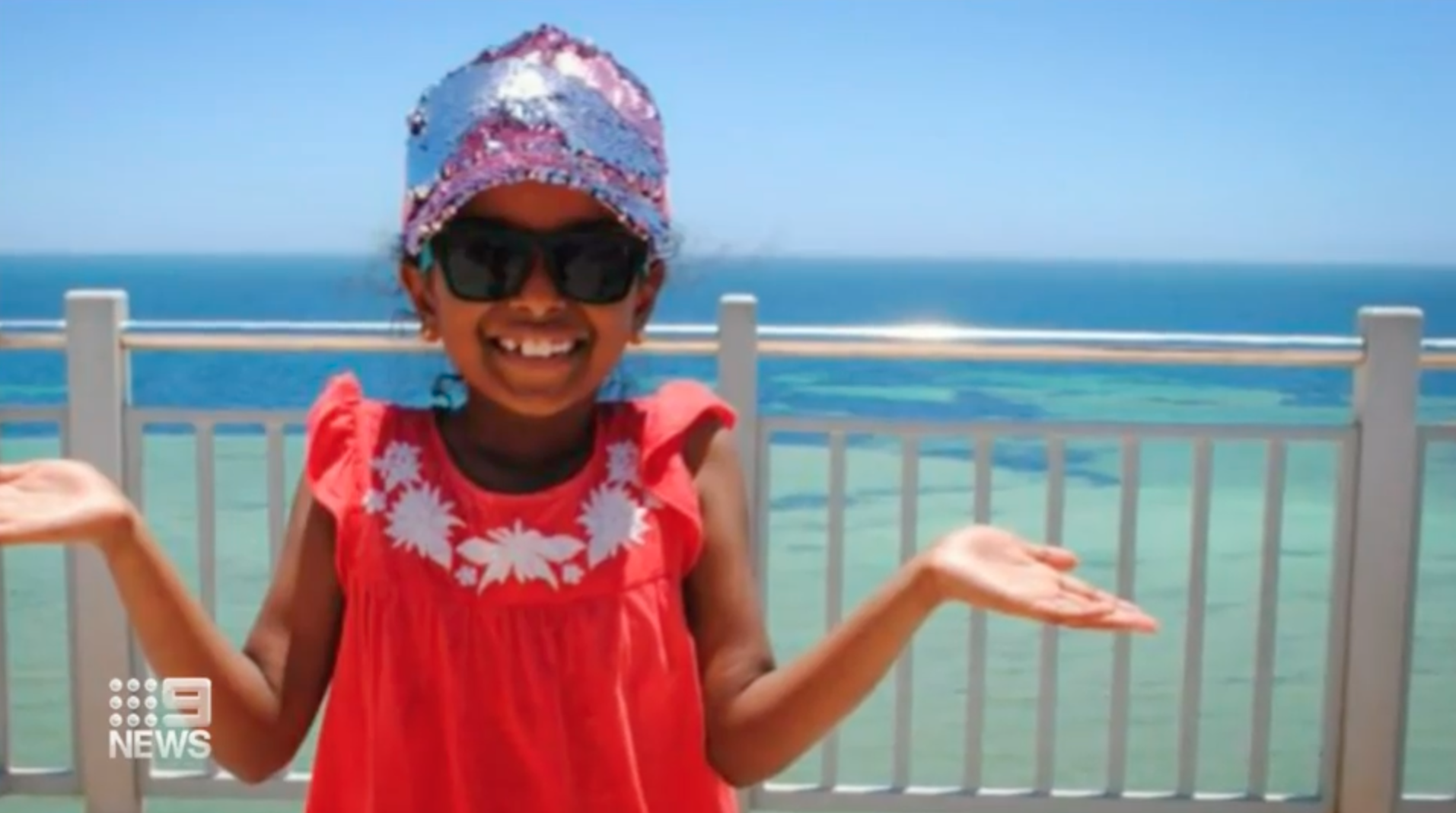
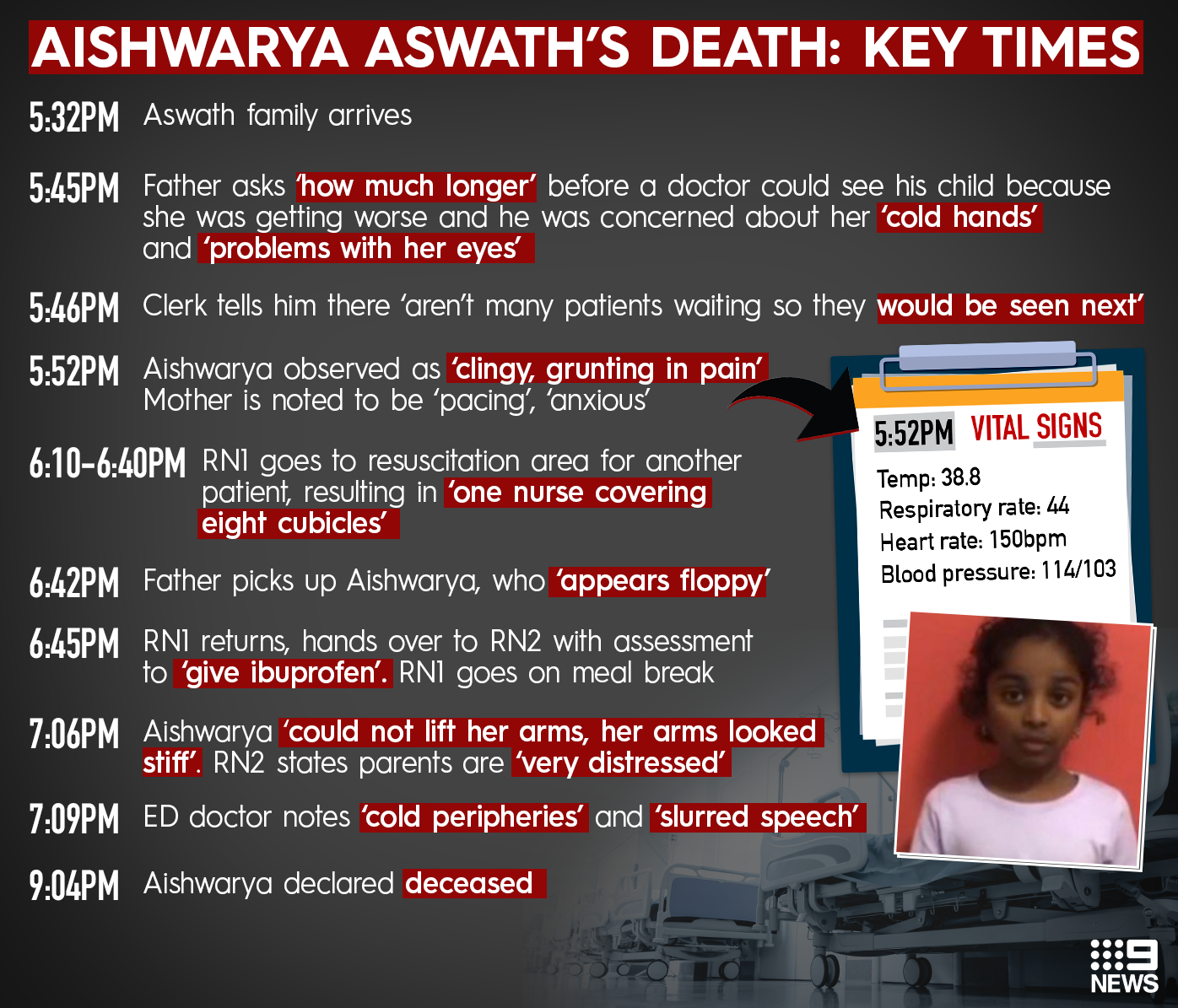
A comprehensive report into Aishwarya Aswath's tragic Easter Saturday death, exclusively revealed by 9News, described a litany of mistakes and errors in her treatment.
Now three nurses and a doctor who were working that night have been reported to the Australian Health Practitioner Regulation Agency, leaving doctors and nurses unions fuming.
READ MORE: Aishwarya's parents demand hospital reform
READ MORE: Schoolgirl 'should have had more help'
One of the three nurses was stood down on full pay on Monday night.
"What's happened to the bureaucrats? What's happened to those who made the decision to do stand by and do nothing?" Australian Nursing Federation state secretary Mark Olson said.
AMA WA president Mark Olson said his organisation would not allow the most junior staff doing the most difficult jobs to be "thrown under the bus".
"We have to get out there and protect those junior staff from what is essentially an arse-covering exercise from the minister, the DG (director-general of the health department), and the senior executive of PCH," he said.
Premier Mark McGowan and Health Minister Roger Cook continue to say staffing issues on the night were not a problem.
"The emergency department was staffed above its complement. It was staffed above what is normally there," Mr McGowan said.
READ MORE: Aishwarya's parents demand hospital reform
READ MORE: Schoolgirl 'should have had more help'
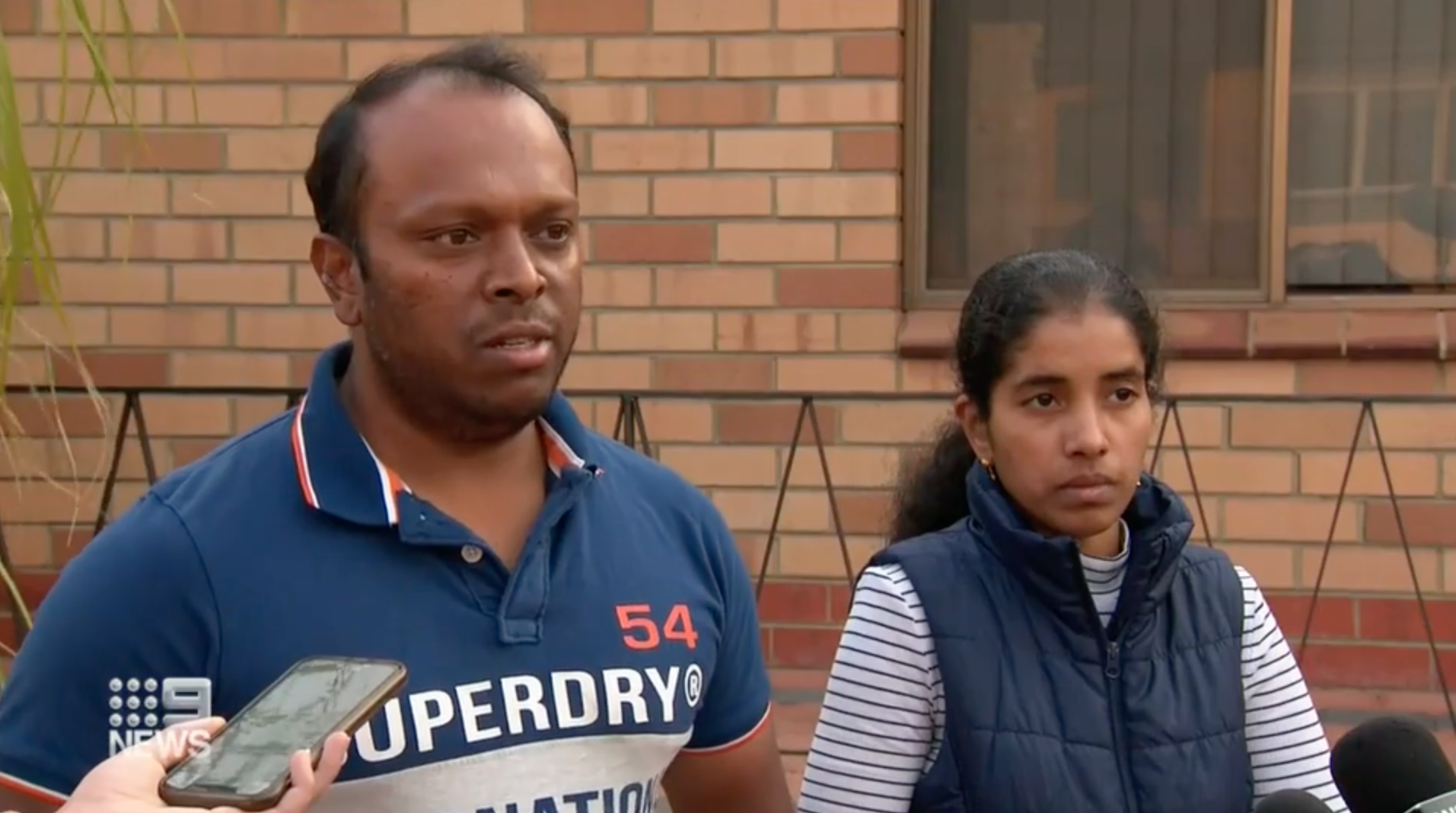
But the report into Aishwarya's death found problems with the structure of staffing. It pointed out that in October last year, emergency department staff met with the Perth Children's Hospital executive to air concerns around the safety of children in waiting rooms.
Those fears were raised again in December and as recently as March nurses wrote to their union boss because nothing had been addressed.
"We have grave concerns regarding staffing levels and safety," they wrote.
"There have been several incidents resulting in significant harm to patients.
"Many colleagues feel anxious they cannot deliver adequate care."
Mr McGowan said his health minister was advised the appropriate processes were in place but said the government would now seek to improve them.
First review: Apple's new iMacs – the ultimate family computer
Four weeks ago when Apple held their first product announcement event of 2021 one of the most unexpected announcements was a range of new iMac computers. Available in seven colours, featuring Apple's own M1 Processor, it looked like it would tick all the boxes. With a week of usage under my belt, I can tell you – it does.
Normally we'd say "out of the box" and give an impression. The new iMac impresses you in the box.
Environmentally focused, there's no big chunky Styrofoam holding this all together, instead the cardboard mechanics allowing the box to hinge apart to expose your new iMac.
READ MORE: How to tell if your smartphone is spying on you
Then, you pick it up and it's lightweight like no other all-in-one PC. And once you rip off all the protective layers, it's beautiful.

Seven colours is a lot of options. The Green I'm using is a unique green, and I expect that's the same for all the colours. There is guaranteed to be an iMac to suit your home or office.
Great for Families
And that's the thing about this computer, it is equally suited to home or work, but I really believe this is the ultimate family computer for a family who have just the one computer, but multiple users.
Enter TouchID – something first present on the iPhone, now on iPads and MacBooks – and finally the Apple keyboard contains a TouchID sensor allowing fast login, or fast approval of your ApplePay purchase.

Critically the TouchID is also a link to your own computer account. Each member of the family can register their fingerprint, and by scanning your finger, you're asking the iMac to switch to your login.
That very feature has changed things massively for my kids as they jump in one after the other to do their homework or typing practice.

Made for the work-from-home era
There's one feature on the new iMac that is surprisingly unique – a Full HD web camera. The front-facing camera on the iMac is now 1080p and that means better quality Zoom calls in an era when that's absolutely a priority.
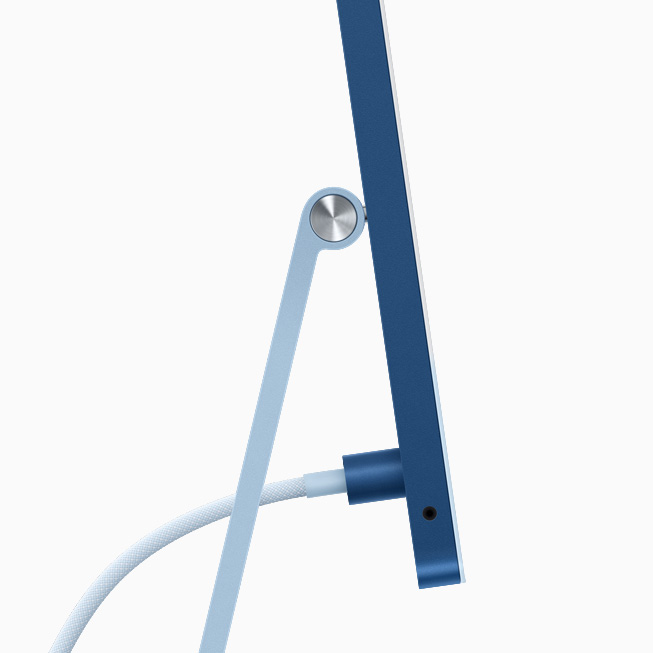
It's unique because it's actually quite rare still today, despite 1080 being a video format for many years, and video conferencing being hardly new, that resolution is normally reserved only for external web cameras.
Plus, the microphone array and speaker system are excellent too. Three microphones and six speakers mean the quality of both your video conferences and your everyday listening will be a class above.
Apple's own Silicon
I think the idea of Apple Silicon is lost on most, but in simple terms, there ain't no "Intel Inside" – instead Apple has built it's own M1 processor which now sits inside it's newest MacBooks, this iMac and the upcoming iPad Pro.
I found the performance of the M1 in day-to-day use to be outstanding. Apps launch almost instantly, the iMac powers on fast, and you never really feel yourself waiting or being left wanting.

For 99 per cent of home users there will be no compatibility issues with the software you run. Personally, I'm still waiting for the full Adobe Suite to get upgraded to M1 compatibility but I think that's a rarity in the family home or small office scenario.
Typical Apple: You're going to need more
We've already got a dongle hanging down the back of the iMac to act as an SD Card reader. The iMac features 4 USB-C connectors, two of them are USB-3 and two of them are Thunderbolt. On the entry level iMac it's just two Thunderbolt connections.
That means you're going to need a Dongle for your standard (rectangular) USB-A plugs, and for your SD cards. Ethernet isn't missing, it's actually connected via the Power brick which is a stroke of genius.
How much is the new Apple iMac
The standard iMac 24 inch is $1,899, it does not feature TouchID on the keyboard, and has a 7 core GPU.
Price it up, and you get an 8 Core GPU, the full 4 USB-C connections and Touch ID for $2,199 – double the storage to 512GB for $2,499.
Greenland Arctic Ice Sheet Melting Fast, May Be Doomed
The melting of part of an ice sheet in Greenland is nearing tipping point and further environmental damage could follow, researchers said.
Analysis of the Jakobshavn drainage basin revealed that the central-western Greenland ice sheet is reaching a stage from which it cannot recover.
Data indicated that a critical threshold has been reached after a century of accelerated melting.
“We might be seeing the beginning of a large-scale destabilisation, but at the moment we cannot tell, unfortunately,” said Dr Niklas Boers from the Potsdam Institute for Climate Impact Research, one of the two authors of the research.
“So far, the signals we see are only regional, but that might simply be due to the scarcity of accurate and long-term data for other parts of the ice sheet.”
Dr Boers and Martin Rypdal from the Arctic University of Norway concluded that this part of the Greenland ice sheet is losing stability, and is very close to tipping into a state of accelerated melting, PNAS said on Monday.
Should that scenario play out, it will not be possible to save the sheet even if the Arctic warming trend was halted in the coming decades.
An ice sheet can only maintain its size if the loss of mass from melting is replaced by snow falling on to its surface. The warming of the Arctic disrupts that cycle.
As the surface of the ice is exposed to higher temperatures, it leads to more melting, height reductions and accelerated loss of mass.
After a point, this process cannot be reversed because a much colder climate would be needed for the ice sheet to regain its original size.
“We need to monitor the other parts of the Greenland ice sheet more closely, and we urgently need to better understand how different positive and negative feedback might balance each other, to get a better idea of the future evolution of the ice sheet,” Dr Boers said.
The work is part of the Tipes project, co-ordinated and led by the University of Copenhagen in Denmark and the Potsdam institute in Germany
The post Greenland Arctic Ice Sheet Melting Fast, May Be Doomed appeared first on The St Kitts Nevis Observer.