Category Archives: headline

UK Authorities Concern Over New COVID Variant, World Virus News

Evidence is growing that a troubling variant of the coronavirus discovered in India is more transmissible than the variant first detected in Kent and which fuelled the UK’s second wave of infections and spread around the world.

Three new variants of the SARS-CoV-2 virus are raising concerns about possible heightened spread and severity of COVID-19.

Guardian (UK) It comes amid reports that Public Health England figures to be released on Thursday could show that the number of cases linked to the variant have tripled in a week. The i newspaper reported that scientists on the Sage advisory committee would hold an urgent meeting on Thursday to discuss the threat.

Meanwhile, researchers at Imperial College London analysed more than 127,000 swabs taken between 15 April and 3 May in England, and found that while coronavirus case rates had halved compared with March, the variant of concern known as B.1.617.2 and found in India could be spreading faster than the “Kent variant”, at least in London.

In the latest findings from the React study, the Imperial team recorded 115 positive tests and identified the variant for 26 of them. The majority, 24 cases, belonged to the variant detected in Kent at first, the B.1.1.7. But out of the three positive tests sequenced in London, two were the variant of concern from India. Neither of the people who tested positive for the variant reported travelling in the previous two weeks.

The numbers are very small, but have raised further concerns that the new variant is able to spread more swiftly than B.1.1.7. In a preprint released on Thursday, the scientists write: “The fact that we observed B.1.617.2 at a similar, or higher, frequency to the long-established B.1.1.7 lineage in London suggests that B.1.617.2 may be more transmissible than B.1.1.7 in the populations where the two viruses are currently circulating.”

Prof Paul Elliott, director of the React programme at Imperial, said: “It seems to be circulating, at least in London, and it is at least as transmissible as the Kent variant. We need to understand more about it.”

The findings come as Prof Tom Wenseleers, at the University of Leuven, who worked closely with UK scientists on the spread of B.1.1.7, said the Indian variant of concern could be 60% more transmissible than the former.

“Based on the rapid rise of B.1.617.2 in both India, among cases exported from India, and among cases without a travel history in the UK, and the fact that in all these places B.1.617.2 outcompetes the Kent variant in terms of relative representation, I would conclude that it is likely that this Indian variant of concern does have a growth advantage over the Kent variant,” he said.

It is unclear what might be driving any advantage, but the variant might be more contagious, have a longer infectious period, or partly evade immune defences, Wenseleers added. It will take more detailed epidemiological models and better data to confirm exactly how transmissible the Indian variant is.

Public Health England designated B.1.617.2 a “variant of concern” on Friday and acknowledged that it was at least as transmissible as B.1.1.7 in the UK.

Scientists have warned that the sharp rise in cases of the “India variant” could jeopardise the country’s roadmap out of lockdown. Genomic surveillance data from Wellcome’s Sanger Institute, which excludes swabs from recent travellers and surge testing, suggests that about 6% of coronavirus sequenced in England in the month to 24 April belong to B.1.617.2.

On Wednesday, Boris Johnson said that the government intended, on 21 June, to lift guidance on working from home, the earliest date at which nearly all restrictions could be lifted as step four in the roadmap. He told MPs: “We’ll wait until we’re able to say that with more clarity a bit later on because we must be guided by what’s happening with the pandemic.”

Despite concerns over the B.1.617.2 variant, the React study findings are encouraging. Across England, prevalence of the virus has fallen to about 1 in 1,000 people, a level not seen since August last year; however, case rates are twice as high in participants of an Asian heritage compared with white people.

According to the study, the vaccine programme has weakened the link between infections and hospitalisations and deaths. Meanwhile the epidemic is shrinking in all regions, with the exception of south-east England, where there is a hint that cases have started to rise. “We need to keep a close watching brief to see if prevalence starts increasing further in this region and if so whether that is localised to specific areas,” Elliott said.

===============================================

China offers support for vaccine intellectual property waiver plan


A plant technician installs the final phase of a newly commissioned oxygen plant at Metropolitan Hospital in Kenya’s capital Nairobi. Photograph: Tony Karumba/AFP/Getty Images

At the peak of Kenya’s third wave of Covid-19 in March, hospitals – buckling under the strain of the virus – saw their oxygen reserves fizzle out. Since then, they have been scrambling to increase capacity, fearing the nightmare scenario currently unfolding in India due to oxygen shortages.

“The reserve dwindled, it decreased to the point where we were collecting oxygen 24/7,” recalled Gakombe. At one point “we were down to six hours of reserves and that was a very, very worrying situation.”

The grey-haired doctor admits that in his 27 years at the helm of the 150-bed private institution that targets the middle class, he had rarely worried about the oxygen supply which was “something we took for granted”.

Dr Kanyenje Gakombe gives an interview at Metropolitan Hospital in Nairobi.

Thousands of Cambodians go hungry in strict Covid lockdown zones

========================================

The aged care sector in Australia has warned the government to drastically improve its vaccine rollout to aged care staff before winter, saying it is vital that workers be “given priority and vaccinated quickly”.

Advocates have also warned that people with a disability, including group home residents and those in regional areas, are still missing out on their Covid-19 vaccinations.

The health department announced on Thursday that almost 2.9m Australians have been vaccinated, including about 279,986 in aged and disability care.

But the department’s daily data releases do not give specific figures on the vaccination of either the aged care workforce or those in disability care, two areas where the rollout is lagging badly.

Leading Age Services Australia, a peak group for aged care, has warned the government the rollout has been too slow for critical aged care staff.

Chief executive Sean Rooney said his organisation has been “disappointed with the timeliness and comprehensiveness of the responses to the issues raised by the Department of Health”.

“We welcome the extended rollout since the beginning of May, especially for residents,” he said in a statement to the Guardian. “But it is vital that the aged care workforce is given priority and vaccinated quickly, particularly as we head into winter.

Moderna vaccine clears next hurdle for approval in South Korea

Russia records first case of variant first detected in India – reports


The post UK Authorities Concern Over New COVID Variant, World Virus News appeared first on The St Kitts Nevis Observer.

Maduro Says Venezuela To Soon Get Russia’s Single-Dose ‘Sputnik Light’ Vaccine

Reuters- Russia has authorized the use of the Sputnik Light version of its COVID-19 vaccine, a move that could help vaccine supplies go further in countries with high infection rates.

“In May vaccination will accelerate and have widespread growth and June, July and August will be the months of a vaccination offensive,” Maduro said in a live broadcast on state television.

Venezuela is aiming for 70% of its population to be vaccinated by August, he added.

The country, with a population of about 30 million, has received 1.4 million vaccines from Russia and China, according to the health ministry.

The Maduro government made a first payment of $64 million dollars to enter the World Health Organization’s (WHO) Global Access Fund for COVID-19 Vaccines or COVAX which provides vaccines to poorer nations. It has rejected doses of AstraZeneca’s (AZN.L) vaccine, citing side effects.

The Pan American Health Organization said it had indications that the second payment for COVAX was in process.

The president of Venezuela’s Congress and former minister Jorge Rodriguez recently told Reuters that Venezuela is interested in acquiring the Johnson & Johnson (JNJ.N) vaccine under the COVAX scheme, but they were waiting for more information about its side effects.

During the broadcast Maduro mentioned and described the Johnson & Johnson vaccine as “quite good,” and it is also a single dose, but did not specify whether the country would receive it.

The South American nation has registered 209,162 cases of the coronavirus and 2,304 deaths in the pandemic, although critics argue the real figures are likely higher due to lack of testing and transparency.

The post Maduro Says Venezuela To Soon Get Russia’s Single-Dose ‘Sputnik Light’ Vaccine appeared first on The St Kitts Nevis Observer.
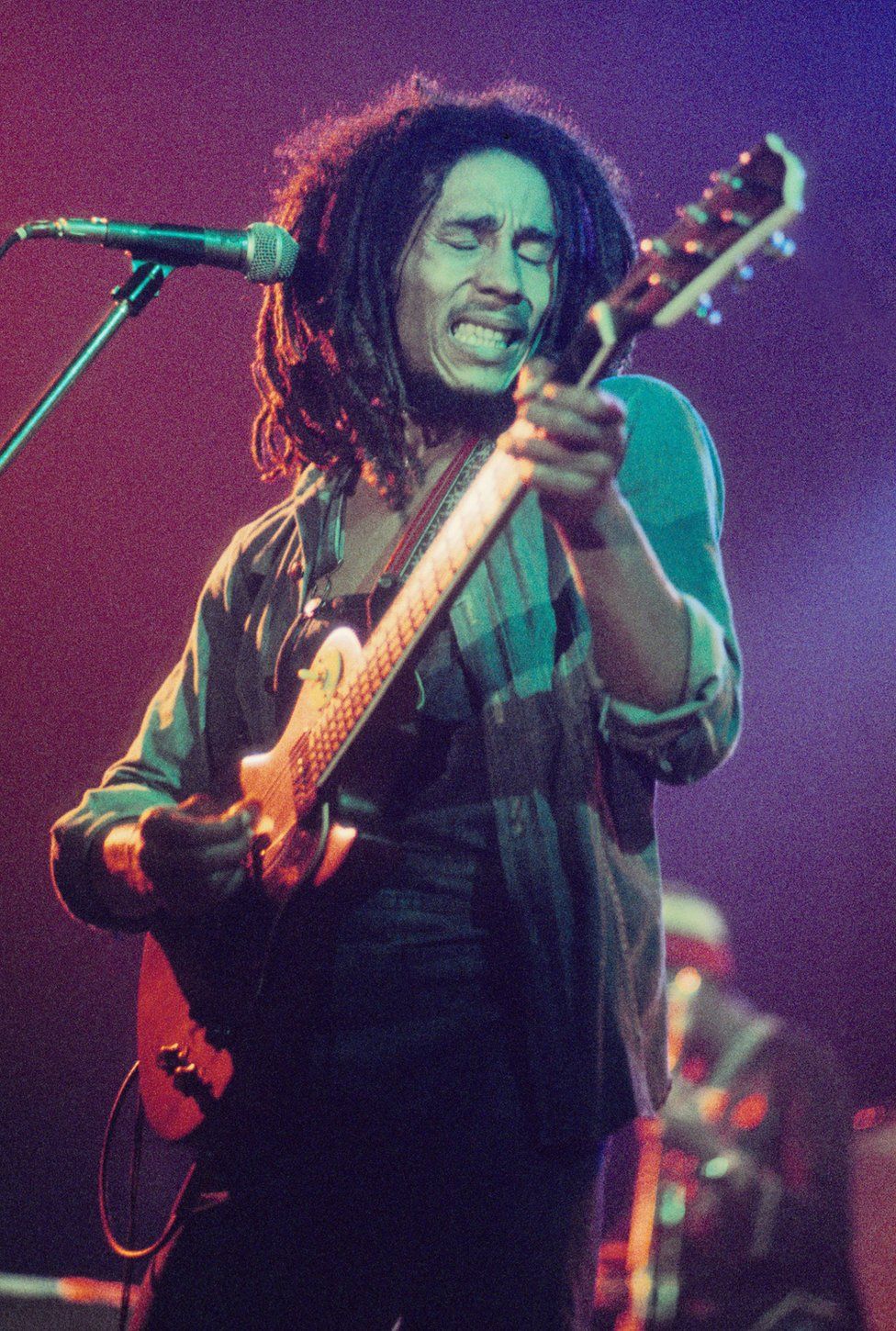
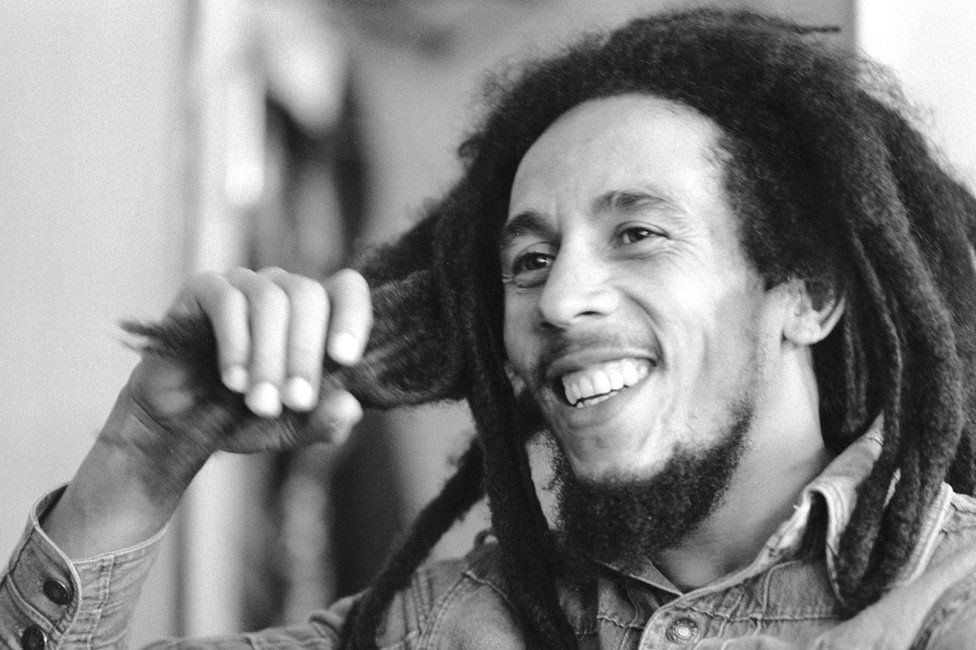
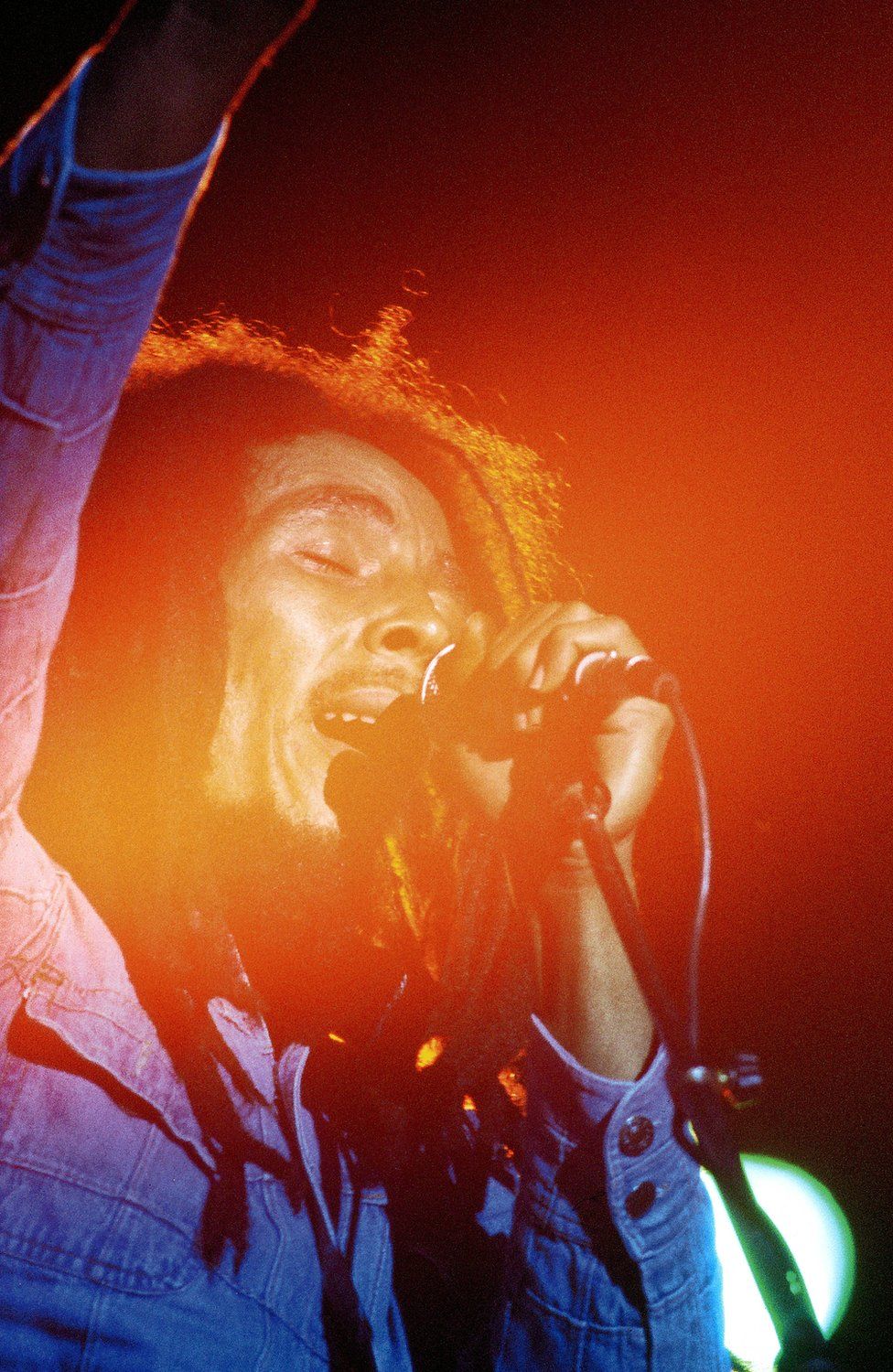
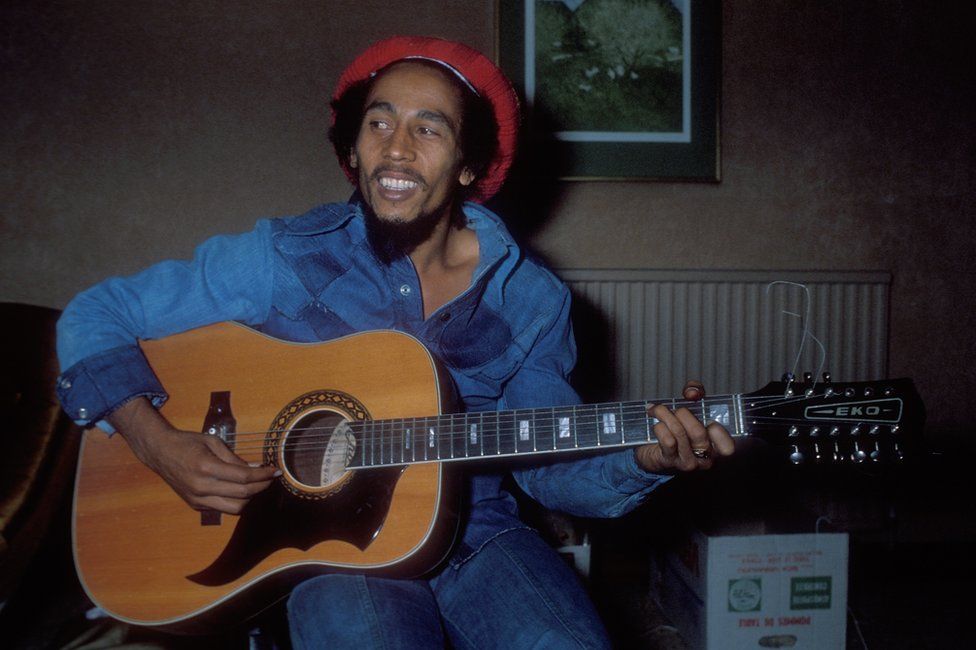
BBC in Bob Marley Tribute Photo Spread


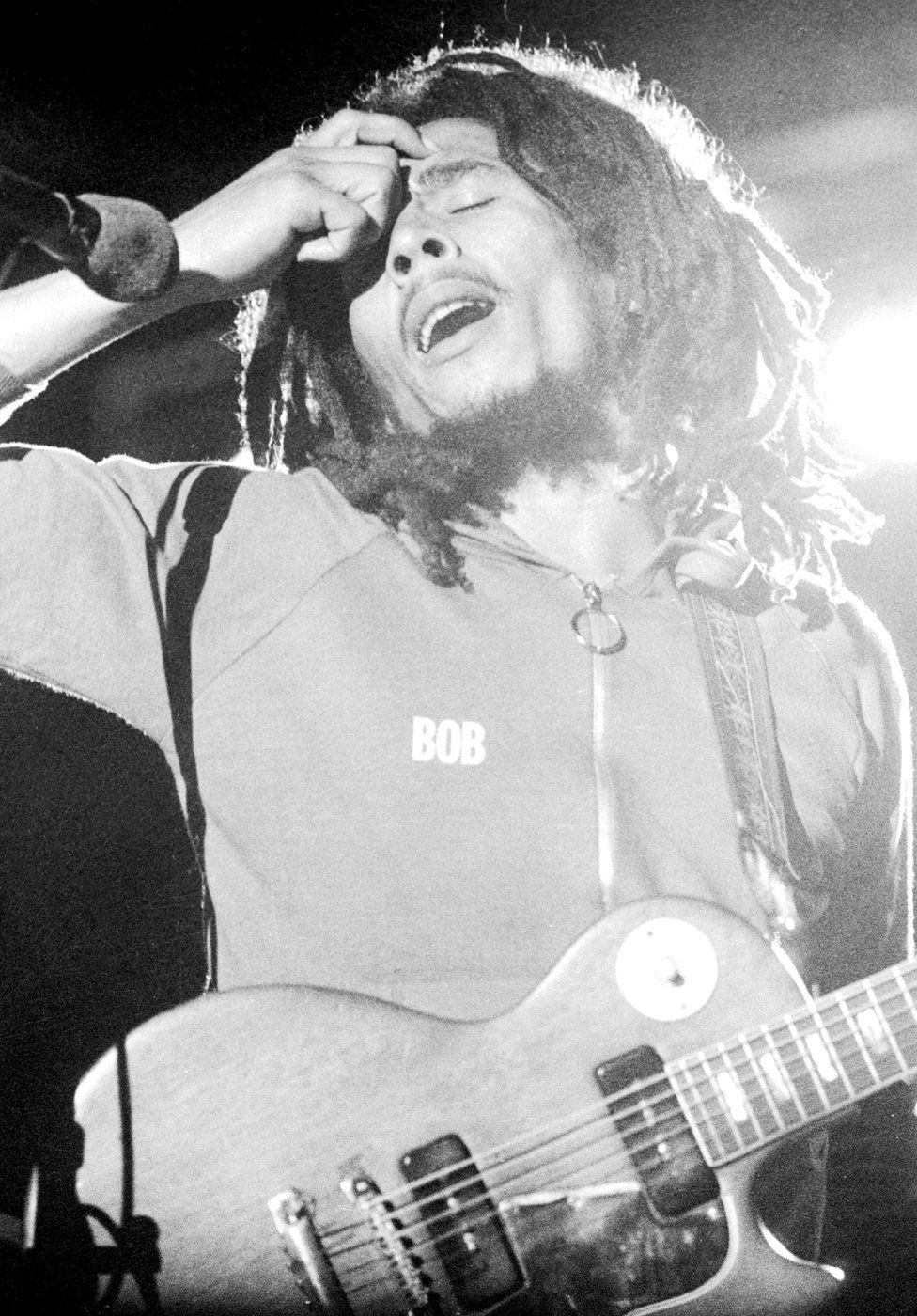
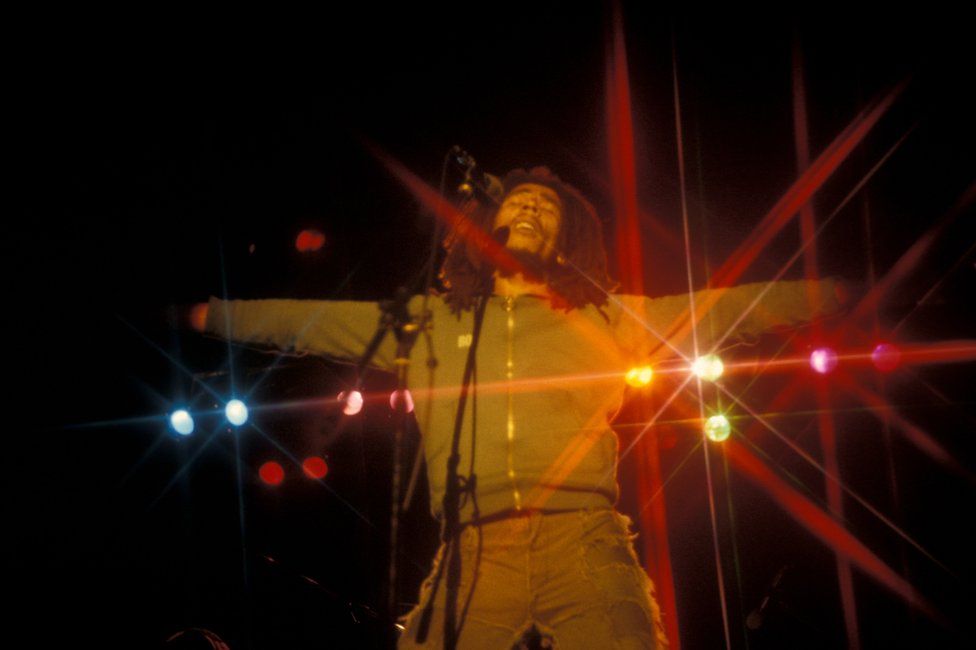
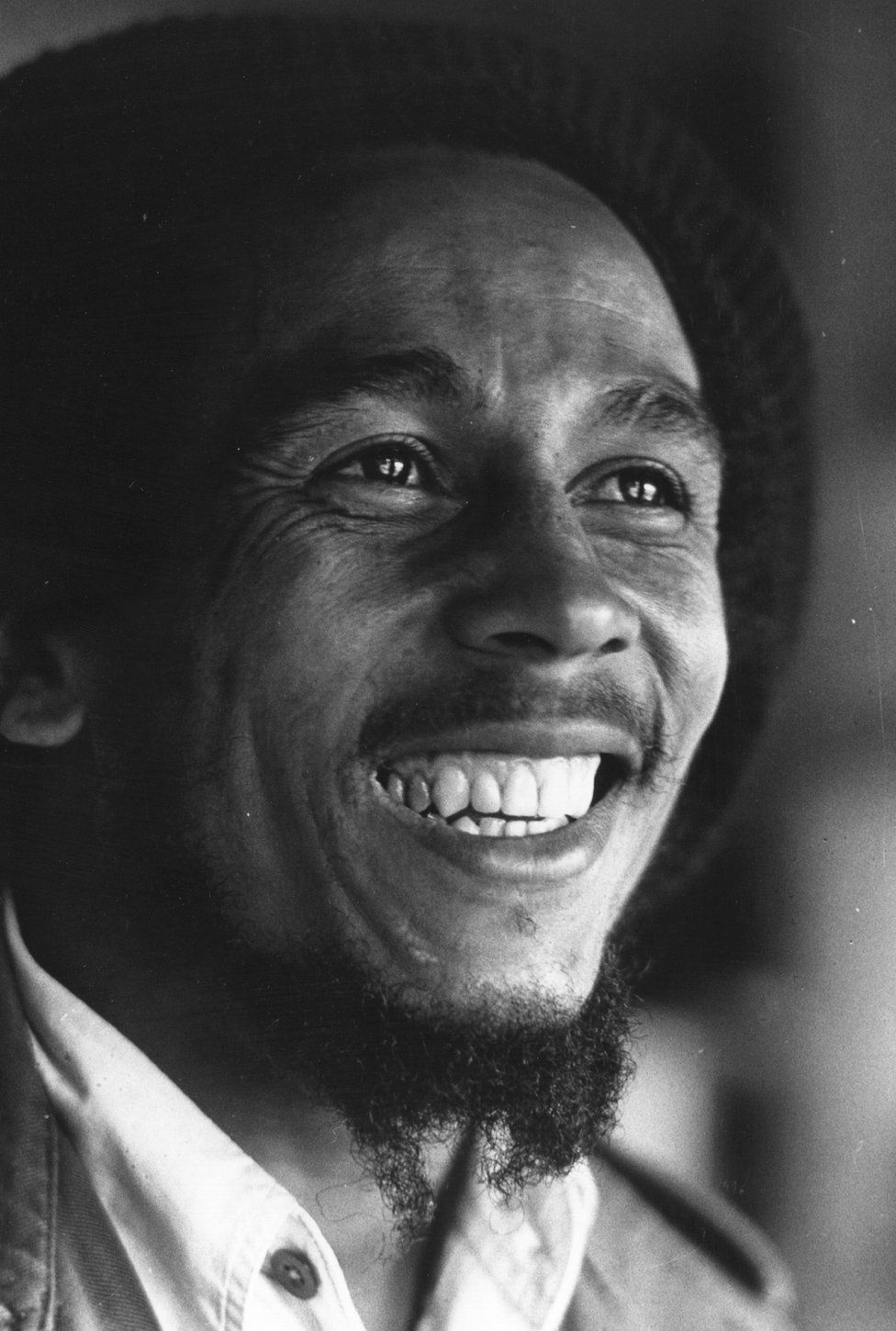
It is 40 years since legendary reggae singer Bob Marley died of cancer in Miami, aged 36, on 11 May 1981.

Bob Marley seen in London in 1977image copyrightGetty Images
image captionBob Marley seen in London in 1977

The musician is one of the most celebrated and recognised artists in music history, with hits including No Woman No Cry, One Love, and Redemption Song.

Bob Marley performs on stage in the Netherlandsimage copyrightGetty Images
image captionBob Marley performs at Houtrust Hallen in The Hague, Netherlands, in 1977 (above and below)
Bob Marley performs on stage in the Netherlandsimage copyrightGetty Images

His hit Buffalo Soldier was the singer’s biggest in the UK, reaching number four in May 1983.

The 1977 album Exodus was named Album of the Century by Time Magazine.

Bob Marley performing on stage in the US in 1979image copyrightGetty Images
image captionBob Marley performing in the US in 1979

Marley was born in 1945 to a white middle class father and a black mother, in Jamaica.

His childhood was spent in poverty and he had little contact with his father, a naval officer who worked for the British government.

He left home at 14 years old to pursue a music career in Kingston.

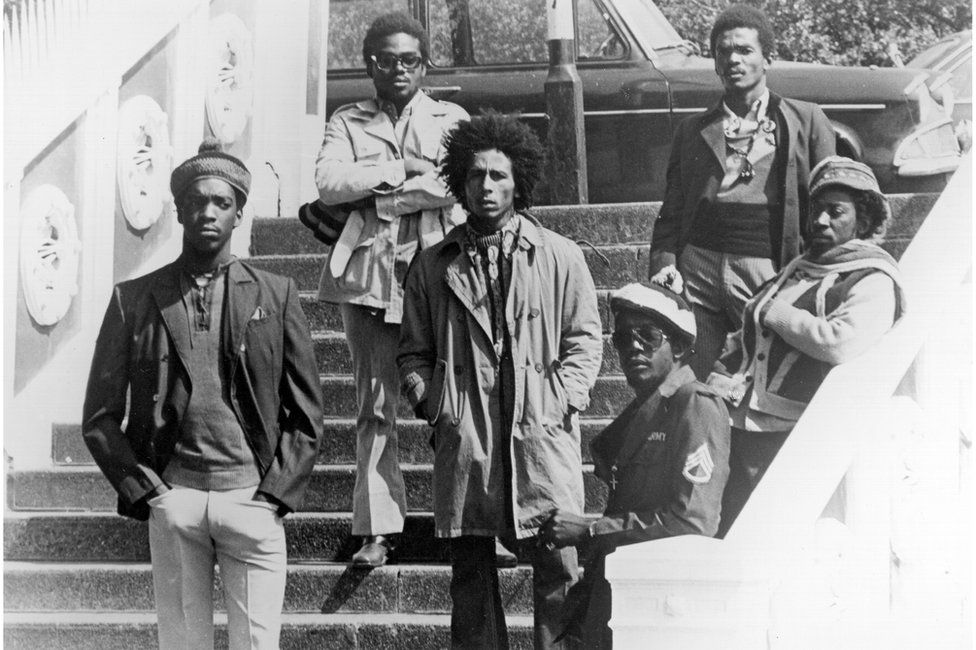
In 1972, Marley arrived in Britain with his band The Wailers to tour with Johnny Nash in the hope of launching his international career.

Bob Marley and The Wailers pose on steps in Londonimage copyrightGetty Images
image captionThe Wailers (Earl Lindo, Aston Barrett, Bob Marley, Peter Tosh, Carlton Barrett and Bunny Wailer) pose for a portrait in 1973 in London

The following year, The Wailers released their album Catch a Fire and made their television debut on the BBC.

The appearance made a big impact and gave them a wider audience outside of their traditional fan base.

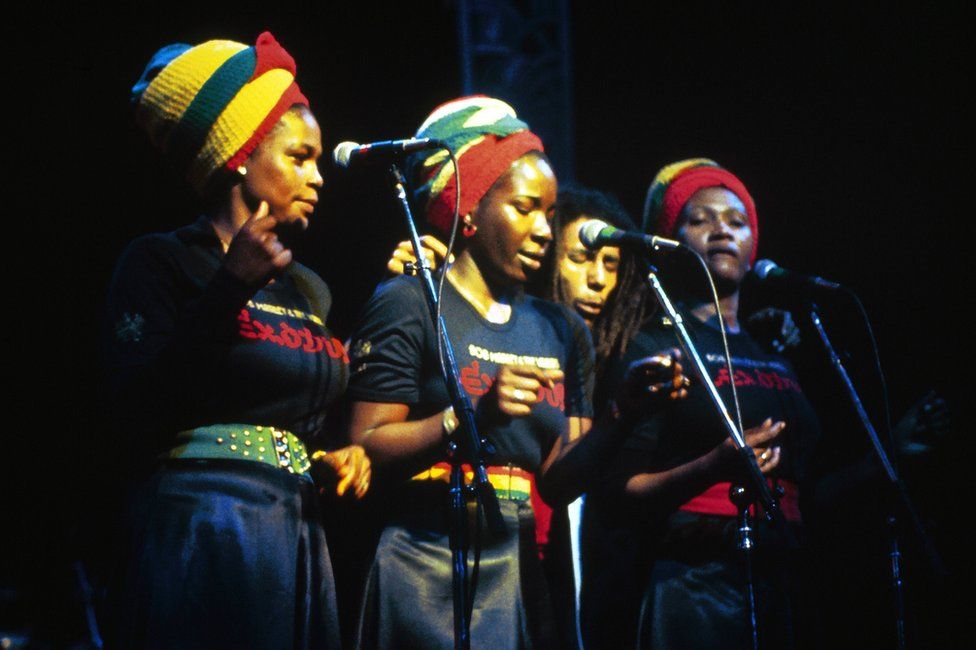
Bob Marley and the I-Threes perform together at the Rainbow Theatre in London in 1977image copyrightGetty Images
image captionBob Marley and the I-Threes (Judy Mowatt, Rita Marley and Marcia Griffiths) perform together at the Rainbow Theatre in London in 1977
Bob Marley plays at a hotel in London in 1978image copyrightGetty Images
image captionBob Marley plays at a hotel in London in 1978

After another tour in 1975, a recording of No Woman No Cry live at The Lyceum, London, was released as a single and gave Marley his first UK hit.

The singer entered the musical mainstream and became a household name.

Bob Marley performs at the West Coast Rock Show at Ninian Park in Cardiff, Wales, in 1976image copyrightGetty Images
image captionBob Marley performs at the West Coast Rock Show at Ninian Park in Cardiff, in 1976 (above and below)
Bob Marley performs at the West Coast Rock Show at Ninian Park in Cardiff, Wales, in 1976image copyrightGetty Images

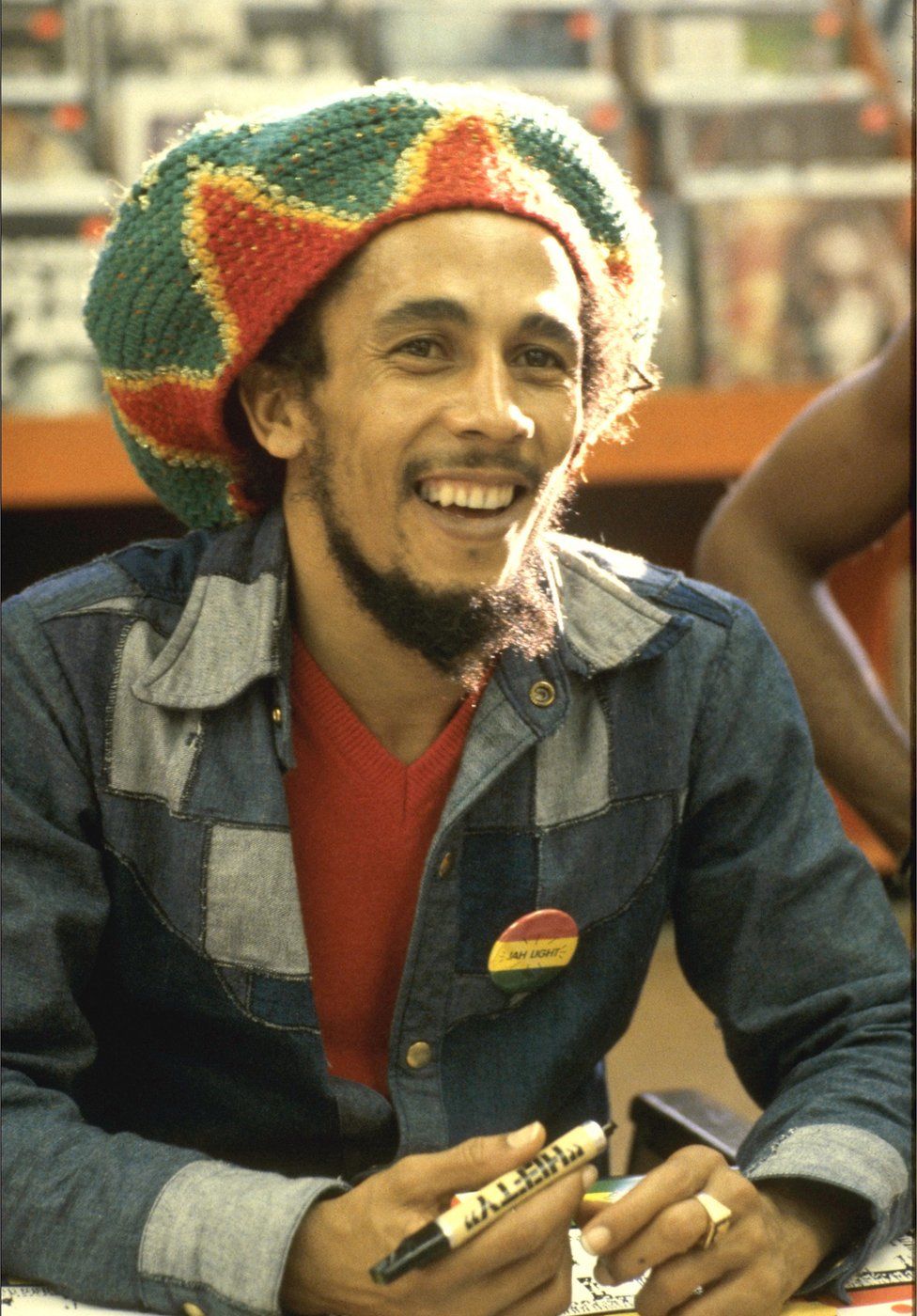
Marley was known for his Rastafarian faith, along with his wife, Rita, with the religion reflected in his music.

Bob Marley sits at a table holding a penimage copyrightGetty Images
Bob Marley seen in 1979 in Hollywood Tower Records, California, US

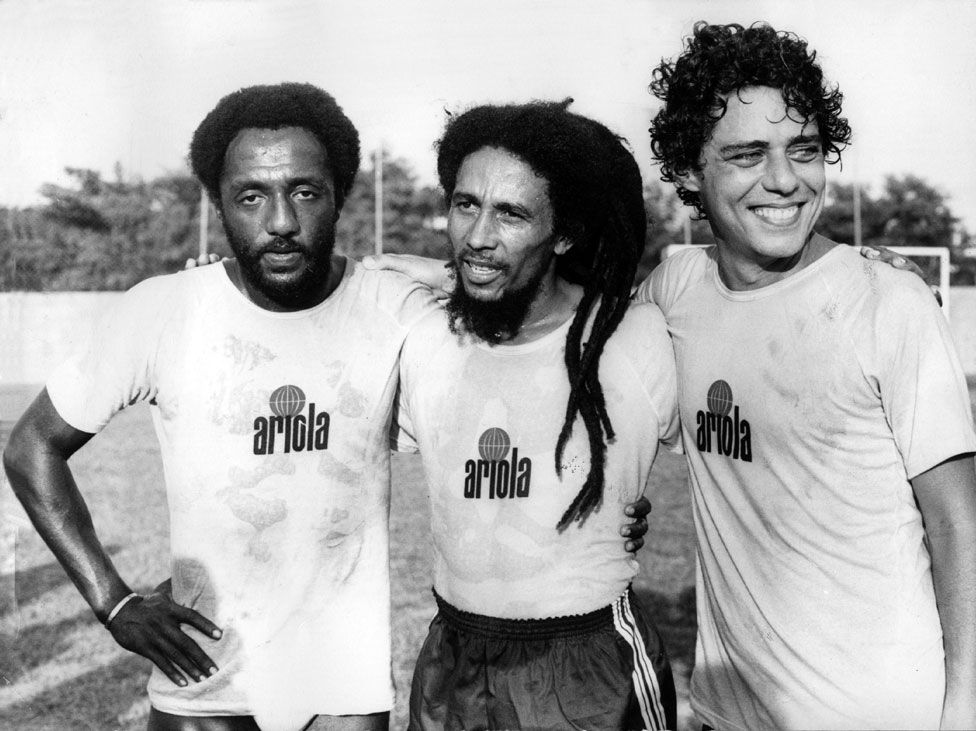
The singer was also passionate about football and known for having a kickabout in between studio sessions or before he went on stage.

Bob Marley on a football field in Rio de Janeiro, Brazil, in 1980 with football player Paolo Cesar Caju and singer-songwriter Chico Buarqueimage copyrightAlamy
Bob Marley (centre) with football player Paolo Cesar Caju (left) and singer-songwriter Chico Buarque (right) on a football field in Rio de Janeiro, Brazil, in 1980

“I love music before I love football,” he said in an interview in 1980.

“Playing football and singing is dangerous because the football gets very violent. I sing about peace, love and all of that stuff, and something might happen y’know.

“If a man tackle you hard it bring feelings of war.”

Marley’s last live performance in the UK was on 13 July 1980 at New Bingley Hall, Stafford.

Marley died the following year as a result of acral lentiginous melanoma, which he had been diagnosed with in 1977. He was buried in his Jamaican birthplace of the village Nine Mile.

Bob Marley seen in 1978image copyrightGetty Images
Bob Marley seen in 1978


The post BBC in Bob Marley Tribute Photo Spread appeared first on The St Kitts Nevis Observer.
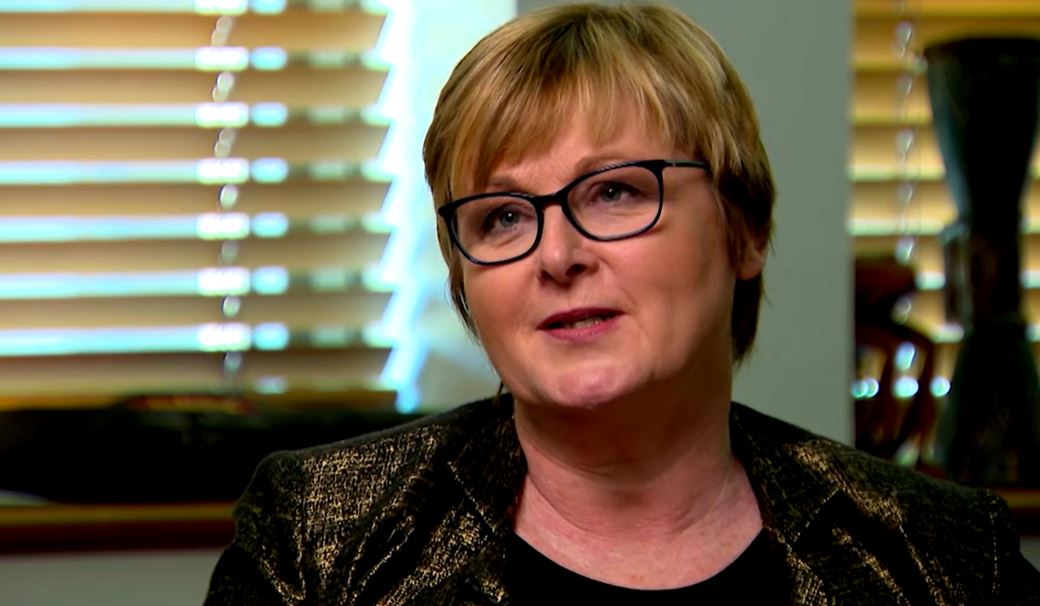
Linda Reynolds 'assisting AFP' with Brittany Higgins rape allegations

In her first sit-down interview since returning from sick leave, Federal Minister Linda Reynolds said she's prepared to be formally interviewed by Federal Police as part of the investigation into Brittany Higgins' rape allegation.

The former Defence Minister told 9News she had completed a formal statement, and was "assisting the AFP in their investigation into that matter".

In the 9News interview, Ms Reynolds reflected on what she said was a "difficult time for many people given the subject matter".

READ MORE: Investigation into who in PM's office knew about Higgins' rape allegation

When asked if she had any regrets in her handling of the issue, Ms Reynolds said: "I have apologised publicly on a number of occasions."

Ms Reynolds was the subject of heavy scrutiny after it was revealed she held a meeting with Ms Higgins, in the room where it was alleged the former staffer had been raped.

Leaks from the Minister's office claimed she used the phrase "lying cow".

Minister Reynolds was forced withdraw that comment.

"I am sorry for what I said, I shouldn't have said it, I've also financially settled with Brittany I wish her well," Ms Reynolds said.

READ MORE: Brittany Higgins says 'onus is on government' to end 'culture of silence'

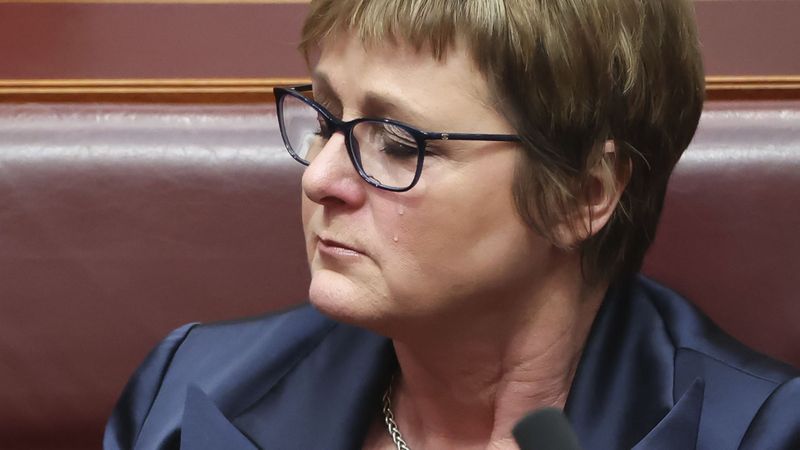
At the height of the scrutiny, Ms Reynolds broke down in the Senate, then spent a brief period in hospital, suffering a recurrence of a pre-existing heart condition.

"One of the things I've rediscovered in this job, even when we become politicians we're not immune to human illnesses, and conditions," Ms Reynolds said.

"It was a very salutary reminder to me that in my case, my heart health is important.

"It was just a difficult time for many of us, I am fighting fit, I've had great medical support, great support from my boss the Prime Minister," she said.

Ms Reynolds now has charge of the National Disability Insurance scheme, which received a $13 billion boost over three years in the budget.

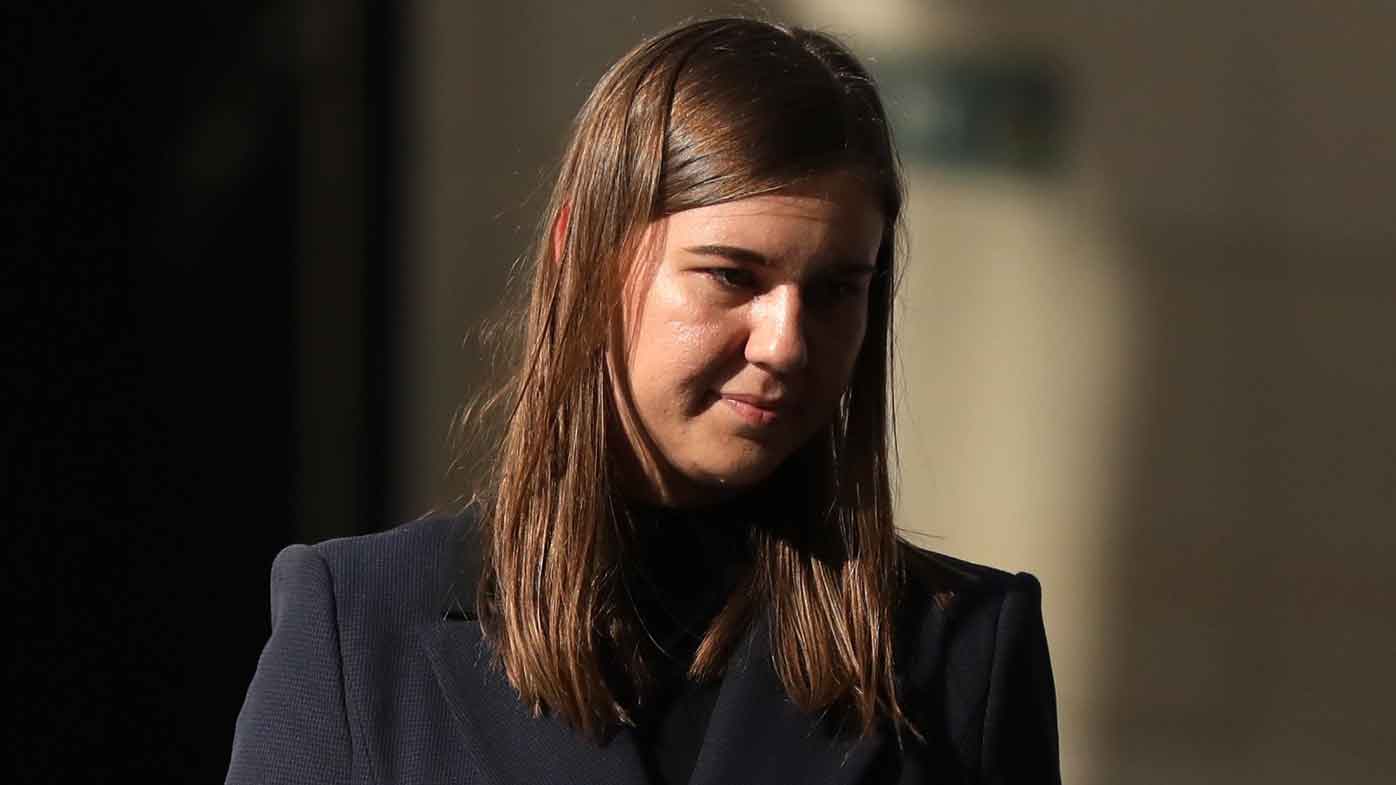
Brittany Higgins outside the Prime Minister's Sydney office.

The Minister told 9News the laws governing the scheme "need changing to make it fairer".

She also said the National Disability Insurance Agency was working to find "efficiencies" as the cost of the scheme spiralled.

"I've got to make sure we put the whole scheme on a sustainable growth trajectory," she said.

Ms Reynolds stood by a controversial proposal, slammed by disability advocates, that would have a government-appointed assessor determine an individual's condition, instead of relying solely on general practitioners.

"We need consistency in terms of diagnosis," Ms Reynolds said.

Mystery of Hospitalized Dissident Cuban Artist

Havana, Cuba (CNN) One of Cuba’s most rebellious dissidents has spent more than ten days in a closely guarded hospital in Havana but it’s not clear what, if anything, he is being treated for.

Artist and activist Luis Manuel Otero Alcántara was on day eight of a hunger strike protesting what he said was a campaign of Cuban government harassment against him when, before dawn, health officials transported him to a government hospital.
His fellow dissidents say Otero Alcántara was taken for treatment against his will and that they have not heard from him, other than through videos released by Cuba’s state-run media.
Cuban health officials said when he was admitted, Otero Alcántara did not seem to have been deprived of food or water and on Tuesday said he is eating and drinking, raising the question of why he remains hospitalized and incommunicado.
In one of the videos that was released, Otero Alcántara appears in good health, joking with a hospital administrator while affirming “I am going to keep demanding my rights as an artist.”
Cuban health officials say Otero Alcántara is still undergoing testing and is being treated voluntarily.
While the Cuban government grapples with the economic impacts of the coronavirus and tougher US sanctions, Otero Alcántara and his small group of tech-savvy “artivists” are increasingly a source of frustration for officials on the communist-run island.
In tweets and videos uploaded to social media, Otero Alcántara and other members of his San Isidro Movement have documented their campaign in real time against official censorship and the Cuban police and security officials that often shadow their every move.
“We are connected,” is a frequent refrain and hashtag in his messages, a reference to the recent arrival of mobile internet to the country, which has allowed many Cubans to circumvent state-run media and communicate directly with rest of the world and their fellow Cubans.
Some Cuban officials claim that the self-taught Otero Alcántara isn’t really an artist, which speaks to his assertion that government bureaucrats shouldn’t decide what qualifies as art on the island.
At times Otero Alcántara has threatened to drive a wedge between the government and Cuban artists, who in recent years have enjoyed a special status that allowed them to criticize the government, albeit indirectly, and legally earn hard currency by selling their work to tourists and consumers abroad.
In November, police arrested Otero Alcántara and supporters during a hunger strike, alleging they had violated health restrictions put in place to stop the spread of the pandemic.
Within hours, several hundred Cuban artists and students staged a rare sit-in protest outside the Cuban Ministry of Culture and some of the island’s best known cultural figures voiced their support for Otero Alcántara and greater freedom of expression.
Cuban officials quickly released Otero Alcántara and claimed he was part of a US “soft coup” against the island.
“The show is very similar to those staged on other occasions by other mercenary groups and puppets in the service of the U.S. government,” an article stated in the Cuban communist party newspaper Granma about Otero Alcántara days after the protest. “The new show, orchestrated from Washington and Miami, is part of plans for subversion against Cuba.”

A protest in London expressing solidarity with Otero Alcántara.

But Otero Alcántara, an Afro-Cuban millennial who lives in a downtrodden area of Old Havana that tourists rarely venture into, does not fit the traditional image of an anti-Castro militant fighting to return the island to the days before the revolution. And he is particularly adept at leveraging the obstacles Cuban officials throw at him as a form of performance art that generates more attention for his movement.
While his activism, so far, does not appear to be an existential threat to the Cuban government, it has nonetheless proved unnerving to officials.
Otero Alcántara appeared in a music video for the song “Patria y Vida” or “Fatherland and Life,” a play on the revolutionary slogan “Fatherland or Death,” which is how Fidel Castro ended his speeches. The video for the song, which has become an anthem for anti-government resistance, has received five million views on YouTube.
In April, when police surrounded his home, he put on an exhibition where he sat restrained with a garotte around his neck.
After he accused State Security agents of seizing his art, Otero Alcántara demanded $500,000 in compensation and said he was, again, going on a hunger strike.
“I will fight to the last breath for my artistic freedom,” he wrote in a widely seen message. “If my body dies, I hope it will be a spark for the freedom of Cuba.”
When Otero Alcántara was taken to the hospital in May, doctors released a statement saying the activist “showed no signs of malnutrition,” trying to cast doubt on his hunger strike, but said he would remain “under observation.”
Cuban state-run media have published regular updates on Otero Alcántara, a rare acknowledgement of anti-government dissent. But save one video where he briefly speaks, he has not been heard from and his supporters say they have been blocked by police from seeing him in person.
As Cuban officials try to adapt to Otero Alcántara’s new brand of activism, the government runs the risk of endangering potentially improved relations with the Biden administration, which so far is moving slowly on engaging with the island.
“Like all Cubans, Luis Manuel Otero Alcántara deserves to be treated with dignity and respect,” the US Embassy in Havana posted on Twitter. “We have seen reports that he is in hospital and that his state is stable. We urge the authorities to protect his well-being in this difficult moment.”
Some Cuban artists argue that if greater freedom of expression were allowed, the tension with the state and artists would ease.
“These little scandals will end the day they legalize protests,” famed singer Silvio Rodriguez, a long-time supporter of the Cuban revolution, wrote on his blog. “Authorized protests. Democratic socialism. And the police protecting those who exercise their rights,” he continued.
But top Cuban officials warn that a harsher crackdown could be on the horizon.
“To the mercenary lumpen who make money off of everyone’s destiny, to those who ask for an invasion, to those who continuously offend with words and deeds,” Cuban President Miguel Diaz-Canel said in a televised speech in April while accepting the powerful post of head of the Cuban communist party, “know that the patience of the people has limits.”

The post Mystery of Hospitalized Dissident Cuban Artist appeared first on The St Kitts Nevis Observer.
Cuba Trying Latest of 5 Homegrown COVID Vaccines

Cuba started a mass vaccination campaign against COVID-19 on Wednesday using one of its five homegrown vaccine candidates which, if proven effective, could improve access to inoculations across Latin America, one of the regions hardest hit by the pandemic.

Cuba’s state-run biopharma sector – which has a long history of developing, producing and exporting serums – has concluded late-phase trials at home for the vaccine, Abdala, in more than 48,000 volunteers but not yet published the results.

Still, it says the advantages of starting mass vaccination outweigh the risks, given the shot has proven safe and effective in generating antibodies and Cuba is facing its worst COVID-19 outbreak since the start of the pandemic.

Several nations have rushed to deploy COVID vaccines before all results were through. In the United States and Europe, vaccines were approved for emergency use based on small samples of early data from phase three trials, while in Russia and China vaccines were deployed before the publication of results from phase two.

“Even though it’s maybe not certain I won’t get ill, if I do get ill, I think it won’t be as severe and wouldn’t kill me,” said Dora Garrido Garcia, 75, after getting her first of three Abdala shots at a clinic in Regla, a suburb in the Havana Bay. “So I’m happy.”

If Cuba’s homegrown vaccines prove successful, it will mark a major achievement for the small Communist-run country and a ray of hope for its allies and developing countries struggling with inequitable global vaccine access.

Other countries in Latin America – including Bolivia, Argentina and Mexico – have already expressed interest in acquiring or even producing the Cuban vaccines. read more

Cuba’s biopharma sector expects its health regulator to give emergency use authorization next month for at least one of its two most advanced vaccine candidates, Abadala and Soberana 2. But the government says it wants to get a headstart on curbing infections with “intervention studies” in the most at-risk populations.

It has applied shots to hundreds of thousands of healthcare workers and is setting about vaccinating Cubans it considers most vulnerable to COVID-19 in some of the most infected areas of the Caribbean island nation.

In hard-hit Havana, that means those aged 60 and above. But in other areas like Cuba’s top beach resort, Varadero, that means tourism sector workers who will receive their first shot from Friday, according to state-run media.

Health Minister José Portal said last Friday he expected 70% of the population to have received a COVID-19 shot by August.

Officials have raised the idea of eventually offering the vaccine to tourists, in a bid to revive the sector, one of the ailing economy’s key earners, which has been devastated by the pandemic.

Critics say Cuba will find itself in a tricky situation if its vaccine candidates are not effective given it has not sealed any deals for foreign shots. In addition to the human cost, this would be a setback to an economy already dealing with widespread shortages due to its cash crunch, they say.

TWELVEFOLD RISE IN INFECTIONS

BioCubaFarma will have produced enough doses to immunize Cuba’s 11 million inhabitants by August, the state-run company’s chief Eduardo Martínez said last Friday.

“We will probably be the first country to immunize the whole population with its own vaccine,” he said in a roundtable discussion on state television.

The country, which prides itself on its healthcare achievements, successfully contained its coronavirus outbreak last year but saw cases jump after it relaxed lockdown restrictions and opened borders in November without requiring a test.

Cubans from the diaspora rushed home to celebrate year-end festivities, often bringing the virus with them.

The arrival of new strains of the virus, in particular the South African variant, have worsened contagion. Cuba has attempted to rein it in by cutting flight schedules, requiring negative test results from travelers and imposing new lockdown restrictions and curfews.

Last month, the country registered 17,362 cases, more than 12 times December’s figure, with Havana one of the worst affected areas.

The post Cuba Trying Latest of 5 Homegrown COVID Vaccines appeared first on The St Kitts Nevis Observer.
Forests the Size of France Regrown Since 2000

An area of forest the size of France has regrown naturally across the world in the last 20 years, a study suggests.

The restored forests have the potential to soak up the equivalent of 5.9 gigatonnes (Gt) of carbon dioxide – more than the annual emissions of the US, according to conservation groups.

A team led by WWF used satellite data to build a map of regenerated forests.

Forest regeneration involves restoring natural woodland through little or no intervention.

This ranges from doing nothing at all to planting native trees, fencing off livestock or removing invasive plants.

William Baldwin-Cantello of WWF said natural forest regeneration is often “cheaper, richer in carbon and better for biodiversity than actively planted forests”.

But he said regeneration cannot be taken for granted – “to avoid dangerous climate change we must both halt deforestation and restore natural forests”.

“Deforestation still claims millions of hectares every year, vastly more than is regenerated,” Mr Baldwin-Cantello said.

“To realise the potential of forests as a climate solution, we need support for regeneration in climate delivery plans and must tackle the drivers of deforestation, which in the UK means strong domestic laws to prevent our food causing deforestation overseas.”

Mongolia's boreal forestsimage copyrightGetty Images
image captionMongolia’s boreal forests line its northern border

The Atlantic Forest in Brazil gives reason for hope, the study said, with an area roughly the size of the Netherlands having regrown since 2000.

In the boreal forests of northern Mongolia, 1.2 million hectares of forest have regenerated in the last 20 years, while other regeneration hotspots include central Africa and the boreal forests of Canada.

But the researchers warned that forests across the world face “significant threats”.

Despite “encouraging signs” with forests along Brazil’s Atlantic coast, deforestation is such that the forested area needs to more than double to reach the minimal threshold for conservation, they said.

The project is a joint venture between WWF, BirdLife International and WCS, who are calling on other experts to help validate and refine their map, which they regard as “an exploratory effort”.

One of the simplest ways to remove carbon dioxide from the air is to plant trees. But scientists say the right trees must be planted in the right place if they are to be effective at reducing carbon emissions.

The post Forests the Size of France Regrown Since 2000 appeared first on The St Kitts Nevis Observer.
Israel 'preparing ground forces' along Gaza border

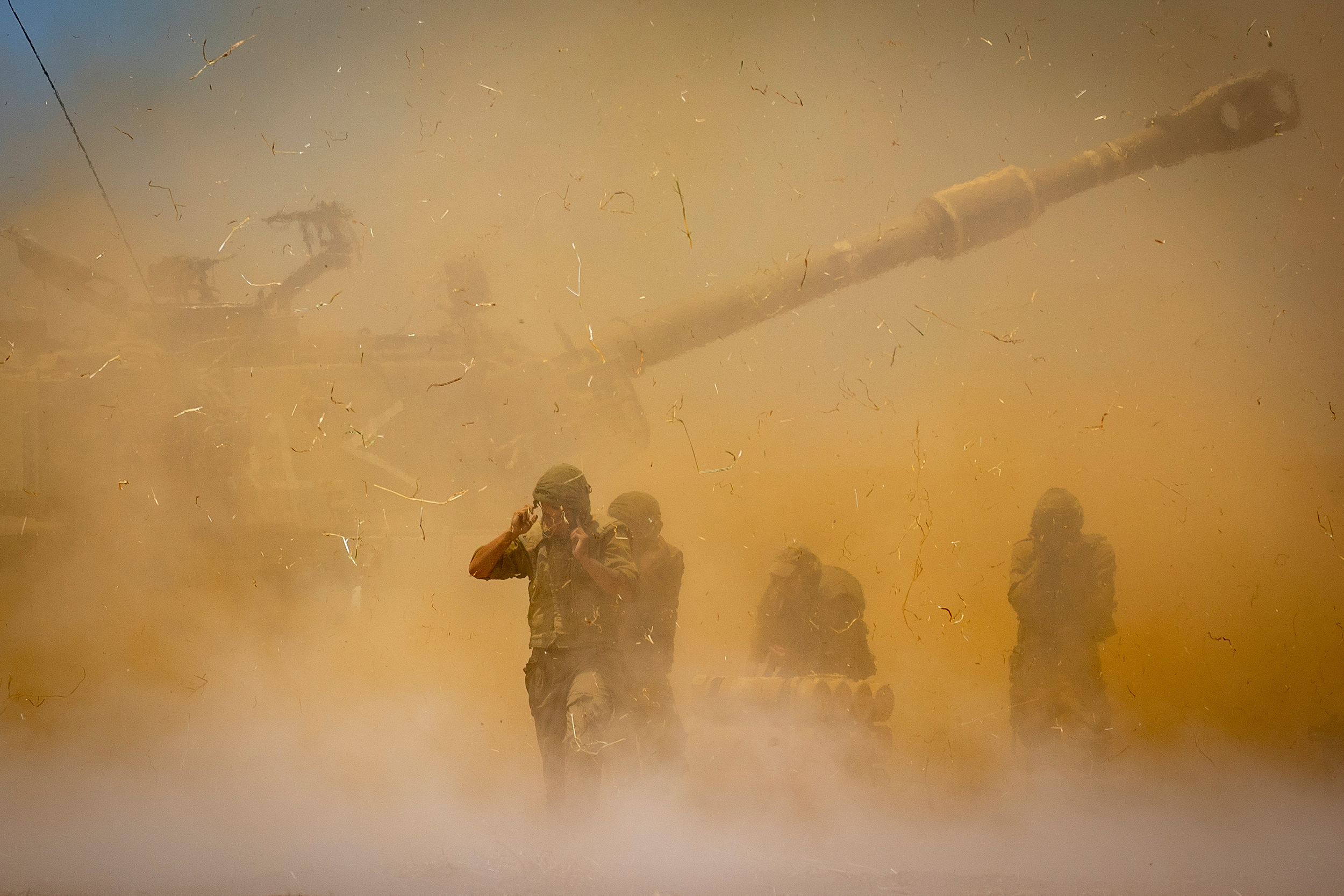
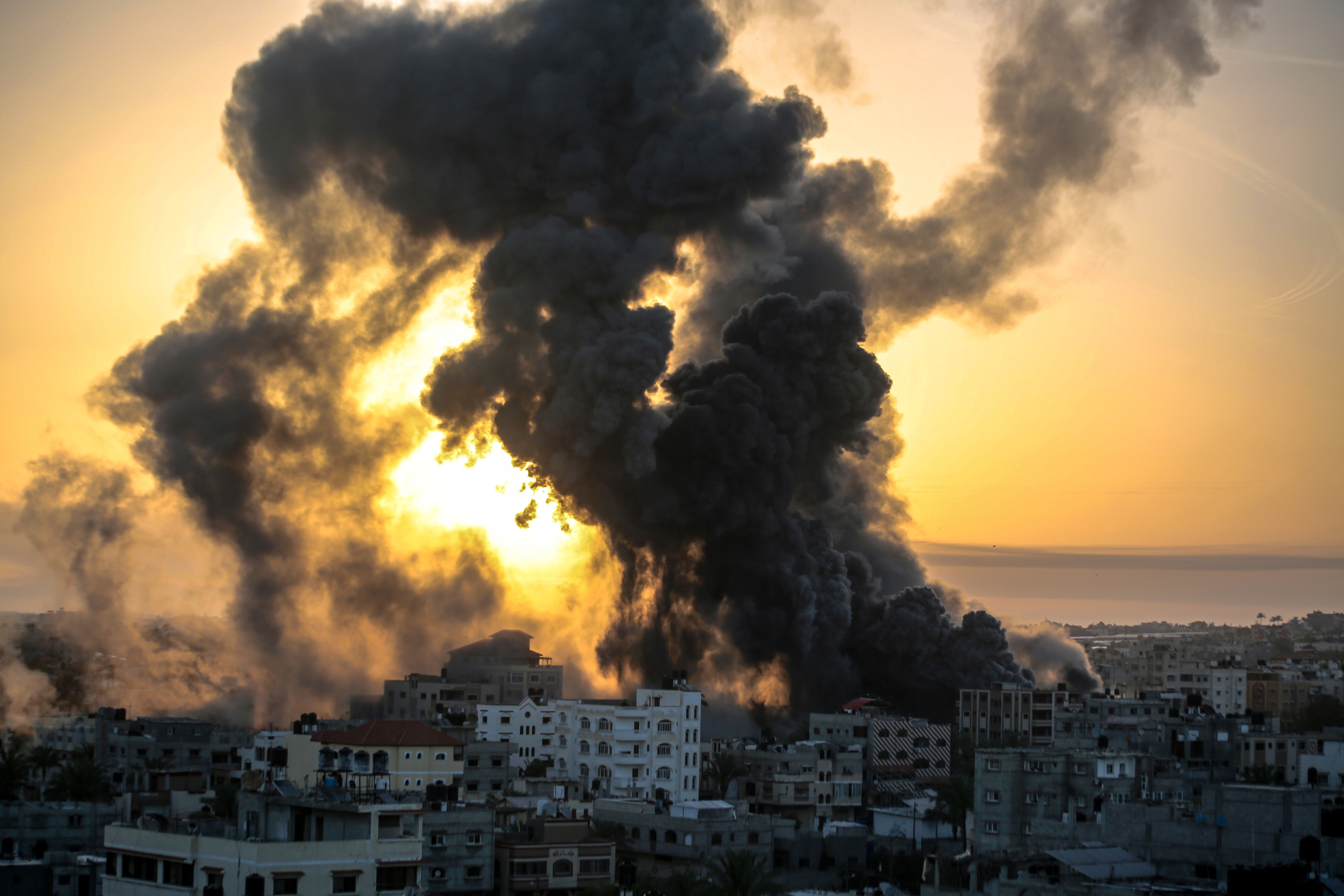
Israel is reportedly massing ground forces along the Gaza border as deadly violence continues to escalate in the region.

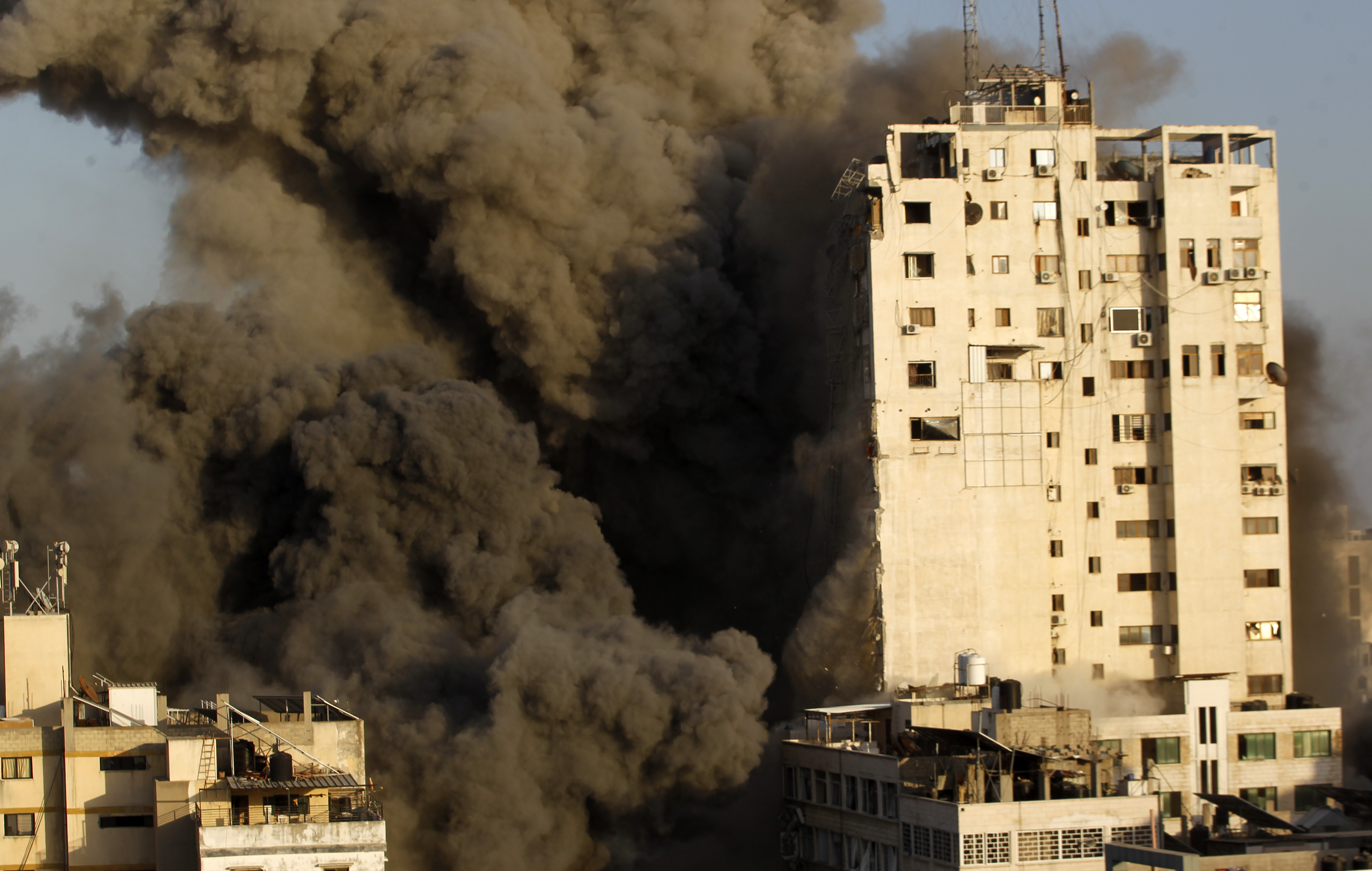
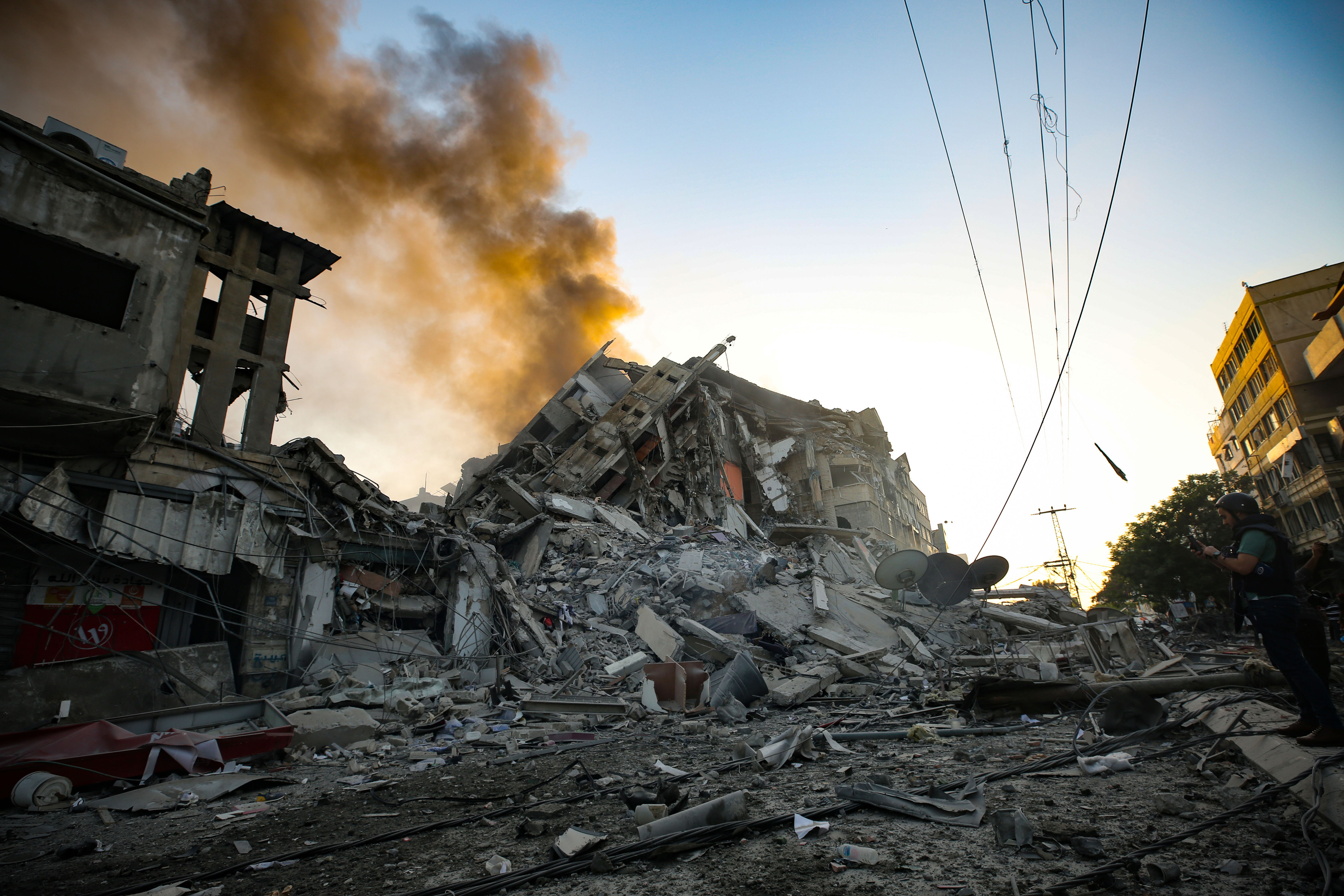
Since the conflict flared up on Monday, Israel's bombing of Gaza has killed 67 people, including 17 children, according to Palestinian authorities.

Israel's death toll stands at an estimated seven, according to the country's military.

READ MORE: Israel steps up Gaza offensive, kills senior Hamas figures

Hundreds have been injured on each side.

Now, Israel's military is preparing for ground operations, international news outlet Reuters has said.

A military spokesman said the Israeli forces were preparing for "various contingencies".

Israel deployed ground troops into the Gaza Strip in the 2014 war, which this conflict is already threatening to eclipse.

Civic unrest has also erupted in a number of Israeli cities between Arab and Jewish citizens.

In Acre, a lynching attempt by an Arab mob left a Jewish man critically wounded, according to Israeli media reports.

In Bat Yam, graphic video showed a Jewish right-wing mob trying to lynch an Arab driver. He was wounded and taken to hospital, according to Israeli media reports.

"We are very, very worried about this deterioration," Israeli lawmaker Aida Touma-Suleiman in Acre told CNN's Hala Gorani in a live interview on late Wednesday evening (local time).

READ MORE: UN warns Israel-Palestine conflict could turn into 'full-scale war'

"I am locked in my house, it's happening in front of my house, and there is no way to go out. The tear gas is filling the houses, and the situation is insecure. There has been attacks on Arab citizens in different cities today.

"I'm really, really worried about this city (Acre). The same is happening in Haifa. The same is happening in Lod. There are different attacks on different citizens."

The Israeli-Arab lawmaker went on to say: "I'm not sure that the police (are) able or even willing to control the situation."

Fuelled by controversy over planned evictions of Palestinian families in Jerusalem, and restrictions at a popular East Jerusalem meeting point as Ramadan began, conflict between Israelis and Palestinians boiled over this week, escalating rapidly into one of the worst rounds of violence between the two sides in the last several years.

"We're escalating towards a full-scale war. Leaders on all sides have to take the responsibility of de-escalation," UN Special Coordinator for the Middle East Peace Process Tor Wennesland said.

Militants in Gaza have fired more than 1000 rockets into Israel since the latest flareup began Monday afternoon, and Israel has launched devastating airstrikes in Gaza.

Israel airstrikes

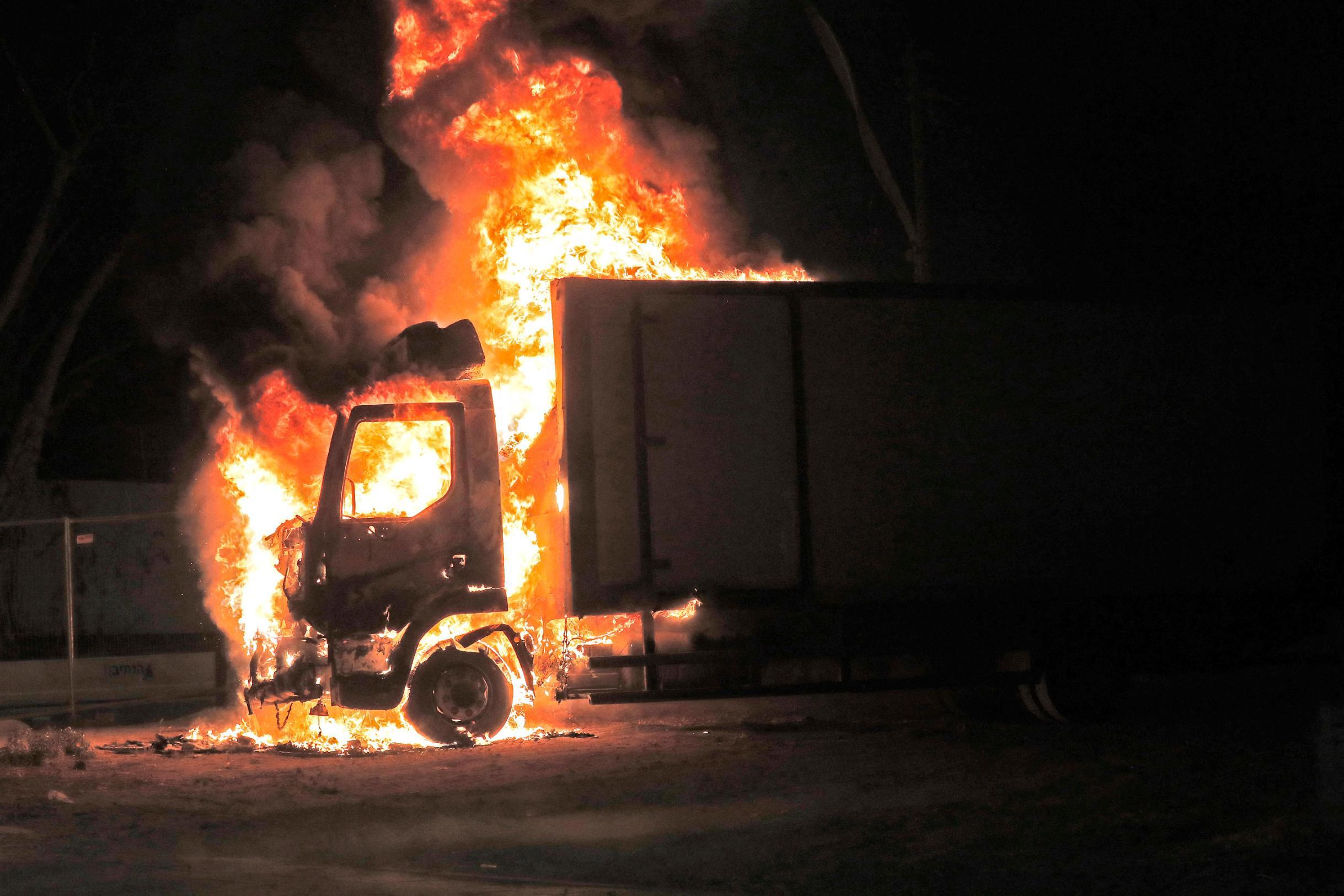
Fury over the situation has fuelled fierce protests in the central Israeli city of Lod, where Israeli police reported on Wednesday (local time) that people were throwing rocks at passing cars and blocking roads into the early hours.

The mayor of Lod, Yair Revivo, said decades of coexistence had been "trampled."

He said Arab-Israeli rioters had been "burning synagogues, Talmud Torah, dozens of vehicles, burning garbage containers, destroying Israeli flags and worse, lowering the Israeli flag and hoisting the Palestinian flag, on a night of riots that injured policemen and residents who found themselves besieged."

READ MORE: Israel's 'Iron Dome' defence system explained

Israel's 'Iron Dome' defence system in action

Meanwhile an Arab-Israeli resident of Lod, Wael Essawi, told CNN that a mosque was stormed by Israeli police and Jewish residents during prayers on Tuesday night before tear gas was fired and cars were set ablaze.

"We couldn't do anything but we opened the windows so we can breathe … it was very intense," Essawi said.

Another resident, Khaled Zabarqah, said that following a Palestinian demonstration on Monday against Israeli policies in Jerusalem, thousands were hit with tear gas, stun grenades and rubber bullets before Israelis started throwing stones and beating the group.

"My 15-year-old daughter was woken up by the sound of stones being thrown at her bedroom window, I was then woken up by her terrified screams," Zabarqah said.

Israel airstrikes

"There was nothing we could do but protect and defend ourselves with any tools we have, it's either we defend ourselves or we get killed."

On Tuesday, a 25-year-old Arab-Israeli man was shot and killed in the city by a 34-year-old Jewish man, who fired on protesters after they targeted him with rocks, according to police.

Police arrested two suspects in connection with another shooting also in Lod.

Israeli Prime Minister Benjamin Netanyahu today slammed the violence in Israeli cities as "unacceptable" and said he had ordered the police to adopt emergency powers, to reinforce with Border Police units, and to impose curfews where necessary.

"Nothing justifies the lynching of Jews by Arabs and nothing justifies the lynching of Arabs by Jews," he said in a statement.

Israel airstrikes

"To the citizens of Israel I say that I do not care if your blood is boiling. You cannot take the law into your own hands. You cannot grab an ordinary Arab citizen and try to lynch him – just as we cannot watch Arab citizens do this to Jewish citizens."

Israel's Arab minority makes up about 20 percent of the population and are the descendants of Palestinians who stayed in the country after the 1948 war surrounding Israel's creation, when an estimated 700,000 fled or were driven from their homes. They have citizenship, including the right to vote, but face widespread discrimination.

Arab citizens speak Hebrew and are well-represented in Israel's medical profession and universities, but they largely identify with the Palestinian cause, leading many Israelis to view them with suspicion.

Fathers shelter newborns amid rocket strikes

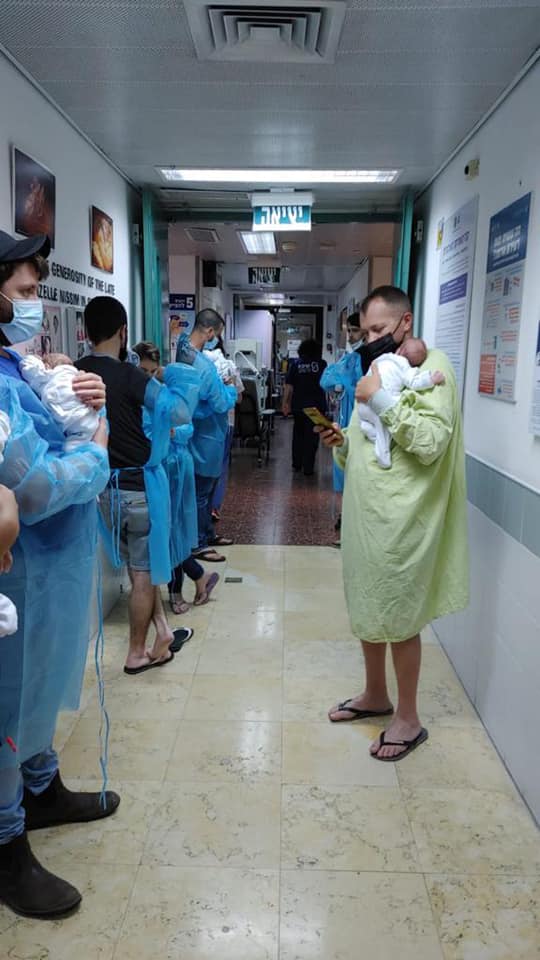
Israeli officials have shared a harrowing photo showing the human impact of the recent outbreak of violence in the Middle East.

In the image posted to the Israel Defence Force's (IDF) Instagram page, fathers are seen cradling their newborns in the hallway of a Tel Aviv maternity ward.

Authorities advised new parents to take the children out of their cribs and guard them in the fortified halls while rockets rained down from above.

LIVE UPDATES: 'Australia has to have' mRNA vaccine production

The IDF claimed the babies are the "innocent victims of terror" as they are born to the sounds of air raid sirens echoing throughout the country.

"During a barrage of rockets from Gaza into central Israel, children were born to the warning sound of sirens," the post read.

"The infants in the maternity ward were taken from their cribs and held in a fortified hallway while rockets rained over the hospital.

"These are the innocent victims of terror."

Thousands of Israeli's spent the night in bomb shelters and health officials are concerned for those in hospital departments like the maternity wards who don't have that level of protection.

Gaza has no air defence system and few bomb shelters to offer the Palestinian people protection.

Palestinian health ministry spokesman, Ashraf al-Qidra said the people of Gaza were in a "state of panic" due to the ongoing Israeli bombardment.

He said Israel had deliberately targeted civilian homes and crowded residential neighbourhoods, adding that 43 per cent of the victims of strikes in Gaza were children and women.

– With CNN, Associated Press

Grim Future for Endangerd Mexican Porpoise

The vaquita marina is found only in Mexico. It is the most critically endangered sea mammal on the planet, its survival threatened by a deadly clash of interests between fishing and conservation. Scientists estimate there may be fewer than a dozen left in the wild.

Jacques Cousteau, the marine explorer, called the Sea of Cortéz, also known as the Gulf of California, “the world’s aquarium”.

One of its treasures is a silvery-coloured porpoise with wide, panda eyes. But the vaquita’s days may be numbered because of illegal fishing for another protected species: totoaba.

Totoaba, a fish that can grow as large as a vaquita, was a food source before it was placed on Mexico’s endangered list.

“We used to catch it in the 60s and 70s,” remembers Ramón Franco Díaz, president of a fishing federation in the coastal town of San Felipe, on the peninsula of Baja California. “Then the Chinese came with their suitcases full of dollars, and bought our consciences.”

They arrived wanting the totoaba’s swim bladder, an organ that helps the fish stay buoyant. In China it is highly prized for its perceived – though unproven – medicinal properties.

According to the Earth League International NGO, 10-year-old dried swim bladders can sell for $85,000 (£60,000) a kilo in China. The fishermen of San Felipe make only a tiny fraction but in a poor community, business has boomed for the “cocaine of the sea”.

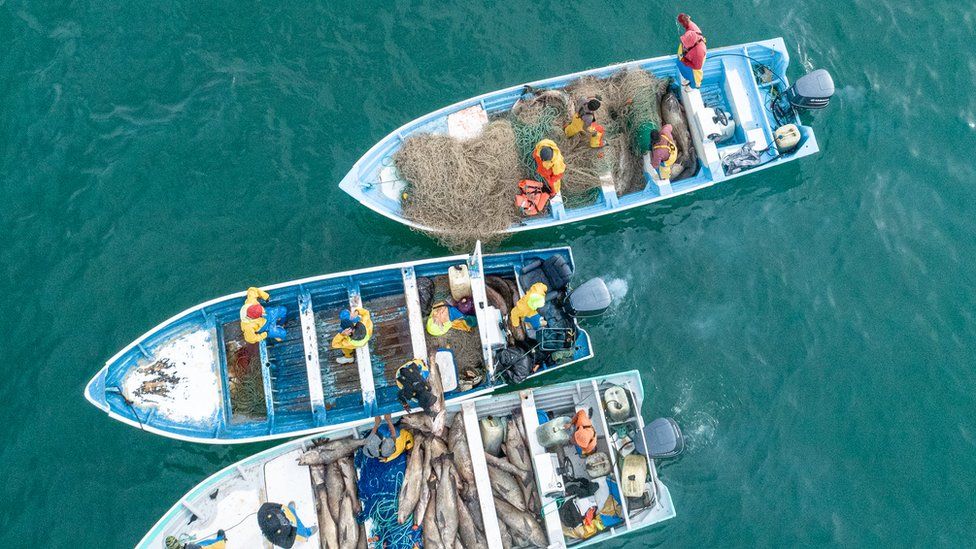
Boats carrying totoabaimage copyrightSea Shepherd
image captionPoor communities near San Felipe have benefited from the illegal fishing of totoaba

“The illegal fishermen – the criminal elements – are so strong that in the plain light of day you see them with their illegal nets and totoaba,” says Mr Franco Díaz.

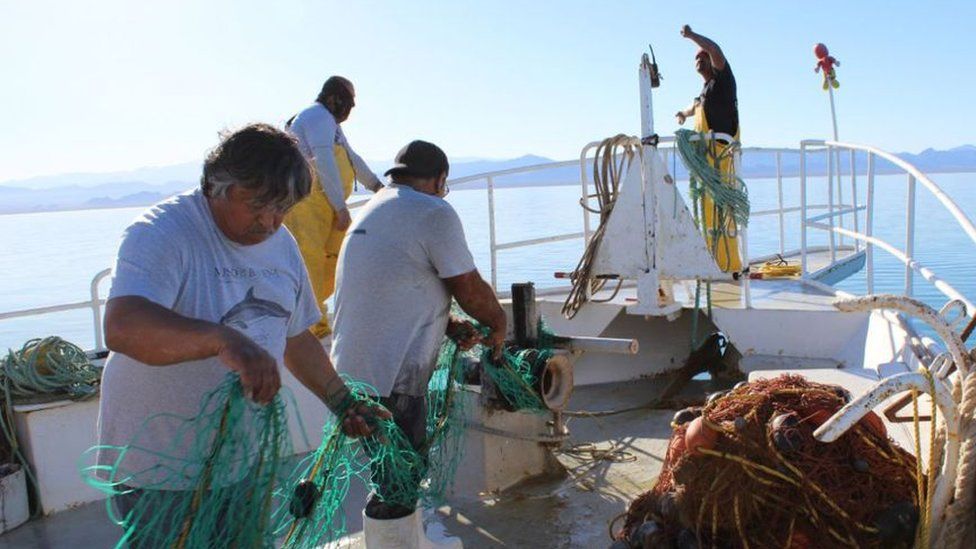
Every afternoon during the season, a stream of pick-up trucks towing fishing boats reverses down the concrete slipway of the town’s public beach and into the sea. These craft are mostly unlicensed, and their crew use nets that can kill the vaquita.

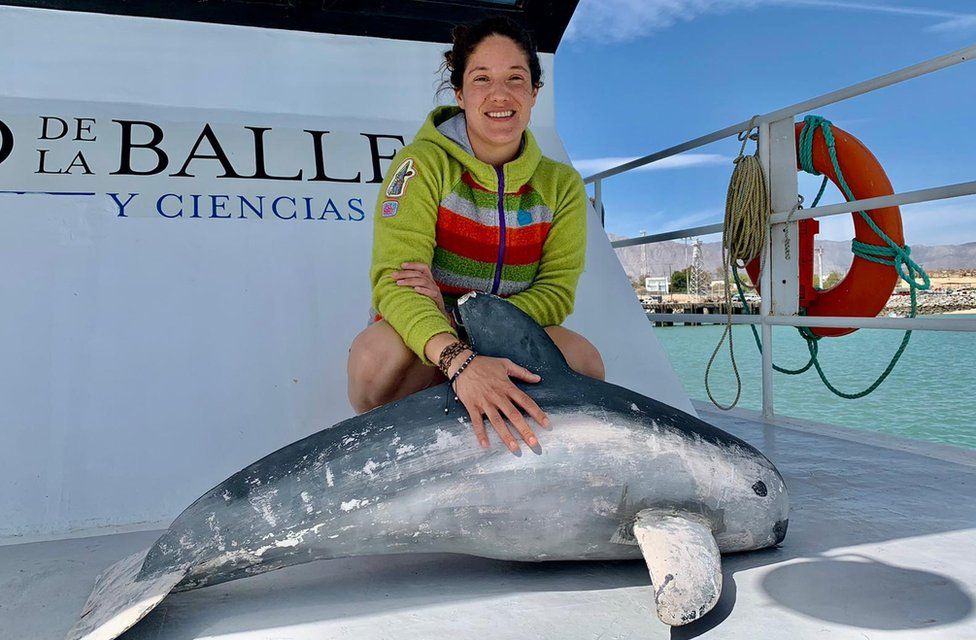
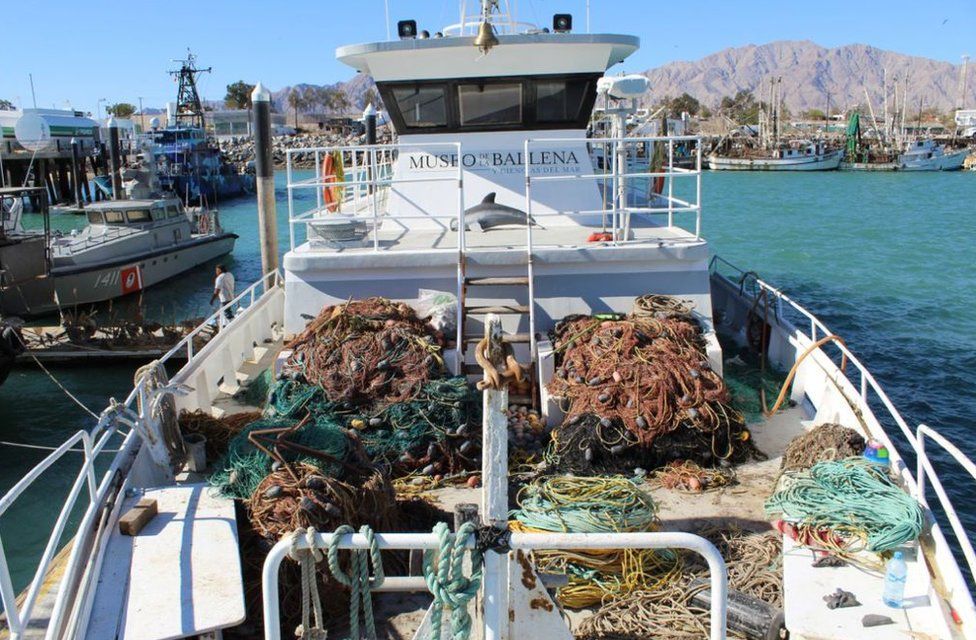
“Gillnets might be hundreds of metres long and 10 metres high,” says Valeria Towns, who works with a Mexican NGO, Museo de la Ballena. “They become a wall under water.”

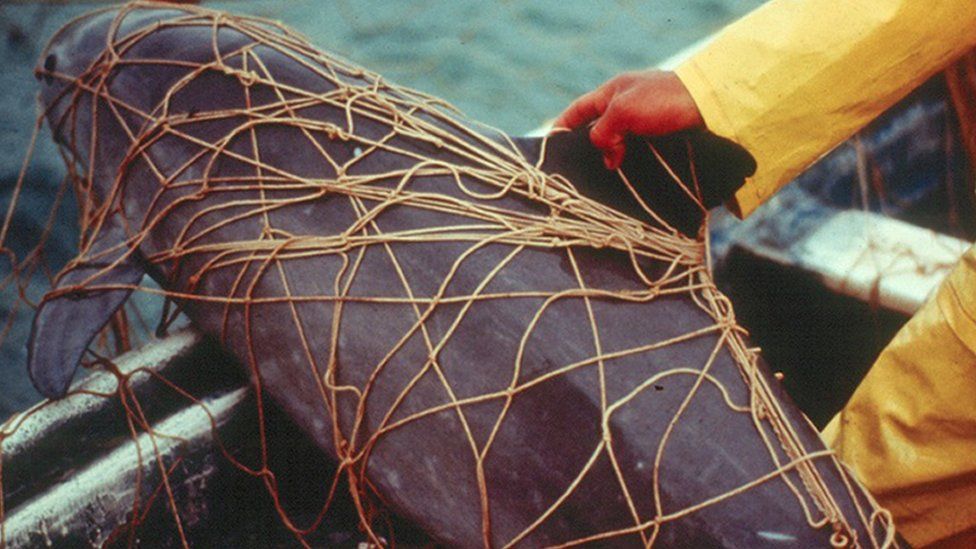
To protect the vaquita, all gillnets are banned in the upper Gulf. However, they are widely used, even by fishermen with permits for halibut or prawns. Mesh size varies with the catch, and the most perilous to the vaquita are gillnets with large mesh used for totoaba.

“It’s not easy for marine mammals to free themselves from those – the vaquita get caught,” says Ms Towns.

Valeria Towns
image captionValeria Towns warns: “I don’t think anyone would buy products from an area where people extinguished a species”
1px transparent line

Off the coast of San Felipe, all commercial fishing is supposed to be prohibited inside the Vaquita Protection Refuge – an area larger than 1,800 sq km. Inside the refuge is a smaller zone of Zero Tolerance.

Museo de la Ballena supports a handful of fishermen interested in ending reliance on gillnets, and it sponsors alternatives to fishing like oyster cultivation. It is also one of the NGOs that removes gillnets from the protected area.

This is an activity that has escalated tensions between locals and conservationists.

On 31 December 2020, one fisherman was fatally injured and another seriously hurt after their fishing boat collided with a larger ship belonging to the international NGO Sea Shepherd that was out taking up gillnets.

The facts are disputed, but the upshot was a riot in San Felipe where Museo’s ship is moored.

“They were going to burn our boat,” says Ms Towns who was at sea at the time, testing vaquita-friendly nets. “When I arrived back, other fishers that work with this alternative gear, they were protecting our boat, telling them [the rioters], ‘This is not your enemy! Don’t burn this boat’.”

Museo’s ship escaped with broken windows. The Mexican Navy was not so fortunate, one of its patrol boats was set alight in the port.

Now there is an uneasy truce. The Navy says it continues to patrol and remove nets from the Refuge. But there are few NGOs involved – Museo de la Ballena awaits permission to resume work, and the Sea Shepherd never returned to San Felipe after the incident.

‘Crazy people with guns’

Impunity and the absence of law enforcement may account for the dozens of totoaba launches leaving from San Felipe’s beach and heading into the Refuge.

“Not a single authority stops them,” says Ramón Franco Díaz. “If you dared approach them, they’d give you a bullet. Organised crime has stolen the Sea of Cortéz.”

Museo de la Ballena boat
image captionMuseo de la Ballena is one of the NGOs removing gillnets from the protected area
1px transparent line

“Before you needed to watch the wind and the sea,” says one former totoaba fisherman. “Now you see a lot of crazy people out there with guns.”

The violent events of 31 December made international headlines, and brought San Felipe into the spotlight.

Now the Mexican government is considering proposals that might gratify the fishermen, but will anger conservationists worried about the vaquita’s precarious fate.

One is to lift the totoaba’s endangered species status. Another is to legalise the other fishing already happening in the Refuge.

Museo de la Ballena boatimage copyrightMuseo de la Ballena
image captionMuseo de la Ballena awaits permission to resume work

“We want to establish different fishing zones for example, for Corvina and shrimp,” says Iván Rico López from the government taskforce exploring sustainability in the upper Gulf.

“The Refuge is huge. If the ban on fishing was respected there, the fishermen just wouldn’t eat. So we have to move towards legalising fishing.”

The Mexican government has also distributed 3,000 “suripera”, vaquita-safe nets. But fishermen complain these reduce their catch by 80%.

“We’ve got to look for ways to increase that,” says Mr Rico López. “We’re looking for alternatives, but we have to convince communities – if they’re not involved in decision-making, we won’t succeed.”

An undated handout photo issued by University of St Andrews of a dead vaquita porpoise entangled in a gillnet set for a totoabaimage copyrightPA Media
image captionSea Shepherd is working to protect the endangered vaquita porpoise

Is it possible to protect this precious mammal and ensure locals still make a living? In San Felipe the illicit trade in totoaba, the menacing involvement of organised crime, and little economic diversity create a toxic mix. There is also an entrenched traditional fishing culture.

Valeria Towns has a warning for San Felipe’s fishing families who ignore the call to make changes to save the vaquita. “I don’t think anyone would buy products from an area where people extinguished a species.”

So after the free-for-all of this totoaba season, would she bet on the vaquita surviving till next year?

“Of course! There’s always hope. If not, I wouldn’t be here.”

The post Grim Future for Endangerd Mexican Porpoise appeared first on The St Kitts Nevis Observer.