Act Party leader David Seymour has produced an “alternative budget” which he says would nearly halve the tax rate for middle income earners while also slashing forecast debt by $23 billion. Sneaking in ahead of Budget Day on May…
Category Archives: headline
Plans for Wellington's $400m social housing shortfall delayed until after Budget Day
Wellington City Council has delayed publicising options to plug its social housing arm’s $400 million shortfall until after the Government has announced Budget 2021. City Housing, which has 1927 properties and 3500 tenants, is…
Herald morning quiz: May 12
Test your brains with the Herald’s morning quiz. Be sure to check back on nzherald.co.nz at 3pm for the afternoon quiz. To challenge yourself with more quizzes, CLICK HERE.
Butlers Shop burns to the ground
By Monique Washington
A furious fire early Tuesday morning has completely destroyed a Butlers Village shop that has served the community for decades.
Butlers Domino College owned by Clarence Jeffers went up in flames sometime after midnight (Tuesday, May 11). Villagers stood and witnessed as the shop that provided them with bread, beverage food and domino matches burnt to the ground.
At this time the cause of the fire has not been determined. More to this story as it becomes available.
The post Butlers Shop burns to the ground appeared first on The St Kitts Nevis Observer.
'How does it feel to be the best Labor treasurer since Paul Keating?'
Treasurer Josh Frydenberg has refused to put a timeline on a return to surplus and denied being the "best Labor treasurer since Paul Keating" after handing down a budget with a $161 billion deficit.
In an interview with 9News Political Editor Chris Uhlmann on Tuesday night, Mr Fyrdenberg insisted big-spending measures to give families tax cuts, cut childcare costs and create jobs made his 2021 package "very much a Liberal budget".
Watch the full interview in the video player at the top of the page.
Before the pandemic upended government spending worldwide, the Coalition had prematurely celebrated putting the budget "back in black" with a surplus last year after what it termed Labor's "debt and deficit disaster".
But when repeatedly pressed by Uhlmann to put a timeline on a return to surplus, the Treasurer refused, pointing to the pandemic.
"This reflects the reality that we're in, with the biggest economic shock since the Great Depression," he said.
"More than 25 million Australians can be so proud of where their country is today through their contribution, both on the health front and the economic front.
"But there is a great deal of uncertainty. The job is not done. This budget seeks to secure that recovery."
Mr Frydenberg also addressed the revelation international travel would remain low until mid-2020, saying that was a budget assumption, not a policy decision.
Read all of 9News.com.au's Federal Budget 2021 coverage here:
WINNERS AND LOSERS: Who benefits the most from the Budget?
READ MORE: Will you get a tax cut?
READ MORE: The new projects in the $15.2b infrastructure spend
BUDGET EXPLAINED: Your two-minute guide
READ MORE: Budget 2021 Winners and Losers: Chris Uhlmann analysis
READ MORE: Major spend to overhaul aged care, mental health sectors
BORDER UNCERTAINTY: Budget admits doubts over travel restart
READ MORE: How an ordinary Australian family is affected by the Budget
READ MORE: Incentives to help first home buyers
READ MORE: Billions to be spent fighting COVID-19
Children killed as Israel unleashes airstrikes on Hamas in Gaza
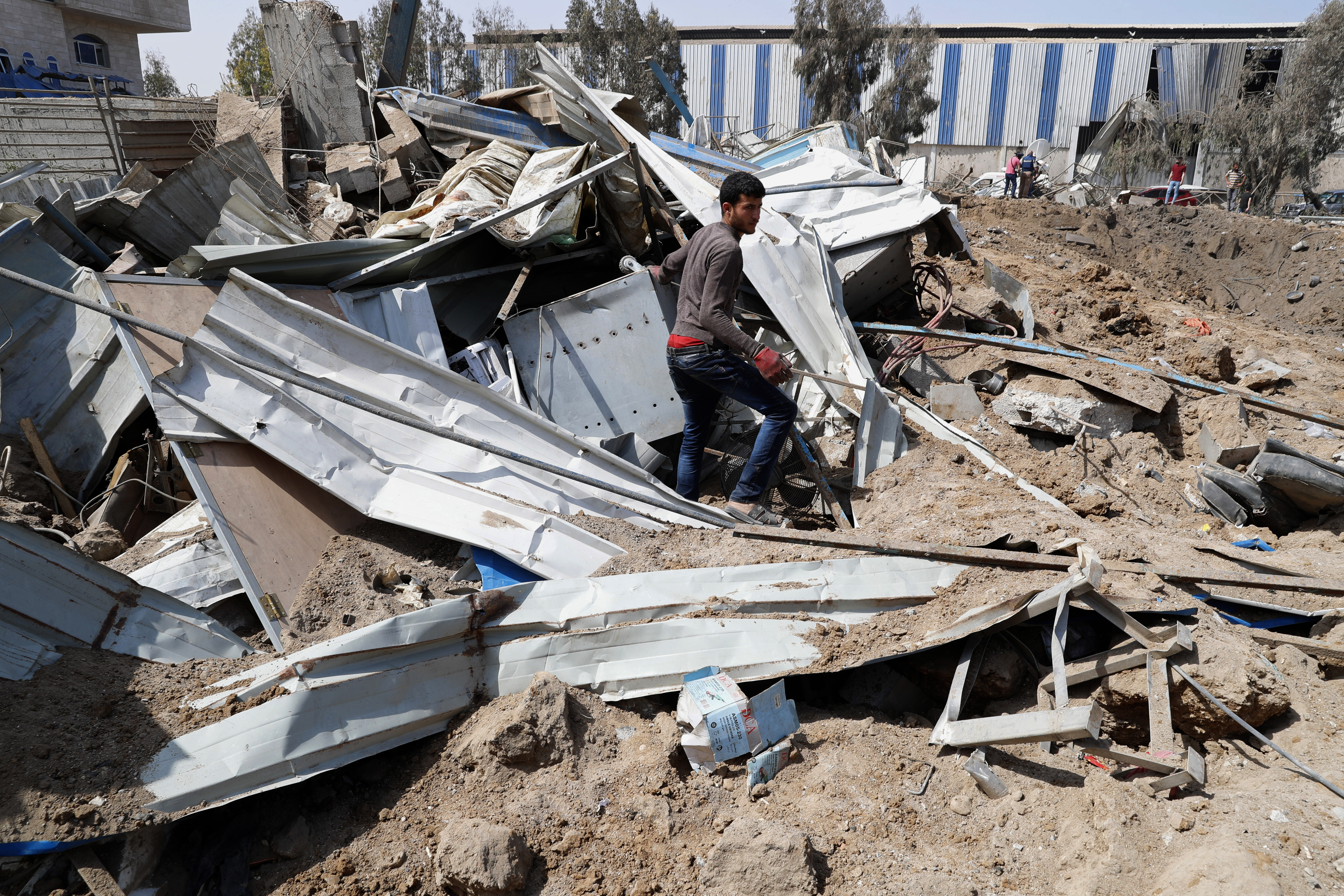
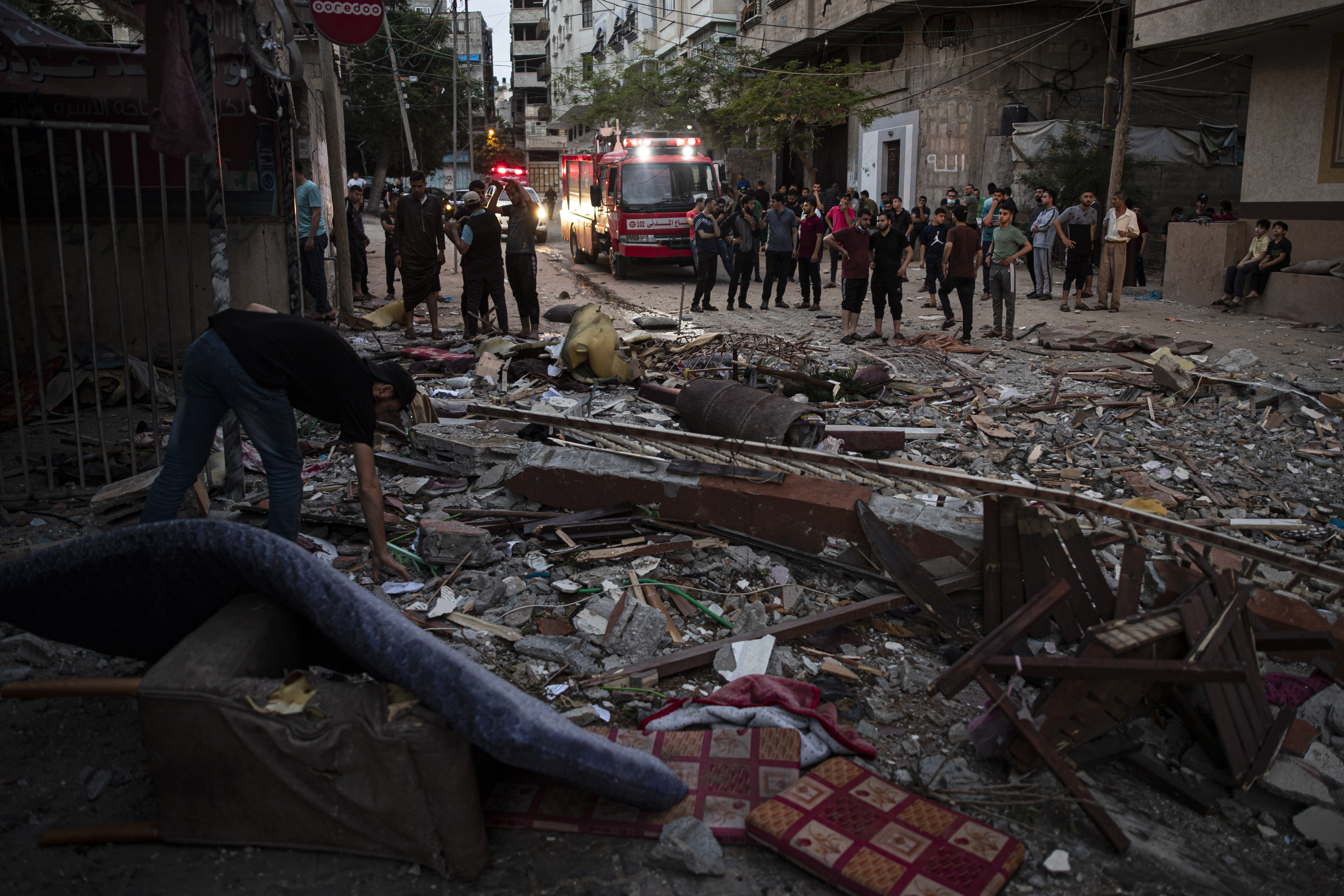
Israel has unleashed new airstrikes on Gaza, hitting the high-rise home of a Hamas field commander and two border tunnels dug by militants, as Hamas and other armed groups fired dozens of rockets toward Israel.
The escalation in the conflict early on Tuesday morning was sparked by weeks of tensions in contested Jerusalem.
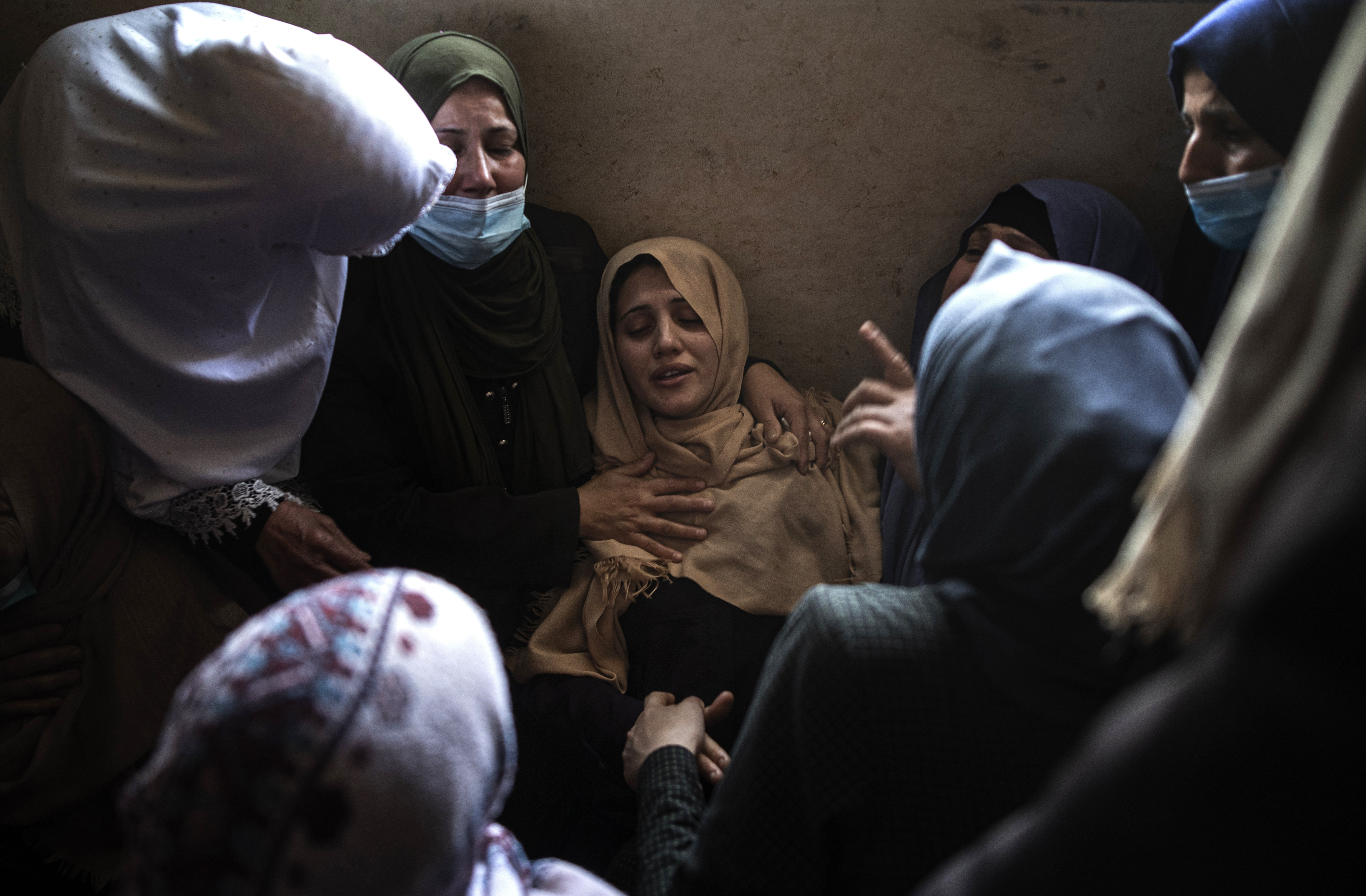
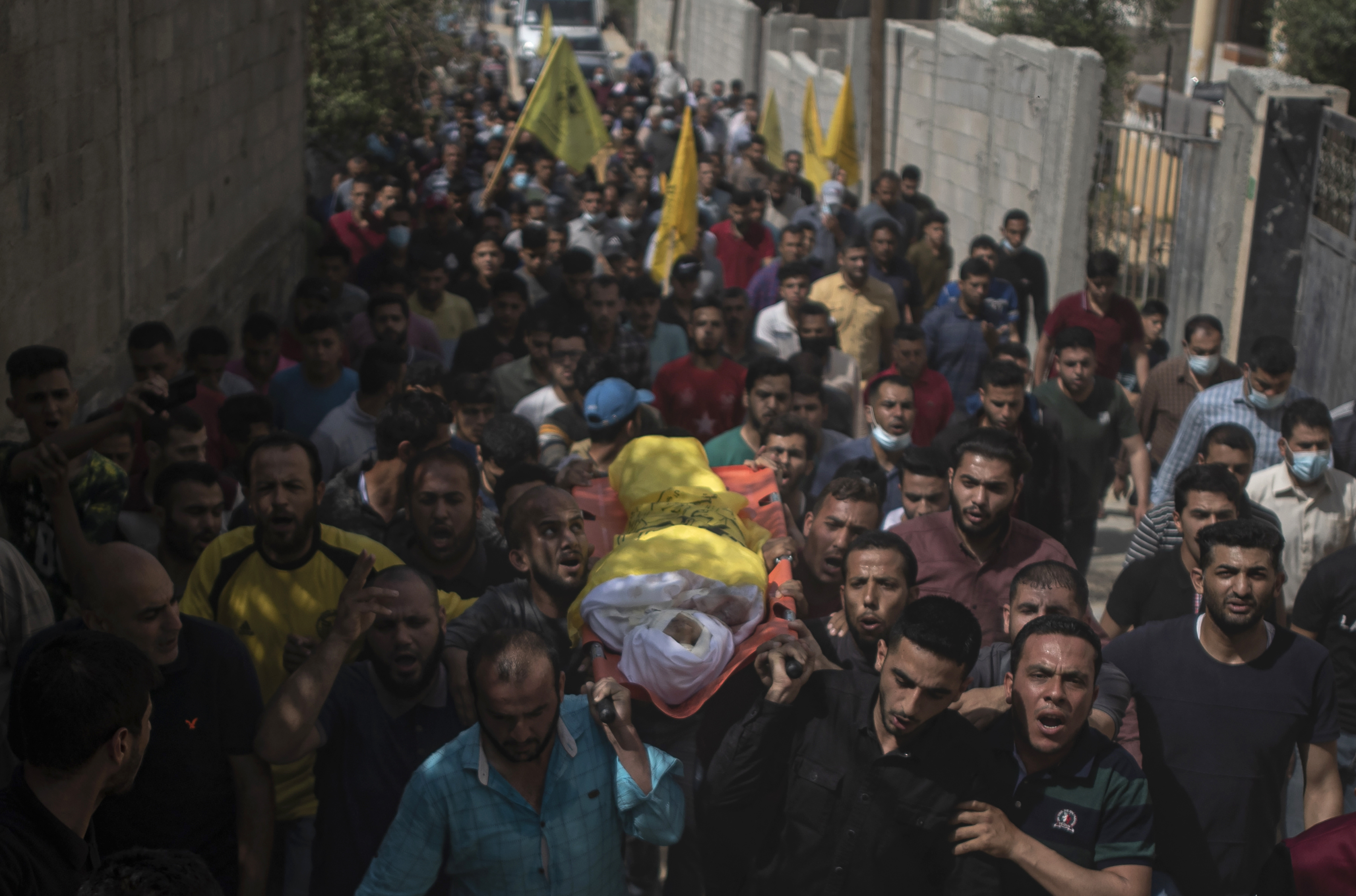
Since sundown on Monday when the cross-border attacks began, 24 Palestinians — including nine children — were killed in Gaza, most by airstrikes, Gaza health officials said.
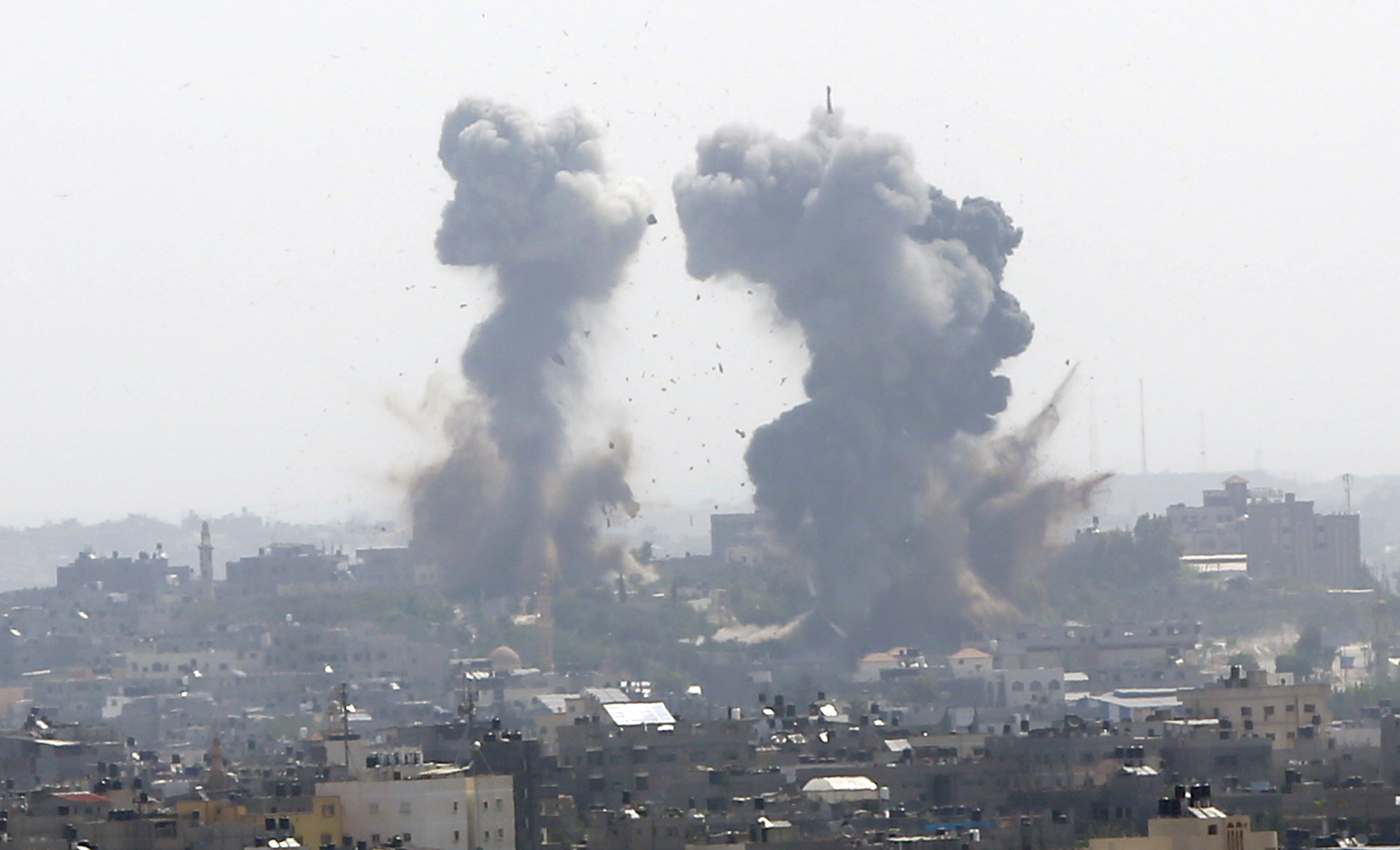
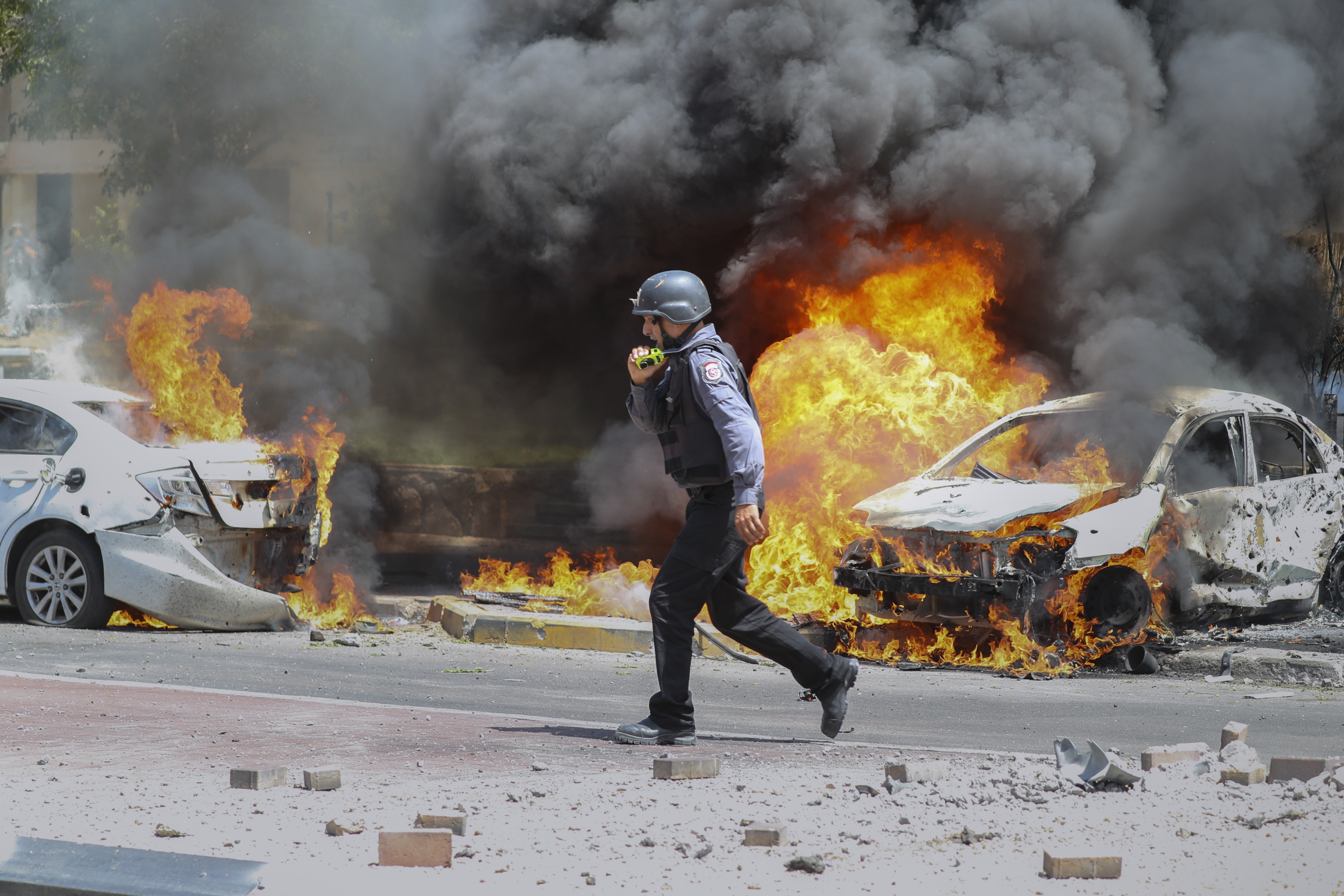
The Israeli military said 15 of the dead were militants. During the same period, Gaza militants fired more than 250 rockets toward Israel, injuring six Israeli civilians in a direct hit on an apartment building.
In a further sign of rising tensions, Israel signalled it was widening its military campaign.
The military said it was sending troop reinforcements to the Gaza border and the Defence Minister ordered the mobilisation of 5000 reserve soldiers.
In the past, cross-border fighting between Israel and Hamas, the group that rules Gaza, would typically end after a few days, often helped by behind-the-scenes mediation by Qatar, Egypt and others.
It was not clear if such a resolution would come this time.
Israeli Prime Minister Benjamin Netanyahu has warned fighting could "continue for some time."
Lieutenant Colonel Jonathan Conricus, an Israeli military spokesman, told reporters on Tuesday the military was in "the early stages" of strikes against Gaza targets that it had planned well in advance.
READ MORE: Israel police clash with Palestinians in Jerusalem
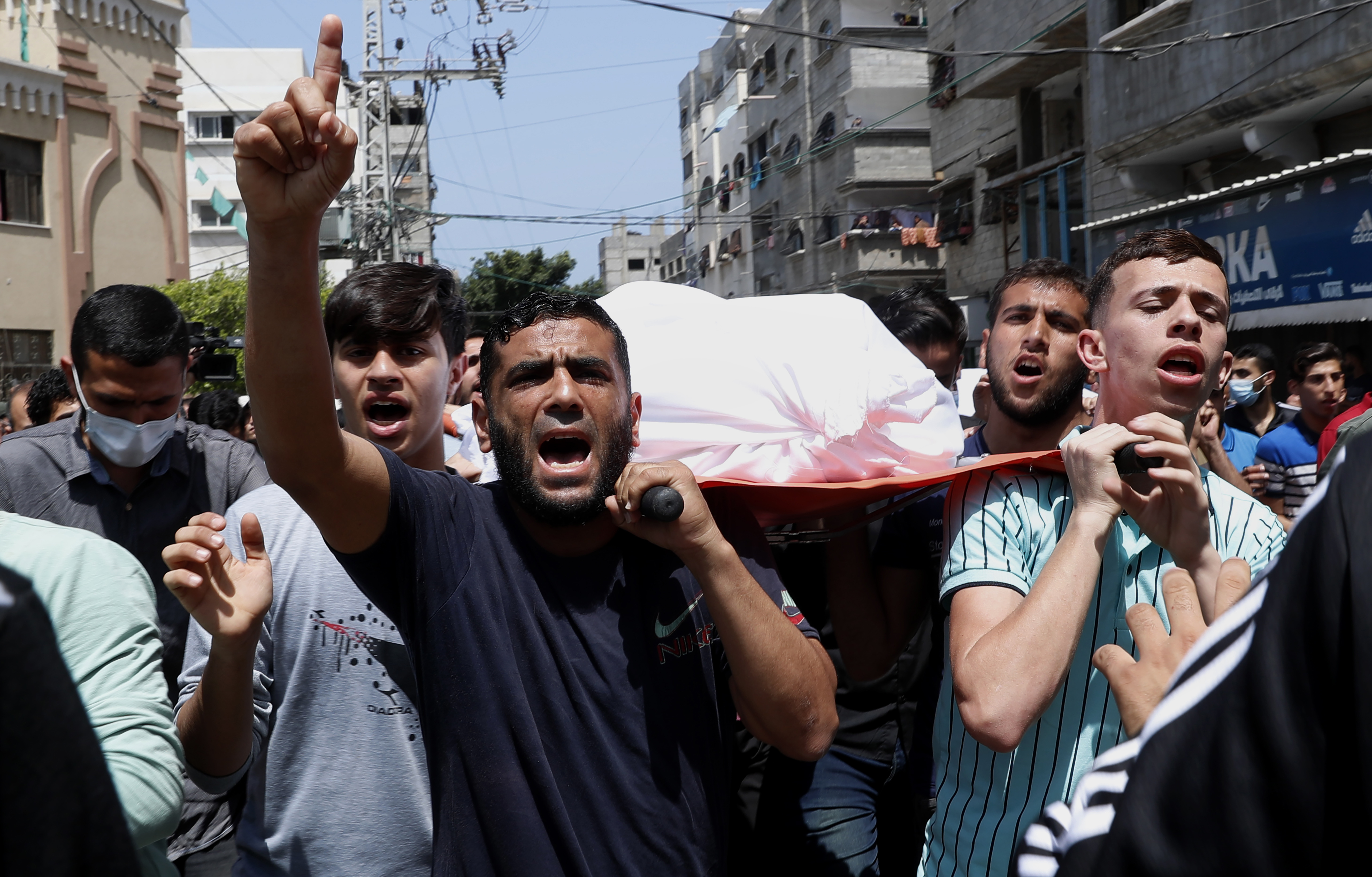
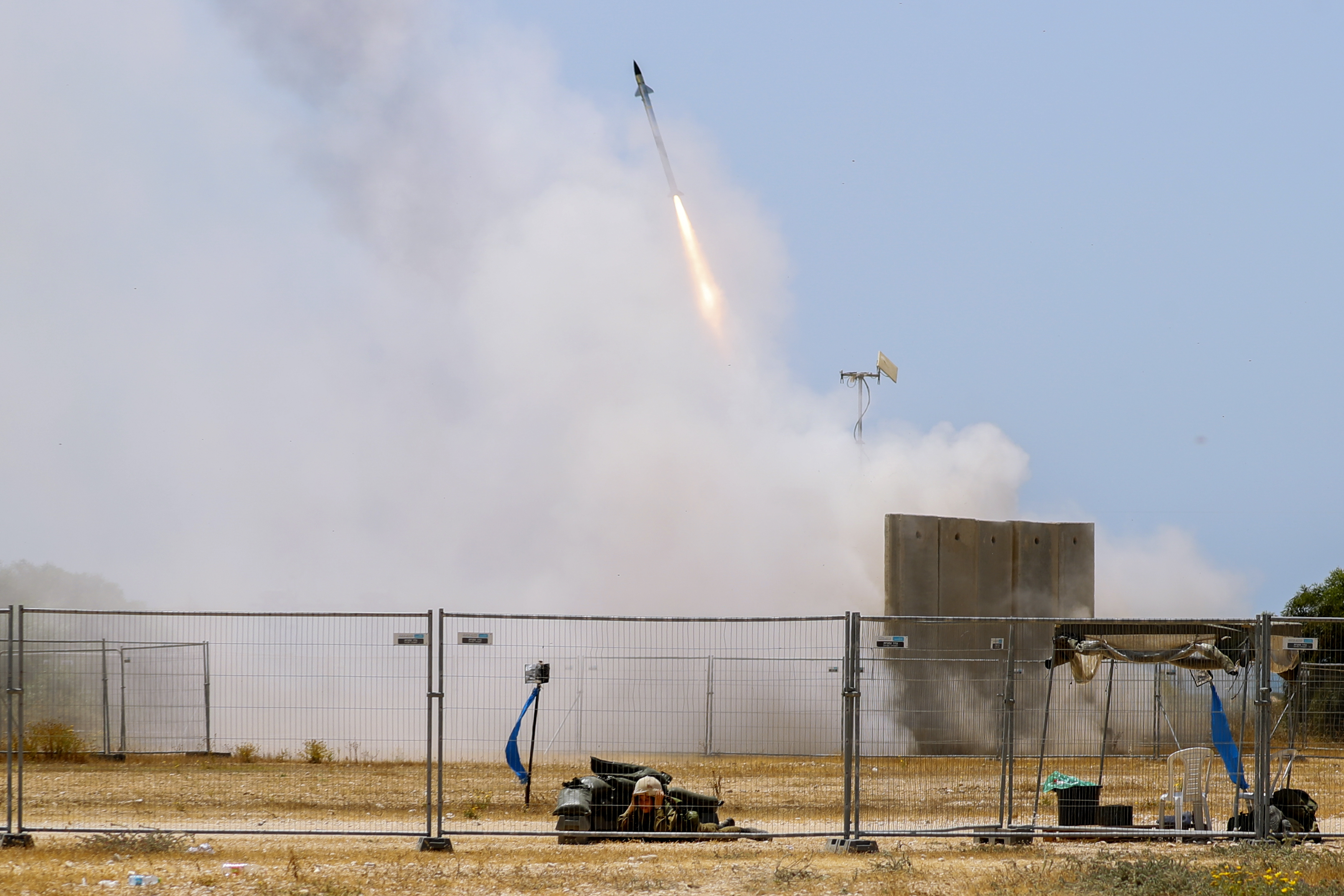
The overnight rockets and airstrikes were preceded by hours of clashes between Palestinians and Israeli security forces, including dramatic confrontations at Jerusalem's Al-Aqsa Mosque compound, a sacred site to both Jews and Muslims.
In fighting in the contested city and across the West Bank, more than 700 Palestinians were hurt, including nearly 500 who were treated at hospitals.
In a sign of widening unrest, hundreds of residents of Arab communities across Israel staged overnight demonstrations denouncing the recent actions of Israeli security forces against Palestinians, in one of the largest protests by Palestinian citizens in Israel in recent years.
The escalation comes at a time of political limbo in Israel.
Mr Netanyahu has been acting as a caretaker prime minister since an inconclusive parliamentary election in March.
He tried and failed to form a coalition government with his hard-line and ultra-Orthodox allies, and the task was handed to his political rivals last week.
One of those rivals is Israel's Defence Minister, who is overseeing the Gaza campaign.
It is not clear if and to what extent the toxic political atmosphere is spilling over into military decision-making, though the rival camps have unanimously expressed support for striking Hamas hard.
READ MORE: Israeli PM misses deadline to form coalition
Israeli media have reported the new round of violence was slowing efforts by Mr Netanyahu's rivals to form a ruling coalition among parties with a broad range of ideologies, but a shared goal of toppling Netanyahu.
The support of an Arab-backed party with Islamist roots is key for the anti-Netanyahu bloc's efforts.
The party's leader, Mansour Abbas, has essentially said he'll work with whatever political camp offers the most improvements in Arab communities, but the current tensions might deter him from joining a coalition, at least for now.
The current round of violence in Jerusalem coincided with the start of the Muslim fasting month of Ramadan in mid-April.
Critics say heavy-handed police measures helped stoke nightly unrest, including a decision to temporarily seal off a popular gathering spot where Palestinian residents would meet after evening prayers.
Another flashpoint was the Jerusalem neighbourhood of Sheikh Jarrah, where dozens of Palestinians are under threat of eviction by Jewish settlers.
Over the weekend, confrontations erupted at the Al-Aqsa Mosque compound, which is the third holiest site of Islam and the holiest site in Judaism.
For four successive days, Israeli police fired tear gas, stun grenades and rubber bullets at Palestinians in the compound who hurled stones and chairs.
Hundreds of Palestinians were hurt, requiring treatment at hospitals. Two dozen officers were also injured. At times, police fired stun grenades into the carpeted mosque.
On Monday evening, Hamas began firing rockets from Gaza, setting off air raid sirens as far as Jerusalem, after giving Israel a deadline to withdraw Israeli security forces from the compound. From there on, the escalation was rapid.
Lieutenant Colonel Conricus, the army spokesman, said Gaza militants fired more than 250 rockets at Israel, with about one-third falling short and landing in Gaza.
The army said a rocket landed a direct hit on a seven-story apartment block in the coastal Israeli city of Ashkelon.
Photos and videos from the scene showed a large hole in the side of the building. Israeli paramedic service Magen David Adom said it treated six people injured in the rocket strike. Two were hospitalised in moderate condition.
Lieutenant Colonel Conricus said the military hit 130 targets in Gaza, including the high-rise home of a Hamas field commander and two tunnels militants were digging under the border with Israel.
In all, Israel killed 15 militants, Lieutenant Colonel Conricus said. He said Israel's new system of concrete barriers and electronic sensors, intended to thwart tunnel digging, had proven effective.
He did not address Gaza Health Ministry reports that nine children were among 24 Palestinians killed overnight.
In Gaza, most of the deaths were attributed to airstrikes. However, seven of the deaths were members of a single family, including three children, who died in an explosion in the northern Gaza town of Beit Hanoun and it was not clear if the blast was caused by an Israeli airstrike or errant rocket.
More than 100 Gazans were wounded in the airstrikes, the Health Ministry said.
In one, an Israeli missile hit the upper floors of an apartment building in the Shati refugee camp on the edge of Gaza City early on Tuesday, killing two men and a woman inside, according to health officials.
Israel had struck scores of Gaza homes in its 2014 war with Hamas, arguing it was aiming at militants, but also killing many civilians. The practice drew broad international condemnation at the time.
Israel's tactics in Jerusalem have drawn angry reactions from the Muslim world.
Regional powerhouse Saudi Arabia said in a statement that it condemns in the strongest terms what it said were attacks by Israeli forces against the sanctity of Al-Aqsa and the safety of its worshippers. The Saudi Foreign Ministry on Tuesday called on the international community to hold Israeli forces responsible for any escalation.
Separately, the 57-nation Organisation of Islamic Cooperation is holding an emergency meeting of its permanent representatives in Jiddah to discuss the tensions.
Johnson’s Mustique Stay Subject of Ethics Probe
Britain’s parliamentary ethics watchdog confirmed Monday that she is investigating Prime Minister Boris Johnson over a vacation in the Caribbean just before the coronavirus pandemic.
Parliamentary Commissioner for Standards Kathryn Stone listed Johnson as one of nine lawmakers who are under investigation for potential breaches of Parliament’s code of conduct.
The probe concerns a New Year’s break on the island of Mustique that Johnson took with his fiancée Carrie Symonds in December 2019 and January 2020.

(Photo credit: @islandmustique/Facebook)
Johnson has declared the stay as a as a “benefit in kind” from businessman David Ross, who has a villa on the island. Ross initially said he did not pay for the vacation, but later said he “facilitated” accommodation valued at 15,000 pounds ($21,000).
Johnson’s spokesman, Max Blain, said the prime minister “transparently declared the benefit in kind.”
“Clearly the rules are set out and it’s important that everyone abides by them, as the prime minister has done throughout,” he said.
Johnson is facing a separate probe into who paid for renovations to his official Downing Street residence in London. The Electoral Commission is looking into whether any funds used to pay for renovating the apartment should have been declared under the law on political donations, amid claims Johnson received a loan from his Conservative Party for the work.
The post Johnson’s Mustique Stay Subject of Ethics Probe appeared first on The St Kitts Nevis Observer.
Haiti’s Current Constitution ‘Makes Good Governance Impossible,’ Says Ambassador
Haiti’s president is holding a controversial referendum next month on overhauling the 1987 Constitution. His Ambassador to the U.S., Bocchit Edmond, defends it.
Next month, Haiti will hold a referendum on reforming its 1987 Constitution. Haitian President Jovenel Moïse is pushing the change. He says it could make the country’s often dysfunctional government more effective – and give the Haitian diaspora more involvement in that government.
His opponents — and many legal experts — say the referendum itself is unconstitutional and could lead instead to more authoritarian government.
In these uncertain times, you can rely on WLRN to keep you current on local news and information. Your support is what keeps WLRN strong. Please become a member today. Donate Now. Thank you.
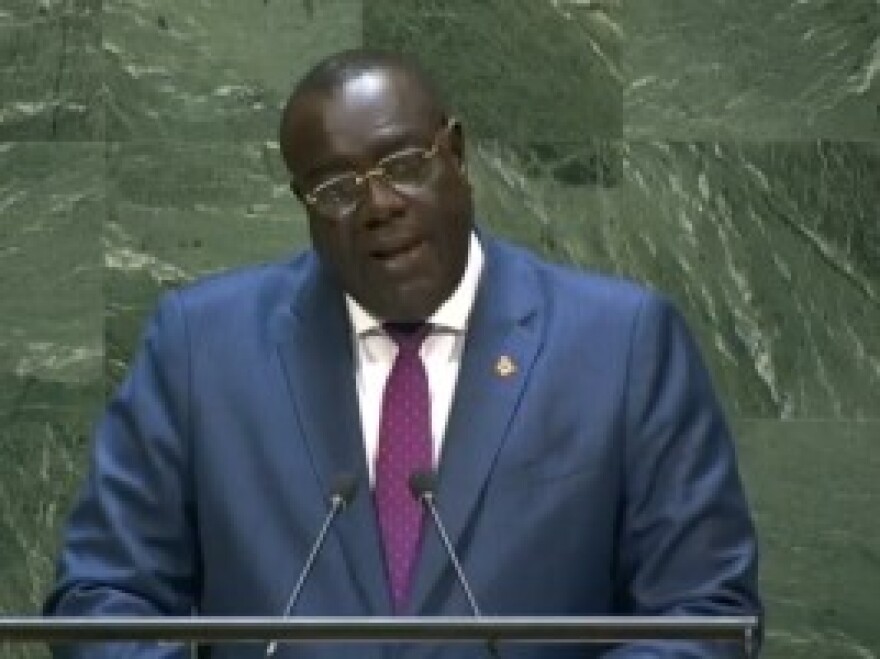
During a visit to Miami last week, Haiti’s Ambassador to the U.S. — and former foreign minister — Bocchit Edmond spoke with WLRN’s Tim Padgett about the referendum’s proposals, President Moïse and Haiti’s numerous current crises.
Here are excerpts from their conversation, which have been edited for clarity.
WLRN: Most Haitian constitutional experts argue that reforming the country’s charter requires a more complicated process than just a referendum. Why does President Moïse think doing it this way is constitutional?
EDMOND: I must tell you that this is not an exercise to modify the current constitution. We’re talking about a new text, a new constitution. There is nothing in the current constitution that forbids that. There is an independent committee put in place led by a former president of the republic, and a draft document that is being circulated to receive comments and suggestions. That finished text will be put on the referendum for the people to decide. But this is the way it’s done in any democratic society.
Why do you think so many Haitians, according to polls, want a new constitution?
Because they have lived it – and they realize it is almost impossible to have good governance with this current constitution. For example, in Haiti, once the president names the prime minister he cannot fire him. Only the Parliament can. We understand the 1987 Constitution was written right after the end of a dictatorship in Haiti and it wanted to limit executive powers. But now that prime minister has more power than the president – a prime minister who has never been elected by the people.
What’s more, a Haitian president takes office in February and often we find ourselves in May without a government because the Parliament still hasn’t approved a prime minister to run the government. And that can favor corruption in negotiations with parliamentarians. Therefore we have a big problem of governance in Haiti.
READ MORE: Rise in Deportations Spawns Effort to Aid Deportees Struggling in Haiti
And this is why President Moïse wants to replace the position of prime minister with a vice president reporting directly to the president.
Of course, there is no other way we can solve this problem.
Do you also think it’s good for Haitian democracy to eliminate Haiti’s Senate, as the new constitution would do, and create a simple unicameral legislature?
Most Haitians will tell you the Senate is not popular, that it’s not very effective and a waste of money. Personally, I may not see it that way but that would be the will of the people.
Haiti’s problems are the result of political instability — because of political instability we cannot attract investment — and the new constitution will open a path for political stability.
Bocchit Edmond
At the same time right now, the U.N. says almost half of Haitians are going hungry. The criminal violence situation, especially the wave of kidnappings for ransom, is alarming. Is it fair for critics to suggest President Moïse should be more focused on those problems than on overhauling Haiti’s constitution?
Remember, those issues are the results of political instability. Because of political instability, the country cannot attract investment. The new constitution may not solve those problems right away but at least it’s going to create a path for political stability.
ELECTRIFYING HAITI
One of the most controversial proposals was to let Haitian presidents serve two consecutive five-year terms. (Note: Right now, they have to wait five years before they can run again.) Critics fear that if referendum voters approve a change like that, President Moïse will simply run again in presidential elections scheduled for September. Will he?
No. The new draft, the new text, of the constitution does not allow a president to be re-elected president [for consecutive terms]. President Moïse cannot be re-elected under the new constitution. And let me make it clear for them that he’s not seeking reelection.

Dieu Nalio Chery
His opponents fear that possibility, I guess, because they say Mr. Moïse has become an authoritarian leader. He’s ruled by decree for the past year; he’s prevented parliamentary elections from being held. You feel those accusations are unfair?
They are unfair because they are not true. President Moïse twice sent the Parliament $50 million from the national budget for the legislative election? And he sent the electoral law to the Parliament. None of [it was] voted on, none of [it]. But he couldn’t force the parliament to vote on the law.
And those parliamentary elections will finally be held in September as well?
Yes.
President Moïse’s supporters say he’s not part of Haiti’s corrupt elite and that he’s doing good things for regular Haitians. What is he doing right that you feel we in the international media might be ignoring?
Yeah, let me give an example. There are places in Haiti that for the last 217 years have never seen electricity. But President Moïse is electrifying these places, and installing solar powered pumps to distribute water for the small farmers. This is a good thing to applaud.
Of special interest to Haitian expats here in South Florida is a proposal to let members of the diaspora run for President and other high offices in Haiti.
Right, because we understand that Haiti cannot be a progressive country without the contribution of our diaspora. Most of our intellectual elite is in the diaspora today. Haitians abroad have lived democracy, they’re practicing it. And so we feel it would be best for Haiti to have those people participating in its reconstruction
The post Haiti’s Current Constitution ‘Makes Good Governance Impossible,’ Says Ambassador appeared first on The St Kitts Nevis Observer.
UK: SKN, Could Join Green to Travel List Next Month
The UK government is set to review the list every three weeks, with the next expected at the beginning of June.
A handful of Caribbean countries are likely to be added to the government’s green list destinations in an upcoming review.
Many islands, such as Antigua and Barbuda, St Kitts and Nevis, and Anguilla are reporting to have close to zero infection rates
The British Virgin Islands, a British overseas territory, is also among the destinations expected to make the list, The Daily Telegraph reports.
It has had just 216 infections and one death in its population of 30,000 since the beginning of the pandemic.
However, popular European summer destinations – such as France, Greece, Italy and Spain – are unlikely to be added to the green-list until late July or even August given their infection rate and case numbers.
Fiji, the Cayman Islands, Grenada, Finland and Malta were also among the nations are also expected to be included in the upcoming review.
The green list is to be reviewed on the week commencing 7 June, and then again three weeks after, with the government expected to add a number of destinations.
The countries that could be added to the list are thought to be “near-misses” from the green list published last week, in which Transport Secretary Grant Shapps announced 12 countries deemed safe to travel.
Passengers returning from green list destinations will need to take a pre-departure test as well as a PCR test on or before day two of their arrival back into England, but will not need to quarantine unless the result is positive.
Health Secretary Matt Hancock insisted the government was taking a “cautious approach” to easing travel restrictions, to protect the progress made by the vaccination rollout.
Speaking on BBC Radio 4’s Today programme, he said: “We have some degree of confidence that the vaccine works effectively against the so-called Indian variant, and then against the South African variant we are a little bit more worried, but we don’t have full data on those yet.
“These are reasons to take a cautious approach at the borders in order to protect the progress that we have made at home.
“People would be loath to see us put that at risk by going too fast at the borders. But on the other hand we are seeing countries get this virus under control in the same way we appear to be able to get it under control.”
The post UK: SKN, Could Join Green to Travel List Next Month appeared first on The St Kitts Nevis Observer.
Budget Winners and Losers: Chris Uhlmann analysis
Josh Frydenberg has delivered a Federal Budget that "could have been brought down by a Labor Treasurer", 9News Political Editor Chris Uhlmann says.
Unpacking the headline initiatives in the Budget, Uhlmann says the masses of spending particularly target big welfare programs and also plug some problems that the government has had, including aged care and women's issues.
"So who are the losers out of this Budget? Well, if you want to travel anywhere over the course of the next year then think again," Uhlmann said.
"This Budget assumes that the international borders will not reopen until this time next year. That's an assumption, not a government policy, but certainly something that will make the travel industry very worried indeed."
Watch the full analysis of all the winners and losers in the video player at the top of the page.
Read all of 9News.com.au's Federal Budget 2021 coverage here:
WINNERS AND LOSERS: Who benefits the most from the Budget?
READ MORE: Will you get a tax cut?
READ MORE: The new projects in the $15.2b infrastructure spend
BUDGET EXPLAINED: Your two-minute guide
LIVE UPDATES: Josh Frydenberg unveils his third Budget
READ MORE: Major spend to overhaul aged care, mental health sectors
BORDER UNCERTAINTY: Budget admits doubts over travel restart
READ MORE: How an ordinary Australian family is affected by the Budget
READ MORE: Incentives to help first home buyers
READ MORE: Billions to be spent fighting COVID-19