Category Archives: headline

US: Grand Jury Indicts 4 Ex-Cops in George Floyd’s Death

The Hill- A federal grand jury has indicted all four former Minneapolis police officers involved with the killing of George Floyd in May 2020, including Derek Chauvin, who was convicted on murder and manslaughter charges last month.

The multicount indictment from the U.S. District Court for the District of Minnesota, accuses Chauvin along with Thomas Lane, J. Kueng and Tou Thao of violating Floyd’s constitutional rights.

All of the men were charged with failing to administer first aid to Floyd as Chauvin kneeled on his neck for more than nine minutes.

Additionally, Chauvin, Kueng and Thao are charged with violating Floyd’s right to be free from unreasonable seizure and excessive force.

Chauvin was the first white police officer in Minnesota to be convicted of murdering a Black person, and many in the country saw the high-profile trial as a referendum on policing in the U.S.

Multiple Minneapolis police officers, including the city’s police chief, testified against Chauvin during the trial — a rarity in police misconduct cases and a possible indication that his trial could move the needle on police reform.

Floyd’s death was a catalyst for nationwide Black Lives Matter protests that dominated the country last summer.

The indictment announced Friday states that the offenses violated the U.S. Code known as the “color of law” statute, something that Democrats in Congress have sought to change through the George Floyd Justice in Policing Act.

The important provision prohibits law enforcement officers willfully depriving “a person of a right or privilege protected by the Constitution or laws of the United States.

Under the George Floyd bill, which would implement sweeping national reforms to policing, “willfully” would be changed to “knowingly or recklessly,” and the scope of the statute would also broaden.

The proposed change as well as the legislation’s slashing of qualified immunity are viewed as the largest roadblocks to Republican support for the bill.

Lane, Kueng and Thao are set to stand trial on state criminal charges of aiding and abetting murder and manslaughter in August.

The post US: Grand Jury Indicts 4 Ex-Cops in George Floyd’s Death appeared first on The St Kitts Nevis Observer.

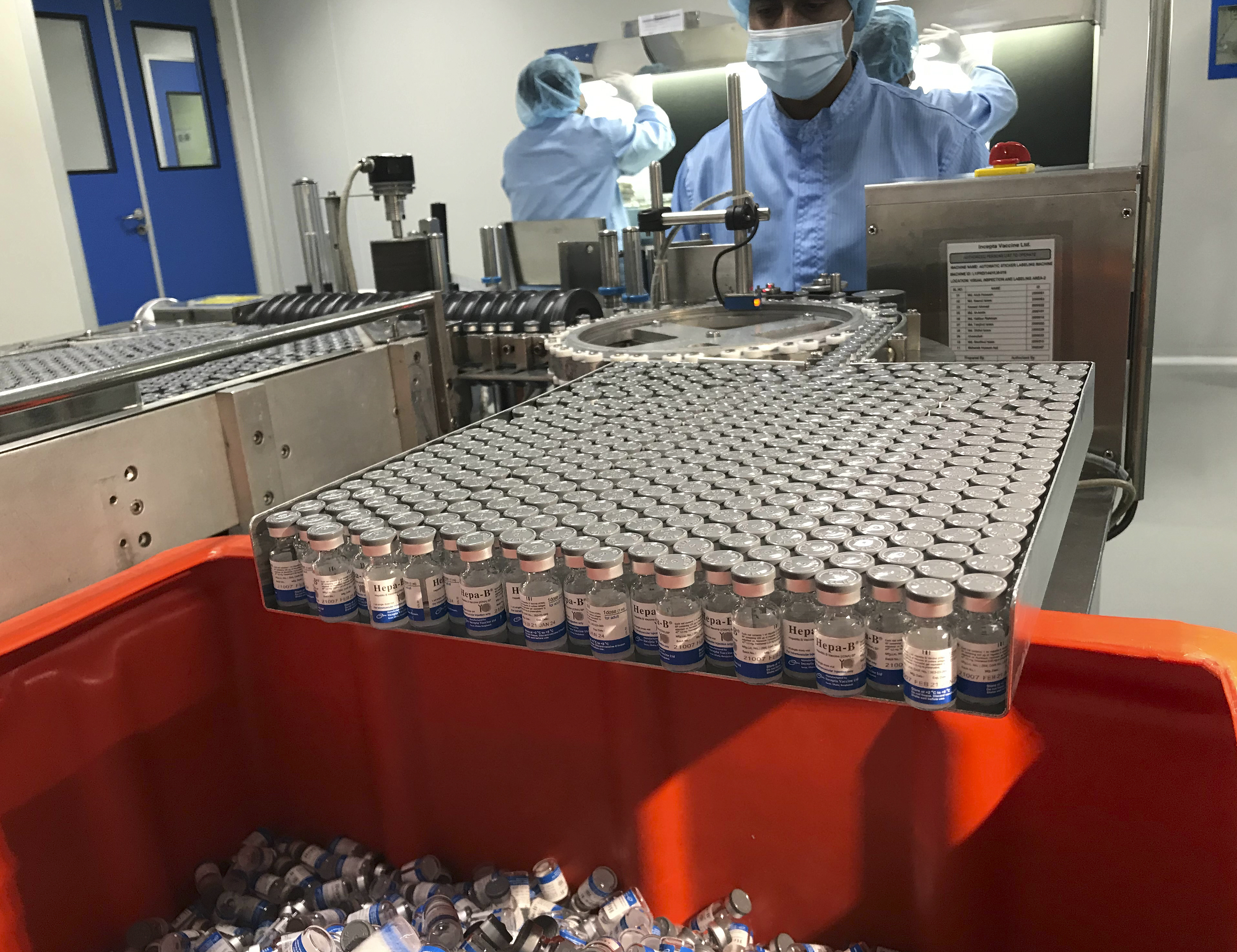
WHO panel OKs emergency use of China's Sinopharm vaccine

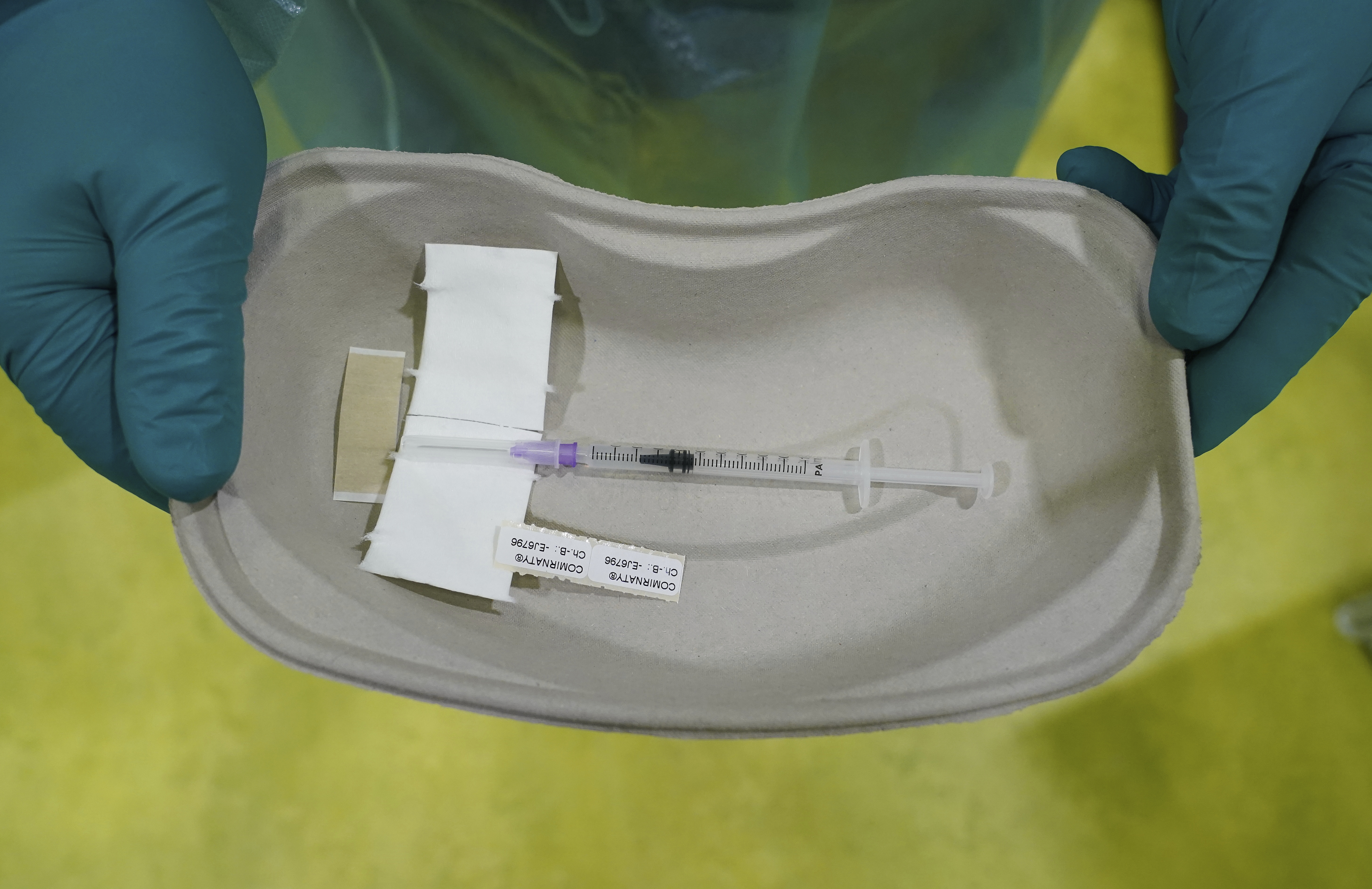
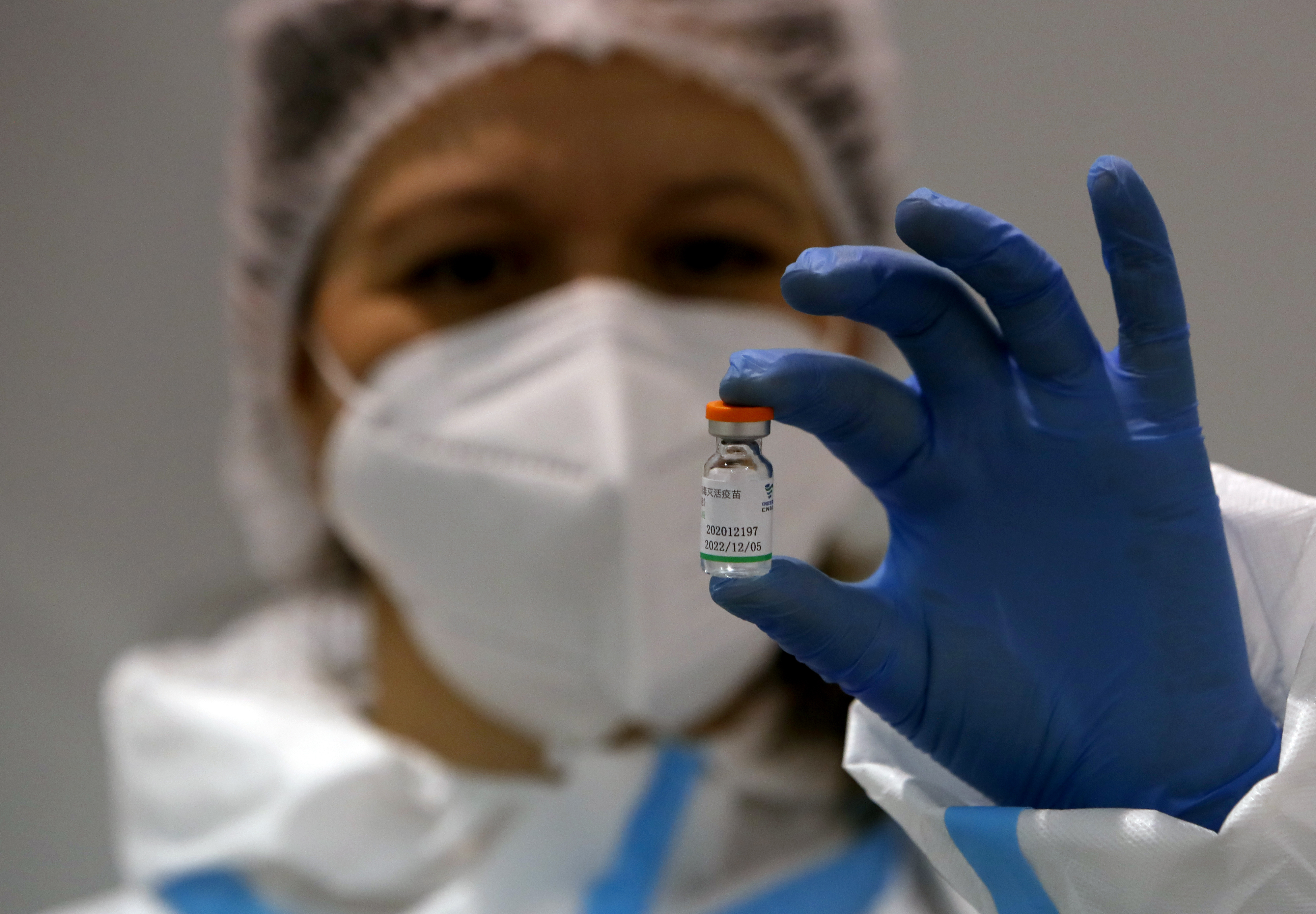
The World Health Organisation gave emergency use authorisation Friday to a COVID-19 vaccine manufactured by China's Sinopharm, potentially paving the way for millions of the doses to reach needy countries through a UN-backed program rolling out coronavirus vaccines.

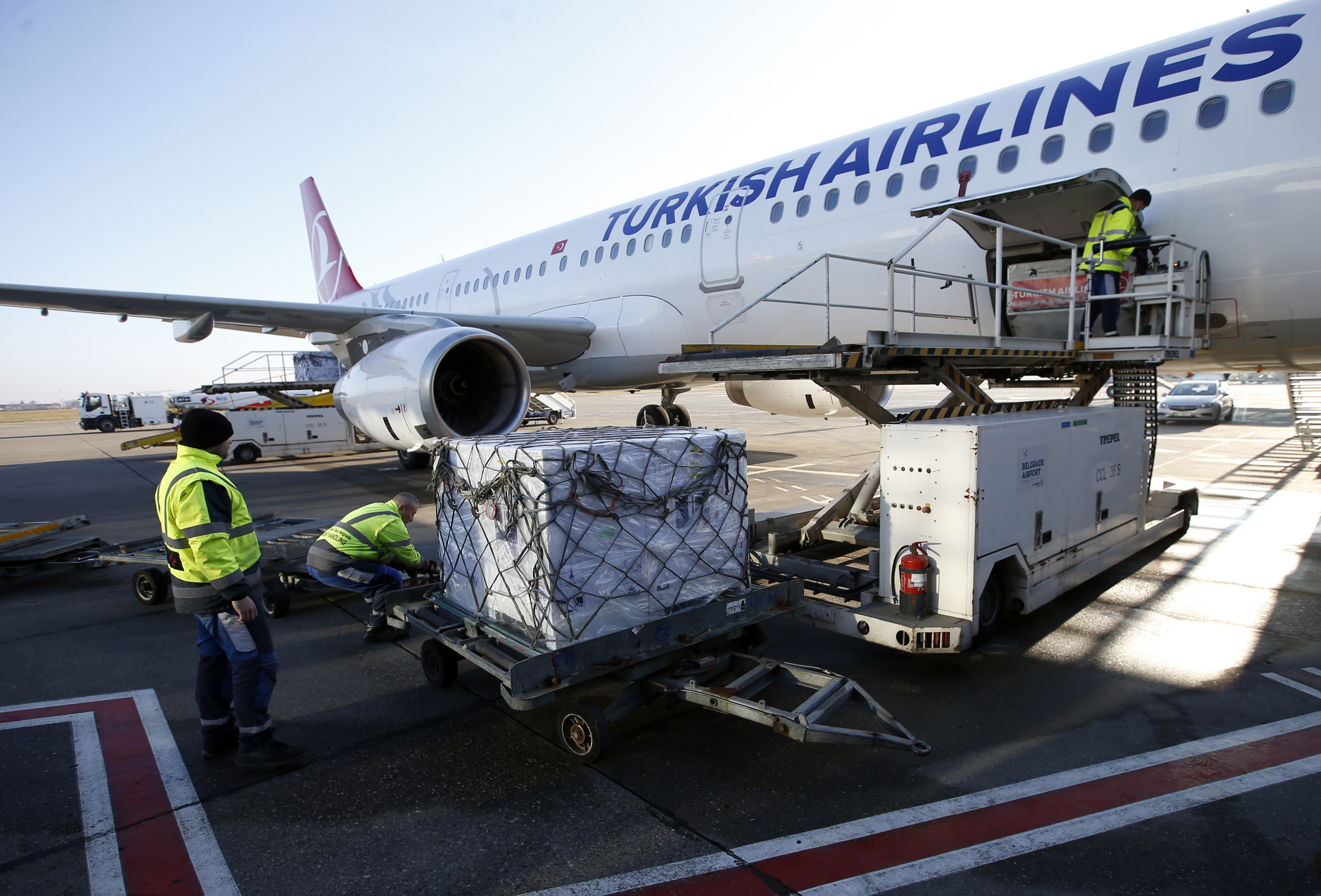
The decision by a WHO technical advisory group, a first for a Chinese vaccine, opens the possibility that Sinopharm's offering could be included in the UN-backed COVAX program in coming weeks or months and distributed through UN children's agency UNICEF and WHO's Americas regional office.

Aside from efficacy numbers, the Chinese manufacturer has released very little public data about its two vaccines – one developed by its Beijing Institute of Biological Products and the other by the Wuhan Institute of Biological Products.

READ MORE: Pressure rises for India lockdown; surge breaks record again

The Beijing shot is one the WHO advisory group considered for the emergency use listing.

"This afternoon, WHO gave emergency use listing to sign off on Beijing's COVID-19 vaccine, making it the sixth vaccine to receive WHO validation for safety, efficacy and quality," WHO Director-General Tedros Adhahom Ghebreysus said.

The Sinopharm vaccine will join ones made by Pfizer-BioNTech, Johnson & Johnson, Moderna, AstraZeneca, and a version of the AstraZeneca vaccine made by the Serum Institute of India, in receiving the coveted authorisation from the UN health agency.

"This expands the list of vaccines that COVAX can buy and gives countries confidence to expedite their own regulatory approval and to import and administer a vaccine," Tedros said at a Geneva news conference.

READ MORE: China can't stop talking about the Bill and Melinda Gates divorce

Previously, a separate group advising WHO on vaccines said it was "very confident" the Sinopharm vaccine protects people ages 18-59. The group said it had a "low level of confidence" in the vaccine's efficacy for people 60 and over. Its members said they had "very low confidence" in the available data about serious side effects in that age group.

Sinopharm hasn't published its late-stage test results in scientific journals, so the WHO requested a breakdown of its data, which come mostly from the United Arab Emirates. A summary posted online by WHO suggests the vaccine is about 78 per cent effective, with the caveat that all but a few hundred of the study volunteers were younger than 60.

Gavi, the Vaccine Alliance, which co-runs COVAX, welcomed the announcement.

"This means the world has yet another safe and effective tool in the fight against this pandemic," the alliance said. The public-private partnership said it was in discussions with several manufacturers, including Sinopharm, "to expand and diversify the portfolio further and secure access to additional doses" for countries in the COVAX program.

READ MORE: Should Australia worry about the 21-tonne rocket falling back to Earth?

COVAX aims to send vaccines for free to 92 lower-income countries and to help another 99 countries and territories procure them. It was not immediately clear when the Chinese vaccine might be made available to the COVAX portfolio

The program, which has already distributed over 54 million doses of COVID-19 vaccines but faces limited supplies from Western countries and India, has been working hard to strike deals as part of its goal to procure 2 billion doses by the end of the year.

Suerie Moon, co-director of the Global Health Program at Geneva's Graduate Institute, said the WHO decision on the Sinopharm COVID-19 vaccine and other Chinese vaccines will "carry a lot of weight" because of limited information publicly available about them.

"The decision is also sure to be scrutinised all around for any whiff of political bias, and no doubt the committee members were very well aware of this," she said, noting that the decision could also be a boon for developing countries in need of coronavirus vaccines.

"If there is a greenlight, these vaccines could boost the thin stream of supplies that has been channeled through COVAX to date," she said, as the program has been hit hard by export bans limiting vaccine supply from India. India has kept those doses amid a surge of cases at home.

READ MORE: 'Most vulnerable' Australians prioritised as India travel ban ends

Moon also said if Chinese suppliers start channeling large volumes, "this would signal a step-change in their participation in global vaccine markets." Before the pandemic, India was a well-integrated player in the global health vaccine supply system, but China was not, she said.

WHO's decision on Sinopharm, months in the making, was particularly complex because the vaccine has not faced the high-level scrutiny of a rigorous medicines regulator like those in Europe and the US.

The WHO panel relied frequently on those Western agencies' findings when it came to vaccines that it has already approved emergency use.

Many officials in countries without such regulatory structures rely on WHO's emergency use listings to authorise vaccine rollouts for their populations.

Hundreds of millions of Chinese vaccines have already been delivered to dozens of countries around the world through bilateral deals as many scrambled to secure supplies after rich countries had reserved the vast majority of supplies from Western pharmaceutical makers.

While China has five shots in use, the majority of its exports abroad come from two companies: Sinopharm and Sinovac. A decision on Sinovac is expected next week, WHO said.

The Chinese vaccines are "inactivated" vaccines, made with killed coronavirus. Most other COVID-19 vaccines being used around the world, particularly in the West, are made with newer technologies that instead target the "spike" protein that coats the surface of the coronavirus.

Sinopharm said last month that over 100 million doses of its two vaccines have been used across the world.

Sinovac, by comparison, has shared relatively more data. Last month, a study published by a team of scientists in Brazil confirmed a previously reported efficacy rate of over 50 per cent. A real-world study in Chile also last month found an efficacy rate of 67 per cent.

Pressure rises for India lockdown; surge breaks record again

Indian Prime Minister Narendra Modi faced growing pressure Friday to impose a strict nationwide lockdown, despite the economic pain it will exact, as a startling surge in coronavirus cases that has pummelled the country's health system shows no signs of abating.

Many medical experts, opposition leaders and even Supreme Court judges are calling for national restrictions, arguing that a patchwork of state rules is insufficient to quell the rise in infections.

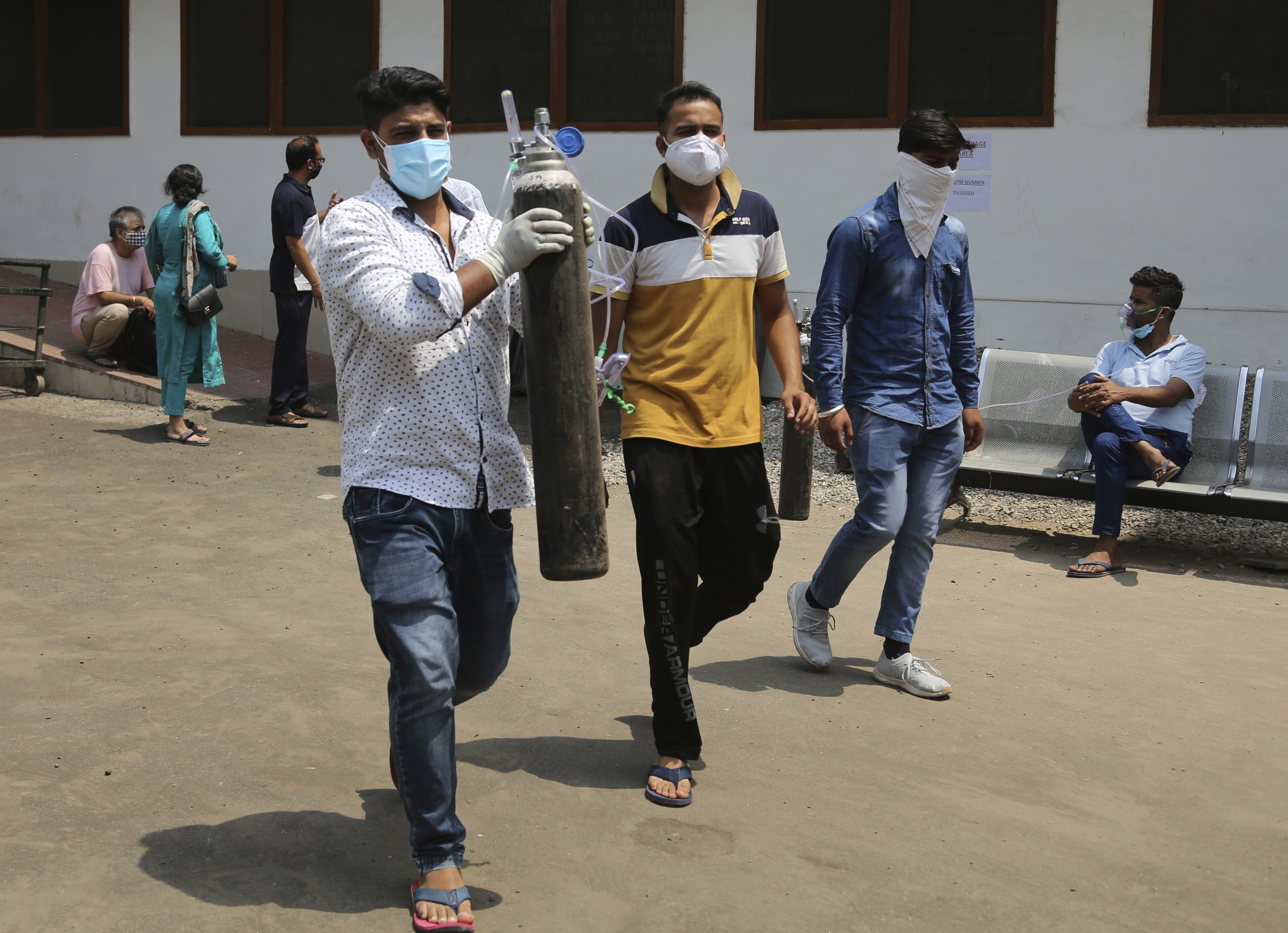
Indian television stations broadcast images of patients lying on stretchers outside hospitals waiting to be admitted, with hospital beds and critical oxygen in short supply. People infected with COVID-19 in villages are being treated in makeshift outdoor clinics, with IV drips hanging from trees.

READ MORE: Mutant strains fuelling India's devastating COVID-19 spread
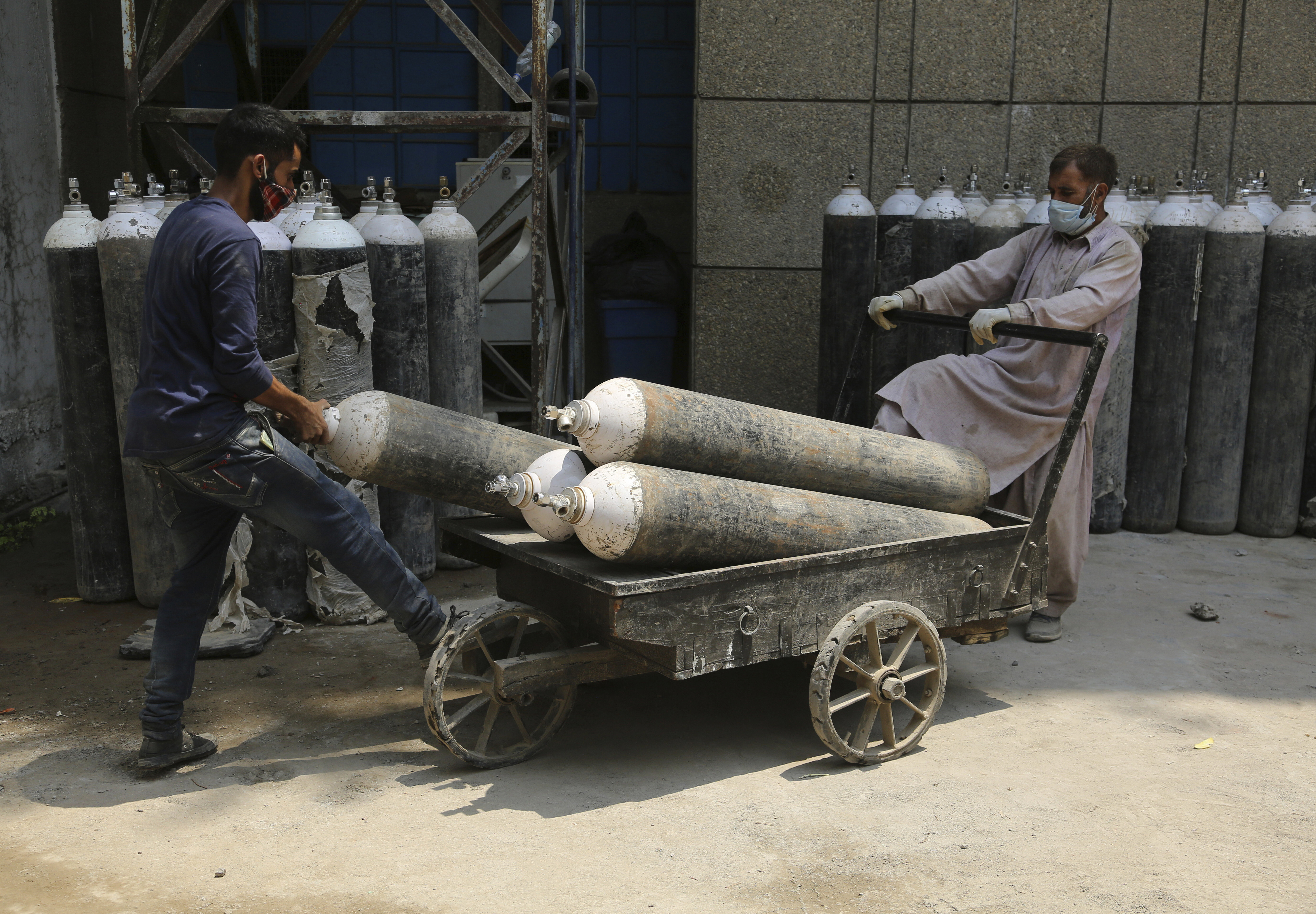
As deaths soar, crematoriums and burial grounds have been swamped with bodies, and relatives often wait hours to perform the last rites for their loved ones.

The situation is so dramatic that among those calling for a strict lockdown are merchants who know their businesses will be affected but see no other way out.

"Only if our health is good, will we be able to earn," said Aruna Ramjee, a florist in the southern Indian city of Bengaluru. "The lockdown will help everyone, and coronavirus spread will also come down."

The alarming picture has gripped the world's attention, just as many developed countries are seeing vaccinations drive down infections and are beginning to open up. India's surge has served as a warning to other countries with fragile health systems — and also has weighed heavily on global efforts to end the pandemic since the country is a major vaccine producer but has been forced to delay exports of shots.

READ MORE: China opens Everest's north side to 38 virus-tested climbers
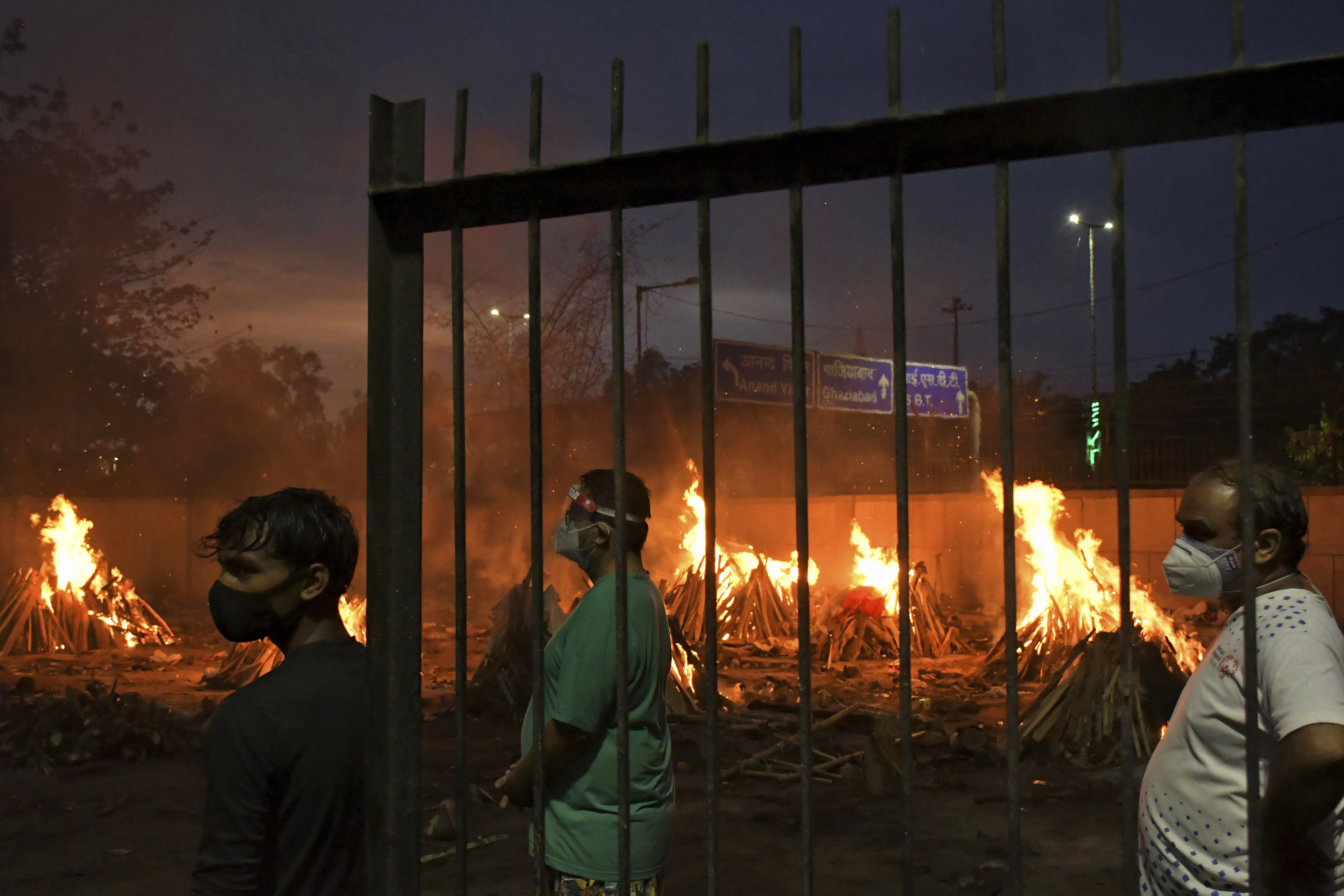
Infections have swelled in India since February in a disastrous turn blamed on more contagious variants as well as government decisions to allow massive crowds to gather for religious festivals and political rallies. On Friday India reported a new daily record of 414,188 confirmed cases and 3915 additional deaths. The official daily death count has stayed over 3000 for the past 10 days.

That brings the total to more than 21.4 million COVID-19 infections and over 234,000 deaths. Experts say even those dramatic tolls are undercounts.

Over the past month, nearly a dozen of India's 28 federal states have announced some restrictions, but they fall short of a nationwide lockdown imposed last year that experts credit with helping to contain the virus for a time. Those measures, which lasted two months, included stay-at-home orders, a ban on international and domestic flights and a suspension of passenger service on the nation's extensive rail system.

The government provided free wheat, rice and lentils to the poorest for nearly a year and also small cash payments, while Modi also vowed an economic relief package of more than US$260 billion ($331 billion). But the lockdown, imposed on four hours' notice, also stranded tens of millions of migrant workers who were left jobless and fled to villages, with many dying along the way.

READ MORE: 'Most vulnerable' Australians prioritised as India travel ban ends
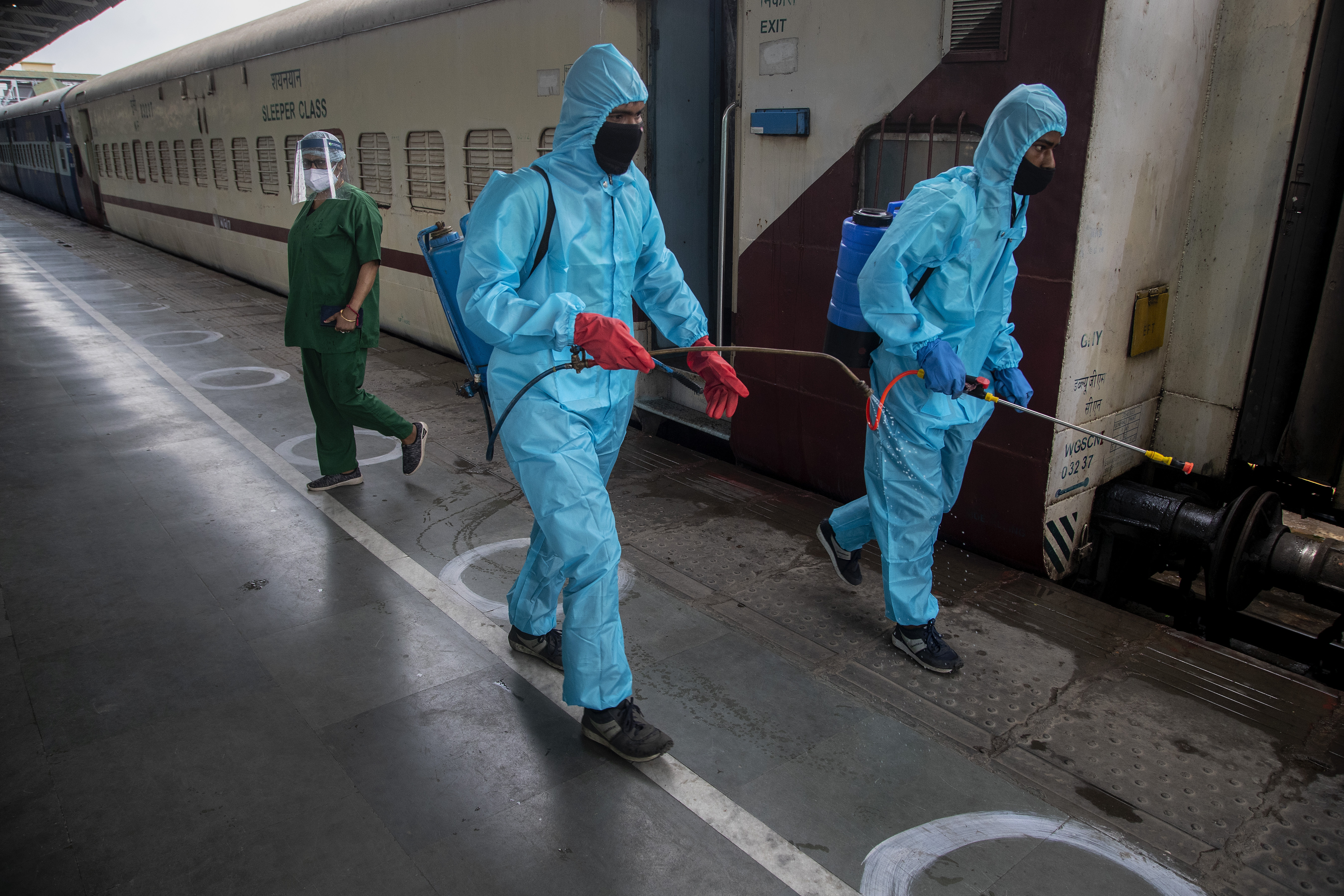
The national restrictions caused the economy to contract by a staggering 23 per cent in the second quarter last year, though a strong recovery was under way before infections skyrocketed recently.

Some who remember last year's ordeal remain against a full lockdown.

"If I had to choose between dying of the virus and dying of hunger, I would choose the virus," said Shyam Mishra, a construction worker who was already forced to change jobs and start selling vegetables when a lockdown was imposed on the capital, New Delhi.

Modi has so far left the responsibility for fighting the virus in this current surge to poorly equipped state governments and faced accusations of doing too little. His government has countered that it is doing everything it can, amid a "once-in-a-century crisis."

Amid a shortage of oxygen, the Supreme Court has stepped in. It ordered the federal government to increase the supply of medical oxygen to New Delhi after 12 COVID-19 patients died last week after a hospital ran out of supplies for 80 minutes.

READ MORE: WA reduces hotel quarantine intake
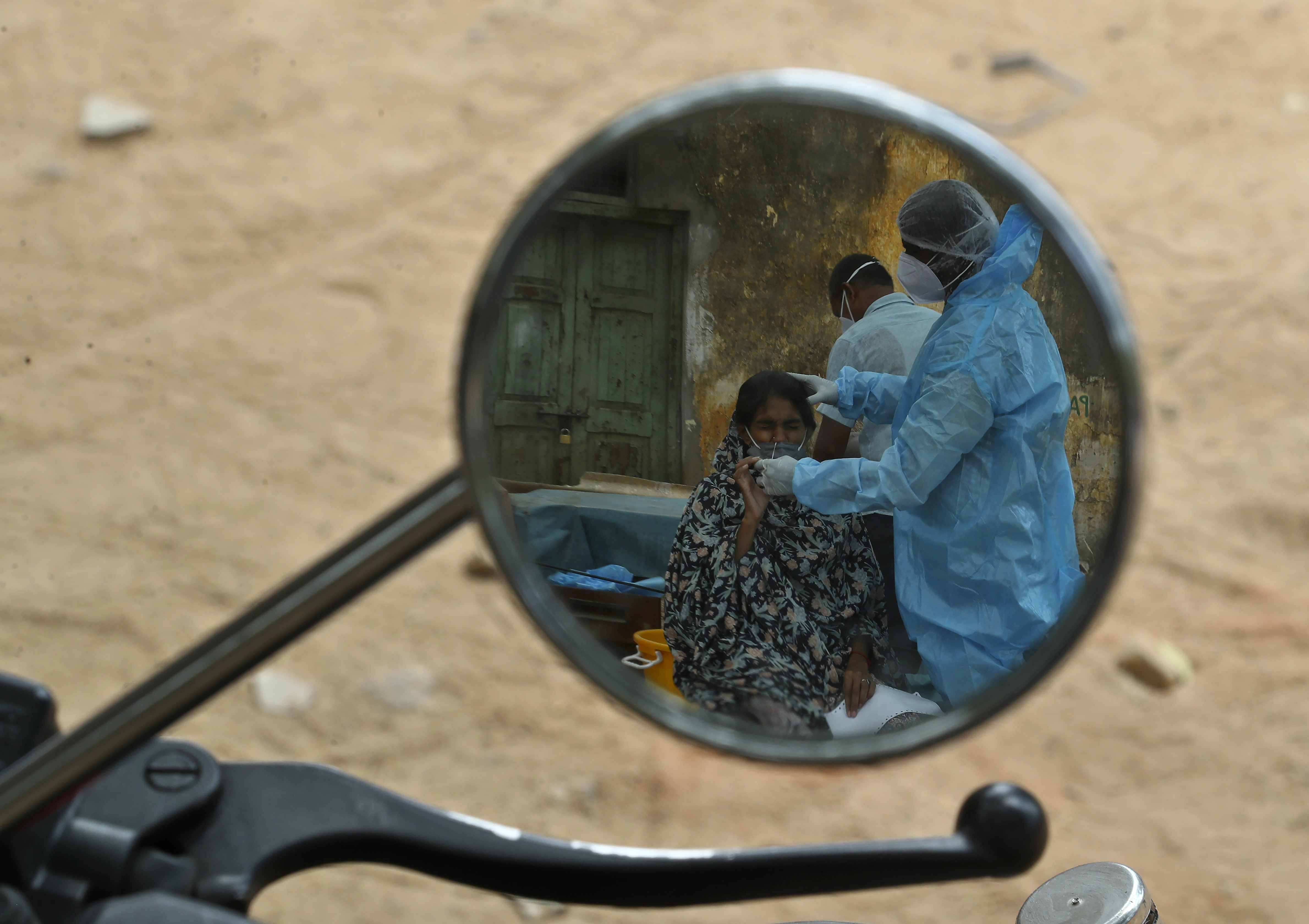
Three justices called on the government this week to impose a lockdown, including a ban on mass gatherings, in the "interest of public welfare."

Dr Randeep Guleria, a government health expert, said he believes that a total lockdown is needed like last year, especially in areas where more than 10 per cent of those tested have contracted COVID-19.

Rahul Gandhi, an opposition Congress party leader, in a letter to Modi on Friday, also demanded a total lockdown and government support to feed the poor, warning "the human cost will result in many more tragic consequences for our people."
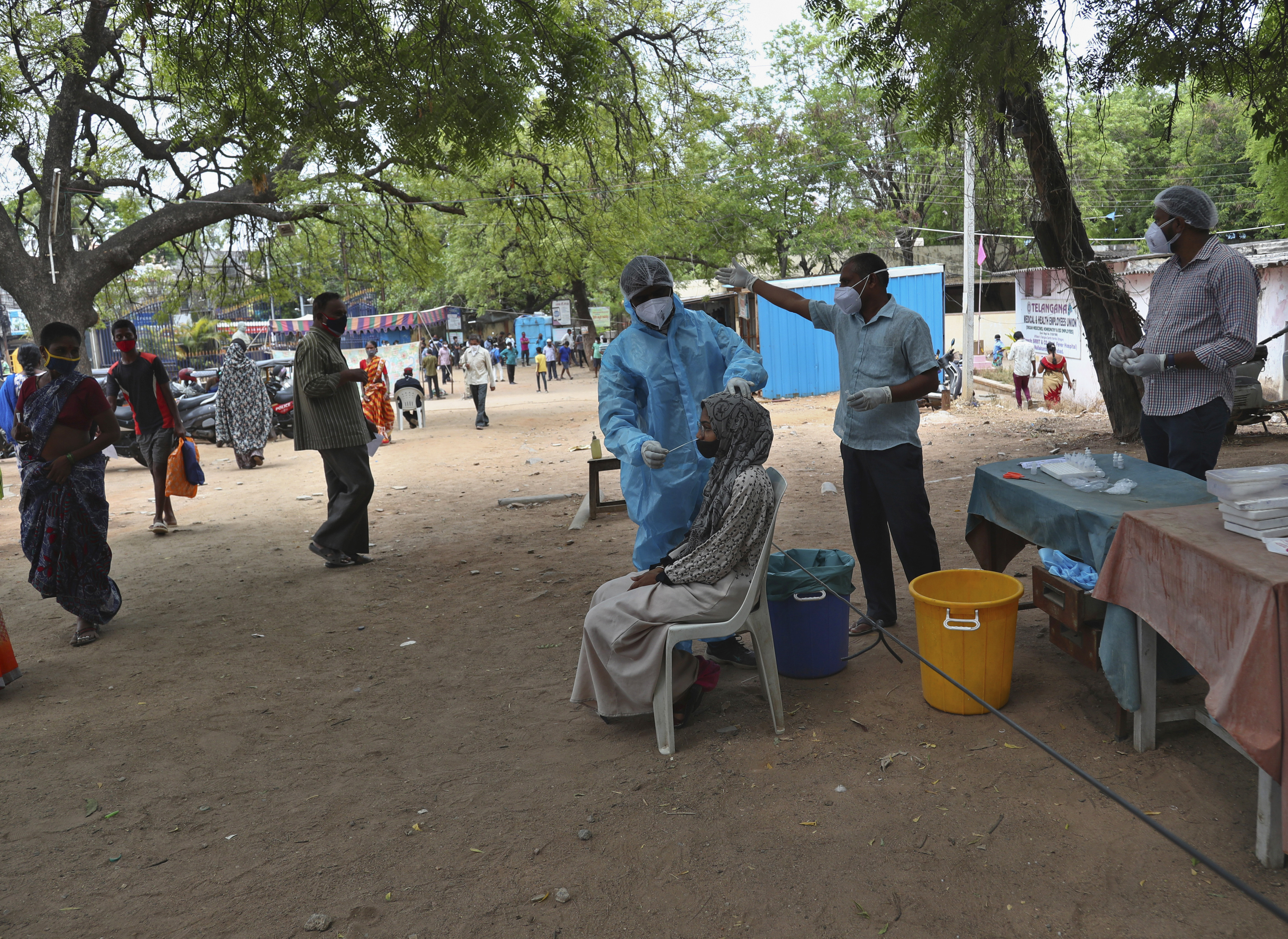
As the world watches India with alarm, some outside of its borders have joined the calls. Dr Anthony Fauci, the United States' top infectious disease expert, suggested that a complete shutdown in India may be needed for two to four weeks.

"As soon as the cases start coming down, you can vaccinate more people and get ahead of the trajectory of the outbreak of the pandemic," Fauci said in an interview with the Indian news channel CNN News18 on Thursday.

Still, Modi's policy of selected lockdowns is supported by some experts, including Vineeta Bal, a scientist at the National Institute of Immunology. She said different states have different needs, and local particularities need to be taken into account for any policy to work.
In most instances, in places where health infrastructure and expertise are good, localised restrictions at the level of a state, or even a district, are a better way to curb the spread of infections, said Bal. "A centrally mandated lockdown will just be inappropriate," she said.

Srinath Reddy, president of the Public Health Foundation of India, a public-private consultancy, acknowledged that the intensity of the pandemic was different in each state, but said a "coordinated countrywide strategy" was still needed.

According to Reddy, decisions need to be based on local conditions but should be closely coordinated, "like an orchestra which plays the same sheet music but with different instruments."
Four ex-cops indicted on US civil rights charges in George Floyd death

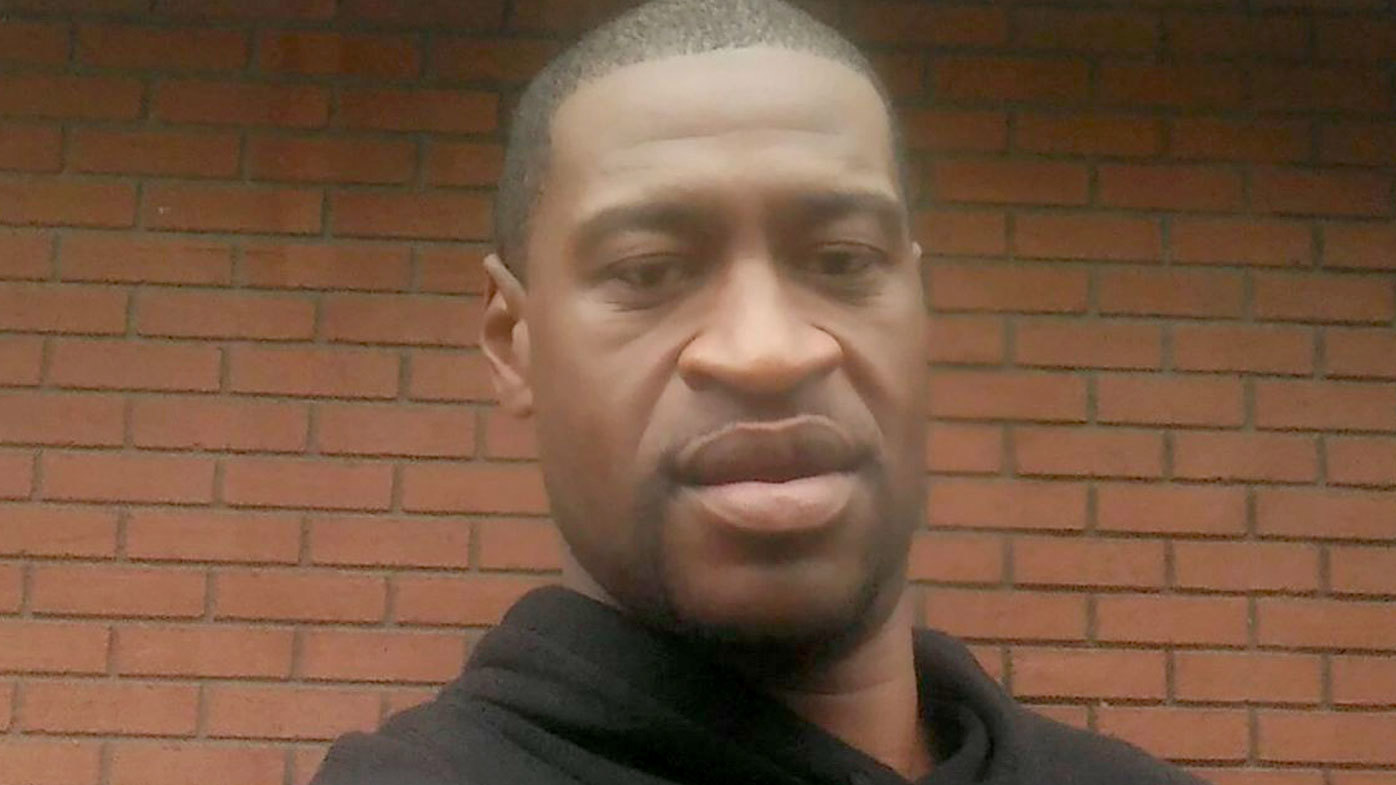
A federal grand jury has indicted the four former Minneapolis police officers involved in George Floyd's arrest and death, accusing them of wilfully violating the Black man's constitutional rights as he was restrained face-down on the pavement and gasping for air.

A federal grand jury has indicted the four former Minneapolis police officers involved in George Floyd's arrest and death, accusing them of willfully violating the Black man's constitutional rights as he was restrained face-down on the pavement and gasping for air.

A three-count indictment unsealed Friday names Derek Chauvin, Thomas Lane, J. Kueng and Tou Thao.

READ MORE: Major probe of Minneapolis police after Floyd verdict

Specifically, Chauvin is charged with violating Floyd's right to be free from unreasonable seizure and unreasonable force by a police officer. Thao and Kueng are also charged with violating Floyd's right to be free from unreasonable seizure, alleging they did not intervene to stop Chauvin as he knelt on Floyd's neck. All four officers are charged for their failure to provide Floyd with medical care.

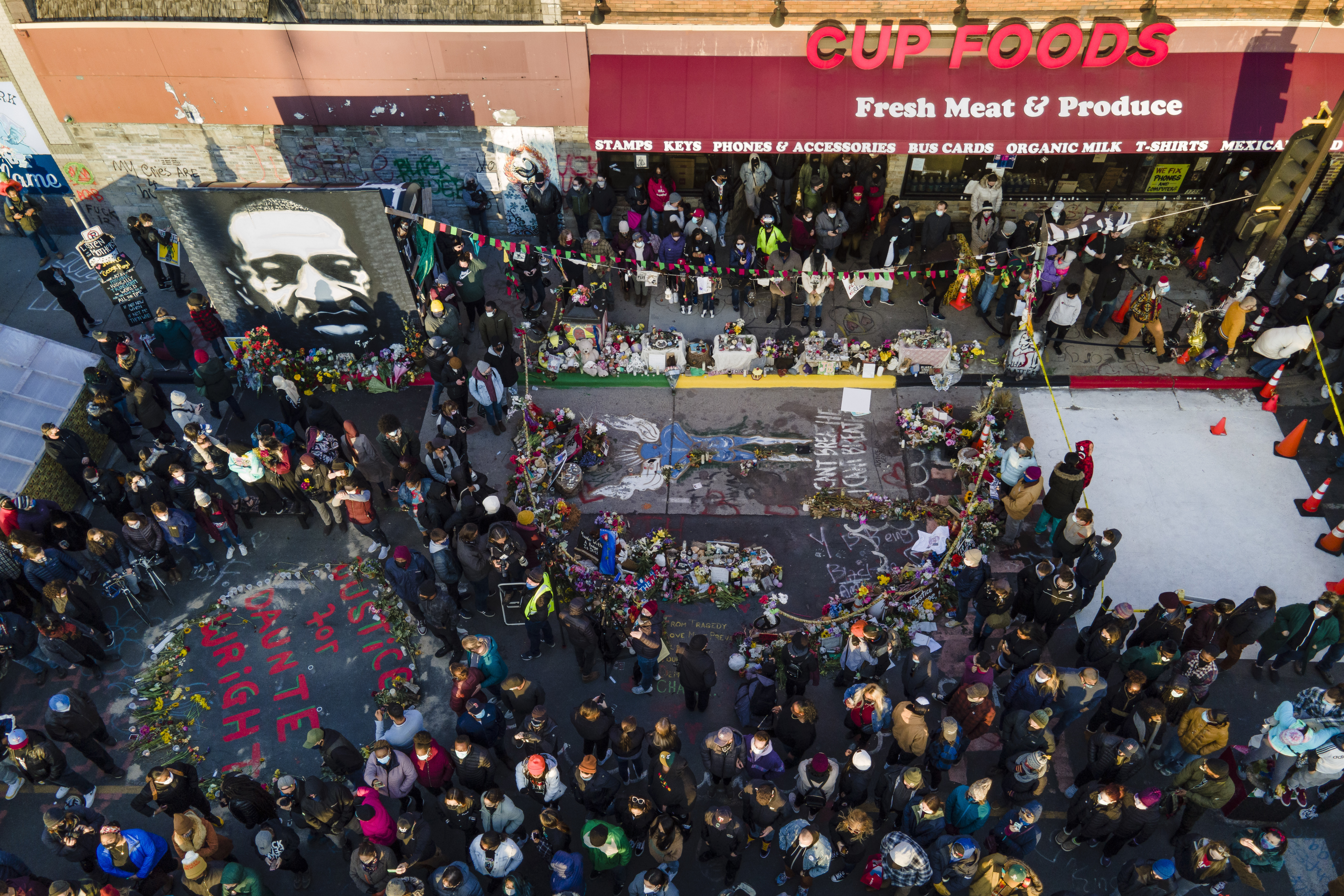
Floyd's May 25 arrest and death, which a bystander captured on cellphone video, sparked protests nationwide and widespread calls for an end to police brutality and racial inequities.

Chauvin was also charged in a second indictment, stemming from the arrest and neck restraint of a 14-year-old boy in 2017.

Lane, Thao and Kueng made their initial court appearances Friday via video-conference in US District Court in Minneapolis. Chauvin was not part of the court appearance.

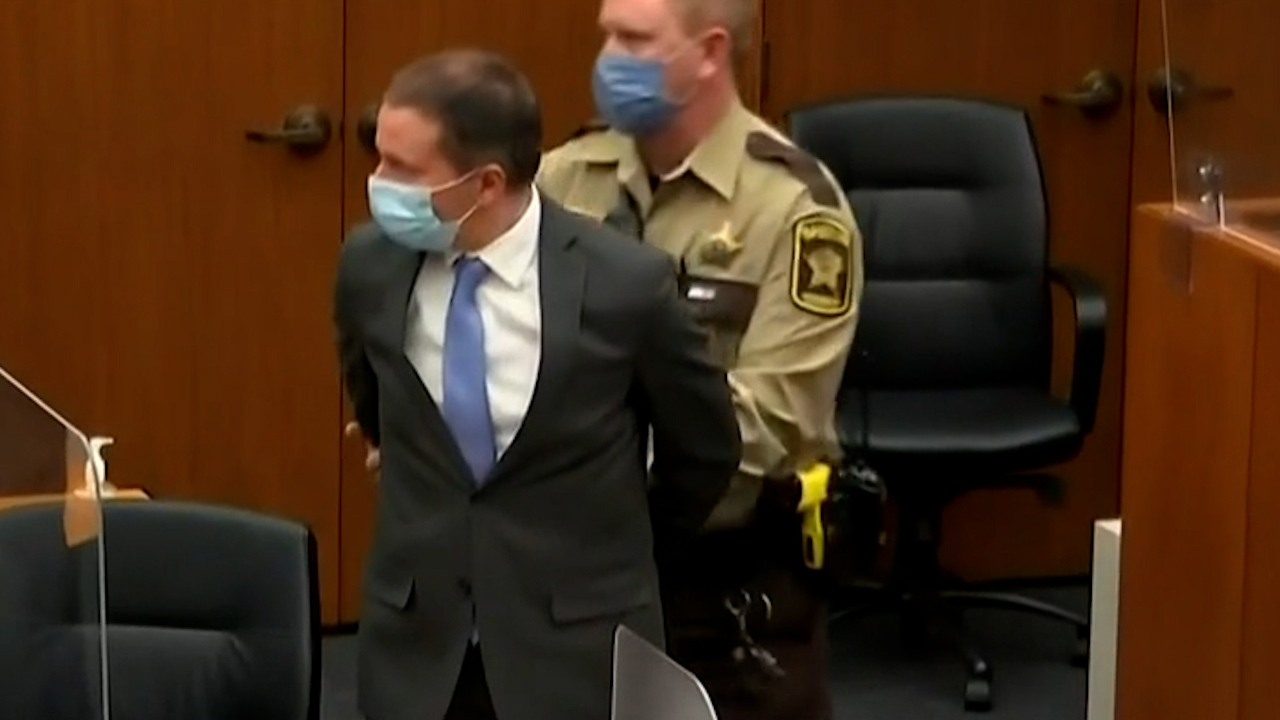
Chauvin was convicted last month on state charges of murder and manslaughter in Floyd's death and is in Minnesota's only maximum-security prison as he awaits sentencing. The other three former officers face a state trial in August, and they are free on bond. They were allowed to remain free after Friday's federal court appearance.

Floyd, 46, died May 25 after Chauvin pinned him to the ground with a knee on his neck, even as Floyd, who was handcuffed, repeatedly said he couldn't breathe. Kueng and Lane also helped restrain Floyd — state prosecutors have said Kueng knelt on Floyd's back and Lane held down Floyd's legs. State prosecutors say Thao held back bystanders and kept them from intervening during the 9 1/2-minute restraint.

Chauvin's attorney, Eric Nelson, argued during his murder trial that Chauvin acted reasonably in the situation and that Floyd died because of underlying health issues and drug use. He has filed a request for a new trial, citing many issues including the judge's refusal to move the trial due to publicity.

Nelson had no comment on the federal charges Friday. Messages left with attorneys for two of the other officers were not immediately returned, and an attorney for the fourth officer was getting in an elevator and disconnected when reached by The Associated Press.

To bring federal charges in deaths involving police, prosecutors must believe that an officer acted under the "colour of law," or government authority, and wilfully deprived someone of their constitutional rights, including the right to be free from unreasonable seizures or the use of unreasonable force. That's a high legal standard; an accident, bad judgement or simple negligence on the officer's part isn't enough to support federal charges.

Roy Austin, who prosecuted such cases as a former deputy assistant attorney general in the Department of Justice's Civil Rights Division, said prosecutors have to prove that the officers knew what they were doing was wrong in that moment but did it anyway.

Conviction on a federal civil rights charge is punishable by up to life in prison or even the death penalty, but those stiff sentences are extremely rare and federal sentencing guidelines rely on complicated formulas that indicate the officers would get much less if convicted.

In Chauvin's case, if the federal court uses second-degree murder as his underlying offence, he could face anywhere from 14 years to slightly more than 24 years, depending on whether he takes responsibility, said Mark Osler, a former federal prosecutor and professor at the University of St. Thomas School of Law.

Osler said the guidelines clearly state that any federal sentence would be served at the same time as a state sentence — the sentences wouldn't stack. Chauvin is due to be sentenced on the state charges June 25.

The first indictment says Thao and Kueng were aware Chauvin had his knee on Floyd's neck, even after Floyd became unresponsive, and "wilfully failed to intervene to stop Defendant Chauvin's use of unreasonable force."

All four officers are charged with wilfully depriving Floyd of liberty without due process — for their alleged deliberate indifference to Floyd's medical needs.

The second indictment, against Chauvin only, alleges he deprived a 14-year-old of his right to be free of unreasonable force when he held the teen by the throat, hit him in the head with a flashlight and held his knee on the boy's neck and upper back while he was prone, handcuffed and unresisting.

According to a police report from that 2017 encounter, Chauvin wrote that the teen resisted arrest and that after the teen, who he described as 6-foot-2 and about 240 pounds, was handcuffed, Chauvin "used body weight to pin" the boy to the floor. The boy was bleeding from the ear and needed two stitches.

President Joe Biden's administration has made policing reform a major issue. Attorney General Merrick Garland has said he was refocusing the department around civil rights and does not believe there is equal justice under the law.

In late April, the Justice Department indicted three men on federal hate crime charges in the February 2020 death of Ahmaud Arbery, a 25-year-old Black man who was running in a Georgia neighbourhood when he was chased down and shot. At the time, it was the most significant civil rights prosecution undertaken by Biden's Justice Department.

The Justice Department also recently announced it was opening a sweeping investigation into the Minneapolis Police Department. The investigation will examine whether there is a pattern or practice of unconstitutional or unlawful policing at the department, and it could result in major changes.

Garland announced a similar probe into policing in Louisville, Kentucky, over the March 2020 death of Breonna Taylor, who was fatally shot by police during a raid at her home.

Chauvin was convicted of second-degree unintentional murder, third-degree murder and second-degree manslaughter. Experts say he will likely face no more than 30 years in prison when he is sentenced in June. The other officers face charges alleging they aided and abetted second-degree murder and manslaughter. All four officers were fired.