Category Archives: headline

South Australia, New Zealand reopen their borders to Western Australia

All Australian states and territories and New Zealand have reopened their borders to Western Australia after a three-day lockdown in Perth.

This afternoon South Australia was the latest to lift the hard border with its neighbour, but people from the Perth and Peel regions will still need to get tested.

They are required to have a coronavirus test on day one, five, and 13 after landing in South Australia.

LIVE UPDATES: Australia suspends flights from India

https://twitter.com/katelambe_/status/1386936212884049927

From midday tomorrow New Zealand will also lift its travel pause with Western Australia.

NZ COVID-19 Response Minister Chris Hipkins confirmed the news after Perth successfully completed a snap three-day lockdown without any new local cases.

"Quarantine Free Travel will be recommenced from Western Australia at 12 noon, 28 April 2021 for travellers who have not been identified as contacts," Mr Hipkins said.

Mr Hipkins said anyone identified as a close contact would still be required to complete a 14-day self-isolation period and provide evidence of a negative COVID-19 test before they are allowed to board a flight to New Zealand.

READ MORE: Despair of Australians trapped in India amid flight ban

Perth lockdown

"All casual contacts – those who were at the locations of interest at the published time – will need to self-isolate for five days and receive a negative test," Mr Hipkins said.

"An additional New Zealand requirement means they will need to continue to monitor their symptoms in place and will not be allowed to travel to New Zealand until 14 days after they were at the location of interest."

Mr Hipkins said the NZ Government is satisfied the risk is low and the Trans-Tasman Bubble is working largely as planned.

This is despite an investigation looking into how a Perth traveller was able to enter New Zealand during the state's three-day lockdown.

US to Share Vaccine, Biden Offers India Support, More

US to share millions of AstraZeneca vaccine doses with other countries

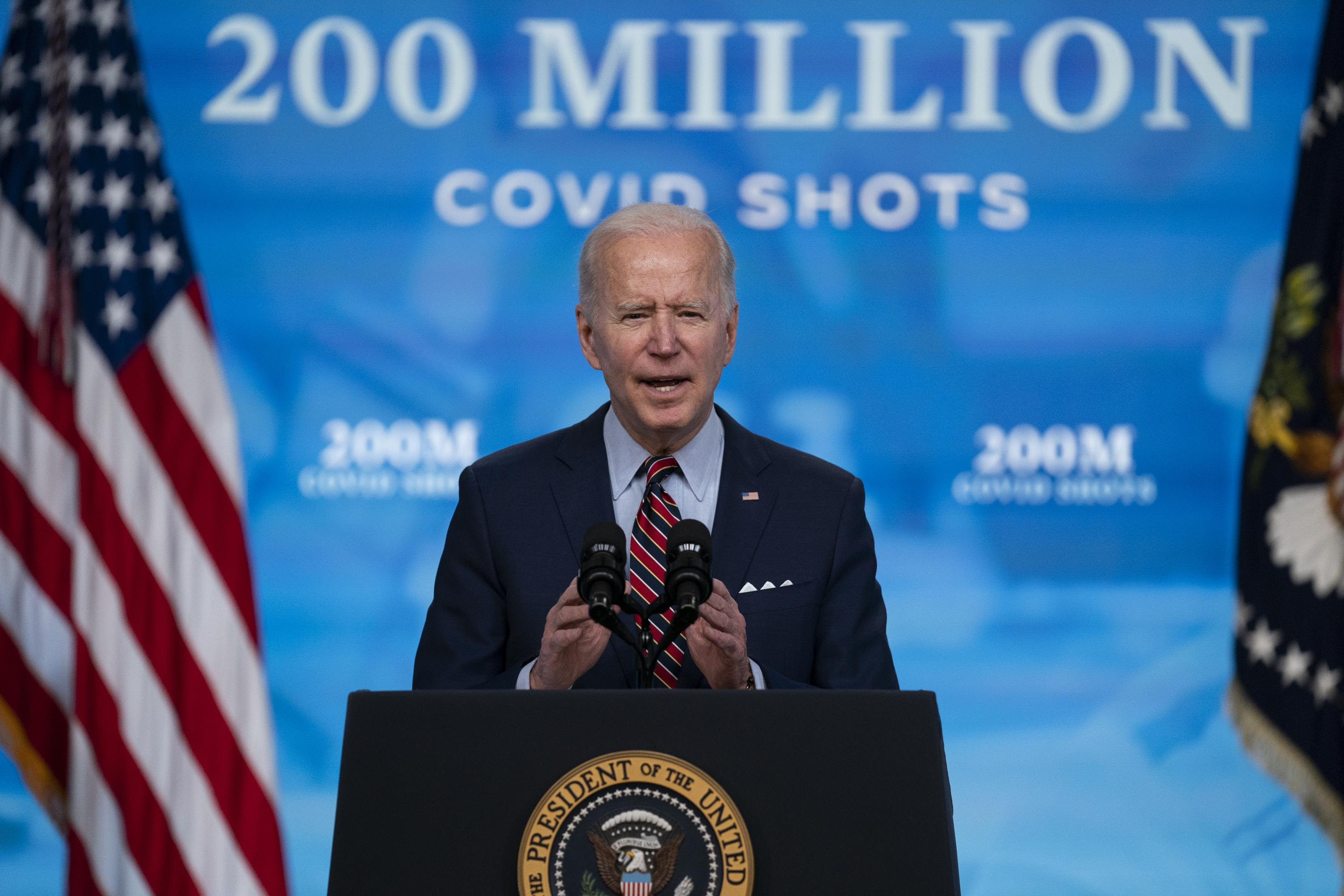
The Biden administration on Monday announced that it will move to donate millions of doses of the AstraZeneca vaccine to other countries, after pressure from lawmakers and advocates.

The United States has millions of doses of the AstraZeneca vaccine, which is not yet authorized in the US, but is in other countries, and could play a key role amid worsening spikes in cases abroad, particularly in India.

“Given the strong portfolio of vaccines that the United States has already authorized, and that is available in large quantities, including two two-dose vaccines and one one-dose vaccine, and given AstraZeneca is not authorized for use in the United States, we do not need to use AstraZeneca in our fight against COVID over the next few months,” White House Press Secretary Jen Psaki said Monday.

Pressure had been mounting: Reps. Ro Khanna (D-Calif.) and Raja Krishnamoorthi (D-Ill.) had called on the administration to release the doses on Sunday, as had Ashish Jha, dean of the Brown School of Public Health, in a Washington Post op-ed on Saturday.

Still, doses not available right away: Psaki said the doses cannot be released immediately, as they will first have to undergo safety reviews by the Food and Drug Administration. A Baltimore plant that had been producing the vaccine has faced a string of problems and was cited by the FDA for multiple safety failures.

Once the FDA clears the doses, “in the coming weeks,” Psaki said about 10 million doses will be available. An additional 50 million doses are in “various stages of production” and could be available across May and June, she said.

=================================================

Biden speaks with Prime Minister Modi as COVID-19 surges in India

Biden speaks with Prime Minister Modi as COVID-19 surges in India
© Getty Images

President Biden on Monday spoke with Indian Prime Minister Narendra Modi and pledged to provide assistance as the world’s second most populous country grapples with soaring coronavirus infections.

“The two leaders resolved that the United States and India will continue to stand shoulder-to-shoulder in the effort to protect our citizens and the health of our communities,” the White House said in a readout of the call.

The United States is sending India aid to help with depleted oxygen supplies, vaccine materials and therapeutics in an effort to help stem the surge in cases that has strained India’s health care system.

Emily Horne, a spokeswoman for the National Security Council, said in a statement Sunday that the U.S. was “working around the clock to deploy available resources and supplies.” The Biden administration has identified test kits, ventilators and other supplies that would be made available to India, she said.

“Just as India sent assistance to the United States as our hospitals were strained early in the pandemic, the United States is determined to help India in its time of need,” Horne said.

Communications between U.S. and Indian officials come as India faces a mounting crisis of coronavirus cases.

India on Sunday reported roughly 350,000 new cases, setting a single-day record for any country during the COVID-19 pandemic. The New York Times reported that India has vaccinated just under 2 percent of its population, even though the country is producing two shots domestically.

The surge in cases threatens progress around the globe in the fight against the pandemic.

The Biden administration on Monday also announced it is preparing to share millions of doses of the AstraZeneca vaccine with other countries in the latest sign the U.S. is ramping up its vaccine diplomacy efforts to get the virus under control globally.

============================================

Post-pause hesitation? Poll shows few unvaccinated Americans willing to get Johnson & Johnson vaccine

Few Americans who have not been vaccinated against COVID-19 say they are willing to take the Johnson & Johnson vaccine following the temporary pause in its distribution due to rare blood clots.

Just 22 percent of unvaccinated Americans in a Washington Post-ABC News poll conducted before the pause ended said that they would be willing to get the Johnson & Johnson vaccine. Almost three in four — 73 percent — said they were unwilling.

Slightly fewer than half of all the adults surveyed also said they consider the Johnson & Johnson vaccine very or somewhat safe.

Additionally, more than 7 in 10 respondents say they regard each of the other two vaccines that have been approved in the U.S., one by Moderna and another by Pfizer and German partner BioNTech, to be very or somewhat safe.

Background: The CDC and FDA lifted their recommended pause of Johnson & Johnson vaccinations last Friday after analyzing data from less than 20 rare cases of blood clots out of the millions of vaccinations administered.

What this means: Concerns about how the pause would affect vaccine hesitancy may have been justified, although polls from last week indicated the decision wouldn’t affect most people’s willingness to get their COVID-19 shot.

The post US to Share Vaccine, Biden Offers India Support, More appeared first on The St Kitts Nevis Observer.

World View: Biden Optimistic, US Population Slowdown, Iran-US Naval Confrontation, More

March 19, 2021

Alternate text

The Associated Press

Advancing the Power of Facts

The Rundown

I'm an image

WASHINGTON (AP) — President Joe Biden spent his first 100 days in office encouraging Americans to mask up and stay home to slow the spread of COVID-19. His task for the next 100 days will be to lay out the path back to normal. When he entered office,…Read More

I'm an image

The first batch of once-every-decade data from the U.S. Census Bureau shows a United States that is growing less quickly and but still seeing its population shift to the South and West. The data released Monday was relatively basic — containing natio…Read More

I'm an image

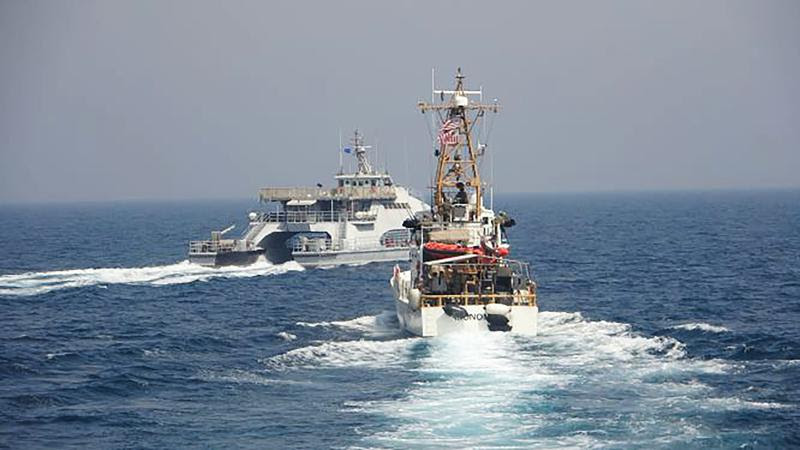
DUBAI, United Arab Emirates (AP) — American and Iranian warships had a tense encounter in the Persian Gulf earlier this month, the first such incident in about a year amid wider turmoil in the region over Tehran’s tattered nuclear deal, the U.S. Navy…Read More

I'm an image

DALLAS (AP) — A Texas court is scheduled to hear arguments Tuesday on overturning the conviction of a former Dallas police officer who was sentenced to prison for fatally shooting her neighbor in his home. An attorney for Amber Guyger and prosecutor…Read More

I'm an image

NEW DELHI (AP) — Since the beginning of the week, Dr. Siddharth Tara, a postgraduate medical student at New Delhi’s government-run Hindu Rao Hospital, has had a fever and persistent headache. He took a COVID-19 test, but the results have been delayed…Read More

OTHER TOP STORIES

WASHINGTON (AP) — U.S. population growth has slowed to the lowest rate since the Great WorldDepression, the Census Bureau said Monday, as Americans continued their march to the S…Read More

JERUSALEM (AP) — One of the world’s best-known human rights groups said Tuesday that Israel is guilty of the international crimes of apartheid and persecution because of dis…Read More

SACRAMENTO, Calif. (AP) — Organizers of the recall effort against California Gov. Gavin Newsom collected enough valid signatures to qualify for the ballot. The California s…Read More

The 93rd annual Academy Awards were always going to be a bit surreal this year. The pandemic changed many of the usual rhythms

The post World View: Biden Optimistic, US Population Slowdown, Iran-US Naval Confrontation, More appeared first on The St Kitts Nevis Observer.

Mother-of-eight who didn't know she was pregnant has twins

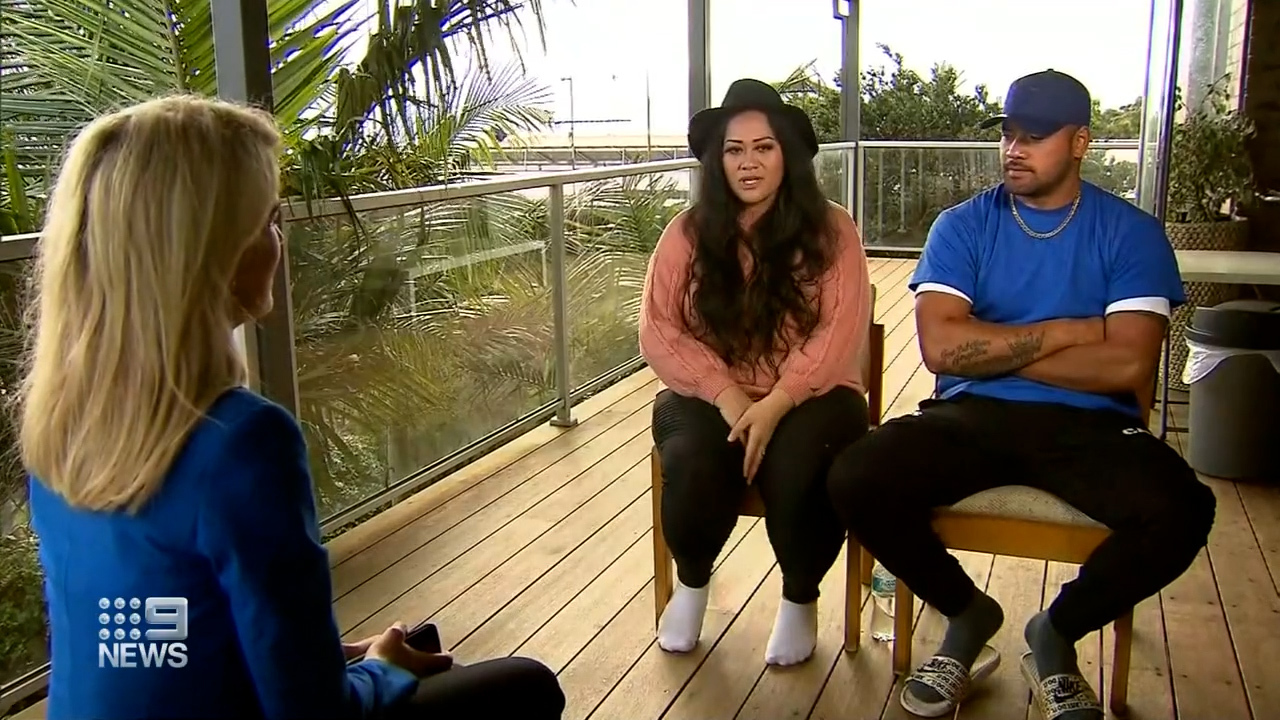
A Victorian mother-of-eight now has 10 children, all under the age of 10, after she gave birth to twins unexpectedly this week.

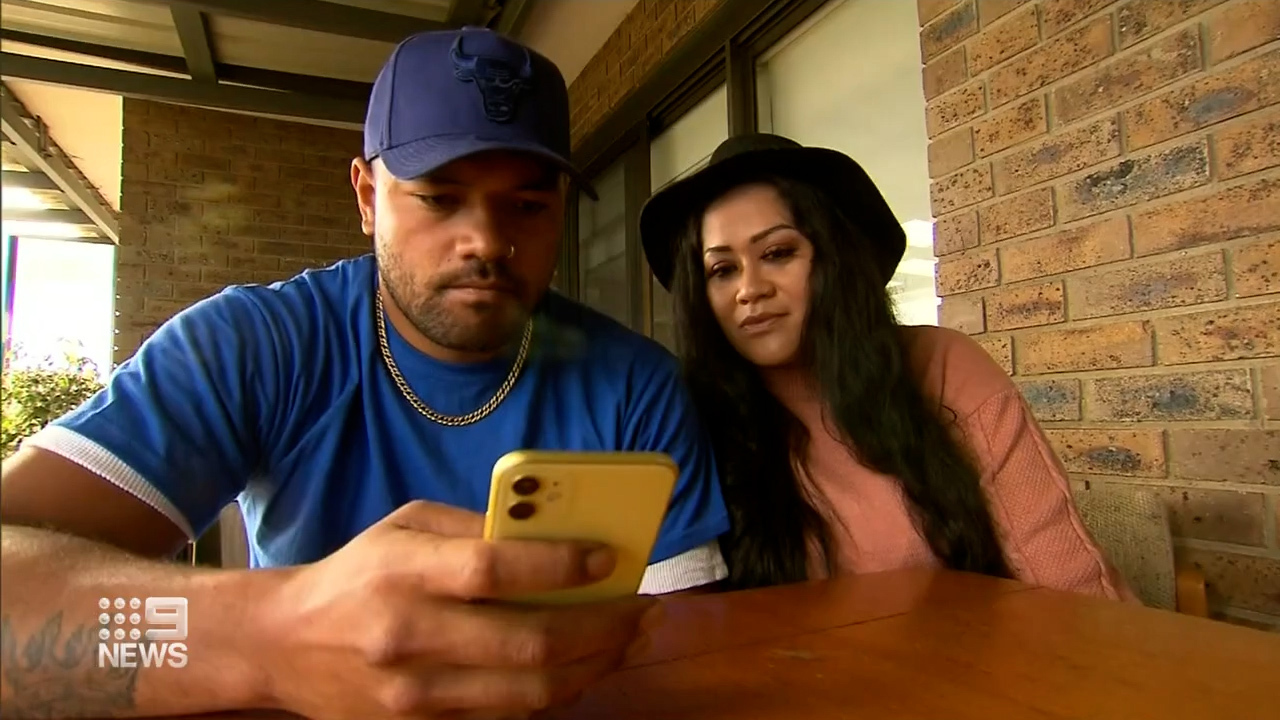
Annie Tupou found out she was pregnant at six months, which came as a shock to begin with.

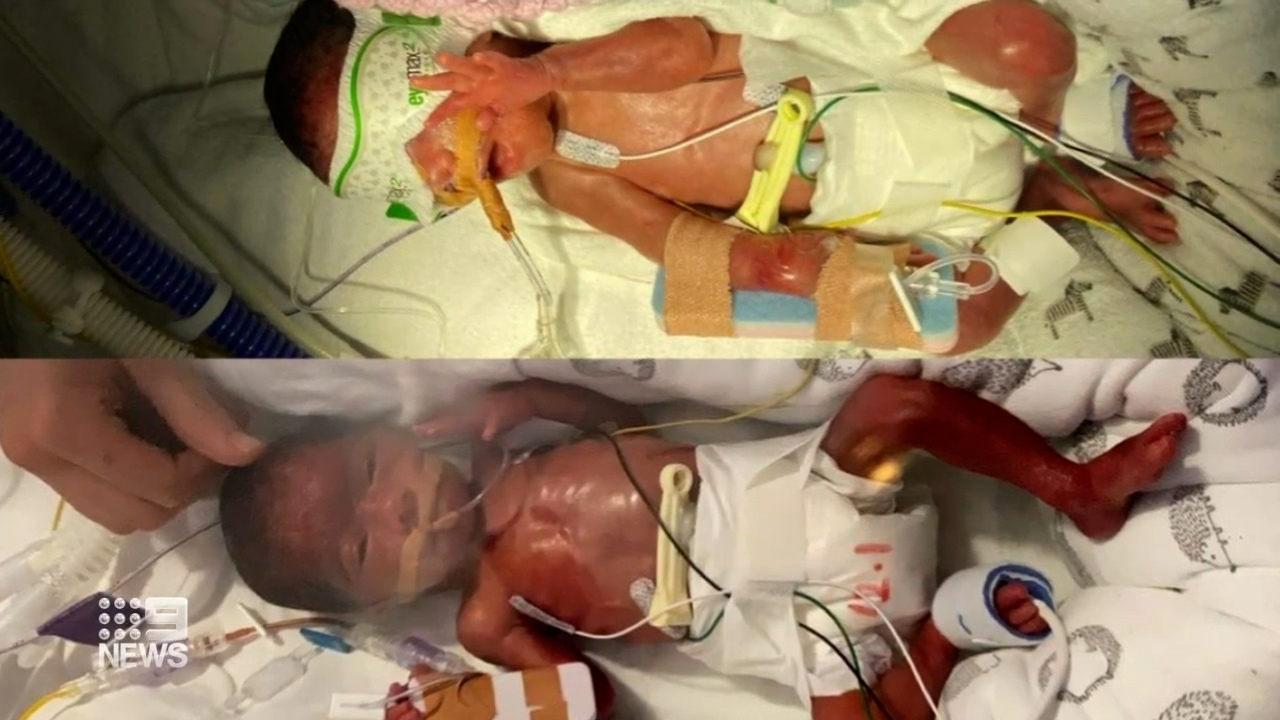
But a week and a half after finding out she was having her ninth child, she went into labour and gave birth to twin girls.

READ MORE: Plans underway for international students, actors, major event workers to enter Victoria

"I never got dizzy or anything else … I sometimes got tired like really drained out sort of thing but belly wise I wasn't showing that much," Ms Tupou told 9News.

But her husband Russell had a hunch, and two weeks ago a doctor's appointment confirmed she was six months along.

Ms Tupou from McCrae on the Mornington Peninsula shared her story on a Facebook mother's group.

"I had recently posted last week about tying my tubes after baby number nine as I literally found out a week and a half ago I was pregnant, and I was finding out this Thursday what I was having at my ultrasound," she wrote.

"Well I never made it to my ultrasound did I."

The mother said she thought she was having Braxton Hicks contractions, but just after 3am on April 25 when she went to use the bathroom, her babies decided it was time to enter the world.

"I reached down and my baby girl's head was half out!!!," Ms Tupou said in her post.

READ MORE: Victorian businesses denied up to $120m worth of COVID-19 grants can reapply, Ombudsman report reveals

"I got into midwife mode as my hubby was in Sydney for work, I got blankets and towels … and Twin A slid out straight away coming into this world at 3.45am."

Three ambulances arrived and tended to the tiny child.

Ms Tupou and her newborn baby girl were rushed to Frankston Hospital.

"I felt like I was in a movie," she said.

At the hospital, the mother of nine at that point was in considerable pain she believed was caused by remaining placenta.

The midwife told Ms Tupou to push, but as soon as she started a nurse yelled "code blue".

"All these midwives ran into the room and I was like what's going on? And she said 'that's not a placenta that's another BABY!," Ms Tupou wrote.

The surprised mother said she was in such a state of shock her emotions were largely kept at bay.

"I was so shocked I just had another baby!!," she posted.

"Twin B was born at 5.45am so my twin girls were born two hours apart."

READ MORE: Murder investigation launched after young Geelong dad found dead

Both baby girls were transferred to the Monash Children's Hospital and are "doing well".

"It will be a long road to recovery but they're here and now I have 10 kids under 10, five boys and five girls – my family is complete," Ms Tupou said.

The super mum said she wanted to thank the paramedics who helped her during her labour.

"These two gentlemen were my backbone and never left until Twin B was born, I'm so thankful to them."

Ms Tupou is hoping she can find out their names so she can send them a thank you gift "for loving their job and being dedicated."

The twins, named Tilila and Leylani are expected to be in hospital for several months.

UK Sending Large Naval Strike Force to Asian Waters

Hong Kong (CNN) The largest naval flotilla assembled by Britain in recent years will set sail in May on a months’ long voyage through the Pacific, the country’s Defense Ministry said Monday.

“When our Carrier Strike Group (CSG) sets sail next month, it will be flying the flag for Global Britain — projecting our influence, signaling our power, engaging with our friends and reaffirming our commitment to addressing the security challenges of today and tomorrow,” UK Defense Secretary Ben Wallace said Monday.

“The UK is not stepping back but sailing forth to play an active role in shaping the international system of the 21st century,” Wallace said.

The strike group will be led by the aircraft carrier HMS Queen Elizabeth, marking its maiden deployment. The ship, one of the UK’s two aircraft carriers, is the largest warship the UK has ever sent to sea.

Joining the carrier will be two destroyers, two anti-submarine frigates, a submarine and two auxiliary supply ships, a ministry statement said.

A United States Navy guided-missile destroyer will sail with the group as well as a frigate from the Netherlands that will be tasked with air defense, the ministry said.

Air power within the group will be centered on RAF F-35B stealth fighters and US Marine Corps F-35Bs, all of which will fly from the deck of the 65,000-ton aircraft carrier.

When a version of this carrier strike group sailed together during military exercises off Scotland last fall, the Defense Ministry said it carried “the largest concentration of fighter jets to operate at sea from a Royal Navy carrier since HMS Hermes in 1983.”

It also said it was “the largest air group of fifth generation fighters at sea anywhere in the world.” Fifth-generation fighters are the most advanced warplanes in the air.

The International Institute for Strategic Studies says the UK carrier strike group “will be the most capable flotilla deployed by a single European navy in recent years.”

“While it will not replicate a US Navy carrier strike group, it will probably be closer to it than anything else that is currently deployable” by any other naval force, the IISS said.

Britain in March released a sweeping review of its military and foreign policy, in which it recognized a tilt toward the Indo-Pacific in the coming decade.

In Monday’s carrier strike group announcement, the Defense Ministry said the deployment is aimed toward a deeper UK security role in the region, with exercises planned alongside India, Japan and South Korea as well as US forces in the region.

It will also highlight one of Britain’s oldest security relationships, the Five Powers Defense Agreement among Malaysia, Singapore, Australia, New Zealand and the UK. Exercise Bersama Lima will mark the 50th anniversary of the defense pact, the Defense Ministry said.

As part of the journey to the Pacific, the strike group will visit 40 countries, the UK Defense Ministry said. The voyage, which will see the strike group go through the Mediterranean Sea and Indian Ocean on the way to the Pacific, will cover almost 30,000 miles (48,280 kilometers), the ministry said.

Britain has not released the exact route of the strike group in the Indo-Pacific, but a planned visit to Singapore will put in on the doorstep of the South China Sea and going through the waterway would be the most obvious and direct route to its stops in Japan and South Korea.

China claims almost all of the 1.3 million-square-mile South China Sea as its sovereign territory, and it has denounced the presence of foreign warships there as the root of tensions in the region.

When asked in March about the British deployment as well as French military activity in the South China Sea, China’s Defense Ministry said Beijing “firmly opposes any country interfering in regional affairs under the pretext of ‘freedom of navigation’ and damaging the common interests of regional countries.”

The UK carrier group is also expected to pass to the east of Taiwan, the self-governed island that China also claims as part of its territory and around which Beijing has been increasing its naval and air deployments in recent months.

In its defense review, the British government called out challenges posed by China.

“China’s increasing power and international assertiveness is likely to be the most significant geopolitical factor of the 2020s,” the review said, describing Beijing as “the biggest state-based threat to the UK’s economic security.”

The review said Britain planned to increase its military presence around the world.

Monday’s announcement of the scope of the carrier strike group reinforced that.

“The most significant deployment of its kind for a quarter of a century, it is a visible demonstration of the Royal Navy’s resurgence after decades of contraction,” Commodore Steve Moorhouse, commander of the strike group, said in a statement.

“As our nation redefines its place in the world post-Brexit, it is the natural embodiment of the government’s ‘Global Britain’ agenda. And against a backdrop of growing instability and competition, it reflects the United Kingdom’s continued commitment to global security,” Moorhouse said.

Japan welcomed the UK’s announcement, saying the carrier strike group’s visit will elevate the longstanding relationship between Tokyo and London to a “new level.”

It also said the deployment demonstrates “the UK commitment and Japan-UK collaboration to uphold and reinforce a ‘Free and Open Indo-Pacific’ in the realm of security and defense,” according to a statement from Japan’s Defense Ministry.

The post UK Sending Large Naval Strike Force to Asian Waters appeared first on The St Kitts Nevis Observer.

Islamic State degraded in Afghanistan but still poses threat

Tribal elder Dawlat Khan still has nightmares about fighters from the local affiliate of the global Islamic State terror network who swept across his and other villages in eastern Afghanistan five years ago.

The extremists, including Afghans, Pakistanis, Arabs and men from Central Asia, quickly imposed a reign of terror.

They kidnapped some locals who worked for the Afghan government, later dropping off their decapitated corpses in public places.

In one instance, villagers were summoned to a beheading where some fainted while others froze as they watched in horror.

READ MORE: Father's plea to bring daughter home from Syrian refugee camp
Afghanistan

Militants of the Islamic State group have since been driven back into the mountains by blistering US and Afghan bombing raids and a fierce ground campaign by the Taliban, Afghanistan's homegrown insurgents.

The Taliban, eager to expand their domestic political power, pledged to the Trump administration last year they would prevent any attacks on the West from Afghan soil after foreign troops leave.

Recent success in containing IS is central to the calculus of President Joe Biden, who decided earlier this month to pull all remaining US troops out of Afghanistan by the summer.

READ MORE Despair of Aussies trapped in India
Afghanistan

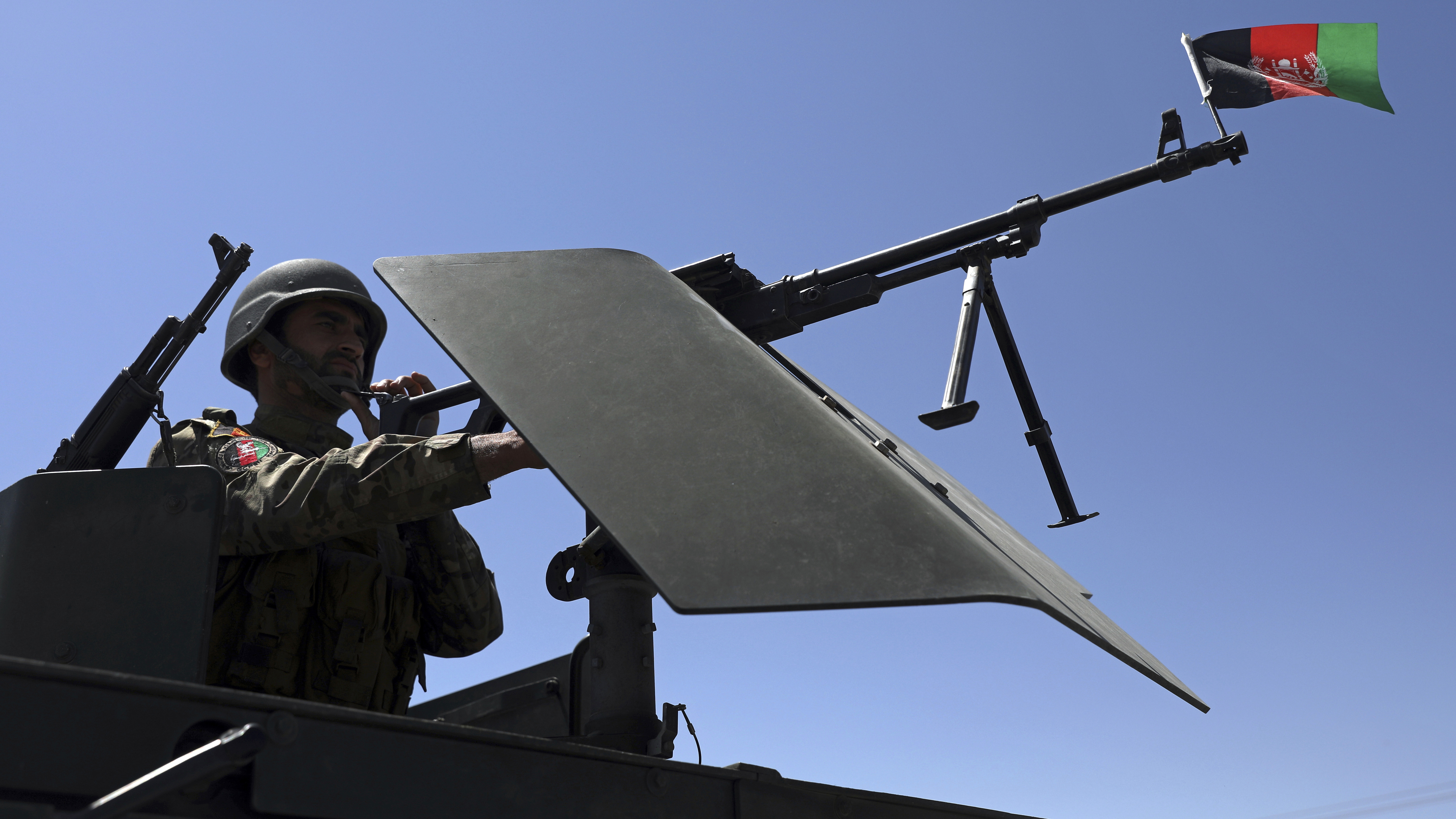
Mr Biden argues that threats to the West, whether by IS or remnants of the al-Qaida network, can be defused from a distance.

Yet there are concerns that in the potential chaos of a post-withdrawal Afghanistan, IS “will be able to find additional space to operate,” said Seth Jones, senior vice-president at the Centre for Strategic and International Studies in Washington.

READ MORE: Australia suspends India flights

Some note that it took more than three years to dislodge and degrade IS fighters, many of them ethnic Pashtuns from Pakistan's tribal regions and Afghans from the northeastern Nangarhar and Kunar provinces.

The retreating militants left behind mined roads and fields.
Afghanistan

READ MORE: Pakistan blames India for suicide bombing, even as Taliban claims responsibility

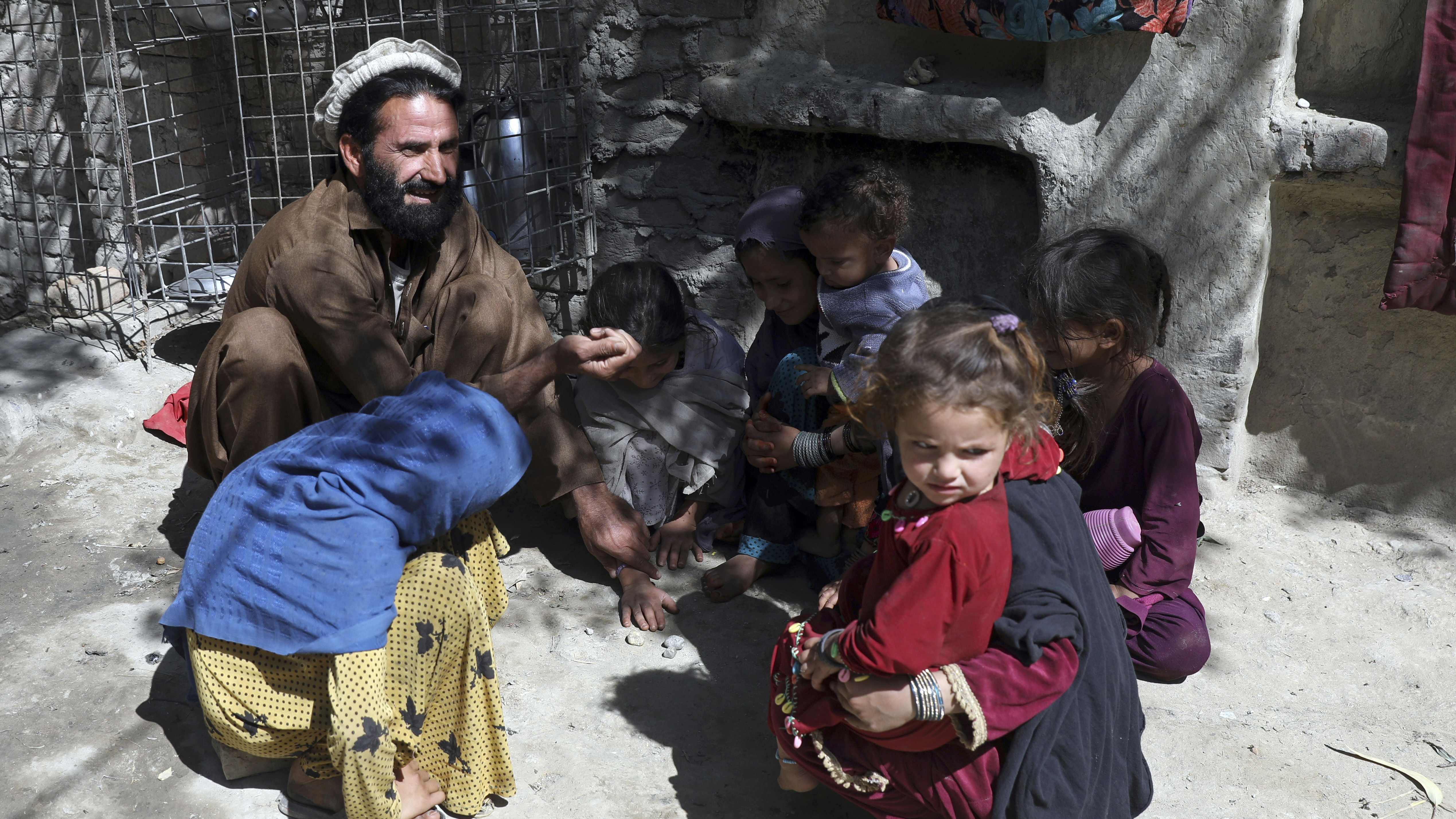
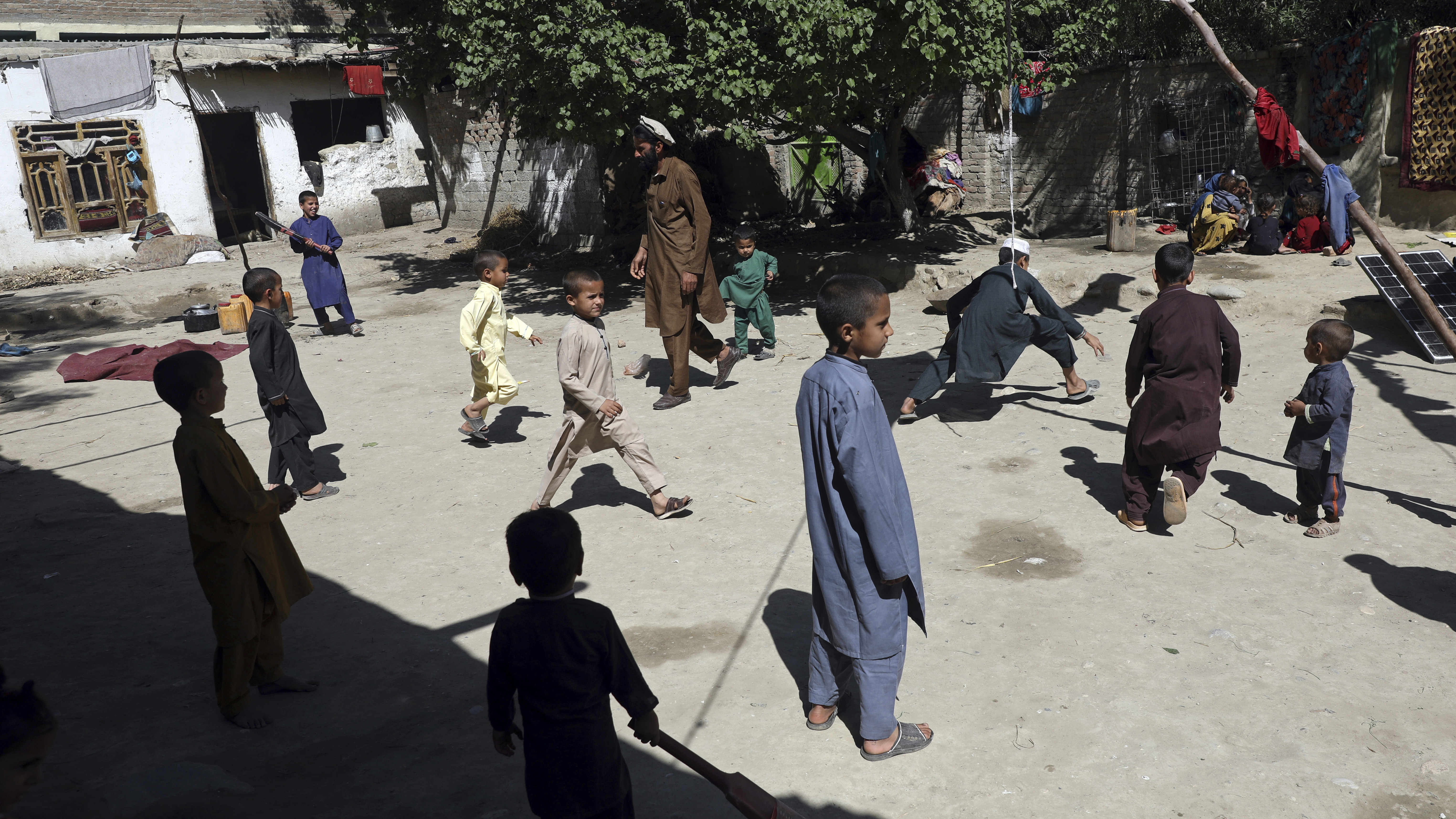
Khan, the tribal leader, fled his village of Pananzai with his six brothers and their families at the height of the battles against IS.

They're not rushing home, even though the family of 63 people is crammed into nine small rooms in Nangarhar's provincial capital of Jalalabad.

“We are afraid they will return,” Khan, a father of 12, said of IS fighters.

Mr Biden has said he will hold the Taliban accountable for their commitment not to allow terror threats against the US or its allies from Afghan soil.

The US invaded Afghanistan 20 years ago after al-Qaida militants, hosted by the Taliban, staged the September 11 terrorist attacks.

READ MORE: Biden to end longest war in American history
Afghanistan

In recent years, Washington has come to see the Taliban as a national force, with no ambitions beyond their borders, according to a US defence official who spoke on condition of anonymity in line with regulations.

The Taliban, familiar with mountain caves and dirt paths in remote terrain, are a useful ally against IS, which is viewed by the US as the greatest threat emanating from Afghanistan, the official said.

READ MORE: Smoke, explosion reported in Saudi port

In justifying his withdrawal decision, Mr Biden noted that terror threats are “metastasising around the globe” and that "keeping thousands of troops grounded and concentrated in just one country, at the cost of billions each year, makes little sense to me and our leaders.”

The withdrawal is under way, with the final phase starting on Saturday.

By September 11, America will have withdrawn its last 2,500 to 3,500 troops, and about 7,000 allied forces from NATO are following the same timetable.

But there are concerns about IS re-emerging, particularly if the Taliban and the Afghan government can't reach a power-sharing deal.

Intra-Afghan peace talks remain stalled, despite US efforts to jump start them.

Ongoing fighting between the Taliban and the government could further erode the morale of Afghanistan's 300,000-plus security forces who sustain heavy casualties daily and are plagued by widespread corruption. It's unclear how the troops can be a bulwark against new terrorist threats.

READ MORE: Australian troops out of Afghanistan by September, PM announces

At the same time, IS continues to recruit among radicalised university students and disgruntled Taliban, said a former Afghan security official who spoke on condition of anonymity because he was not authorized to talk to reporters.

IS has also resumed a campaign of targeted killings of minority Shiite Muslims, many of them ethnic Hazaras, as well as women's rights activists and media workers. They claimed attacks last year on two educational facilities, including Kabul University, that killed more than 50 students.
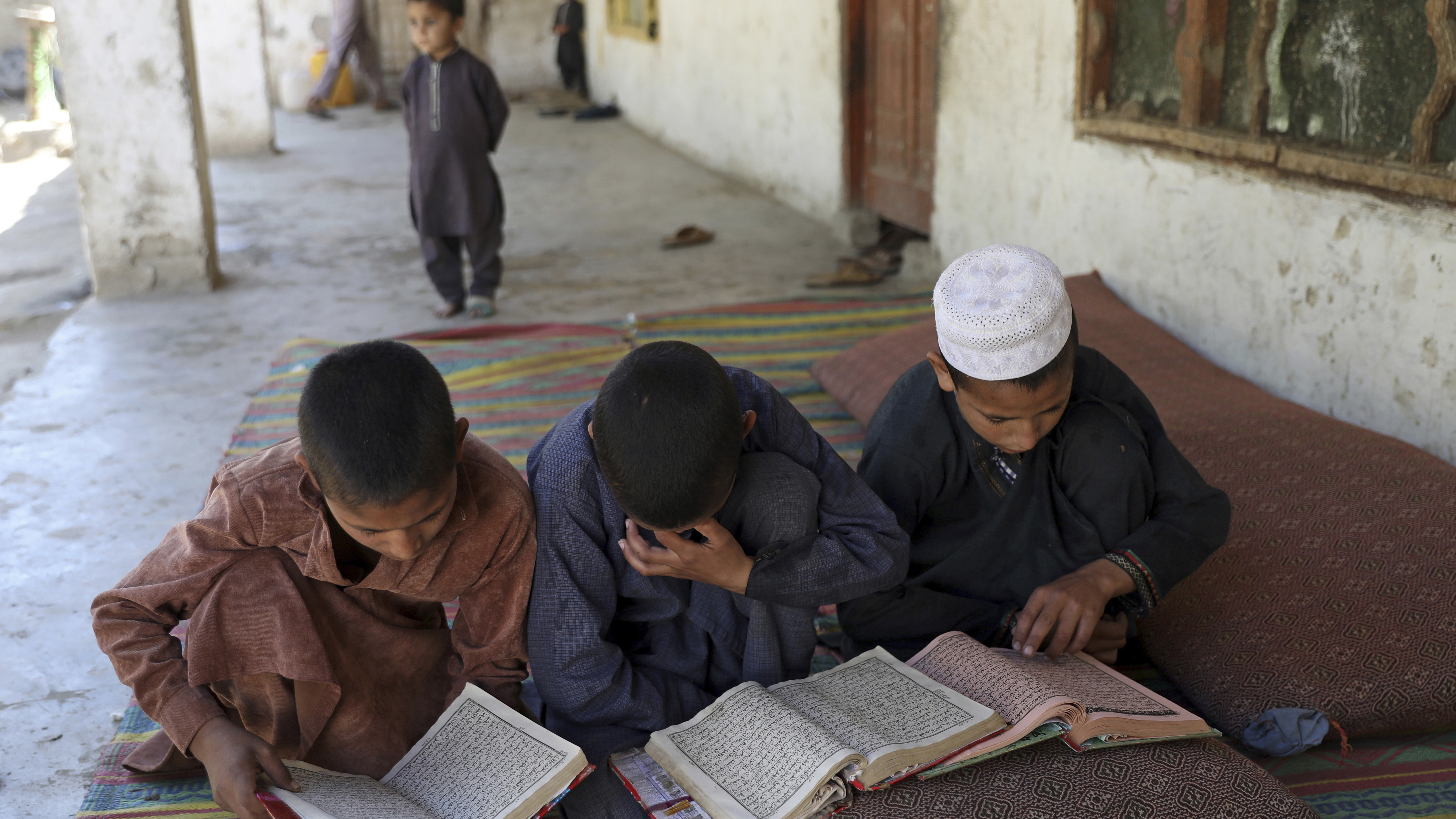
Afghanistan

Washington blamed IS for a brutal assault last year on a maternity hospital in a largely Hazara neighbourhood of Kabul. Infants and pregnant women were killed.

In March, seven Hazaras who worked in a stucco factory in the eastern city of Jalalabad were killed in an attack claimed by IS.

The assailants tied their victims' hands behind their backs and shot each with a single bullet to the back of the head.

Some residents there are afraid to point the finger at IS, fearing they might be targeted next.

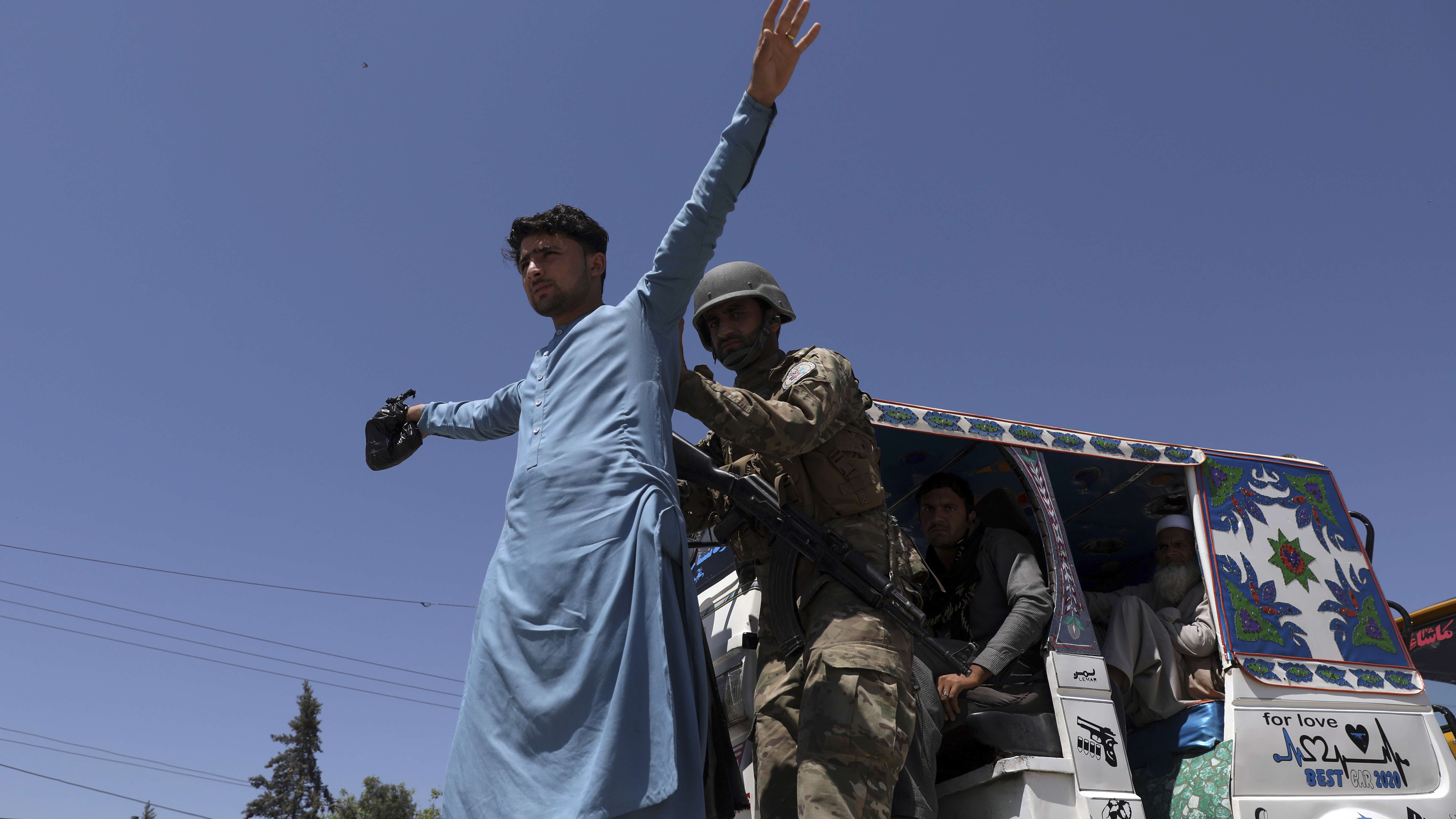
IS operatives are said to occupy an entire neighbourhood near the central Talashi roundabout. They have infiltrated the motorised rickshaw business and use the vehicles for targeted killings, said taxi driver Saida Jan.

Evan Kohlmann, a terrorism consultant, said for a while it appeared the IS presence in Afghanistan and surrounding regions “was all but dead," but the group's operations “have since resumed in earnest.”

“They represent a significant terrorist threat, but their tactics remain in the realm of assassination and sabotage," said Kohlmann, who has worked with the FBI and the Nine Eleven Finding Answers Foundation that emerged following the assaults on America.

"They don't seem to be in a strong position of conquering and holding territory,” or of threatening the US, he said.

The Taliban say they have made good on promises to the US by ordering fighters to keep non-Afghans from their ranks, and telling al-Qaida to leave the region. Some analysts say they're not convinced the Taliban have distanced themselves from groups like al-Qaida.

US officials, meanwhile, acknowledge the withdrawal will reduce Washington's intelligence gathering capacities, even if IS and al-Qaida aren't in a position to attack US targets from Afghanistan.
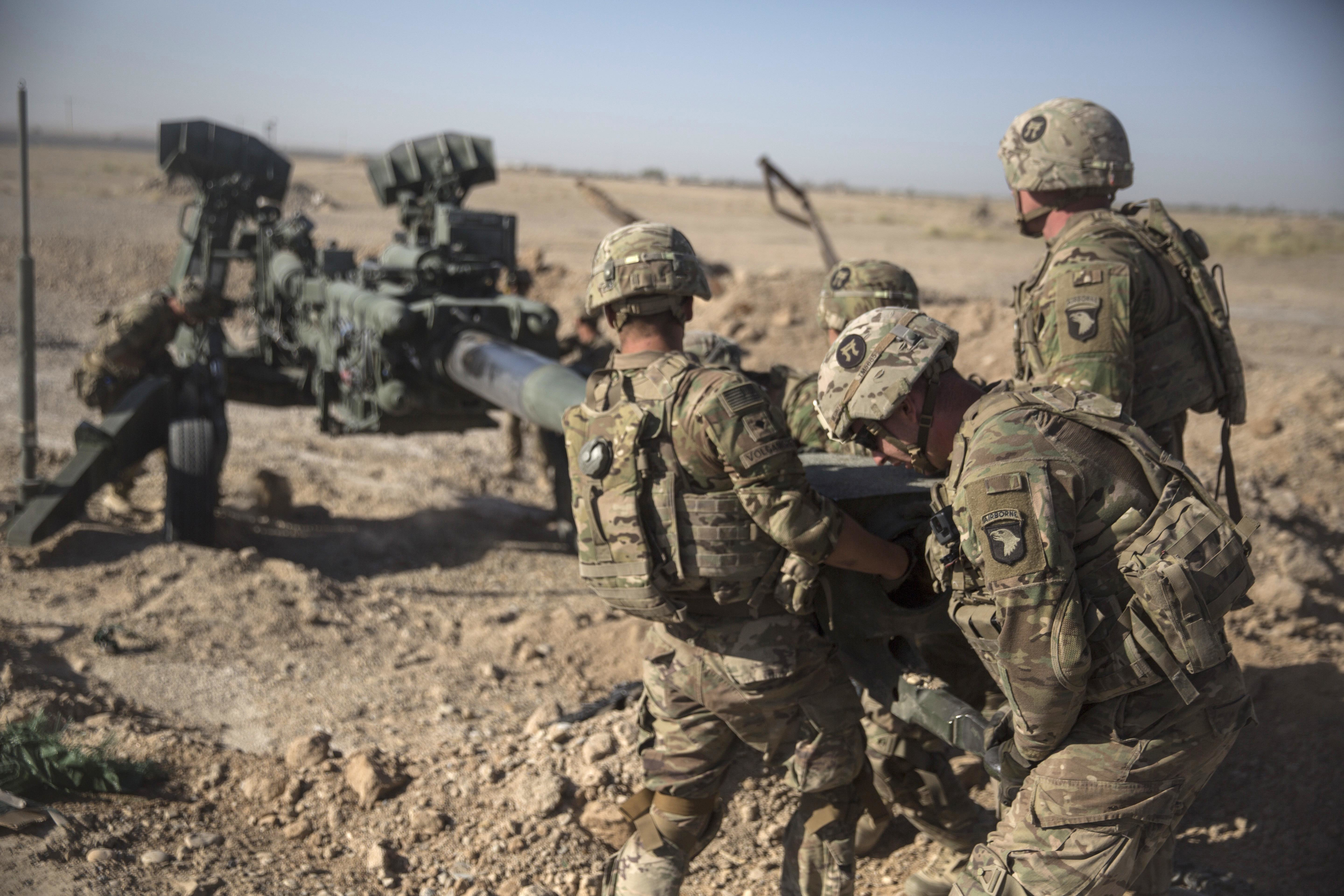
US troops have already begun leaving Afghanistan and by November 2020 less than 5000 soldiers are expected to still be there, down from nearly 13,000 when the Taliban agreement was signed on February 29, 2020.

READ MORE: CIA head said to have made unannounced trip to Afghanistan

Asfandyar Mir at Stanford University’s Centre for International Security and Cooperation said the US will be able to continue technical eaves-dropping from a distance, while on-the-ground intelligence gathering will weaken further.

“The US campaign in Afghanistan has been notoriously poor at getting good information and being played by rent-seeking actors, the cost of which is borne by innocent civilians in raids and strikes gone wrong,” said Mr Mir.

“With US forces out, and unable to provide security to potential informers, existing sources will dwindle and opportunities for bad actors to dupe the US will grow," he said.
Former Lord Mayoral candidate attacked in Adelaide

CCTV has captured the moment a former Lord Mayoral candidate was set upon by two men outside his Adelaide club.

Steven Kelly says he was standing on Hindley Street, in the city, eating a pizza and "minding his own business" when the attack happened.

Hindley assaultHindley assault

READ MORE: Man charged with assault after brawl erupts in Adelaide bubble tea shop

The video shows the first man approach the local businessman and shove him, knocking his pizza box to the ground.

Another man then approaches Mr Kelly and appears to assault him, ripping his body camera off and grabbing him as he tries to defend himself.

Mr Kelly is now calling for more police patrols along the popular nightspot to prevent similar violent attacks from happening.

Police are investigating the incident and are calling for anyone with information to contact CrimeStoppers on 1800 333 000.

'I relive hearing that crash daily': Family's heartbreak as drug-driver sentenced

The heartbroken family of a young Darwin woman killed by a drug-driving teen on his phone has paid tribute to "the greatest human" outside court.

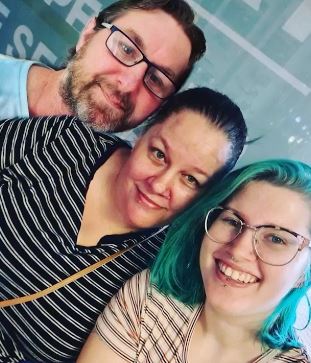
Stephanie Shoben-Franklin was the light of her friends' and family's lives.

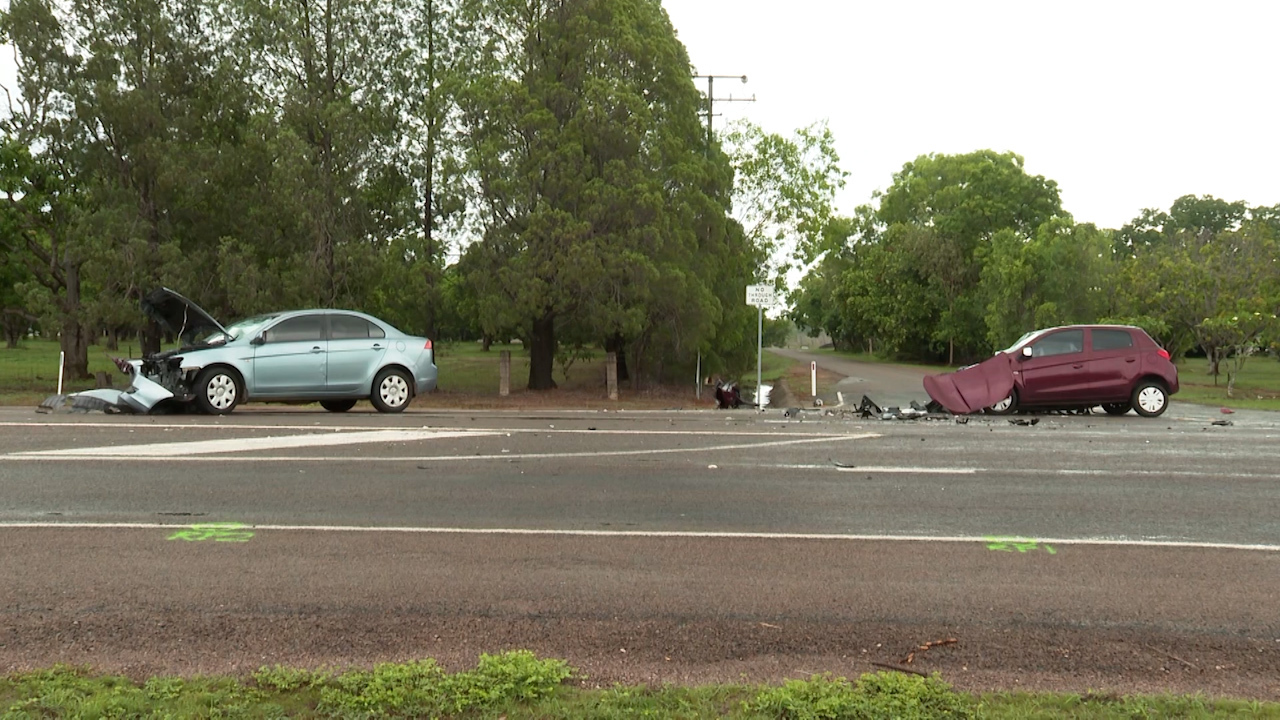
The 24-year-old was killed last year by a drug driver who decided to take his eyes off the road for less than five seconds to change the music.

Darwin crash

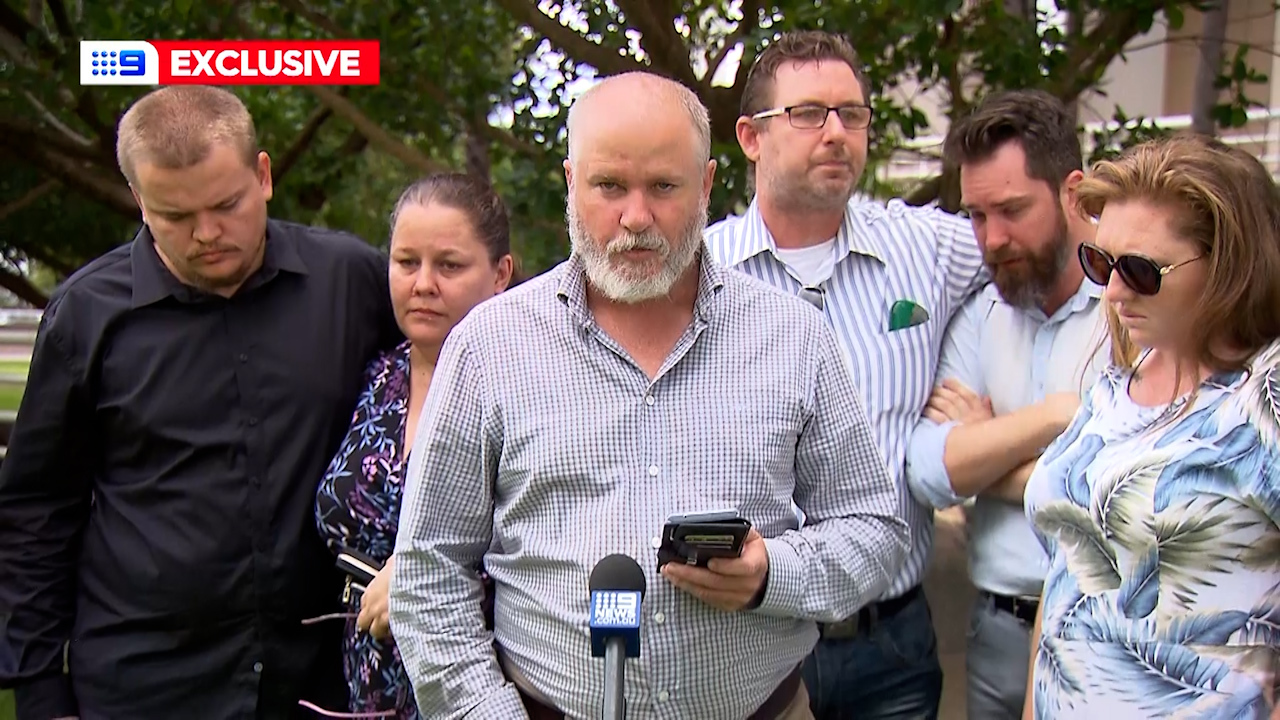
"She was the greatest human," Stephanie's father Dean Franklin told 9News outside court today.

"She was fierce. She was a fighter. She fought for people who couldn't fight for themselves. She fought for equality and women's rights.

"She was a rainbow. Maybe, she was too good for this world, I don't know. We just have to remember that 4.1 seconds is all it took for someone to steal her from us."

The driver cannot be identified because he was 10 days from turning 18 at the time of the crash.

Darwin crash

The youth had been smoking cannabis that morning and while travelling along McMillans Road in Darwin at 80km/h he looked down at his iPhone, veering into the oncoming lane and striking Stephanie's Mitsubishi Mirage.

"I hope that what his father said to us is true, that he's living from his mistakes and that he's going to change his life," Mr Franklin said.

"But I don't want him to forget the 17th of October. Ever."

Stephanie's mother Sachiko Shoben was speaking to her on Bluetooth hands free at the time of the crash and heard her final moments.

"I have flashbacks. I can see the accident happening. I can see the look of fear on Stephanie's face," she said.

"And I feel the fear that she would have felt right before (the driver) crashed into her. I feel the pain. I relive hearing that crash daily."

Darwin crash

The teen was sentenced to three years' jail, suspended after seven months. He was also stripped of his licence for three years.

"Shame on you NT justice system. This is someone's life and all you gave us was seven months," Mr Franklin said.

"Our message to Territorians is that catastrophic outcomes can occur within seconds. Next time you go to pick up your phone, drink or do drugs and drive, think of our daughter, Stephanie Shoben-Franklin."

‘Descent Into Hell’: Kidnapping Explosion Terrorizes Haiti

Sarah Marsh

Reuters

A wave of kidnappings is sweeping Haiti. But even in a country growing inured to horrific abductions, the case of five-year-old Olslina Janneus sparked outrage.

Olslina was snatched off the streets of the capital Port-au-Prince in late January as she was playing. The child’s corpse, bearing signs of strangulation, turned up a week later, according to her mother, Nadege Saint Hilaire, a peanut vendor who said she couldn’t pay the $4,000 ransom. Saint Hilaire’s cries filled the airwaves as she spoke to a few local radio stations seeking help raising funds to cover funeral costs.

Saint Hilaire is now in hiding after receiving death threats, she said, from the same gang that killed her daughter. “I wasn’t supposed to go to the radio to denounce what had happened,” she told Reuters.

Police in her impoverished and crime-ridden neighborhood, Martissant, told Reuters they were investigating the case.

Haiti’s epidemic of kidnappings is the latest crisis to befall this Caribbean island nation of around 11 million people, roiled by deepening political unrest and economic misery. Kidnappings last year tripled to 234 cases compared to 2019, according to official data compiled by the United Nations.

The real figures are likely much higher because many Haitians don’t report abductions, fearing retribution from criminal gangs, according to attorney Gedeon Jean, director of the nonprofit Center for Human Rights Analysis and Research in Port-au-Prince. He said the research center recorded 796 kidnappings last year.

Haiti’s national police force did not respond to a request for comment. President Jovenel Moise has said repeatedly that his government is doing all it can, and has put more resources into anti-kidnapping efforts. Still, he publicly acknowledged on April 14 that “kidnappings have become generalized” and that efforts to combat persistent insecurity have been “ineffective.”

Human rights activists and a new report from Harvard Law School’s International Human Rights Clinic allege that Moise’s government has allied itself with violent criminal gangs to maintain its grip on power and to suppress dissent. Opposition groups have called for Moise to resign and hand power to a transitional government that would delay presidential and legislative elections slated for September until the nation is stable enough to ensure a free and fair contest.

Haiti’s acting Prime Minister Claude Joseph denied those allegations and the report’s findings. He said anti-democratic forces are whipping up violence to destabilize Moise’s administration in an election year. “They are fomenting the gangs to stop there being elections,” Joseph told Reuters.

Criminals have targeted some poor people, like Saint Hilaire, for modest sums. Many more victims come from the ranks of the Haitian middle class – teachers, priests, civil servants, small business owners. Such targets aren’t rich enough to afford bodyguards but have enough assets or connections to scrape up a ransom.

In one of the most high-profile recent cases, five Catholic priests, two nuns and three laymen were kidnapped on April 11 in the commune of Croix-des-Bouquets, northeast of the capital. Four members of the group were subsequently released and six are still missing, according to an April 25 statement by the Society of Priests of St. Jacques, a French missionary society linked to four of the kidnapped priests. An official with that group declined to comment on whether a ransom was paid.

“For some time now, we have been witnessing the descent into hell of Haitian society,” the Roman Catholic Archdiocese of Port-au-Prince said in a statement earlier this month.

‘KILLING THE ECONOMY’

Haiti last experienced a major surge in kidnappings and gang violence after a rebellion toppled then-President Jean-Bertrand Aristide in 2004, prompting the United Nations to send in a peacekeeping force.

The departure of that force in October 2019 was followed by a resurgence in gang crime, according to human-rights activists, who say kidnapping has proven lucrative at a time when Haiti’s economy is teetering.

Rights activists say politics also play a role. They allege Moise’s government has harnessed criminal groups to terrorize neighborhoods known as opposition strongholds and to quell public dissent amid street protests that have rocked the country the past three years.

The report released April 22 by the International Human Rights Clinic at Harvard Law School alleges “high-level government involvement in the planning, execution and cover-up” of three gang-led attacks on poor neighborhoods between 2018 and 2020 that left at least 240 civilians dead. The report relied on investigations of the attacks by Haitian and international human rights experts. It alleges the government provided gangs with money, weapons and vehicles and shielded them from prosecution.

The U.S. Department of the Treasury in December sanctioned reputed Haitian gang leader Jimmy Cherizier and two former Moise administration officials – Fednel Monchery and Joseph Pierre Richard Duplan – for helping orchestrate one of the attacks. All three have denied wrongdoing.

Kidnapping is an outgrowth of impunity for criminal organizations, according to Rosy Auguste Ducena, program manager of the Port-au-Prince-based National Network for the Defense of Human Rights.

“We are talking about a regime that has allied itself with armed gangs,” Ducena said.

Justice Minister Rockefeller Vincent denied any government alliance with gangs. He told Reuters in December that the wave of kidnappings was the work of political enemies seeking to undermine Moise “by creating a sense of chaos.”

The rise in kidnappings has petrified many Haitians. The heads of seven private business associations this month issued a joint statement saying they had reached “a saturation point” with soaring crime. They endorsed a nationwide work stoppage that occurred on April 15 to protest Haiti’s security crisis.

“Kidnapping is killing the economy,” said Haitian economist Etzer Emile. He said the tourism and entertainment sectors have withered.

Moise’s administration says it is working hard to end the terror. Two years ago it revived a commission aimed at disarming gang members and reintegrating them into society. Over the past year, the government has increased the police budget and solicited advice from Colombia, which once battled its own kidnapping epidemic. In March, Haiti created an anti-kidnapping task force to attack the problem with tactics such as tracing laundered ransom money.

Still, four policemen died last month in a gun battle with alleged criminals in a slum where kidnapping victims are often held. The government declared a month-long state of emergency in gang-controlled neighborhoods. Yet abductions continue to mount.

Moise, who has opted not to seek re-election this September, has defied the opposition’s calls for him to step down early. On April 14 he issued a statement saying he aimed to form a government of national unity to better tackle the “pressing problem of insecurity.”

HOODS, GUNS AND TORTURE

Many Haitians remain skeptical – and on edge.

One victim was a 29-year-old doctor. He was kidnapped in his own vehicle last November after leaving the Port-au-Prince hospital where he had just finished an overnight shift. He told Reuters his story on condition of anonymity.

At dawn, four armed assailants hustled him into the back seat, threw a hood over his head and held him at gunpoint as they drove, he said. His captors eventually tossed him into a room with three other abductees – a man and two women – who had been snatched earlier.

The physician said his kidnappers ordered him to phone his family to request $500,000 for his release. The first two people he tried said they couldn’t pay. The kidnappers slapped him and delivered a threat.

“They said that if I called a third person that didn’t give me a satisfying response, they would kill me,” he said.

The doctor’s girlfriend said she and three friends negotiated with the gang. She wouldn’t say how much they paid, fearful of becoming targets for other criminals.

The doctor said he reported his abduction to Haiti’s national anti-kidnapping police unit. That unit did not respond to requests for comment.

The physician does not know the fate of his fellow abductees. He said the kidnappers poured melted Styrofoam on their skin because their families had yet to pay up.

Saint Hilaire, the mother of the young girl who was kidnapped and murdered, said she continues to watch her back after speaking publicly about the abduction.

The kidnappers “told me to make sure I never ran into them, because they would kill me,” she said.

The post ‘Descent Into Hell’: Kidnapping Explosion Terrorizes Haiti appeared first on The St Kitts Nevis Observer.

Latin America’s Vaccine Shortage Hits Economic Revival as Pandemic Rages

Reuters- Latin Americans, hard-hit by the coronavirus pandemic, are struggling to get vaccinated, a threat to the region’s fragile economic recovery as lockdowns tighten amid a dangerous surge of infections and rising death tolls.

The region of some 660 million people has recorded almost 30% of the world’s 3.2 million COVID-19 deaths to date, despite being home to just 8% of the world’s population. While countries in Africa and Asia also lag behind Europe and North America on inoculations, health experts say Latin America’s need for vaccines is the most urgent.

The scarcity comes down to a few factors: high income countries snapped up most of the available doses, and Latin American officials have cited difficulties sealing deals for their own people. A plan to manufacture the AstraZeneca (AZN.L) vaccine locally has been hit by delays, and suppliers like Russia have faced their own hold-ups.

Meanwhile, the global COVAX program to supply vaccines to poorer countries has been bogged down by production glitches, a lack of support from wealthy nations, and a recent move by India, the biggest vaccine manufacturer, to curb exports.

With vaccine roll-outs lagging behind once ambitious plans, coronavirus cases have soared, with intensive care units from Argentina to Colombia filling up and death tolls hitting record highs.

“There is a great sense of helplessness,” said Elkin Gallego, whose wife was waiting for an ICU bed in Colombian capital Bogota, where health authorities say vaccine supplies are running out. “As a human you just can’t do anything.”

Colombia, which has a population of around 50 million, has so far distributed just over 4 million doses of COVID-19 vaccines, with some 1.3 million people fully inoculated.

That is still far from the worst in the region. Honduras, Venezuela and Nicaragua have given at least one dose to less than 1% of their populations, a Reuters tally shows. In Peru and elsewhere the scarcity is driving ‘vaccine tourism’ overseas.

The International Monetary Fund warned this month that the slow vaccine roll-out and resurgence of cases “cast a shadow” on Latin America’s near-term economic recovery prospects.

Regional leaders pushed for more vaccines in an Ibero-American summit last week, while the director of the World Health Organization’s Americas arm, Carissa Etienne, said the regional scarcity posed a global threat.

“Latin America is the region that currently has greatest need for vaccines, this region should be prioritized for distribution of vaccines,” she said. “This is a global epidemic. No one will be safe until we are all safe.”

‘BACK OF THE LINE’

In Paraguay, the scarcity of vaccines has angered locals, especially the perceived slow arrival of doses via the COVAX program, co-led by the WHO, which pulled out its representative in the country this month amid rising criticism.

“I believe neither we nor much of the world is satisfied with the time and the amount of vaccines that we have been receiving,” Paraguayan President Mario Abdo said last week.

According to a Reuters data tracker, Paraguay has administered enough inoculations to give two doses to just 0.6% of its population and at its current speed would take 454 days to vaccinate another 10%.

Peru is slightly ahead at 371 days, while Bolivia would take 150 days to reach the same mark. These compare to some 21 days in the United States, 30 days in the United Kingdom and 89 days in India, which is itself now battling a huge wave of cases.

In Brazil, the region’s largest country and a global epicenter of the virus, the government has been left scrambling to find enough doses and is inoculating at half the speed it had initially predicted.

Argentina has a deal for Russia’s Sputnik V, though has faced delays receiving doses, while its plan to produce the AstraZeneca vaccine with Mexico has been held up by plant issues.

Not all Latin American countries have struggled. Chile and Uruguay, two of the region’s most developed, are outliers. Chile has given at least one shot to over 40% of its population after leveraging its strong trade ties to seal vaccine supplies.

In Peru, President Francisco Sagasti apologized to people having difficulty getting vaccines.

“Peru is at the back of the line in South America,” said Juan Carvajal, a volunteer with Peru’s OpenCovid group of scientists and researchers, lamenting that only one in 50 Peruvians had been vaccinated.

Neighboring Bolivia, meanwhile, tied up a deal for 5.2 million doses of Sputnik V but has so far received only 245,000 doses, leaving it well short of its initial plan to cover everyone over 60 by the end of April.

“I signed up a fortnight ago. Now they tell me that I have to wait all week because the vaccines are finished,” Marisol Valdez, 82, told Reuters in La Paz.

The post Latin America’s Vaccine Shortage Hits Economic Revival as Pandemic Rages appeared first on The St Kitts Nevis Observer.