Category Archives: headline

Al Sharpton decries 'stench of racism' in Daunte Wright's death

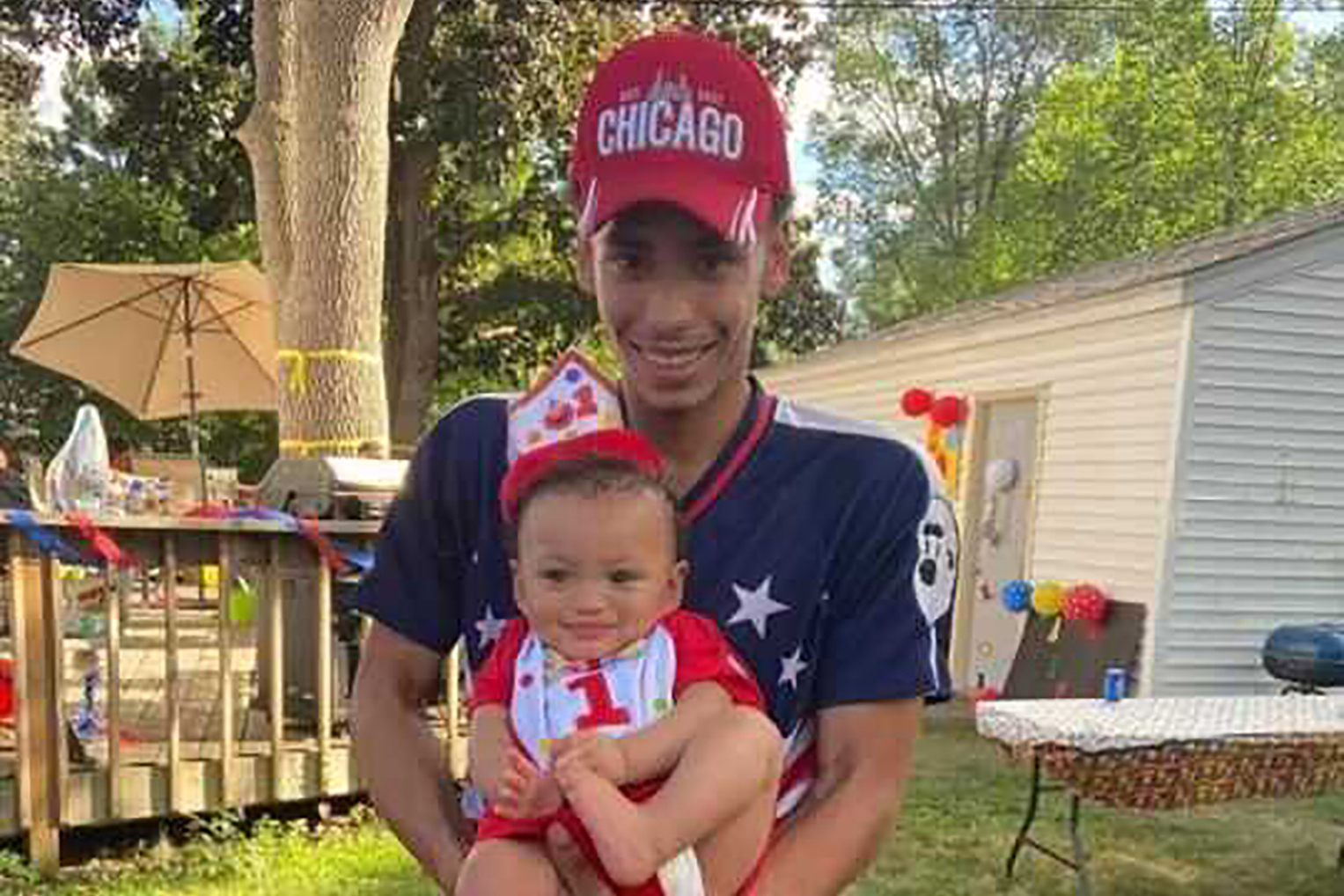
Daunte Wright, the young Black man shot by a police officer during a traffic stop in suburban Minneapolis, was not "just some kid with an air freshener," but a "prince" whose life ended too soon at the hands of police, civil rights leader Reverend Al Sharpton said during an emotional funeral.

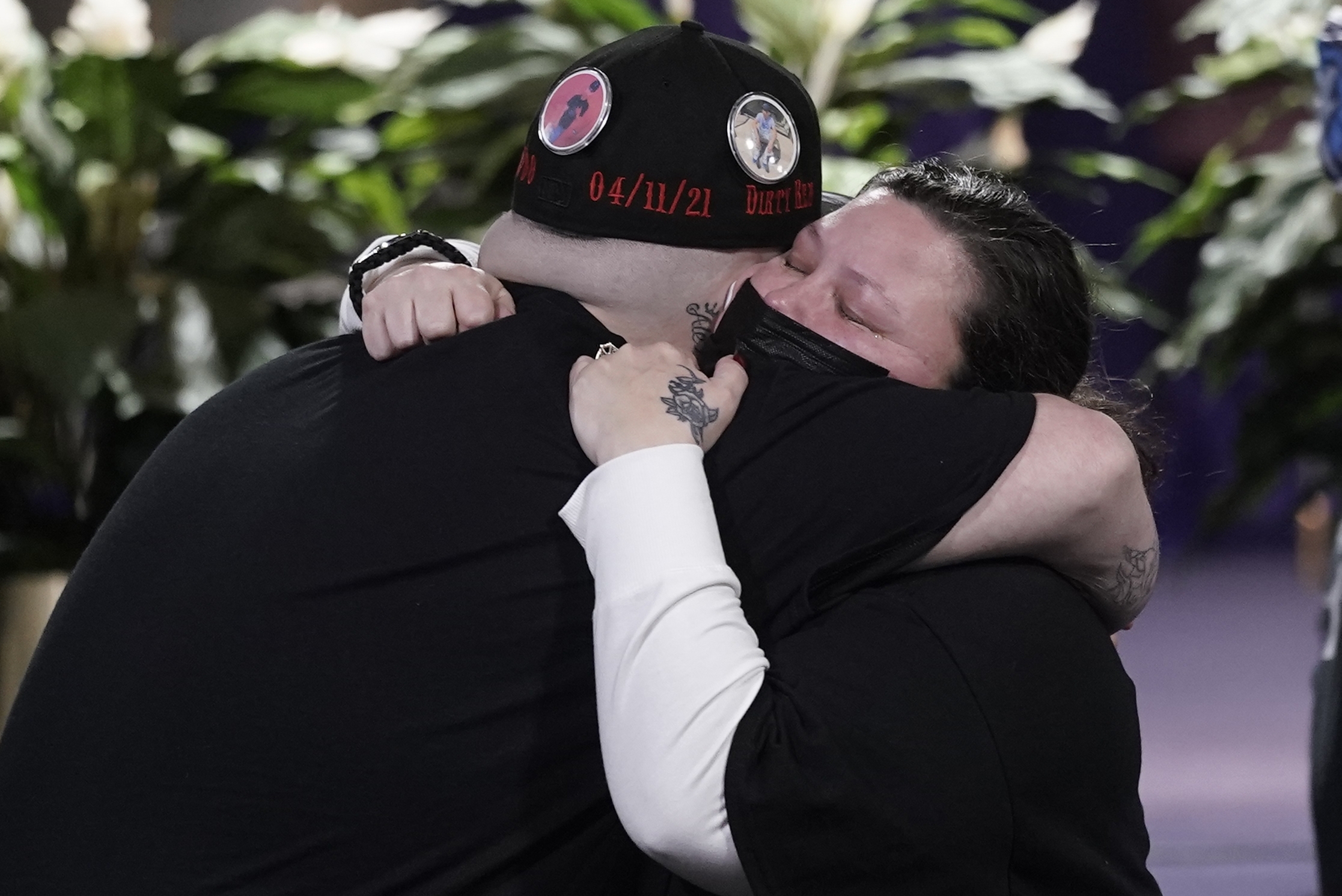
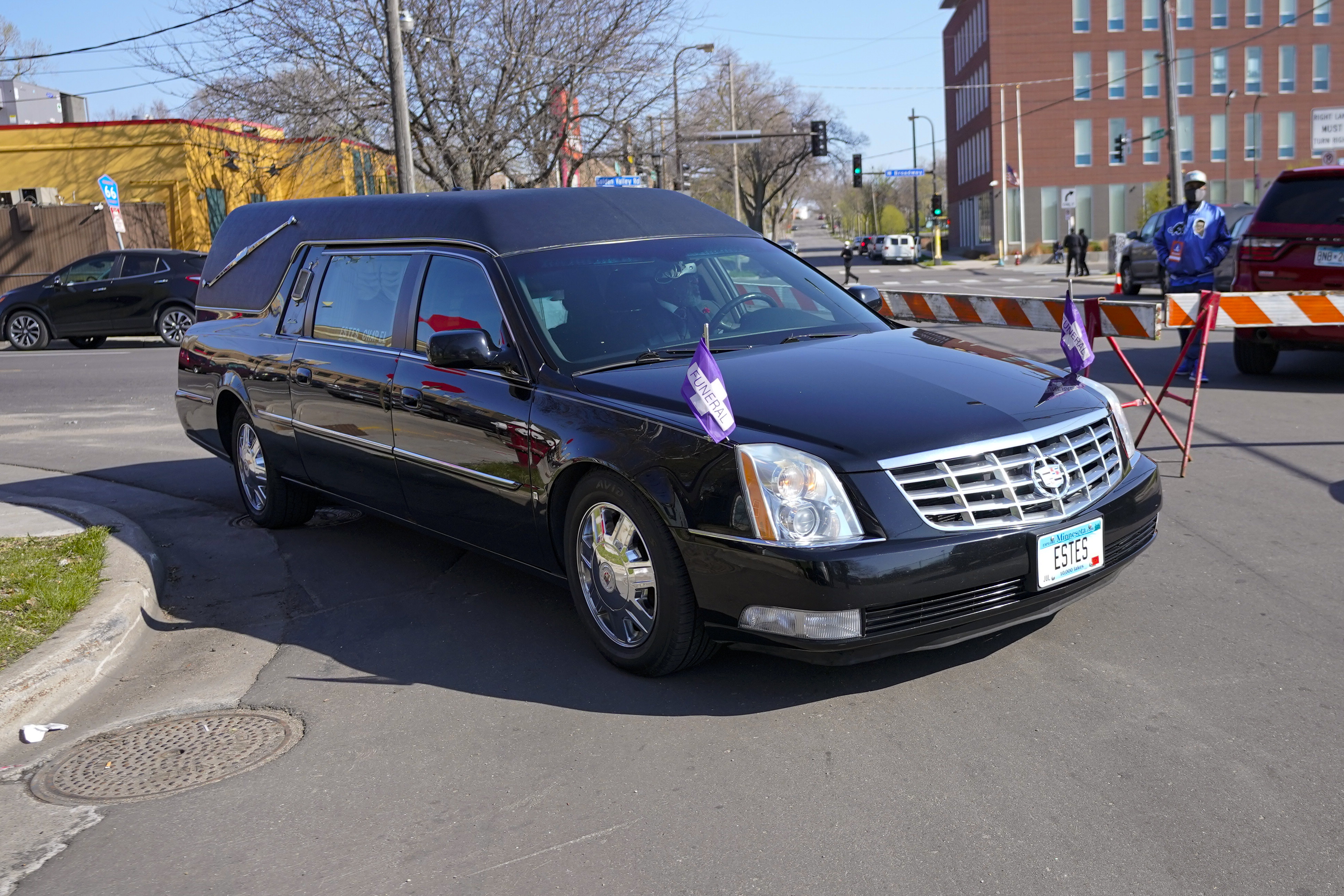
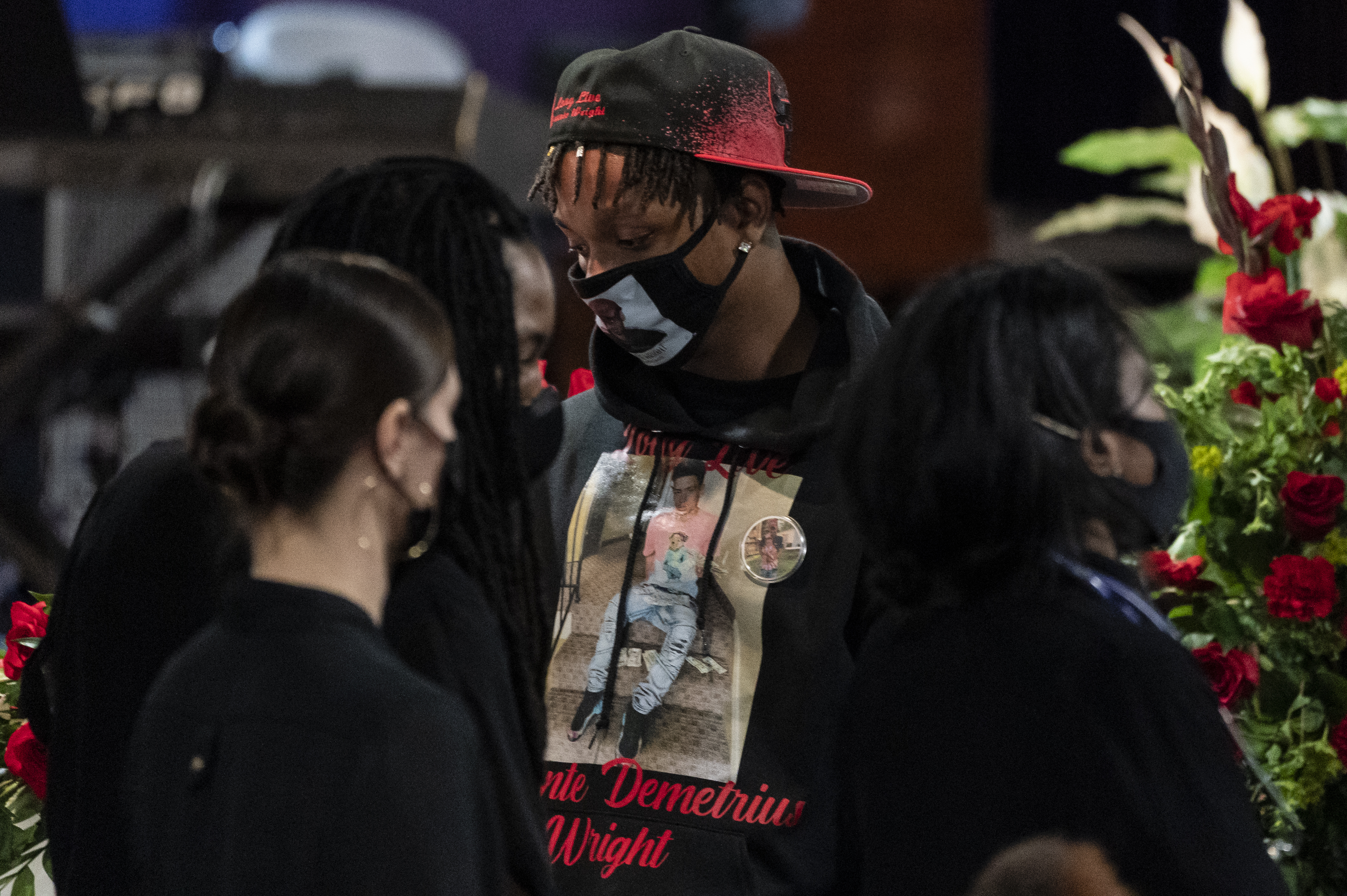
Hundreds of people wearing COVID-19 masks packed into Shiloh Temple International Ministries to remember Wright, a 20-year-old father of one who was shot by a white police officer on April 11 in the small city of Brooklyn Center.

The funeral was held just two days after former Minneapolis police Officer Derek Chauvin was convicted in the death of George Floyd and amid a national reckoning on racism and policing.

READ MORE: Teen with 'a cell phone and sheer guts' who filmed Derek Chauvin
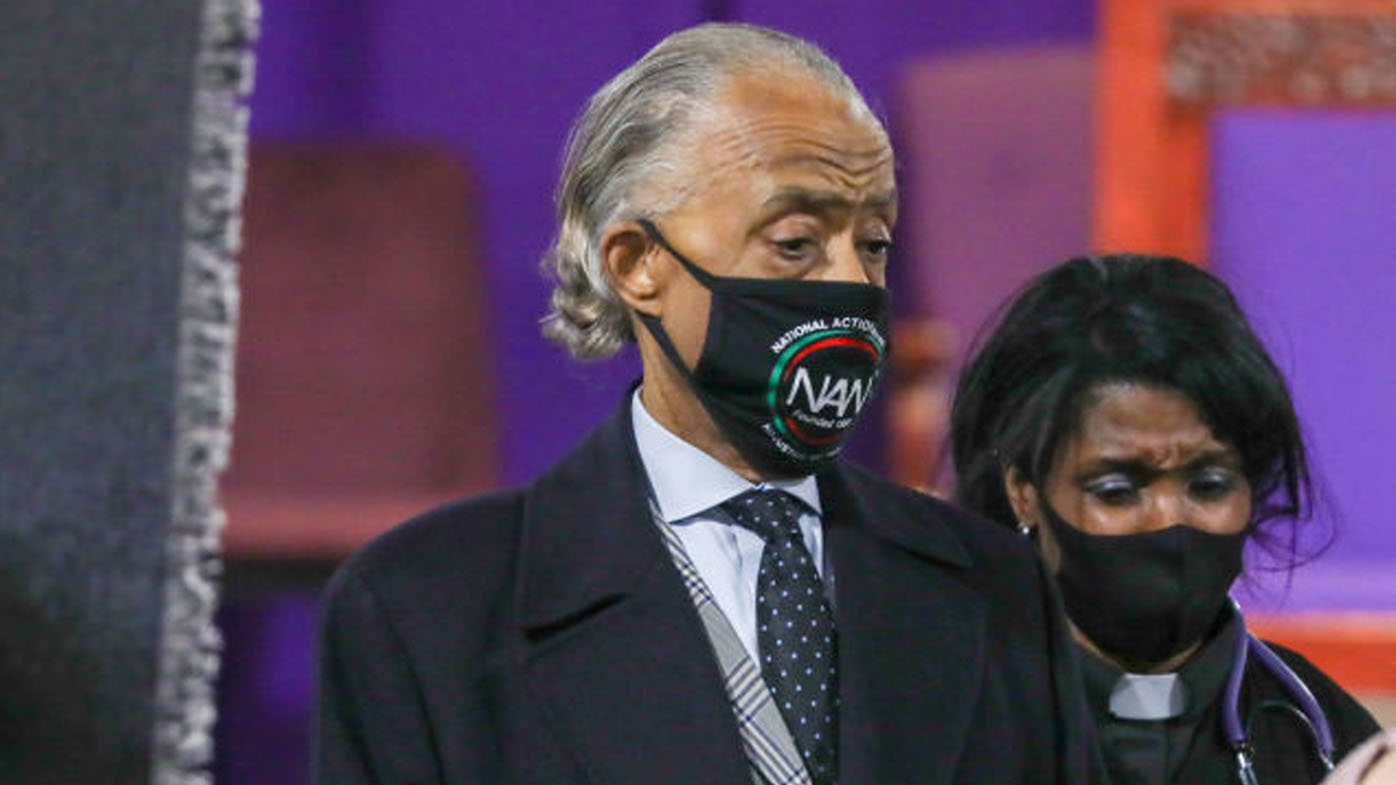
"The absence of justice is the absence of peace," Mr Sharpton said. "You can't tell us to shut up and suffer. We must speak up when there is an injustice."

Earlier Rev Sharpton said that the fight for justice didn't end with the guilty verdicts for former Minneapolis police Officer Derek Chauvin.

"We should not think that, because we won one battle with Chauvin, the war is over," he said, "or that if we do not get justice for this case, that we will undo what we were able to do with George Floyd. This is round two, and we must win this round."

At Floyd's Minneapolis funeral last year, Rev Sharpton put Floyd's death in the context of brutality long felt by Blacks in America, saying: "The reason we could never be who we wanted and dreamed to be is you kept your knee on our neck."

READ MORE: Major probe of Minneapolis police after Floyd verdict
"What happened to Floyd happens every day in this country," Rev Sharpton said back then. "It's time for us to stand up in George's name and say, 'Get your knee off our neck!'"

Among those attending Mr Wright's funeral were Valerie Castile, whose son Philando Castile died after being shot by a police officer during a traffic stop in a Minneapolis suburb in 2016, and Gwen Carr, the mother of Eric Garner, who was filmed saying "I can't breathe" in a fatal 2014 encounter with New York City police. US Sen. Amy Klobuchar, Gov. Tim Walz and Minneapolis Mayor Jacob Frey also were in attendance.

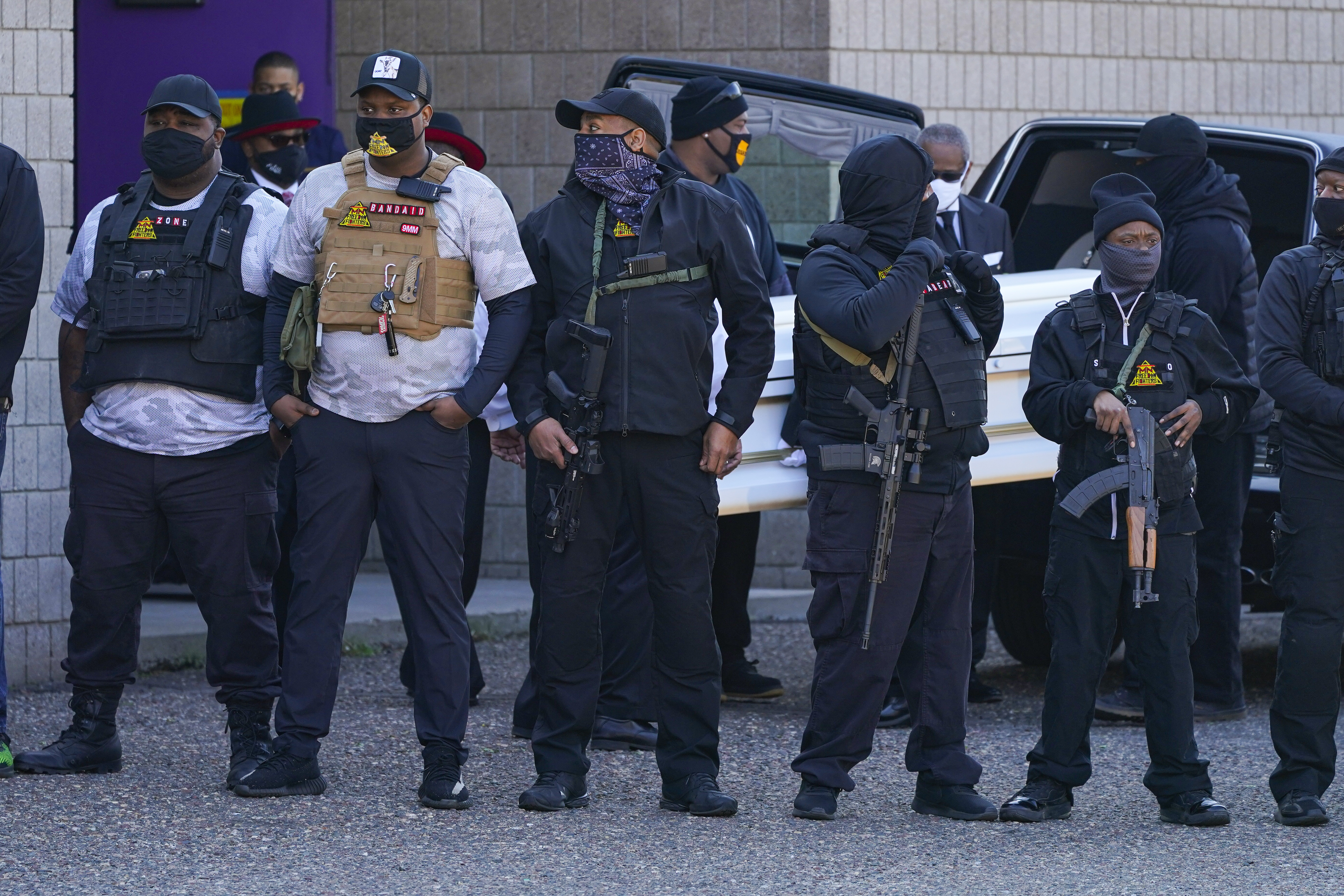
More than a dozen members from an armed team of local men, the Minnesota Freedom Fighters, many with rifles, sidearms and wearing body armour, provided security.

READ MORE: Biden to Floyd family after verdict: 'We're all so relieved'
Mr Wright's killing set off protests in Brooklyn Center, a working-class, majority nonwhite city, with hundreds of people gathering every night for a week outside the city's heavily guarded police station. While the mayor called for law enforcement and protesters to scale back their tactics, the nights often ended with demonstrators lobbing water bottles and rocks at the officers, and law enforcement responding with pepper spray, tear gas and rubber bullets.

The city's police chief said it appeared from body camera video that the officer who shot Wright used her pistol when she meant to use her Taser. The white officer, 26-year veteran Kim Potter, is charged with second-degree manslaughter. Both she and the chief resigned soon after the shooting.

Mr Wright's killing came amid increasing tension during the weekslong trial of Derek Chauvin, the white former police officer who killed Mr Floyd last May. By the day of the verdict, more than 3000 National Guard soldiers had flooded the area, along with police, state troopers and other law enforcement officers. Concrete barriers, chain-link fences and barbed wire ringed the courthouse where Chauvin was tried.

READ MORE: The 12 jurors who found Derek Chauvin guilty of murdering George Floyd
Minneapolis residents who peacefully celebrated Tuesday's guilty verdicts had barely one full day before attention turned to burying Wright.

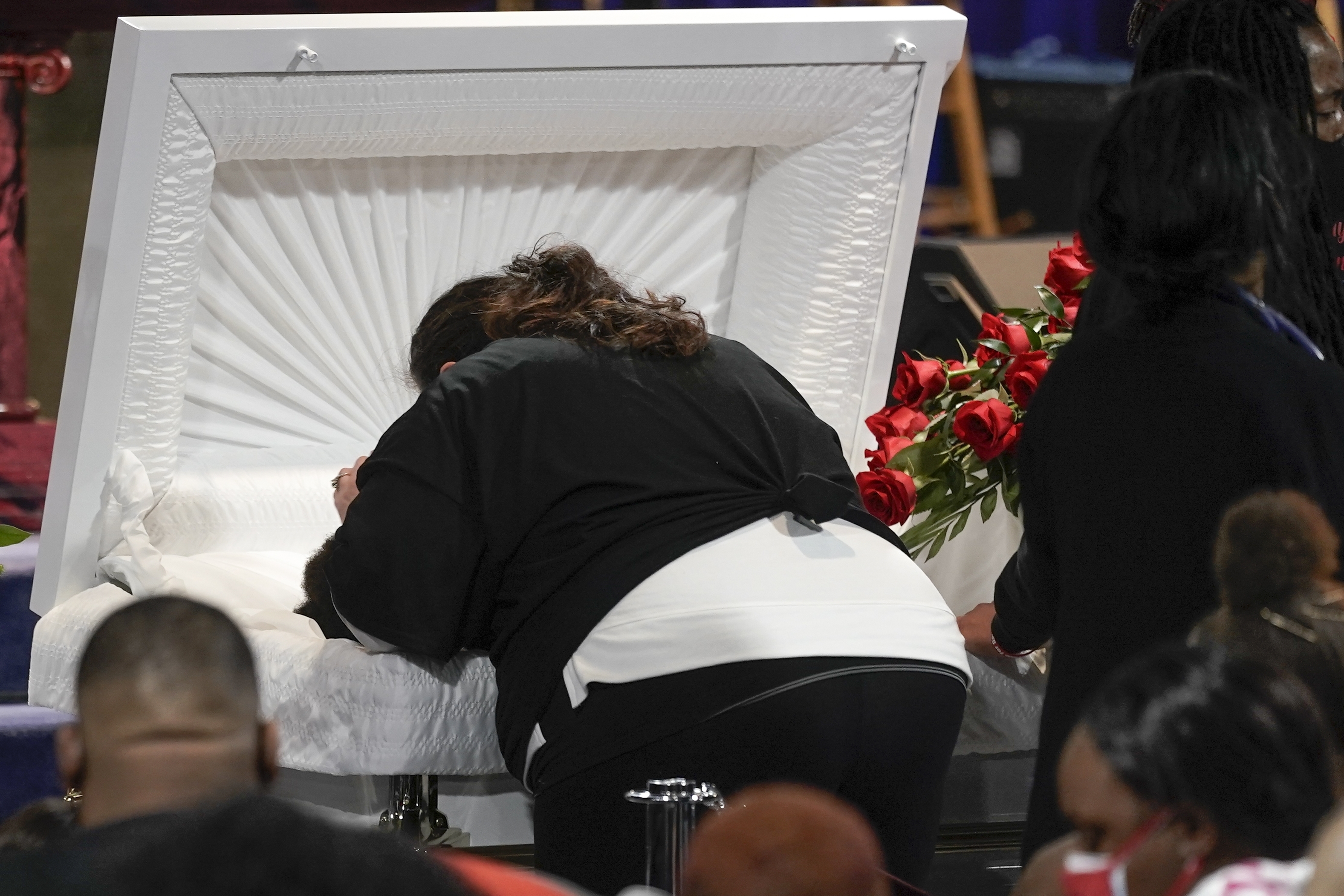
At a viewing for Mr Wright on Wednesday, friends and family members wept as they stood before Wright's open casket, which was blanketed with red roses. Inside the open casket, the young man was dressed in a jean jacket bedazzled with several red and green gem-like buttons on the lapels.

An obituary handed out at the memorial recalled Wright's love of Fourth of July fireworks, the "lemon head" nickname bestowed by an aunt and the months he spent in a hospital intensive care unit when his son was born prematurely.

READ MORE: Family can 'breathe again' as Derek Chauvin found guilty
Mr Wright was pulled over on a Sunday afternoon. His mother said he called her to say he was stopped for having air fresheners hanging from his rear-view mirror — a traffic violation in Minnesota. Police said he was stopped for having an expired car registration.

The shooting occurred when a scuffle broke out as police tried to arrest Mr Wright, after realising he had an outstanding warrant for failing to appear in court on charges of fleeing police and having a gun without a permit.
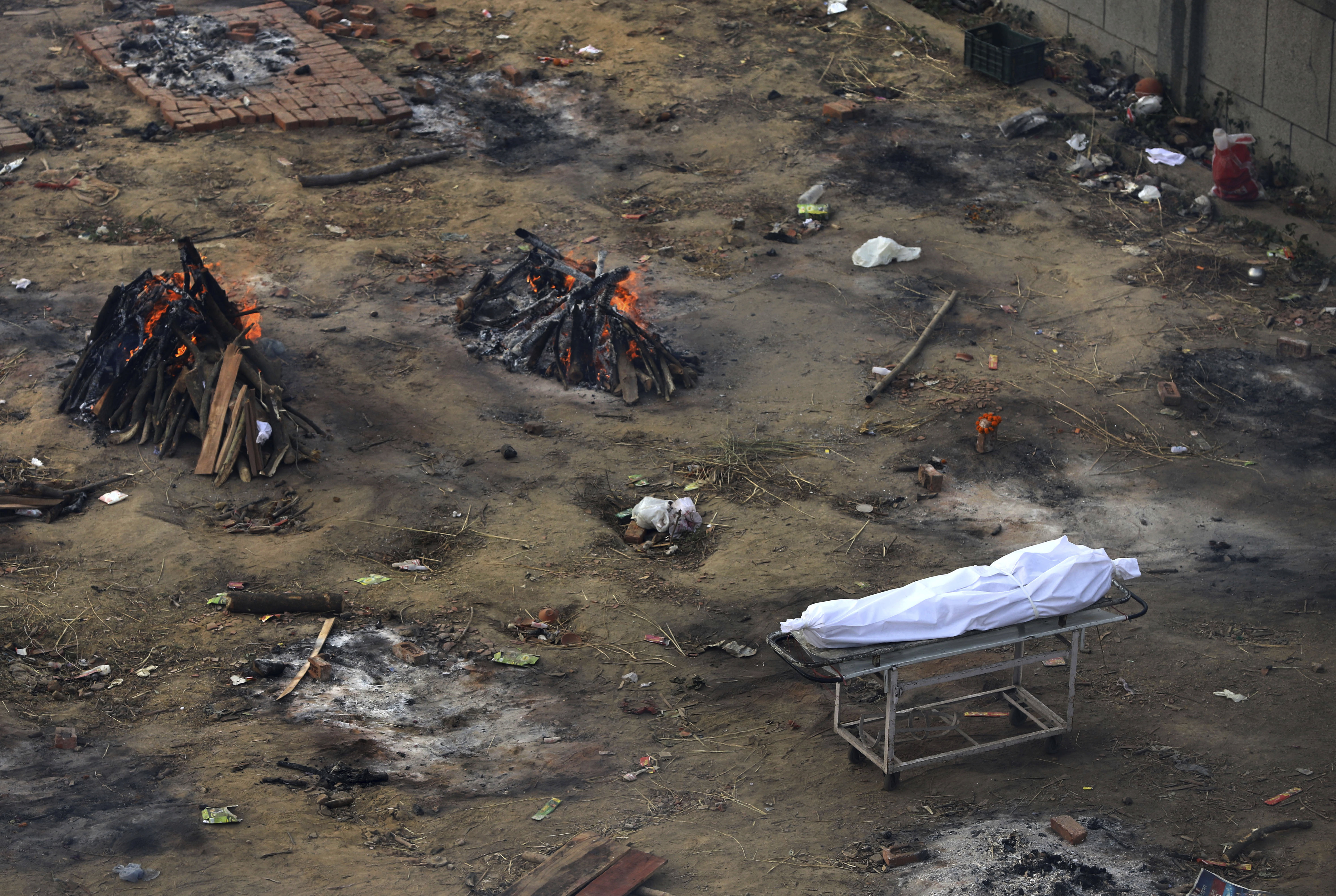
Devastation grows as crematoriums overflow in India

Warning: This article contains images which may be distressing to some readers

India reported a global record of more than 314,000 new infections on Thursday as a grim coronavirus surge in the world's second-most populous country sends more and more sick people into a fragile health care system critically short of hospital beds and oxygen.

The 314,835 infections added in the past 24 hours raise India's total past 15.9 million cases since the pandemic began. It's the second-highest total in the world next to the United States. India has nearly 1.4 billion people.

READ MORE: Australia cuts direct flights from India after mass COVID outbreak

Fatalities rose by 2104 in the past 24 hours, raising India's overall death toll to 184,657, the Health Ministry said.

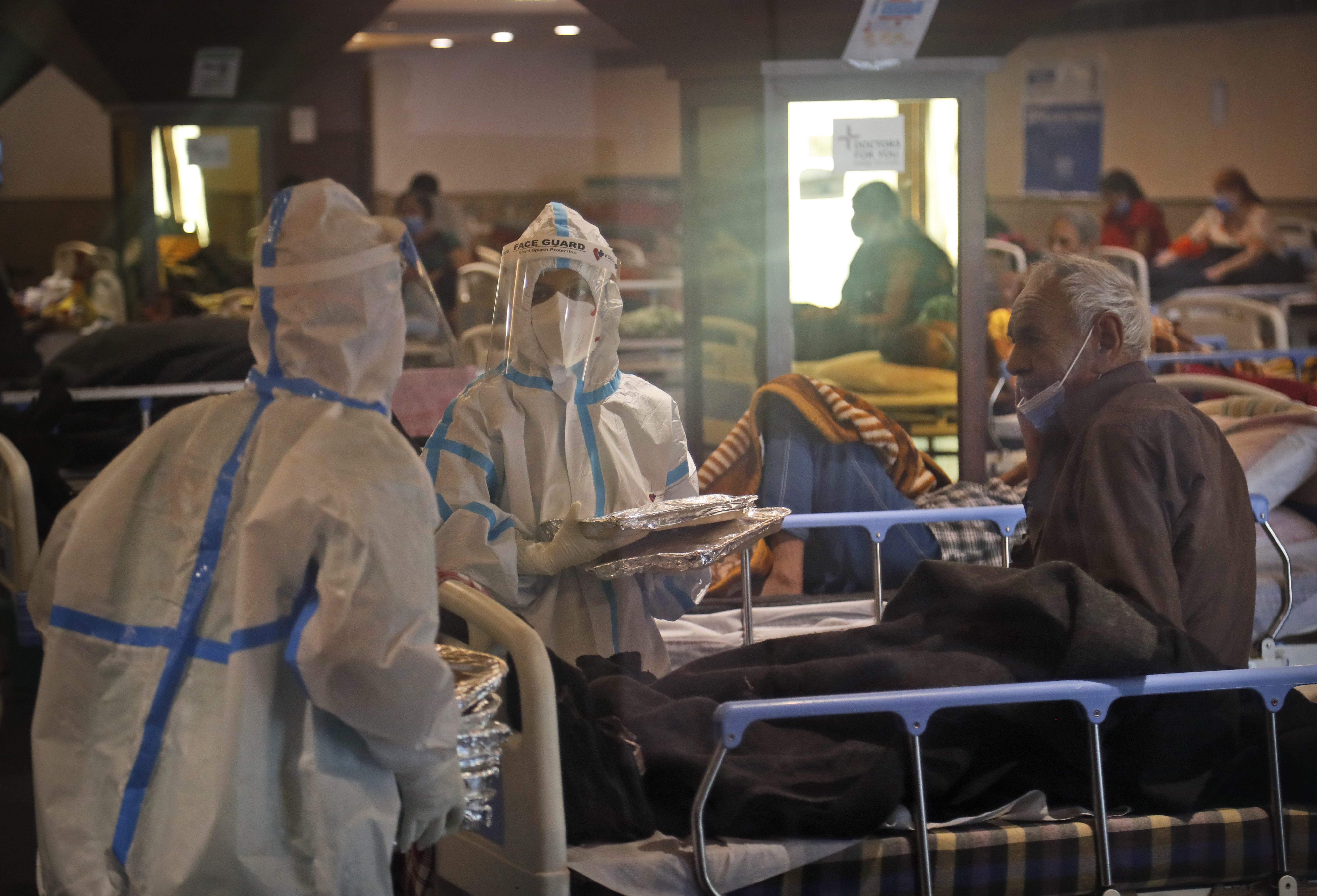
A large number of hospitals are reporting acute shortages of beds and medicine and are running on dangerously low levels of oxygen.

The New Delhi High Court on Wednesday ordered the government to divert oxygen from industrial use to hospitals to save people's lives.

"You can't have people die because there is no oxygen. Beg, borrow or steal, it is a national emergency," the judges said, responding to a petition by a New Delhi hospital seeking the court's intervention.

The government is rushing oxygen tankers to replenish supplies to hospitals.

Indian Health Minister Harsh Vardhan said on Thursday that "demand and supply is being monitored round the clock." He said in a tweet that to address the exponential spike in demand, the government has increased the quota of oxygen for the seven worst-hit states.

Lockdowns and strict curbs have brought pain, fear and agony to many people in New Delhi and other cities.

READ MORE: India's second COVID-19 wave hits like 'tsunami'

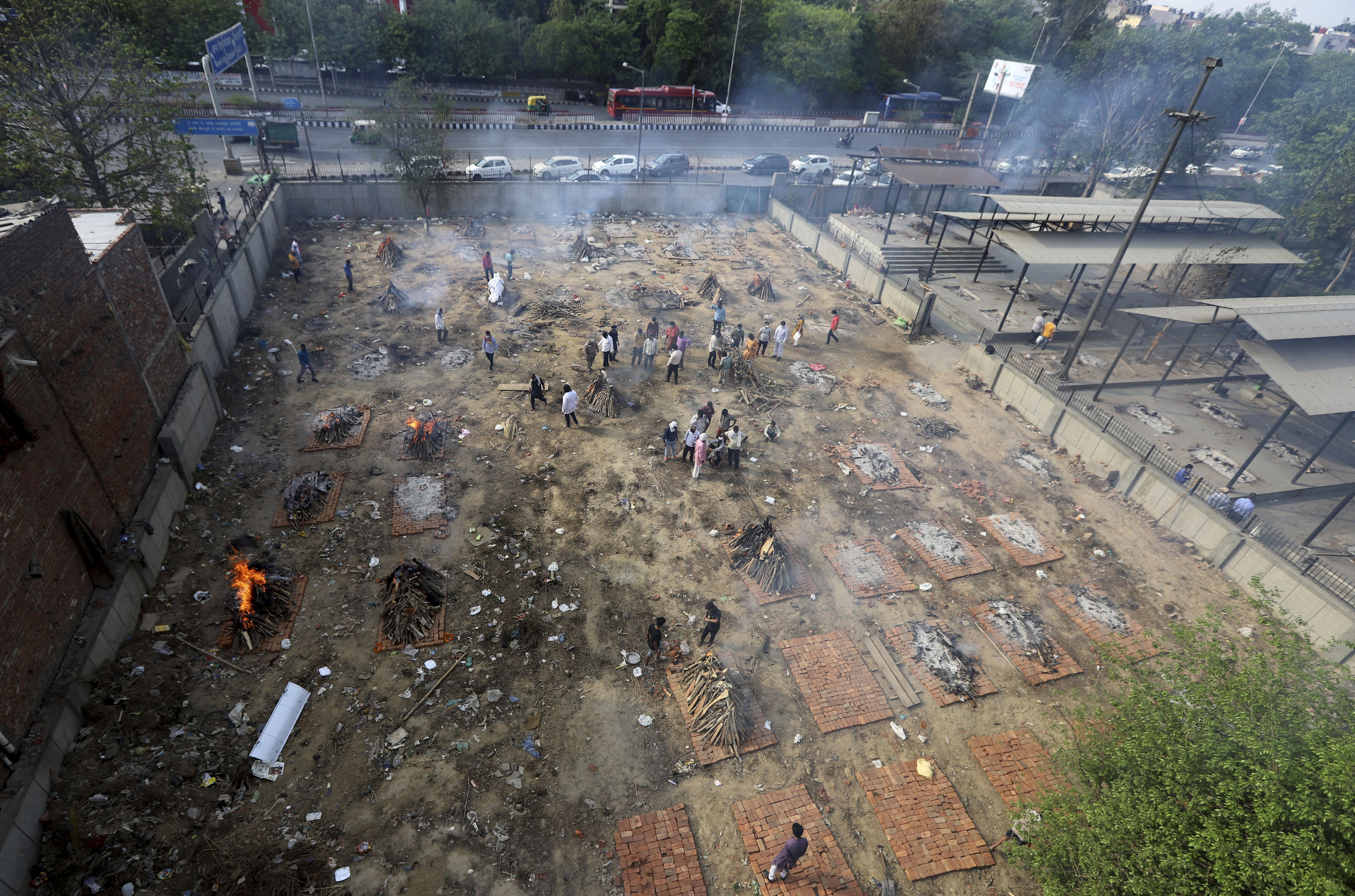
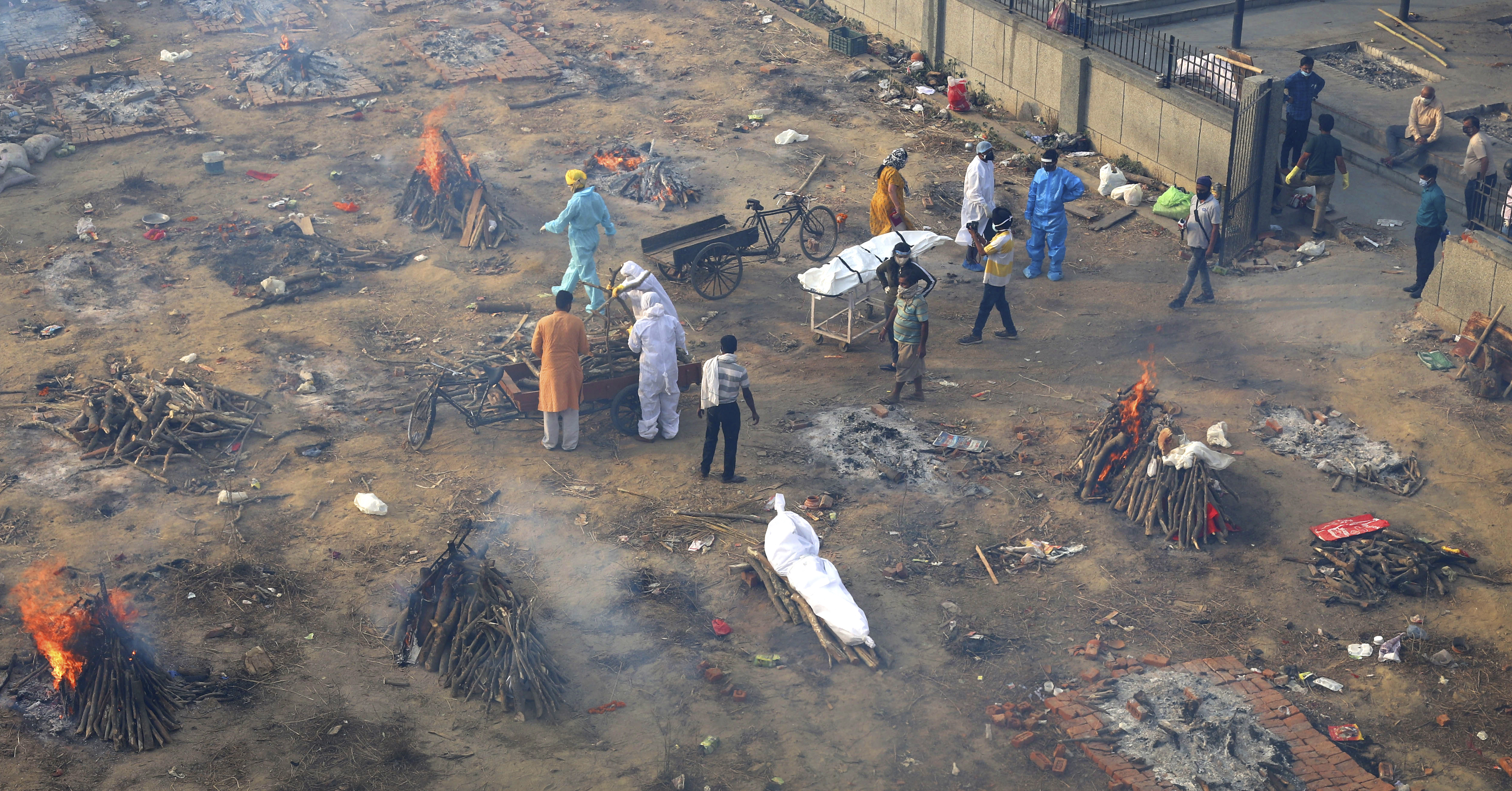
In scenes familiar across the country, ambulances are rush from one hospital to another, trying to find an empty bed. Grieving relatives line up outside crematoriums where the number of dead bodies has jumped several times.

"I get numerous calls every day from patients desperate for a bed. The demand is far too much than the supply," said Dr Sanjay Gururaj, a doctor at Bengaluru-based Shanti Hospital and Research Centre.

"I try to find beds for patients every day, and it's been incredibly frustrating to not be able to help them. In the last week, three patients of mine have died at home because they were unable to get beds. As a doctor, it's an awful feeling," Gururaj said.

Yogesh Dixit, a resident of northern Uttar Pradesh state, said earlier this week that he had to buy two oxygen cylinders at 12,000 rupees ($206) each, more than twice the normal cost, for his ailing father because the state-run hospital in Lucknow had run out of supplies.

READ MORE: Twenty-two dead after oxygen tank leaks at hospital in India

He bought two "because the doctors can ask for another oxygen cylinder at any time," he said, adding that he had to sell his wife's jewelry to meet the cost.

Makeshift crematoriums overrun

The main cremation ground at Lucknow, the state capital, received nearly 200 bodies on Sunday.

"The bodies were everywhere, they were being cremated on sidewalks meant for walking. I have never such a flow of dead bodies in my life," said Shekhar Chakraborty, 68.

In Kanpur, also in Uttar Pradesh, 35 temporary platforms have been set up on Bithoor-Sidhnath Ghat along the Ganges River to cremate bodies.

The Health Ministry said that of the country's total production of 7500 tons of oxygen per day, 6600 tons was being allocated for medical use.

READ MORE: Patient left gasping for air for 10 hours as Indian hospitals buckle

It also said that 75 railroad coaches in the Indian capital have been turned into hospitals providing an additional 1200 beds for COVID-19 patients.

The Times of India newspaper said that the previous highest daily case count of 307,581 was reported in the US on January 8.

India Sets COVID Records, Now On UK Travel Ban List

India has joined the UK’s travel red list – effectively banning travel – as a deadly second wave of infections sweeps the country. On Friday, India recorded 332,730 coronavirus cases, the highest one-day tally anywhere in the world for the second day in a row. Daily deaths from Covid-19 rose by a record 2,263 in the previous 24 hours.

British and Irish nationals can travel to the UK from India, but they must now isolate in a government-approved hotel.

India has seen soaring infection rates, a rapidly rising death toll and the discovery of a new virus variant.

The spike has overwhelmed hospitals, creating a critical shortage of oxygen, intensive care beds and ventilators.

At least two hospitals in the Indian capital Delhi are running out of oxygen, and at least 13 patients have died after a fire broke out in the intensive care unit of a hospital set up to treat Covid patients near Mumbai.

The rising number of cases has resulted in a deepening healthcare crisis that has gripped several states, and India’s top court has asked the central government for a national plan by Friday on bolstering supply, oxygen, medicine, treatment and vaccines.

The post India Sets COVID Records, Now On UK Travel Ban List appeared first on The St Kitts Nevis Observer.

Probe Finds PR Hurricane Relief Delayed By Trump Officials

(CNN) An investigation into the Trump administration’s delayed hurricane relief aid for Puerto Rico was stymied by a series of roadblocks in obtaining information and testimony, according to findings by a federal watchdog released Thursday.

In a new report, the Department of Housing and Urban Development’s Office of Inspector General explained that its review into the timing of the release of $20 billion in disaster recovery funds in the aftermath of Hurricane Maria in 2017 was “hampered” by officials’ refusal to answer questions, as well as delays in conducting interviews and accessing electronic communications.

“While the OIG undertook efforts to mitigate these challenges, the delays and denials of access and refusals to cooperate negatively affected the ability of the OIG to conduct this review,” the report said.

Former HUD Secretary Ben Carson declined to be interviewed unless a department lawyer was present, and investigators ultimately did not obtain his testimony. The report also states investigators were unable to obtain information from several former senior Office of Management and Budget officials related to the office’s decision-making on disaster relief.

CNN reached out to HUD for comment Thursday. Carson declined to comment, according to a spokesperson for Carson’s American Cornerstone Institute.

The Washington Post first reported on the inspector general’s report.

Former President Donald Trump has been criticized over his handling of the 2017 storm, which devastated the island and killed nearly 3,000 people. He denied any fault by his administration and has instead sought praise for his handling of Hurricane Maria, at one point calling it “an incredible, unsung success.” He was also condemned for his visit to Puerto Rico weeks after the storm, where he was pictured tossing paper towels to a crowd of survivors.

Several senior HUD appointees’ interviews were also delayed, as HUD insisted that agency counsel be present during the interviews, according to the report. It noted investigators were concerned about agency counsel being present because that could “create a chilling effect that prevents witnesses from speaking freely with the OIG.”

While some eventually agreed to be interviewed without department lawyers in the room, the report notes those officials then refused to answer questions and claimed information was protected by executive privilege — a presidential power often used to shield sensitive materials from the public.

Investigators conducted 31 interviews with 20 current and former Housing department officials along with two former Puerto Rico housing senior officials, and the witnesses included both senior political appointees and career agency officials, according to the report.

On Monday, HUD announced it was lifting restrictions that had limited Puerto Rico from accessing certain recovery funds and that it would release $8.2 billion in previously approved Community Development Block Grant Mitigation funds to aid in long-term recovery and efforts to combat future disasters.

CNN previously reported that in 2018 White House officials told congressional leaders and appropriators that then-President Donald Trump did not want any additional relief funding sent to the island. And in 2019, HUD said officials would delay the release of more than $8 billion in funding to help to US territory bolster its disaster defenses, with Carson citing “alleged corruption.”

The House Oversight Committee announced in 2019 it would re-launch an investigation into the Trump administration’s response to Hurricanes Irma and Maria in the US Virgin Islands and Puerto Rico.


The post Probe Finds PR Hurricane Relief Delayed By Trump Officials appeared first on The St Kitts Nevis Observer.

Colombia: 31 Indigenous People Wounded in Coke War Armed Attack

At least 31 indigenous people were wounded in southeast Colombia on Thursday after an illegal armed group opened fire on them while they destroyed crops of coca, the chief ingredient in cocaine, an organization representing the community said.

The attack took place in the rural municipality of Caldono, in Colombia’s Cauca province.

The region is a strategically important for drug trafficking and is disputed by armed groups including dissidents of the demobilized Farc guerrilla group, the National Liberation Army (ELN) and other criminal organizations made up of former right-wing paramilitaries.

“So far 31 indigenous people have been reported injured and five attackers have been detained by the Indigenous Guard,” the Regional Council of Indigenous in Cauca (CRIC) said in a statement.

Efforts to eradicate coca crops and attacks against members of the community are ongoing, meaning the number of injured could rise, CRIC added, describing indigenous communities in the region as victims of state absence.

Illegal armed groups fight for territorial control of strategic areas for growing coca and the production of cocaine, according to the government and security sources.

On Tuesday, indigenous governor Sandra Liliana Peña Chocue – who opposed coca crops in indigenous lands – was assassinated in the same region.

Colombia’s government condemned the attacks against the indigenous communities.

“It’s reprehensible that criminals are raging against indigenous communities and … against women who defend their territory from the presence of illicit economies that threaten the integrity of young people and the purity of soils,” Emilio Archila, the presidential adviser for implementing the peace deal, said in a statement.

Colombia, with its geographically strategic position surrounded by two oceans, is considered the world’s biggest cocaine producer.

The post Colombia: 31 Indigenous People Wounded in Coke War Armed Attack appeared first on The St Kitts Nevis Observer.

AstraZeneca likely linked to more blood-clot cases in Australia

Three newly reported cases of blood clotting are likely linked to the AstraZeneca coronavirus vaccine, the Therapeutic Goods Administration has said.

The TGA convened the Vaccine Safety Investigation Group (VSIG) to review the cases of suspected thrombosis with thrombocytopenia syndrome (TTS).

All three cases were likely linked to vaccination, VSIG said.

The three patients are clinically stable, have responded to treatment and are recovering.

The cases were a 35-year-old NSW woman, a 49-year-old Queensland man and an 80-year-old Victorian man.

The symptoms presented between nine and 26 days after they received a vaccination jab.

READ MORE: Under-50s cancelling vaccine appointments after change in advice

Call for calm over AstraZeneca vaccine fears

TTS is rare and occurs when a person has blood clots as well as low blood platelet counts.

The new cases take the total number of Australians to report TTS after the AstraZeneca jab to six.

Five of those cases are aged in people under 50. They had the vaccine before the Federal Government announced Pfizer as the preferred vaccine for those aged under 50.

As of April 22, there have been about 1.1 million doses of AstraZeneca COVID-19 vaccine administered in Australia.

People who have received COVID-19 vaccines should be aware of the common side effects, which include fever, sore muscles, tiredness and headache.

READ MORE: NSW woman's death 'likely' linked to AstraZeneca vaccine: TGA

These usually start within 24 hours of vaccination and last for 1-2 days. These side effects are expected and are not of concern unless severe or persistent.

The reports of these rare clotting complications have occurred later (usually between day foiur and 20 after vaccination) and have generally been severe, requiring hospitalisation.

Consumers should seek immediate medical attention if, a few days after vaccination, they develop symptoms such as:

  • as a severe or persistent headache or blurred vision
  • shortness of breath, chest pain, leg swelling or persistent abdominal pain
  • unusual skin bruising and/or pinpoint round spots beyond the site of injection.

UK: Brits Could Holiday Abroad, EU in Legal Moves Over Astra Zenica, Fake Vax Found,World Stats

Millions of people in England could be provided with so-called Covid passports by 17 May to let them take holidays abroad this summer and potentially avoid quarantine when they reach their destination, the Guardian has learned.

The documents – likely to be different from domestic Covid certificates, which the government is working on separately – are still under development but should be made available before restrictions on international travel lift next month, sources said.

With many hoping for a summer getaway, or to see family and friends in other countries whom they have been unable to visit since the pandemic began, pressure is rising on ministers to help ensure that those who have had coronavirus vaccines can prove their immunity to avoid other countries’ entry requirements on isolation and testing.

The transport secretary, Grant Shapps, has said the passports “will of course be a part of international travel” and voiced hopes they would not be viewed as “controversial” – but stressed the need for a cautious reopening given the threat of virus variants.

It came as Public Health England announced 55 more cases had been reported of the variant first found in India, which is due to be added to the UK’s “red list” of countries, with strict curbs on arrivals and a requirement to quarantine in a hotel, from 4am on Friday. There were a further 70 cases of the variant first discovered in South Africa, which is believed to be more transmissible.

A Department for Transport insider said the aim was to roll out a paper or digital document for countries requiring proof of vaccination. Another cautioned it might only be a physical certificate rather than an “all-singing, all-dancing electronic one”, given the time constraints. A third Whitehall source said the Foreign Office was quietly consulting other countries to see whether they would accept certification shown through a repurposed NHS app that is taking longer to develop.

Vaccine passports are not expected to affect the traffic light system planned by the UK government that will grade foreign destinations as green, amber or red for travellers from England – though different rules may apply across the four nations of the UK.

The DfT could announce the lists on 10 May so the data about each country’s Covid case and vaccination rate is as fresh and robust as possible, while giving aviation and tourism businesses some notice to start planning, if the official commencement of international travel is confirmed for 17 May. The criteria for how each country’s colour will be assigned has not yet been confirmed, but countries such as Israel and some Caribbean nations with high vaccination rates are likely to be on the green list.

Following the move last summer to treat countries’ mainlands and islands differently when air corridors were in operation, it is likely the government will pursue a similar approach – meaning that, in theory, Spain could be on one colour list while its Balearic islands could be on another.

To help bring down the cost of PCR tests, which one government figure described as “exorbitant” when multiplied for families travelling abroad, ministers are also considering offering people tests that would be given to them in the UK to take abroad.

A Department for Transport spokesperson said: “We are working on a solution to enable residents to prove their Covid-19 status, including vaccination status, to other countries on the outbound leg. We are working on this as a priority and intend to have the solution ready as soon as possible.”

All foreign travel is currently banned except for a handful of reasons. The bulk of people who come into the UK need to quarantine at a home or other single destination for 10 days. They can be released early if they test negative for Covid on day five.

Spain’s tourism minister, Fernando Valdés, has said the country is “desperate to welcome” UK visitors this summer, and that he wants tourists to “restart holidays” within six weeks.

“I think we will be ready here in Spain,” he said. “We also think that the vaccination scheme in the UK is going pretty well, so hopefully we’ll be seeing this summer the restart of holidays.”

Valdés said Spain was “pushing hard” to persuade the European commission to reach agreements to reopen travel between “third parties such as the UK” as well as EU member states. “If we reach these kind of agreements from the month of June, we will be able to have a summer,” he said.

Saga Holidays, which specialises in holidays for the over-50s, said this week holiday booking enquiries had more than doubled since early April, when the government outlined its plan to restart international travel. The company reported a 127% increase compared with the same period two weeks before.

In December, Cyprus became one of the first countries to say it would waive Covid testing requirements for visitors who have been vaccinated. Seychelles, too, has announced that vaccinated tourists – as long as they have received the complete dose and have certification to prove it – are welcome. Greece has scrapped quarantine rules for UK travellers who have been vaccinated against Covid-19, or those who can show proof of a negative PCR test.

The International Air Transport Association (Iata), which represents the airline industry, has produced a Travel Pass app which would allow passengers to show their vaccine status around the world. It has already been trialled by more than 20 airlines, including British Airways and Etihad, but is likely only to cover air travel rather than cross-border rail or ferry trips.

======================================

EU Planning Legal Steps Over Astra Zenica Shortfall in Vaccine Shipments

FILE PHOTO: Vial labelled “AstraZeneca coronavirus disease (COVID-19) vaccine” placed on displayed EU flag is seen in this illustration picture

AddThis Sharing Buttons

BRUSSELS (Reuters) -The European Commission is working on legal proceedings against AstraZeneca after the drugmaker cut COVID-19 vaccine deliveries to the European Union, sources familiar with the matter said.

The move would mark a further step in an EU plan to sever ties with the Anglo-Swedish company after it repeatedly cut supplies to the bloc, contributing to major delays in Europe’s vaccine rollout.

The news about the legal case was first reported on Thursday by Politico. An EU official involved in talks with drugmakers confirmed authorities in Brussels were preparing to sue the company.

“EU states have to decide if they (will) participate. It is about fulfillment of deliveries by the end of the second quarter,” the official said.

The matter was discussed on Wednesday at a meeting with EU diplomats, where most EU states supported the legal action, two diplomats told Reuters.

However its largest, Germany and France, asked for more time to think about the possible move, the diplomats said.

“What matters is that we ensure the delivery of a sufficient number of doses in line with the company’s earlier commitments,” a commission spokesman said in an emailed statement. “Together with the member states, we are looking at all options to make this happen.”

Later the spokesman told a news conference: “No decision has yet been taken with regards to this legal action.”

A spokesman for AstraZeneca said the company was not aware of any legal proceedings “and continues to hold regular discussions on supply with the commission and member states”.

Brussels in March sent a legal letter to the company in the first step of potential court proceedings.

When the deadline for a reply expired this month, a spokesman for the commission said the matter was discussed in a meeting with AstraZeneca but the EU was still seeking further clarification from the company on “a number of outstanding points”.

The spokesman did not elaborate, but details of the letter published by Italian newspaper Corriere della Sera show the EU was seeking clarification on what it deemed a delayed application to the EU regulator for approval of the vaccine.

Brussels also questioned how AstraZeneca spent more than 224 million euros ($270 million) granted by the EU in September to buy vaccine ingredients and for which the bloc said the company had not provided sufficient documents confirming the purchases.

Under the contract, the company had committed to making its “best reasonable efforts” to deliver to the EU 180 million vaccine doses in the second quarter, for a total of 300 million in the period from December to June.

But the company said in a statement on March 12 it would aim to deliver only one-third of that. The EU letter was sent a week after that statement.

Under the contract, the parties agreed that Belgian courts would be responsible for settling unresolved disputes.

The EU has already decided not to take up an option to buy 100 million extra doses of AstraZeneca under the contract, an EU official said, after safety concerns about very rare cases of blood clots linked to the vaccine as well as supply delays.

($1 = 0.8304 euros)

(Reporting by Francesco Guarascio and Gabriela Baczynska in Brussels, Pushkala Aripaka and Aakriti Bhalla in Bengaluru; Editing by John Stonestreet, Nick Macfie and Alex Richardson)

==================================

Fake Corona Vaccine Found in Mexico, Poland

US pharmaceutical company Pfizer says it has identified counterfeit versions of its coronavirus vaccine in Mexico and Poland.

The doses were seized by authorities in the two countries and confirmed by tests to be fake.

In Mexico, they had false labels, while the substance in Poland was believed to be anti-wrinkle treatment, Pfizer said.

The World Health Organization (WHO) has warned that fake vaccines “pose a serious risk to global public health”.

It has called for them to be identified and removed from circulation.

Poland’s health minister on Wednesday stressed that the risk of counterfeit doses appearing in official circulation was “practically non-existent”.

What do we know about the fake doses?

The counterfeit doses were seized by authorities in separate investigations in the two countries.

About 80 people at a clinic in Mexico received a fake version of the drug, which appeared to have been physically harmless but offered no protection against coronavirus, according to the Wall Street Journal (WSJ).

Mexico’s government spokesman on Covid-19, Hugo Lopez-Gatell, said the fake vaccines had been detected by cyber police after being offered on social networks for up to $2,500 (£1,800) a shot. Several people have been arrested.

Polish authorities said no one had received counterfeit doses seized at a man’s apartment.

Lev Kubiak, Pfizer’s head of global security, said the global demand for the vaccine and shortfall in supply had led to the scam.

“We have a very limited supply, a supply that will increase as we ramp up and other companies enter the vaccine space. In the interim, there is a perfect opportunity for criminals,” he told the WSJ.

The US Department of Justice told ABC News it was aware of the counterfeit vaccines identified in Mexico and Poland, and would support local authorities and Pfizer “as needed”.

Researchers told the BBC in March that they had seen a “sharp increase” in vaccine-related darknet adverts, with Covid-19 vaccines, vaccine passports and faked negative test papers being sold.

======================================

WORLD STATS

Coronavirus Cases:

145,398,793

Deaths:

3,087,230

Recovered:

123,413,163
Highlighted in green
= all cases have recovered from the infection
Highlighted in grey
= all cases have had an outcome (there are no active cases)

[back to top ↑]

Latest News

April 23 (GMT)

Updates

  • 10,858 new cases and 539 new deaths in Poland [source]
  • 8,840 new cases and 398 new deaths in Russia [source]

The post UK: Brits Could Holiday Abroad, EU in Legal Moves Over Astra Zenica, Fake Vax Found,World Stats appeared first on The St Kitts Nevis Observer.

New Zealand pauses travel bubble with Perth

All travel between New Zealand and Western Australia is on hold due to a COVID-19 outbreak in Perth.

West Australian Premier Mark McGowan announced Perth and Peel would go into a three-day lockdown, effective from midnight Friday.

An Air New Zealand flight due to leave Perth on Friday night has been cancelled following the announcement.

New Zealand COVID-19 Response Minister Chris Hipkins said any Kiwis affected are asked to follow the advice of Western Australian authorities.

READ MORE: Sydney Airport arrivals from WA to be screened

"As set out in our trans-Tasman bubble protocols, travel between New Zealand and Western Australia has been paused, pending further advice from the state government," he said.

"New Zealand health officials are in contact with their Australian counterparts and are completing a risk assessment."

All passengers on an earlier flight from Perth to Melbourne that carried a passenger later found to have COVID-19 have been contact traced and no-one on that flight has travelled on to New Zealand, Hipkins said.

"This is an example of the type of scenario both countries have planned for."

On Friday evening, flights had been available to book from New Zealand to Perth on Air NZ. The flights flew via other Australian cities.

Where the Melbourne COVID-19 case visited in Perth

The COVID-19 case that has sparked WA's snap three-day lockdown was moving in the Perth community for several days while presumed to be infectious.

  • Premier Mark McGowan said on April 17, the man stayed with a friend and her two children in Kardinya.
  • On April 18, he visited a swimming pool in the southern suburbs.
  • He also visited Leeming, Northbridge, and stayed at St Catherine's College.
  • On April 19, he visited Northbridge again, and once more spent the night at St Catherine's.
  • On April 20, he visited Kings Park and Northbridge.
  • On April 21, he had breakfast at St Catherine's, and was driven to the airport, where he boarded flight QF778 to Melbourne.

US: Senate Passes Law Aimed At Hate Crimes Against Asians

The Senate has passed legislation aimed at combating a rise in hate crimes against Asian Americans during the coronavirus pandemic in a 94-1 vote, with GOP Sen. Josh Hawley (Mo.) the only “no” vote.

The bill now goes to the House, where Democrats are expected to soon take up their version of the legislation.

Senate Majority Leader Charles Schumer (D-N.Y.) said that it was “time to stand up” on anti-Asian hate crimes.

A California State University, San Bernardino study that looked at 16 cities found a 149 percent increase in hate crimes targeting Asian Americans in 2020.

“By passing this bill we say to the Asian American community that the government is paying attention to them, has heard their concerns and will respond to protect them,” Schumer said.

“And second, by passing this bill we’ll send a message to the country that should be all too obvious by now: Hate crimes will not be tolerated,” he added.

Thursday’s vote followed days of behind-the-scenes negotiations to try to lock in support for the legislation, which needed at least 60 votes to pass.

The bill, spearheaded by Sen. Mazie Hirono (D-Hawaii), requires the Justice Department to designate an official to review coronavirus-related hate crimes and beefs up state and local resources.

As part of a deal with Sen. Susan Collins (R-Maine), Hirono changed language in the bill about what guidance the administration would be required to release. The bill initially called for guidance on the “best practices to mitigate racially discriminatory language” describing the coronavirus pandemic. The final bill instead calls for guidance “aimed at raising awareness of hate crimes during the COVID-19 pandemic.”

Collins, saying that she enjoyed working with Hirono, urged Republicans to support the bill.

“In doing so, we can send an unmistakably strong signal that crimes targeting Asian Americans and Pacific Islanders in our country will not be tolerated,” she said.

Hirono also worked on legislation from Sens. Richard Blumenthal (D-Conn.) and Jerry Moran (R-Kan.) that aims to strengthen the reporting of hate crimes, offer support for hate crimes training for law enforcement and establish a hate crimes hotline.

Senators locked in a final deal on the bill late Wednesday night, allowing for votes on amendments from Sens. Ted Cruz (R-Texas) and John Kennedy (R-La.), as well as Marsha Blackburn (R-Tenn.) and Mike Lee (R-Utah).

The Cruz-Kennedy amendment would prevent federal funding from going to colleges that “discriminated against Asian Americans in recruitment, application review or admissions.”

The Lee amendment requires the Justice Department to investigate whether coronavirus-related restrictions on religious organizations violated the First Amendment. Blackburn’s amendment, among other things, would further change the administration’s guidance so that it was about how to report hate crimes during the pandemic.

All of the GOP amendments needed 60 votes to get added to the bill. None of them got added.

Hirono, speaking before the amendment votes, predicted they would fail, saying that supporters still had “some damaging amendments to defeat.”

“The Senate is poised to take real action to confront the wave of anti-Asian hate sweeping our country,” she said. “We will send a solid message of solidarity that the Senate will not be a bystander as anti-Asian violence surges in our country.”

The Biden administration has also rolled out a series of efforts aimed at fighting anti-Asian discrimination, including a cross-agency initiative at the Department of Justice and providing nearly $50 million allocated by the recently signed economic relief bill to aid Asian Americans and Pacific Islanders survivors of domestic violence and sexual assault.

The post US: Senate Passes Law Aimed At Hate Crimes Against Asians appeared first on The St Kitts Nevis Observer.